Photos of the Week – December 11, 2020

I went up to the Niobrara Valley Preserve on Wednesday to help with a prescribed fire. Upon arrival, I got the happy news that Chad had enough people to work the fire and he wanted me to concentrate on getting photos. How about that for a great job? I did, of course, also help keep an eye on the fire, and even raked some smoldering manure piles off the edge of the firebreaks, but mainly, I spent the day photographing fire operations.

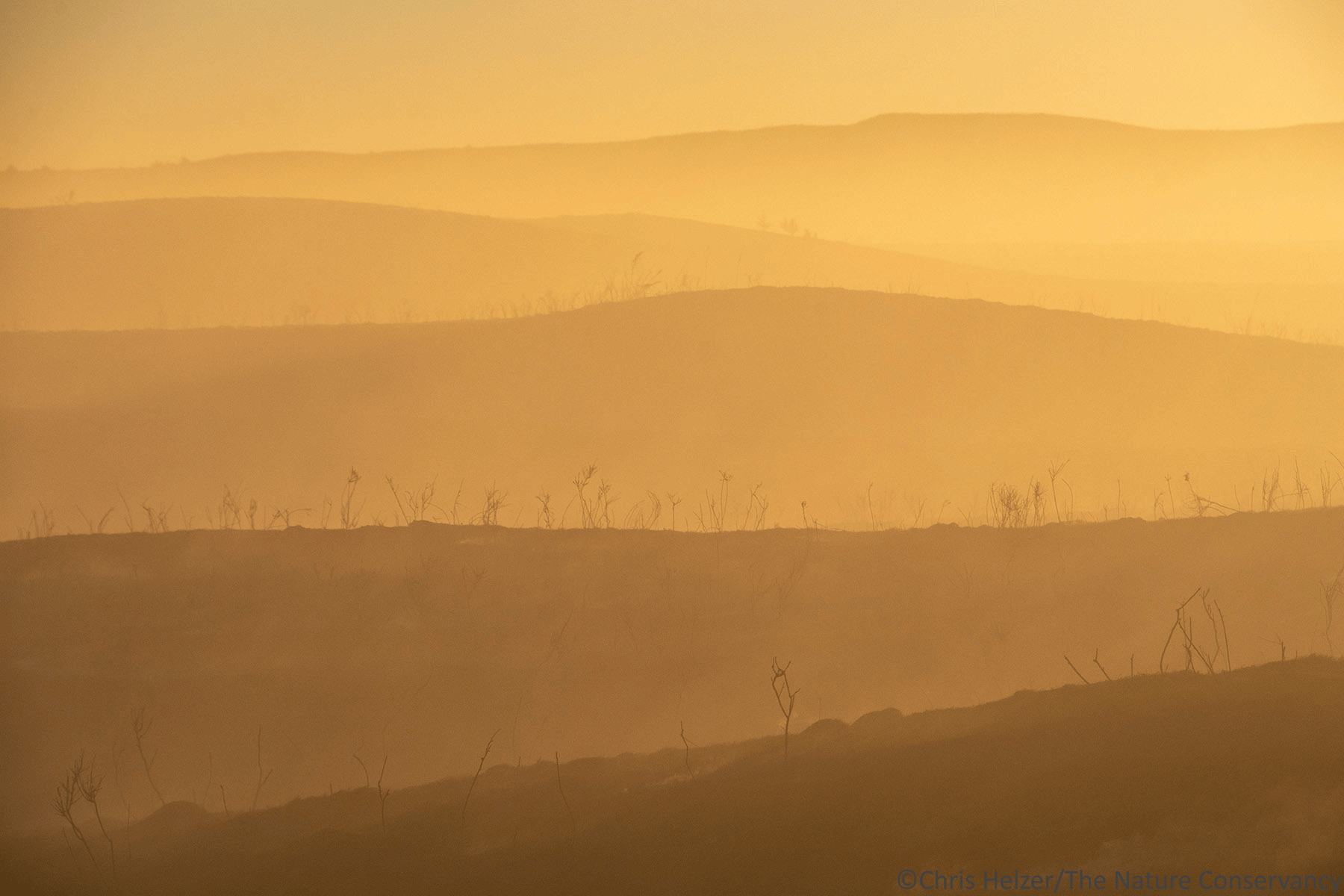
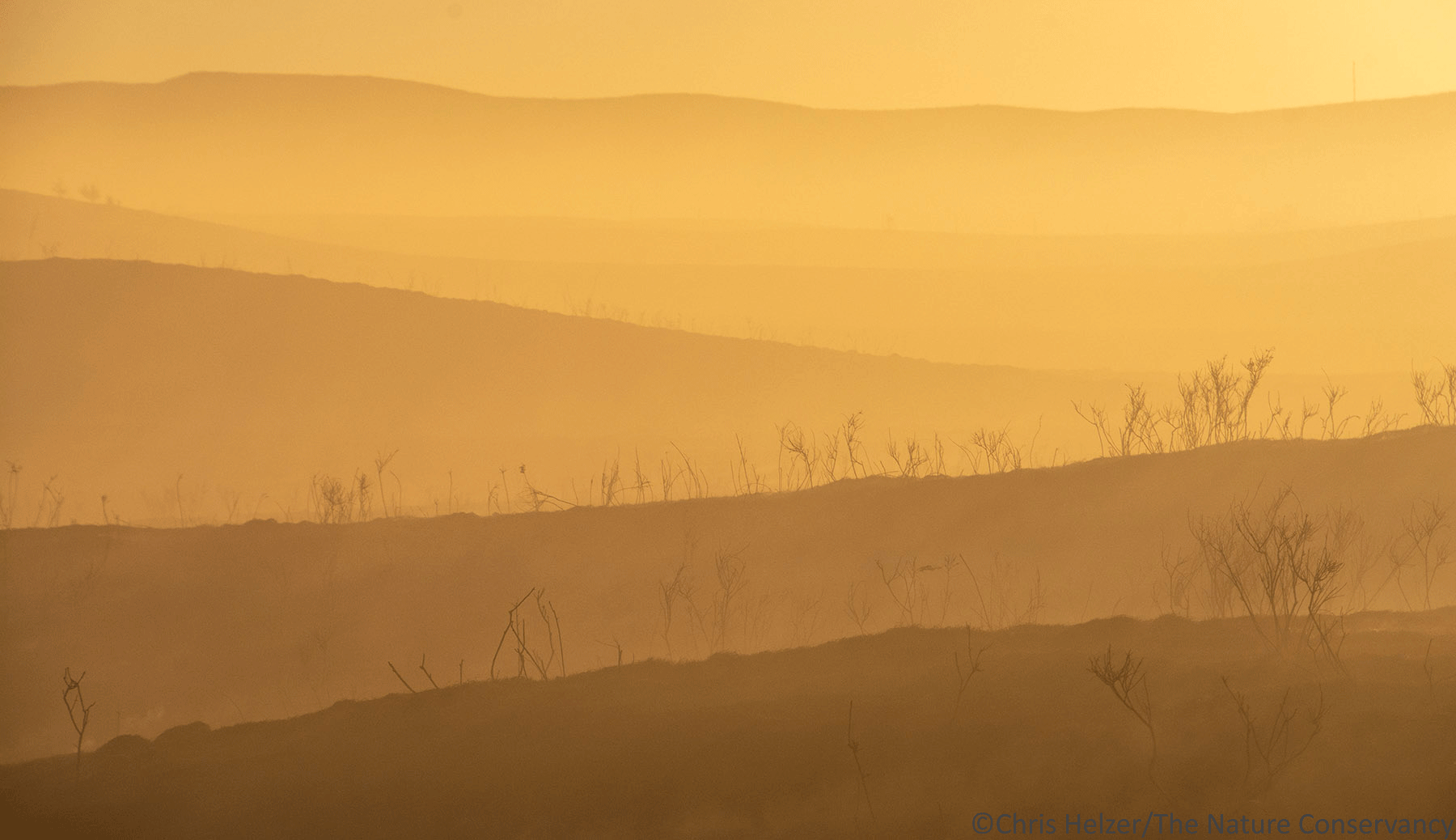
I may share some of those fire photos (and videos!) later, but today, I wanted to show you some shots taken after the fire was out. Those of you who have been on prescribed fires know the smoke lingers a long time after the flames are gone. When you combine that low smoke with a setting sun over the Nebraska Sandhills, it creates magical photo conditions. I am very grateful for the opportunity to take advantage of those conditions this week. I hope you enjoy the images.

A nicely torched eastern redcedar tree. Nikon D7100 with Nikon 18-300mm lens @75mm. ISO 500, f/14, 1/400 sec.
Nikon D7100 with Nikon 18-300mm lens @58mm. ISO 500, f/11, 1/500 sec.

I started out photographing silhouettes of plant skeletons against the backlit smoke. That was fun enough, but soon, the sun started to get colorful, turning the smoke that same golden tint. That’s when it really got interesting.
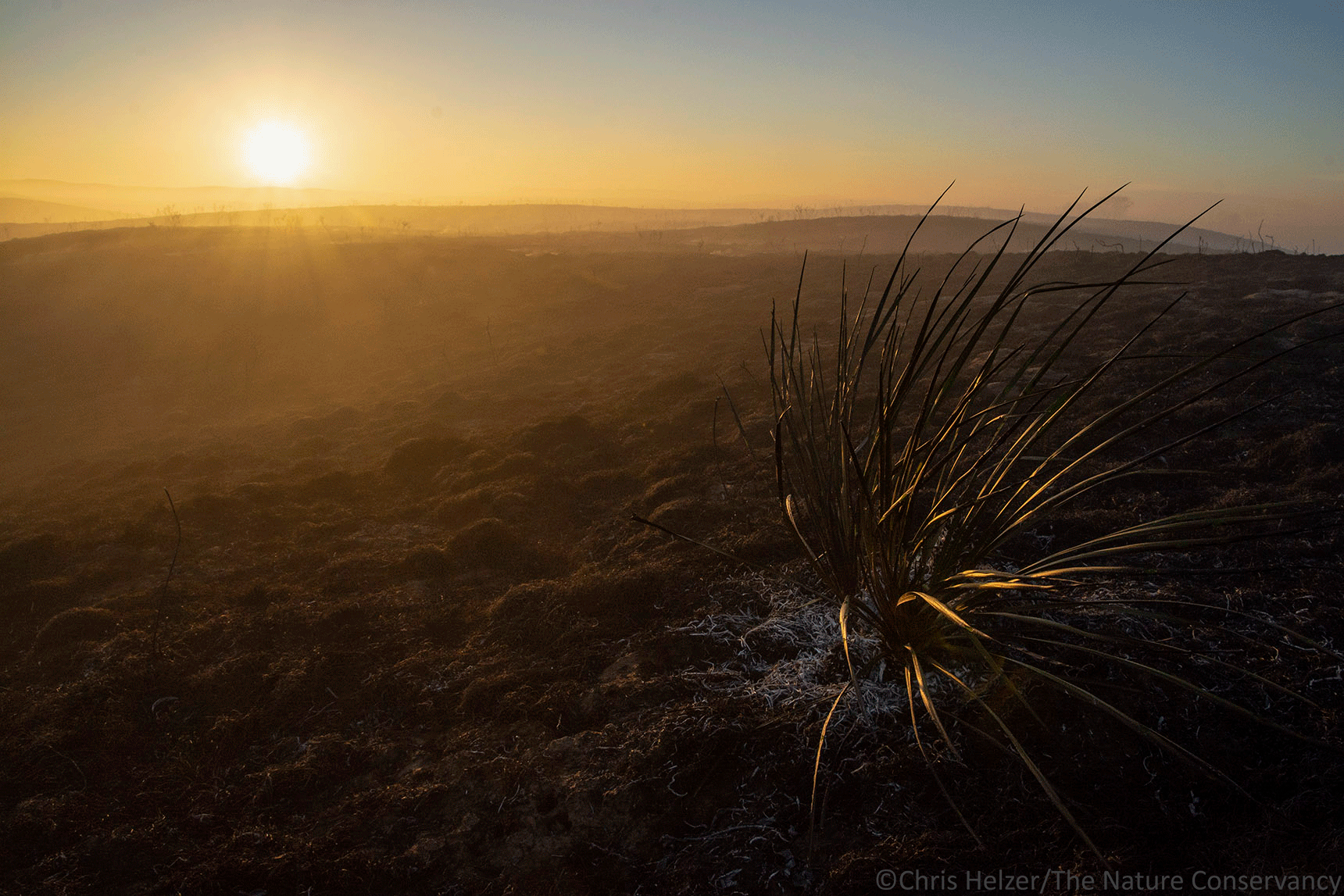
Yucca and setting sun. Nikon D7100 with Nikon 18-300mm lens @18mm. ISO 500, f/14, 1/500 sec.
Nikon D7100 with Nikon 18-300mm lens @44mm. ISO 500, f/11, 1/1600 sec.

I was using my 18-300mm zoom lens, which covers an amazing field of view range, from wide angle to telephoto. As the sun dropped, I started zooming in more, taking advantage of the way a telephoto lens compresses the landscape. That compression folded the hills together, creating gorgeous tonal layers of light. (I’m not sure that phrase actually makes sense but I like the way it sounds.) It’s a technique that works great in the mountains, especially with early and late day haze. As it happens, it’s also fun in smoky Sandhills.

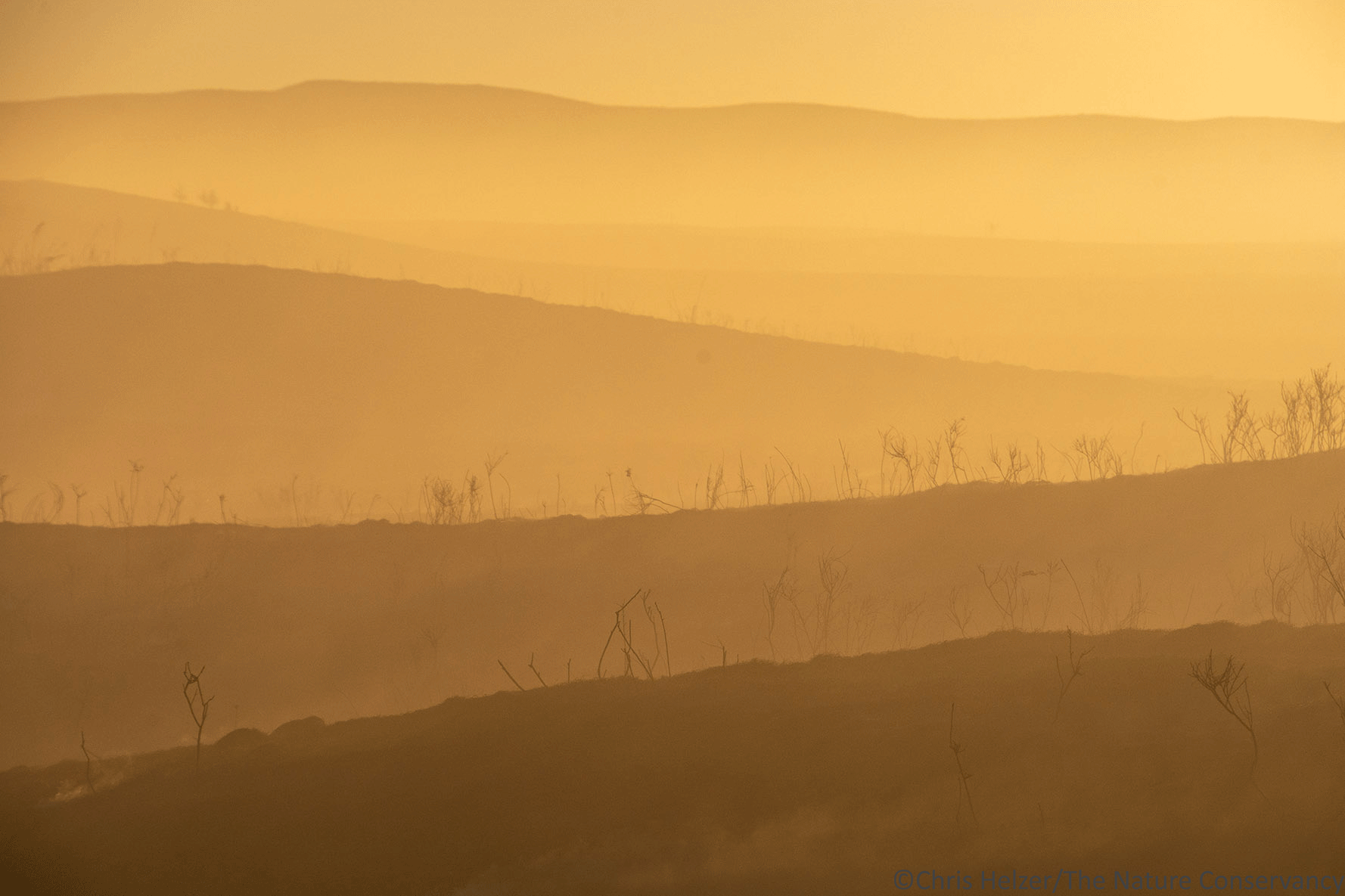
Nikon D7100 with Nikon 18-300mm lens @135mm. ISO 500, f/11, 1/3200 sec.
Nikon D7100 with Nikon 18-300mm lens @160mm. ISO 500, f/11, 1/1250 sec.
Nikon D7100 with Nikon 18-300mm lens @300mm. ISO 500, f/11, 1/1250 sec.
Nikon D7100 with Nikon 18-300mm lens @155mm. ISO 500, f/11, 1/1250 sec.
Nikon D7100 with Nikon 18-300mm lens @300mm. ISO 500, f/11, 1/1250 sec.

Eventually, the call came across the radio that it was time to get everyone together and debrief from the fire (oh yeah, we were there to do work!). I hopped into the line of vehicles heading back to the staging area to recap the day and learn what we could from the day’s events.

Leaving the unit. Nikon D7100 with Nikon 18-300mm lens @28mm. ISO 500, f/11, 1/800 sec.

The Beauty of Prairies in 2020 – June

Keeping things rolling here. Thanks again for voting on your favorite images from this year. Please keep that up, if you don’t mind – I love finding out which pictures most resonate with you. Just put the numbers of your choices in the comments section. Here are the June 2020 selections. Interestingly, it’s heavy on creatures. Spiders, bees, toads, a snake, and more. Enjoy the rest of your week!

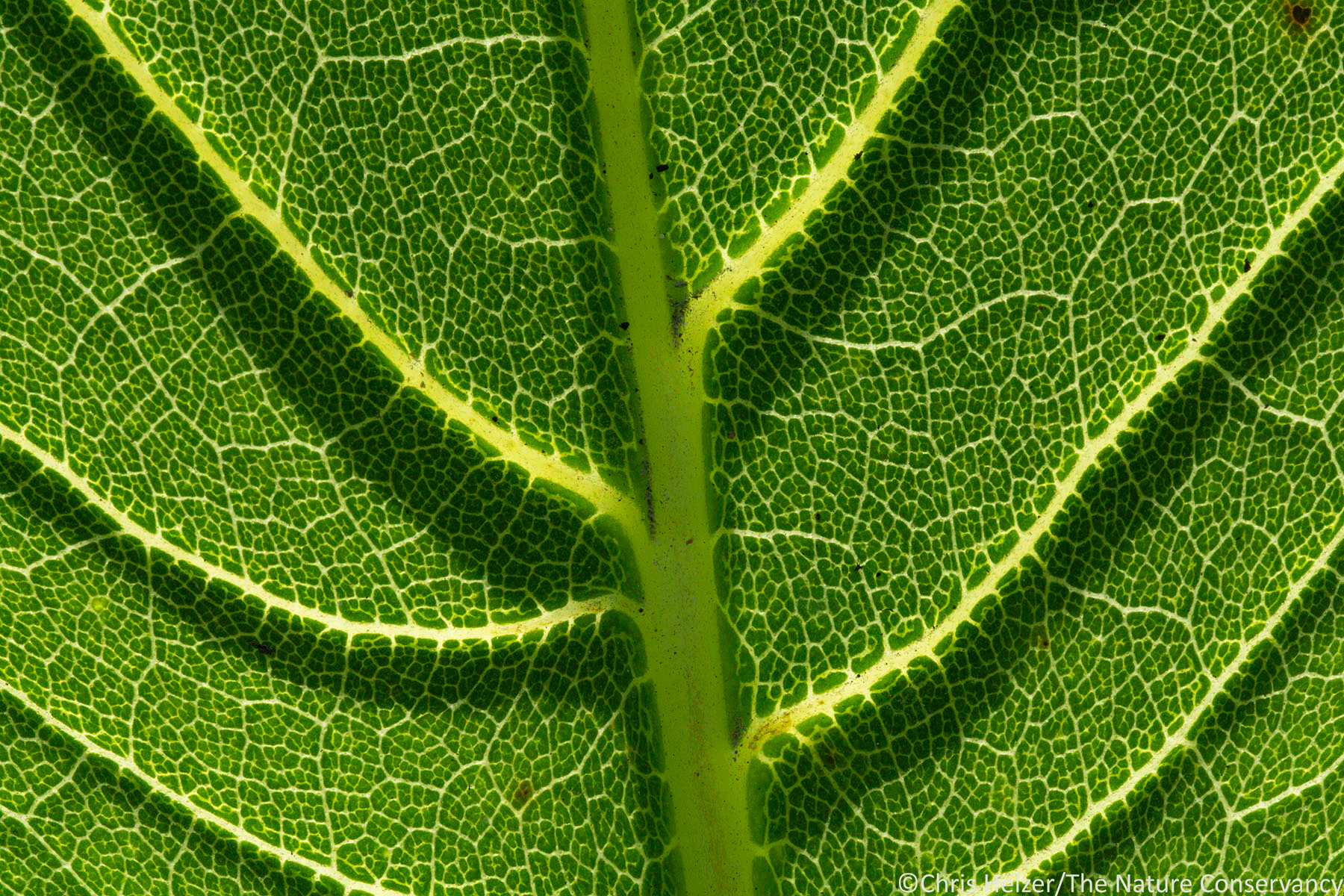
1.) Backlit cup plant leaf. Lincoln Creek Prairie, Aurora Nebraska. Nikon D7200 with Nikon 105mm macro lens. ISO 320, f/25, 1/80 sec.
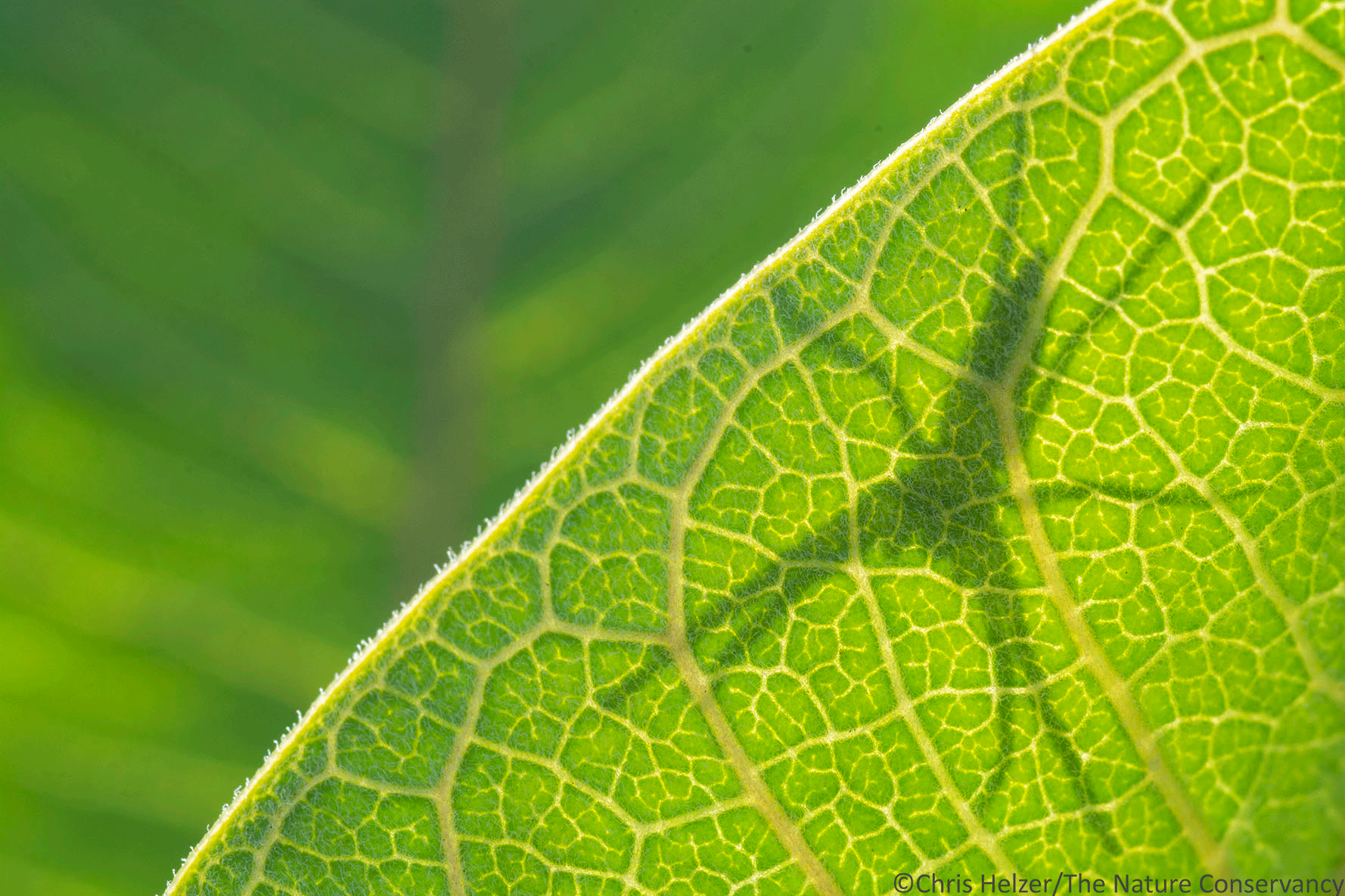
2.) Silhouetted spider on common milkweed leaf. Lincoln Creek Prairie, Aurora, Nebraska. Nikon D7200 with Nikon 105mm macro lens. ISO 320, f/20, 1/80 sec.
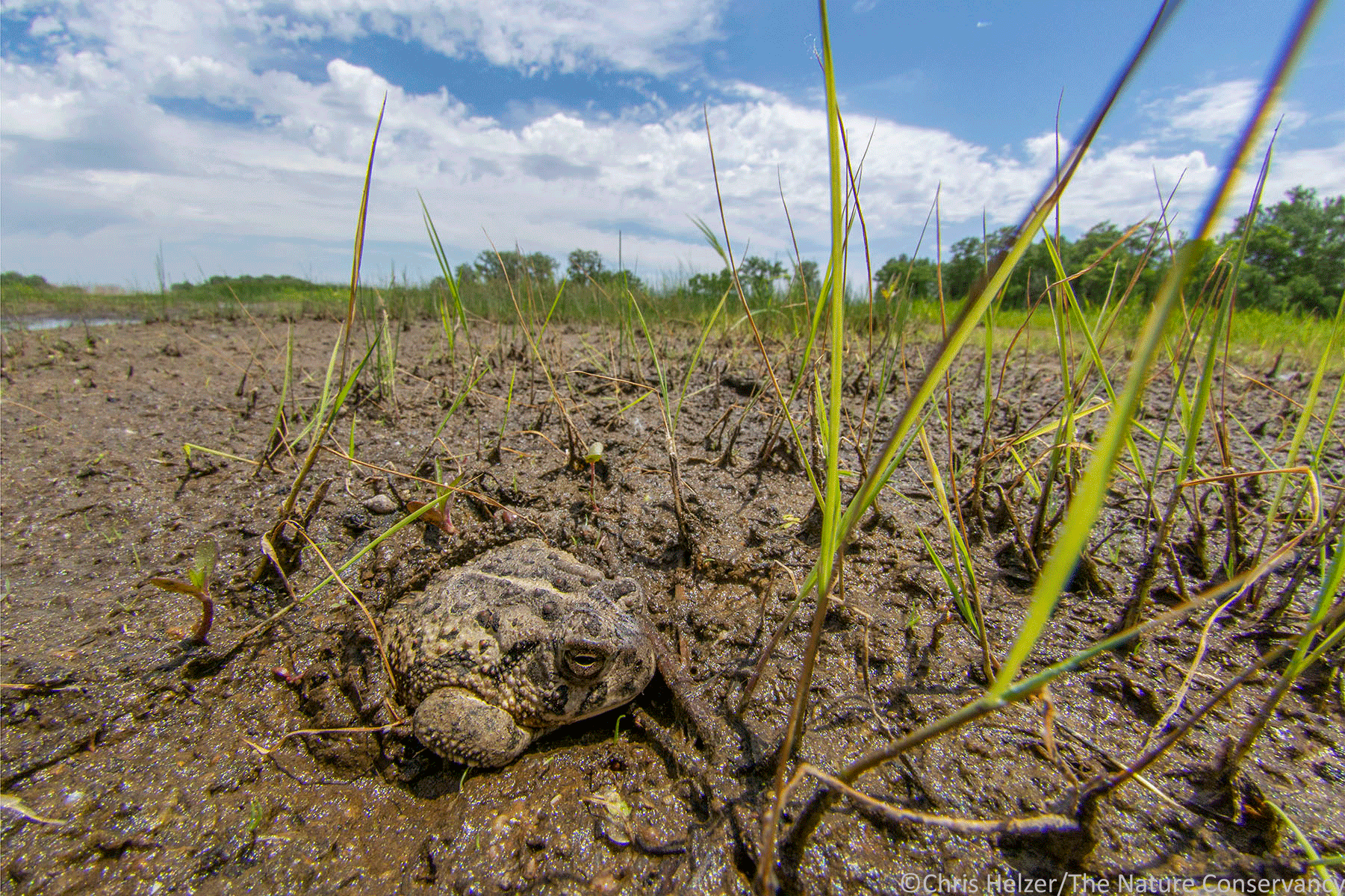
3.) Woodhouse’s toad nestled into a hollow in the west sand of a Platte River sandbar. Platte River Prairies, Nebraska. Nikon D7200 with Nikon 10.5mm fish eye lens. ISO 320, f/18, 1/200 sec.
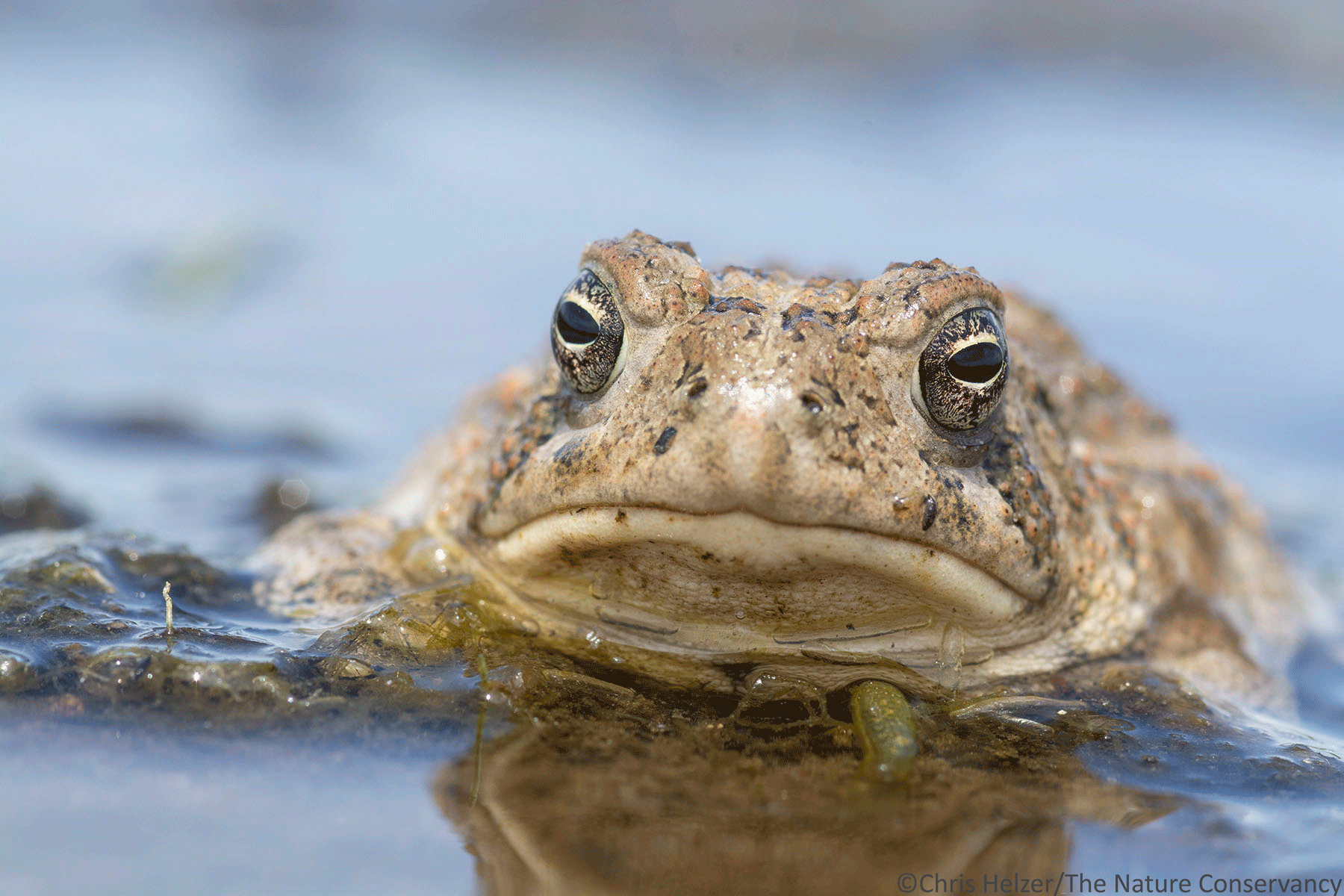
4.) Woodhouse’s toad in a shallow pool on a Platte River Sandbar. Platte River Prairies, Nebraska. Nikon D7200 with Nikon 105mm macro lens. ISO 320, f/13, 1/200 sec.
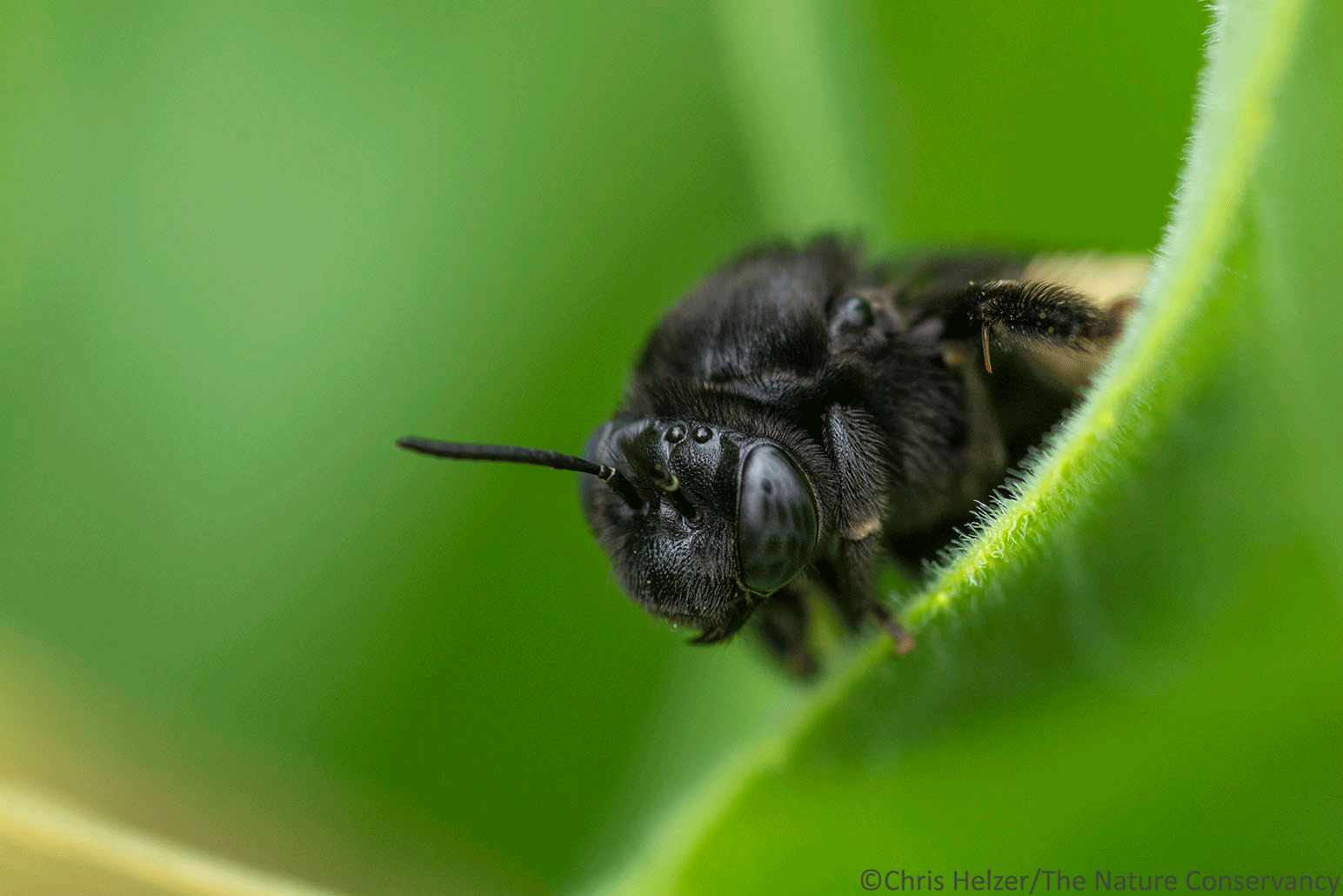
5.) A two-spotted long-horned bee (I think) in the Helzer backyard prairie. Nikon D7200 with Nikon 105mm macro lens. ISO 200, f/10, 1/200 sec.
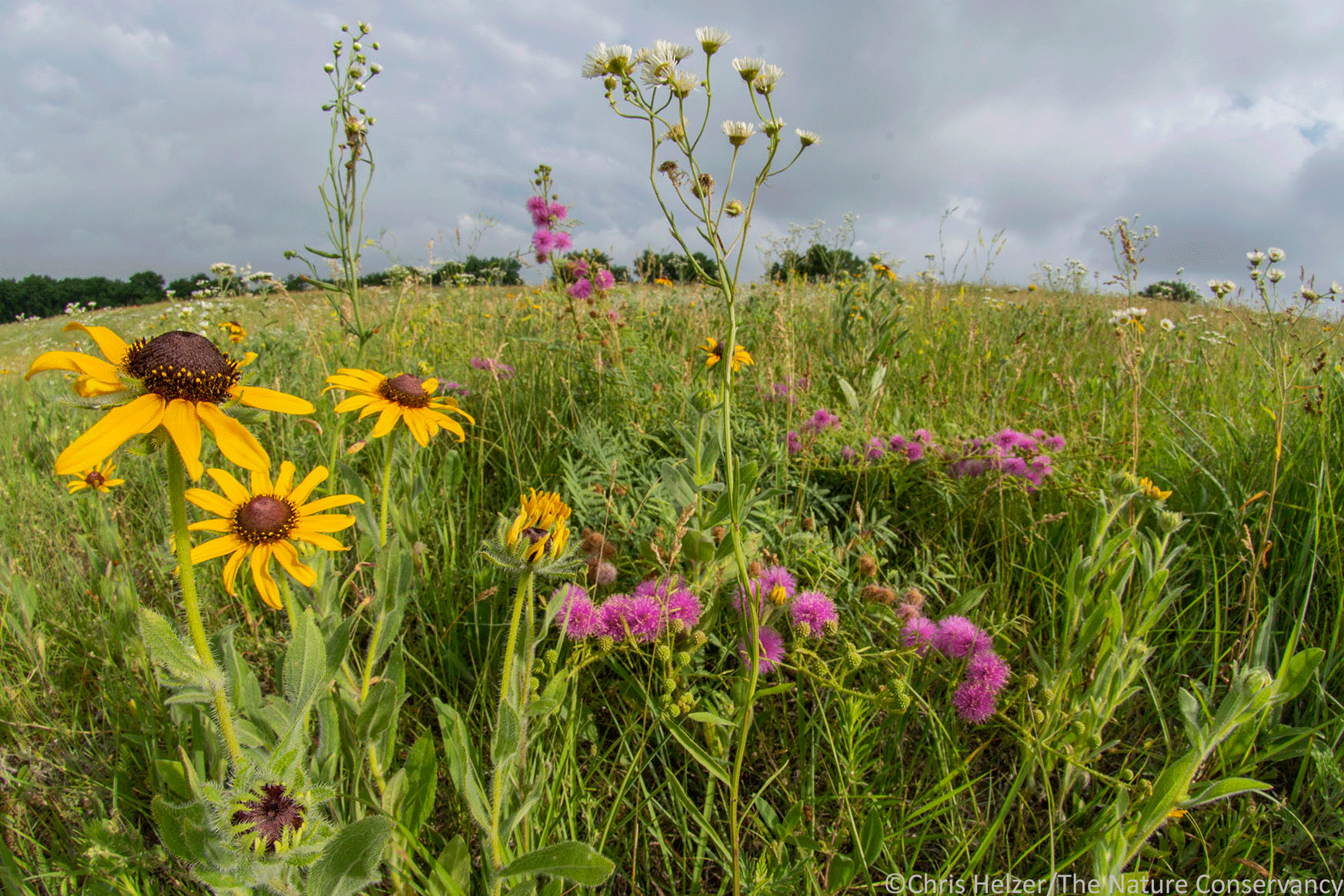
6.) Black-eyed Susan, sensitive briar, and other wildflowers at the Helzer Family Prairie near Stockham, Nebraska. Nikon D7200 with Nikon 10.5mm fish eye lens. ISO 200, f/16, 1/125 sec.
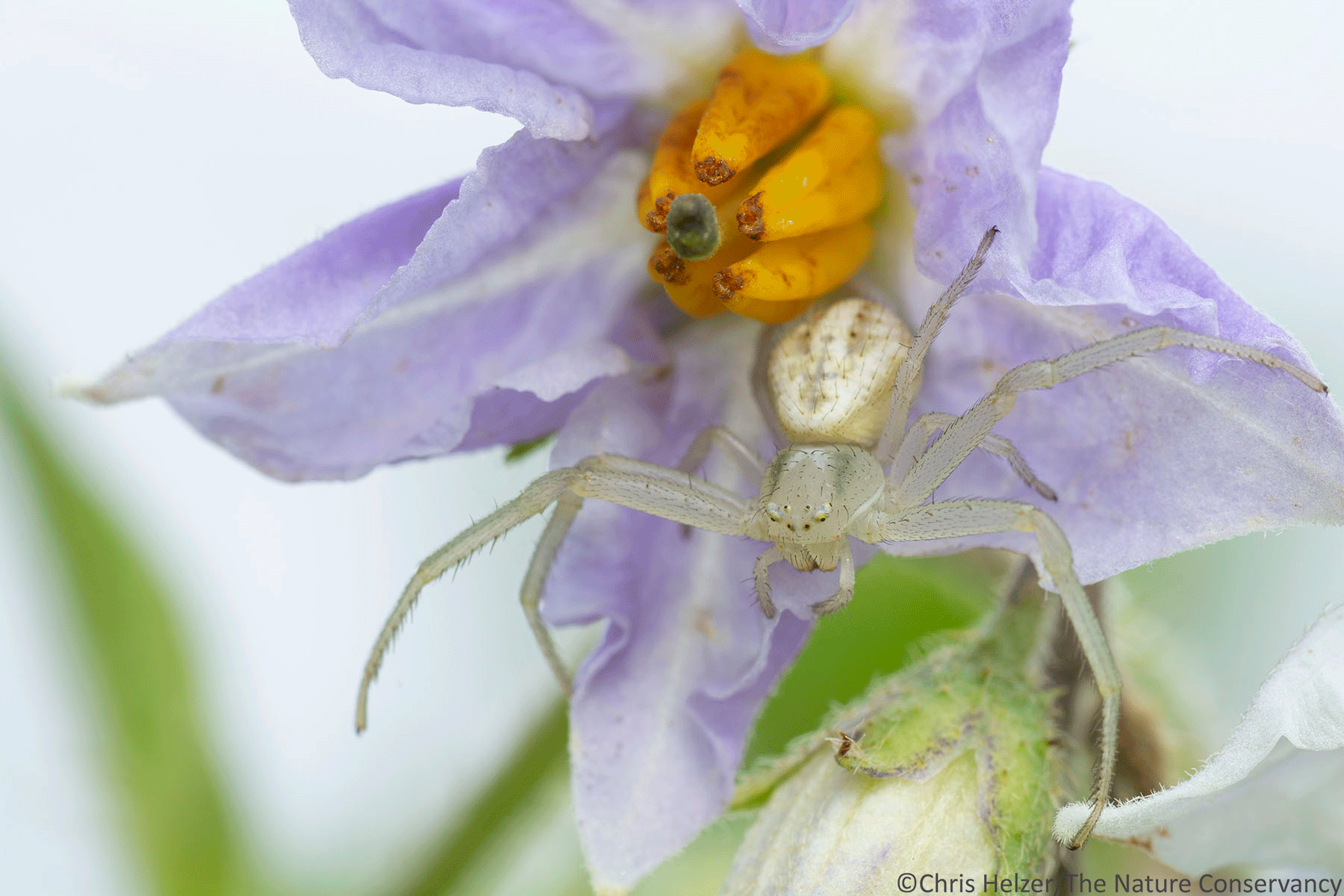
7.) Crab spider on Carolina horsenettle. Helzer Family Prairie near Stockham, Nebraska. Nikon D7200 with Nikon 105mm macro lens. ISO 200, f/16, 1/80 sec.
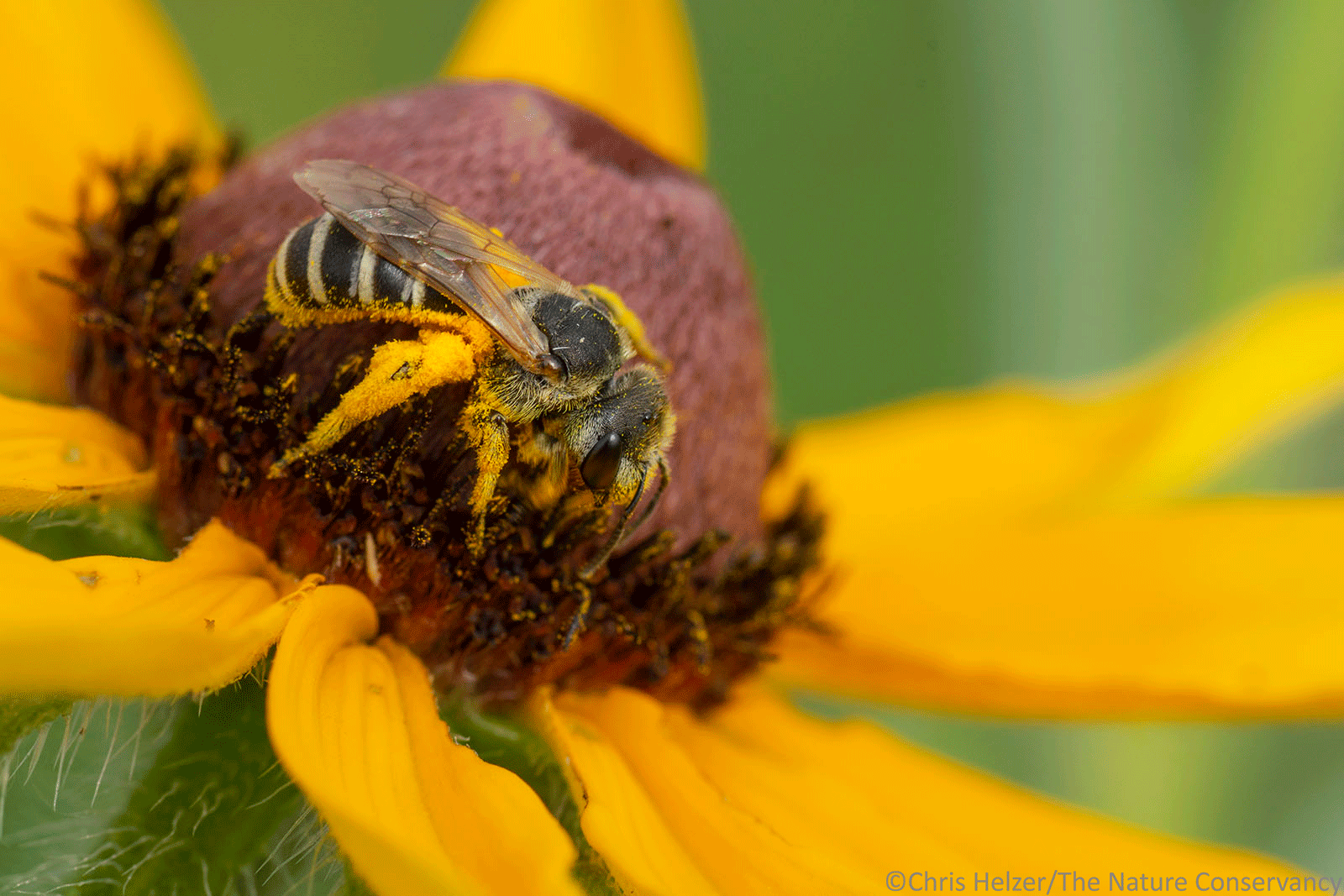
8.) Female halictid bee on black-eyed Susan flower. Helzer Family Prairie, near Stockham, Nebraska. Nikon D7200 with Nikon 105mm macro lens. ISO 200, f/16, 1/160 sec.
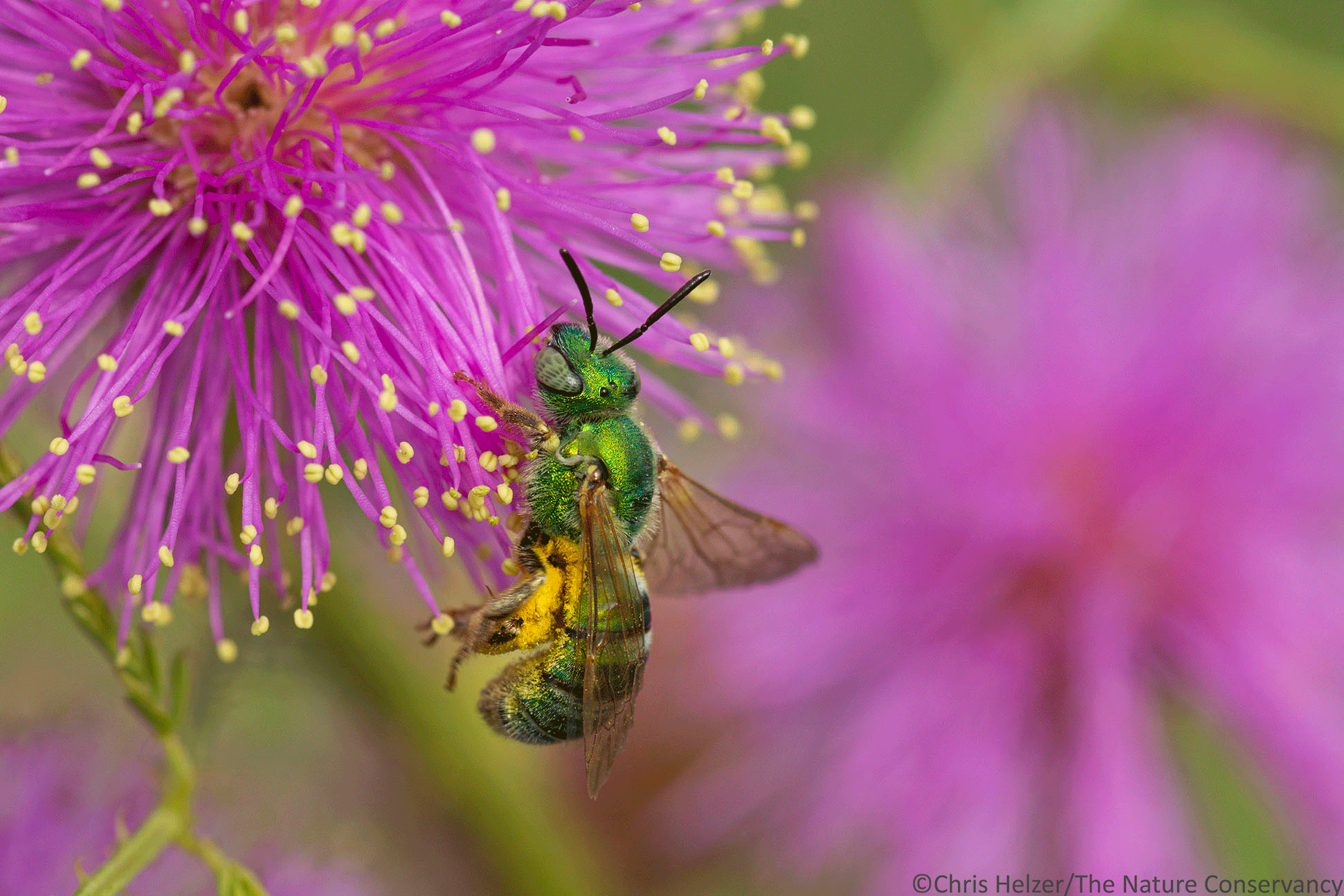
9.) Pure gold-green sweat bee (native solitary bee) on sensitive briar. Helzer Family Prairie near Stockham, Nebraska. Nikon D7200 with Nikon 105mm macro lens. ISO 200, f/13, 1/500 sec.
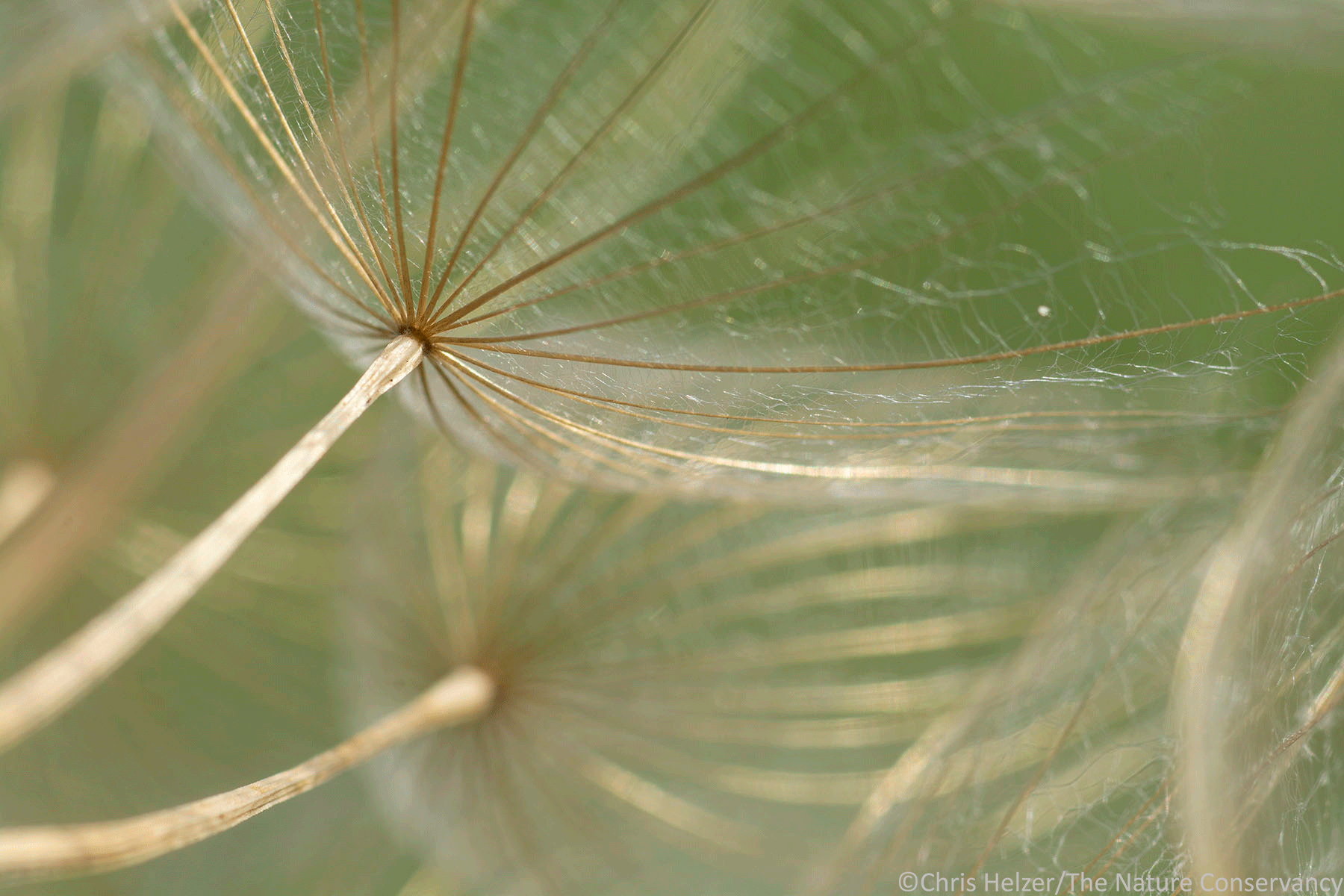
10.) Goatsbeard, aka salsify, at the Helzer Family Prairie near Stockham, Nebraska. Nikon D7200 with Nikon 105mm macro lens. ISO 200, f/13, 1/400 sec.
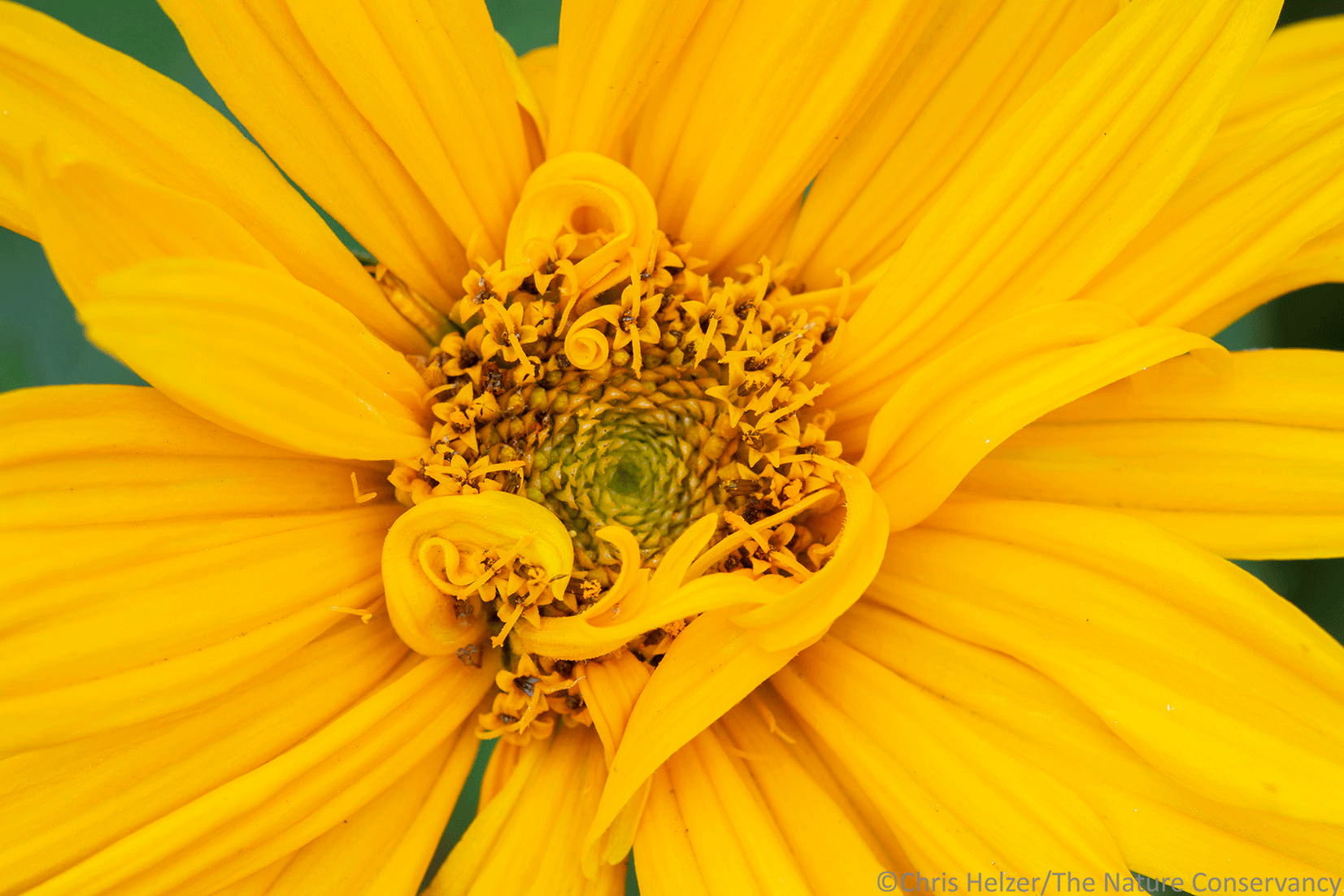
11.) False sunflower with aberrant disk florets. Helzer Backyard Prairie. Nikon D7200 with Nikon 105mm macro lens. ISO 200, f/13, 1/100 sec.
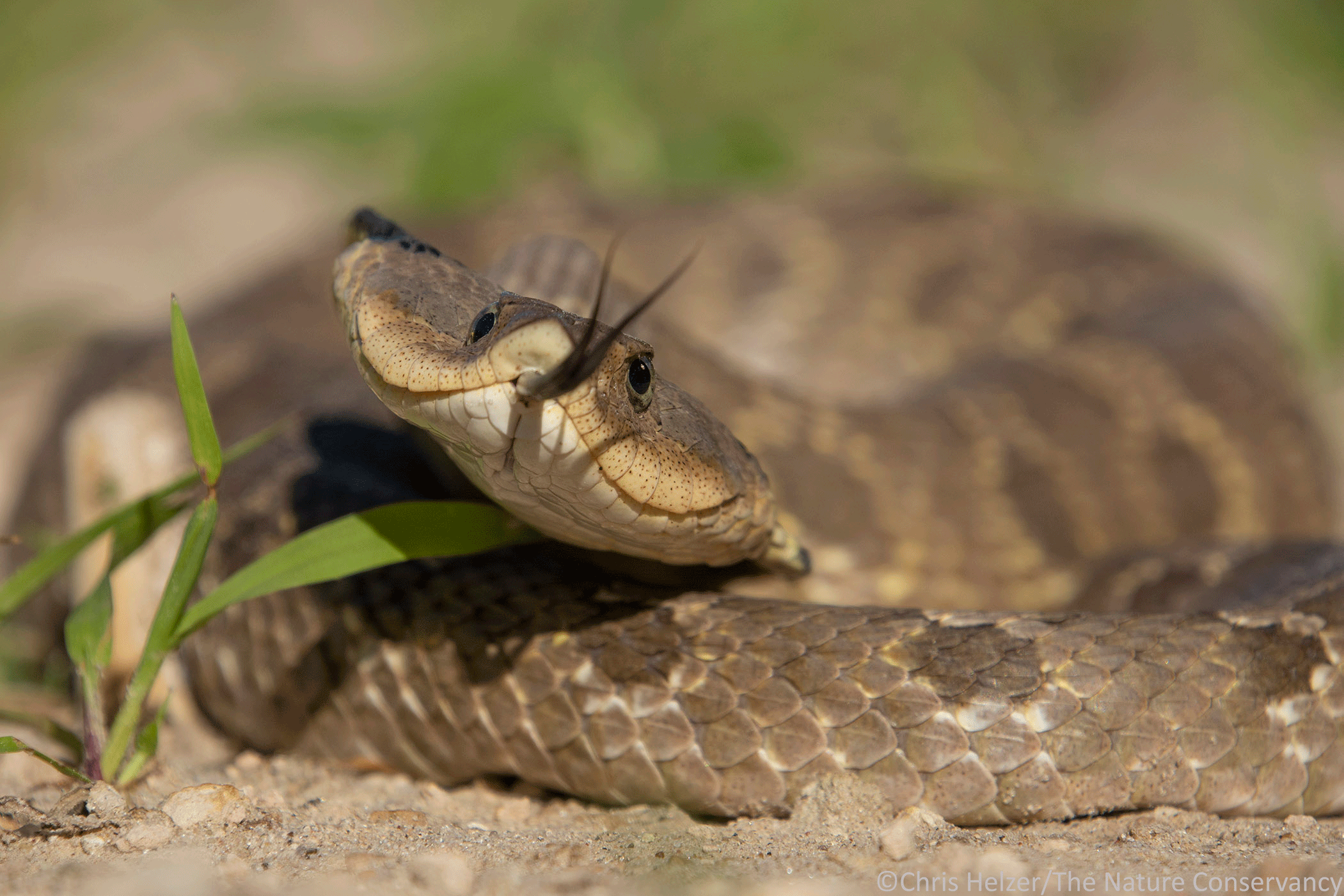
12.) Eastern hognose snake trying to intimidate me. Niobrara Valley Preserve. Nikon D7200 with Nikon 28-300mm macro lens @300mm. ISO 250, f/10, 1/1250 sec.
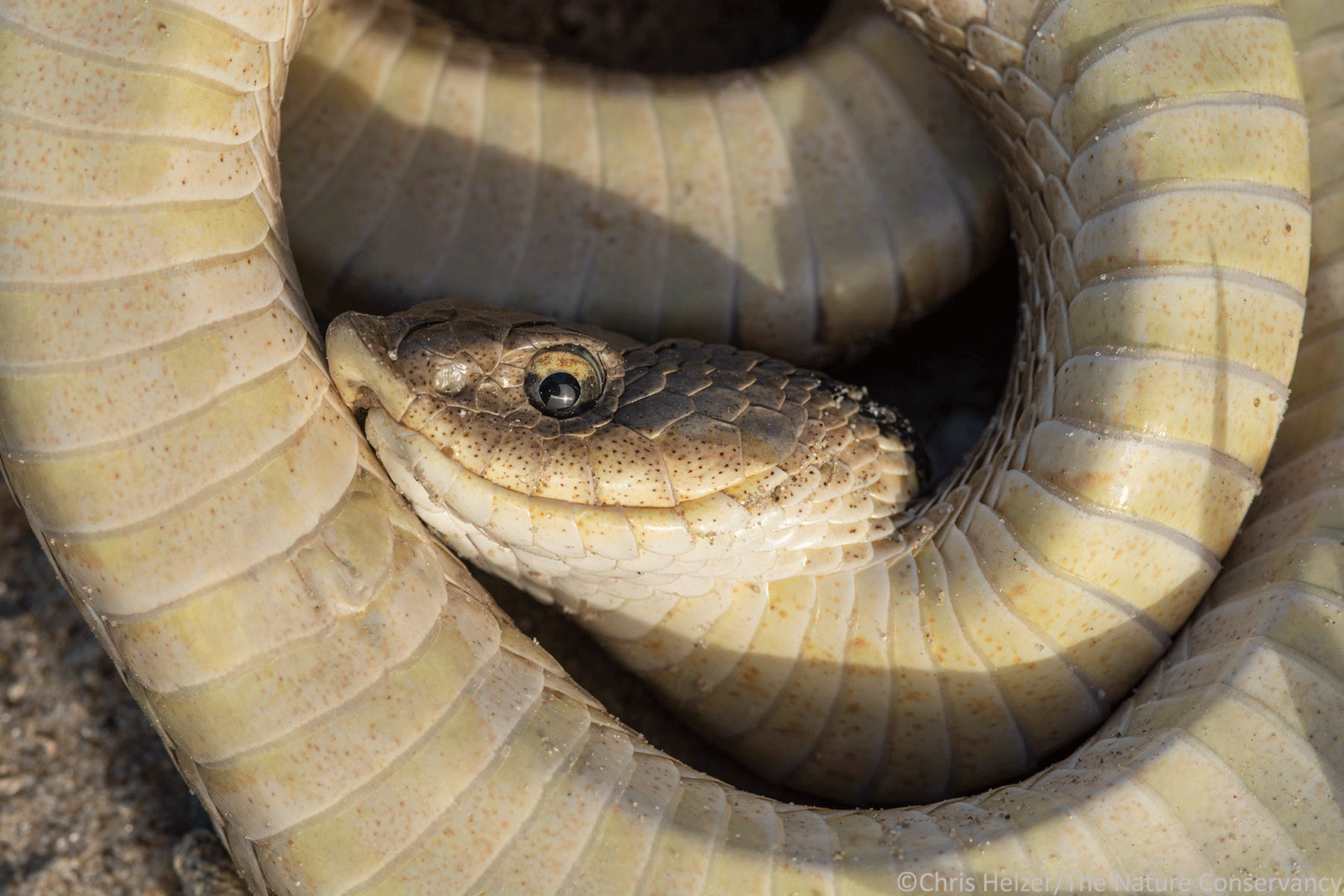
13.) Eastern hognose snake playing dead after it decided it couldn’t intimidate me. Niobrara Valley Preserve. Nikon D7200 with Nikon 105mm macro lens. ISO 250, f/11, 1/320 sec.
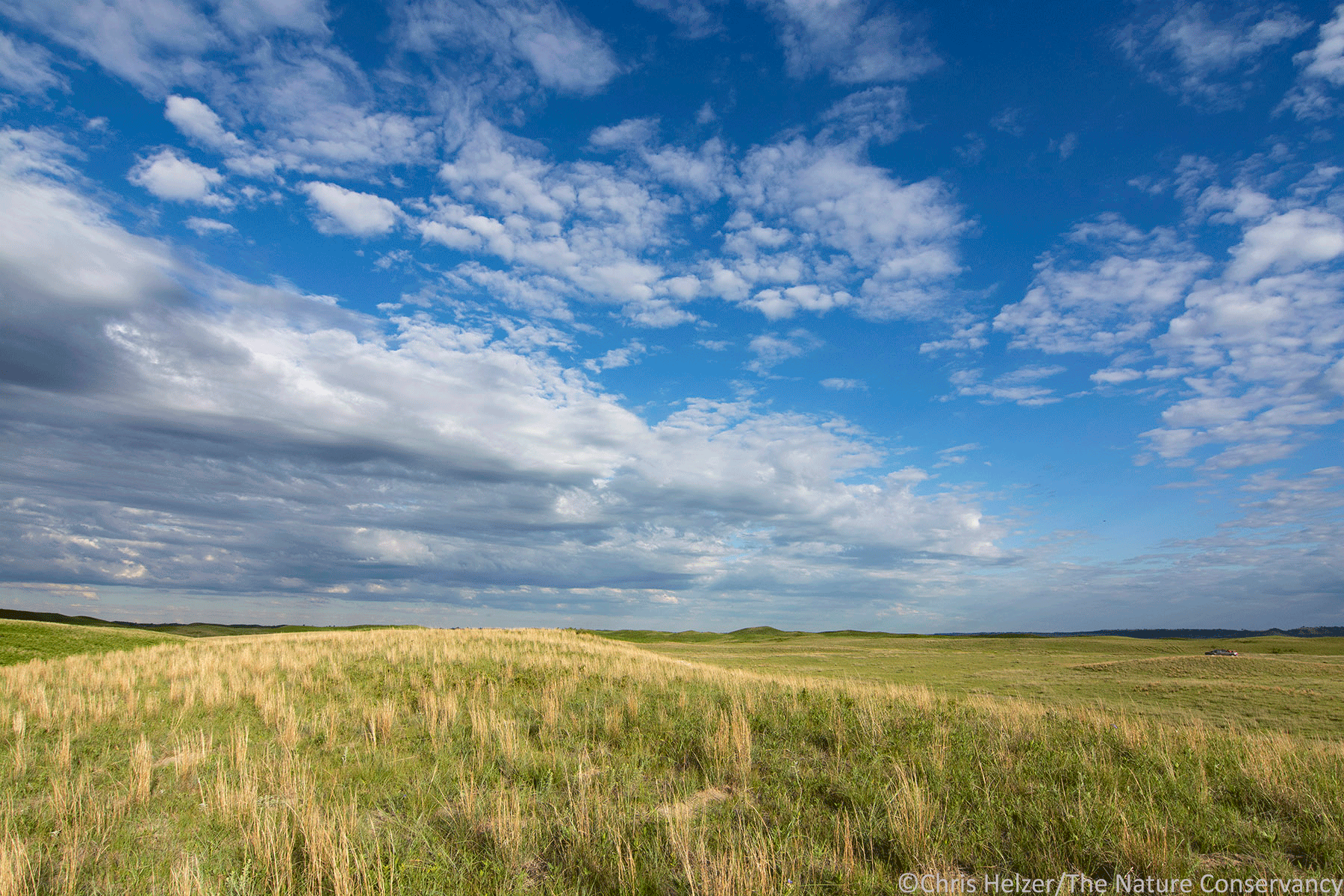
14.) Sandhills prairie. Niobrara Valley Preserve. Nikon D7200 with Tokina 12-28mm macro lens @12mm. ISO 320, f/9, 1/800 sec.
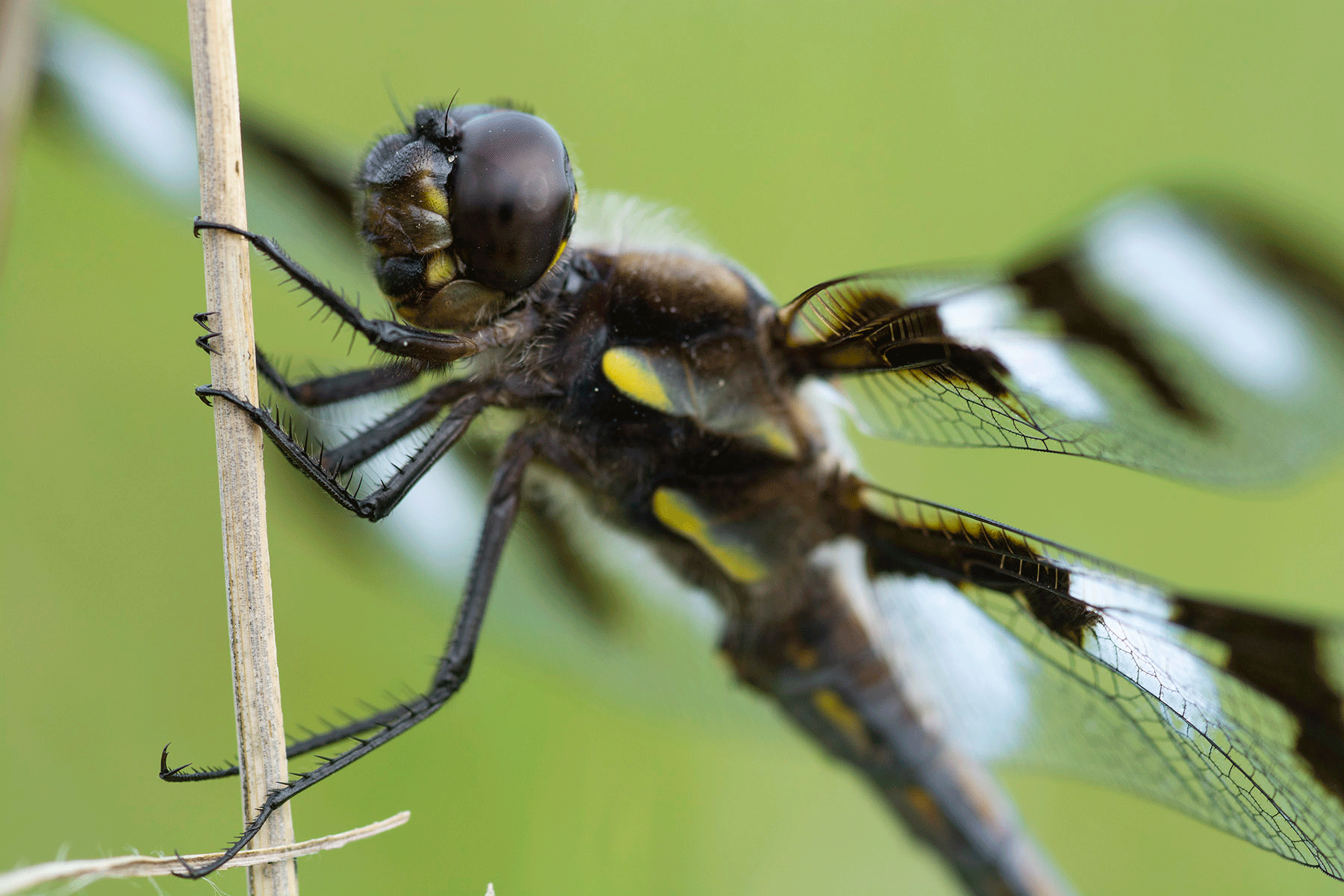
15.) Twelve-spotted skimmer dragonfly. Niobrara Valley Preserve. Nikon D7200 with Nikon 105mm macro lens. ISO 320, f/9, 1/125 sec.
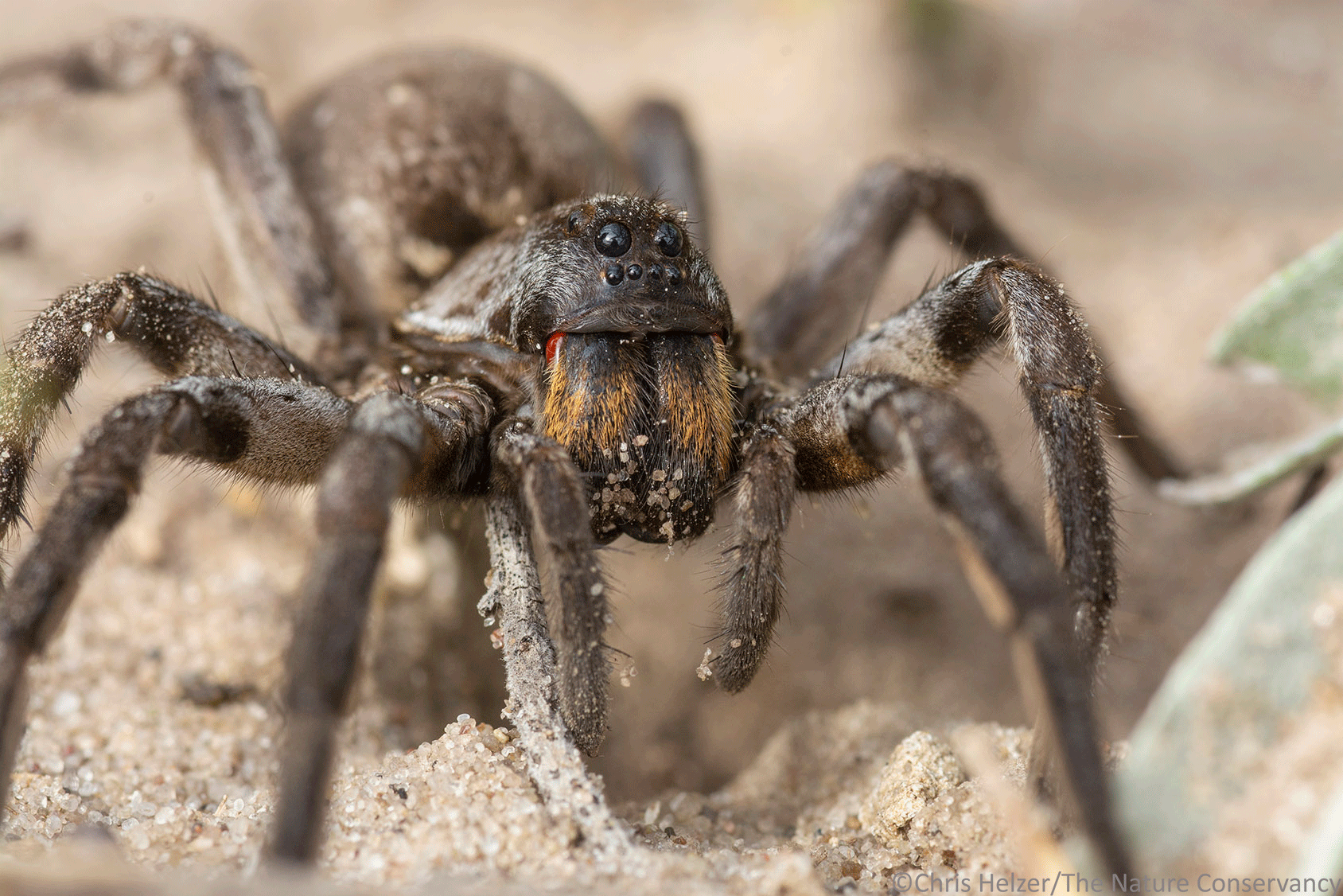
16.) Big female wolf spider. Niobrara Valley Preserve. Nikon D7200 with Nikon 105mm macro lens. ISO 320, f/14, 1/60 sec.
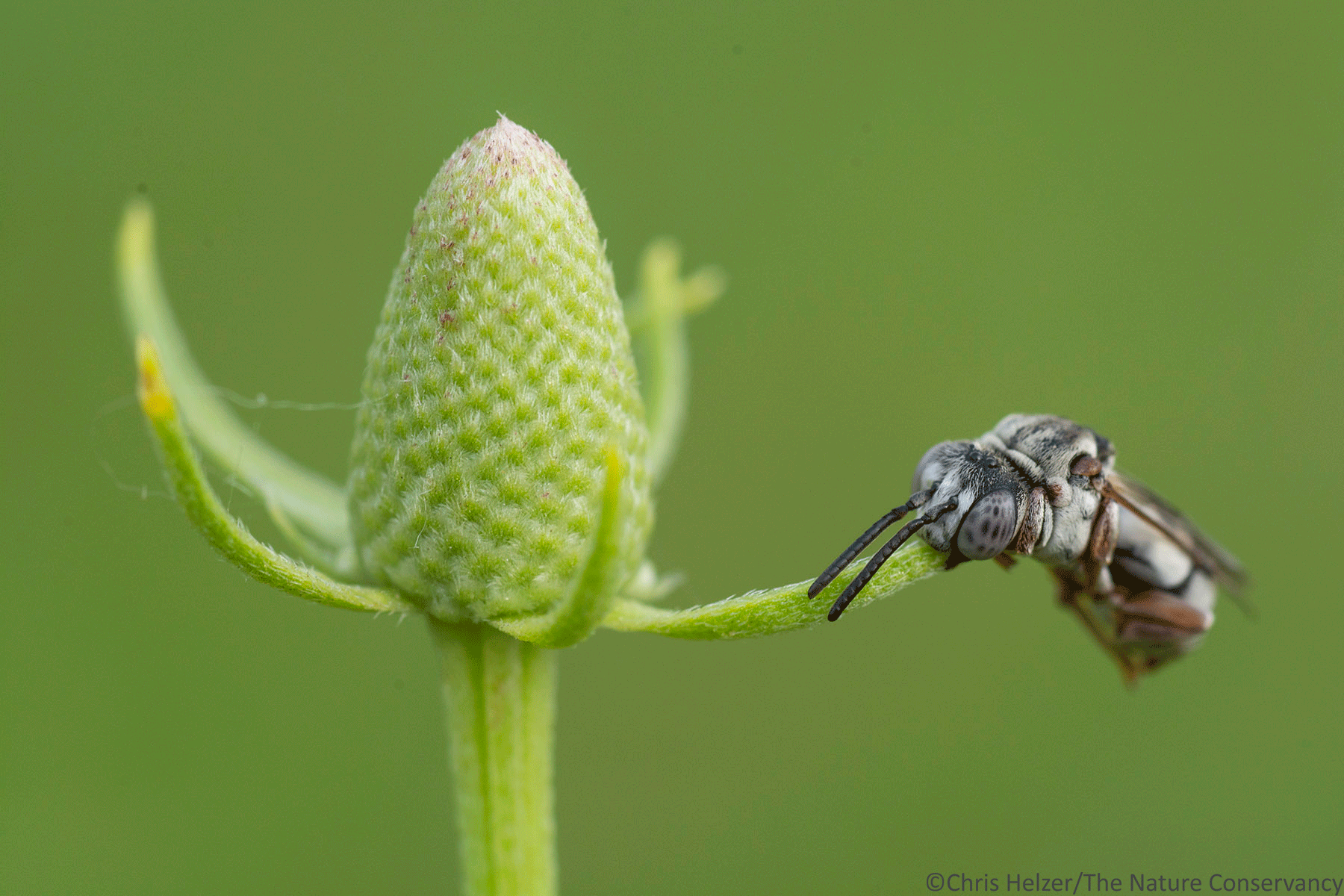
17.) Cuckoo bee roosting by hanging on with its mandibles to its perch. Gjerloff Prairie (Prairie Plains Resource Institute). Nikon D7200 with Nikon 105mm macro lens. ISO 320, f/14, 1/125 sec.