
Hi everyone. I always love hearing stories of people discovering that Nebraska has more to offer than the relatively boring landscapes seen from Interstate 80. I always joke that Interstate 80 is our population control strategy – we tried to minimize interesting scenery as much as possible to make sure people don’t want to move here and make the state more crowded. Ashley Oblander, one of our Hubbard Fellows this year, took a personal camping trip to western Nebraska a couple weeks ago and shares stories from that trip here. I think you’ll enjoy them. REMINDER – applications are due September 30, 2020 for the next round of Hubbard Fellows. Click HERE for more information.
Here’s Ashley’s post – –
Despite going to graduate school in Nebraska, I had never ventured very far west in the state. I heard from many people that it was gorgeous and worth a trip, so I finally planned one. To be completely honest, it had been awhile since I had gone on a long solo camping trip, and I was feeling a little nervous. As a woman, there are concerns that come with being alone in remote places. Additionally, we’re in the middle of a pandemic so I wanted to pack everything I would need to minimize stops to gas stations. What does someone who doesn’t eat hot dogs, beef jerky, or lunch meat, and who is limited on space, pack for four days of tent camping? I did what I could to work through these worries and put my mind at ease, then hit the road.
My first stop was brought on by a need to get out of the car and stretch my legs. I saw a billboard for Carhenge and thought I should see it. If you aren’t aware of what Carhenge is, here’s a link https://visitnebraska.com/alliance/carhenge. It’s worth the click. Here’s a quote from the sign when you first walk up: “Your first question upon encountering Carhenge might be: Why? But creator Jim Reinders’ answer would simply be Why not?” Hard to argue with that! It’s definitely unique, and I’m glad I made the slight detour.
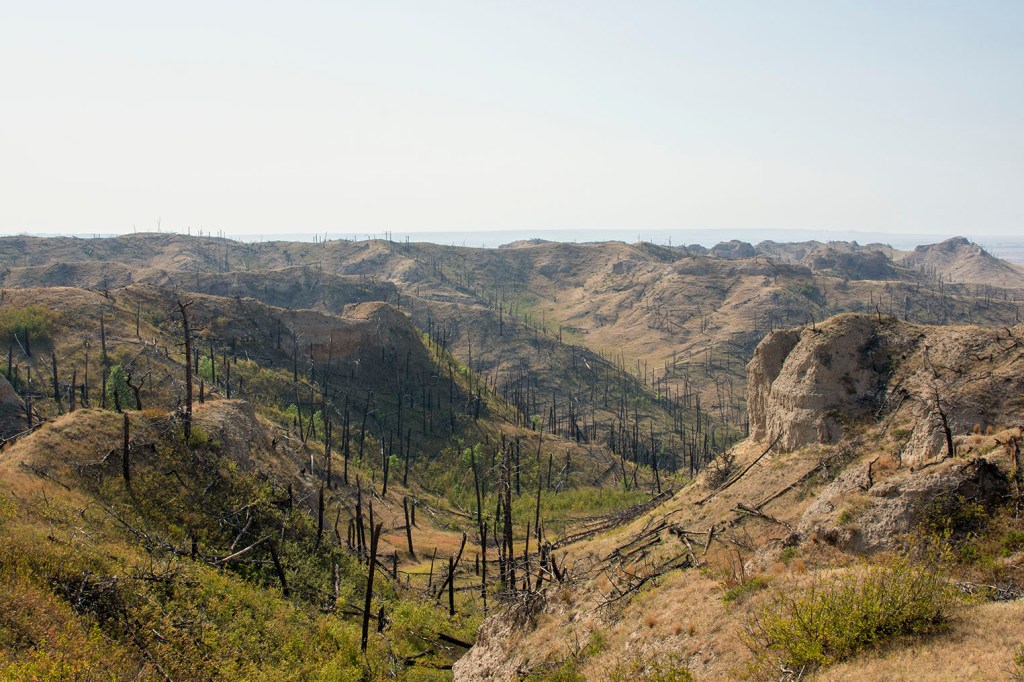
My next destination was Chadron State Park. I’ve been in the Sandhills, so I was aware that Nebraska has much more to offer than what people assume or see off Interstate-80, but wow. We really do have topography! It’s part of Nebraska’s Pine Ridge, displays gorgeous buttes and canyons, and was Nebraska’s first state park. On my first hike, I noticed a smoke plume coming from the hills in the distance. It turns out that a wildfire had been started by a lightning strike and spread around 200 acres. Fortunately, from what I can tell, no people or property were damaged. I think that’s the closest I’ve gotten to a wildfire, and it was neat to see the smoke and haze distribute.
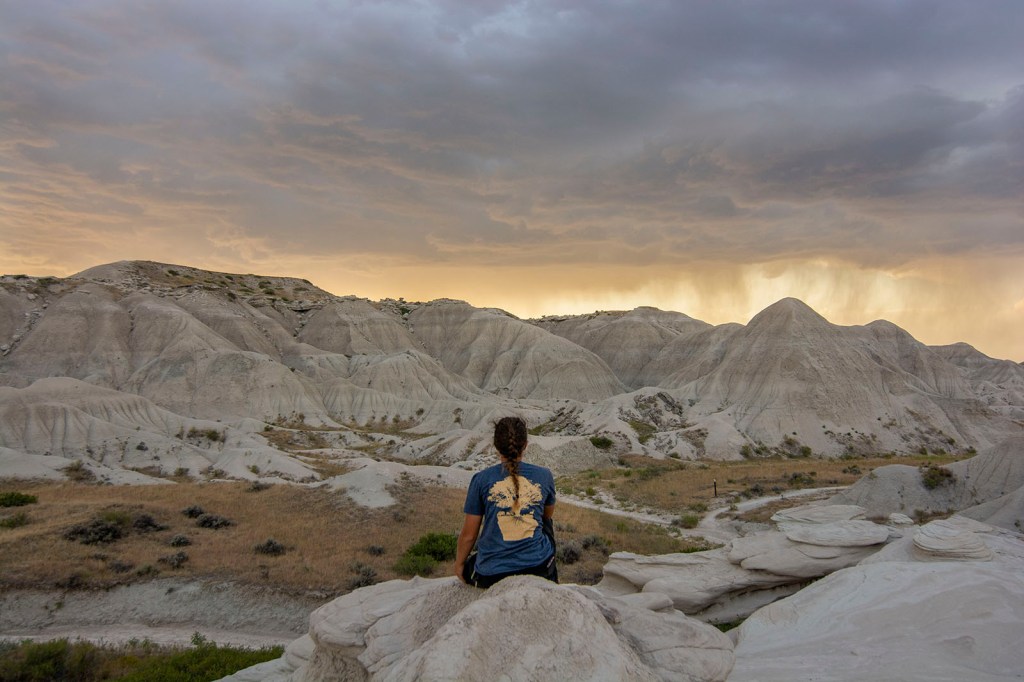
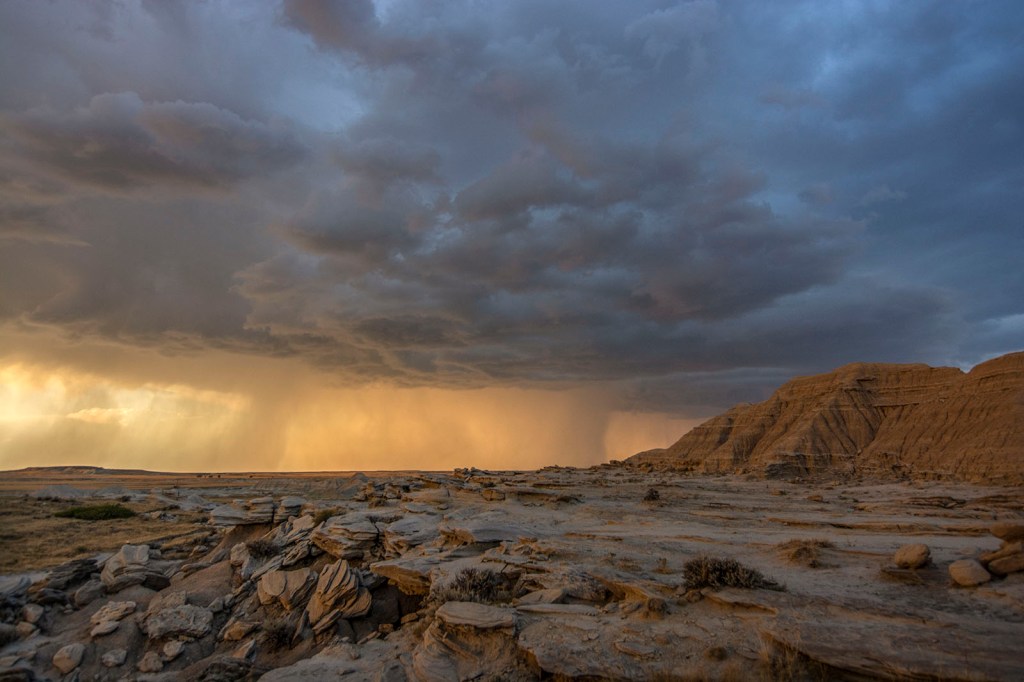
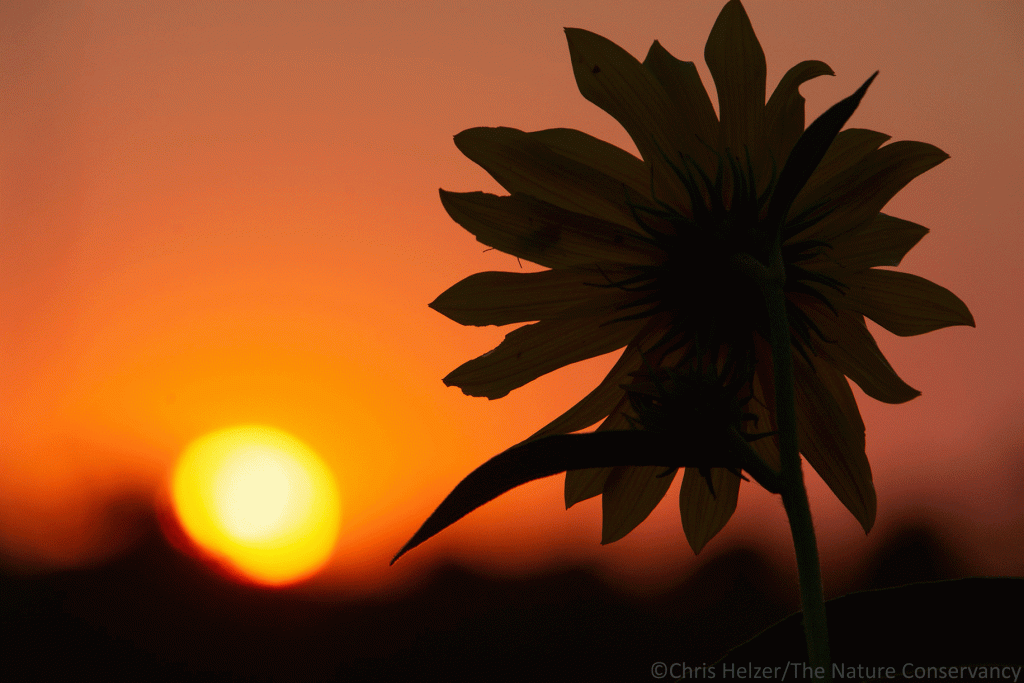
The following day I travelled to Toadstool National Geologic Park. This is a place that defies people’s typical image of Nebraska. I hiked a 5-mile loop that weaved through badlands and prairie and ended in one of the most unique trails I’ve hiked in awhile. It’s at the bottom of a canyon, which gives a unique perspective. That night when I went to get sunset photos a storm was moving in, which gave some cool color to the clouds. If you visit this site, make sure to have a lot of storage space on your camera because everywhere you look there is something picture worthy. There’s also a mile loop that you can hike and use the interpretive brochure to learn more about the unique geology of the area. Interesting and engaging for all ages!
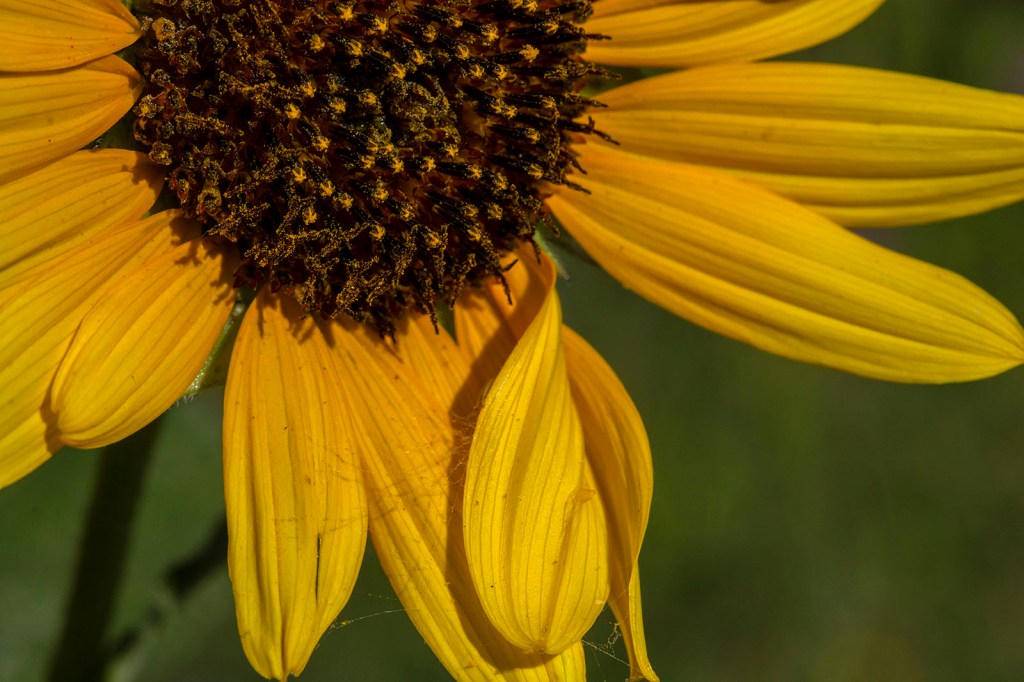
My final stop was Fort Robinson State Park. Unfortunately, because of COVID-19 most of the historical and educational buildings were closed, but the hiking trails were still open to the public. I hadn’t gotten the opportunity to do a lot of macrophotography on the trip so far. That was partially because there weren’t a lot of wildflowers blooming, but also because most days were windy. Wind is great for keeping cool during a long hike, but not so great for capturing flowers and insects that aren’t blurry. However, one morning the wind died down so I took the opportunity to go out and see what I could find and wasn’t disappointed. I came upon a sunflower with its petals stuck together. I inspected further and realized that there was a spider web holding them in that position. I sat patiently and lightly knocked at her door, and eventually the spider graced me with her presence. She was a beauty.
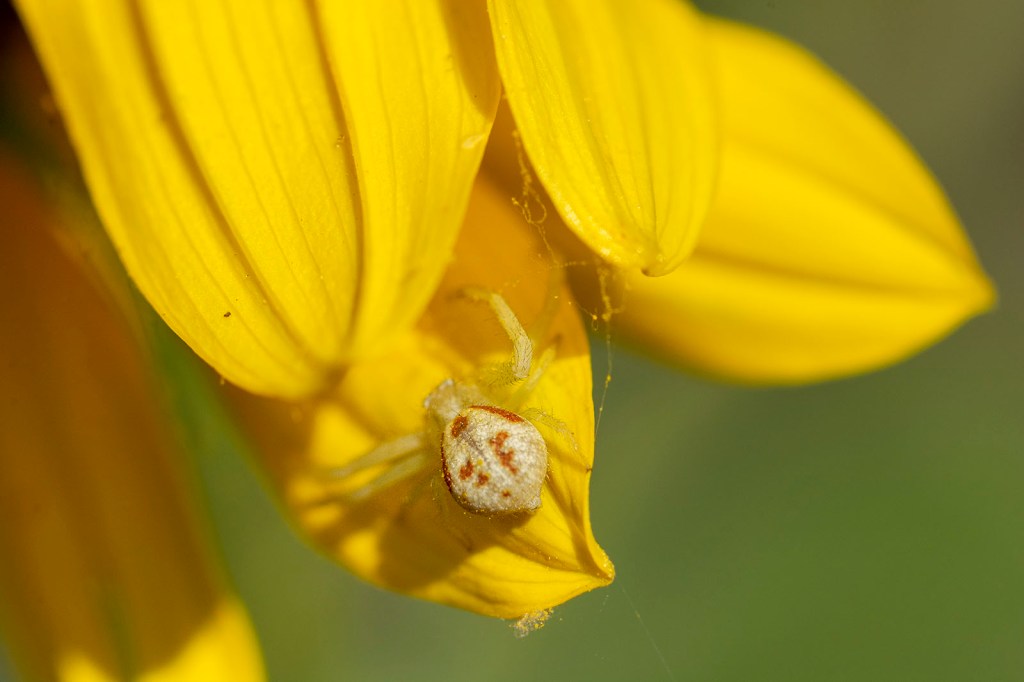

Some people may think that a solo camping trip could be boring or lonely, but that wasn’t the case at all. I had interactions with people at campgrounds or on trails, like the man who offered me kindling when my fire was struggling to start or the women that excitedly pointed out that one of the rock formations looked like a turtle. You can also have amazing wildlife interactions when you’re out in nature. Of course, I didn’t have my camera ready for most of these, but I’ll share a couple. On my last hike of the trip, I was sitting on a rock after climbing a steep incline and enjoying the wind blowing across my face and the sounds of nature. Suddenly, a northern harrier came and circled around me. He didn’t mind my presence at all, just went about his day, looking majestic as ever. You don’t have that kind of experience in the city. I also made some animal friends at one of the campgrounds, which you can see below. Unfortunately, I didn’t see any bighorn sheep or prairie rattlesnakes. Maybe next time!
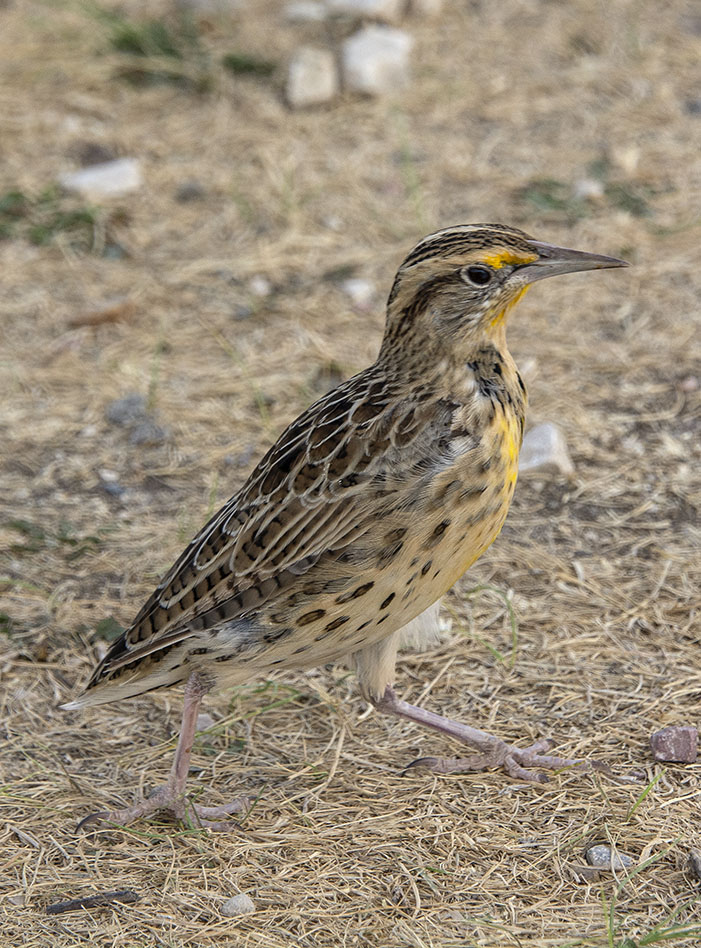
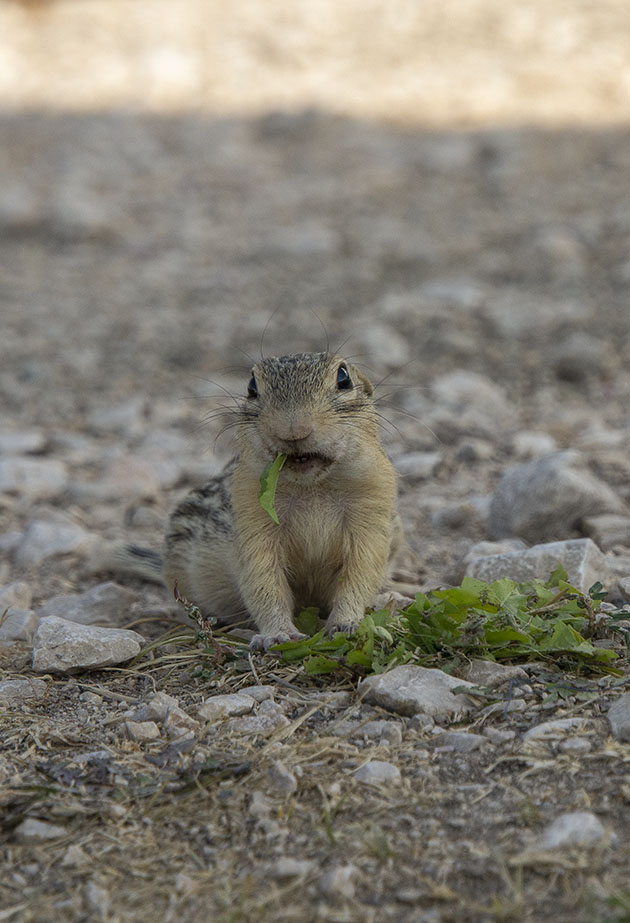
Sure, there were some bumps in the road. I was sore (who knew Nebraska had so many inclines to hike?), I struggled through setting up a tent in gusty, plains winds, my car had some trouble, and in efforts to get a nice photo, I sat right in a patch of sandburs. But I am so incredibly happy that I pushed myself a little out of my comfort zone. There is nothing quite like being alone and immersed in nature. I came back feeling refreshed and in awe of the state that I currently call home. I’ll end with a quote that I think nicely sums up how I felt at the end of the trip:
“Look deep into nature and then you will understand everything better” -Albert Einstein

 The Prairie Ecologist