
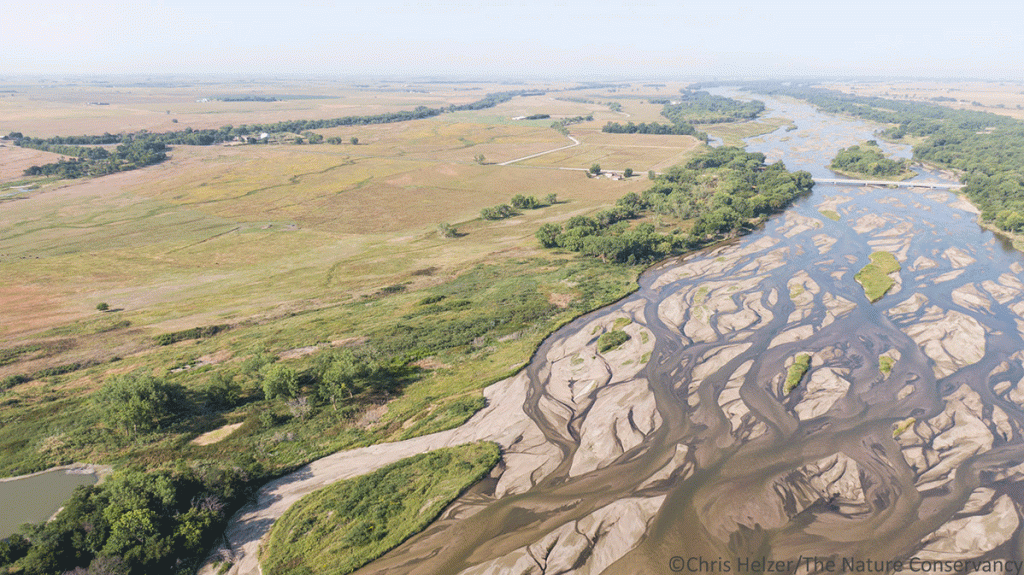
It’s been a while since our Platte River Prairies have seen drought. We had about six years of drought from late 1999 through 2006 and a one year extreme drought in 2012 that tapered off over the next year or so. We’ve had some dry periods since, but nothing severe or extended. The recent wet years have been productive, both from an agricultural and ecological standpoint, but here in the Great Plains, we know that drought can reappear at any time.
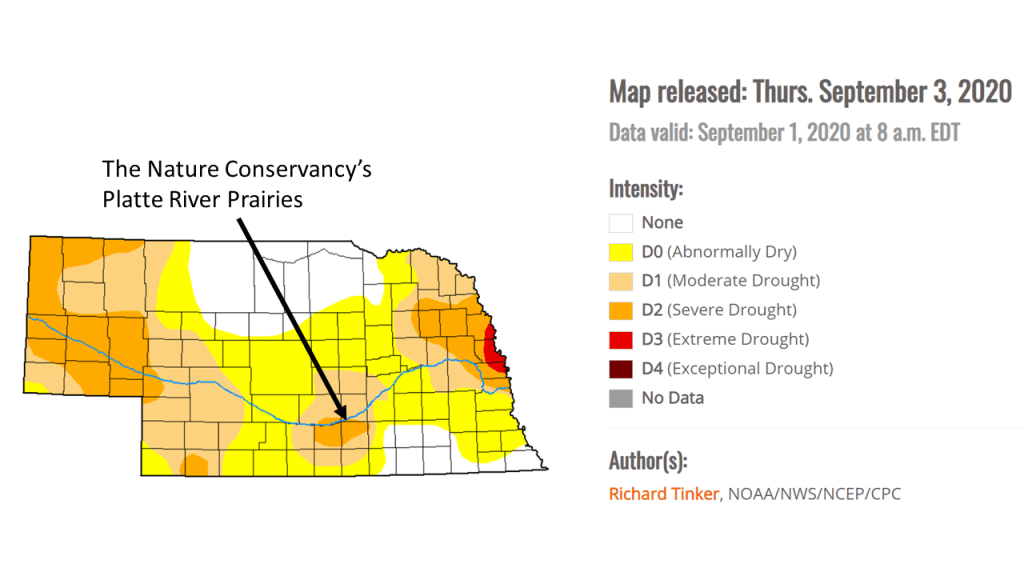
We started the 2020 growing season with flooding, but since mid-June, the Platte River Prairies have been drying out. The most recent drought maps show our sites right on the border between moderate and severe drought. To the east of us, much of the central tallgrass prairie region is in the same boat (which is maybe not the best metaphor when talking about drought).
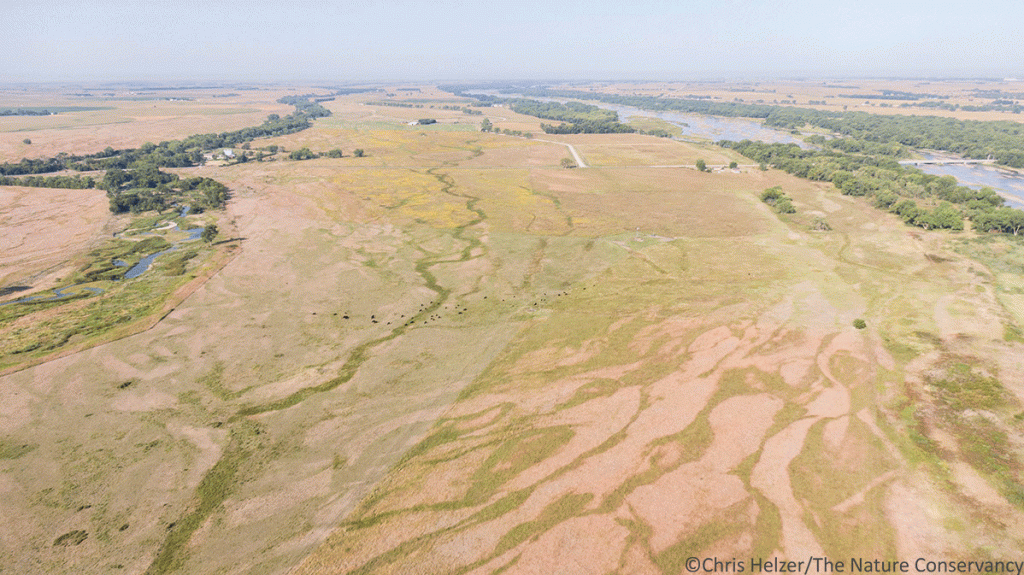
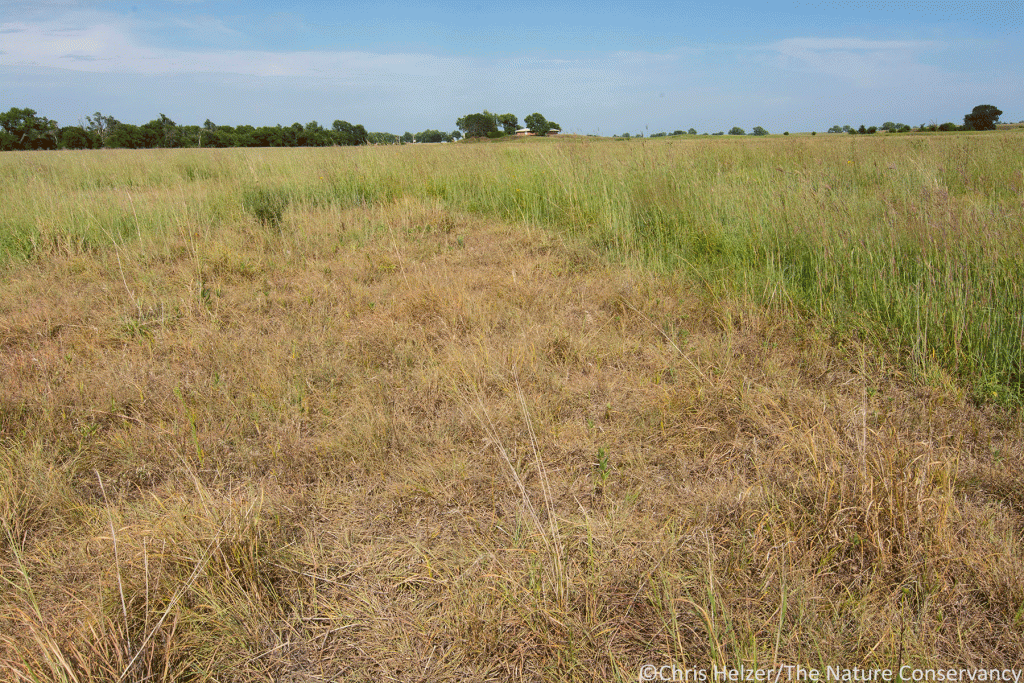
Drought makes life hard for people who rely on the vegetative production of prairies for their livelihood. Savvy ranchers have to incorporate drought into their ranch management plans, often including ‘trigger points’ that help them decide when to start cutting herd numbers in response to rainfall amounts by certain dates on the calendar. Economic survival relies on the ability to bank both money and prairie plant vigor during years of abundant rainfall in order to stay afloat (see, there I go again) during dry years. Inexperienced ranchers can get into trouble by ‘utilizing’ all the available grass in a wet year and then having no root reserves beneath the prairie when drought hits.
The economic impacts of drought are real and important, and they affect prairies as well as people. Across most of the Great Plains, most of the grasslands that still exist have survived (haven’t been turned to row crops or other human uses) because they can produce enough forage to support a ranching operation. More than 97 percent of Nebraska is privately owned, and most of those owners need income from the land so they can pay taxes and put food on the table. In landscapes like the Nebraska Sandhills, the survival of prairies and the survival of ranchers are inextricably linked.
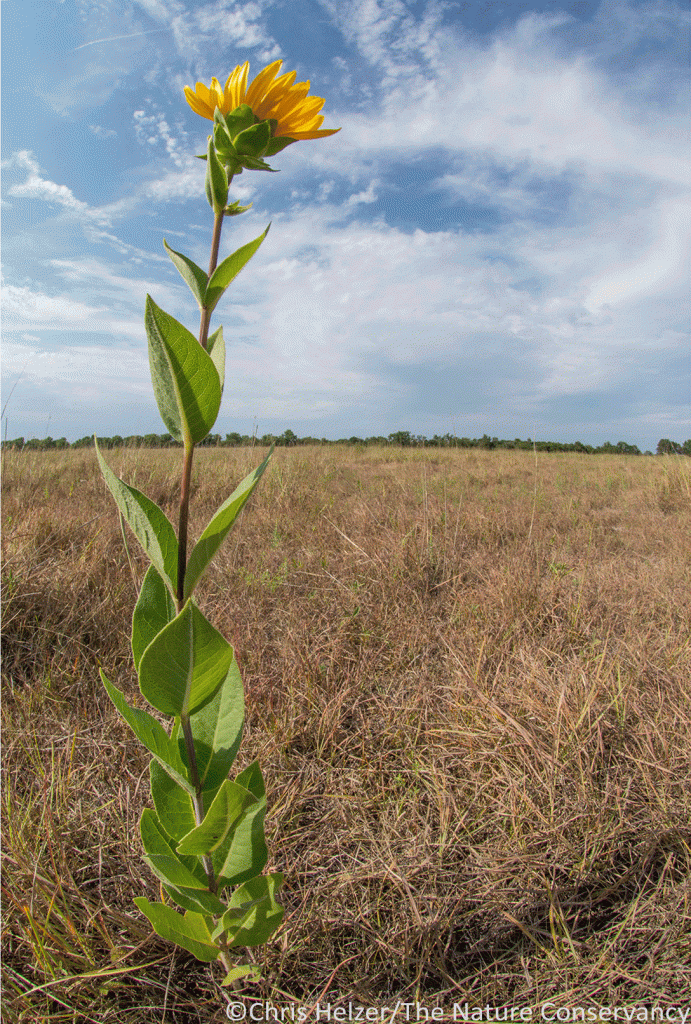
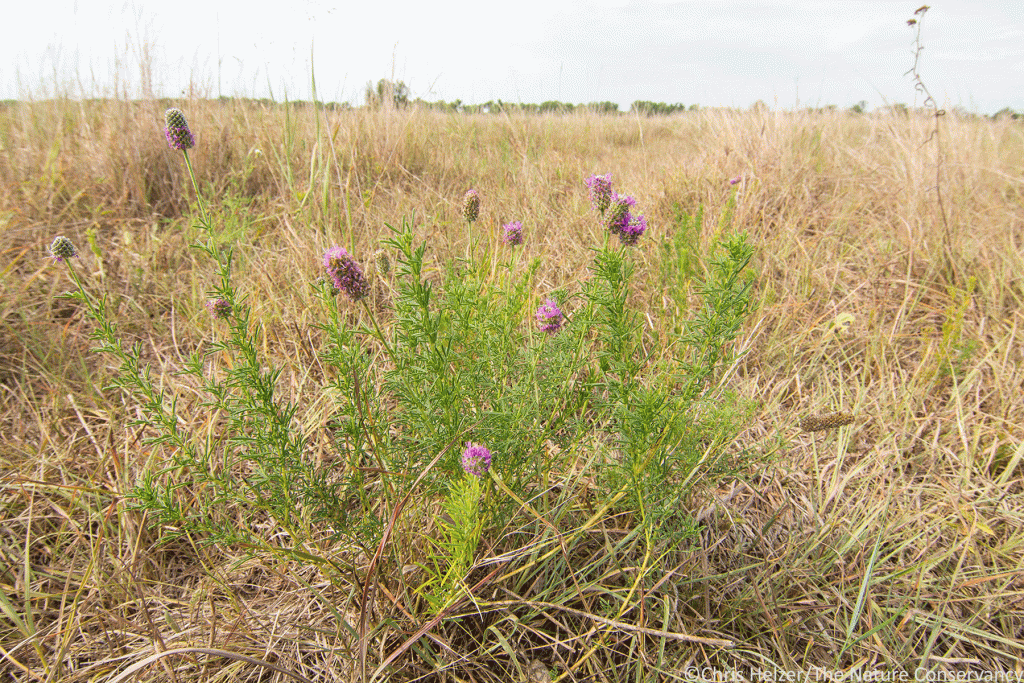
From a purely ecological perspective, however, drought is not a serious threat to prairies. In fact, drought is one of the three main factors (the others are fire and grazing) that created and maintain prairie. Any prairie plant or animal species that has persisted for thousands of years has done so because of adaptations to drought. Those species can respond by changing their behavior, growth and reproductive rates, and other strategies. Populations of some species will decrease during droughts, but others thrive – often because of the lower competition from waning species.
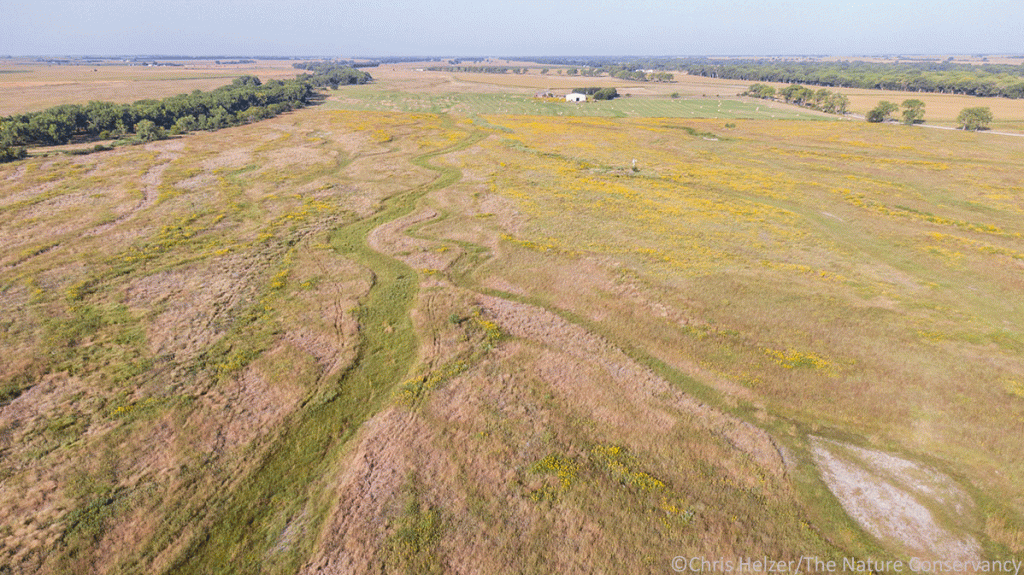
As a result, prairie communities look very different under drought conditions than when rainfall is plentiful. Plant species that were uncommon become abundant and others fade from dominance. Invertebrates and other animals respond accordingly. The populations of some animals decrease as their food source diminishes or habitat conditions become less favorable. Others simply change their diets to match the altered abundance of the prey or forage species available to them.
While prairies can look very different during drought, the resilience of prairies means the basic ecological functions and services are sustained. Plant production still feeds herbivores and those herbivores are available for the predators that consume them. Pollination still occurs, seeds are produced and dispersed, and carbon is pulled from the atmosphere. Life goes on.
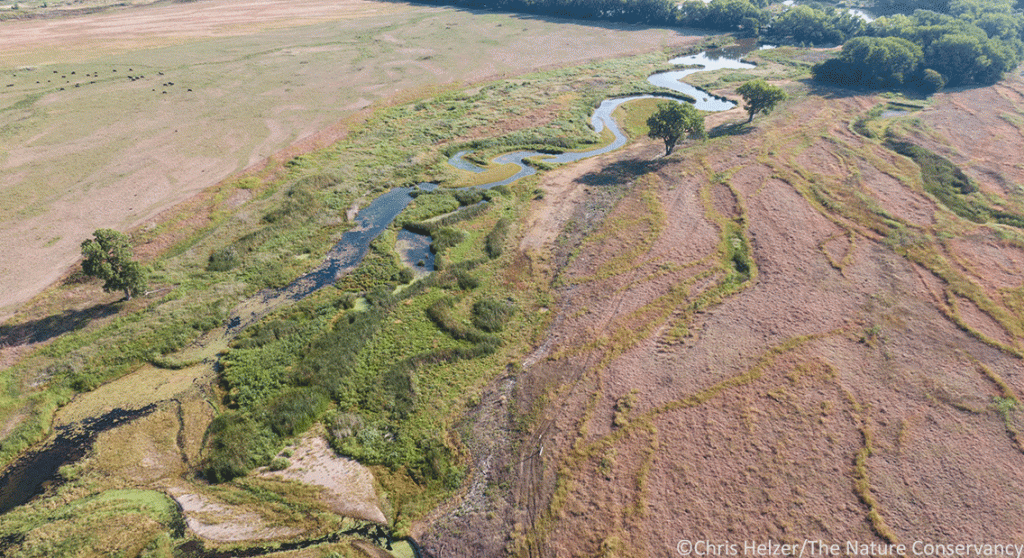
As this drought ramps up, there’s no way to know how long it will hang around. I feel for the ranchers and farmers who are going to have to dip into their reserves (financial and ecological) for a while. I hope they can make it through this drought, not only for their own sake, but also for the sake of the prairies they protect and care for. I don’t worry too much about the wildflowers, insects, birds, or other species living in the prairies, however, especially those living in relatively large and/or interconnected grasslands with diverse plant and animal communities. They’ve been through this before. You might say they’ve had thousands of years to either sink or swim (ok, that time I did it on purpose) during periods of drought.
If you’re interested in learning more about the resilience of prairies and the way they can respond to drought, here are links to a couple posts I’ve written previously.
The ‘Bench Strength’ of prairies in relation to climate change.
How to build and maintain the ecological resilience of prairies.
Prairie plants have deep roots, but not for the reasons we’ve always thought.


 The Prairie Ecologist