Photos of the Week – April 30, 2020

This week, one of my favorite organizations turned 40 years old. Prairie Plains Resource Institute came to being through the vision of Bill and Jan Whitney. The two of them, along with a group of friends, had a big vision and the courage and persistence to make it a reality. The result is a terrific non-profit conservation organization that is focused on protecting local prairies, conservation education, and prairie restoration.

Gjerloff Prairie (formerly known as Griffith Prairie) after a prescribed fire. Gjerloff is a great example of a diverse and beautiful mixed-grass loess soil prairie. Even more importantly, it’s a very short drive from my house!

Most of the high quality prairie restoration work happening in Nebraska can be traced back to the pioneering work of Bill Whitney. That absolutely includes the restoration work I’ve done. One of the most fortunate aspects of my career is that I got to spend a lot of time learning from Bill during my first several years as a professional. Several years ago, Prairie Plains passed the 10,000 acre mark for their restoration program. That’s not too bad for an effort that started with a coffee can full of seed and a dream.

The conservation education work done by Prairie Plains has also been very influential around the state, but has especially been valuable for the hundreds of local kids (including mine) who have gone through the SOAR summer program, as well as many others. Jan, Bill, and a large group of staff and dedicated volunteers have set a very high standard that others tried to emulate. All the kids that have interacted with Prairie Plains have come away with not just a better understanding of nature, but a better understanding and connection to the history and culture of the landscape they are growing up in.

Perhaps most important, however, are the local community prairie preserves established and managed by Prairie Plains Resource Institute. Especially in east-central Nebraska, there are high quality prairies that exist today only because Prairie Plains stepped in to save them. Even better, they make those prairies available to those of us who live nearby. This part of the state is heavily dominated by row crop agriculture. It’s a productive use of the land, but it’s also important to retain the remnants of prairie we still have, both for the ecological value of those sites and for our own recreation, connection to place, and emotional health. I’m beyond grateful to have the good fortune of living very near several Prairie Plains prairies.

In that vein, today’s post highlights some of my favorite photos that have come from prairies owned and managed by Prairie Plains Resource Institute. I have many thousands of images taken from those sites, including all the images from my recent Square Meter Photography Project, which was located at Lincoln Creek Prairie, right here in Aurora. I hope you enjoy this small selection of what Prairie Plains Resource Institute has helped conserve. If you’re not aware of the organization, please check out their new website to learn more. Bill and Jan recently retired from the organization, but their new director and the incredible staff are continuing to sustain the very important mission and activities of the organization.

Grasshopper on milkweed in autumn. Lincoln Creek Prairie.
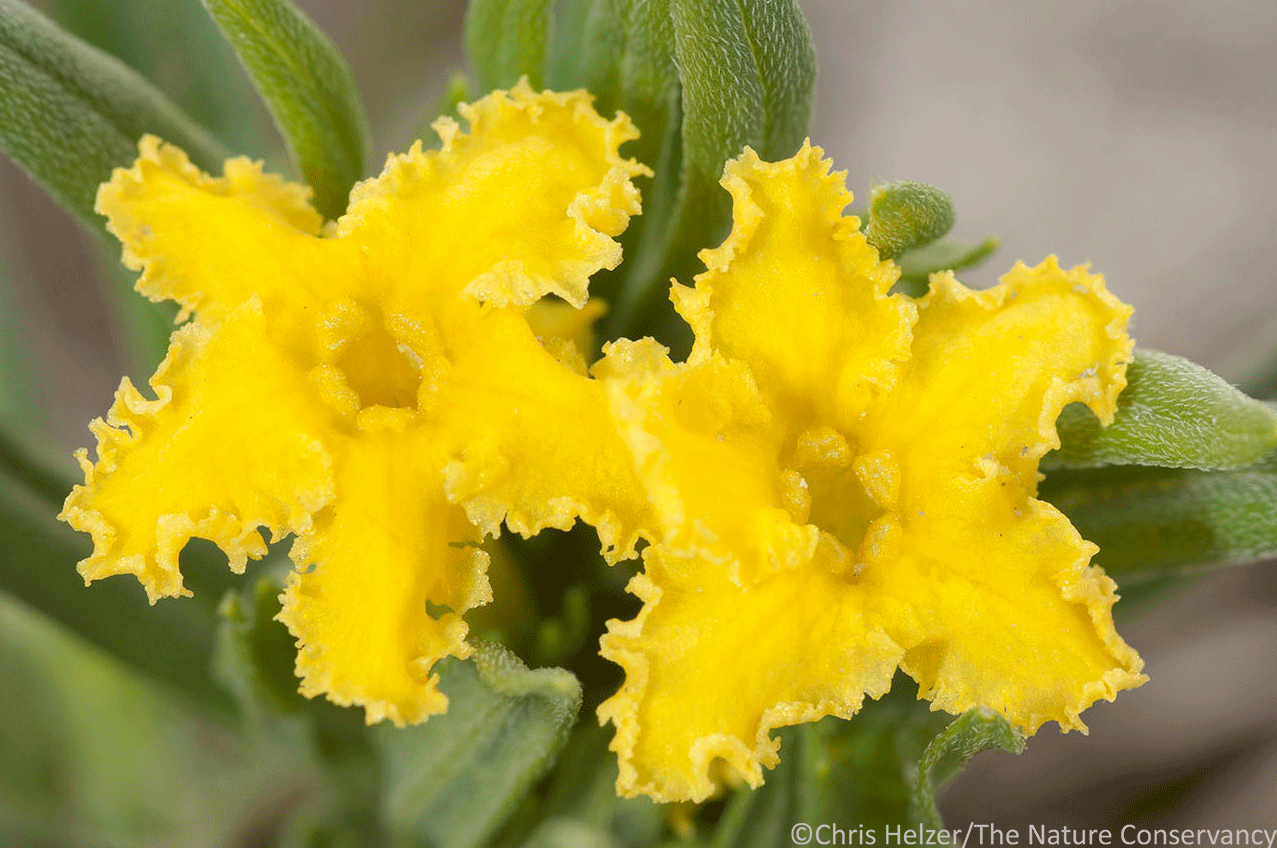
Fringed puccoon at Gjerloff Prairie.
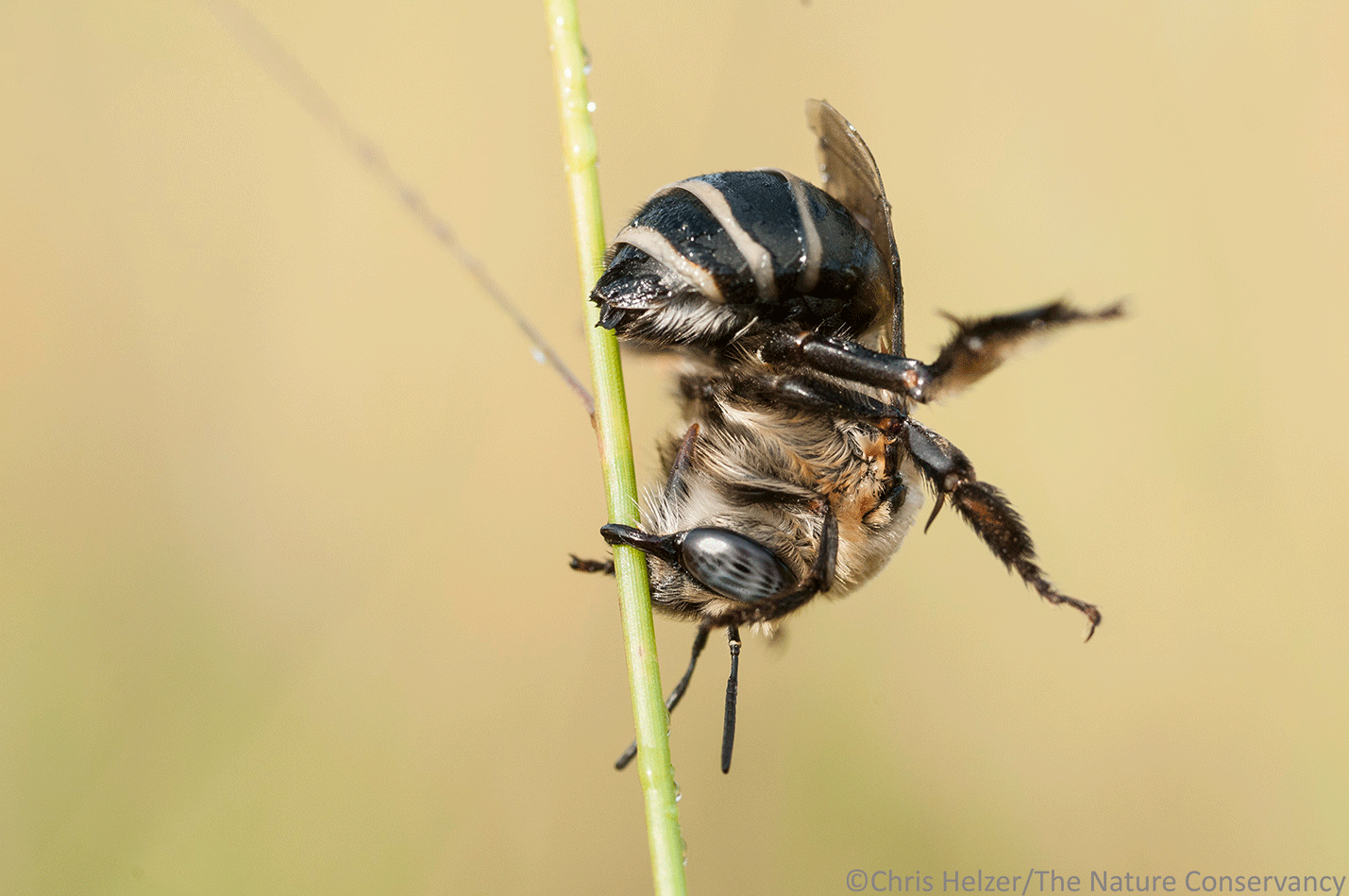
Digger bee in the morning. Lincoln Creek Prairie.
Prairie dandelion seeds. Gjerloff Prairie.
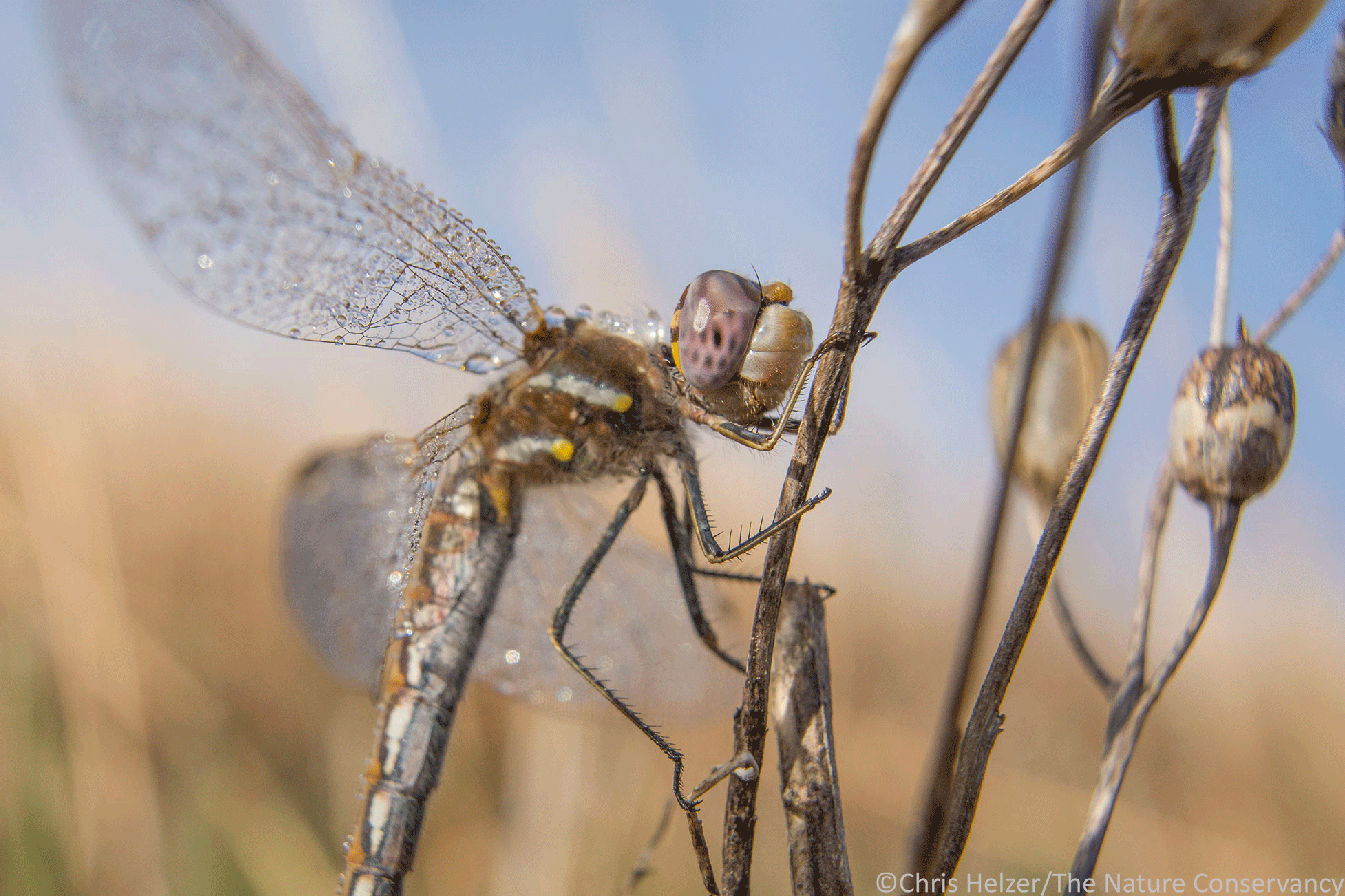
Variegated meadowhawk dragonfly. Gjerloff Prairie.
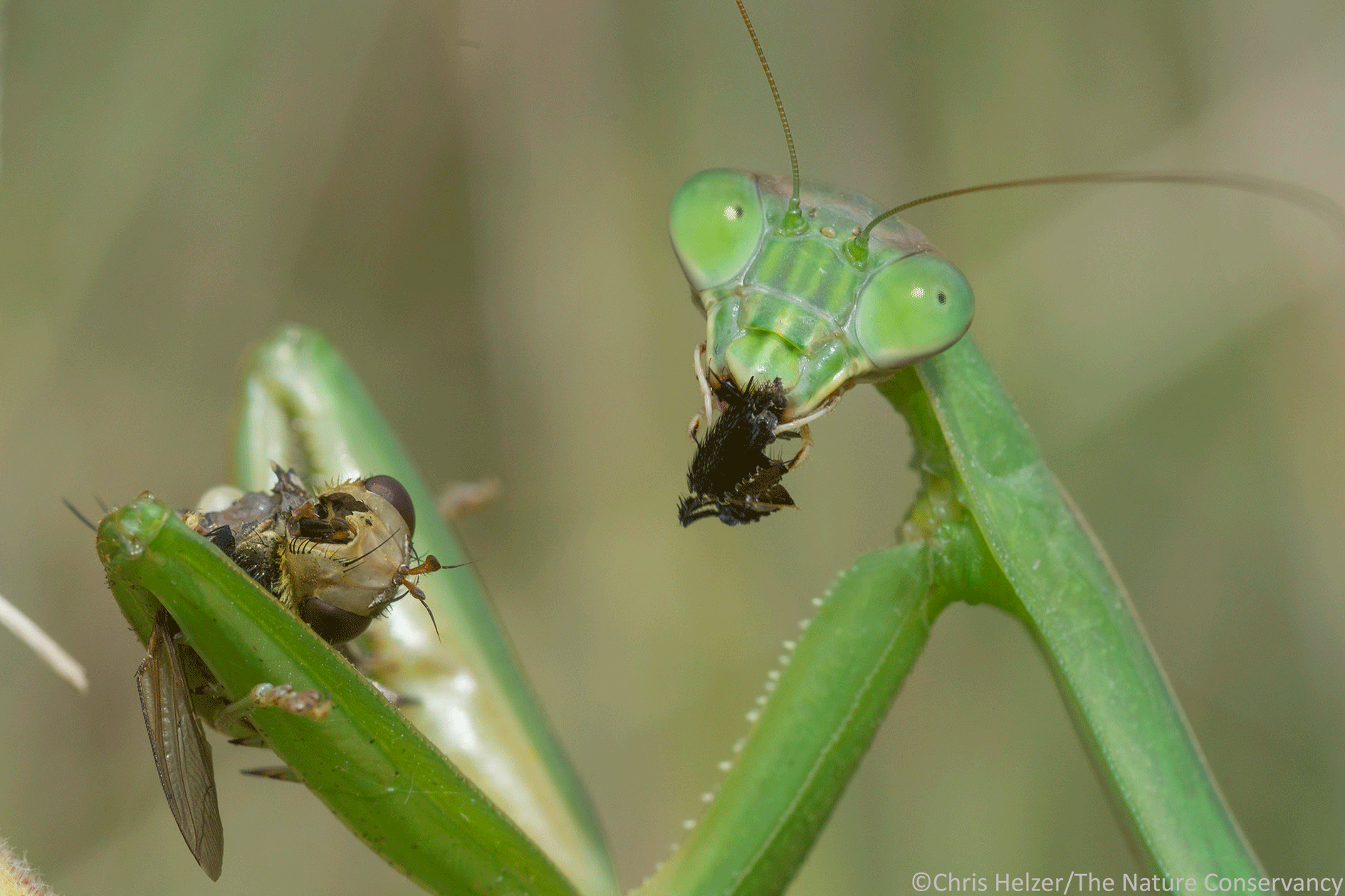
Chinese praying mantis eating a tachnid fly. Lincoln Creek Prairie.
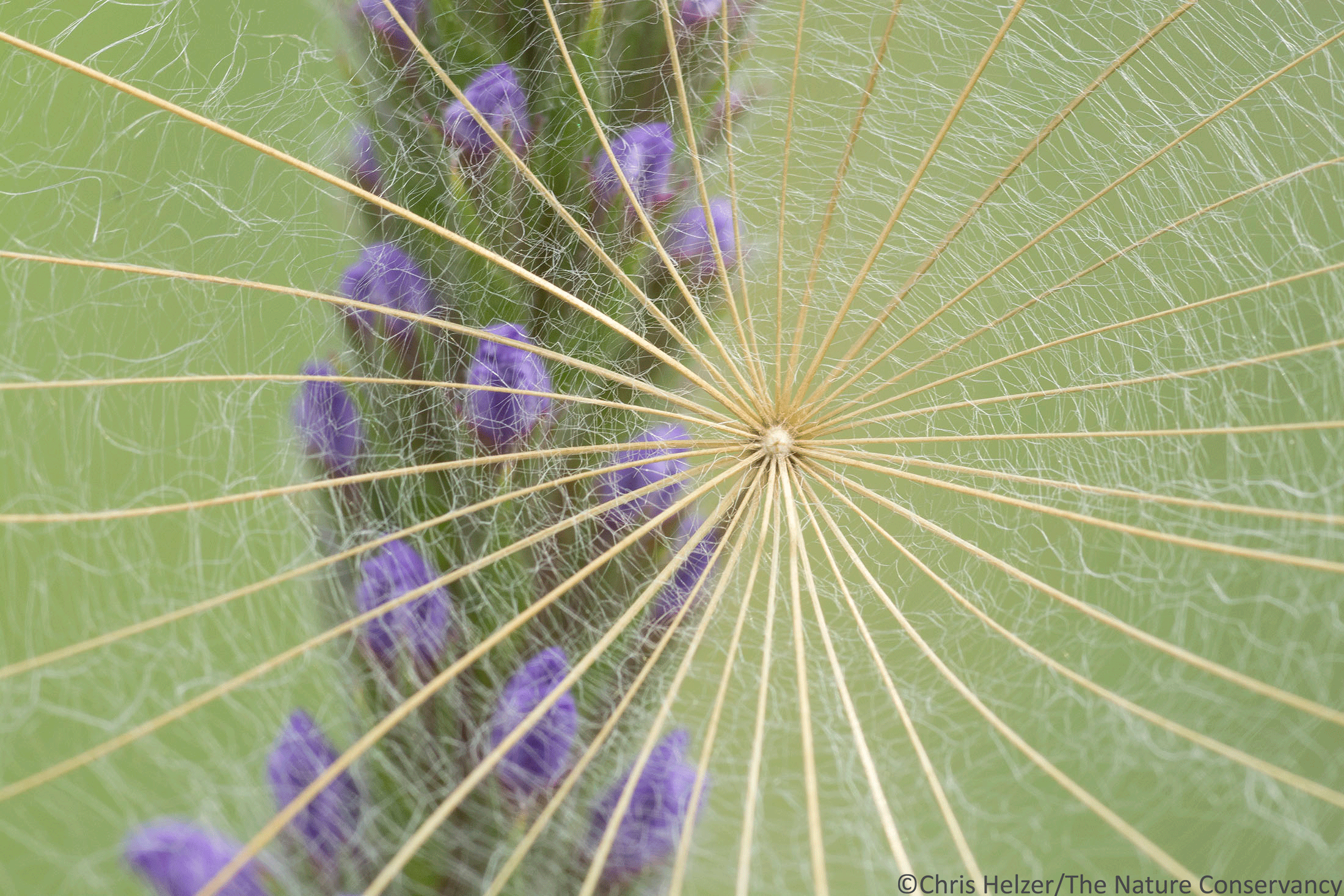
Goatsbeard seed and hoary vervain. Lincoln Creek Prairie.
Bee fly. Lincoln Creek Prairie.
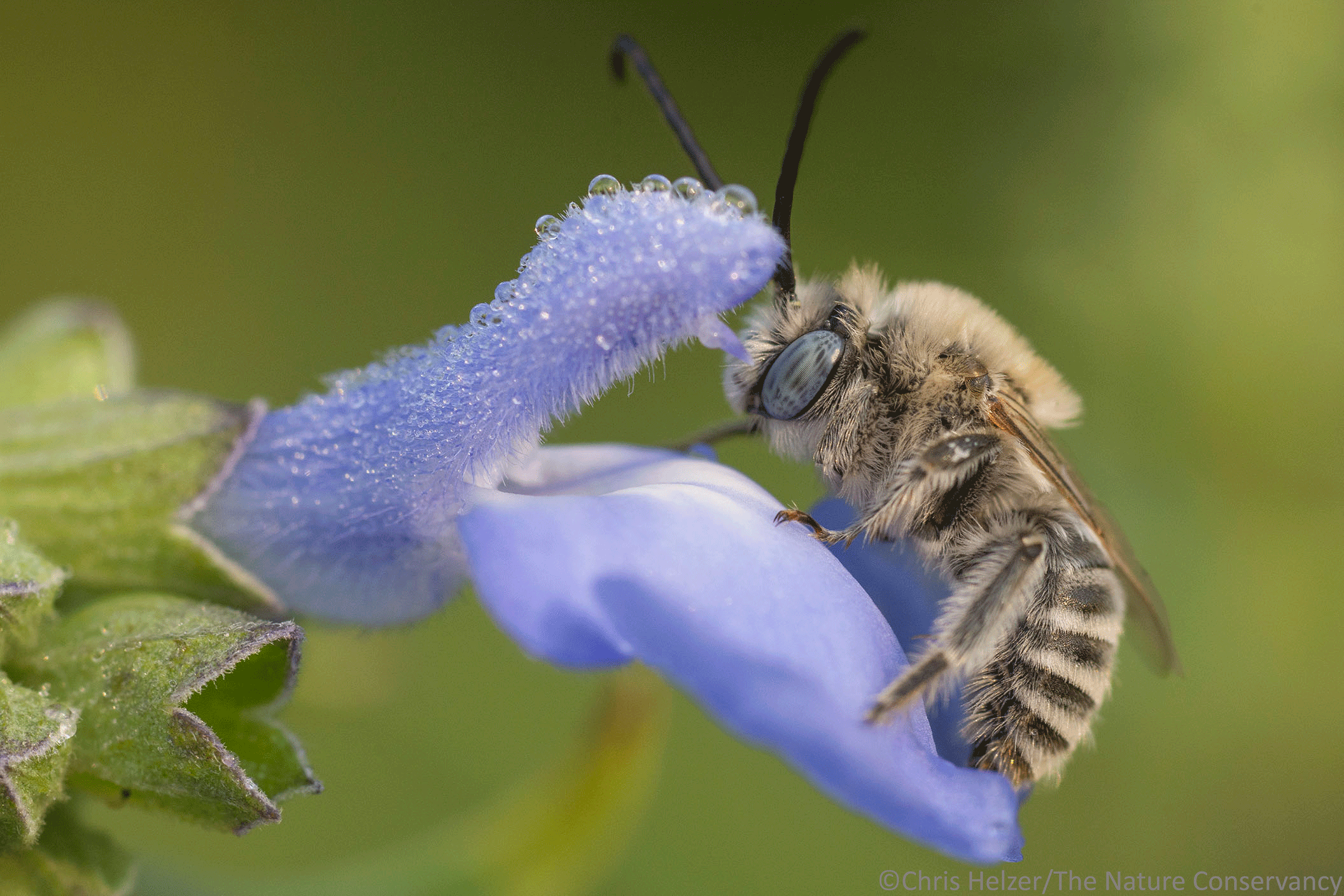
Blue sage bee. Lincoln Creek Prairie.
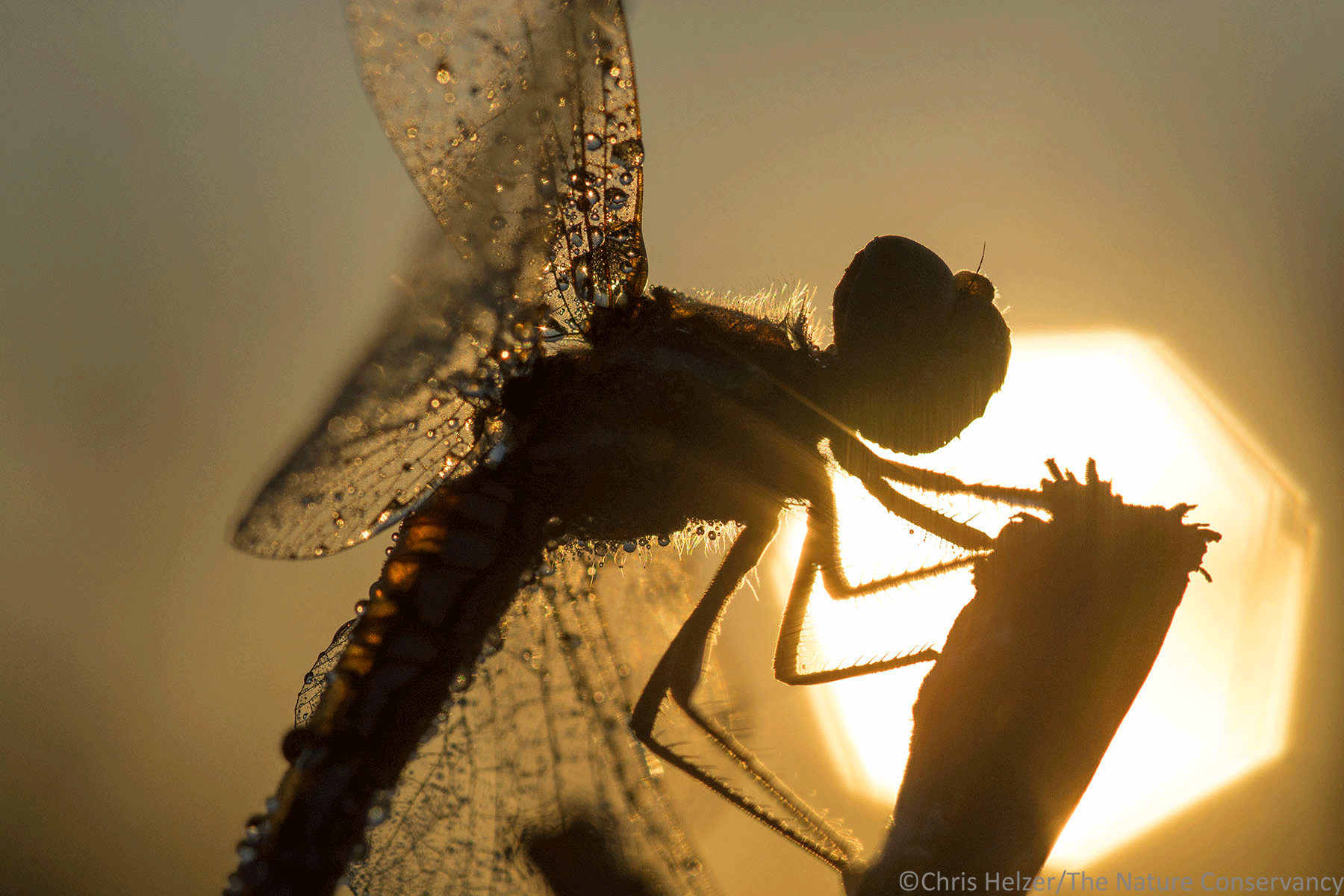
Dragonfly and sunrise. Lincoln Creek Prairie.
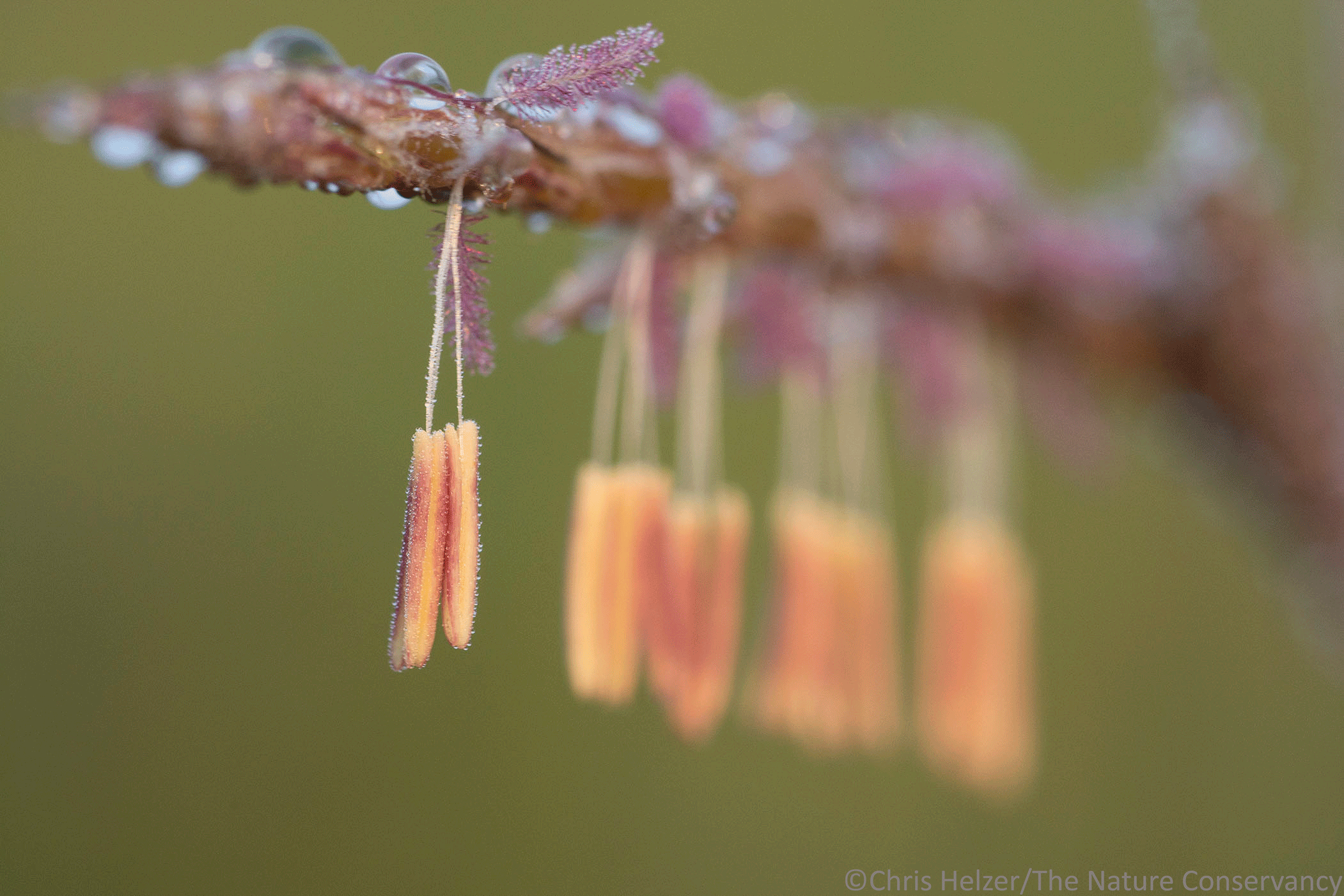
Big bluestem flowers. Lincoln Creek Prairie.
Inchworm. Lincoln Creek Prairie.
Carolina anemone. Gjerloff Prairie.
Hover fly. Lincoln Creek Prairie.
Indiangrass and sunrise. Lincoln Creek Prairie.
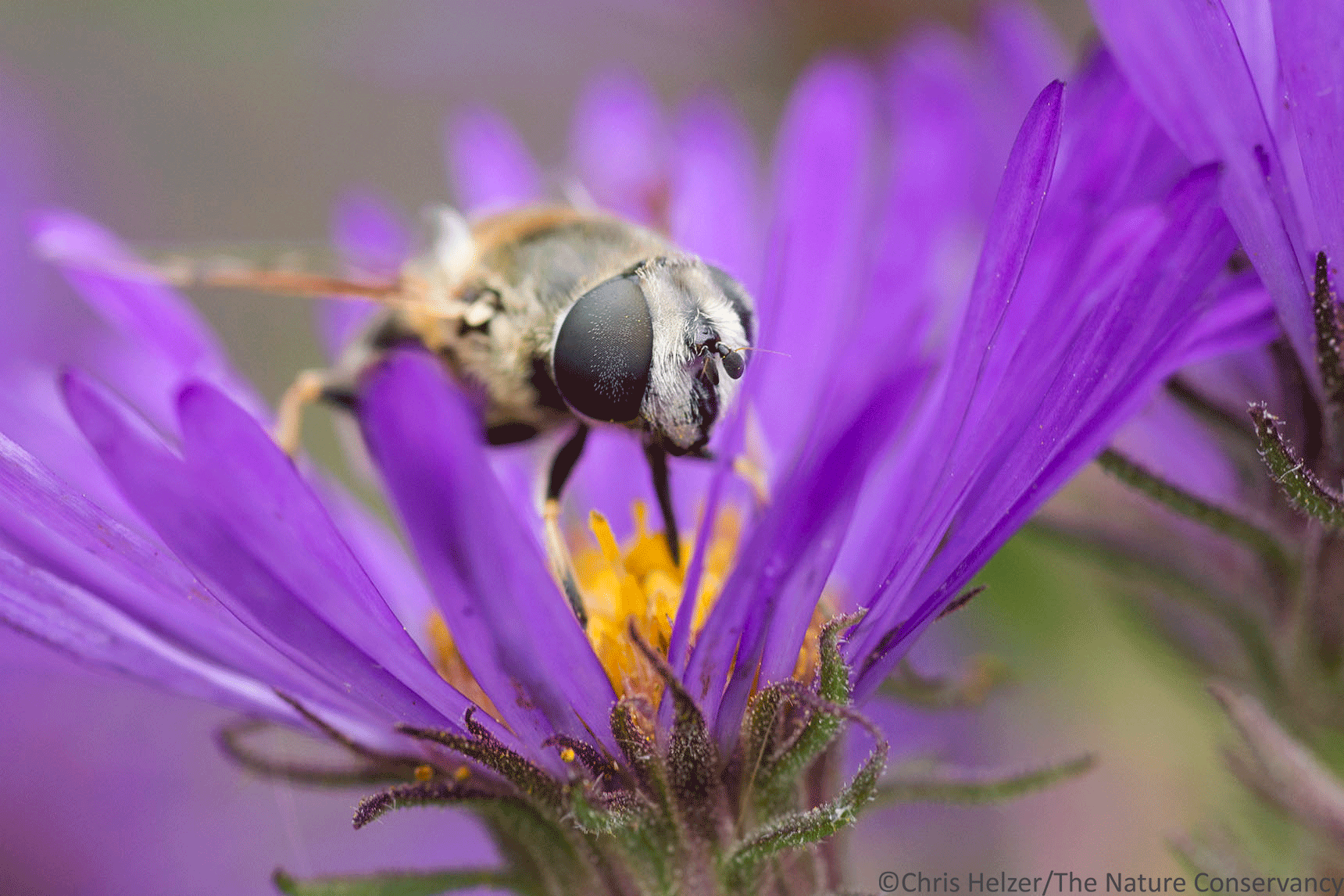
Hover fly and New England aster. Lincoln Creek Prairie.

Quarantine Quiz #7

The quarantine quizzes continue. Click on any of the images below to get a larger, easier to see version. Answers are at the bottom.

I hope you’re all doing well and following the science, as ever-changing as it is, on this pandemic and staying safe. I also hope you enjoy this stupid goofy quiz.

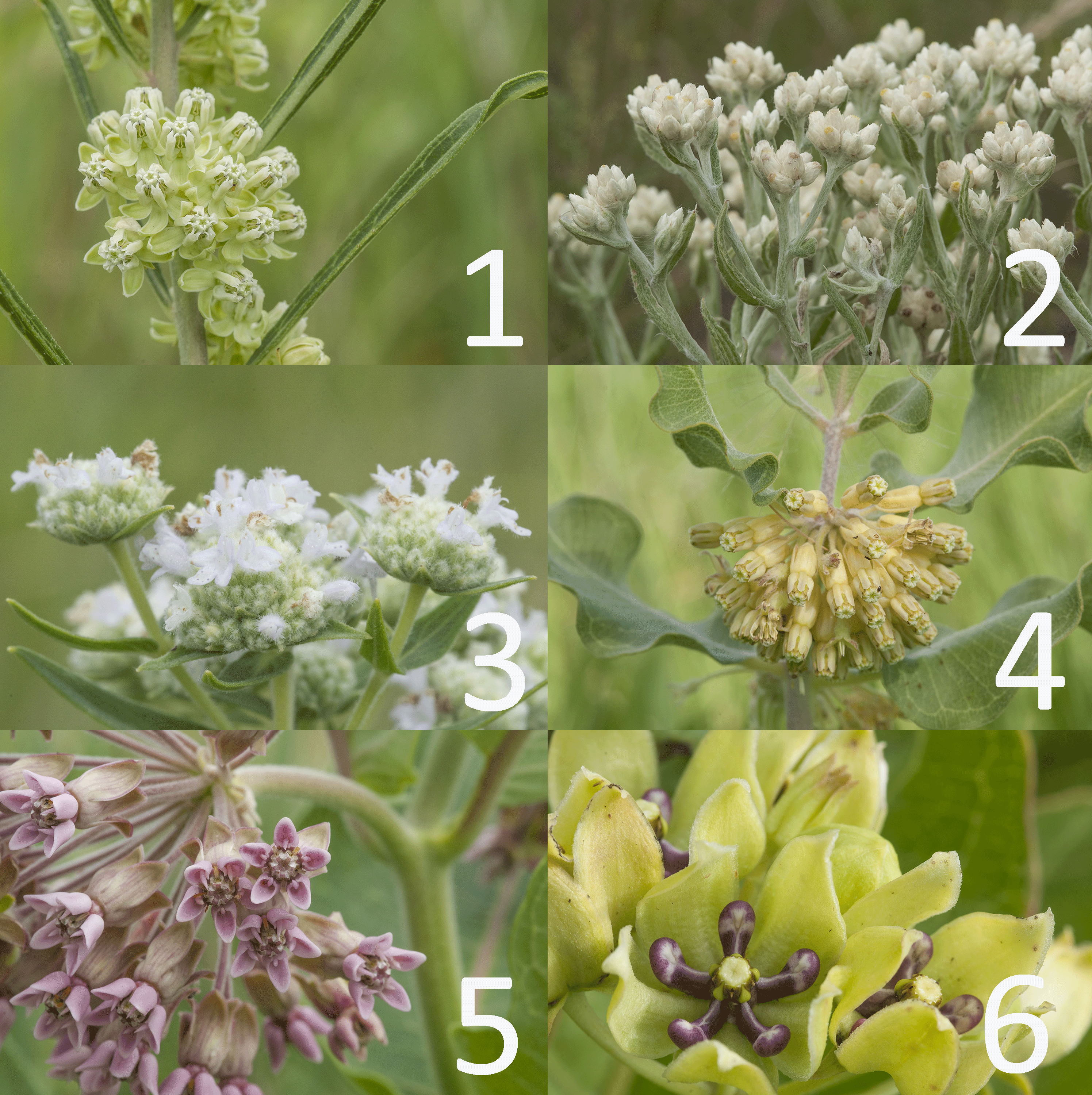
1) Which of the following are milkweeds (Asclepias sp)?

A. 1, 3, 4, and 5

B. 5

C. 5 and 6

D. 1, 4, 5, and 6

E. 3 and 5

F. All of them except 3

.

2) Which of these is the real common name of a moth? (In the spirit of fair competition, I’ll tell you that only one is correct.)

A. Parabolic pufferbelly

B. Tufted thyatirid

C. Lined loctapyrid

D. Common corditran

E. Eastern entroperamin

.

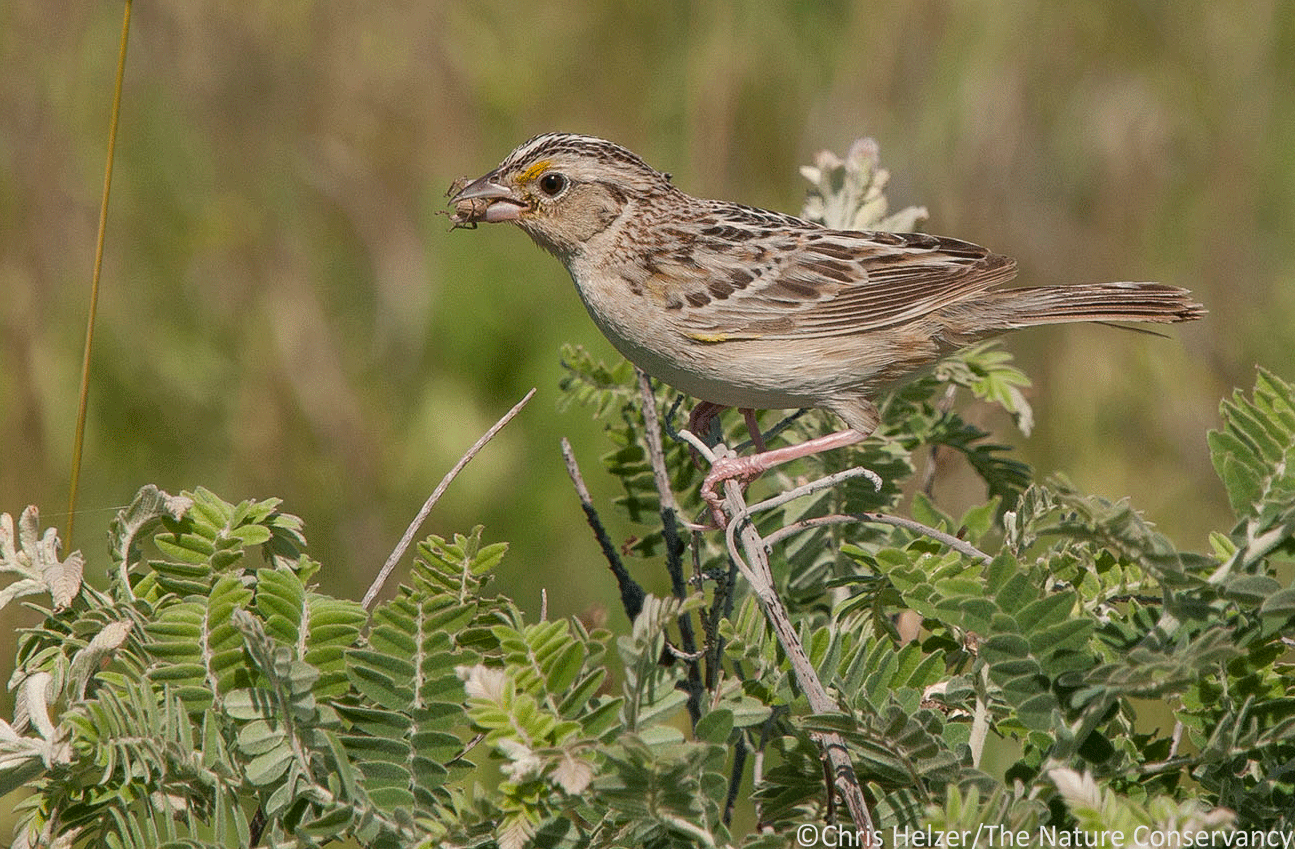
3) What species of grasshopper is this bird holding in its mouth?

A. It’s impossible to tell without a better view of the tarsal segments of its rear legs.

B. You’re joking, right?

C. Yes.

D. All of the above.

.

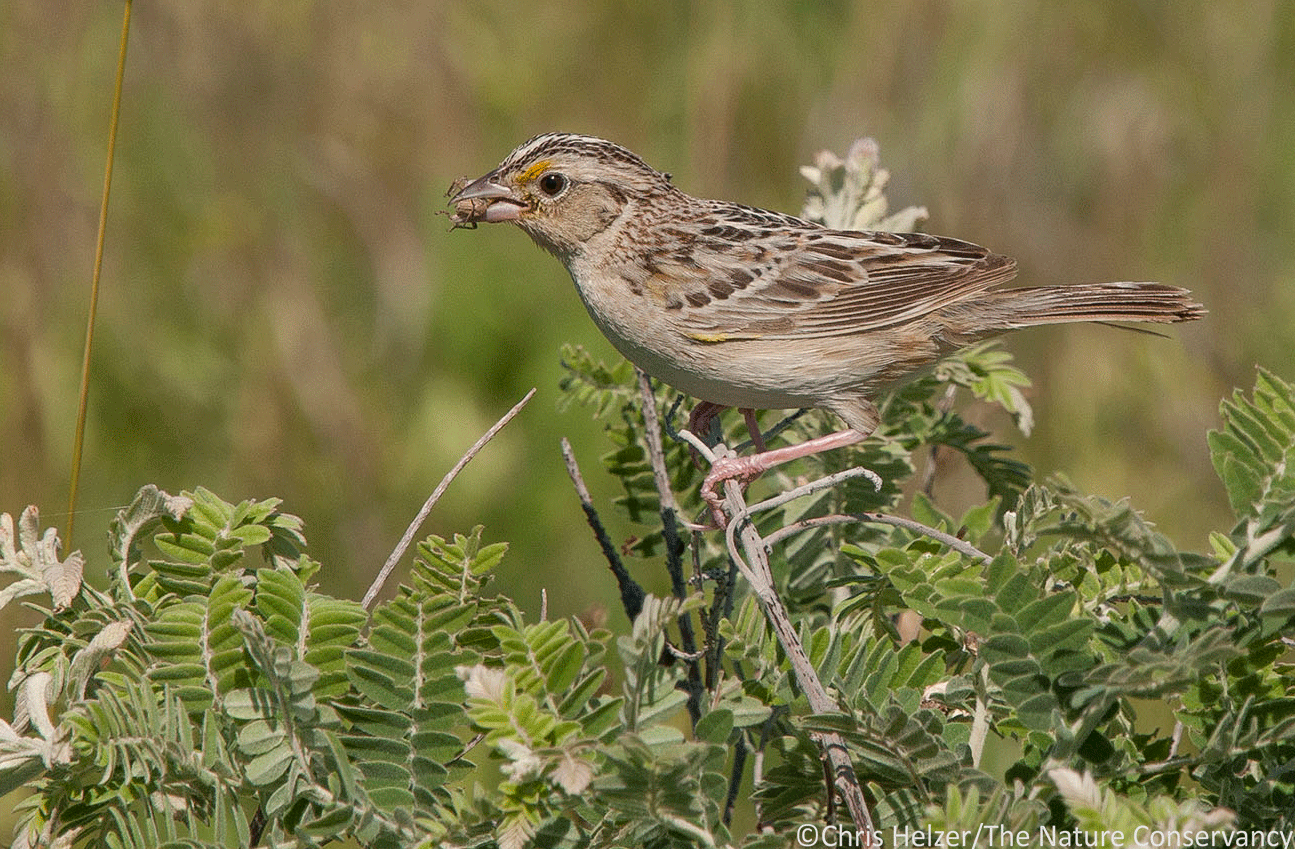
4) Let’s try again. What species of plant is this bird sitting on? For context, the photo was taken on a hilltop in the Nebraska Sandhills.

A. Stiff sunflower

B. Prairie clover

C. Lead plant

D. Crown vetch

E. Seriously? You’re not going to ask about the bird?

.

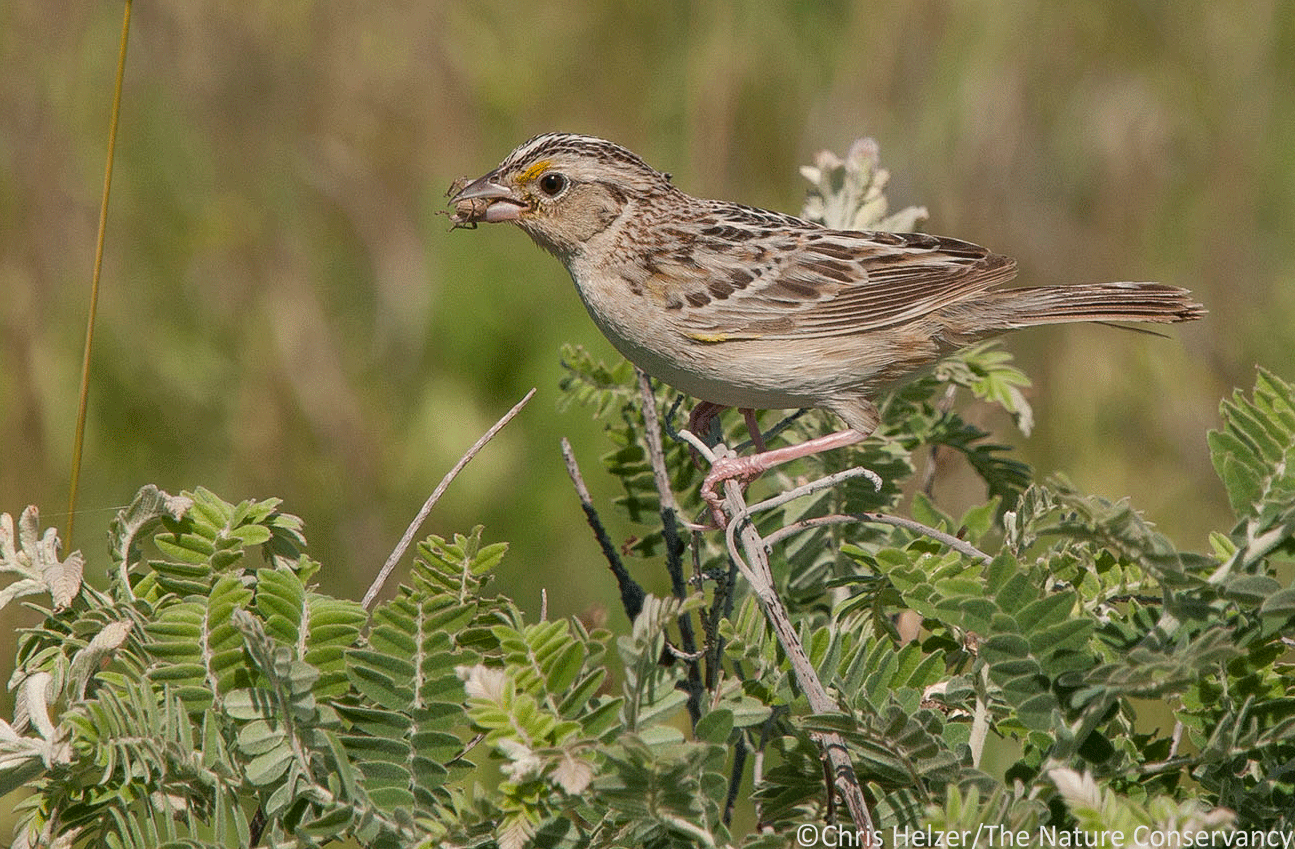
5) Fine. What species of bird is it, you bunch of gripers?

A. Well, now that you ask, I’m not sure. If I just had a better view of its breast…

B. Henslow’s sparrow

C. Vesper sparrow

D. Grasshopper sparrow

E. Clay-colored sparrow

F. White-dotted Groundling

G. Wait, that last one is another moth, isn’t it? What’s your deal, anyway?

.

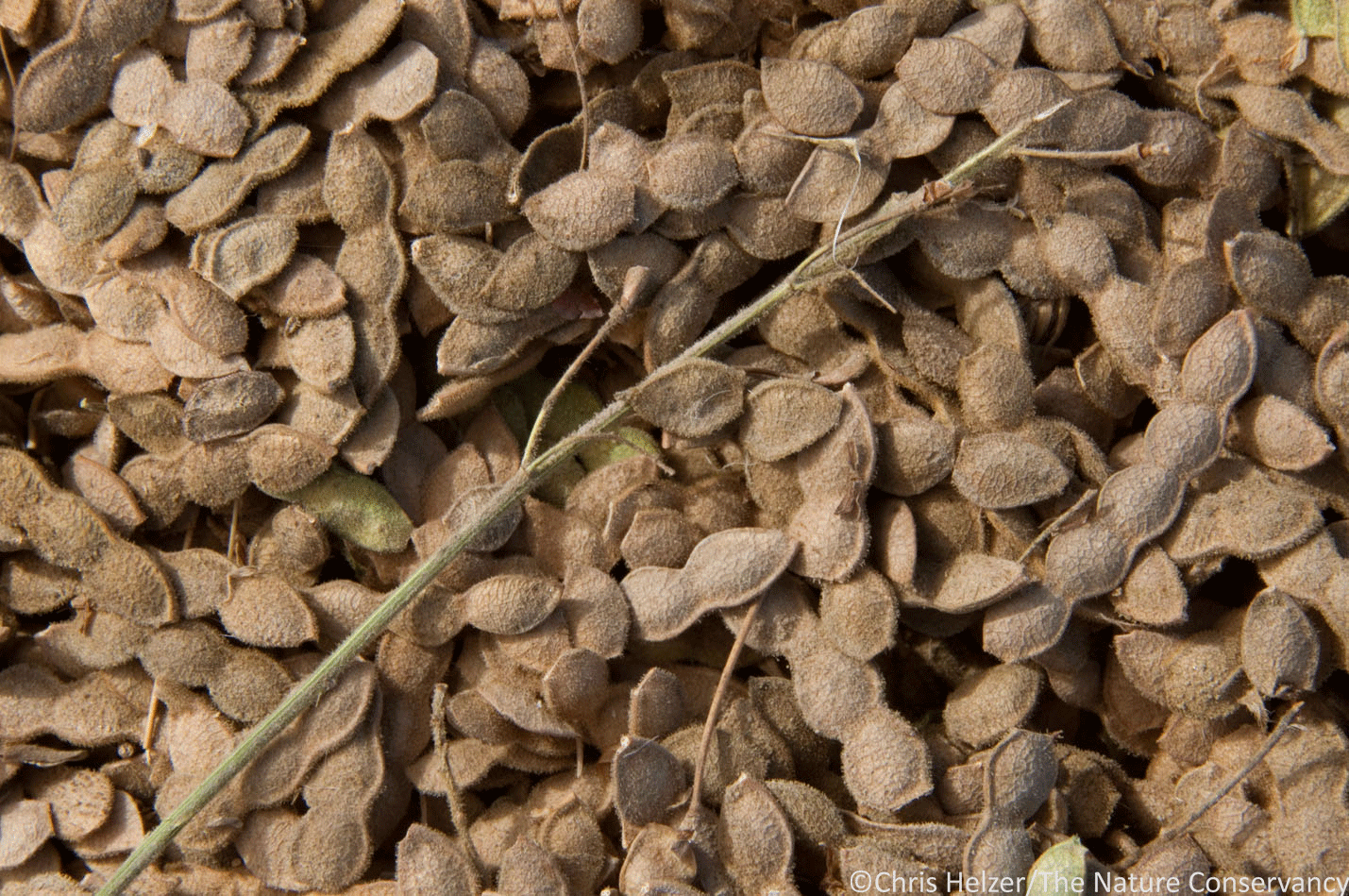
6) What is this?

A. A pile of dehydrated rabbit poop. Where did you even find something like that?

B. Seeds from showy tick trefoil (Desmodium canadense).

C. A mass of eggs laid in a communal pile by a bunch of ground beetles. The beetles take turns defending the eggs until they hatch.

D. Seeds from sand paspalum (Paspalum setaceum)

E. Whatever they are, they sure look like they’d stick to my socks.

F. Probably something to do with moths…

.

7) Which of these are bees native to North America?

A. I can’t tell about # 4 because I can’t see it’s back legs.

B. 1 and 6

C. All but 4

D. All but 3 and 4

E. 1, 5, and 6

F. 2 and 5

G. All of them are native North American bees. Even the bullfrog. Nothing matters anymore. Taxonomists will probably lump bullfrogs in with bees now because why not? Then they’ll change its Latin name about every three and a half years so no one can keep up. Good grief.

.

.

.

.

Answers:

1) D is the correct answer. The species shown are: 1- Narrowleaf milkweed (Asclepias stenophylla), 2 – old field balsam (Gnaphalium jaliscense), 3 – Virginia mountain mint (Pycnanthemum virgnianum), 4 – green milkweed (A. viridiflora), 5 – common milkweed (A. syriaca), and 6 – green antelopehorn milkweed (A. viridis)

2) B

3) D It is, indeed, a grasshopper but I can’t tell what species.

4) C is the best answer. E can also be considered correct if that’s how you feel. Lead plant is really common throughout most of the Nebraska sandhills. It’s technically a shrub, but grows more like a wildflower. It’s a legume, has beautiful flowers, and you can make a nice tea from the leaves.

5) D and G Grasshopper sparrows are among the most common birds nesting in grasslands here in Nebraska but are rarely noticed by people because of their small size, non-fancy coloration, and insect-like call.

6) B and E

7) B. 1 and 6 are bees (Agapostemon and Andrena, respectively). 2 is a hover fly, 3 is a bee fly. 4 is a bull frog (I’m confident in that identification even without seeing the back legs). 5 is a honey bee, which is not native to the U.S. You can read more about bees, including why we shouldn’t be worrying about honey bees, in my Cool Green Science blog post.