Favorite Photos of 2019 – Part 2

Here is the second half of my collection of favorite images from 2019. If you missed the first half and want to see them, you can find them here. Have a safe and happy end of 2019 and beginning of 2020!
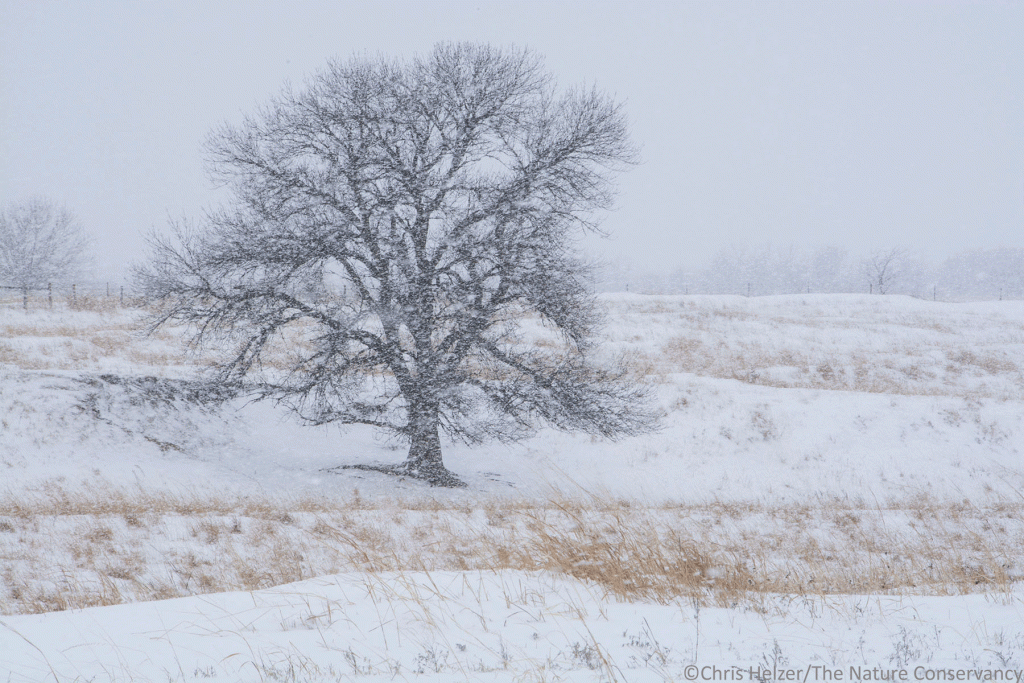
Snowstorm at the Helzer family prairie.
Blue violets (Viola sororia) – Platte River Prairies.
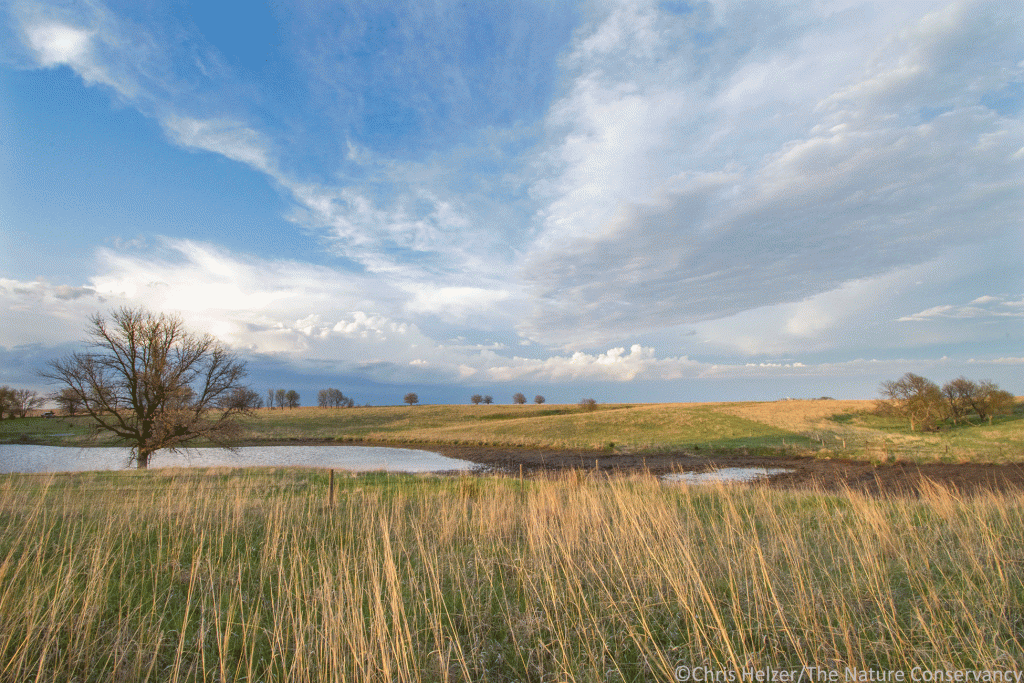
Helzer family prairie in May.
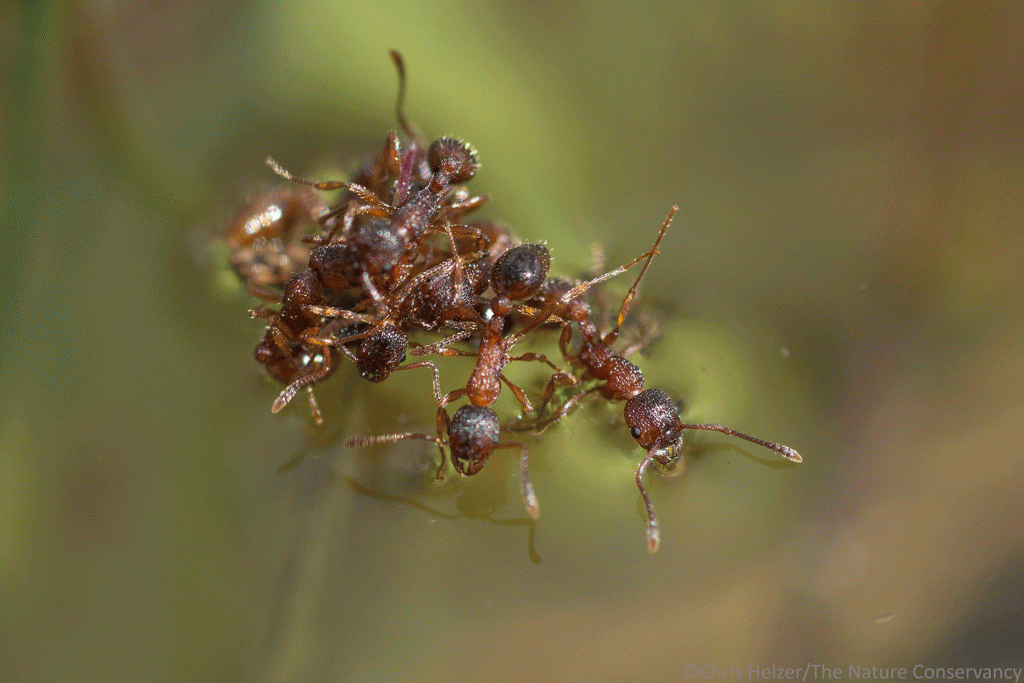
Ants trying to escape high water flowing across the Platte River Prairies in the spring of 2019.
A bobolink male (Dolichonyx oryzivorus) sings at the Platte River Prairies.
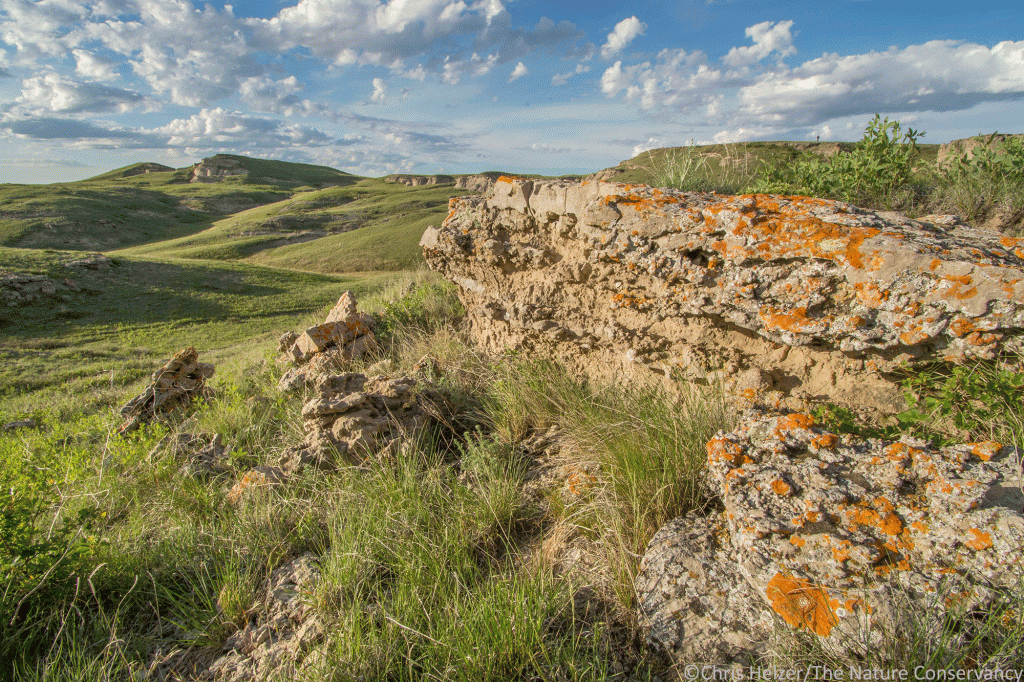
The Nature Conservancy’s Cherry Ranch in Nebraska’s panhandle.
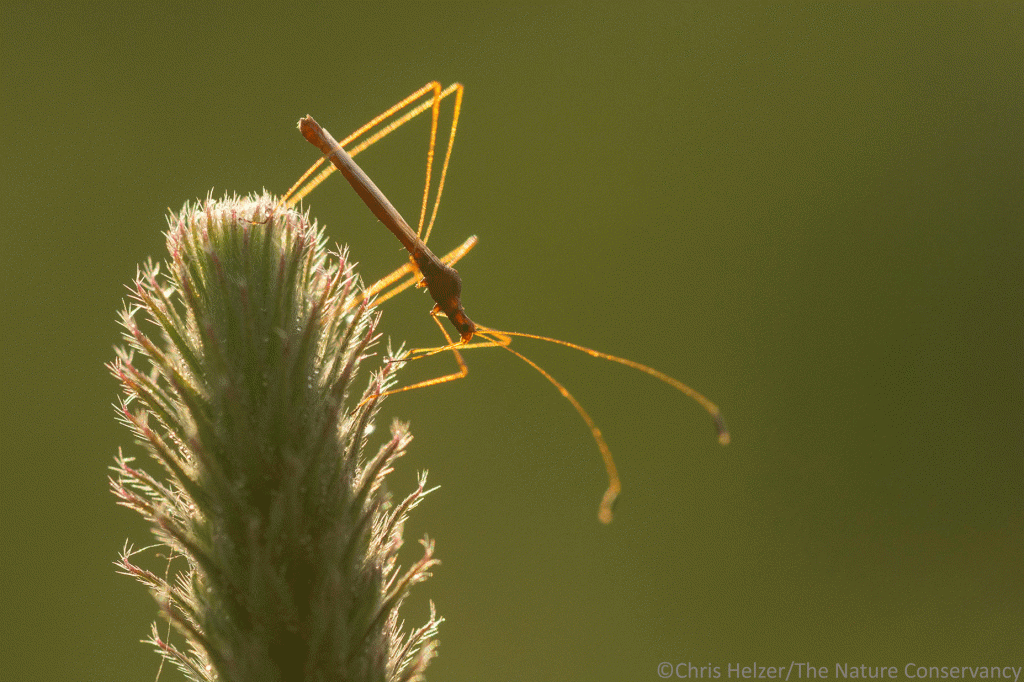
Stilt bug (Berytidae) at Lincoln Creek Prairie.
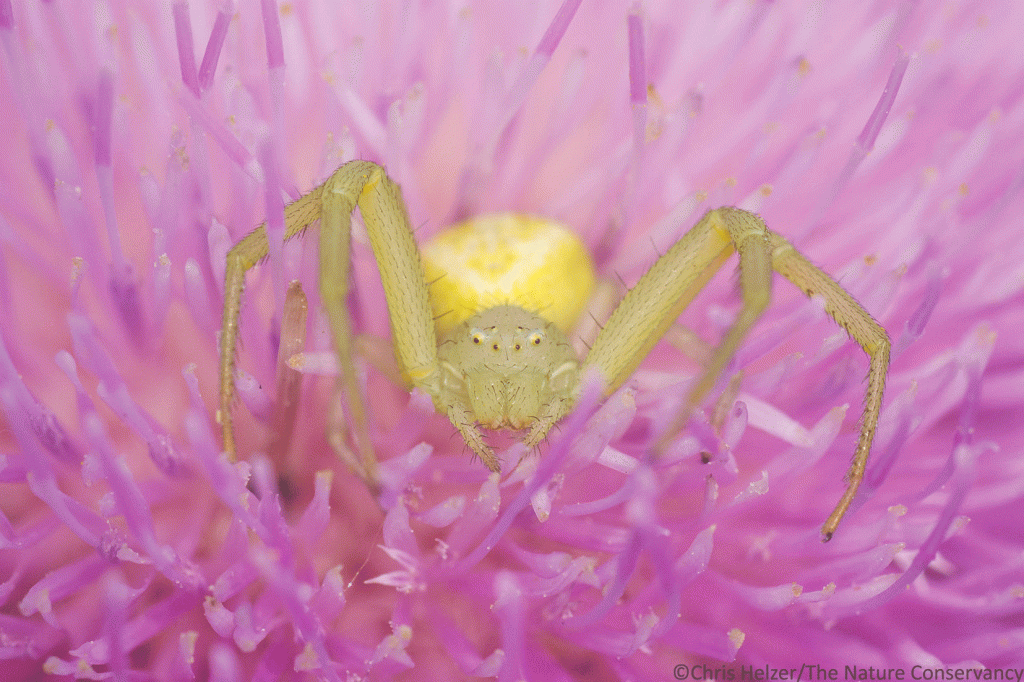
Crab spider (Thomisidae) on musk thistle (Carduus nutans). Platte River Prairies.
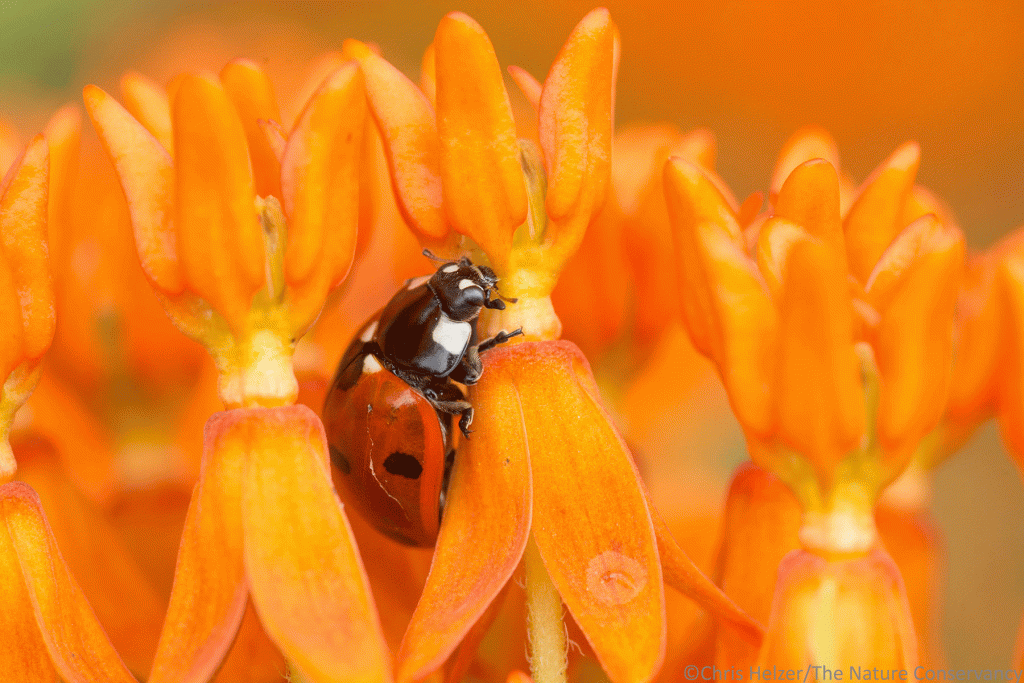
Seven-spotted lady beetle (Coccinella septempunctata) on butterfly milkweed (Asclepias tuberosa).
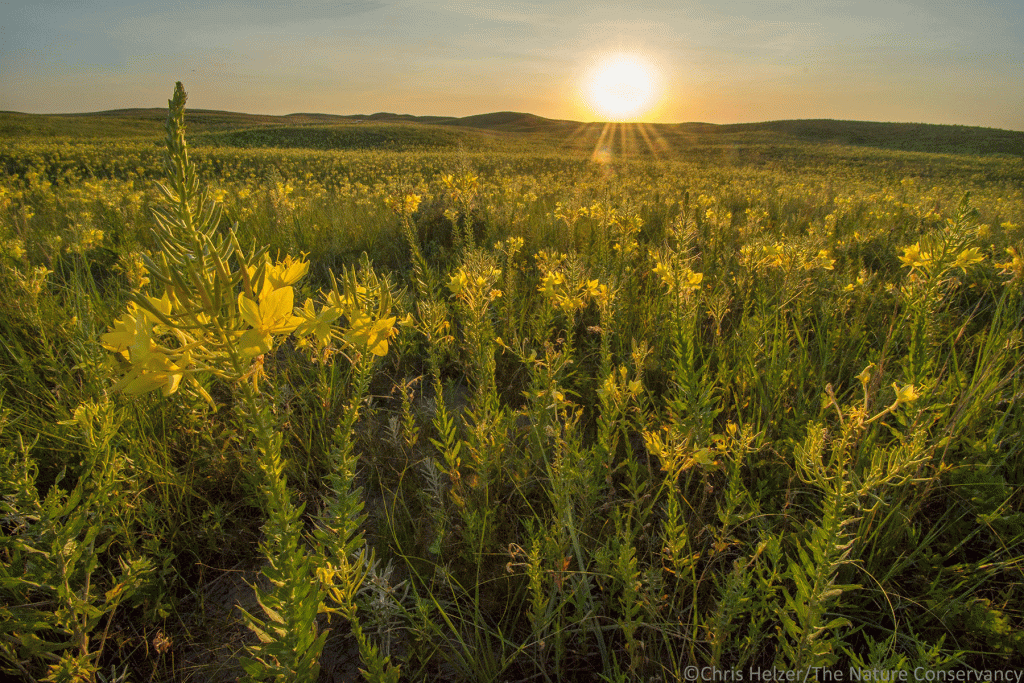
Fourpoint evening primroses in Sandhills prairie at the Niobrara Valley Preserve.
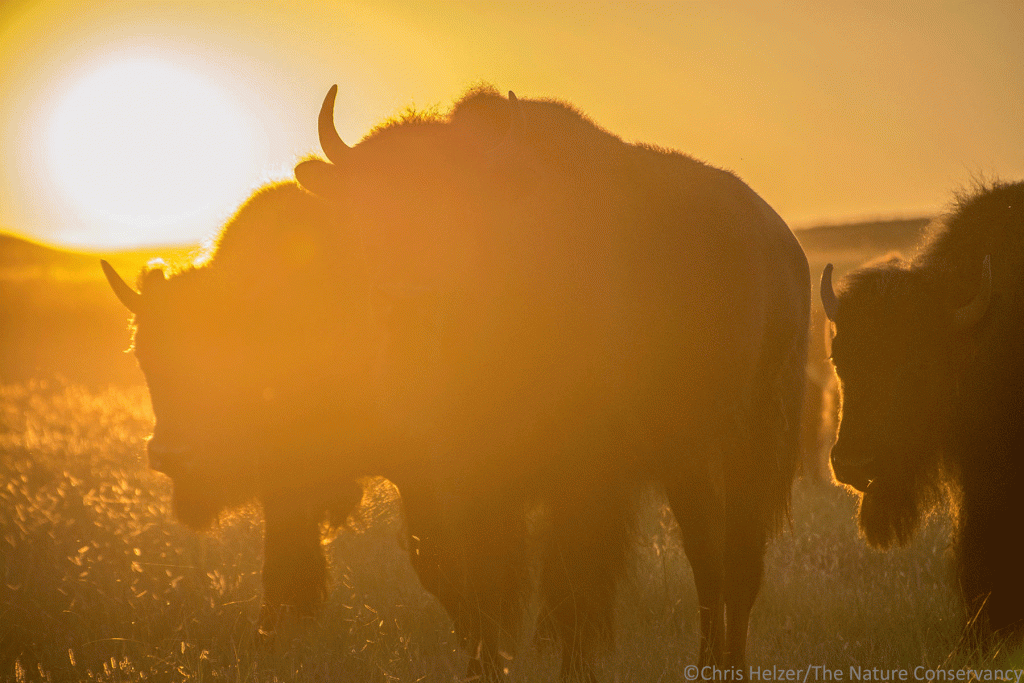
Bison at sunset – the Niobrara Valley Preserve.
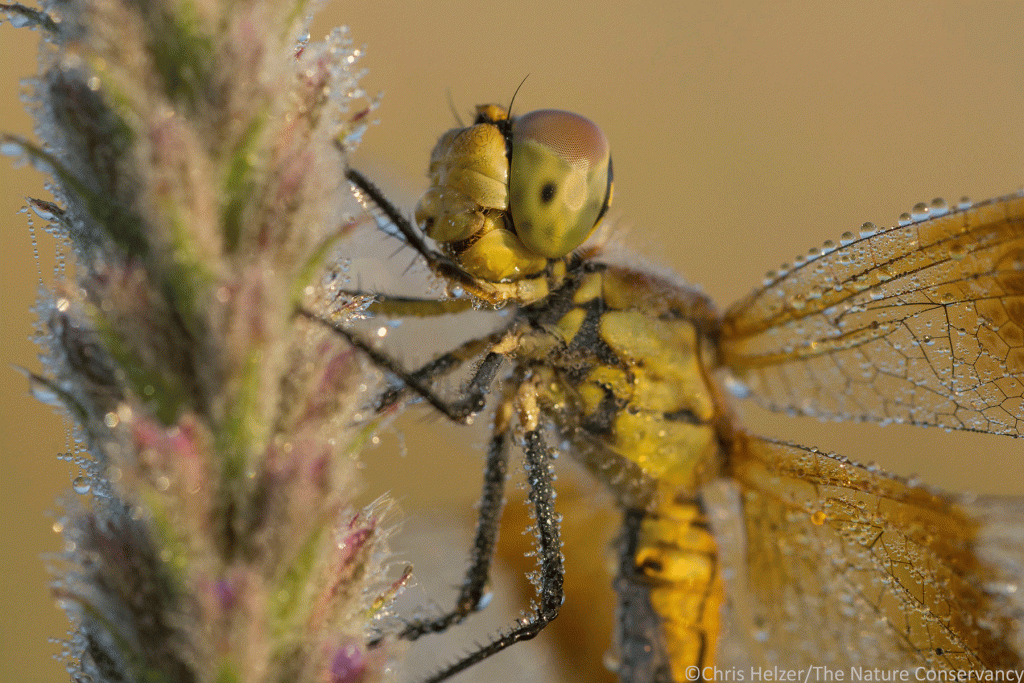
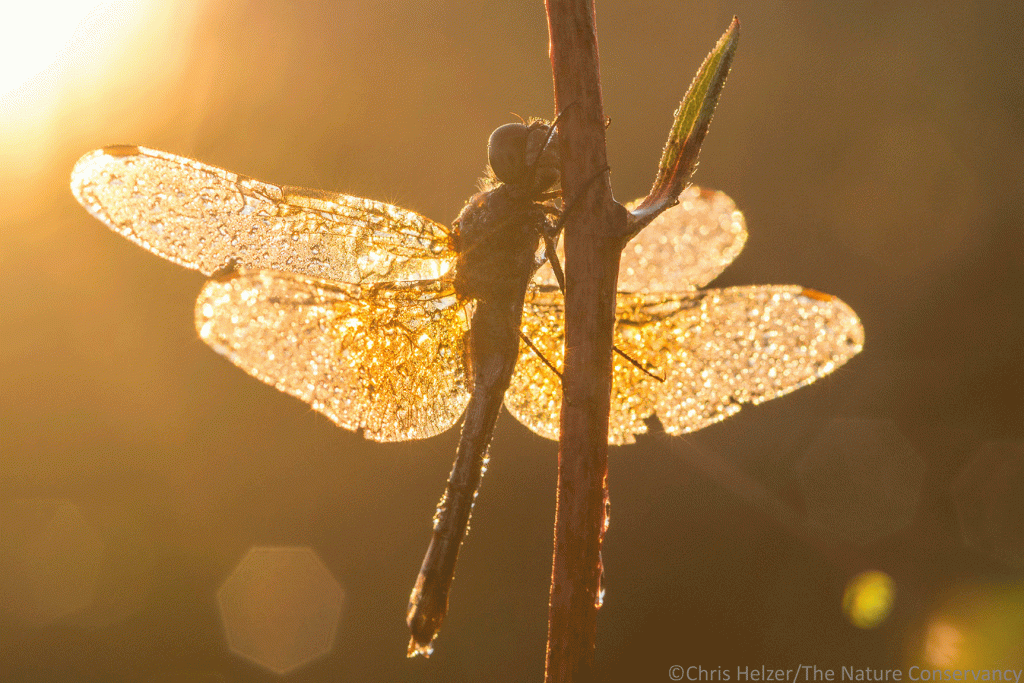
Dragonfly and dew on hoary vervain (Verbena stricta).
Wild bergamot (Monarda fistulosa) – Helzer family prairie.
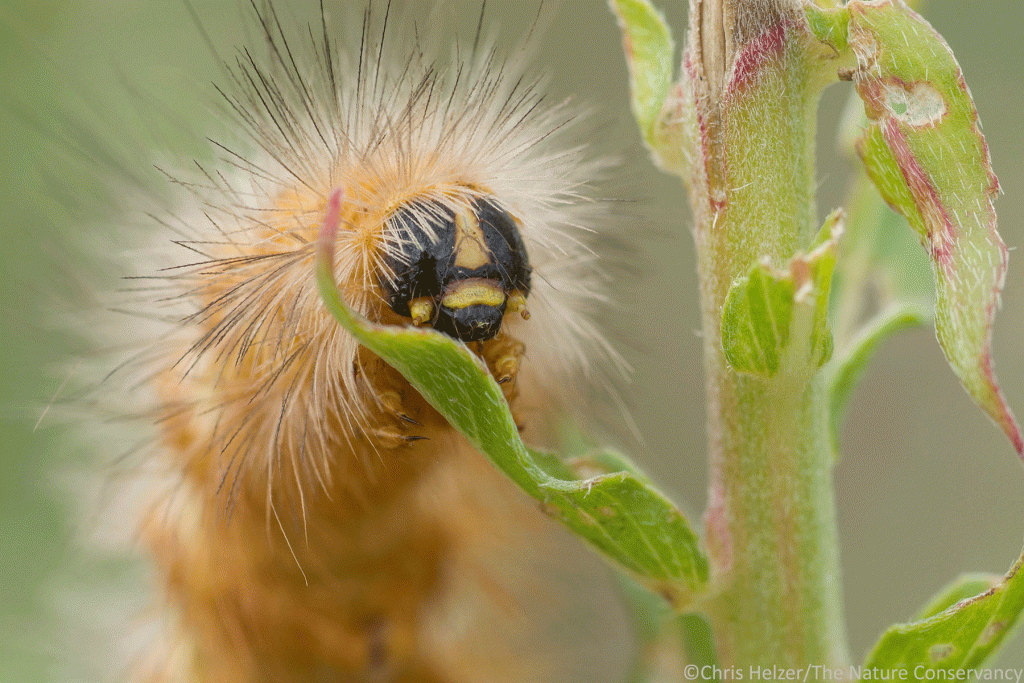
Saltmarsh caterpillar (Estigmene sp.) at the Niobrara Valley Preserve.
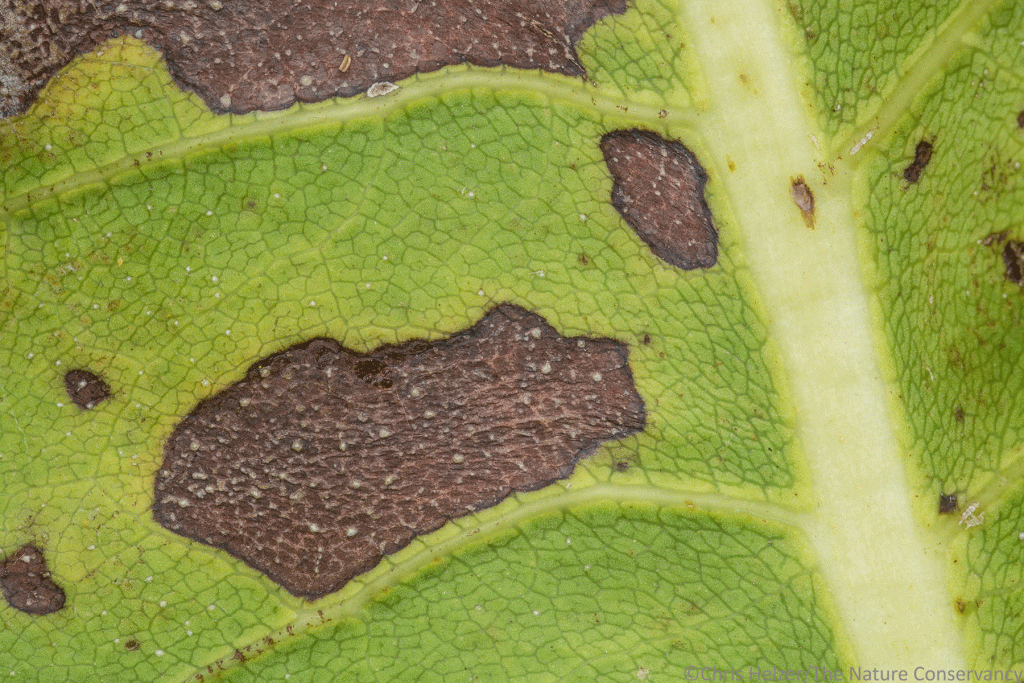
Prairie dock leaf (Silphium terebinthinaceum) – Faville Grove Sanctuary, Wisconsin.
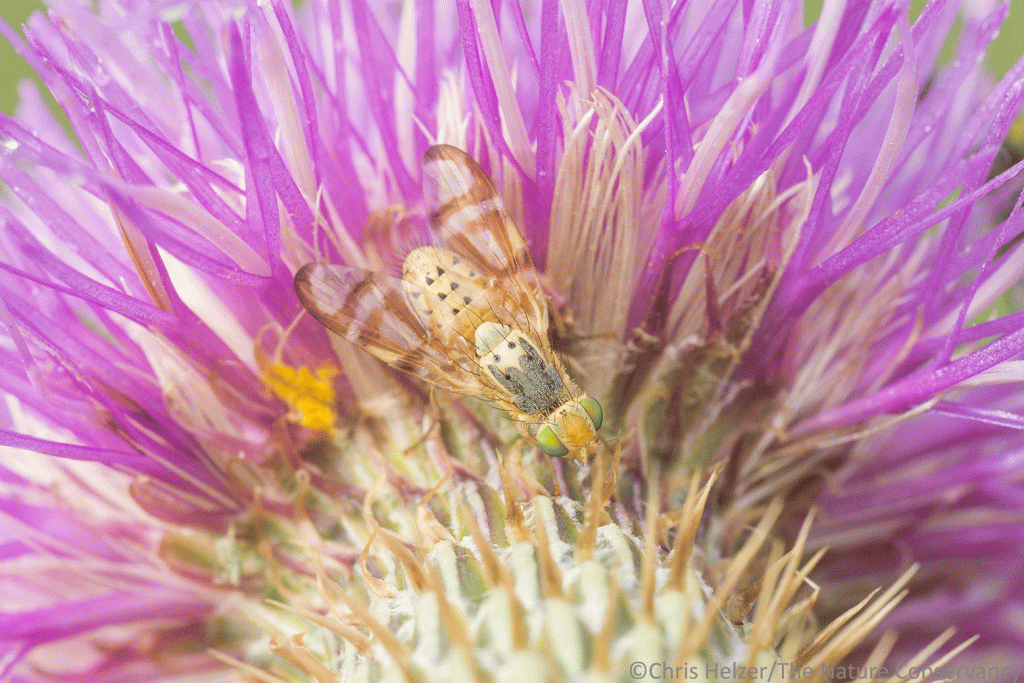
Fly with ovipositor on tall thistle (Cirsium altissimum). Helzer family prairie.
Plains leopard frog (Lithobates blairi) – Helzer family prairie.
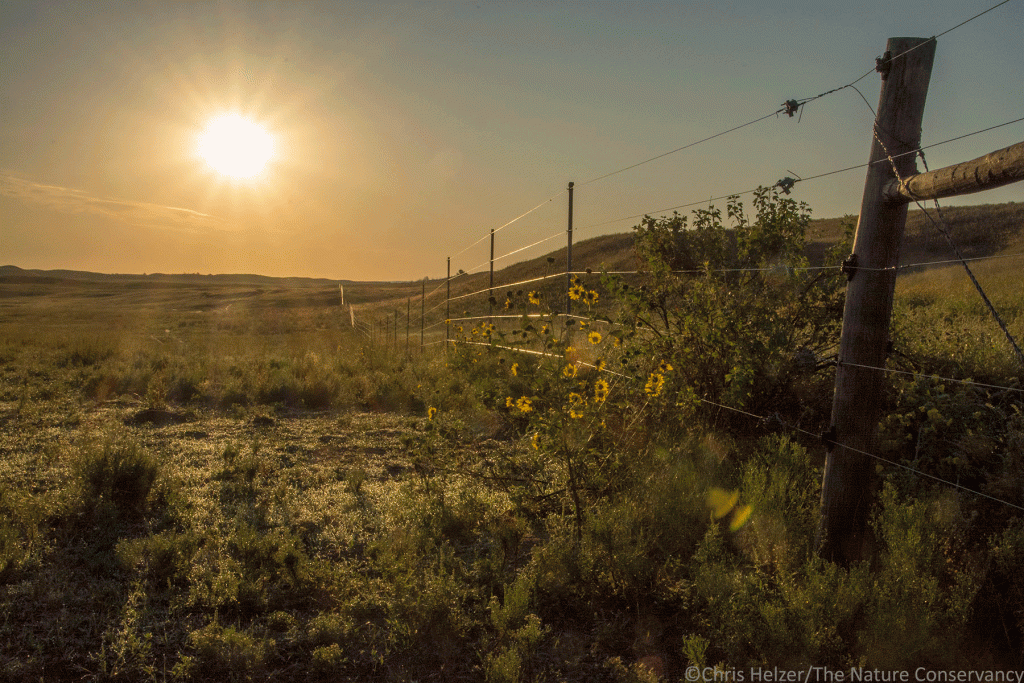
Sunrise on a hazy morning at the Niobrara Valley Preserve.
Dragonfly at sunrise – Lincoln Creek Prairie.
Big bluestem (Andropogon gerardii) and dew drops. Lincoln Creek Prairie.
Damselfly in early morning. Lincoln Creek Prairie.
Carolina mantis (Stagmomantis carolina). Aurora, Nebraska.
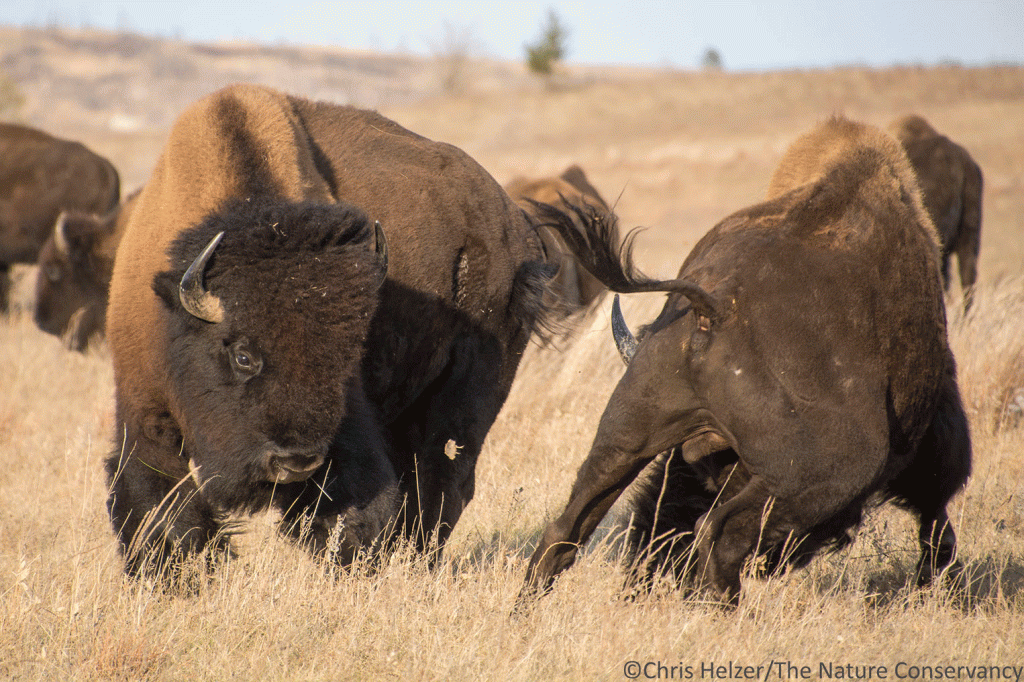
Sparring bison bulls at the Niobrara Valley Preserve.
Common milkweed seeds (Asclepias syriaca). Lincoln Creek Prairie.
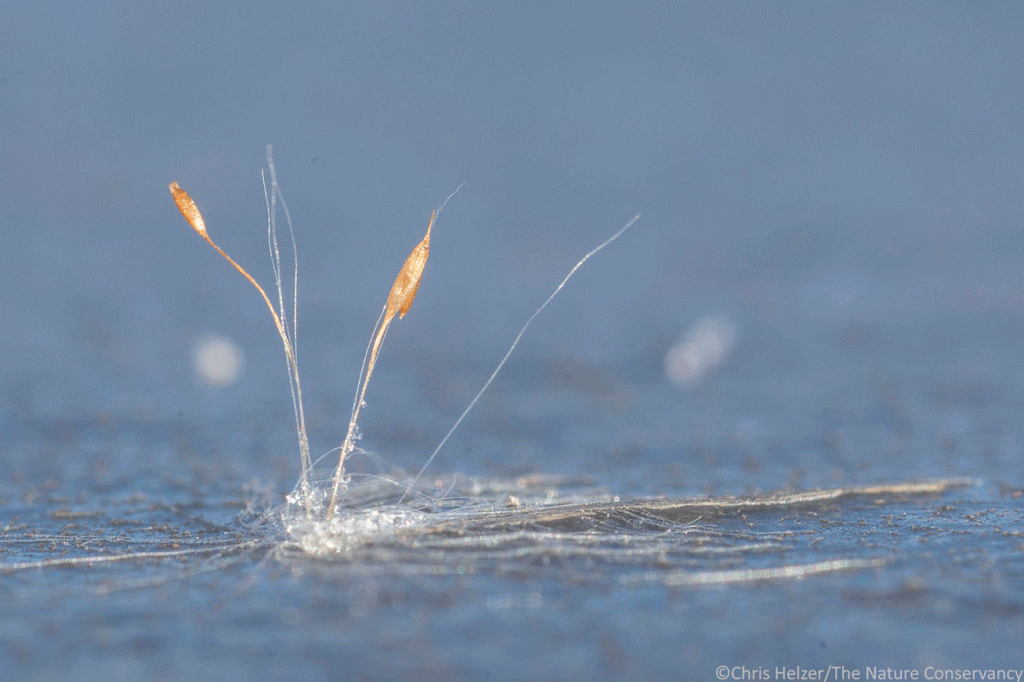
Cattail (Typha sp.) seeds on the ice. Spring Basin Waterfowl Production Area.

Favorite Photos of 2019 – Part 1

The year 2019 was amazing and thinking back on it makes me very grateful for my job, my colleagues, and my family. I was able to visit some incredible places, including both new and familiar sites, and I learned a lot from smart, energetic people everywhere I went. I also had wonderful opportunities to spend time with Kim and our kids at many of those places. While I usually do a poor job of including people in my photographs, their influence is strong in the memories I associate with each image. Here is the first half of my favorite photos from 2019. The rest will be coming soon…
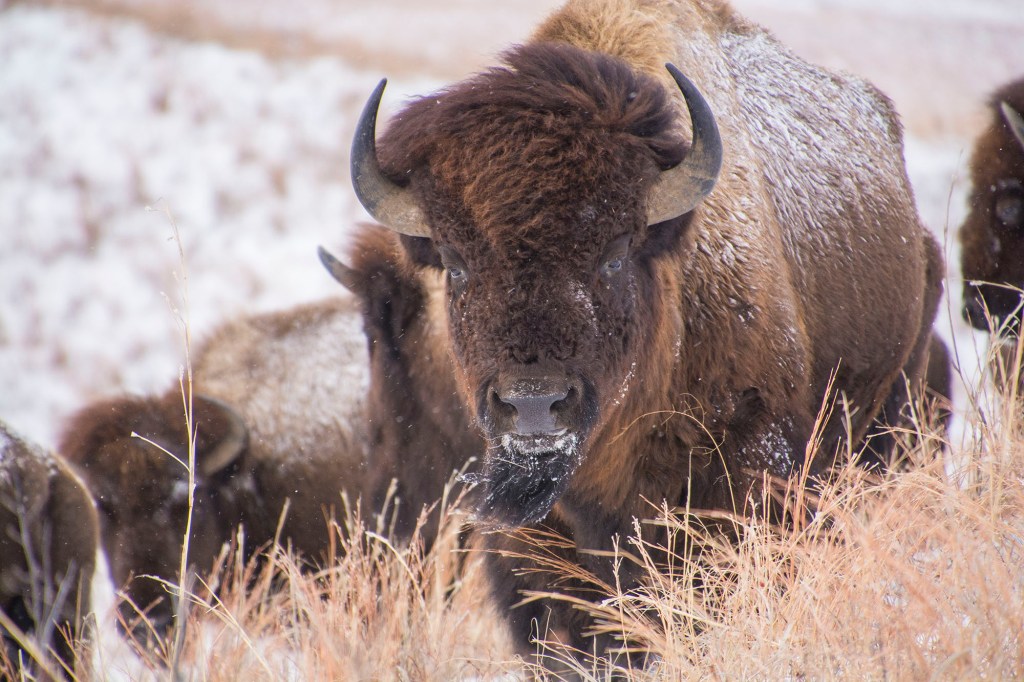
Bison (Bison bison) in the snow. Niobrara Valley Preserve.
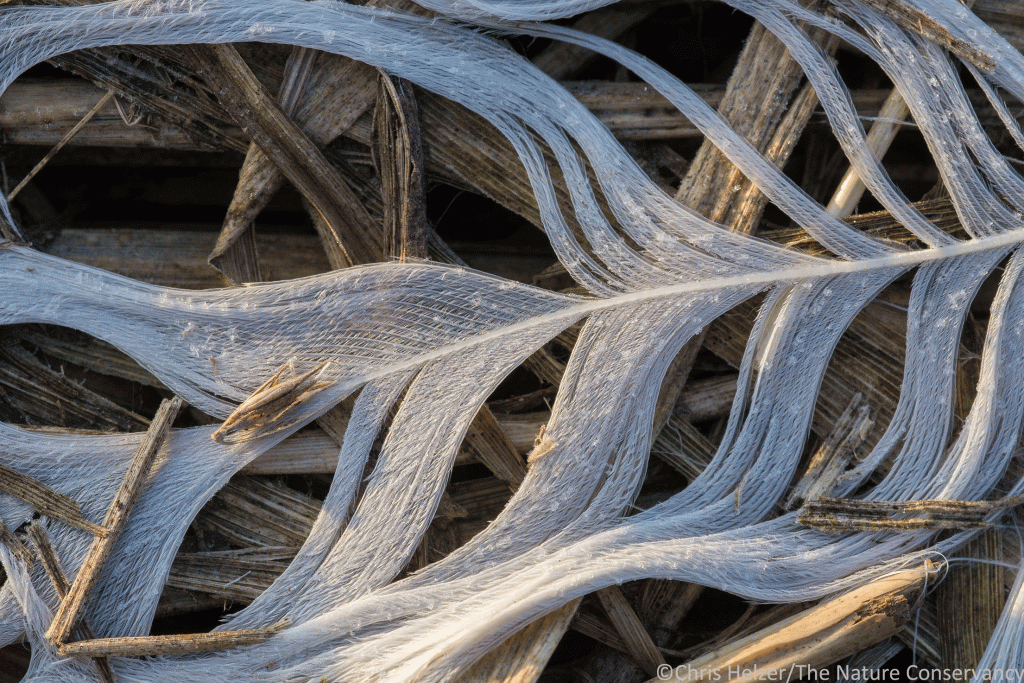
Sandhill crane feather along the Platte River.
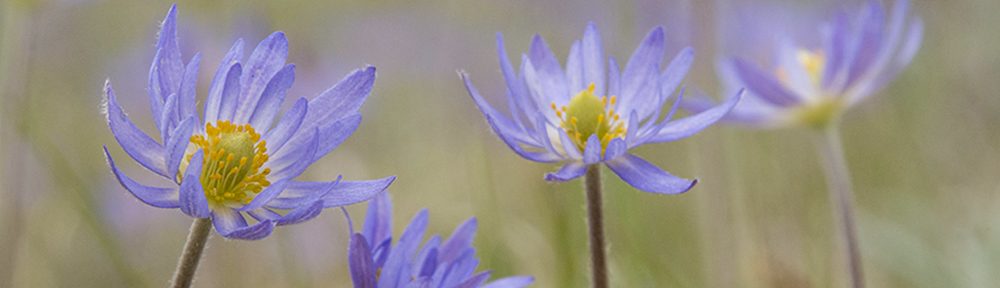
Carolina anemone (Anemone caroliniana). Gjerloff Prairie.
Prescribed fire. Niobrara Valley Preserve.
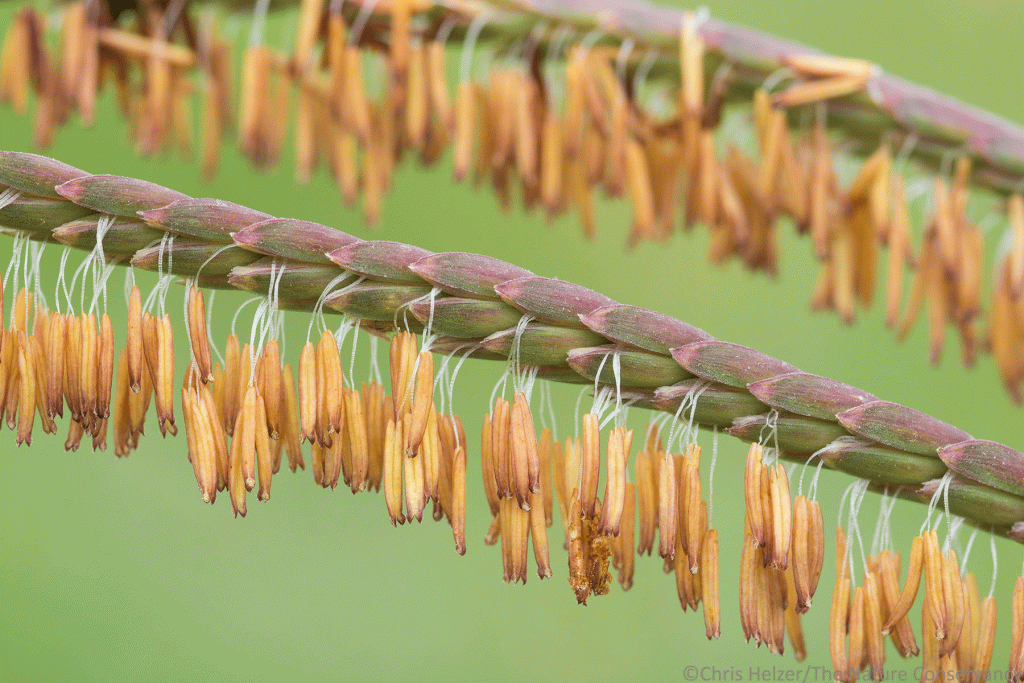
Eastern gamagrass (Tripsacum dactyloides). Clymer Prairie, Texas.
Painted turtle (Chrysemys picta), Platte River Prairies.
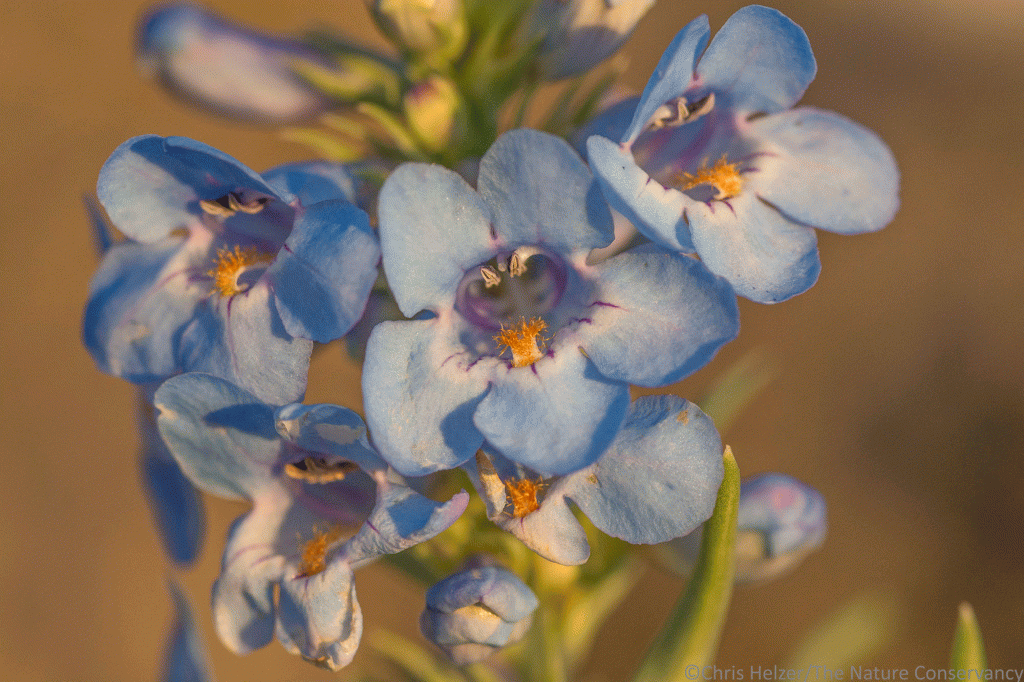
Narrowleaf beardtongue (Penstemon angustifolius), Fort Robinson State Park.
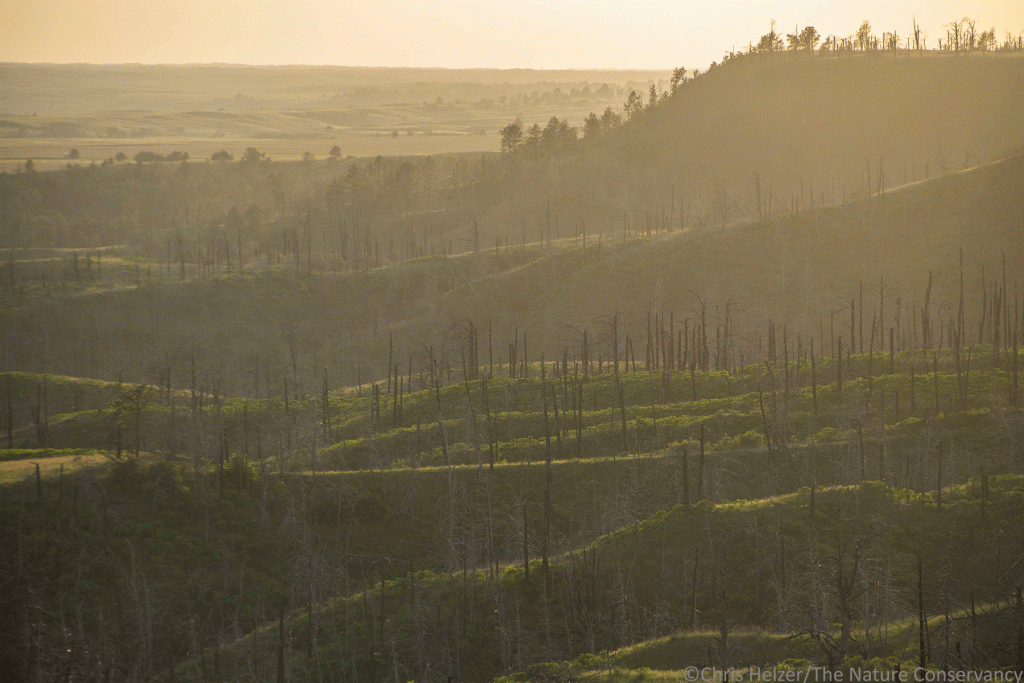
Backlit hills at sunset at the Niobrara Valley Preserve.
Northern bobwhite (Colinus virgnianus) in the Platte River Prairies.
Painted lady butterfly (Vanessa cardui) on butterfly milkweed (Asclepias tuberosa). Lincoln Creek Prairie.
Spring-fed creek, Niobrara Valley Preserve.
Prairie smoke (Geum triflorum). Flat Ranch Preserve, Idaho.
Bison and primroses. Niobrara Valley Preserve.
Western bush cicada (Megatibicen tremulus) on yucca (Yucca glauca). Niobrara Valley Preserve.
Fourpoint evening primrose (Oenothera rhombipetala). Niobrara Valley Preserve.
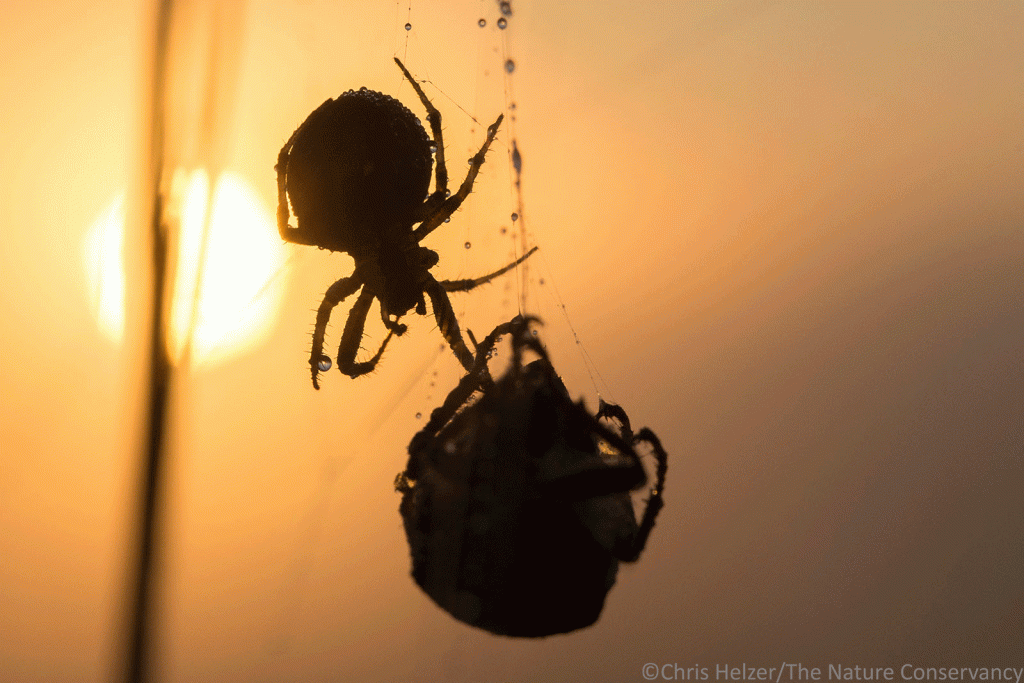
Spider and prey at sunrise. Niobrara Valley Preserve.
Sideoats grama (Bouteloua curtipendula). Helzer family prairie.
Indiangrass (Sorghastrum nutans) and sunrise. Lincoln Creek Prairie.
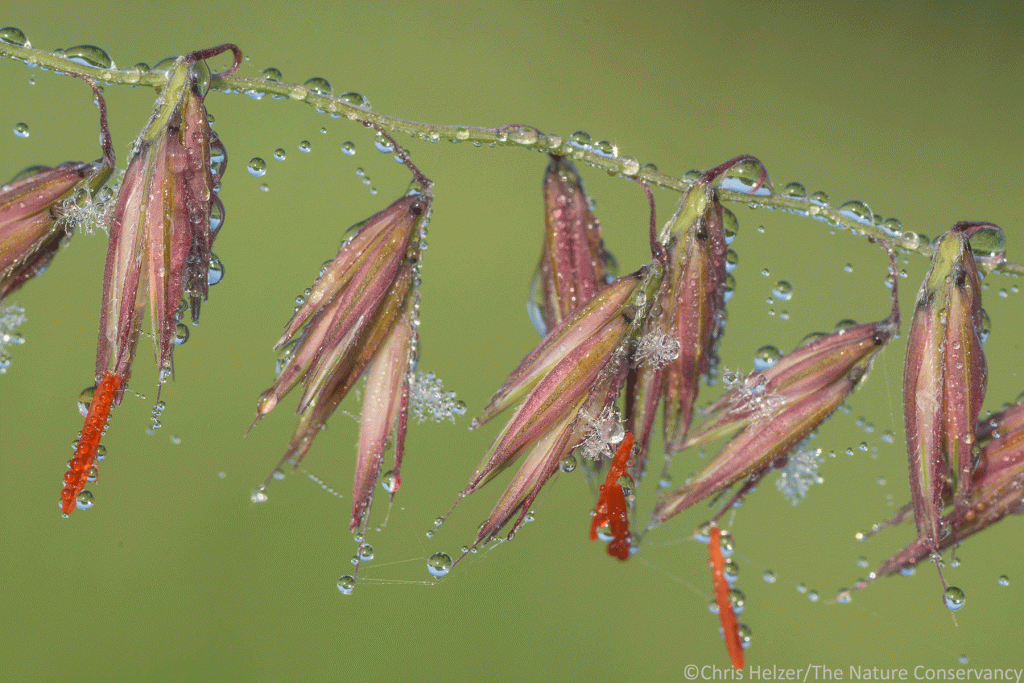
Big bluestem (Andropogon gerardii) and dew, backlit by rising sun. Lincoln Creek Prairie.
Hover fly and dew drops. Lincoln Creek Prairie.
Dragonfly and sunrise. Lincoln Creek Prairie.
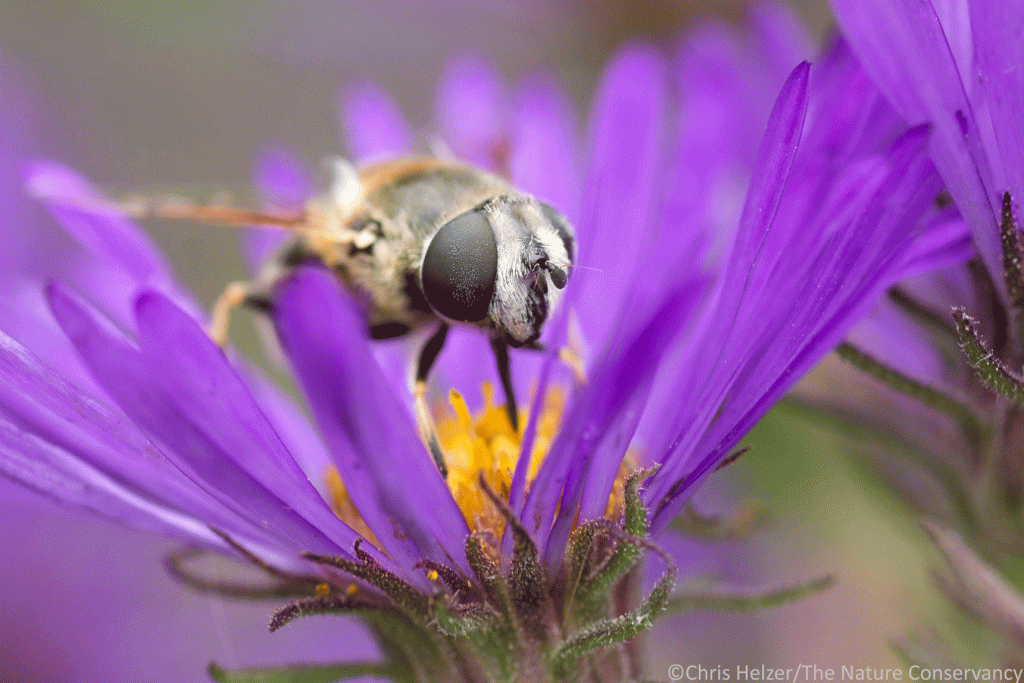
Hover fly (Syrphidae) on New England aster (Aster novae-angliae).
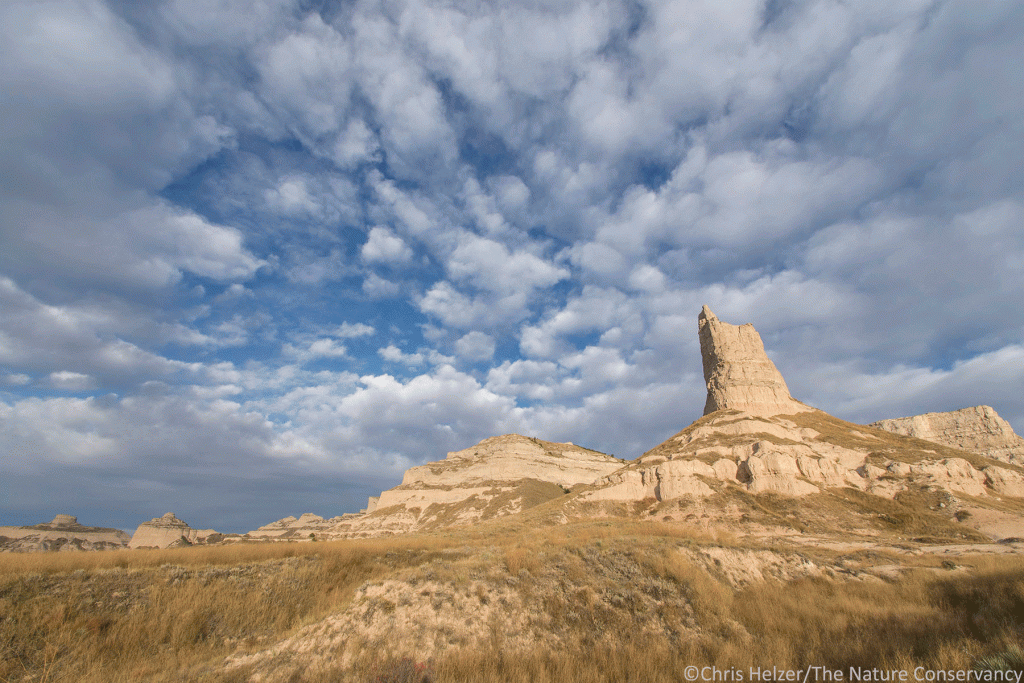
Scotts Bluff National Monument, Gering, Nebraska.
Bison in the corral, Niobrara Valley Preserve.
Butterfly milkweed (Asclepias tuberosa) seeds. Lincoln Creek Prairie.
Plains leopard frog (Lithobates blairi) on ice, Springer Basin Waterfowl Production Area.

This is the 108th post I’ve written in 2019. I strive for two posts a week, and – at least on average – managed to hit that this year. Of my 2019 posts, the one that seemed to catch people’s attention the most was the one about the roots of prairie plants. We’ve all been taught that prairies are resilient because the plants can draw water from very deep in the soil profile, but numerous research projects show they aren’t actually doing that. It’s intriguing to me, and apparently to many of you as well.

This was apparently a good year for interest in the belowground activities of prairies. The other 2019 post that was widely shared and discussed was from back in March, when I wrote about how prairie management affects soil carbon. Or, to be more exact, I wrote about how little we actually know about how prairie management affects soil carbon and how frustrating that is. Because we know so little, anyone who claims to understand it can get a lot of attention, regardless of whether their information is good or not (most of it’s not).

Whether you’ve followed this blog since its beginning in 2010, or have just recently discovered it, please know that I greatly appreciate all of you. I continue to be incredibly honored and gratified by the thoughtful and polite discussions that occur in the comments section of this blog – a sharp contrast from the well-deserved negative reputation of most internet comments sections. I have a lot of optimism about the future of prairies, despite the many challenges we all face. Much of that optimism comes from getting to know the people who care about prairies, both through meeting you in person and through reading your comments.

Thank you. Happy Holidays and Happy New Year!

  • Chris Helzer

(Part 2 of my favorite 2019 photos coming soon…)