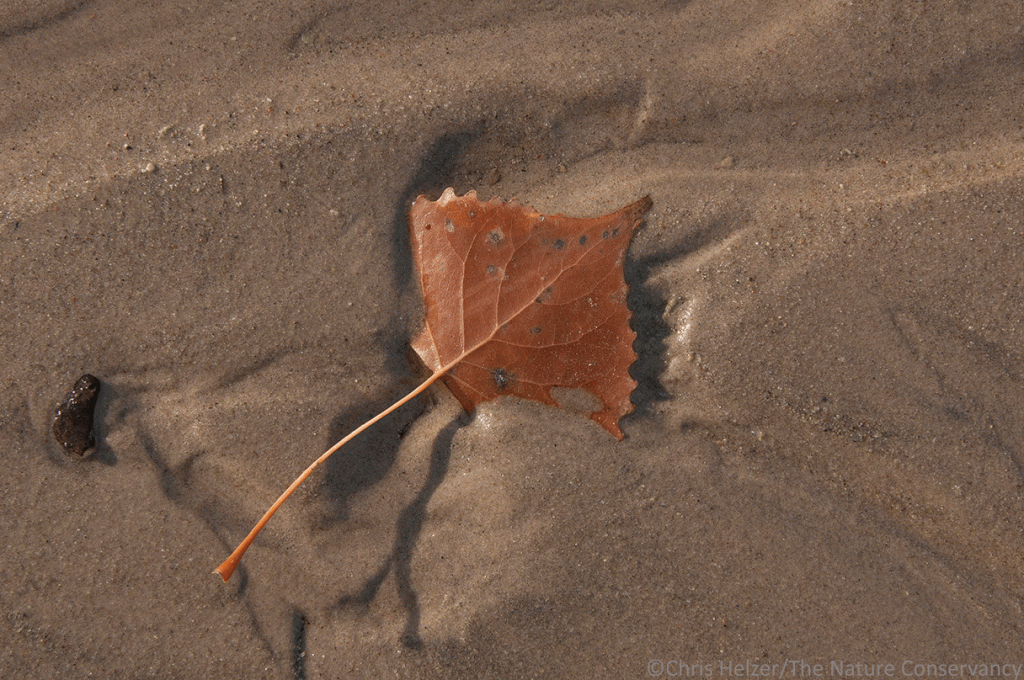
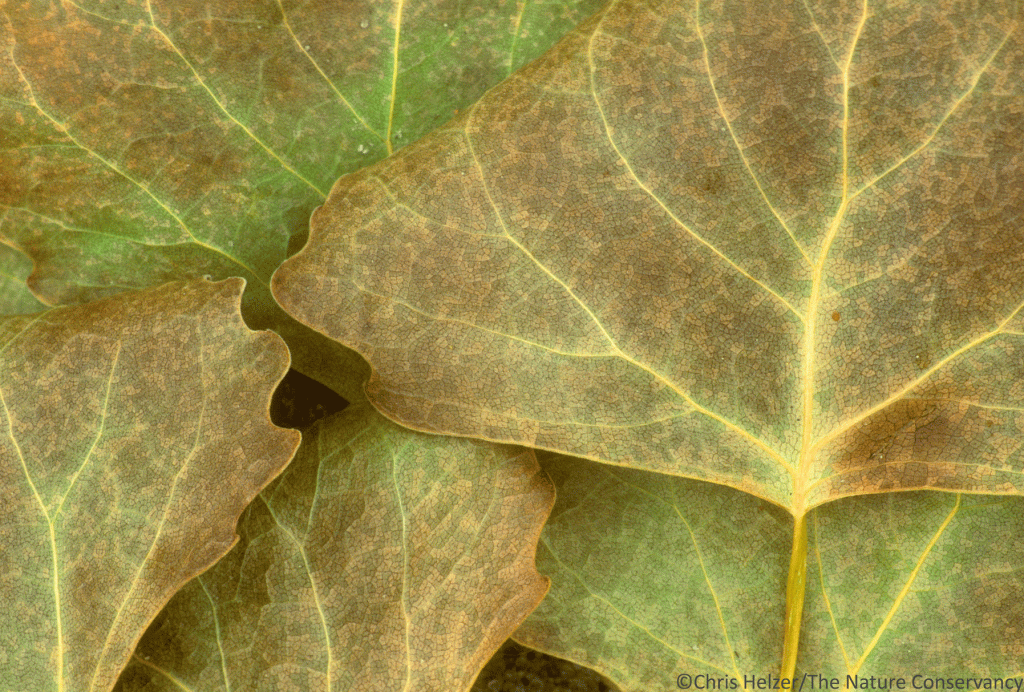
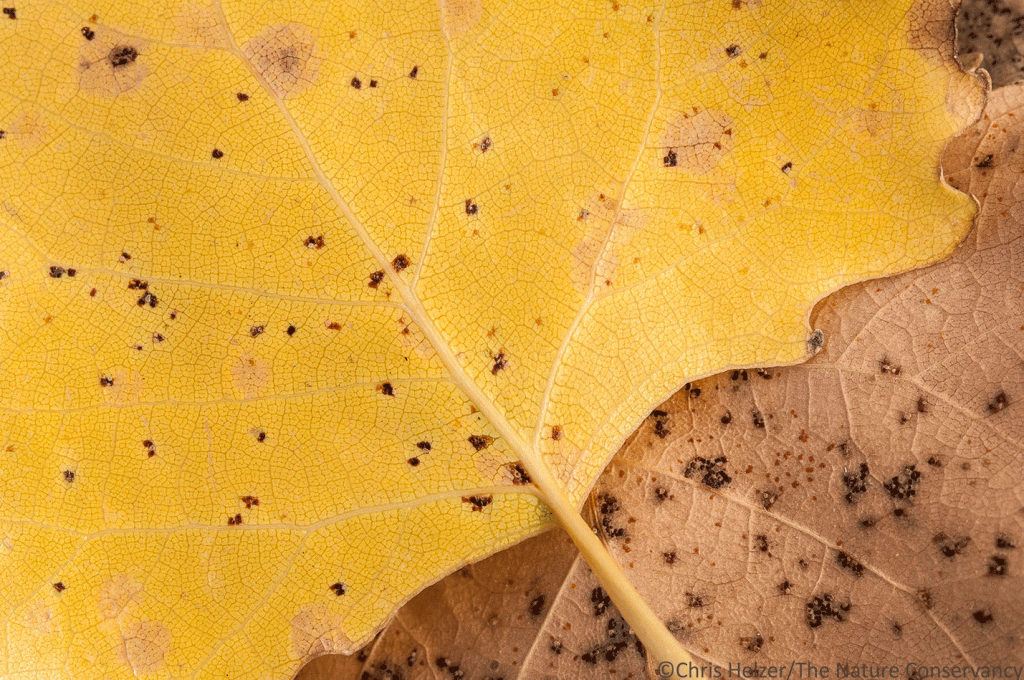
I was scanning through files of old photographs yesterday, looking for an image to use for a project, when I came across a photo of a cottonwood leaf that had gotten caught by big bluestem. I remembered how much I liked that photo. A little later, I was looking through another folder of images and found a couple photos of cottonwood leaves along a stream at the Niobrara Valley Preserve. I liked those photos too. “Fine,” I thought, “I’ll just go with it.” Thus, today’s Photos of the Week post features photos of cottonwood leaves.
Just because.
Lincoln Creek Prairie, Aurora, Nebraska.Niobrara Valley Preserve.Niobrara Valley Preserve.This photo is so old it was scanned from a slide. (For you kids out there, slides are a kind of analog camera sensor that made you wait a long time to see if your photo turned out well.)North Platte River, Lincoln County, Nebraska.Lincoln County, Nebraska.
Last week, I wrote about photographing cattail seeds on a frozen wetland. Those seeds captured my immediate attention when I arrived at the wetland, and drew me out onto the thin ice, where I carefully scooted around on my hands and knees with ice cracking around me. The water below the ice was only 6-12 inches deep, so I wasn’t too worried about breaking through. As long as I kept my weight spread out, I didn’t have much trouble.
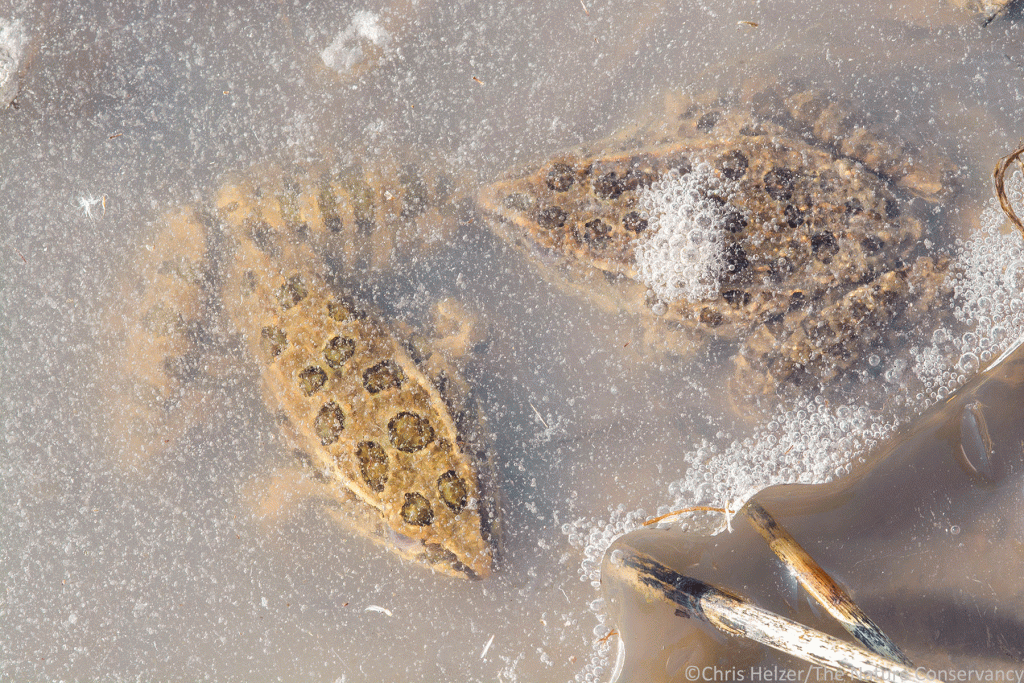
Where I did punch through the ice, however, was near the edge, where the ice was thinner and broken up more by vegetation. As I neared the edges, the first thing I noticed was more dramatic cracking of ice and occasional splashes when my foot went through. The second thing I noticed was the leopard frogs beneath the ice that were swimming away from my feet. At first, I just saw one or two, but when I really started looking, there were dozens of them and they were moving pretty quickly for being underneath ice in near-freezing water.
Earlier, I’d seen a couple of dead frogs near the edge of the wetland, but I figured they must have died a few weeks ago and then been well-preserved by some recent frigid temperatures. Seeing the activity of the frogs beneath my feet changed my thinking on that, however, and that was before I saw the frogs moving around on TOP of the ice.
This dead frog was just getting hit by the rising sun when I spotted it, so the frost hadn’t yet melted away from its surroundings. I initially assumed it had died a few weeks ago during a warm spell, but I now I wonder.
This was all happening, by the way, between about 9 and 10 o’clock in the morning in about 30 degree F temperatures. Temperatures during the previous day or two had gotten above freezing, but earlier in the week it had been close to 0 degrees F with nasty winds. I had come to the wetland hoping to photograph some interesting patterns in the ice, since my camera hadn’t been getting much recent use. I sure didn’t expect to come home with a bunch of leopard frog shots.
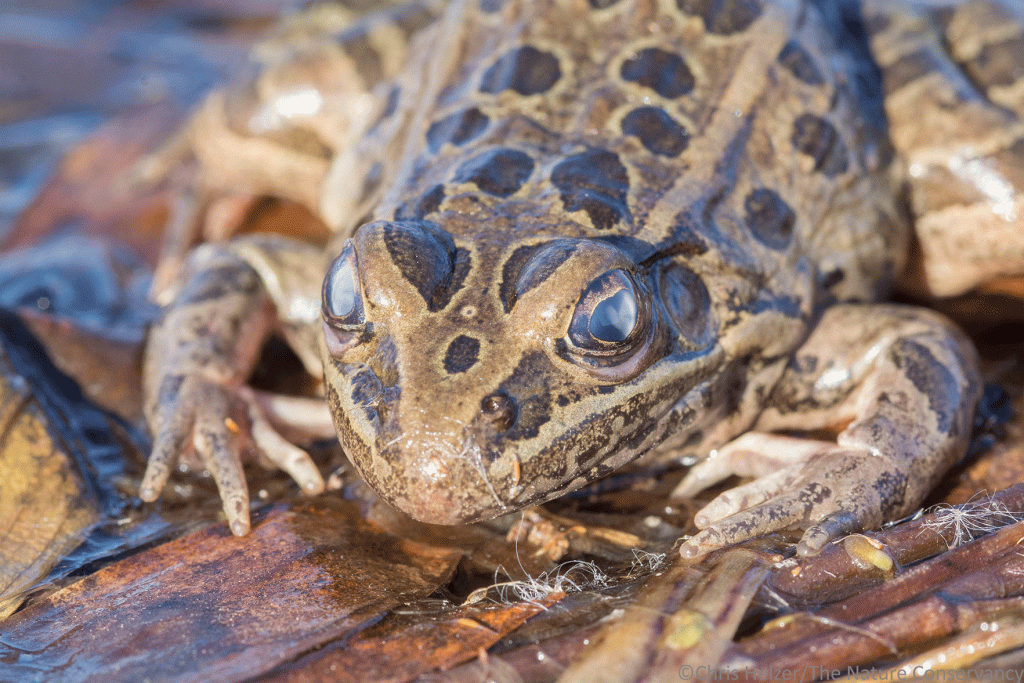
This leopard frog paused long enough for me to get a clear shot. It was swimming around under about 3/4 inch of ice. The next two photos show similar situations, all within a couple feet of shore.These frogs were beneath the ice near a gap where the ice had melted away from the north shore of the wetland.
Here you can see the frogs moving around pretty easily beneath the ice.
I stepped through the ice (waterproof boots are worth the money!) and these frogs popped right out of the hole and then tried, comically, to hop around on the ice.
Next, I found a leopard frog above the ice, sitting stock still above some frozen pondweed (Potamogeton sp). It had glazed-looking eyes, so I figured it was dead, but upon closer inspection I could see it was breathing. It just didn’t (apparently) have the ability to move much more than that. I photographed it for a few minutes and got no reaction from it. I decided the glazed look of the eyes was just from the nictitating membrane (an extra translucent eyelid many animals have for protection). Maybe the frog came out through a gap along the edge of the ice the previous day and then didn’t get itself below again before the overnight temperatures dropped too low for it to move well?
This frog was sitting still on top of some ice and frozen pondweed leaves. I saw the white-glazed eyes and stillness and assumed it was dead, but as I photographed it, I noticed it breathing.
Here is a video of the frog from the earlier photo. You can see it is clearly alive, though it certainly wasn’t moving much.
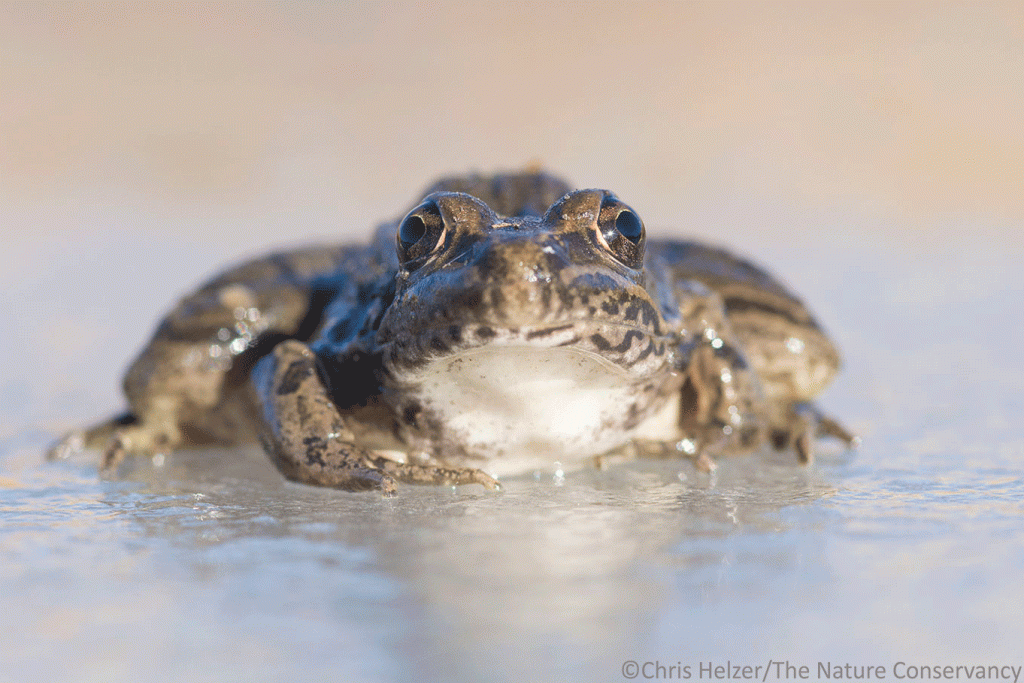
A minute or so after photographing the not-dead-but-not-moving frog on top of the ice, I spotted a few frogs cavorting (well, moving, at least) on top of the ice. That was a real surprise. Maybe they’d just come out to catch some sun? I chased them around a while and got some photos, but it was harder than I thought because they were awfully mobile. They weren’t jumping the kind of distance leopard frogs usually can, but despite the cold and the slippery surface beneath them, they still did pretty well.
This frog was actively moving around the top of the ice when I first saw it. As I laid down to photograph it, water from a nearby hole in the ice (made by my foot) ran into the slight depression I made while prone. It puddled around the frog in an attractive way, but also around me in a soggy and cold way.
From what I know of leopard frogs, they typically spend the winter at the bottom of a pond or stream. They try to find oxygen-rich water and then lie in the sediment where they can get enough oxygen exchange through the skin on the sides of their bodies to survive until spring. I wrote about that phenomenon years ago in a post about winter survival by animals. In that post, I included a photo of a frog that I’d seen swimming below the ice in a stream and wondered what it was up to. As surprising as that had been, it was much less shocking than seeing active frogs on top of the ice last week!
The frogs on top of the ice were very much able to jump…
We all learn in school about ectothermic (aka cold-blooded) animals, which rely on outside sources to regulate their body temperatures. Ectotherms include fish, insects, reptiles, and amphibians, and most of them enter some kind of dormancy during cold winters. Some can survive being frozen, reanimating the next spring in what always seems a miraculous recovery to me. I don’t really understand what the active frogs were up to last week – there can’t be much to eat, especially above the ice. Even if they could warm up by coming out of the freezing water, why waste the energy to do that if they can’t replace that energy by finding food?
It doesn’t have to make sense to me, I guess. Frogs have been around longer than humans on this earth, so who am I to judge? I’ll just photograph them and enjoy the opportunity.
This wasn’t the shot I thought I would come away with from last week’s trip to a frozen wetland.