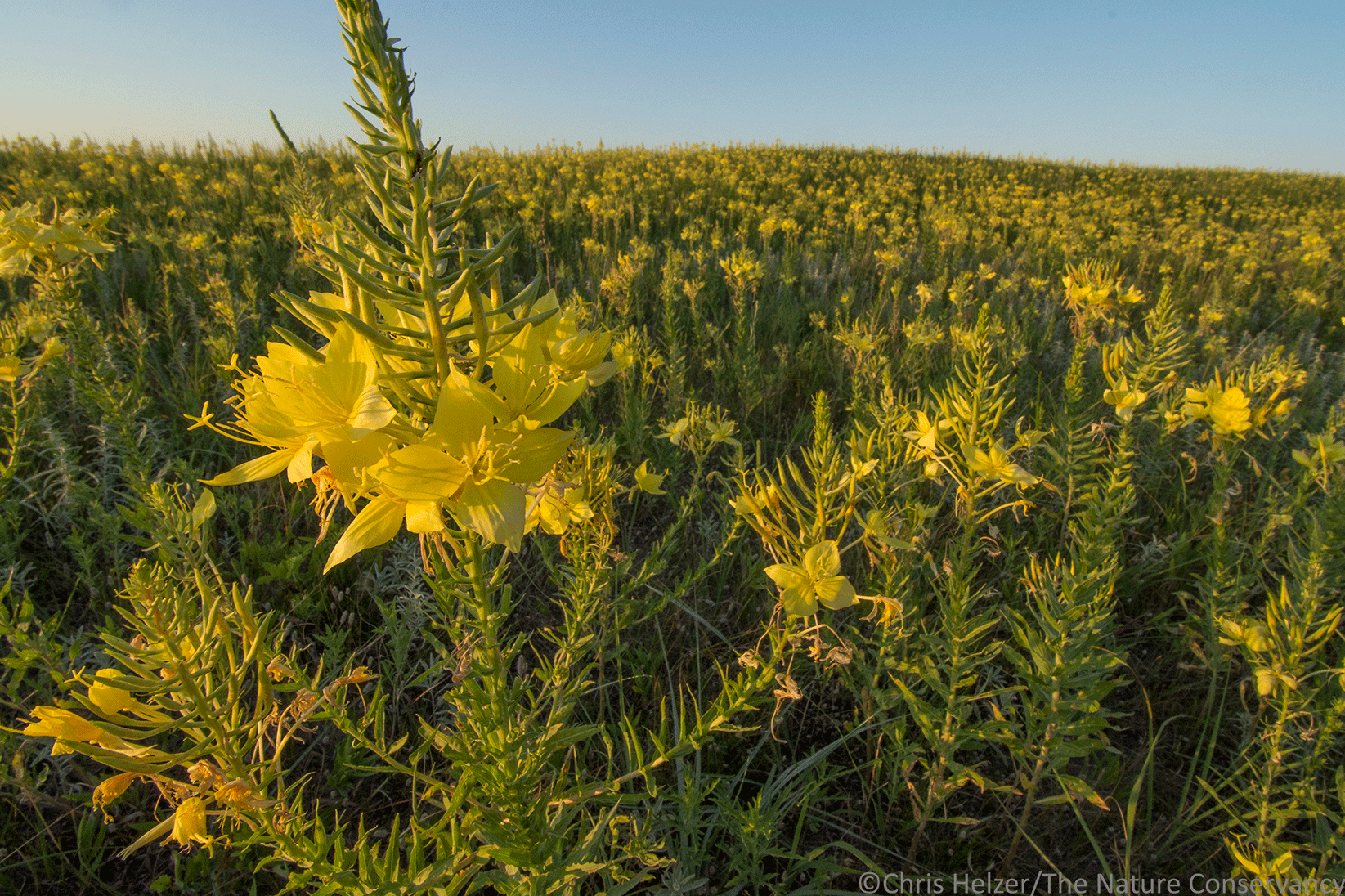
I was at the Niobrara Valley Preserve this week. My son John and I went up for a kayaking trip, as well as for some work. Thursday evening, we went looking for bison, driving through the 10,000 acre east bison pasture. As the sun was going down, we hadn’t yet found any bison, but the prairie was gorgeous and we were enjoying the drive. We were near the far corner of the pasture when we spotted the primroses.
evening
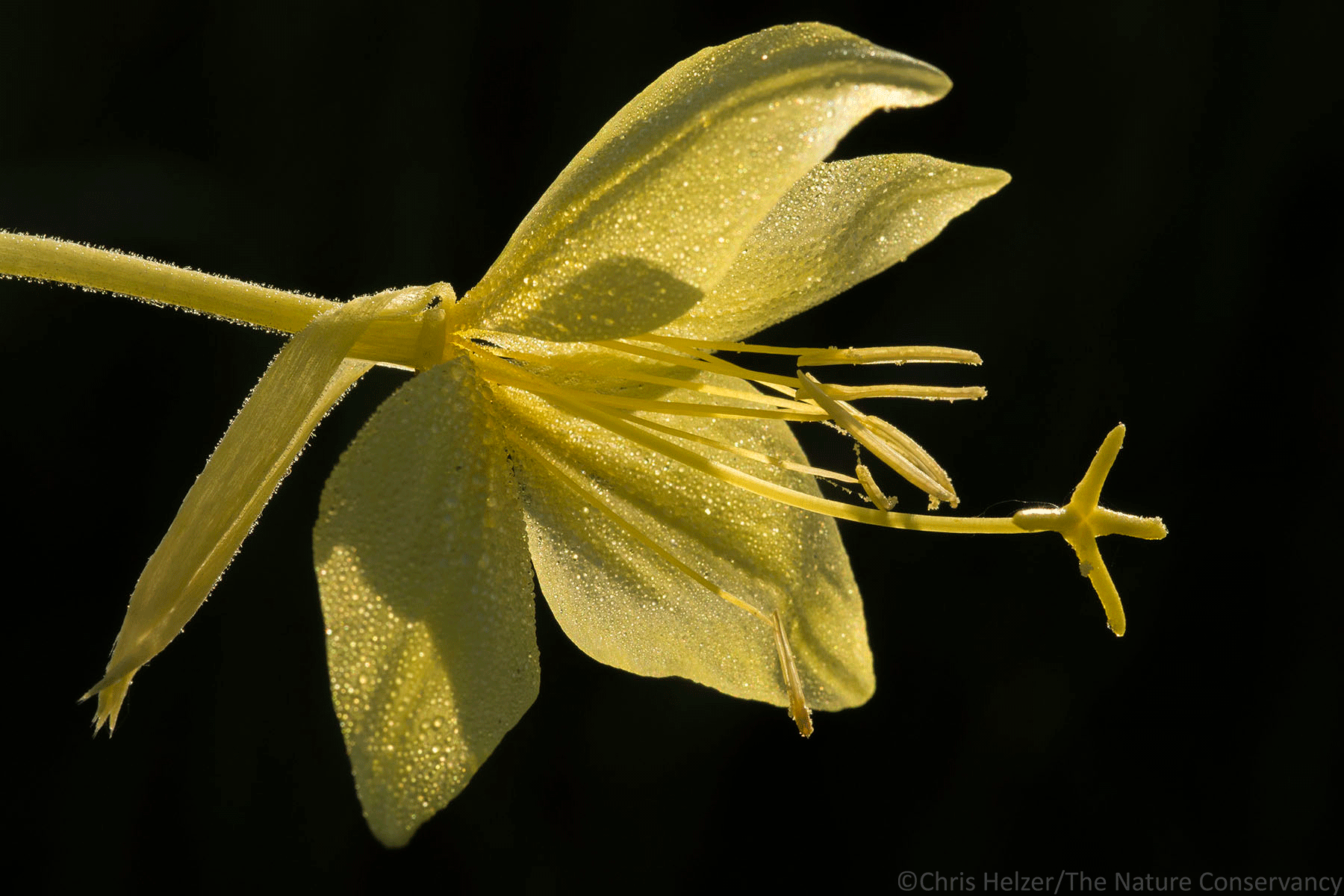
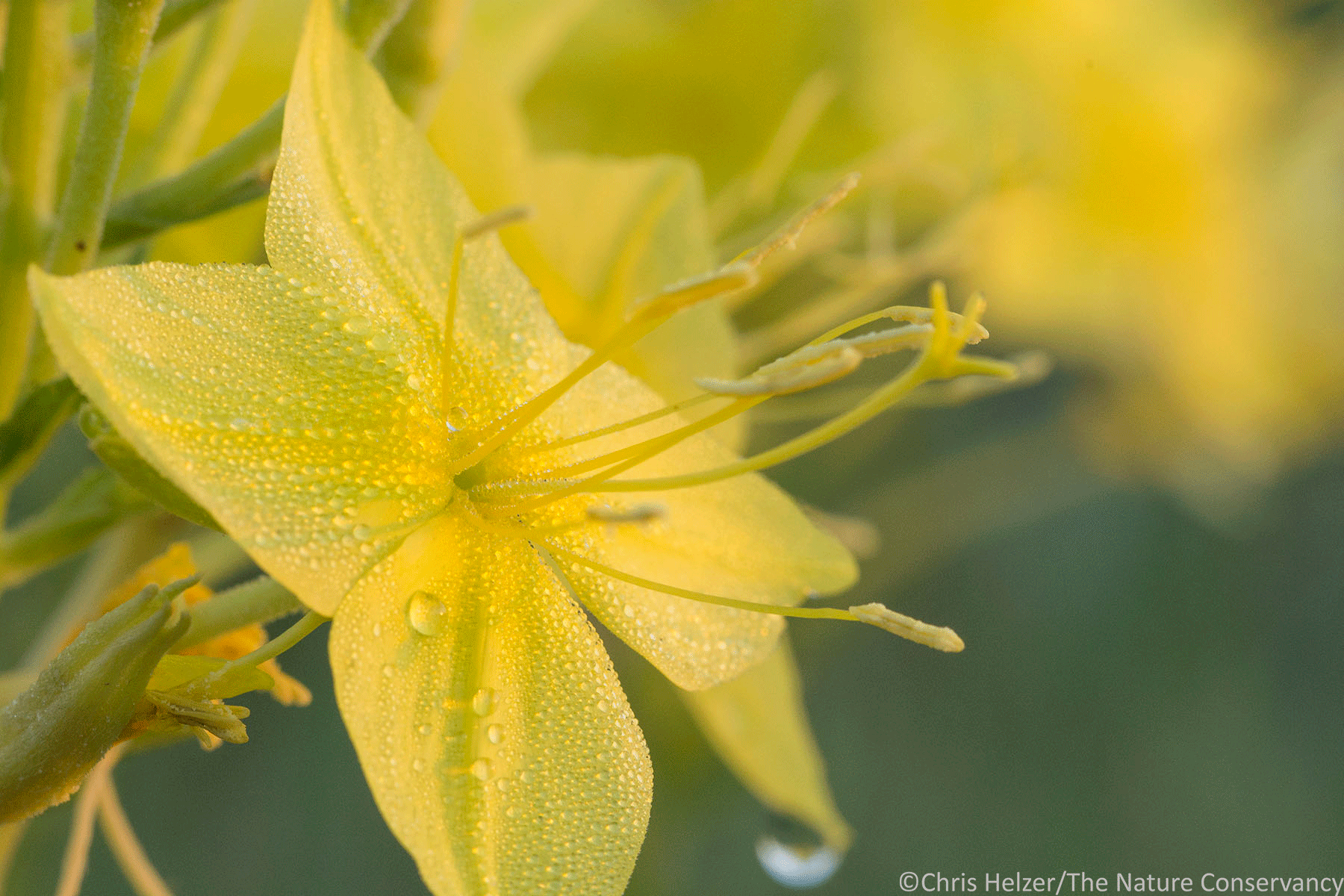
Fourpoint evening primroses (Oenothera rhombipetala) are having a good summer. Two years of abundant rain probably help with that – the plants are biennials, so they germinate one year and bloom the next, before dying at the end of their second season. Lots of rain means that a big number of seeds can successfully germinate and grow because moisture isn’t limiting. However, the huge patch John and I came across was influenced by more than just rain.
The primrose patch we found was hundreds of acres of almost solid yellow, and there was a distinct border to the patch. As soon as I saw it, I recognized it as the 2017 prescribed burn unit, which was burned in the spring of 2017 and then grazed by bison very intensively that year and again in 2018. It is recovering from that intensive disturbance, but the grasses are still weakened from that grazing impact, meaning greatly reduced competition for new seedlings of fourpoint evening primrose. As a result, some germinated in 2017 and bloomed in 2018, but many more germinated in 2018 and bloomed this year.
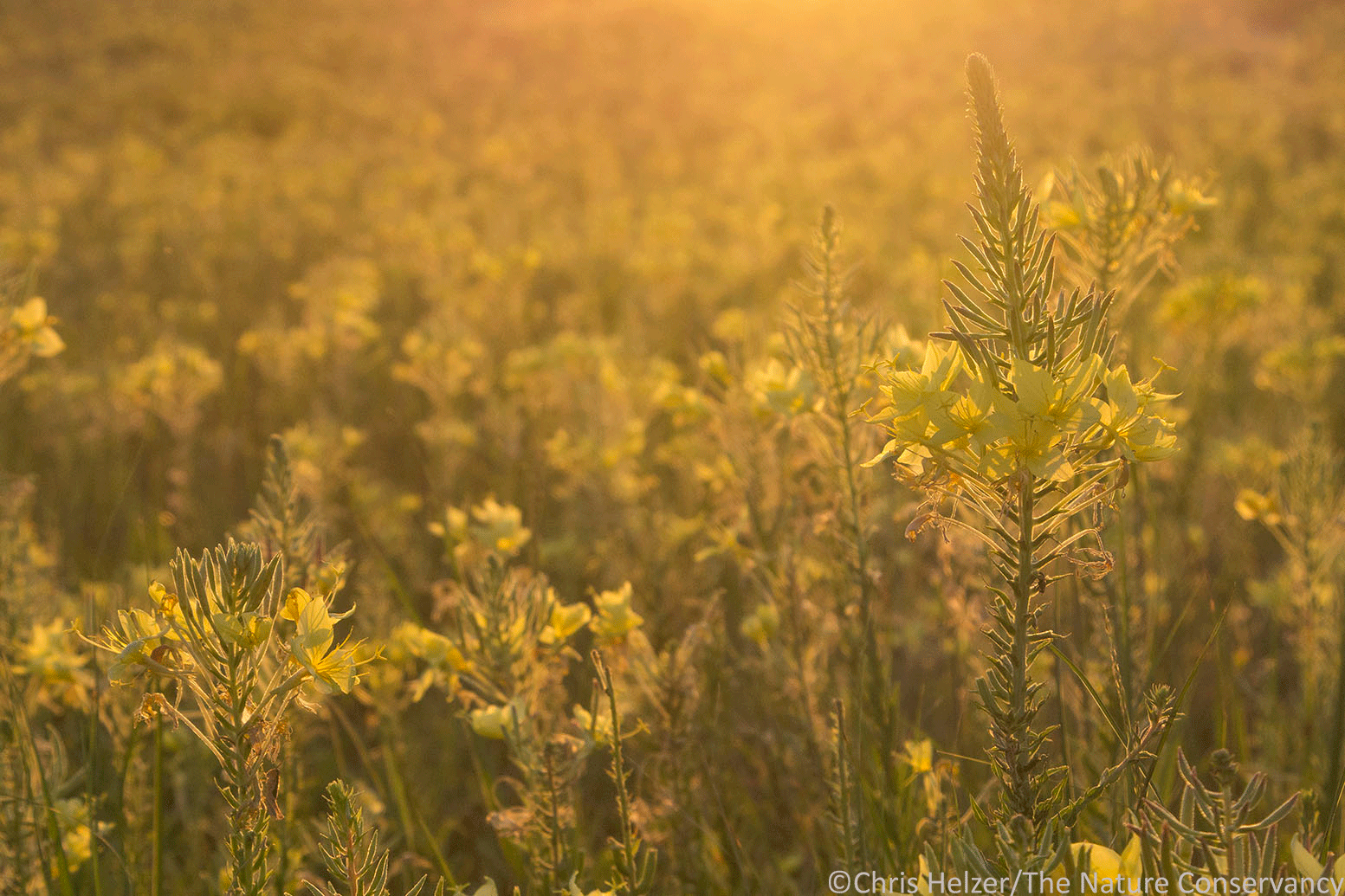
As the sun sank, I scurried around with my camera, trying to capture the incredible scene, while John patiently waited and wandered on his own. The next morning, I snuck out while he slept and caught the sunrise at the same location. In this post, I’m including just a few of the many many photos I took during those two short periods of time.
eveningmorning
Today, we took a group of visitors out to see the same primrose patch. They were appropriately impressed… It’s always nice when prairie resilience displays itself in such an aesthetically pleasing way!
I spent much of last week in eastern Idaho, visiting The Nature Conservancy’s Flat Ranch Preserve. The Flat Ranch consists of about 1,600 acres of mostly-flat and sub-irrigated grassland along the Henry’s Fork of the Snake River and is managed by the Conservancy’s Matthew Ward. Matthew and Bob Unnasch (The Conservancy’s Director of Science in Idaho) contacted me a couple years ago to brainstorm management ideas with them. I gladly agreed, since I always learn a great deal from that kind of interaction.
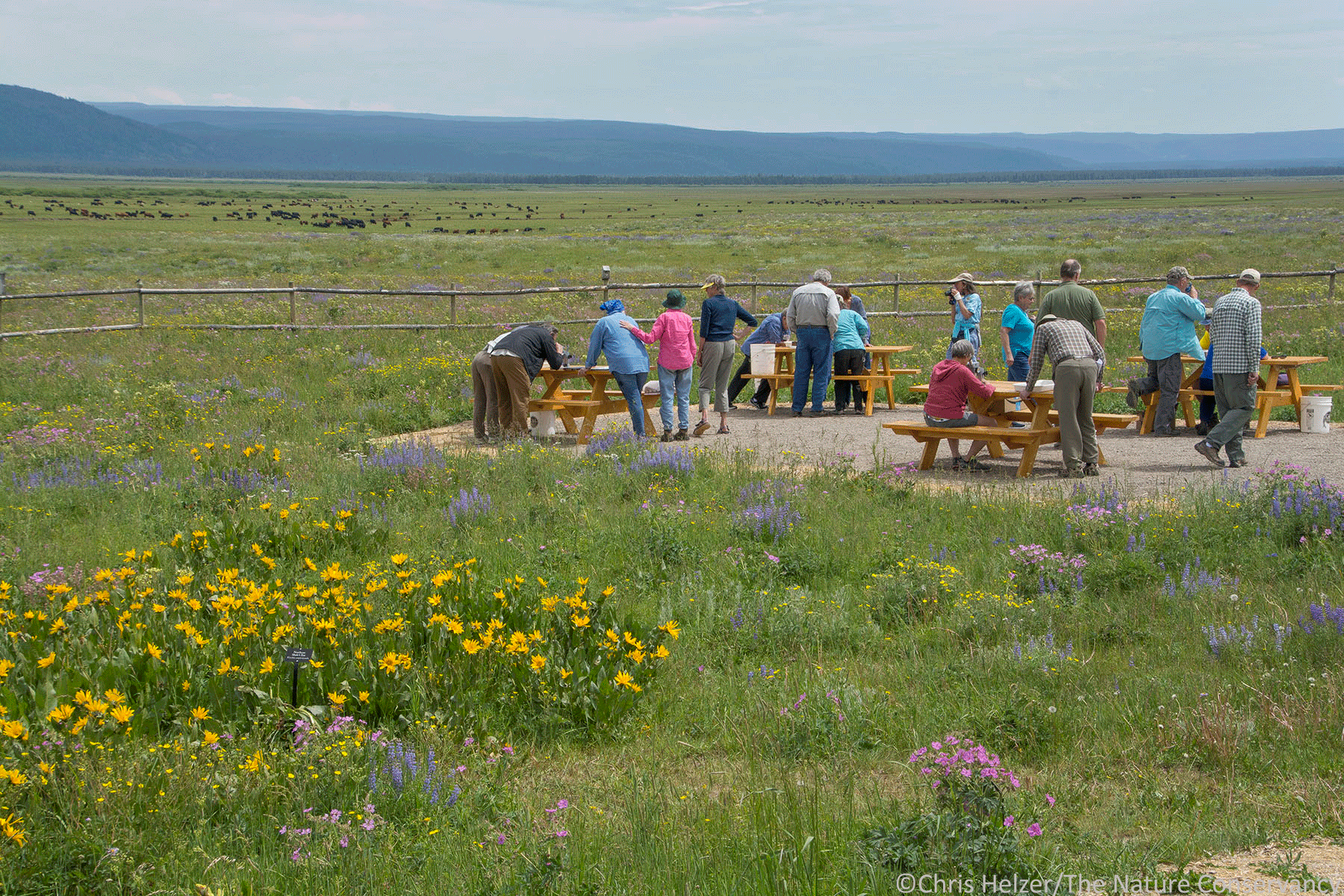
This view from the Flat Ranch Preserve Visitor’s Center does a good job of showing off several aspects of the place. A group of Master Naturalists learns about entomology, cattle graze the lowland meadows, and mountains line the horizon of this special place.
When we first talked, we focused on two objectives. Matthew wanted to create more habitat heterogeneity and increase plant diversity on the ranch, especially in areas dominated by non-native grasses. He had been running the rotational grazing system he’d inherited from the previous manager and wasn’t seeing any positive movement toward his objectives. Most rotational grazing systems are designed to protect the health/dominance of grasses and encourage even forage utilization, neither of which matched Matthew’s ecological goals. To create more habitat heterogeneity, we wanted to come up with something that would create short vegetation structure in some places and taller structure in others – and then shift the location of those habitat types over time. Often, that scenario also favors plant diversity, which fit Matthew’s second objective.
After discussing a range of possibilities, Matthew decided he’d like to try out the “open gate rotation” approach that we’ve been experimenting with in Nebraska. He began implementing it in 2018 and sent me photos to show me what it was looking like. Then, in 2019, he came to Nebraska to see what our sites looked like and I made a reciprocal visit to Idaho last week. Those visits and discussions were really thought-provoking, so I thought I’d try to share some of what we talked about in this post.
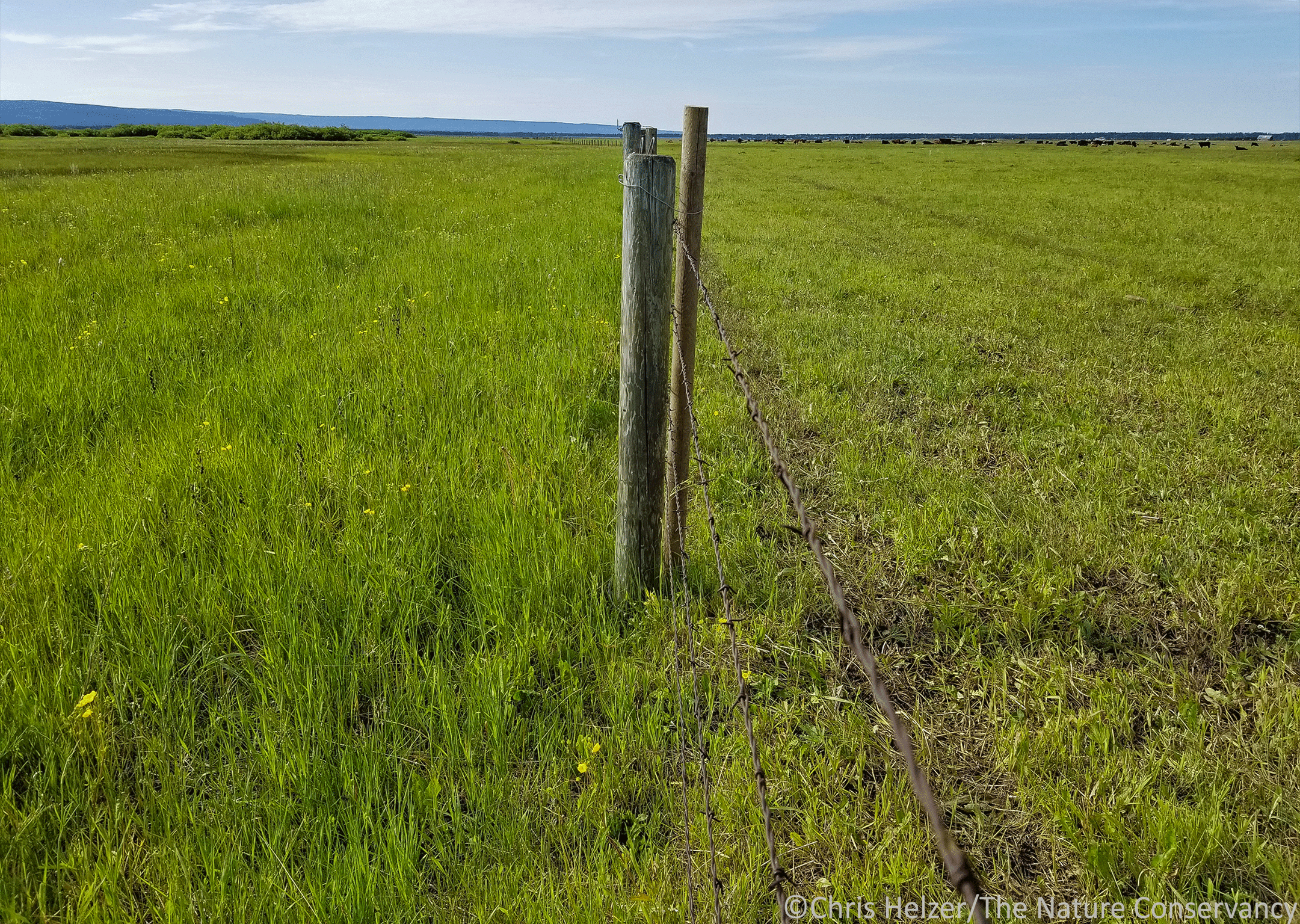
Matthew is employing grazing to create a variety of habitat structure types across the ranch. This photo shows the style of fence used in these kinds of high elevation pastures, in which the thinner posts hold the barbed wire and can be disconnected from the bigger posts and laid down at the end of the season before crushing snows come along.
In some ways the Flat Ranch and our Nebraska Platte River
Prairies are similar. Both sites are
dominated by lowland sub-irrigated prairie and wetlands, and both have been
invaded by non-native grasses that can suppress plant diversity. However, there are some striking differences
between the sites too. One major
difference is in the length of the growing season. At the Platte River Prairies, we see green-up
of vegetation in late March of most years and continue to see blooming plants
through much of October. At the Flat
Ranch, its high elevation (above 6,000 feet) means it is covered with snow much
of the year and is typically frost free for an average of 56 days each year. This means that they don’t have plants
scattering their growth and blooming times across a long season. The schedule is much tighter, and most plants
are on a pretty similar growth trajectory.
The amount of snow received at the Flat Ranch also creates
some major differences from our Nebraska prairies. Matthew says the site is covered by 8 feet of
snow for much of the long winter. They
take all their fences down at the end of each season and put them back up for
the next in order to protect them from the weight of all that snow. That heavy snow also smushes all the previous
season’s vegetation flat and seems to greatly inhibit thatch accumulation from year
to year. Flattened vegetation affects
habitat structure, of course, but it also makes it impossible to burn in the
spring (as does all the water at the site during that time of year). The best window for prescribed burning is in
the fall, but the county usually has a burn ban in place until the first big winter
weather event greatly reduces the likelihood of wildfires. The Conservancy has been able to do a little prescribed
burning during the narrow available window between burn ban and major snows,
but it isn’t currently a big part of their management.
During my time in Idaho, I got to see most of the Flat Ranch Preserve, and we also made a trip into Yellowstone National Park to see similar habitats there. I was struck by the abundant flowers across both sites – helped, of course, by the fact that the flowering season is very compressed. As I said earlier, the Flat Ranch is handicapped by non-native grasses that seem to be suppressing plant diversity. Specifically, timothy (Phleum pretense) and Garrison creeping foxtail (Alopecurus arundinaceus) are the problems. The meadows we saw at Yellowstone didn’t have either of those invasive grasses, so it was helpful to visit those sites as kind of reference – though those meadows aren’t necessarily models for what the Flat Ranch grasslands “should” look like. One big difference, however, between the Yellowstone and Flat Ranch was the abundance and diversity of native grasses. In particular, tufted hairgrass (Deschampsia cespitosa) was much more abundant in similar-looking habitats at Yellowstone compared to the Flat Ranch, where those habitat types were dominated by timothy and creeping foxtail – sometimes in near monocultures.
Stefanie Wacker, an ecologist with the National Park Service (center) led us through several beautiful meadows in Yellowstone National Park. The sites provided an alternative view of plant communities on soils and topography similar to those at the Flat Ranch Preserve. Pedicularisgroenlandica accented this wet swale in one of the Yellowstone National Park meadows we visited.
After visiting the Yellowstone meadows, looking over the fences at neighboring properties, and a lot of wide-ranging discussion within our little group and with a couple other ecologists/botanists, we came up with a short list of the big issues we felt were most important to address. First, we felt like the timothy and creeping foxtail (along with Kentucky bluegrass – Poa pratensis) were significant threats to the Flat Ranch and seemed to especially reduce native grass diversity and abundance. Forb diversity seems to be in pretty good shape across the ranch, especially at a large scale, though in places, the forb community was largely dominated by a few species. Finally, neighboring ranches had a lot of silver sagebrush (Artemisia cana) dominating what seemed to be the same kinds of soils/topography as are on the Flat Ranch. Since that species is almost completely absent from the Flat Ranch, it seems likely that it was intentionally eliminated at some point in the ranch’s history (long before the Conservancy’s ownership).
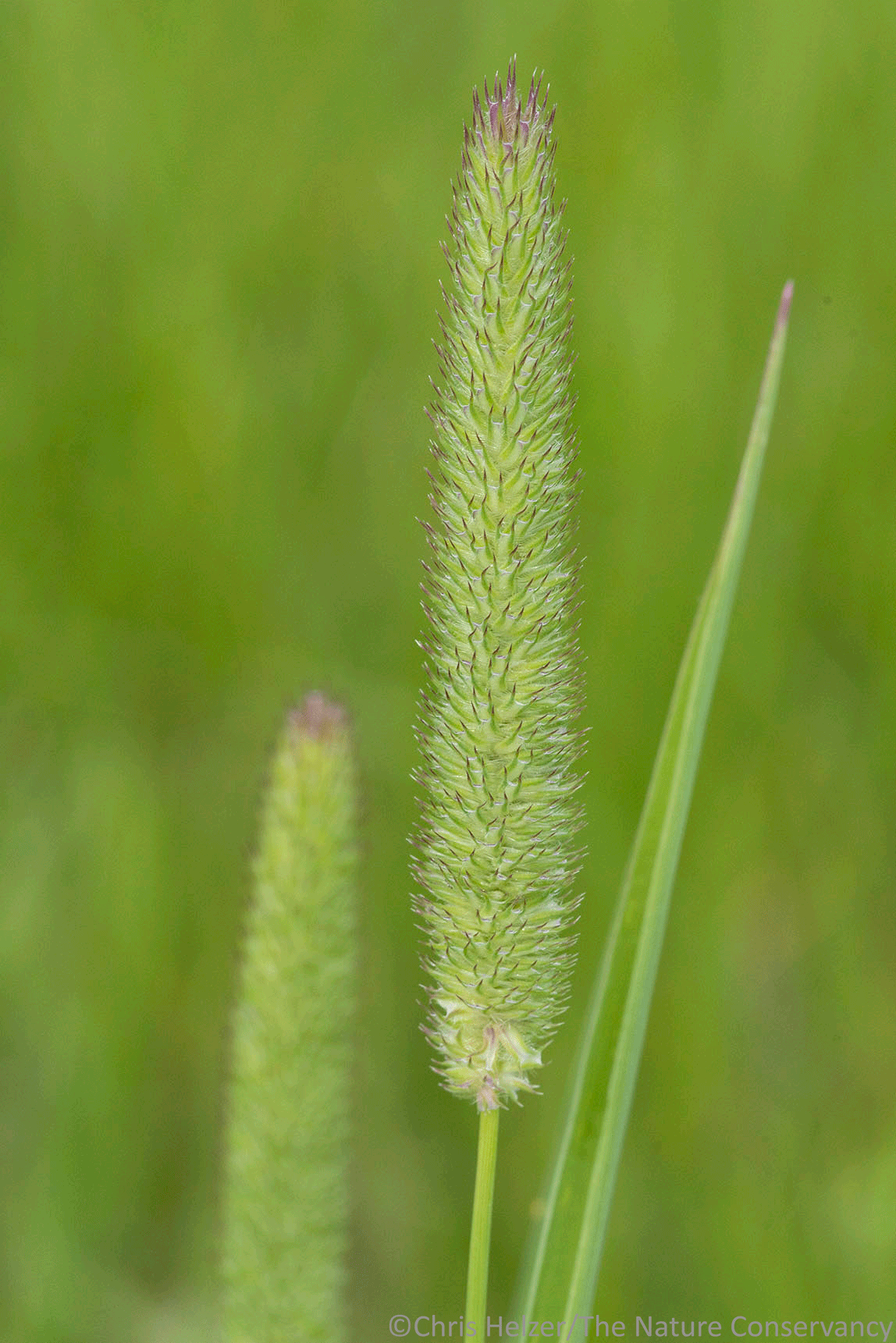
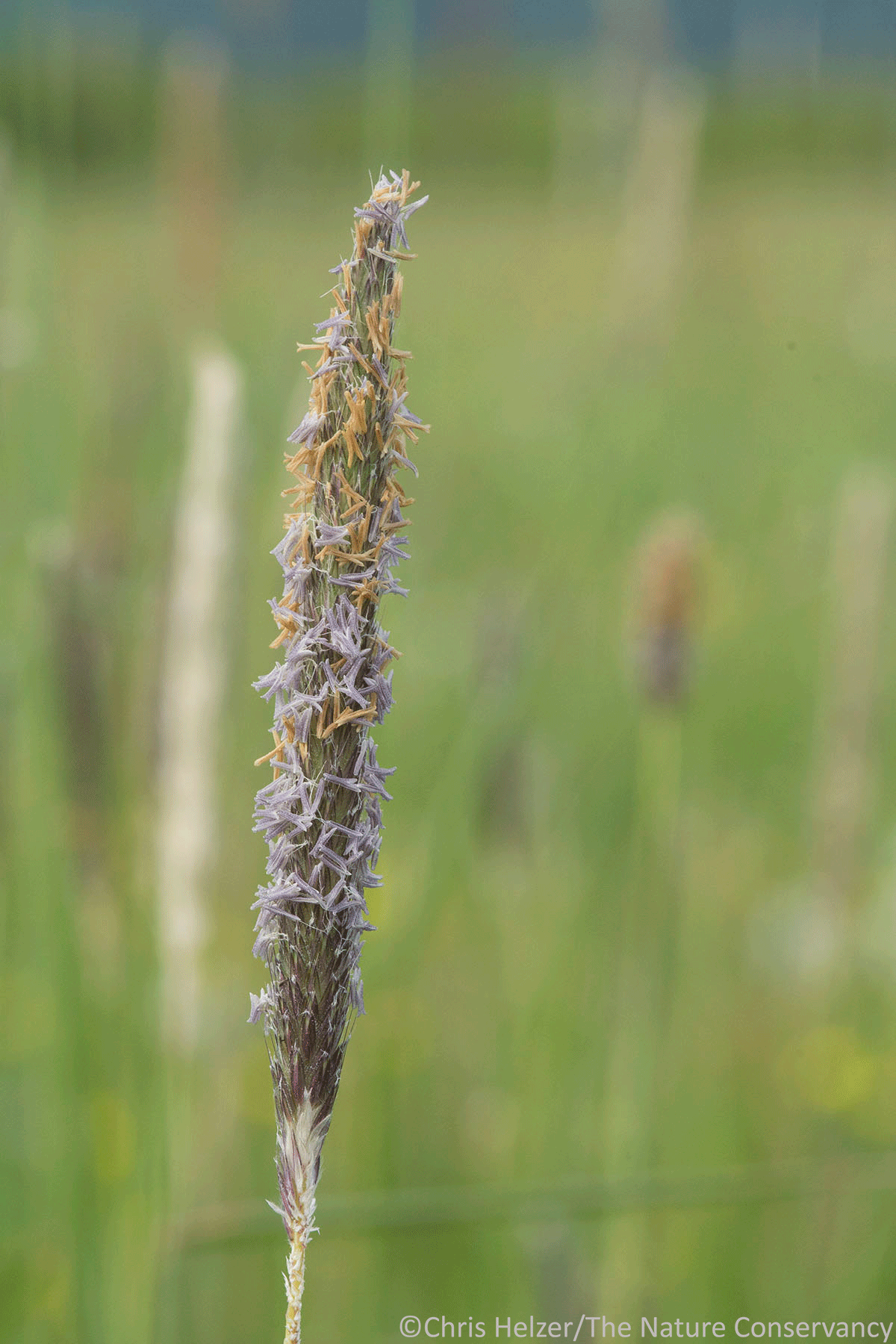
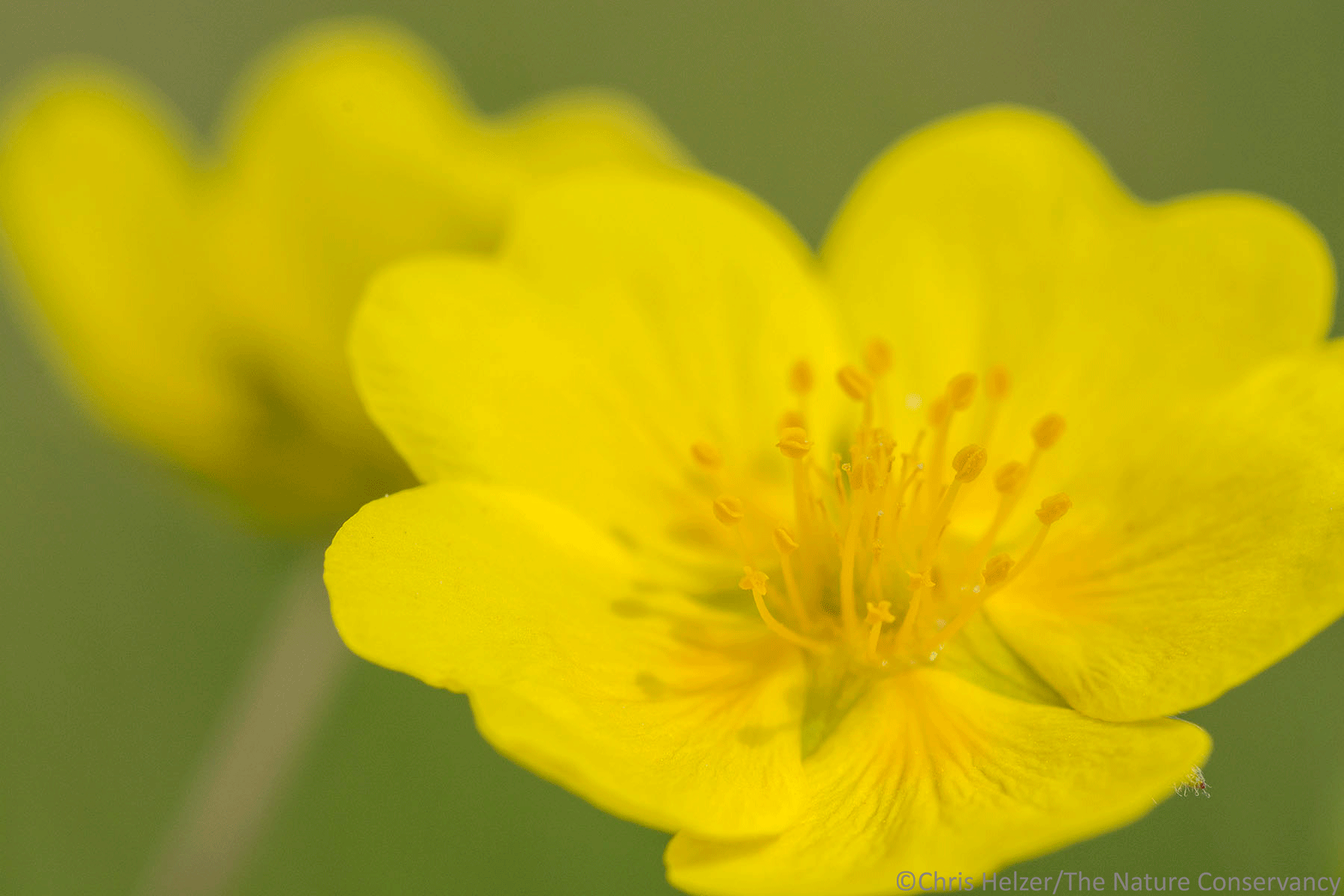
Timothy (Phleum pratense) is the most abundant of the non-native grasses Matthew is trying to suppress at the Flat Ranch. Garrison creeping foxtail (Alopecurus arundinaceus) has been promoted as a forage grass by some, but has shown itself to be an aggressively invasive species in many places. It is certainly abundant at the Flat Ranch and seems to be suppressing plant diversity where it occurs.This cinquefoil (Potentilla sp) was one of the more abundant blooming forbs during my visit. It seemed to persist successfully where timothy and creeping foxtail appeared to be suppressing other species.
While it is still early days, the open gate grazing approach seems to be creating satisfactory habitat heterogeneity – at least from a visual standpoint. It would be great to do some data collection, or at least rigorous observations, to see how that heterogeneity might actually be affecting animal populations. However, that seems like a lower priority than the plant community issues we were discussing. We didn’t see much evidence that changes in the grazing strategy were yet having either a positive or negative impact on plant diversity.
I’d love to tell you that we came up with some sure-fire solutions
to those plant community problems, but land management rarely works like that. Instead, we came up with a number of
questions that we felt needed to be answered through some small-scale
experimentation. The answers to those
questions should help drive future management decisions. Here are some of the experiments we talked
about trying:
It would be pretty easy, but valuable, to build some grazing exclosures (maybe 16’ by 16’) in at least several pastures to help evaluate how current grazing strategies might be affecting timothy and creeping foxtail dominance.
Garrison creeping foxtail seems to be the bigger threat among the two non-native grasses and is often found in distinct patches (though there are a lot of those). We decided it would be interesting to see whether or not those patches are increasing in size, and if so, how management might be affecting that. One way to do that would be to use measure the size of creeping foxtail patches that span the boundaries between pastures/management units. By using fence posts as center points, Matthew could measure distances from the post to the outer limits of the patch in various directions – over time, repeated measurements would show whether each patch is getting bigger, and if spread rates are affected by management on each side of the fence line.
We also decided it would be good to try a few small-scale experiments with both mowing and herbicide treatments to learn more about what might suppress the dominance of the invasive grasses and how the plant community might respond if those grasses were weakened. Mowing at different times of the season and at different frequencies might provide some interesting results. In addition, we talked about using Poast Plus or another grass-specific herbicide (at both lethal and sub-lethal rates) in small plots to see how the plant community responded to that kind of treatment.
Finally, it was clear that we needed more input and information from other ecologists and the literature. Matthew and Bob were going to find more information on the feasibility and logistics of reintroducing silver sagebrush to the site and potentially overseeding tufted hairgrass and other grasses into areas where invasive grasses had been weakened. We had some ideas about both the sage and grass restoration options but felt like we needed to know more before starting down those paths.
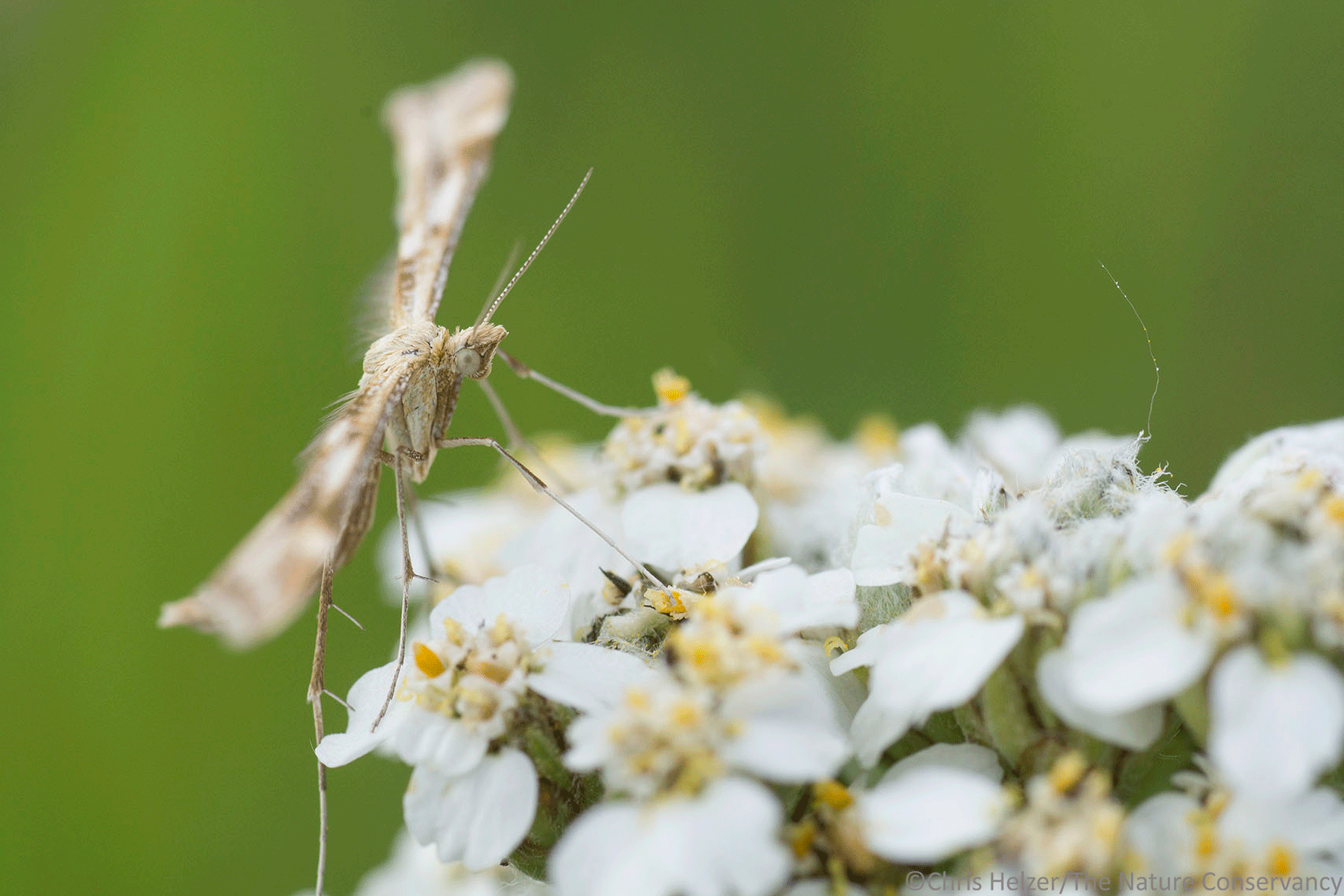
This ragwort (Senecio sp) had flowers like the ones in our Platte River Prairies, but was clearly a different species. I saw a lot of that during the trip – plants that looked pretty familiar, but weren’t quite what I was used to seeing.Yarrow (Achillea millefolium) was a plant species I recognized from home, and while I don’t know what species of plume moth this was, it looked like the ones I’ve seen at home too.
Regardless of how timothy and Garrison creeping foxtail got into the plant community, it seems extraordinarily unlikely that they’ll ever be eliminated, given how ubiquitous they’ve become. As a result, the most logical objective is to find ways reduce their ability to suppress plant diversity. Hopefully, Matthew and Bob will be able to find some management options that will start pushing in that direction. Depending upon the results of the next few years of experimentation and information gathering, it may or may not make sense to try active restoration of plant species (especially grasses and silver sagebrush) that are currently less abundant than is desired.
I’m excited to track the progress of the Flat Ranch from a distance, and I hope someday to make a return trip – especially if they have some success. In the meantime, if you find yourself in the Island Park area of eastern Idaho, I’d strongly recommend a visit to the Flat Ranch. You can hike through some beautiful meadows (at least during the short summer) and look for moose, grizzly bears, and other wildlife. I hear the fly fishing is excellent as well!






 The Prairie Ecologist