I’m sorry for not posting earlier this week, but I spent most of the week in Idaho, visiting The Nature Conservancy’s Flat Ranch. We spent a lot of time on the ranch, as well as a little time in Yellowstone National Park, looking at similar habitats. As a bonus, I went up to the top of Sawtelle Peak twice because it was just south of the Ranch. I plan to summarize some of the intriguing discussions we had in a future post, but for now, here are a few photos from Idaho. I still have a lot of trip photos to get through, so more will be forthcoming.
My trip home from Idaho went really well. I do hope, however, that my luggage decides to follow me home at some point (it apparently stayed in the Jackson Hole airport, for some reason, instead of riding on my airplane.) I understand why it might have felt like staying, but since half my camera gear was in that bag, it would be convenient for me to get it back…
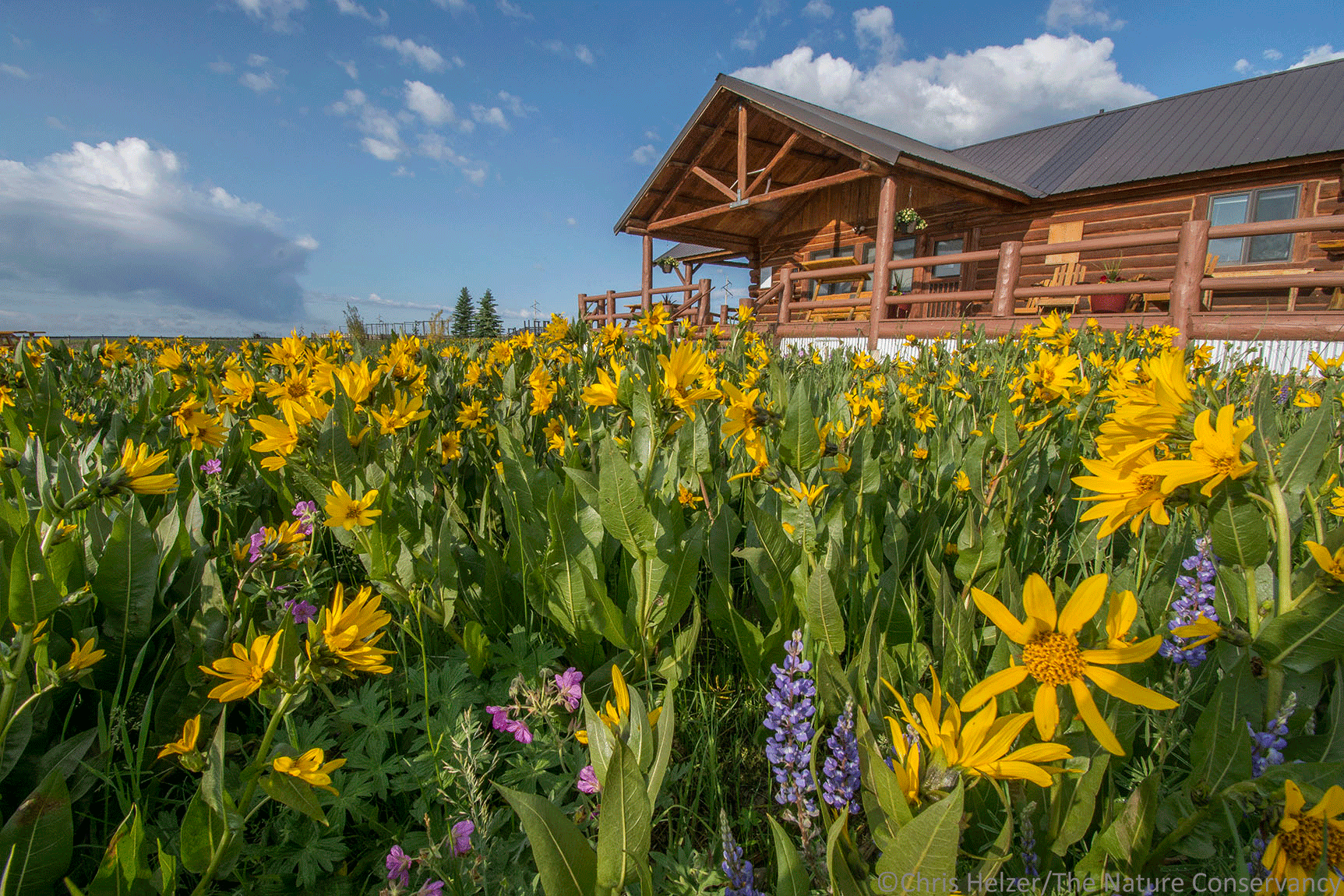
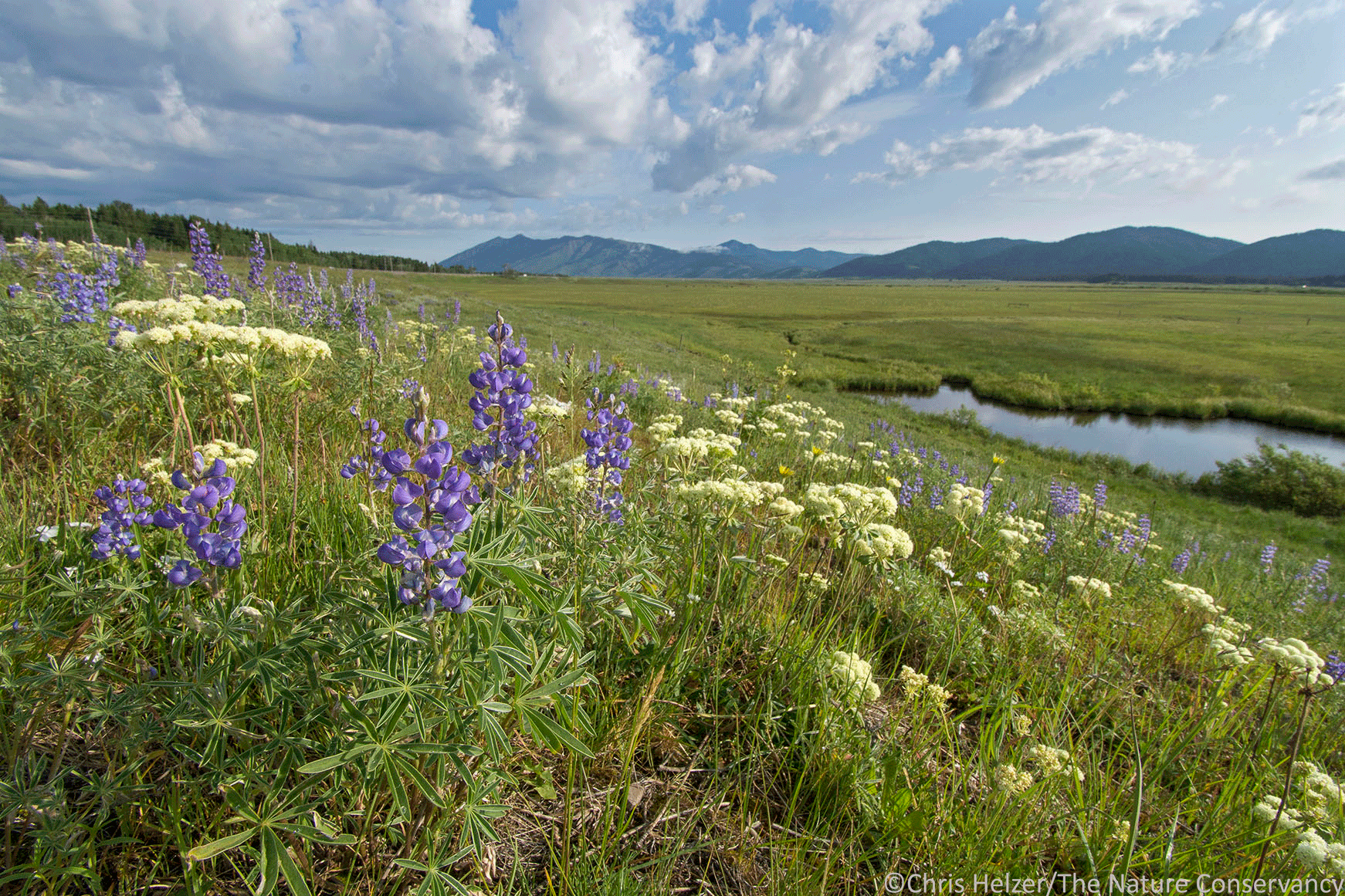
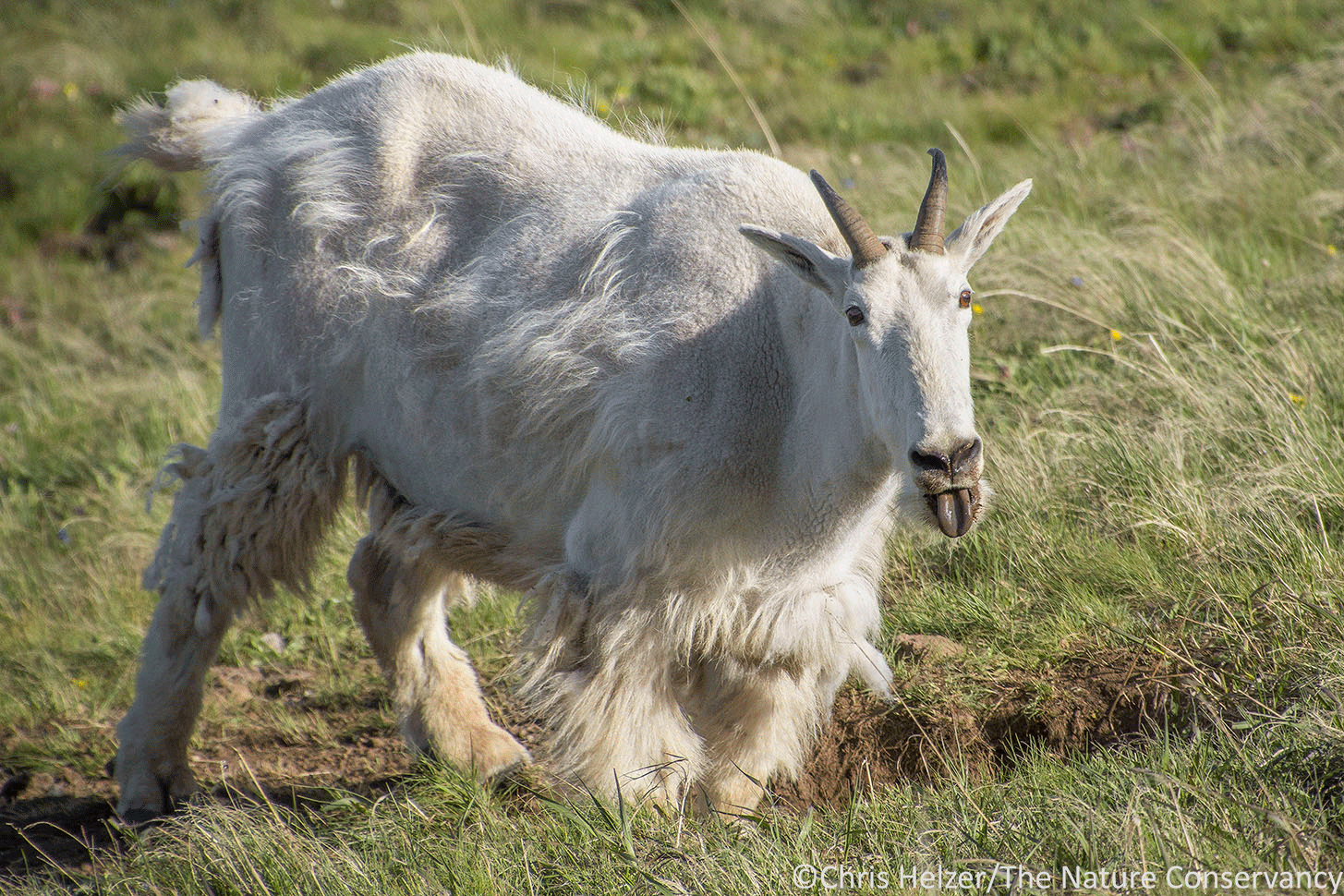
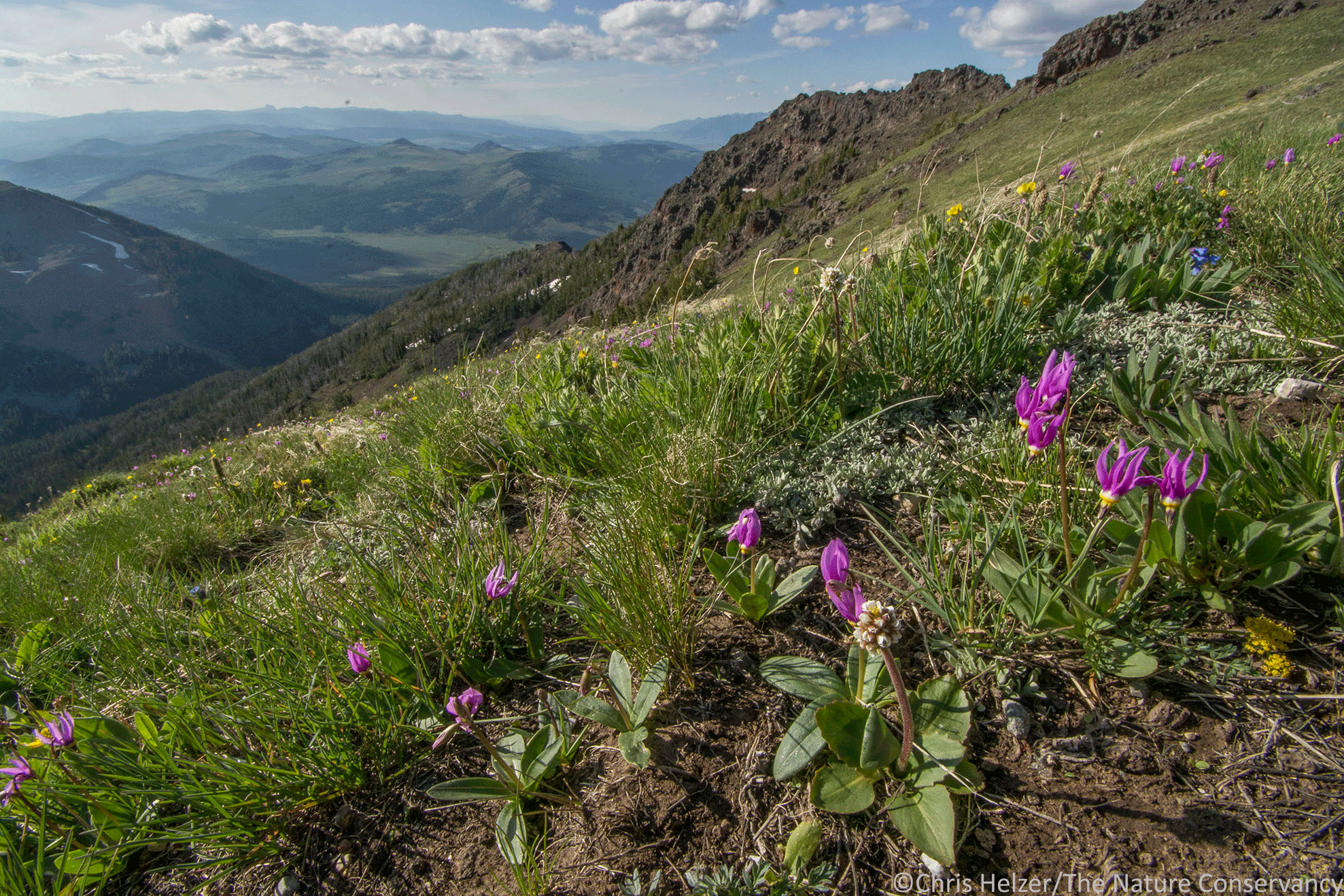
The Flat Ranch visitor center, right off the highway at Island Park, Idaho, is a great place to start a hike. The yellow flower is northern mule’s ear (Wyethia amplexicaulis).The Nature Conservancy’s Flat Ranch. Of all the flowers I saw that I don’t have in local Nebraska prairies, I have to say prairie smoke (Geum triflorum) was my favorite. This is one of MANY photos I took of this beautiful flower. I know a lot of you get to see it all the time, and good for you, but it was pretty special for me.I learned that the bulb of blue camass (Camassia quamash) is edible, but that they are often harvested after flowers have disappeared and you have to be careful not to grab the bulb of the similar-looking mountain death camass (Zigadenns elegans) which lives up to its name.I have a new favorite Cirsium species and it is elk thistle (Cirsium scariosum). Just wow.Up on Sawtelle Peak, this mountain goat was sticking its head down into a hole (to get salt?) and then brought its head up and licked its lips repeatedly. After I walked away to photograph flowers, a second goat showed up (I’m told) and a fight ensued. My “friends” neglected to call me back over…I don’t have shooting stars (Dodecatheon spp) in prairies close to me. I sure did enjoy seeing them in Idaho. They got even smaller and cuter at high elevations. This scene was taken from Sawtelle Peak, just south of the Flat Ranch.As we were leaving Sawtelle Peak, I looked to the east and saw this hazy scene, which I was able to capture with a telephoto lens.From Sawtelle Peak, we could look west to Mount Jefferson, the uppermost source of water to the Missouri River. It also feeds the Snake River, which runs west into the Pacific. Mount Jefferson is the highest point shown in this photo.
Milkweed is in its full blooming glory right now. Not just the big pink ones, but also orange, white, and green-flowered varieties. I spent a couple hours at Lincoln Creek Prairie this week, photographing lots of different subject matter, but milkweed definitely constituted a dominant theme in the resulting photos. And yes, Bill, I hit the south lobe on the east side of the creek, and it was beautiful, as you promised. Thanks for the tip.
Here are some of the many milkweed photos I took this week.
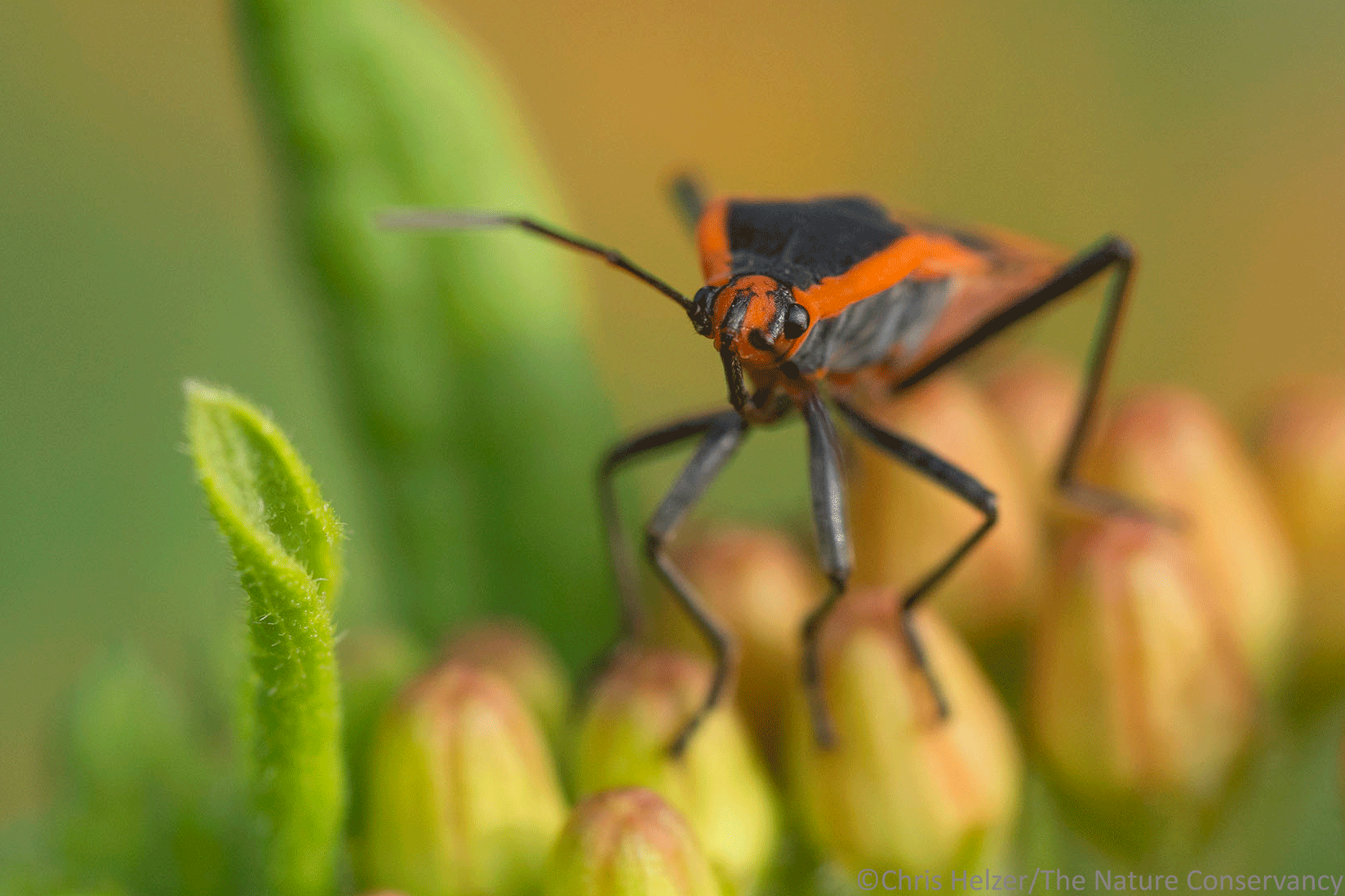
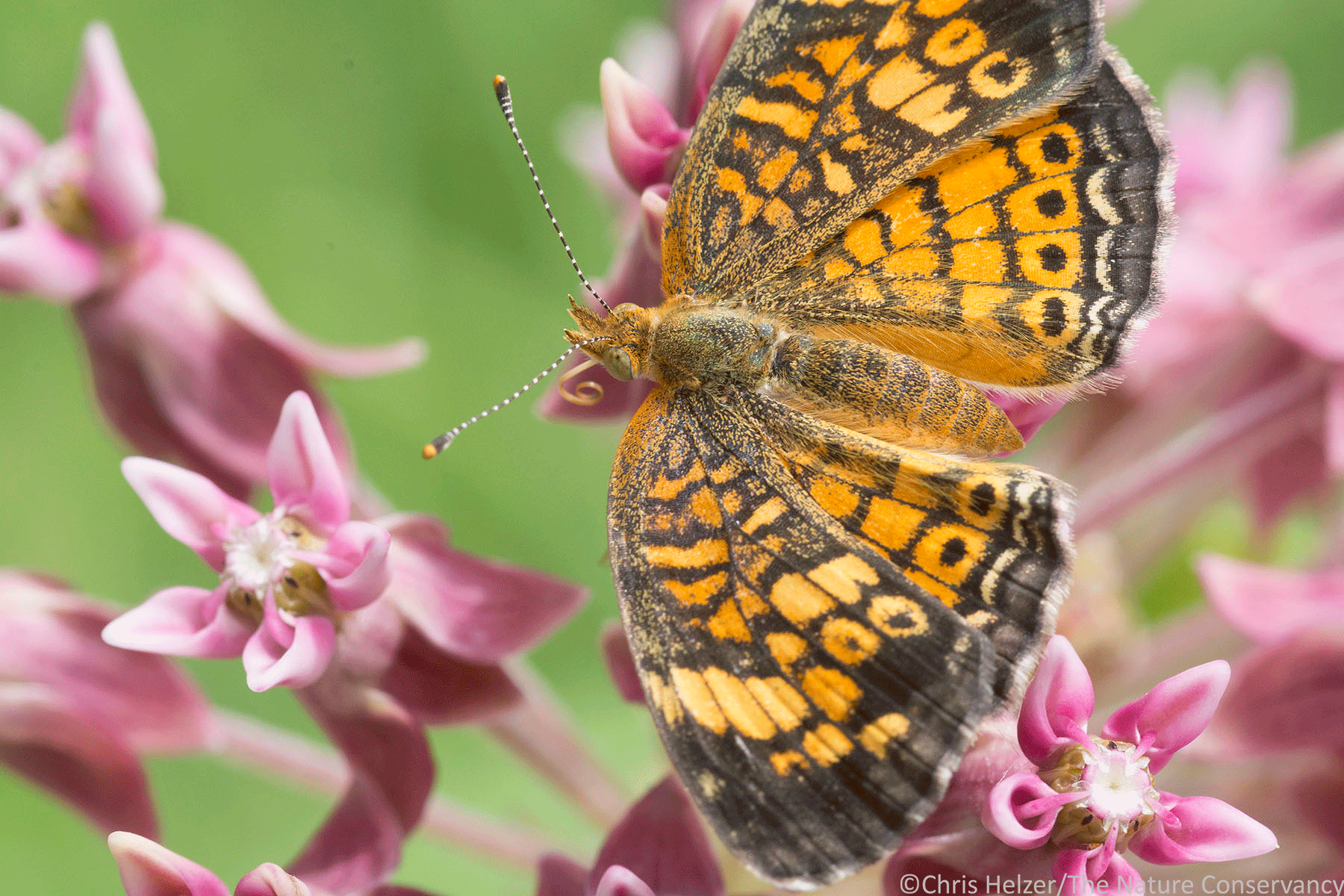
A large milkweed bug ( Oncopeltus fasciatus ) on the buds of butterfly milkweed (Asclepias tuberosa).Common milkweed (Asclepias syriaca)Common milkweed flower budsSullivant’s milkweed (Asclepias sullivantii)The same large milkweed bug, but on a different nearby flower.More common milkweed flower buds; because I like them.A skipper butterfly (Sachem?) on common milkweed.Common milkweed blossoms with thrips (the tiny insects).Pearl crescent butterfly (Phyciodes tharos) on common milkweed.The American bumblebee (Bombus pennsylvanicus), appropriately photographed on the 4th of July, on Sullivant’s milkweed.







 The Prairie Ecologist