It’s cold outside. Not just cold – blustery cold. The kind of blustery cold that takes your breath away unless you turn your face out of the wind. It’s the time of year when people ask themselves why they live in places that get this cold. That’s never been something I’ve fretted about. Seasons feel right to me. I appreciate spring because it follows winter. Winter is also a time to slow down and get things done that are too easily put off during the rest of the year. When going outside is a pleasant option why would you install the new toilet or sort through the overflowing drawer of miscellany in the dining room?
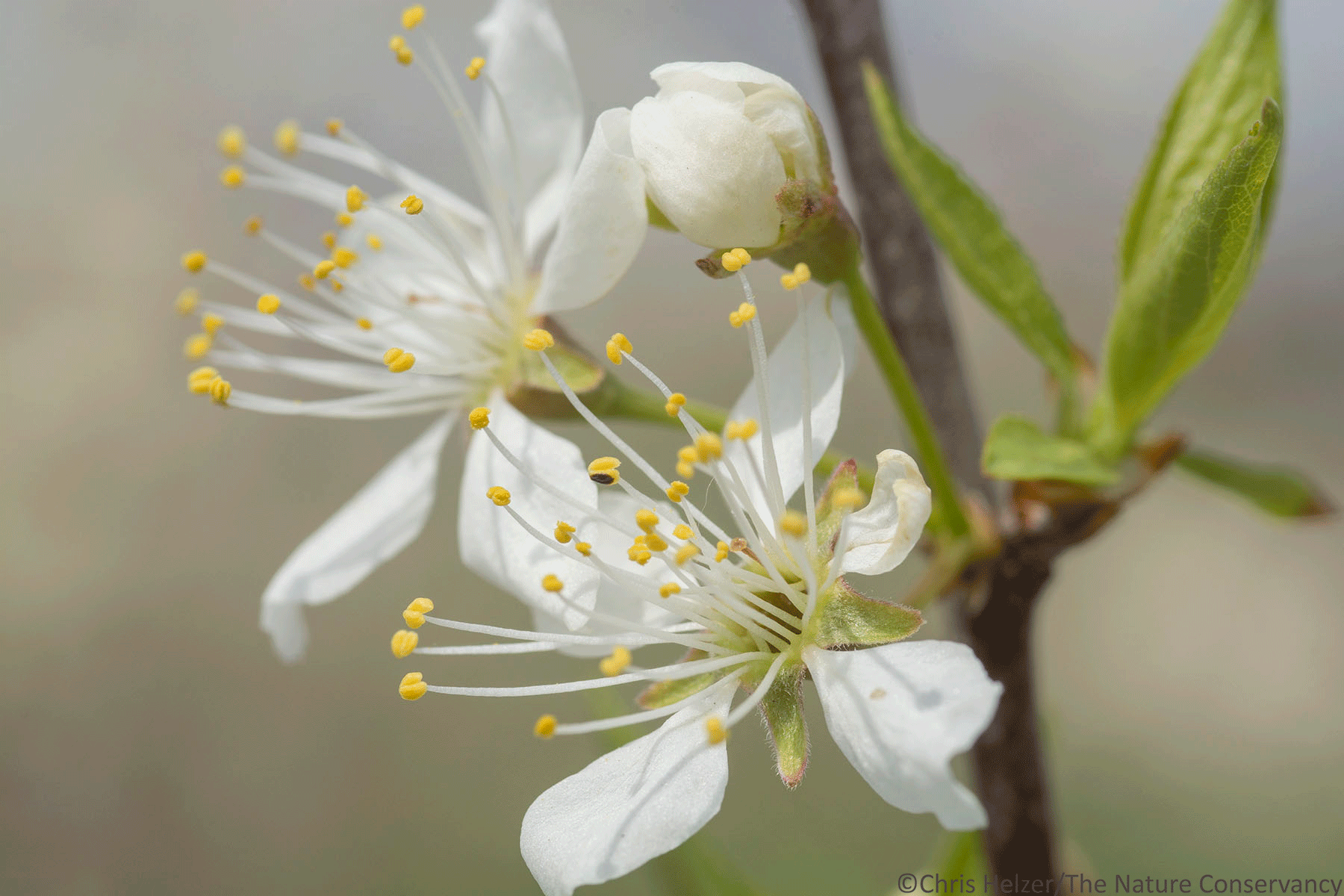
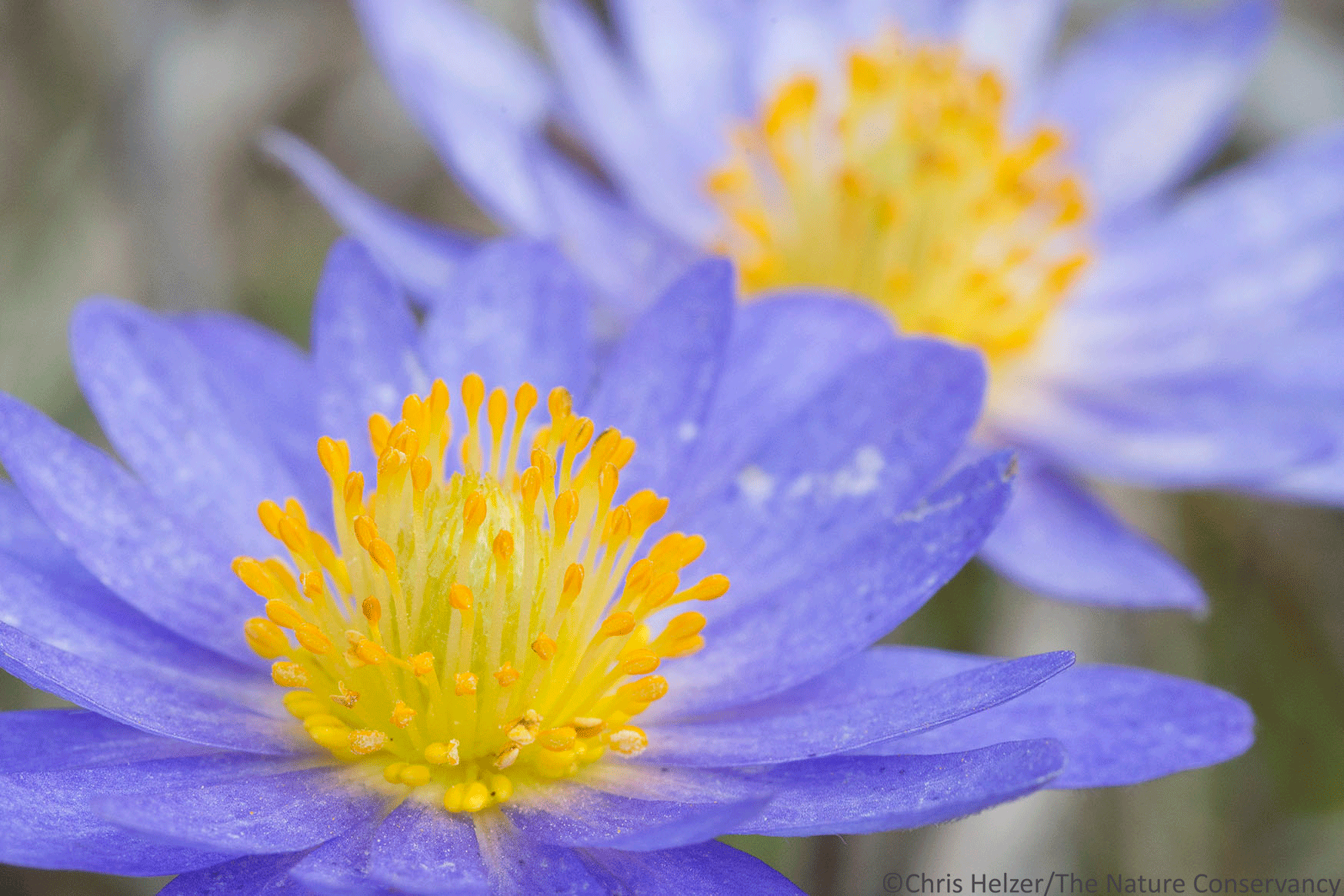
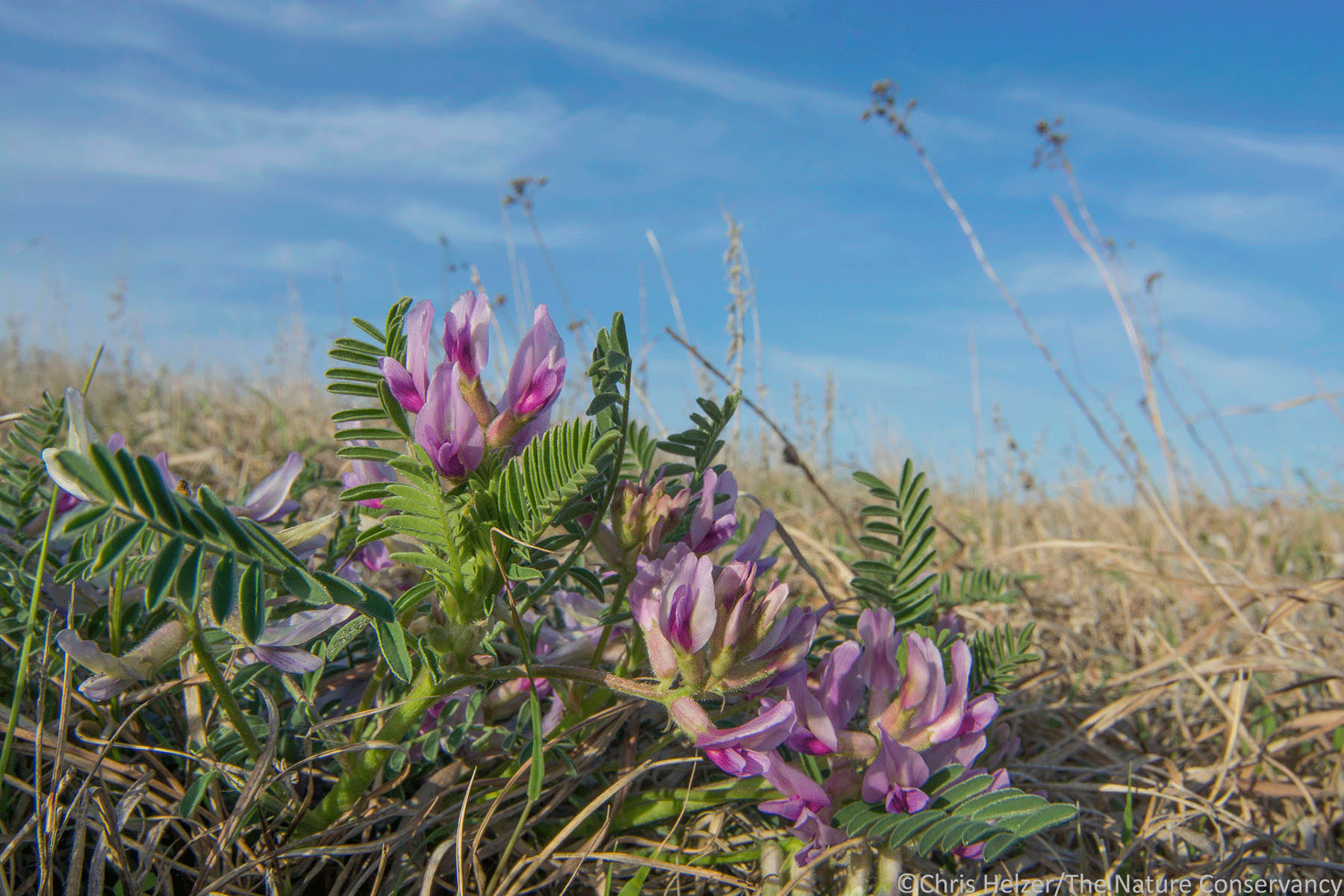
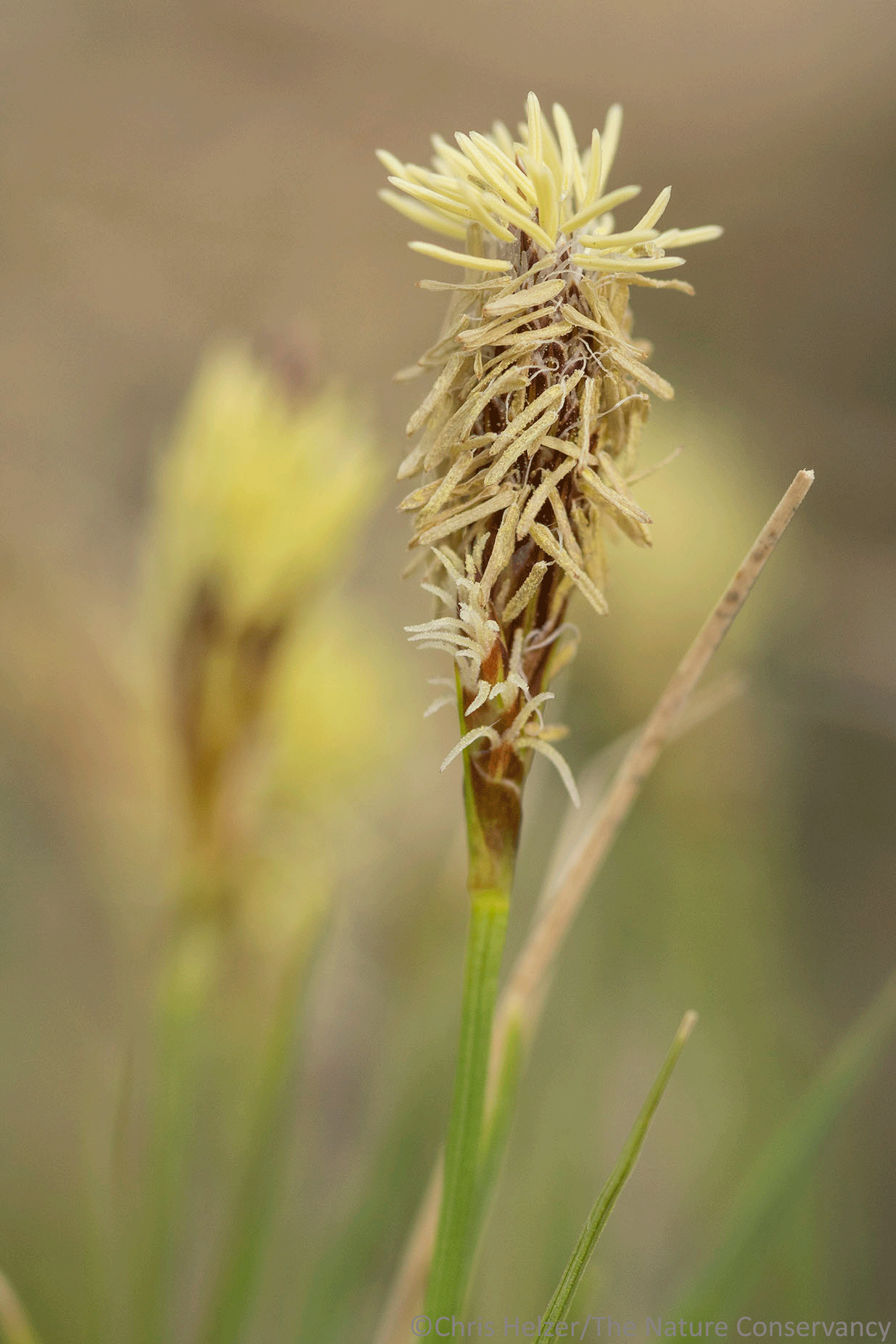
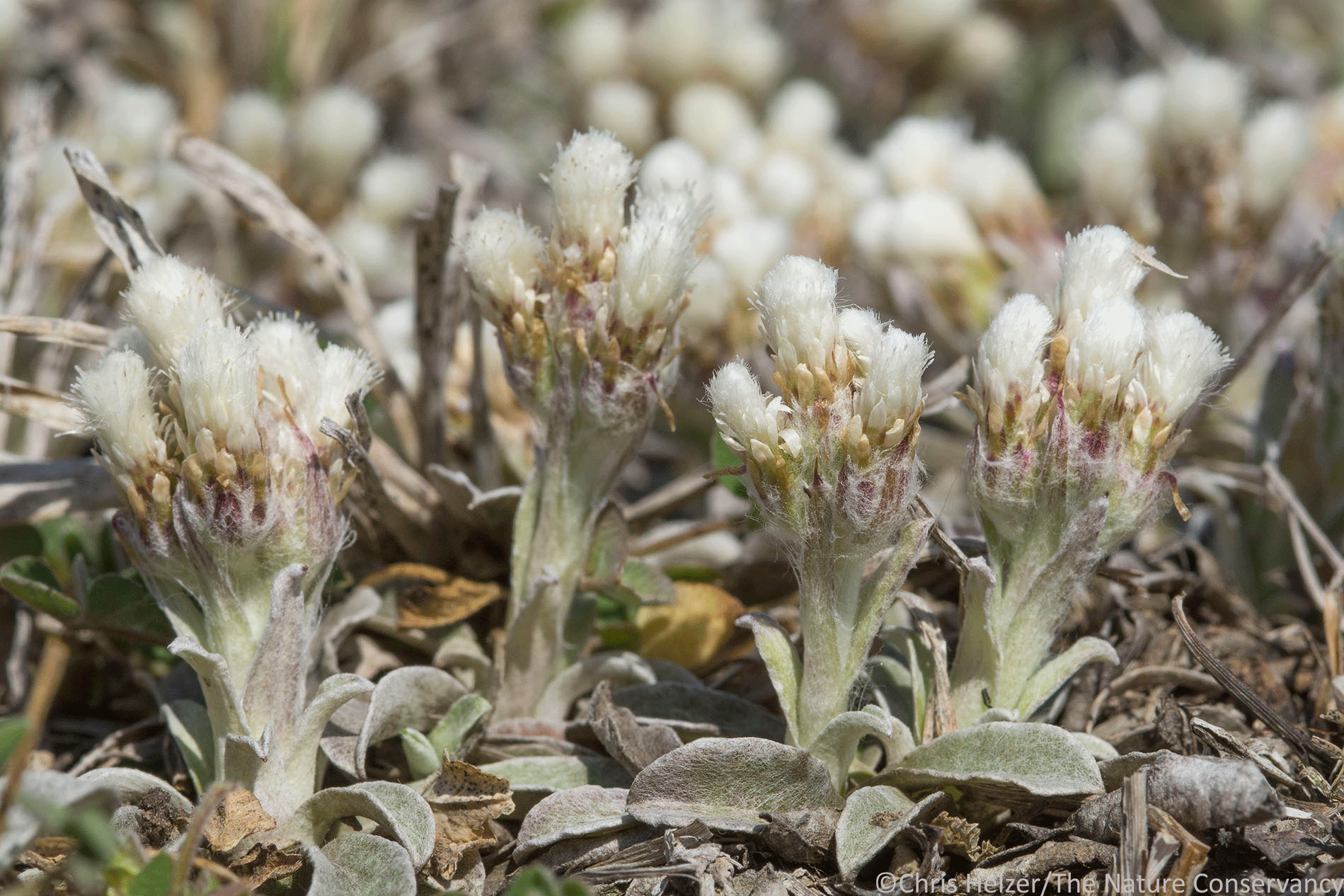
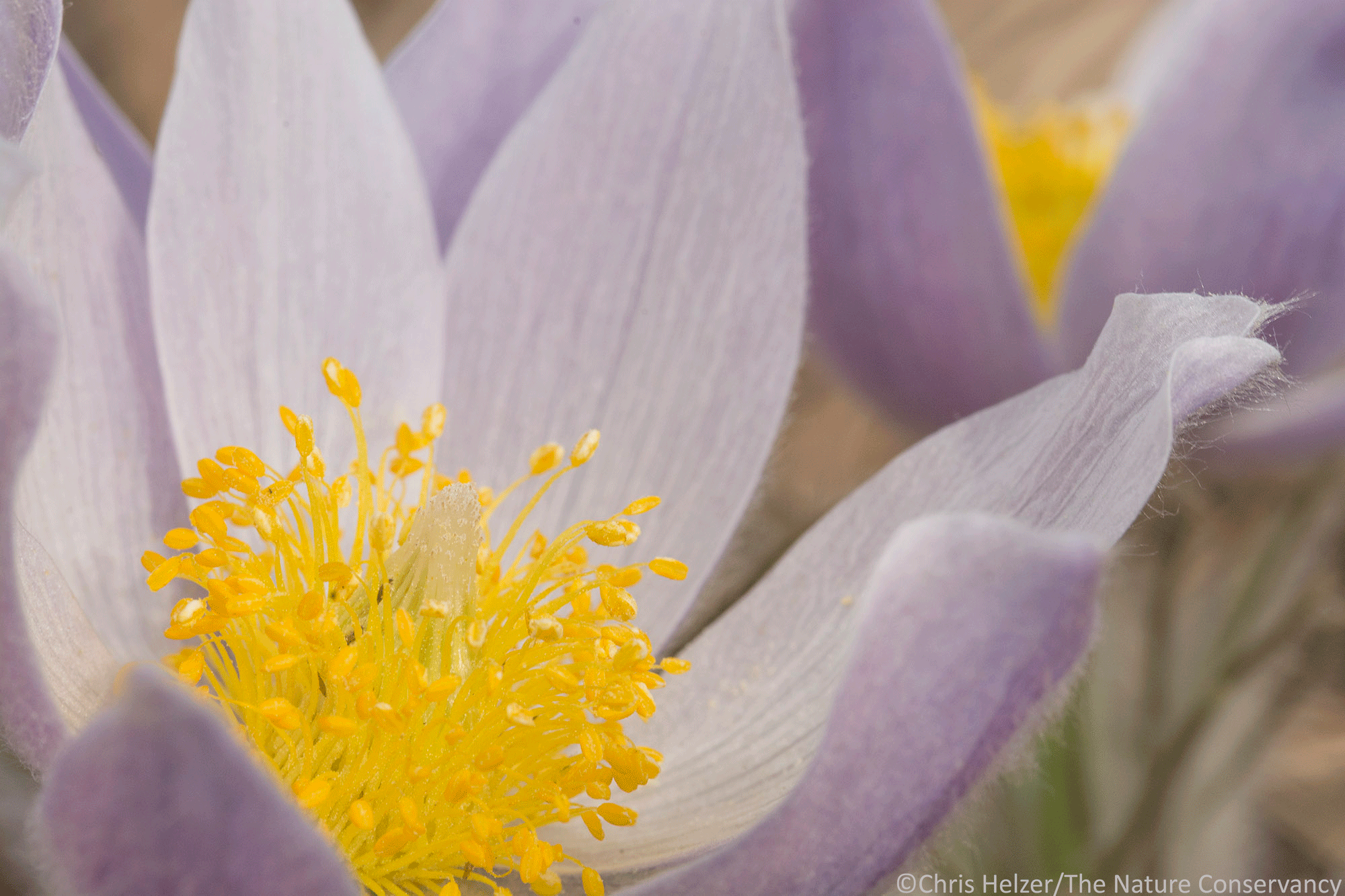
On the other hand, late winter is certainly a time when I start to feel flower withdrawal. It’s not a major affliction, but a real one. Looking at spring flower photos from previous years sometimes helps me, so in case the same applies to you, here are a few spring flower photos from recent years. These are the friends I’m looking forward to seeing in about two months. In the meantime (Brr) I have a drawer to see about…
Here are a few tidbits of information you might be interested in:
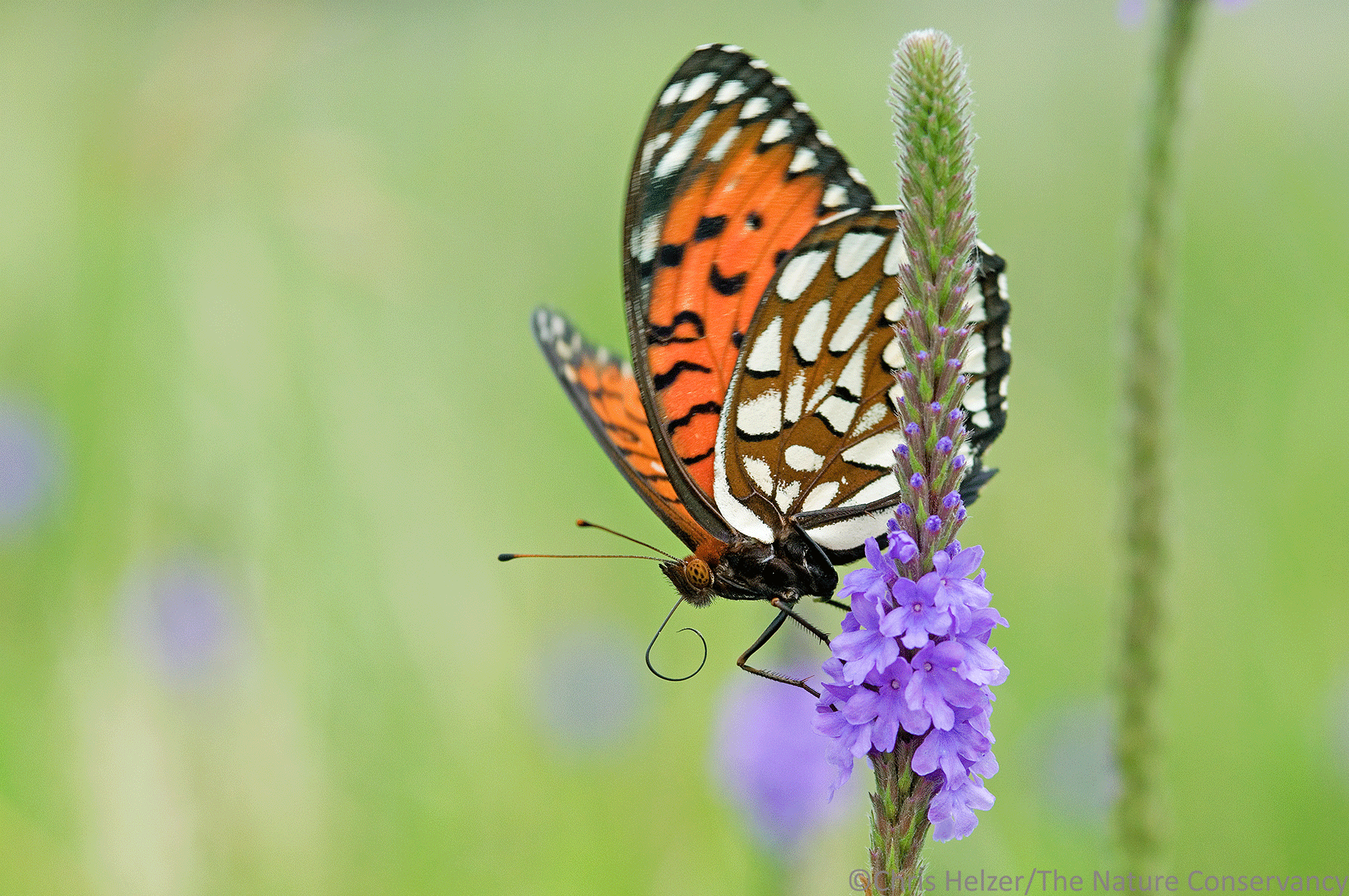
#1. We’ve set the data for the first Citizen Science BioBlitz Prairie Extravaganza (still working on the title) at our Platte River Prairies here in Nebraska. If you’re within traveling distance, I hope you’ll consider joining us on SaturdayJune 29, 2019 for an all day learning and data collection event. Our main focus will be to collect data on butterflies, namely regal fritillaries and monarchs, as well as habitat they are using (especially flowering plant availability). However, we’ll do much more than just collect data.
We will be counting regal fritillaries (and monarchs) on June 29, but also working to quantify the quality of pollinator habitat overall. I hope many of you will come give us a hand, but the day will be about more than just collecting data. We’ll have prairie hikes and other educational sessions available as well.
This effort builds upon data we’ve been collecting since about 2010 on regal fritillaries, including population trends and habitat use. We spent a couple years collecting pretty intensive data across our sites and then have been doing an annual survey since then. We’ve learned a lot but realize that we aren’t collecting enough data to really understand what’s happening with populations of this at-risk butterfly species or why. We’re hoping that we can pull in a lot of help and collect an abundance of data once a year to better understand how butterfly numbers and flowering plant populations are responding to our management, climate change, and other factors. Our data will apply to butterfly conservation, but also more broadly to all pollinators and overall ecological resilience.
You don’t need any special knowledge or expertise to attend and be helpful at this event. We’ll train you for the data collection we’ll be doing and will have educational sessions on other topics available as well. Think of this as a field day to learn and celebrate prairies, but also a chance to contribute to some important science along the way. We’ll provide many more details in the coming months, but please put this on the calendar if you’re interested.
#2. The next North American Prairie Conference will be held June 2-5, 2019 in Houston, TX. I’m excited and honored to be a featured speaker at this year’s conference, and am looking forward to seeing a lot of you there. This is always one of my favorite conferences because it attracts a diverse and interesting group of people who all care about prairies. It plays an important role as a scientific conference, but is also a venue where a lot of prairie management and restoration knowledge is shared, along with discussions about conservation education, art, and much more. This year’s field trips sound amazing and there’s a great list of featured speakers. You can learn more and register at this website.
#3. Former Hubbard Fellow Evan Barrientos has written a blog post about some of the restoration work he did during his time at our Platte River Prairies. It’s a great post that includes many photos of his first restoration efforts (family backyard) as well as some before and after photos of the high-diversity prairie/wetland restoration he helped with here. The “after” photos were taken last summer when Evan came back to visit and he and I wandered through that site together. The post is a nice story about the gratification found in projects like this, as well as some of what it took to make this particular project come to life. I encourage you to take a look at the post, which you can find HERE on his blog “The Naturalist Lens”. Evan is now working for the National Audubon Society in Fort Collins, Colorado, where he continues to apply his skills as a visual story teller.
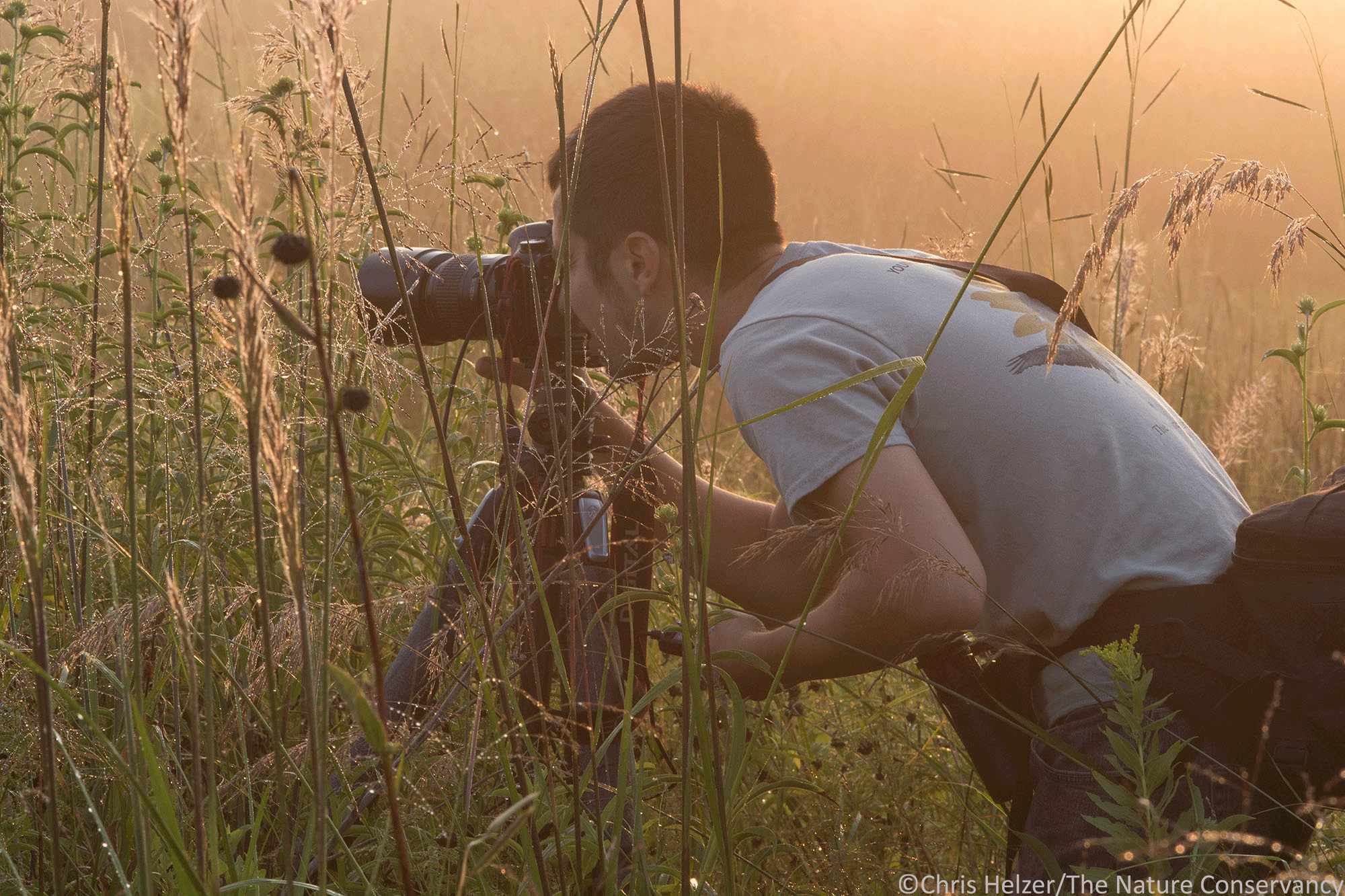
Here’s Evan last August, while visiting the restored prairie he helped create when he worked for us.