Bison are pretty tough. At our Niobrara Valley Preserve, and at many other sites in the upper Great Plains, bison make it through the winter without any supplementary feed. They just eat cured grasses, grow a thick coat, and plow through snow and ice as needed. Bison don’t need humans to help with calving, and they protect their babies very effectively from predators. It shouldn’t be surprising, then, that animals like that would be completely unfazed by a little rain.
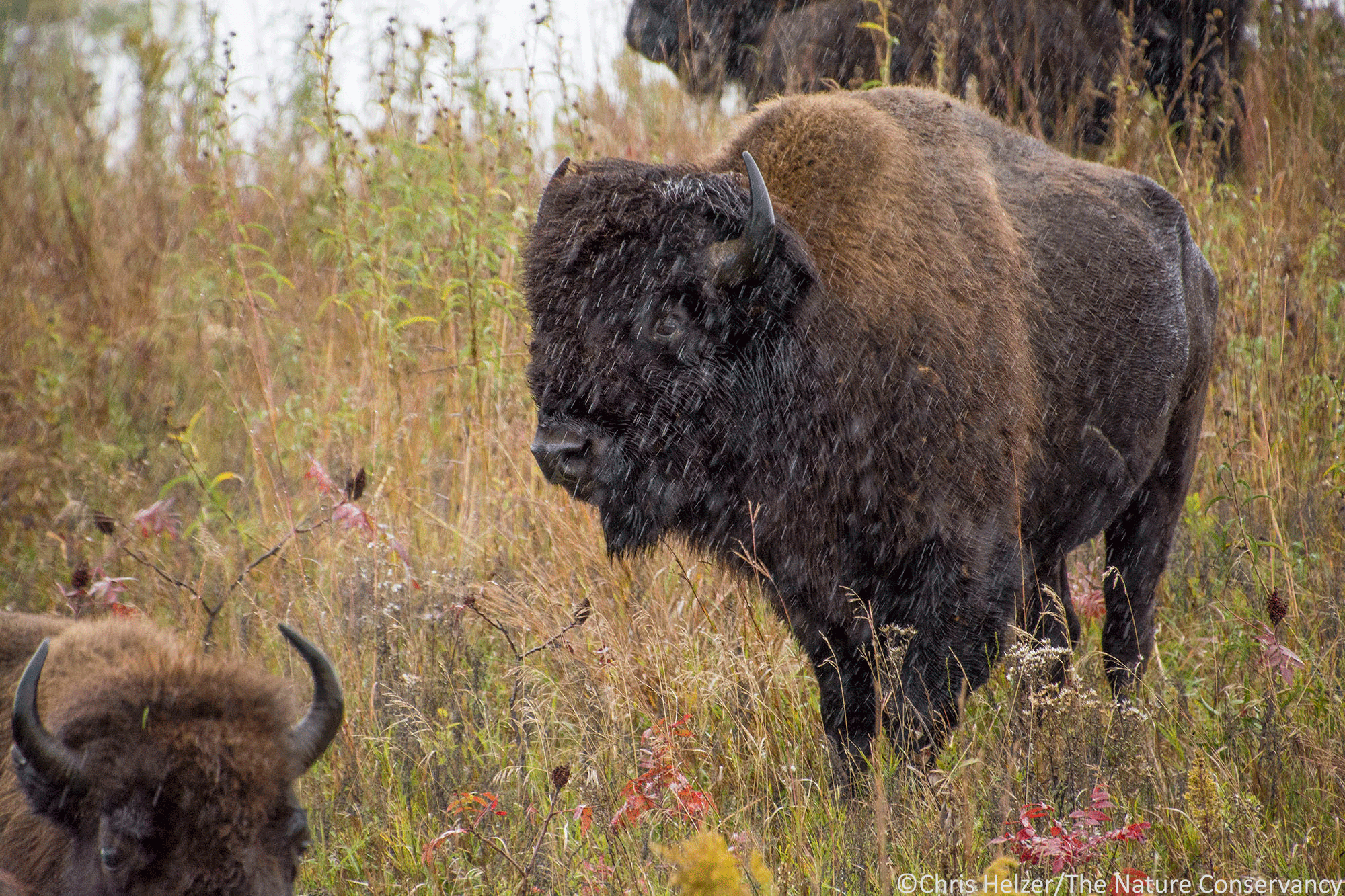
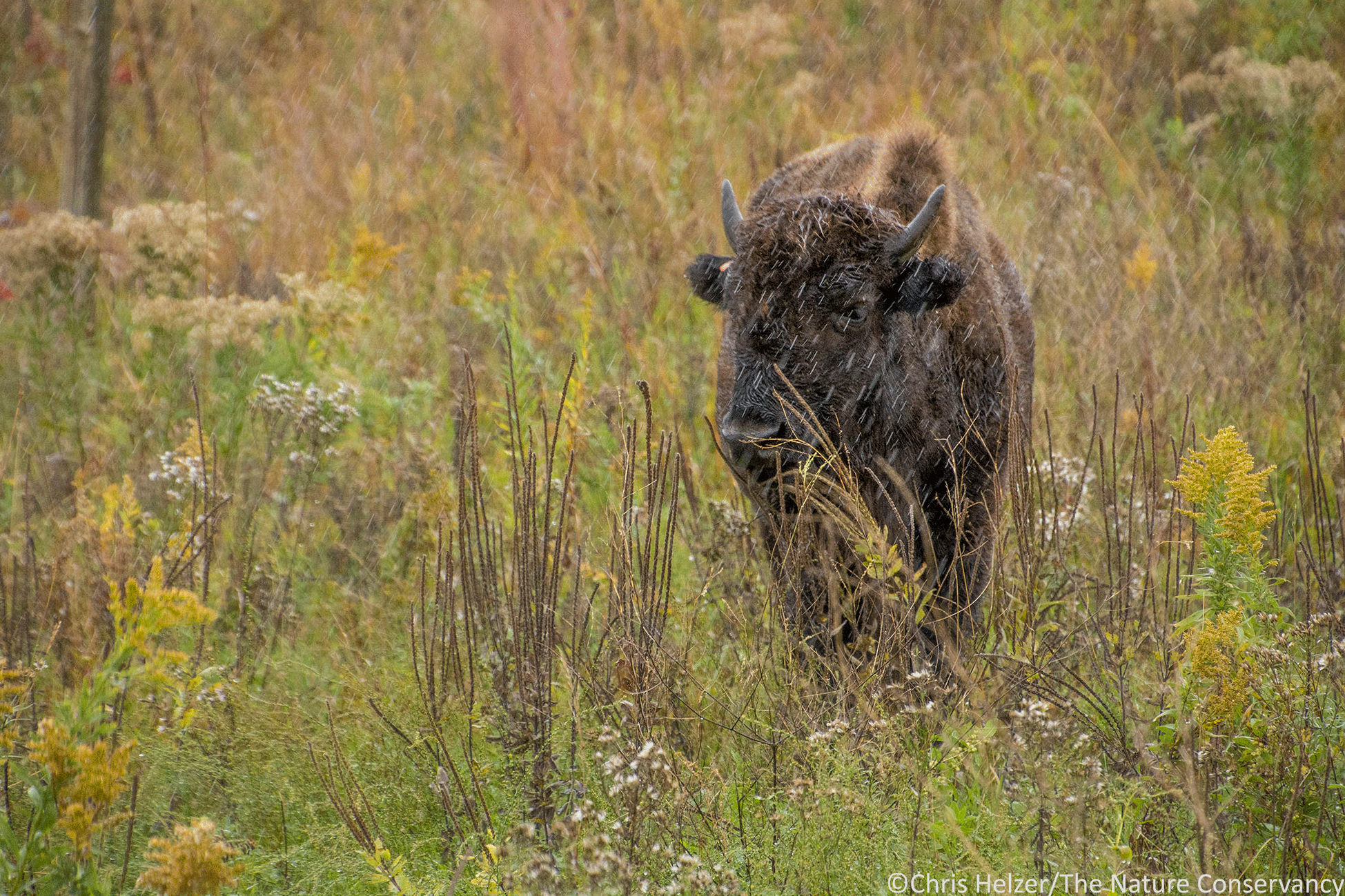
Yesterday, some of our Nebraska staff took a trip up to The Nature Conservancy’s Broken Kettle Grasslands in the northern Loess Hills of Iowa. Land steward James Baker led us on a very scenic hike before a band of cold rainy weather moved in. We then piled into some trucks with James and Director of Stewardship Scott Moats and went to visit the resident bison herd. The bison were peacefully grazing as we drove up, despite the pouring rain. When we stopped, a small group came over to check us out. Here are a few photos of those rugged bison, who didn’t need to huddle in dry and heated pickups to stay comfortable.
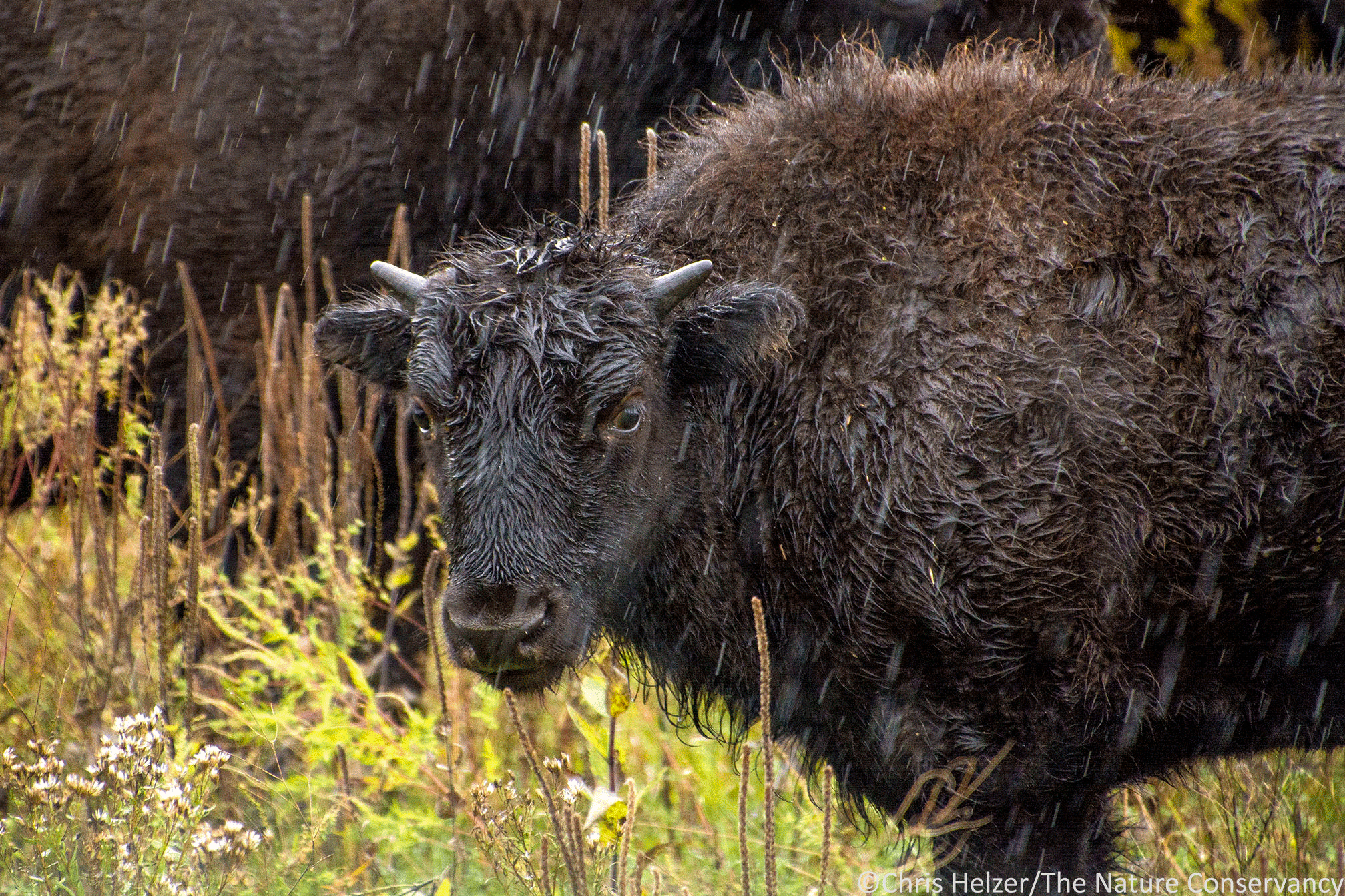
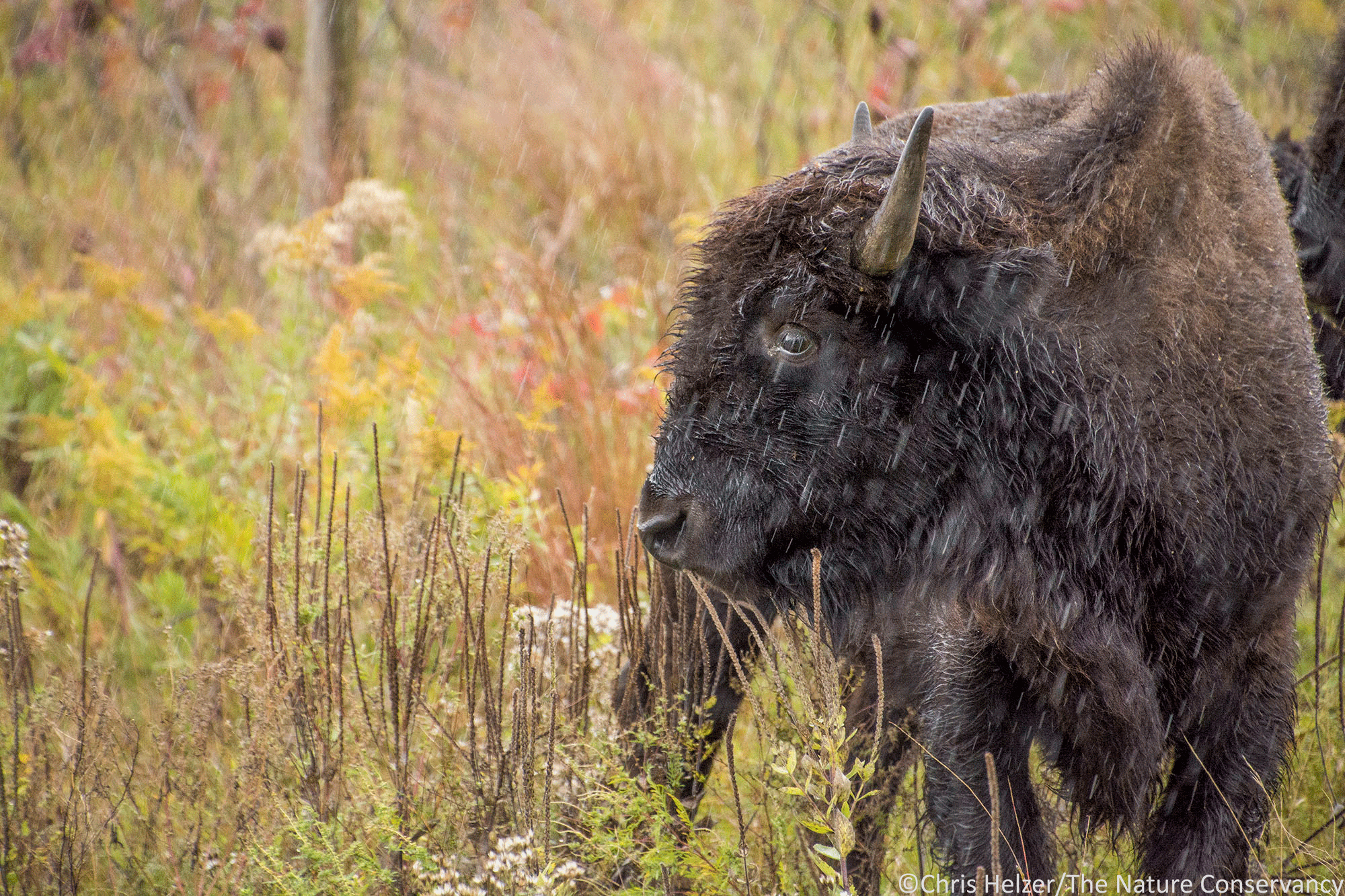
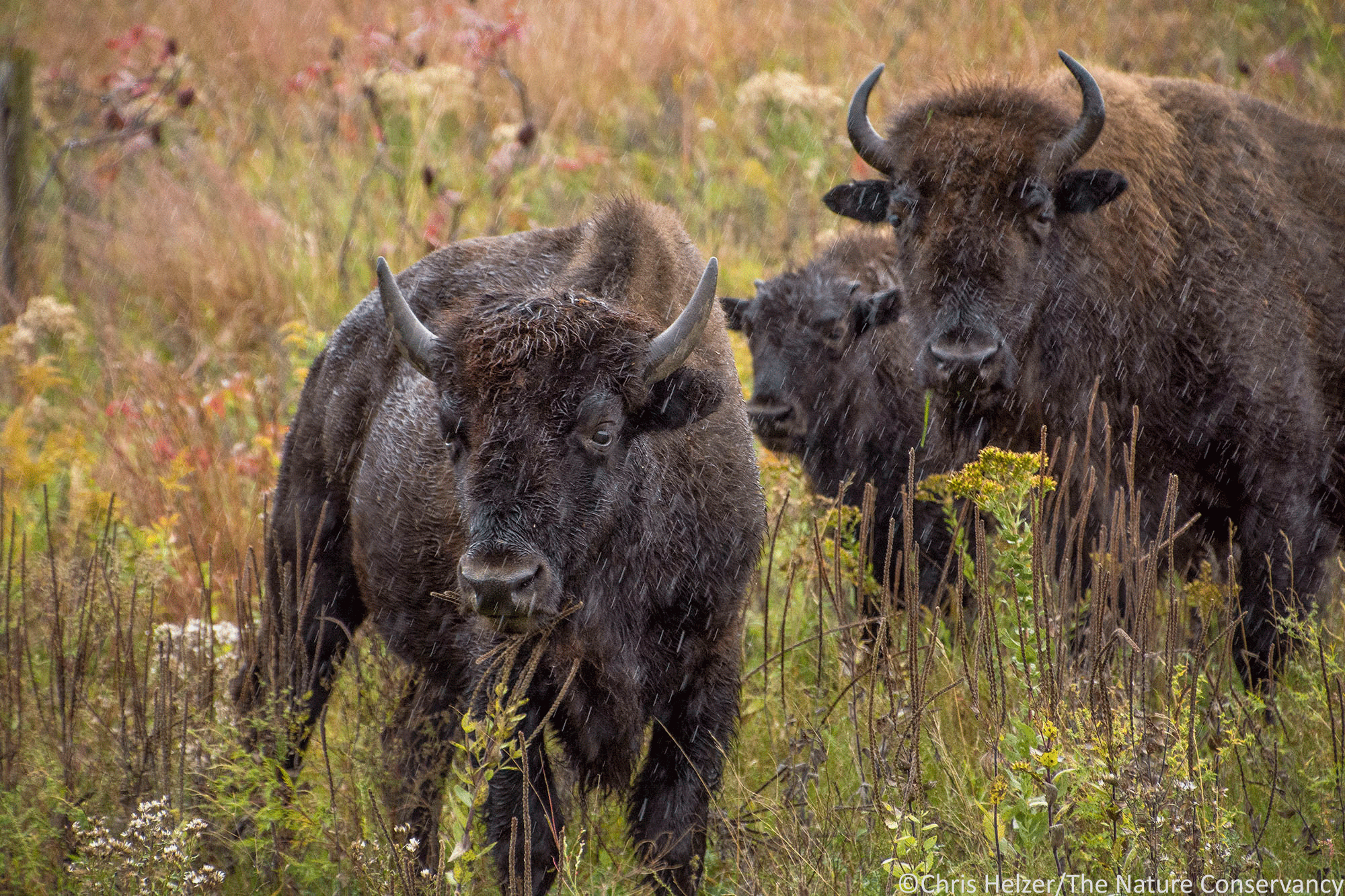
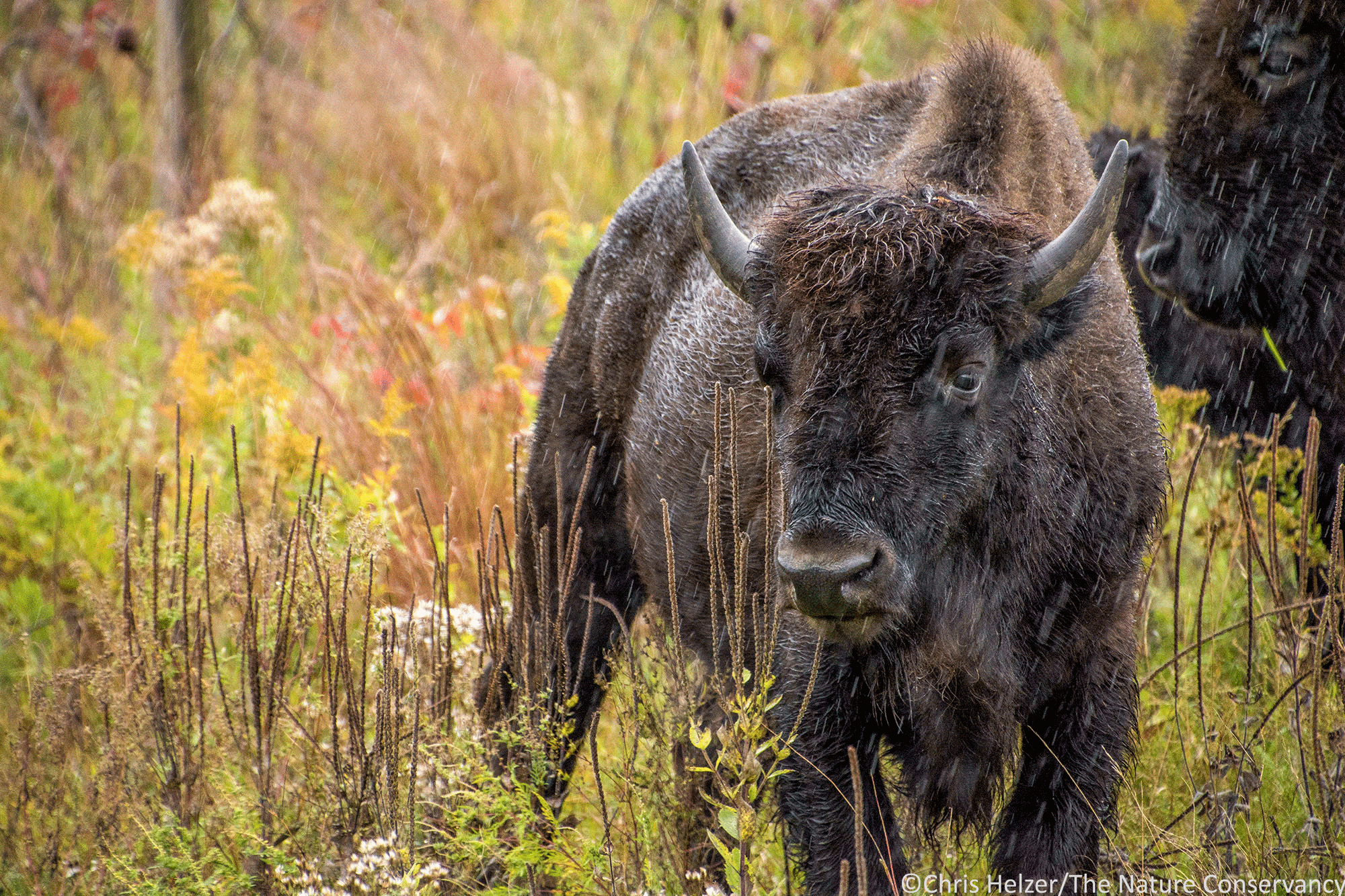
P.S. In case you had any doubt about my nerd qualifications, here’s one more piece of evidence. As I was working up these photos (in the backseat of a truck heading back to Nebraska) yesterday, I was looking closely at the streaks of rain captured by my camera. Based on the size of a bison calf’s eye and the length of the rain streaks closest to those eyes, I estimated that my camera captured about an inch of raindrop fall during the 1/250 of a second the camera’s shutter was open. Now, I’d want to do some actual measuring of bison calves’ eyes to check this, but based on that rough estimation, those raindrops were falling about 250 inches per second. Now, if I convert that number to miles per hour, I get 14.2 mph. A quick online search found that raindrops are estimated to fall at about 20 mph. I was pretty close!! I mean, given that I don’t really know how big a bison eye is or how close those raindrop streaks were to that eye… (NERD)