2015-2016 Hubbard Fellowship – Apply Now!

We are now accepting applications to join our 2015-2016 class of Hubbard Fellows.  Please share this with anyone who might be interested.
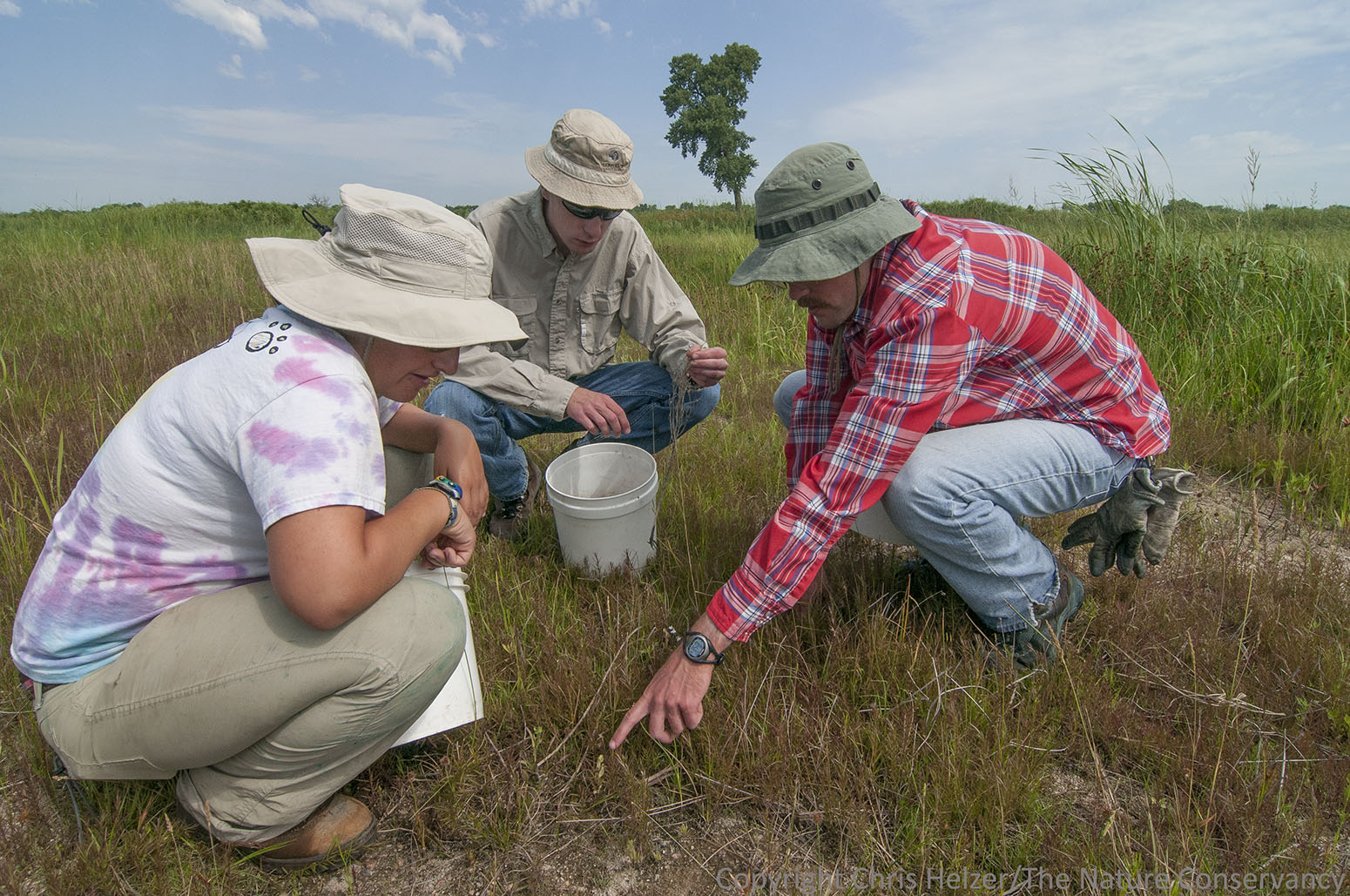
2014-2015 Fellows (and volunteer Sam Sommers) learn plant identification at The Nature Conservancy's Platte River Prairies.

2014-2015 Fellows (and volunteer Sam Sommers) learn plant identification at The Nature Conservancy’s Platte River Prairies.

The Claire M. Hubbard Fellowship Program bridges the gap between school and career by providing Fellows with a broad set of experiences that supplement their college education.  Fellows are employed for a full year by The Nature Conservancy.  During that year, they spend much of their time doing prairie restoration and management, including invasive species control, prescribed fire, livestock management, equipment maintenance and repair, seed harvest and planting, etc.  In addition, Fellows attend a wide variety of conferences and meetings and gain experience with grant writing, marketing, outreach, research and monitoring, budgeting, conservation planning, and much more.  Each Fellow also designs and carries out an independent project that fits their individual interests.

The Fellowship is based at the Platte River Prairies, west of Grand Island, Nebraska, but Fellows also spend considerable time at the Niobrara Valley Preserve and many other sites.  Click here to see this year’s brochure, which includes much more information and guidance for interested applicants.

The Fellowship is open to graduates (by May 2015) of undergraduate and graduate programs in natural resources, conservation biology, or related subjects.  We are looking for highly-qualified, motivated people with strong leadership and communication skills.  Applications are due January 9 and the Fellowship will begin in early June, 2015.

We are extremely grateful to Anne Hubbard and the Claire M Hubbard Foundation for funding this Fellowship Program. 
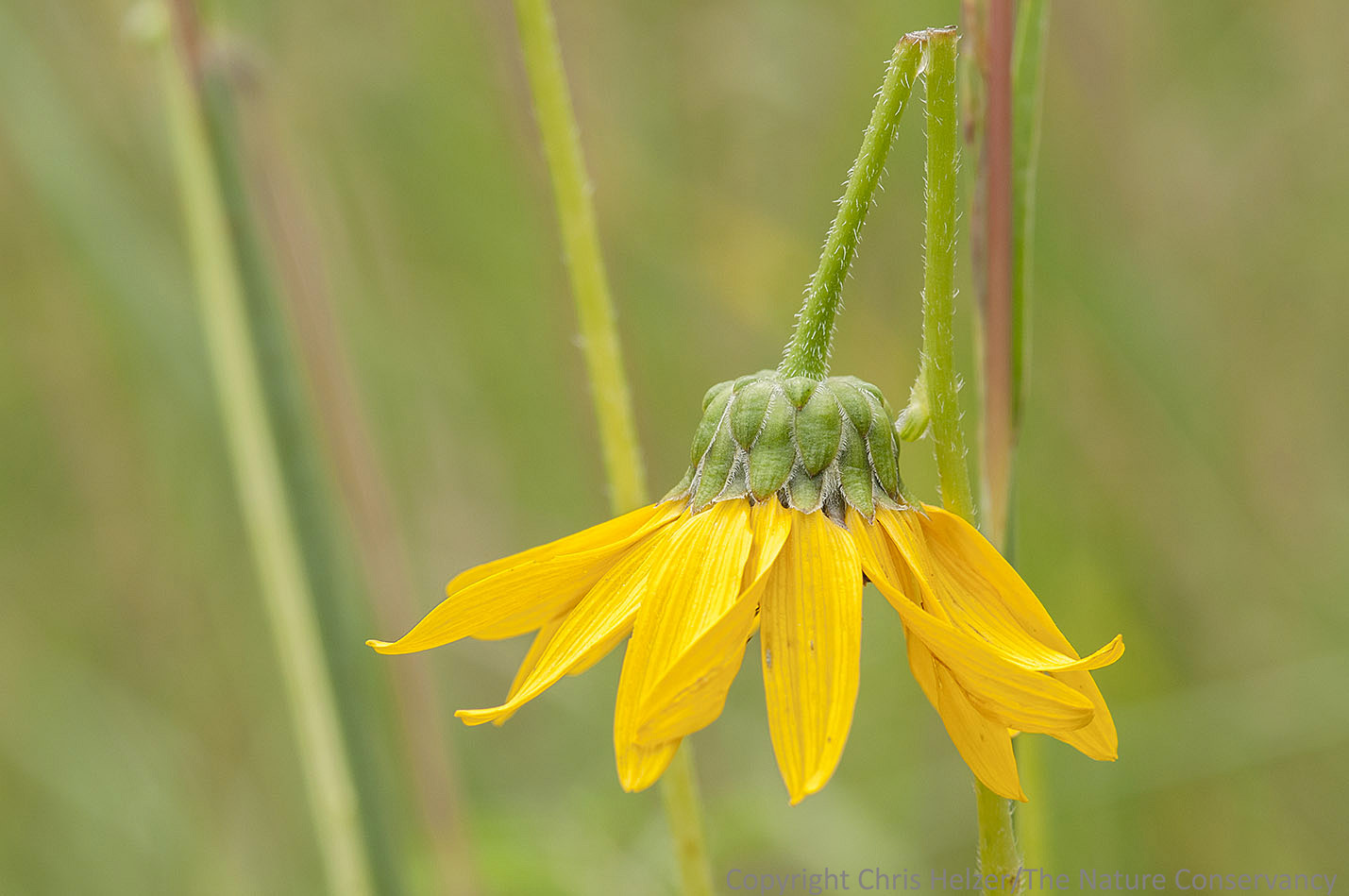
Wanna Know What Really Makes A Sunflower Lose its Head?

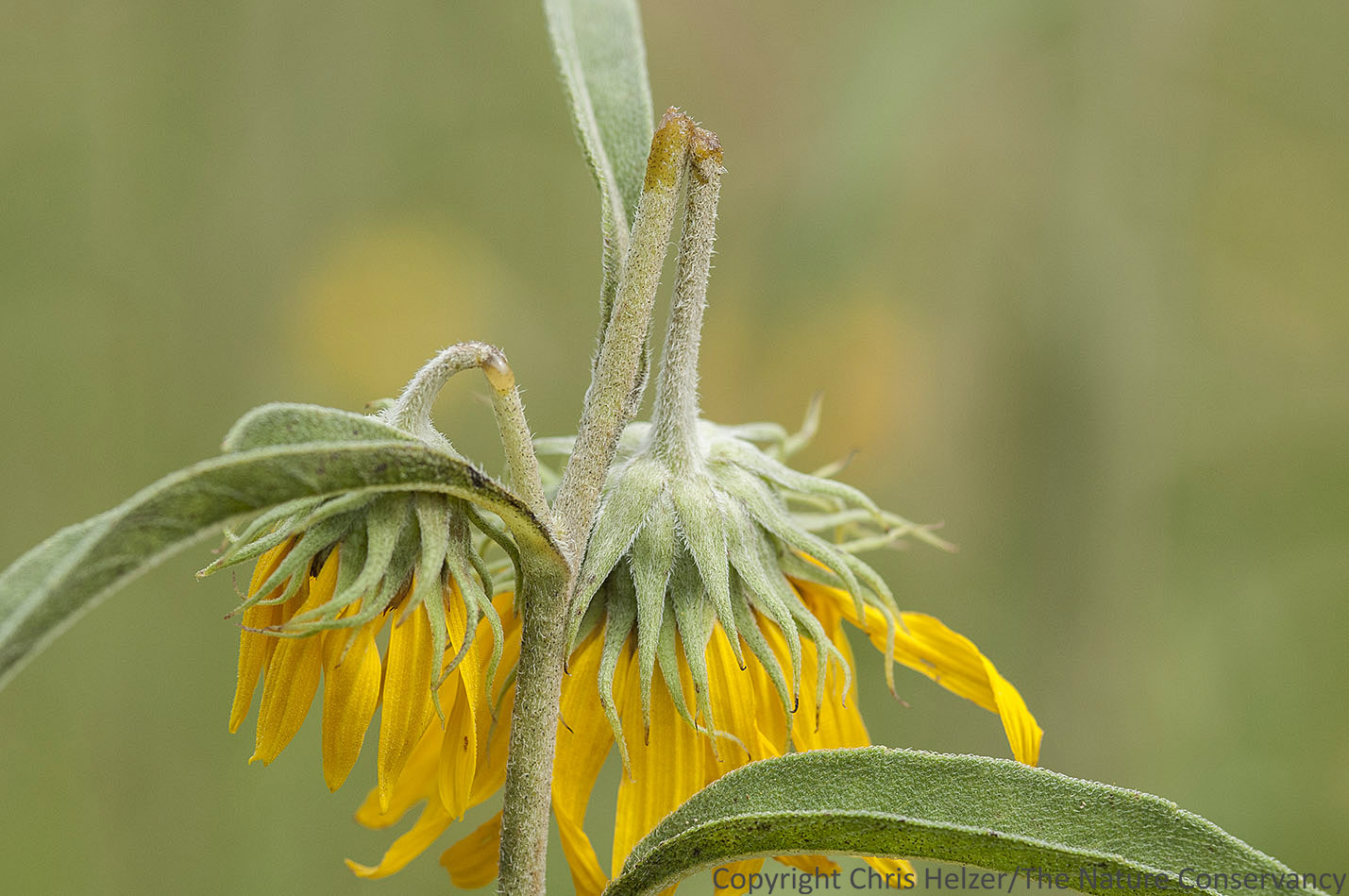
Nearly-decapitated sunflower heads, scattered across the prairie.  Oh, the devastation!  Who could be carrying out such an evil plan?

(Ok, more accurately, a weevil plan?)

Weevil damage

I found this sad-looking stiff sunflower (Helianthus pauciflorus) during a prairie hike back in August.

Maximilian

Stiff sunflower was not the only species being targeted.  Maximilian sunflowers (Helianthus maximiliani) were also dangling…   This photo was taken just a few minutes after the first.

The head-clipping weevil, aka the Silphium weevil (Haplorhynchites aeneus) is a small dark-colored weevil, less than a centimeter in length.  Females girdle the stems beneath sunflower heads – as well as other plants such as compass plant and rosinweed – so that the flower head falls over, but usually doesn’t drop completely off, at least not right away.  Once a flower has been knocked over, other weevils usually show up – male and female – to feed on pollen, mate, and lay eggs in the blossom.

Doing some research for this post, it was hard for me to confirm what happens next, but it seems the eggs usually don’t hatch until the flower eventually falls to the ground.  The larvae feed on the decomposing flower head and then burrow into the earth to overwinter.  It is thought that clipping the flower before laying eggs on it might make the flower a less attractive place for other insects to lay eggs, saving more food for the weevil larvae.

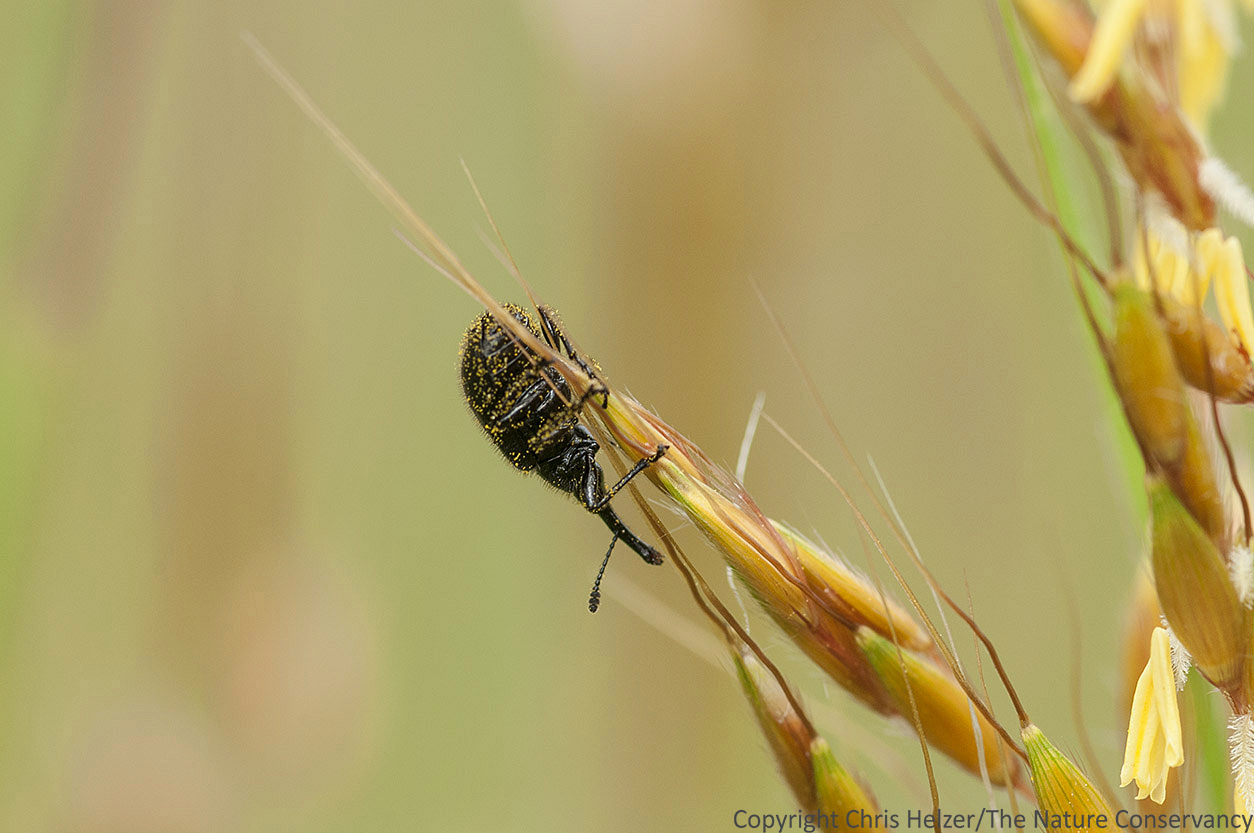
I have rarely seen the head-clipping weevil itself, and had never photographed it.  On the day I photographed the sunflowers shown above, though, I finally saw one fly off a stem and managed to get a documentary photo of it.  Look at all the sunflower pollen stuck to it!

Before that August hike, I hadrarely seen the head-clipping weevil itself, and had never photographed it. Not long after looking at the sunflowers shown above, I finally saw a weevil fly off and managed to get a documentary photo of it when it landed. Look at all the sunflower pollen stuck to it!

The clipping behavior by weevils can cause problems for those raising sunflowers commercially, but I’ve never seen it impact enough flowers to cause any serious issues in prairies.  I’m guessing that some of you readers will know much more about the head-clipping weevil than I do, and I hope you’ll contribute additional information in the comments section below.  Thanks in advance!

So, to summarize the weevil plan:  The weevil female nearly decapitates a flower and then mates with weevil males and lays weevil eggs right on the mortally wounded blossom.  The weevil babies eat the dying flower and then burrow into the ground until the next spring.  Then they make a triumphant return and hatch their weevil plans once again.  And who do we have to thank for finding out about all of this?

Weevil scientists, of course!