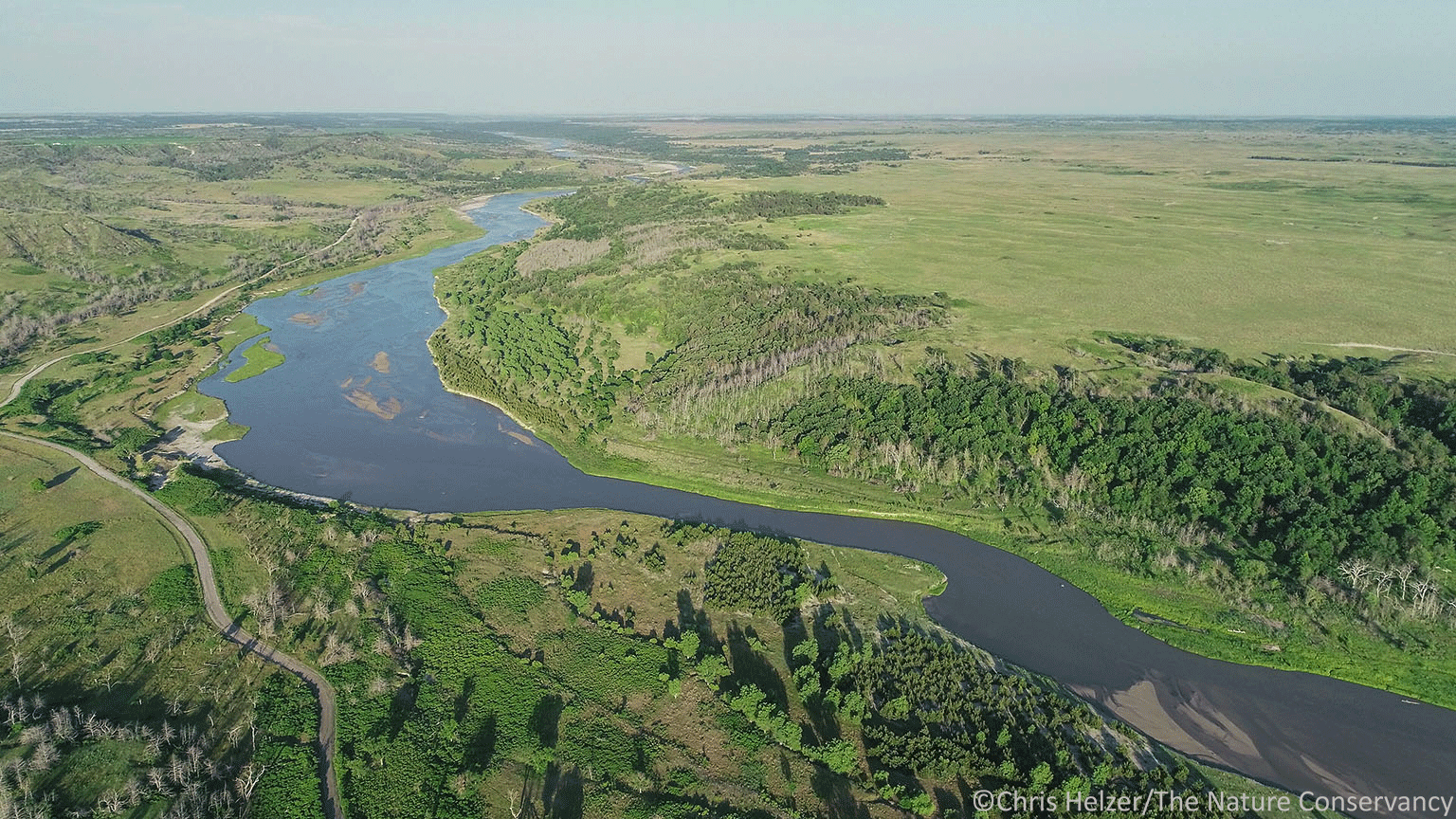
The Niobrara Valley Preserve encompasses a wide variety of habitats, including prairie, woodland, streams, and about 25 miles of the Niobrara River.
If you’ve followed this blog for very long, you’ve seen lots of photos and stories from the Niobrara Valley Preserve. It’s a spectacular place, located on the northern edge of the Nebraska Sandhills – the largest contiguous prairie landscape in North America. Would you like to work there? Of course you would!
Well…
The Nature Conservancy is hiring a stewardship manager at the Niobrara Valley Preserve (NVP) in north-central Nebraska (near the towns of Johnstown, Ainsworth, and Valentine). This position will supervise two other full-time land stewardship positions and oversee all land management operations across the site’s 56,000 acres. We are looking for an experienced person who can bring a creative approach to this role and build/manage a cohesive and energetic stewardship team.
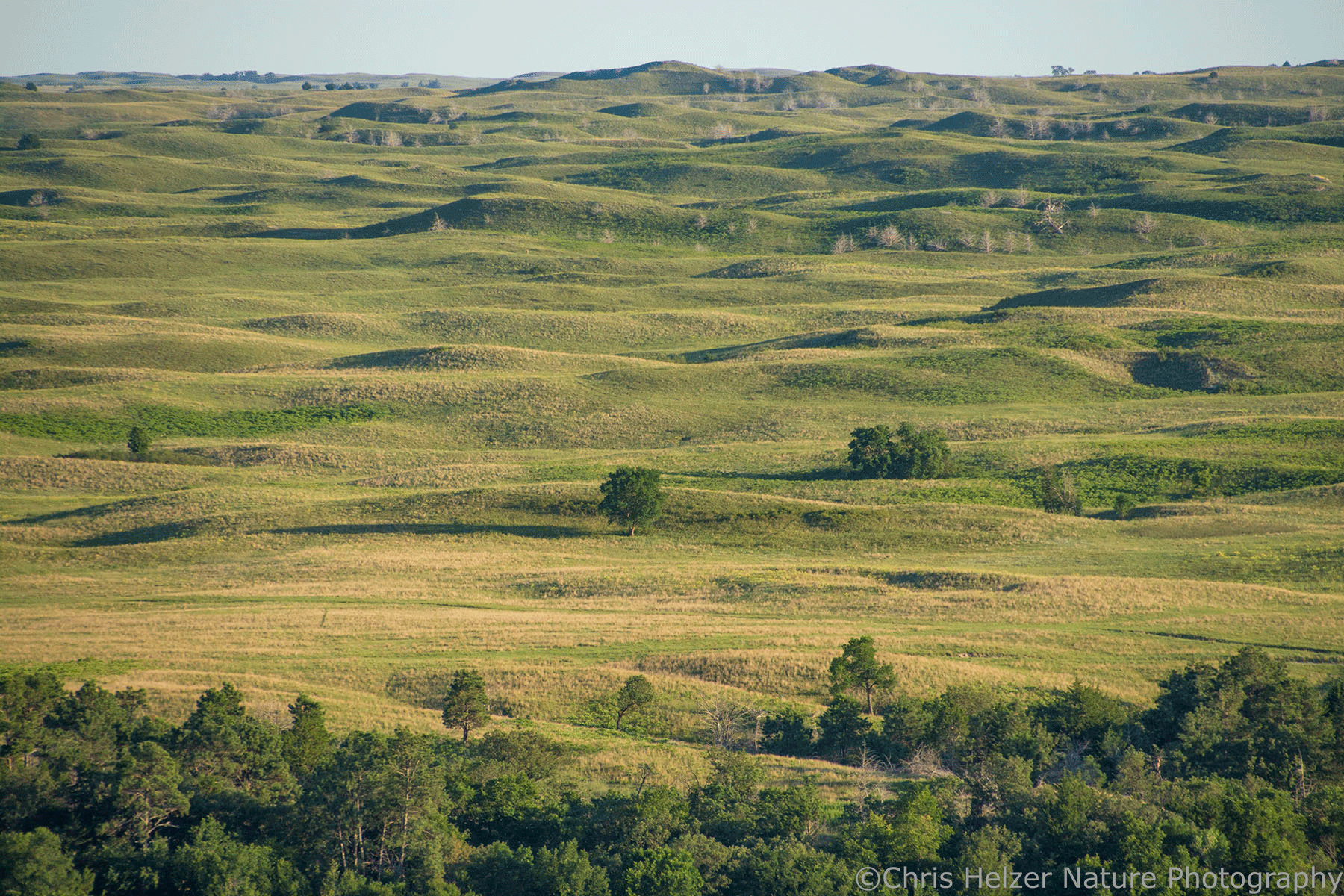
This role encompasses a wide range of land stewardship, including grazing by leased cattle and two resident bison herds, invasive species management, prescribed fire, and more. The majority of the Preserve is Sandhills prairie, but it also includes tall and mixed-grass prairie, bur oak and ponderosa pine savannas, deciduous woodland, streams and wetlands, and more. Our land management has two primary goals: 1) to sustain biological diversity and ecological resilience; and 2) to develop and test innovative stewardship approaches that can inspire land management elsewhere.
We envision that the NVP stewardship manager will be working in the field about 75% of the time. In addition, they will be responsible for employee supervision, management planning, grazing and hunting leases, bison herd management, and infrastructure related to land stewardship (fence, livestock water facilities, equipment, and buildings.
If you’re interested, visit nature.org/careers, click on ‘join our team’, and search for job #54636 to see the full job announcement. Applications are due February 16.
IN ADDITION, there are a few days left to apply for a Prescribed Fire Specialist position (job #54585) that will also be based at the Niobrara Valley Preserve. This position will help train and provide technical assistance to private landowners and others in the Nebraska Sandhills. They’ll also help conduct burns on private land in the Sandhills, as well as at the Niobrara Valley Preserve. Applications for this job are due Feb 2.
Here are some more photos of the Niobrara Valley Preserve…
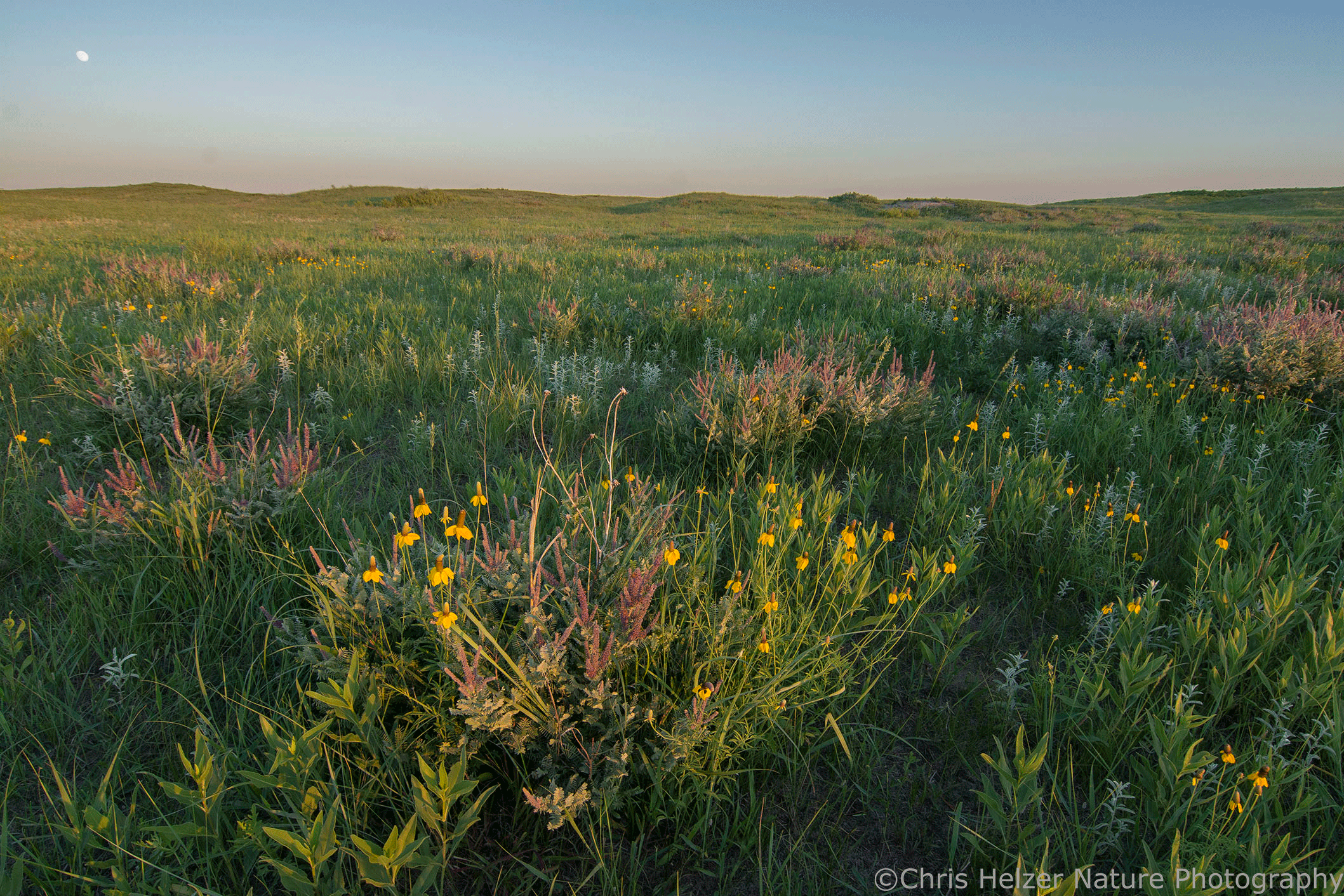
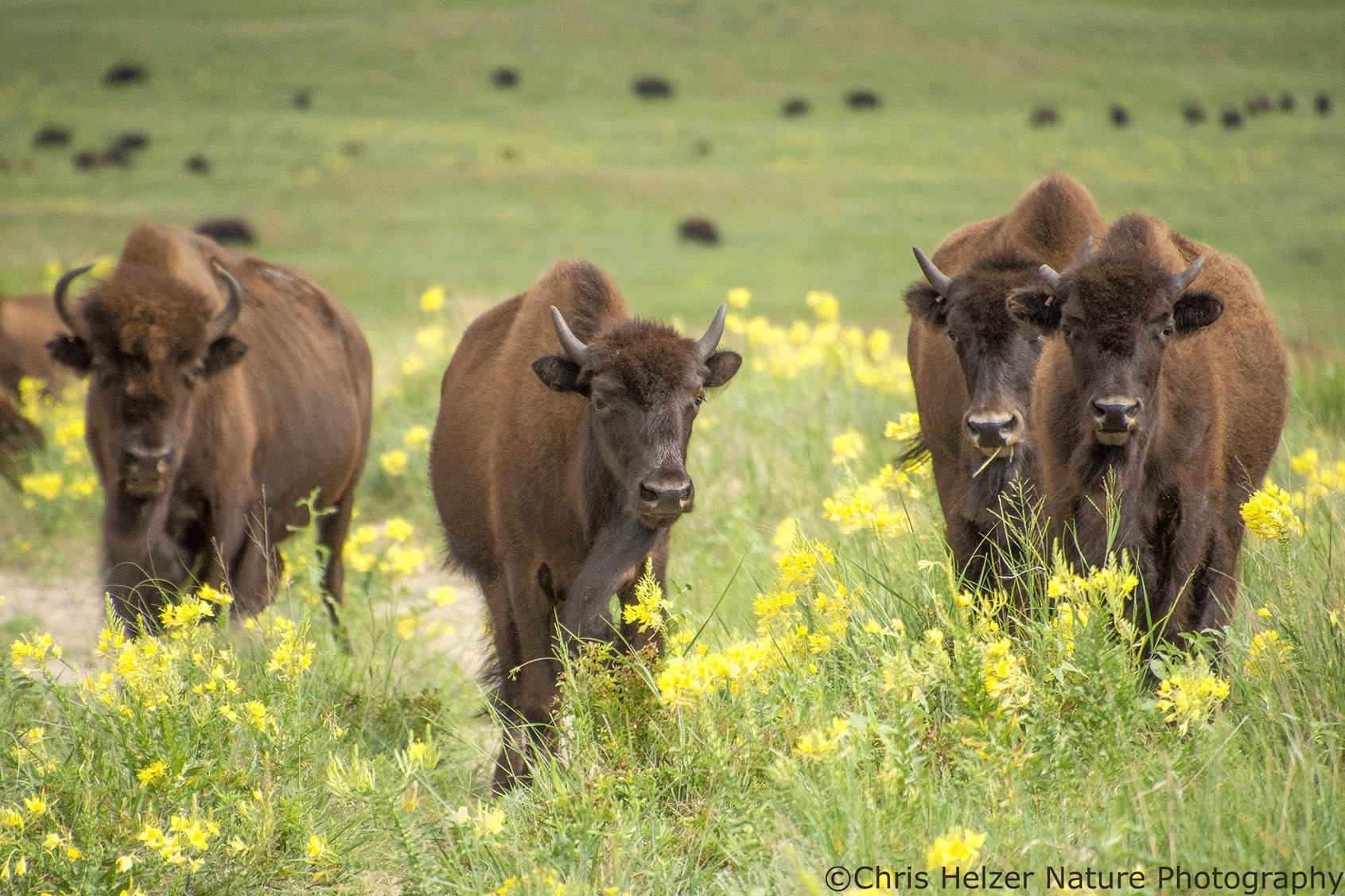
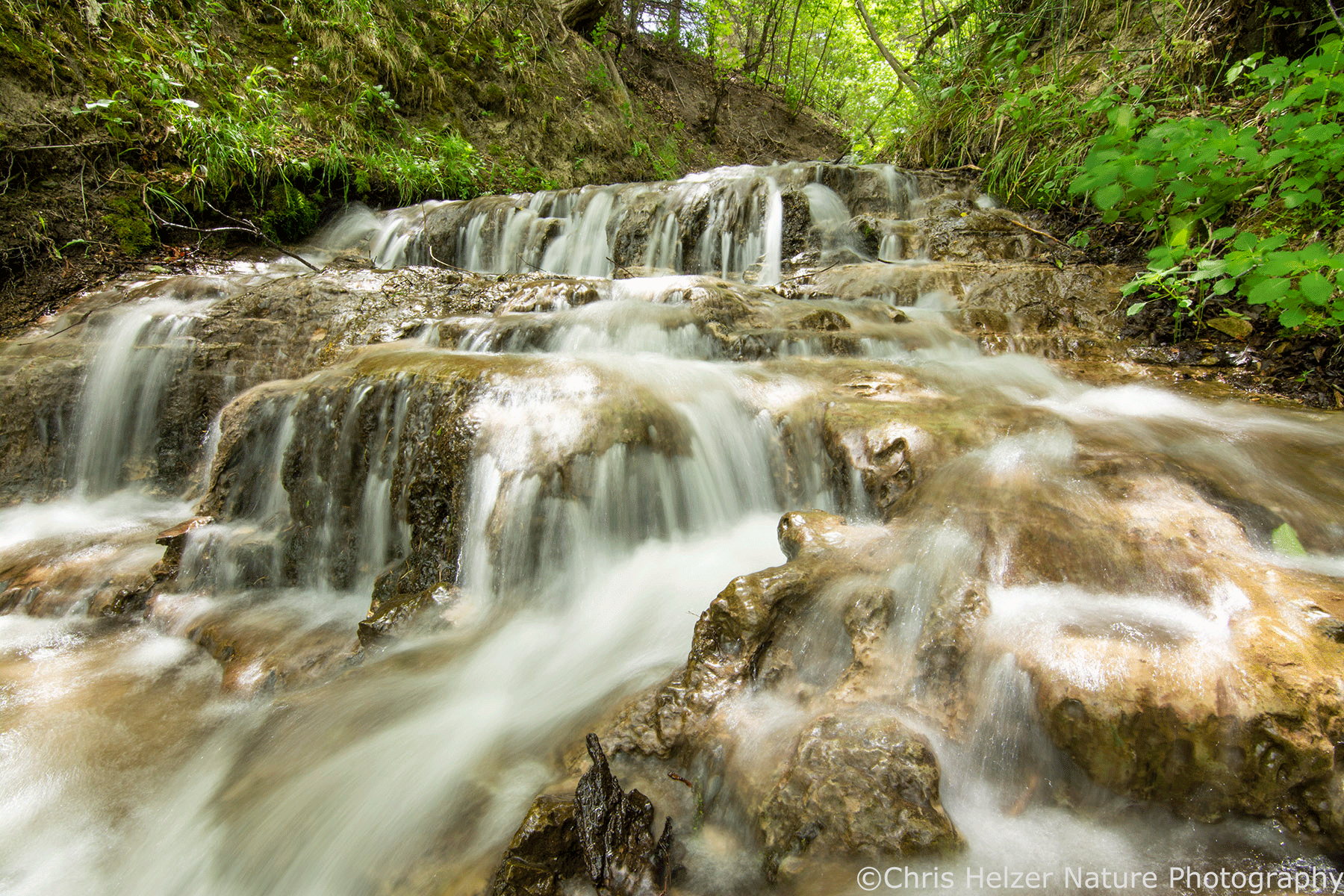
The Niobrara Valley Preserve sits at the northern edge of the Nebraska Sandhills. This view looks south from the woodland at the south edge of the Niobrara River.Sandhills prairie supports a broad diversity of plants and animals.There are two herds of bison at the Niobrara Valley Preserve, totaling about 1000 animals on roughly 22,000 acres of prairie.Stairstep falls is one of several locally-famous waterfalls on the Preserve and is a favorite stop for people floating the river.
So far, our local January has been very cold and full of snow, frost, and ice. Schools have been canceled and travel has been difficult, but prairie photography (when I’ve been able to get out) has been pretty great!
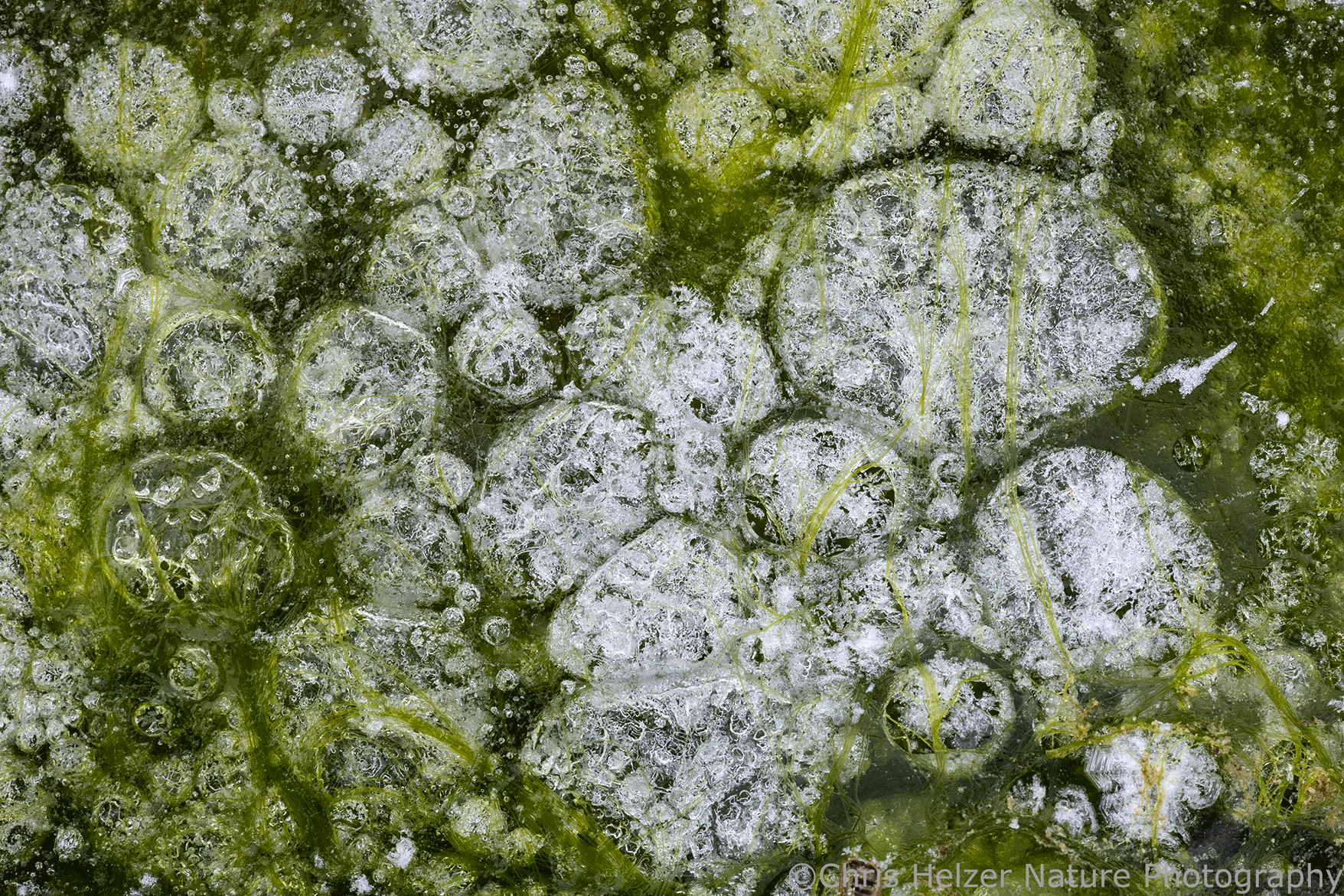
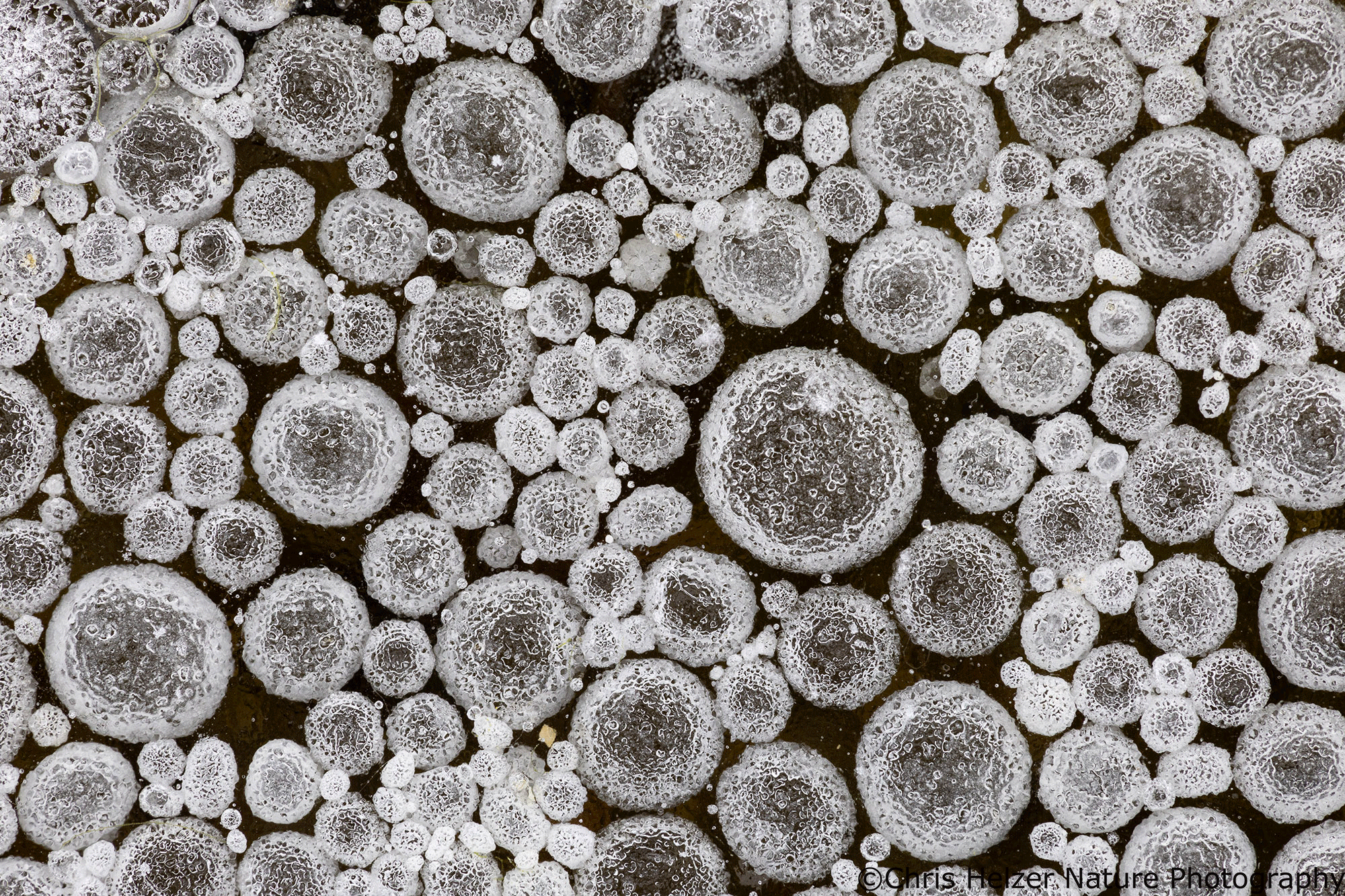
This first set of photos was taken on New Year’s Day at the Platte River Prairies. I visited my favorite wetland restoration (one I spent many years working on) and – as always – it didn’t disappoint. Between frosty and plants, fog, and ice bubbles, there was more than enough to keep me happy on the first morning of 2024.
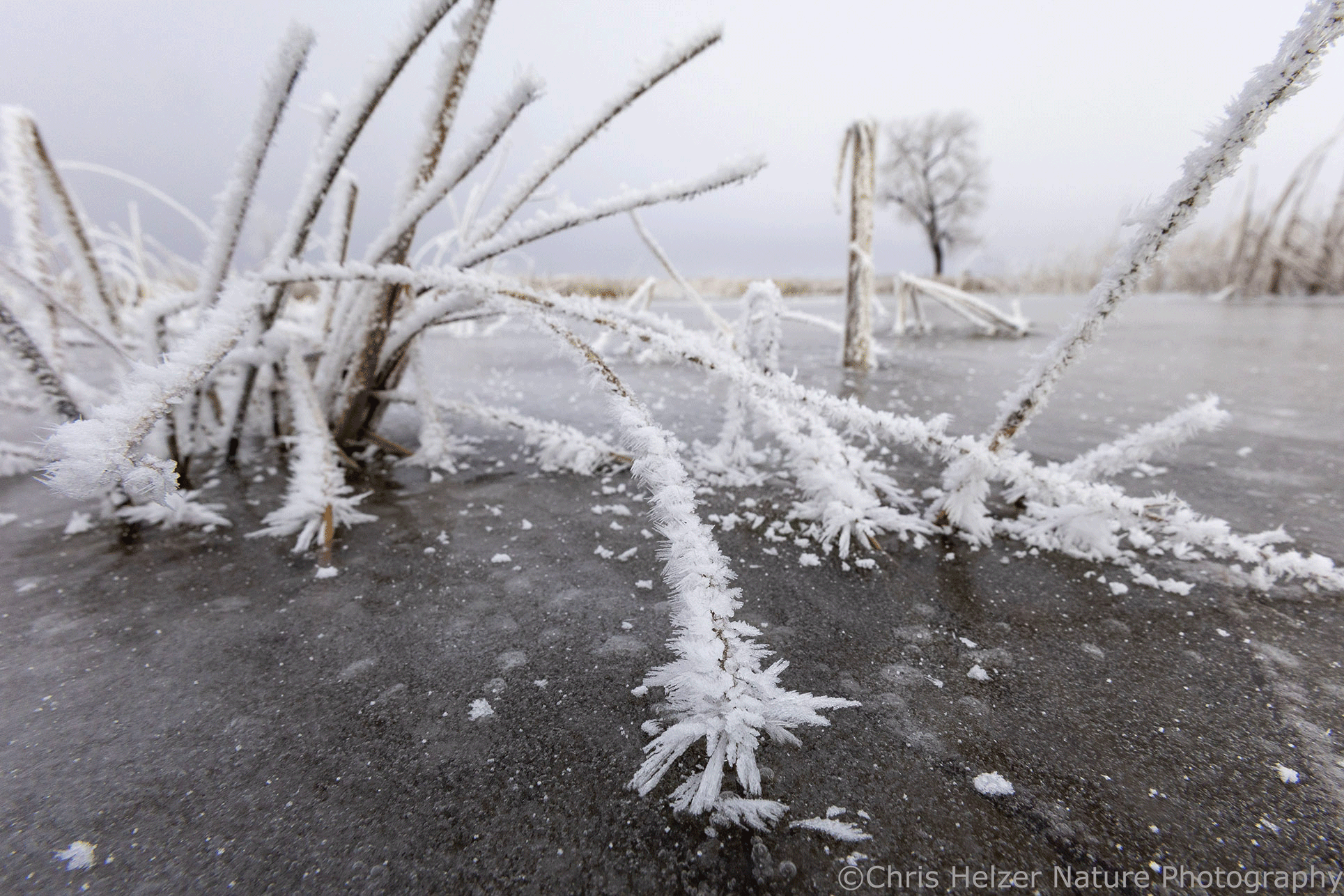
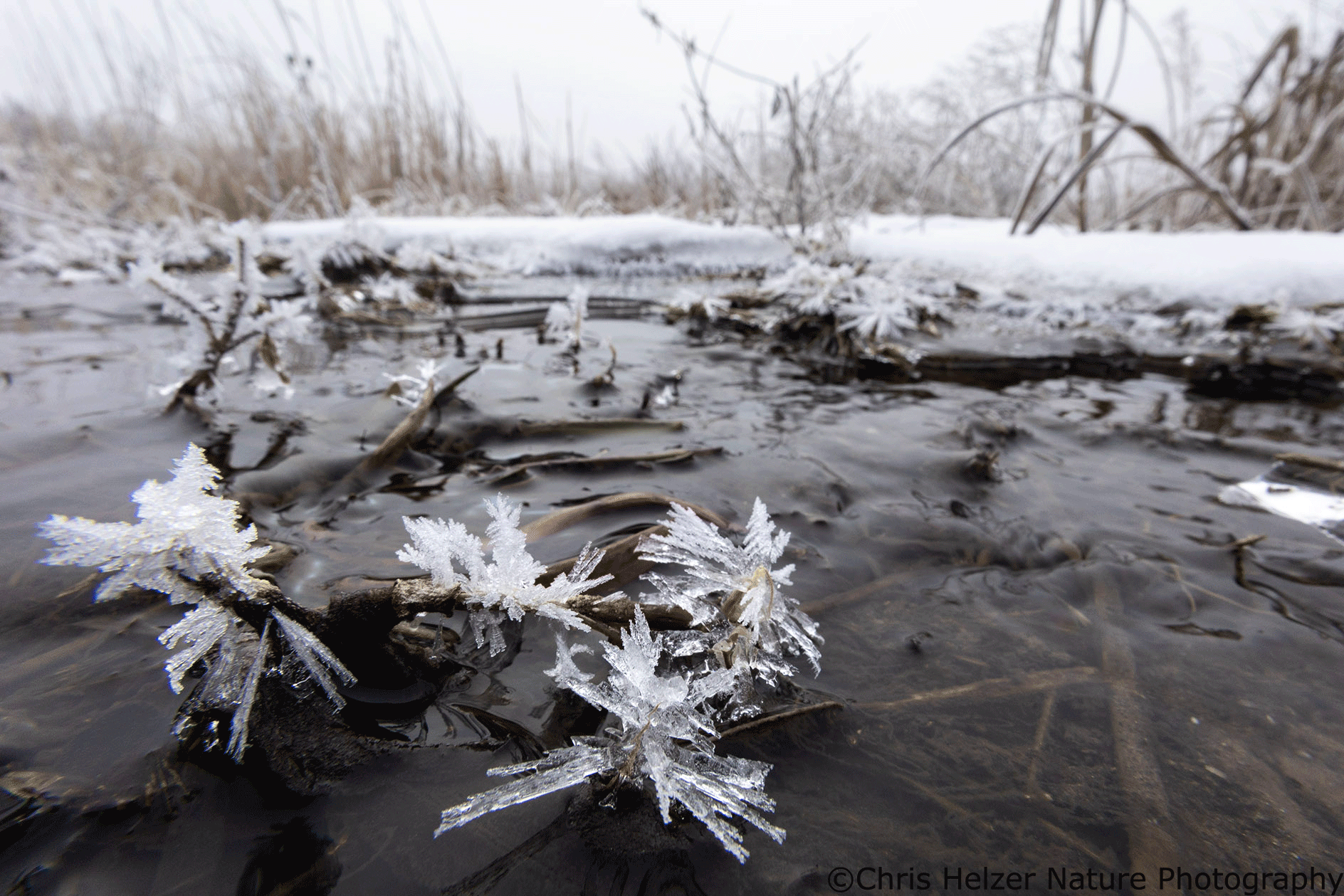
Frost and ice at The Nature Conservancy’s Platte River Prairies – Derr Sandpit Wetland RestorationFrost and ice at The Nature Conservancy’s Platte River Prairies – Derr Sandpit Wetland RestorationFrost along flowing water next to a beaver dam at The Nature Conservancy’s Platte River Prairies – Derr Sandpit Wetland RestorationIce bubbles and algae – Derr Sandpit Wetland RestorationIce bubbles – Derr Sandpit Wetland Restoration
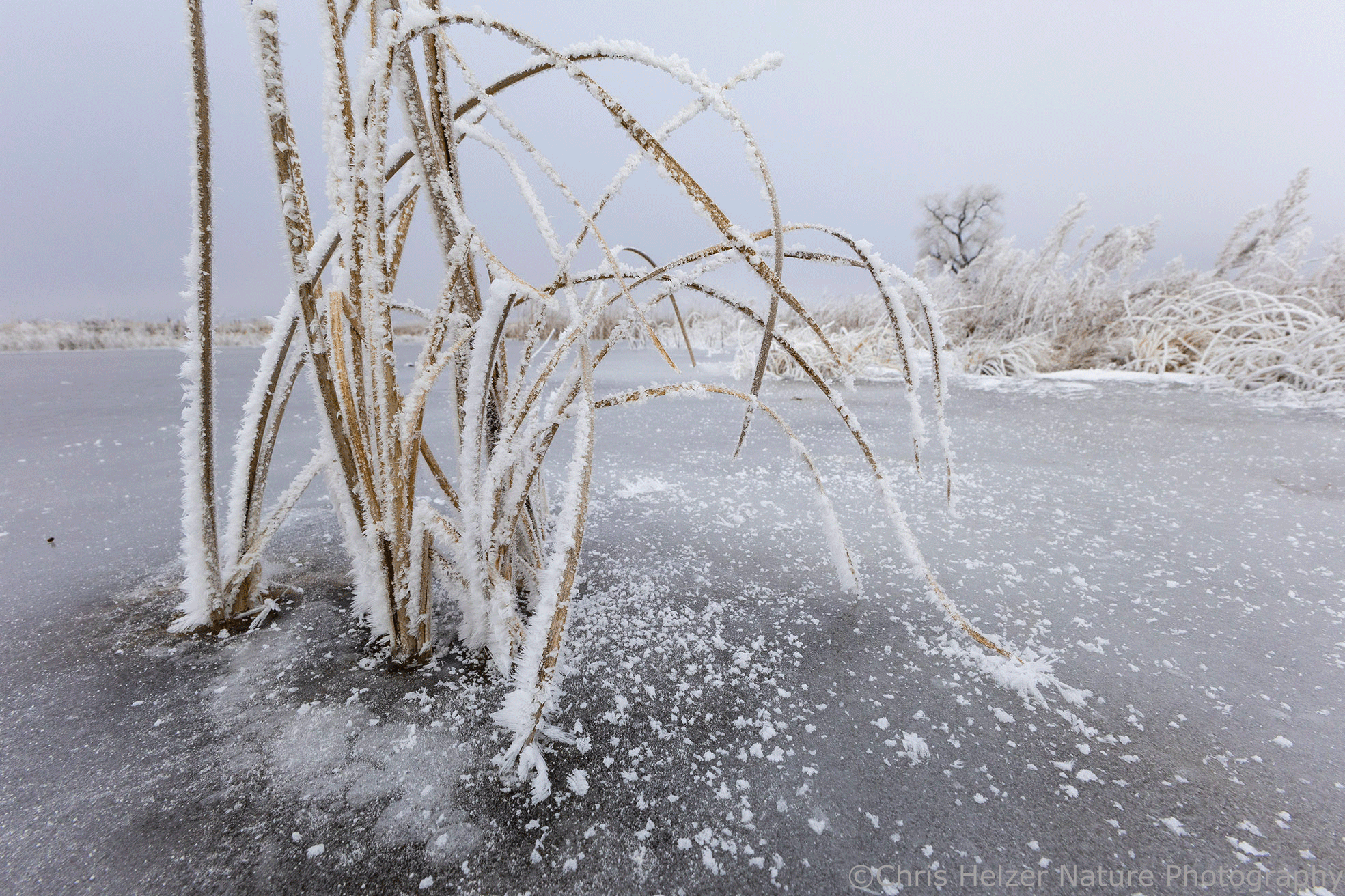
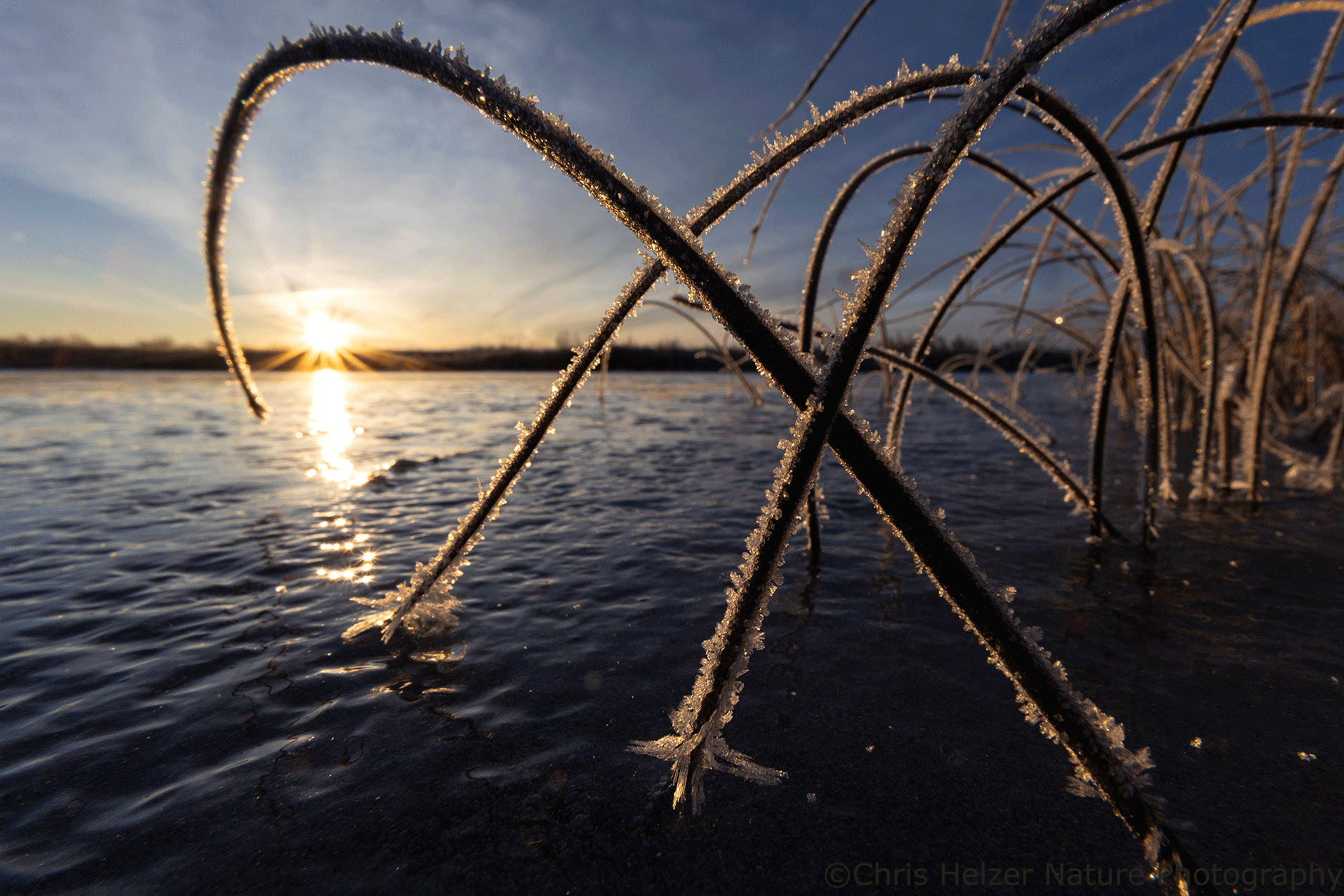
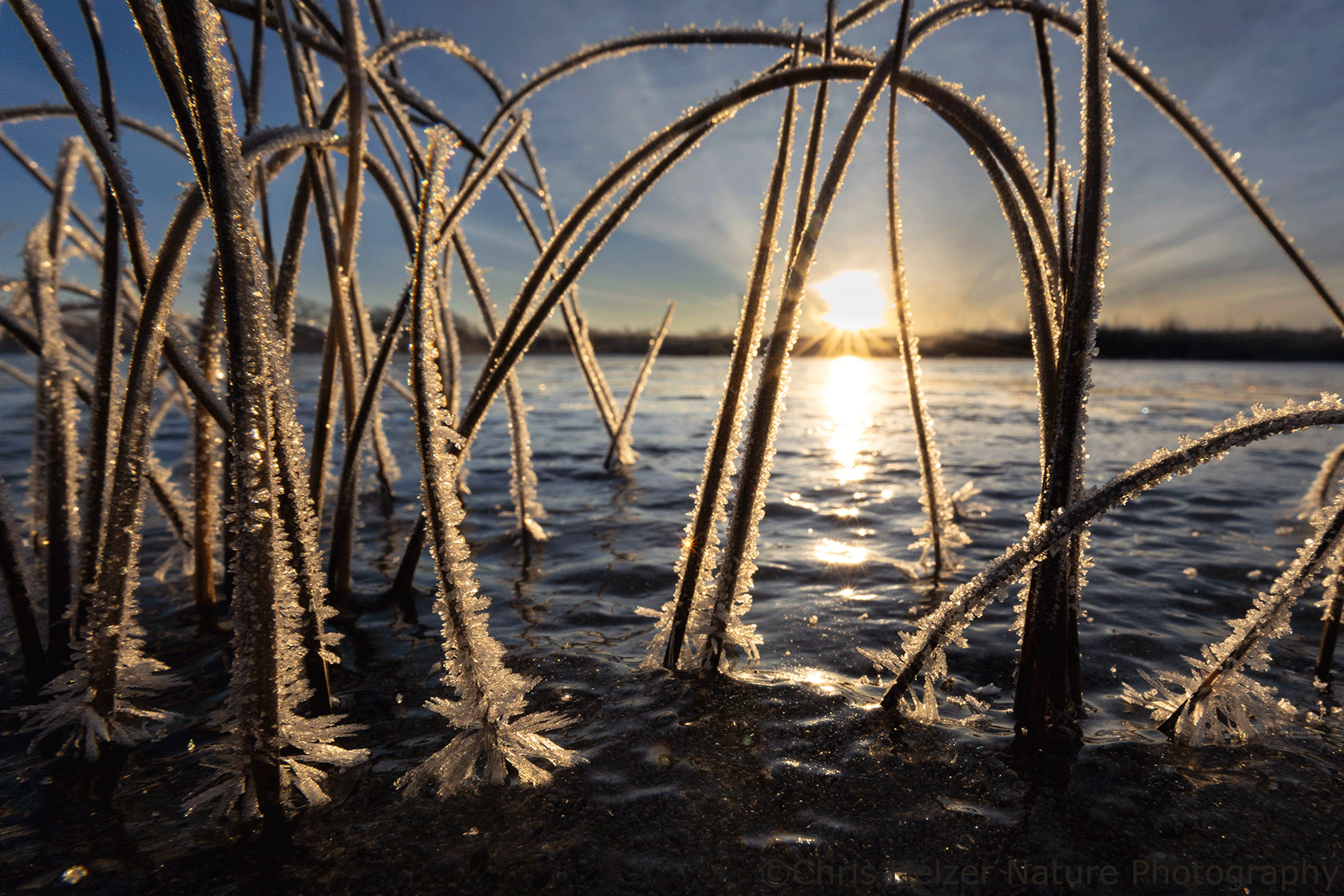
A week later, I returned to the same wetland and played around with frost and ice again, this time with a sunrise thrown in for color. I’m really enjoying my new Canon 15-30mm RF lens that allows me to focus right up to the glass on the front of the lens. The first two photos below are examples of that – the front of the lens was less than inch from the frost in the foreground, providing an amazing perspective.
Sunrise and wetland rushes on a frosty morning – Derr Sandpit Wetland RestorationSunrise and wetland rushes on a frosty morning – Derr Sandpit Wetland Restoration
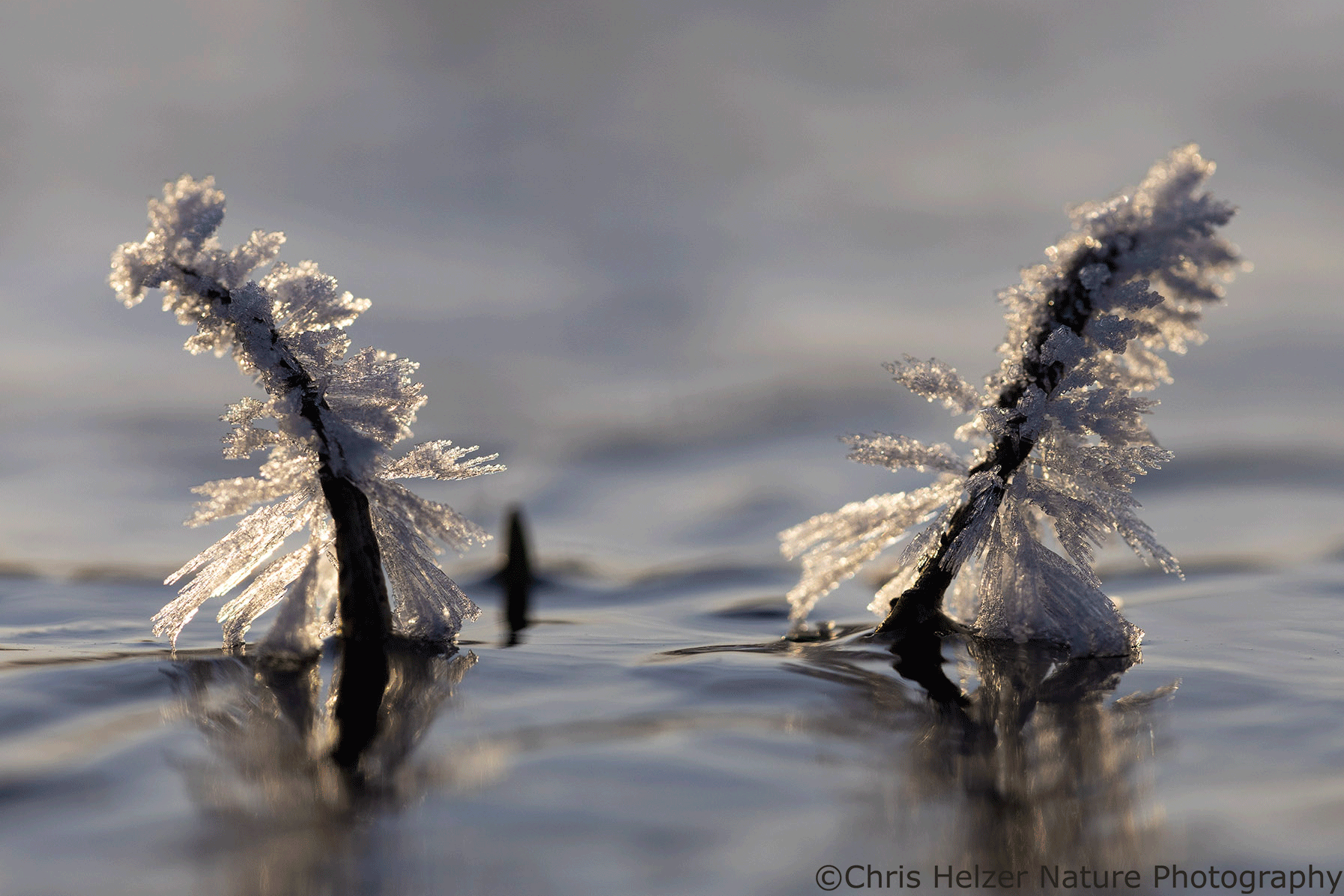
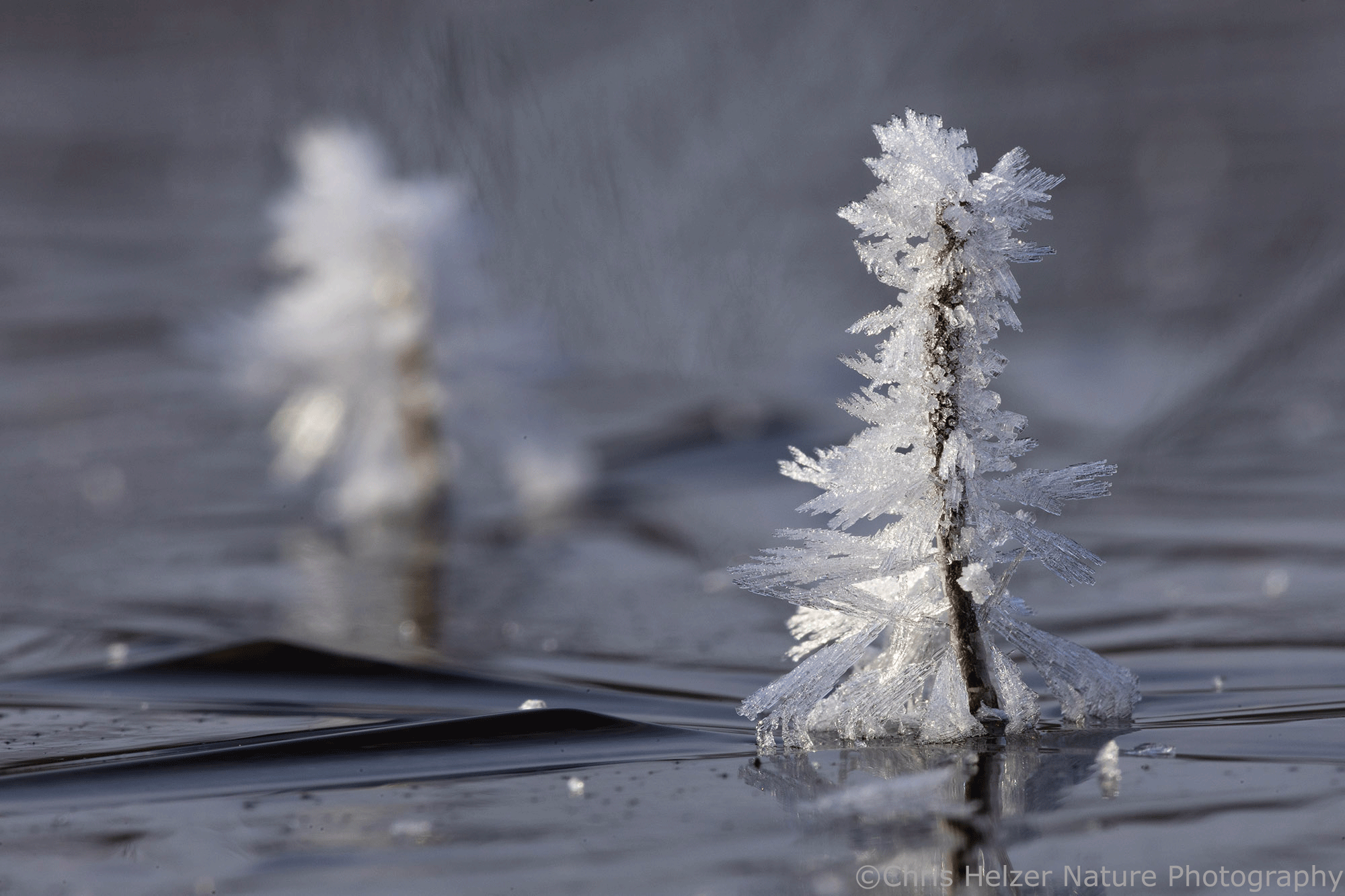
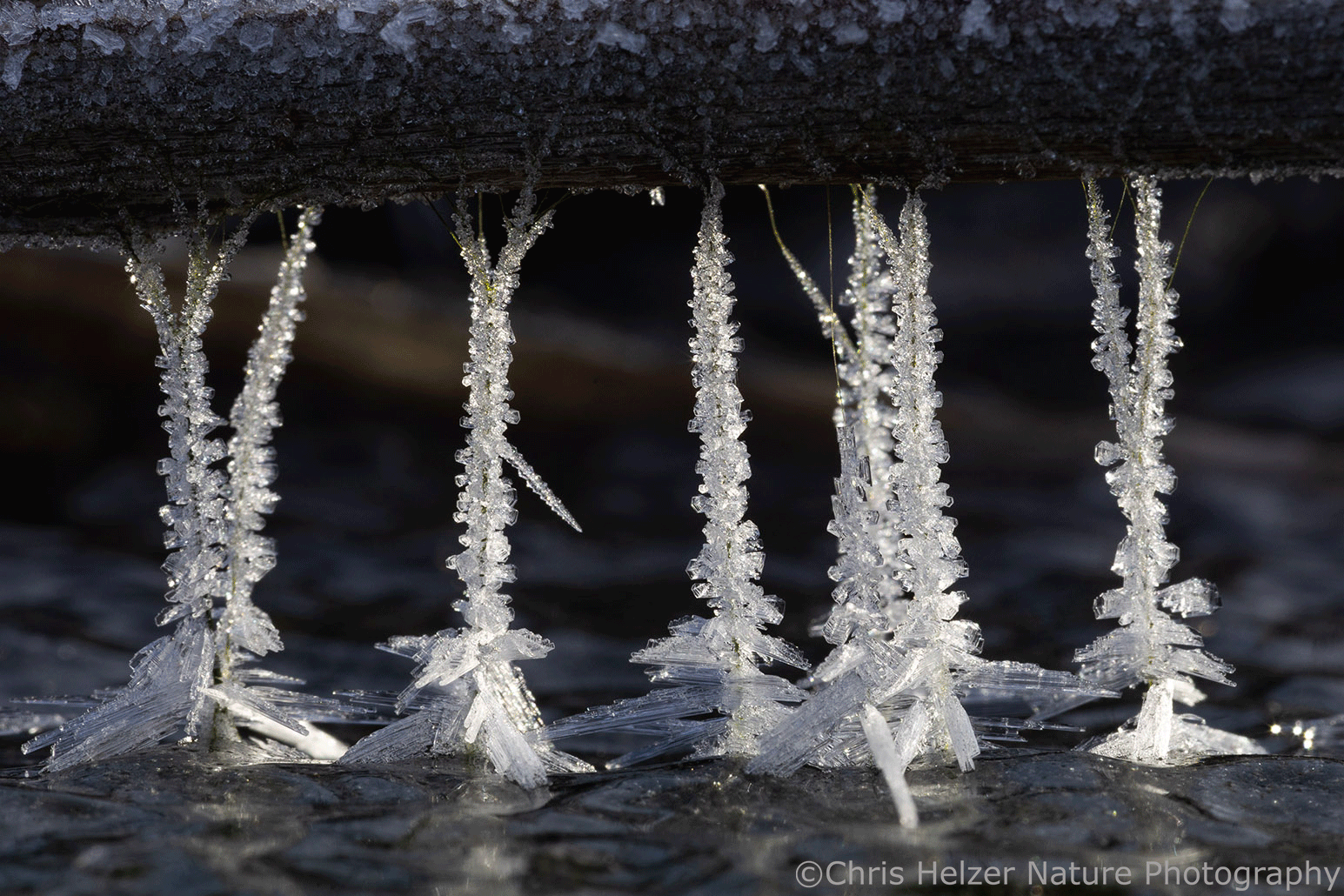
Of course, a good macro lens will always be my mainstay, and frost photography is a lot of fun with that lens. In this case, I used a Canon 180mm macro lens. Some of these were tricky because the ice was thin enough that I was lying on the bank and resting my elbows and the camera (very lightly) on the ice to get the photos. If I’d have put any more weight on the ice, it would have cracked and I’d probably have been shopping for a new camera and lens. What can I say? The adrenaline keeps me warm.
Frost on emergent stems through the ice (less than 1 inch tall) – Derr Sandpit Wetland RestorationFrost on emergent stems through the ice (less than 1 inch tall) – Derr Sandpit Wetland RestorationFrost on fibers hanging from a stem lying across the ice. Derr Sandpit Wetland Restoration
We’ve had two big snowfall events this month, each accompanied by lots of wind that made roads difficult to travel. When road conditions prevented me from traveling far, I just went across town to Lincoln Creek Prairie. After road crews had time to work on the highways, I made it up to Gjerloff Prairie to stomp around in the hills. Both were good in their own way and I’ve visited each site multiple times in the last couple weeks.
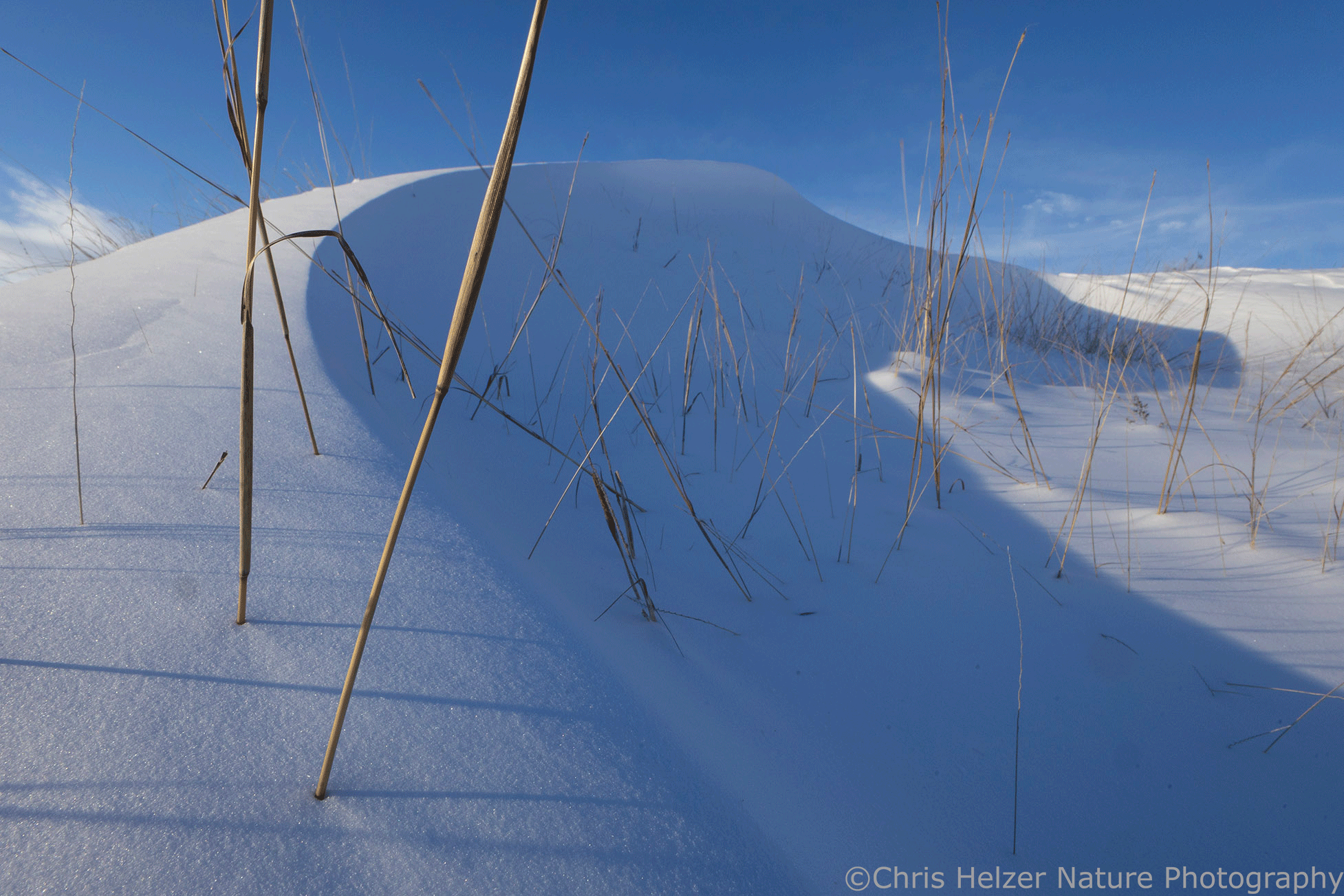
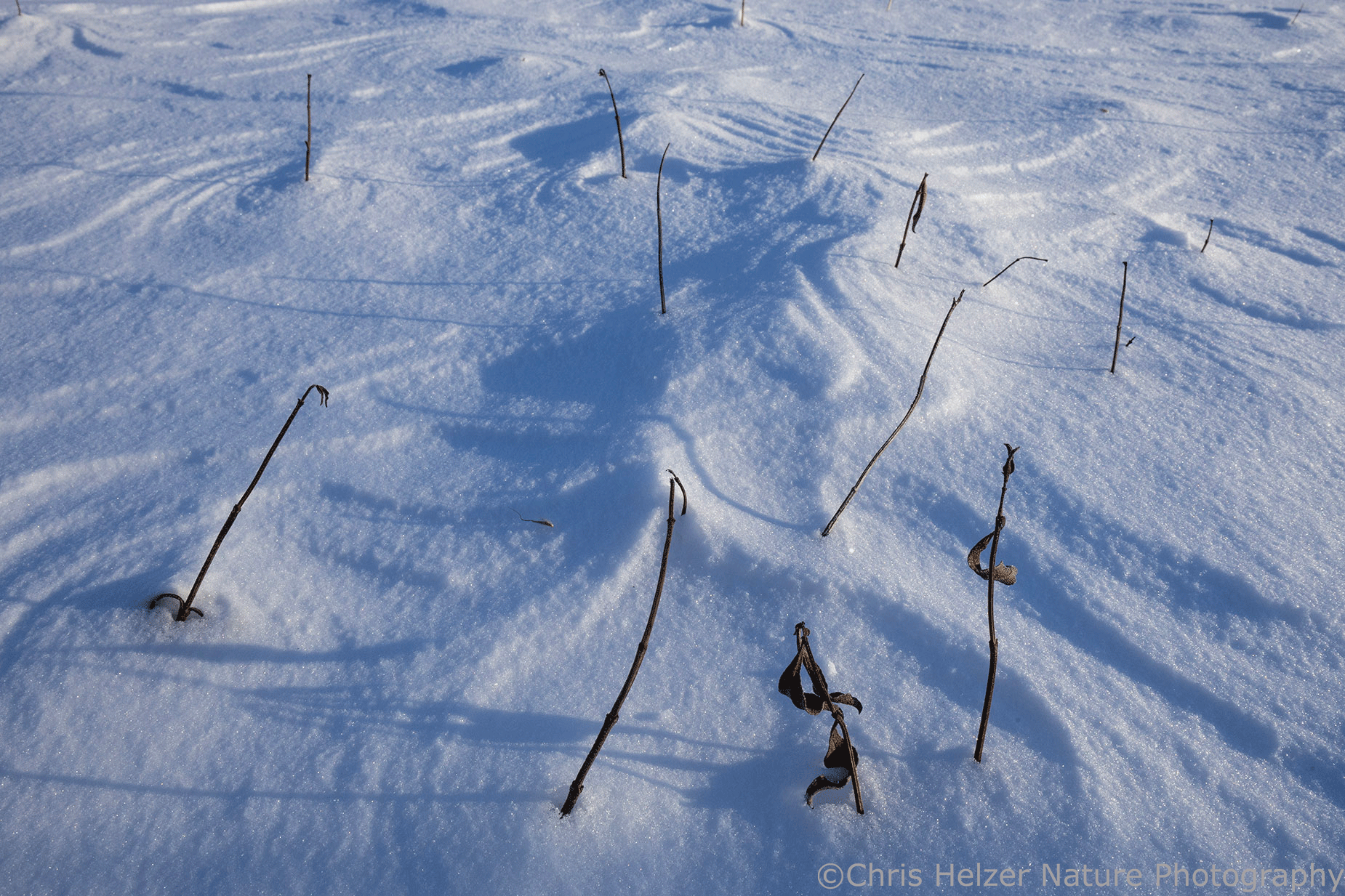
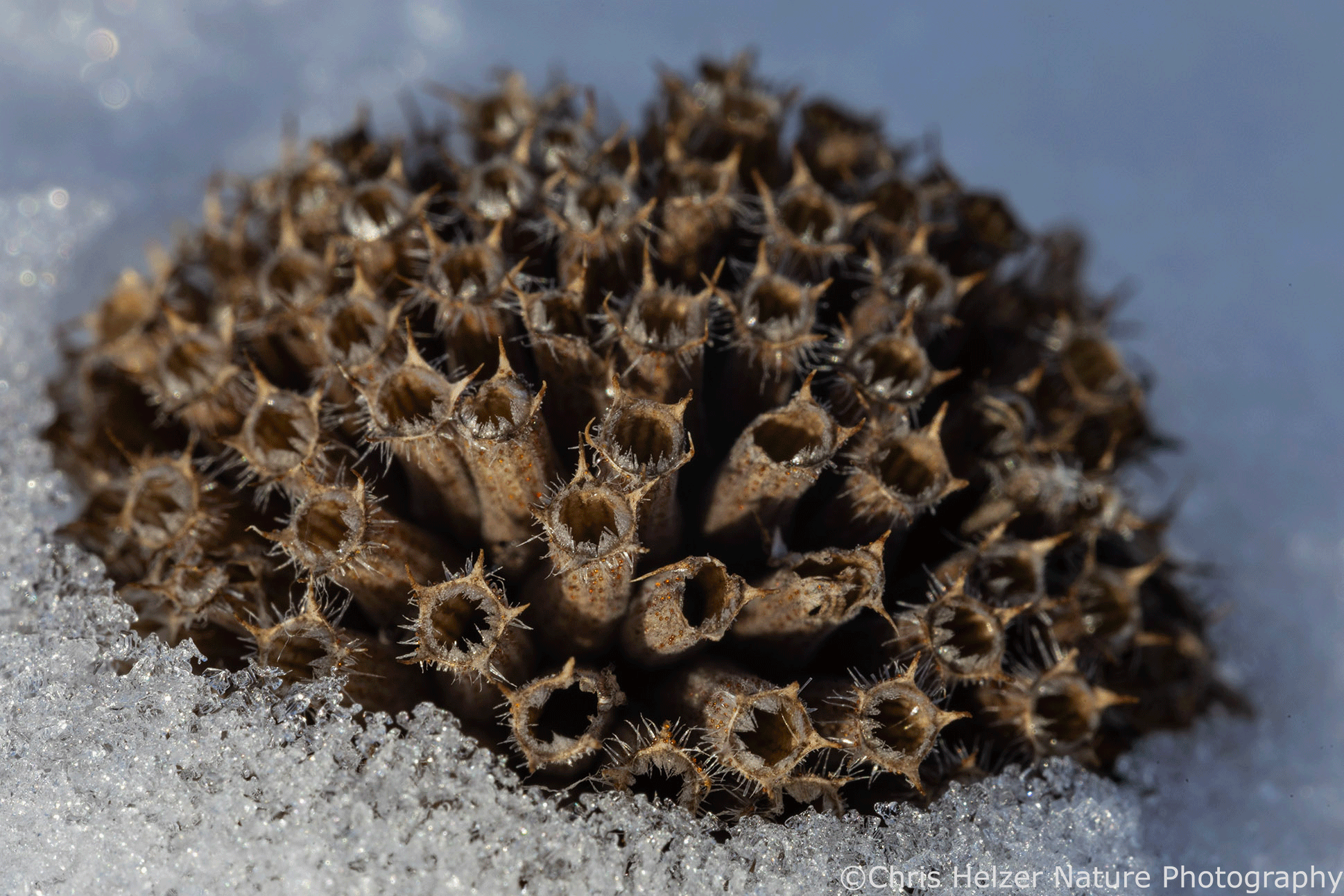
American bittersweet (Celastrus scandens) in the snow. Gjerloff Prairie – Prairie Plains Resource InstituteA massive snow drift at Gjerloff Prairie.Snow patterns and sunflower stems. Lincoln Creek Prairie, Aurora, NESeedhead of wild bergamot (Monarda fistulosa) in the snow at Lincoln Creek Prairie.Circular pattern caused by wind and prairie grass. Lincoln Creek Prairie, Aurora, NE
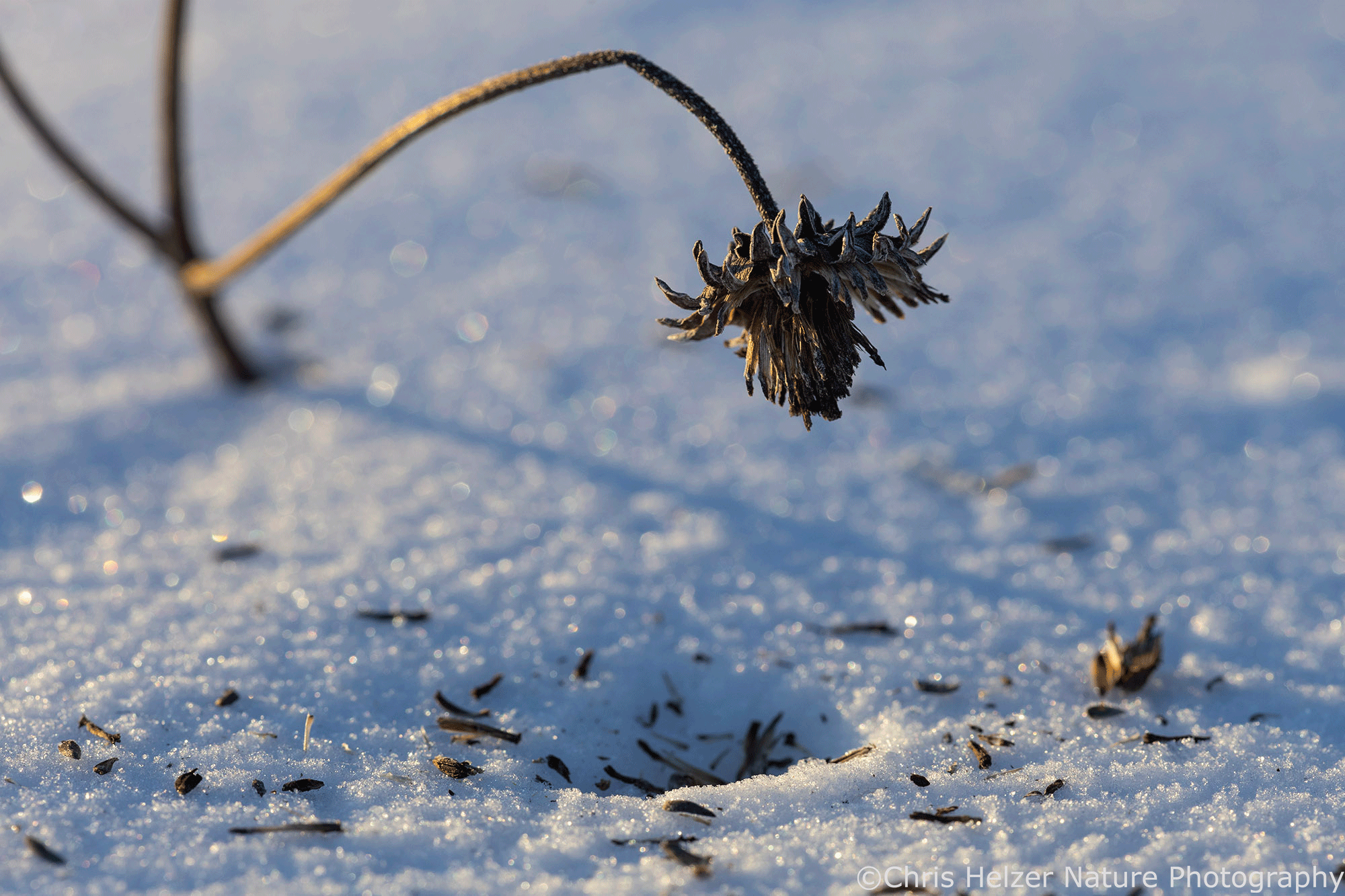
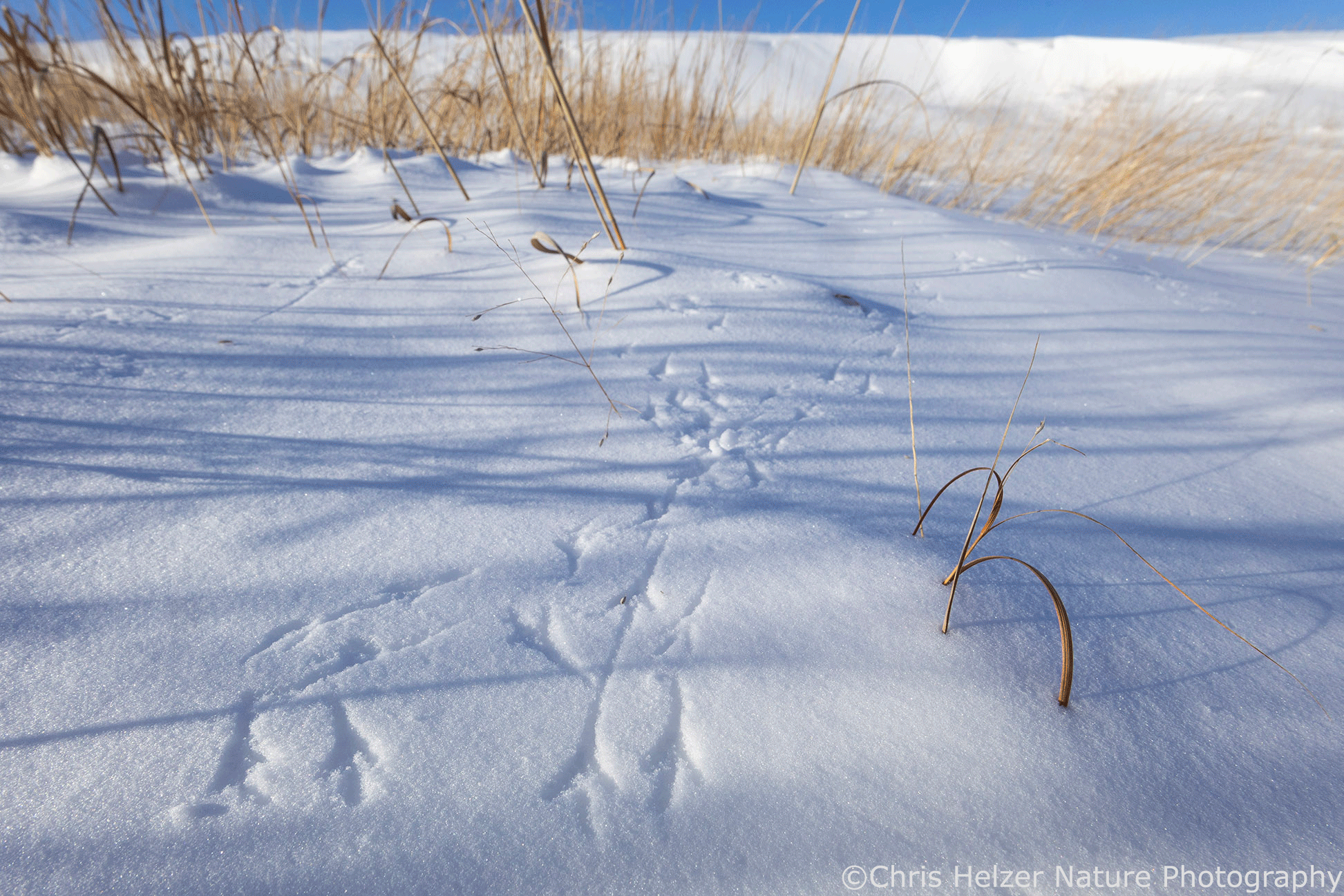
One of the best parts of prairie hiking in the snow is the chance to see what animals have been up to. This month, I’ve seen a ton of dark-eyed juncos feeding on prairie plants. They’ve focused heavily on the seeds of Indiangrass and sunflowers. I haven’t yet photographed the birds, but I’ve taken lots of photos of their tracks and of the remnants of their feeding activity.
Typically, ragweeds get a lot of attention from birds too, but I haven’t seen as much of that at those two sites so far. I’m writing this from the Niobrara Valley Preserve, though, and I saw a big patch of ragweed here that was covered in songbird tracks.
Sunflower seed feeding by songbirds. Lincoln Creek Prairie, Aurora, NETracks of dark-eyed juncos at Gjerloff Prairie
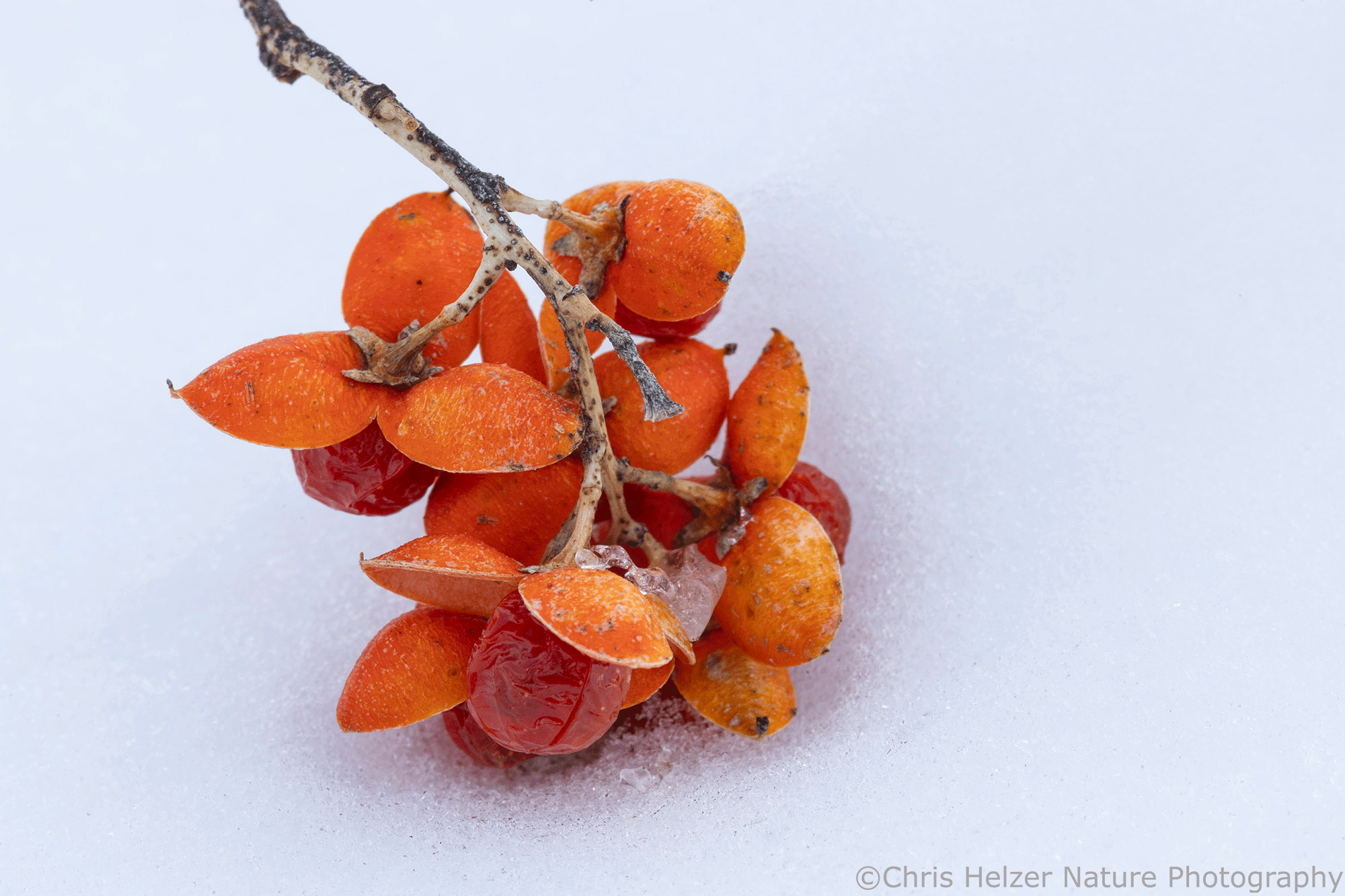
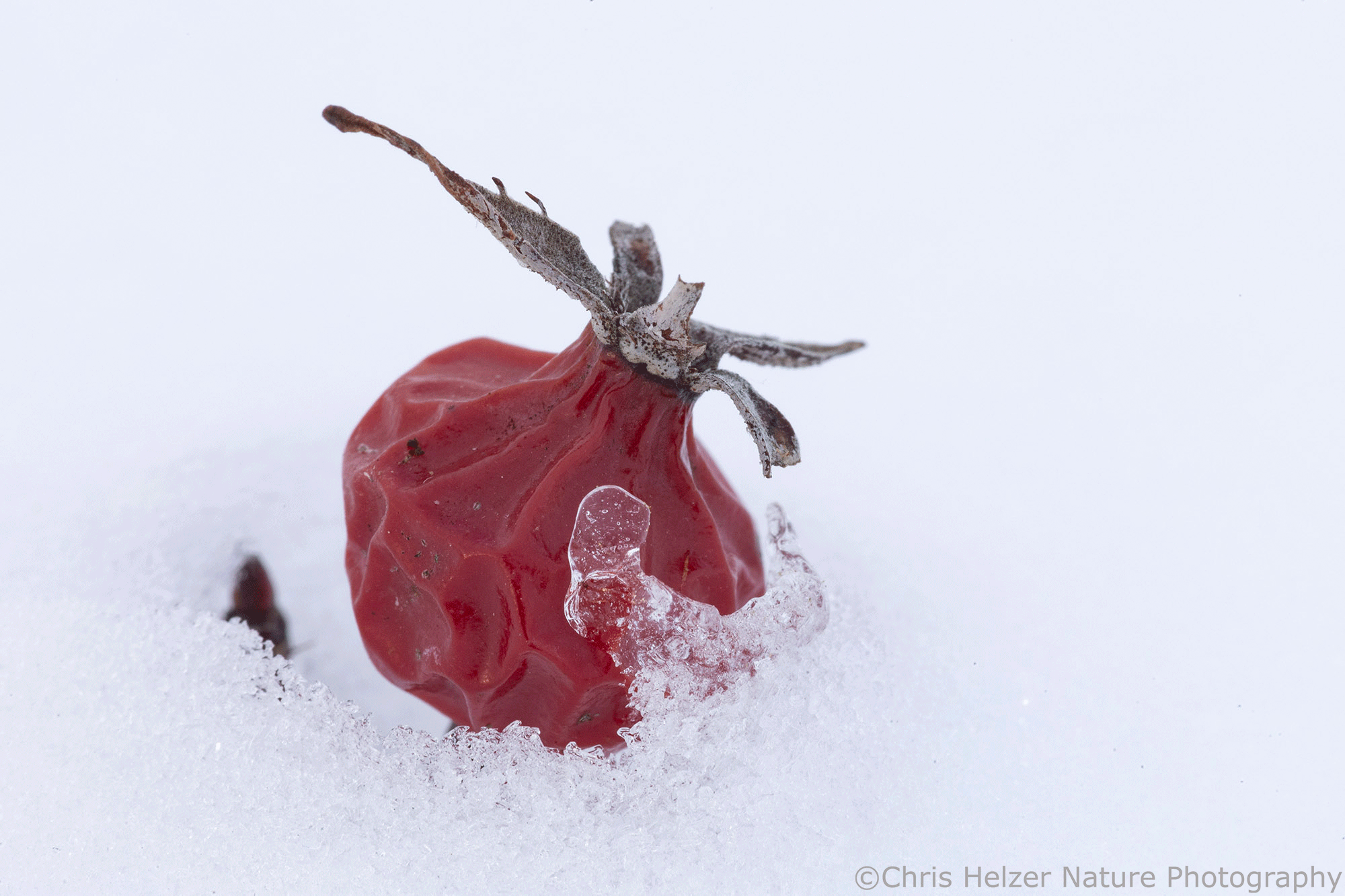
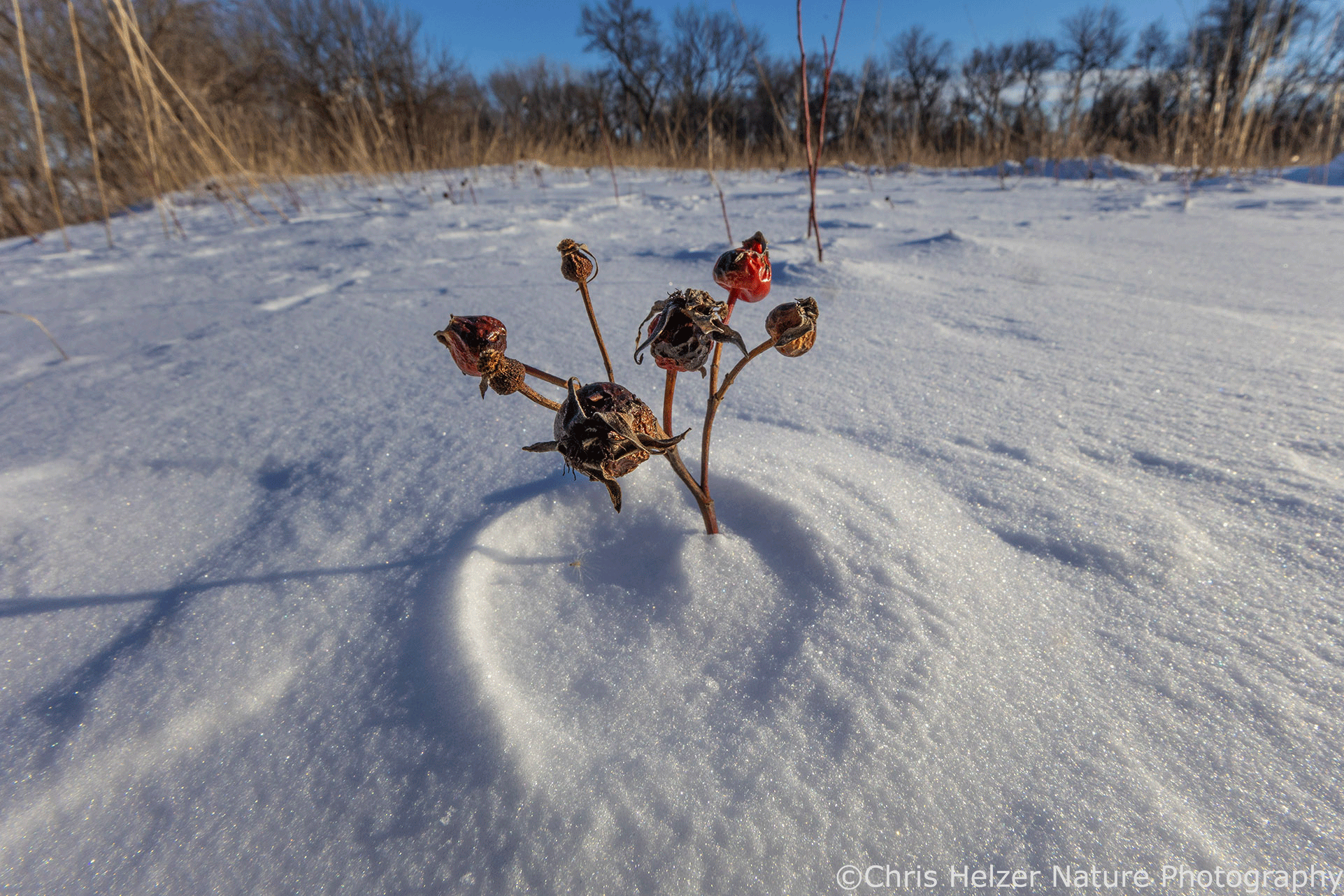
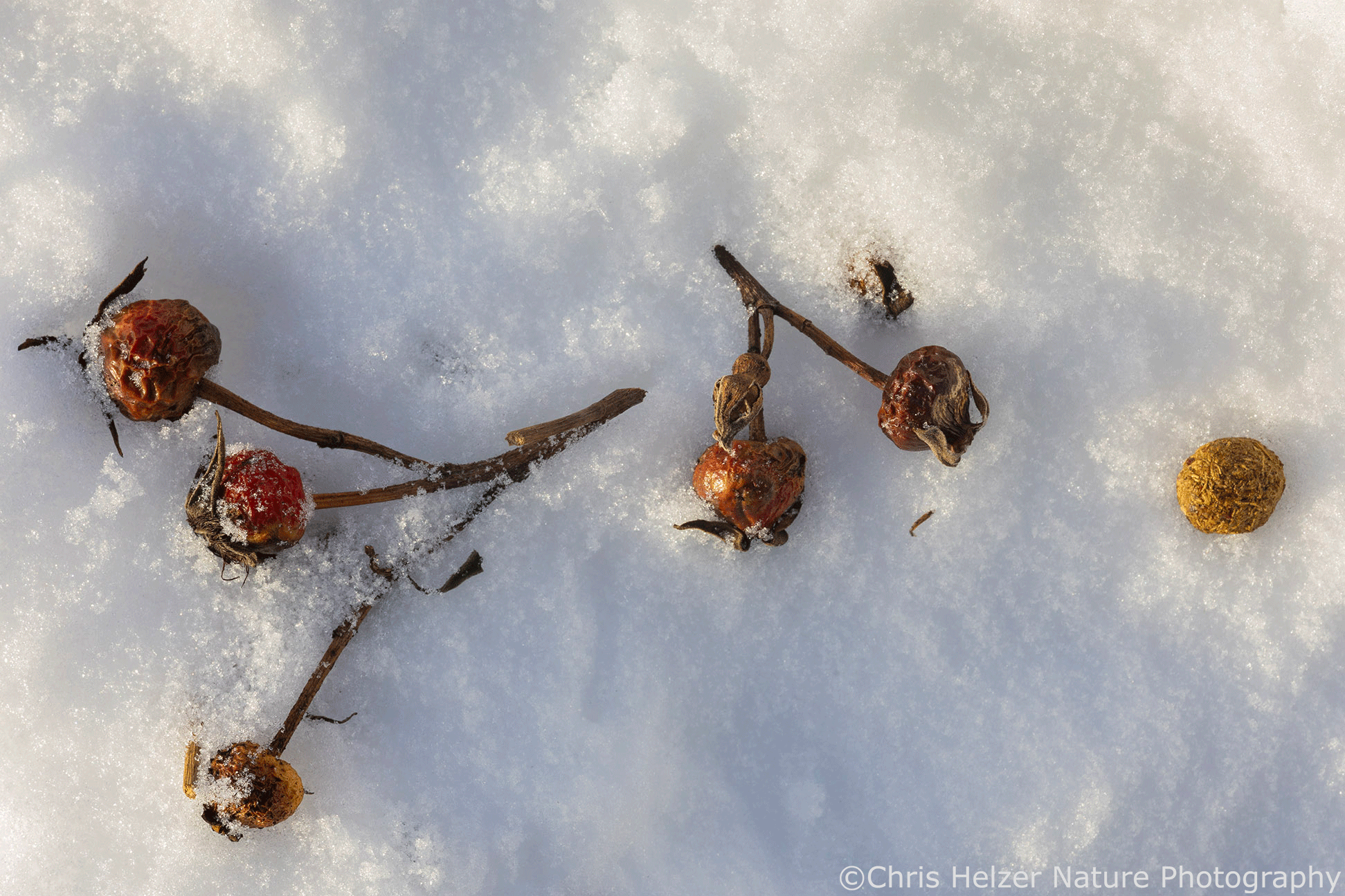
Wild rose hips (Rosa arkansana) are great fodder for winter photography because they provide a splash of scarlet at a time of year when color is generally muted. Because I pay attention to them, I often see evidence of them being eaten by animals. They’re apparently a high quality source of food and I frequently see pheasant and grouse tracks around them.
This week, though, I saw clipped rose hips lying on the snow at Lincoln Creek Prairie and the tracks nearby were from rabbits, not birds. When I got home, I looked online and found lots of references of wild rose hips as food sources for rabbits – both wild and domestic. It makes sense, I just hadn’t seen it before.
Wild rose hip emerging from the snow on a cloudy day at Gjerloff Prairie.Prairie wild rose hips sticking out of the snow at Lincoln Creek Prairie in Aurora.Wild rose stems harvested by a rabbit, with additional evidence linking the rabbit to the incident…
It’s nice that temperatures are moderating a little this week. Photography is possible in sub zero temperatures (Fahrenheit) but there are a lot of issues to deal with. I have to keep a couple extra camera batteries in my pocket because cold batteries don’t last long. If I breathe on my camera, it fogs up the screen and view finder and the fog turns to frost, which is hard to remove. When I get home and bring my camera in the house, I have to leave it in the bag until it warms up to prevent condensation from forming on it.

 The Prairie Ecologist