Recently, I’ve spent some time mining my photo library for images to use in a couple different projects. While I was down that hole, I took advantage of the process to build some collections of some of my favorite photos and post them on their own web page. I hope the photos help inspire people to see prairies as something worth caring about. Feel free to send the link to anyone who hasn’t yet been bitten by the prairie bug. (Maybe don’t use that phrase with them, though.)
Now, on to this week:
One of the best things about being a photographer is that it encourages me to seek out and appreciate beauty in the world around me. The serenity that comes from that exercise has become a necessity in my life. Geez, that sounds sappy, huh? I can’t help it. It really is a big deal to me.
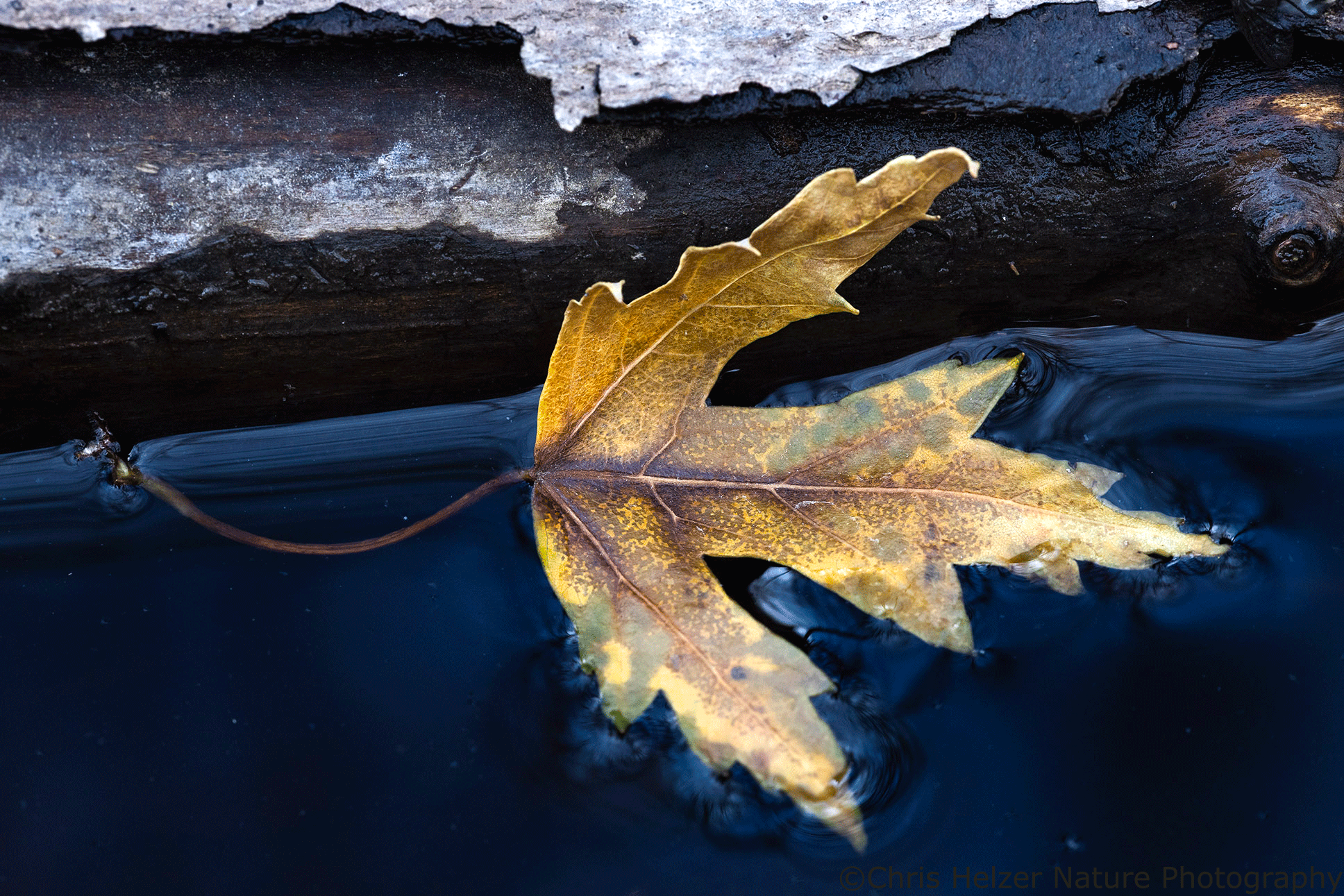
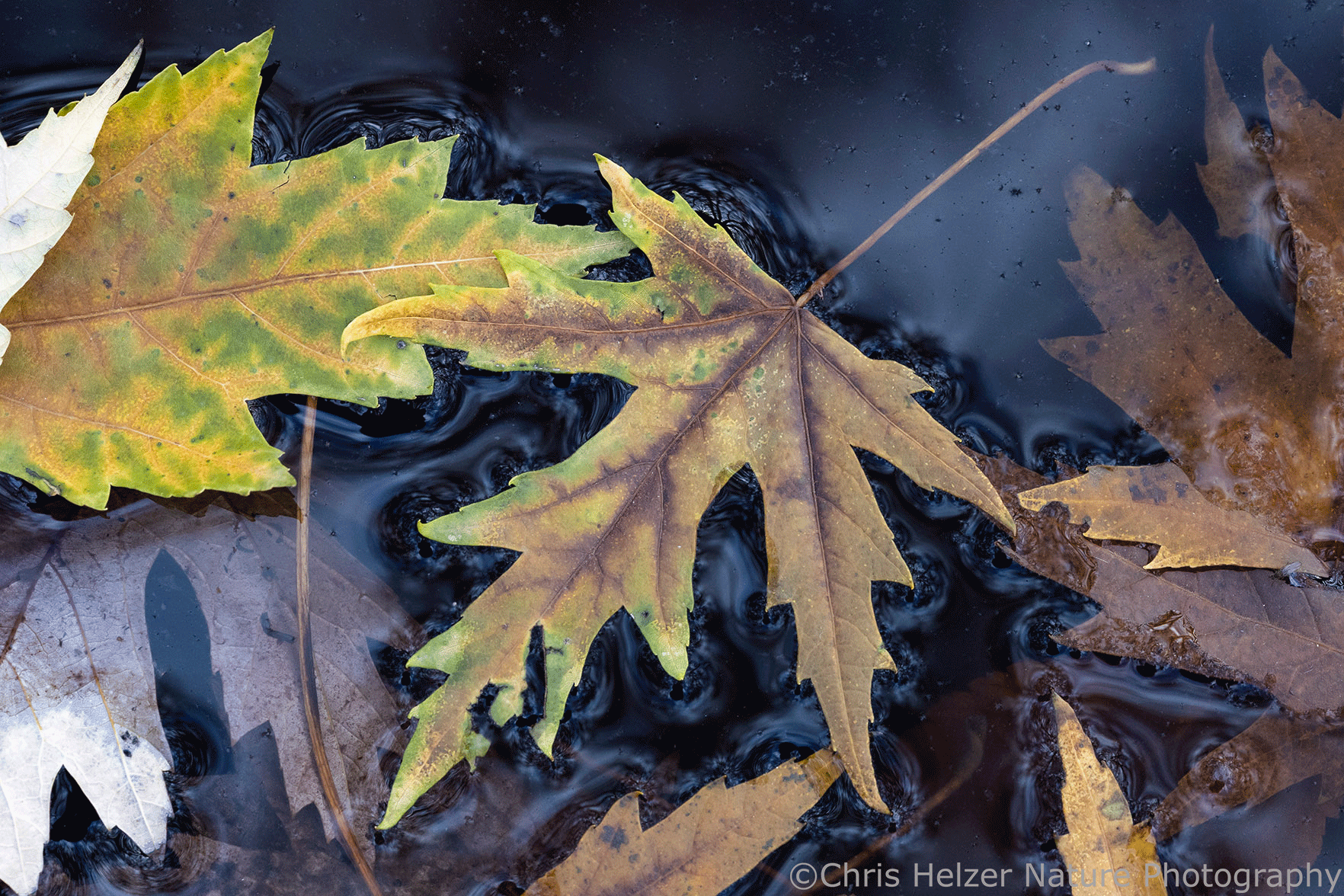
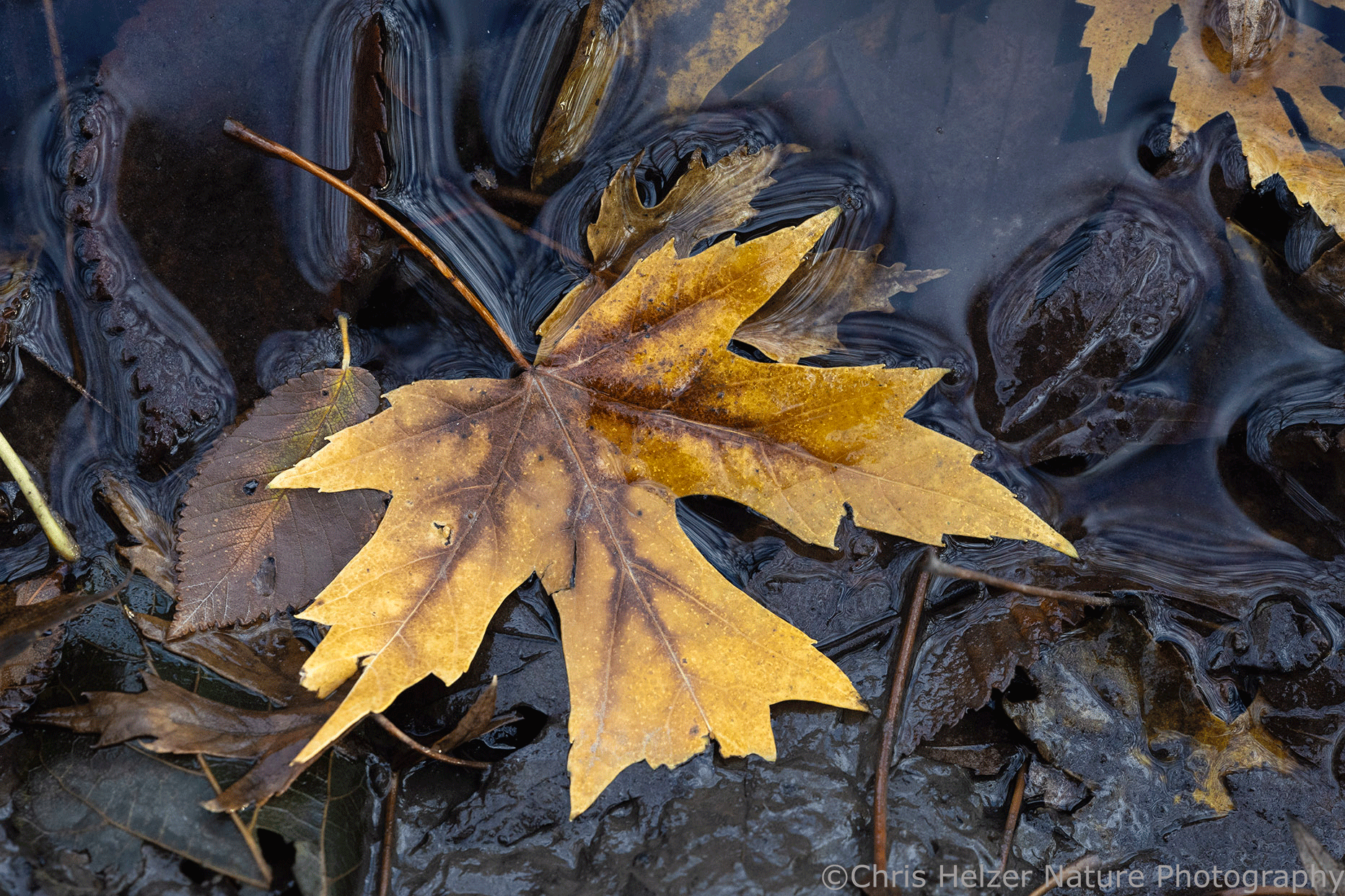
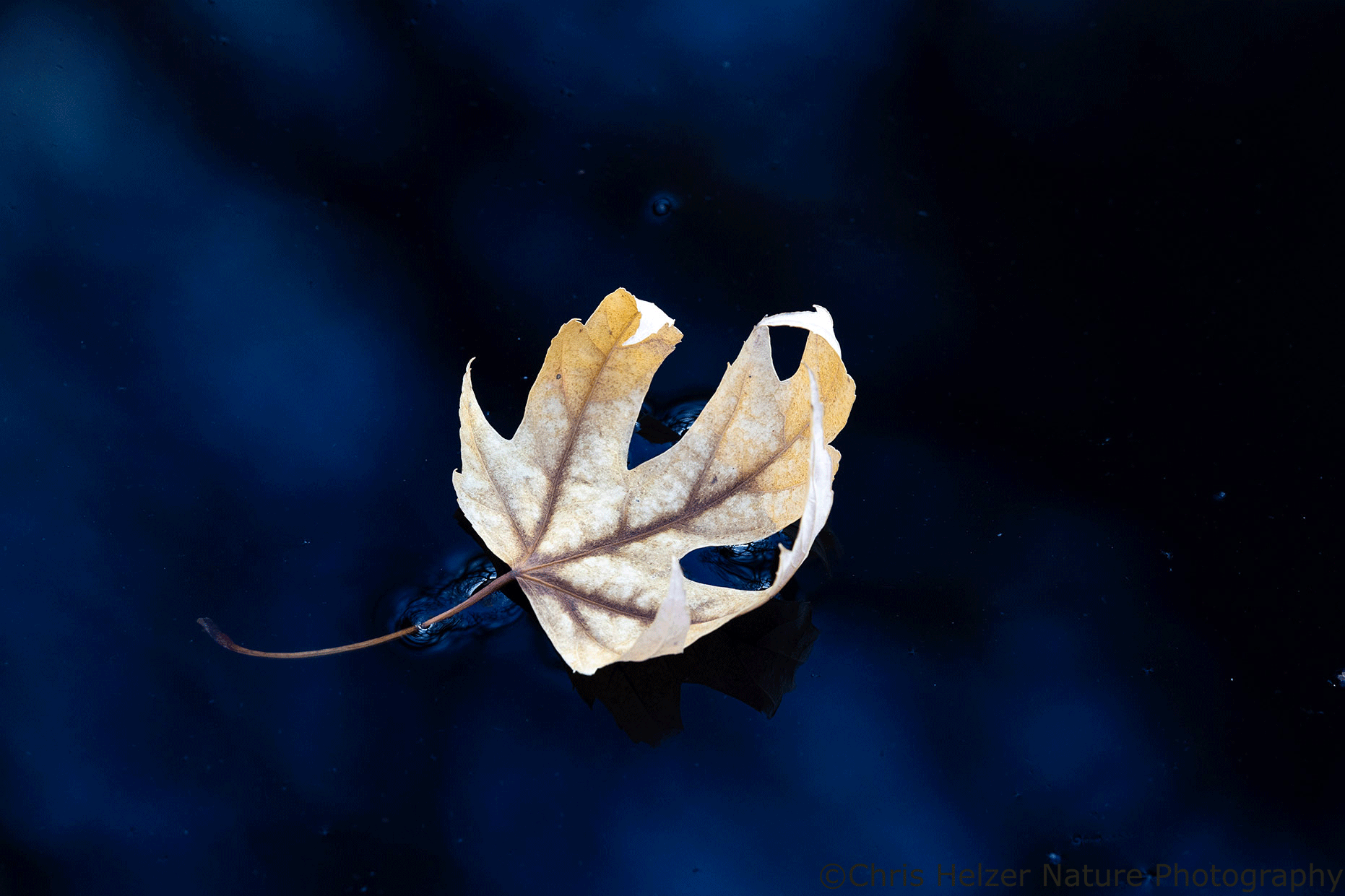
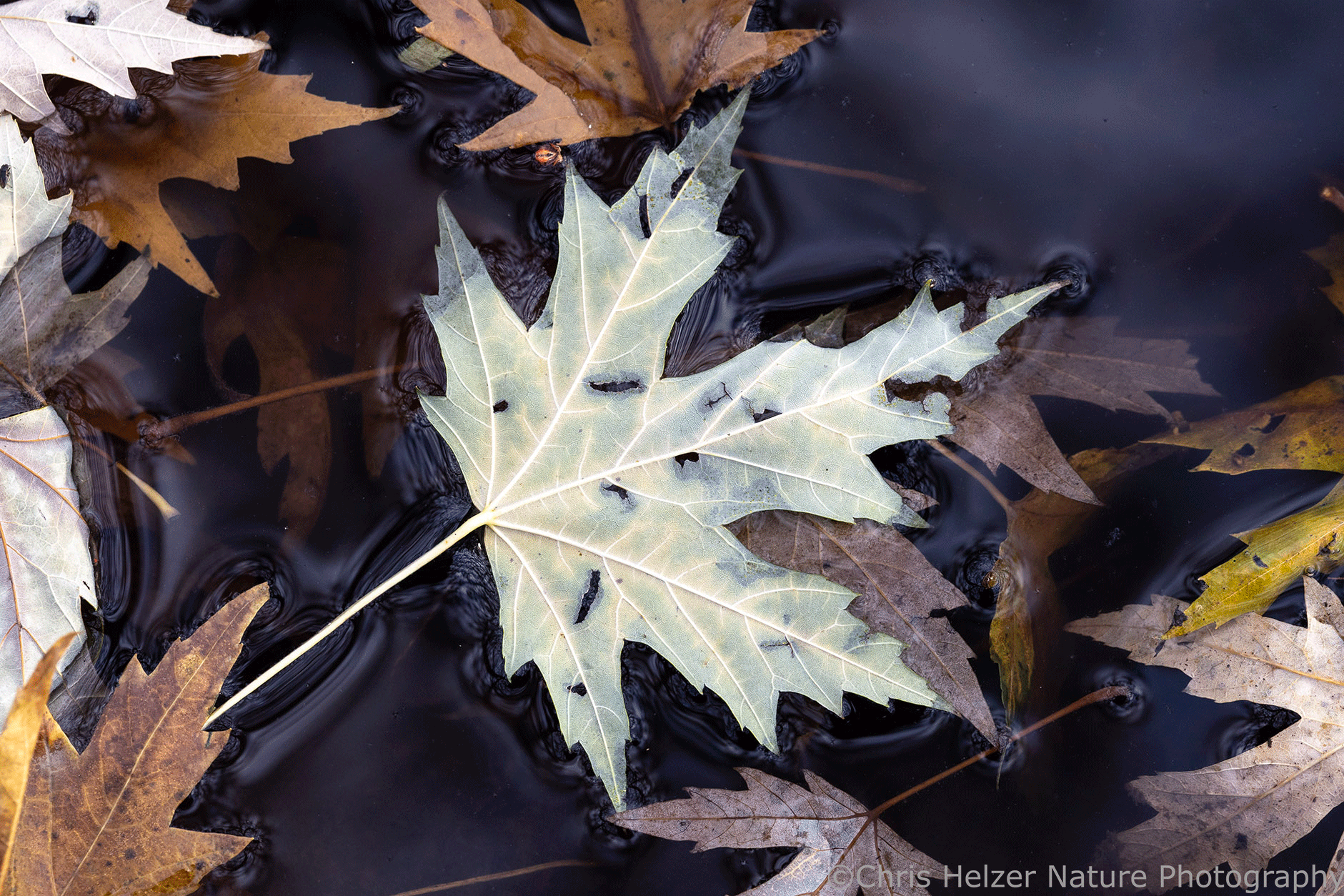
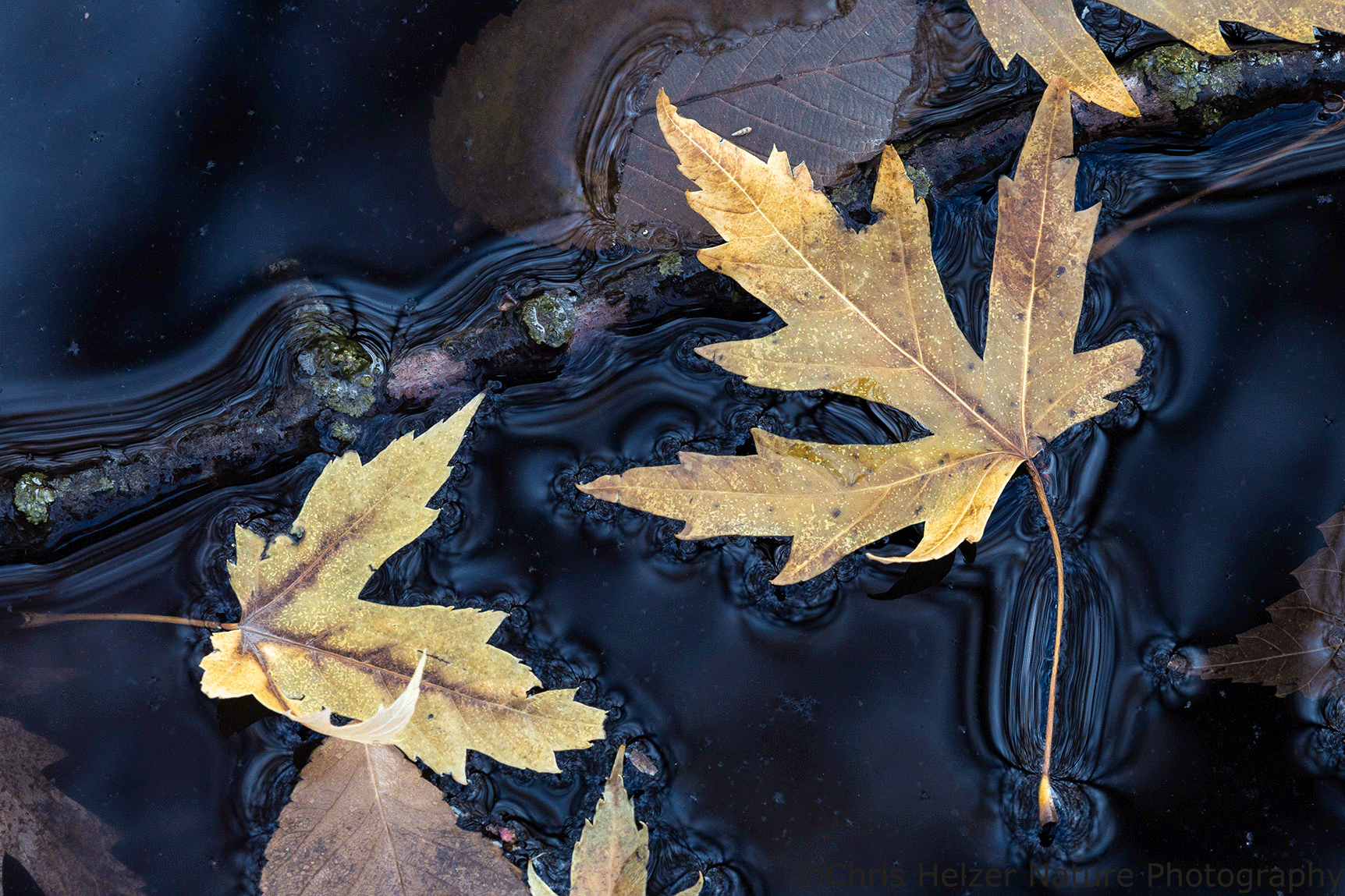
Silver maple leaf in Lincoln Creek.
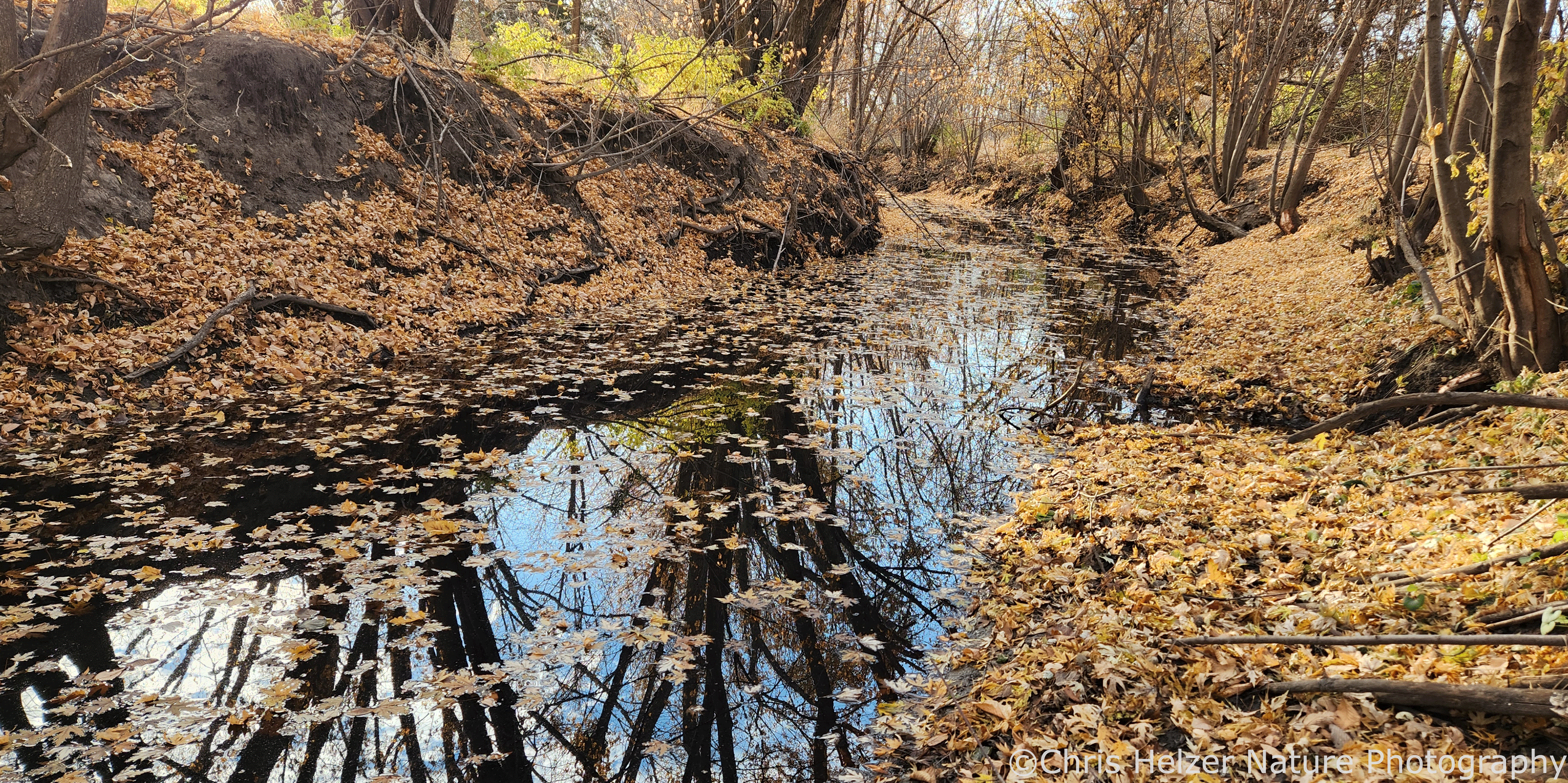
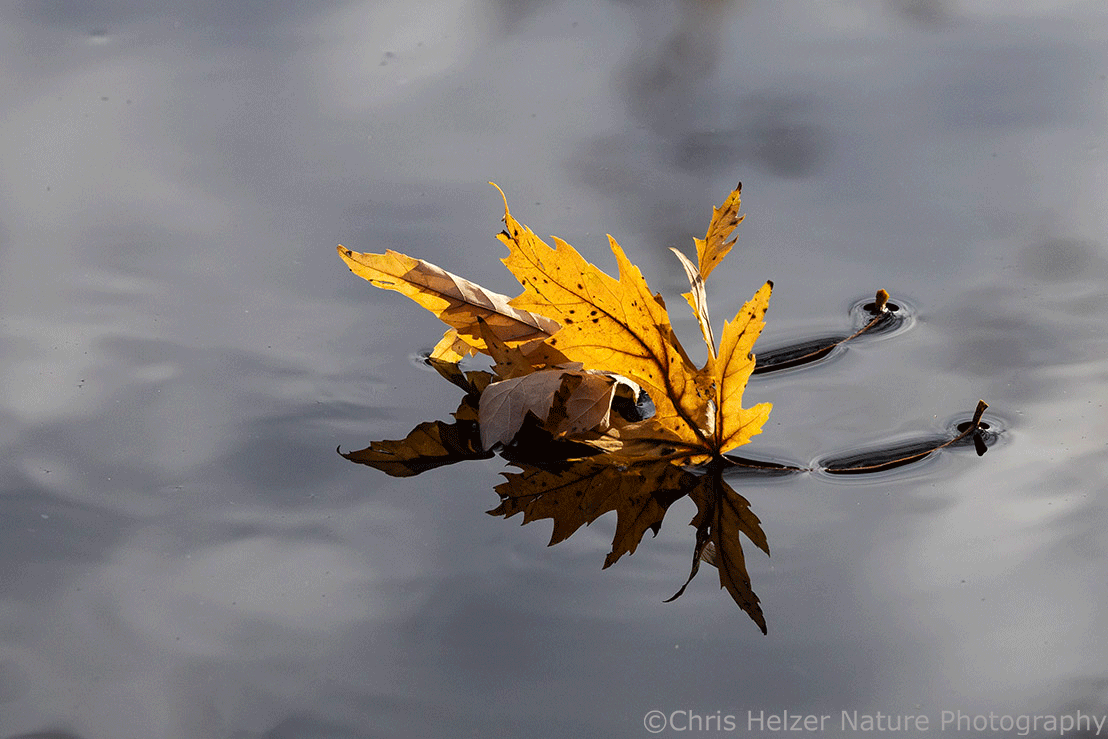
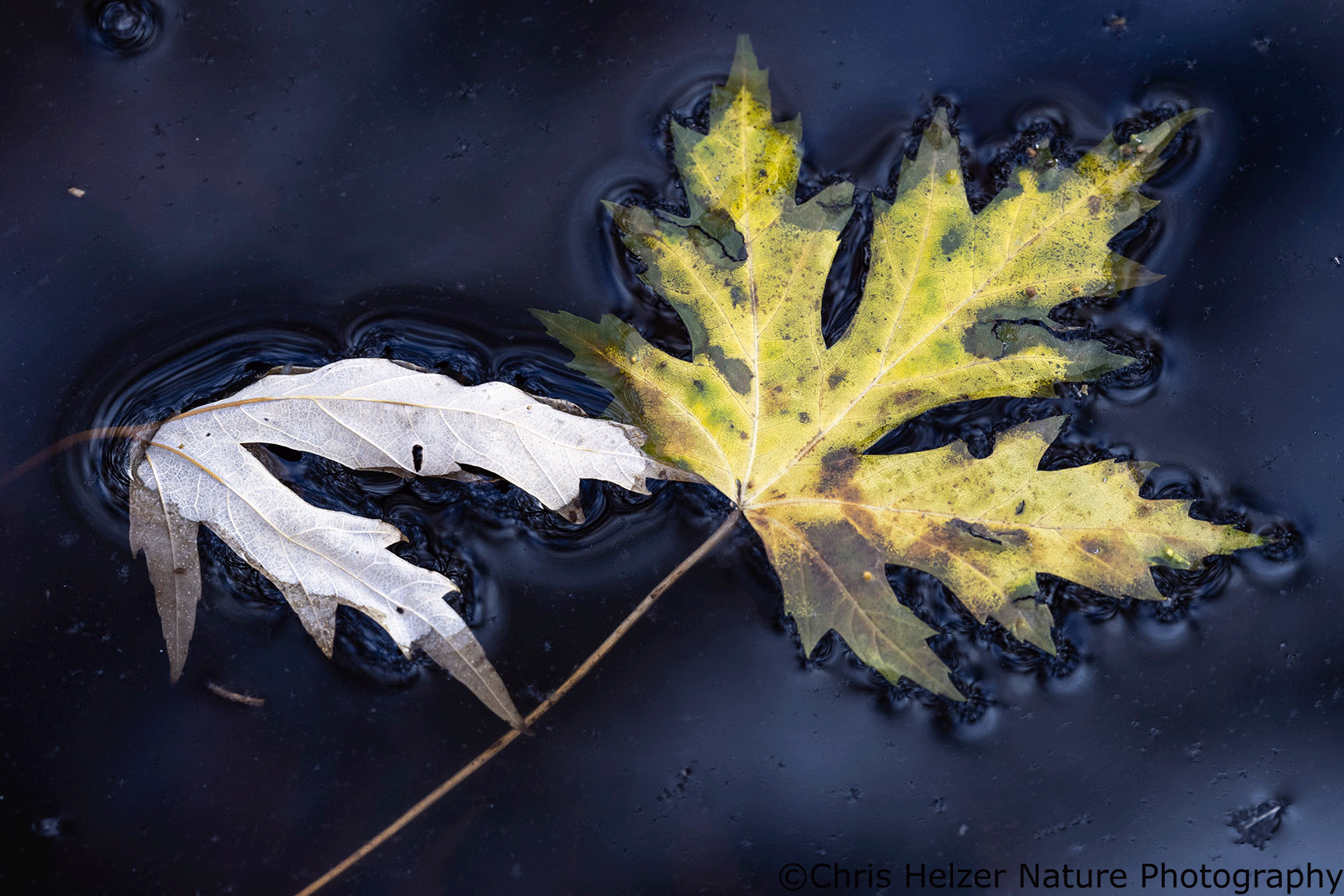
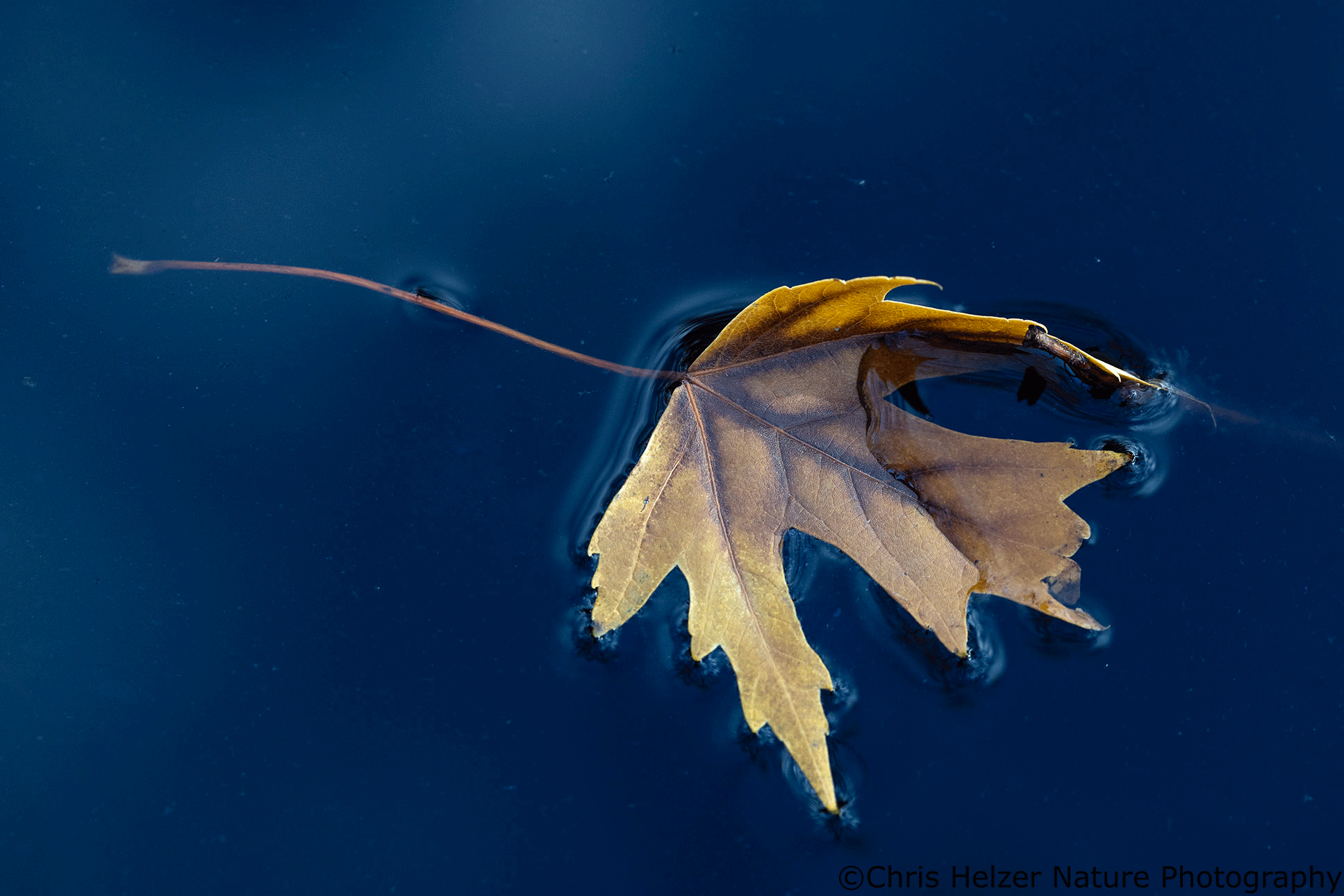
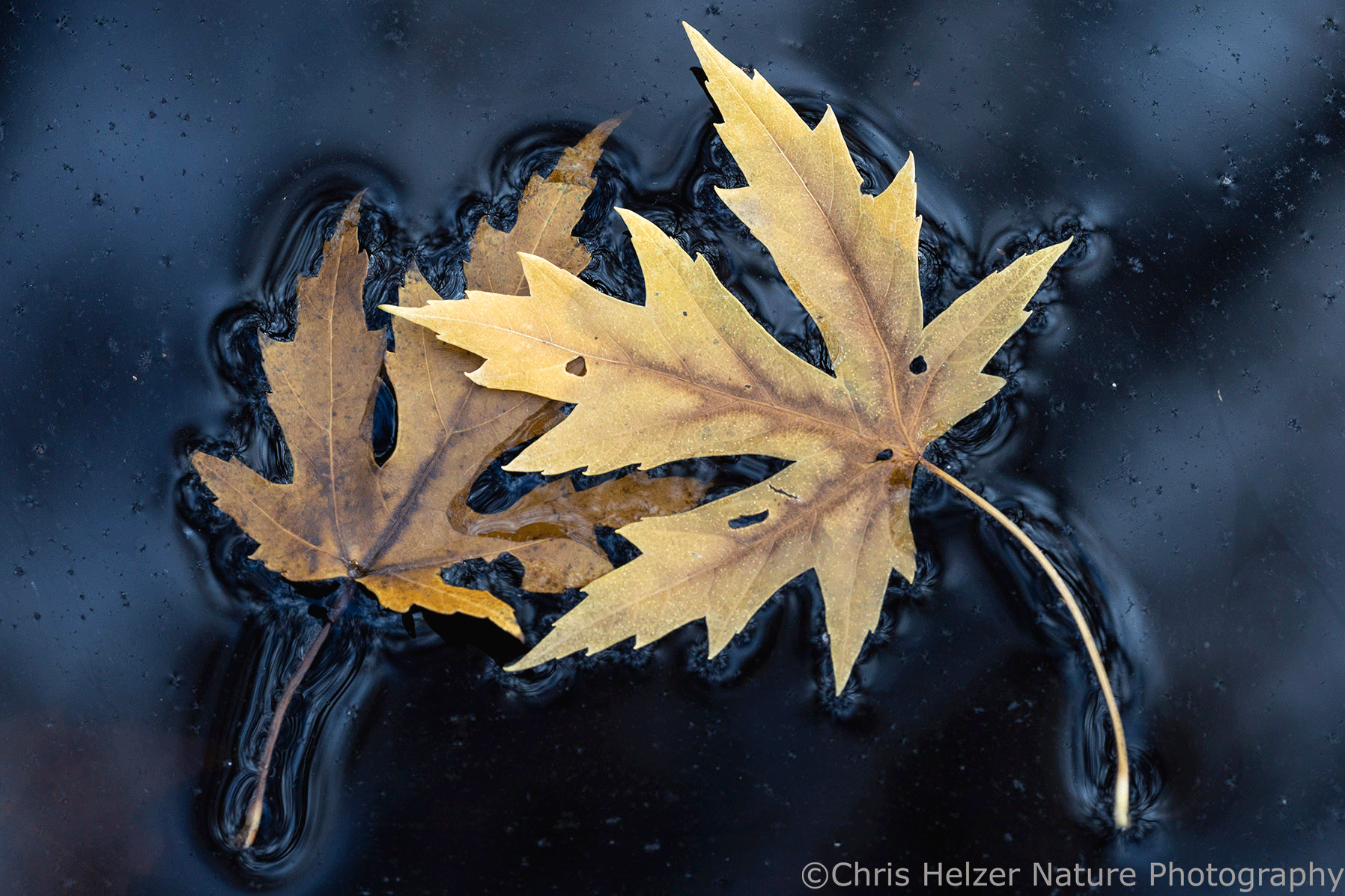
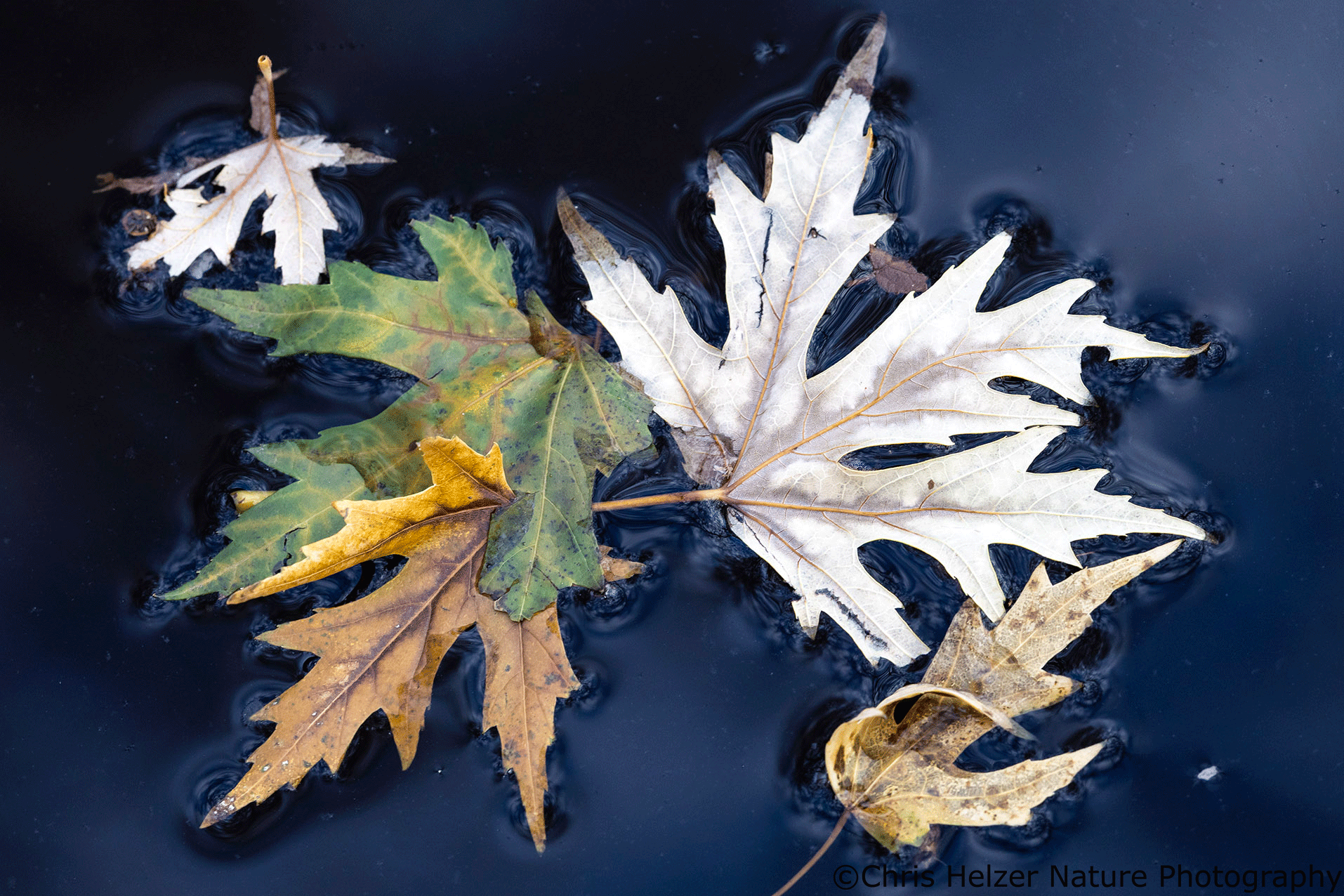
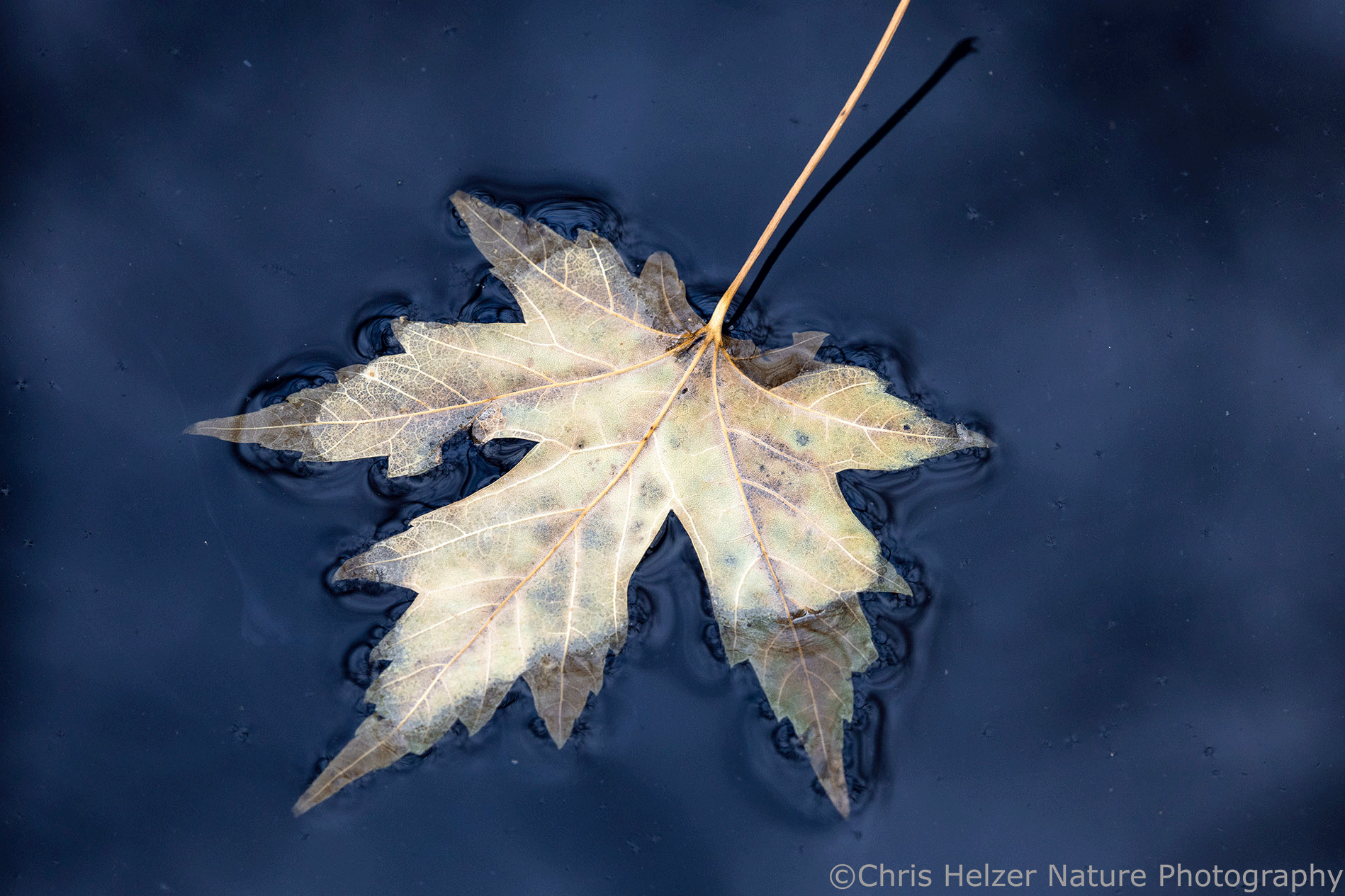
Last week, I made two trips to my favorite stretch of Lincoln Creek, which runs right through town here in Aurora, Nebraska. It’s not what most people would call a “pretty” stream along most of its length. In fact, many people would probably call it more of a storm drain than a stream. In the fall, though, a lot of the bare dirt on its steep eroded banks is covered by fallen leaves. That spruces it up a little (even though the leaves are from silver maples, not spruce trees – hardee har har).
Here’s the section of Lincoln Creek where I spent a couple hours photographing floating leaves last week.
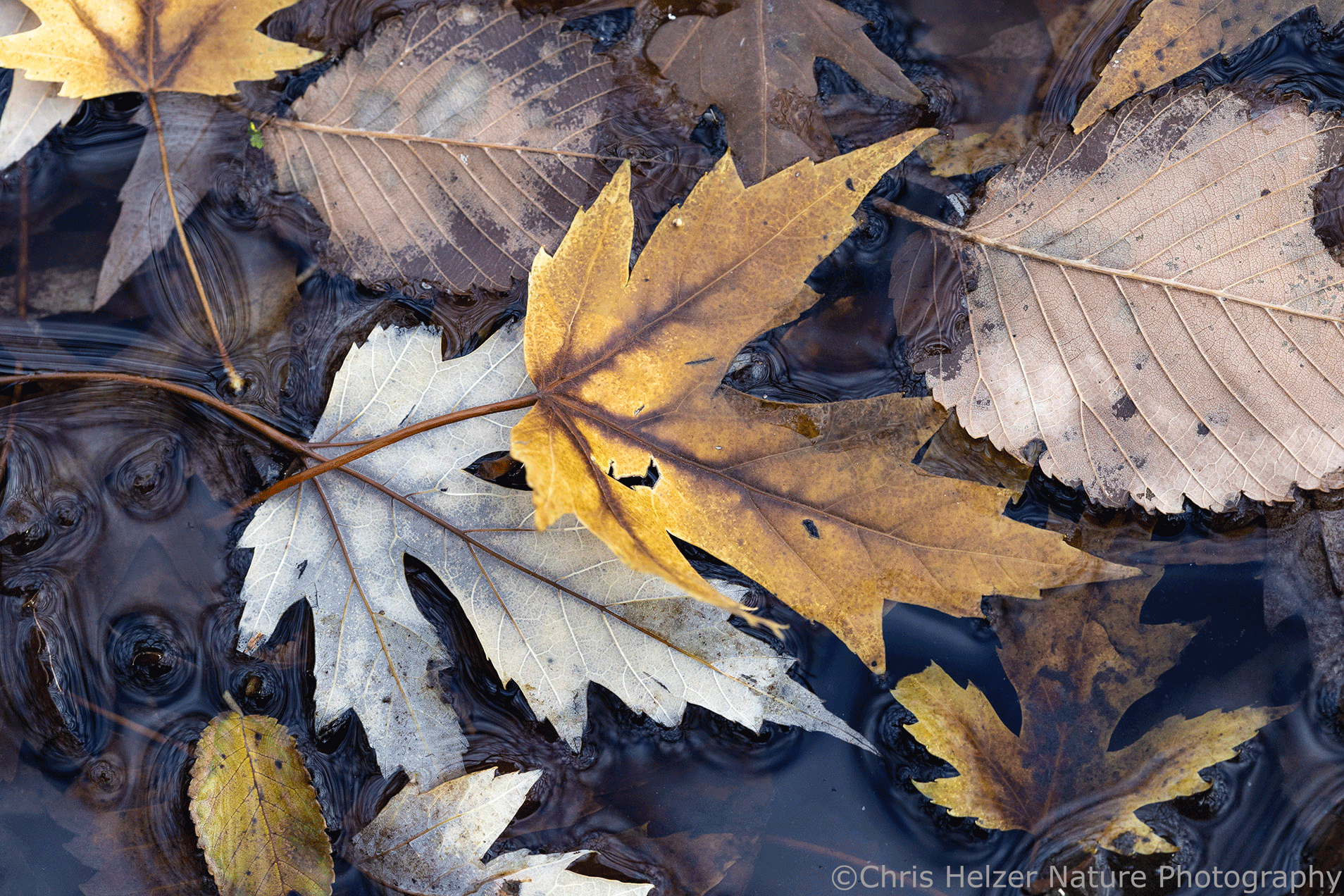
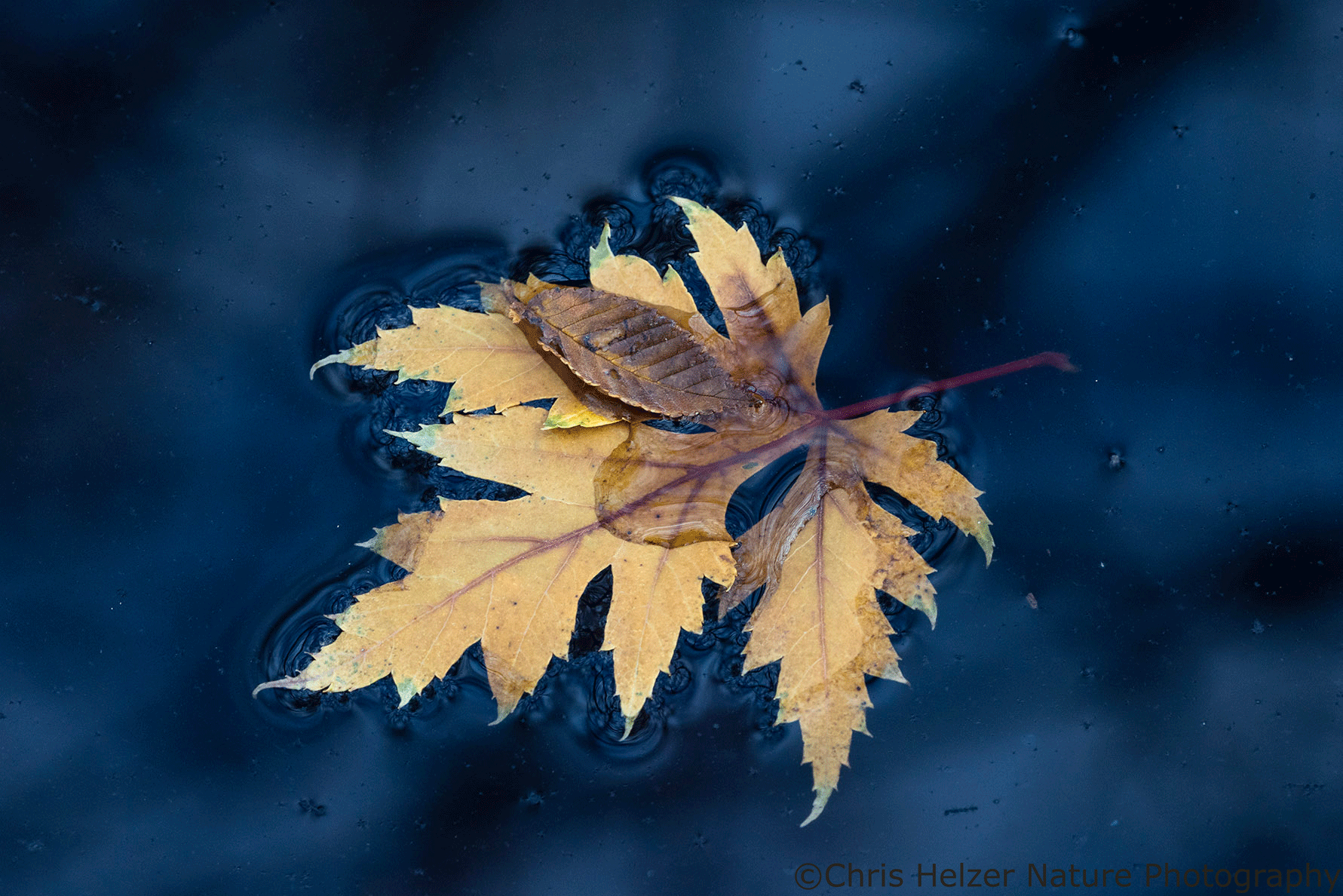
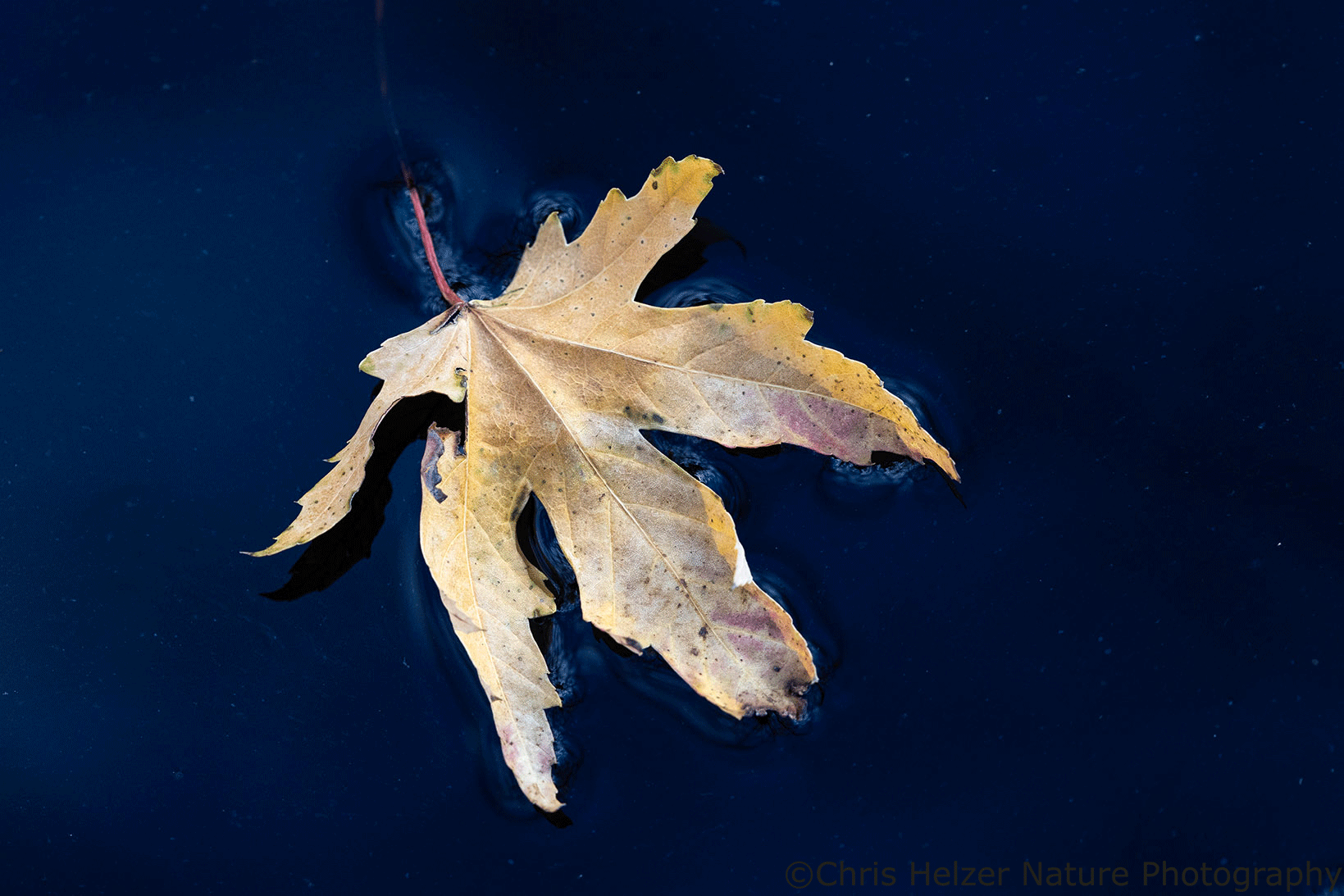
During my two visits last week, I spent a couple blissful hours admiring the many thousands of leaves floating on the water, searching for photo compositions I liked. I was able to forget about the rest of the world for a little while and just focus on finding beauty. I highly recommend it – with or without a camera.
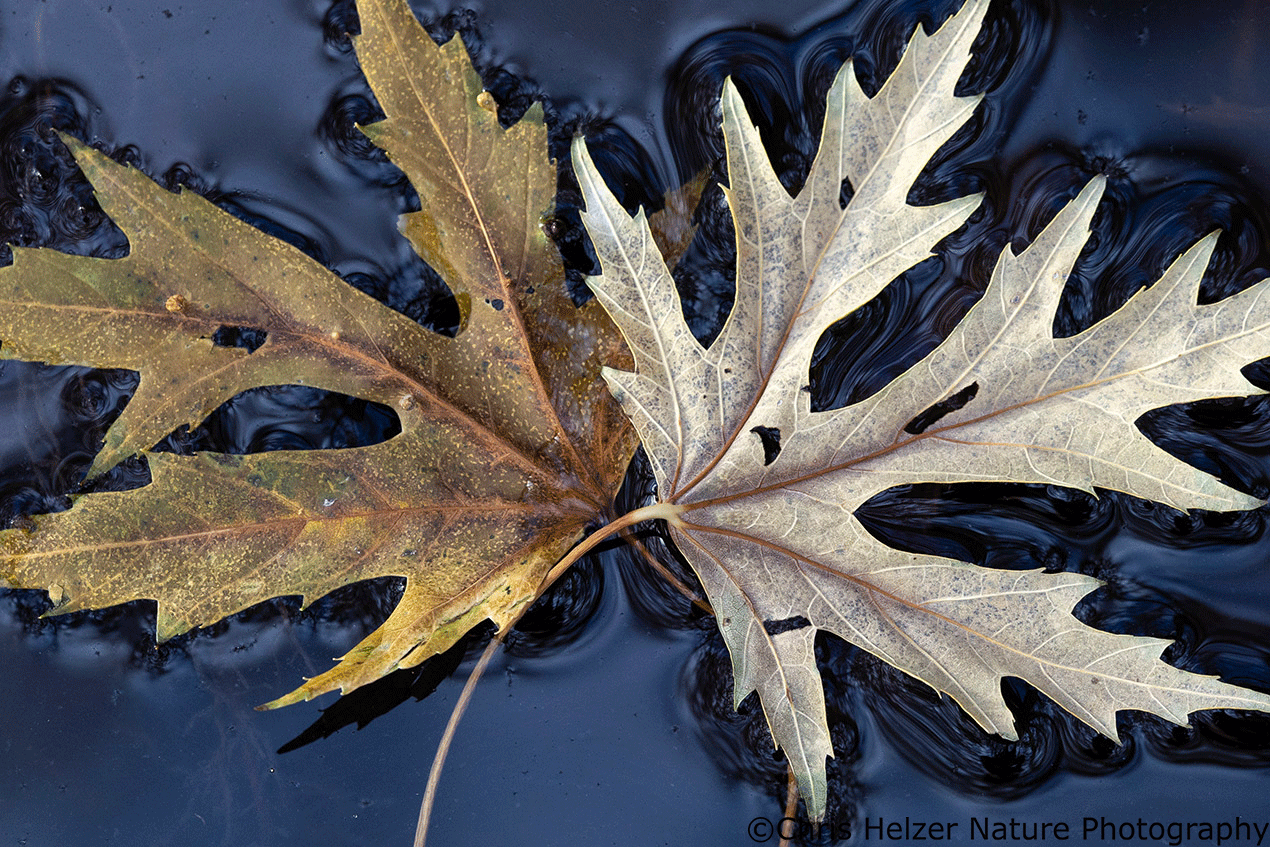
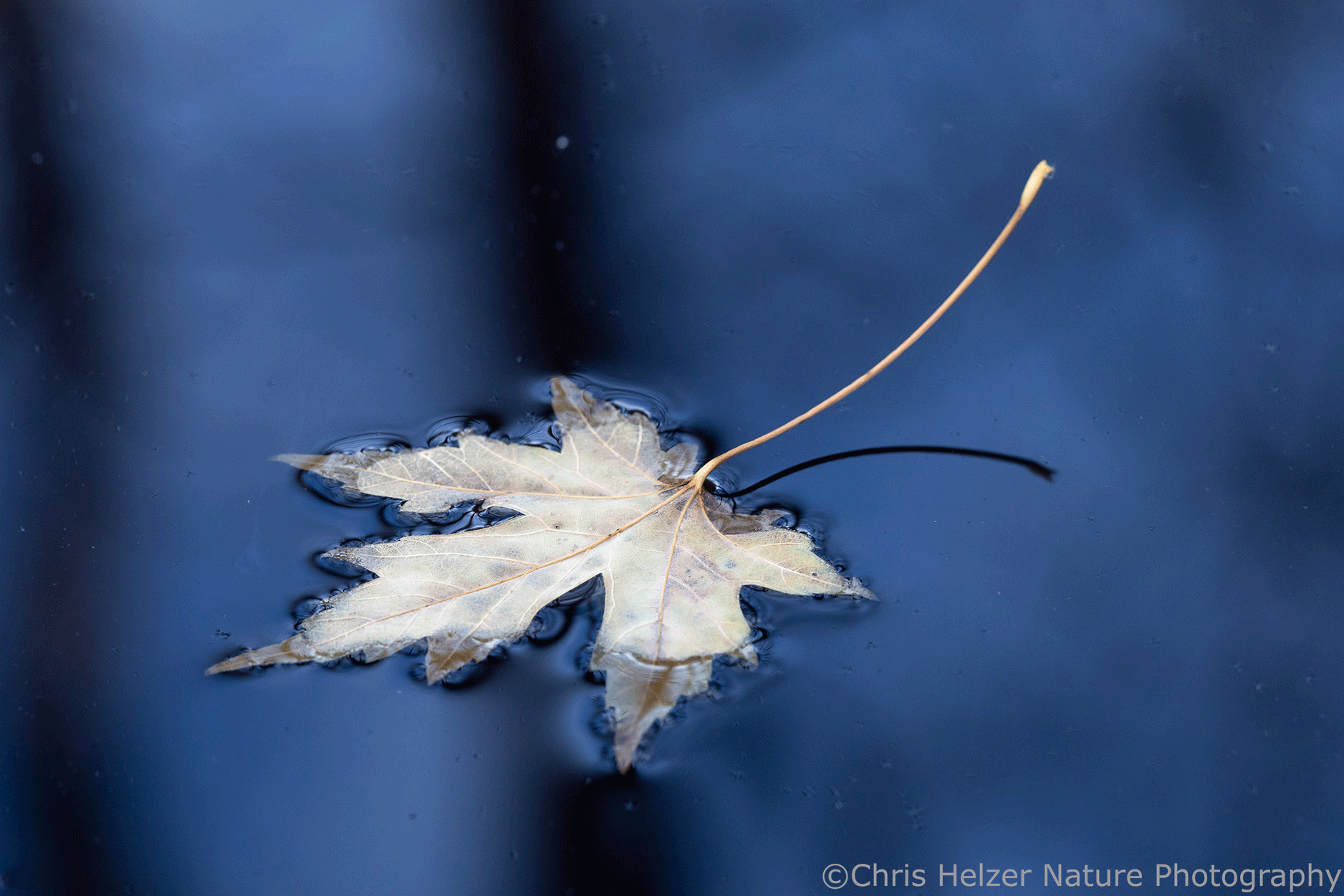
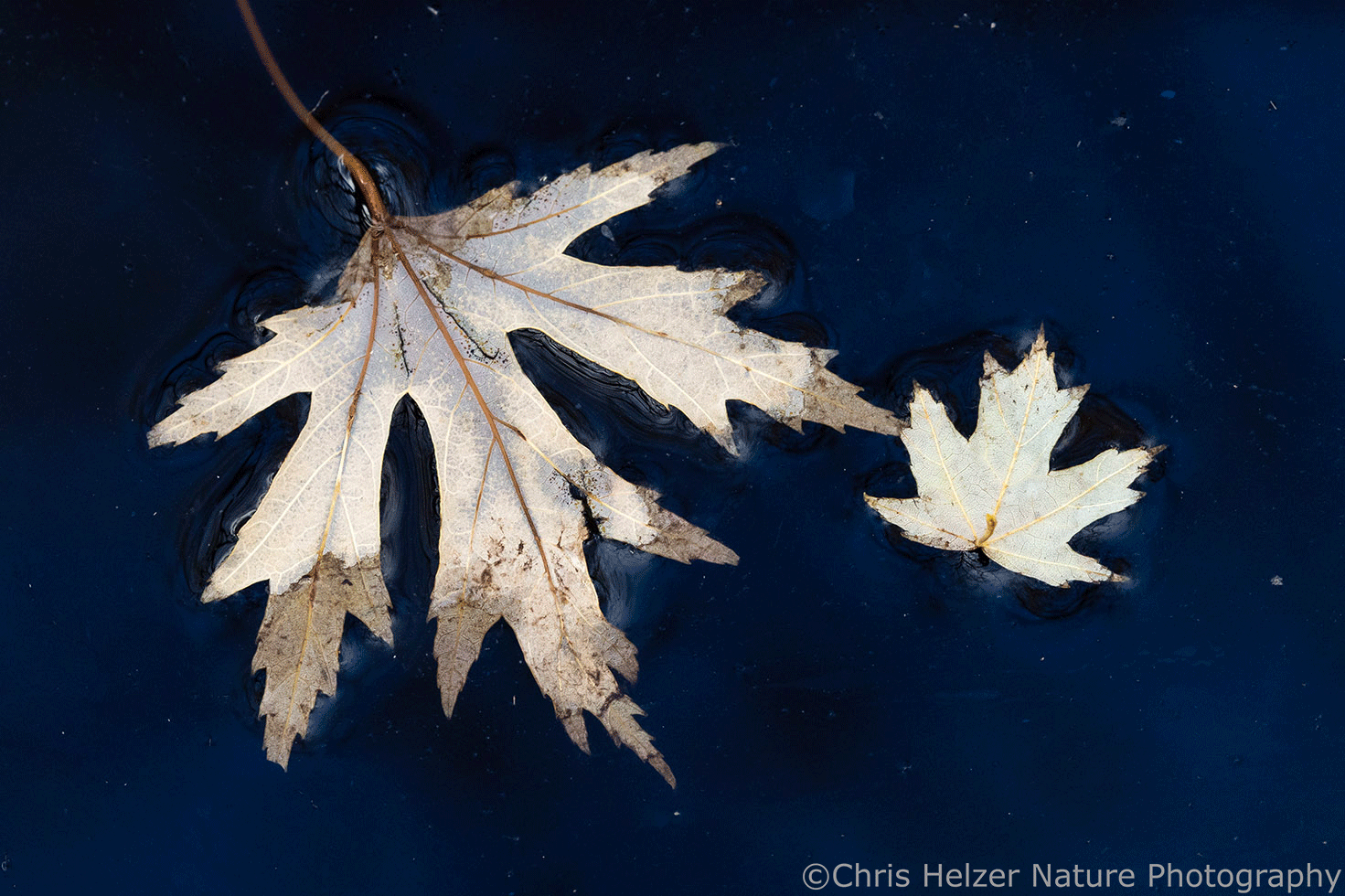
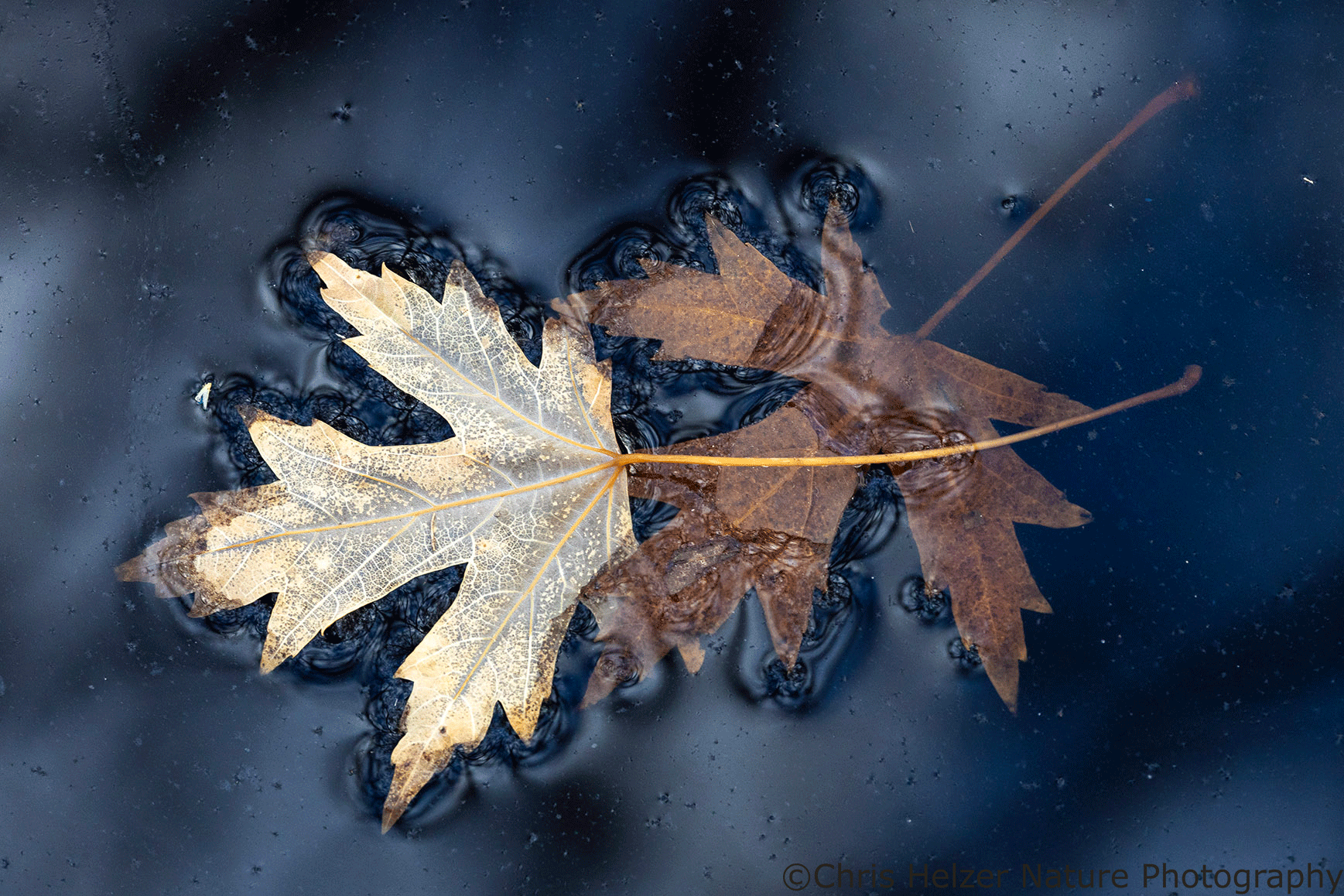
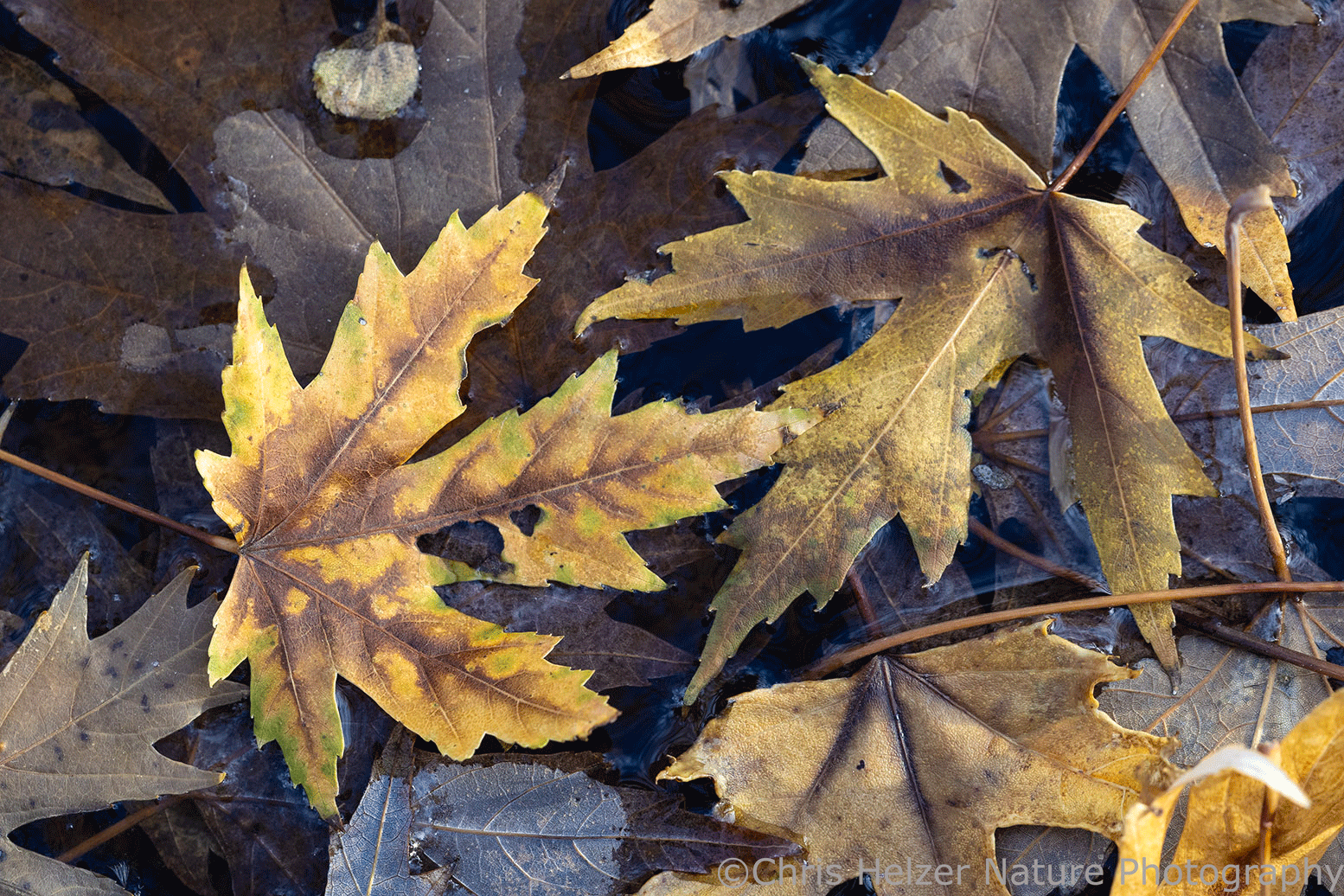
Here is a very small selection (percentage-wise) of the photos I took during those two trips. If you want to make a little game out of looking through the photos, see if you can find the one leaf that’s included in two photos. I’m pretty sure there’s just the one. You’re also welcome to just enjoy the photos without trying to win a game. It’s up to you. Also, I’m really sorry about that awful “spruce it up” joke.
Hi everyone. The following blog post is written by 2024 Hubbard Fellow Claire Morrical. Claire put together a fantastic series of interviews with people working in conservation here in Nebraska and we thought you’d enjoy reading and listening to their stories.
This project – Perspectives of the Prairie – uses interviews and maps to share the perspectives and stories of people, from ecologists to volunteers, on the prairie. You can check out the full project HERE.
This post also contains audio clips. You can find the text from this blog post with audio transcripts HERE. If you’re reading this post in your email and the audio clips don’t work, click on the title of the post to open it online.
Jennifer and Karen have volunteered at Platte River Prairies for over 10 and 20 years, respectively. After a volunteer day of gathering mountain mint seeds, Jennifer, Karen, and I sat down to discuss the healing and learning they get from the prairie, what makes volunteers unique, and to share stories of young volunteers connecting to the prairie.
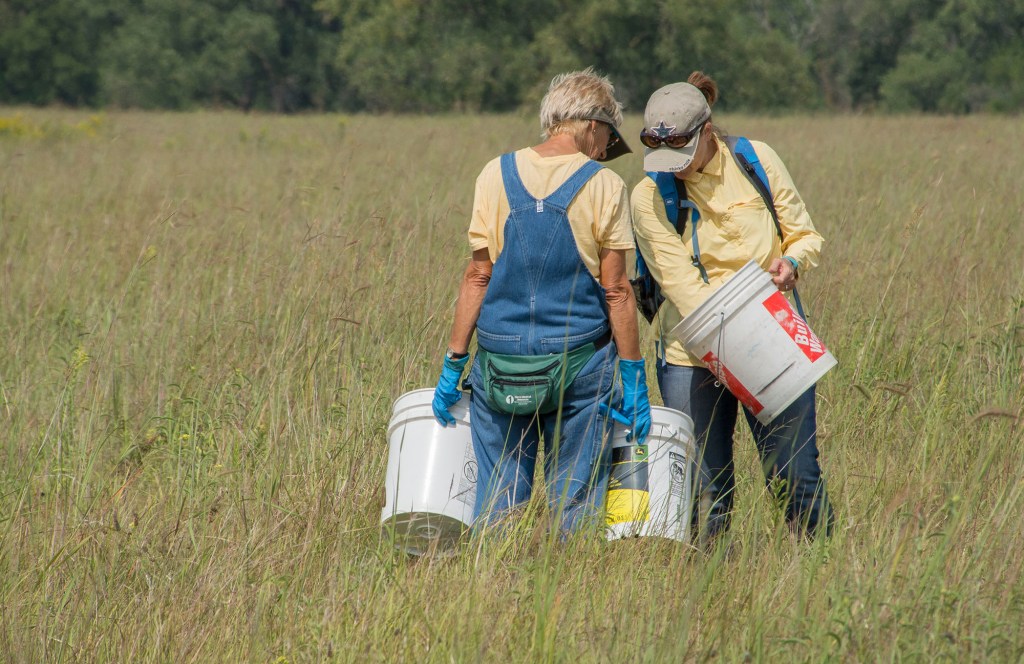
Volunteers harvest seed in East Dahms (photo: Chris Helzer)
Interview: November 2nd, 2024
Part 1: Meet Jennifer
It’s an overcast Saturday in November and I’m sitting outside the Platte River Prairie’s main office waiting for volunteers to arrive. In a white pickup truck, there’s a handful of five-gallon buckets, leather gloves, and a couple pairs of gardening clippers. It’s a seed collection day.
Throughout the year, we collect and stockpile native prairie seeds from our sites, to be scattered back on our prairies in the following years.
In the past, we’ve used most of our seed for restorations, returning crop fields to prairie. With no seed bank in restorations, no prairie seeds lying in wait under the soil until conditions are just right to emerge, we start from scratch. As a result, we needed a lot of seed. Seed collecting meant having four five-gallon buckets strapped to you as you tore your way through the prairie, trying to fill a bucket every 5 to 10 minutes.
This year we have no active restorations. During these years, we use seed to help our sites along, bolster the plant community, fill in patches. With less demand for seed, seed collection is a much more social affair.
It’s one of the last weeks to find much seed as the prairie creeps towards winter dormancy, and our volunteer, Karen Hemberger, has led us to where she recalls seeing our day’s targets, New England Aster and Mountain Mint. We meander through the wildflowers and grasses, chatting as we scan for plants. By the end of two hours, we’ve collected a 5-gallon bucket’s worth of seed between the four of us. But we’ve accomplished our primary objective, spending time in the prairie and spending time together.
Afterwards, I sat down with two of our volunteers, Karen Hemberger and Jennifer Rumery, to talk about their experiences working at Platte River Prairies.
This is Jennifer-
Notes for Context:
Mardell Jasnowski: Worked as a land steward at Platte River Prairies and continues to help as a volunteer
Prairie gentian (Eustoma grandiflorum), a wildflower that Jennifer especially likes (photo: Chris Helzer)
Overseeing volunteer days is the responsibility of Hubbard Fellows, including myself (year-long employees getting early career experience at Platte River Prairies). During our first volunteer days, seasoned volunteers like Jennifer and Karen are amazing guides as we get our footing, ready for any task and happy to answer questions along the way.
Jennifer has been a volunteer with us for about 10 years. Both she and her husband, Grant, help us at PRP.
Notes for Context:
Brandon Cobb: One of the 2022 Hubbard Fellows (you can hear from himHERE)
Part 2: Meet Karen
Location: The Derr Sandhills site at Platte River Prairies
Karen Hemberger is another long-time volunteer who’s helped us for over twenty years and is her own force of nature when it comes to seed collecting.
Notes for Context: Karen mentions “keys to the house”. Our main office, the Derr House, is an extremely 70’s brick house that past landowners sold to us in the 2000’s
The Crane Trust: A conservation non-profit and preserve to the East of Platte River Prairies
Chris Helzer: Director of Science and Stewardship for Nebraska TNC. Chris has spent much of his career at Platte River Prairies
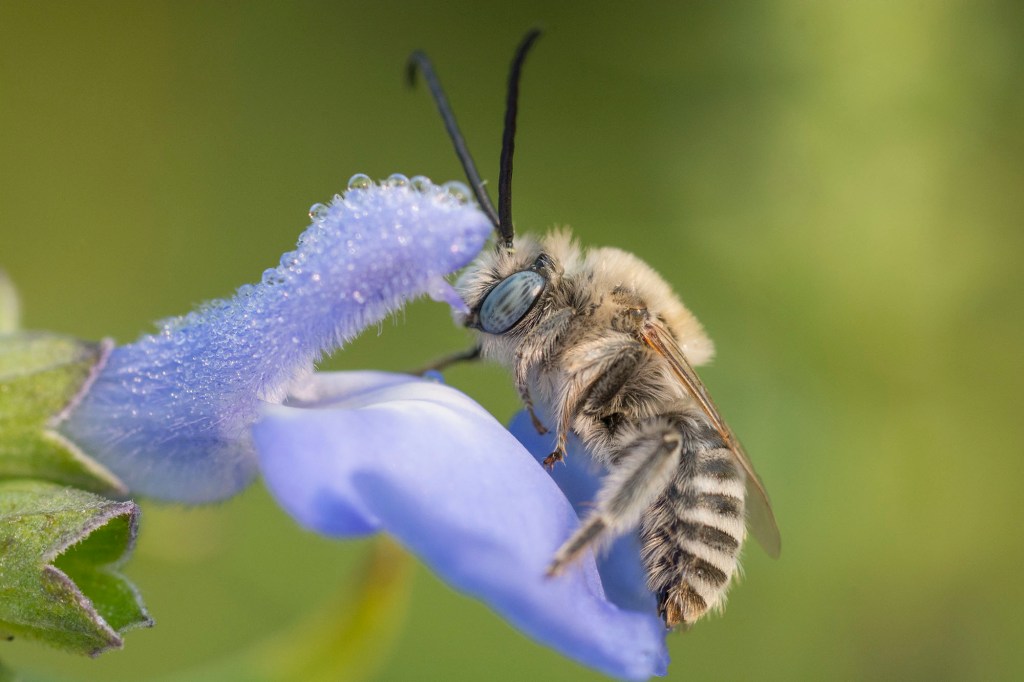
Male blue sage bee (Tetraloniella cressoniana), a specialist of pitcher sage (Salvia azurea). Karen especially likes this wildflower (photo: Chris Helzer)
Through learning and growing and sharing, Karen’s passion for this work is unending. She is fierce in her love for the prairie and tender in her approach to caring for it.
Notes for Context: Karen mentions a plant named sweet clover. Depending on where you are in the United States, sweet clover is either a very invasive species (a non-native plant that outcompetes native plants), or a non-native plant of little concern. In central and western Nebraska, we tend not to worry very much about sweet clover. It is abundant when there are few plants competing with it, but makes way when other species move in.
Karen is referring here to Chris Helzer.
Plants mentioned: Sweet Clover (Melilotus officinalis), Sun Sedge (Carex heliophila)
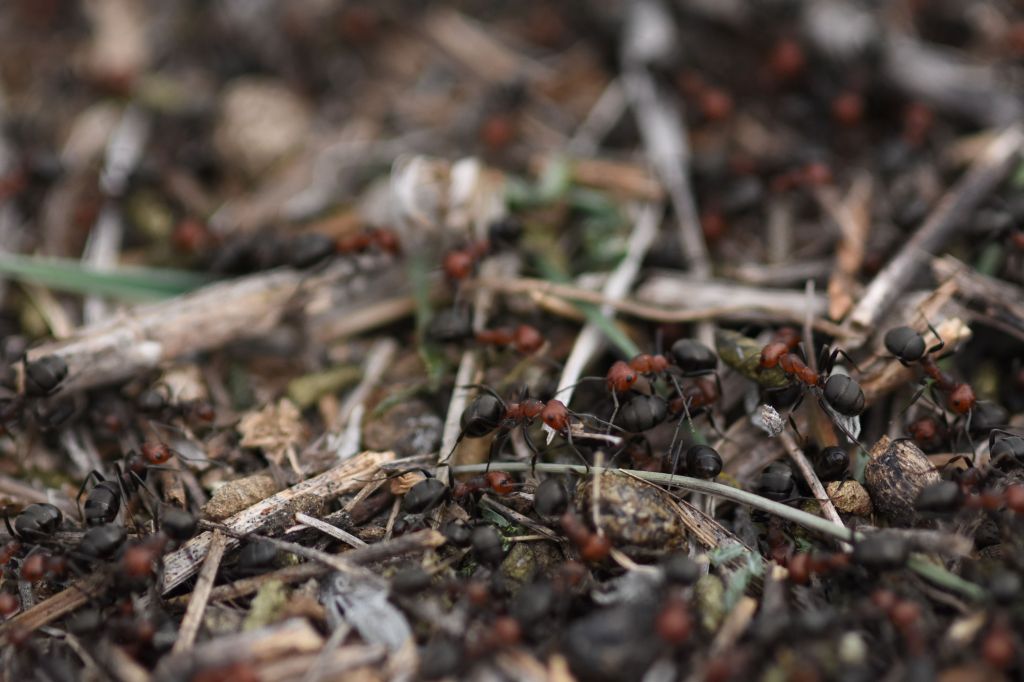
An ant colony on a large anthill
Part 3: Healing and Learning
Location: The site Caveny at Platte River Prairies
Karen and Jennifer are reflective on what they receive in return for the time that they give. They take something home with them, and for Jennifer, that something carried her through her work as a school psychologist
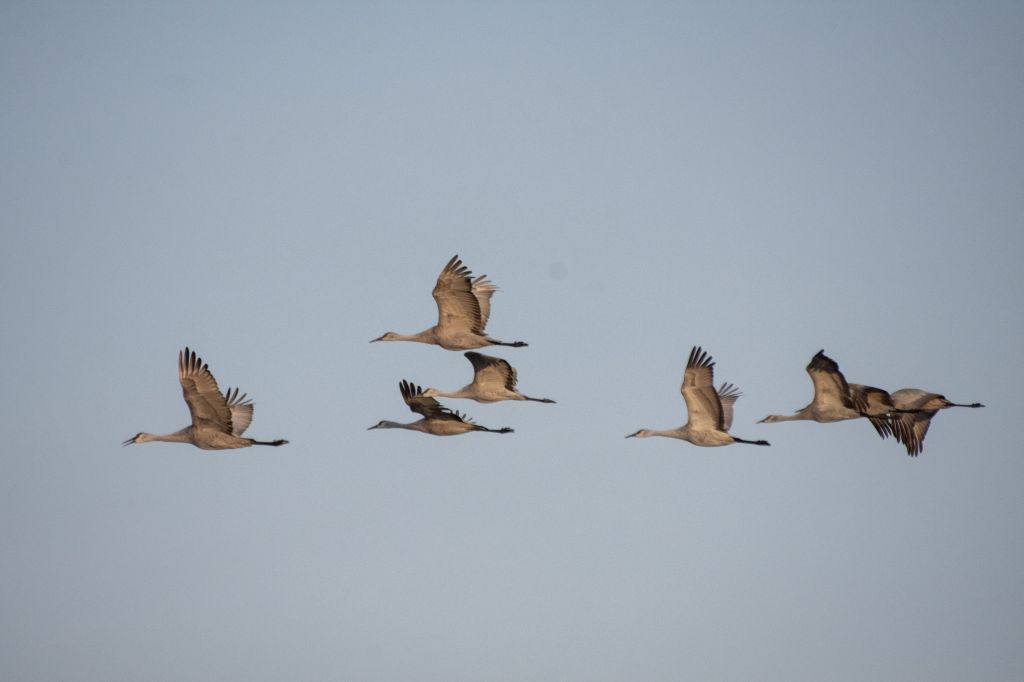
Sandhill cranes flying off from the river
Every spring, hundreds of thousands of sandhill cranes pause their migration north to eat their fill of invertebrates and corn along the central Platte River (where we are). They store the energy they’ll need to hatch and raise chicks in the coming months. At the migration’s peak, there is a constant trill of cranes calling in the mornings and evenings. When they fly to the river to roost for the night, the line of cranes, wing to wing, can stretch from the eastern to the western horizon. This great migration of sandhill cranes is followed closely by the endangered whooping cranes.
For many, even those who have watched the cranes year after year, seeing them return in the spring can be a deeply impactful experience. Jennifer finds meaning in her own experience with the cranes. For both Karen and Jennifer, time spent in the bluestem and switchgrass and sunflowers has shaped the way they take care of themselves and others.
In addition to healing, spending time in the prairie has helped shape how and what Karen and Jennifer see.
Plants mentioned: Pussy Toes (Antennaria neglecta), Star grass, Blue-eyed grass, Pale spike lobelia (Lobelia spicata)
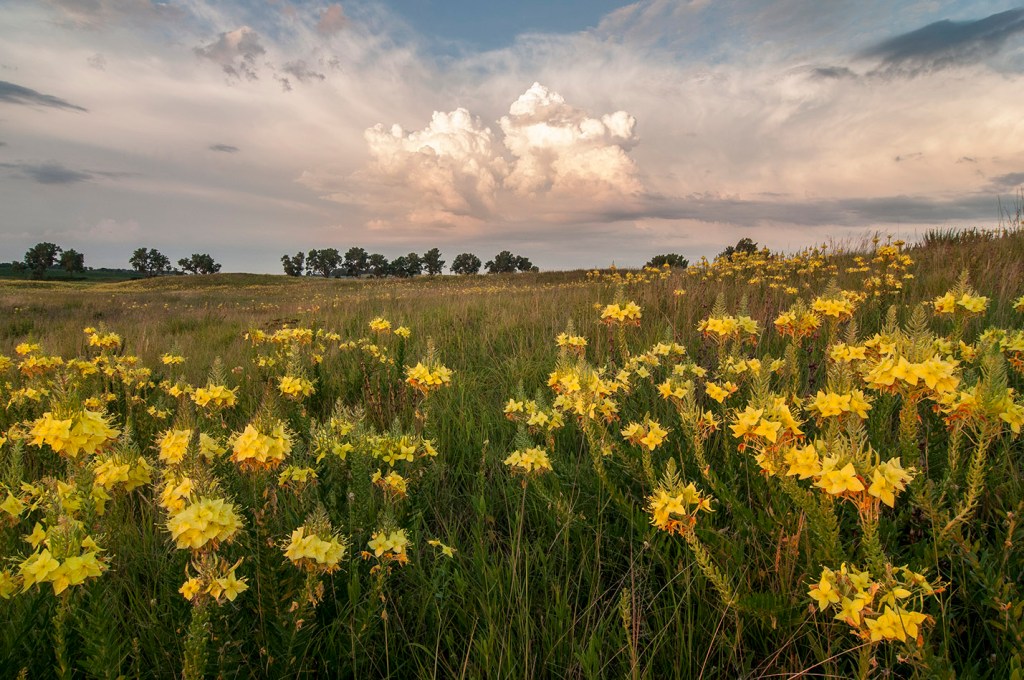
Four-point evening primrose (Oenothera rhombipetala) in sand prairie at The Nature Conservancy’s Platte River Prairies (photo: Chris Helzer)
Part 4: The Youngest Volunteers
Location: The site Derr West at Platte River Prairies
Jennifer and Karen share special moments watching young volunteers experience the prairie.


 The Prairie Ecologist