
August really flew by but it was a fun and interesting month. In addition to a full calendar of work and home events, I made time to explore several of my favorite prairies, including The Nature Conservancy’s Platte River Prairies, Niobrara Valley Preserve, and our own family prairie. I caught numerous sunrises and sunsets, foggy mornings, stormy evenings, and some bright overcast days. It was sometimes a struggle to keep up with my to-do list, but my time in the prairie always felt rejuvenating, rather than as something that subtracted from my productivity.
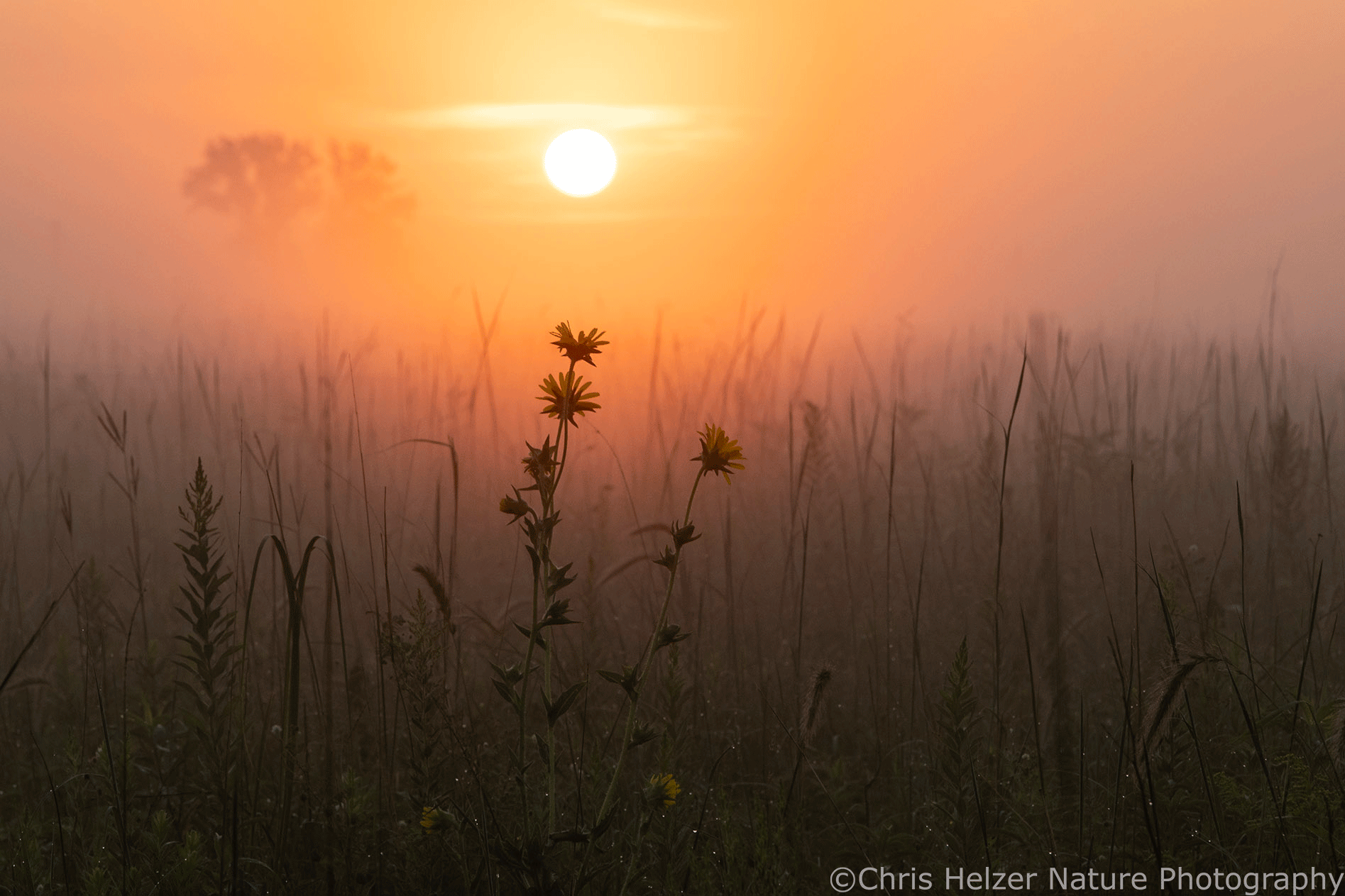
I spent a few mornings in the Platte River Prairies. August is often a good time for foggy mornings with light winds, and this year’s version was no exception.
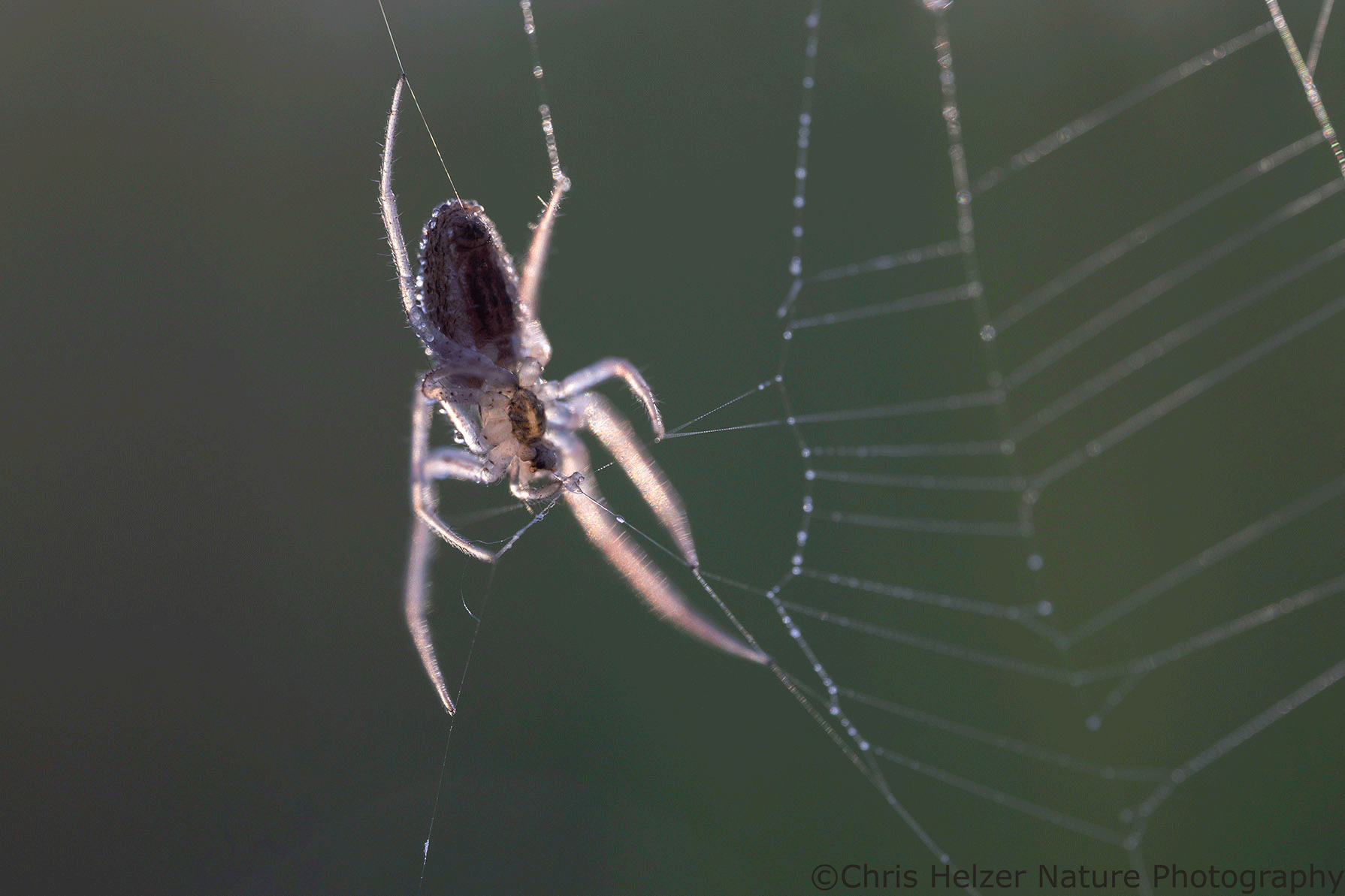
One morning, I spent several minutes watching a small spider deconstruct its web, eating it as it went. Many spider species will re-make their web daily, and eating the old one is a way to gain back some of the nutrients it takes to create more silk. This one was working methodically, pulling threads toward her mouth as she circled the web and spiraled inward.
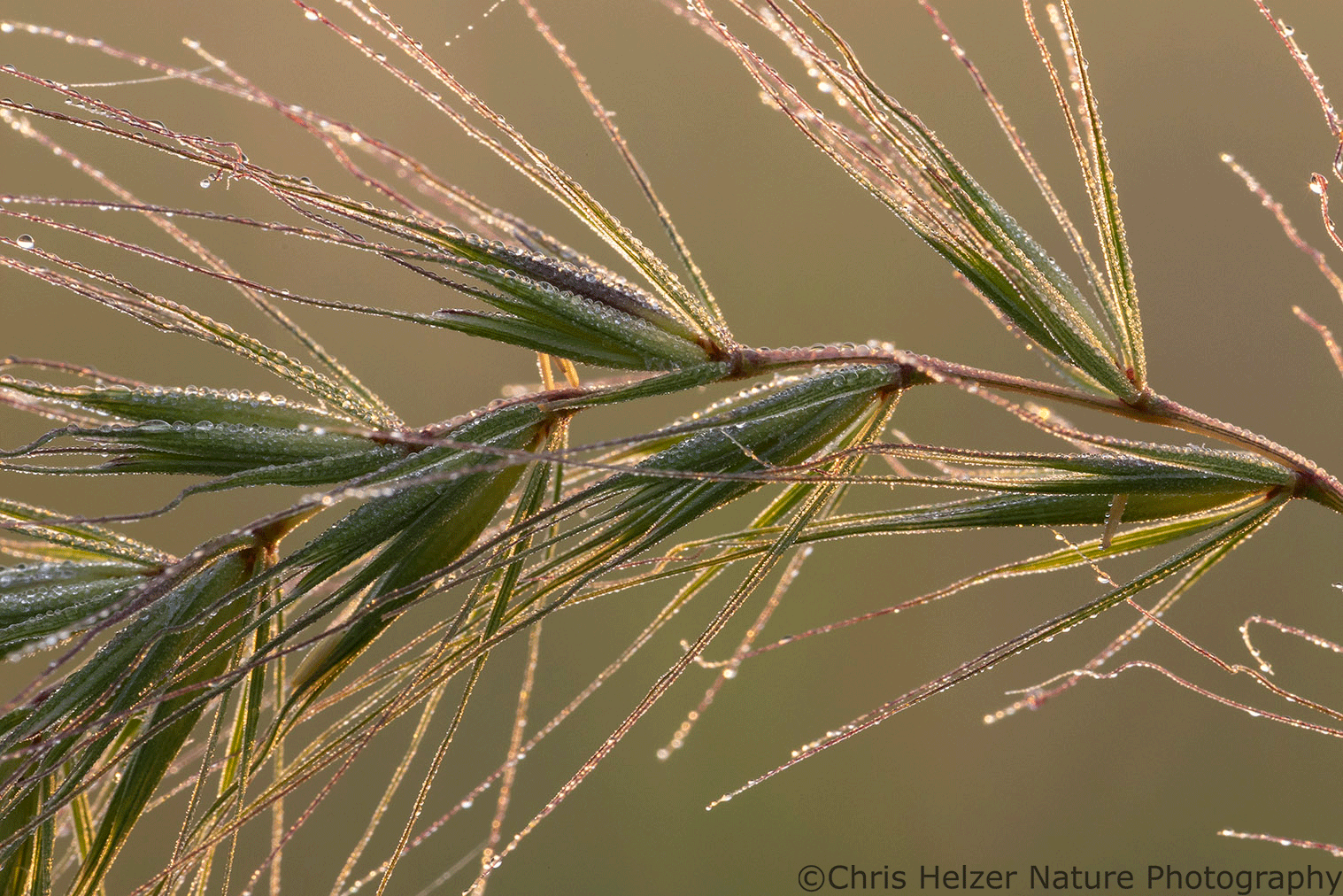
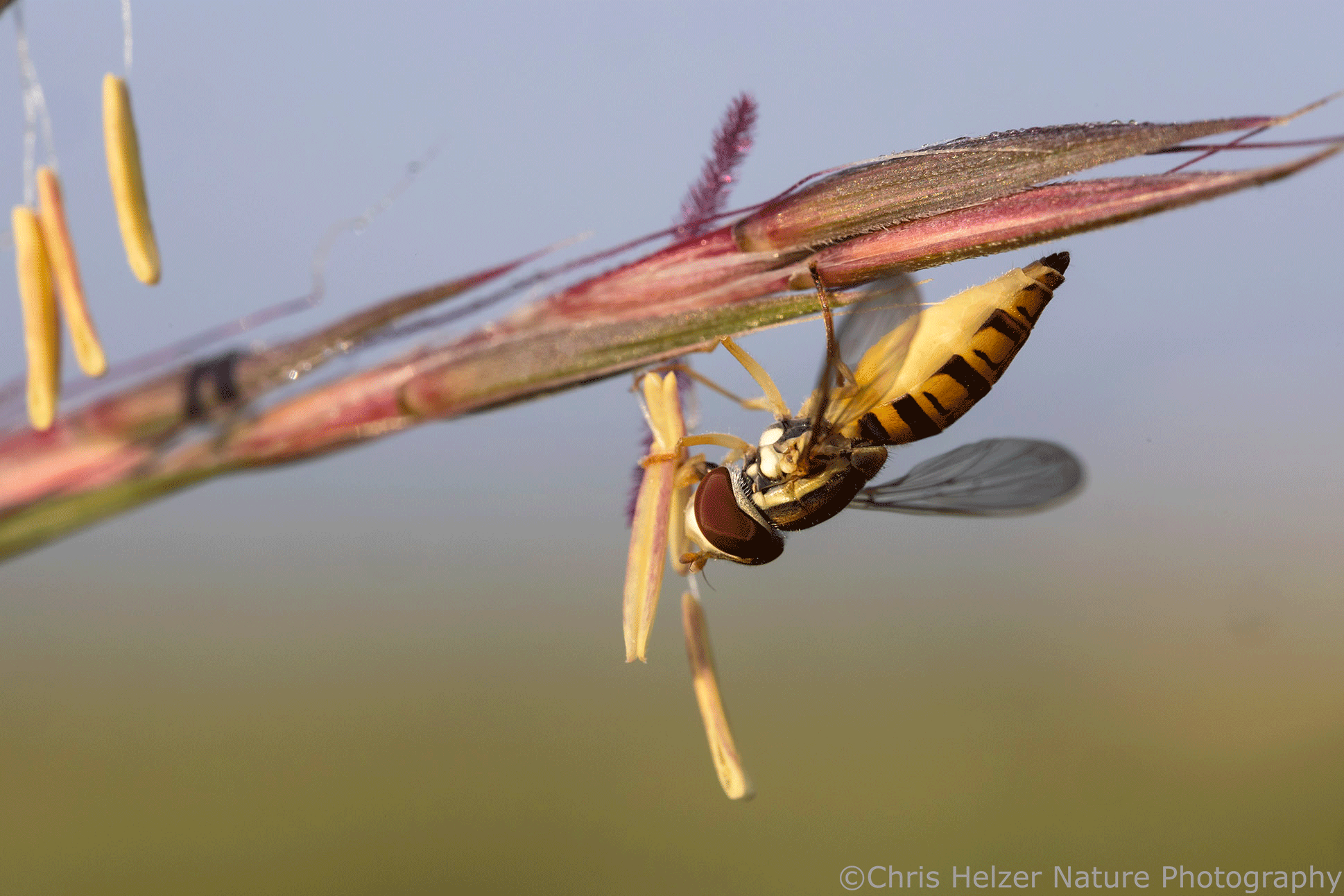
Hover flies are always a common sight on the flowers of grasses (as well as other wildflowers). Grasses are wind-pollinated, so the hover flies probably don’t help the grasses any, but there seems to be plenty of pollen to go around, so I doubt they do any serious harm. Plus, they’re pretty dang cute – especially when they grab anthers in their front legs as they eat.
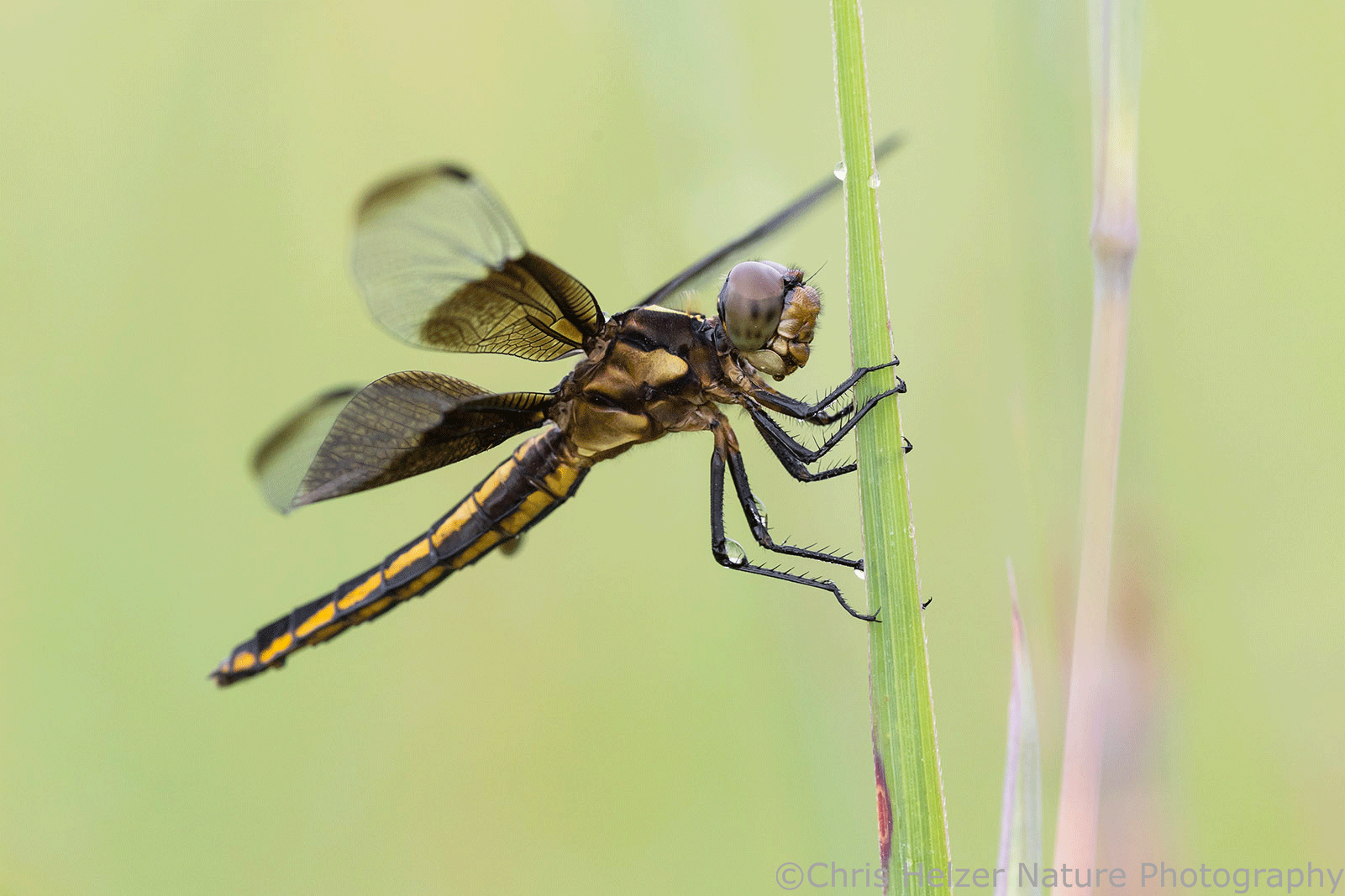
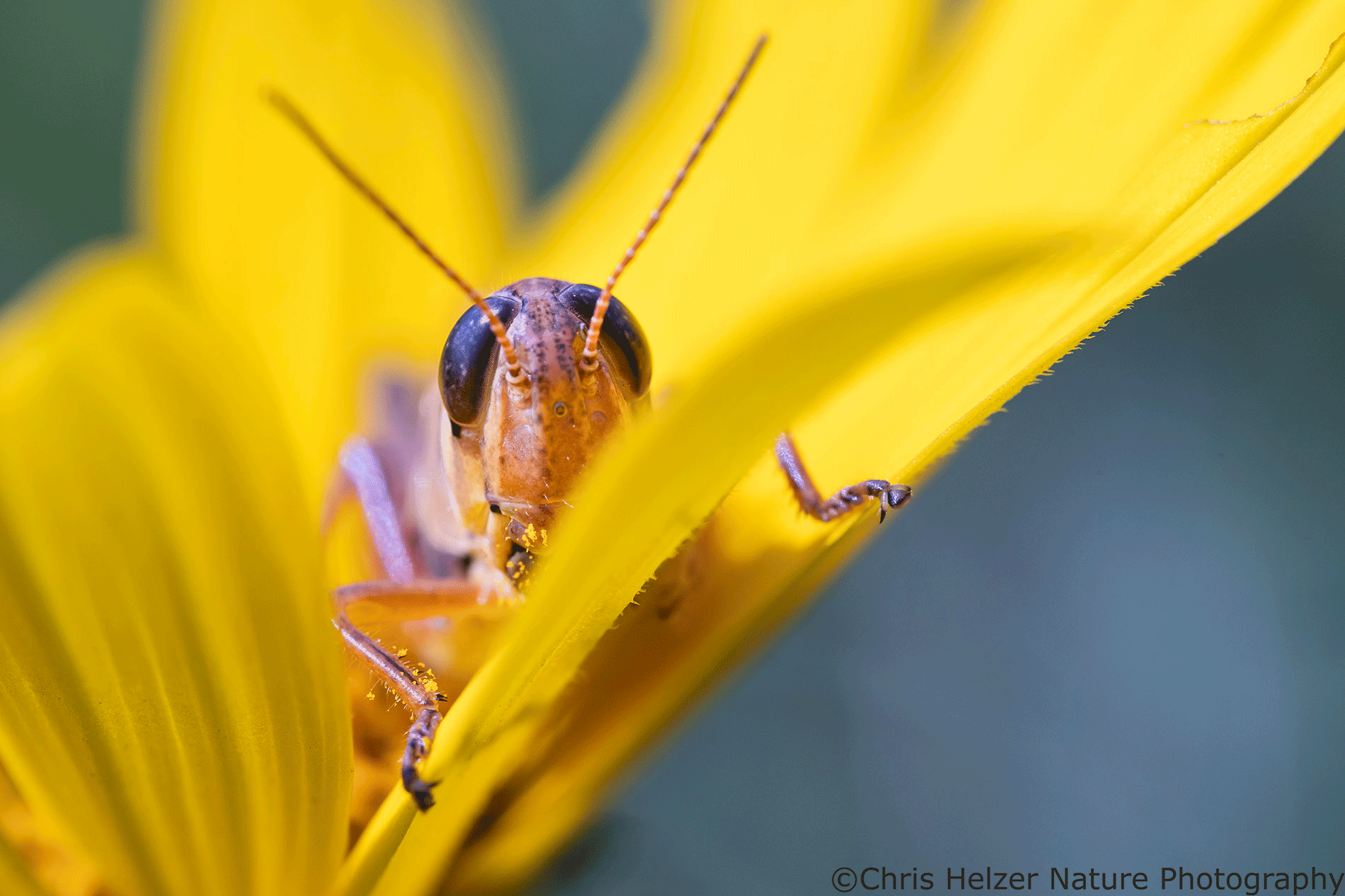
We’ve had good rain this year, starting in the early summer, so most of our prairies are looking pretty lush. That includes my family’s prairie. The area we grazed hardest last year is the most full of wildflowers and insects, but the whole site looks good.
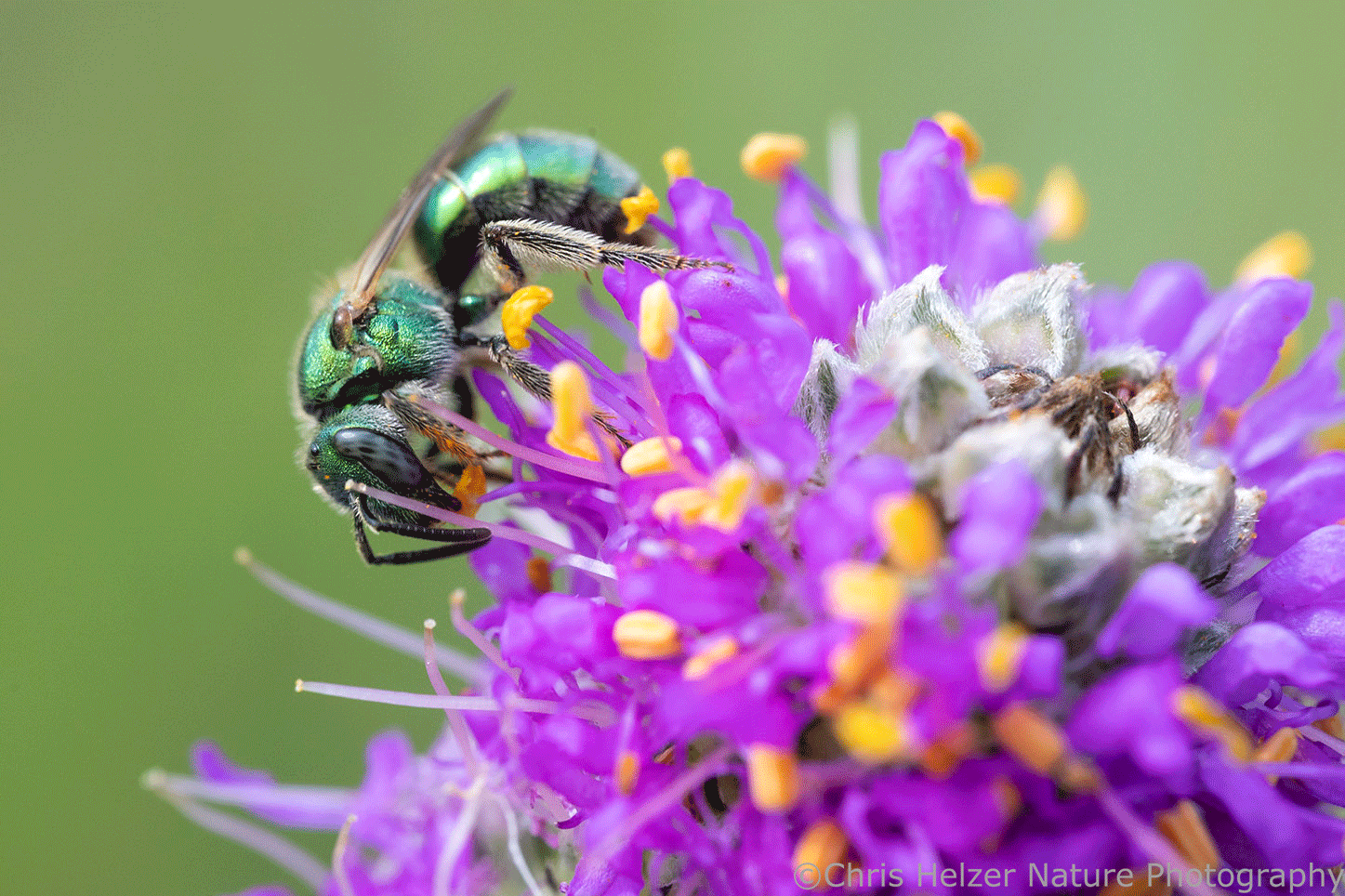
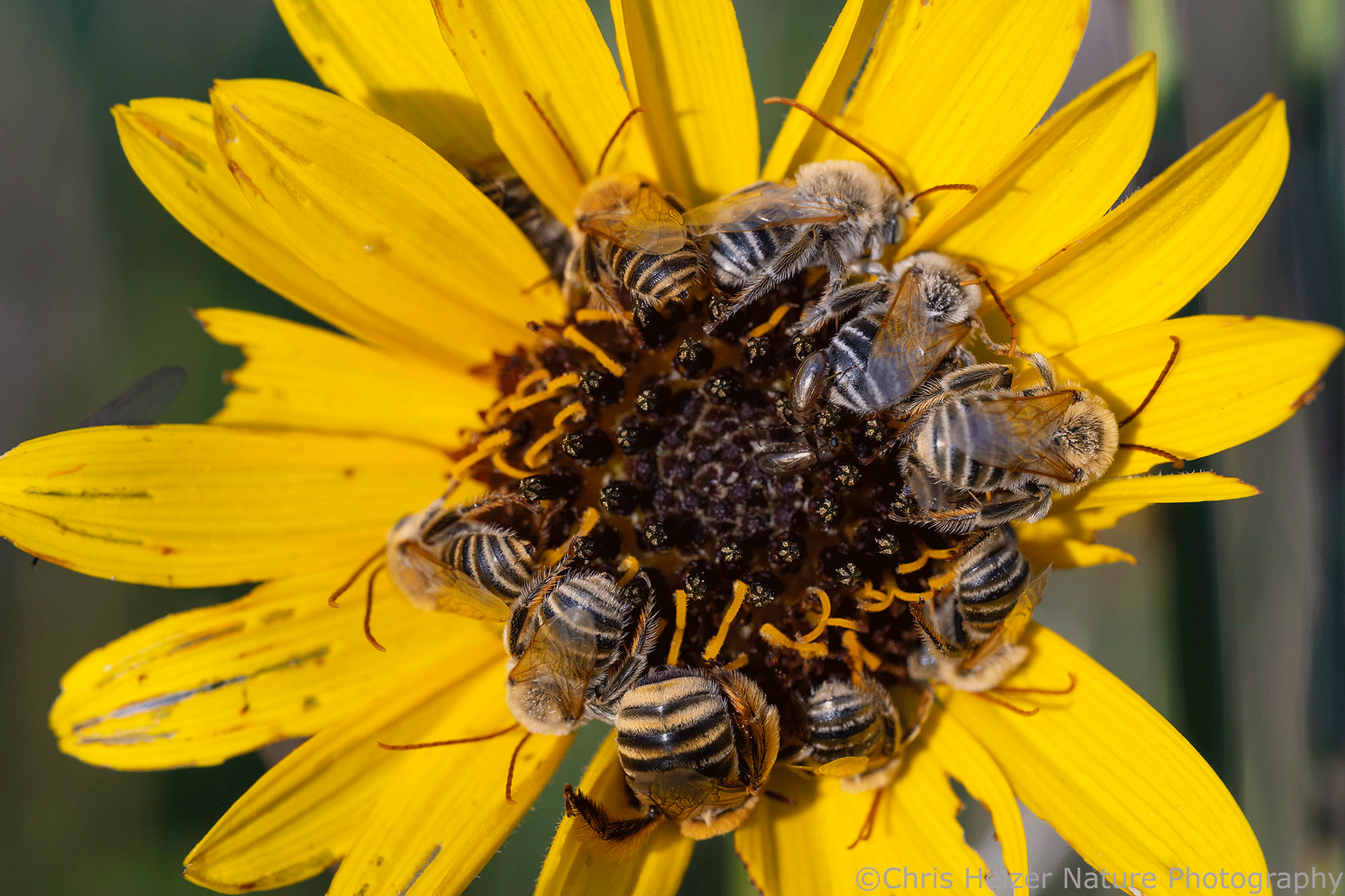
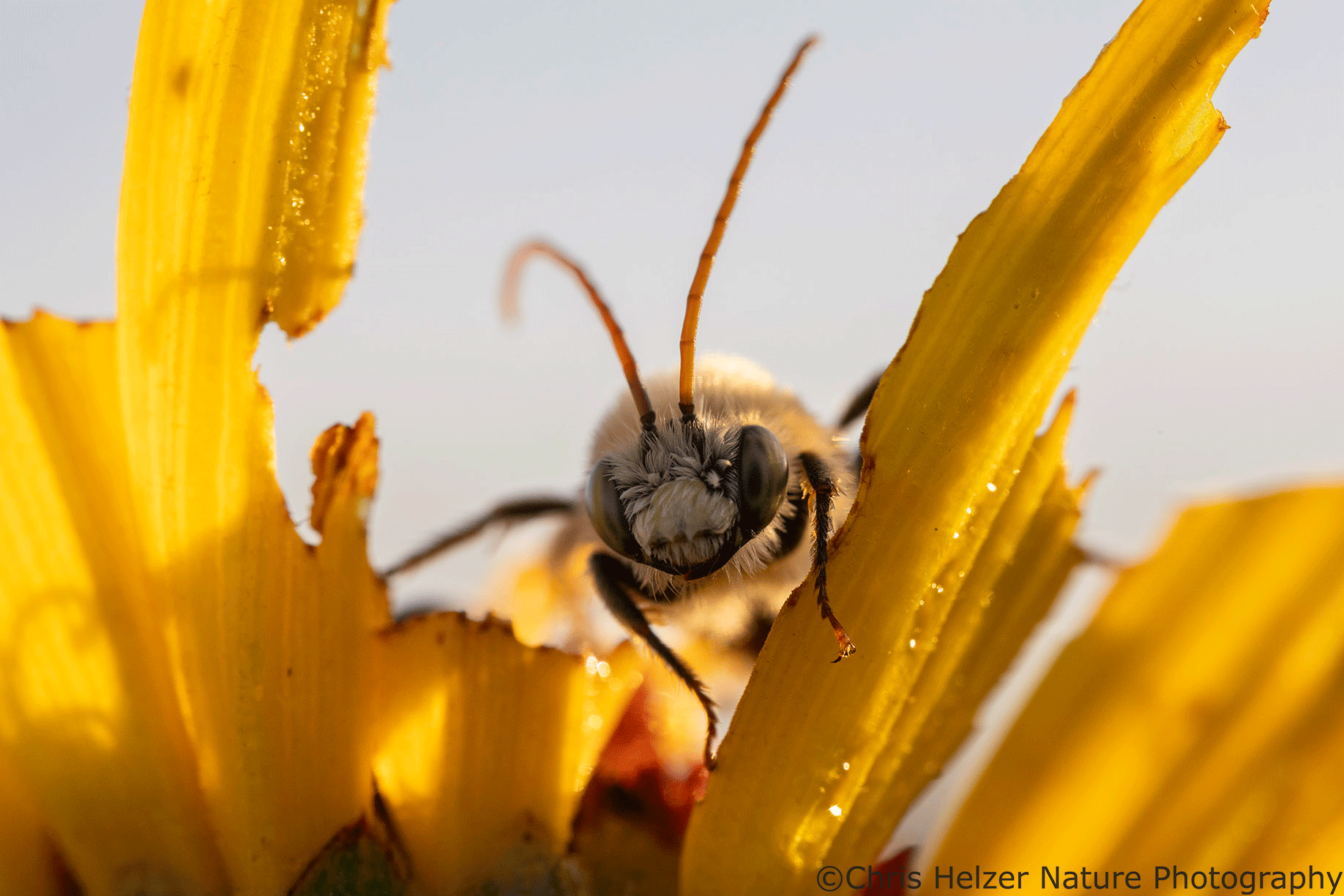
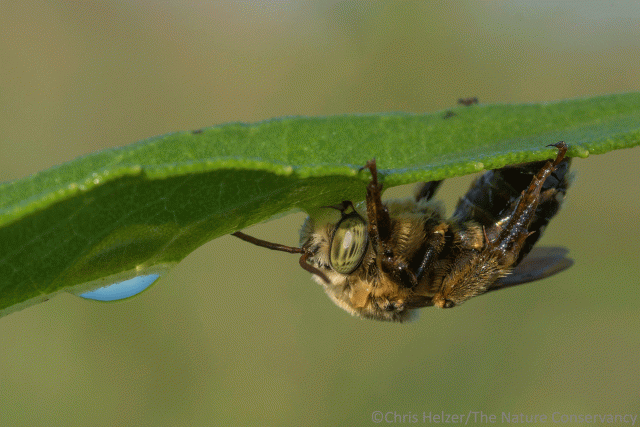
One morning, I stopped at our family prairie well before sunrise. As I was scouting around, waiting for the sun, I saw a few bees clustered together on a flower. That’s not unusual, but I mentally noted the location in case I wanted to come back after the light improved. Shortly after that, I saw an even bigger group of bees, and then another. I’d never seen so many longhorn bees on the same flower before, and I saw similar groupings on at least 4 or 5 flowers.
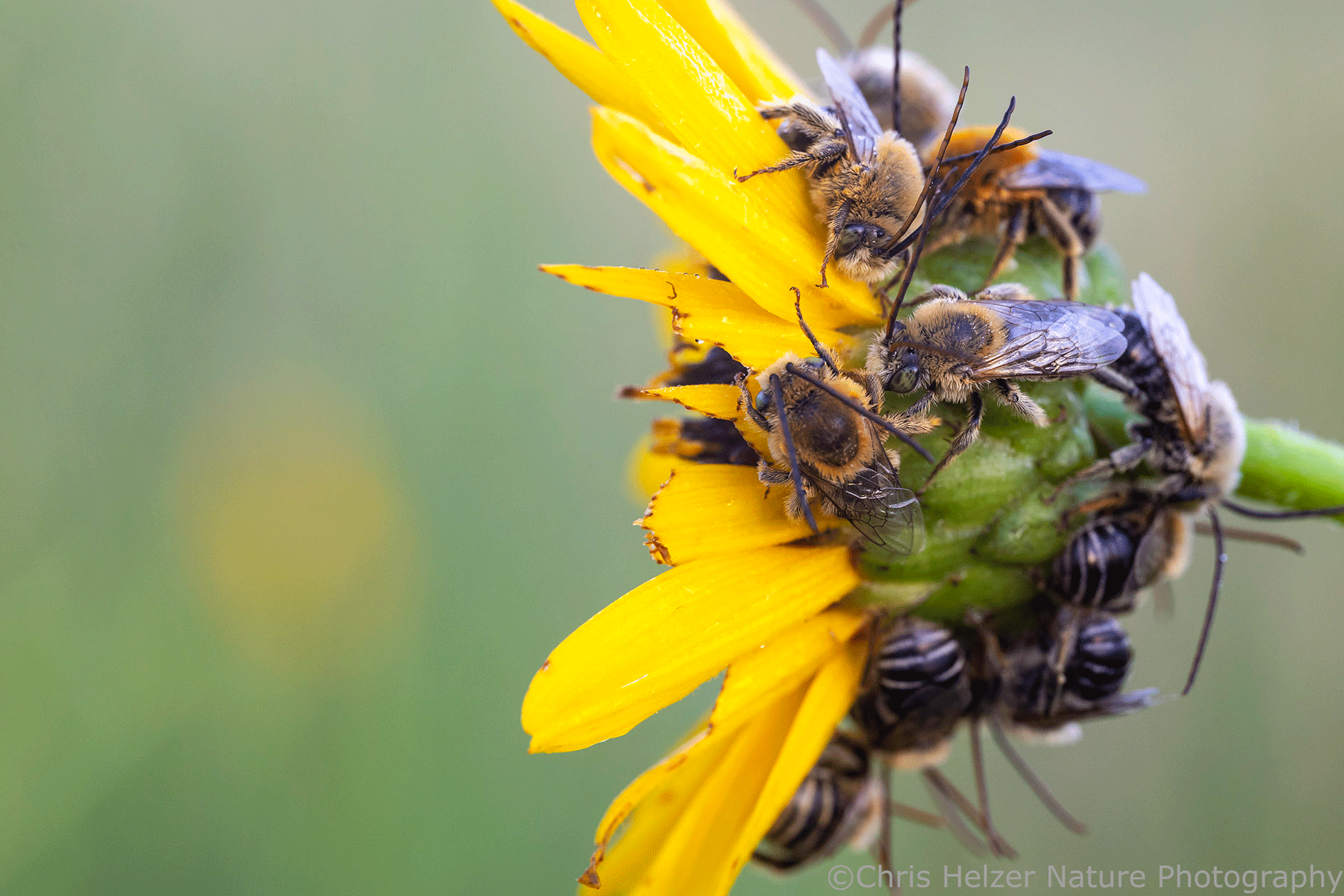
I don’t know how to explain this. Longhorn bees (it looked like maybe two or three different species?) are solitary, meaning that females dig their own nest and work by themselves to gather food for their eggs. Males don’t have nests, so spend nights outside, sometimes a few at a time on a leaf or inside a flower. Seeing this many at once, though, was new to me. I wonder if a bunch had recently emerged (from pupae) and I was seeing the new generation on its first night, before they’d had a chance to disperse (or be eaten by predators)?
Whatever the explanation, it was pretty great, and I definitely circled back with my camera once sunlight started to hit those flowers. I had to work quickly, though, because the combination of my presence and the warmth of the sun caused the bees to start flying off pretty quickly.
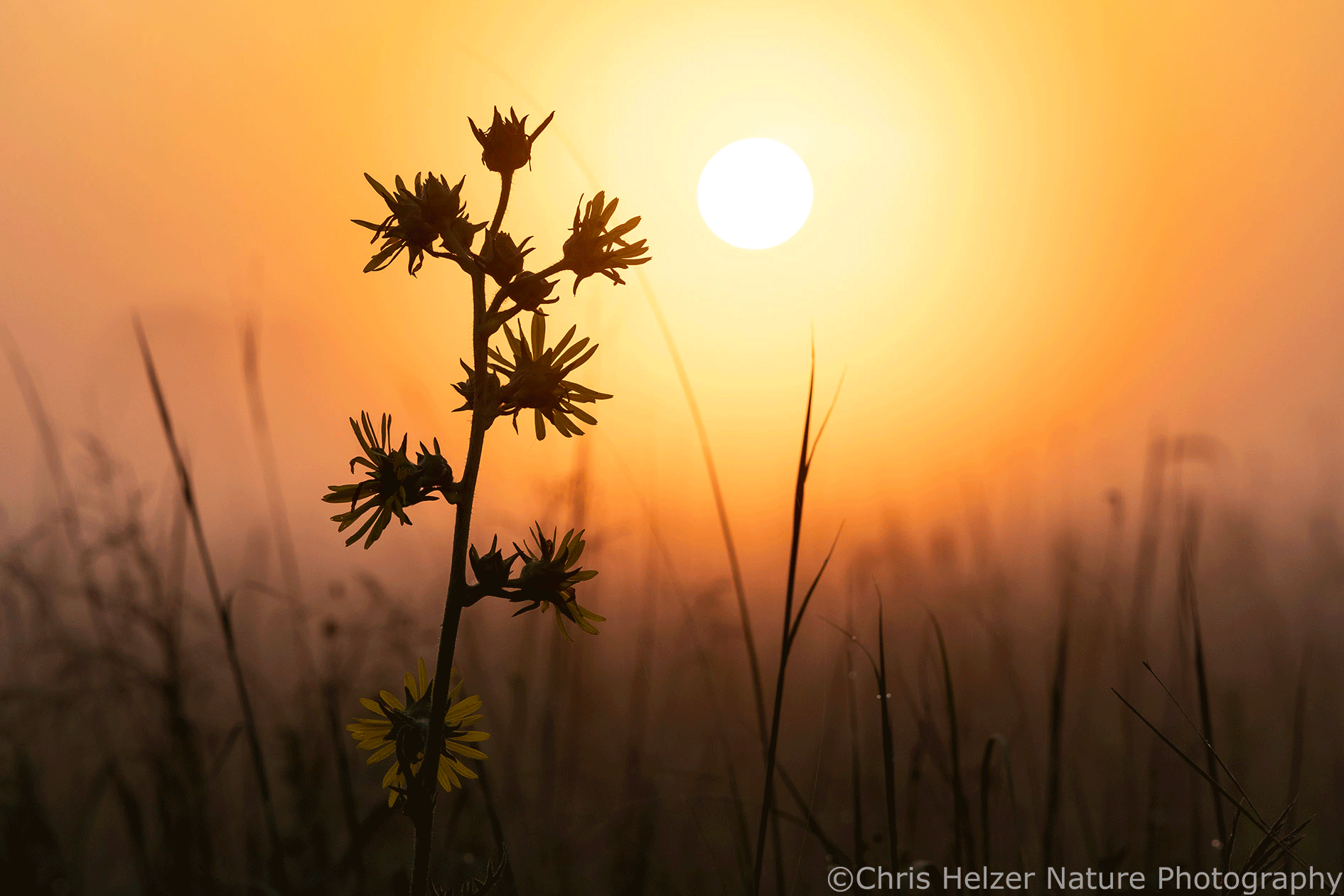
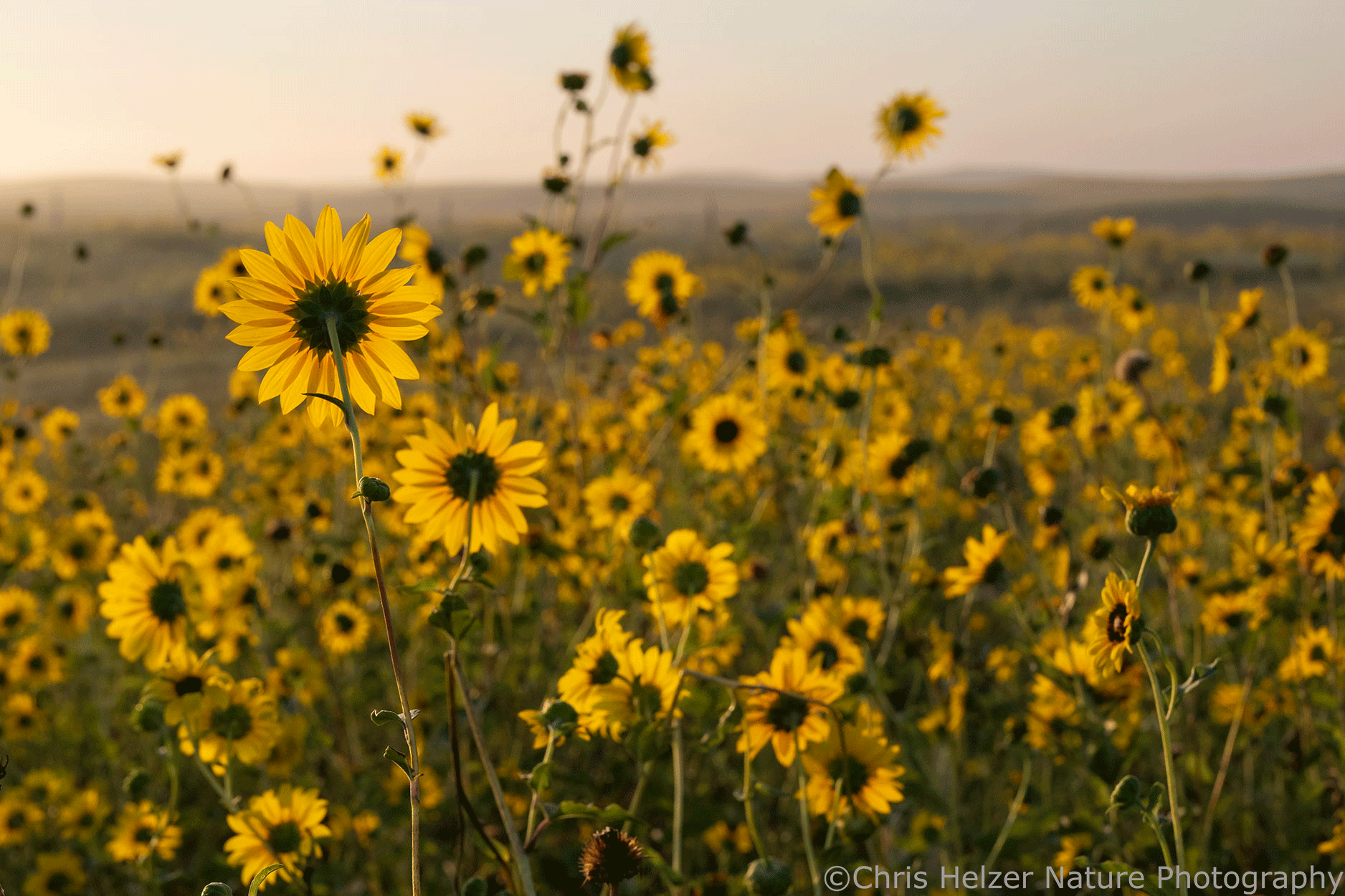
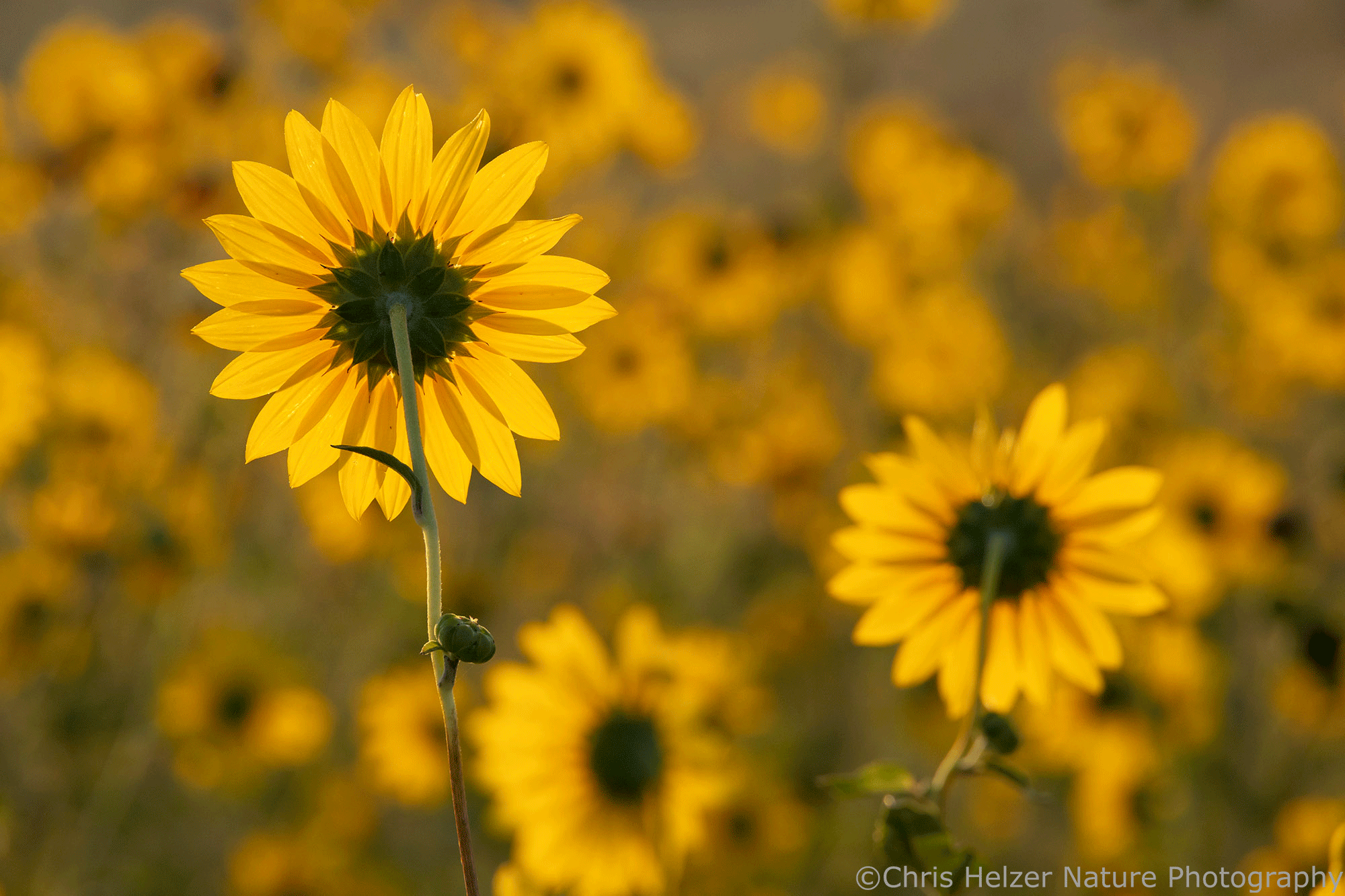
Meanwhile, in the Nebraska Sandhills, it’s been a terrific year for plains sunflowers, one of two annual sunflower species that grow in the state. They are especially abundant where grazing and/or fire created some bare ground for germination this spring, but they’re common across at least the whole eastern portion of the 12 million-acre prairie landscape.
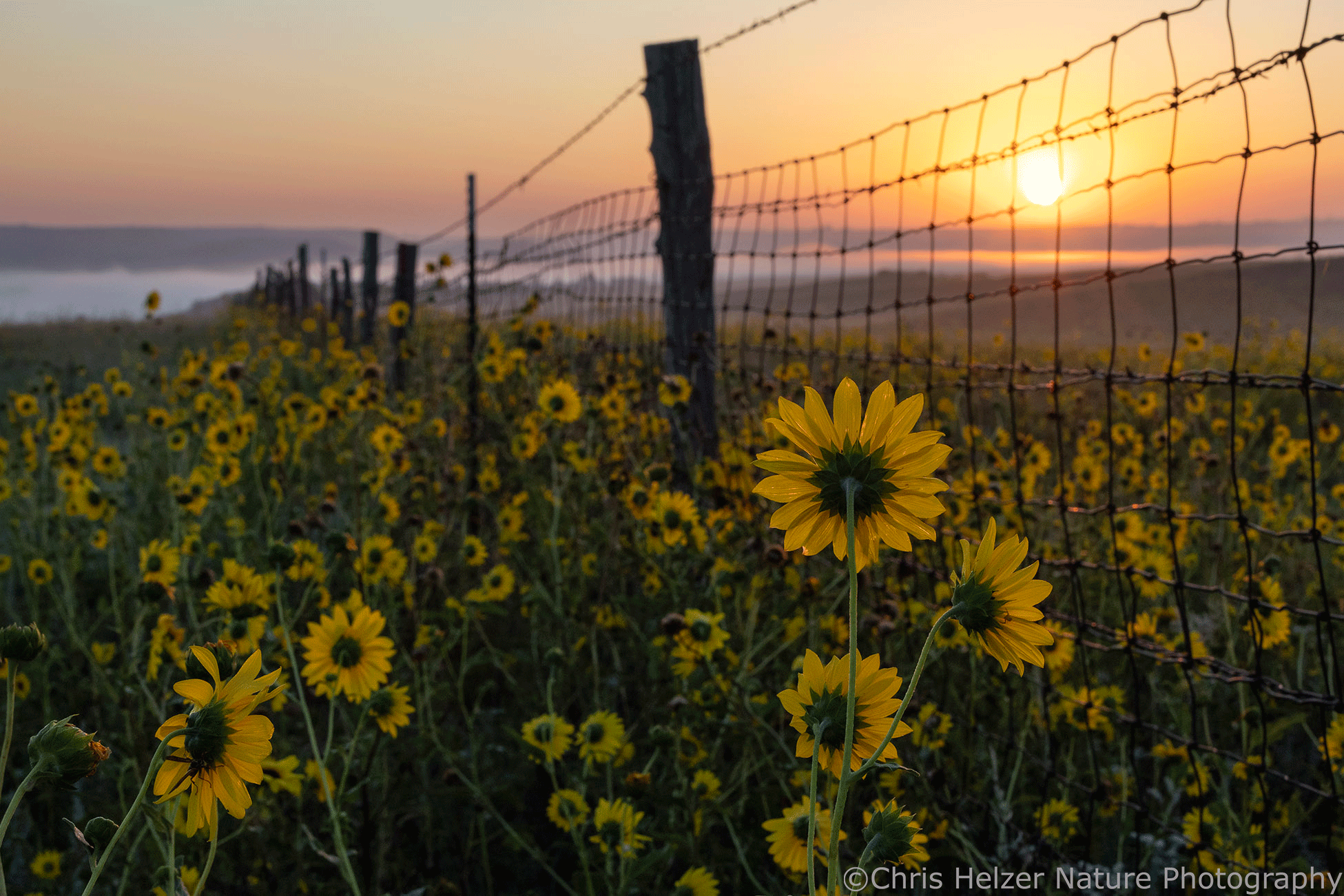
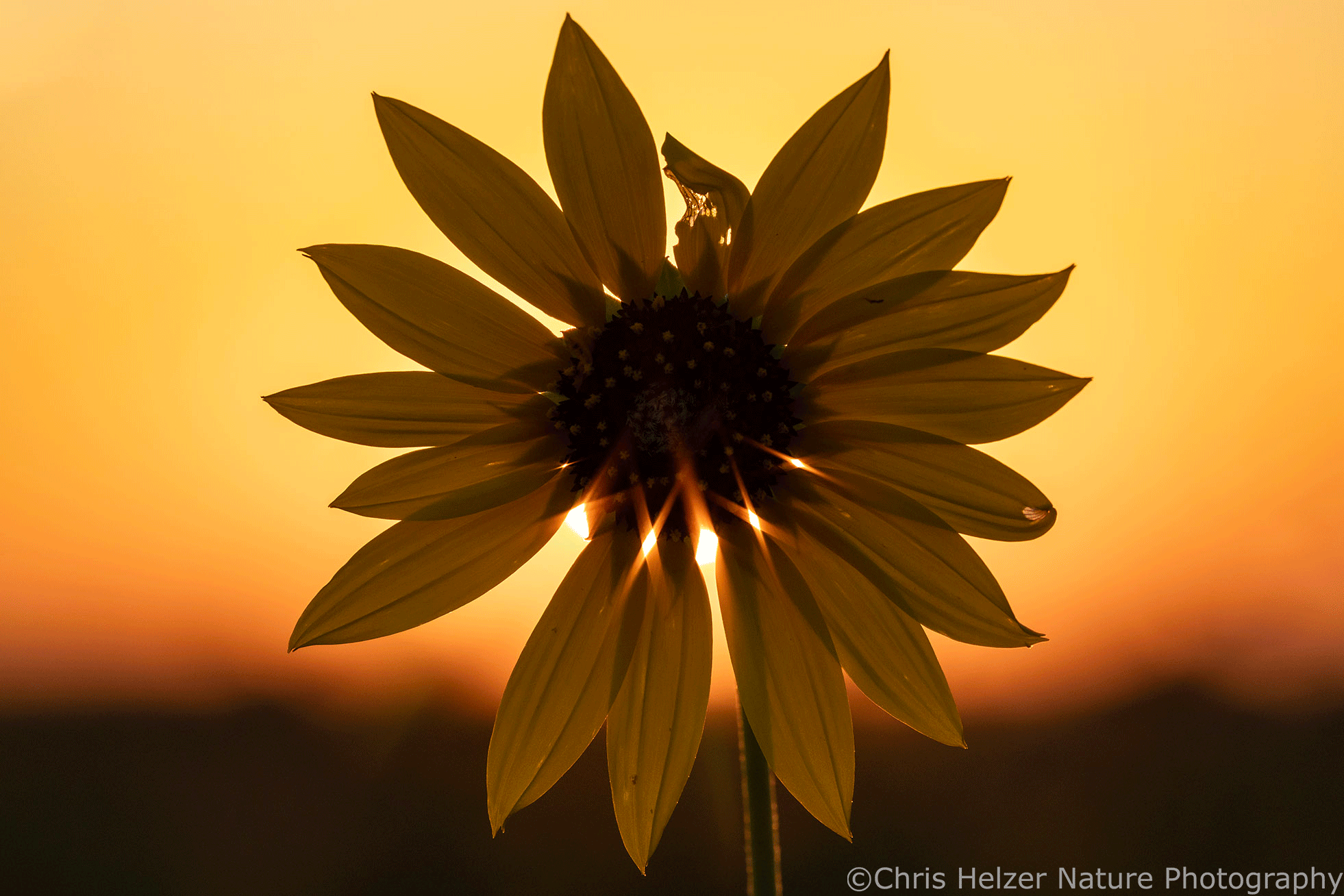
The bounty of sunflowers creates more than just abundant beauty. Sunflowers are very generous with their resources, including pollen, nectar, and seeds. They don’t hide pollen and nectar inside pods, and though the seeds are in shells, they’re laid out for easy access.
In addition to those resources, sunflower leaves are very nutritious, including for large grazers (especially early in the season) and lots of invertebrates, including as the favorite food for the plains lubber grasshopper. Plus, sunflowers produce extrafloral nectar from pores up and down the plants, which attracts hungry ants.
Huge numbers of annual sunflowers usually signifies a temporary drop in the vigor of dominant grasses and other perennial plants – from drought, fire, grazing, or a combination. While those other plants are regathering their strength, sunflowers step up and provide all their abundant resources to the members of the prairie community. Plus, of course, it’s a nice thing for photographers.
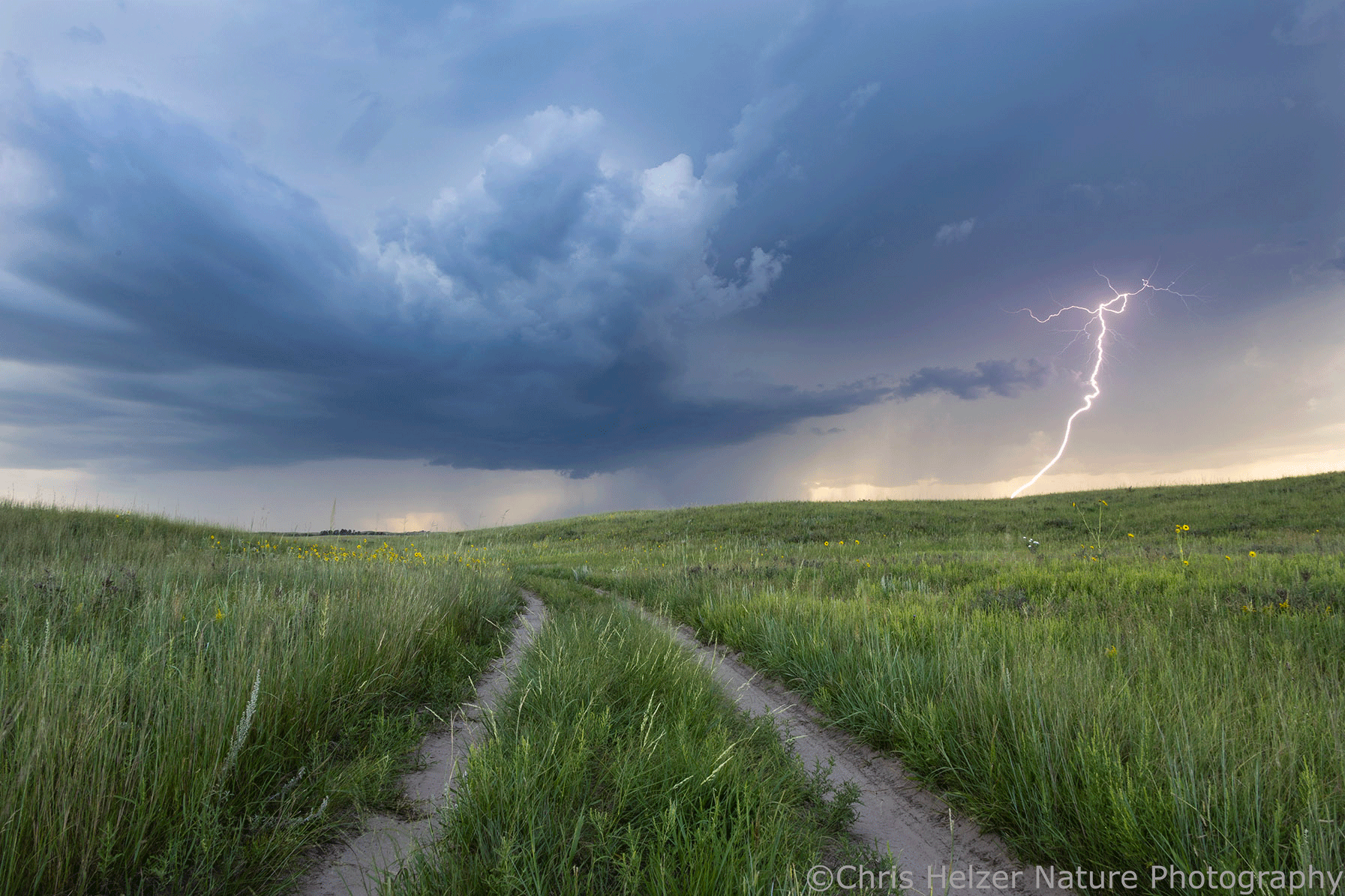
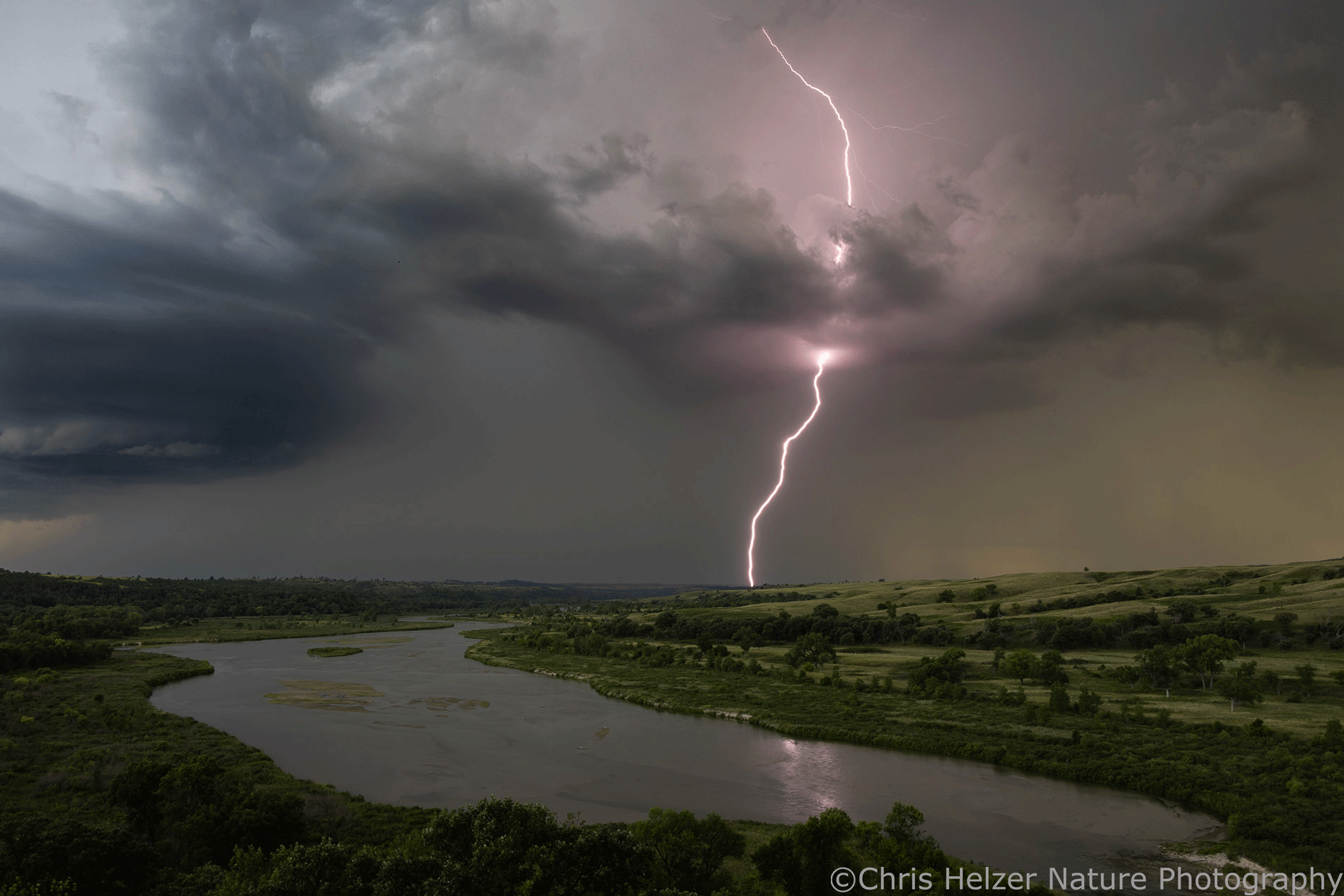
One evening, thunderstorms started forming off to the west of the Niobrara Valley Preserve and tracked northeast, providing a prolonged lightning show that kept just enough distance from the Preserve that I could watch and photograph it safely. After dark, the storms did pass directly over us, but I was safely in bed by then.
In late August, my impressive wife, Kim, and a bunch of other tough athletes ran a 50-kilometer race on the trails at Wilson Lake (north-central Kansas). I was there as driver and crew member – mainly to say something supportive and hand her food, water, or dry socks when she passed through the aid station. Most of the time, I was free to do my own thing while Kim and a bunch of other human outliers ran up and down rocky hills all day.
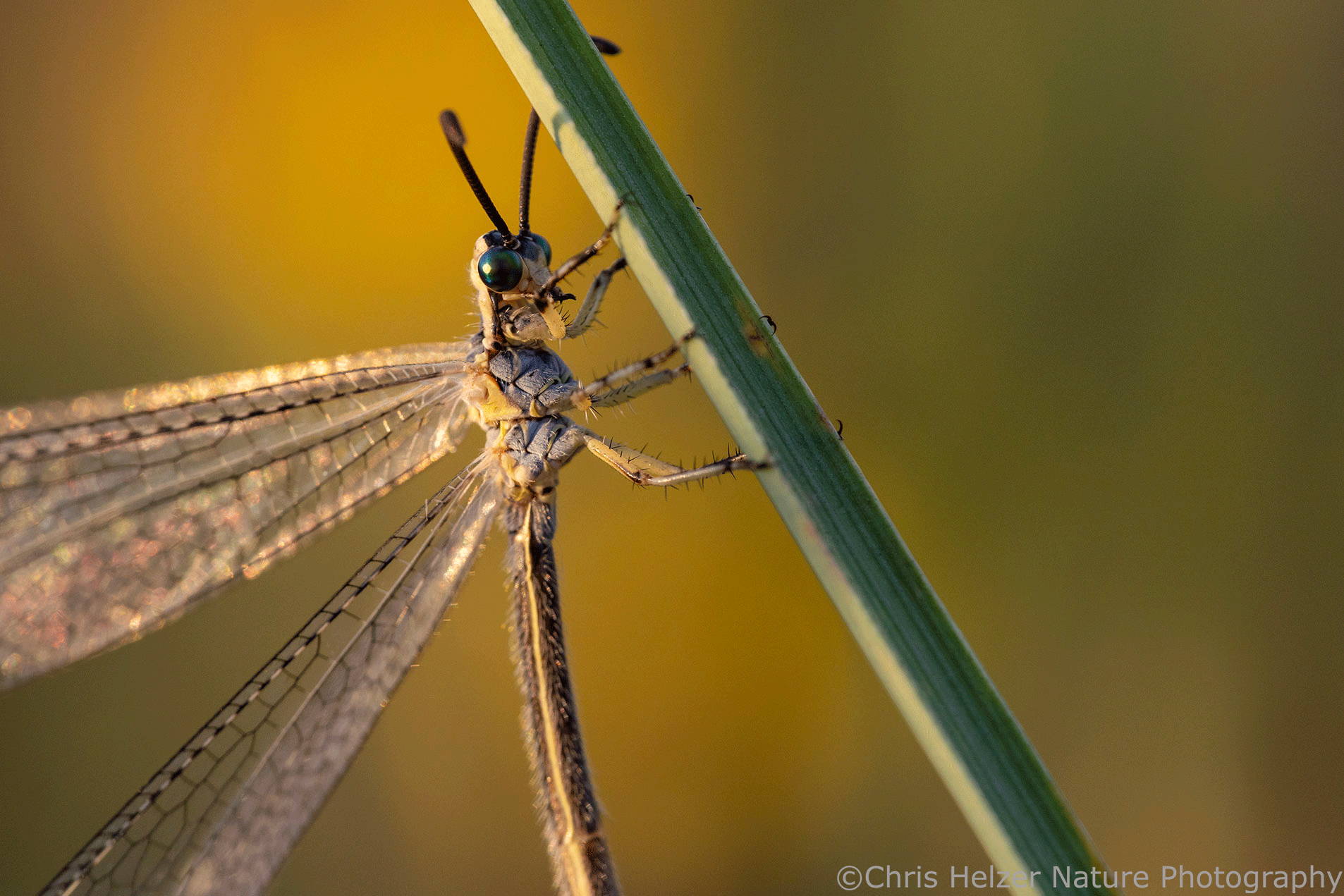
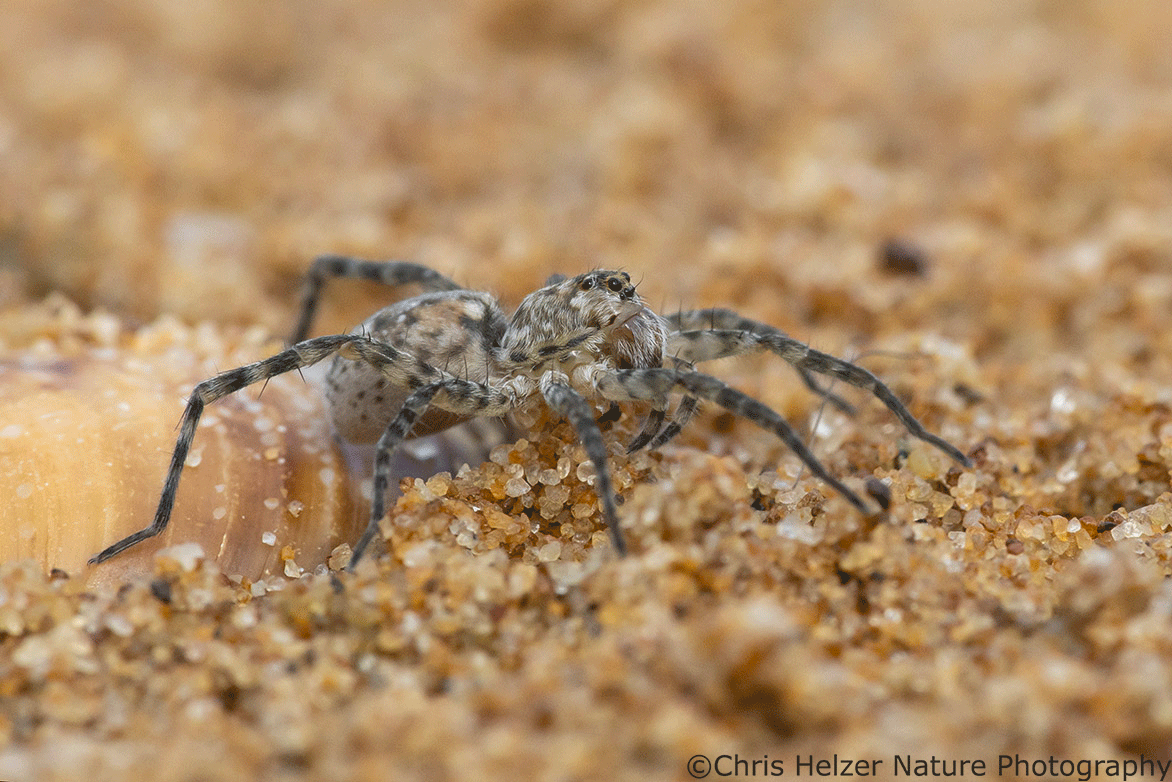
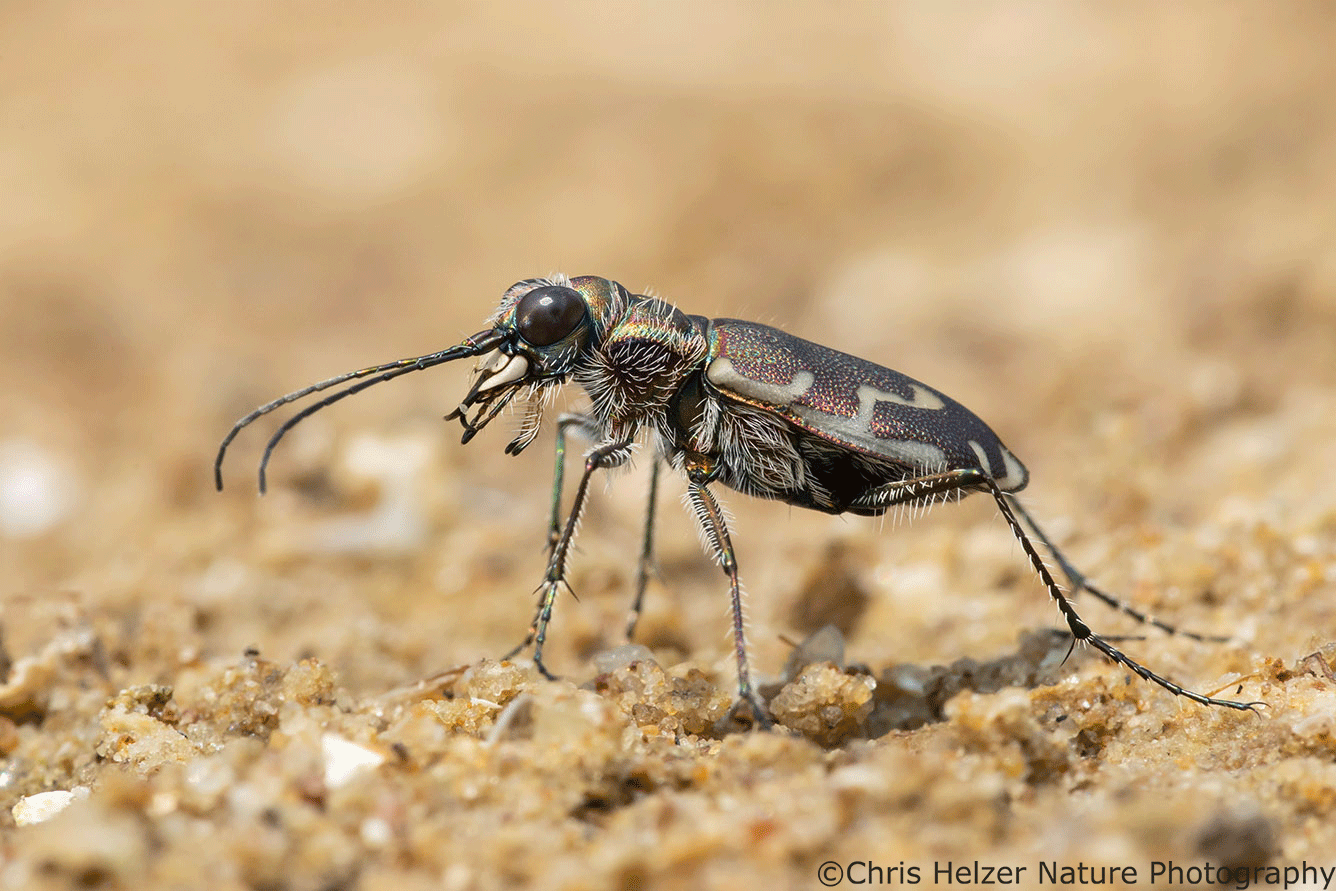
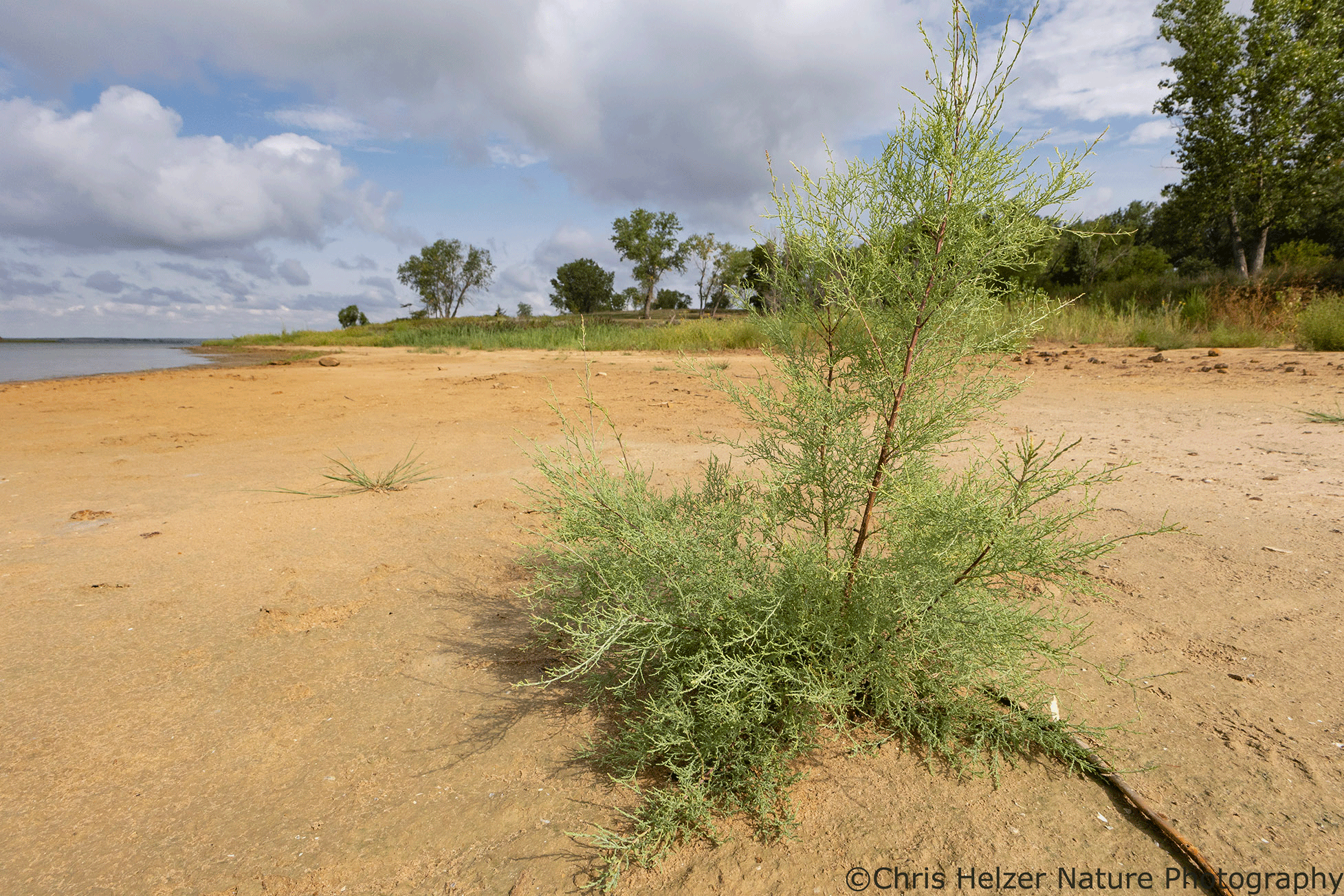
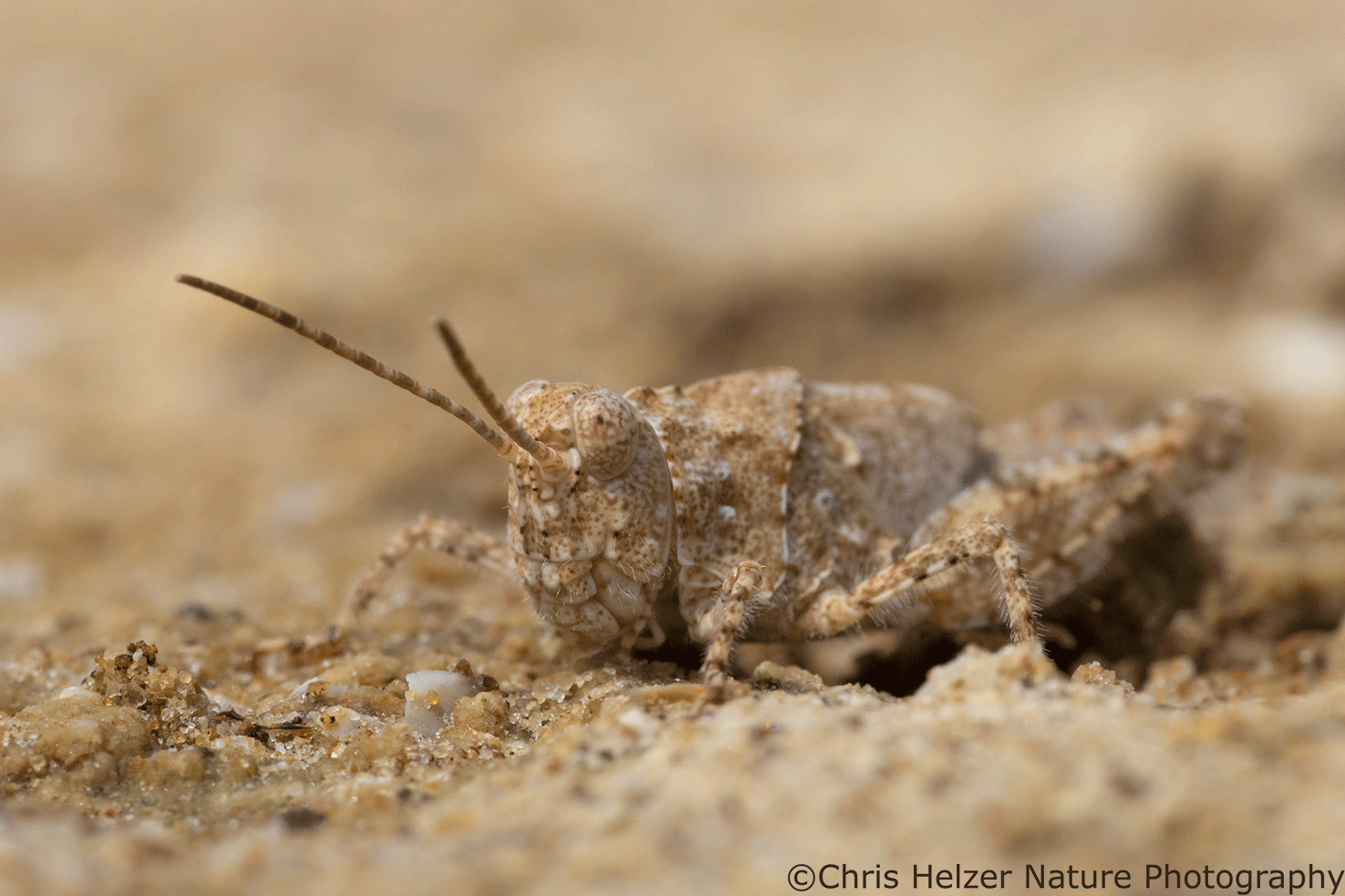
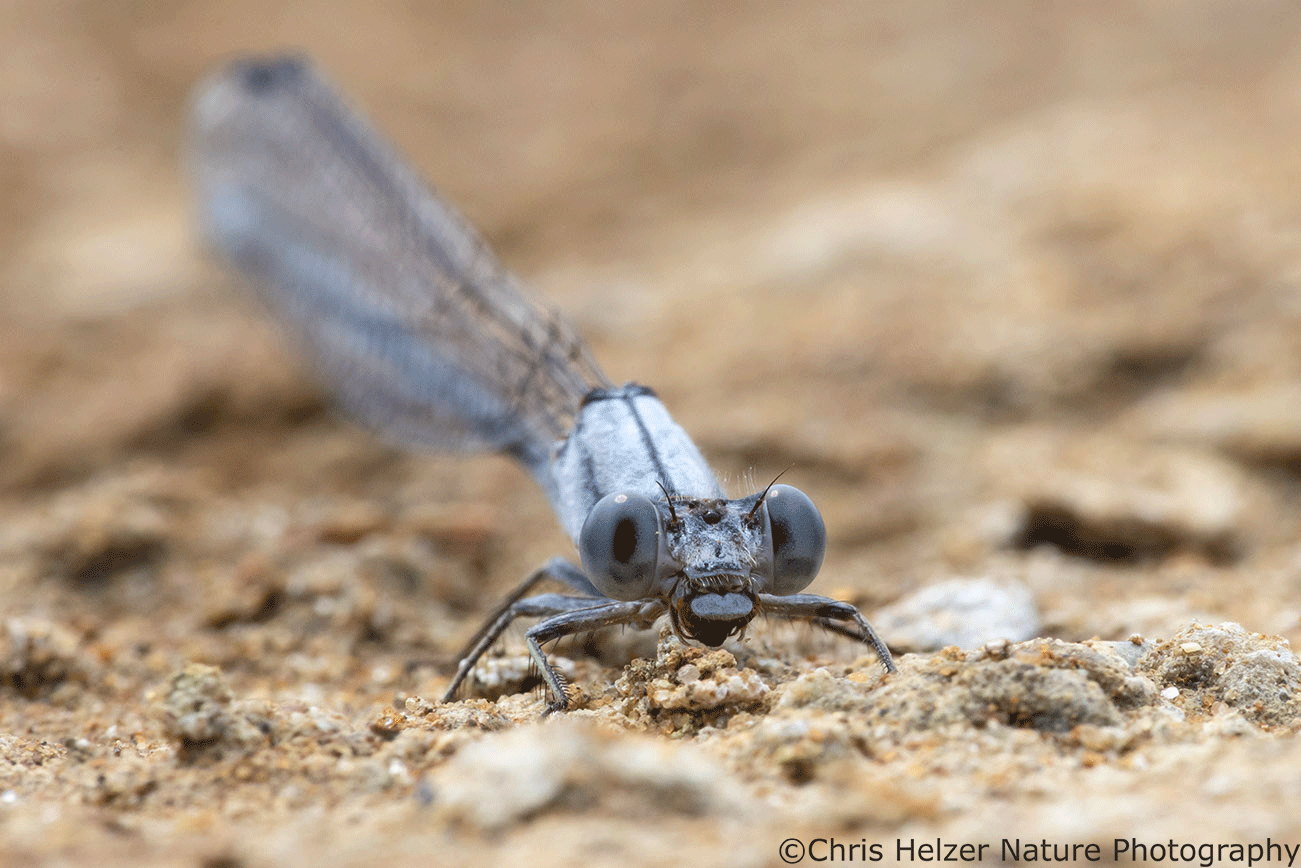
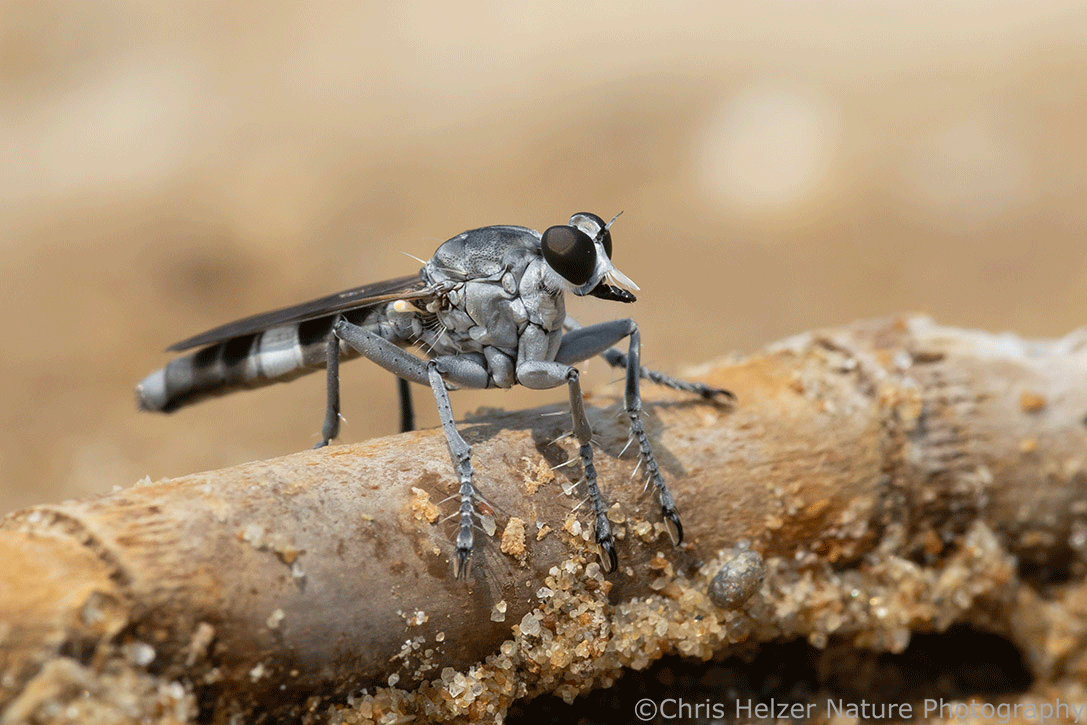
It was a cloudy, breezy day, so I wandered down to the sandy banks of the lake where the wind wasn’t as disruptive for photography. I spent a lot of time on my belly, trying to photograph invertebrates who were feeding, hunting, or trying to warm up on the open sand whenever the sun peeked out from between clouds.
As per usual, I had to ignore the onlookers who were trying to figure out why a grown man was lying in wet sand with a camera. The diversity and activity of little creatures was well worth it.
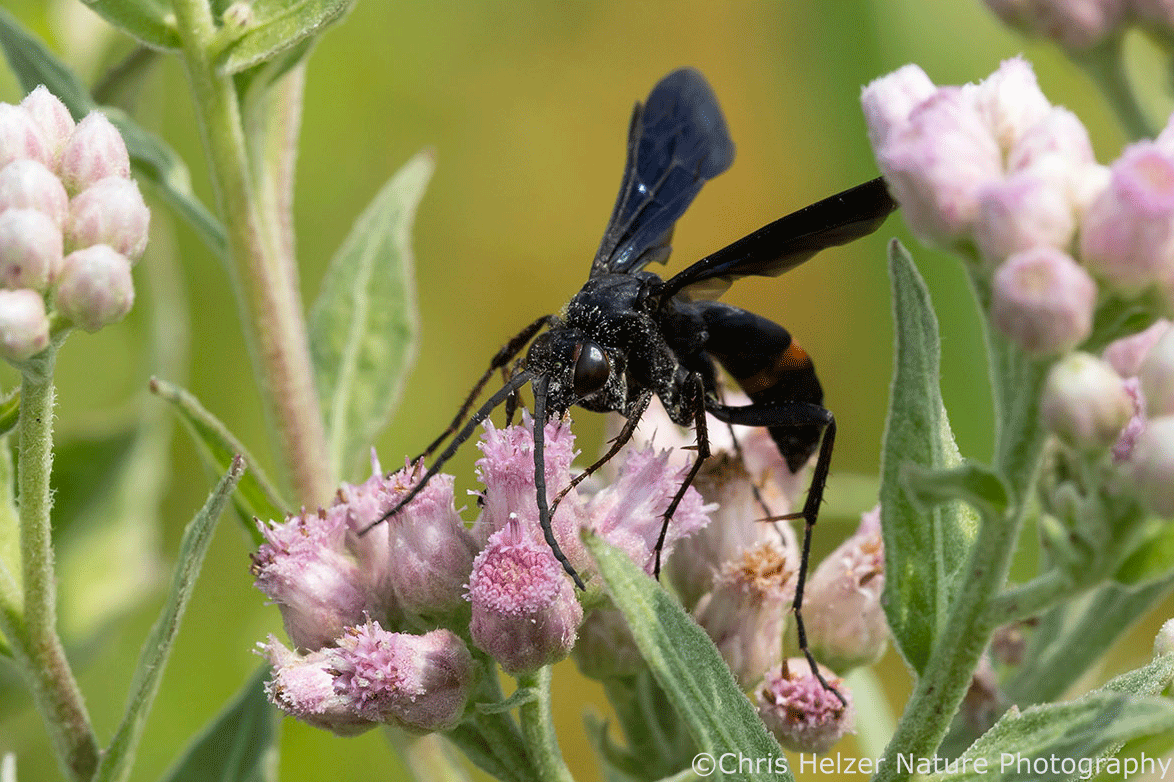
Along edge of the sand, just before the land rose up into the rocky prairie, I found an abundance of marsh-fleabane (Pluchea odorata). It was a very pretty plant, but even more attractive to scads of pollinators than it was to me. I photographed quite a few different butterflies, flies, and wasps on and around the plant. Since this has become a long post, I’ll just share one example.
It’s hard to believe there are only about six weeks of this growing season left here in Nebraska. I spend a lot of time outside, but I still feel like I’ve missed way too much this year and am now running out of time to see everything that’s happening. It’s going to be hard to concentrate on any indoor activities during the next month-and-a-half, knowing that while I’m stuck indoors, prairie species are rushing around trying to do everything they need to before frost hits. I should be out there with them!
Ok, gotta go.


 The Prairie Ecologist