
Do you remember that square meter photography project I did? Twice?
Whew, that was a lot of work. Don’t get me wrong, it was more than worthwhile, but it was definitely a big commitment. I may try it again someday, but not right now.
I continue to enjoy writing and talking about those two year-long projects and I hope to have another product or two come from those initial efforts. In the meantime, I’ve been thinking about some variations on the same theme. I tested one of those last week. I went out to my family prairie and marked out a square meter. Then I spent one hour photographing everything I could find. It was fun!
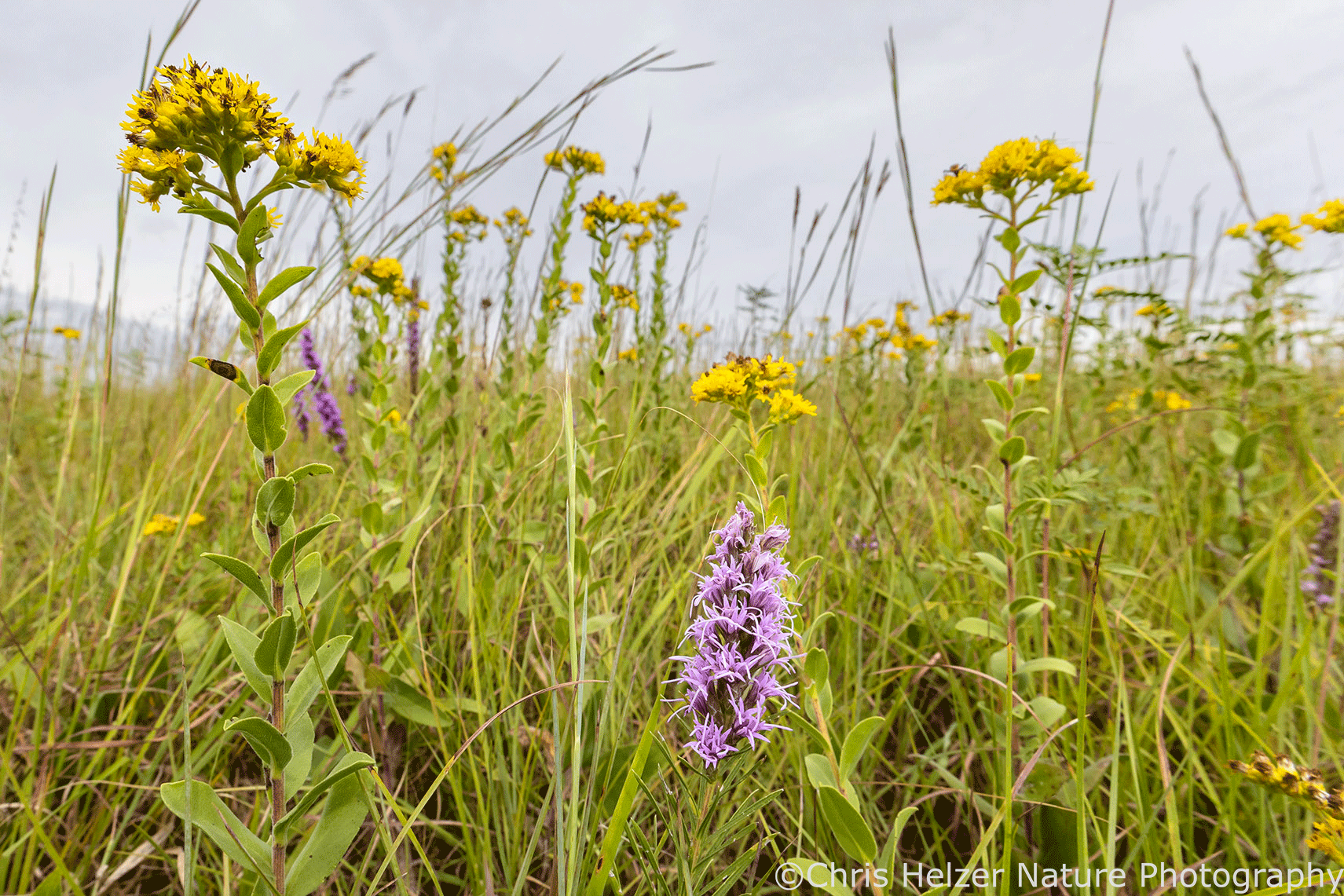
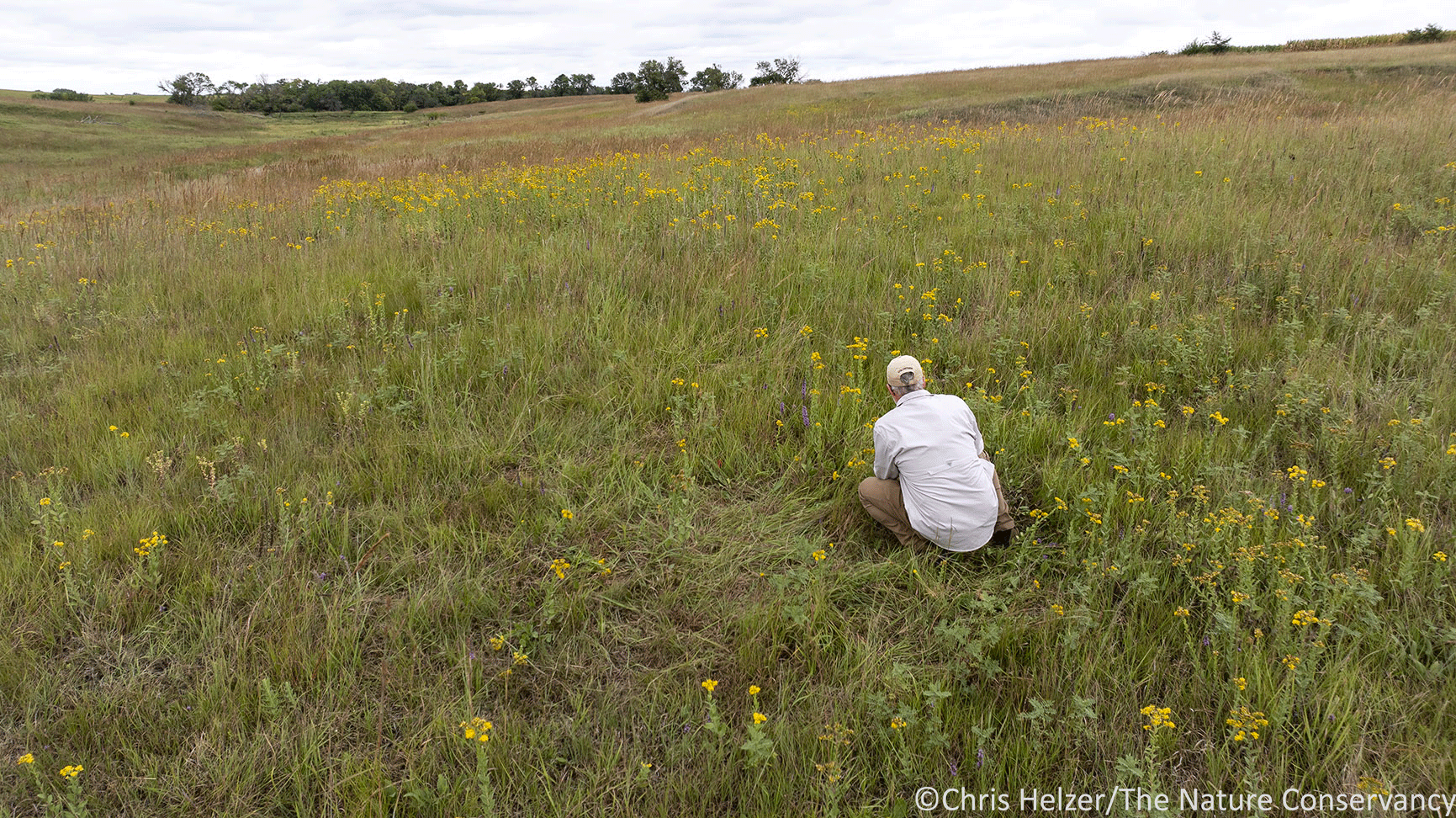
What I like about the one-hour version of this project is that it’s very accessible. It’s accessible to me, of course, because I just need to commit 60 minutes of time. More importantly, though, it feels like something that just about anyone else could do, too.
One of the best aspects of this square meter plot story so far is that I’ve heard from a lot of people that they’re trying some version of the project in their backyard, a nearby prairie, or other places. Some people are getting their kids or friends involved, as well. That’s awesome.
However, I think some people are intimidated by the time commitment needed to revisit the same spot over and over. But, hey, everyone can find one hour of time, right?
Let’s see if that’s true. I’m issuing an official challenge – the One-Hour Square Meter Photography Challenge! Can you mark out a square meter and photograph (or draw, or write about) everything you can find in an hour? It doesn’t have to be in a prairie. It can be a potted plant or two on your apartment balcony. It can be a corner of your neighborhood park. Just find a little spot, settle in for an hour, and see what you can find!
What would really make this work is if everyone who does it could then share what they found with others. Post about it on social media! Share you photos (or drawings, or poems, or essays) with friends or at a meeting of your favorite civic organization or social group. Show people how amazing and beautiful nature can be, even at a small scale, and in places where others could find what you found.
Here’s my first attempt. Darker than expected clouds meant the photography light wasn’t great and slowed insect activity a little, but it was still a lot of fun. I will definitely be doing it again. I hope you will, too!
(If the two videos below don’t play, click on the title of this post (top of the page) to open it online.)
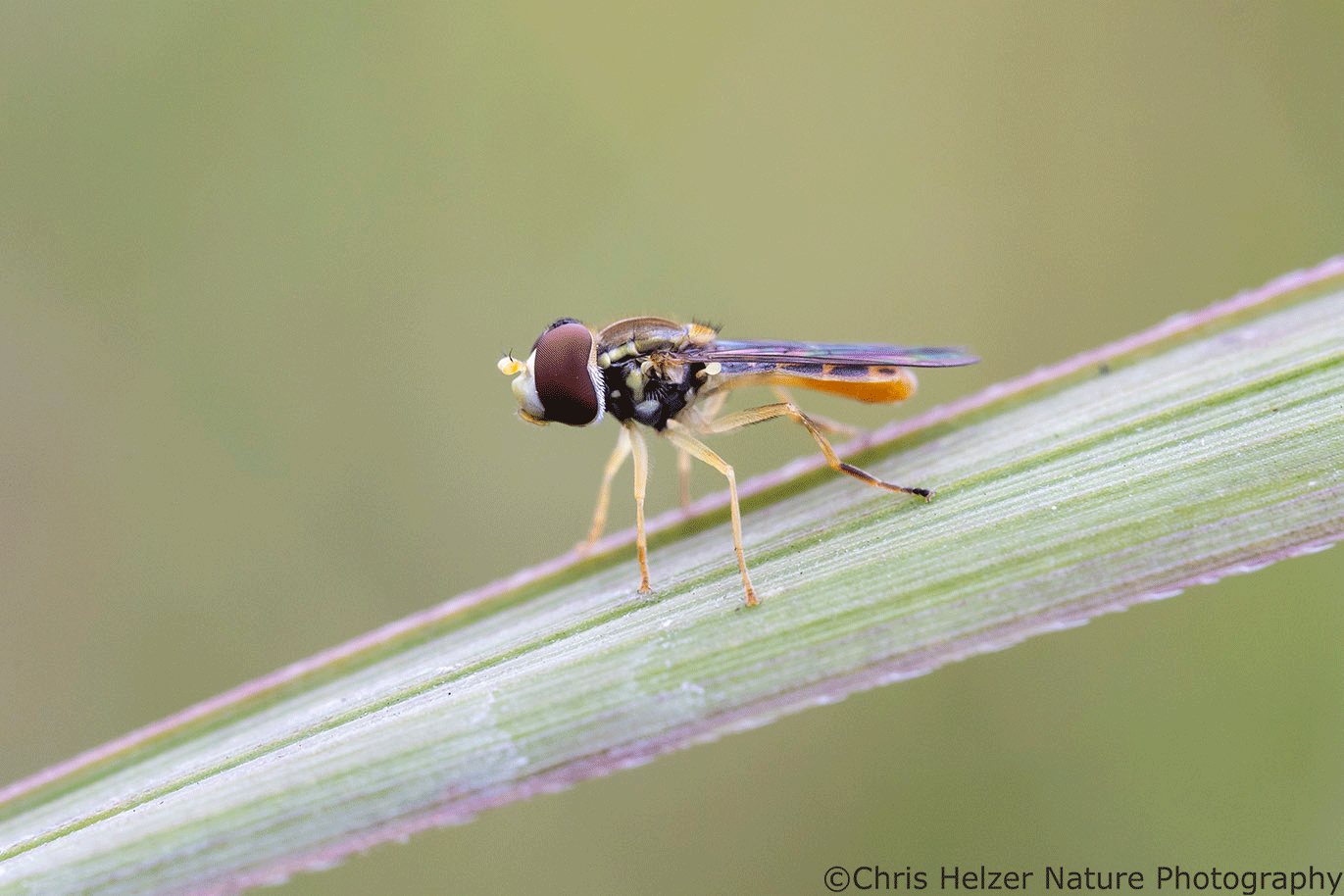
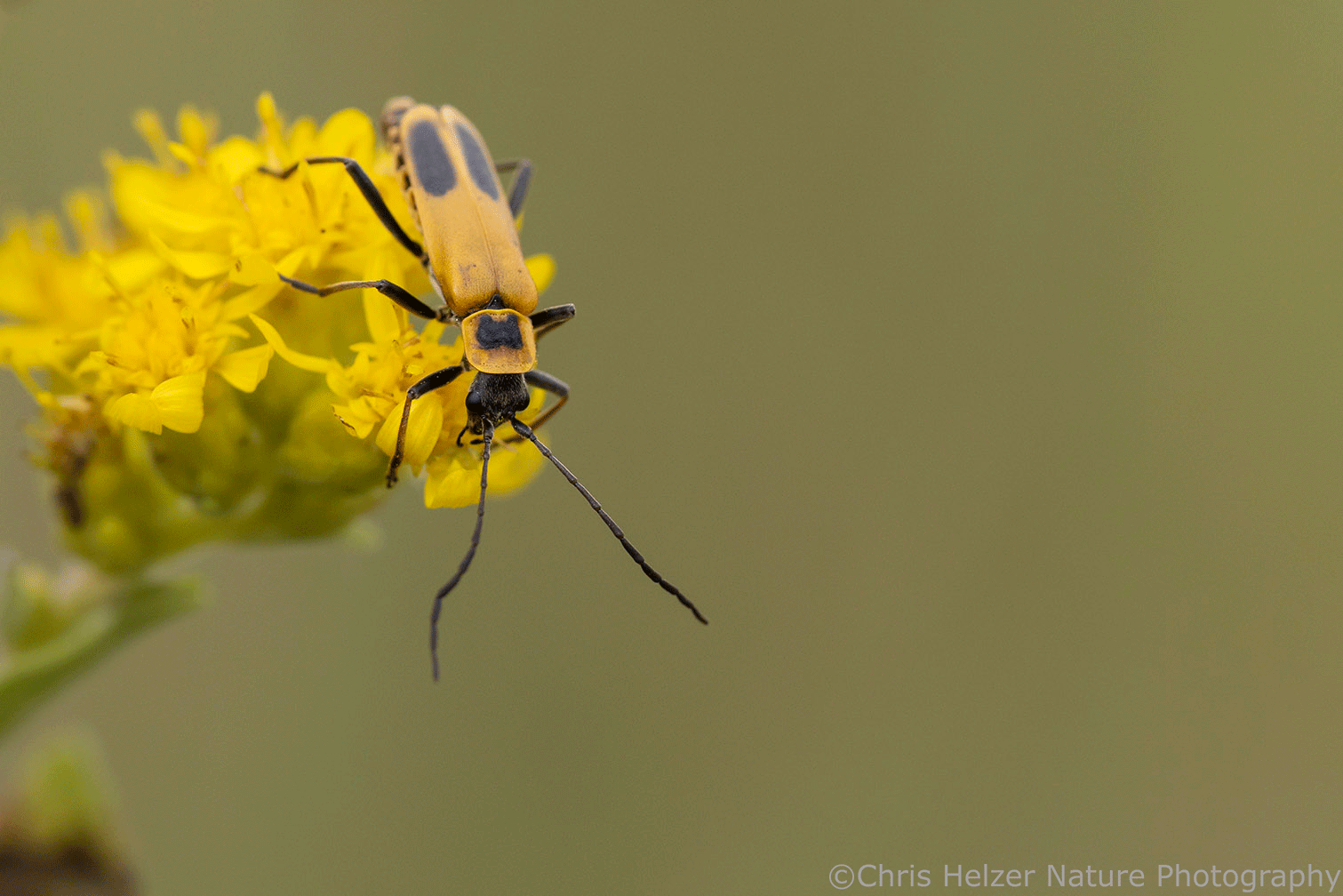
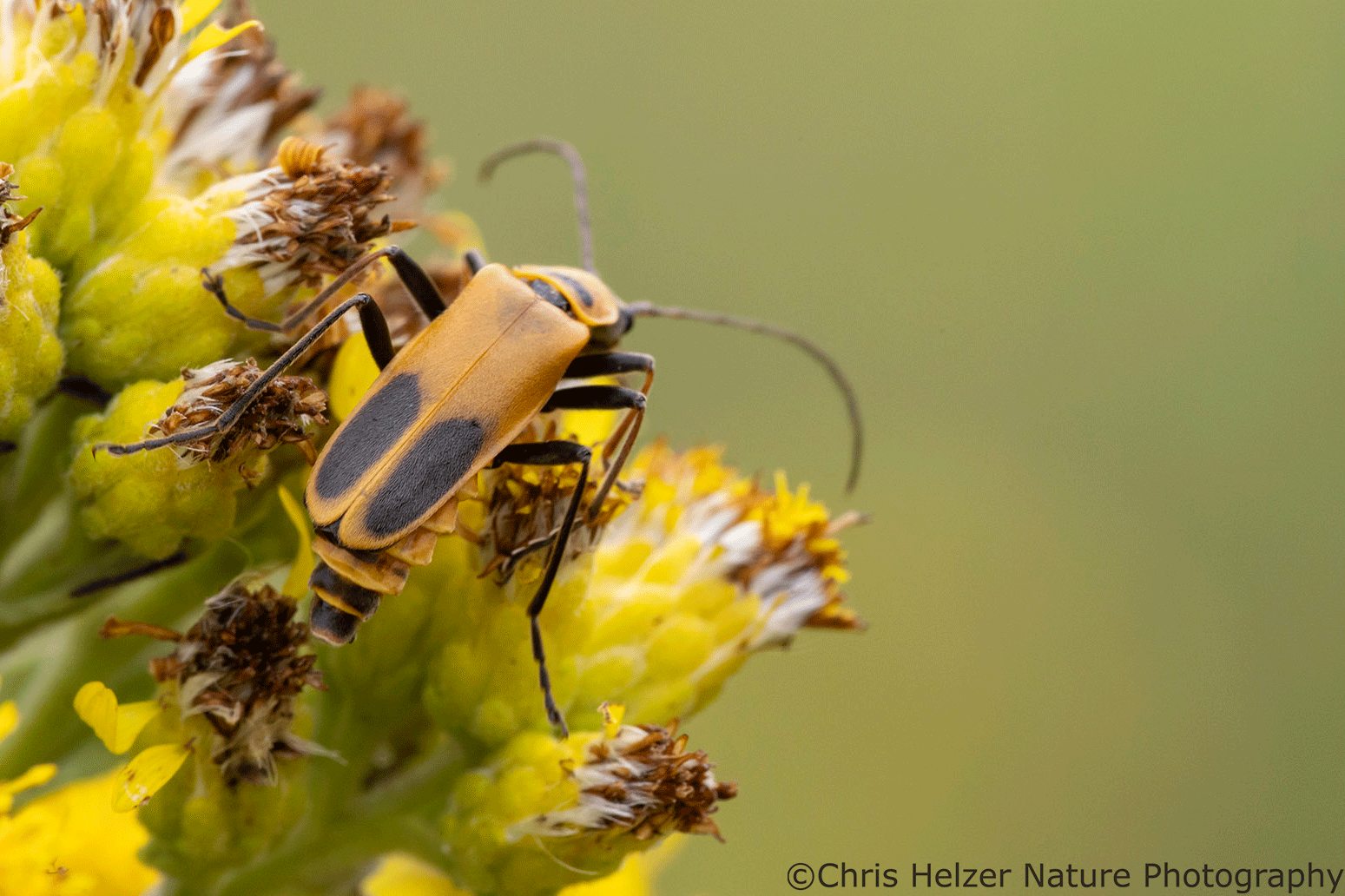
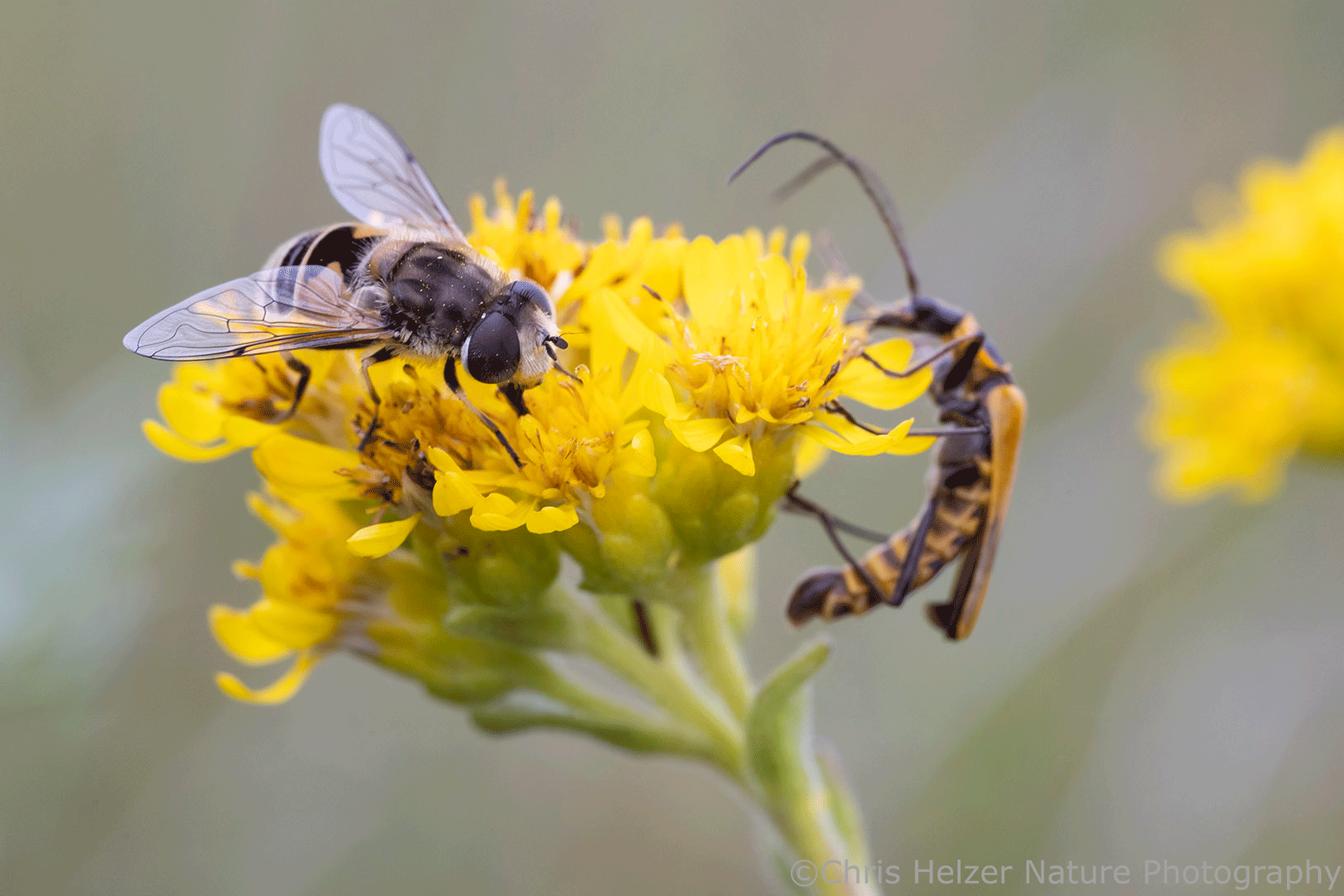
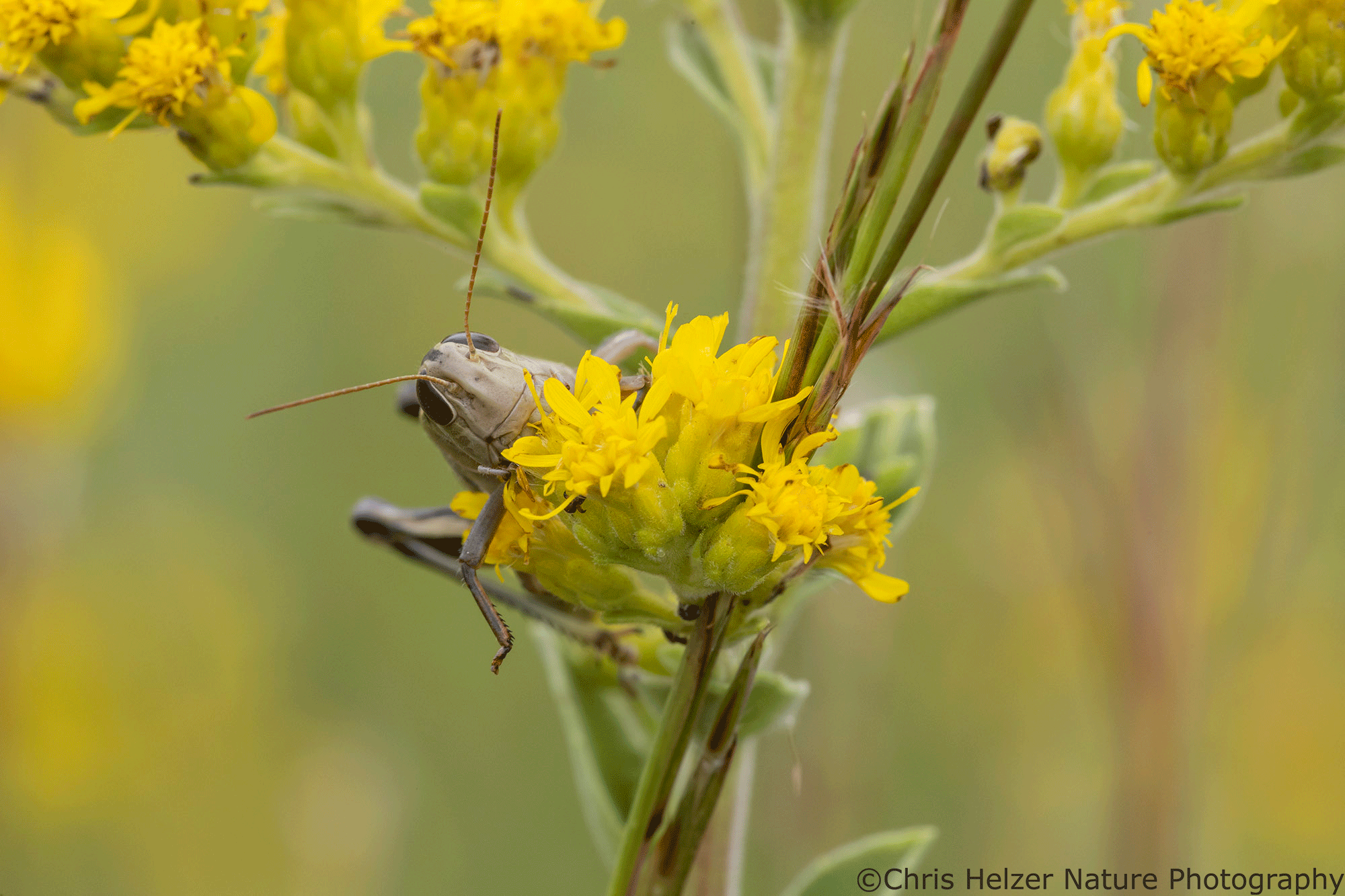
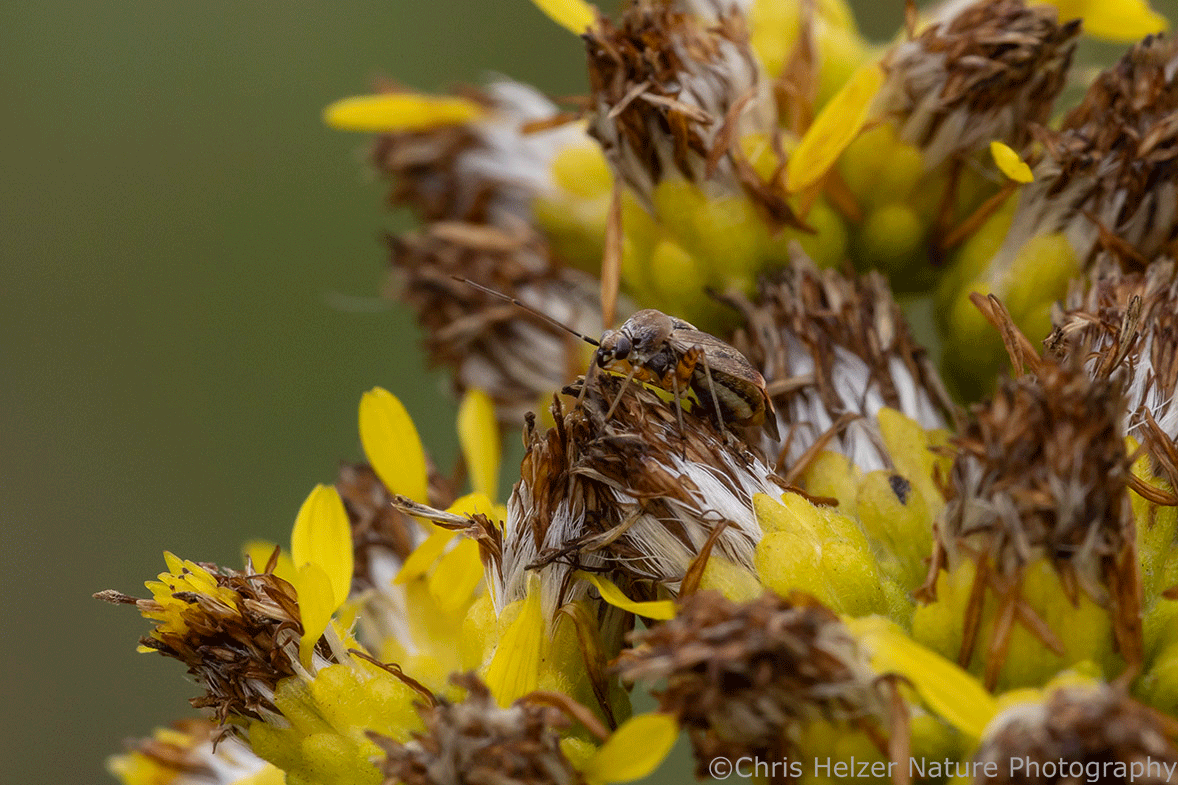
The big showy plants in the plot were definitely dotted gayfeather and stiff goldenrod. Their flowers were attracting lots of insects – some of which I managed to photograph. Right before I started, I saw a butterfly and a moth, but neither returned after I got my camera out.
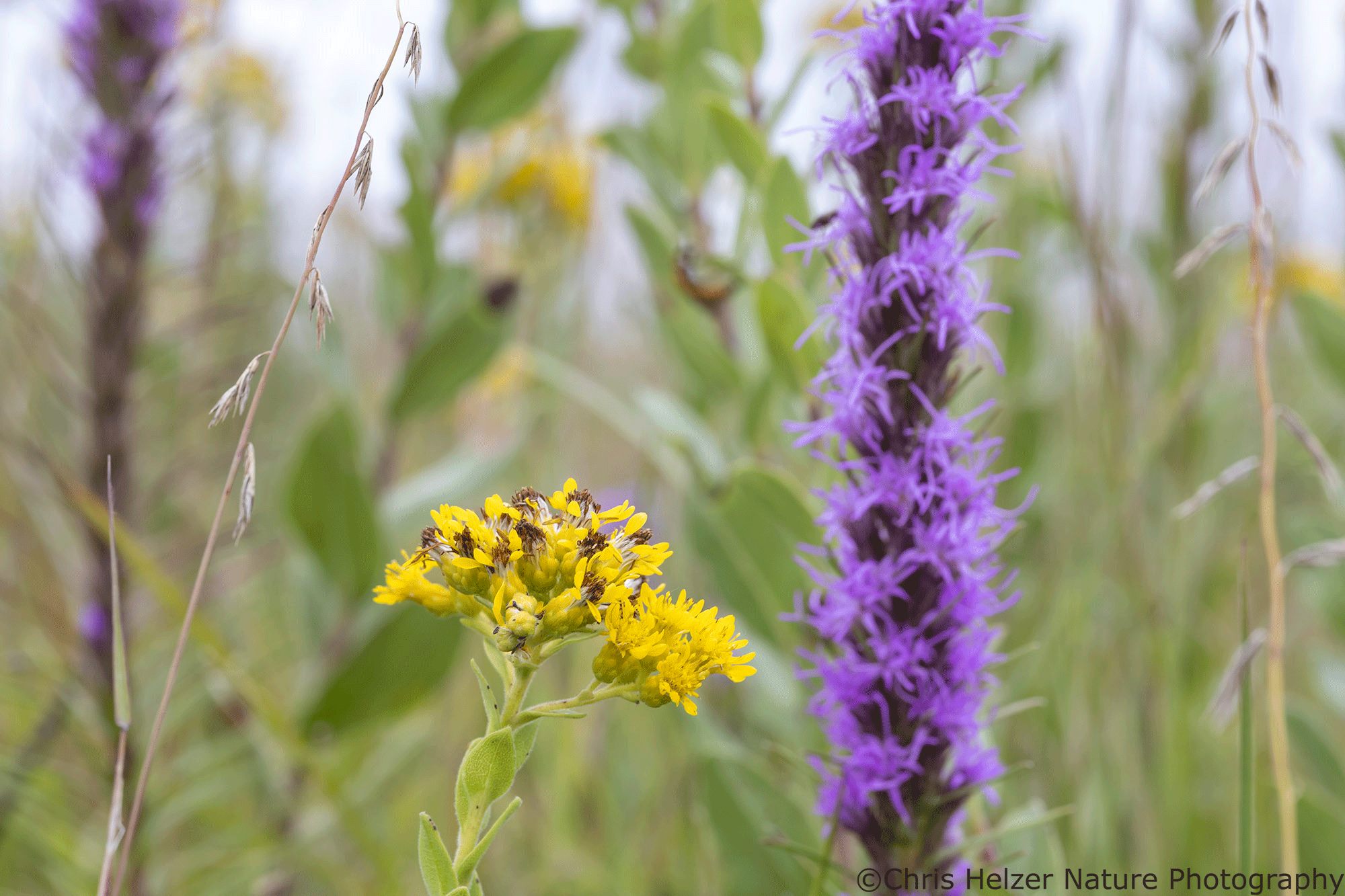
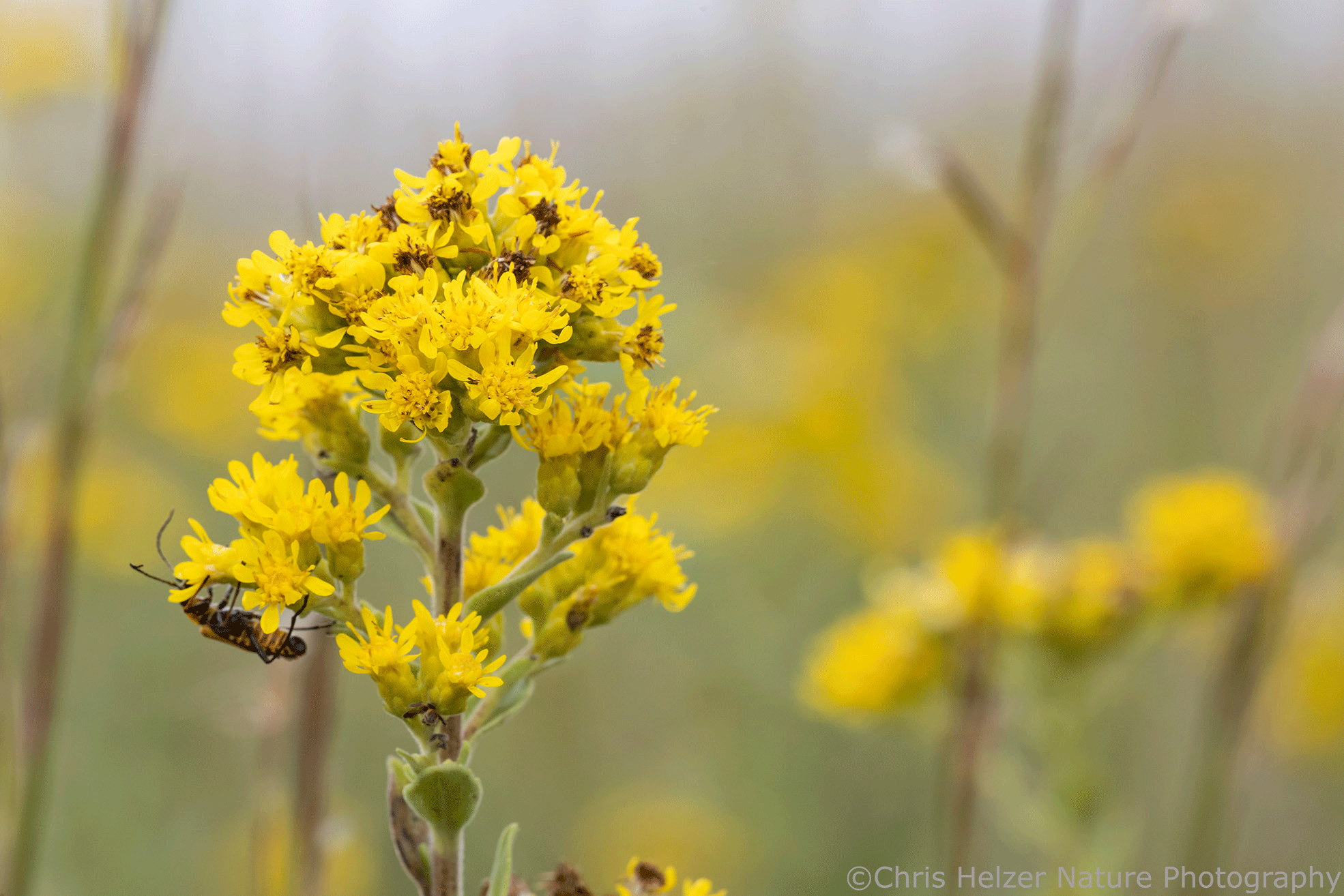
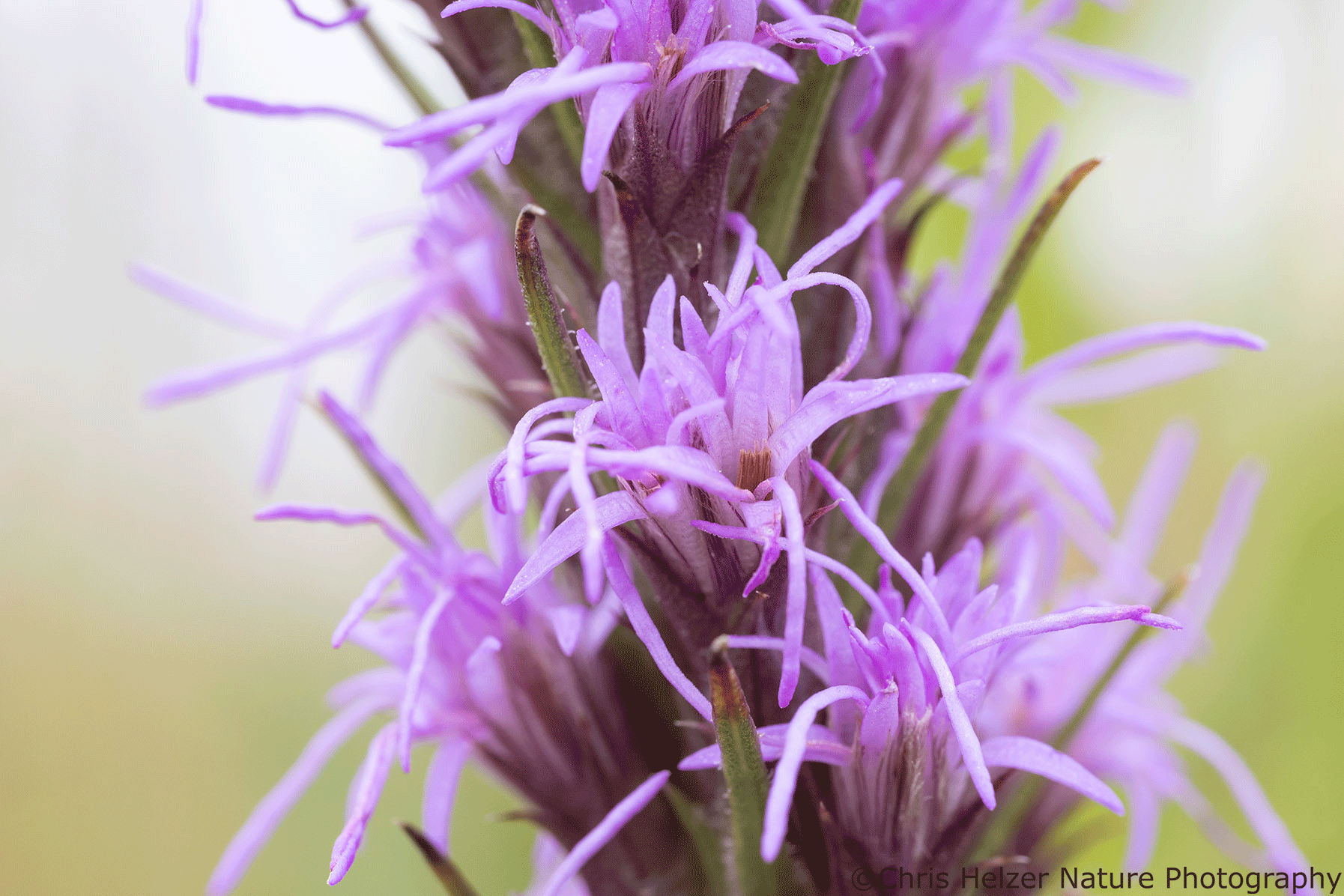
There were several grass species in the plot, with Indiangrass and sideoats grama being the most visually dominant.
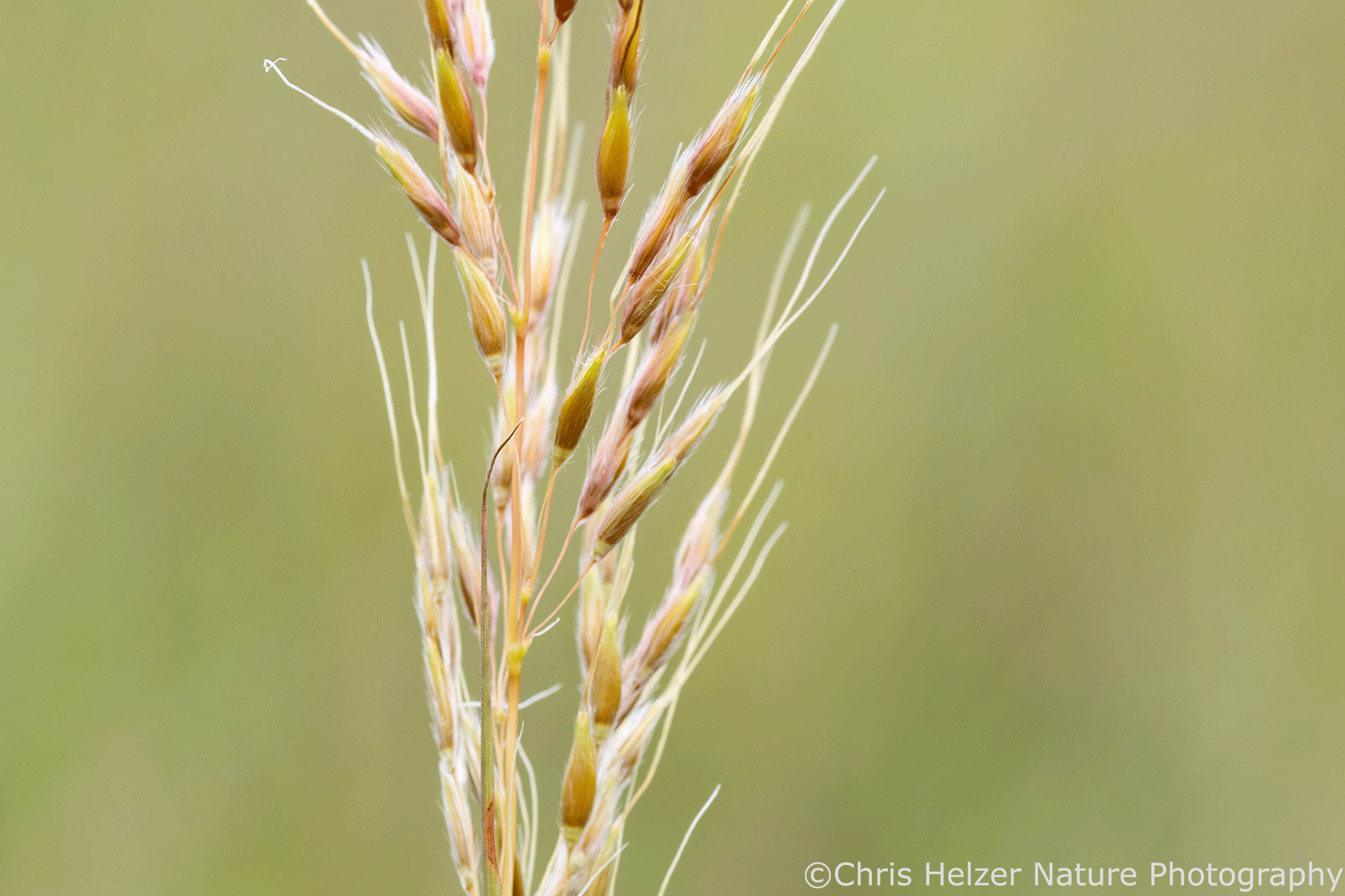
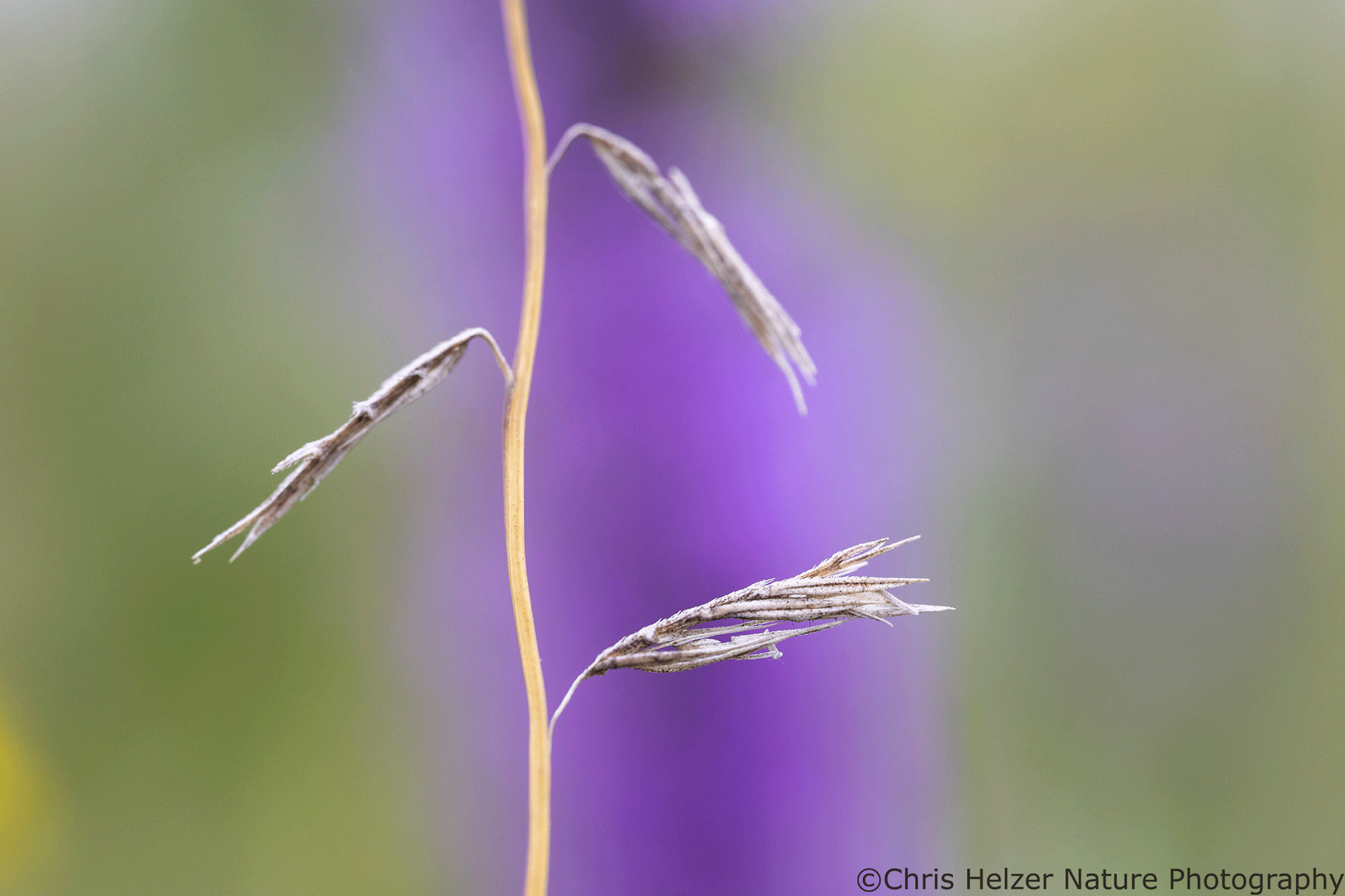
One of the conundrums I faced was whether to spend time trying to photograph every plant species, including some very small plants, or to stay vigilant to pollinators and other insects coming and going from flowers. I tried some of both, but definitely missed a lot of shots because I was splitting my attention.
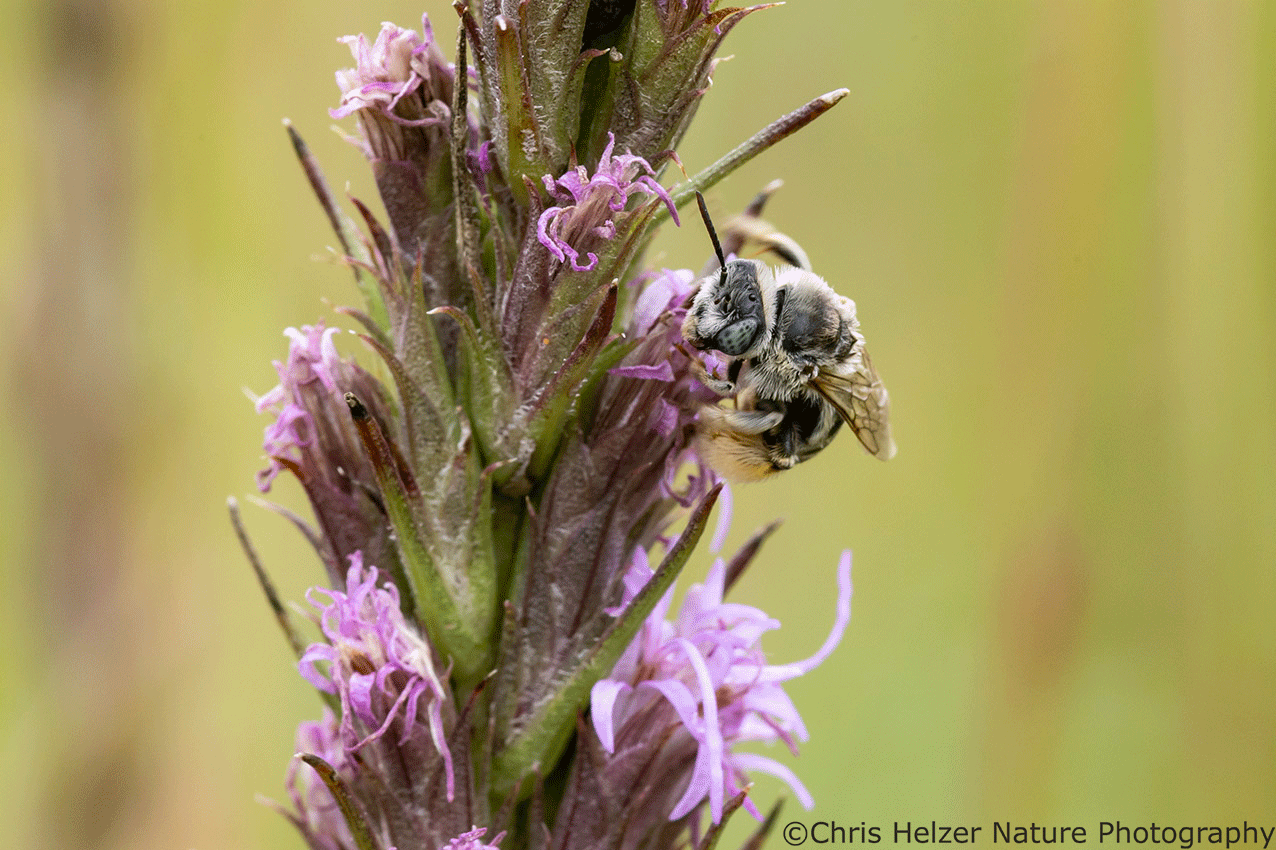
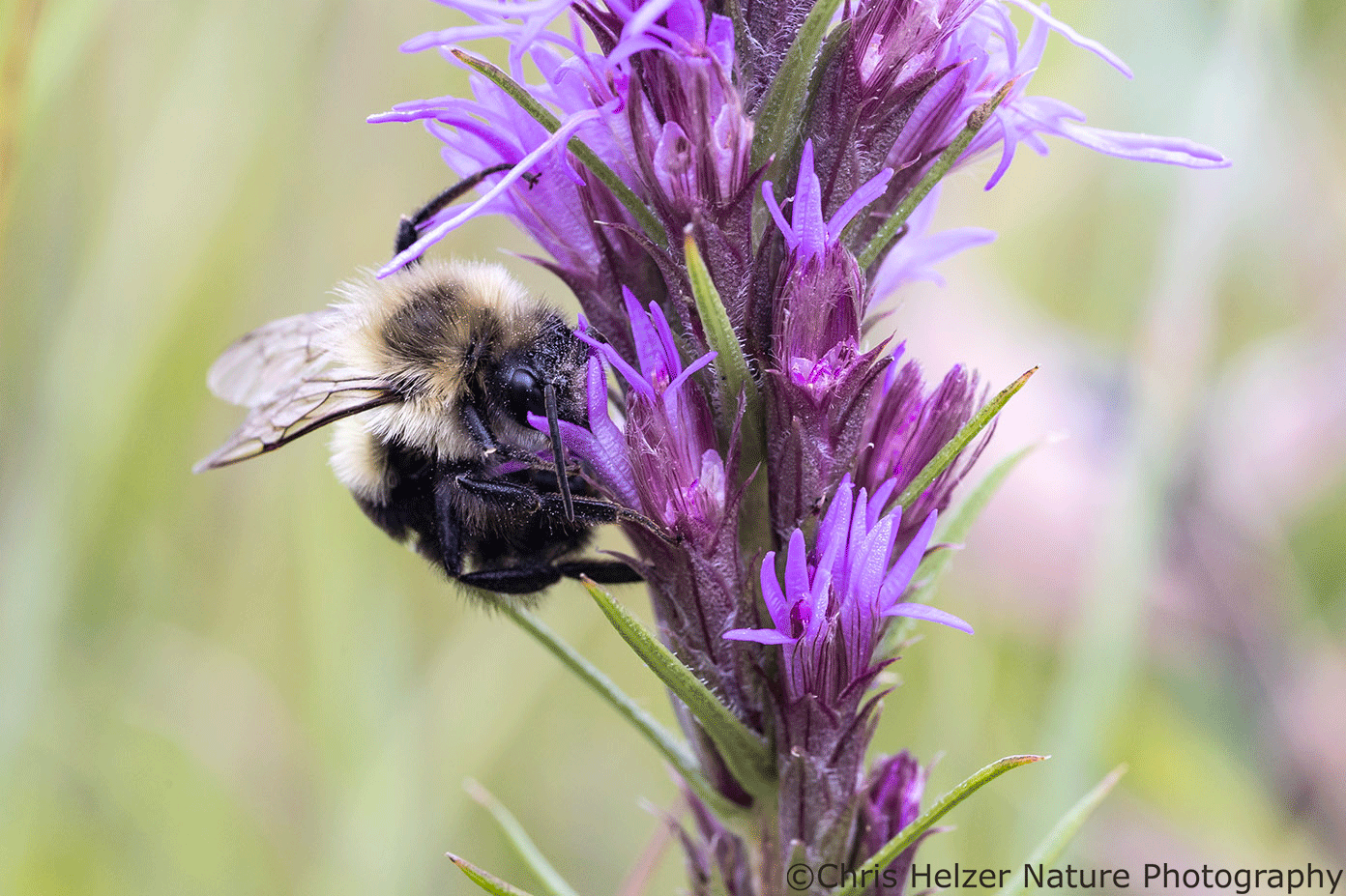
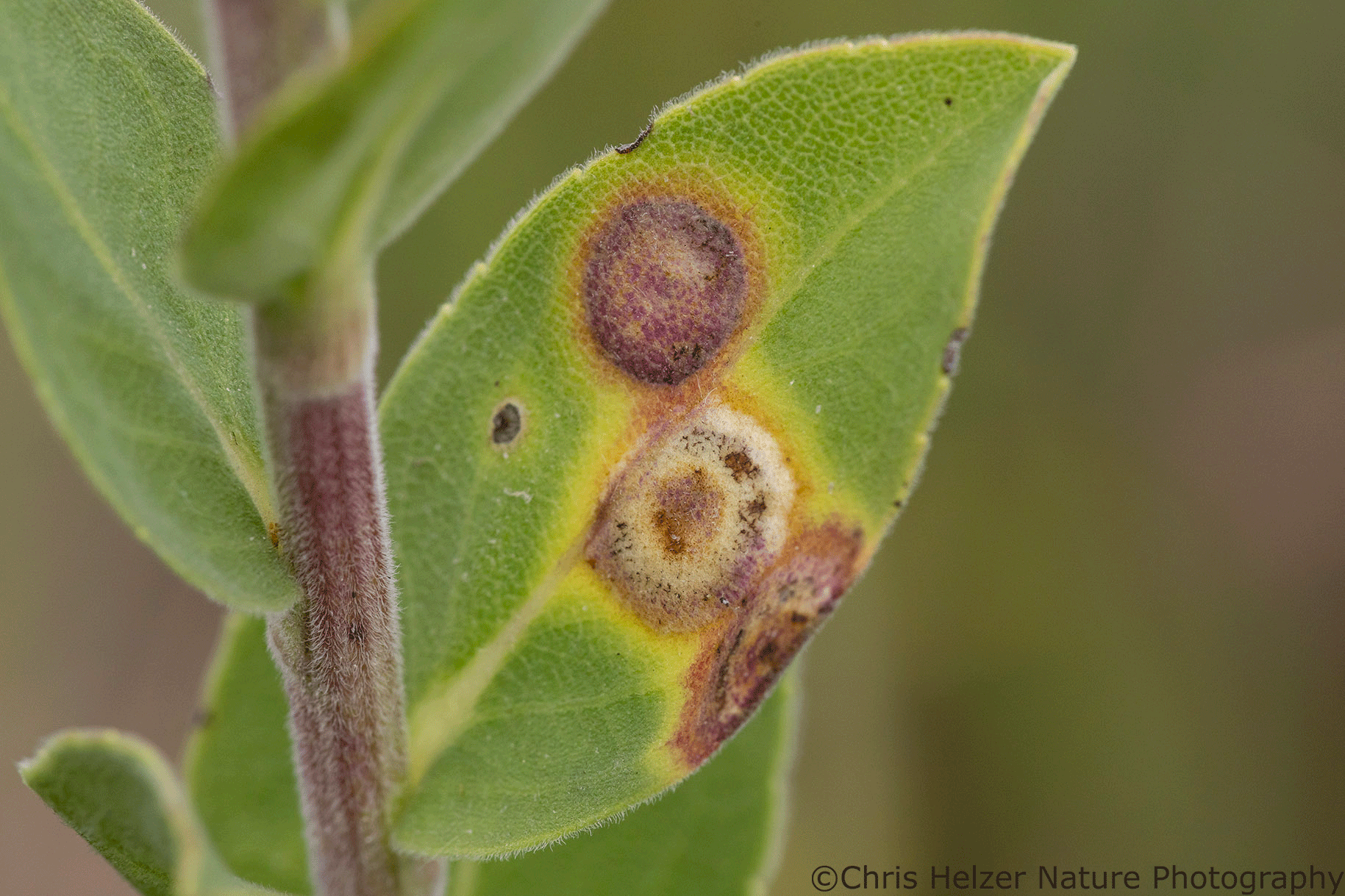
The stiff goldenrod plants had leaf galls on them. Based one some observations and literature reading I did a few years ago (and blog post I wrote), I think the galls were created by a midge (a kind of fly) and a fungus working together.
Here are the plants I found when I spent time looking closely. I ended up photographing 15 plant species, which is a very reasonable number of species per square meter in this part of the world, and I’m sure there were more that I missed because I wasn’t trying to be comprehensive.
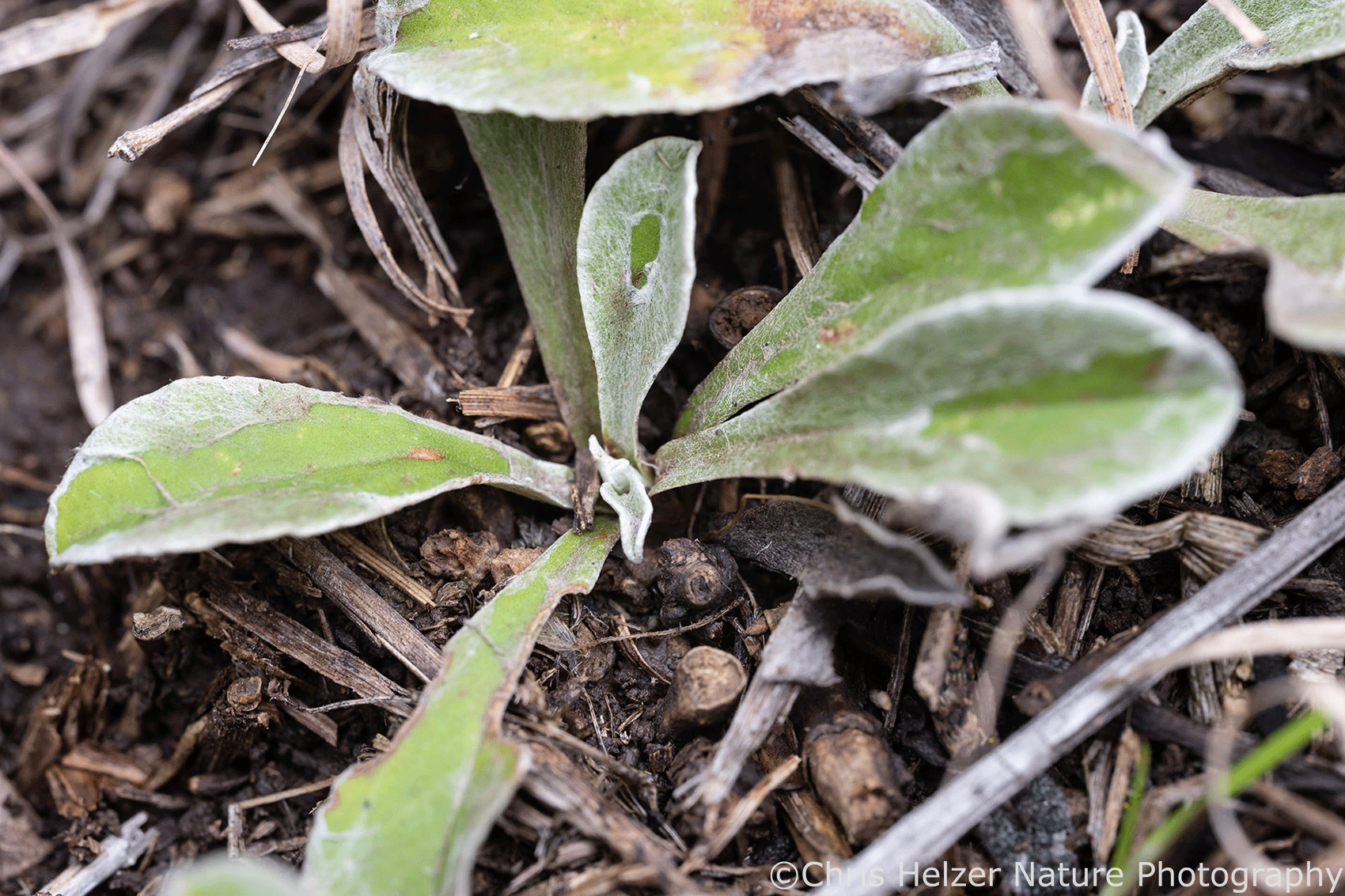
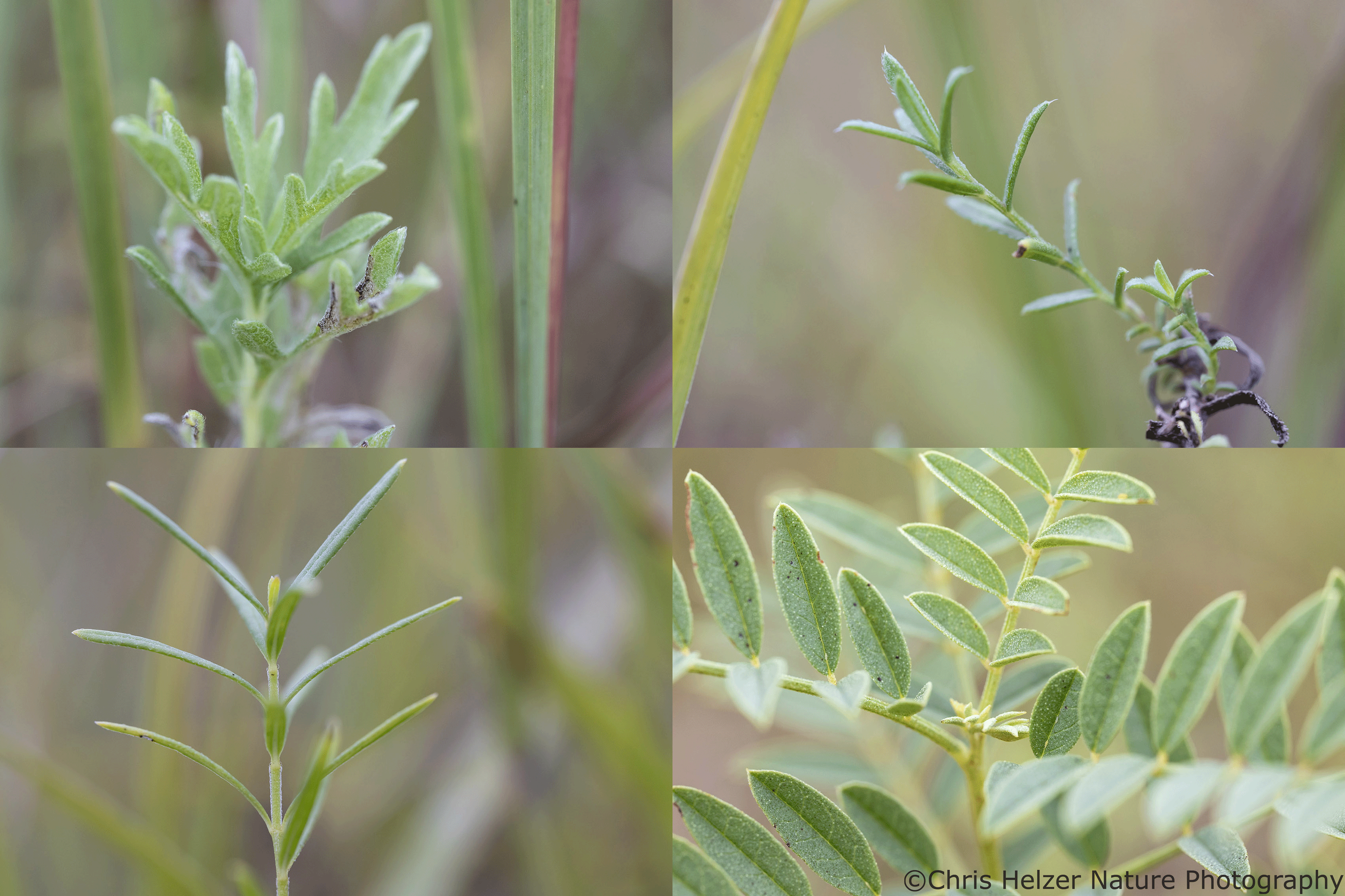
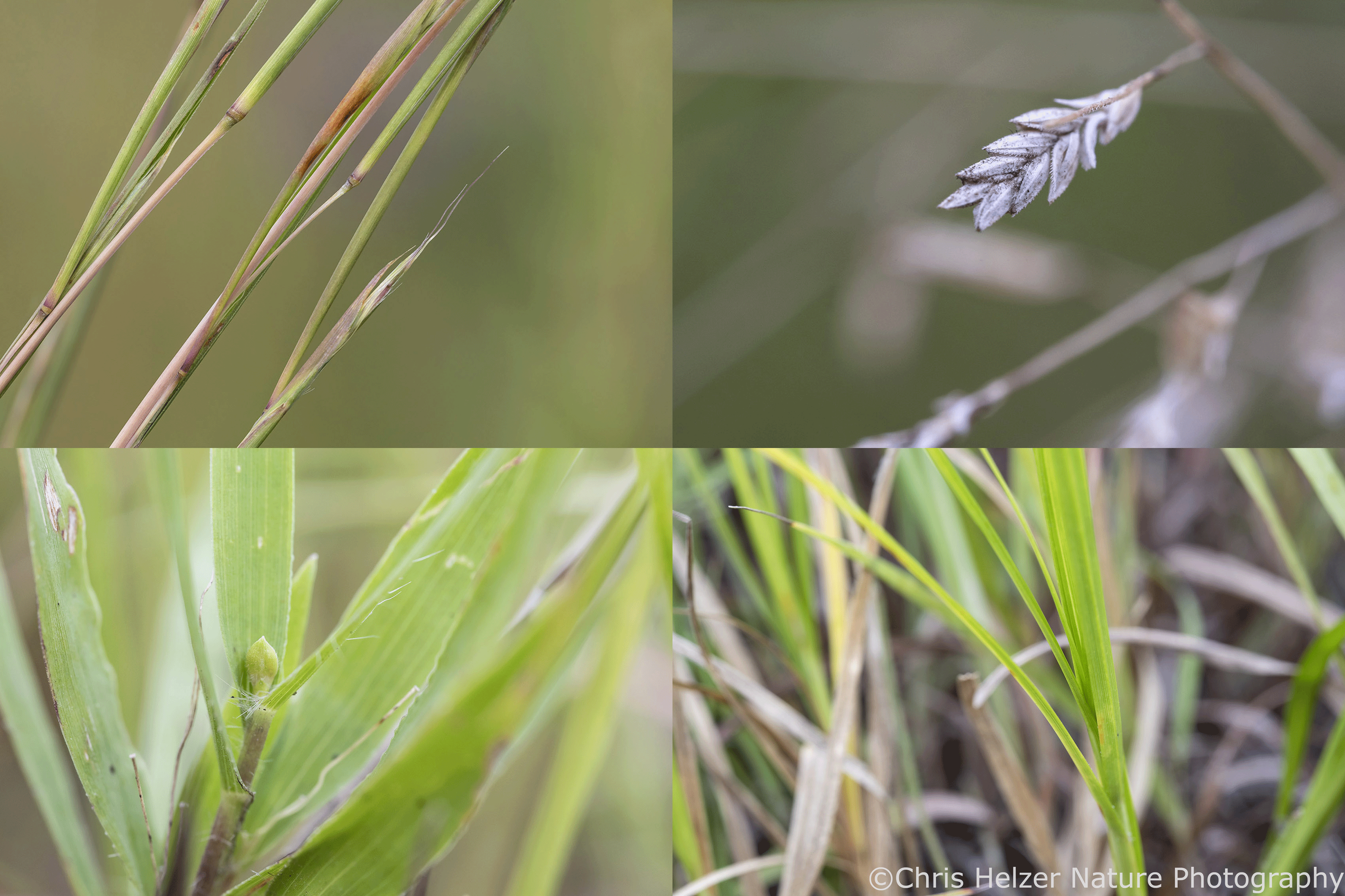
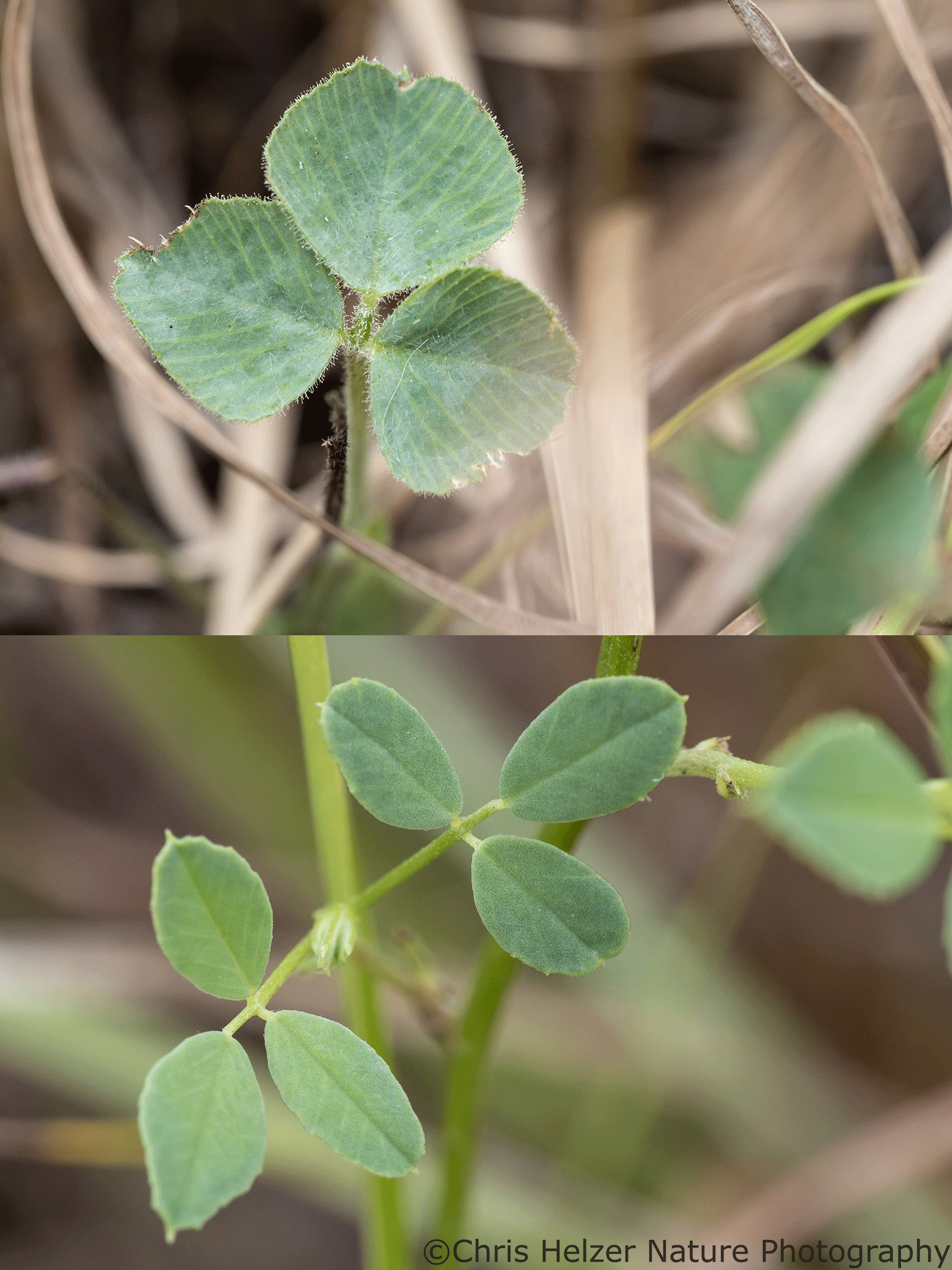
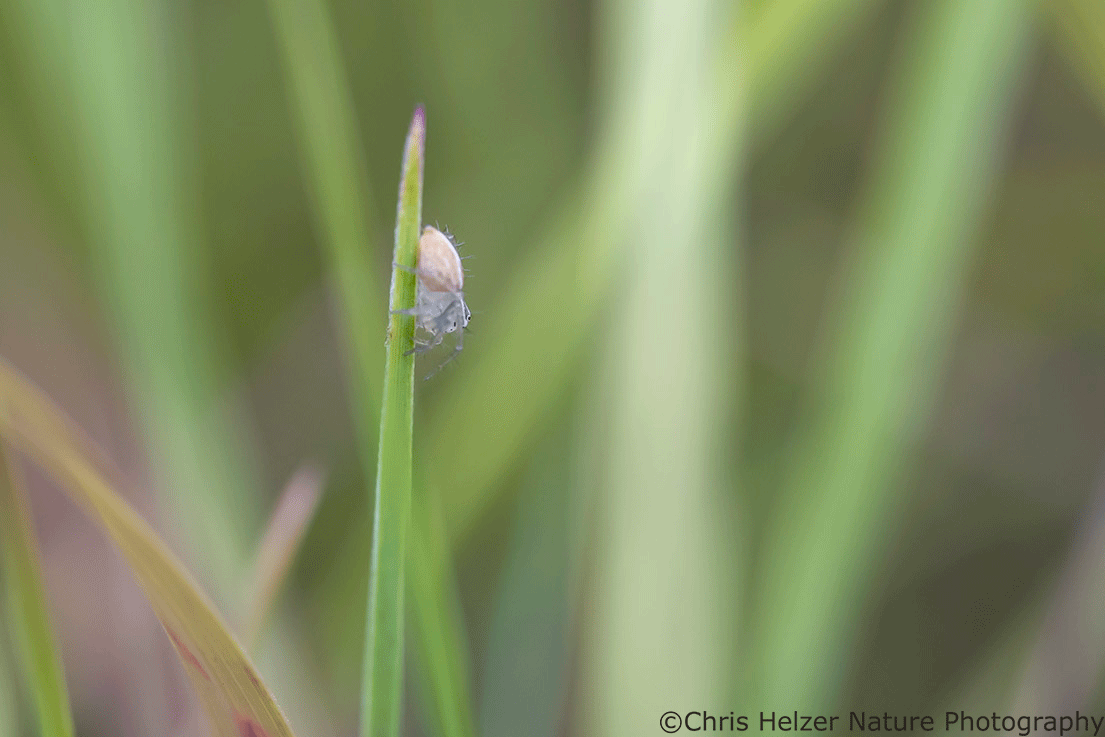
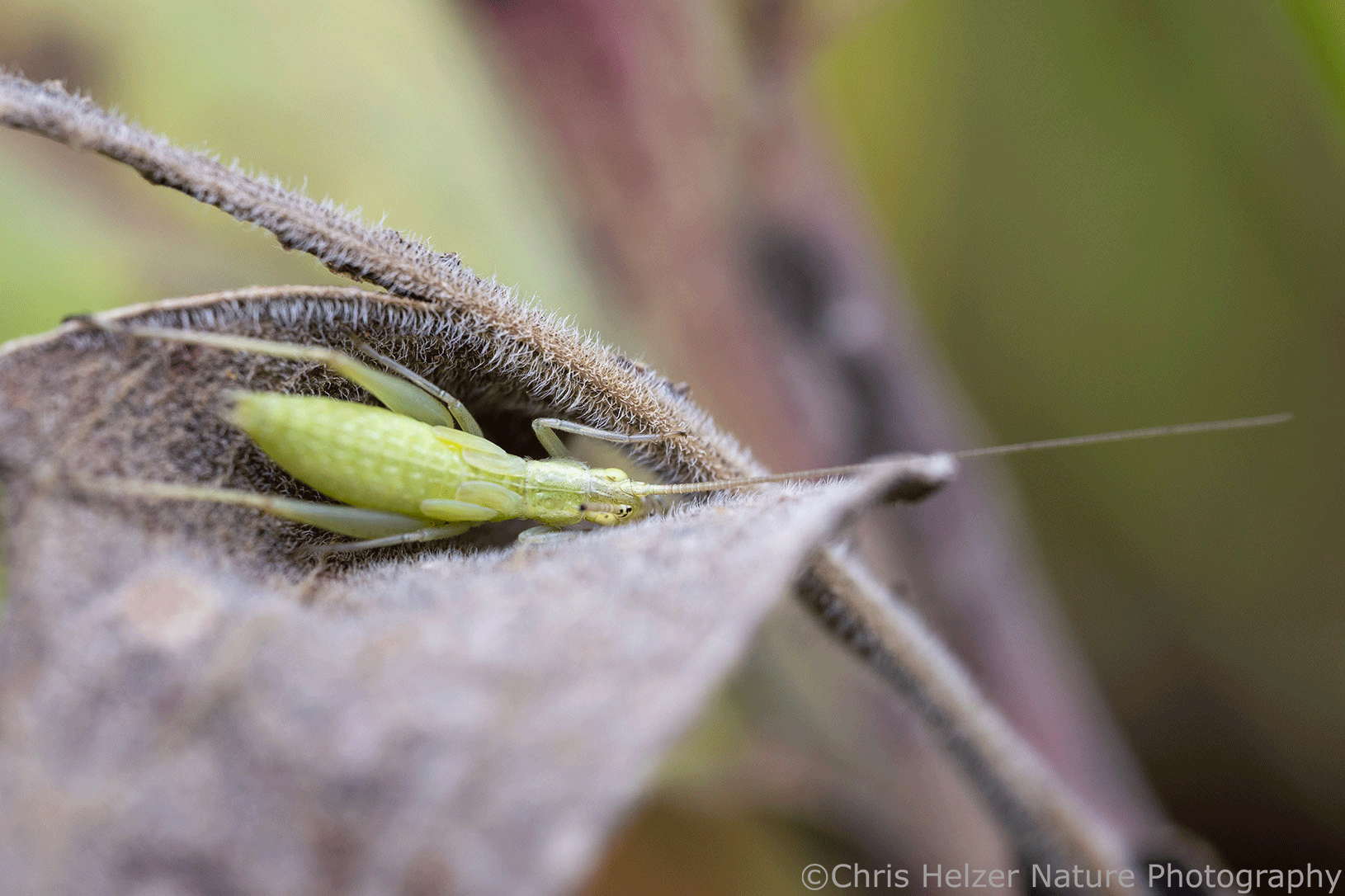
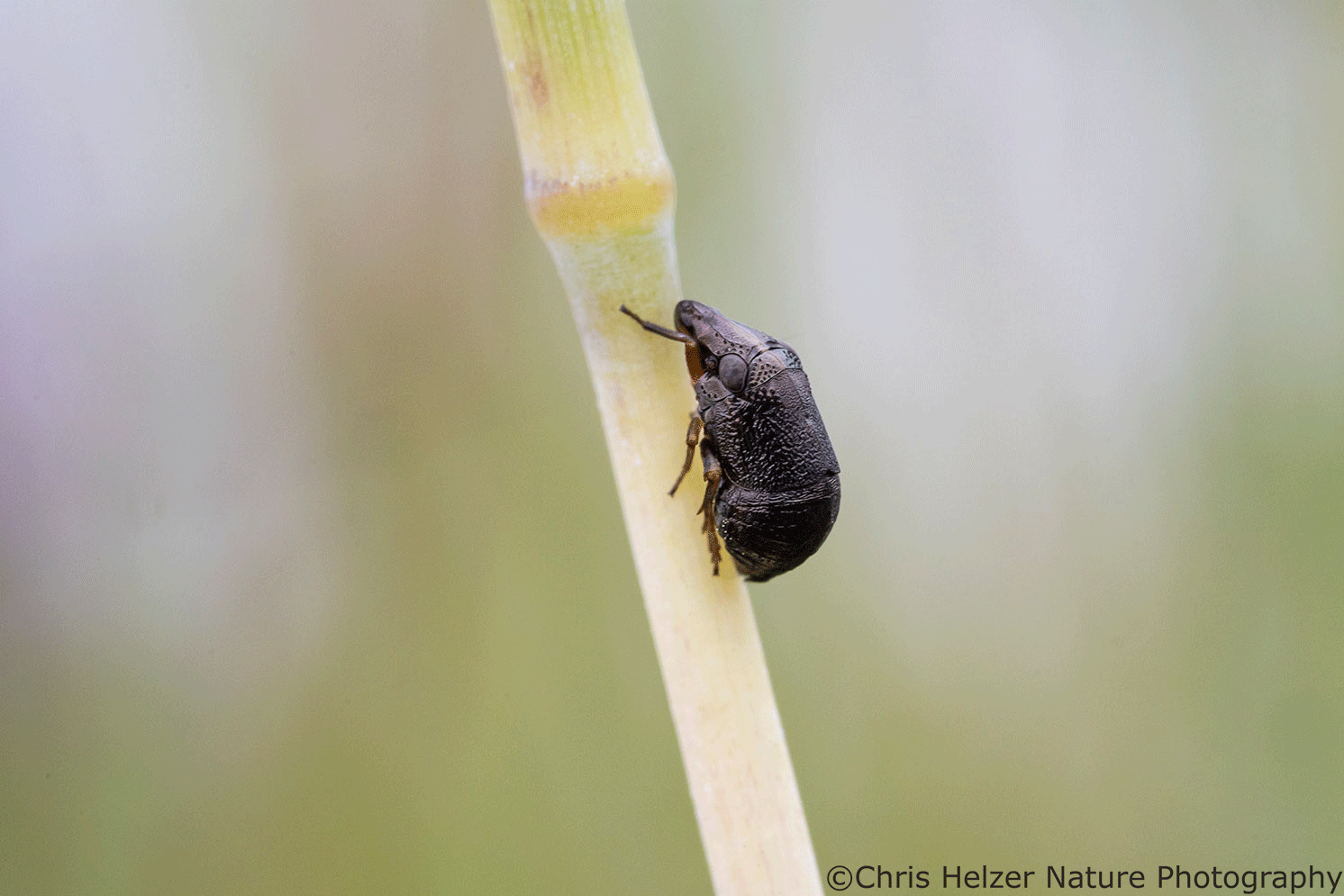
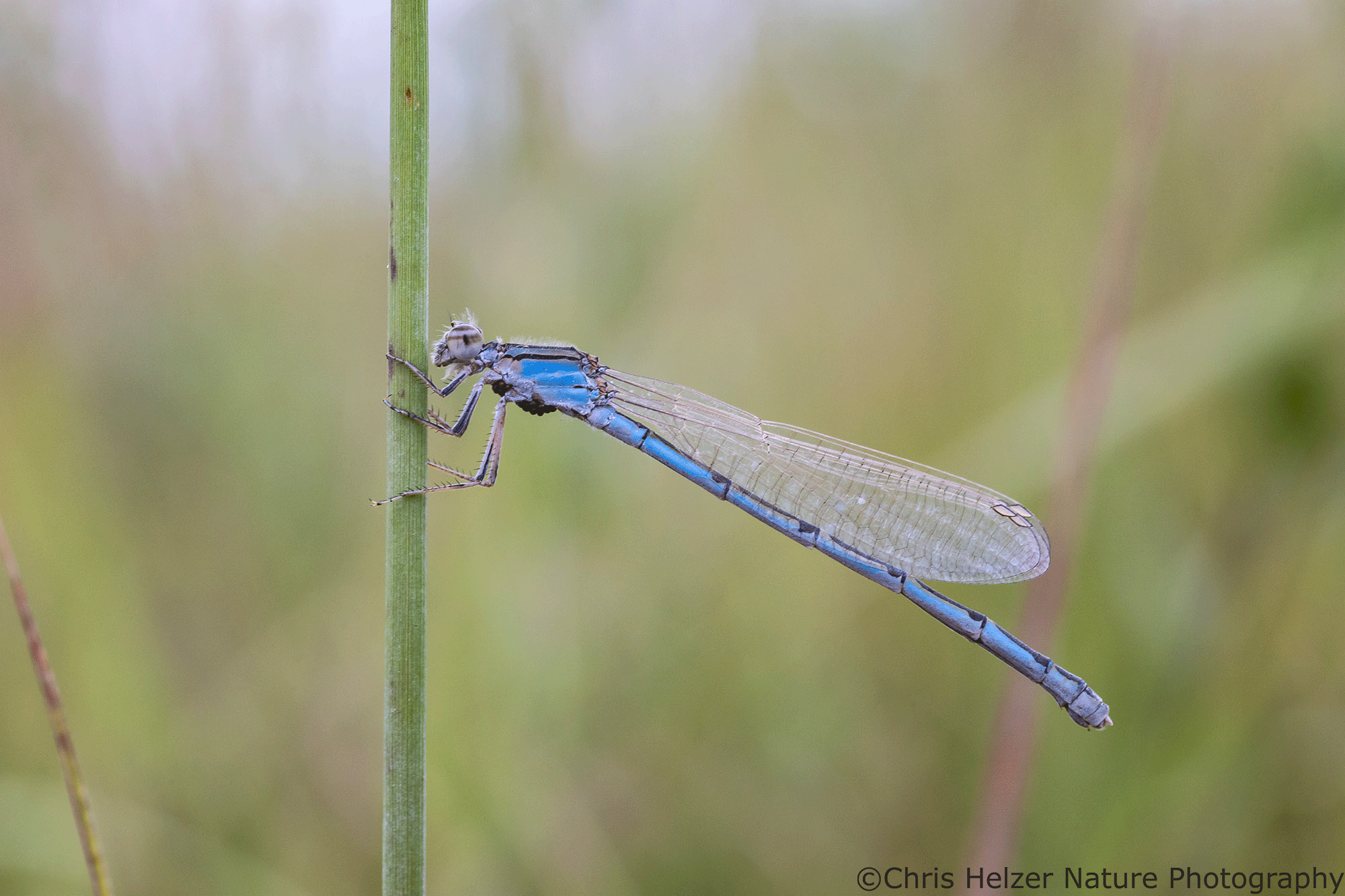
As with my two year-long square meter efforts, the point of this one-hour exercise was not to do a full inventory of species in the plot. That said, I think I photographed 28 different species during the hour. I think that’s very respectable – especially given the dark clouds and the fact that I was experimenting for the first time with this one-hour timeframe. Those 28 species include 15 plants, 12 invertebrates (including the midge in the gall) and a fungus (in the gall). I might find out there were two drone fly species, which would bump the count up by one, but again, that’s not really the point of the project.
This one-hour project was really invigorating! It was easy to set up, easy (though a little frenetic) to do, and now it’s done. I really hope others will give it a try and report back on how it goes!
 The Prairie Ecologist