Photos of the Week – May 21, 2025

I’m already missing my square meter plot and that whole project, but I’m soldiering on and finding other fun photographic opportunities. It’s been fun to watch the growing season jump into full speed, despite really dry conditions. We’ve gotten some good rain across much of the state this last week or so, but most of the state is still in drought conditions. It’s a good thing prairies are so resilient!

Here are a few of my favorite photos from the last few weeks.

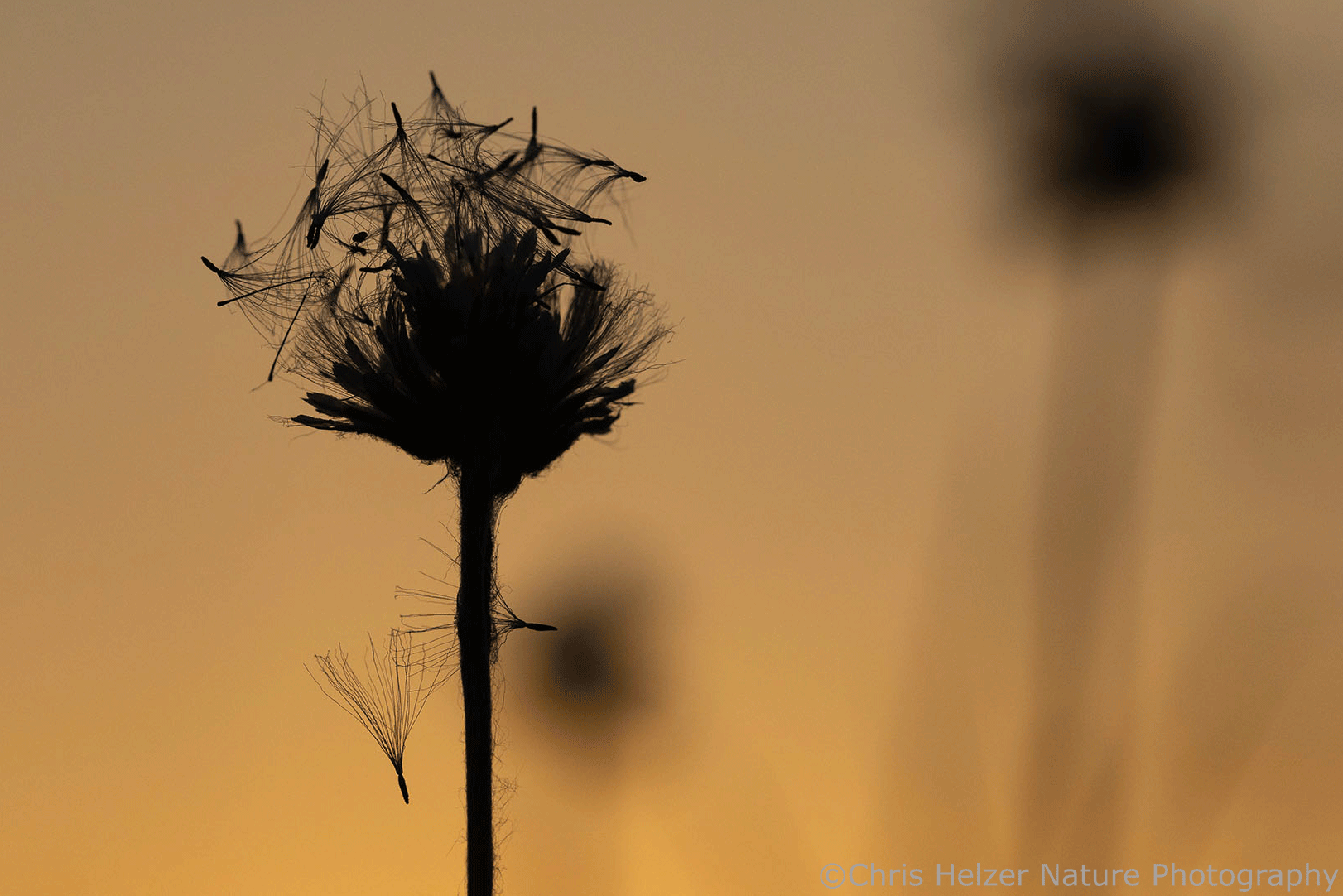
The first several photos below were taken within my 2025 photo project area at my family prairie. Pussytoes (Antennaria neglecta) was going to seed earlier this month and I spent part of a pleasant morning admiring the interplay between the light and those fuzzy seedheads.

Tiny crab spiderling on pussytoes.
Close-up of pussytoes seed head.
Morning light and pussytoes seeds.
More of the same.
Early morning at the Helzer Family Prairie, with coralberry, aka buckbrush (Symphoricarpos orbiculatus) in the foreground. This was not in my photo project area.

The rest of these photos were taken at The Nature Conservancy’s Platte River Prairies. The first two come from a wetland restoration effort I led many years ago. We converted a sandpit lake (from sand and gravel dredging) to a shallow wetland with backwater wetlands and a meandering stream. It’s still one of the most gratifying projects I’ve worked on, despite a constant flow of invasive plants coming in from upstream.
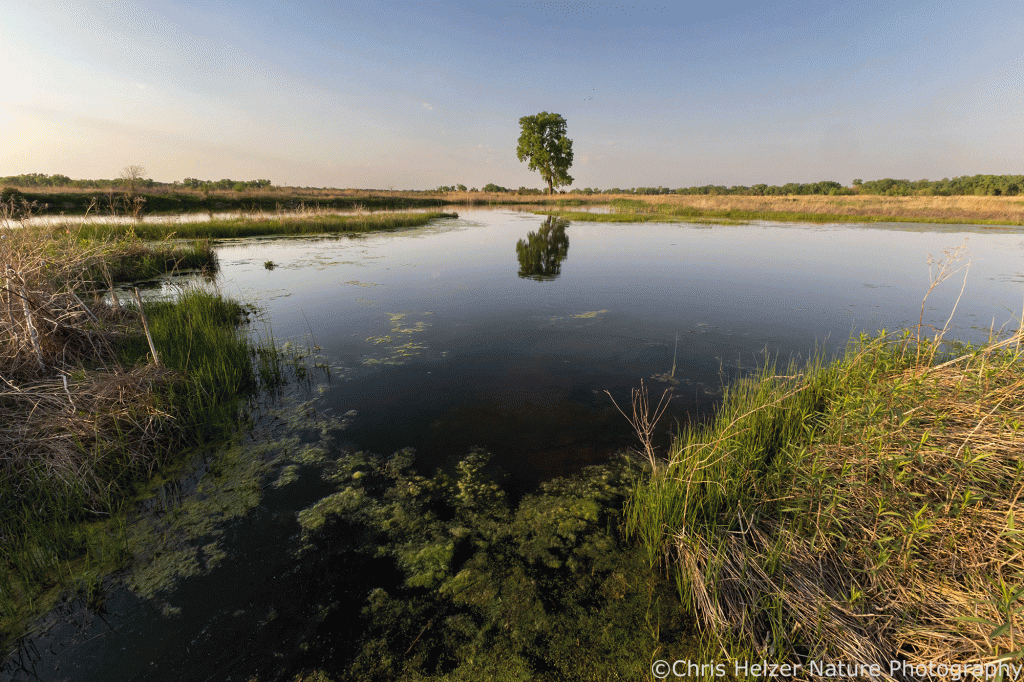
Evening light at a restored wetland.
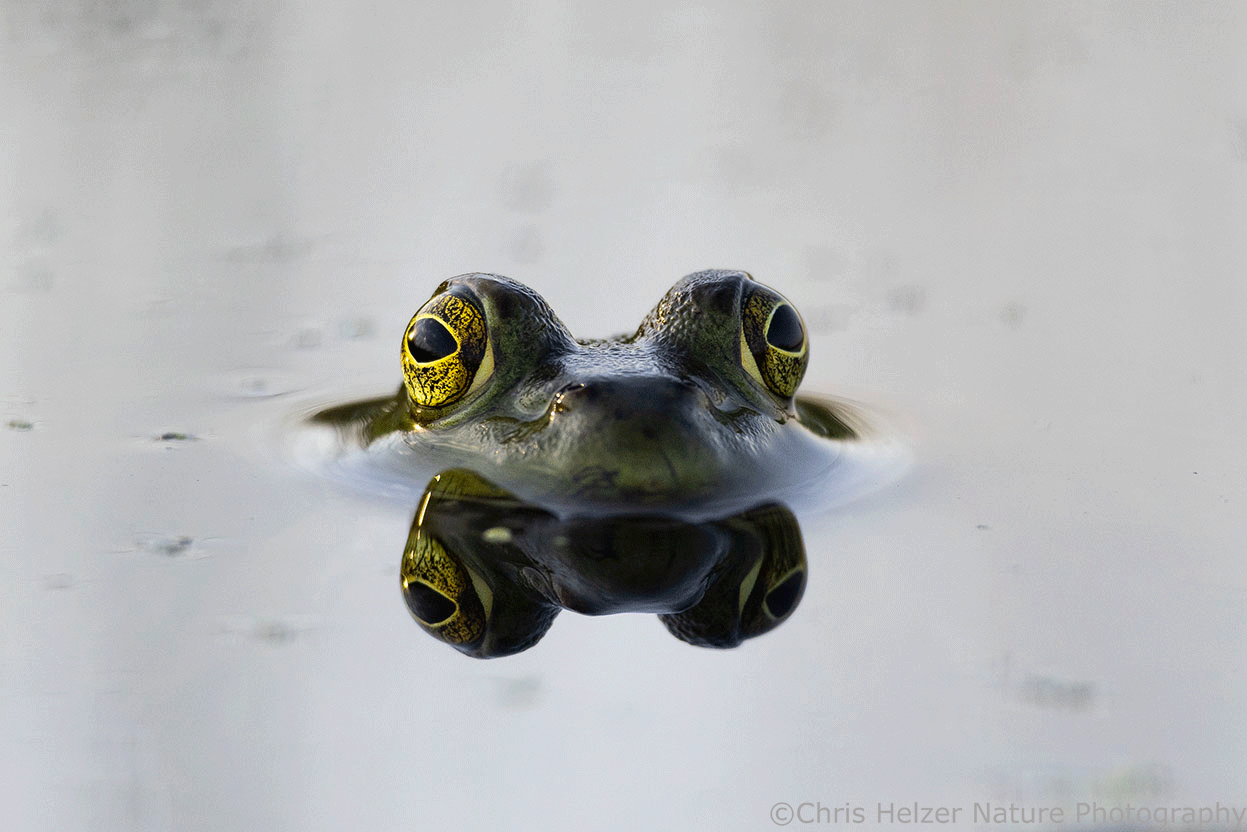
A four-eyed bullfrog staring at me from the wetland I designed. They’re technically invasive here, but since they’re here and there’s not much I can do about it, I can at least appreciate their funny faces.
Ladybug pupa. There were a bunch of these around last week. I don’t know what species they are.

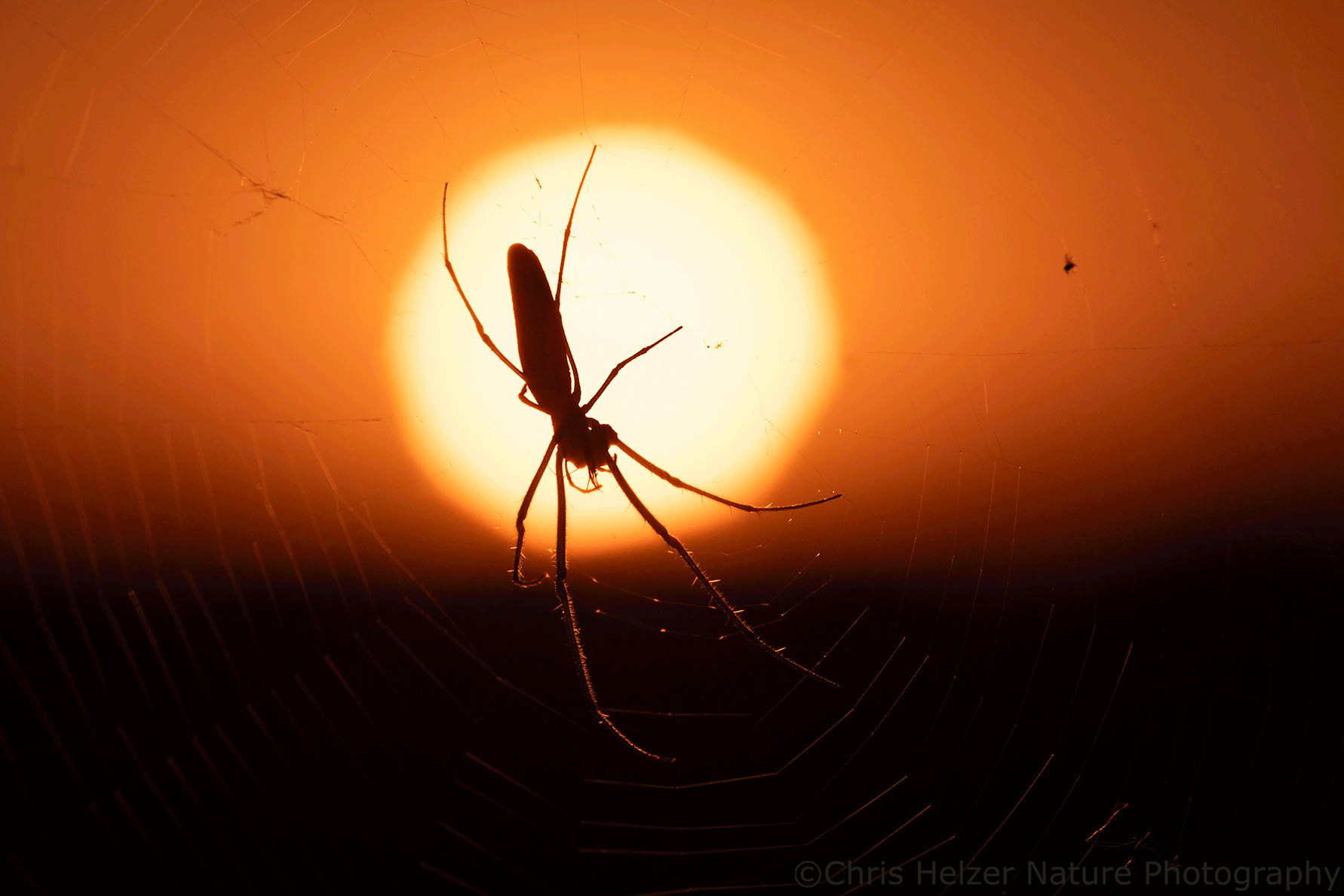
As the sun dropped into haze-filled horizon one evening, I played around with various subjects to put in front of that sun. Here are two of my favorites.
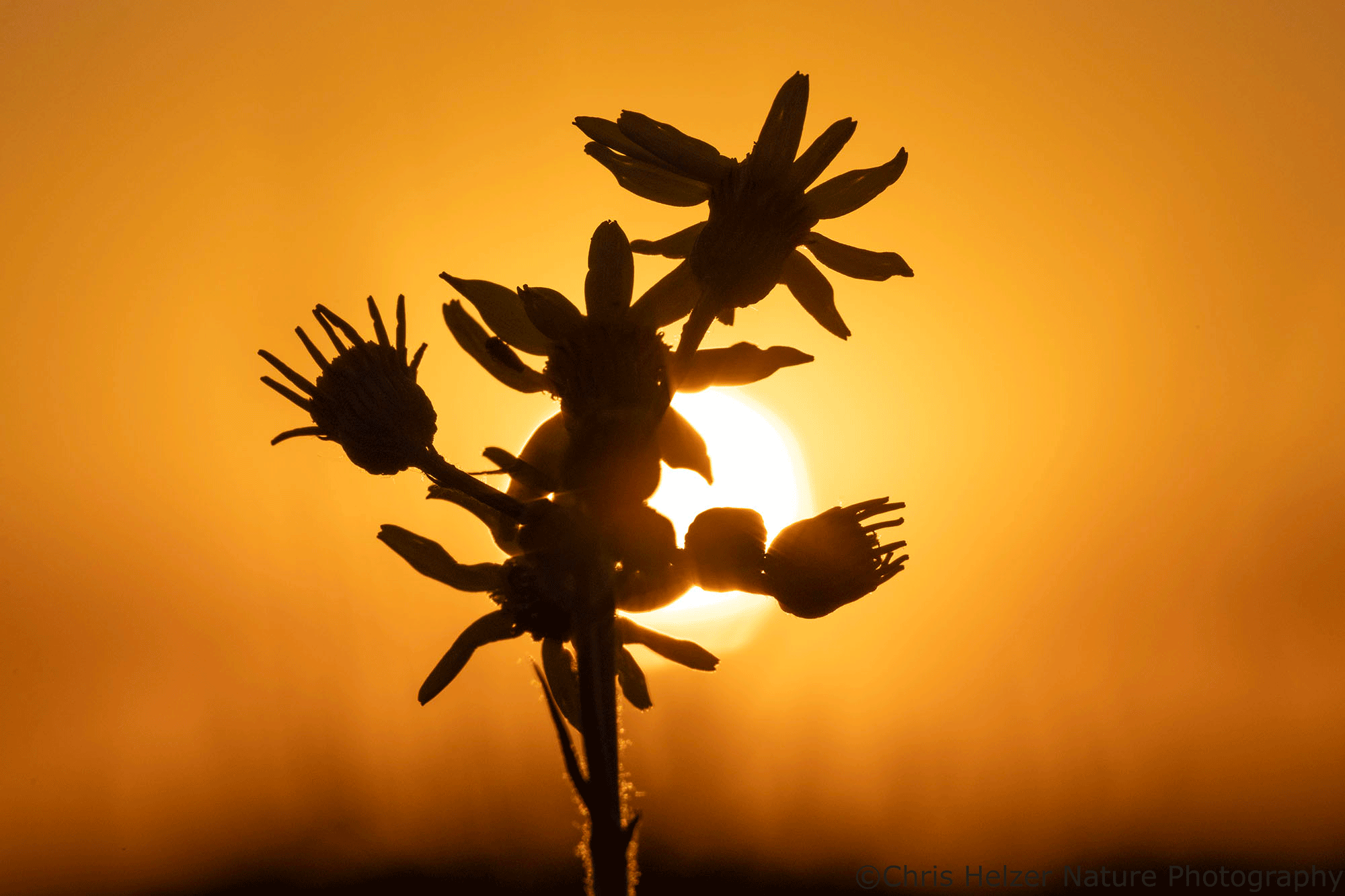
Prairie ragwort (Packera plattensis) and the setting sun.
Long-jawed orbweaver on its web.

I think all of our migratory grassland birds have arrived back in our Platte River Prairies. At least some dragonflies seem to be here, and I’ve heard people are starting to see monarchs in eastern Nebraska, though I’ve not seen my first yet. Temperatures are rising and summer is on the way!

Hubbard Fellowship Blog – Spring’s Beginnings

This post was written by Evan Barrientos, one of our Hubbard Fellows.  Evan is a talented writer and photographer and I encourage you to check out his personal blog. If you would like to see more of his photographs, you can follow him on Facebook.

20160227_nebraska_2890

Although crane migration is just beginning, I couldn’t resist trying to photograph the early arrivals from one of our blinds along the Platte River last weekend. At 6am I parked 200 yards south of the blind. A full moon and the encouraging sound of cranes calling guided me through the dark. When I was 50 yards away from the blind I started crawling so the cranes wouldn’t spot me with their excellent night vision. I made it into the blind successfully and waited for the sun to rise. In the moonlight, I could see that there were only about a hundred cranes near me, but they were close enough to photograph. Instead of being quiet and sleepy as I had expected, they were quite vocal and active. Several small groups flew in and joined the assembly, loudly announcing their arrival. The group seemed eager to start a day of foraging for corn in 70 degree weather.

As soon as there was enough light I took a few test shots. I’m glad I did, not just because the scene was beautiful and the slow shutter speed gave a ghostly look to the cranes and water, but because about 30 minutes before sunrise a volley of shotguns nearby spooked the cranes and sent them flying away.

20160227_nebraska_2924

I left the blind with frozen feet and fewer photos than I had hoped for, but with lots of good experience for next time. Speaking of frozen things, I was exploring Martins Reach State Wildlife Management Area later that day and found half-dormant bullfrog. Although clearly alive, the frog’s body felt as cold as melting snow. Because he was cold-blooded and couldn’t move, I used the opportunity to take some very close photos of his beautiful, golden eyes. This was a special experience for me because one of my earliest memories in nature is of finding and poking another half-dormant bullfrog as I explored a pond with my dad. We still joke about that memory, never expecting one of us to re-live it.

20160227_nebraska_8523 narrow

Other signs of spring on this warm weekend included Red-winged Blackbirds establishing territories, several small spiders crawling in the grass, fish swimming in thawed ponds, and dozens of brown lacewings fluttering through the air.