The Role of County Weed Officials in Prairie Conservation

This week, I’m giving a presentation on the impacts of drought to the 2013 Nebraska Weed Control Association’s Annual Conference – a statewide training session for county weed superintendents.  In some parts of the country, weed control agents and prairie ecologists don’t always see eye to eye.  One man’s weed is another’s wildflower, after all.  However, in Nebraska, I think county weed superintendents are truly on the front lines of prairie conservation.  
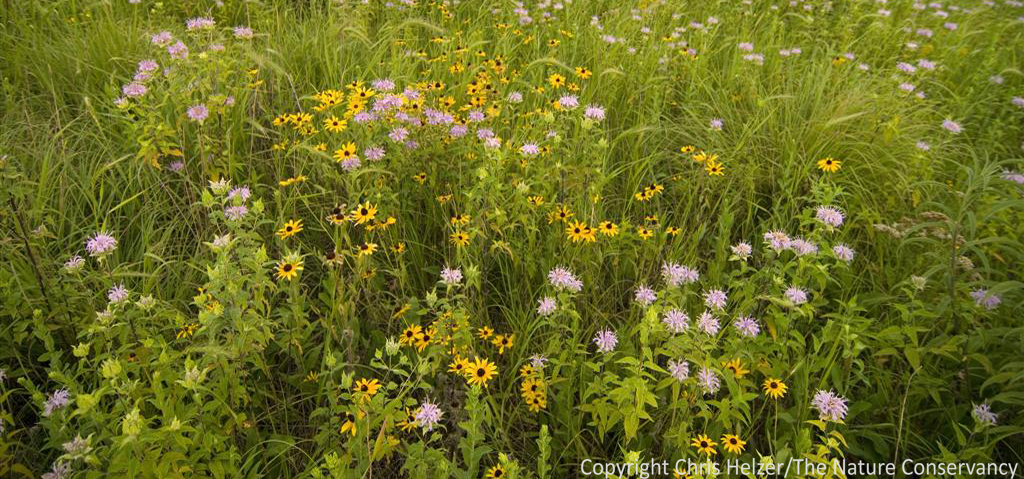
Wildflowers or weeds?

Wildflowers or weeds?  It’s important that weed control officials and prairie ecologists see the world in similar ways.

Many people in Nebraska have a fairly cynical view of weed superintendents.  The stereotypical “county weed guy” drives around in his spray truck, indiscriminately spraying roadsides and other wildflower habitat – or, alternatively, just sits around all day and ignores the hordes of musk thistles growing along the road he travels between home and office.  However, apart from the fact that many “county weed guys” are actually female these days, I’ve found those broad stereotypes to be far from accurate.  In fact, my interactions with weed superintendents have been very positive, especially over the last five years or so, and I’ve been impressed with their knowledge of and interest in ecology and conservation.  (Though there are a few exceptions who may somewhat resemble the aforementioned stereotypes.)

I think weed superintendents are on the front lines of conservation for two reasons.  First, they are increasingly collaborating with each other through multi-county Weed Management Areas to develop and implement large-scale and effectve strategies for controlling invasive plants.  Second, they are often the first person a landowner calls when he or she has a concern about some plant “taking over the pasture”.  One of my priorities over the last several years has been to help ensure that when that call comes in, the superintendent can identify the “aggressive” plant species, understand why it is becoming abundant, and prescribe an appropriate response.   

Many times, the problem weed turns out to be a native plant responding to a grazing strategy, rainfall pattern, or something else that has temporarily altered the competitive balance of the plant community.  A slight tweak to the management of the pasture or hay meadow can often reduce the abundance of the “weed”.  Other times, the abundance of the plant species will diminish on its own, especially as rainfall patterns change. 

A confident and well-informed weed superintendent can help a landowner become comfortable with the role and importance of “opportunistic plants” on their land.  When that kind of common sense advice is not available, native prairies tend to get broadcast sprayed for non-problematic plant species such as ragweed, annual sunflower, or hoary vervain.  A weed superintendent’s ability to help prevent that kind of catastrophic overreaction is a critical component of prairie conservation work in Nebraska.

The current drought conditions are surely going to increase the number of calls coming in to weed superintendents this year.  Perennial grasses were severely weakened last year, and that is going to open abundant space for lots of opportunistic plants.  Many landowners will assume their pastures and hay meadows are being taken over by a cast of aggressive weeds.  Weed superintendents can help landowners keep things in perspective and let those opportunistic plants do their job. 

During the droughts of the 1930's, heath aster exploded in abundance across many prairies.  Sudden drastic changes in plant composition can be downright scary for landowners, making it crucial to have weed superintendents and others who can explain what's going on and offer good advice.

During the droughts of the 1930’s, heath aster exploded in abundance across many prairies. Sudden drastic changes in plant composition can be downright scary for landowners, making it crucial to have weed superintendents and others who can explain what’s going on and offer good advice.

County weed superintendents in Nebraska tend to be underappreciated, underpaid, and overworked.  Despite that, many go the extra mile to be thoughtful, strategic, and proactive in their approach to invasive species control.  Saving prairies isn’t part of the official job description of a weed superintendent, but it may be their most important contribution.

I’ve spent a fair amount of time over the last several years helping to train weed superintendents in plant identification and ecology, and have found them to be enthusiastic listeners and strong partners.  If you are a prairie manager or ecologist and haven’t engaged with your local weed control official, I strongly encourage you to do so.  You might be surprised at the result.

Changing Our Focus

Last Friday night, I had the honor to be part of an event called the Conservation Jam, hosted by The Center for Great Plains Studies and The Nature Conservancy, and attended by about 300 people.  I was one of 15 conservationists asked to present a “big idea” to help conserve the Great Plains.  There was just one catch – each of us had to give our presentation in three minutes.

Three minutes is not very long.

I thought I’d share my presentation with you.  Partly because I spent a lot of time putting it together and only got to spend three minutes presenting it.  (But mostly because I’m too lazy to come up with another idea for a blog post this week.)  The topic of my presentation was not a new idea; if you’ve followed this blog, you’ve seen more extensive posts on similar subjects twice before, in January 2011 and February 2012.  The change of focus I advocate for isn’t, by itself, going to save the Great Plains, but I do think it’s a very important part of our approach going forward.

For what it’s worth, here’s my three minute presentation:

In grasslands, the vast majority of species are plants and invertebrates.  Birds and other vertebrates make up a very small proportion of those species.

In grasslands, the vast majority of species are plants and invertebrates. Birds and other vertebrates make up a very small proportion of those species.

.

Between them, plants and invertebrates drive the ecological function of prairies (including pollination and soil productivity, and they are the food sources for most creatures).   In other words, they’re what make grasslands tick.

Between them, plants and invertebrates drive the ecological function of prairies (including pollination and soil productivity; and they are the food sources for most creatures). In other words, they’re what make grasslands tick.

.

The diversity of plants influences the diversity of invertebrates, and vice versa.  That complexity is the foundation of the resilience and overall stability of the ecosystem.  It’s critically important to maintain plant and invertebrate diversity because without it, the ecosystem breaks down.

The diversity of plants influences the diversity of invertebrates, and vice versa. That complexity is the foundation of the resilience and overall stability of the ecosystem. It’s critically important to maintain plant and invertebrate diversity because without it, the ecosystem breaks down.

.

So clearly, as grassland managers and advocates for prairie conservation, we spend the vast majority of our time studying and managing for plants and invertebrates.  ...Right?

So clearly, as grassland managers and advocates for prairie conservation, we spend the vast majority of our time focusing on plants and invertebrates. …Right?

.

Wrong.  We actually  focus mostly on birds.  Birds we shoot and birds we watch.  I really like birds, but they’re not good indicators of how plant and invertebrate communities are doing, so they don’t tell us much about prairie function.  Birds are an important part of conservation, but they’re only a small piece – we need to be sure our focus on them doesn’t distract us from the broader ecosystems they live in.

Wrong. We actually focus mostly on birds. Birds we shoot and birds we watch. I really like birds, but they’re not good indicators of how plant and invertebrate communities are doing, so they don’t tell us much about prairie function. Birds are an important part of conservation, but they’re only a small piece – we need to be sure our focus on them doesn’t distract us from the broader ecosystems they live in.

.

A couple years ago, we brought these Illinois botanists to Nebraska to help us with a research project.  We had to, because there aren’t many people in Nebraska who can identify the majority of plants in a prairie.  That’s embarrassing.  More importantly, how can we manage prairies or evaluate our conservation progress if we can’t identify the species we’re trying to conserve??

A couple years ago, we brought these Illinois botanists to Nebraska to help us with a research project. We had to, because there aren’t many people in Nebraska who can identify the majority of plants in a prairie. That’s embarrassing. More importantly, how can we manage prairies or evaluate our conservation progress if we can’t identify the species we’re trying to conserve??

.

We know even less about insects and other invertebrates.  Of the few entomologists we have in Nebraska, most focus on crop pests.  As a result, we really don’t know what species of pollinators or other insects we have, let alone how they’re doing.  This is Mike Arduser, who came up from Missouri last year to help us learn about bees on the Platte River.

We know even less about insects and other invertebrates. Of the few entomologists we have in Nebraska, most focus on crop pests. As a result, we really don’t know what species of pollinators or other insects we have, let alone how they’re doing. This is Mike Arduser, who came up from Missouri last year to help us learn about bees on the Platte River.

.

Look, we have GOT to make some changes.  We desperately need naturalists with broad bases of experience who can help us study and assess plants and invertebrates.  We need to know what we have so we can see if we’re winning.  It’s up to all of us to broaden our own focus, but also to encourage others to do the same.

Look, we have GOT to make some changes. We desperately need naturalists with broad bases of experience who can help us study and assess plants and invertebrates. We need to know what we have so we can see if we’re winning. It’s up to all of us to broaden our own focus, but also to encourage others to do the same.

.

9.Birds are beautiful, they’re worthy of conservation, and they’re great at attracting people to nature...

Birds are beautiful, they’re worthy of conservation, and they’re great at attracting people to nature…

.

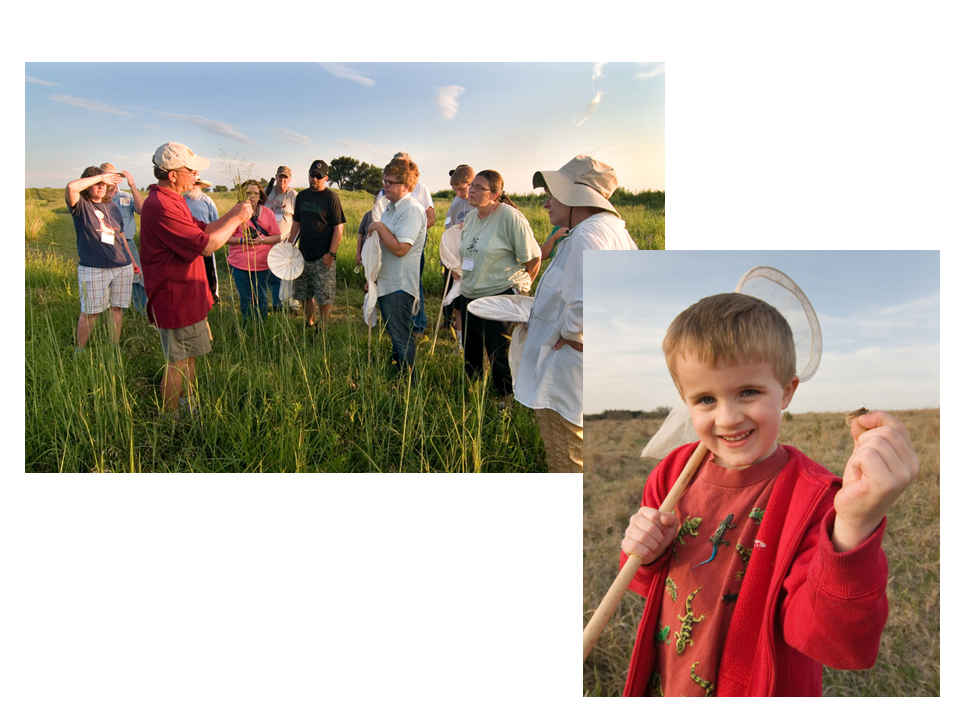
...but THIS is the face of conservation.

…but THIS is the face of conservation.

.

We need to create more opportunities to learn both insects and plants.  More importantly, we need to convince people that plants and invertebrates are interesting enough to care about. There are resources like bugguide that can help amateurs like us identify insects, but they only work if we use them.

We need to create more opportunities to learn both insects and plants. More importantly, we need to convince people that plants and invertebrates are interesting enough to care about. There are resources like bugguide that can help amateurs like us identify insects, but they only work if we use them.

.