
First, a quick announcement that we are again offering up to five $1,500 grants to graduate students working on research related to conservation in the Great Plains. Read more about the Weaver Grant program here.
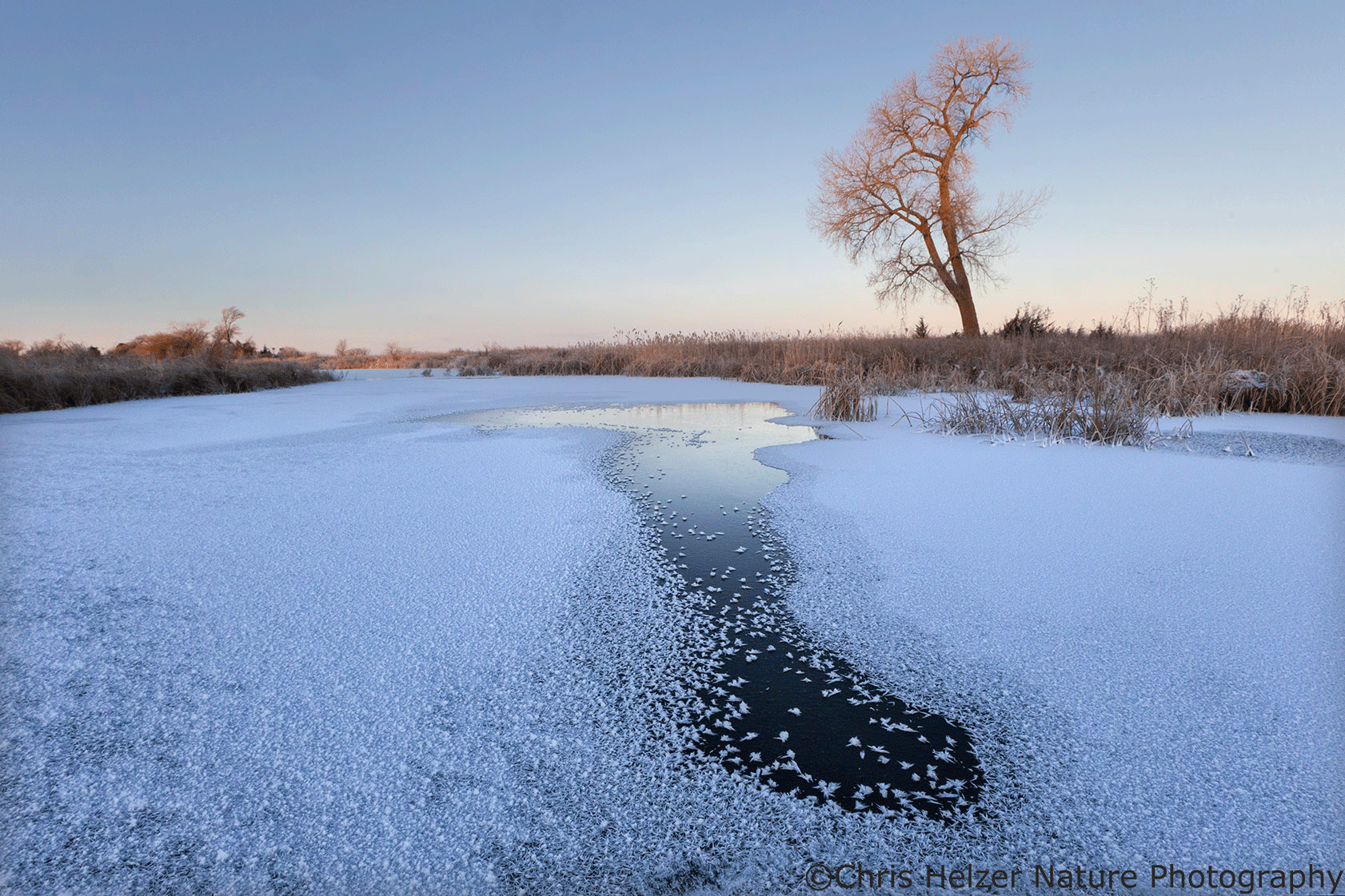
Yesterday, I headed out to watch the sunrise over my favorite frozen wetland at the Platte River Prairies. It was a beautiful, calm morning with temperatures in the low single digits (Fahrenheit). A short-eared owl flew near, patrolling the banks, a mouse of some kind hopped away from my feet (not when the owl was near), and small flocks of Canada geese periodically passed overhead.
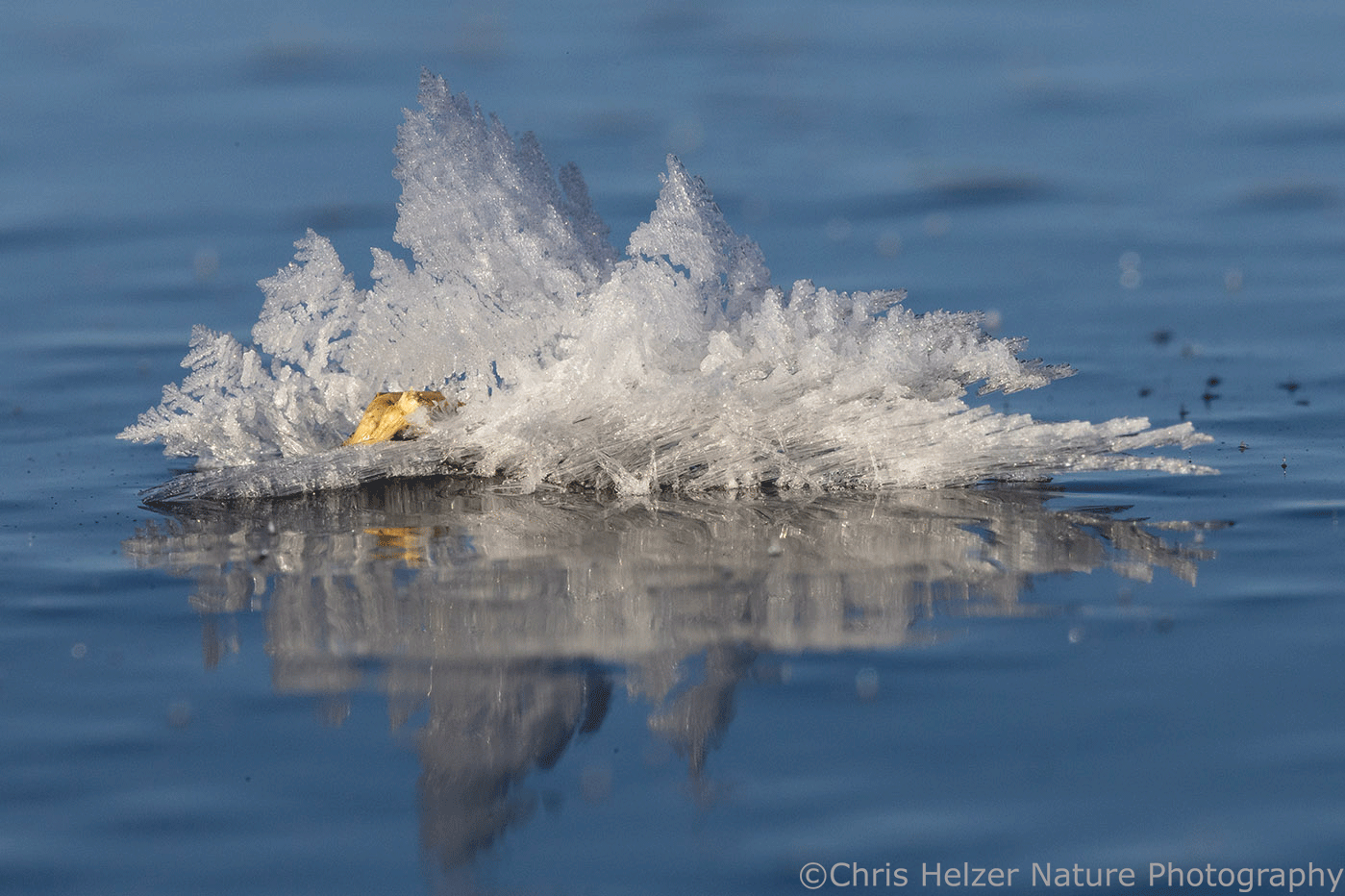
I was at the wetland to take advantage of a couple days’ worth of cold temperatures that I’d hoped had frozen the water enough to let me wander around on it with my camera. Temperatures this week are supposed to be well above freezing, so I knew I had a short window for ice and frost photography. The ice was just thick enough to hold my weight, but thin enough to make ominous sounds beneath me. I mainly crawled or slid on my belly to make sure I didn’t fall through. (The water beneath me was only about a foot deep, but still.)
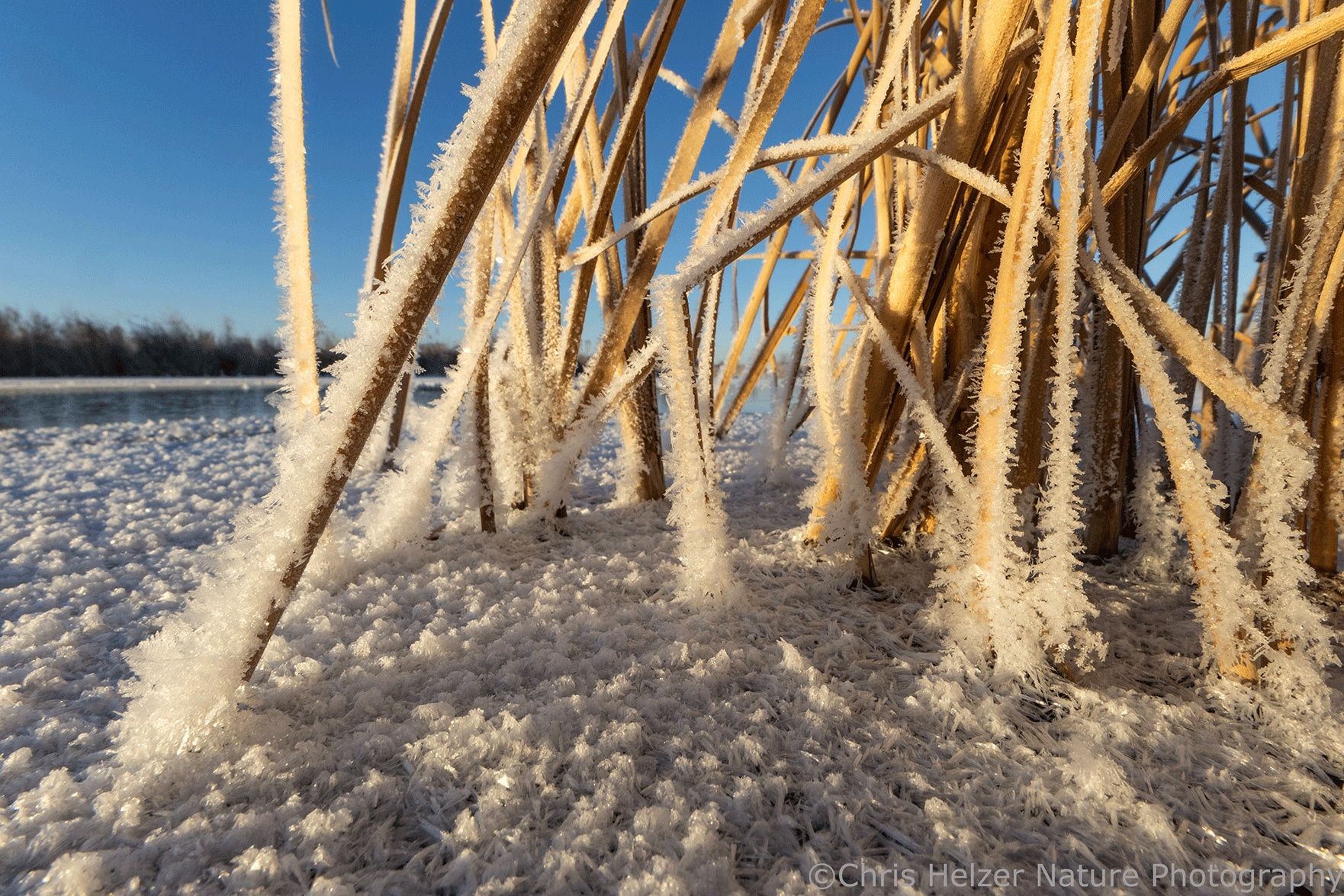
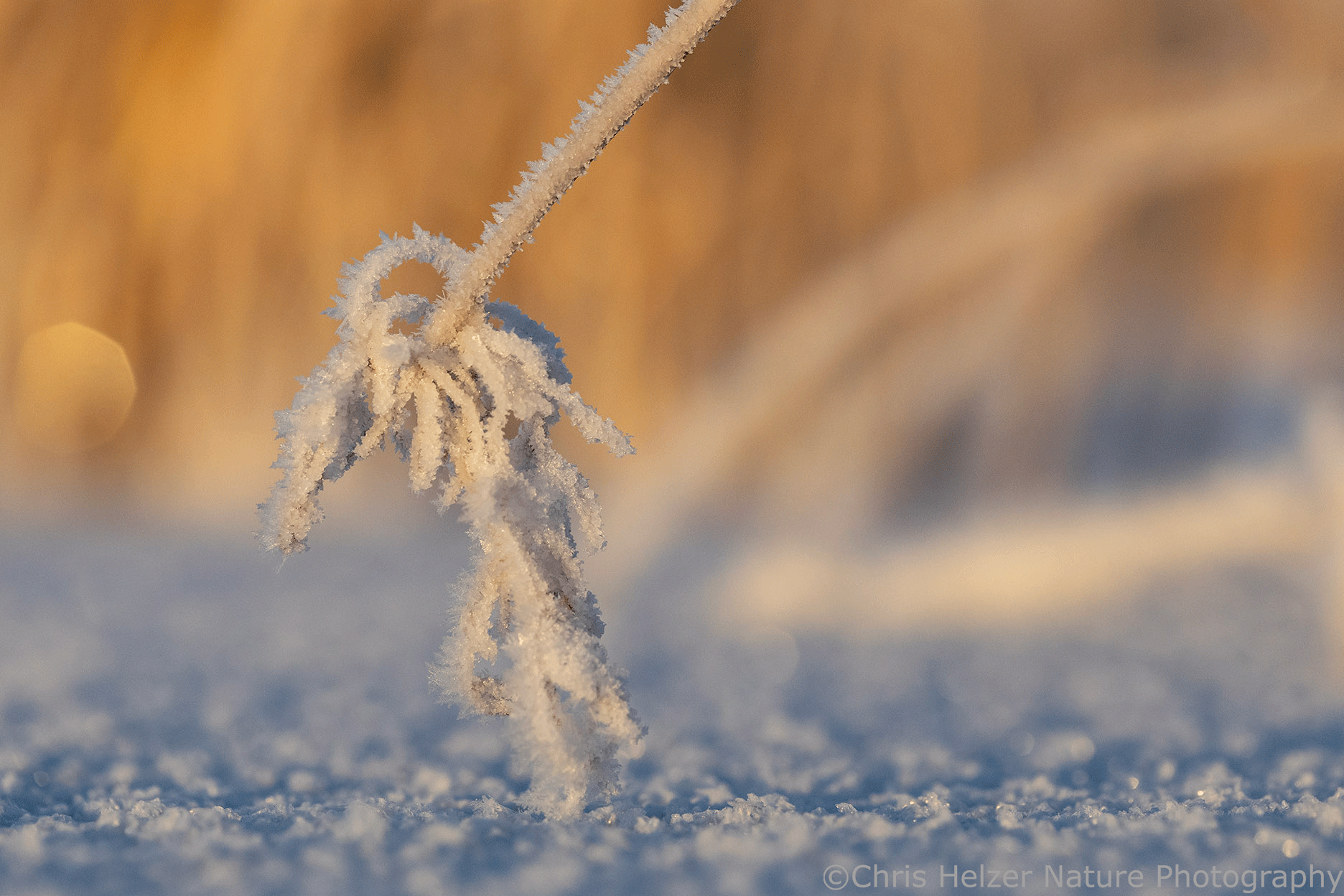
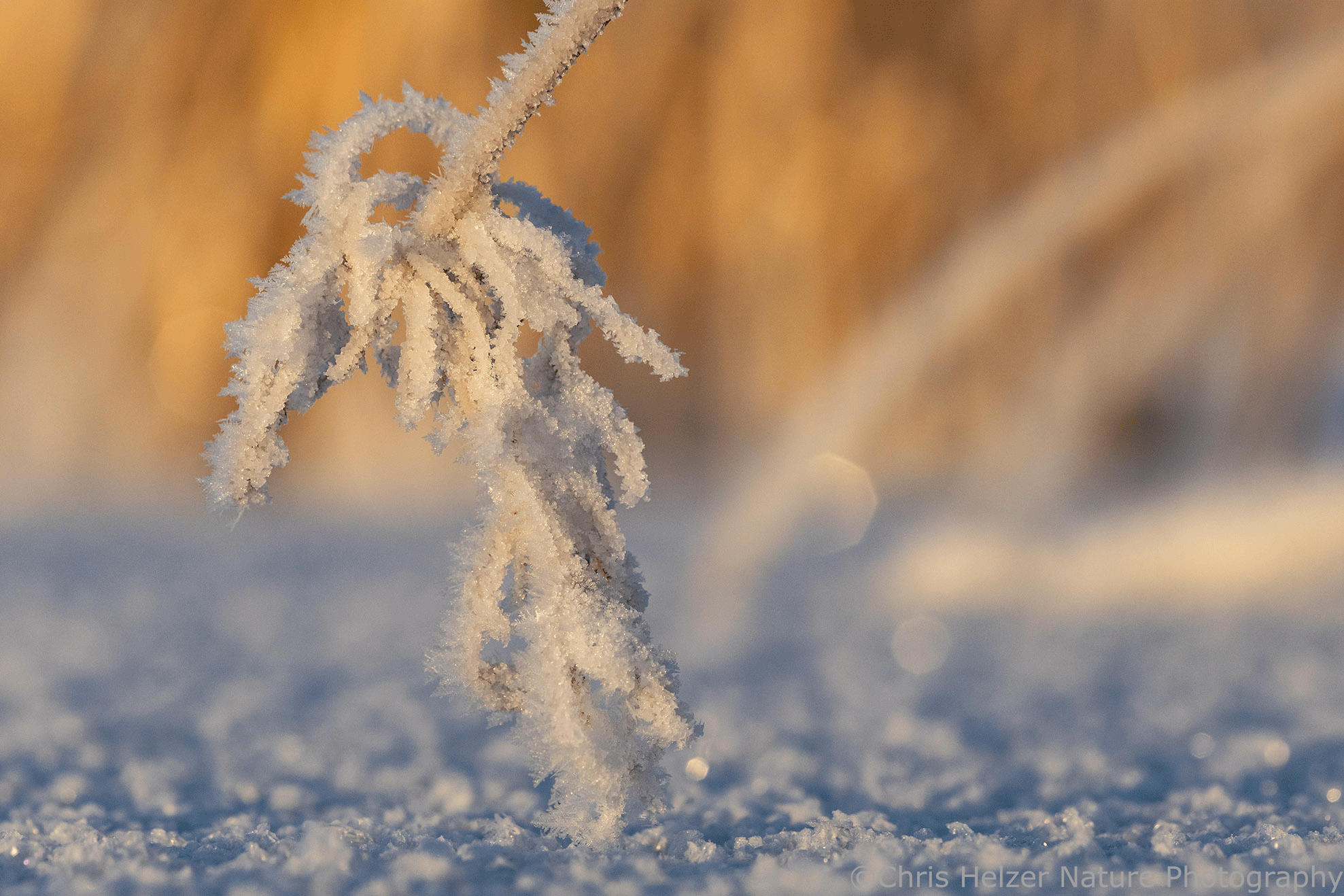
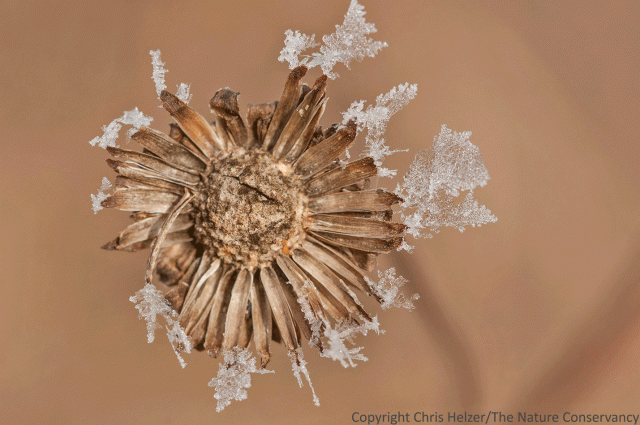
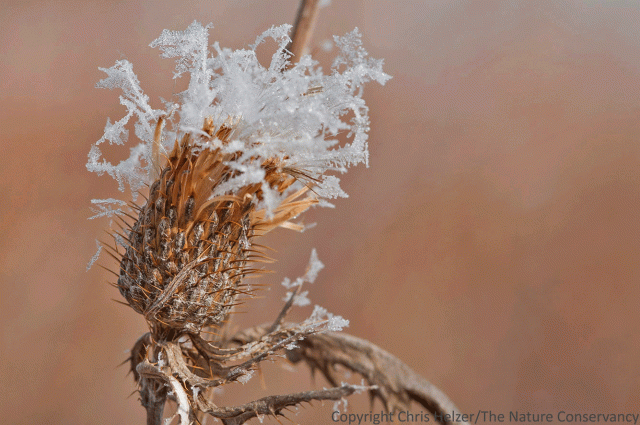
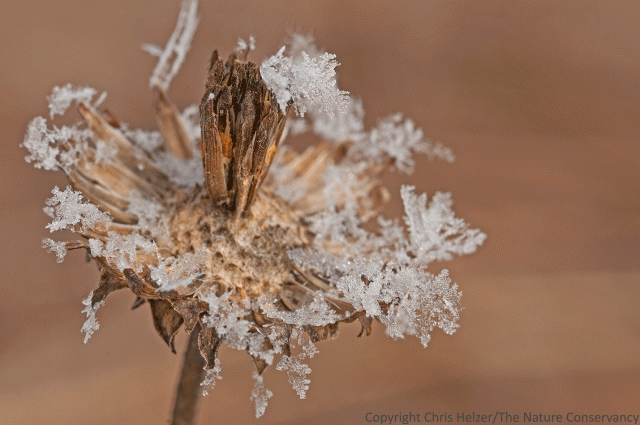
As the sunlight reached the vegetation near the north edge of the wetland, I spent a little time photographing frosty plants. One particular scene caught my eye and reminded me of something I’m worried most of you won’t recognize. Have you ever seen little puppets with articulated legs and arms that dangle from the end of a stick? You can make them dance and move around by bouncing the stick or bouncing the surface beneath the puppet? I’m not talking about marionettes – they have multiple long strings. These are either directly attached to the end of a stick or attached by a single short chain or something.
Well, anyway, they exist and I thought the frosty flower of a bent rush looked kind of like one.
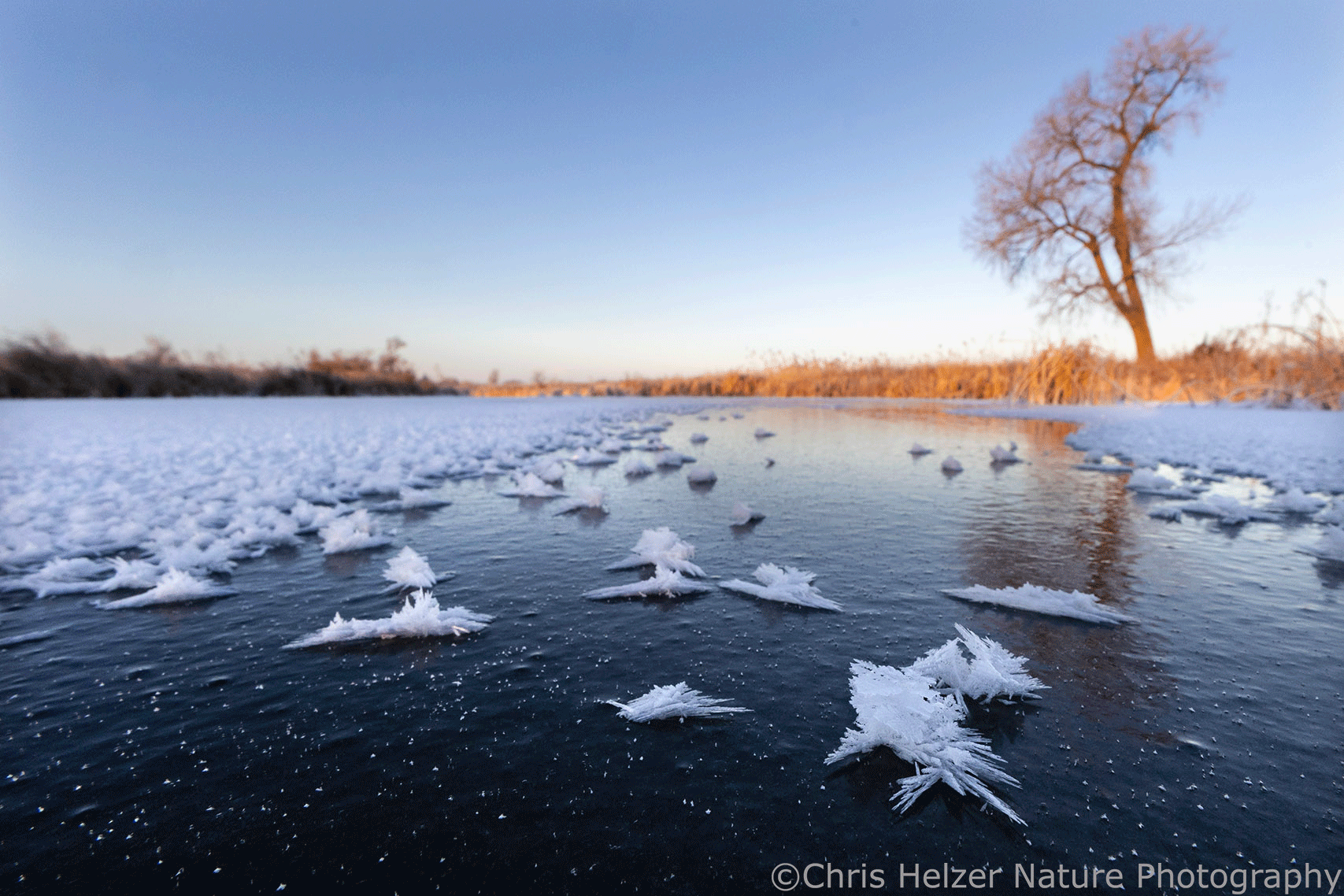
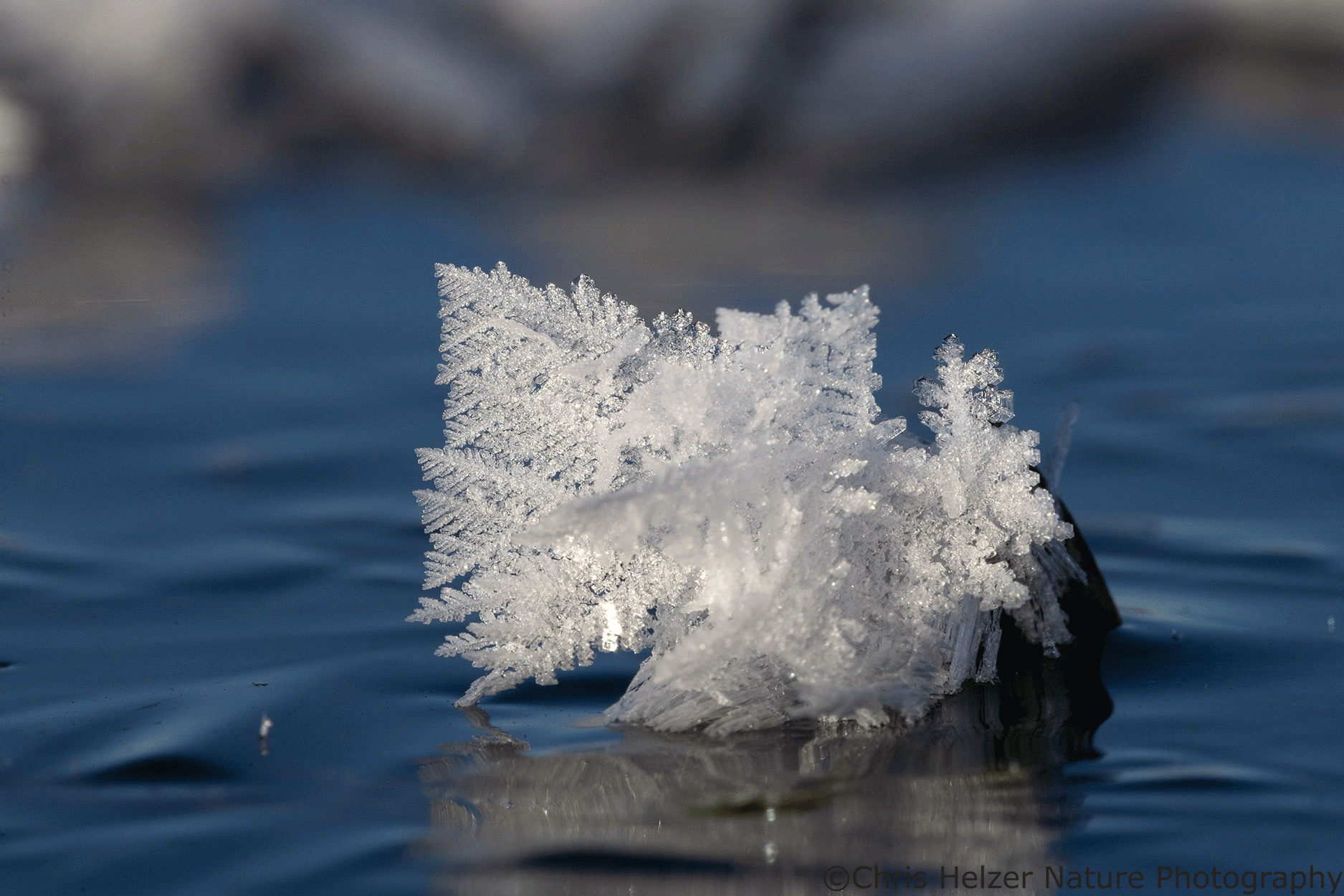
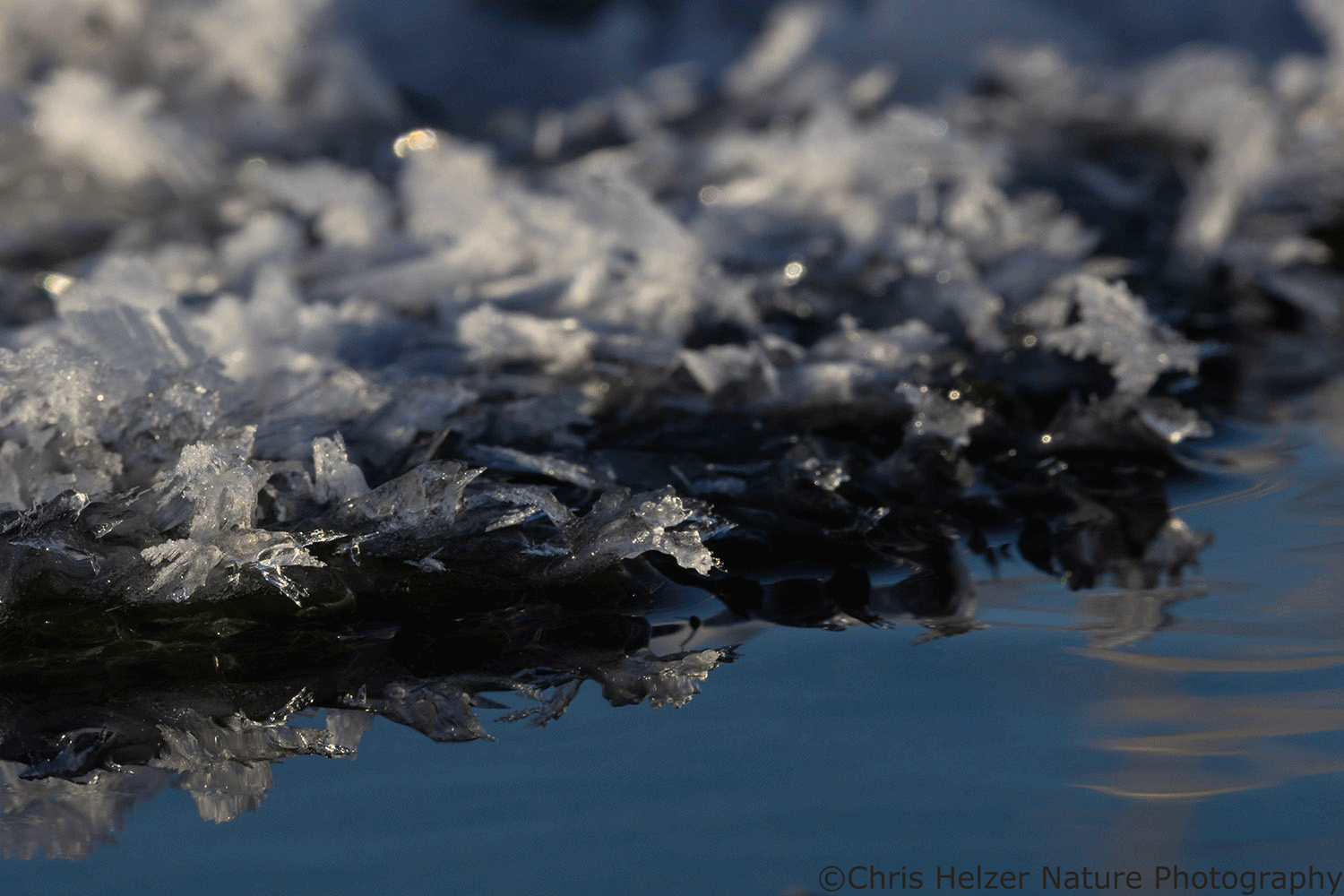
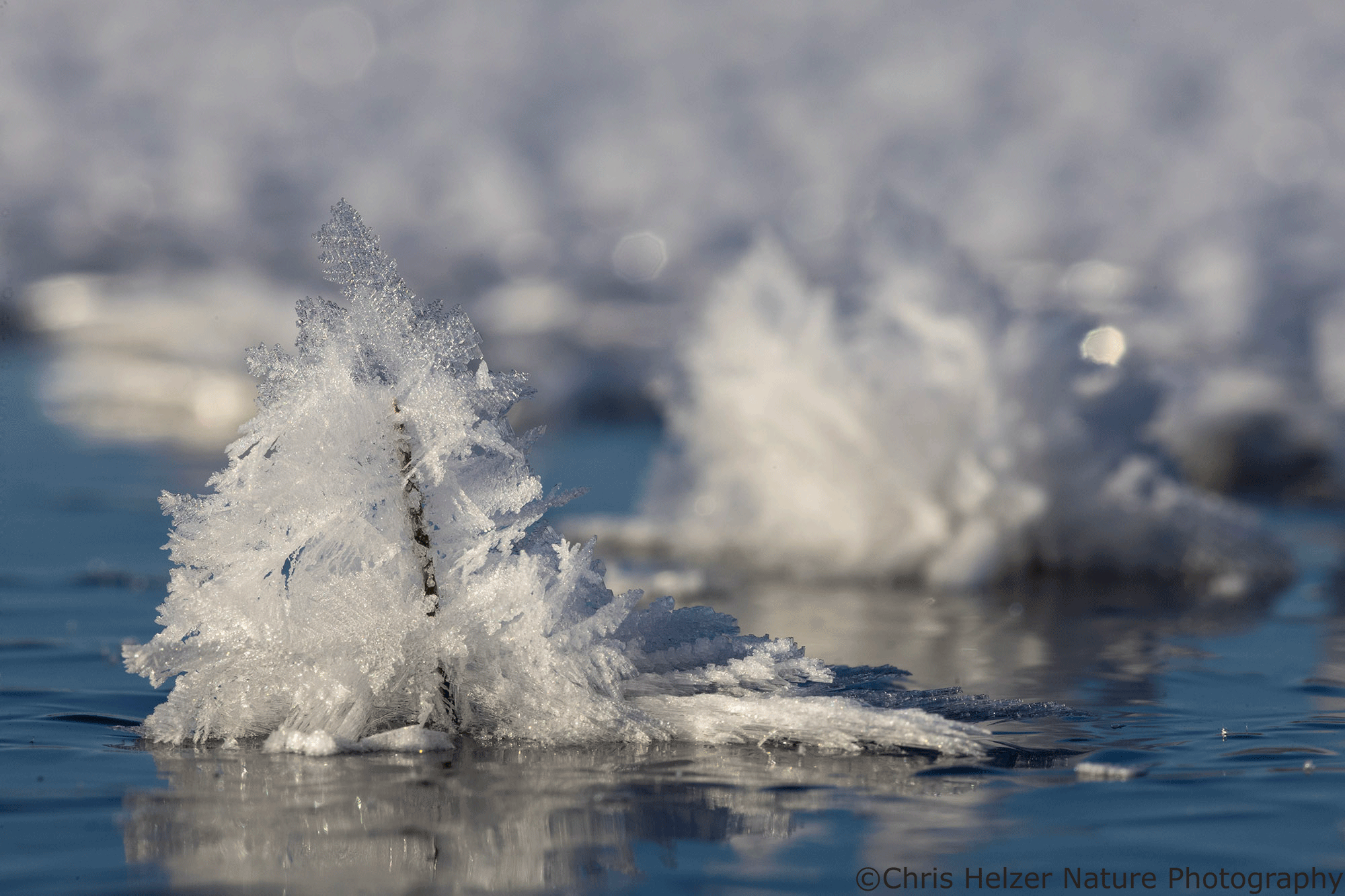
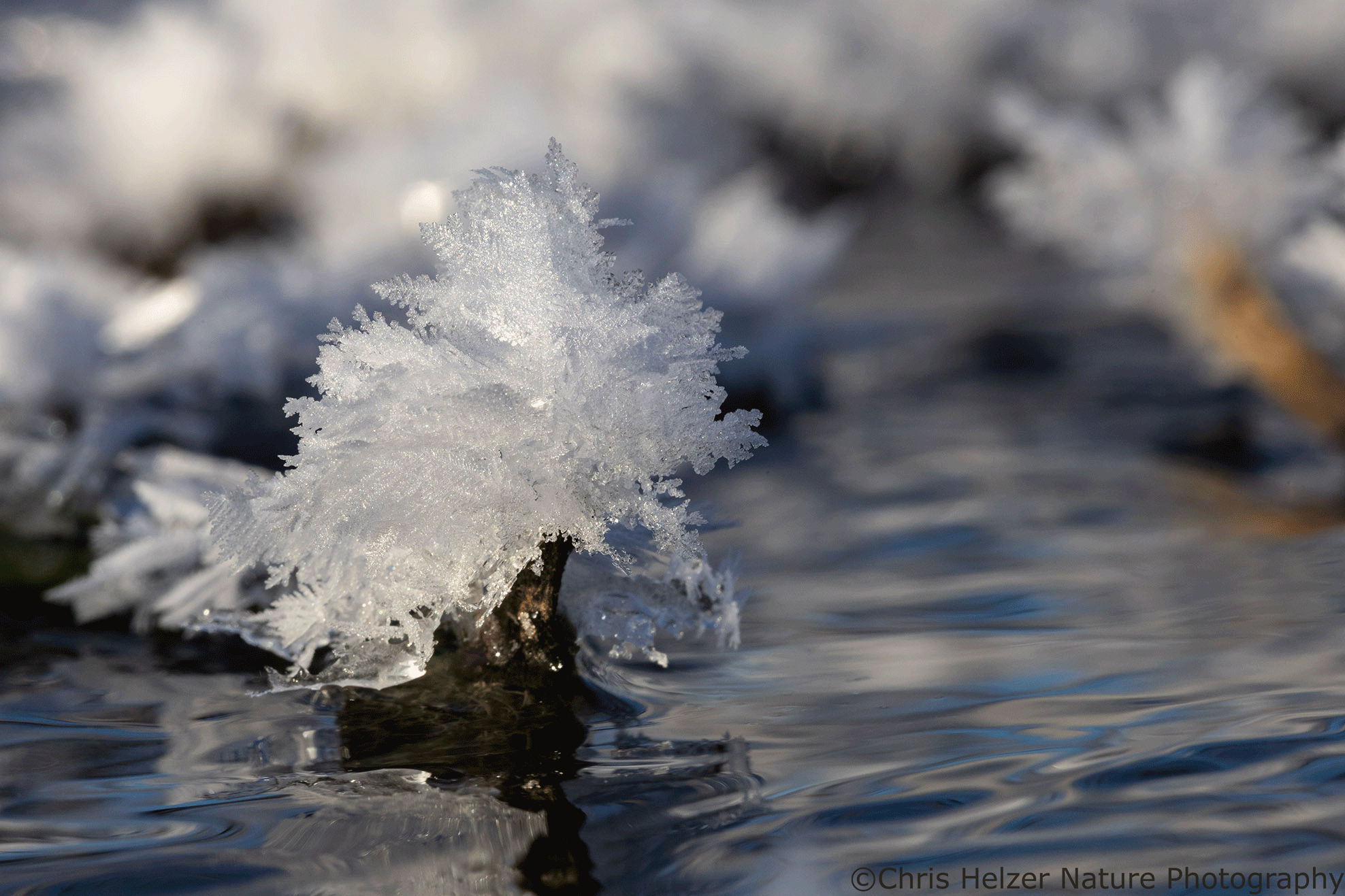
As I walked/slid around the wetland, I gravitated toward places where the ice was darker and covered with scattered hoar frost. The little patches of frost reminded me of herds of bison or wildebeests moving across the plains. I enjoyed photographing them both individually and in groups.
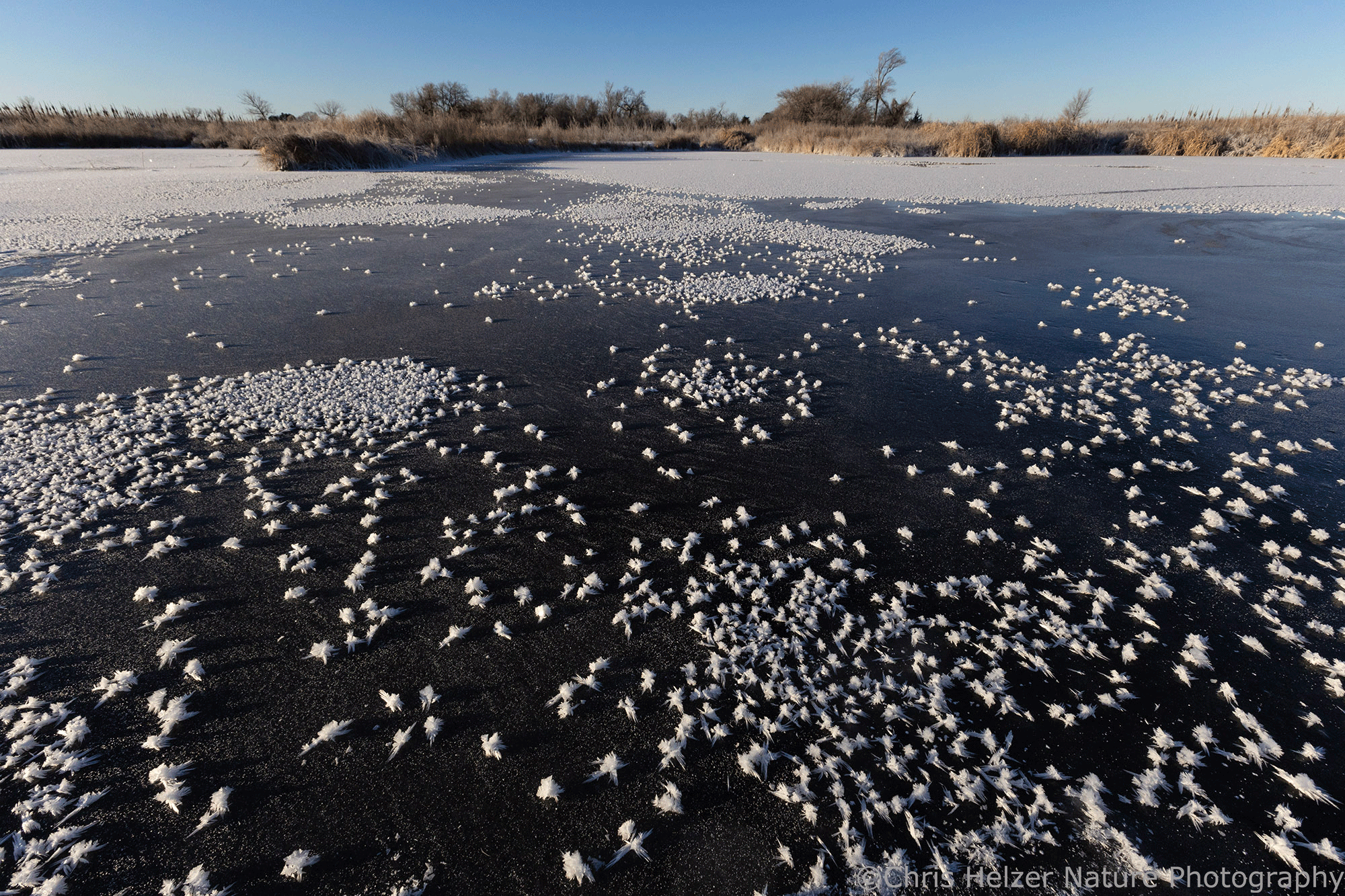
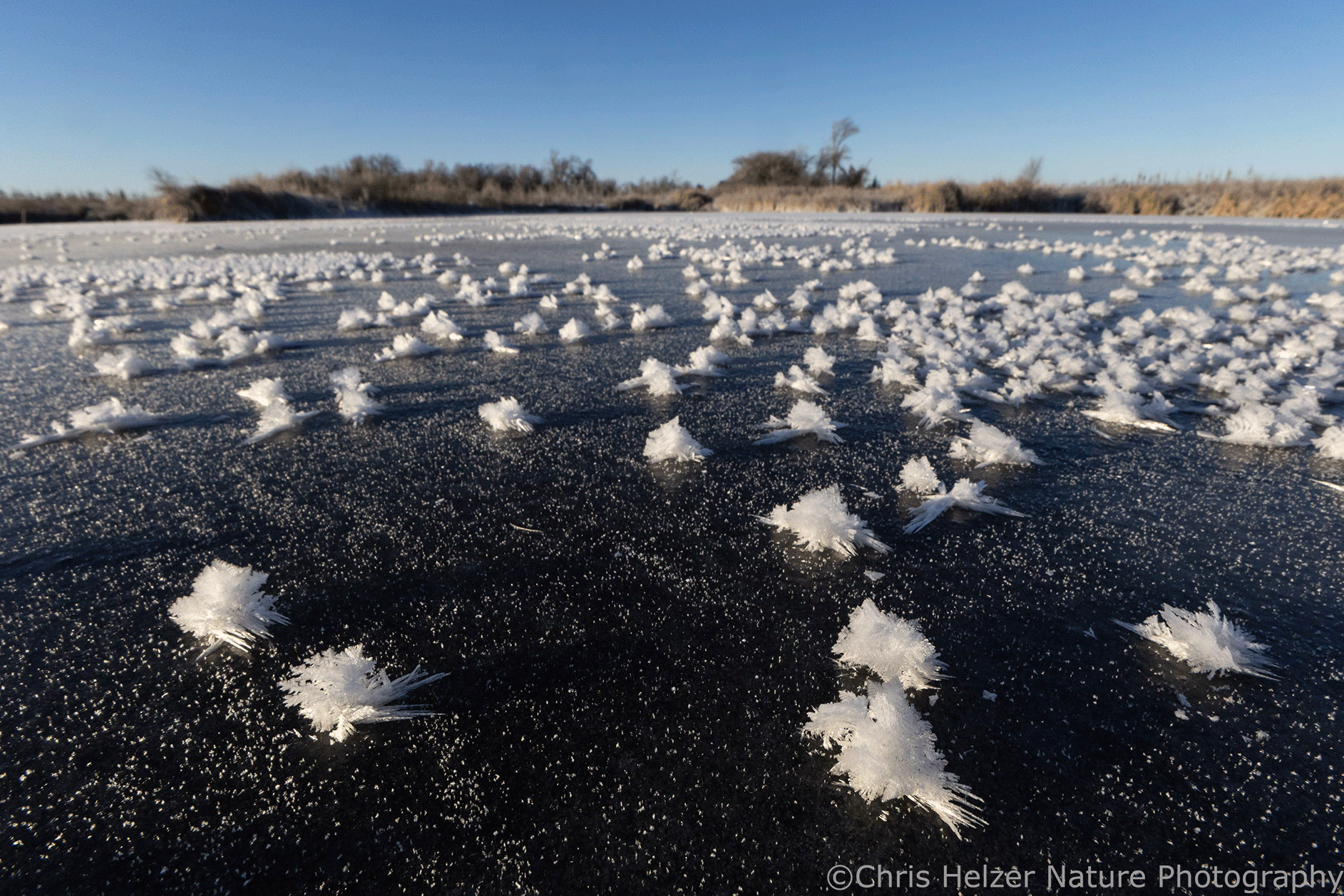
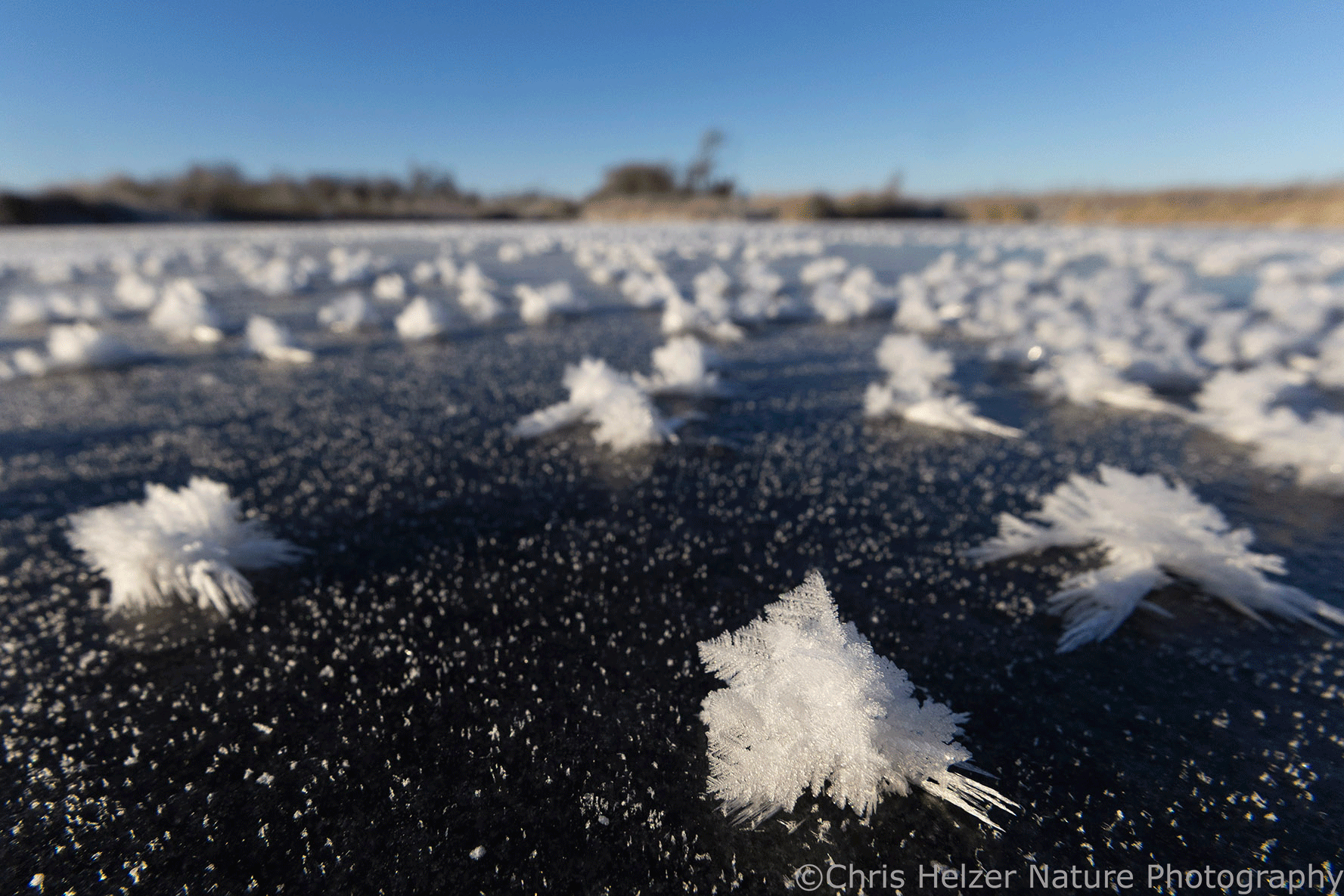
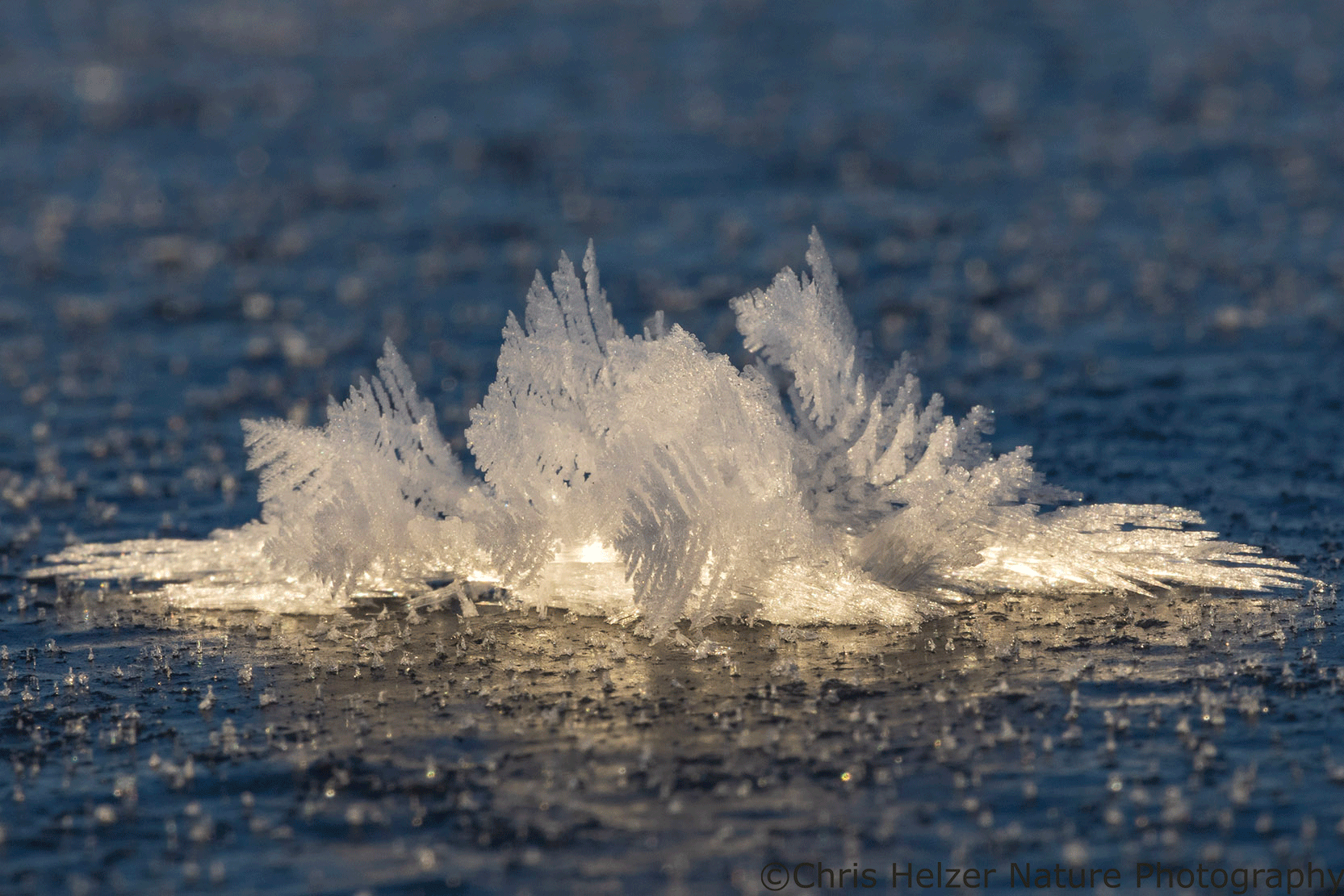
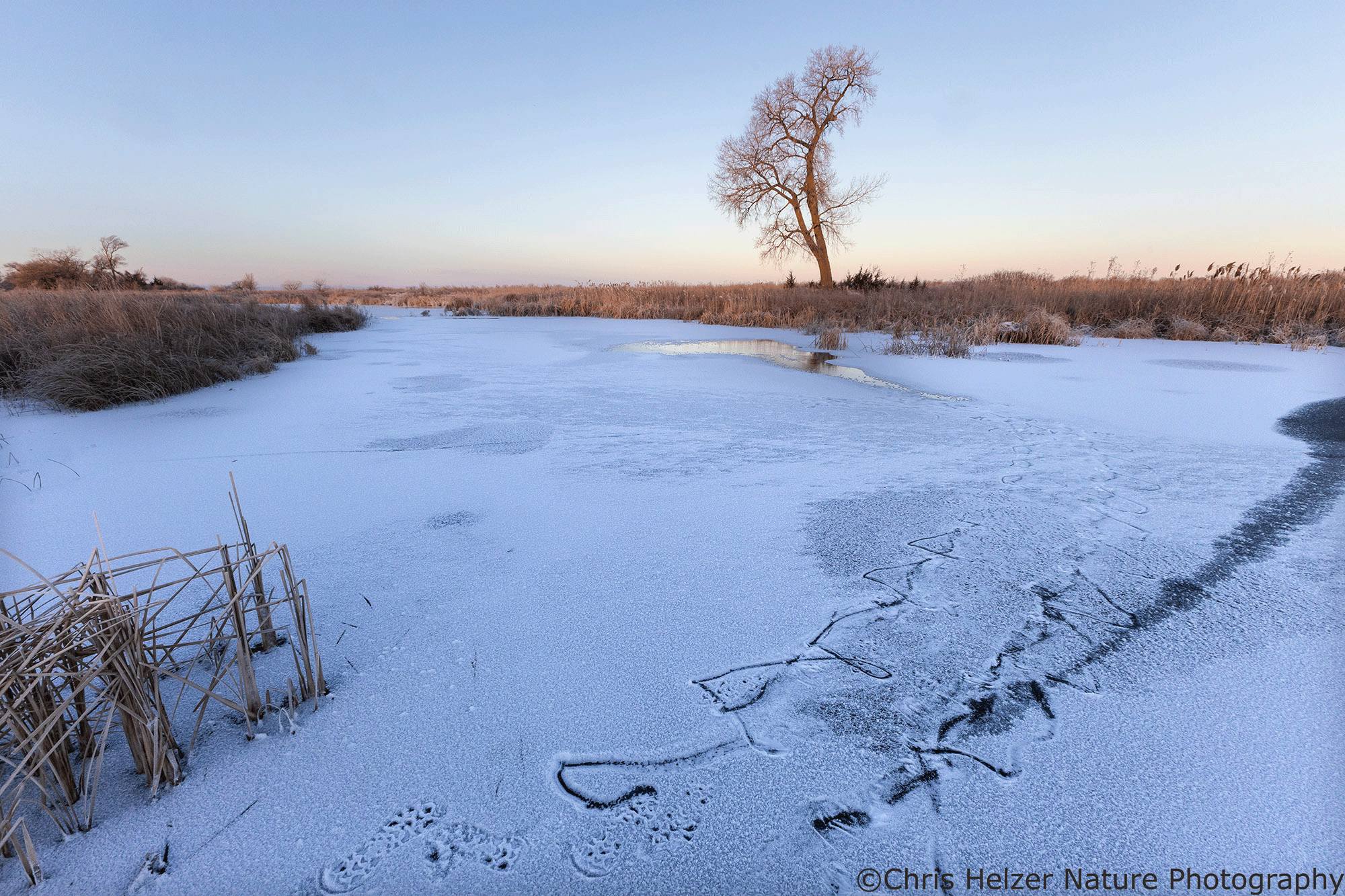
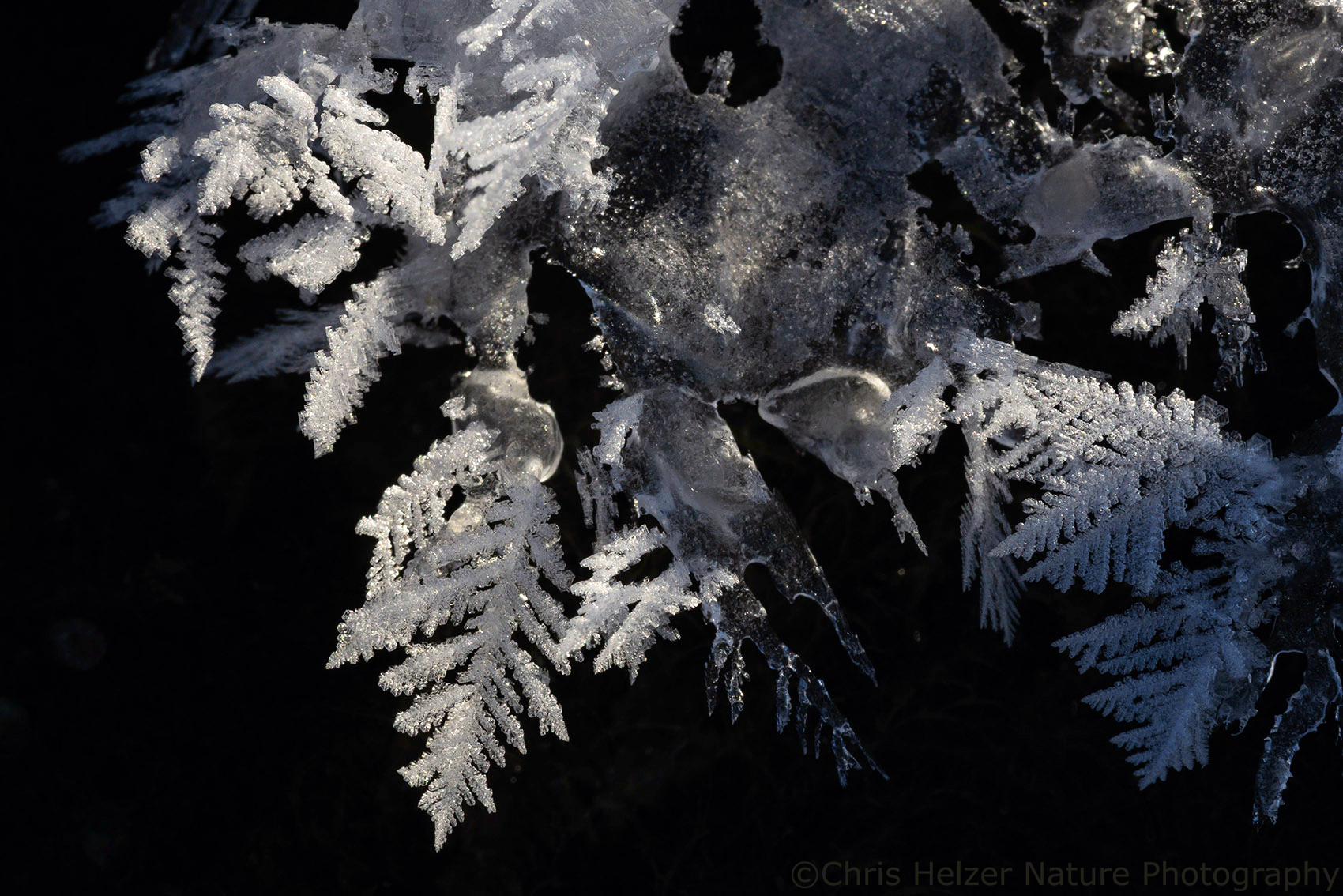
I was really hoping for a bunch of ice bubbles, but didn’t find many. There were only a few patches, here and there. Between a light snowfall and the hoar frost, there wasn’t as much clear ice as I’d hoped. I still managed to scratch my itch a little.
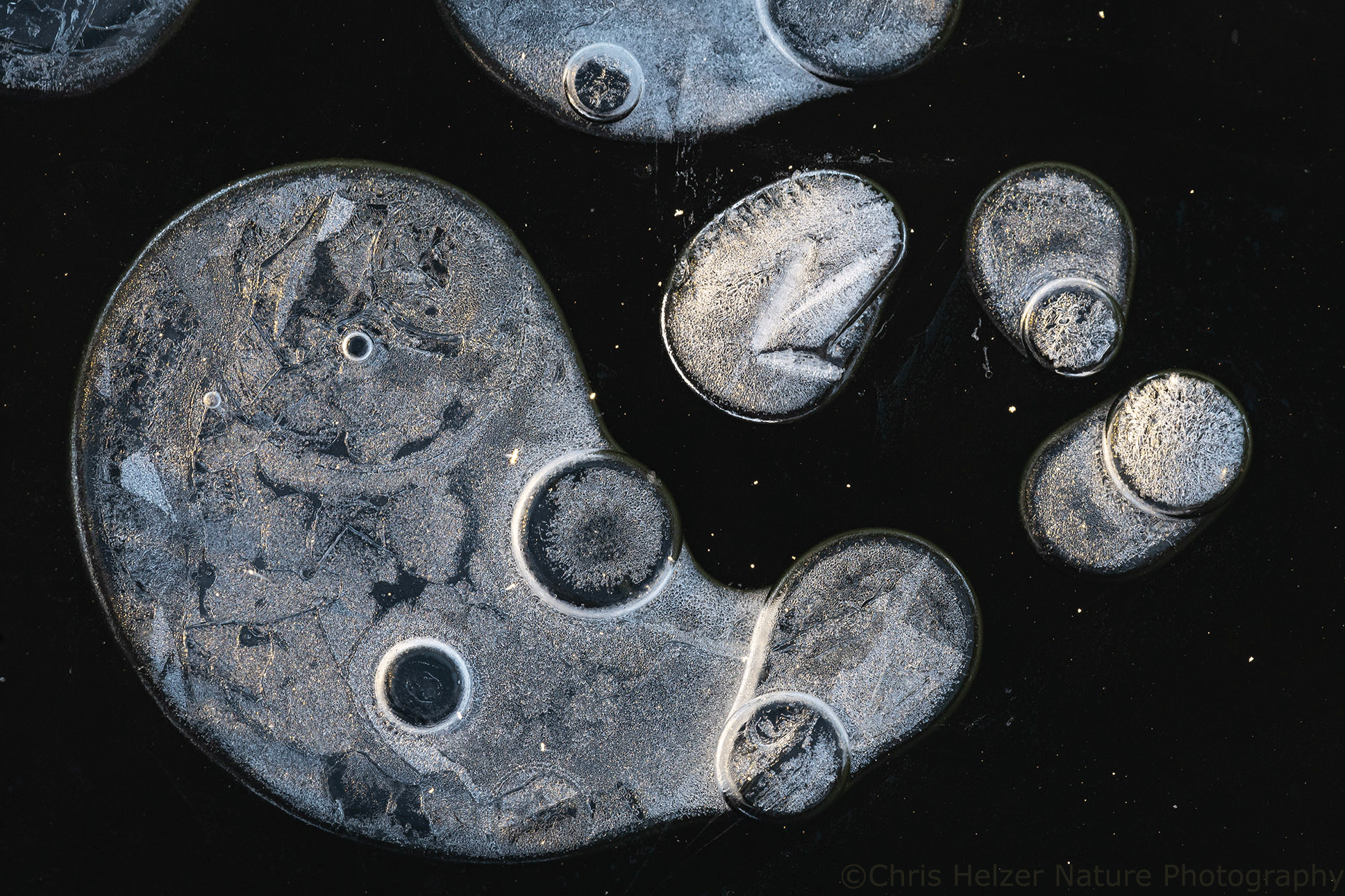
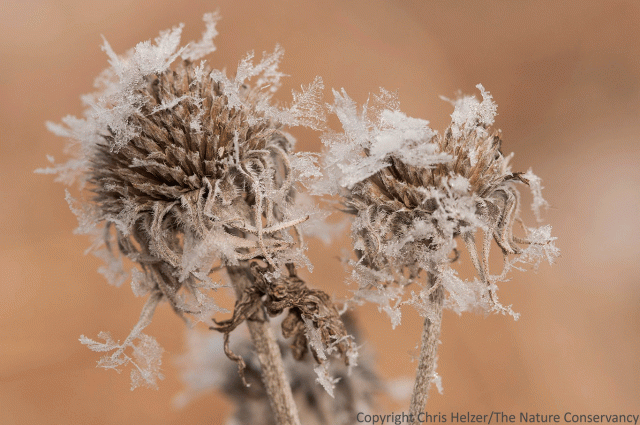
Here are more examples of what I photographed yesterday. I managed to stay on top of the ice all morning. My gloves and sleeves got a little wet toward the end, but only because I was trying to work near the edge of some open water and there was a little sloshing. Thanks for your concern.
This will be a warmer week, but I hope for colder temperatures soon. It is winter, after all. If we can’t have wildflowers and insects, we should at least get frost, snow, and ice!
 The Prairie Ecologist