Photos of the Week – February 24, 2025

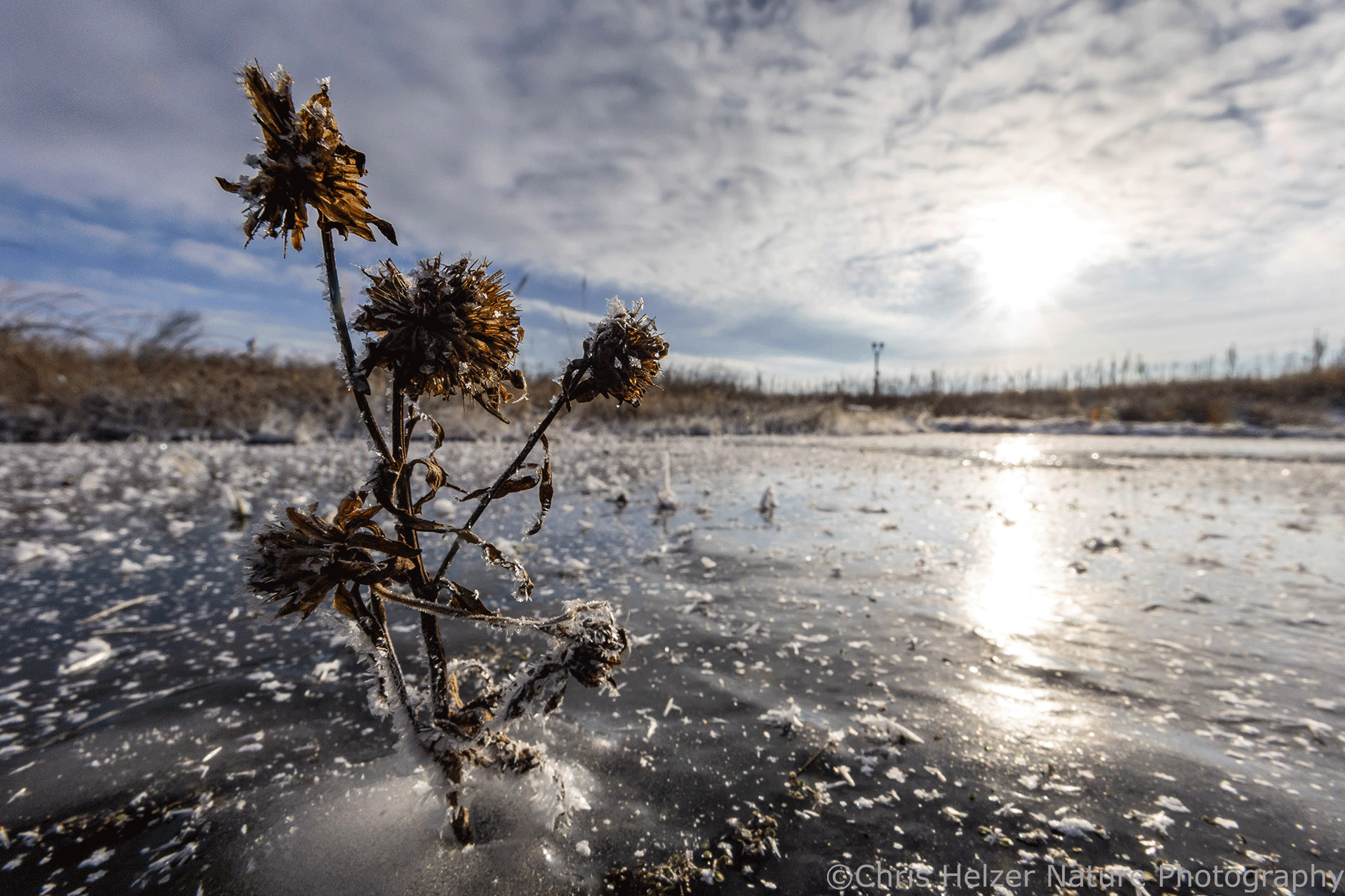
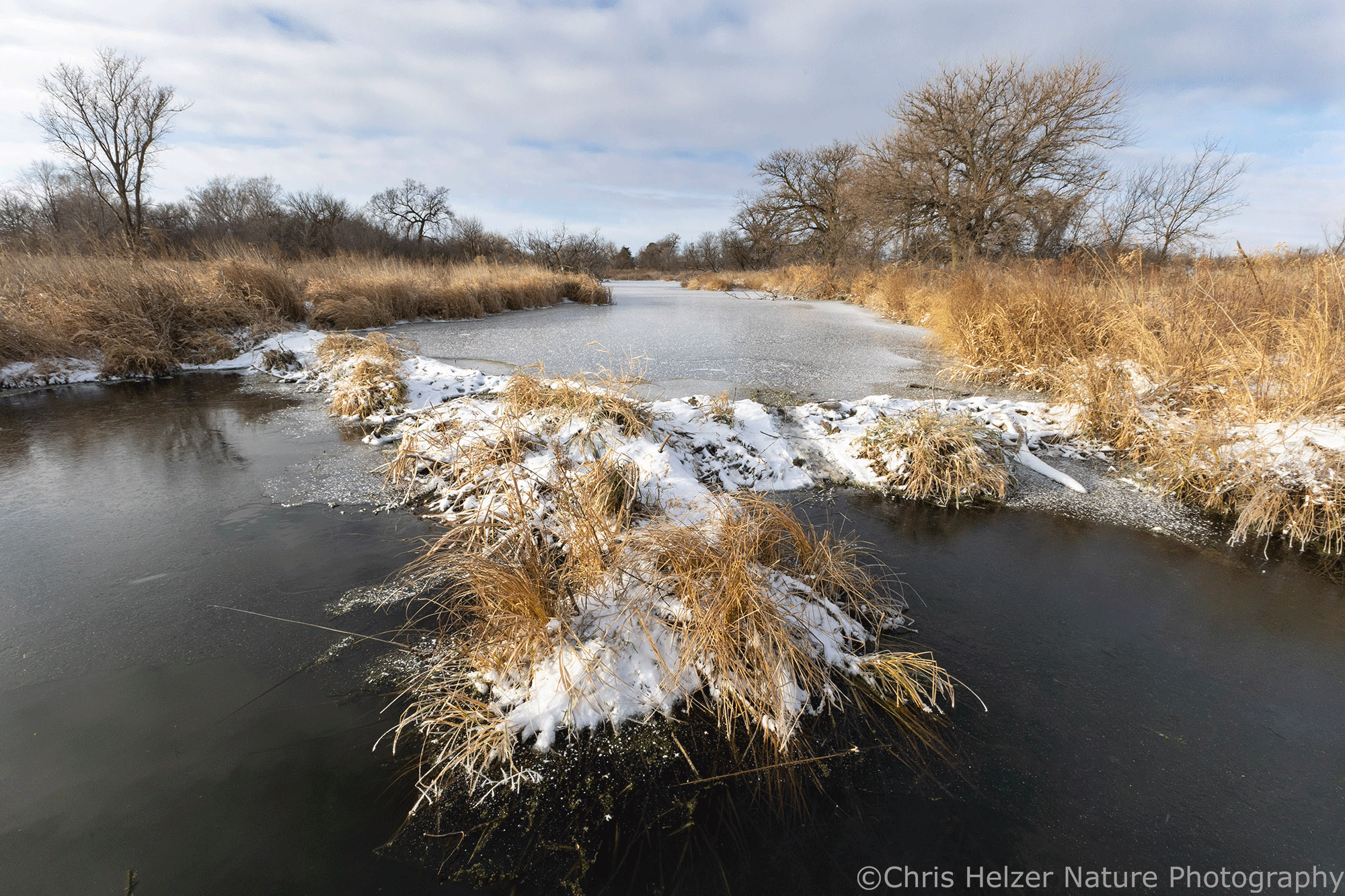
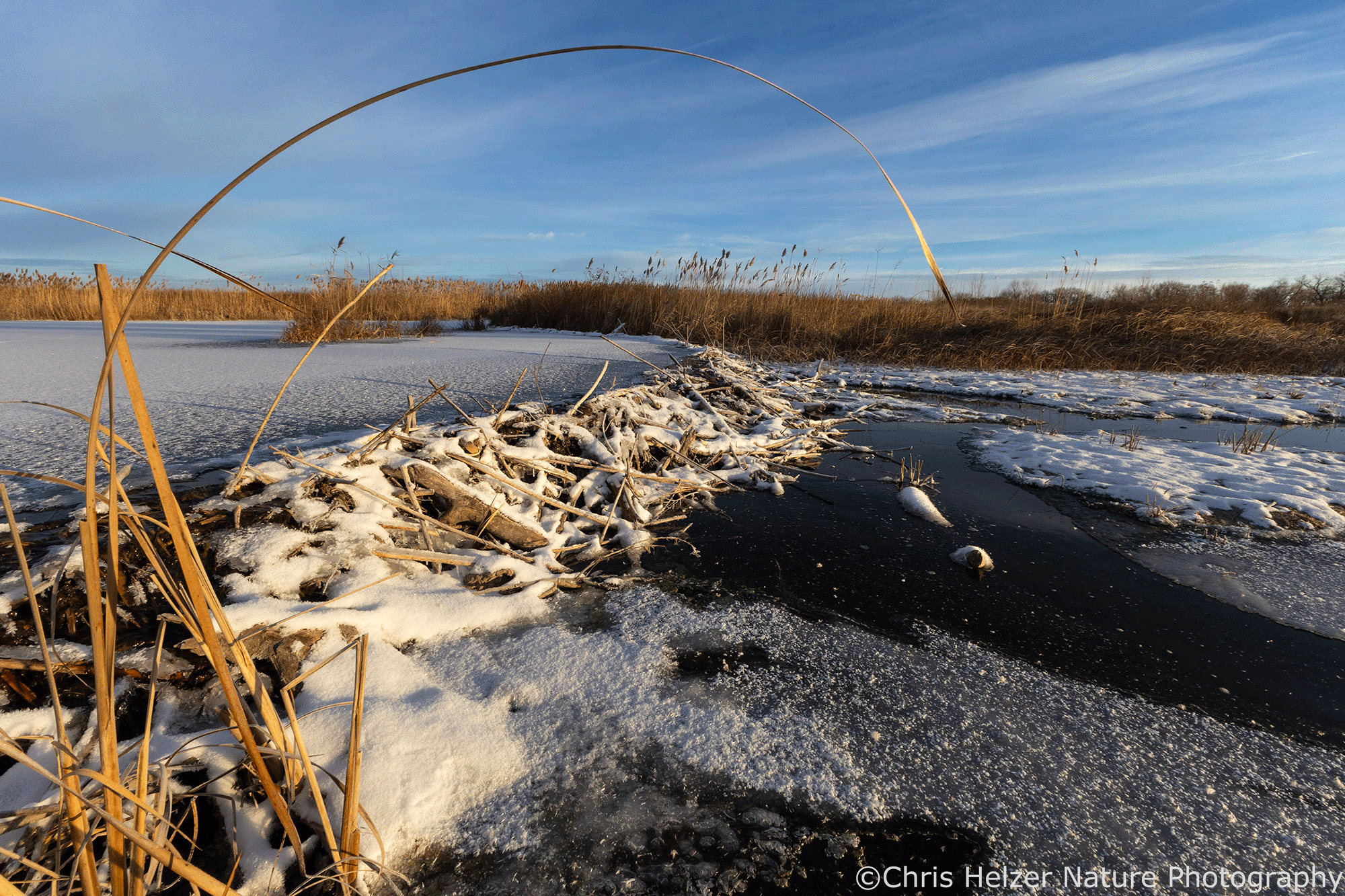
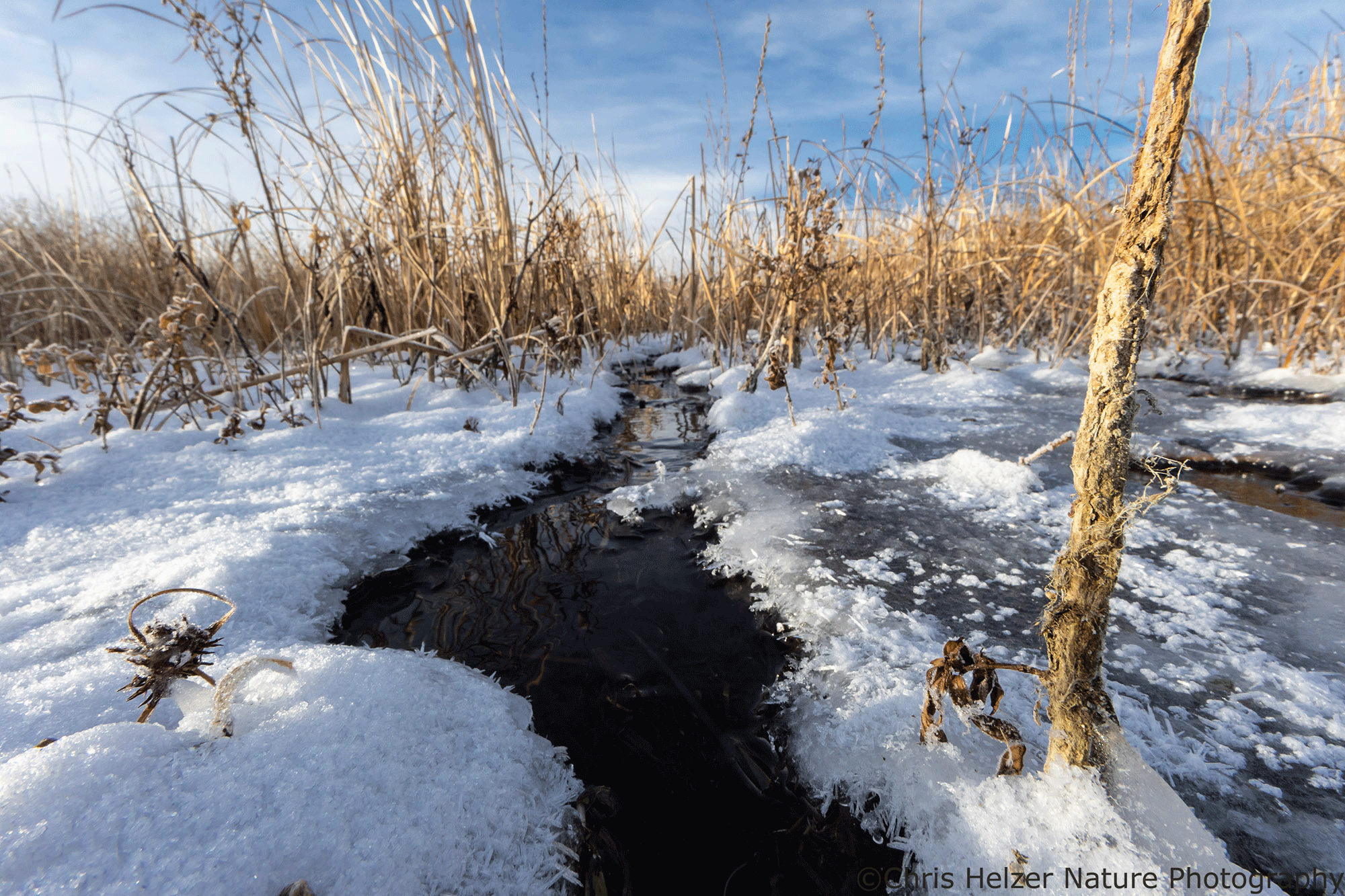
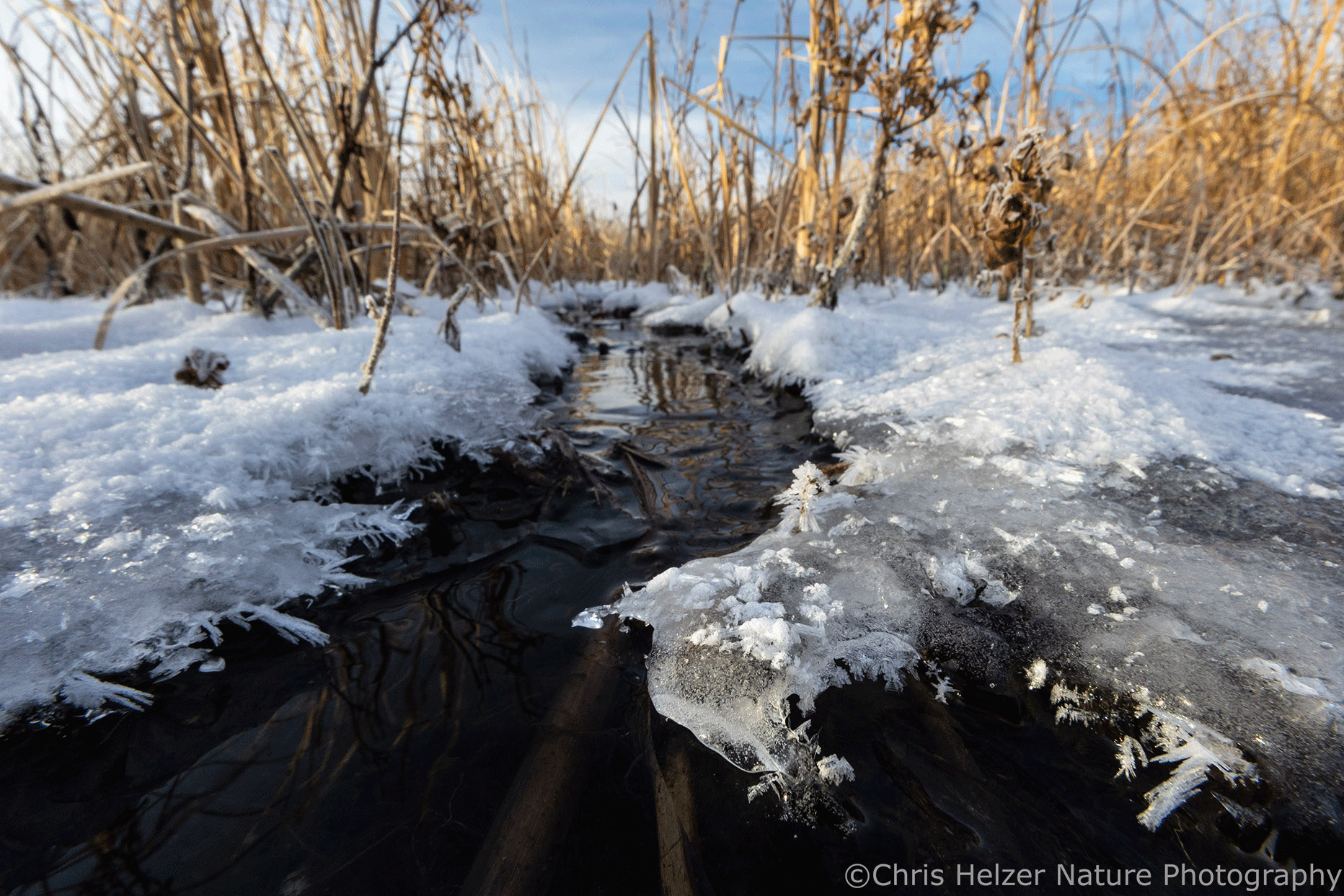
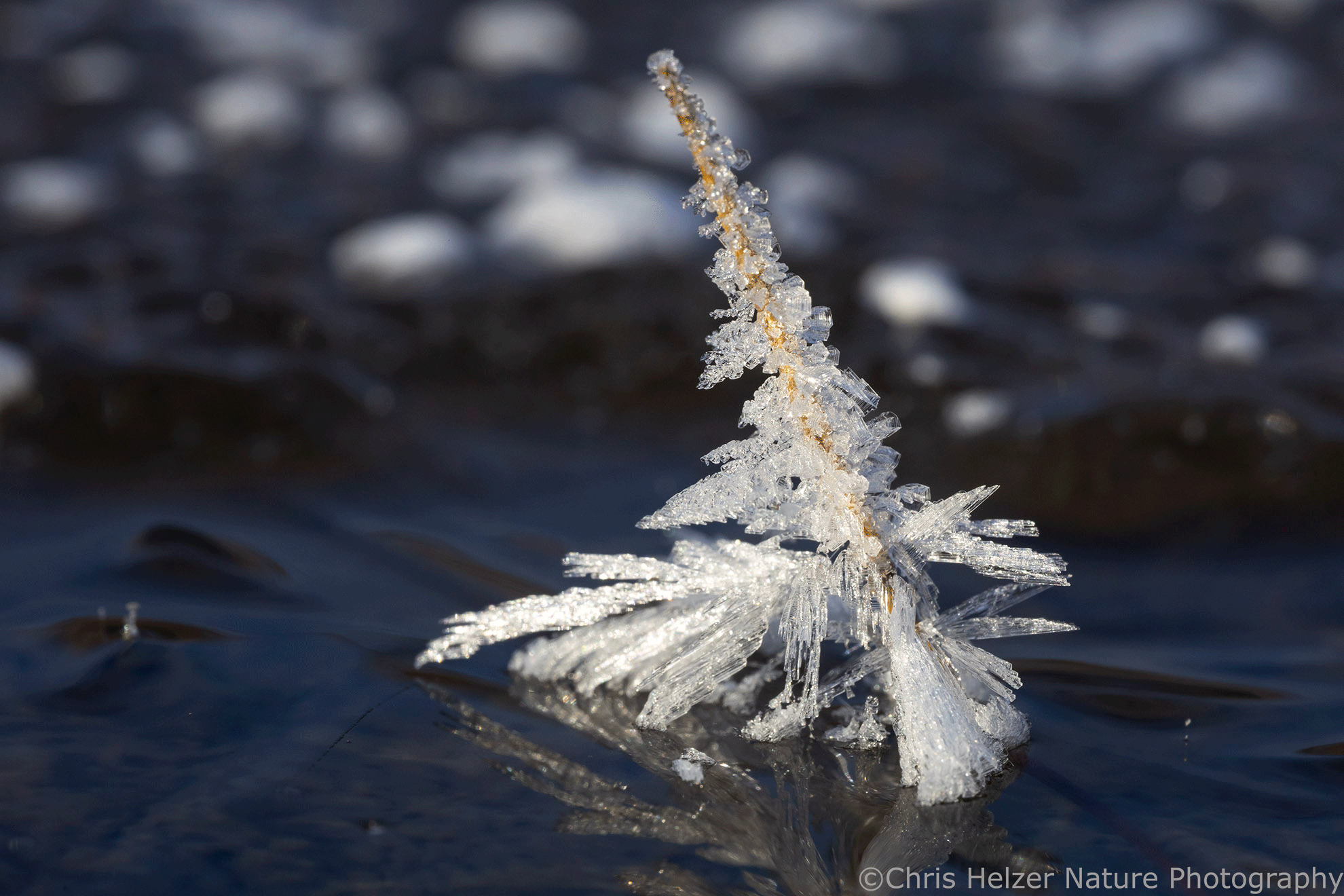
Well, the temperatures have swung back up and our snow is rapidly melting. I only managed a couple brief photography jaunts during the cold snap/snow, but they were enjoyable. Below is my favorite photo from this most recent snow.

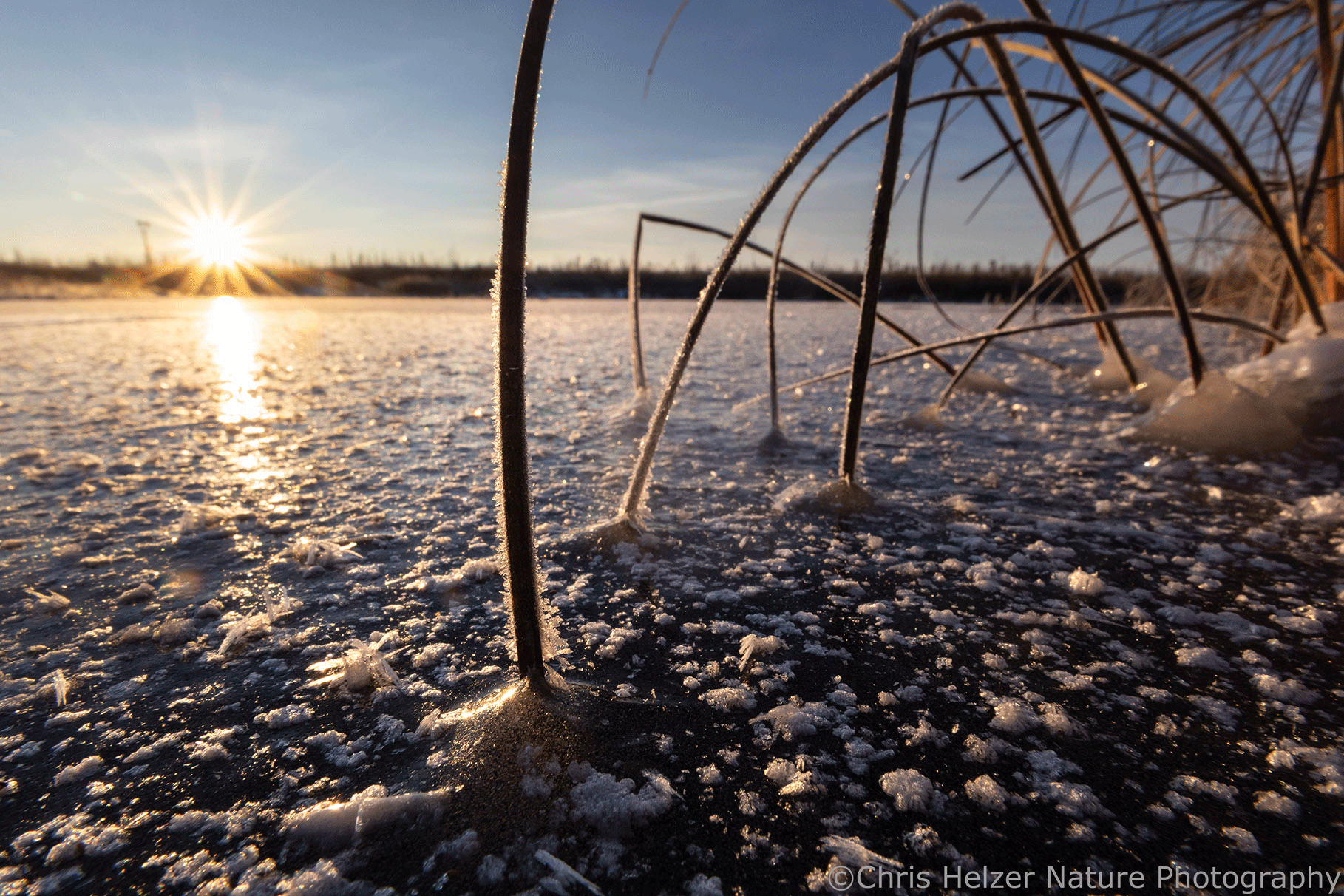
Partially melted/refrozen snow crystals at Gjerloff Prairie.

Last week, I was honored to be a guest speaker at the Illinois Association of Conservation Districts Conference at Starved Rock State Park. It was great to catch up with some old friends and meet more. I was really impressed with the energy of the group and with the creativity and thoughtfulness being applied to conservation challenges.

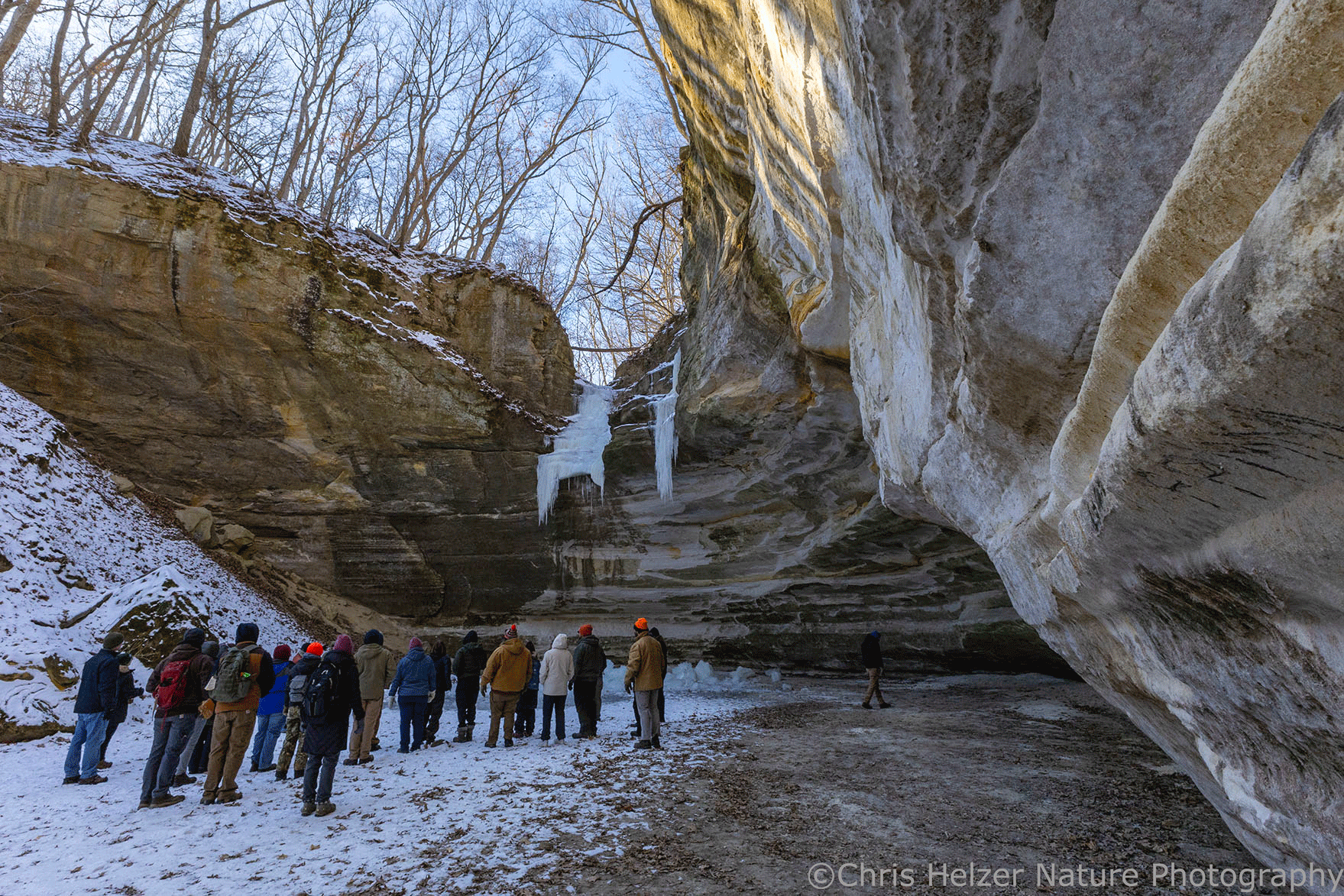
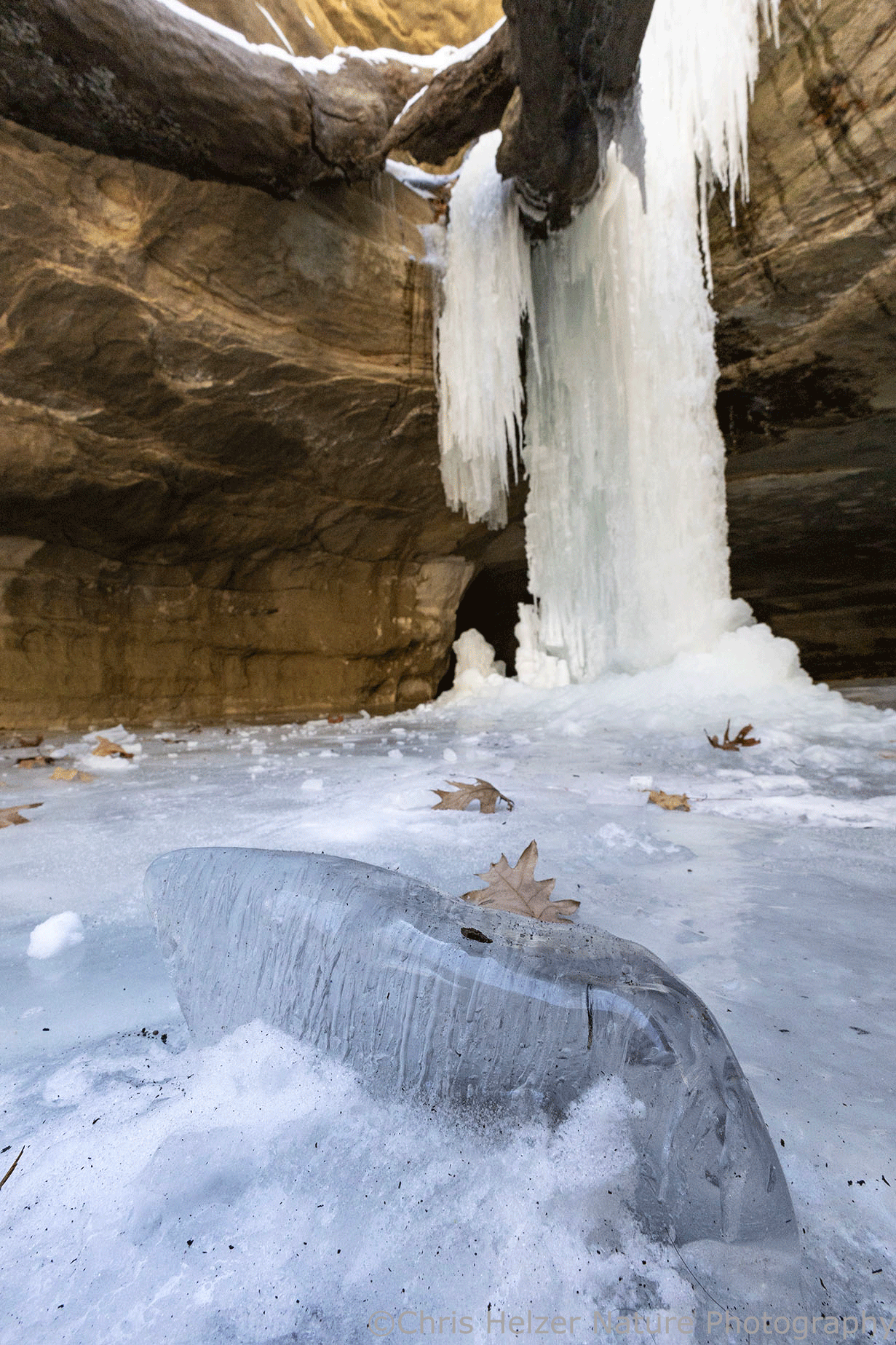
On the first morning of the conference, we took a quick hike up a couple canyons in the park. We got to admire both water-carved sandstone formations and frozen waterfalls. The bigger of the frozen falls, unfortunately, had broken off, but was still impressive. A smaller version in the next canyon, though, was still intact and made for some fun photography.

Field trip at Starved Rock State Park
Frozen waterfall!
Frozen waterfall!
Ice and embedded leaves near the waterfall.
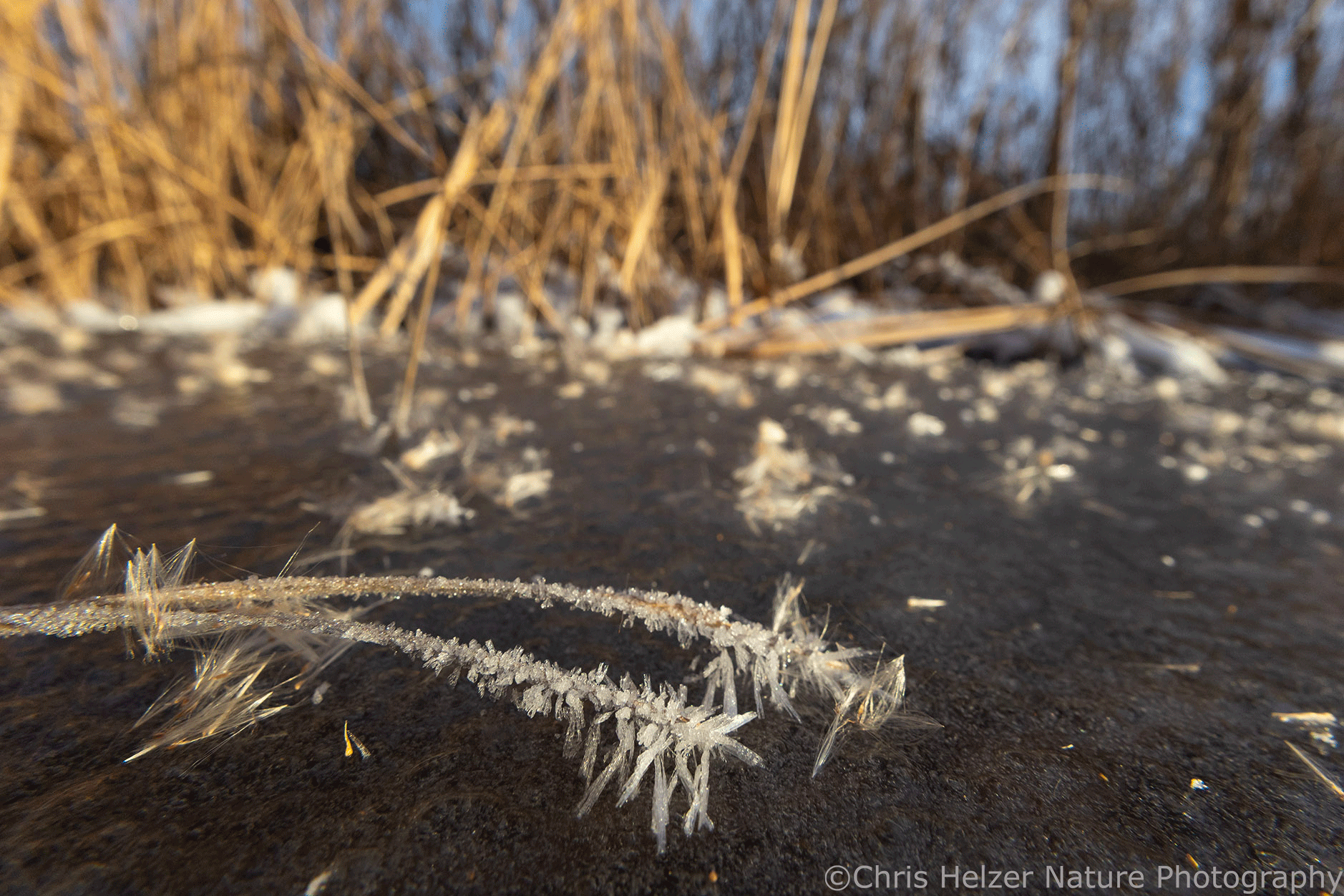
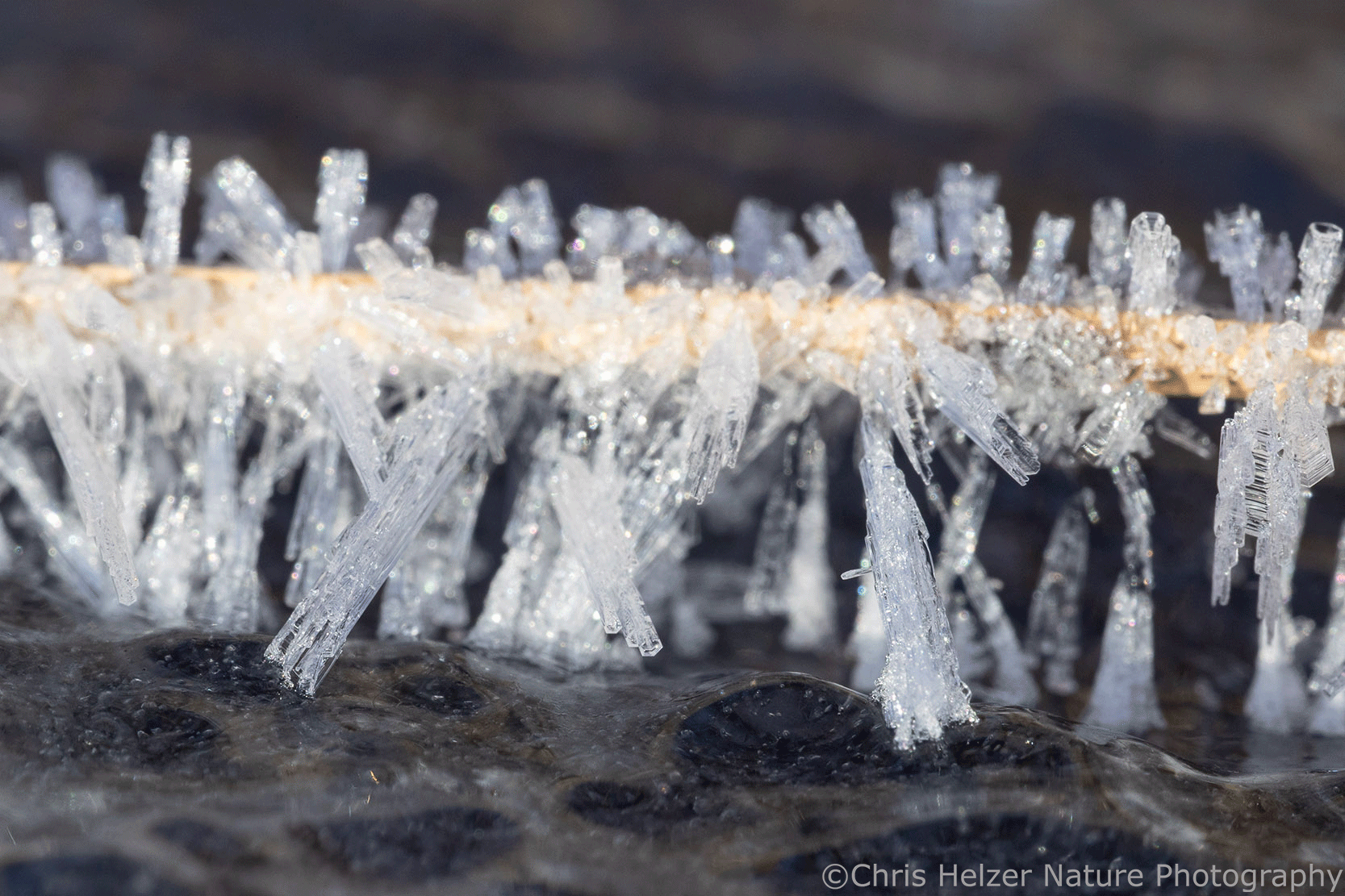
Fun ice patterns.

We got back to Nebraska Friday night – just in time for me to get out for a Saturday morning photography hike before temperatures rose and started to melt all the snow. I got up early enough Saturday that I was at Gjerloff Prairie before sunrise. I had the place to myself, and only a cross country skier the previous day had made tracks through the new snow before I arrived. (Well, not counting the birds, deer, coyotes, mice, etc.)

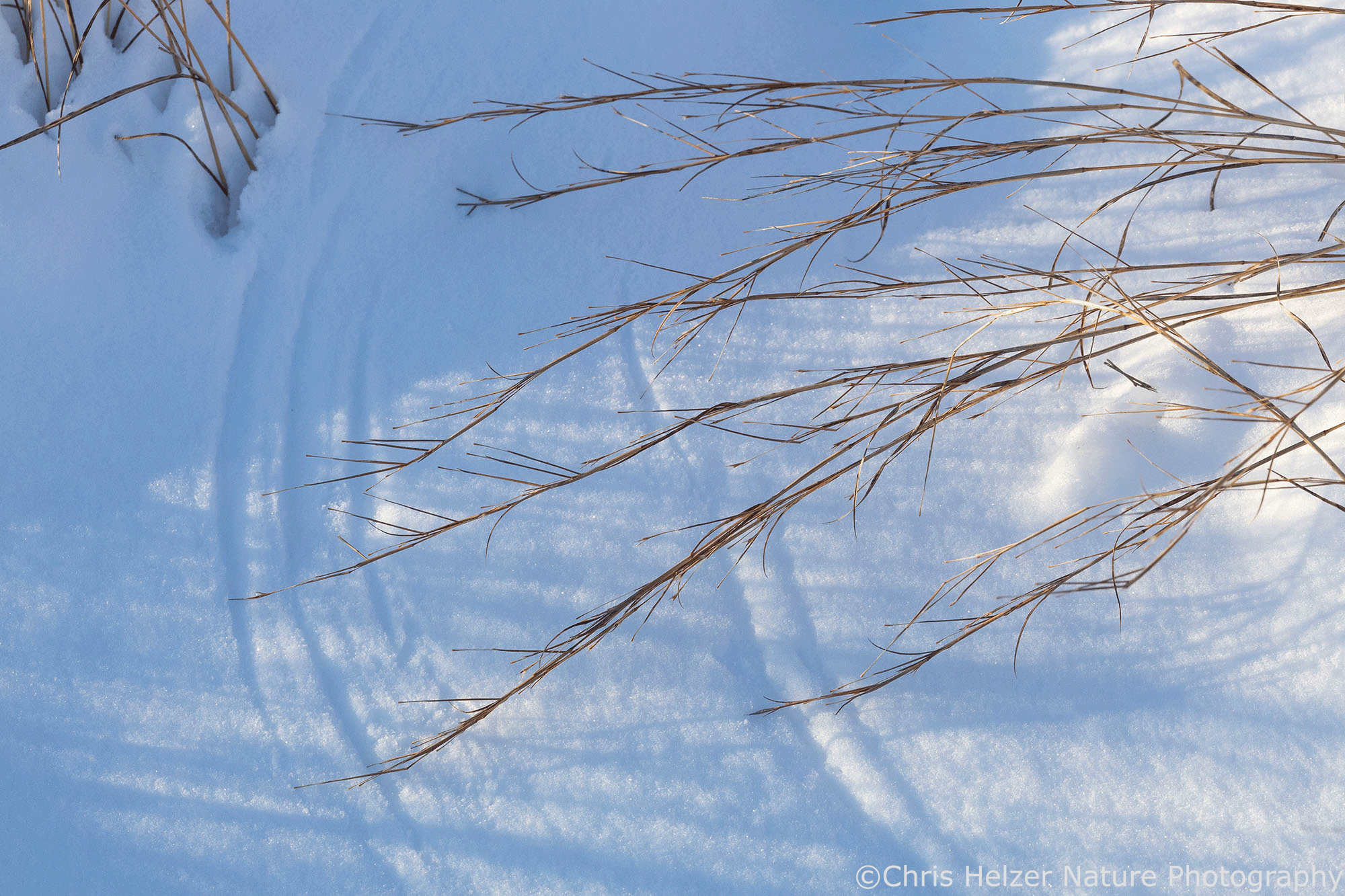
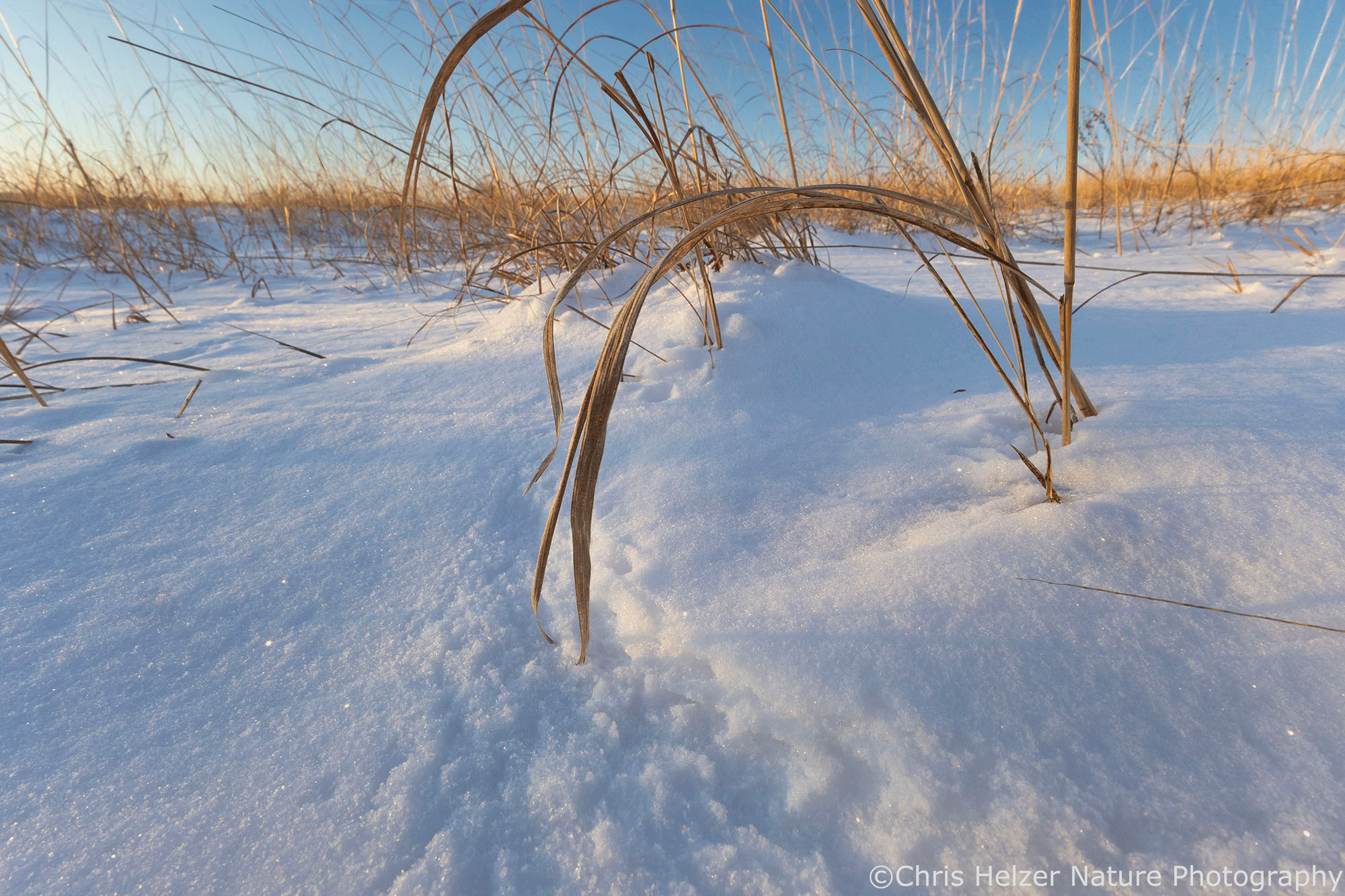
Pre-sunrise photo of grasses and the marks they’d made in the snow during the previous breezy day.

It was a pleasant morning for a hike, despite the cold temperature (about 10 degrees F). The evidence of breezes during the two previous days were everywhere – especially in the way grasses had traced patterns in the snow – but there was only a gentle breath of wind while I walked.

The wind had moved the grasses around enough that they’d carved out circles at their bases.
Grazed grasses.
Snow crystals around a slight gap in the snow surface.

Numerous birds and mice had been out feeding and had left their tracks all over. They also left some of their food scattered about. One patch of smooth sumac had clearly been worked over by one or more mice. It/they had climbed up and torn quite a few fruits from the top of the shrubs. Quite a few were still in the snow when I arrived, looking like bright red beads. There were also a lot of big bluestem seeds scattered around where birds had clearly been foraging on grasses.

A fruit of smooth sumac, dropped by a foraging mouse.
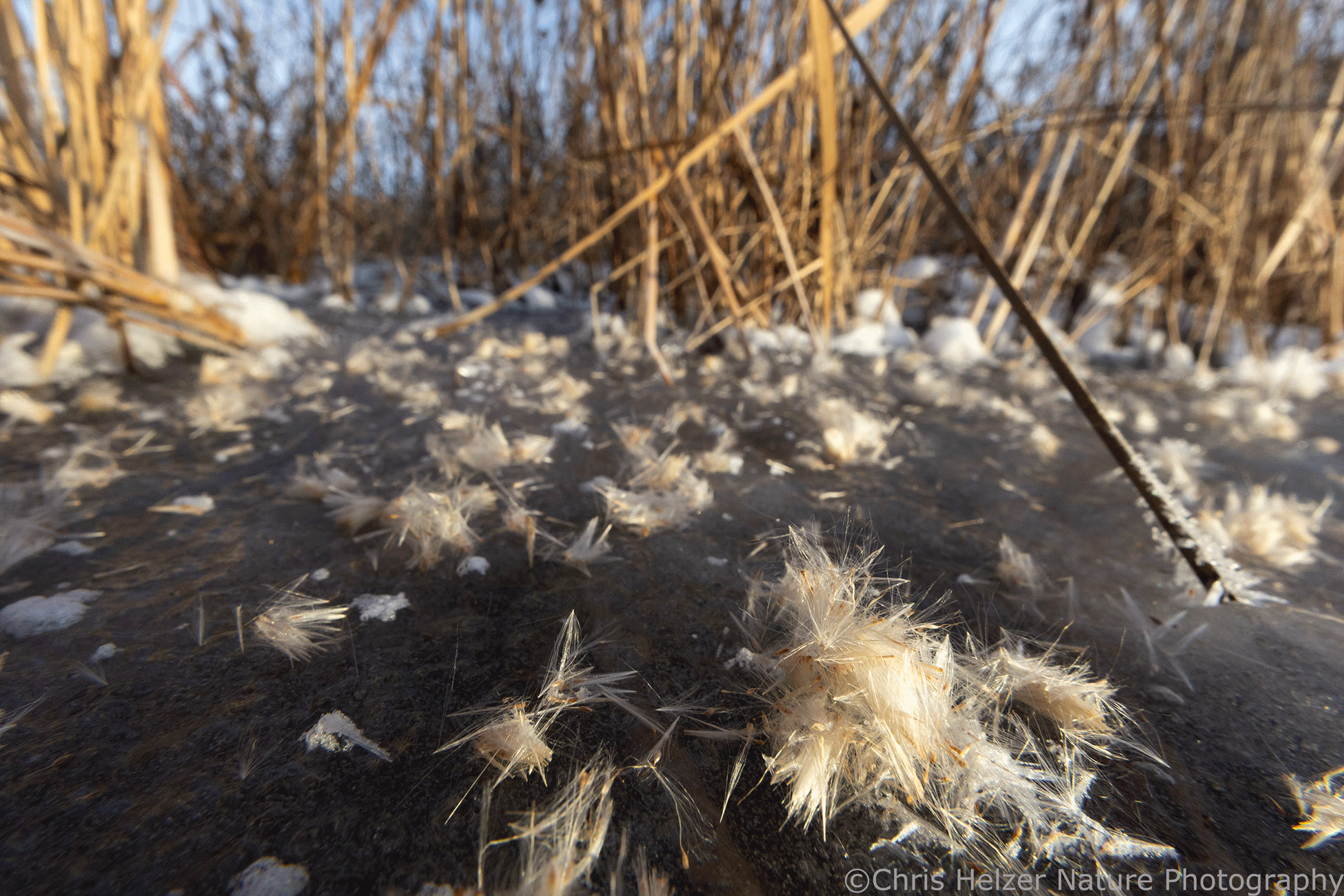
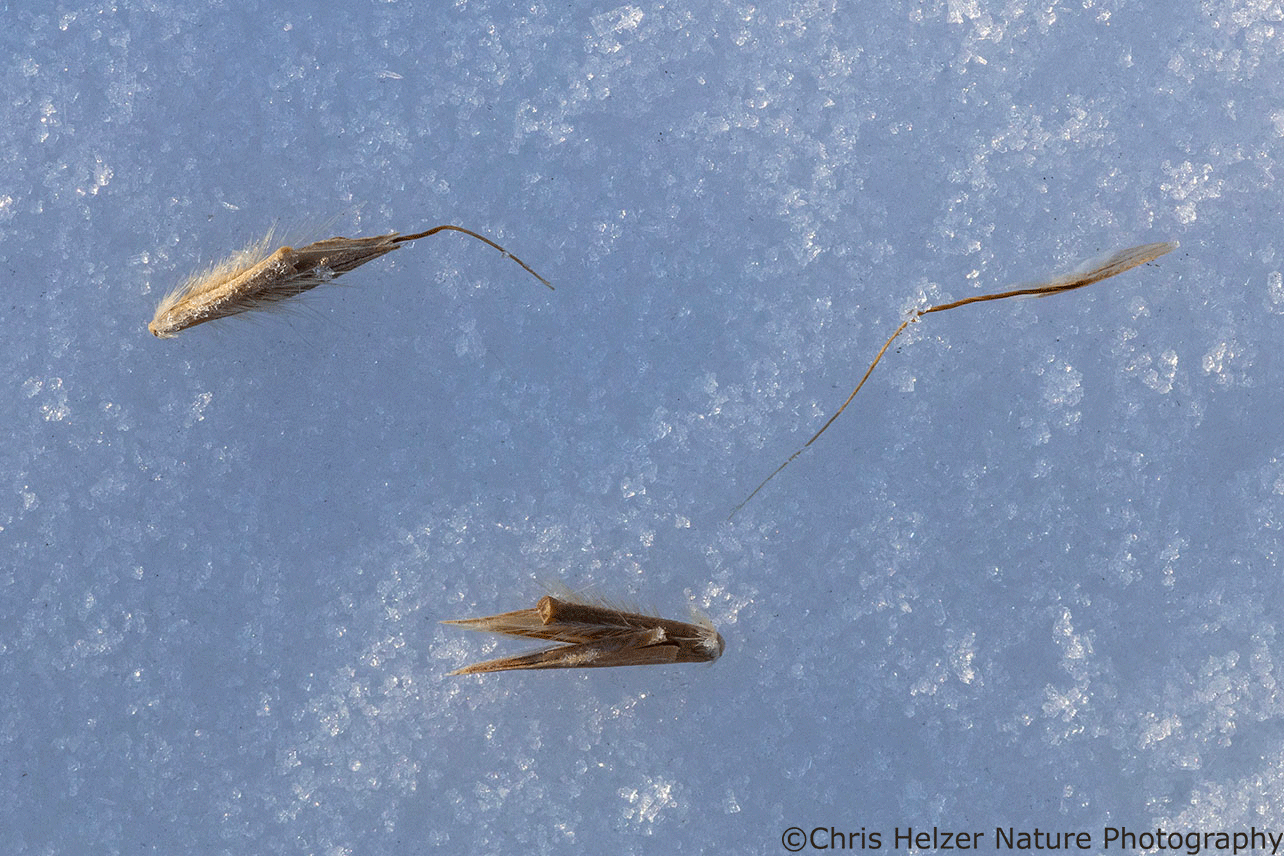
Big bluestem seeds below where birds had been feeding.
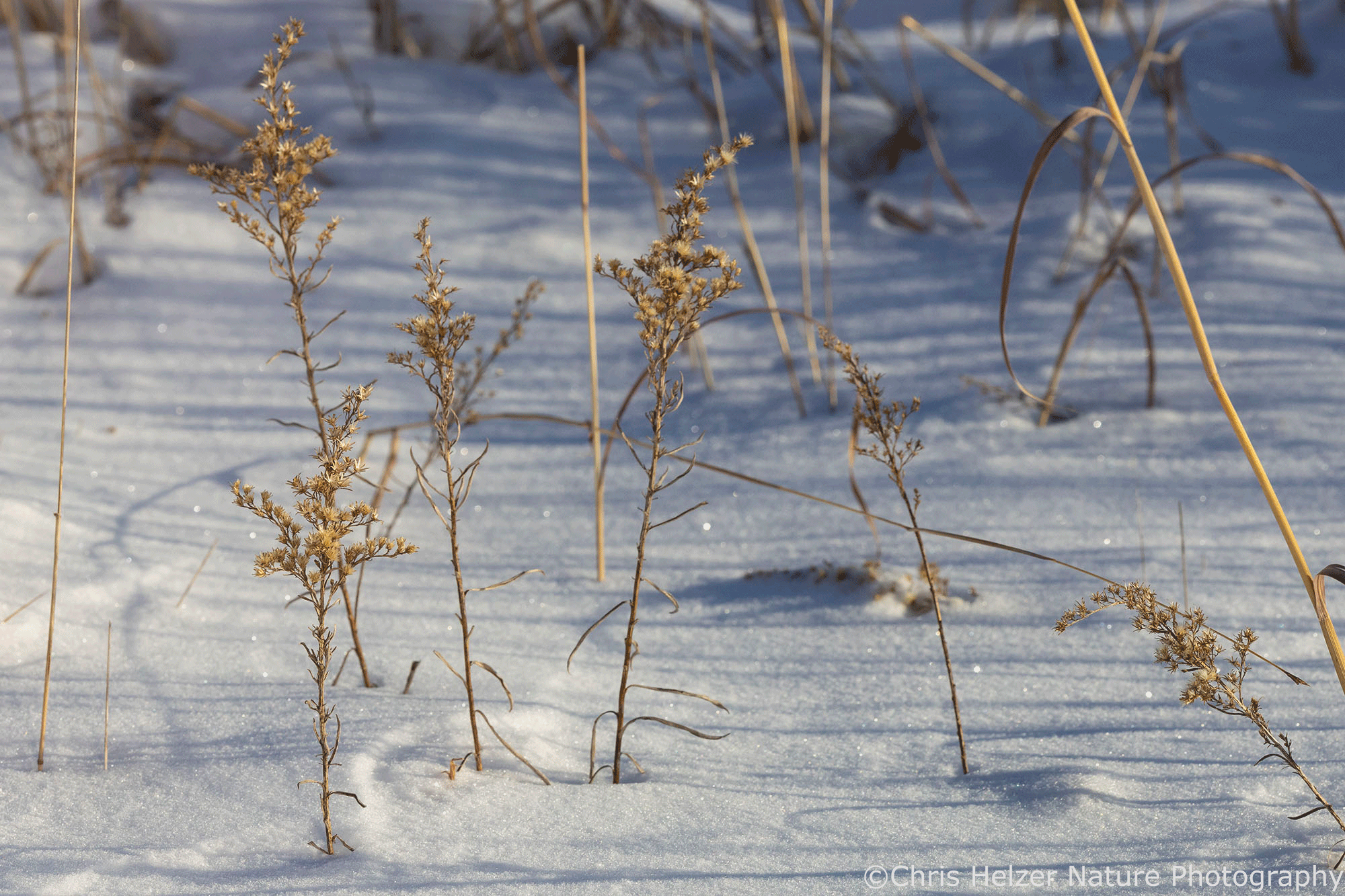
A patch of Missouri goldenrod.
Marks made by grass leaves bouncing around in the wind during the previous day.
Mouse trails (see the tail prints?) leading from and back to a tunnel beneath the grass and snow.

By the time I finished my hike, the temperature had risen 10 degrees and there was the distinct feel of a day that was going to get much warmer (which it did). It’s still February, so maybe we’ll get another shot of snow before the winter ends? I sure hope so.

Thawing Frozen Bugs; The Grand Experiment

A few weeks ago, I wrote a post about seeing insects frozen in ice, and speculated about how they’d gotten there and whether or not they might still be alive.  Several of you encouraged me to chip them out of the ice and thaw them out, apparently under the impression that I walk around with an ice axe in my camera bag.  Nevertheless, it was a fair point.  Why speculate aimlessly about something that’s relatively easy to test – especially since it wasn’t the first time I had speculated on the same topic?  (See this post from 2014 and this one from 2011.)  For my 2014 post, I actually did pull a beetle out of the ice and watched it thaw.  It was dead.

Yesterday afternoon, I went out to our family prairie with two of our boys.  Daniel needed to do some video work for a school project, and Calvin wanted to continue working on a project he’d started over the weekend, which seems to involve propping sticks against a tree.  Anyway, two boys wanted to go to the prairie – what am I going to do, say no?  We went.

The boys had a great time playing on the ice while I was looking at dead bugs.  I should maybe reevaluate my life choices.

It was about 60 degrees when we got to the prairie, and while the wetland was still frozen enough to walk on, the top of the ice was melting.  Scattered about the wetland and a nearby livestock watering tank were numerous insects that had been frozen yesterday but today were sitting in shallow puddles of water on top of the ice.  Ah ha!  No ice axe required today!  I grabbed a ziplock bag from my pack (an item even more essential to a naturalist than an ice axe) and starting scooping up cold insects and enough water to keep them in.

A cell phone photo of a couple insects on the frozen surface of a livestock watering tank.

When we got home, I dumped the bag of pond water and insects into a shallow bowl.  The following is a series of observations as I conducted this important scientific research project.

A bowl of bugs on my kitchen counter.

February 26, 2018

6:05 pm – Dumped 18 insects into a bowl, having collected them from thawing water on top of the ice at our prairie.  (No ice axe required, thank you.)  Initial observation: the insects appear to be motionless.  Some are floating, others are submerged.  Water is still very cold.

6:31 pm – Added a little warm water to the bowl.  Some of the insects moved as I dumped the water in, but seemed to settle back into stillness as the water calmed.  Brief movement considered inconclusive as to the status of insects as living or dead.  More data needed.

7:48 pm – Water is about room temperature now.  Wondering if the floating are the same that were floating earlier?  Probably.  A couple stray legs seem to be lying around on the bottom of the bowl.  If those insects are soon to be alive and kicking, it appears they’ll have fewer legs to kick than they had last fall.

A stray leg.

8:33 pm – Of the 18 insects I collected and put in the bowl, 18 still appear to be motionless.  Fighting boredom (me, not the insects).  Must remain vigilant in order to complete this project for my readers.

9:07 pm – Nothing to report.

10:15 pm – I’m pretty sure several of these insects are actually flies, and not aquatic insects at all.  Wondering if I should remove those from the dataset so as not to bias the overall survival rate.

Waiter, there’s a fly in my soup.  Oh? What’s it doing?  Nothing.  (Not a funny joke at all.)

10:56 pm – So tired.  Can’t keep my eyes open much longer.  Have decided to call it a night and hope not to lose any insects that reanimate during the night and fly off.  Will cover the bowl to be sure. One of the water boatmen has a certain look in its eye – just waiting for me to go to sleep so it can make its escape?  Better seal the bowl tightly…

February 27, 2018

6:15 am – Woke up and immediately remembered the insects.  Hoped none had eaten each other or escaped.  Scurried out to the kitchen and did a quick count.  All 18 insects accounted for.  None seem to be moving.  Sleeping after a busy night of swimming?  Swished the water around a little, and got some movement, but didn’t seem to be the result of any self-propelling motion by the insects.  Hopes diminishing.

7:10 am – Have decided that maybe the water temperature needs to be higher in order to break diapause.  Added hot water to the bowl.  Awaiting developments.

7:15 am – Trying to fix breakfast and school lunches.  Need counter space.  Re-evaluating this entire project.

7:23 am – Adapted Monty Python sketch running through my head…  “These bugs are no more!  They’ve ceased to be!  They’ve expired and gone to meet their maker!  They’re stiffs!  Bereft of life, they rest in peace!…These are EX-BUGS!”

Figure 1. Number of dead bugs compared to number of live bugs.  Error bars represent 95% confidence intervals.

7:24 am – Ok, I’m calling it.  Experiment over.  These insects are dead, folks.  Of the 18 frozen insects removed from the surface of the ice, 18 died.  This evidence strongly supports the suggestion that insects found embedded near the surface of frozen wetlands are, in fact, dead.  This follows the findings of Helzer (2014) who similarly found a frozen beetle to be dead upon thawing.

Pining for the fjords?  Nope.

Ok?

Ok.  I’m going to clean out that ziplock bag now and get it back in my camera bag.  I don’t want to be left without it when the next scientific opportunity presents itself.