I’m already missing my square meter plot and that whole project, but I’m soldiering on and finding other fun photographic opportunities. It’s been fun to watch the growing season jump into full speed, despite really dry conditions. We’ve gotten some good rain across much of the state this last week or so, but most of the state is still in drought conditions. It’s a good thing prairies are so resilient!
Here are a few of my favorite photos from the last few weeks.
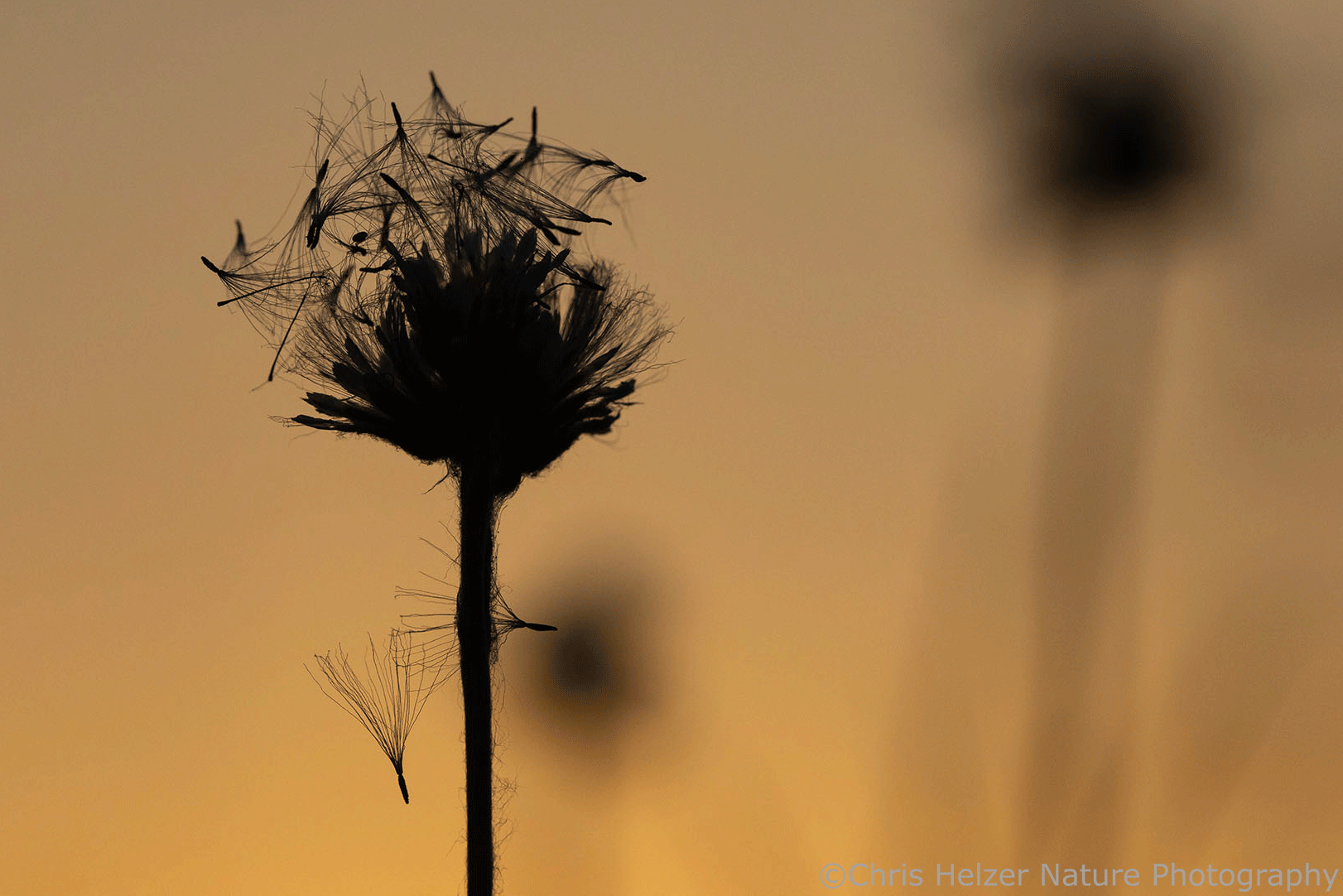
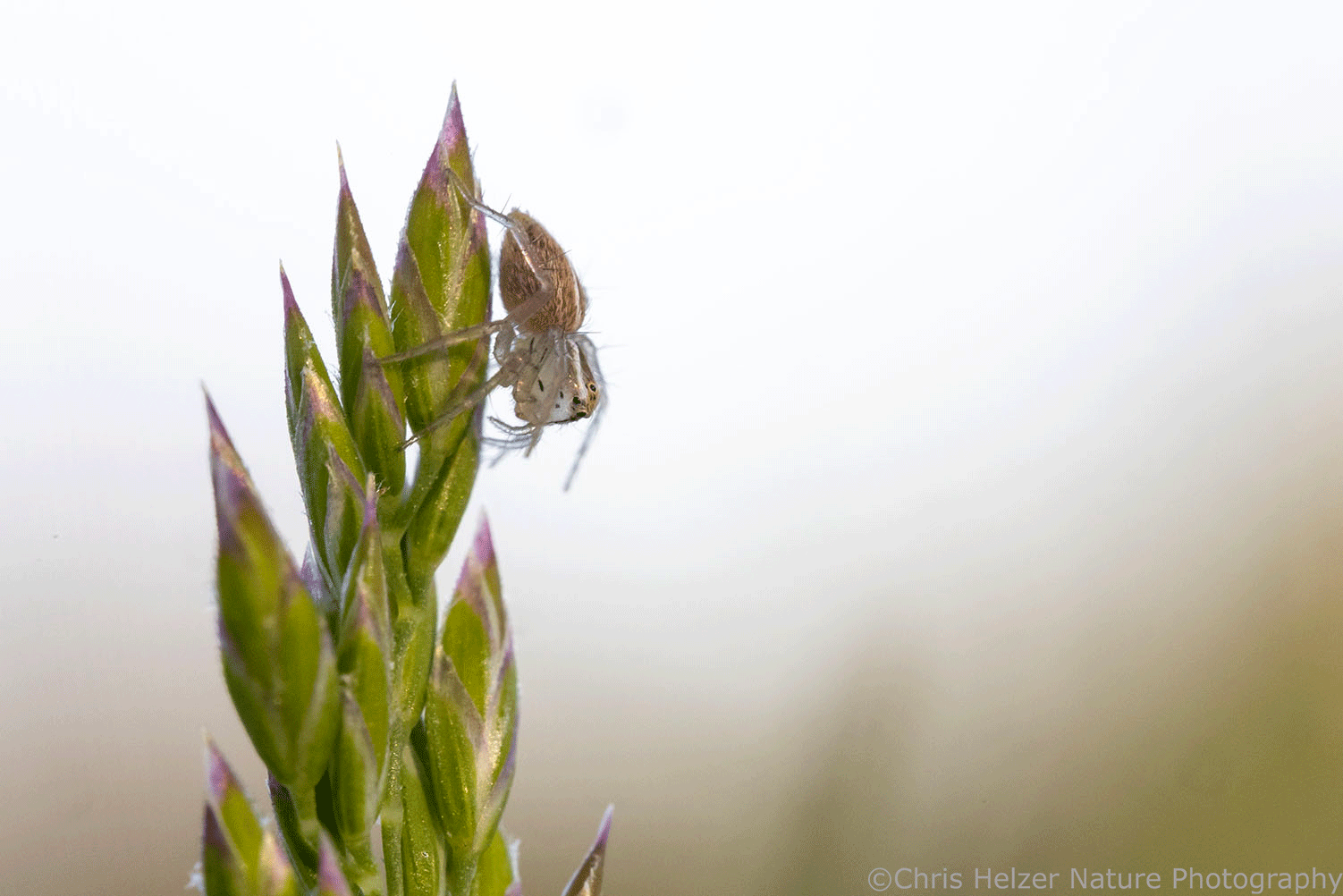
The first several photos below were taken within my 2025 photo project area at my family prairie. Pussytoes (Antennaria neglecta) was going to seed earlier this month and I spent part of a pleasant morning admiring the interplay between the light and those fuzzy seedheads.
Tiny crab spiderling on pussytoes.Close-up of pussytoes seed head.Morning light and pussytoes seeds.More of the same.Early morning at the Helzer Family Prairie, with coralberry, aka buckbrush (Symphoricarpos orbiculatus) in the foreground. This was not in my photo project area.
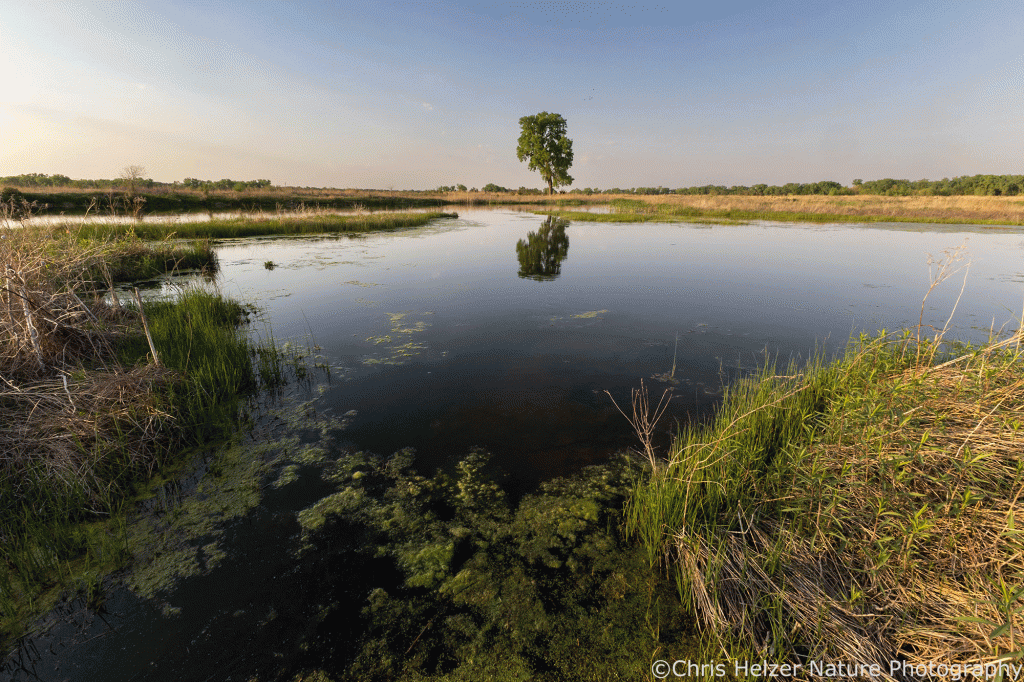
The rest of these photos were taken at The Nature Conservancy’s Platte River Prairies. The first two come from a wetland restoration effort I led many years ago. We converted a sandpit lake (from sand and gravel dredging) to a shallow wetland with backwater wetlands and a meandering stream. It’s still one of the most gratifying projects I’ve worked on, despite a constant flow of invasive plants coming in from upstream.
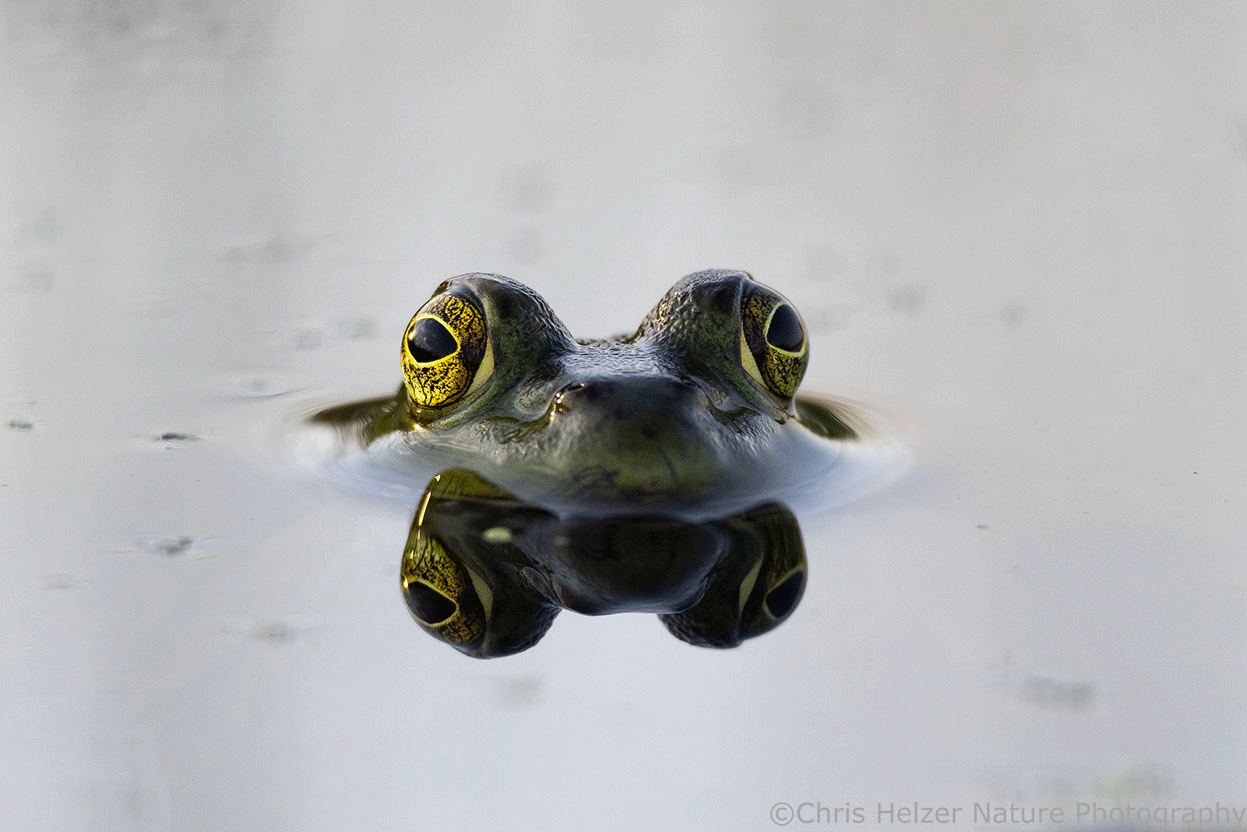
Evening light at a restored wetland.A four-eyed bullfrog staring at me from the wetland I designed. They’re technically invasive here, but since they’re here and there’s not much I can do about it, I can at least appreciate their funny faces.Ladybug pupa. There were a bunch of these around last week. I don’t know what species they are.
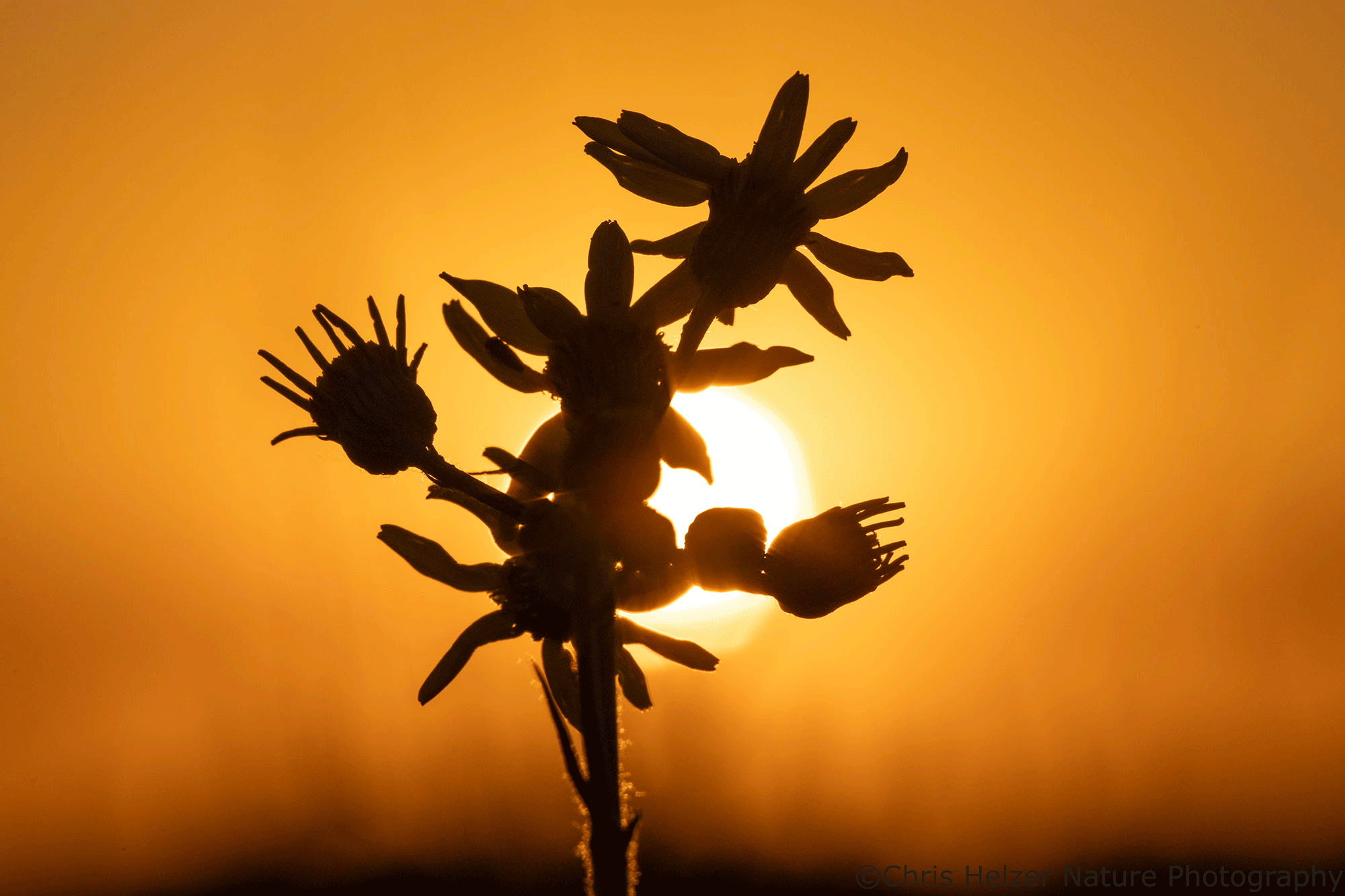
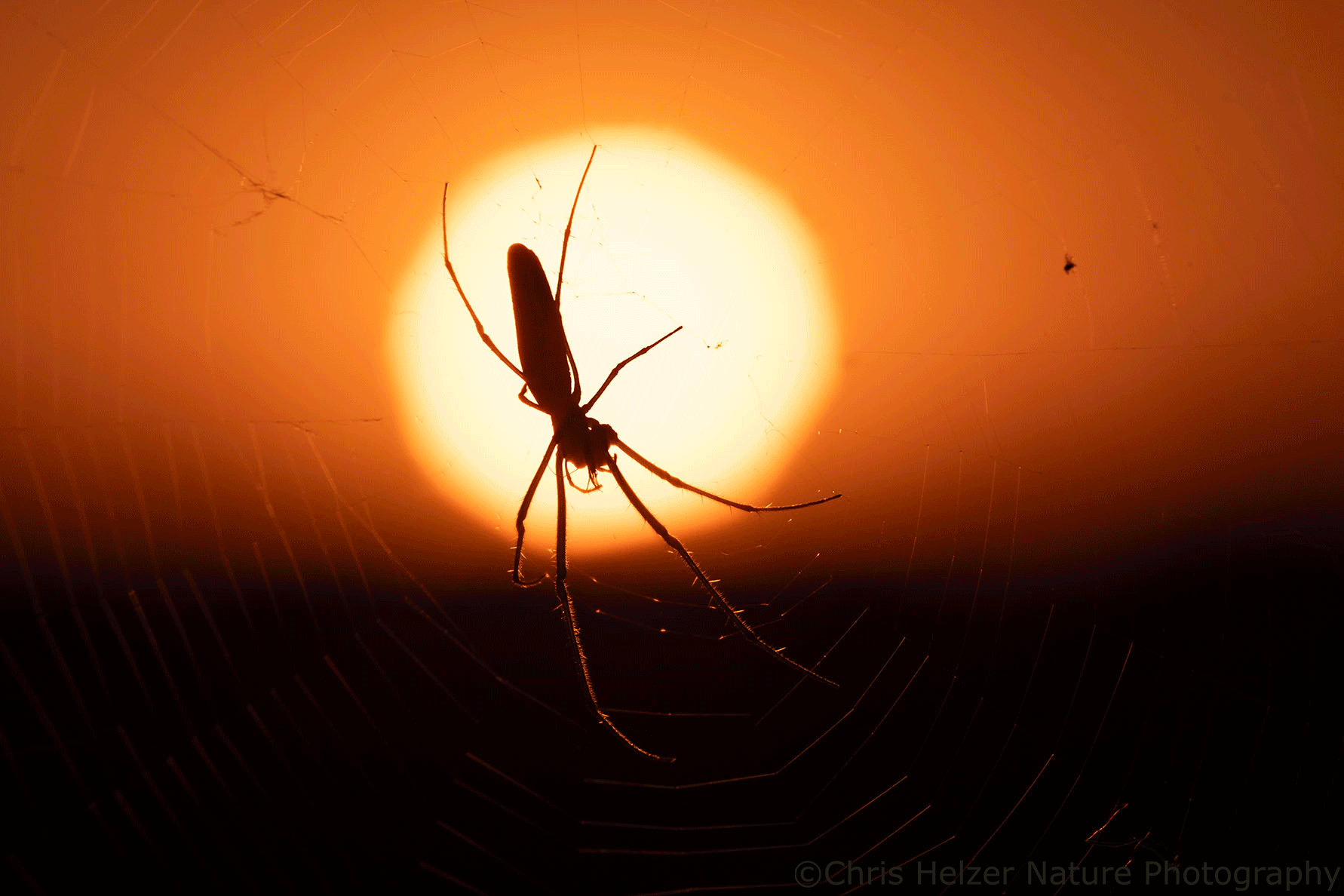
As the sun dropped into haze-filled horizon one evening, I played around with various subjects to put in front of that sun. Here are two of my favorites.
Prairie ragwort (Packera plattensis) and the setting sun.Long-jawed orbweaver on its web.
I think all of our migratory grassland birds have arrived back in our Platte River Prairies. At least some dragonflies seem to be here, and I’ve heard people are starting to see monarchs in eastern Nebraska, though I’ve not seen my first yet. Temperatures are rising and summer is on the way!
Well, it’s all over. Yesterday (May 4, 2025) marked the conclusion of my square meter photography project. I spent an hour or so at Lincoln Creek Prairie last evening trying to capture some final images before the sun literally set on this amazing journey.
Between May 5, 2024 and May 4, 2025, I visited my little plot 131 times. If you do the math, that averages out to a little more often than once every three days across the year. That seems like a lot, doesn’t it? Of course, the average doesn’t tell the whole story. There were 14 days when I was there twice and two days when I visited three times. What can I tell you? There was a lot happening and I didn’t want to miss it.
A tiny lynx spider posing for me on my final night of the project.
On my final night, some of my last photos were of a tiny lynx spiderling. That felt very appropriate, since lynx spiders felt like near constant companions through most of this last year. I saw them hunting, guarding eggs, and ballooning through the air. I’d like to think the little spiderling I saw last night was one that hatched out from within my plot, but there’s obviously no way to know for sure.
The same spiderling from a different angle.Here’s the last photo of the plot itself as the sun was nearing the horizon.
I visited the plot throughout the winter, though not as often as I had during the 2024 growing season. As this spring came on and the prairie started to green up again, I ramped up my visits again. I was anxious to grab everything I could from the final weeks. Here are some of the photos I took during (roughly) the final month of the project.
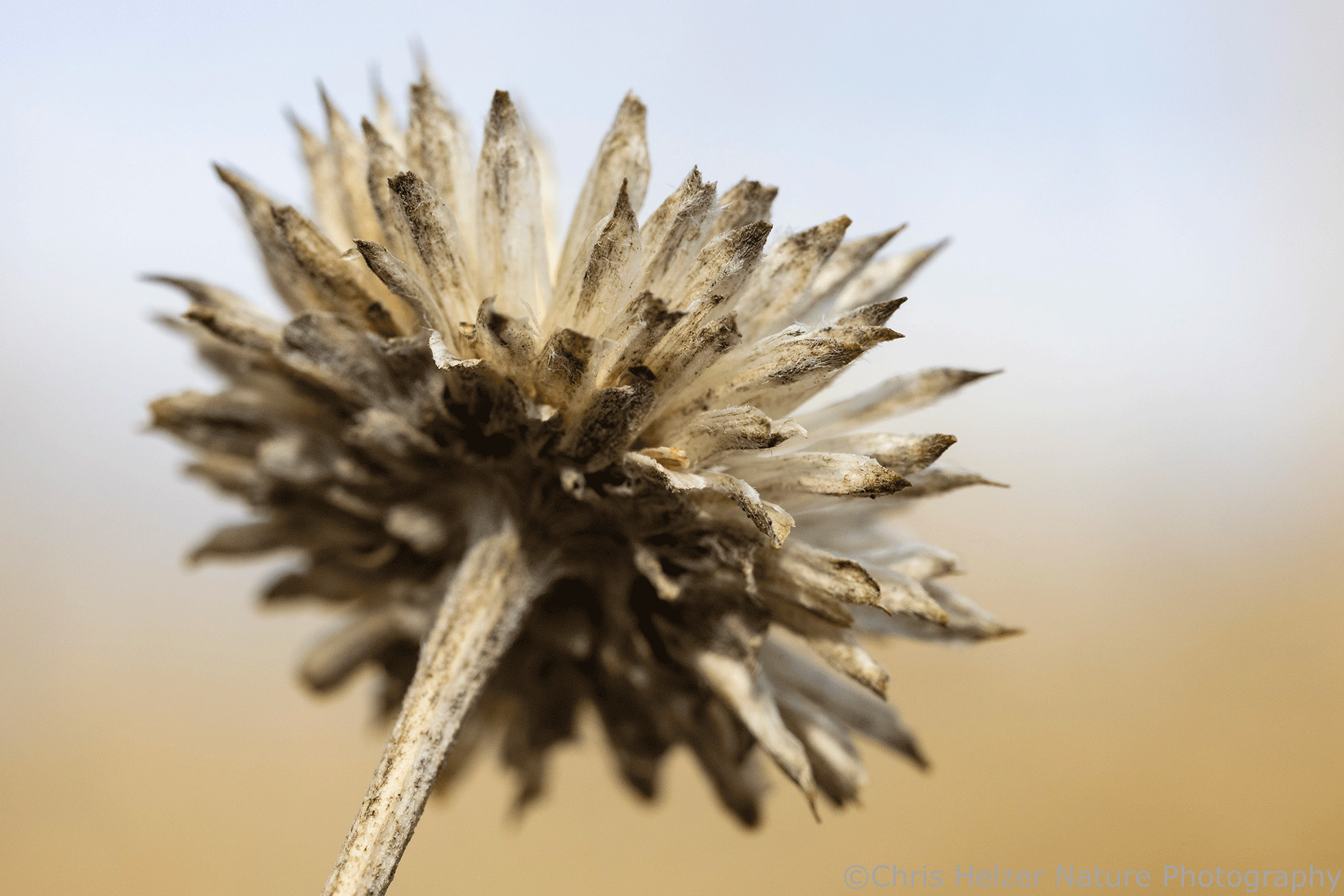
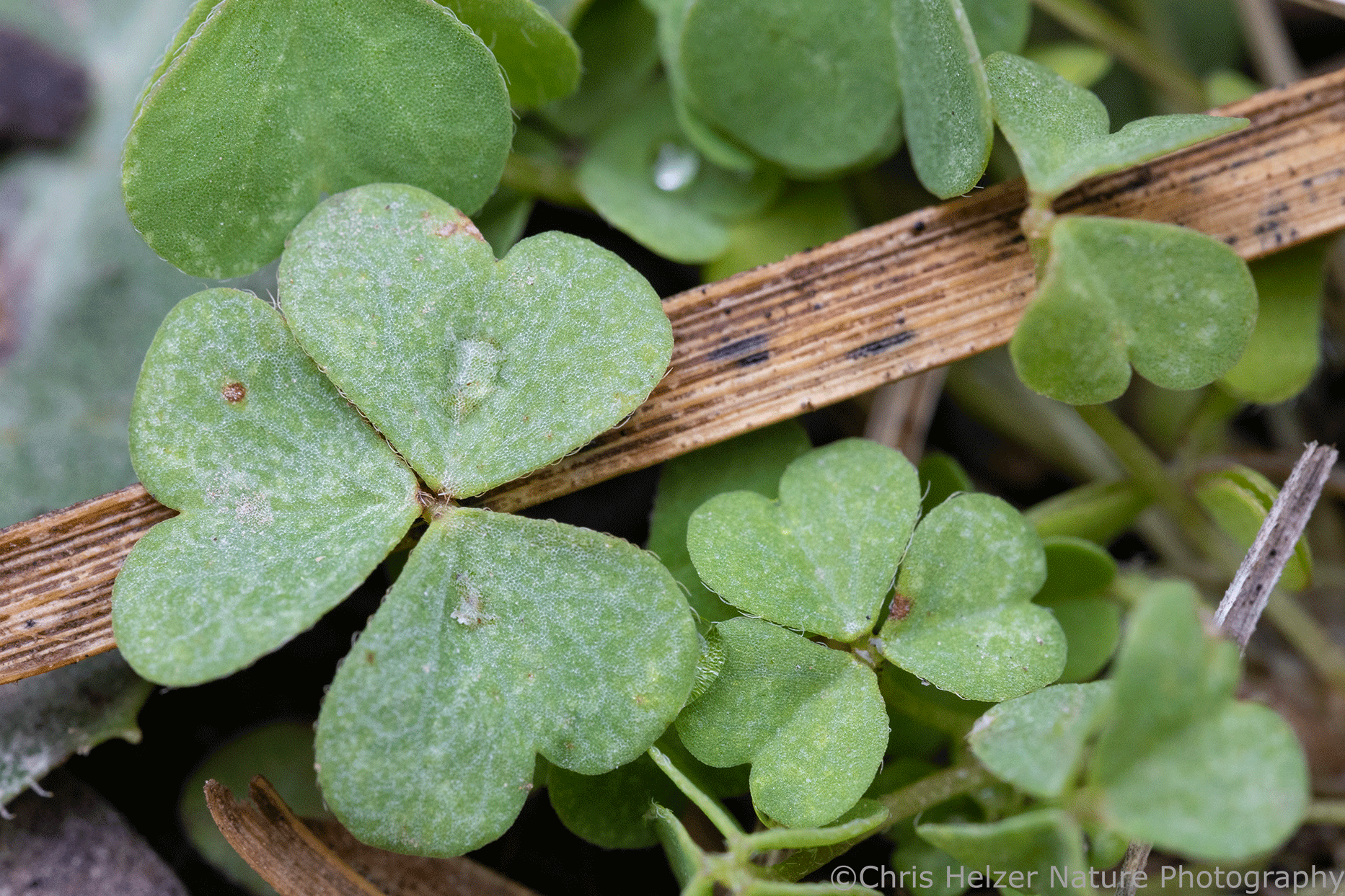
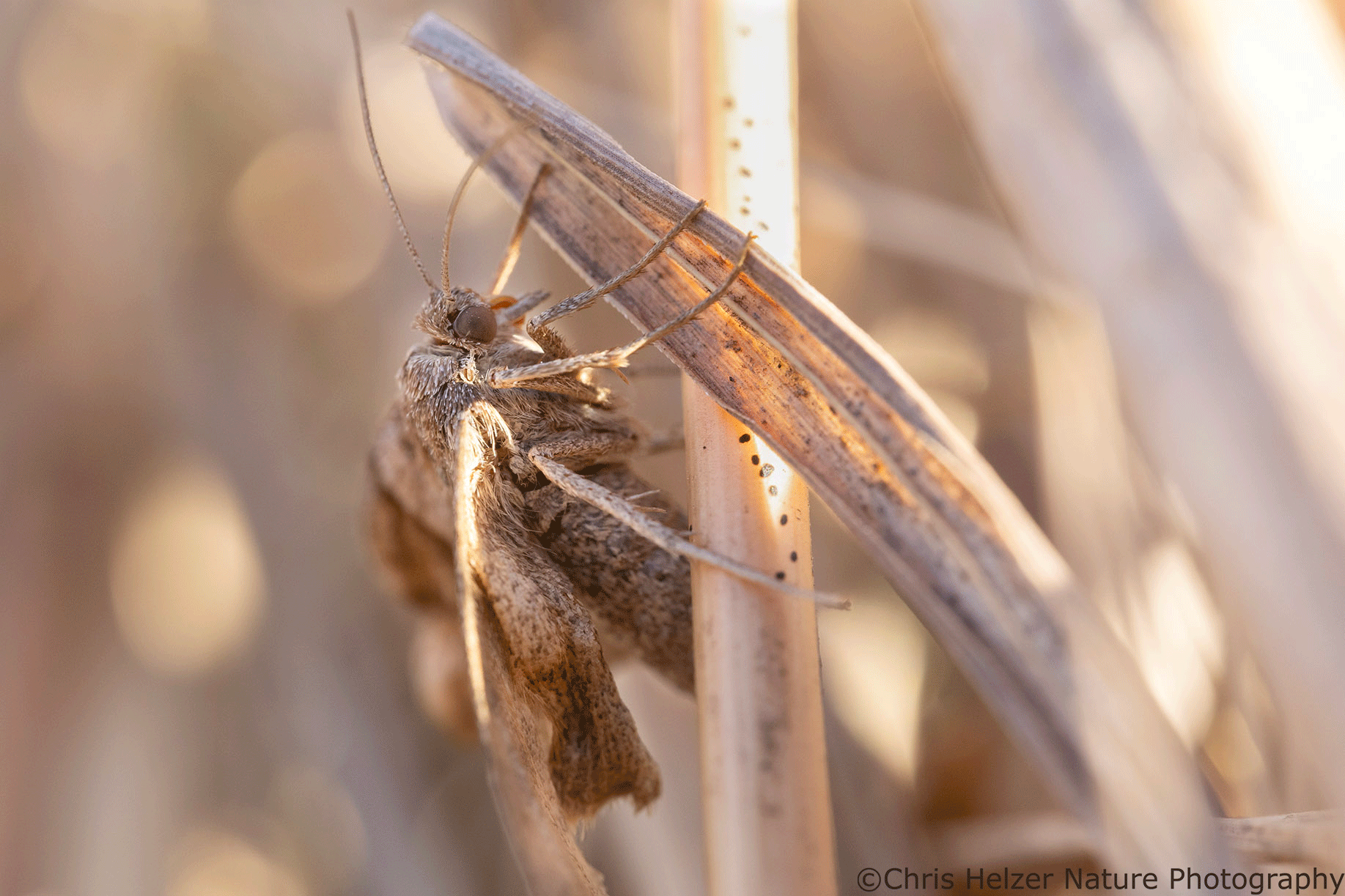
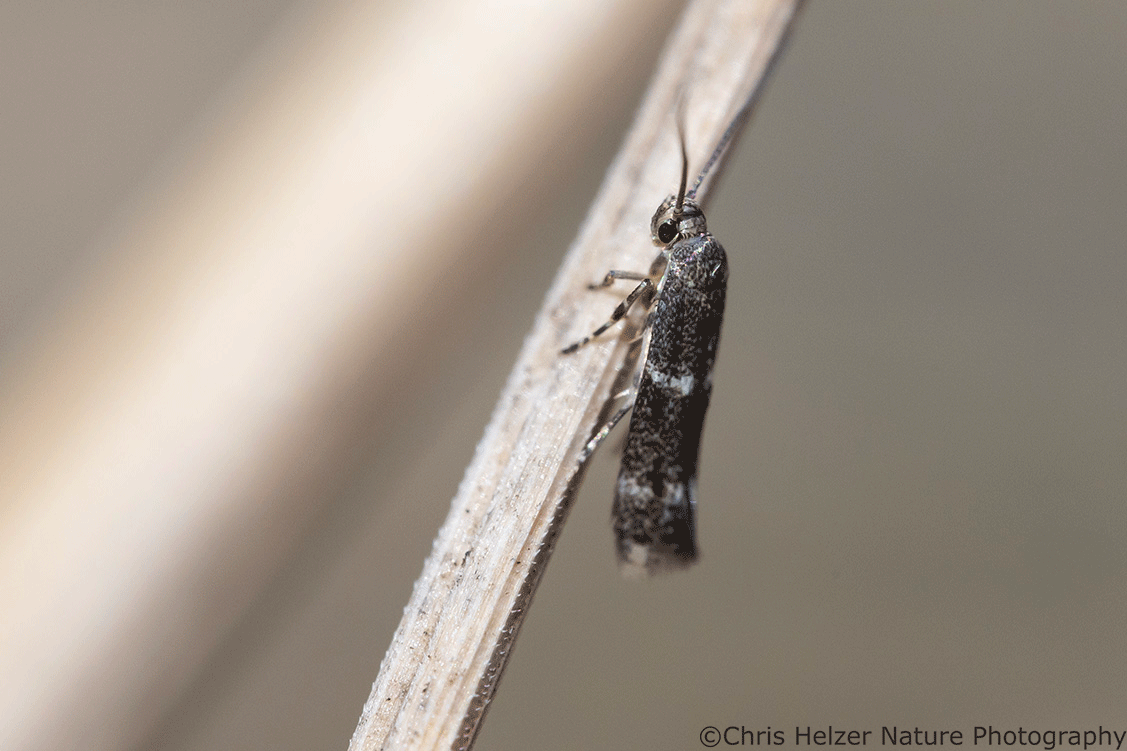
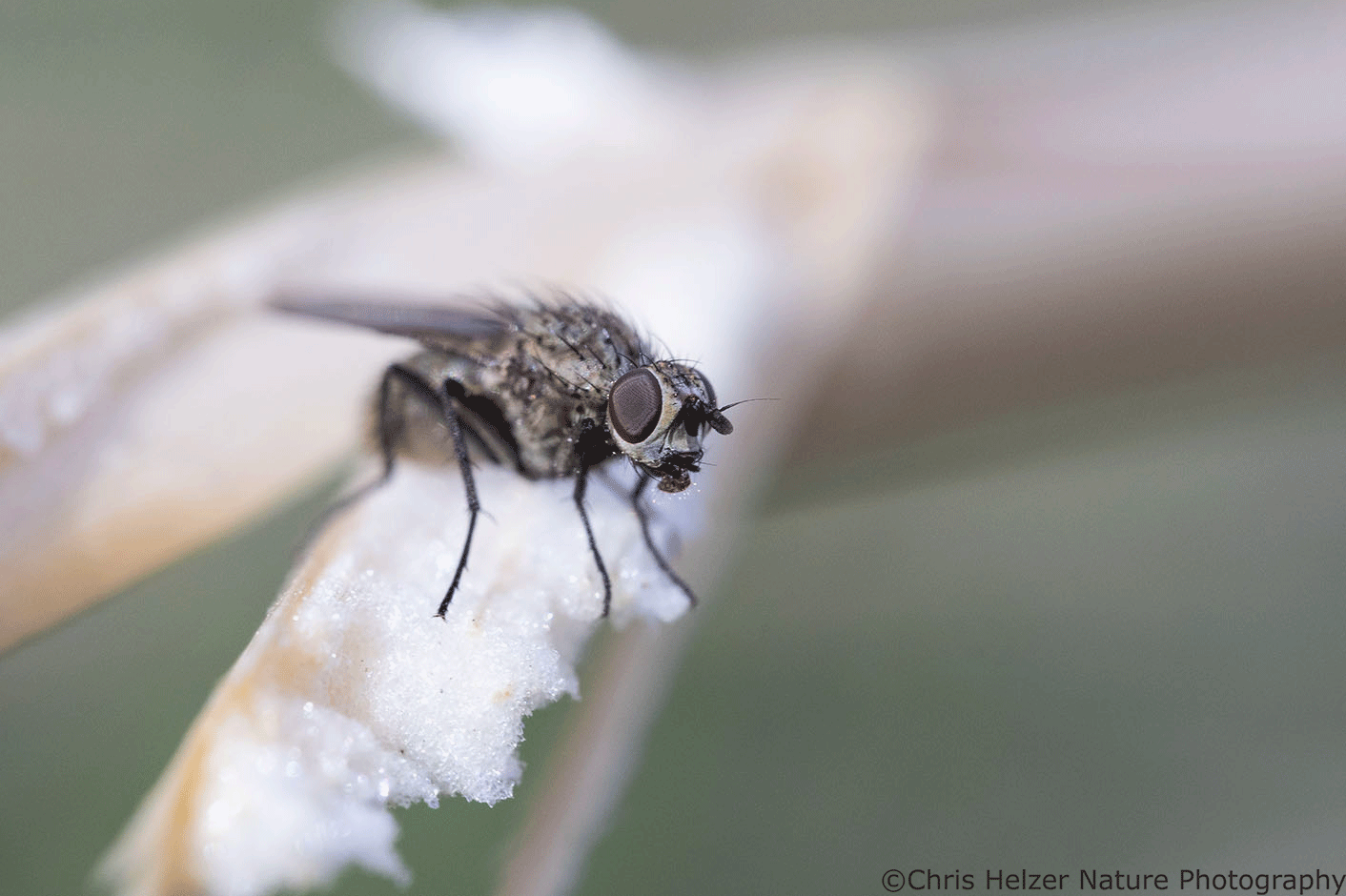
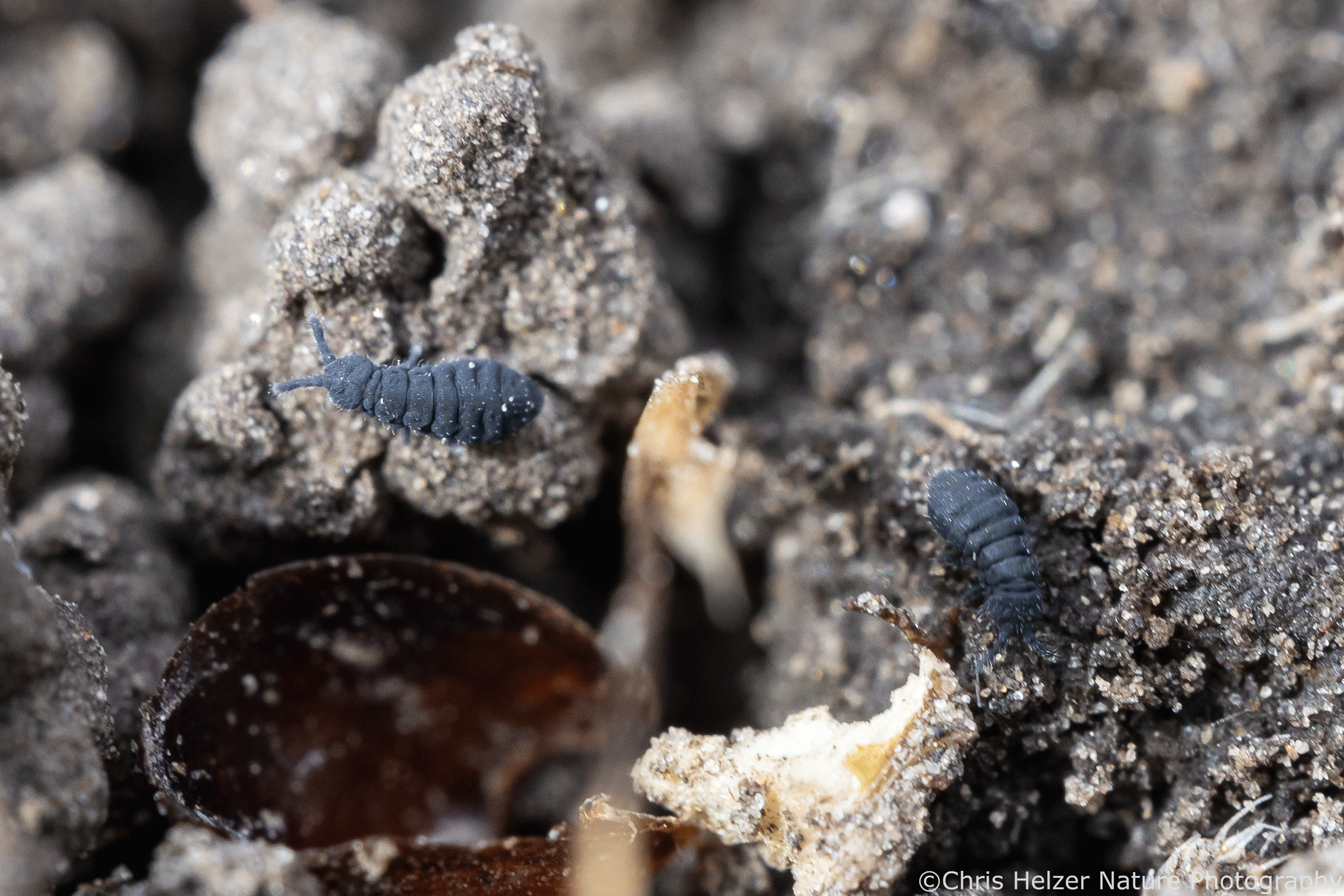
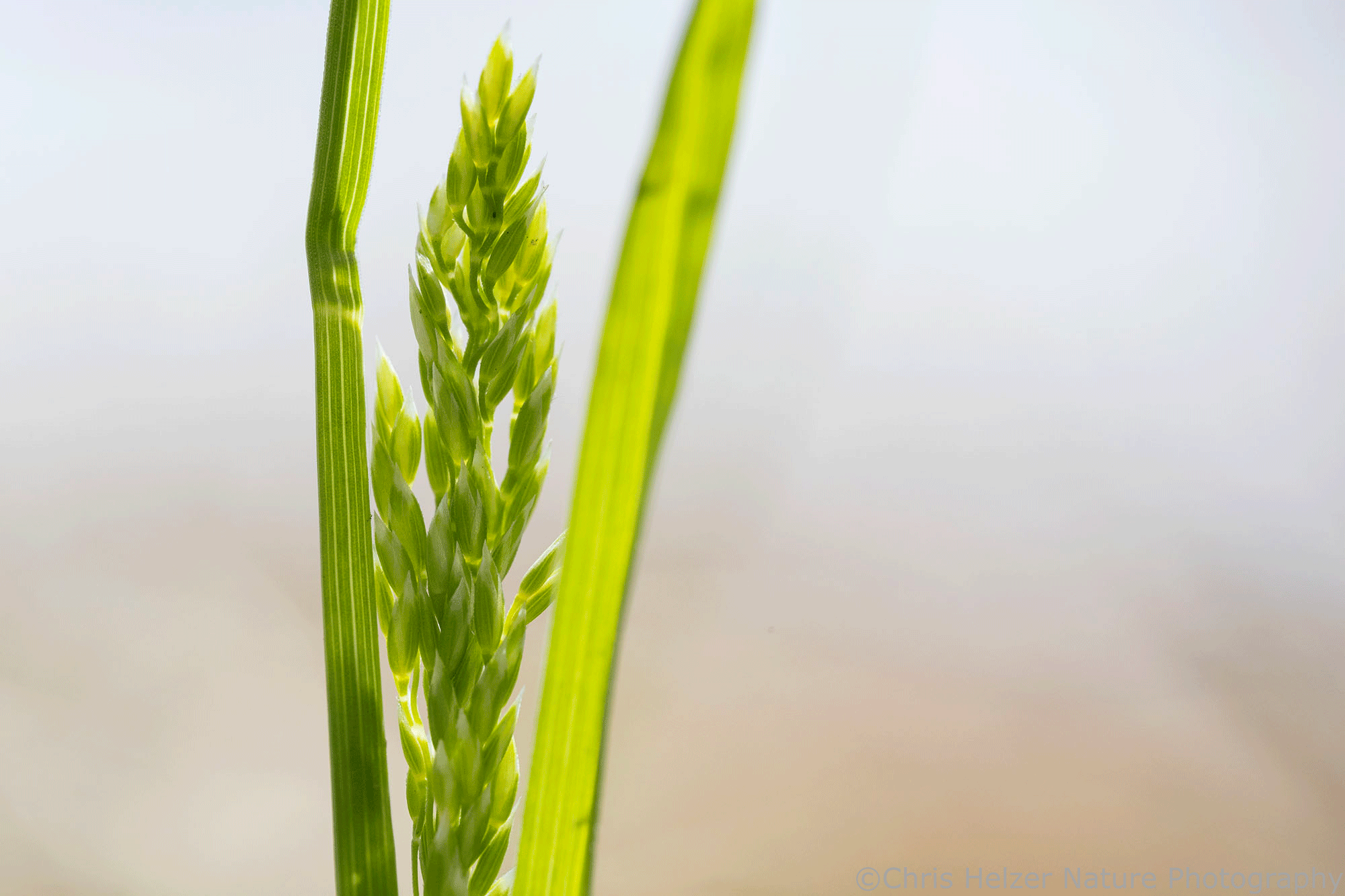
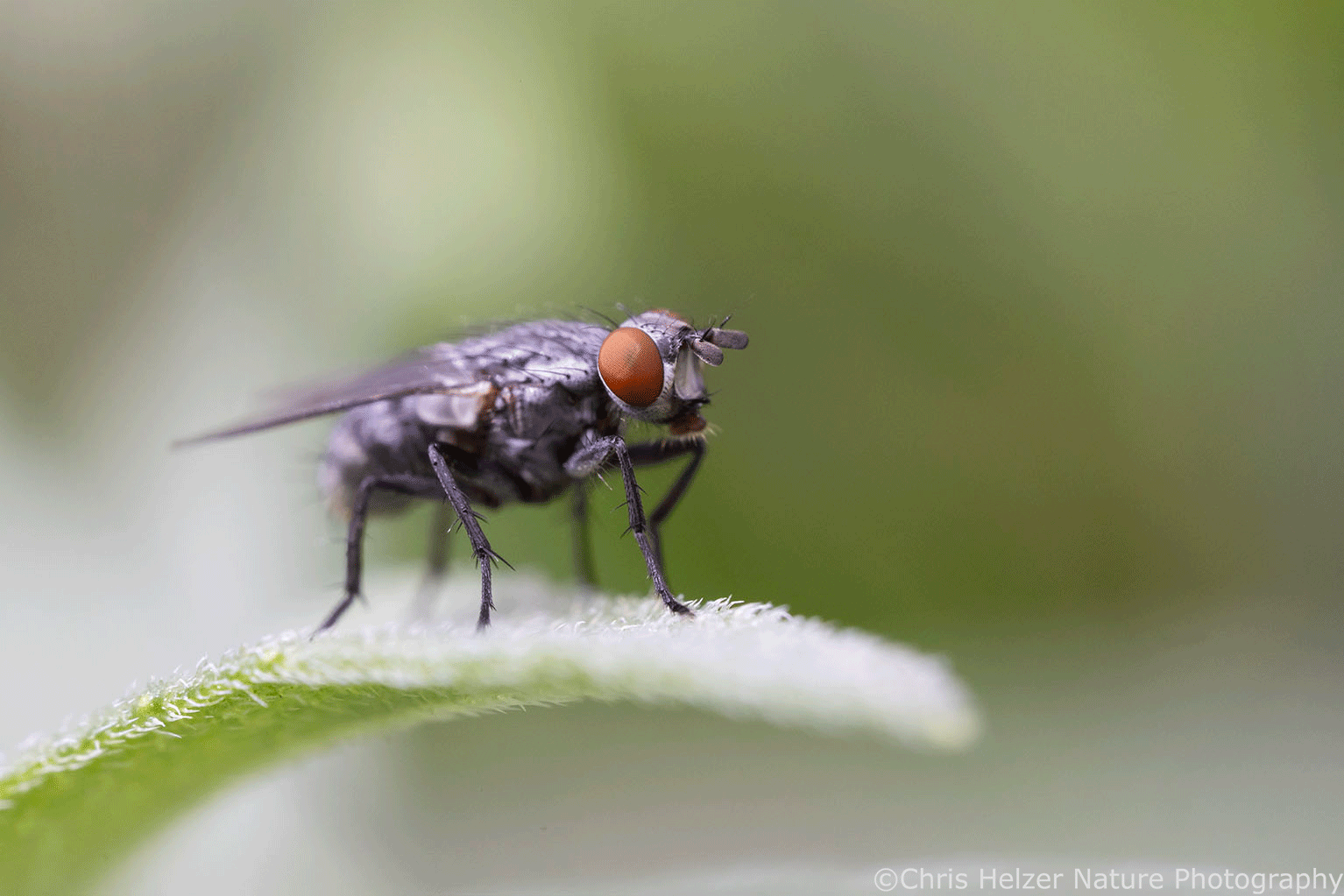
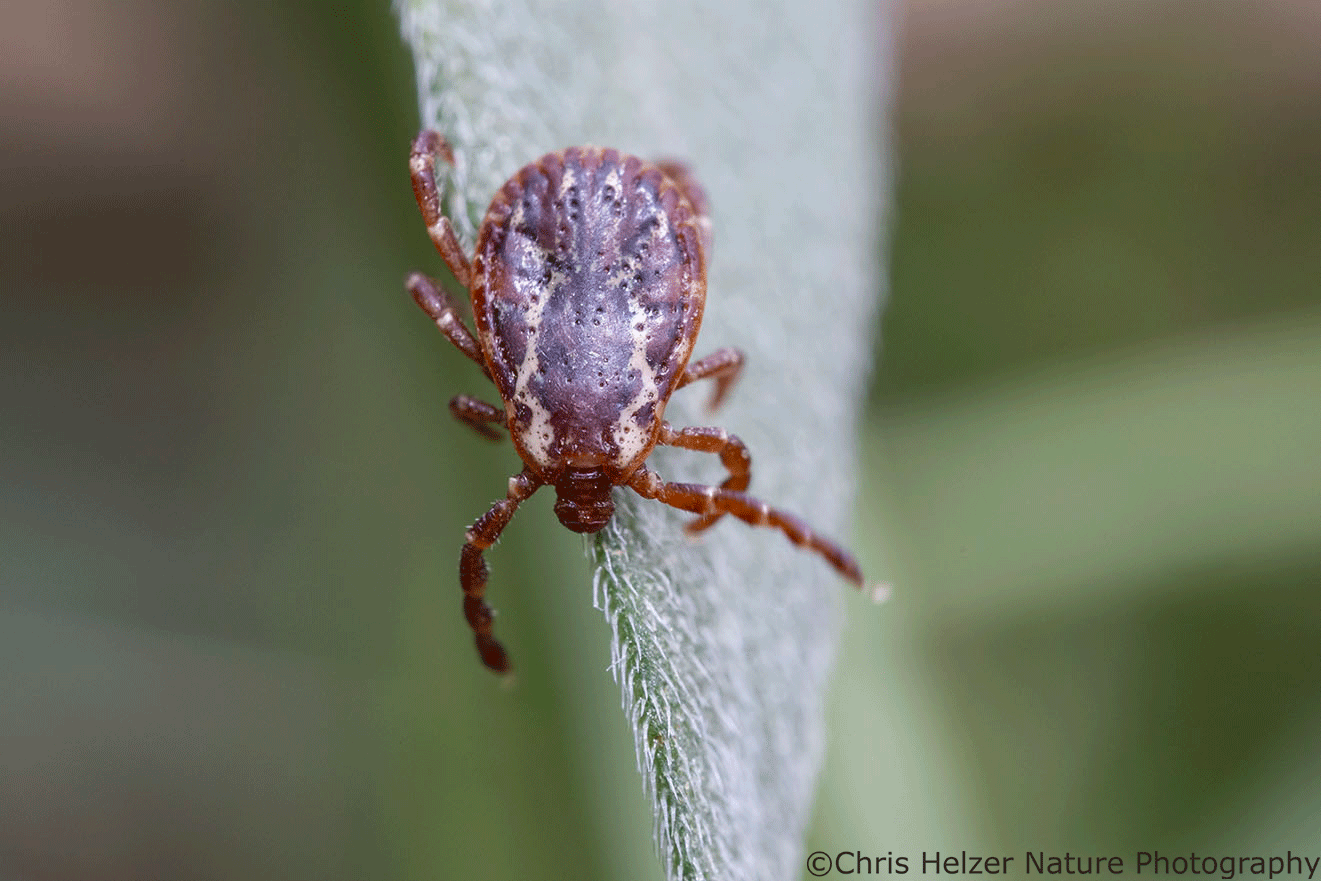
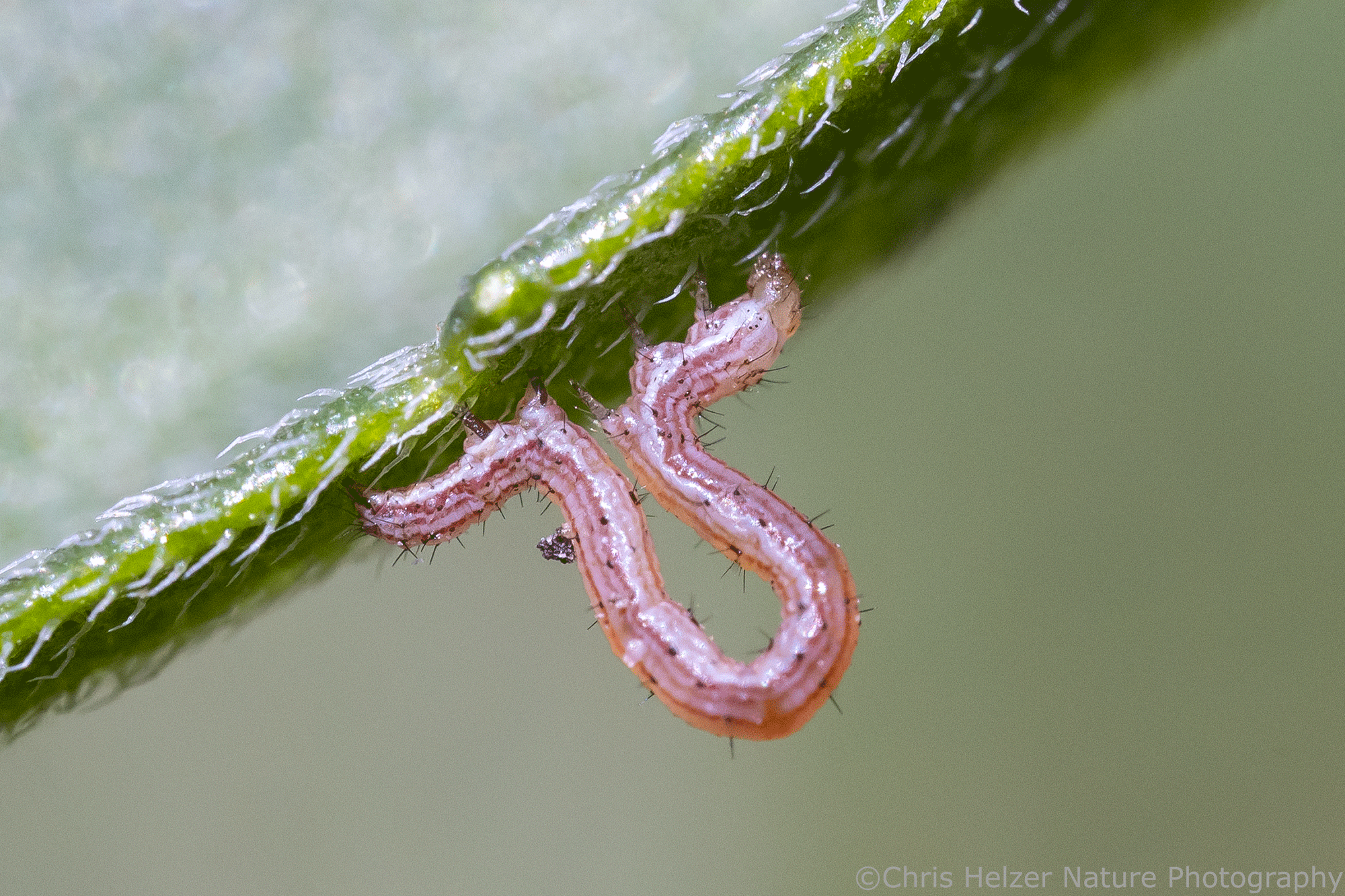
Maximilian sunflower seed head.Yellow woodsorrel (Oxalis stricta)A clover looper moth in late MarchAnother, smaller moth – a grass miner moth of some kind, according to bugguide.netFlies were almost always present in the plot. Telling one species from another was (and is) a huge challenge.These springtails (Collembola) were only a millimeter or two long. This was one of several itsy bitsy caterpillars I’ve seen this spring.This is (unfairly) called a false milkweed bug. Naming injustices aside, it was a welcome burst of color this spring! I photographed these lead plant buds many times as they began opening.Kentucky bluegrassAnother fly. This one has red eyes. What species is it? I have no idea.A ground beetle.A four-spotted sap beetle (Librodor quadrisignatus)EarthwormThis turkey vulture flew directly overhead. I counted it.Ah, ticks. A wonderful sign of spring.As soon as Maximilian sunflower started growing, ants started harvesting extrafloral nectar from it.This little inchworm (geometer moth larva) was only about 4-5 mm long. I chased it around a long time before I finally got a few decent photos of it.Short-beaked sedge (Carex brevior) on the final night (May 4, 2025).
Even though I’m now finished with the photography part of the project, I still have a lot of work to do. I’ve been very fortunate that a number of generous experts have helped me with species identification but that process is not yet complete. Currently, I think I photographed about 330 species over the year, which is a staggering number, but that number could still go up or down a fair amount as experts continue to weigh in. Regardless, it’s a lot bigger number than the 113 species I photographed (and felt proud of) when I first tried this project in 2018.
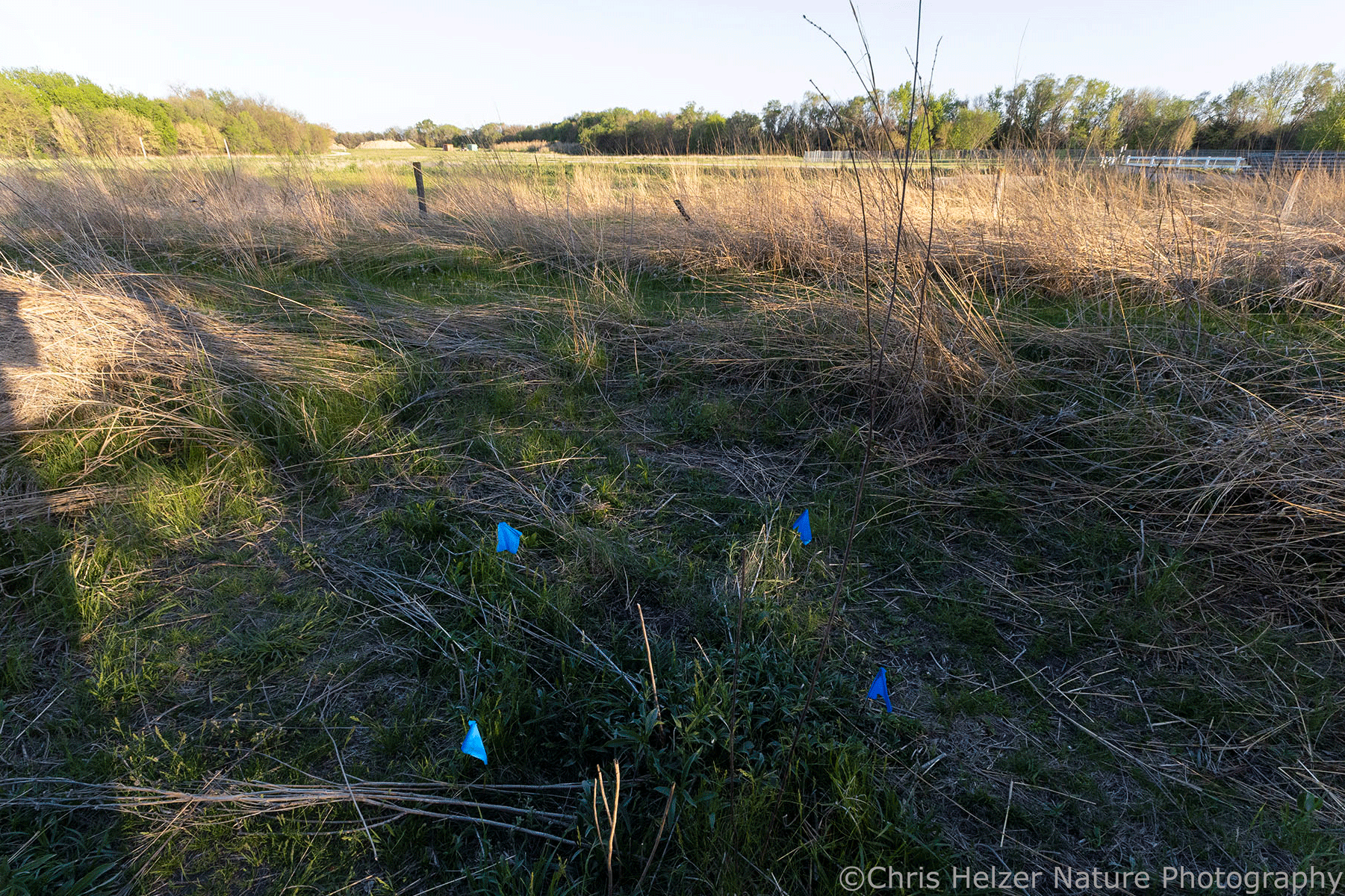
This second edition of the project came about because the managers of Lincoln Creek Prairie (Prairie Plains Resource Institute) burned the prairie last spring. That allowed me to find what was left of my flags from the 2018 project. I decided to re-mark the same plot with fresh flags while I had the chance – just in case I decided to come look at it again sometime. That pretty quickly led to a second full-fledged version of the photography project.
I loved every minute of it.
As I work through images and have time to absorb and synthesize this whole effort a little more, I’ll probably share more images and stories in various forms. I’m working with the amazing folks at Platte Basin Timelapse Project to create some kind of short film, and who knows what else will come out of all this. Stay tuned.
Meanwhile, here are a couple short video clips from my final night at the plot. The first is the tail end of my last hike into the plot. The second is a brief reflection on the whole effort as the sun disappeared behind the trees and marked the final moments of the 12-month period. (If the videos don’t work for you, click on the title of the post to open it online and activate the links.)
Thanks for tagging along with me on this. I hope you felt even a small fraction of the joy and wonder I got out of that tiny plot of grassland. Remember, if you’re impressed by how much beauty and diversity I was able to find in a single square meter of prairie, imagine how much exists at the scale of a whole prairie, including one that may be located close to where you live. For that matter, think about what you might be able to find by just looking more closely at your backyard, a local park, or even the potted plant on your apartment balcony.












 The Prairie Ecologist