Ice Patterns

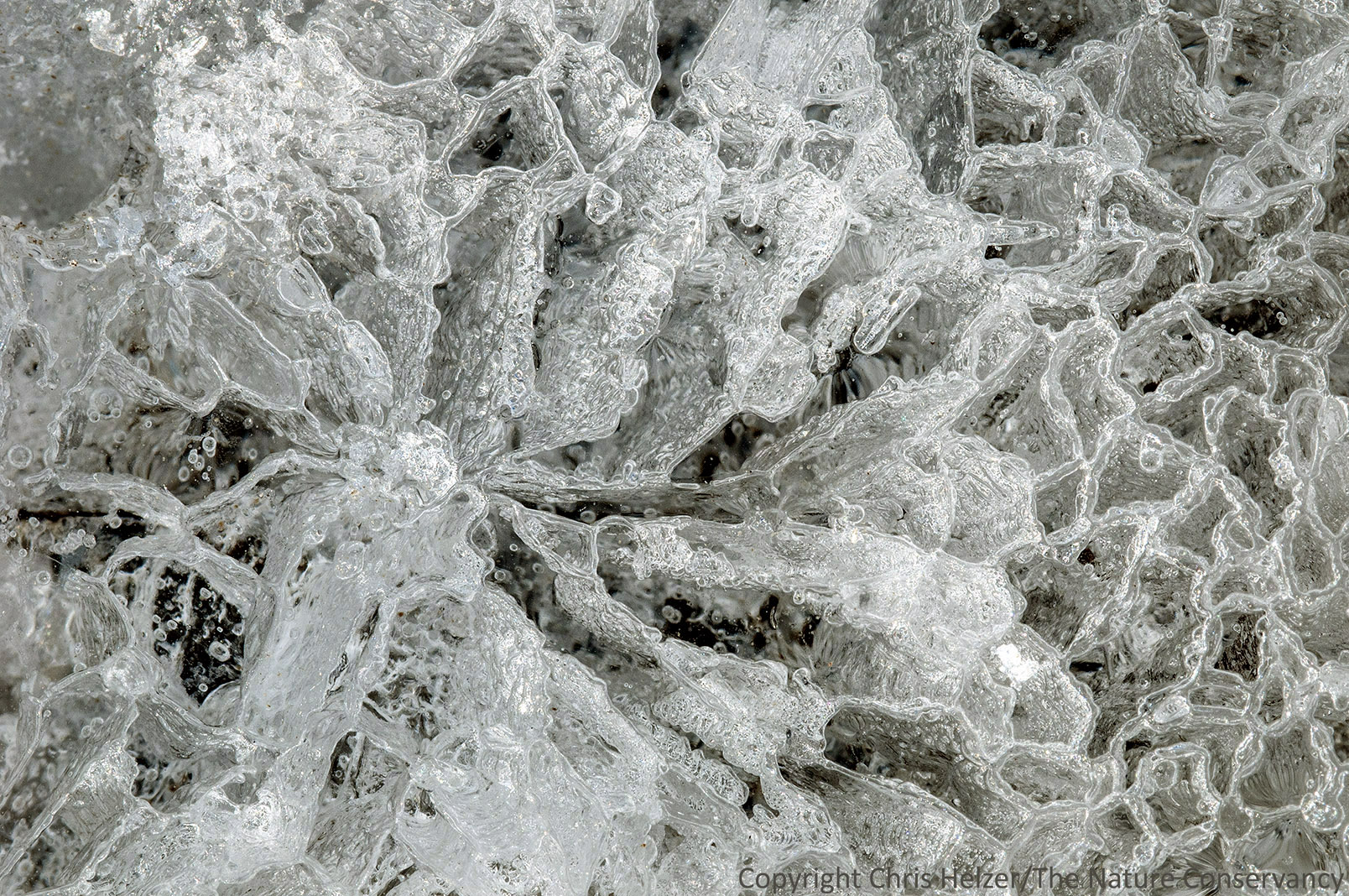
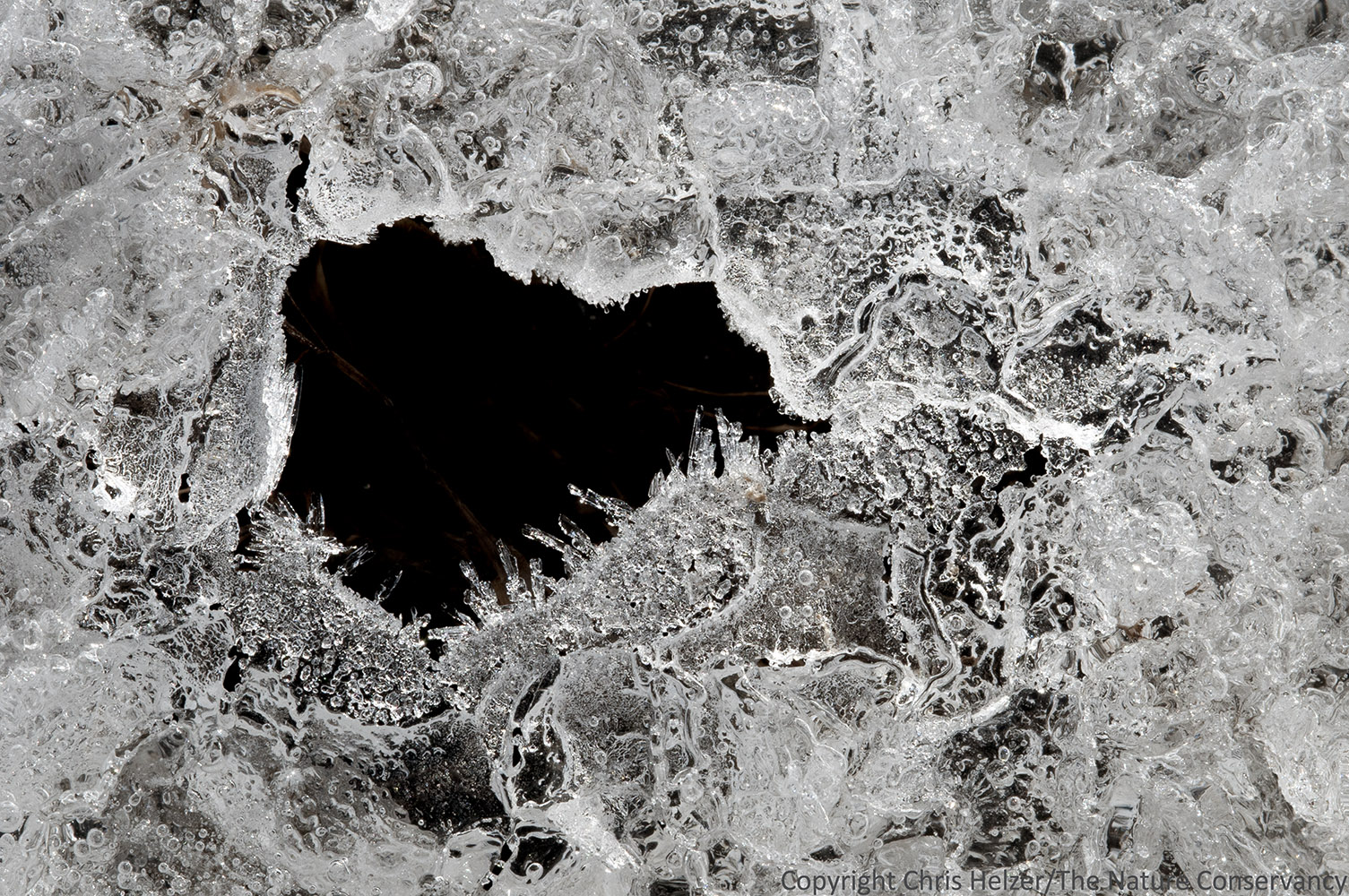
The melting and freezing of water can sure create beauty.  During the last week, I’ve spent several days at our prairie cutting trees and playing with my kids.  The wetland on the property is frozen enough for ice skating, but warm days/cold nights have allowed some thawing and freezing along the edges.  That, in turn, has created some wonderful patterns in the ice.  Here are a few of them.

Patterns in ice.  Helzer prairie pond, near Stockham, Nebraska.

.

Patterns in ice.  Helzer prairie pond, near Stockham, Nebraska.

.

Patterns in ice.  Helzer prairie pond, near Stockham, Nebraska.

.

Patterns in ice.  Helzer prairie pond, near Stockham, Nebraska..

ice pattern on the pond.  Helzer farm.

If you like this kind of ice pattern, you might also like similar photos from these two older posts:

https://prairieecologist.com/2012/02/03/photo-of-the-week-february-3-2012/

https://prairieecologist.com/2010/12/14/a-pleasant-winter-morning-in-a-prairie-wetland/

A Fuzzy Meal

I took a quick trip over to Lincoln Creek Prairie again this last weekend.  Two weeks ago, I photographed a praying mantis and saw several others.  This trip, I saw a couple more – including one that had captured, and was eating, a large sphinx moth.  I took a couple photographs of it and then moved on to look for other subjects.  A few minutes later, however, I found myself drawn back to the mantis, and just sat and watched him for a while.  Here are a few photographs from that morning.

A

When I first spotted it, the mantis was upside down on a pitcher sage (Salvia azurea) plant, and the moth was still struggling feebly.

.

B

As it fed, the mantis was getting fuzz all over its head.

.

C

As I watched, the mantis tried – mostly unsuccessfully – to wipe some of the hairs off its face.

.

D

It’s always interesting to see which part of their prey a predator will start feeding on.  In this case, the mantis was eating the underside of the thorax first.

.