Photo of the Week – October 3, 2013

I found this robber fly perched in the prairie early Monday morning.  Although it was fairly breezy, the light was good enough to attempt a photo.  I’m glad I decided to give it a try.
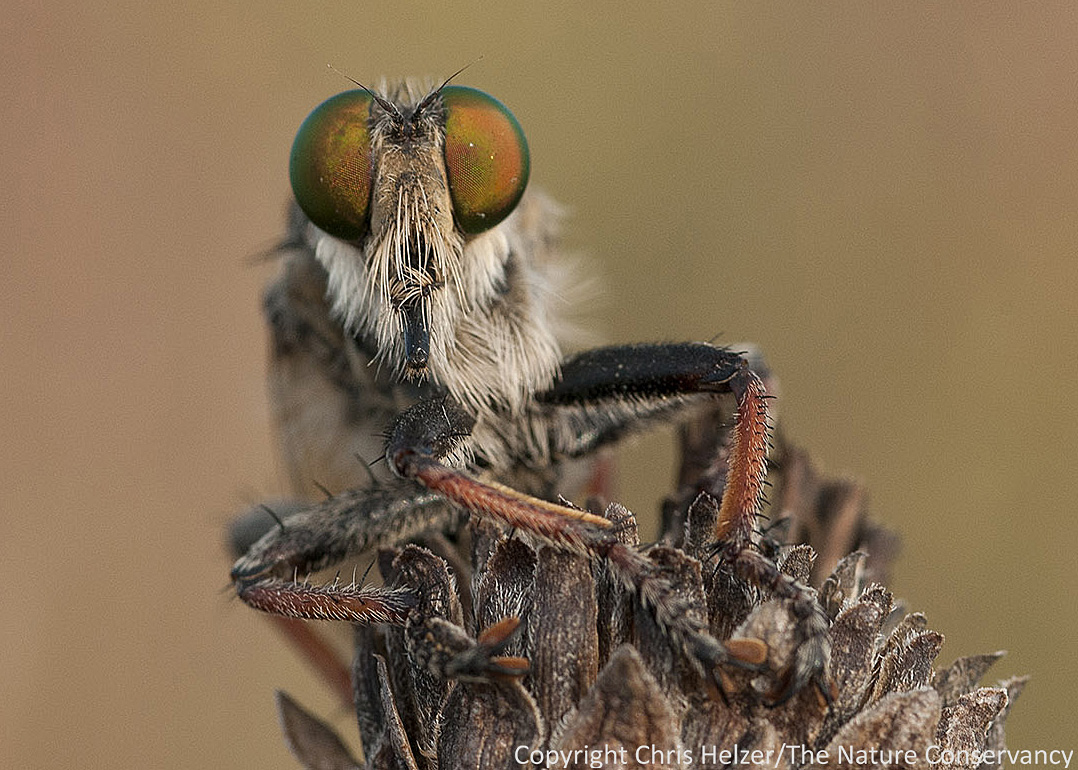
Robber fly.  The Nature Conservancy's Platte River Prairies, Nebraska.

Robber fly. The Nature Conservancy’s Platte River Prairies, Nebraska.  You can always click photos to see a sharper version.

Ten years ago, I wouldn’t have even considered attempting this photo.  When I was shooting with slow speed slide film, I loved the saturated color of Fuji Velvia, but every time I clicked the shutter it cost me about 34 cents in film/processing.  That kind of cost made me pretty leery of trying to photograph something like a flower that was blowing around in the wind.  A shot that came back blurry because the subject was moving too fast cost me just as much as a nice sharp image, so I couldn’t afford to “miss” very many times.  I would often take 3-4 versions of the same shot to make sure I got the exposure and focus correct, but even that was costing me about a dollar per good image.

This week, I photographed the above robber fly for about 5 minutes.  Within that time, I took 162 images.  The vast majority of those were blurry because the wind was swinging the fly and its perch so much I couldn’t focus and shoot fast enough to keep up.  I ended up with only a few sharp images in three different compositions.  Ten years ago, taking 162 photos would have meant about four and a half rolls of slide film and would have cost me about $44.  This week, it just meant I had to sort through 162 images to find the good ones – something that took just a few minutes.

Digital photography can sometimes make me a little lazy because it’s tempting to let some of the fundamentals of exposure and composition slide and try to fix things later with digital processing and cropping (though I usually don’t do much of that, and there’s still no substitute for getting it right in the field).  On the other hand, digital photography allows me to take risks that would have been unthinkable (or at least really expensive) in the old days.  Blurry photos don’t cost a thing now, and can often be deleted in the field.  Just as important, I can make sure I’ve got the shot I want before I leave, instead of discovering it days later when my slides come back from being processed.  Overall, it’s a pretty good time to be a photographer.

Just for fun, here are some of the other images from the brief photo session with the robber fly.

This one ended up relatively sharp...

This one ended up relatively sharp…

.
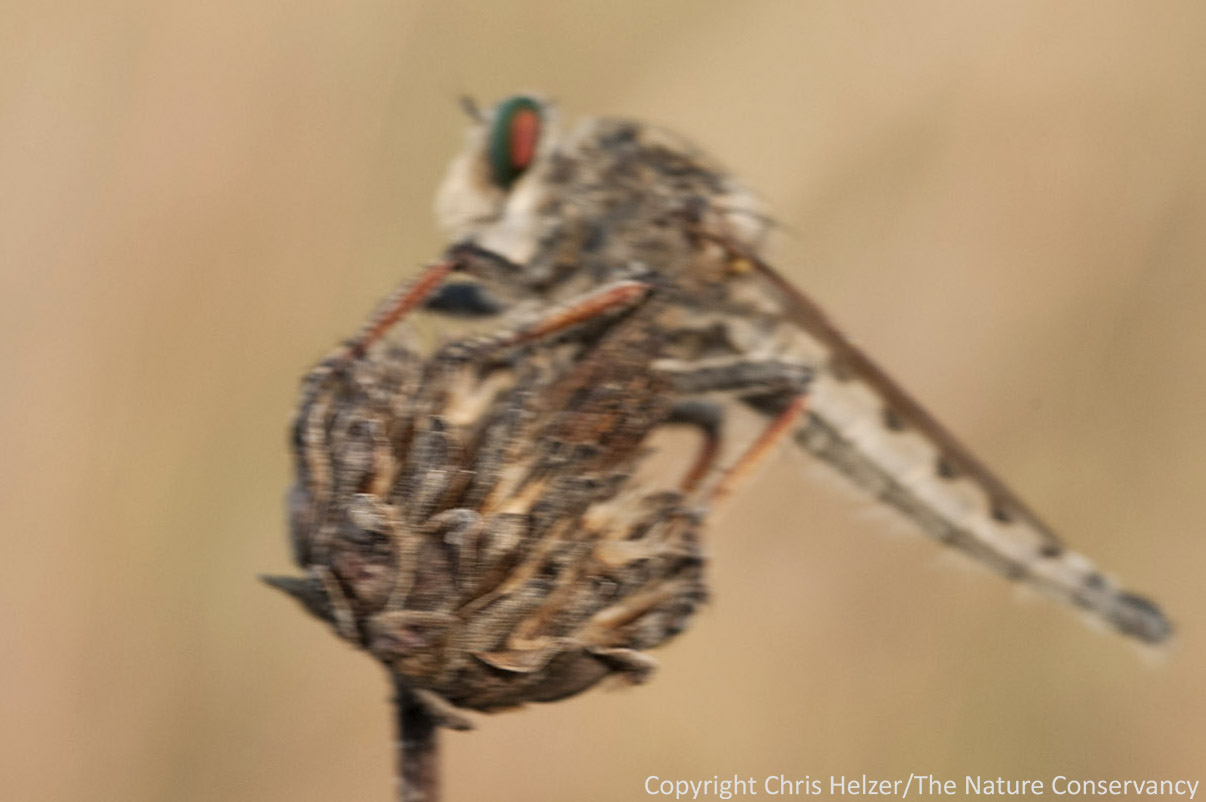
...but I had 30 more that looked like this.

…but I had 30 more that looked like this.

.

This one (like many others) was pretty fuzzy...

This one (like many others) was pretty fuzzy…

.

...but this one isn't too bad.

…but this one isn’t too bad.

.
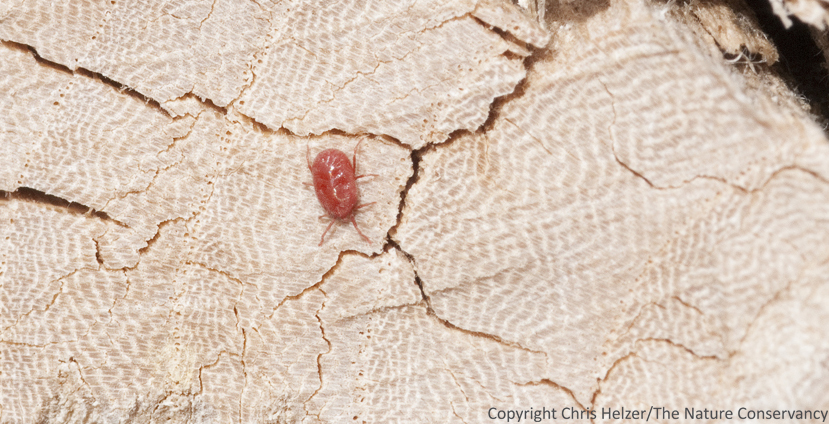
Photo of the Week – April 11, 2013

Sometimes, you can see a lot by just sitting down.

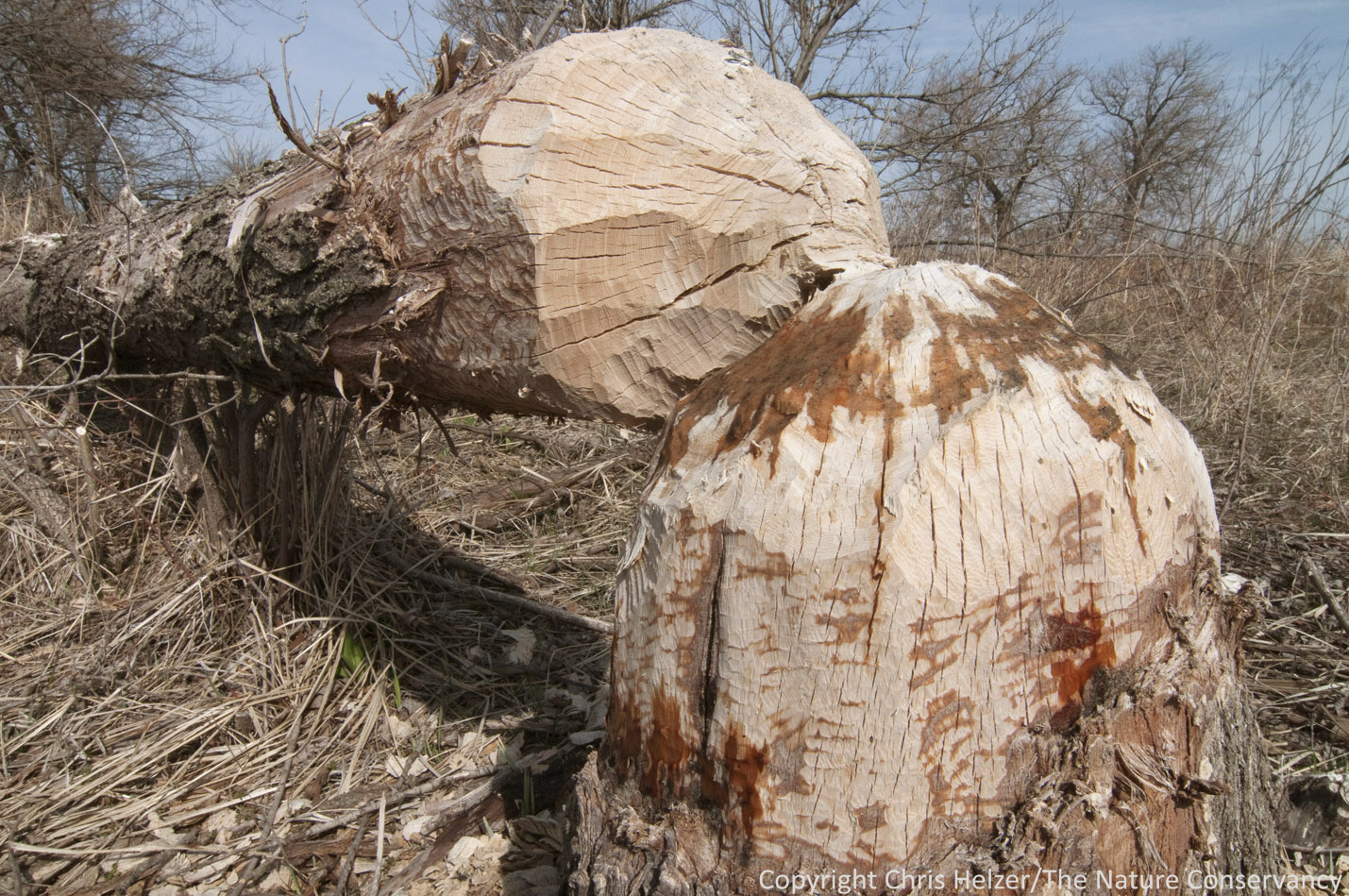
I carved out some time in the field last Friday to collect data on poison hemlock in our research plots.  After finishing that, I had about half an hour before I needed to head back to the office, so I took my camera for a walk along the creek running through our Platte River Prairies.  Not having a particular agenda, I stopped to look at a tree that had been recently felled by beavers.

This tree, cut down by our local beavers, had sap seeping from the stump last week.  The Nature Conservancy's Platte River Prairies, Nebraska.

This tree, cut down by our local beavers, had sap seeping from the stump last week. The Nature Conservancy’s Platte River Prairies, Nebraska.

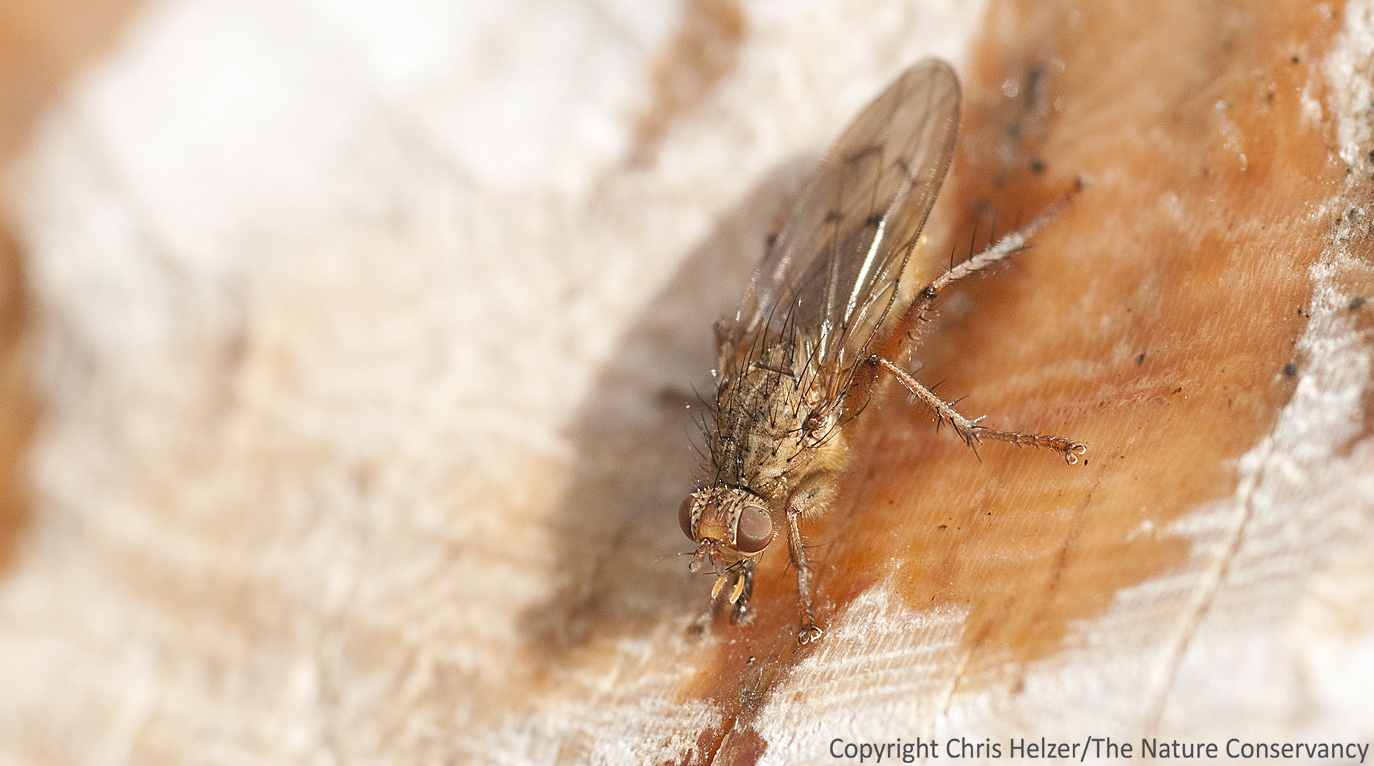
As I was admiring the patterns of tooth marks on the stump, I noticed an interesting-looking little fly hanging around.  As I watched, the fly started to feed on the sap that was oozing out of the tree.  Taking advantage of the fact that the fly was distracted by its meal, I managed to get a couple photos of it.

This fly seemed to be enjoying its meal enough that it didn't mind me sticking my lens in its face.

This fly seemed to be enjoying its meal enough that it didn’t mind me sticking my lens in its face.

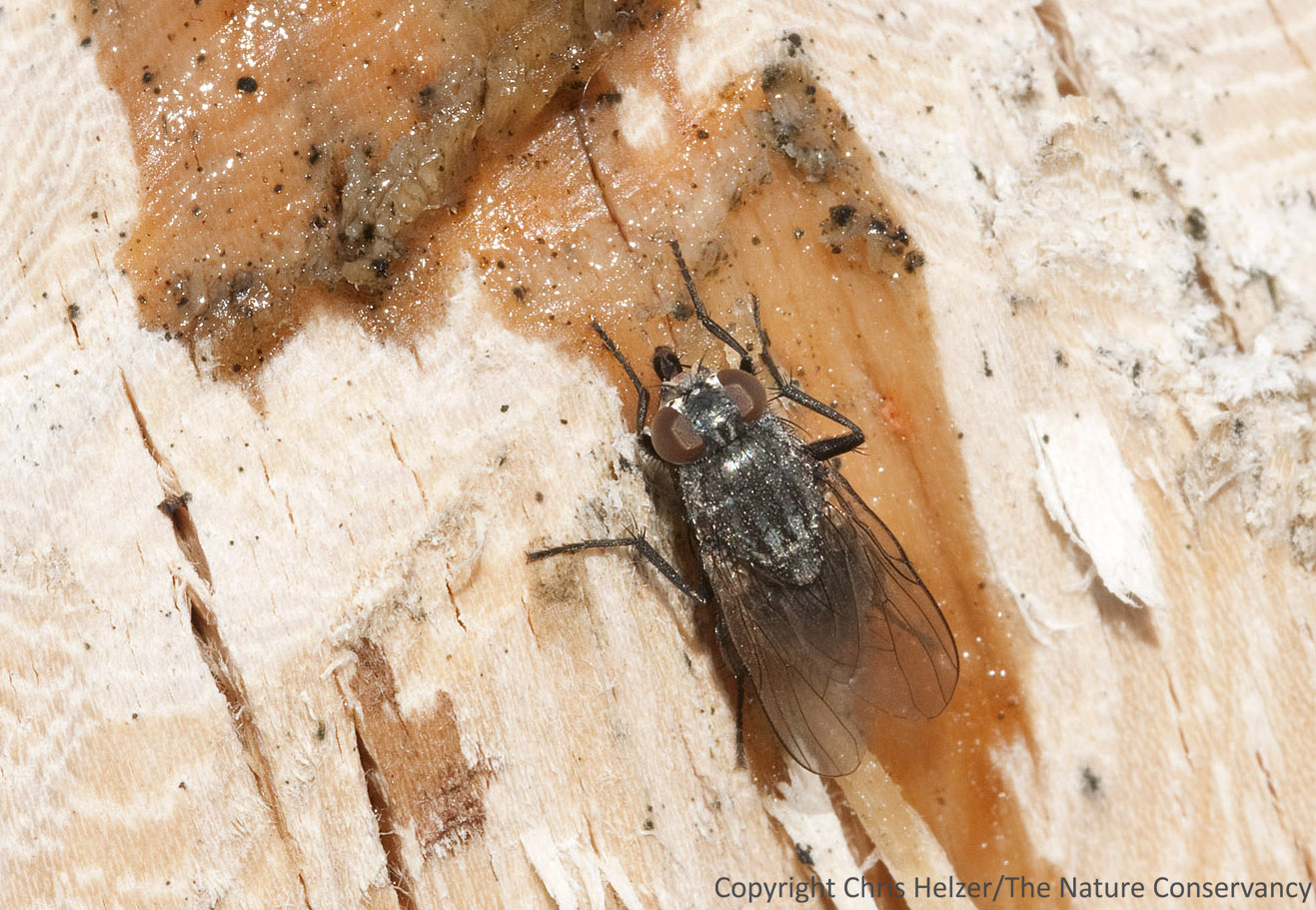
Since I had time, I decided to sit and watch the fly for a bit.  Before long, another – different – fly came along.

A second fly joins the meal.

A second fly joins the meal.

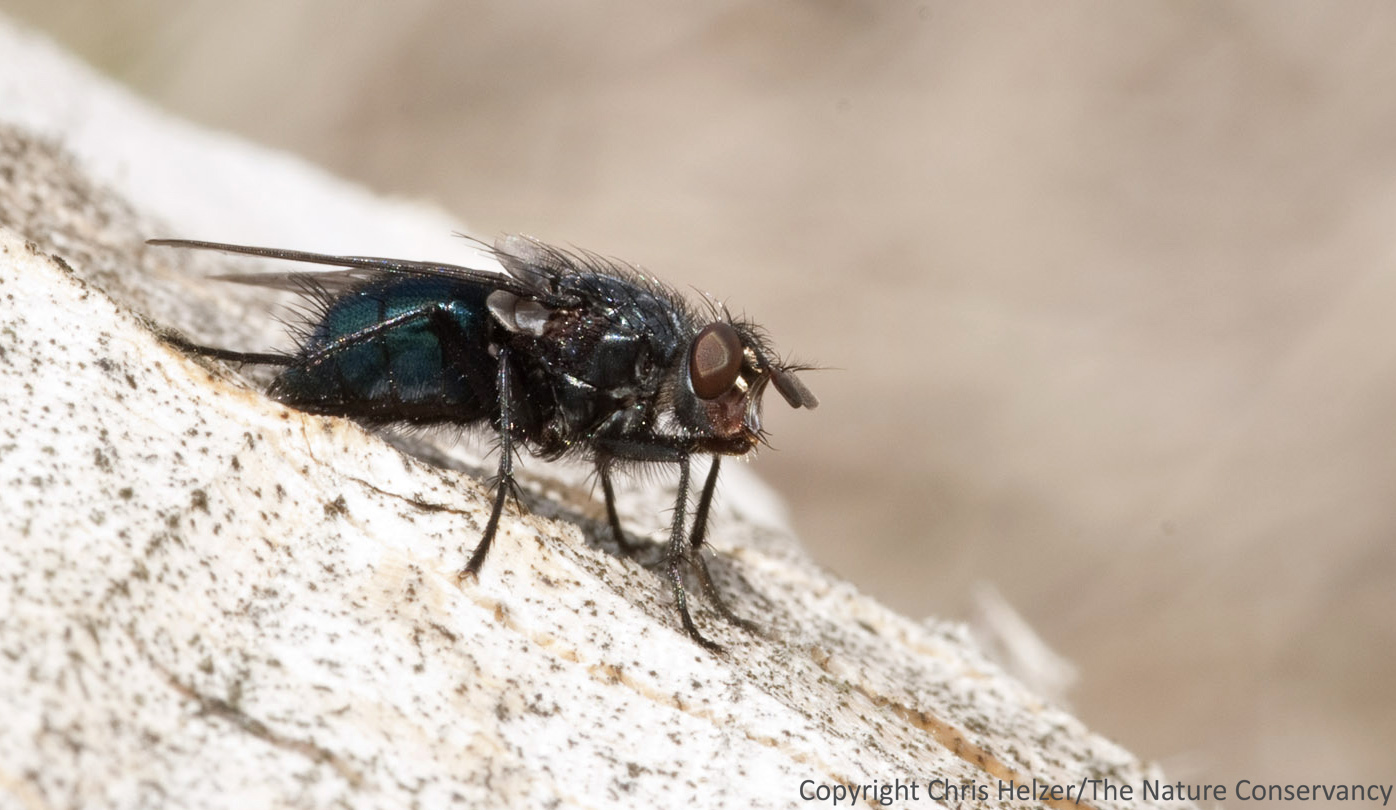
One of my favorite statistics is that there are more than 37,000 species of flies in North America.  That seems an almost unfathomable diversity.  Taking that into account, I guess I shouldn’t have been surprised to see a third kind of fly arrive at the stump…

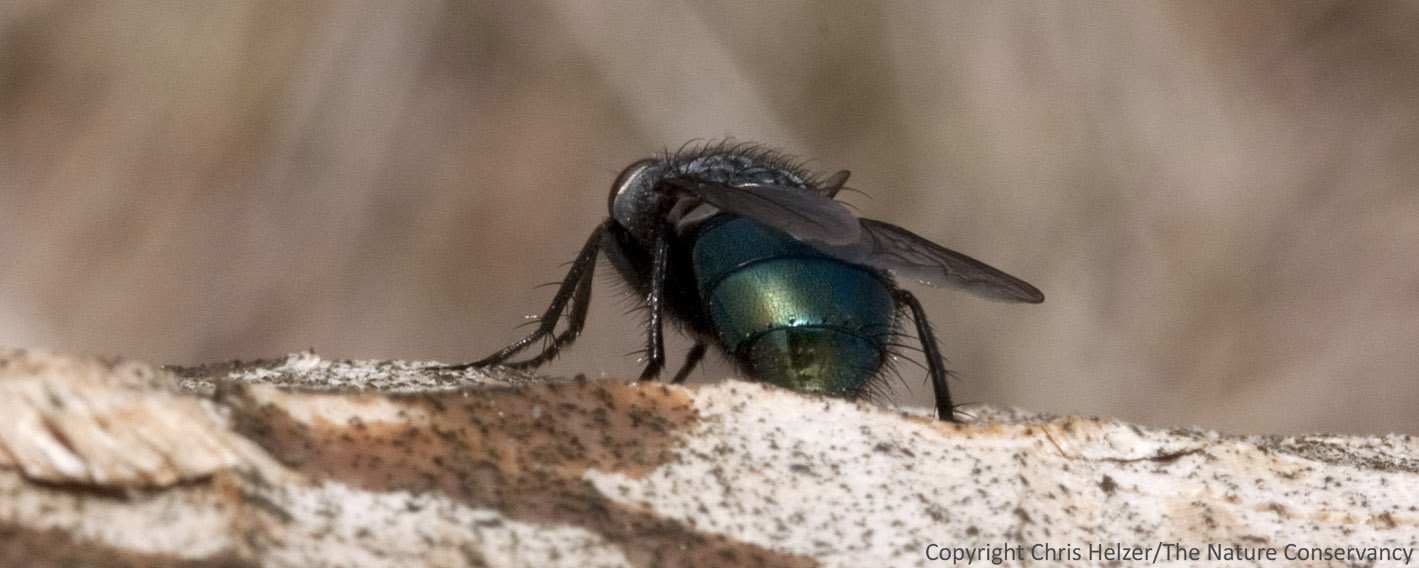
Fly #3.  A big green one.

Fly #3. A big one with blue and green stripes on its abdomen.

.

A rear view of fly #3, showing the striped abdomen.

A rear view of fly #3, showing the striped abdomen.

.

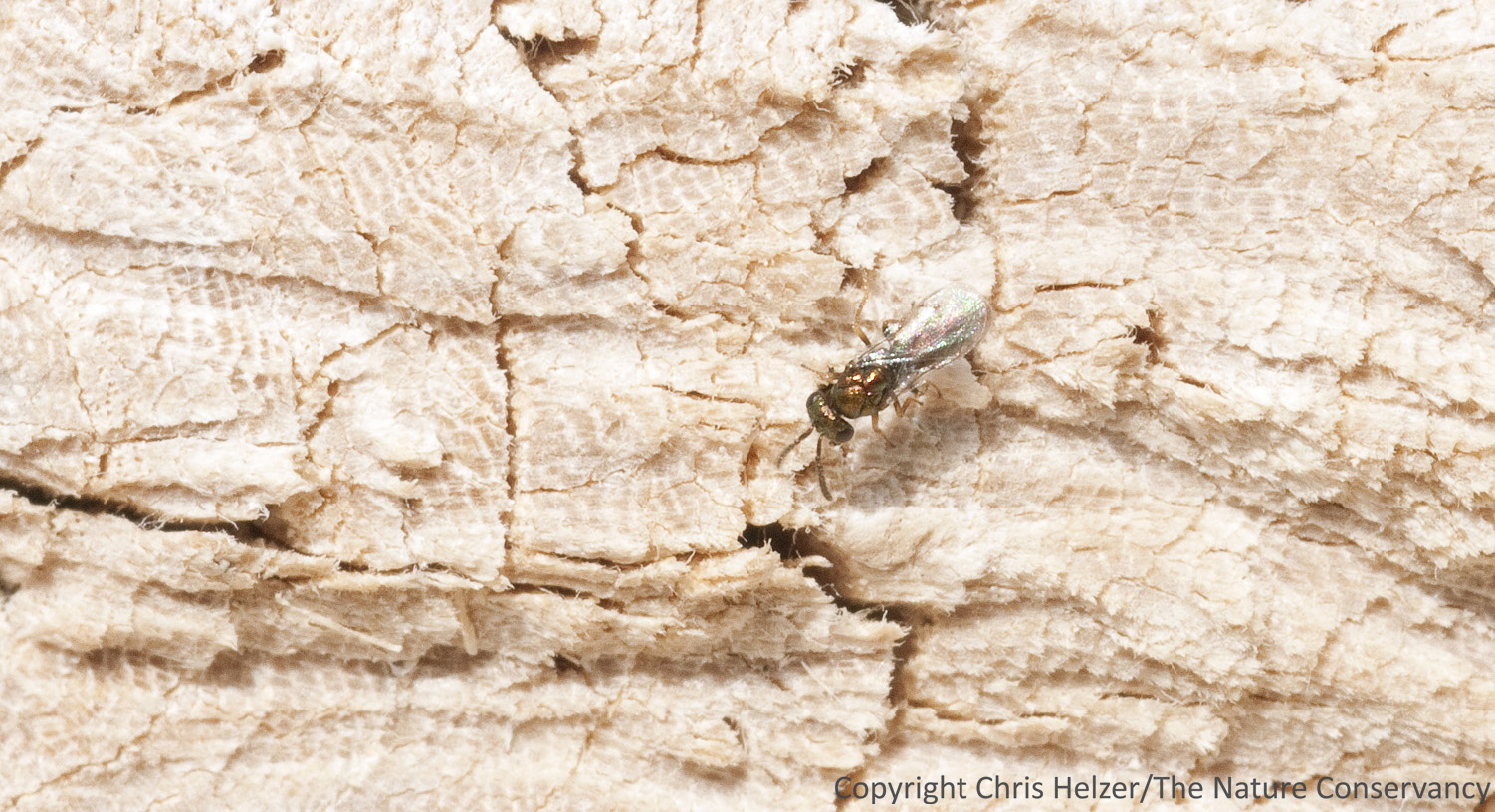
A tiny wasp (2mm long).

A tiny chalcidoid wasp was on the stump as well, though not feeding on sap (thanks to Mike Arduser for identifying it for me – Mike says they are a group of parasitic and important wasps).  The quality of this image isn’t very good – my excuse is that the wasp was BARELY 2mm LONG and I had to crop it quite a bit so you could even see it…

.

A tiny red mite came ambling along...

A tiny red mite came ambling along too…  It was about the same size as the little chalcidoid wasp

.

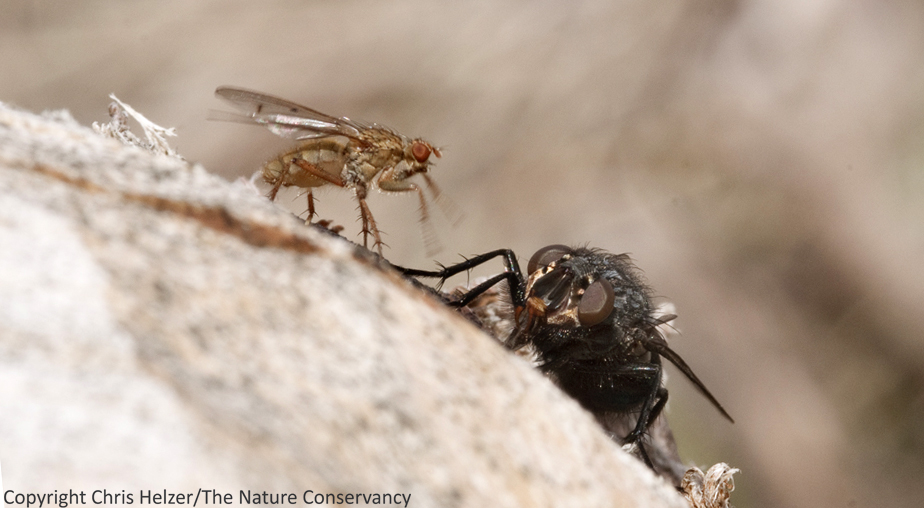
Fly #3 didn't like Fly #1 working over the same puddle of sap and lunged at it

Fly #3 apparently didn’t like Fly #1 working over the same puddle of sap.  This photo captures Fly #1 rearing back as Fly #3 lunged at it.

I wish I’d had more time to stick around; it would have been fun to catalog all the little critters that visited – or were living in – that beaver stump.  I also wish I would have gotten a shot of the little wolf spider hiding in the pile of wood chips at the base of the stump – it darted out and almost caught one of the flies when it landed nearby, but didn’t stick around for a photo.  Too fast for me…

I think my short time watching the beaver stump brings up a number of interesting points that I could focus on as the overall theme of this blog post.  I could focus on the odd side benefits provided by the work beavers do.  I could focus on the crazy diversity of life found on a single tree stump.  I could focus on the way creatures of all different kinds are able to take advantage of unexpected resources (like oozing tree sap) when they appear.

But I think the biggest point is this:  You can see and learn an awful lot by just sitting down and watching.