A Slide Show of Nebraska Nature Photos

Caterpillar on false gromwell. Griffith Prairie - north of Aurora, Nebraska.

This fall, I was honored to be the banquet speaker at the first annual conference of the Nebraska Natural Legacy Project (Nebraska’s state wildlife action plan).  For the event, I presented a slide show that I hoped would showcase the diversity and beauty in Nebraska’s natural landscapes.  During the last several weeks, I’ve had several requests from people to make the slide show available on-line.

Well, I’ve done that, but I rearranged the show a little and separated it into five separate short videos that are each about 3 minutes long.  If you’re interested, you can view each of them by clicking on the links below.  They can also be accessed from the home page of this blog, either by clicking on “Photos” at the top of the page or by following the links under “Pages” on the right side of the page.

I hope you enjoy them.

Invertebrates

Landscapes

Plants

Vertebrates

Winter

Photo of the Week – October 28, 2011

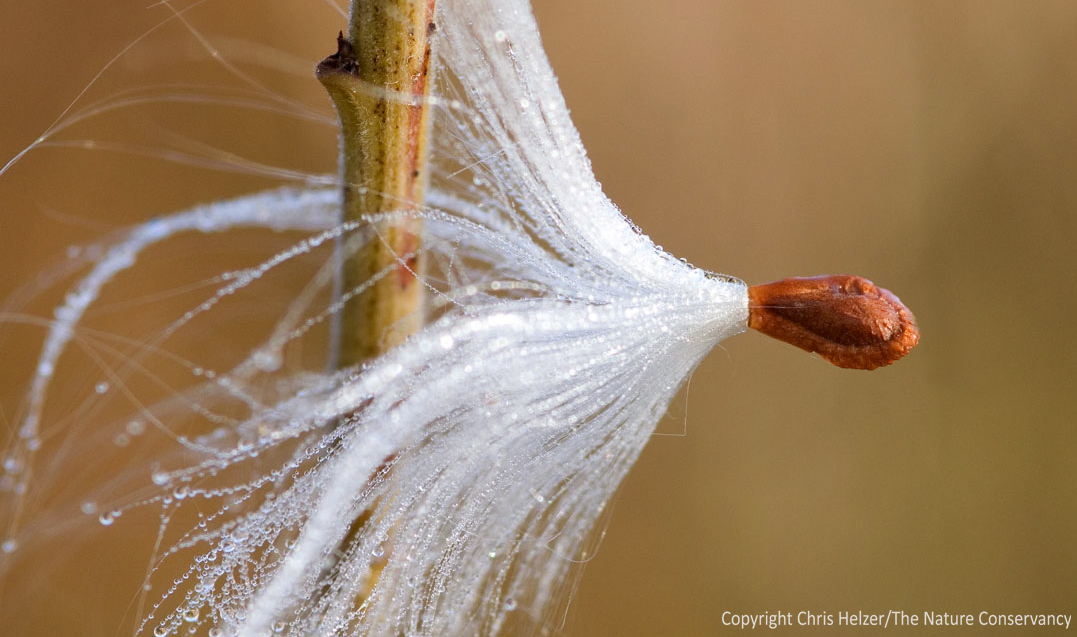
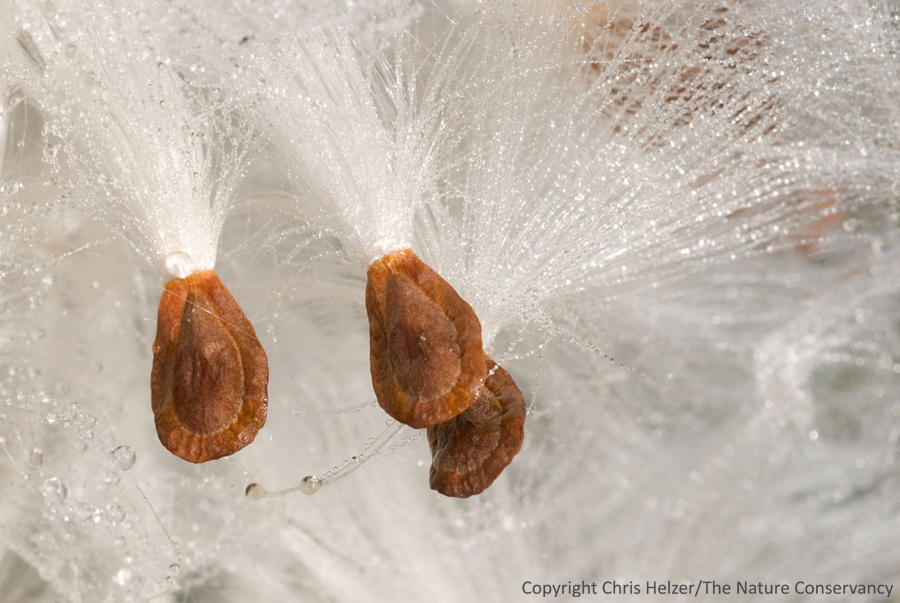
For a prairie photographer who likes to shoot close-ups of flowers and insects, there’s no easier target in the fall than milkweed seeds.  The photos below were taken several weeks ago at one of my favorite local prairies. 

Milkweed seeds at Lincoln Creek Prairie - Aurora, Nebraska.

Common milkweed (Asclepias syriaca) and showy milkweed (Asclepias speciosa) are indistinguishable from each other when they’re not flowering – at least to me.  The fact that they hybridize with each other doesn’t help…

Both species are common in eastern Nebraska, and largely underappreciated because of their abundance.  Like many other plant species, they’ve been unfairly labeled as weeds because they can live and thrive in a multitude of habitats, from cropfields to diverse prairies.  However, they aren’t a species that aggressively outcompetes other plants, and have so many positive attributes it’s hard to imagine not liking them.

They’re by far the most used milkweed species by the larvae of monarch butterflies, but are also the home of many other insect species that specialize on milkweeds.  In addition, the flowers of both species are large and attractive, both aesthetically and to the countless pollinator insects that visit them.  Finally, autumn in the prairie wouldn’t be the same without their big fluffy seeds blowing around.