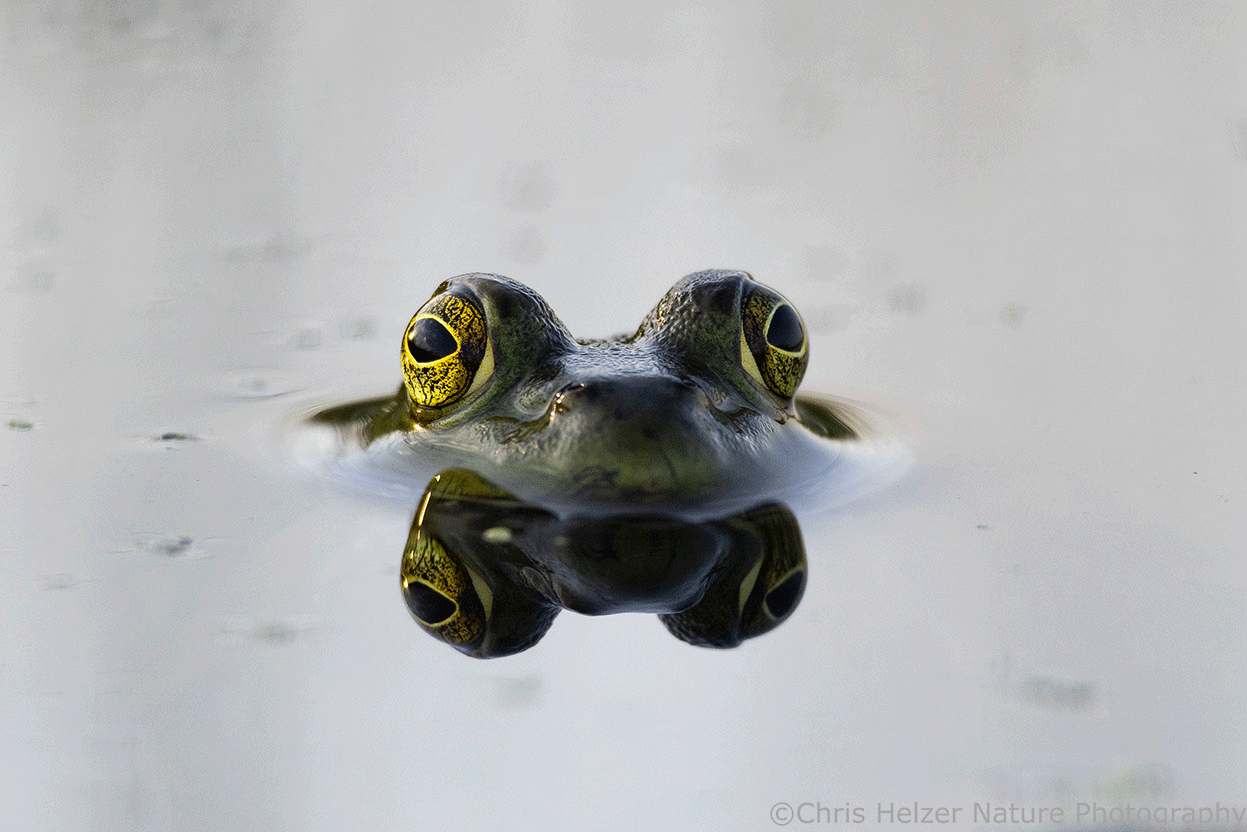
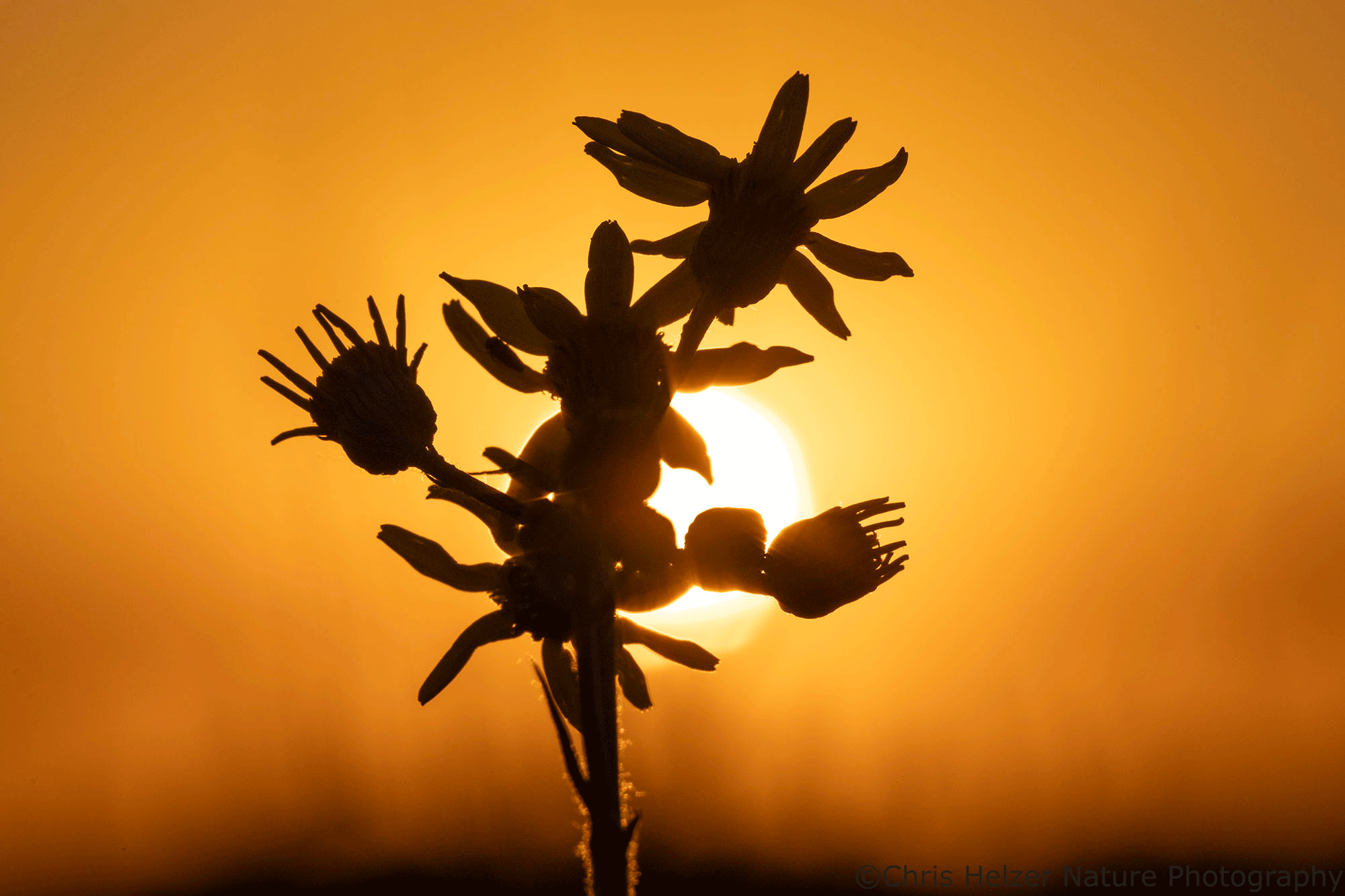
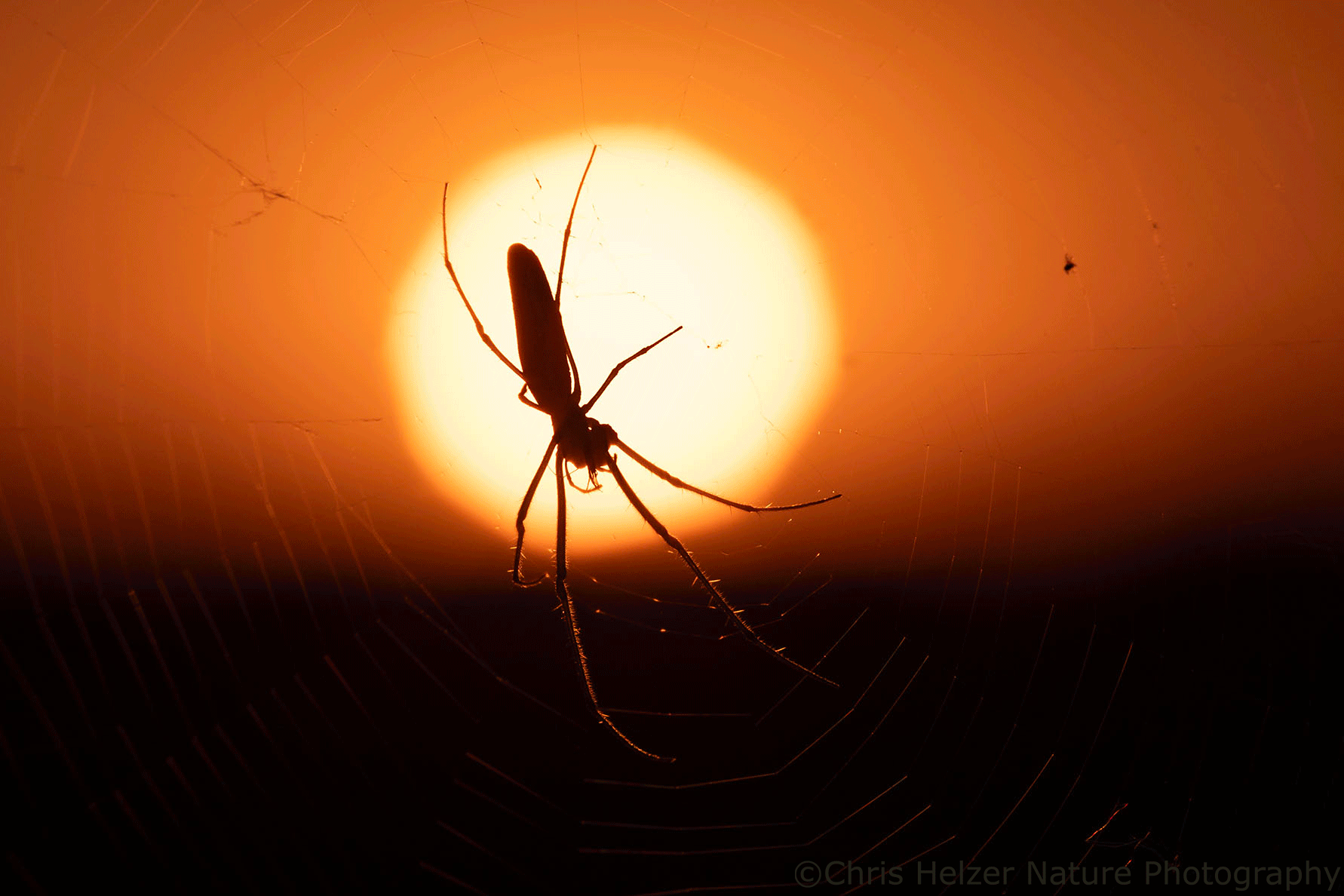
As I said back in early May, I’m spending a lot of my photography time in three 80×80-foot plots this summer. Each plot in part of a prairie that was grazed intensively most or all of last year. I’m hoping to highlight why I enjoy exploring places where the growth of normally-dominant plants (especially grasses) is temporarily suppressed from last year’s grazing.
Space and opportunities are opened for other plant species to flourish for a year or so until those dominant species hit full strength again. Generally, I see all the perennial plants I’m used to seeing, but they’re joined (temporarily) by a flush of short-lived plants as well.
In addition, the habitat structure is unique and interesting – especially as the season progresses. It often resembles a kind of miniature savanna, with wildflowers instead of trees towering over short grasses. It’s a habitat type preferred by many invertebrate and vertebrate wildlife species.
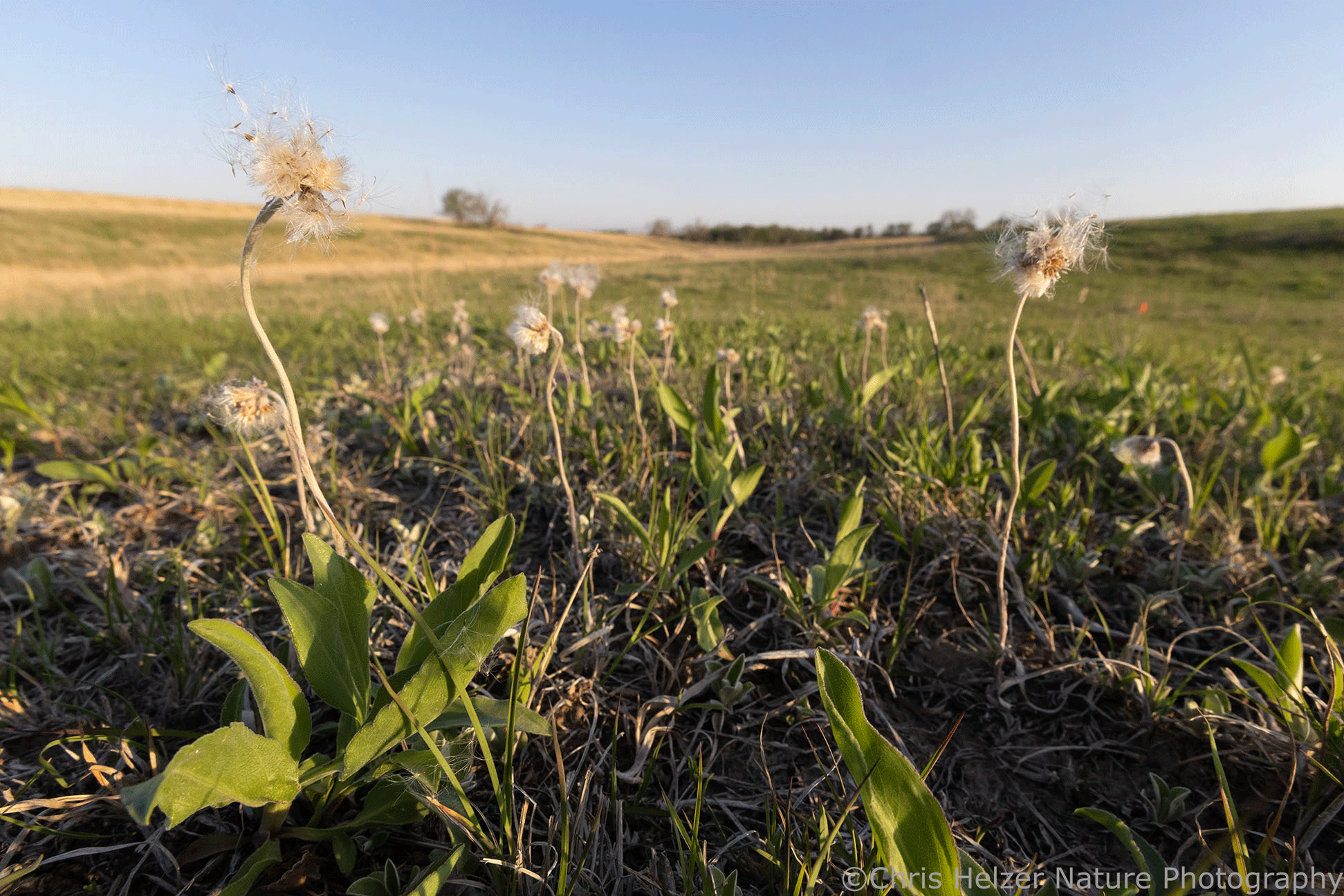
Today’s post features the 80×80 plot at my family prairie, where I’m experimenting with the open gate rotational grazing. This is basically a big photo dump from about the last month or so. To make up for the large number of photos, I’ve kept the text to a minimum, but have hopefully included enough to give you some context. There’s a lot happening, and every visit I’ve made has resulted in some terrific photos.

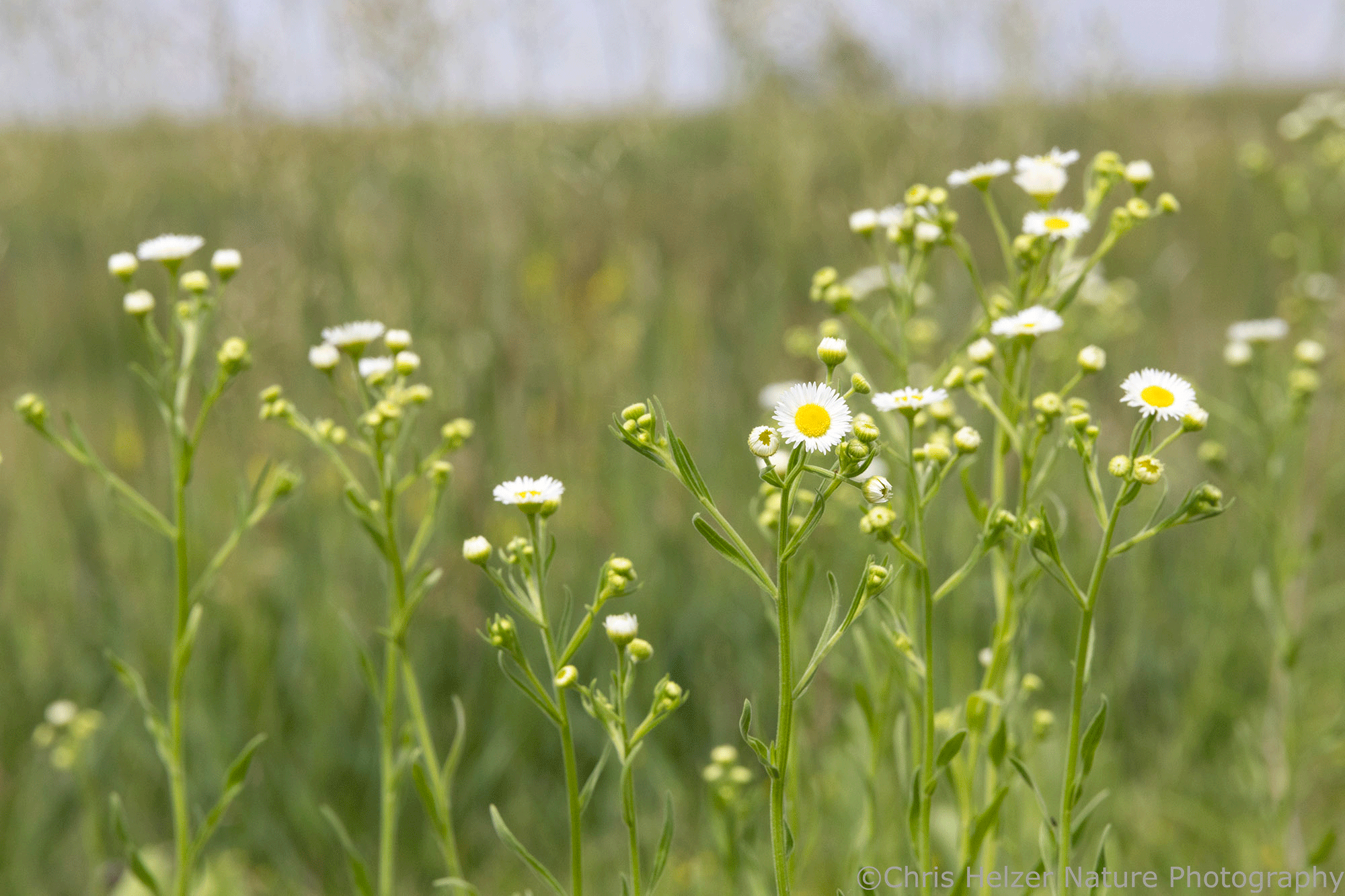
Early in the season, the vegetation was pretty uniformly short. Pussytoes, only 6 to 8 inches tall, towered over the surrounding landscape. By mid-June, though, things have changed, with opportunistic wildflowers like yarrow and daisy fleabane growing more than two feet tall and providing an interesting mix of tall and short vegetation structure. That means animals have lots of choices between open, sunny areas and cool, shady cover.

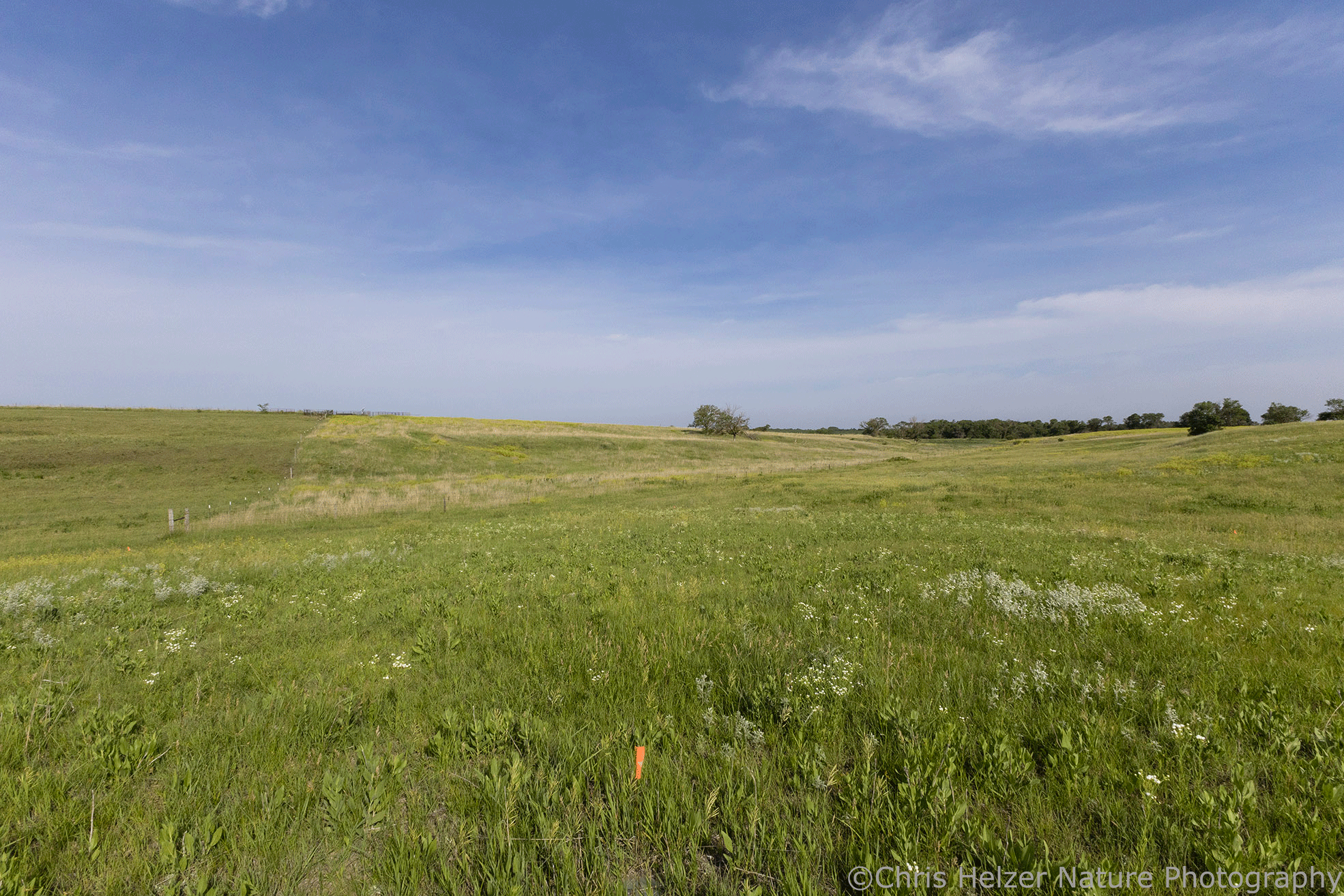
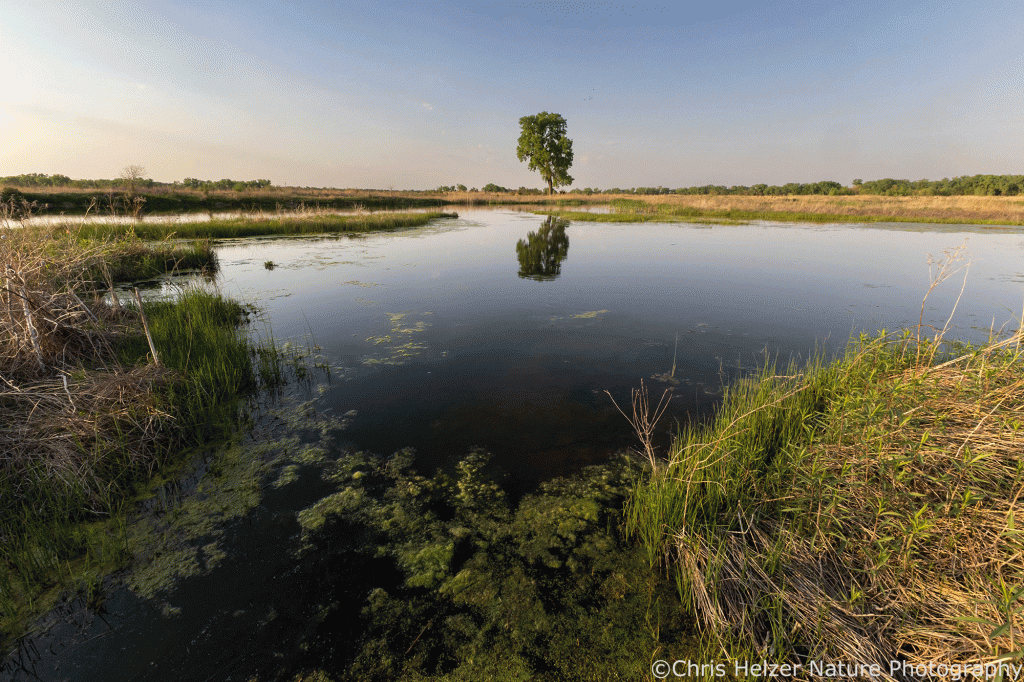
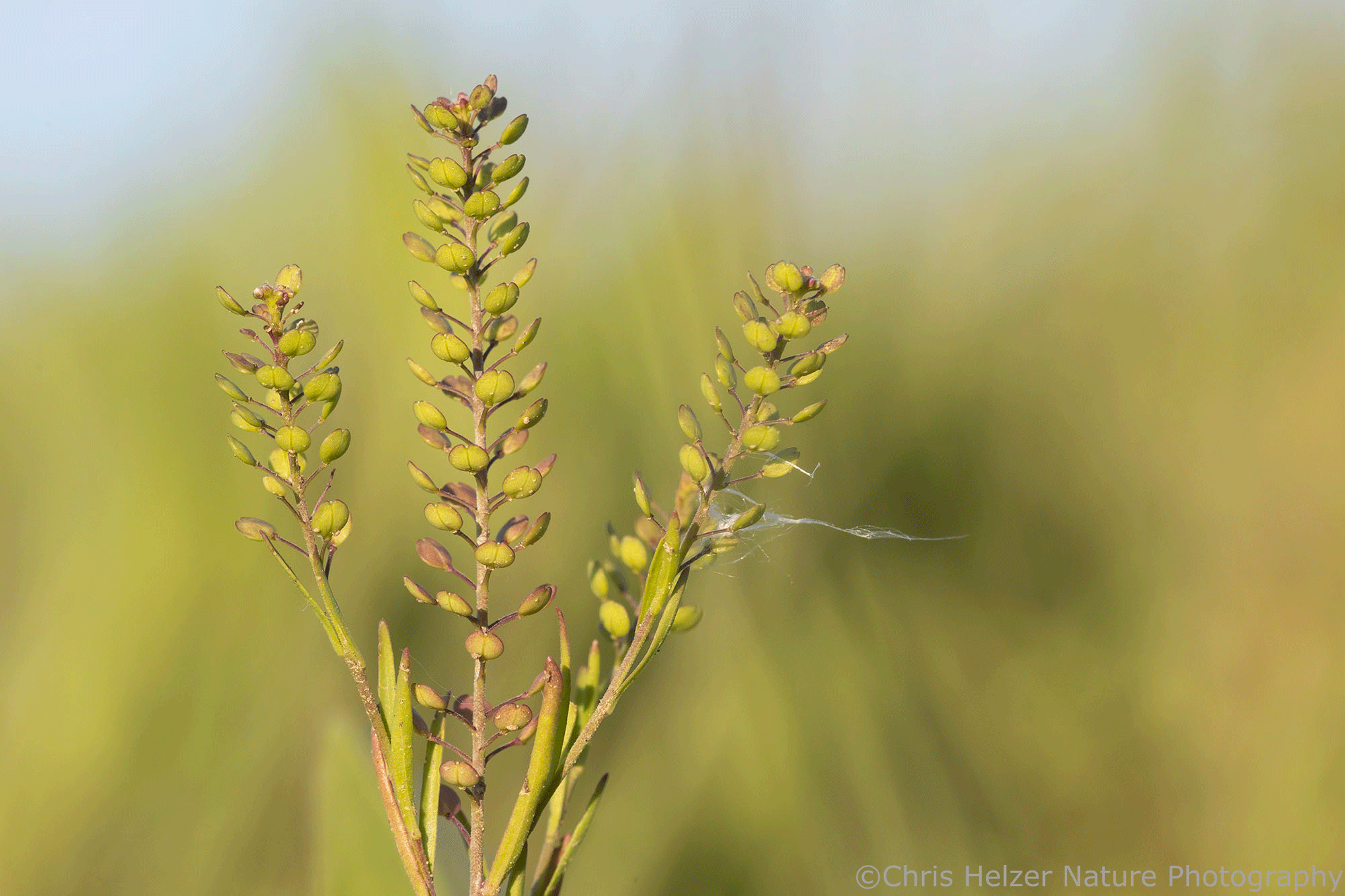
The 80×80 foot plot at our family prairie is located on a slope I believe to be remnant (never plowed) prairie. There have been a lot of wildflower species blooming, and a lot more are getting ready. Many are native, but a few aren’t – though none are invasive or problematic.
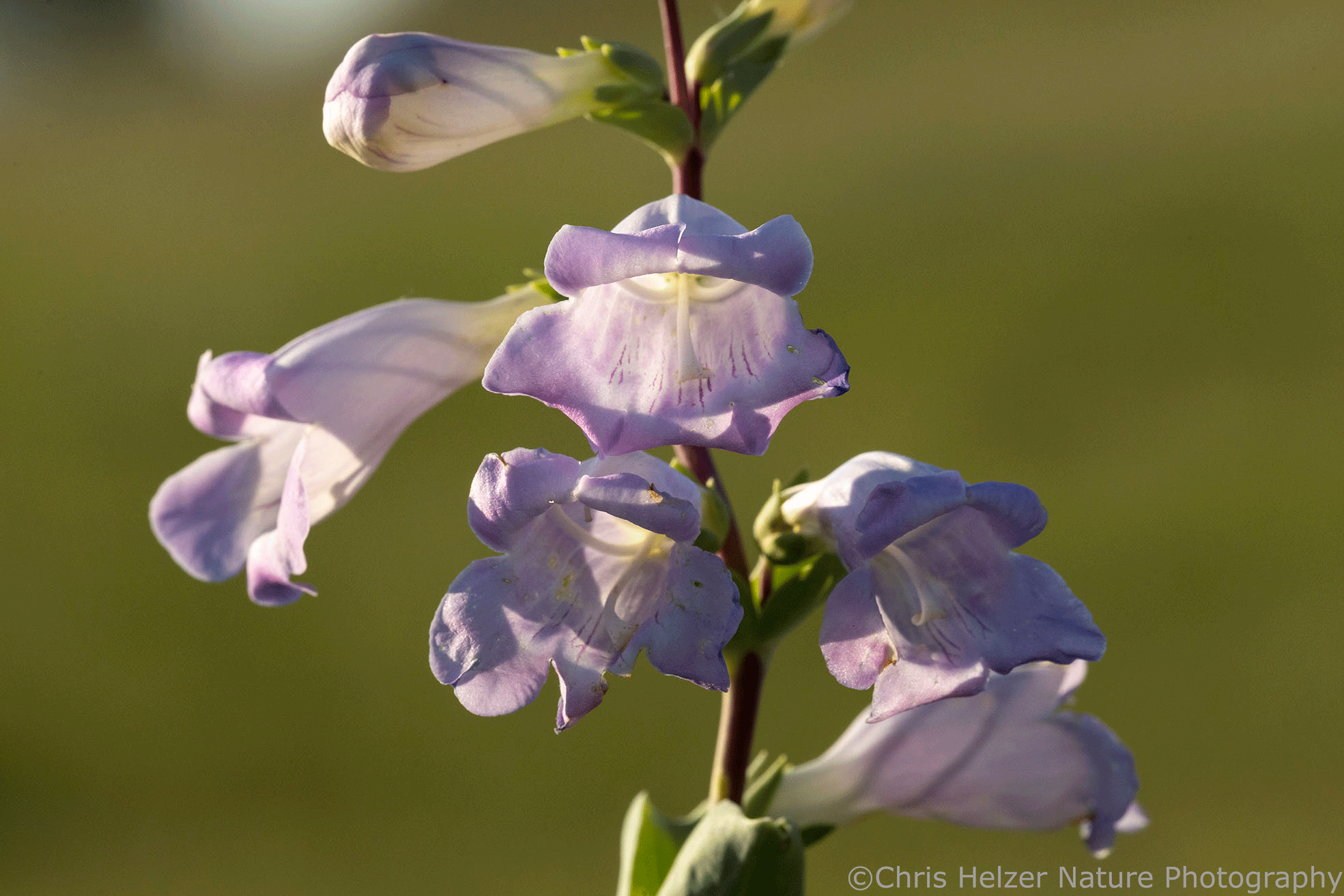
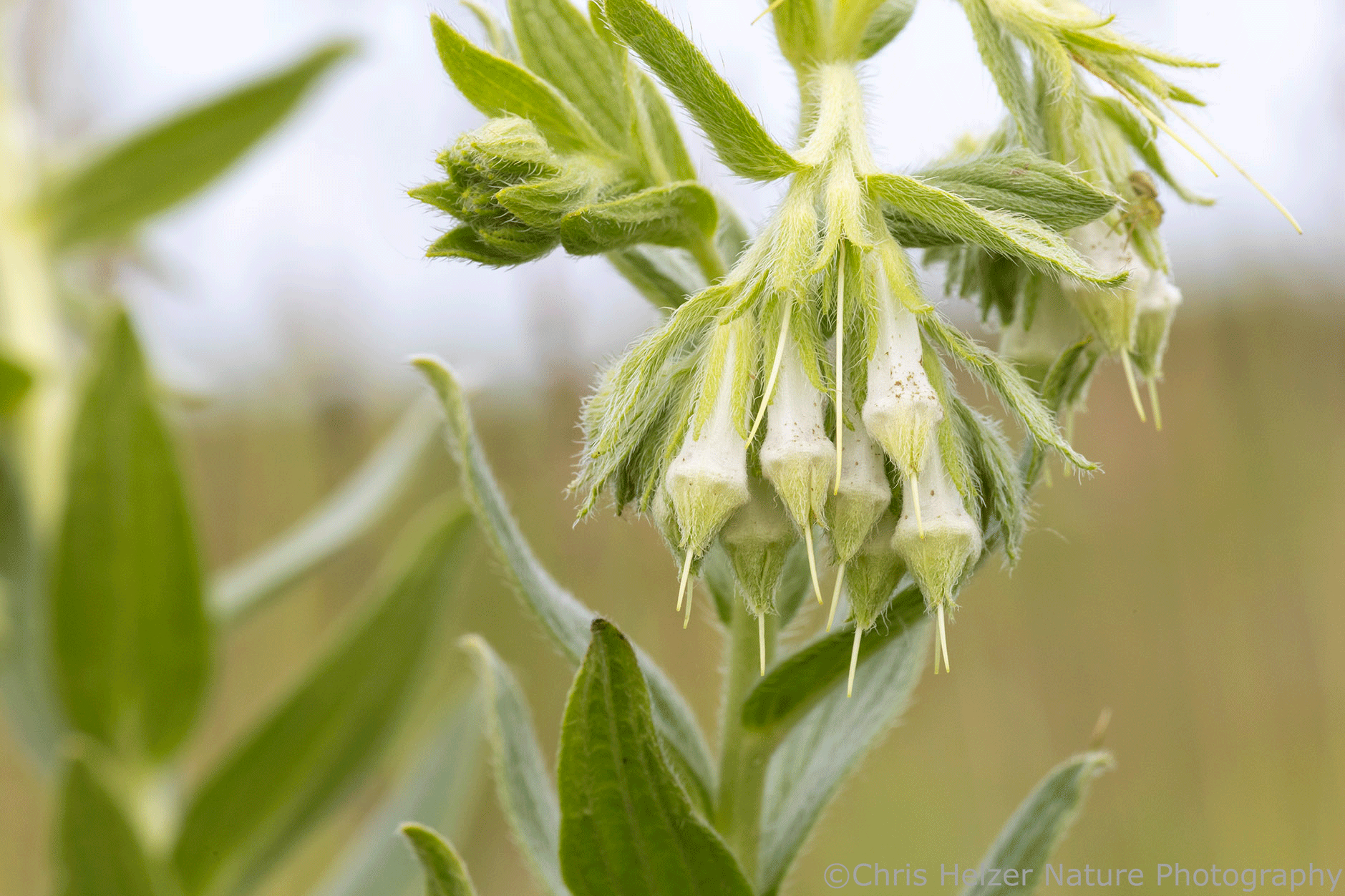
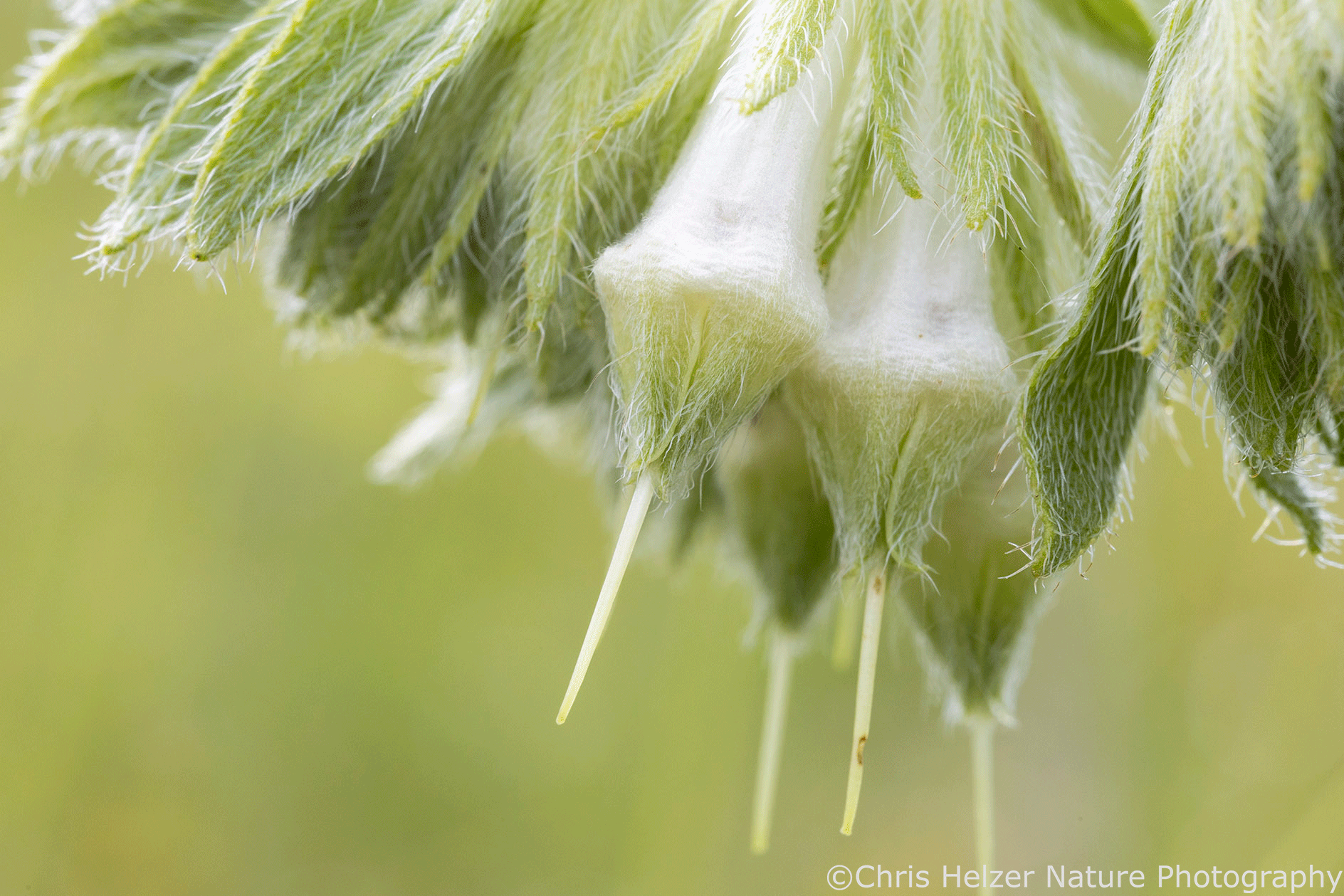
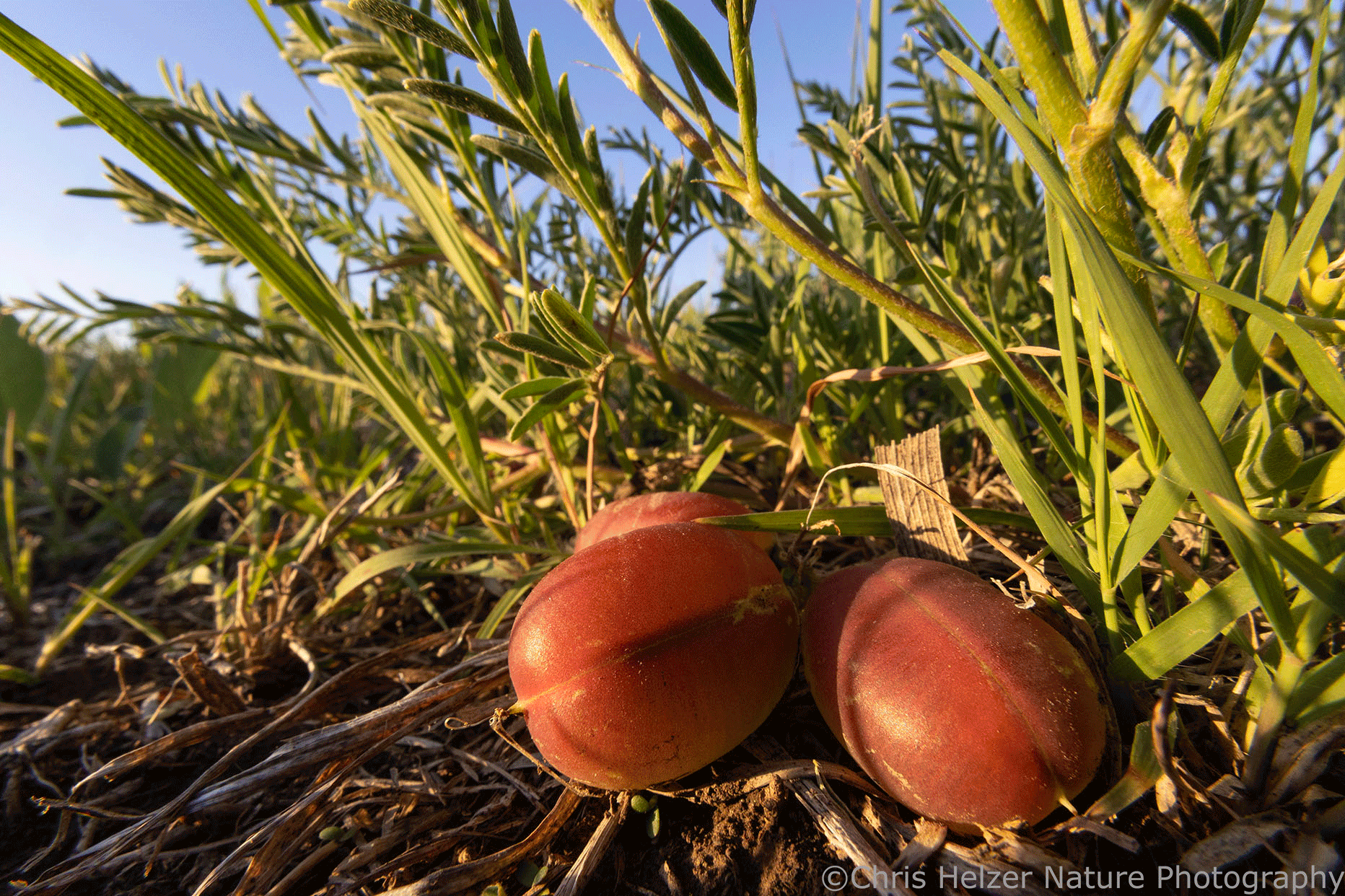
I’ve paid attention to how much fruit has been produced by ground plum in places that were grazed and ungrazed last year. The grazed areas, including my plot, have way more fruits on the plants than I see in the ungrazed sites. I wonder if that’s because they bloomed more prolifically, were pollinated more, or something else (or, likely, a combination of factors). Either way, it’s a stark difference.
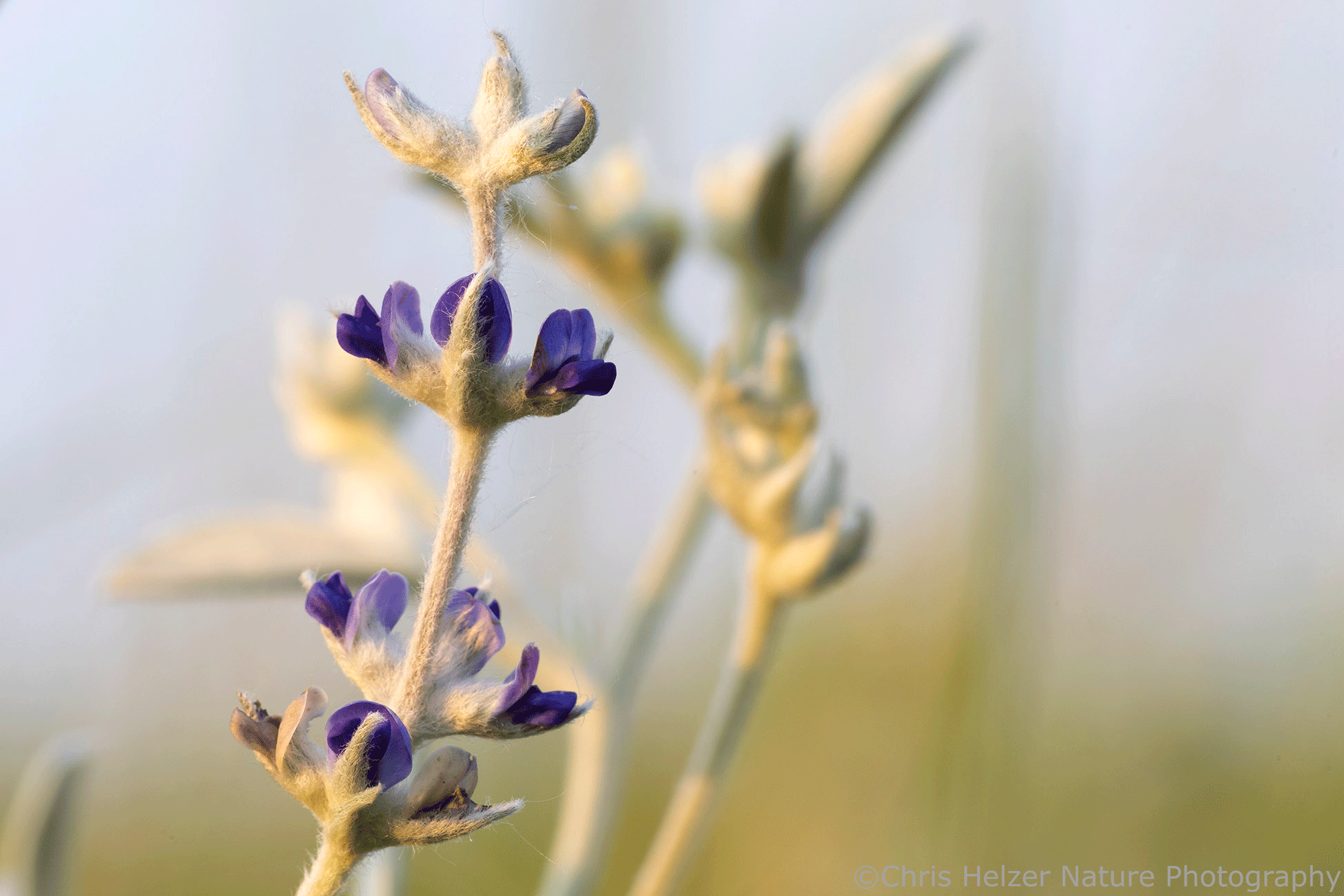


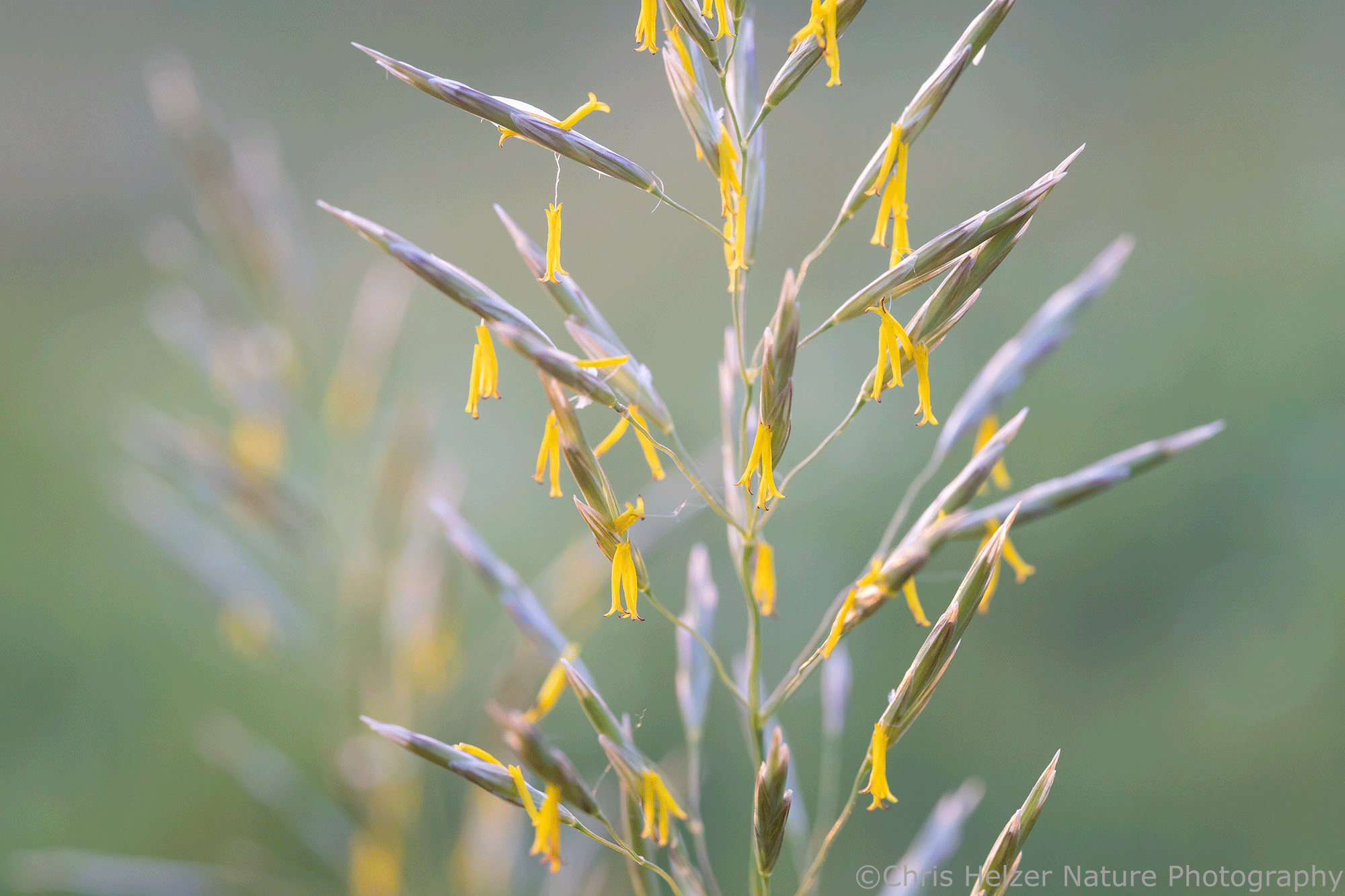
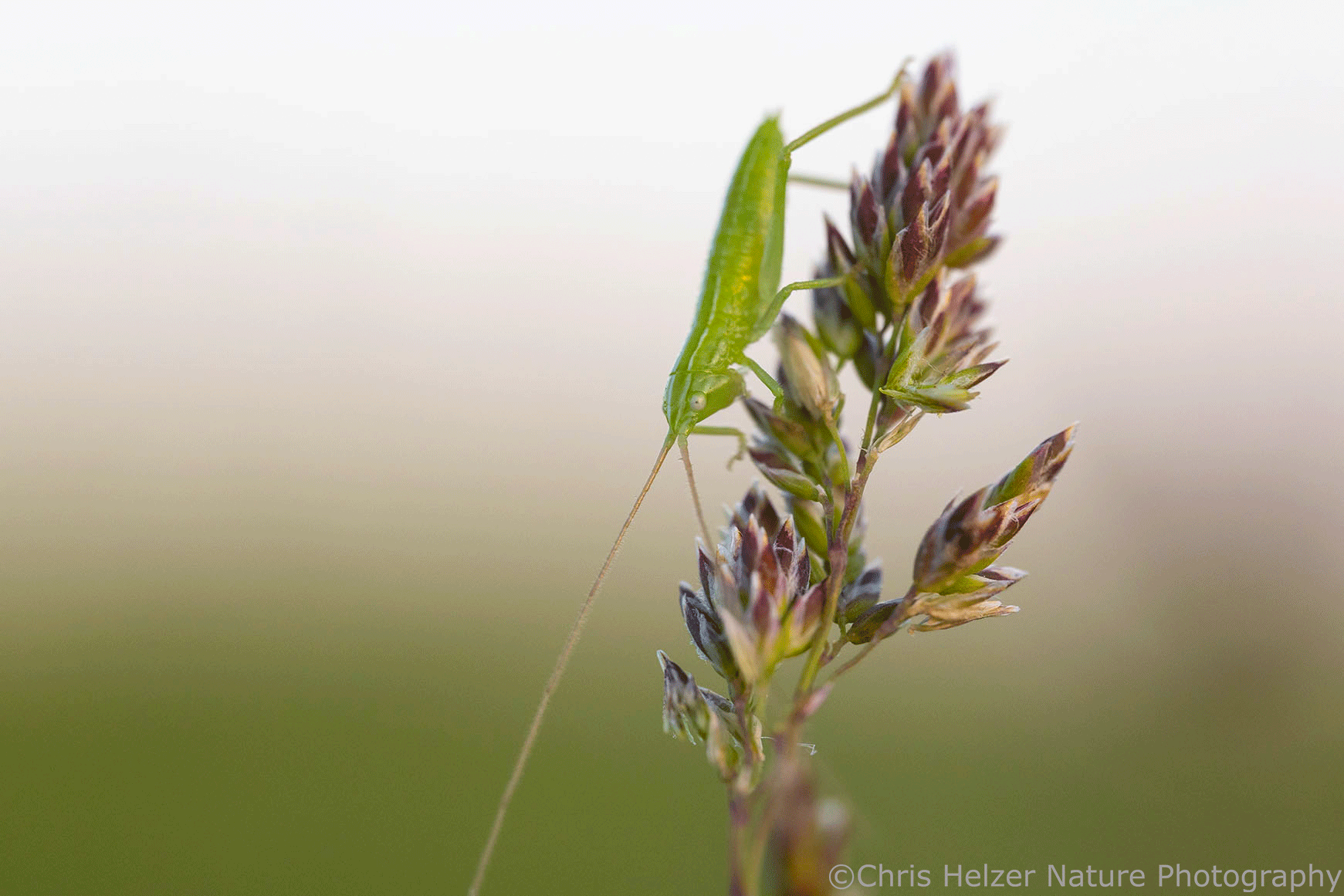
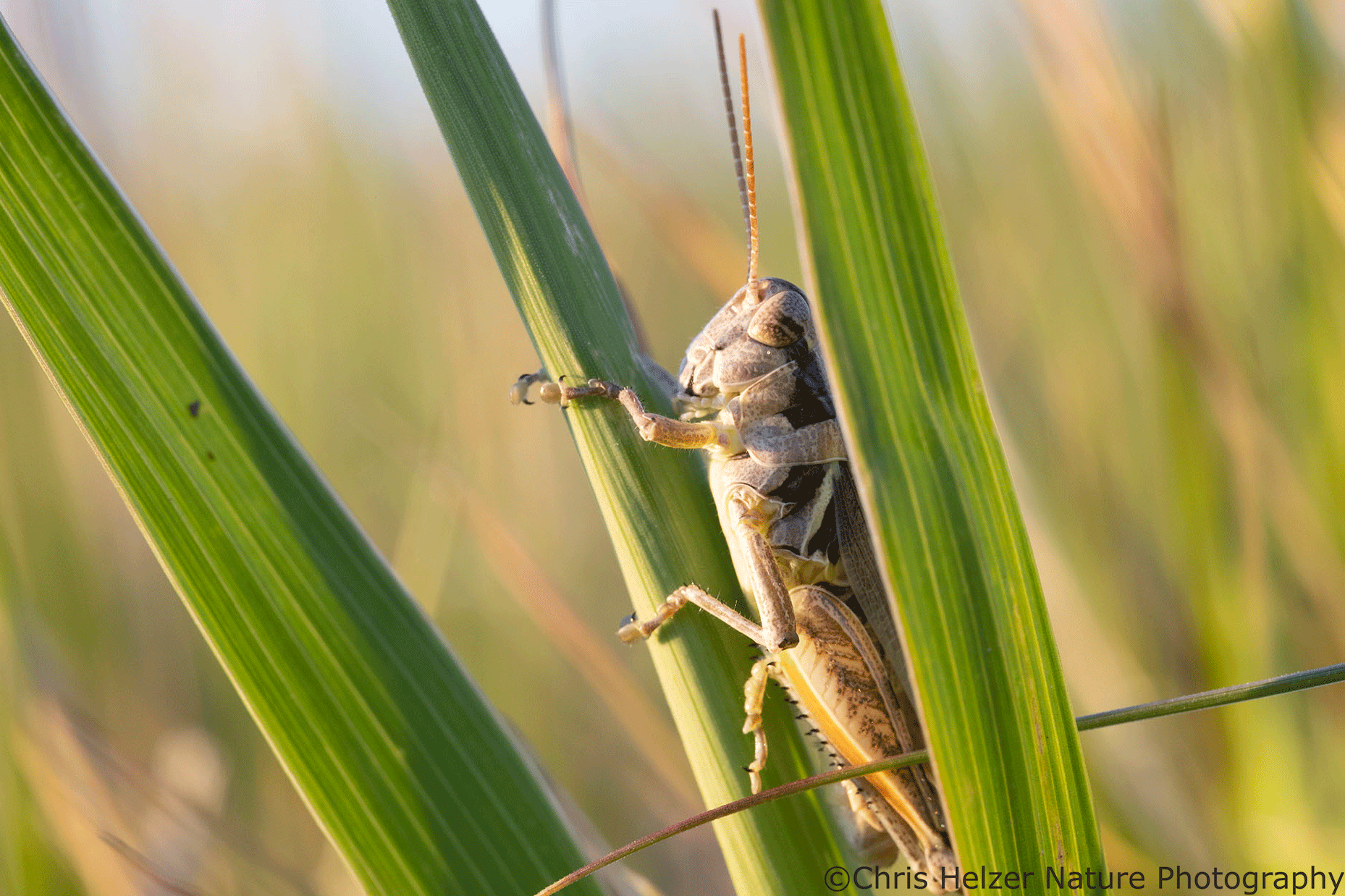
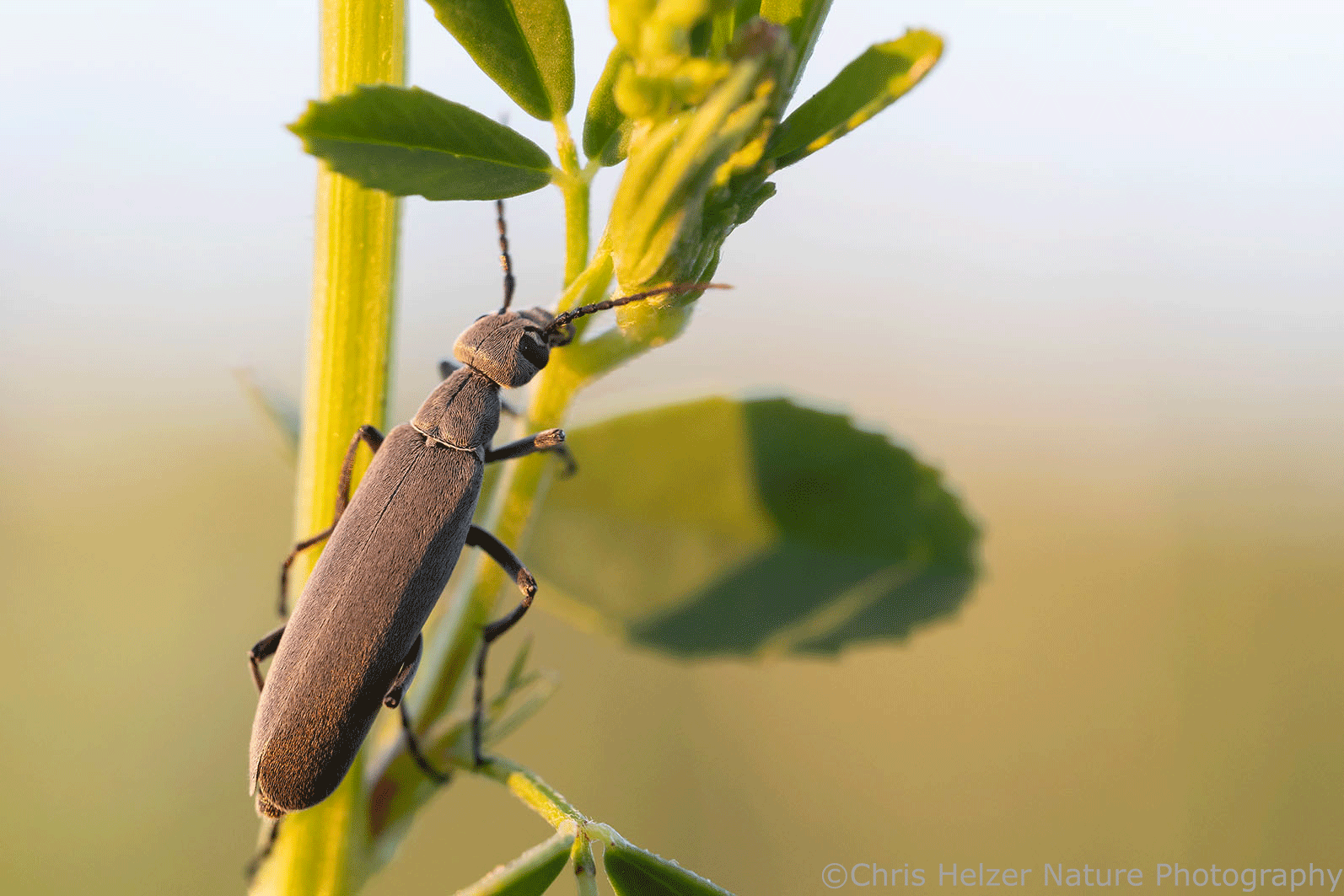
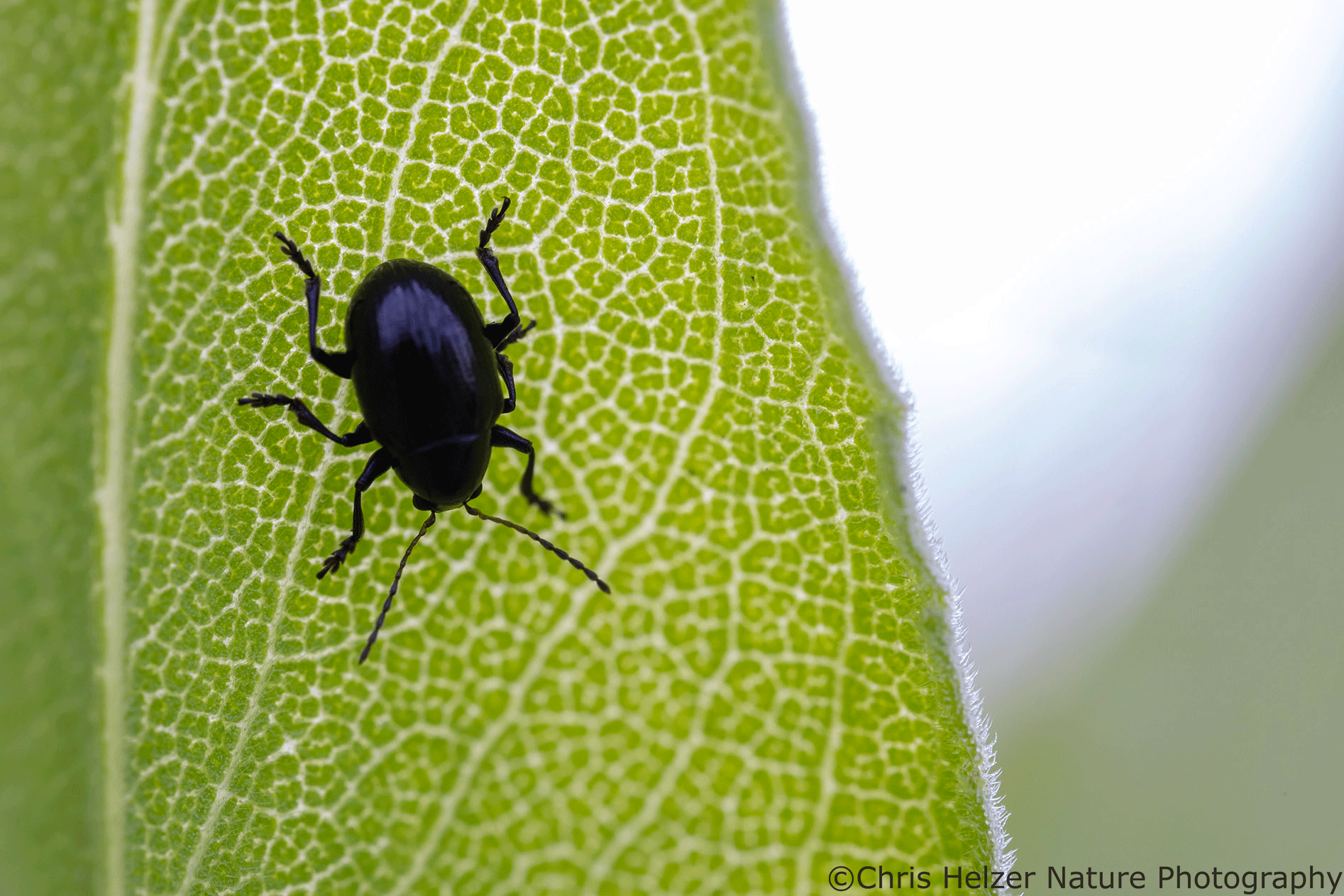
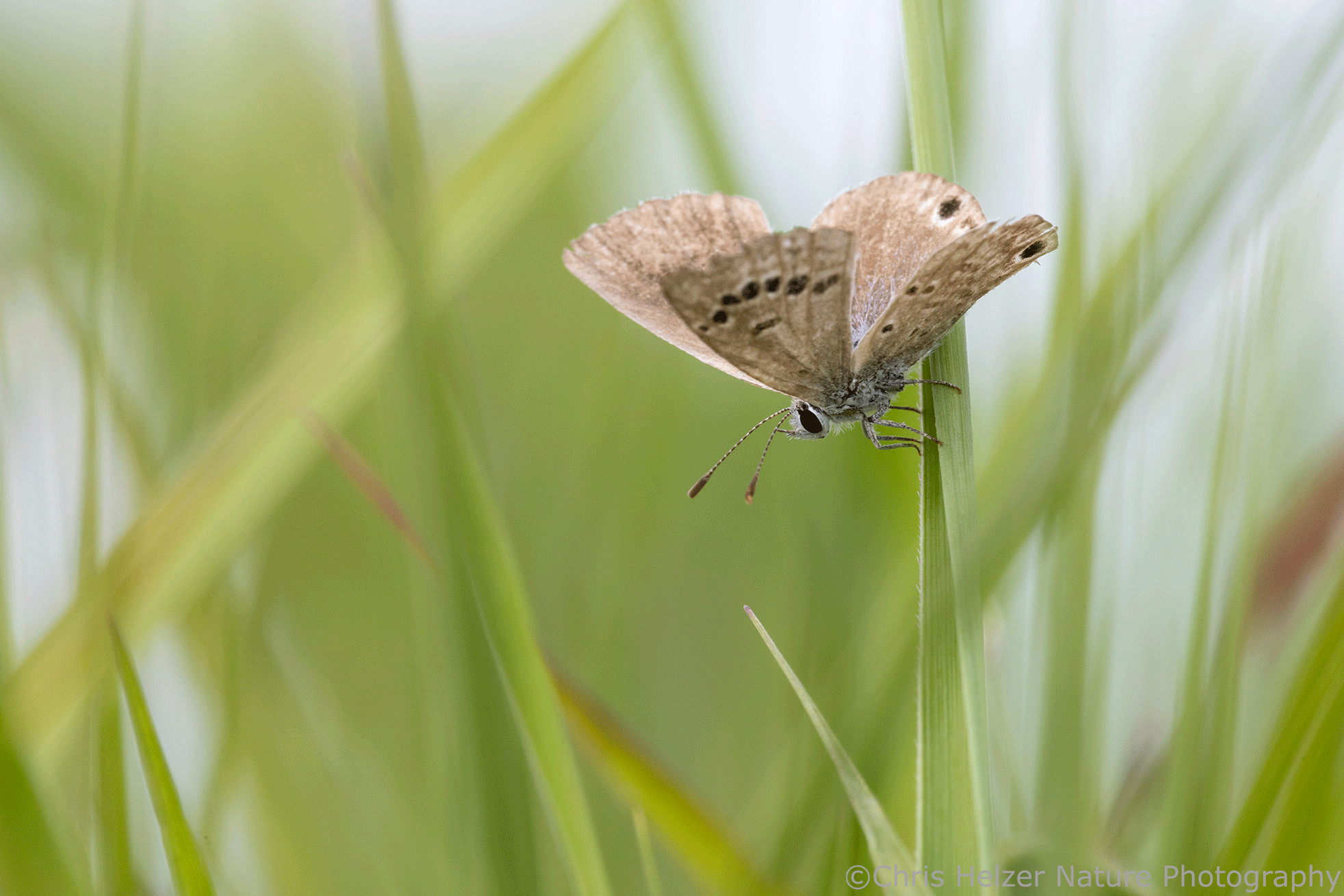
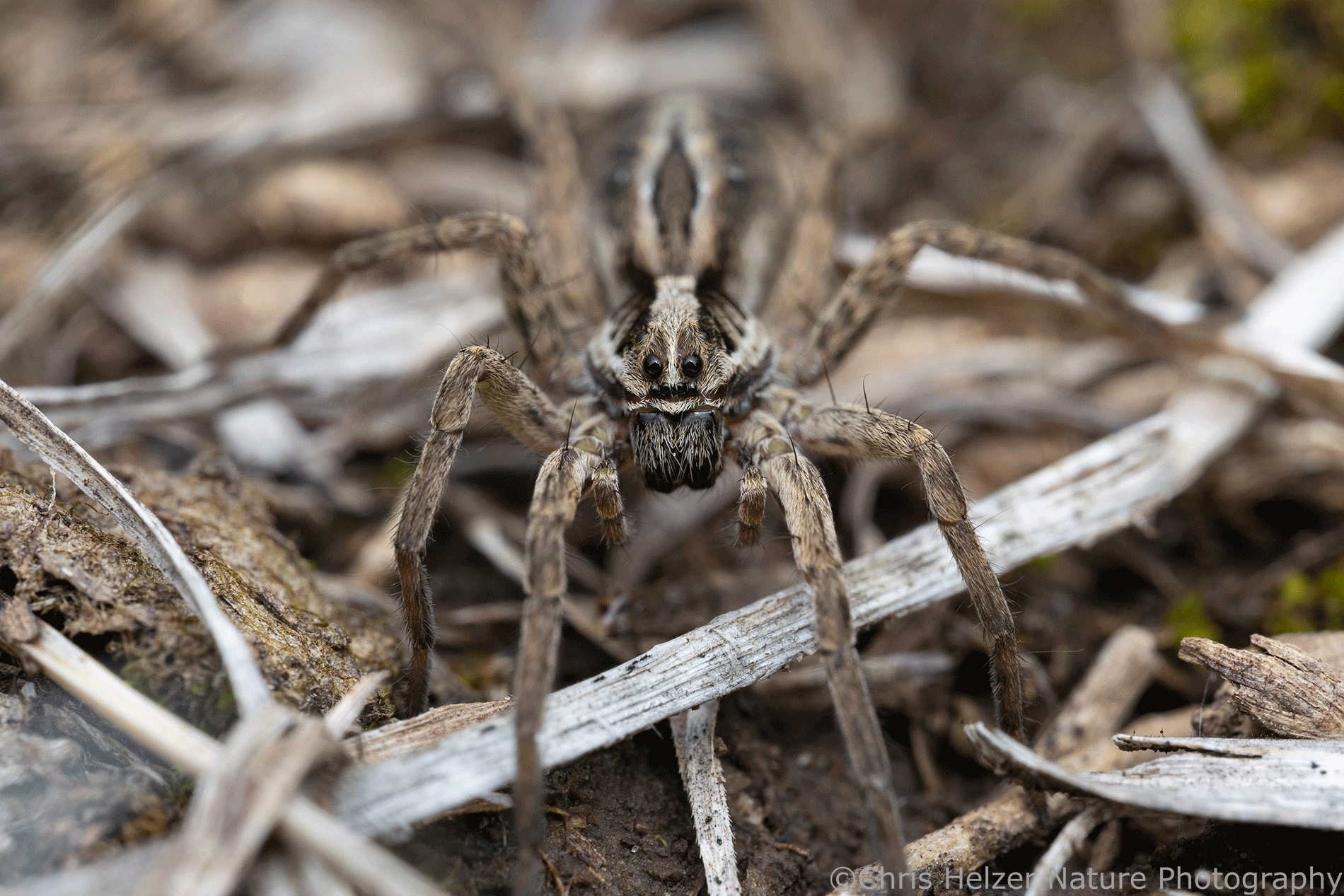
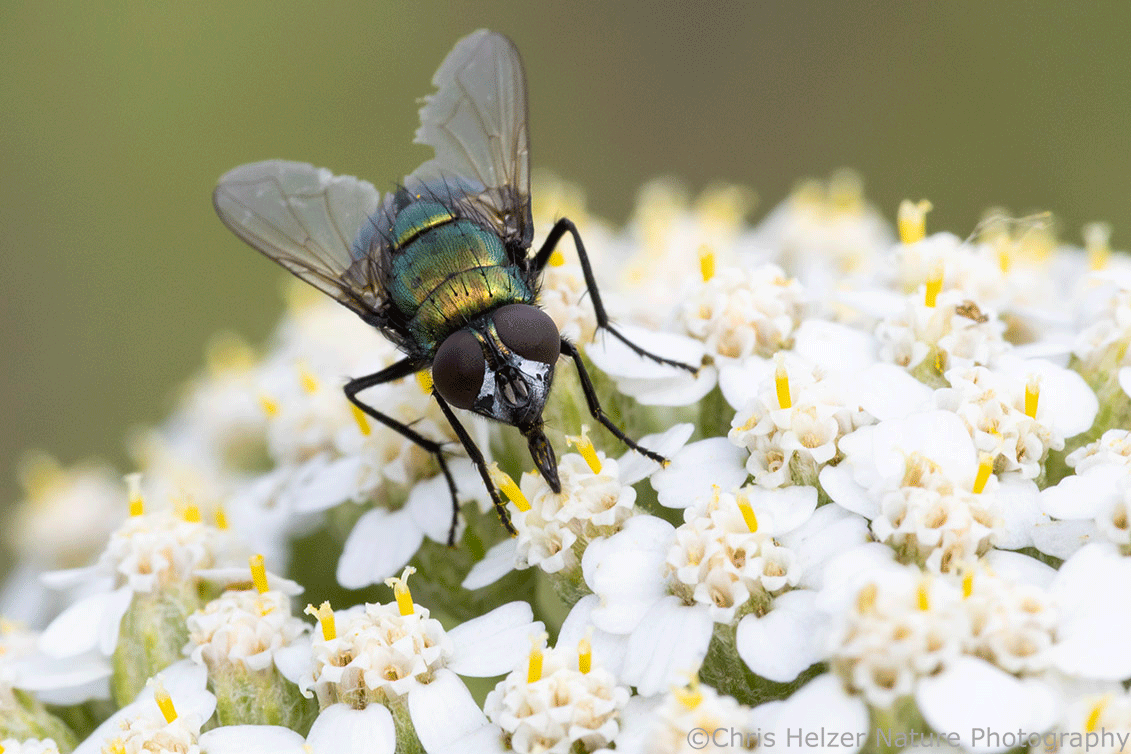
The abundance of invertebrates is one of my favorite aspects of these post-grazing areas. They seem to be drawn to the combination of sun and shade in close proximity, which allows them to easily thermoregulate. A bonanza of wildflowers also draws a lot of pollinators, and that’ll become even more apparent over the next month or two as prairie clover (a particular favorite of bees) starts blooming.
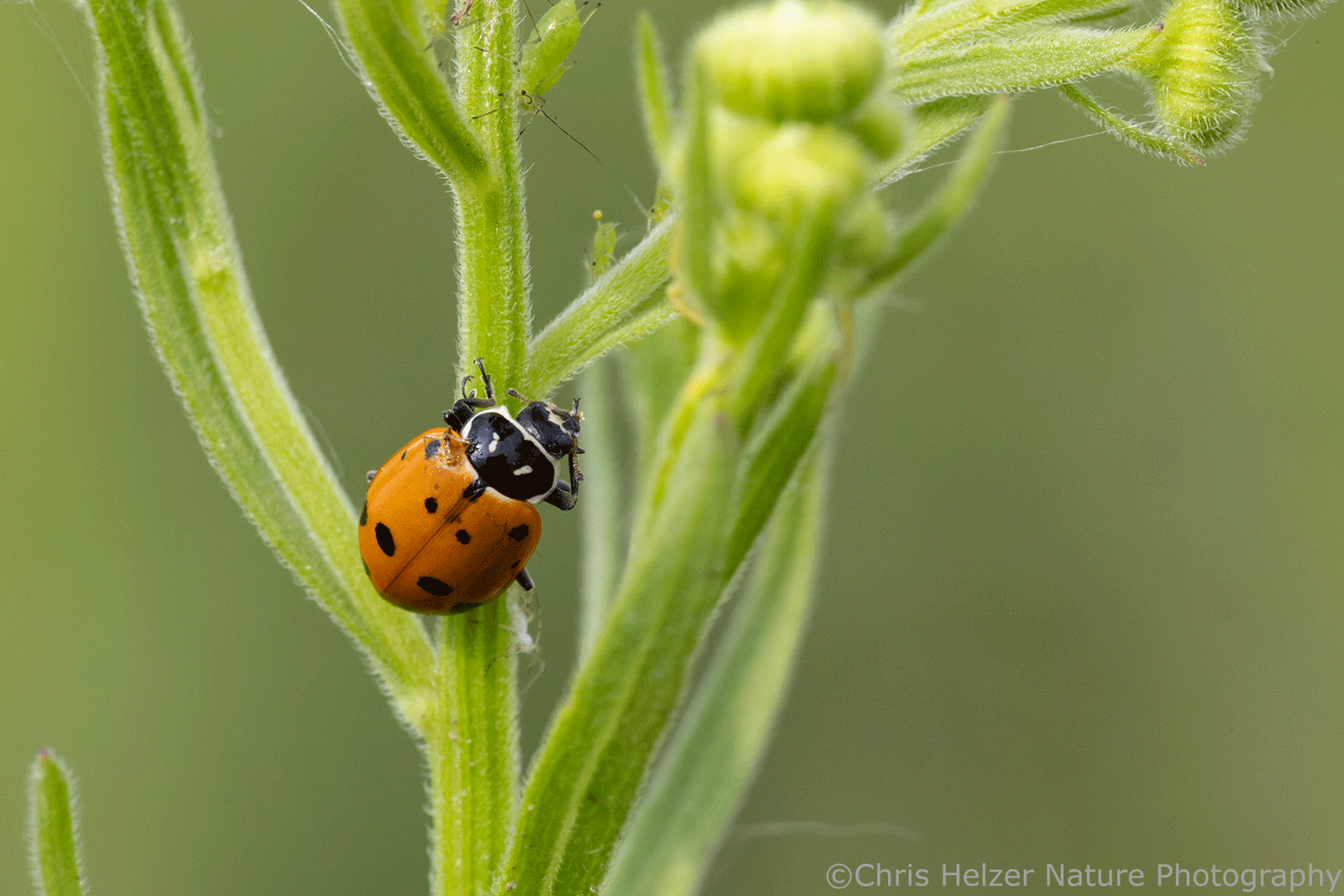
I’ve photographed three ladybird beetles (ladybugs) in the plot so far this year, including the non-native seven-spotted ladybird and two native species.


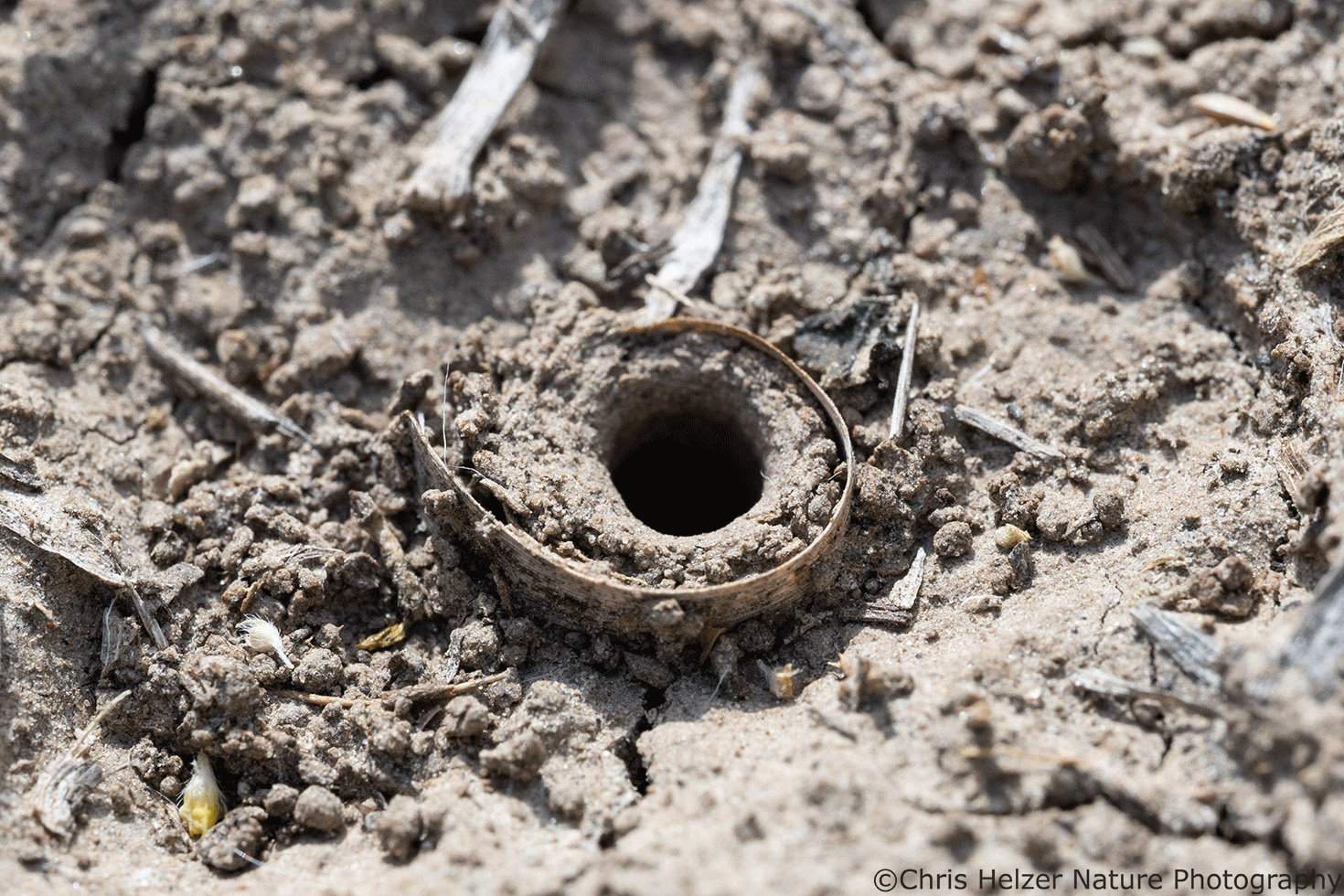
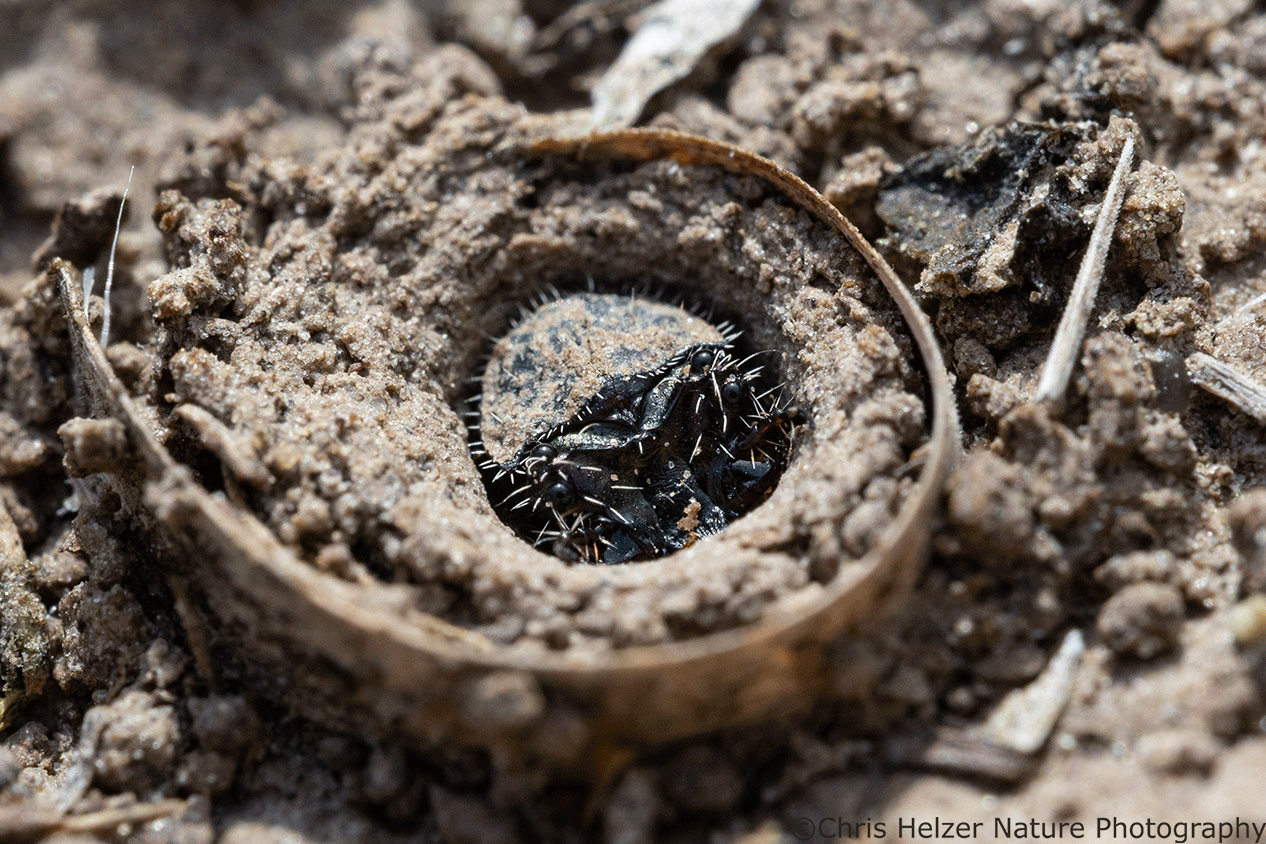
There’s lots of patchy bare ground in the post-grazing portion of our prairie this year. That makes for great habitat for many invertebrates. It should also be great for ground-nesting bees. The other day, I saw what I thought was probably the entrance to a small bee’s nest and hung around to see if I could get a photo of the bee coming or going. I did manage to spot and photograph the resident, but it turned out not to be a bee. Instead, it was the larva of a tiger beetle – a group of species whose larva and adult stages both enjoy hunting in areas of bare ground.
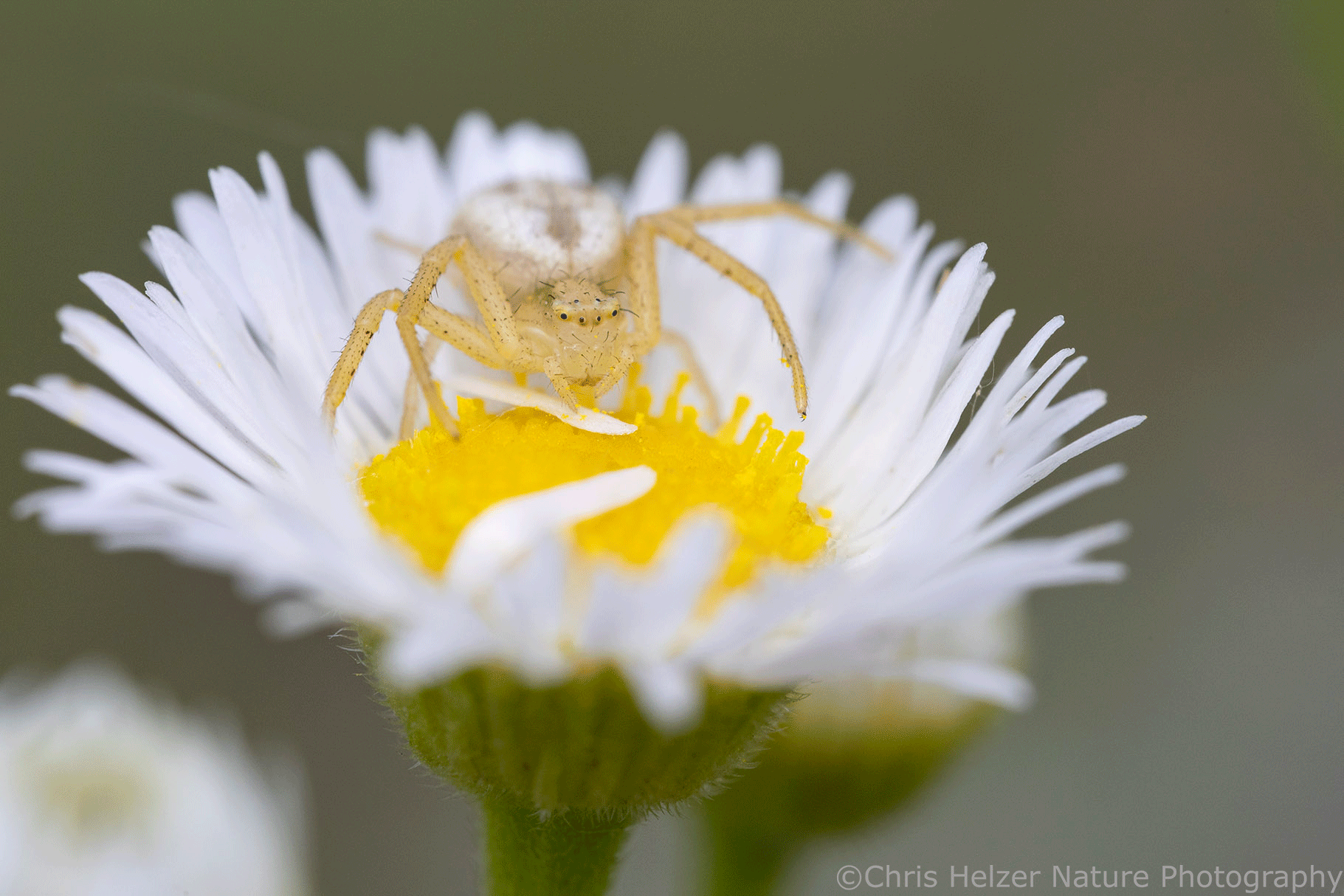
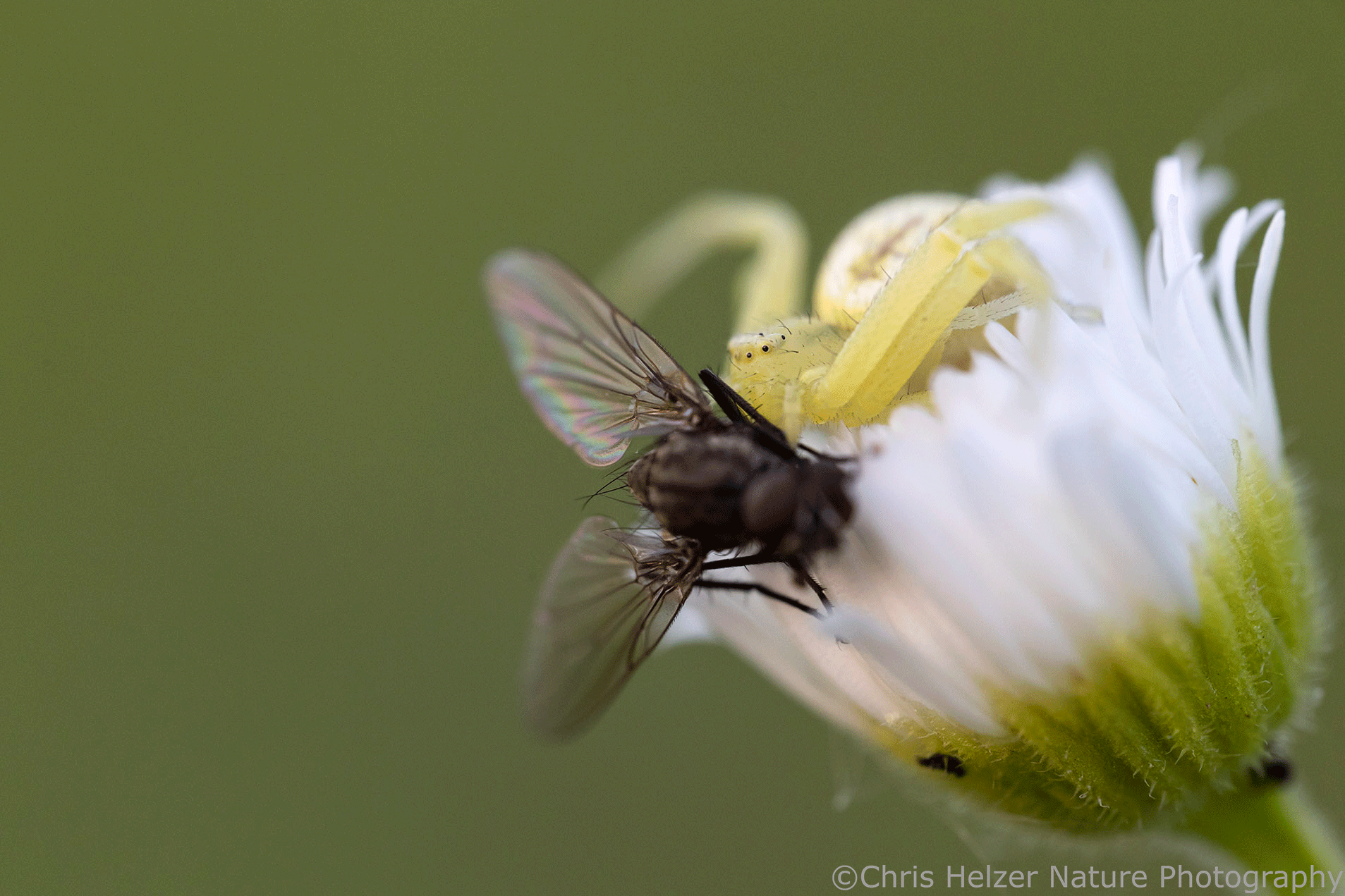
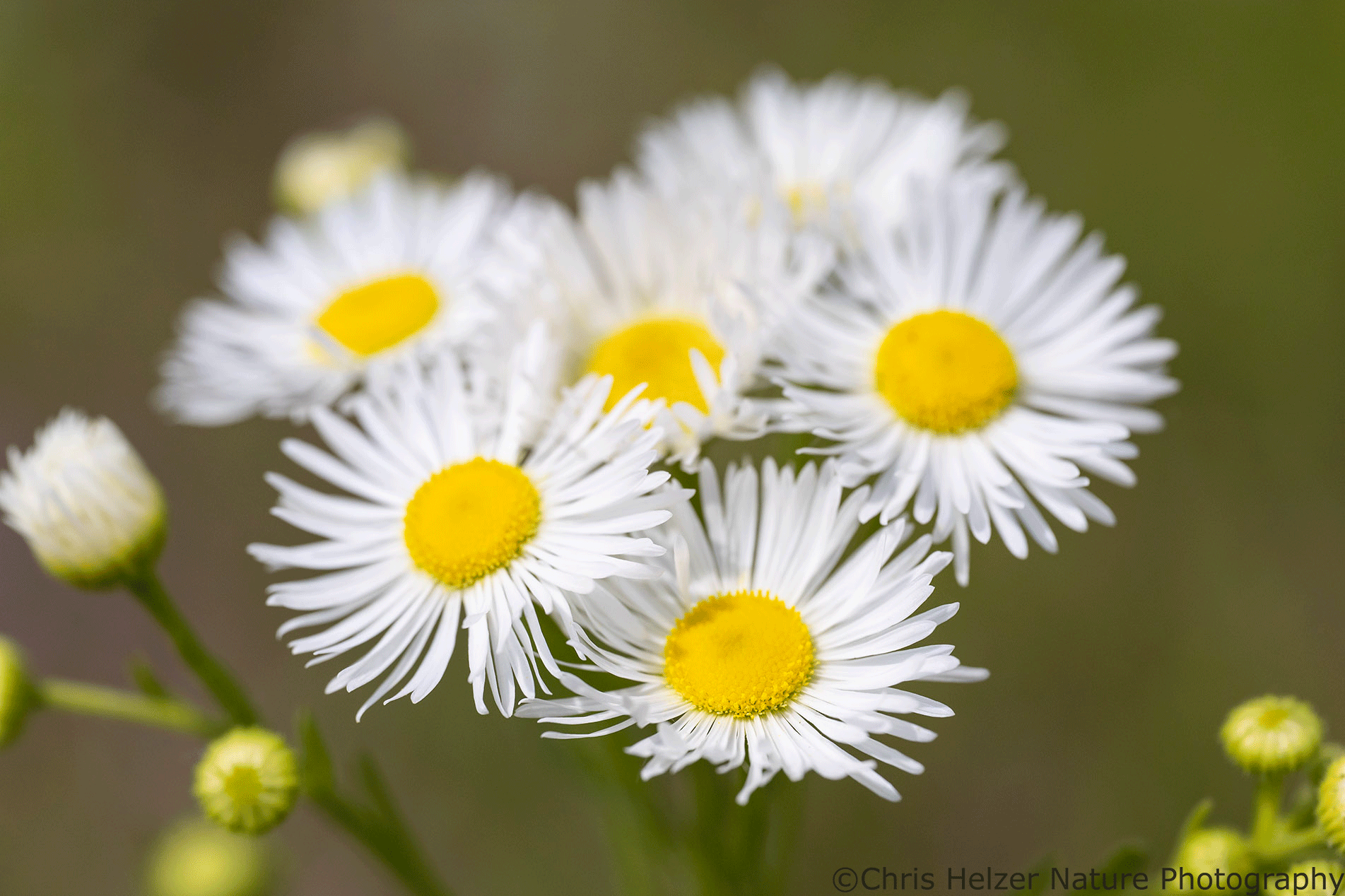
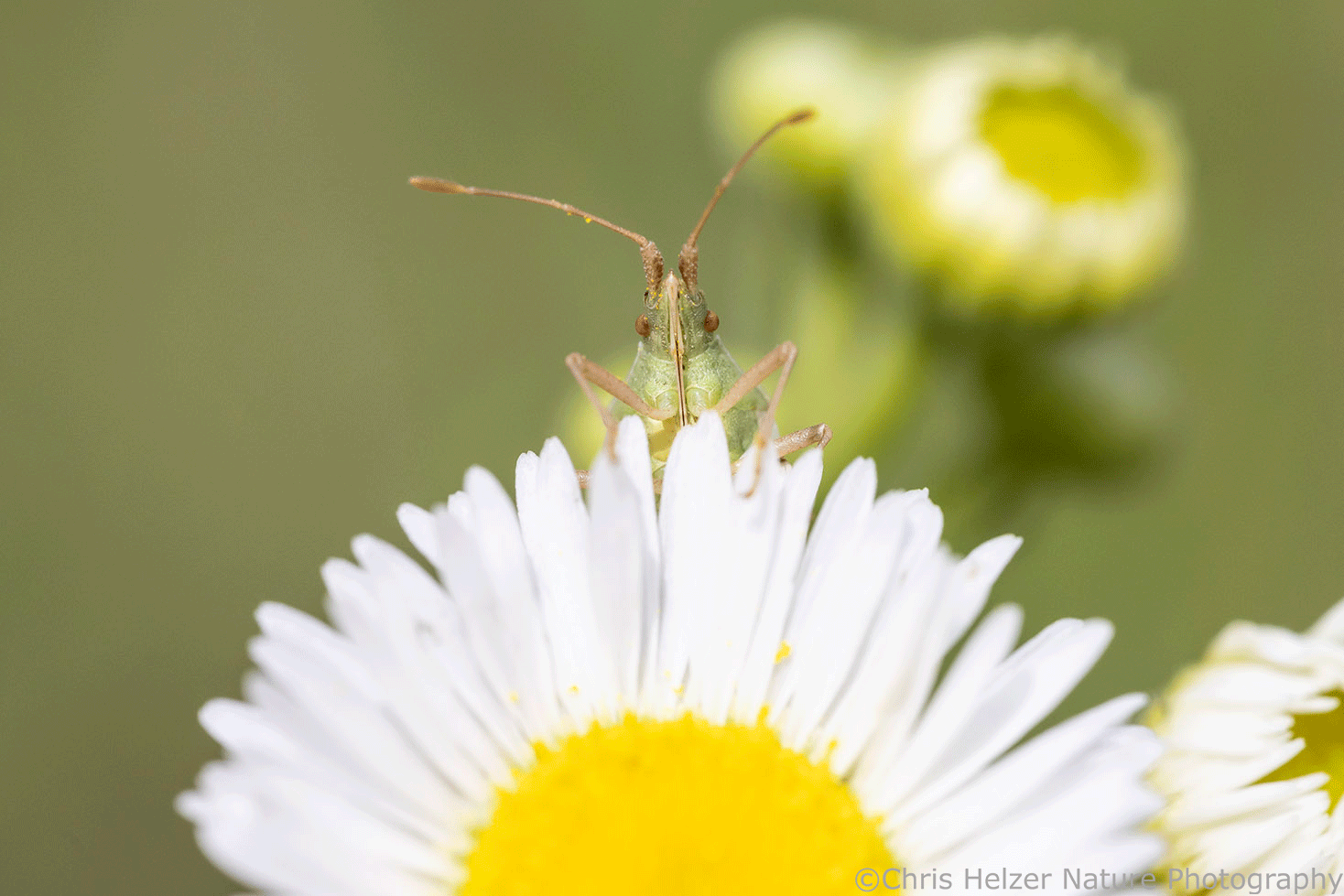
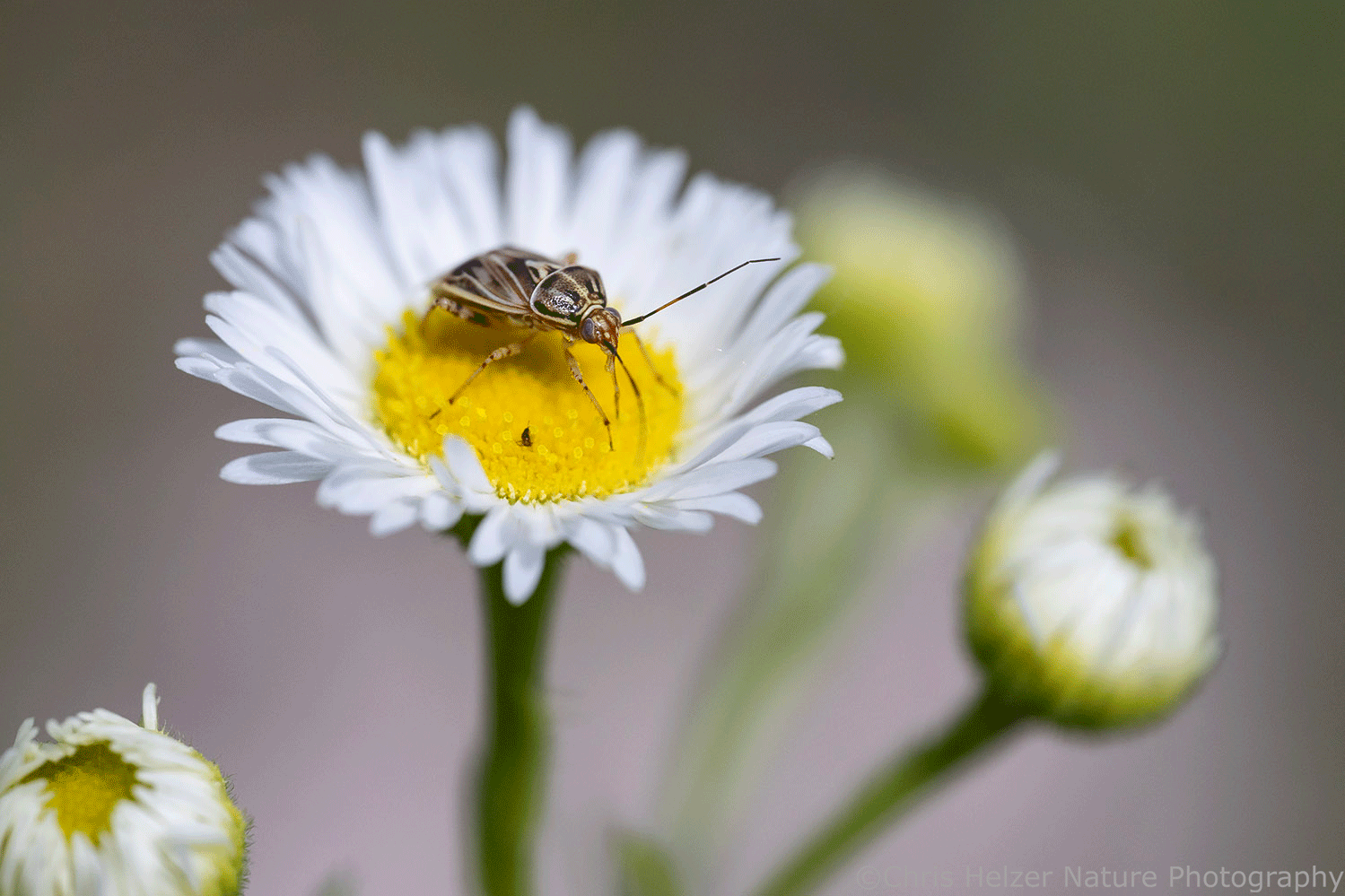
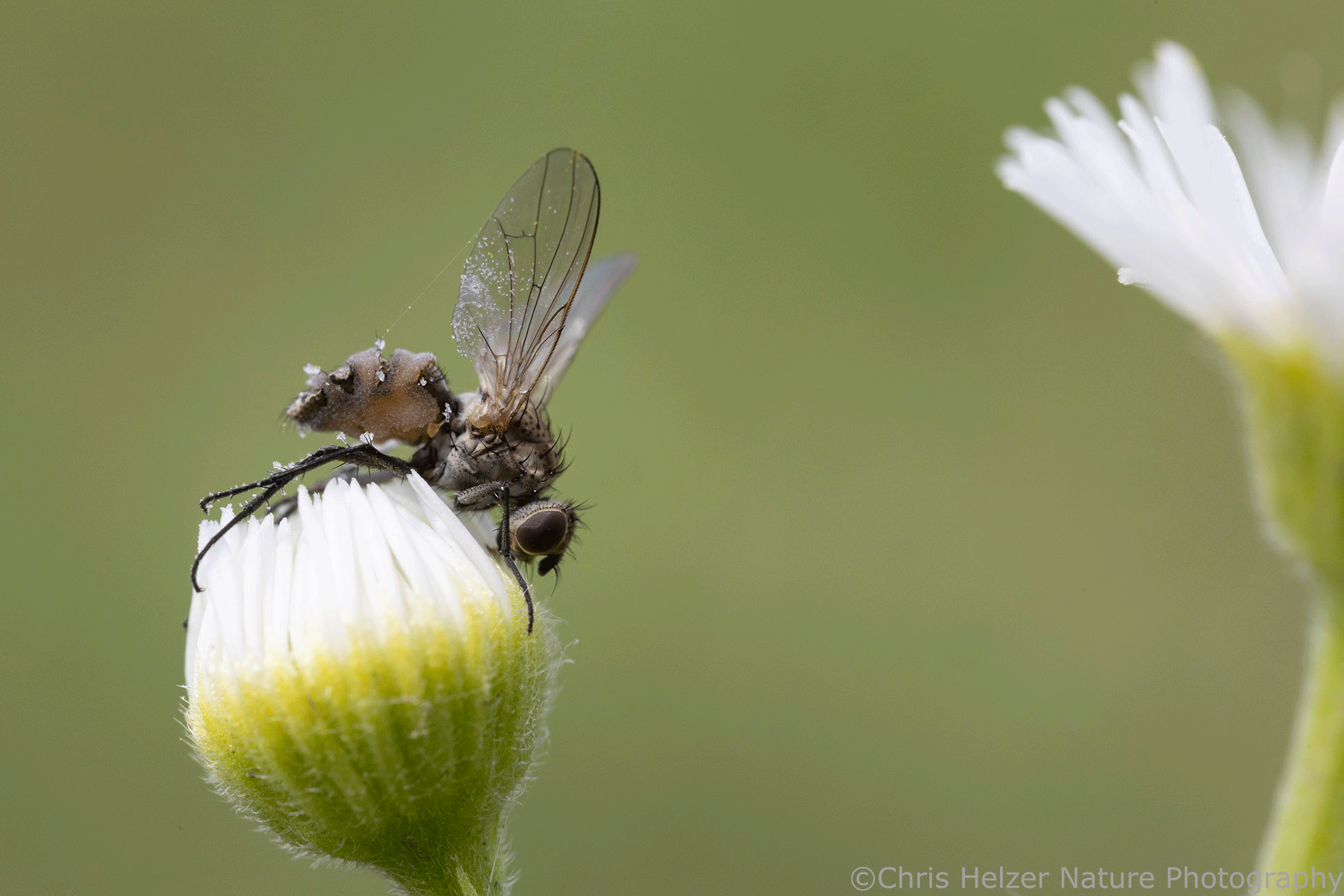
I mentioned daisy fleabane earlier. It’s definitely one of the plant species that has benefitted greatly from last year’s grazing. While many people consider it “weedy” because it’s a biennial, it’s attractive and I’ve enjoyed watching all the diversity and activity taking place on it this spring.
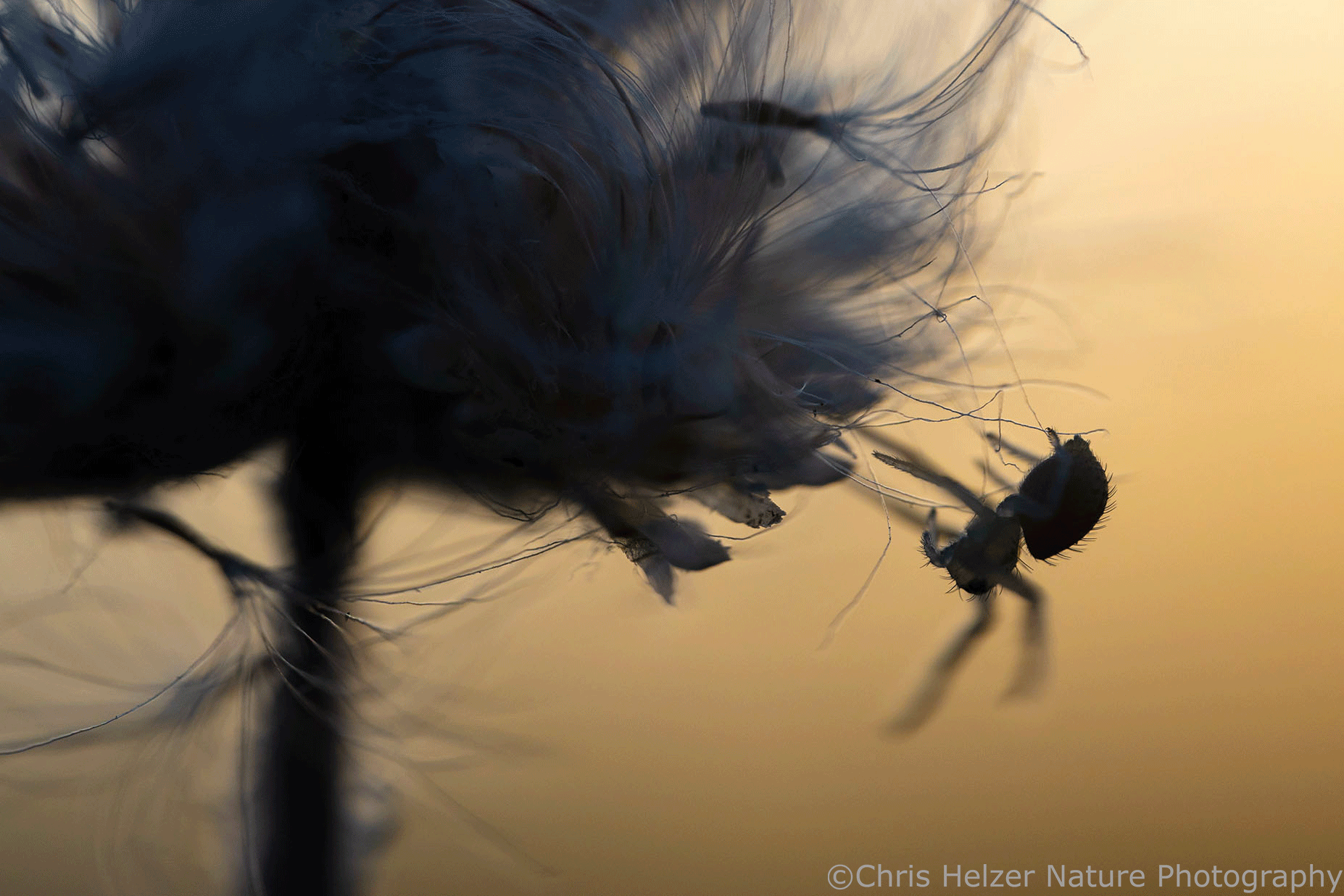
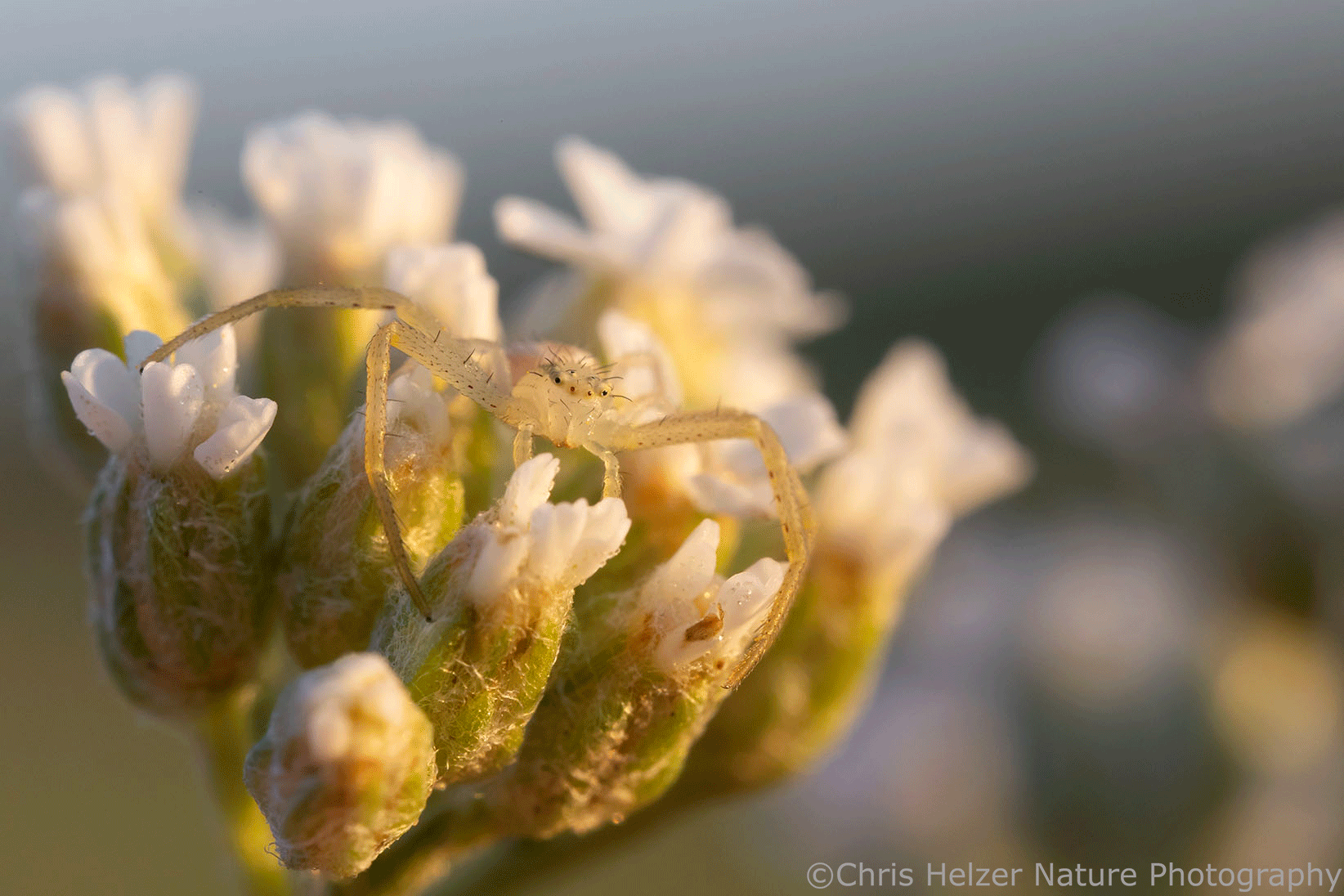
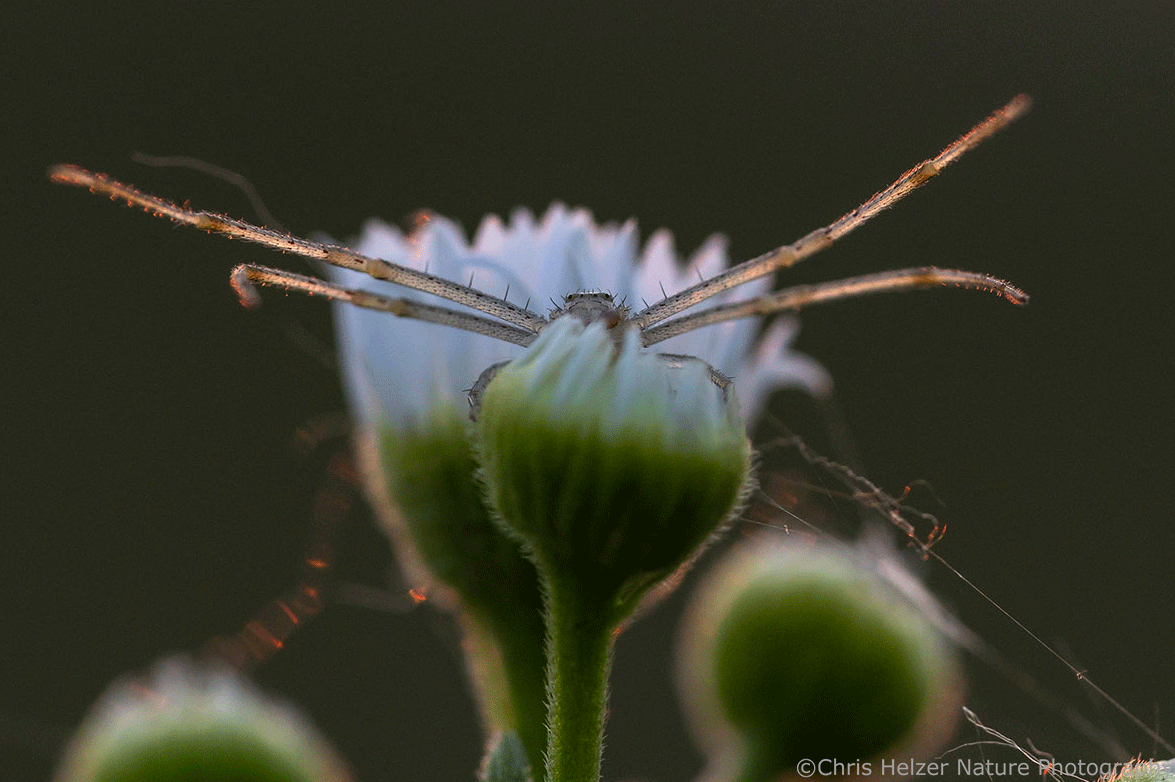
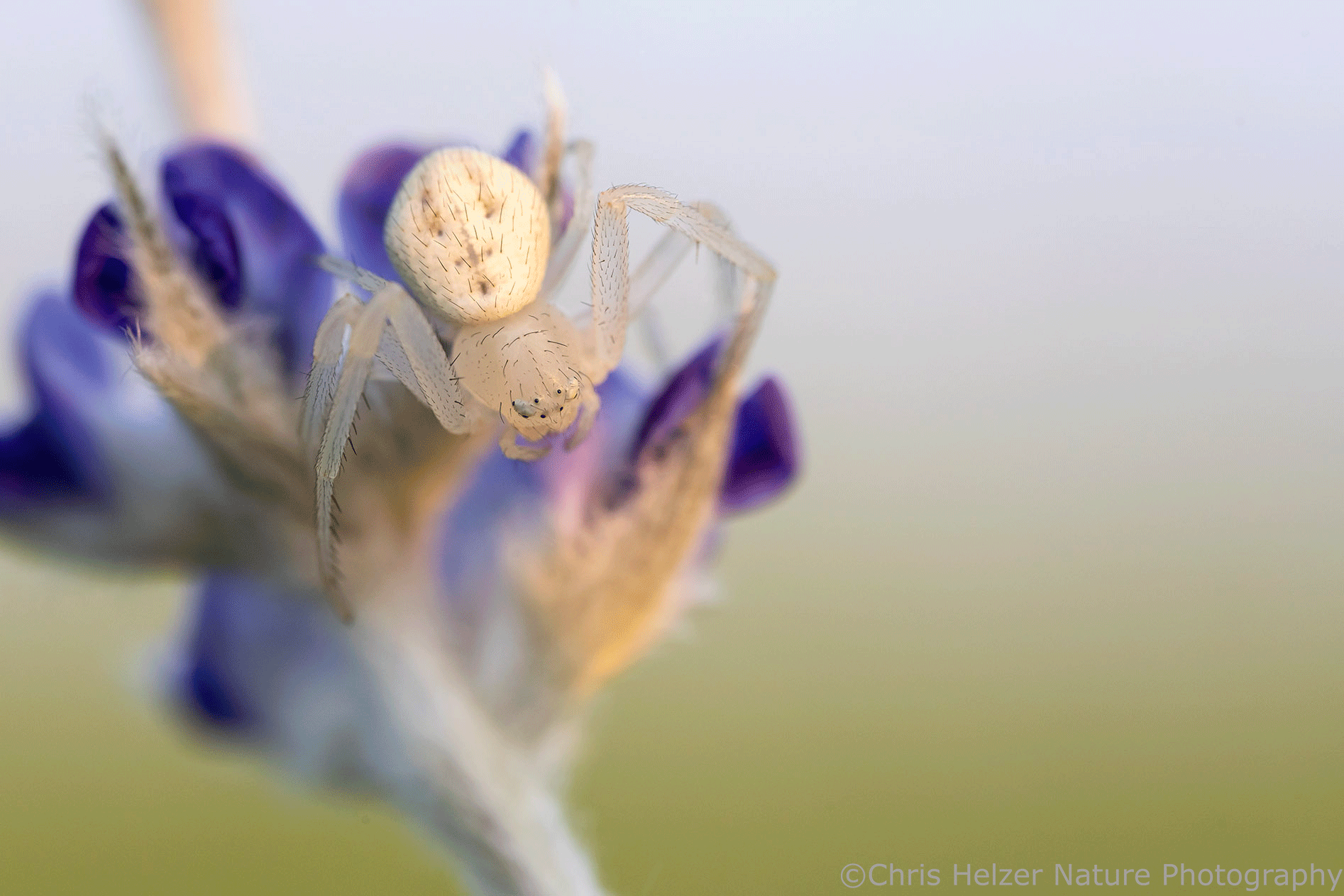
I’ll finish with a barrage of crab spider photos from this site. It’s been a great year for crab spiders at many of the prairies I’ve visited, but they seem particularly abundant here. They’re hanging around on lots of different flowers, hunting the many invertebrates coming to visit those blossoms.