Hubbard Fellowship Blog – Back on the prairie: fresh snow and hoar frost


A guest post from Anne Stine, one of our Hubbard Fellows.  All photos are by Anne.


Fresh snow on bushclover and yarrow in the Derr Sandhills.  The Nature Conservancy's Platte River Prairies, Nebraska.

Fresh snow on bushclover and yarrow in the Derr Sandhills. The Nature Conservancy’s Platte River Prairies, Nebraska.

I’ve finally returned to Wood River after a long absence. It’s been ages since I was out on the prairie, or since I even saw it out the window.  The re-acquaintance period after my long time away did not disappoint. Just after I got back, we had some fun weather in the wake of the polar vortex (though I was *less* excited about the frozen pipes…). Specifically, we saw fresh snow followed by hoarfrost.  I was pleased to have a reason to get outside and take pictures.

Hoarfrost on Canada goldenrod

Hoarfrost on Canada goldenrod

I’ve seen hoarfrost before, but I’m struck by how lacey and delicate the world looks with white limning the edges of each leaf and twig. Fresh snow is dramatic in its own right.  I like the way it fuzzes out the horizon and scatters light.

Hairy grama, Bouteloua hirsuta, on the Derr Sandhills during a light snow shower.

Hairy grama (Bouteloua hirsuta) on the Derr Sandhills during a light snow shower.

I am also pleased to report that I have retained my ability to withstand the cold weather. I dress like an arctic explorer, but at least I get outside!

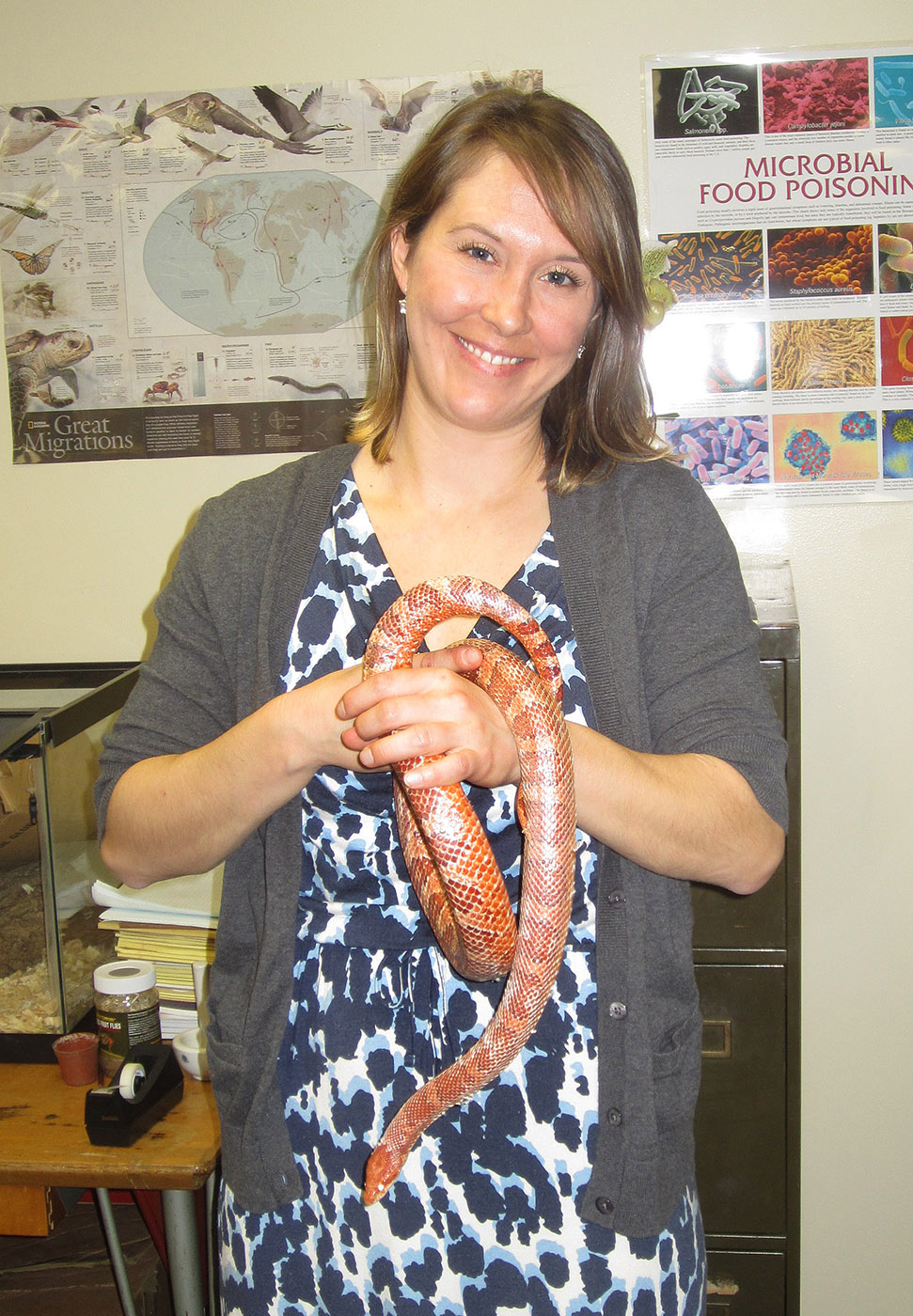
If you’re curious, this is the face behind the posts… winter edition.

If you’re curious, this is the face behind the posts… winter edition.

The morning I woke to hoarfrost, I made a bee-line to the sand pit restoration to capture it on the cottonwoods. The sand pit restoration is one of my favorite places to tromp around in the Platte River Prairies.  I return there regularly enough I was able to make this fun comparison of summer and winter images.  I find this reconstructed wetland to be picturesque year-round. These two pictures are up on TNC Nebraska’s Instagram, nature_ne.  I’m so glad I’m here to see the much-feared prairie winter.

Sand pit restoration: summer vs. winter.

Sand pit restoration: summer vs. winter.

Hoarfrost lining my favorite cottonwood, ice on the creek.

Hoarfrost lining my favorite cottonwood, ice on the creek.

Another view of my favorite cottonwood, framed by common evening primrose stalks.

Another view of my favorite cottonwood, framed by common evening primrose stalks.

.

Frozen Bugs (and Beetles)

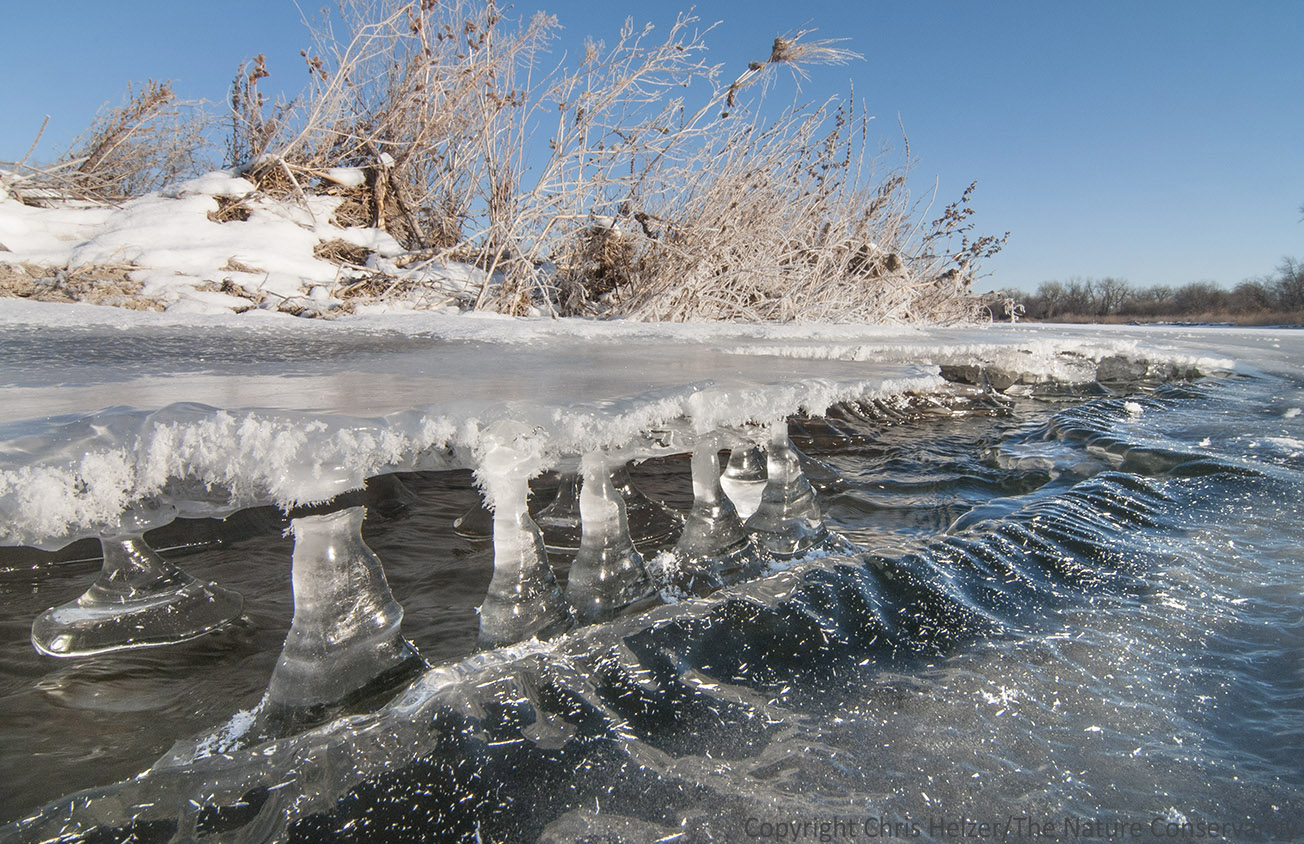
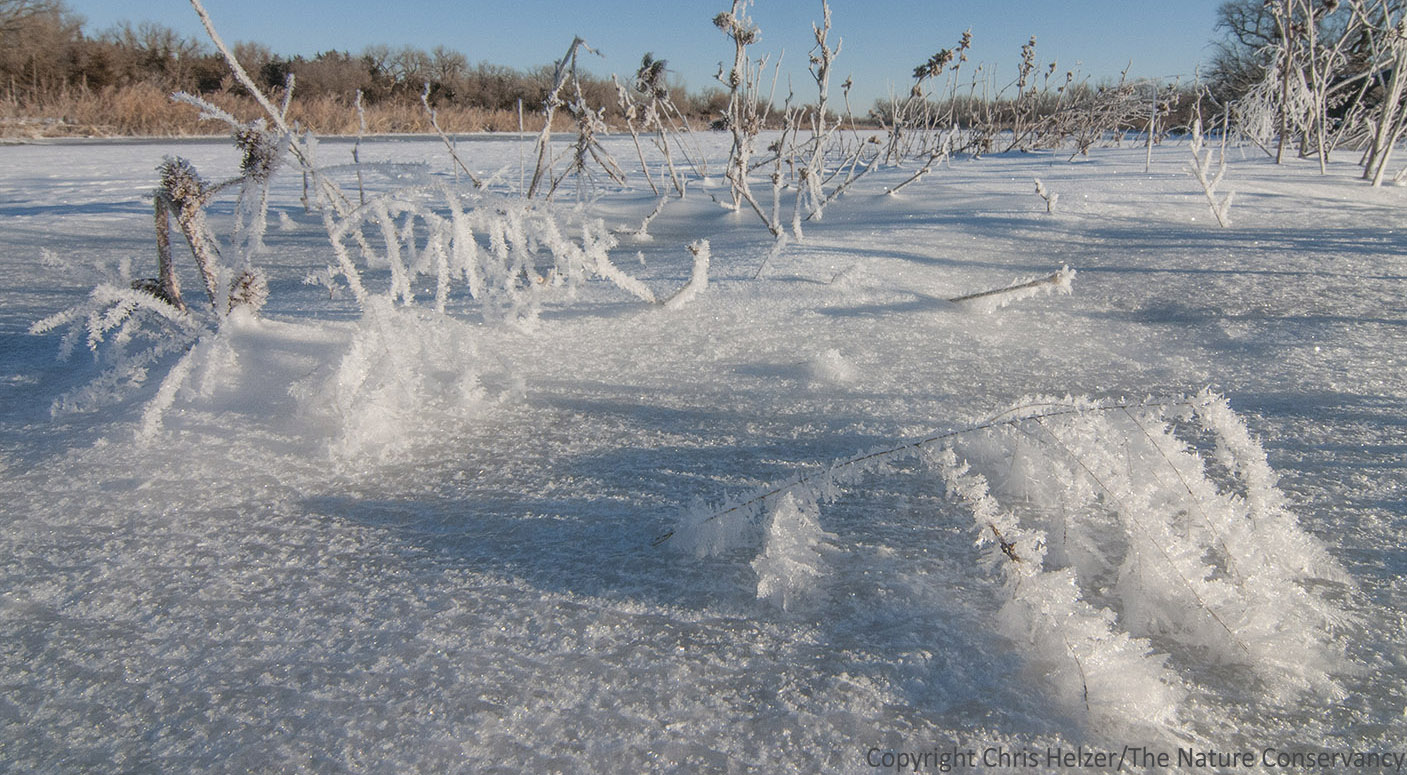
My family and I spent some time exploring the frozen pond/wetland at our prairie during the holiday break.  We even got a couple days of great ice skating weather.

My three kids had a great time ice skating on the pond over the holidays.

My kids had a great time ice skating on the pond over the holidays.

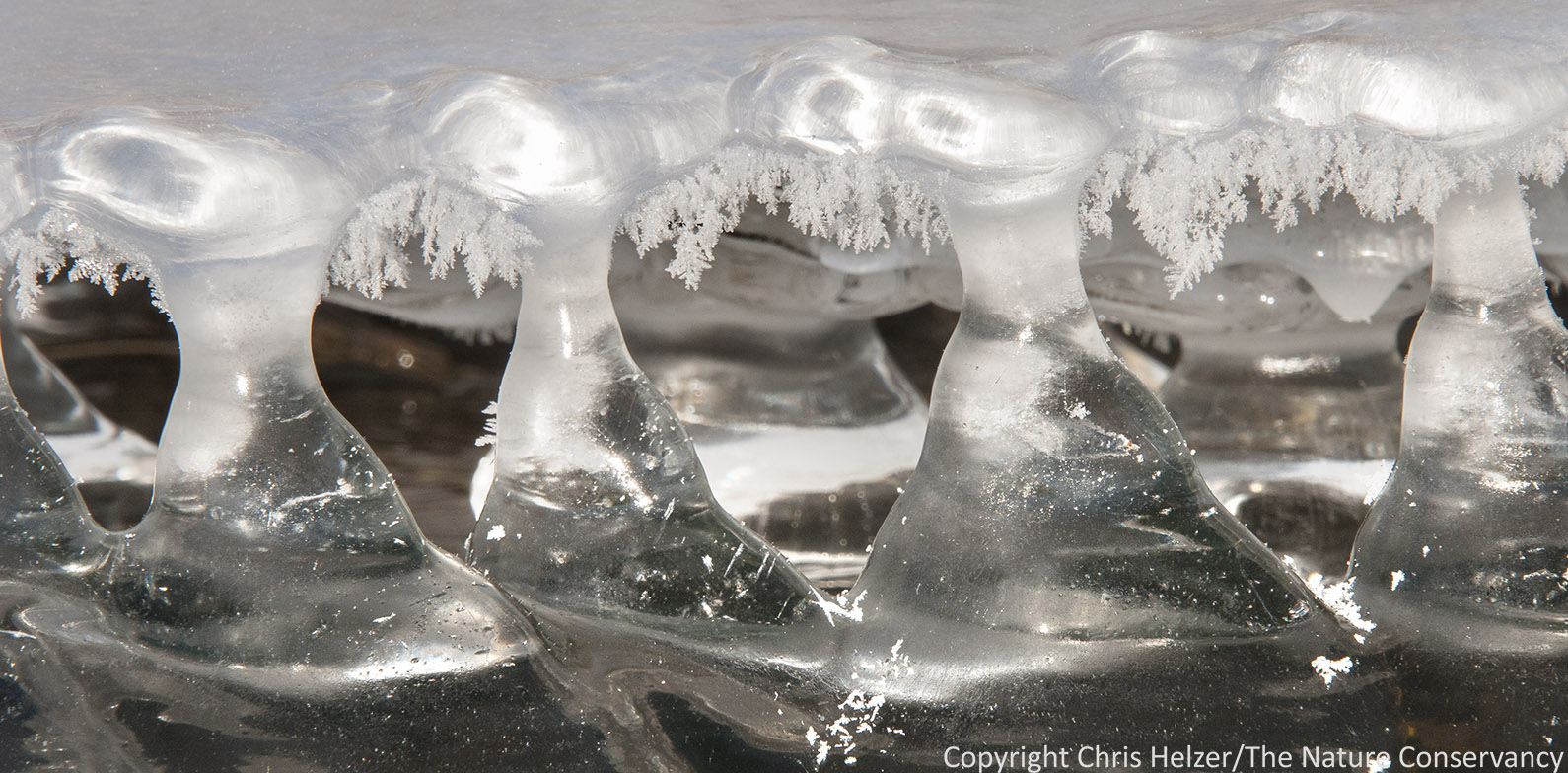
While we were on the ice, we found some great patterns (see earlier post), but we also found quite a few frozen insects.  In particular, there seemed to be two species of insects – one bug and one beetle – encased in ice.  The bug was a species of Corixidae, or water boatman.  Its name comes from the fact that two of its legs are extra long and sport hairs that make the legs look and function like the oars on a boat.  Water boatmen suck the juices from algae and plants through their long straw-like beak and are common inhabitants of just about any freshwater body around here.  They are also frequently seen in the ice when those water bodies freeze up in the winter.  Apparently, water boatmen can survive freezing and just start swimming again when the ice thaws.  A pretty neat trick for an aquatic bug that lives in a temperate climate.

A frozen water boatman

A frozen water boatman

.

Another one

Another one

We had a two day period over the holidays during which the temperature briefly climbed up to about 60 degrees (Fahrenheit).  The warmth didn’t last long enough to spell an end to our ice skating, but did melt some of ice along the edges of the pond.  Apparently, the warm temperatures also encouraged a number of individuals of one particular beetle species to go exploring.  Unfortunately, it appears quite a few of those beetles wandered out onto the ice and didn’t make it back.  We didn’t see any of them on the ice before the warm spell, but found lots of them afterward.

Here's one of the beetles that froze after (apparently) getting caught out on the ice after a warm day.  I'm hoping one of my entomologically-inclined friends can help me out with identification and/or natural history info?

Here’s one of the beetles that froze after (apparently) getting caught out on the ice after a warm day. I’m hoping one of my entomologically-inclined friends can help me out with identification and/or natural history info?

.

This beetle apparently got flipped over before freezing.

This beetle apparently got flipped over before freezing.

I was curious to know whether those frozen beetles could do the same thaw-out-and-re-energize trick as the water boatmen, so I broke off a chunk of ice containing a frozen beetle and brought it home to thaw it.  The beetle has been thawed out for more than a week now, and hasn’t moved, so I’m pretty sure it’s dead…  The next question is: where were those beetles staying during the very cold weather earlier this winter, and how did they prevent themselves from freezing to death then?

Always more questions…

For more information on how water boatmen and other creatures weather the winter, see this earlier post from 2011.