Photos of the Week – February 24, 2025

Well, the temperatures have swung back up and our snow is rapidly melting. I only managed a couple brief photography jaunts during the cold snap/snow, but they were enjoyable. Below is my favorite photo from this most recent snow.

Partially melted/refrozen snow crystals at Gjerloff Prairie.

Last week, I was honored to be a guest speaker at the Illinois Association of Conservation Districts Conference at Starved Rock State Park. It was great to catch up with some old friends and meet more. I was really impressed with the energy of the group and with the creativity and thoughtfulness being applied to conservation challenges.

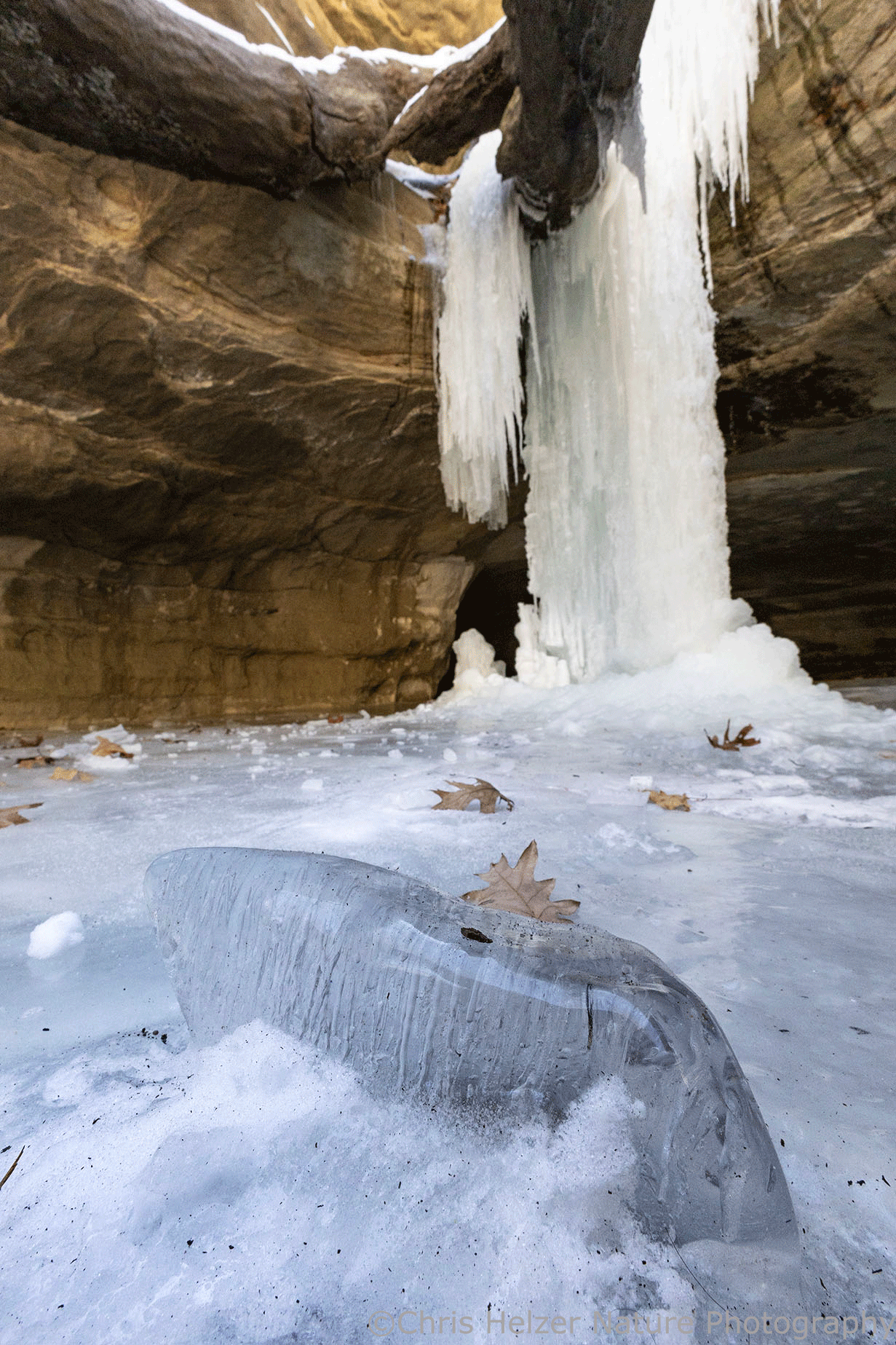
On the first morning of the conference, we took a quick hike up a couple canyons in the park. We got to admire both water-carved sandstone formations and frozen waterfalls. The bigger of the frozen falls, unfortunately, had broken off, but was still impressive. A smaller version in the next canyon, though, was still intact and made for some fun photography.
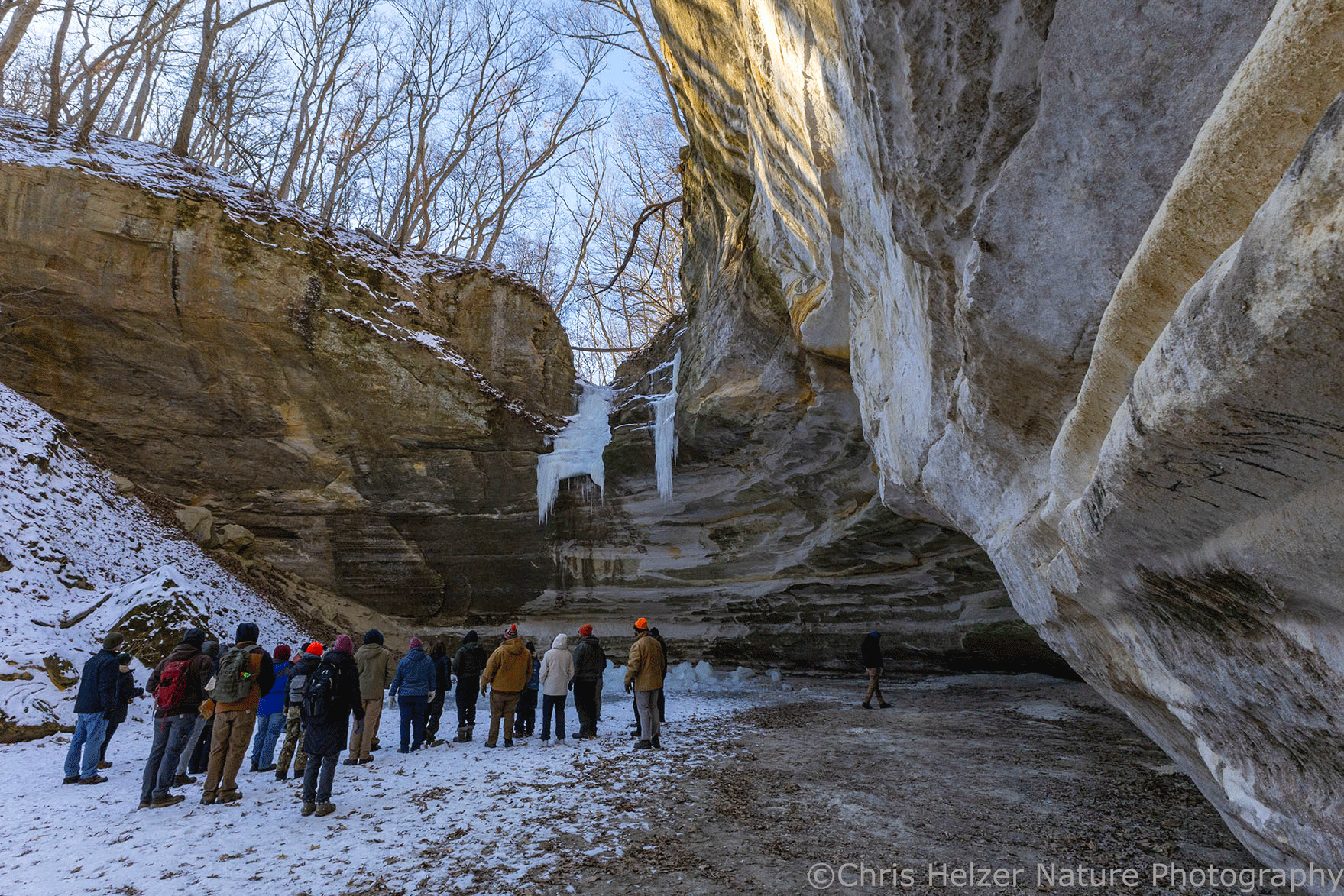
Field trip at Starved Rock State Park
Frozen waterfall!
Frozen waterfall!
Ice and embedded leaves near the waterfall.
Fun ice patterns.

We got back to Nebraska Friday night – just in time for me to get out for a Saturday morning photography hike before temperatures rose and started to melt all the snow. I got up early enough Saturday that I was at Gjerloff Prairie before sunrise. I had the place to myself, and only a cross country skier the previous day had made tracks through the new snow before I arrived. (Well, not counting the birds, deer, coyotes, mice, etc.)

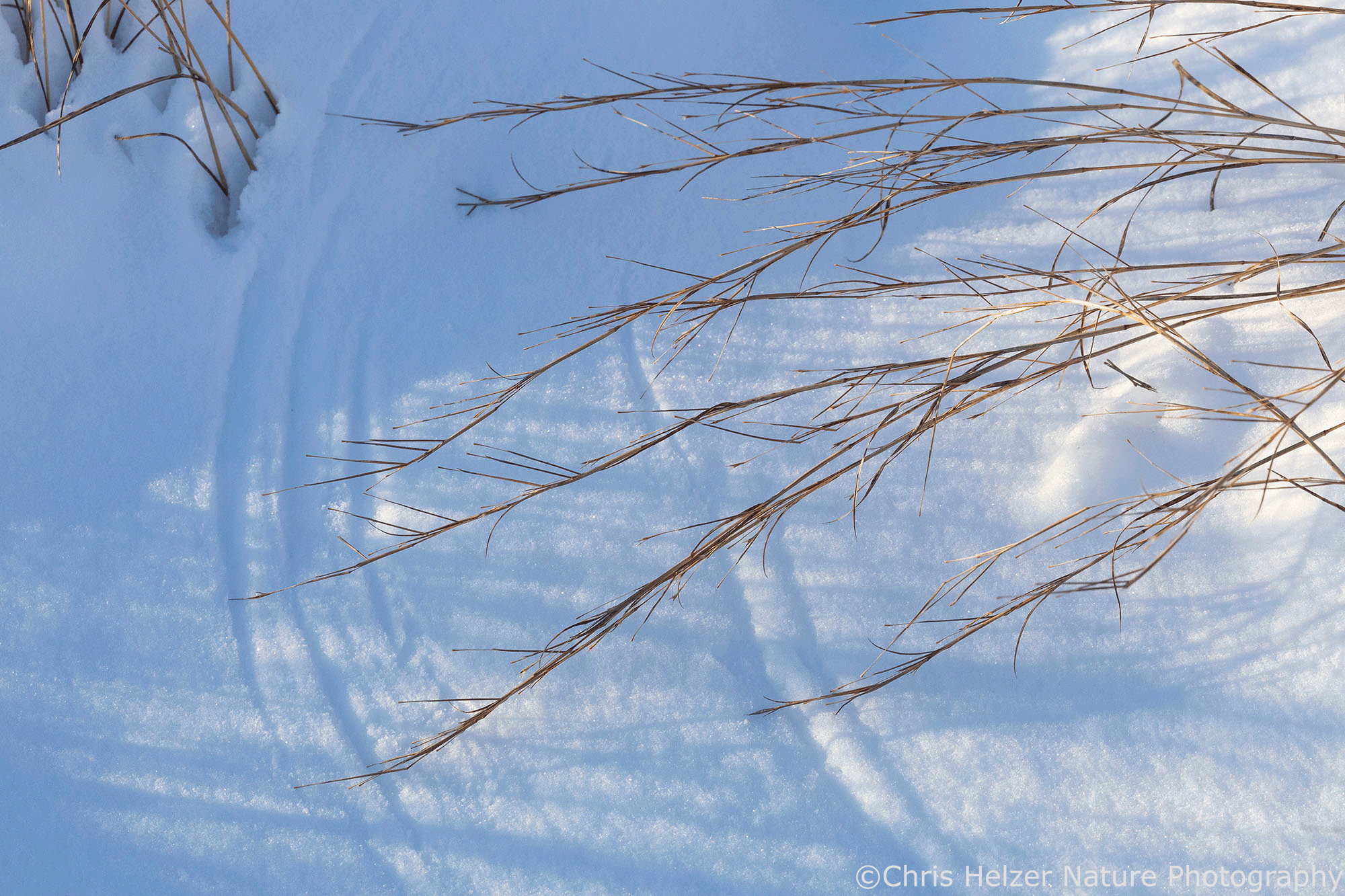
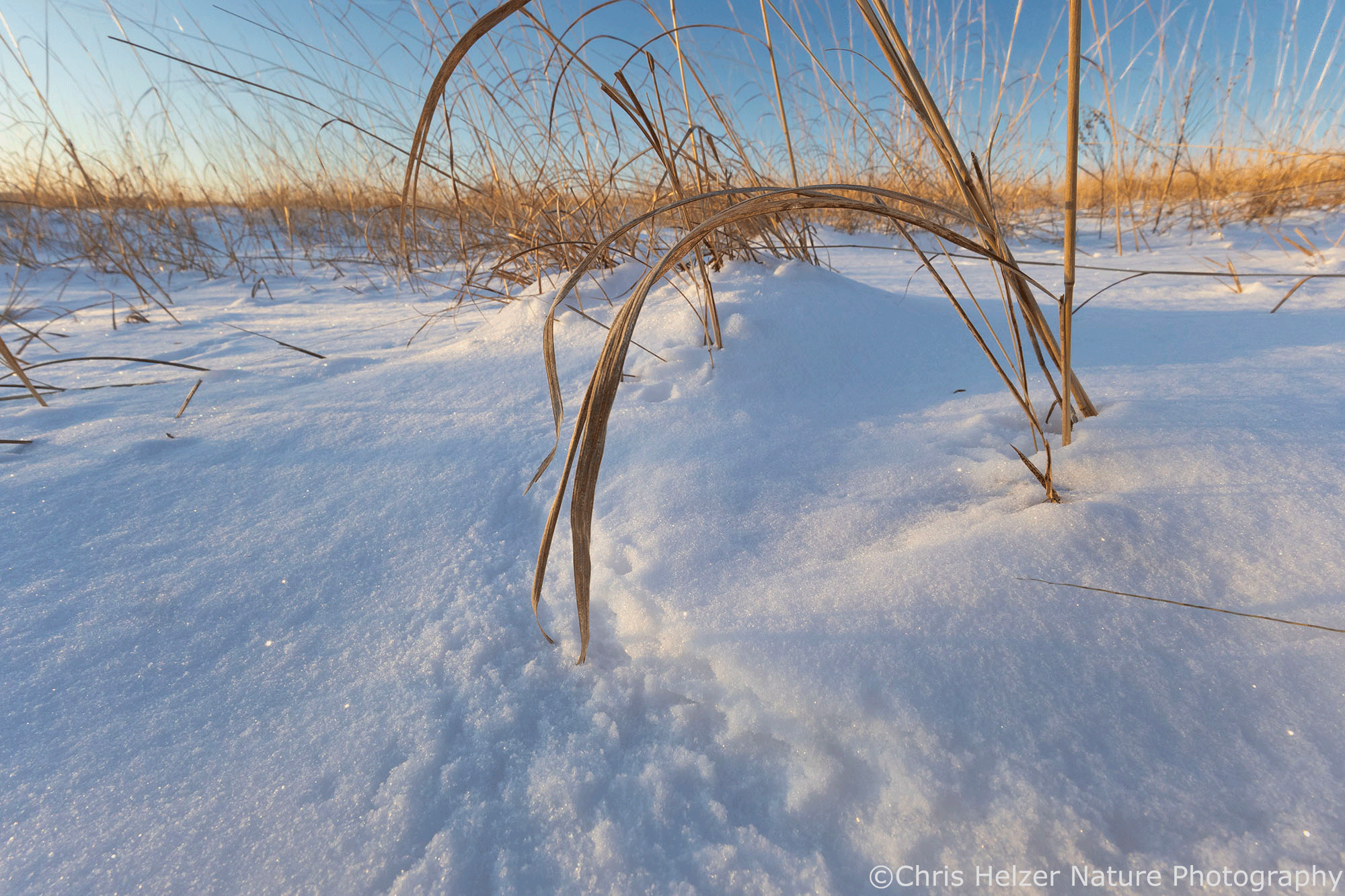
Pre-sunrise photo of grasses and the marks they’d made in the snow during the previous breezy day.

It was a pleasant morning for a hike, despite the cold temperature (about 10 degrees F). The evidence of breezes during the two previous days were everywhere – especially in the way grasses had traced patterns in the snow – but there was only a gentle breath of wind while I walked.

The wind had moved the grasses around enough that they’d carved out circles at their bases.
Grazed grasses.
Snow crystals around a slight gap in the snow surface.

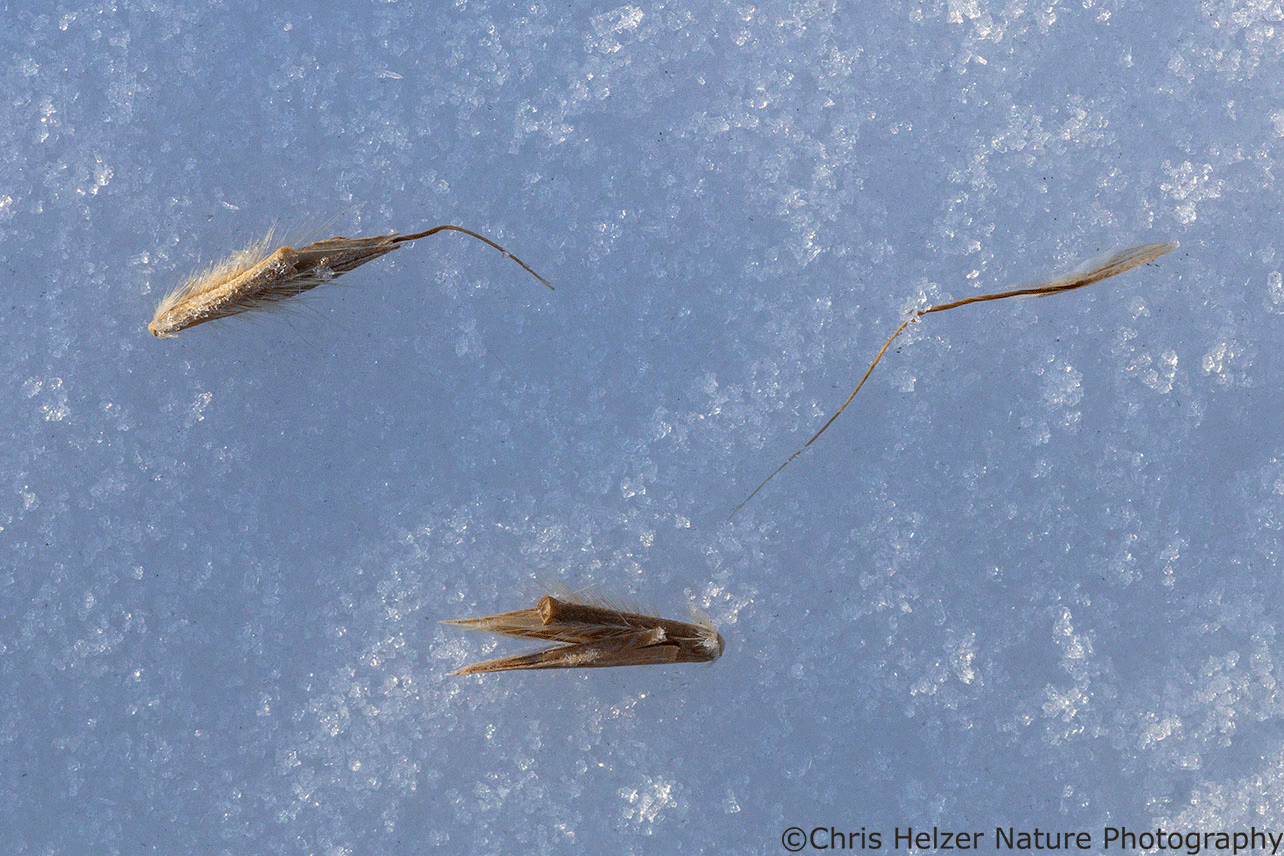
Numerous birds and mice had been out feeding and had left their tracks all over. They also left some of their food scattered about. One patch of smooth sumac had clearly been worked over by one or more mice. It/they had climbed up and torn quite a few fruits from the top of the shrubs. Quite a few were still in the snow when I arrived, looking like bright red beads. There were also a lot of big bluestem seeds scattered around where birds had clearly been foraging on grasses.

A fruit of smooth sumac, dropped by a foraging mouse.
Big bluestem seeds below where birds had been feeding.
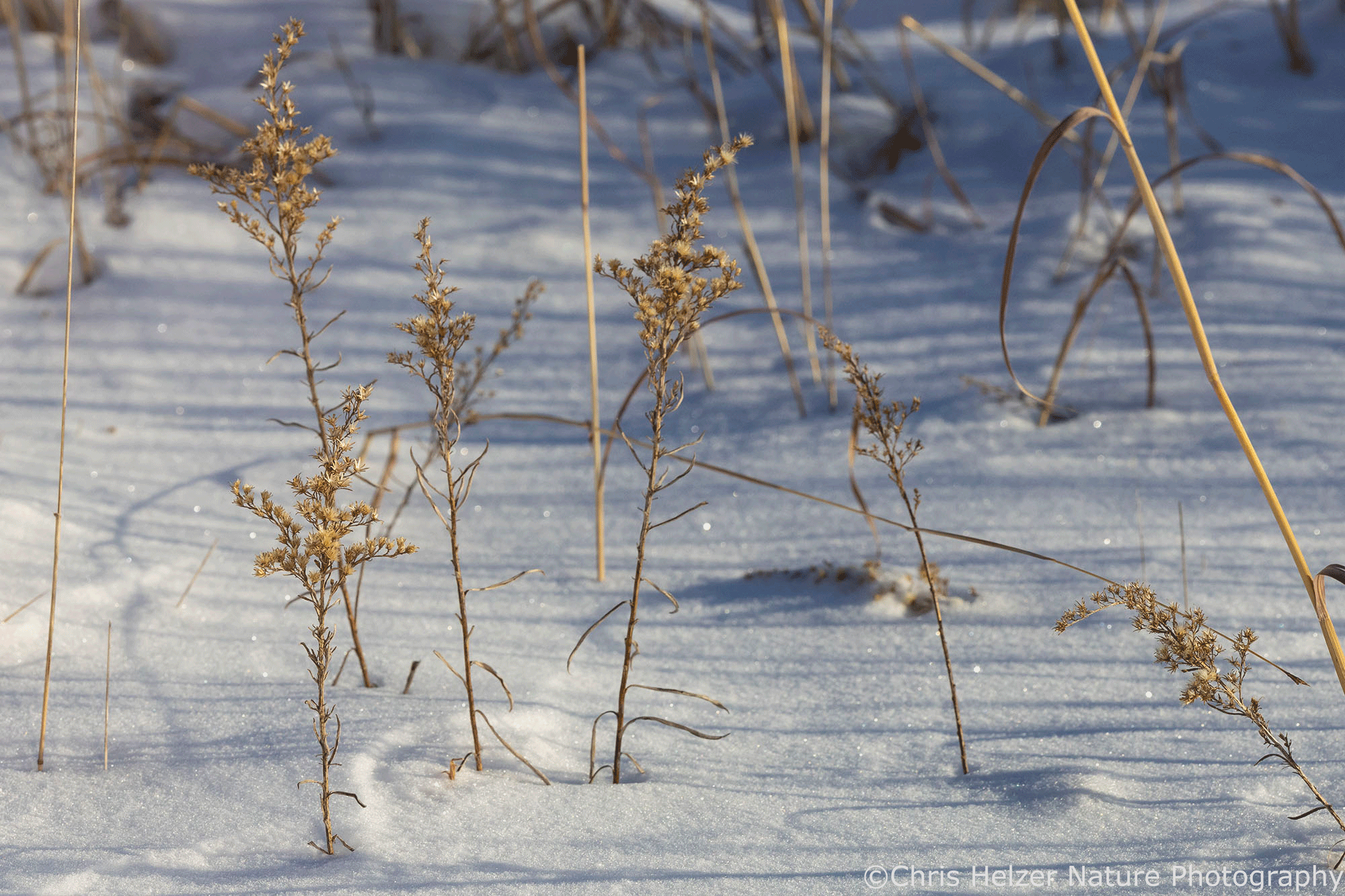
A patch of Missouri goldenrod.
Marks made by grass leaves bouncing around in the wind during the previous day.
Mouse trails (see the tail prints?) leading from and back to a tunnel beneath the grass and snow.

By the time I finished my hike, the temperature had risen 10 degrees and there was the distinct feel of a day that was going to get much warmer (which it did). It’s still February, so maybe we’ll get another shot of snow before the winter ends? I sure hope so.

On the horizon

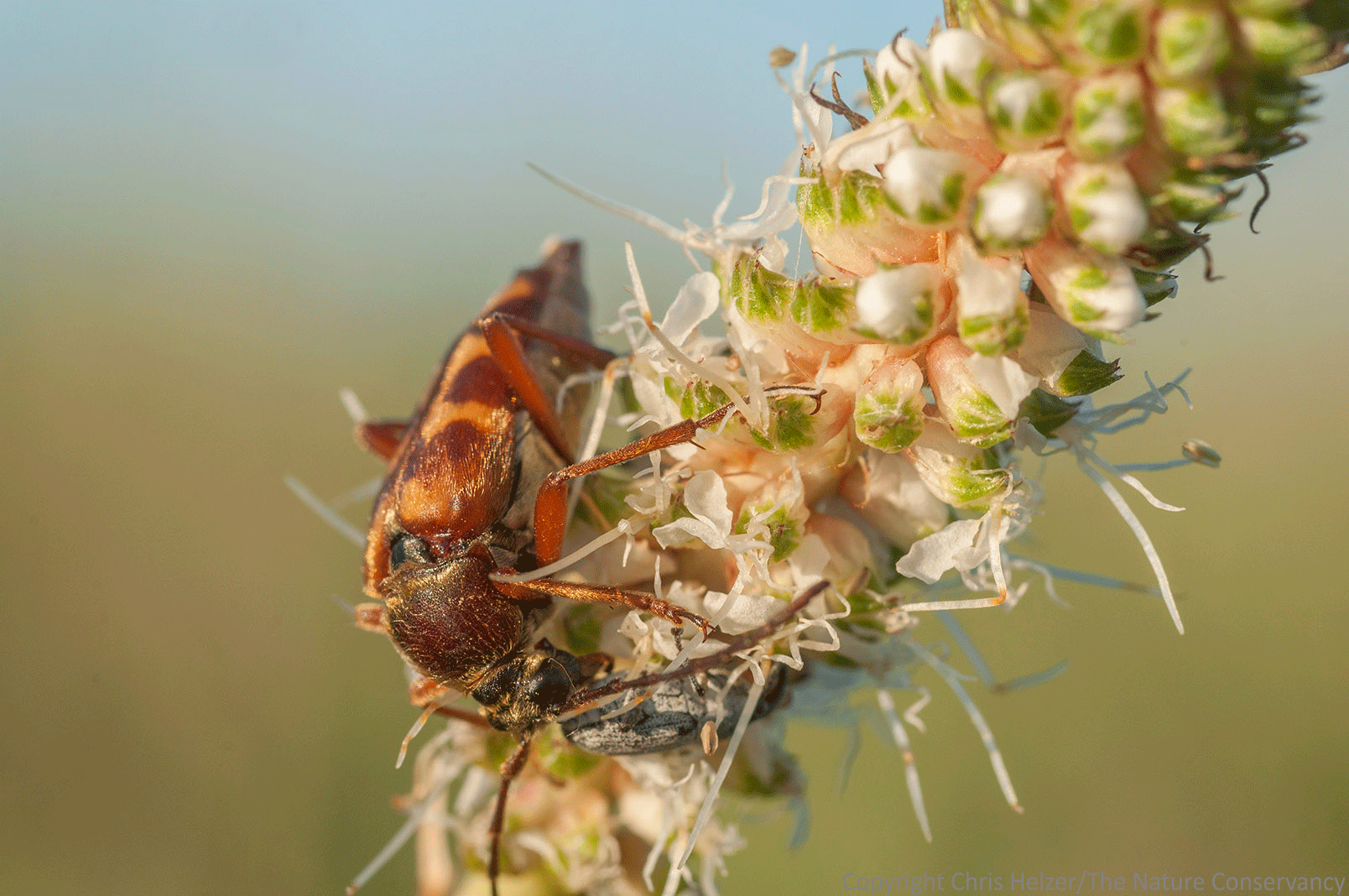
I take a lot of photos of flowers and small invertebrates.  This will come as no surprise to those of you who frequent this blog.  I try to throw in a bison or landscape photo just often enough to keep you hooked, but quickly revert to my fixation on photographs of bees, grasshoppers, flowers, and – of course – crab spiders.  I try to justify my obsession by explaining how important all those little organisms are to the functioning of prairie ecosystems (and they are), but the truth is that I just like close-up photography better than wildlife and landscape photography.  Today, I’m not even trying to hide that from you.  This would be a great time to click away to something else if you don’t want to read a lot of words about photographing little things in nature.

When I first entered the world of close-up (or macro) photography, I remember both reading and hearing about “distracting horizon lines” and being cautioned to avoid including the horizon in the background of close-up photos.  It’s true that concentrating too much on a subject and ignoring what’s behind it is a major issue for macro photographers.  It’s also true that including a bright stripe of sky on top of a darker stripe below can pull the viewer’s eye away from the intended subject of a photo.  However, as with most photography rules, making exceptions can sometimes lead to more interesting images.

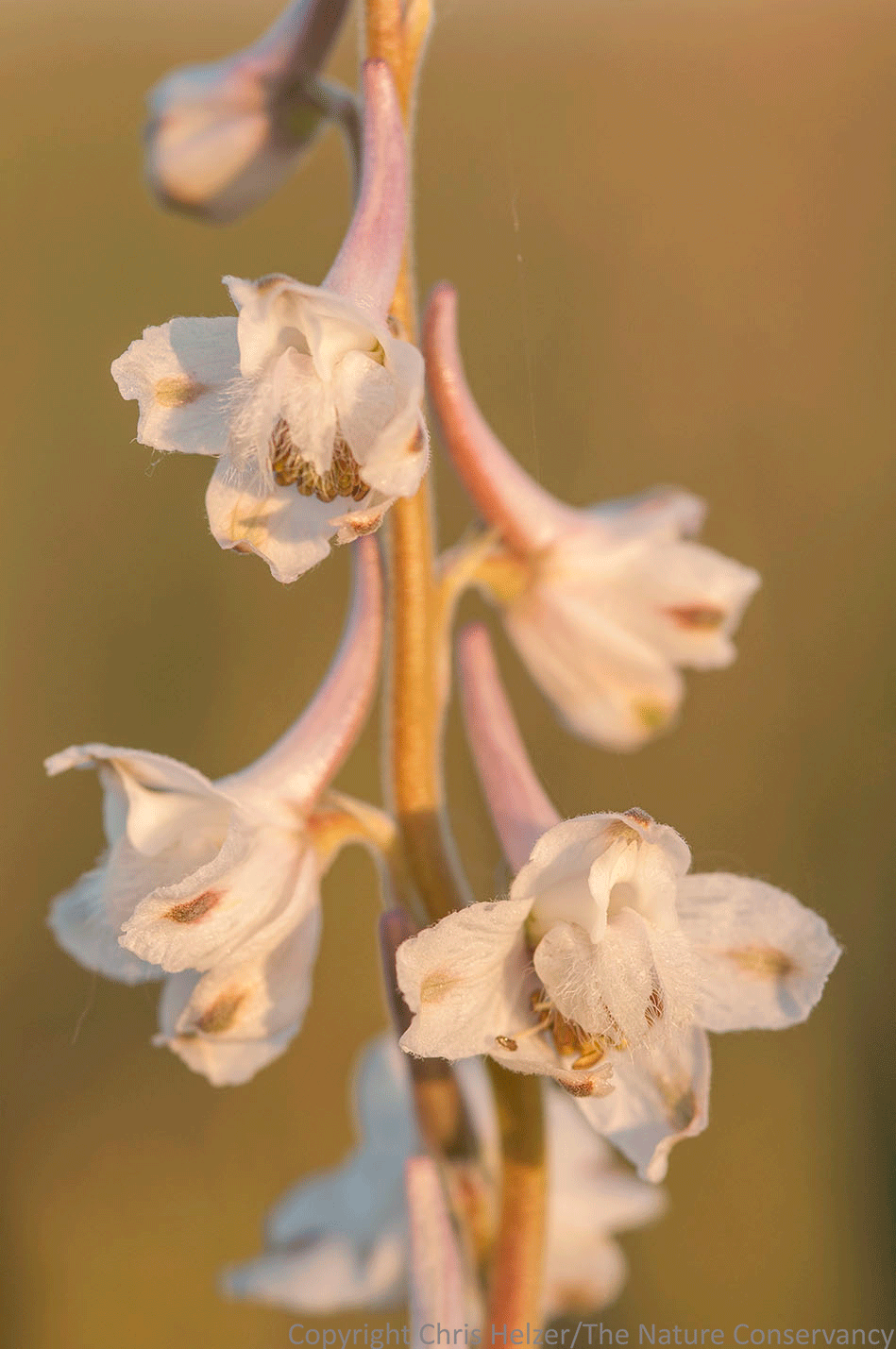
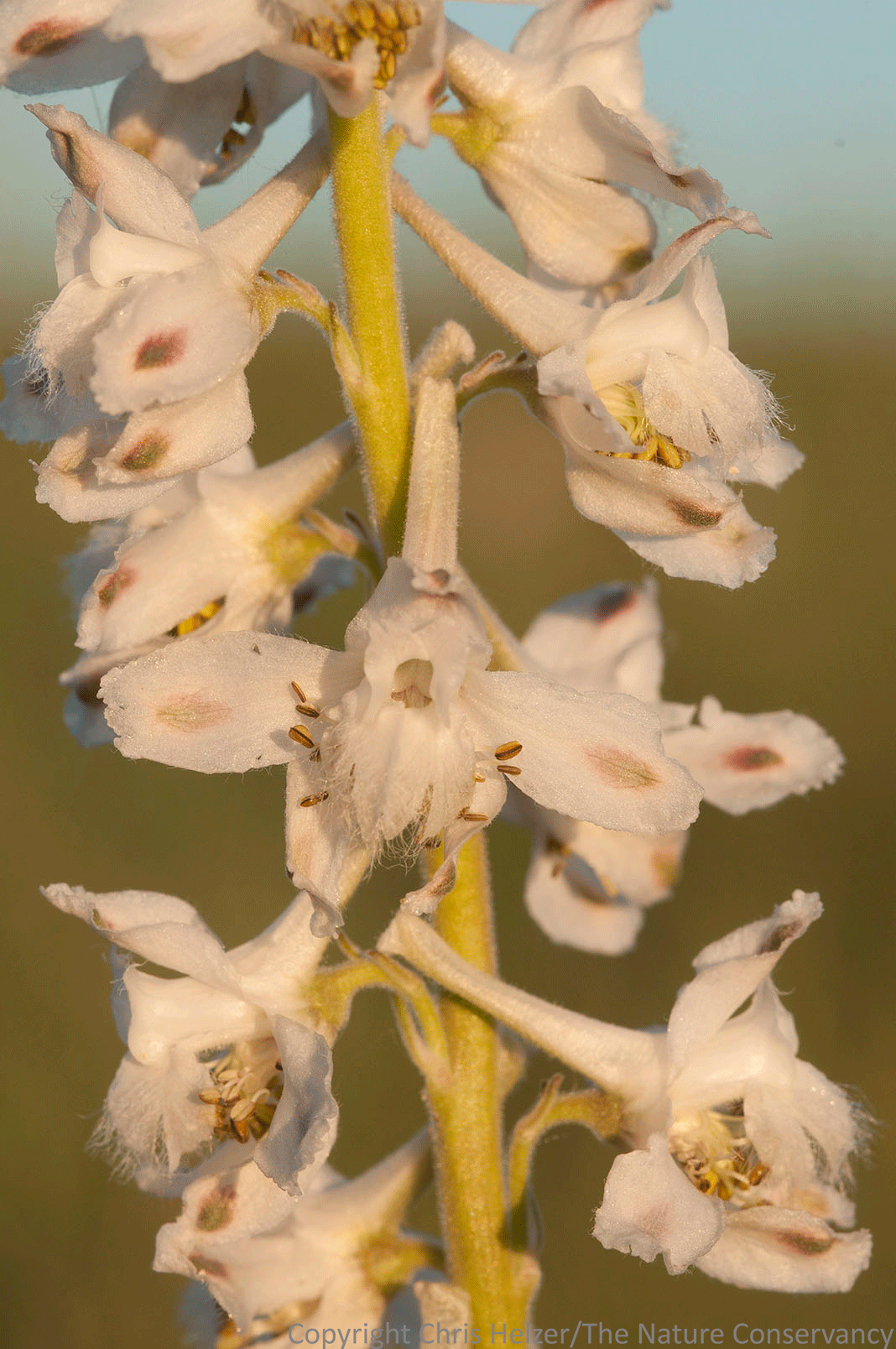
Here’s a very nice photo of prairie larkspur (Delphinium carolinianum) in the Nebraska Sandhills.  It was taken in beautiful early morning light and has a nice clean background.
Here’s the same larkspur plant, photographed from a slightly lower perspective so that the horizon shows toward the top of the image.  Now, the image is no longer just a photo of larkspur – it’s a photo of larkspur in a prairie.

Over the last several years, I’ve more often found myself playing around with horizon lines behind my close-up photo subjects.  What I’ve found is that contrast and definition matter a lot.  If the boundary between land and sky is out of focus and very gradual, it can become a pleasing addition to a photo – one that adds depth and context, as well as visual interest.  That’s very different from the starkly contrasting bright/dark line that we’re often warned about including behind close-up subjects.

Adding a fuzzy horizon behind close-up photo subjects is often just a matter of lowering the camera an inch or two.  It’s not always a smart choice, but I’ve been trying to at least consider it as an option when I’m in the field.  If I’ve got a subject that isn’t flying or crawling away from me, I’ll usually start by following the rules to get a safe, traditional image.  Then I’ll lower the tripod slightly and see how that looks.  More and more, I end up liking the second choice better.  It’s a good thing I’ve learned not to follow the rules this bozo espoused in a macro photography guide published on this very blog.  What a dope.

This larkspur photo was taken just a few feet away from the one above.  I think it’s my second favorite larkspur photo. 
This is my favorite larkspur photo.  Not only was the light sublime, the intricate blossoms lent themselves beautifully for this composition.  I also love the way the background transitions gently to sky, providing context for the image.  It was well worth an extra moment or two to shorten the tripod legs and aim the camera a little more upward.

So, go break some rules.  Have fun, take chances, experiment!  Unless any of my kids is reading this.  In that case, follow the rules.  And go clean your room.  As long as you’re living under my roof, young man…