Celebrating Seeds

I’ve been seeing a lot of brand new plants germinating from seeds during the last couple weeks. Looking at all those cotyledons (first leaves) poking out of the ground makes me reflect on the massive amount of good fortune it takes for any seed to actually turn into a new prairie plant.

Prairie dandelion seeds (Nothocalais cuspidata).

Seed production is a high risk, high reward strategy for plants, and even that’s a huge understatement. It takes a tremendous amount of energy for a plant to produce a flower – especially if you’re trying to make one that’s attractive to an animal pollinator. There’s all the colorful petals or other structures, nectar (in many cases), and, of course the pollen itself. After pollination, even more energy can go into loading up the developing seeds with the nutrition and energy needed to give the embedded embryo a chance of success.

Once the seeds are released from the plant, they often travel away from their parent – at least far enough that they aren’t trying to grow directly beneath them. The varied tactics used by plants to disperse their seeds is a huge, fascinating topic, which I’ve written about before. Regardless of whether a seed travels by wind, water, attached to the fur or feathers of an animal, or by being eaten and then pooped out, there are myriad dangers along the way.

Prairie violet (Viola pedatifida) seeds can travel in two ways. First, they are ballistically launched into the air as their pods dry and constrict. Second, many are picked up and carried home by ants because of the little fatty packet of nutrition (elaiosomes) violet seeds have attached to themselves for that very purpose.

Seeds packed with nutrients to feed their embryo are also a great food source for many other organisms. Countless vertebrate and invertebrate animals seek out and eat seeds, especially during the dormant season when most other food sources are scarce. Fungi and lots of microorganisms can also destroy and consume seeds.

Pasque flower (Pulsatilla patens)

If, by some minor miracle, a seed survives its short or long journey intact, it may still be a long way from ultimate success. For most plants, germination only happens if a seed is in good contact with soil. Think for a moment about the world a seed is launched into and how many obstacles there are between that seed and the soil!

When you walk through most prairies, if you look straight down, you’re not seeing a lot of bare soil. Instead, there are a lot of living and dead plant parts (leave, stems, etc.) between your feet and the ground. A recently-burned prairie, of course, has lots of bare ground. That’s a great opportunity, but only for any seeds who weren’t consumed by the fire itself.

Most seeds land on something besides soil. Often, that’s the end of their journey and they sit there until they die (e.g., the embryo runs out of stored food) or they’re found and consumed by another organism. If they’re lucky, they might get dislodged from their original landing spot by wind or rain, for example, and slip downward toward the soil.
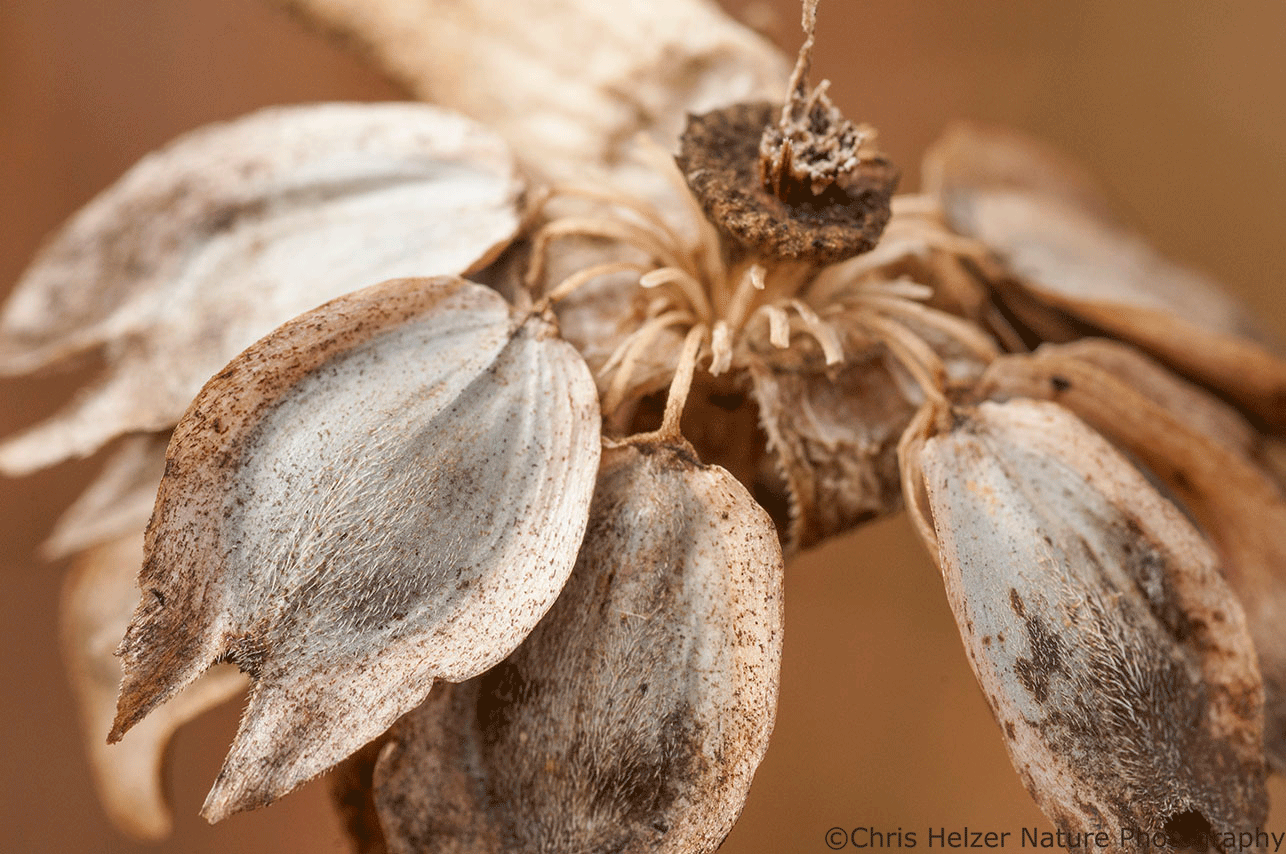
Entire-leaf rosinweed seeds (Silphium integrifolium)

Let’s say a seed has led a lucky life and manages to reach soil. It might even get pushed into that soil slightly by rain or a passing animal’s foot. Hooray! Now it can grow and reward its parent’s huge investment.

Well, maybe.

Most seeds need water to germinate. During drought periods, a seed might sit in the dusty earth for weeks, months, or years, waiting for sufficient moisture to help break its seed coat open. As it sits there, it’s vulnerable to any passing animal, fungal hyphae, or tiny microorganism looking for a meal. Plus, as we discussed earlier, the embryo might simply run out of food.

Dotted gayfeather (Liatris punctata)

Even if rain or snow provides sufficient moisture for germination, some prairie seeds also need a certain amount of sunlight to trigger germination. (This is why it’s important not to plant prairie seeds like you plant pumpkin or green bean seeds. Just scattering them on top of the ground is often best.) If a seed that requires light lands on bare soil that happens to be in the shade of other plants, it might still be stuck in limbo.
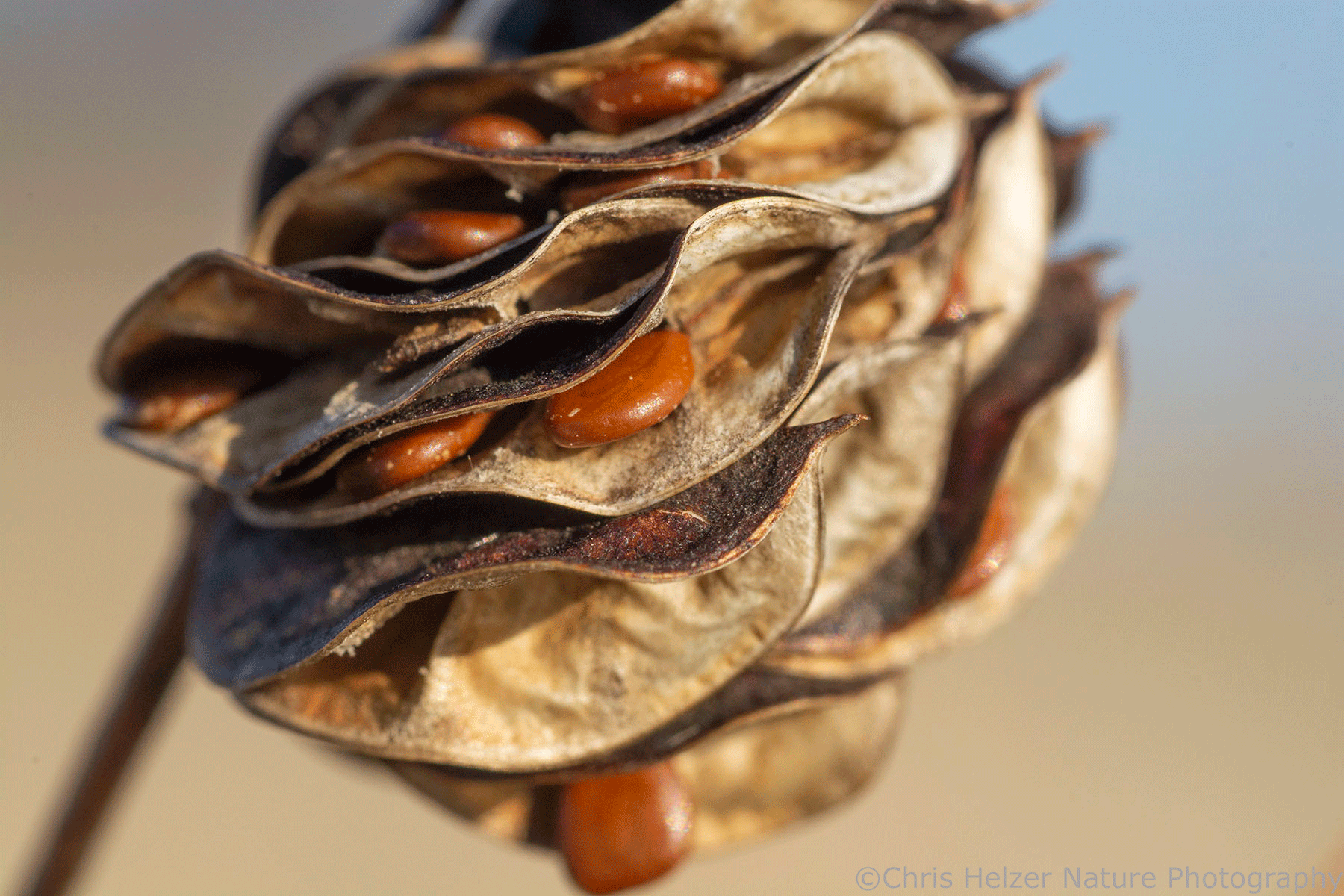
Illinois bundleflower seeds have such a strong seed coat they can survive a trip through the digestive system of an animal. That’s great for the seed, but doesn’t provide any reward for the poor hungry animal!

As a result of all the challenges they face, only a tiny percentage of seeds released into the world by their parents actually end up germinating. Those that do have a chance to perpetuate the family line. However, simply reaching the germination stage isn’t the end of the race.

A tiny seedling still has to compete with any nearby plants for food, water, and sunlight. Only a small minority of prairie plant seedlings make it to maturity and create their own flowers and seeds. They either wither and die in the face of more competitive neighbors or get eaten by herbivores looking for fresh new growth to nibble on.

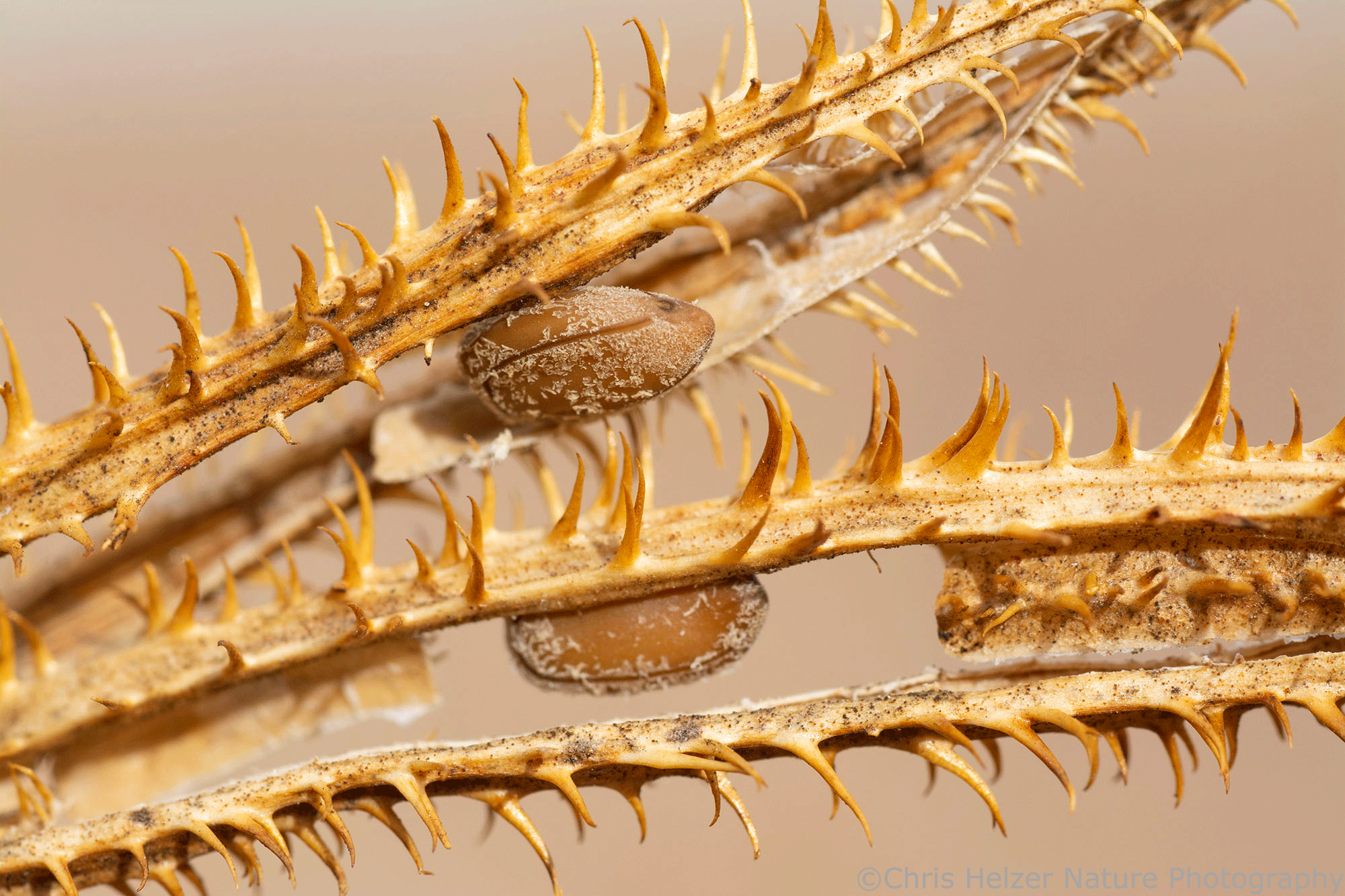
Tall thistle (Cirsium altissimum)
Sensitive briar (Mimosa quadrivalvus)
Ironweed (Vernonia baldwinii)

Despite the odds, of course, some seeds do manage to germinate and then become parents themselves. We’ve got abundant evidence of those successes all around us. It’s easy, though, to take those winners for granted. Spare a thought for all those who didn’t make it!I’m cheering on all the little germinating plants in the prairie right now. They’ve already survived a ton of obstacles, but they still have a lot to overcome.

I often wish seeds good luck when I see them, too (usually silently, especially if other people are around). While most seeds fail to become plants, each one of them plays a vital role in the prairie ecosystem. Animals and other organisms have to eat, after all, and seeds help keep lots of other community members alive.

Apart from everything else, seeds and the structures that help carry them into the world are simply beautiful. I’m incredibly appreciative of the diversity and aesthetic elegance of prairie seeds and I’ve spent a lot of joyful hours photographing them. I just try not to dwell too much on their individual survival chances…
Prairie Word of the Day – Phenology

Hello, and welcome to the fifth edition of the popular series, “Prairie Word of the Day.” This is the series that has previously brought you such inspiring words/phrases as Tiller, Habitat Heterogeneity, Disturbance and Shifting Mosaic of Habitat. Thank you for the many cards and letters expressing your gratitude for the explanations of these words, and suggesting future topics.

Today’s featured word is Phenology. In short, phenology is the study of the timing of various events in the lives of plants and animals and the factors that influence that timing. Phenology should not be confused with Phrenology, which is the long discredited study of how the shape and size of the human skull supposedly correlates with character traits and mental capacity. Phrenology has been used to bilk people of their money, support racist and sexist stereotypes, and bolster Nazi eugenics. Let’s not talk about that today.

Phenology, without the “r”, is a complex and important topic in ecology. You might hear someone talk about the phenology of plants related to when they begin emerging from the ground, when they flower, and when they begin to wilt and senesce at the end of the growing season. Additionally, however, phenology includes the timing of the emergence of insects from dormancy or their final molt into adulthood. It also includes the timing of animal migrations and hibernation, as well as many other events in the lives of myriad organisms.

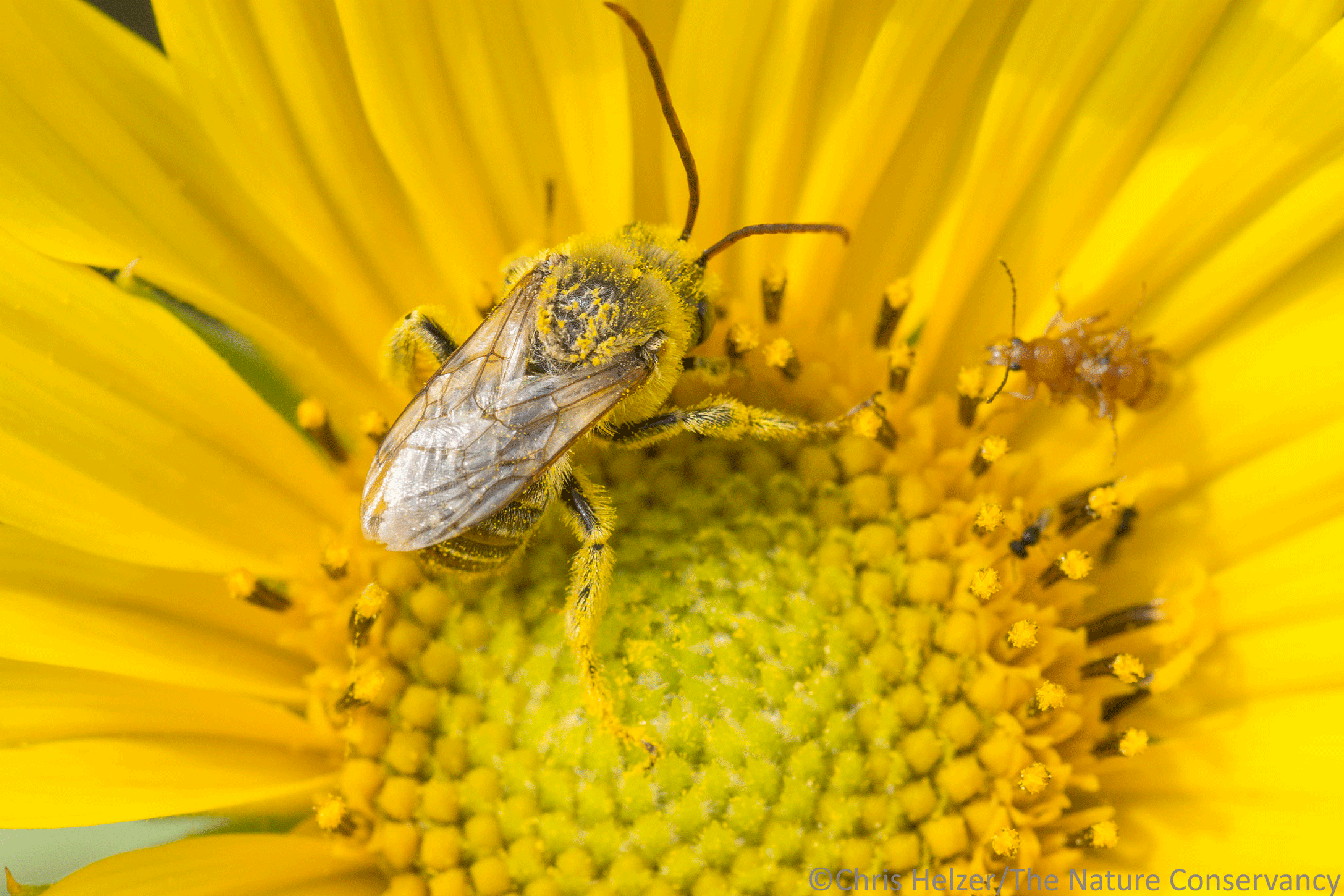
This bee (either Melissodes agilis or M. trinodis) is a specialist feeder on sunflower pollen and is only active during the period of summer when sunflowers are blooming. If the bee emerged before sunflowers started blooming, it might not find anything to eat.

The factors that influence a species’ phenology often include temperature, light, and moisture – in combination with genetic signals. We still have a lot to learn about the phenology of most prairie species, especially in terms of how they might adapt to changing climate. In fact, rapid climate change has brought much recent attention to phenology because changes in the flowering time of plants, for example, have already helped illustrate the occurrence and impacts of climate change. In addition, there is great concern that species may not be able to adapt the timing of their lives quickly enough to match the changing climate, and/or that timing of interdependent species might not remain synchronized. For example, flowers might start blooming before or after their particular pollinators are active, or birds or insects might migrate to breeding areas before food is available at those sites. A couple years ago, monarch butterflies arrived in Nebraska way ahead of schedule, but fortunately they were still able to something to eat and lay eggs on.

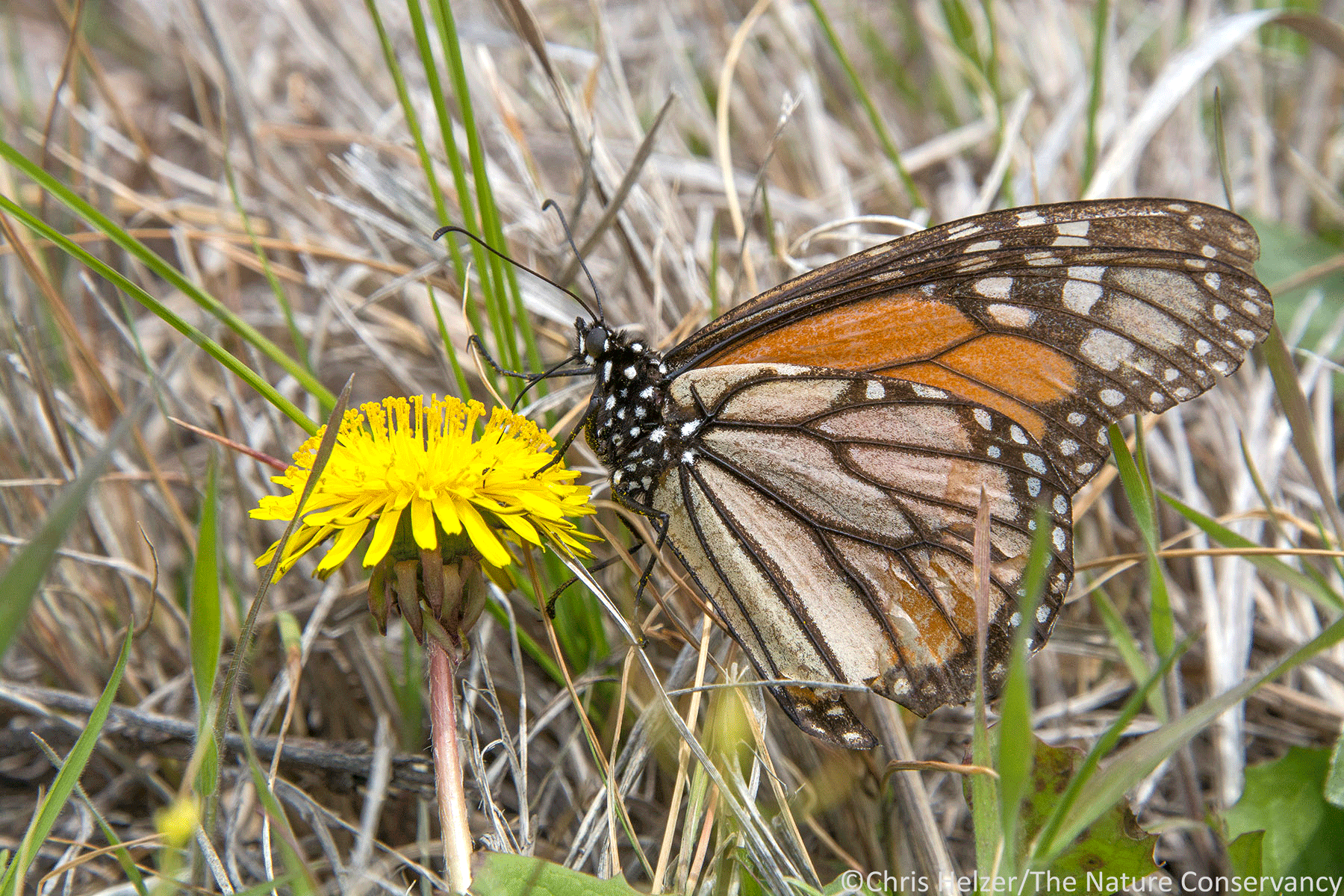
When monarchs arrived in Nebraska much earlier than normal, dandelions were one of the few abundant wildflowers for them to feed on and they laid eggs on whorled milkweed because common milkweed hadn’t emerged yet.

Here in Nebraska, we got some interesting insight into the phenology of plants during 2012. The year ended up giving us the most severe single year drought in recorded history and it started out as a year of extraordinarily warm temperatures. In fact, spring and summer temperatures arrived so early that we recorded many plant species blooming weeks or months ahead of their typical schedule. I wrote a short blog post about this back in May of 2012 and a number of people from around North America responded with their own sightings. The observation that stood out most to me was the blooming of asters in May. I had never seen heath aster (Aster ericoides) or New England aster (Aster novae-engliae) bloom before late August or September.

Phenology is also important to land managers trying to sustain biological diversity in prairies. For example, around here, we are constantly fighting cool-season invasive grasses. The growth period for those species starts earlier and ends later than that of most native prairie plants. That gives us some opportunities to use herbicides to kill or suppress smooth brome, Kentucky bluegrass, or other invasive grasses when the chance of harming other plants is very low. In addition, we can use prescribed fire, grazing or mowing to target those grasses when they are most vulnerable. For example, we might try to burn a prairie right as those species are starting to bloom because it wipes out those plants’ entire season of energy investment in growth and flowering. The fire doesn’t kill those grasses, but it can knock them back enough to allow other plants – especially those just starting their growth periods – to flourish while the vigor of the invasive grasses is low.

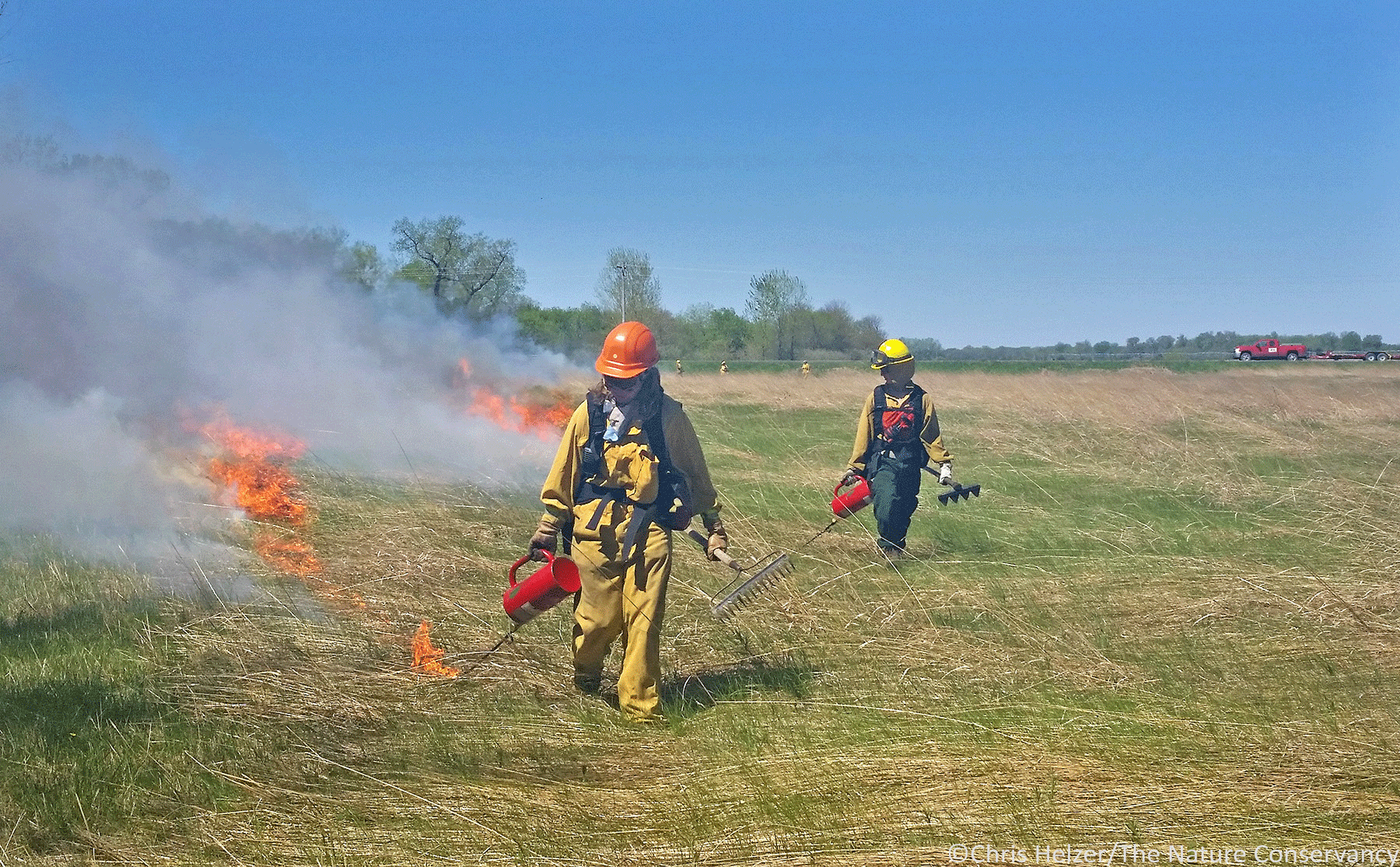
We timed this burn to suppress cool-season invasive grasses, which were just starting to bloom. After the fire, many warm-season grasses (and other plants) responded quickly because they were just beginning their period of most active growth.

Timing of burns can also be aimed at suppressing many other kinds of plants. For example, we sometimes try to burn prairies when encroaching trees are just leafing out and highly vulnerable. Alternatively, burns can be timed to limit impacts on animal or plant species. That might include strategically scheduling a fire based on the emergence of rare insect species or before sensitive reptiles become active in the spring. Prescribed grazing can be employed in much the same way – strategically moving livestock in and out of an area to suppress the growth of particular plants or to create desired habitat structure prior to the arrival or emergence of particular animal species. In all these cases, land managers are acutely aware of the phenology of the species they are trying to suppress or assist.

If you’re someone who enjoys keeping track of when things happen each year, you might enjoy joining a citizen science effort to document changes in the phenology of many different phenomenon. You could start at the National Phenology Network and peruse some of the options they provide. Or, if you already have years of field notes that document when you see your first bumblebee, prairie clover flower, or grasshopper sparrow each year, I’d encourage you to contact a local expert on that/those particular species and let them know about your data. You might have information of great value to conservation.