
LANDSCAPE EXPERIENCES MAJOR SHIFTS IN APPEARANCE OVER SHORT TIME SPAN

As I was preparing to post this blog, I received the latest installment of Ian Lunt’s blog, which gives very good advice to science bloggers about how to capture and hold an audience’s attention.  Ironically, I’d just been worrying that my new post wasn’t as pithy as it could be, and had even asked my kids to read it and tell me what they thought.  I didn’t actually change the post after reading Ian’s advice, but I did change the “headline” to make it more snappy.  I hope Ian approves…  (The fact remains, however, that the following post is really just a series of pictures I thought were nice, so feel free to skip it and find something more productive to do.  The only good news is that there’s very little text to slog through…  So, with that sales pitch – here you go!)

I’ve been going through more timelapse images from the Niobrara Valley Preserve recently.  There are numerous story lines from the cameras there, all of which tell a tale of recovery and resilience following the big wildfire in 2012.  In a smaller way, however, looking through the images also demonstrates how much the appearance of a site changes from day to day.

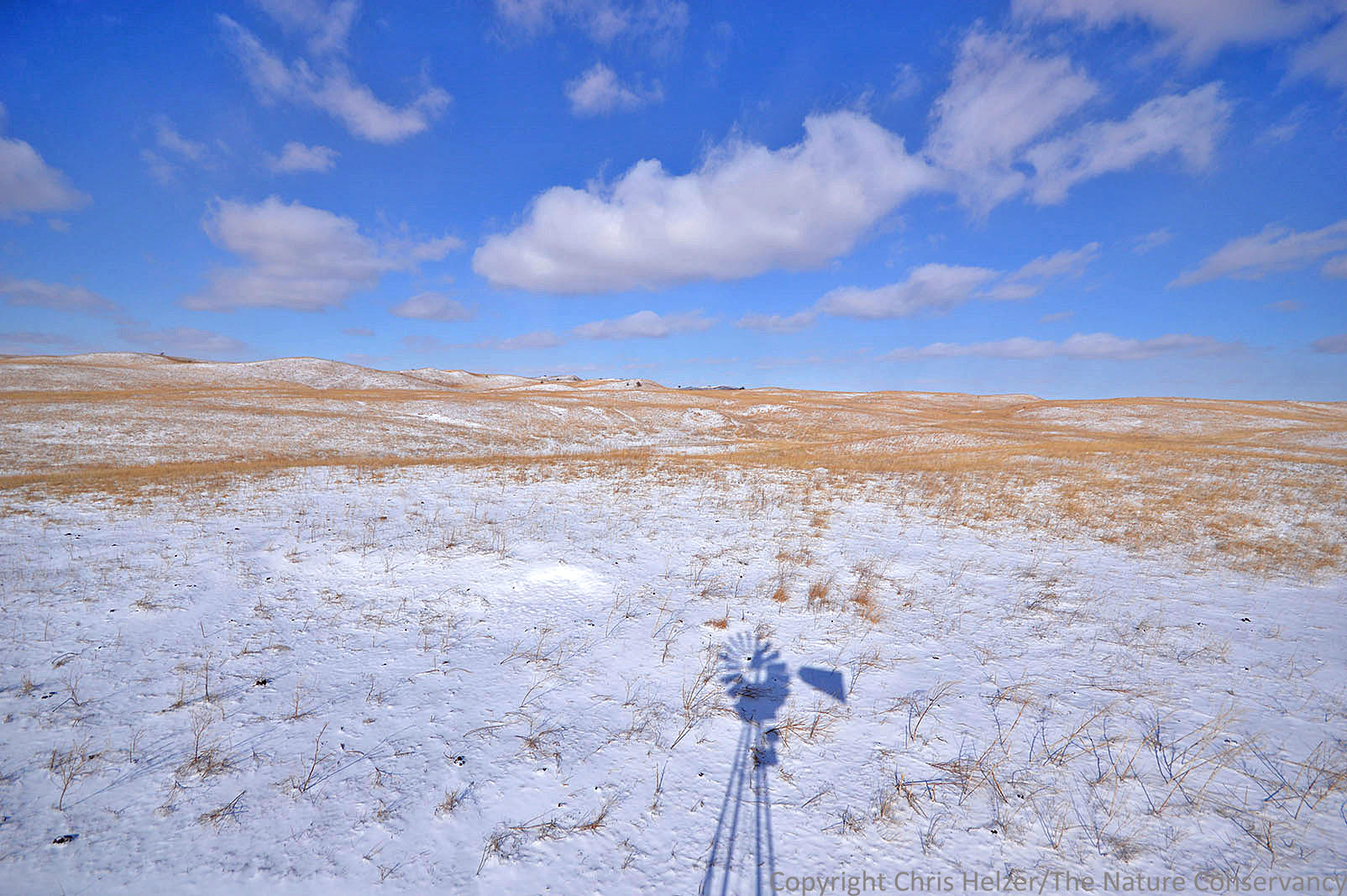
In this post, I’m showing seven images taken by the same camera, from the same perspective, but on different days and at different times through the 2014 season.  The camera that took the photos is mounted high atop a windmill at the south end of a 10,000 acre bison pasture.  These seven images of sandhill prairie span an eight month period.
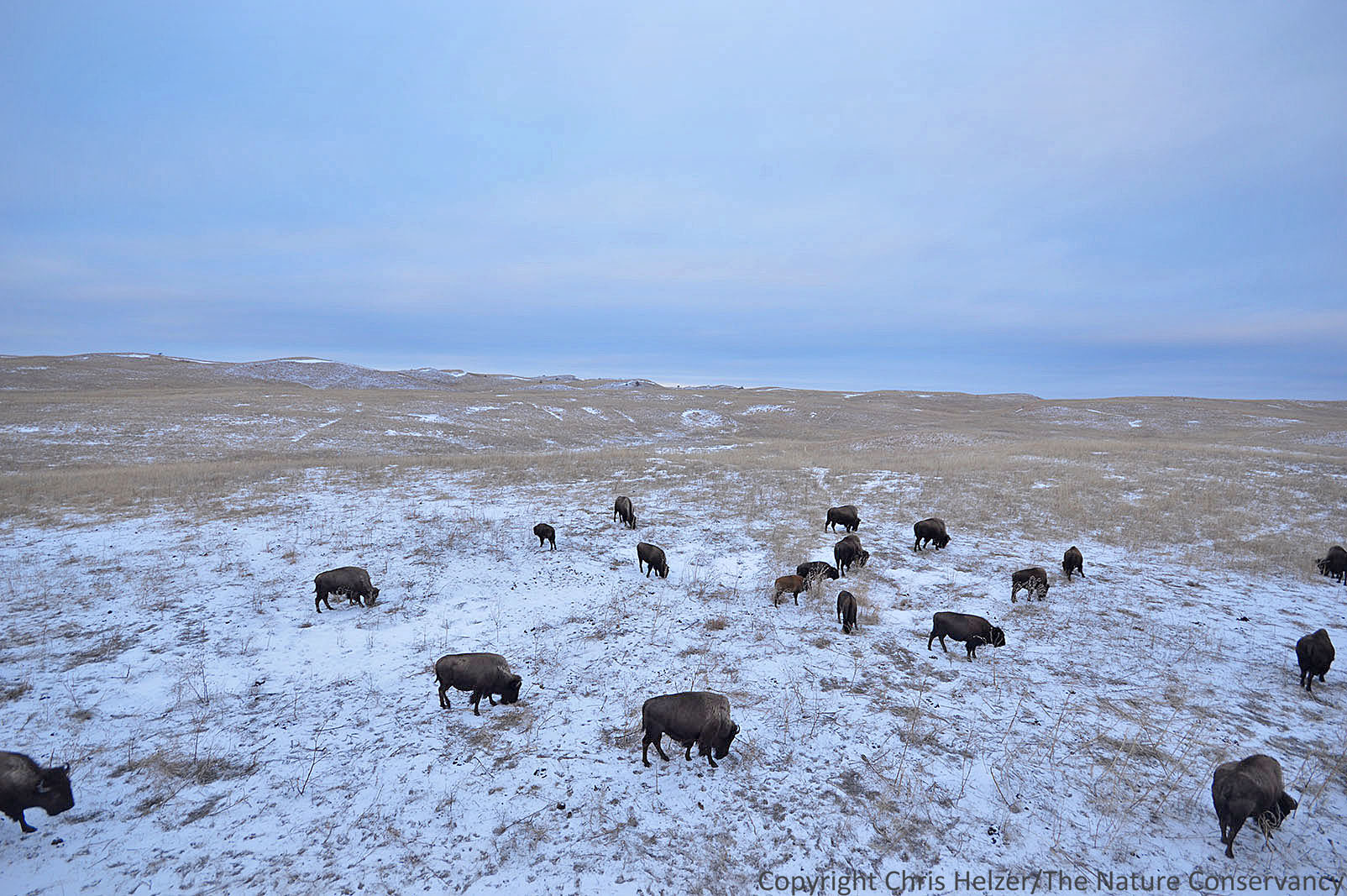
January 8, 2014.  6pm.
January 8, 2014. 6pm.

February 5, 2014.  3pm.

February 5, 2014. 3pm.

April 5, 2014.  7pm.

April 5, 2014. 7pm.

May 17, 2014.  7:30pm.

May 17, 2014. 7:30pm.

July 24, 2014.  9pm.

July 24, 2014. 9pm.


August 15, 2014.  9:30am.

August 15, 2014. 9:30am.

August 15, 2014.  8pm.

August 15, 2014. 8pm.

All of us who visit someplace regularly recognize that it never looks exactly the same twice, but we usually compare what we see today with what we remember from an earlier time.  Timelapse photos allow us to record those variations and compare them side by side.

Ok, sure, the presence or absence of bison helps distinguish some of these photos from others, but bison are also a part of (and a driver of) the changing landscape at the Niobrara Valley Preserve.  More to the point of this post, however, are the differences in the quality, direction, and intensity of light between photos; not to mention the varied appearances of the sky and the growth stage of the prairie vegetation.  The prairie can look starkly different even within the same day – as shown by the last two photos.

There are countless reasons a prairie changes in appearance from day to day, even from moment to moment.  More importantly, however, those changes should motivate us to get out and enjoy nature even more often.  After all, you never know what you’ll see!

As always, thanks to everyone at Moonshell Media for their help with this timelapse project.  

Watching Wetland Water Levels – Timelapse Photography

It’s timelapse photography time again…  I downloaded more photos from the cameras at our restored wetland in the Platte River Prairies a couple weeks ago, and have been looking through the images for stories.  One theme that stood out in this batch was the variability of the water level in the wetland through time.

This wetland is directly connected to the water table, but is also supplied by a groundwater-fed stream that brings both rainwater and groundwater from about 25 miles west of us.  Platte River flows and irrigation pumping both influence the water table here in the Platte Valley, as does evapotranspiration by plants – and other factors.  It’s a complicated series of events and processes.  However, in general, we expect the water table to be relatively high in the spring and to decline as summer progresses.  I looked at photos from early June and early July (below) and that pattern of summer decline is apparent this year.

June 8, 2014

June 8, 2014.  A panoramic image created by merging photos from two adjacent timelapse cameras.

July 8, 2014

July 8, 2014.  You can click on each photo to see a larger/sharper version of it.

Seeing the pattern of water level rise and fall through weeks and months is interesting, and timelapse photography allows us to watch that pattern pretty easily.  However, it’s also interesting to look at shorter-duration patterns.  I shared one example of that back in December, with a series of images showing daily water level drops due to evapotranspiration.  Today, I’m sharing a second example of short-term water level changes – this time, it’s due to water coming downstream after a rain event.

In the early morning of June 21, 2014, a big storm system moved through our area, dumping between 2 and 4 inches of rain.  The map below shows the precipitation amounts from that storm.

This photo from http://water.weather.gov/precip/ shows rain amounts for our area on June 21.  The black arrow indicates the location of our wetland.

This image from the National Weather Service (http://water.weather.gov/precip/) shows rain amounts for our area on June 21. The black arrow indicates the location of our wetland.

Rainwater from the storm swelled the stream that flows into our wetland, but also created runoff flow throughout the watershed.  The Youtube video below shows the water level changes in our wetland through the day on June 21, 2014, starting at 7am and ending at 8pm.  The changing light conditions from image to image make it a little difficult to see, so you may have watch it several times to get the full effect.  The foreground, the green peninsula on the left, and the little island just left of center are all good landmarks to help see the water level change.

There’s nothing earth-shattering about stream or wetland water levels rising and falling after a big rain event.  On the other hand, it’s not often we get the opportunity to actually see it happen.  Timelapse photography gives us the opportunity to compress time and see natural processes from a different perspective.  For me, at least, that opportunity helps me better understand and appreciate the variability of the earth we live on.

As always, thanks to Moonshell Media for their help with this timelapse photography project.  If you’re interested in exploring timelapse photography for conservation purposes, you can contact them at 402 817 4313 or info@moonshellmedia.com.