
I took some time off last week. Some of that time was spent just hanging around the house with family, but late in the week, I took a quick overnight photography trip out to the Nebraska Panhandle. I stopped a few times on the way there and back, but my primary destination was the Oglala National Grasslands.
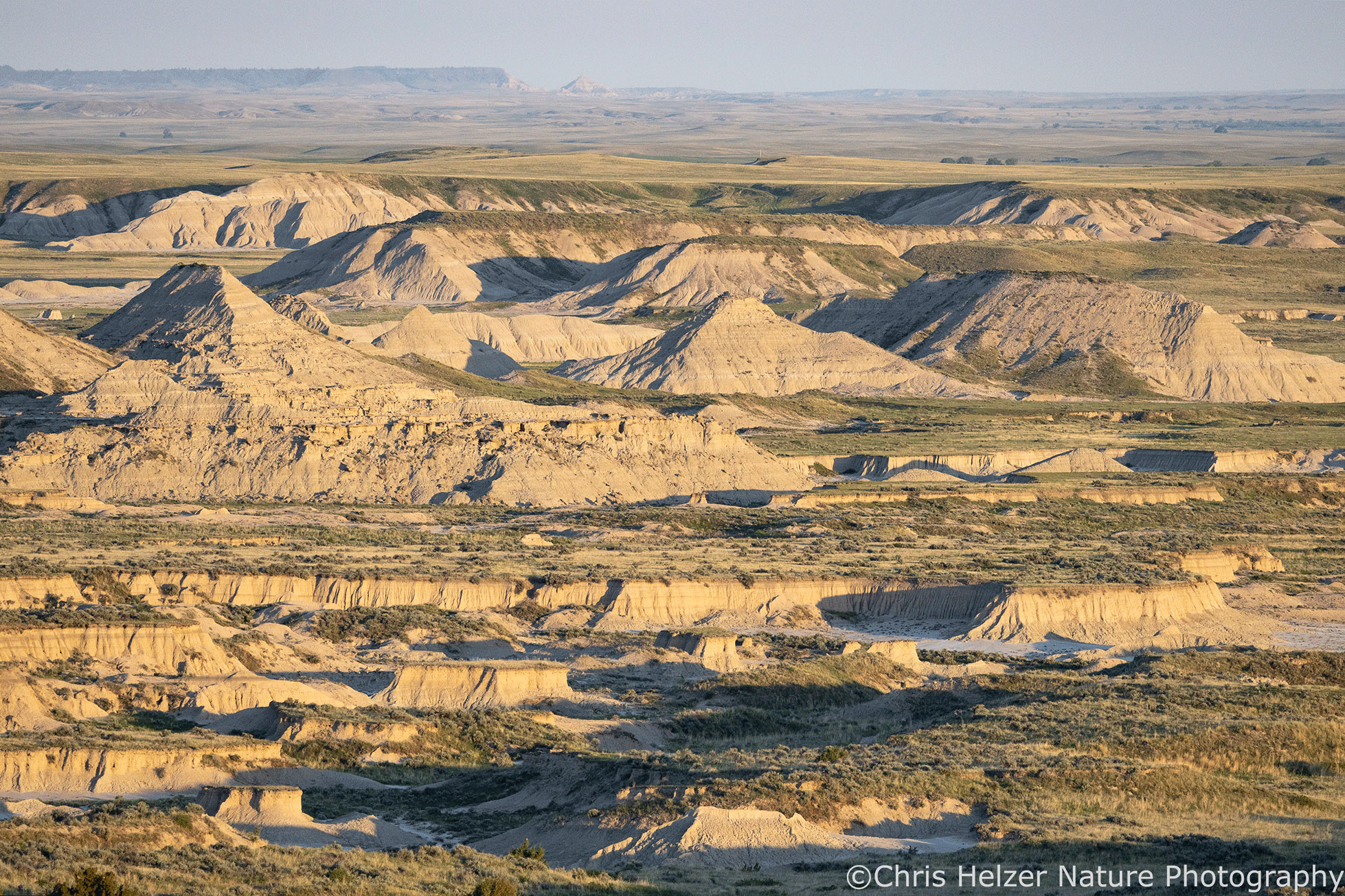
Nebraska isn’t known for huge expanses of public land (it’s 97% private land) but much of what we do have is pretty spectacular. The Oglala National Grasslands is, in my humble opinion, one of those spectacular options, but it gets very low visitation. I arrived in the late afternoon and left the following morning and didn’t see a single person or vehicle the whole time. I suppose it doesn’t fit the criteria most people have for hiking or camping destinations (trees and water). For me, though, it’s got pretty much everything I look for (prairie and interesting landscape formations).
Botanists say the prairie in the far northwest corner of Nebraska is mixed-grass prairie, but many reasonable people would look at it and call it shortgrass prairie. Either way is fine with me. It’s pretty short. The area has been in a drought for quite a while, but it has gotten some really good rain in the last month or so. I’ve been thinking about a trip out there for a while, so when I saw that it had gotten precipitation I decided to make it happen.
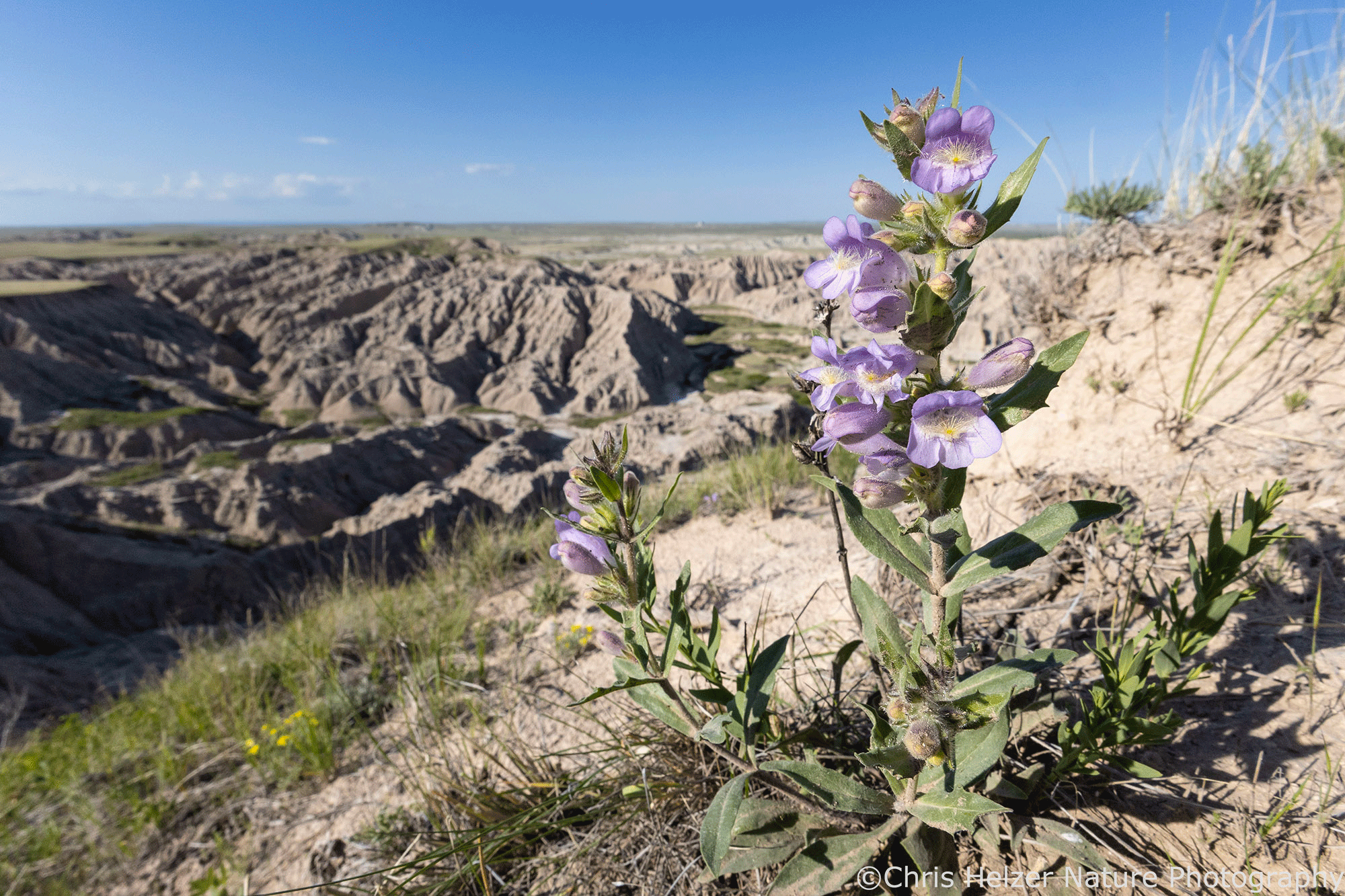
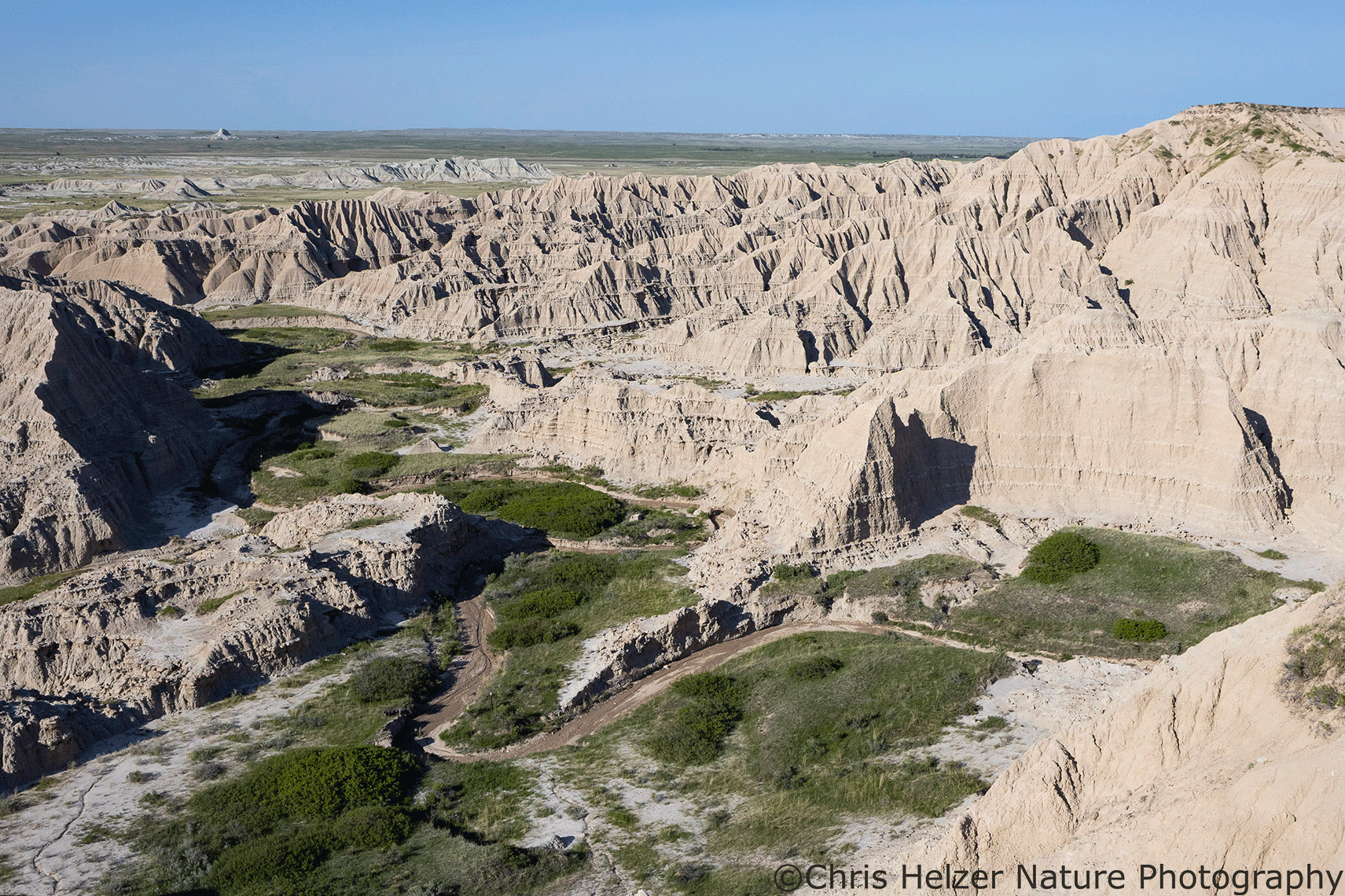
This was a solo trip with photography as the primary objective. You might think that’s a common thing for me, but most of the time, I’m trying to squeeze photography time in around other activities. This time, I was by myself with no set itinerary, so I could go where and when I wanted, based on light, wind, and what I felt like. On the way out west, I stopped twice to walk around public areas and take advantage of the diffused light caused by the wildfire smoke plumes coming out of Canada.
I arrived at the Oglala Grasslands in the late afternoon and spent about 4 hours wandering around before dark. During the first hour or two, the light was too bright (I drove out of the smoke plume about an hour before arriving) for much photography, but as the sun sank lower, I was shooting more and more. For the sake of simplicity, I slept overnight in the car (tested our new Subaru Outback for car camping). I was up again before sunrise and spent another couple hours wandering with my camera before the sun got too intense and I headed back east toward home.
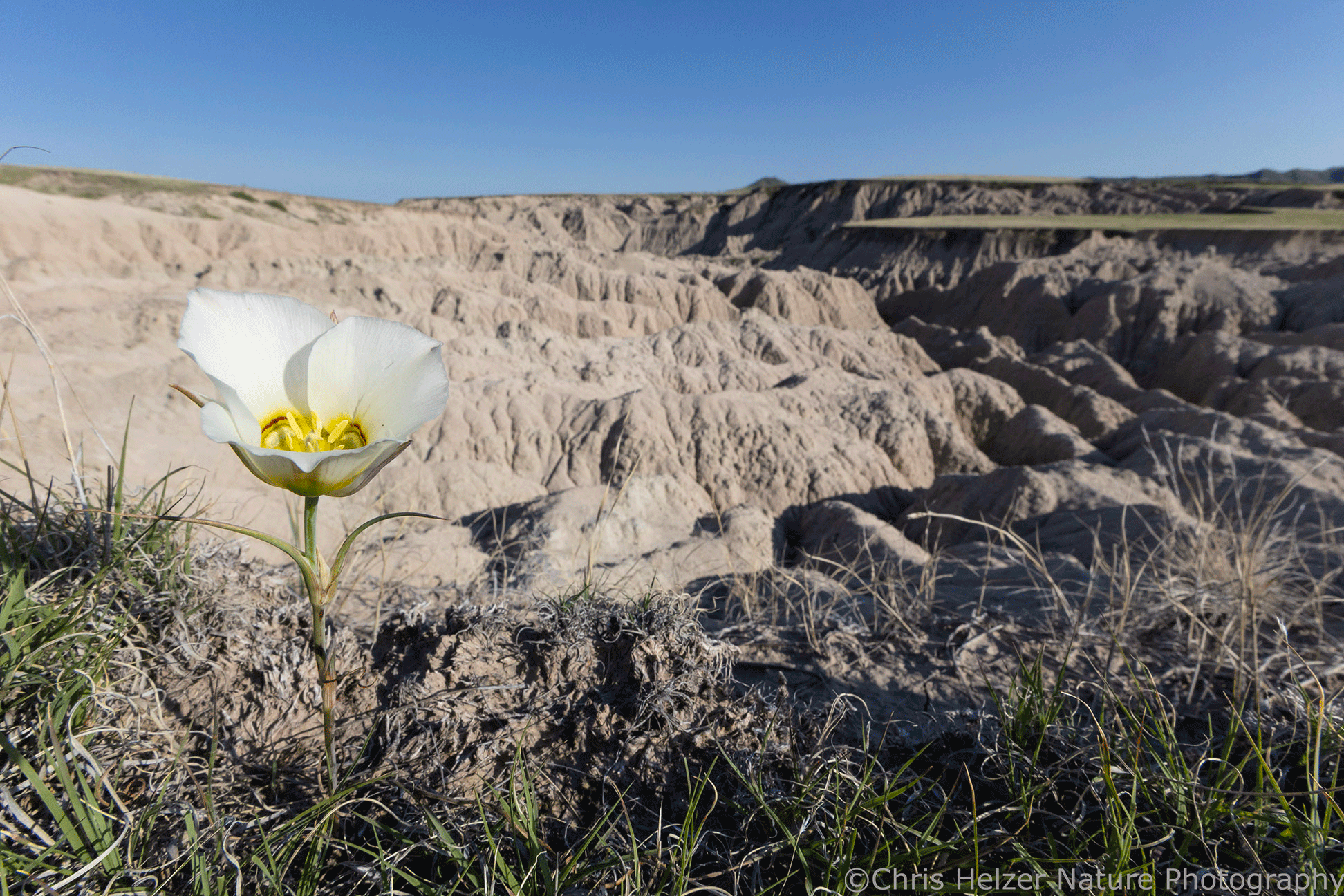
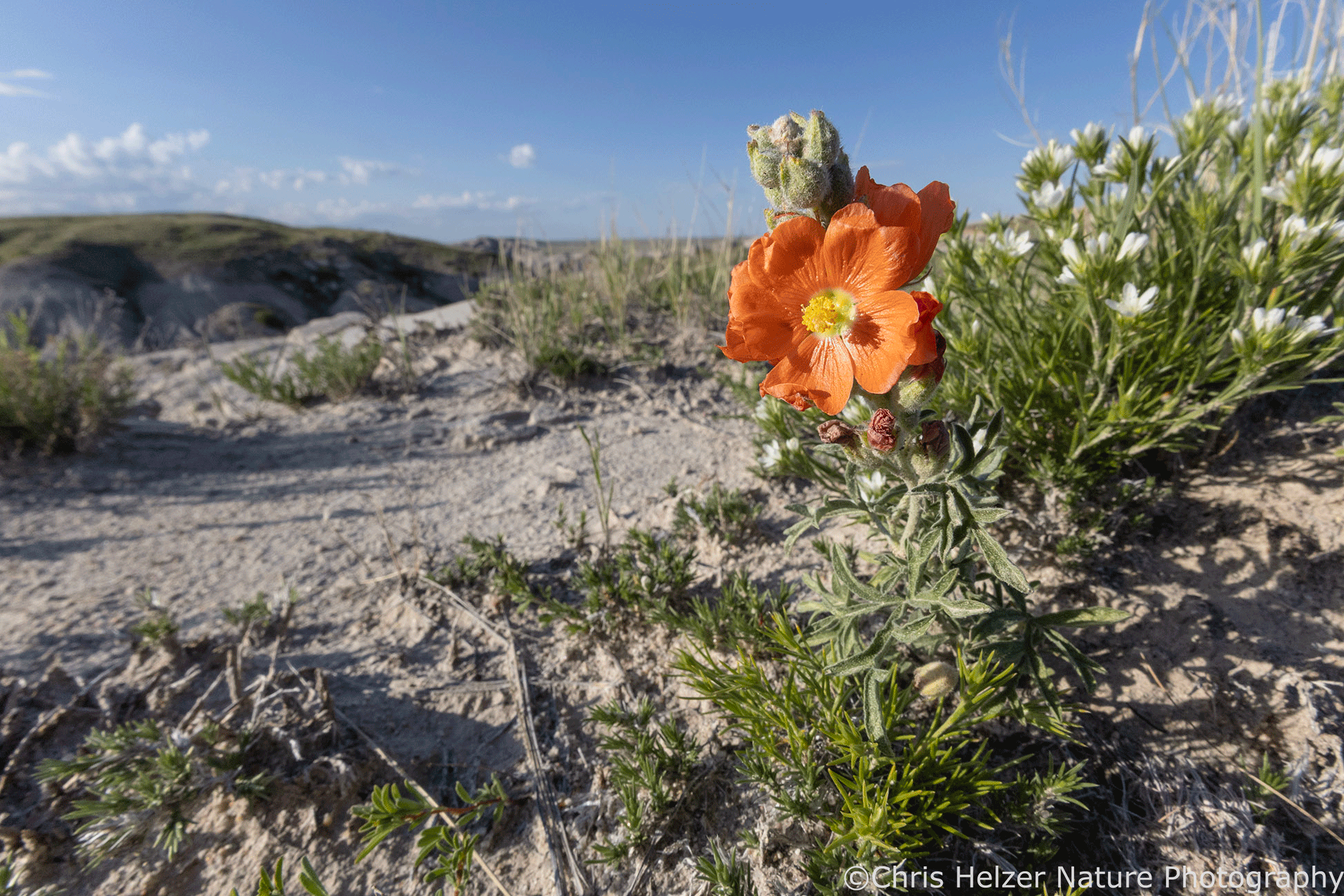
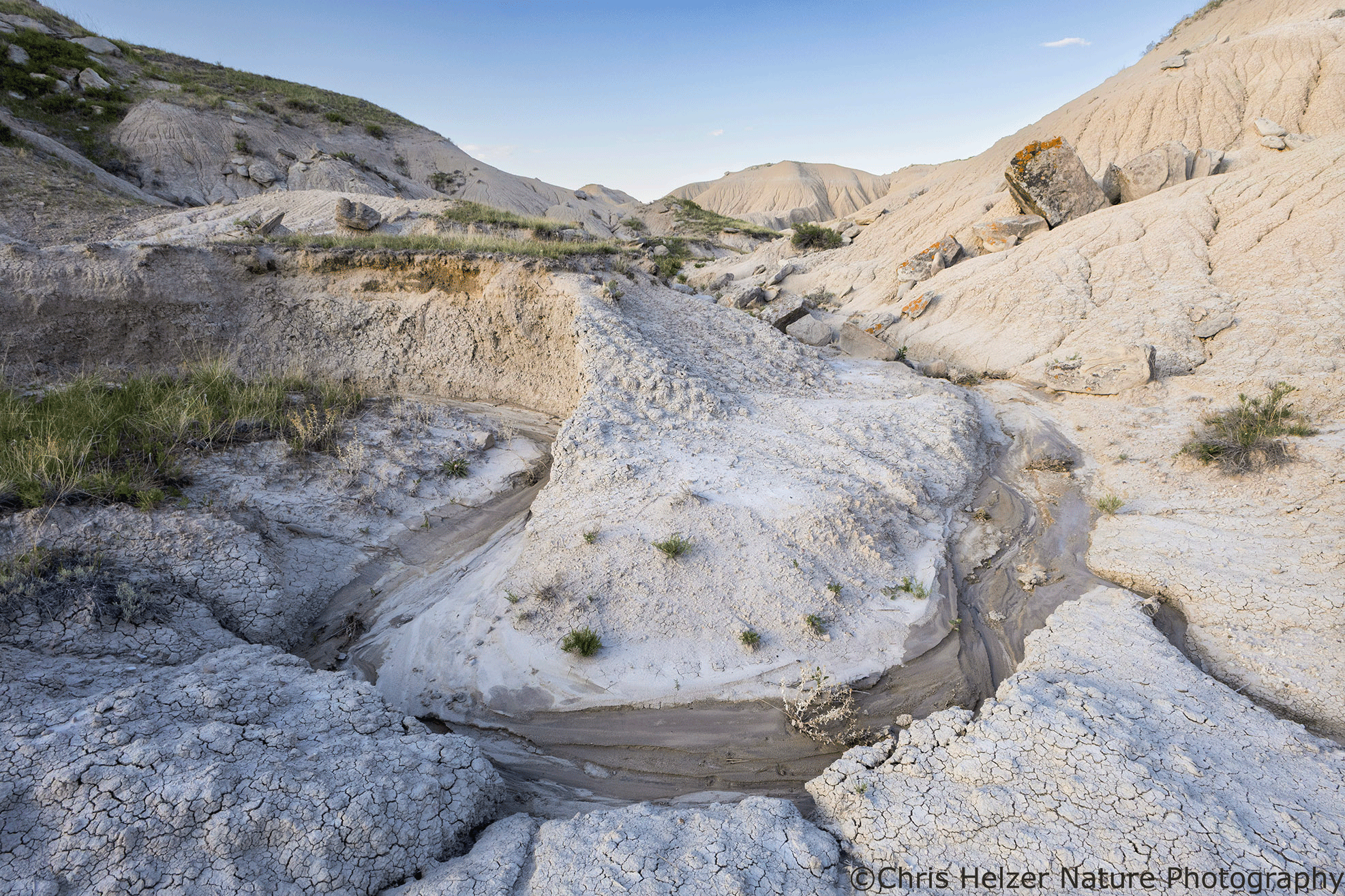
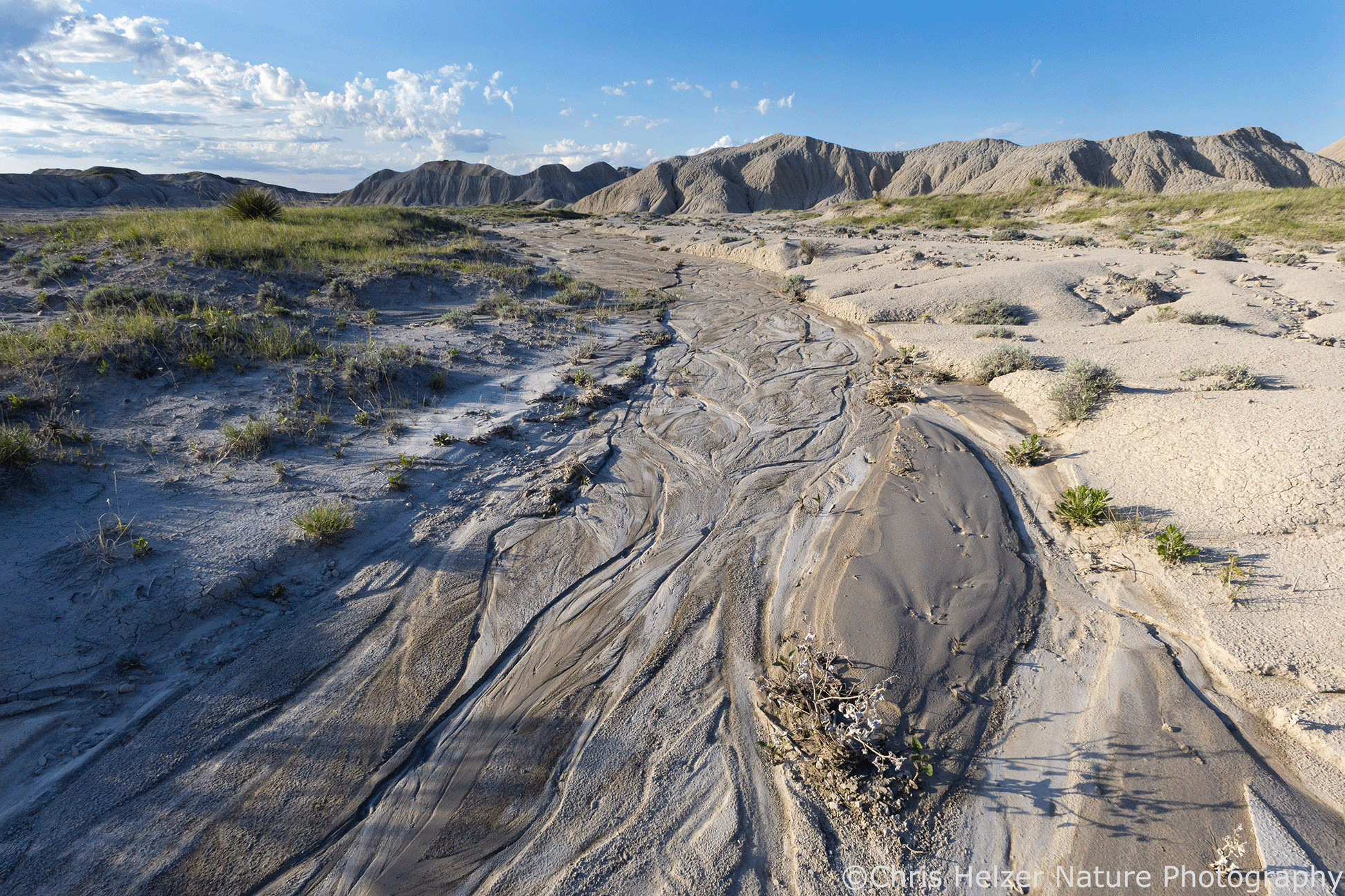
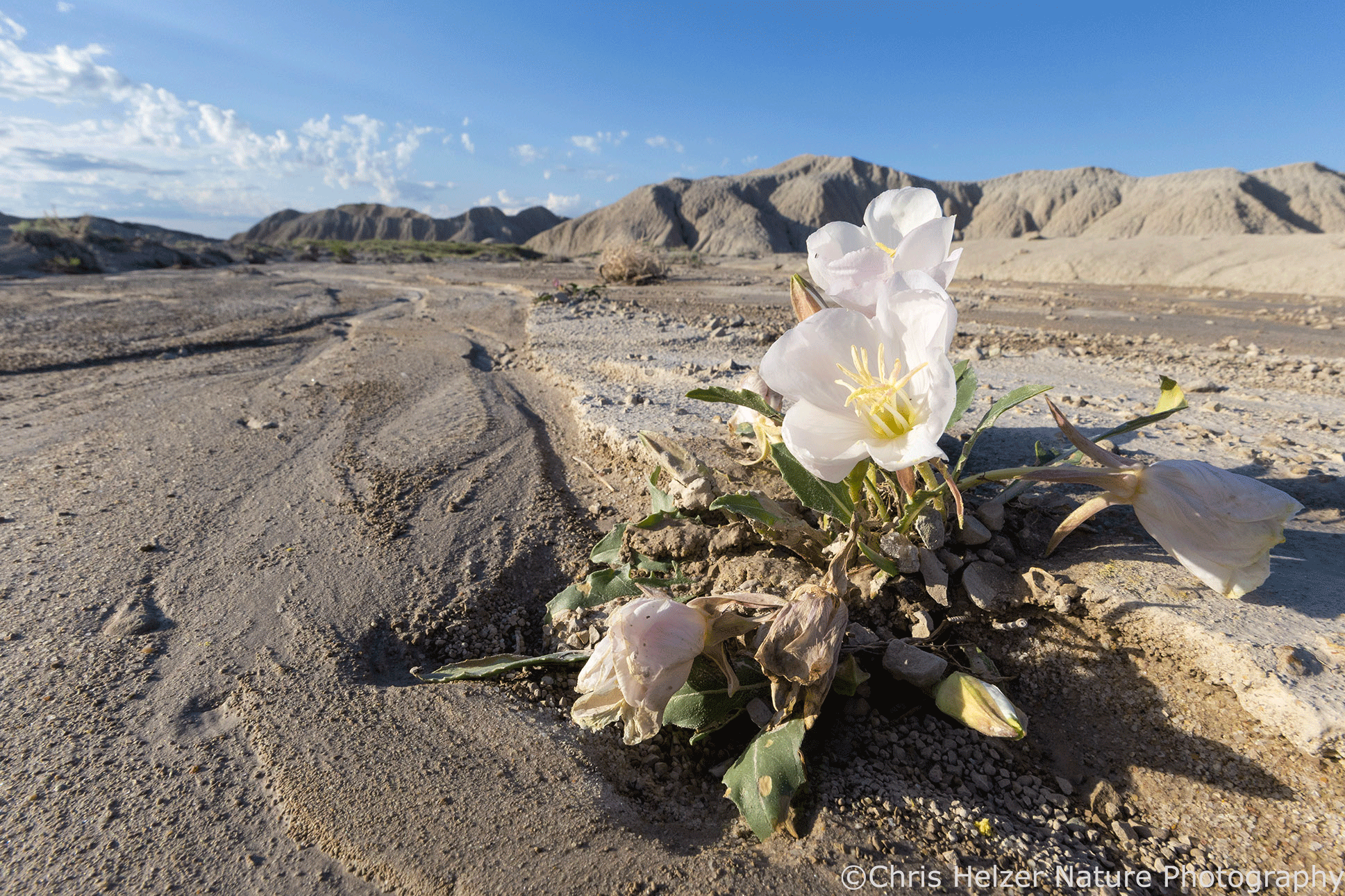
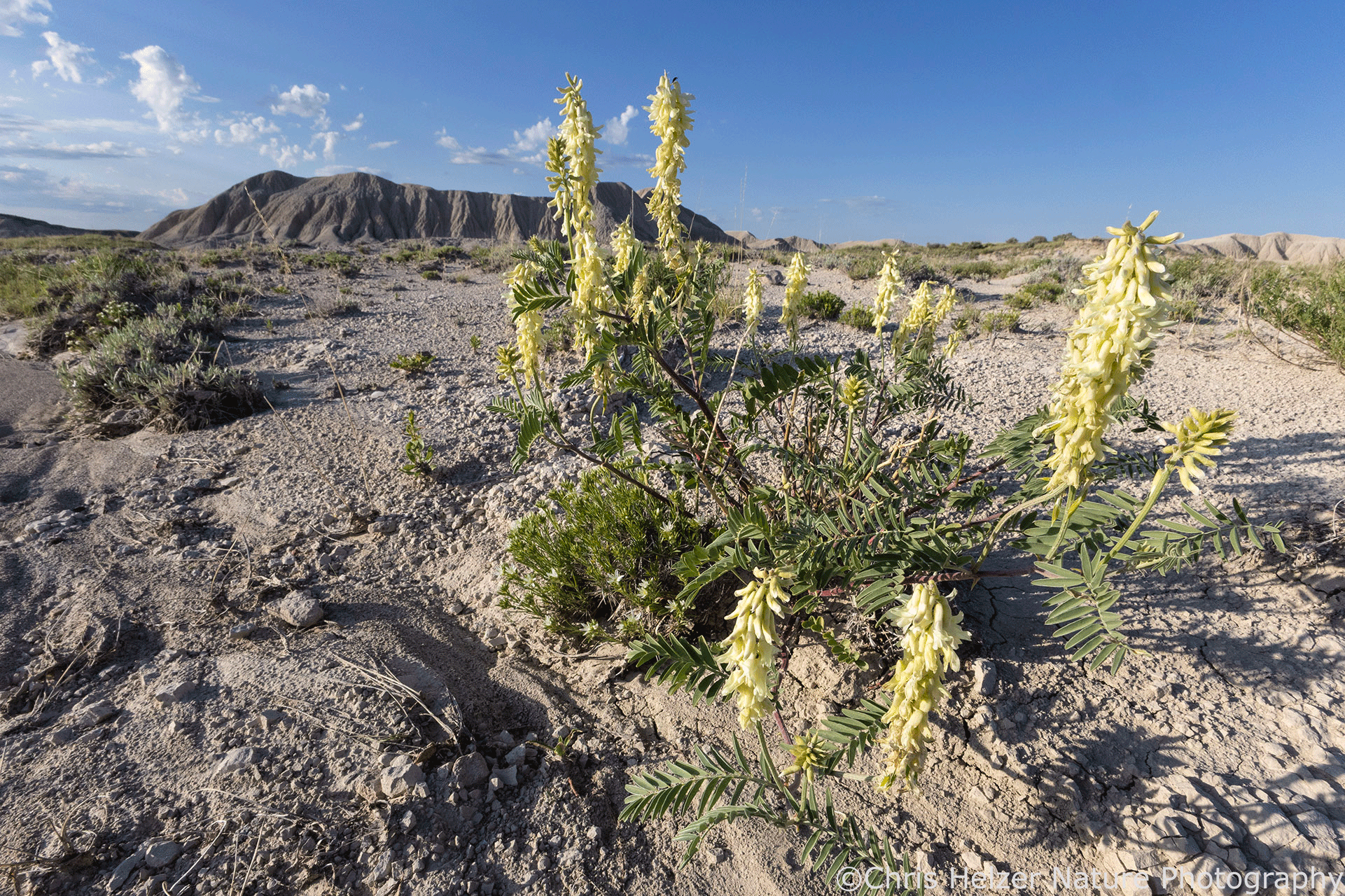
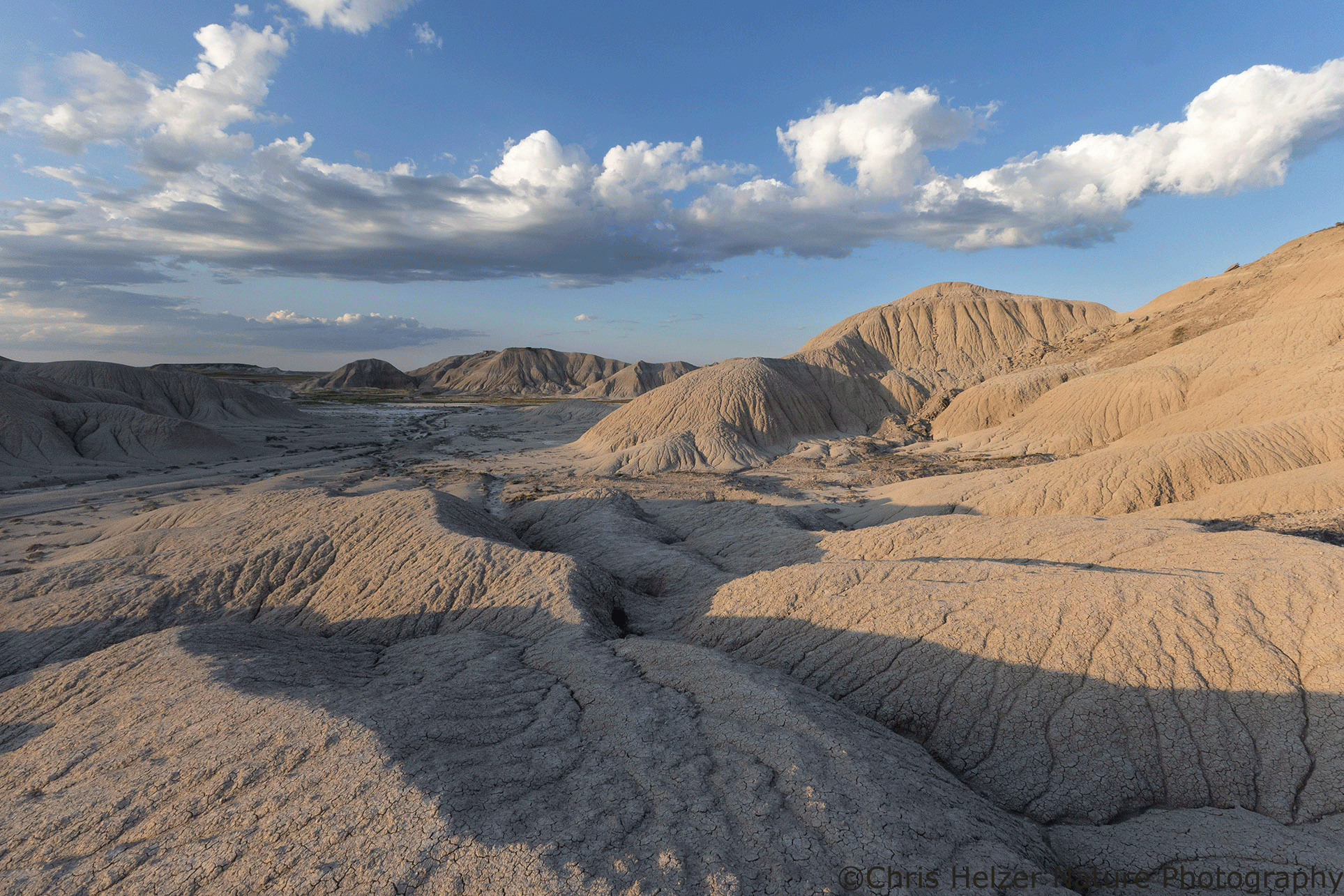
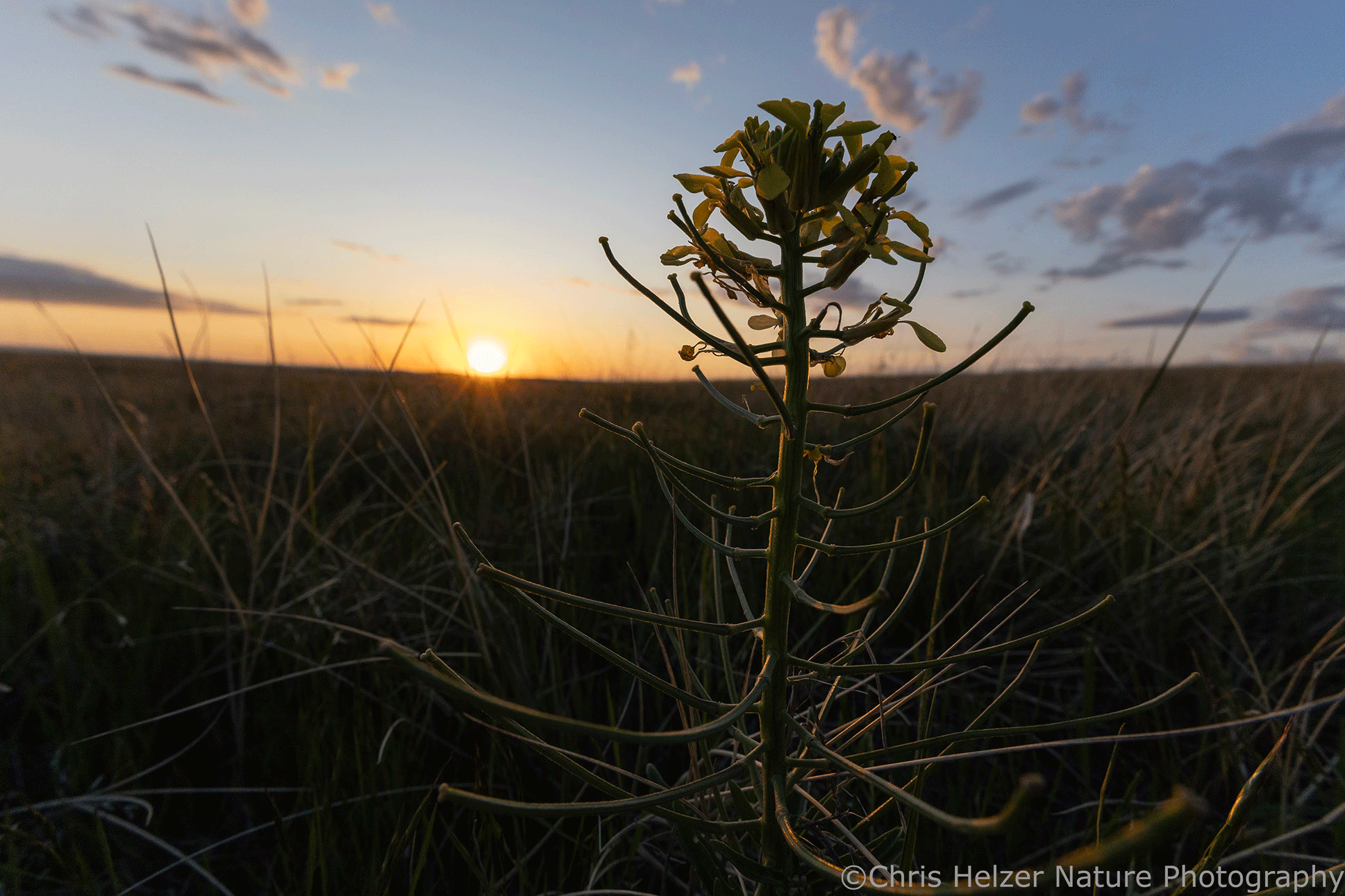
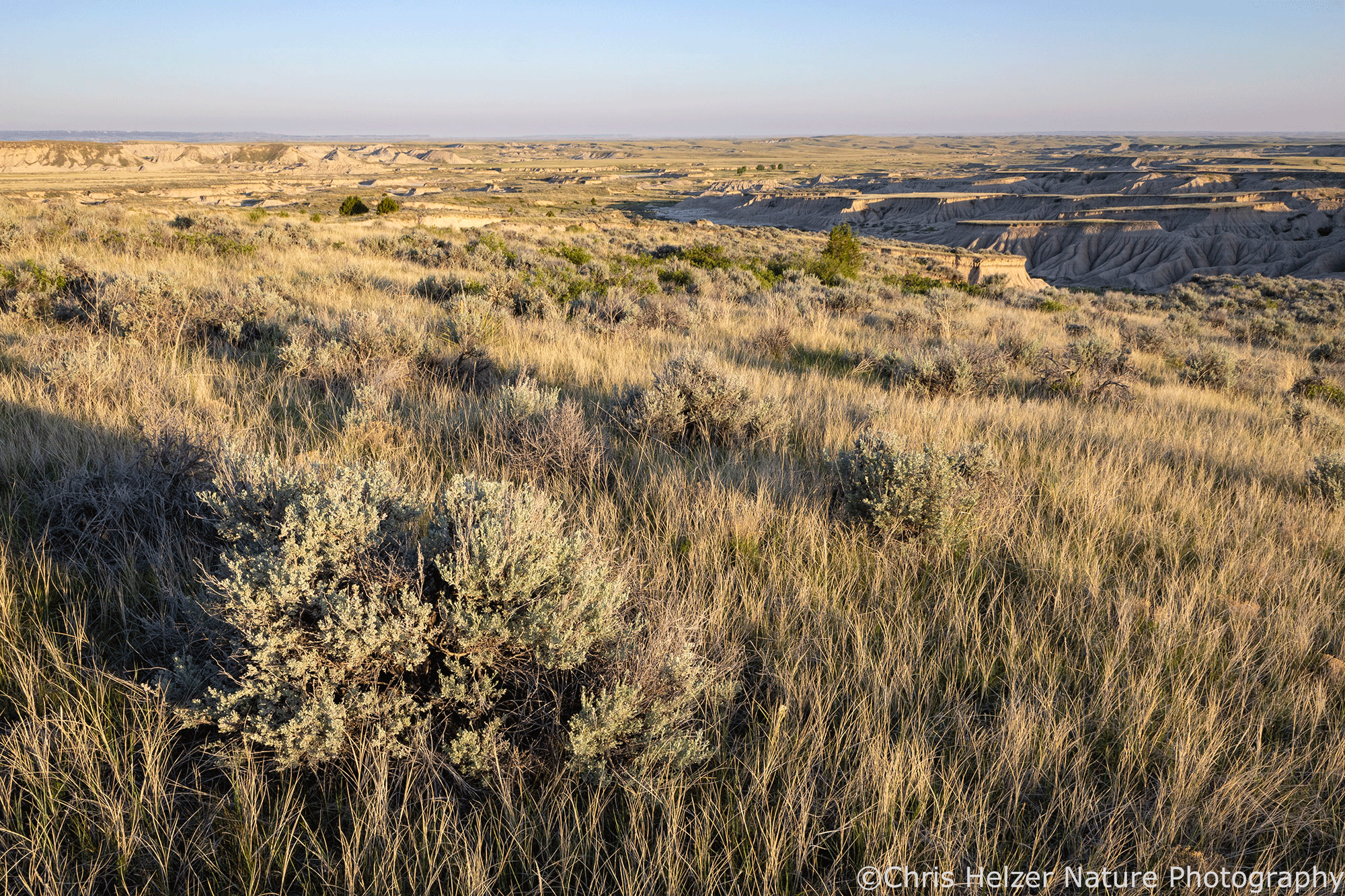
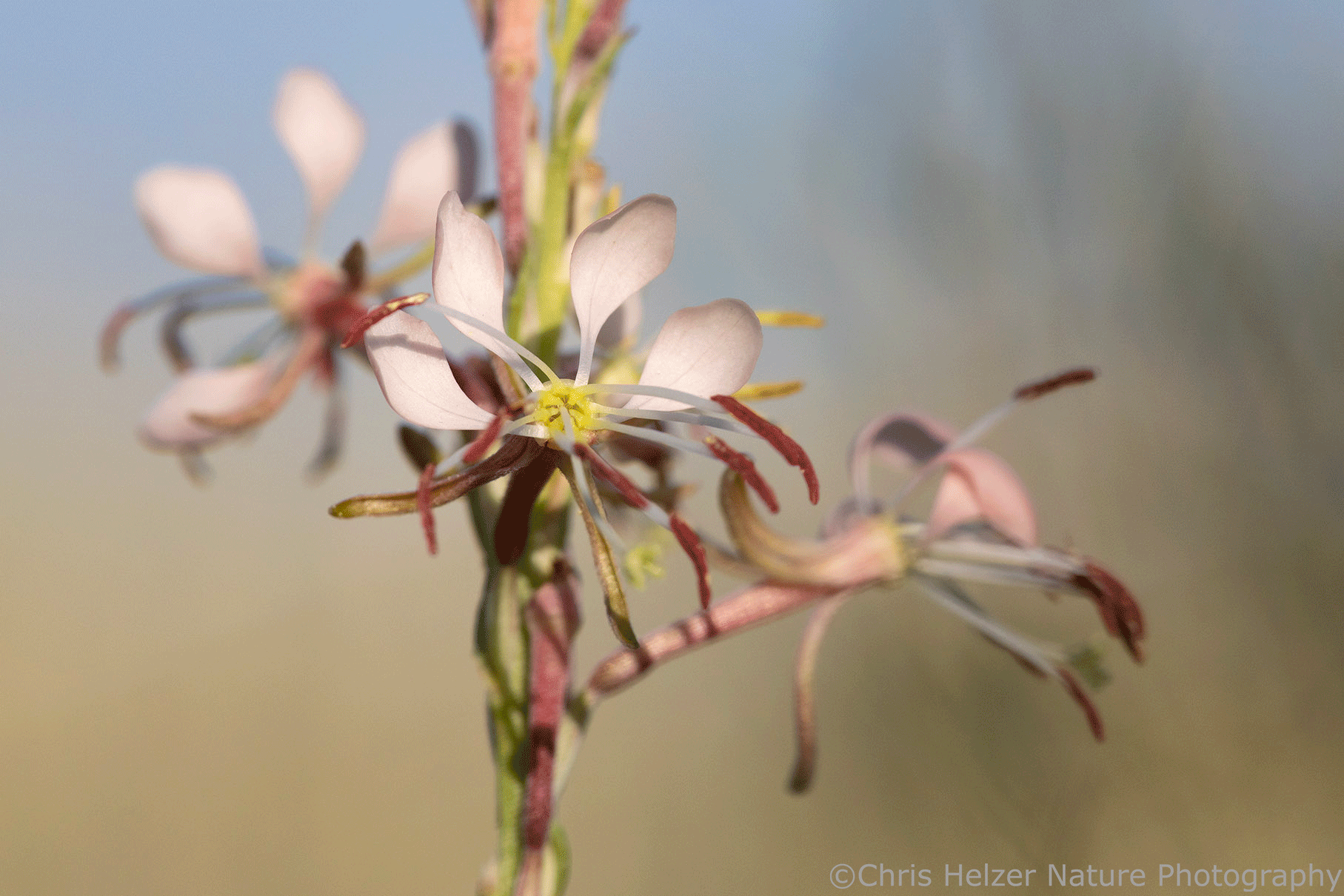
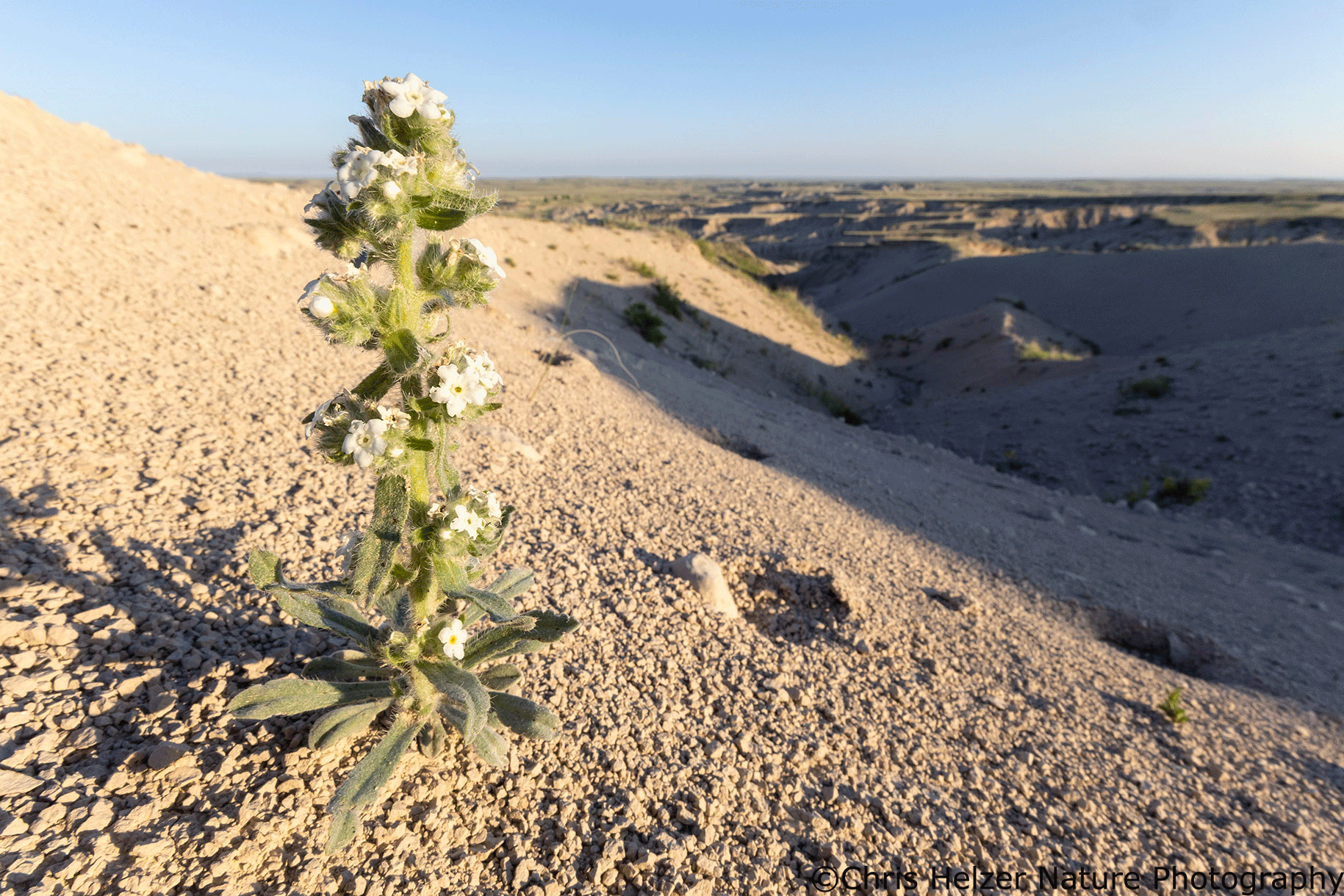
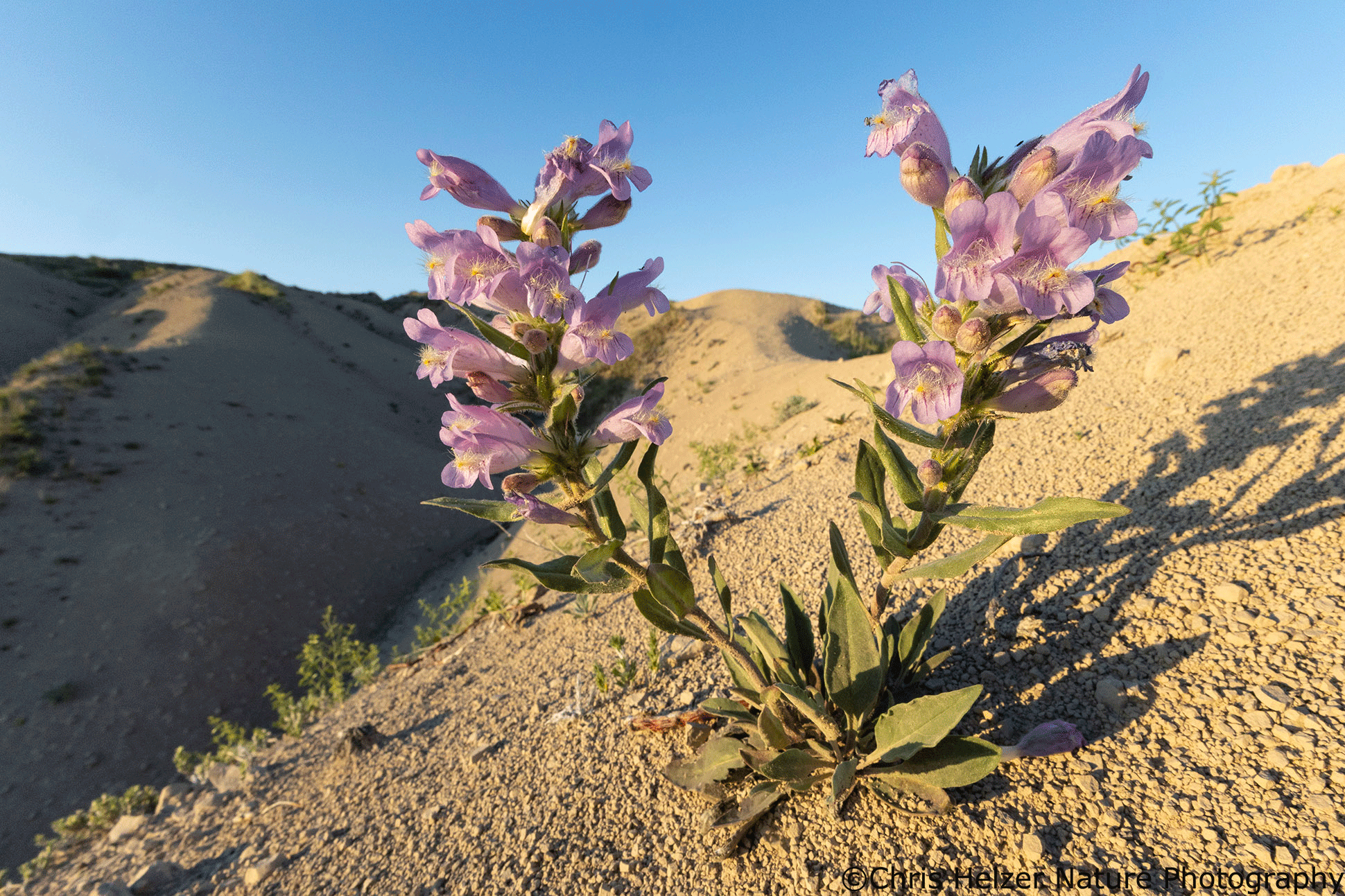
During the trip, I spent more hours walking with my camera than driving, but it was close. That’s ok. The driving was also nice – I saw great scenery through the Sandhills and I got through several audiobooks. I arrived home exhausted but refreshed. That’s a weird combination, but not an unpleasant one.
If you’ve not spent much time in the Nebraska Panhandle, I highly recommend it. The Pine Ridge, Wildcat Hills, and Ogalala National Grasslands are all fantastic landscapes to explore. You can find cabins and hotels close to swimming pools and museums, if that’s your bag, but you can also sleep on the ground (or in your Subaru Outback) in happy isolation.
This is starting to sound like either a Subaru ad or a Nebraska Tourism Board brochure. I don’t mean it to be either. It’s just a promotion (unpaid and unsolicited) for the amazing western landscapes of the Nebraska panhandle.
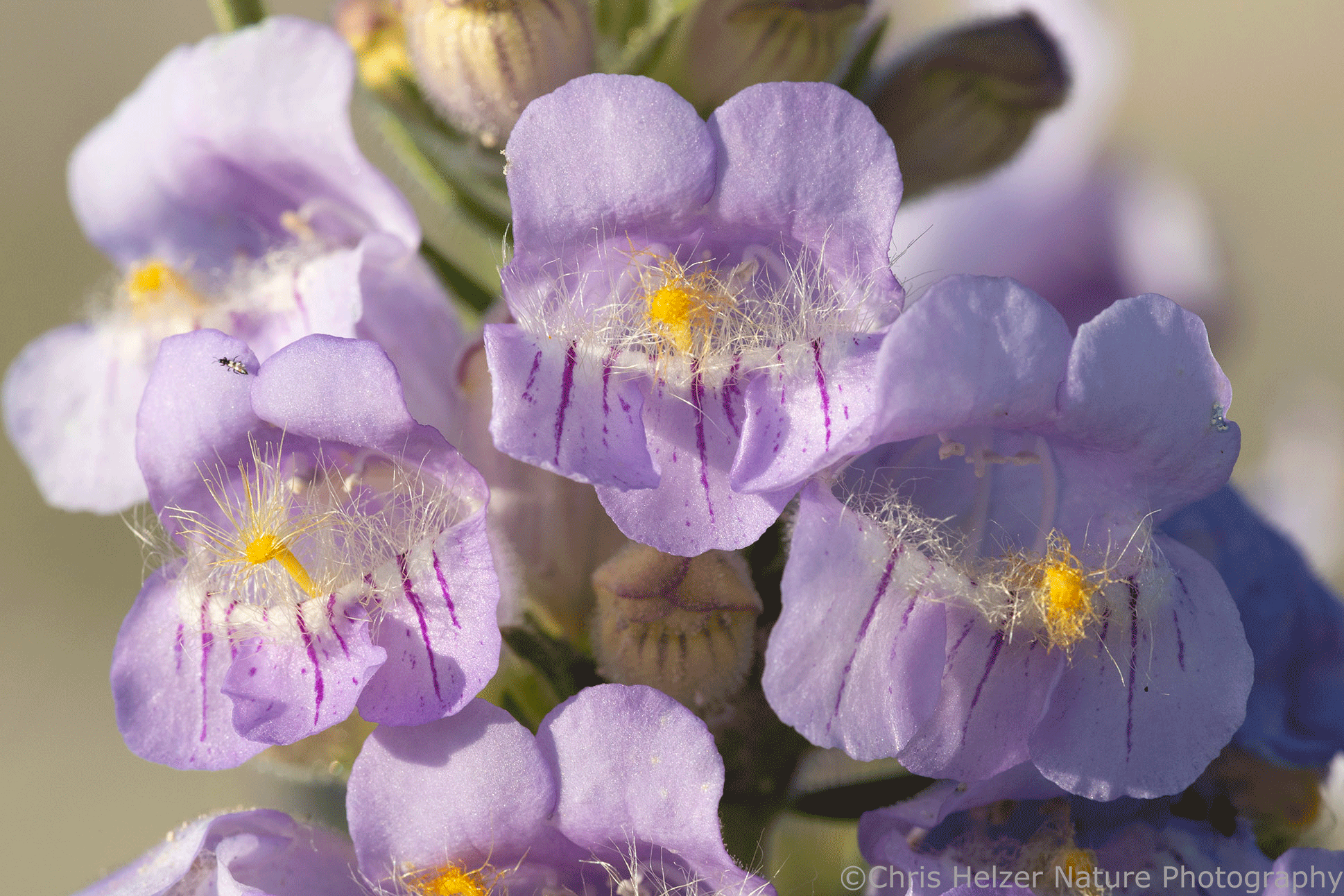
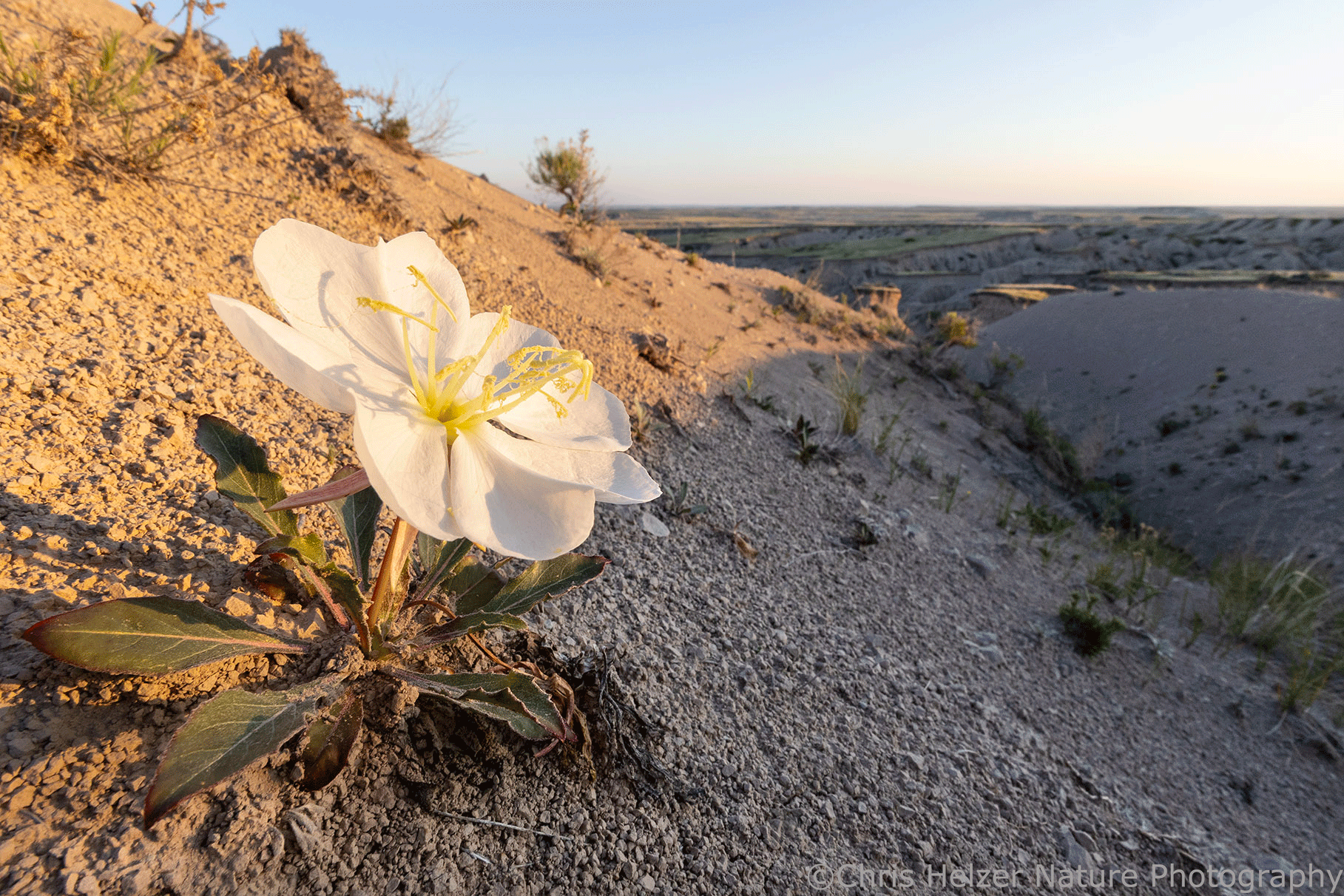
If I’ve caught your interest, late May is a terrific time to visit the panhandle. Temperatures are still cool and I didn’t have any problems with mosquitos. It can get dry and crispy in that part of the world, but those conditions usually increase as the summer goes on, so visiting early gives you a good chance for great wildflowers.
This year, the early drought meant the abundance of flowers wasn’t as good as I’ve seen in other years, but there was still plenty of color and action to enjoy. Apart from wildflowers and the insects hanging around on them, I saw pronghorn, white-tailed jackrabbits, lots of grassland birds, lizards, box turtles, and much more during my trip out and back.
Many tourism sites and activities in the panhandle open around Memorial Day. That means there are more things to do after the holiday, but also more people. Even post-Memorial Day, though, I felt alone in the prairie during my trip.
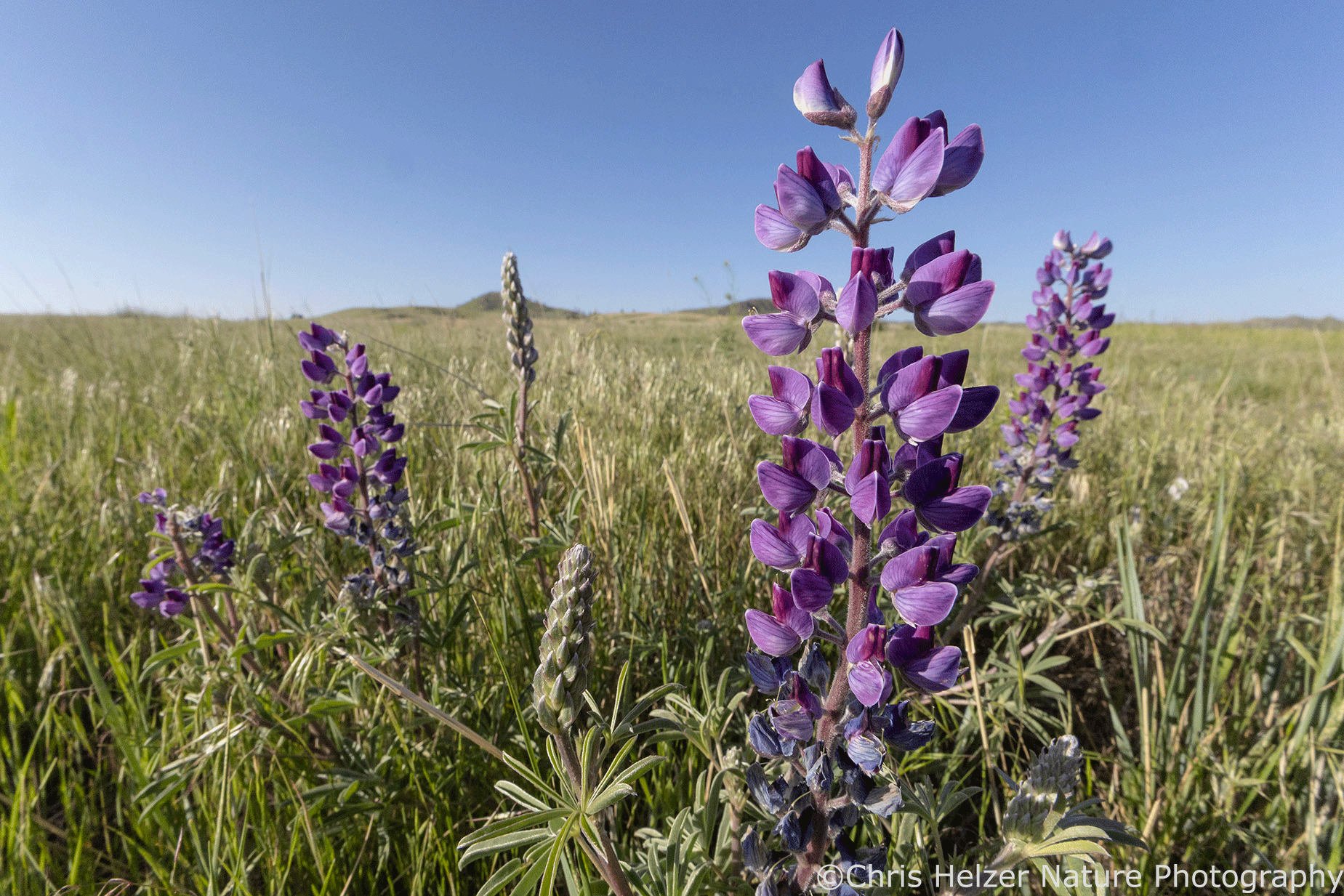
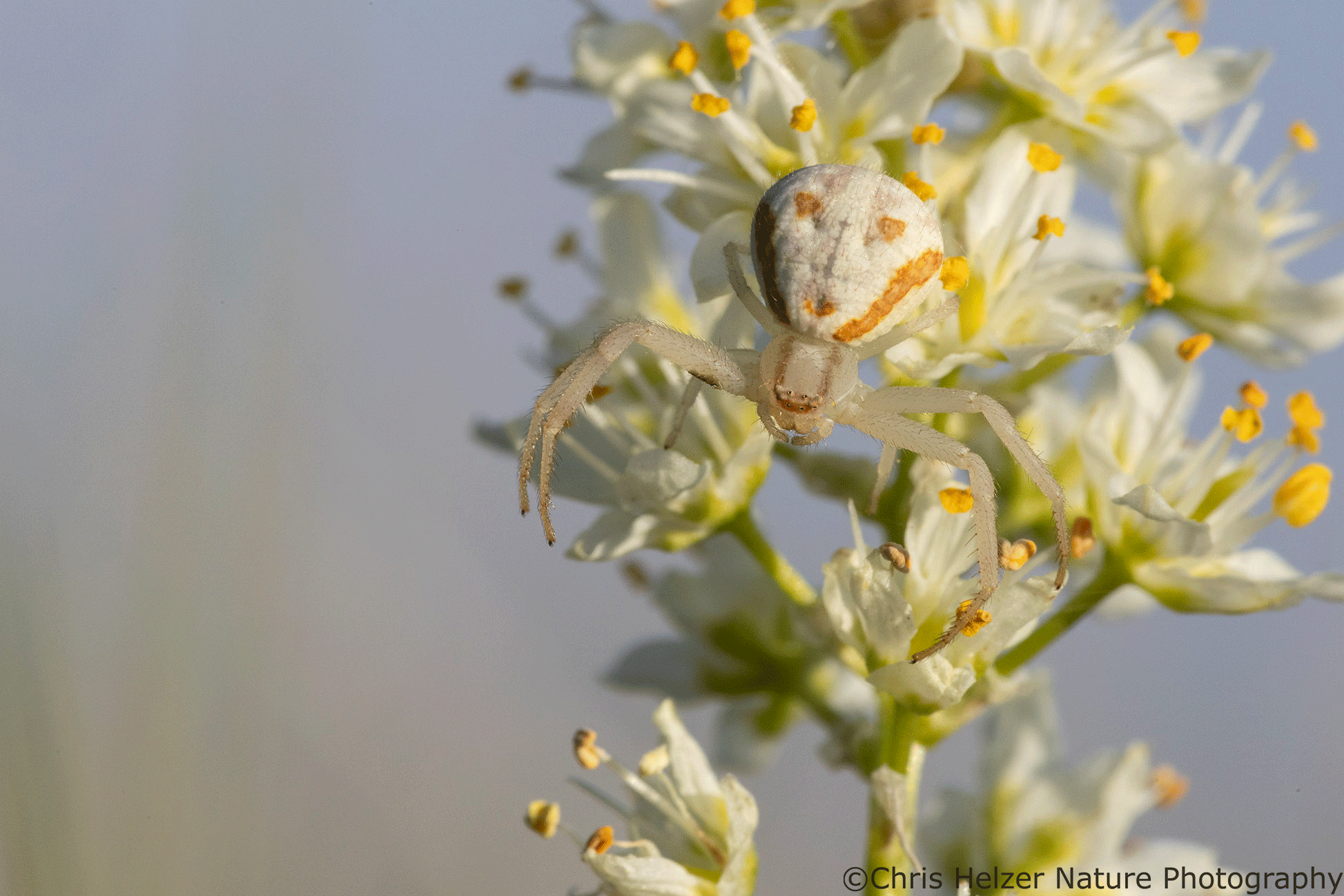
As always, the prairie rejuvenated me. I hope, wherever you are, you’ve got some prairie you can explore as well.


 The Prairie Ecologist