Unknown's avatar

About Chris Helzer

Chris Helzer is Director of Science and Stewardship for The Nature Conservancy in Nebraska, where he conducts research and supervises the Conservancy’s preserve stewardship program. He also helps develop, test, and share prairie management and restoration strategies. Chris is also dedicated to raising awareness about the value of prairies through his photography, writing and presentations. He is the author of The Prairie Ecologist blog, and two books: The Ecology and Management of Prairies and Hidden Prairie: Photographing Life in One Square Meter. He is also a frequent contributor to NEBRASKAland magazine and other publications. Chris and his family live in Aurora, Nebraska.

Photos of the Week – November 14, 2025

I mean, you knew this was coming, right? If you’re on any social media platforms, you’ve already seen enough northern lights photos this week to last a lifetime. Well, guess what? I took some too. Then I waited until everyone was already saturated with images from other sources before dumping mine out there into the world. It’s a terrible marketing strategy.

So, feel free to ignore this post and move on to more important things in your life. You know, things like deciding whether that white powdery substance on the bread is mold or flour. No one knows. It’s impossible to know.

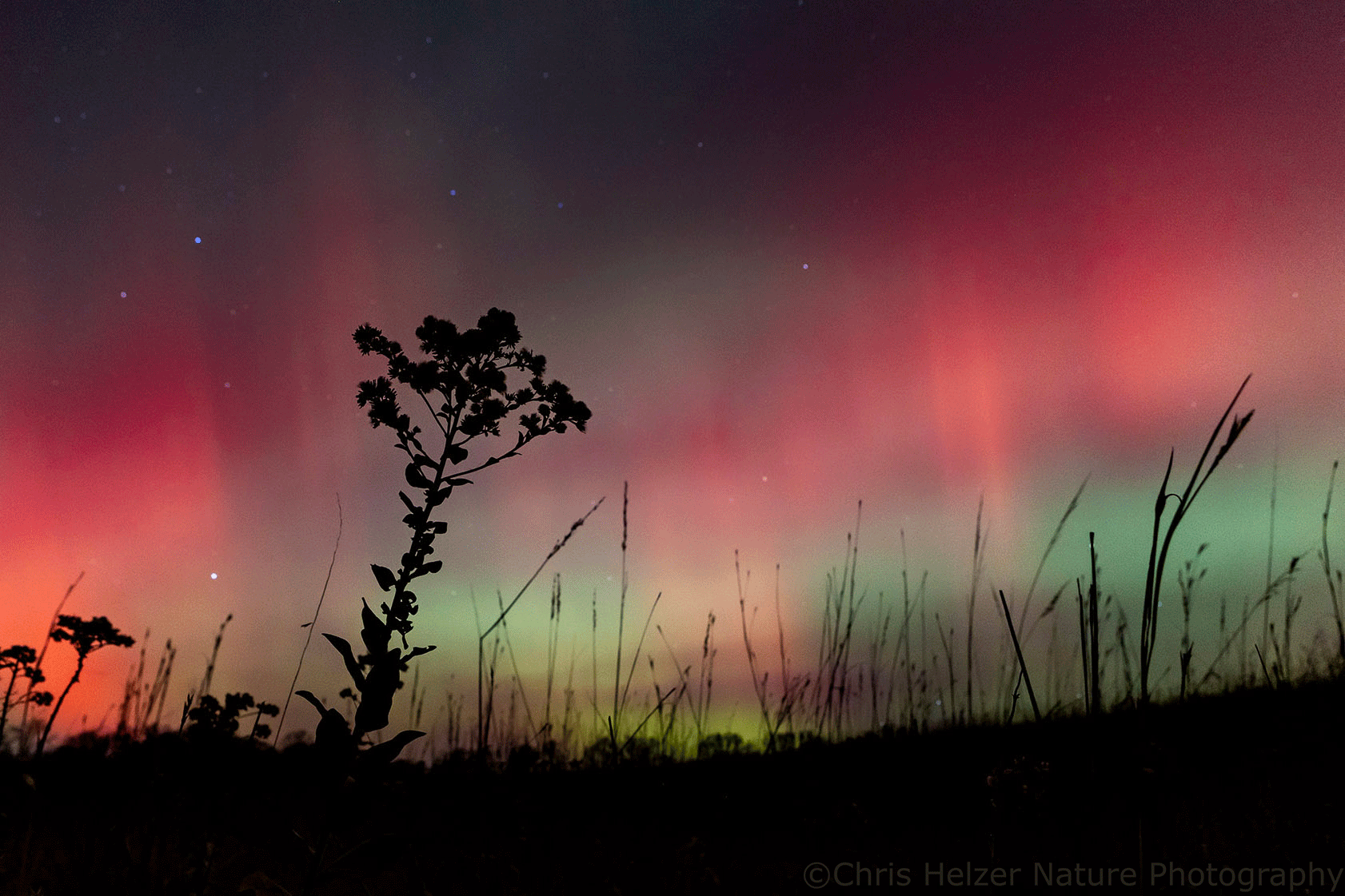
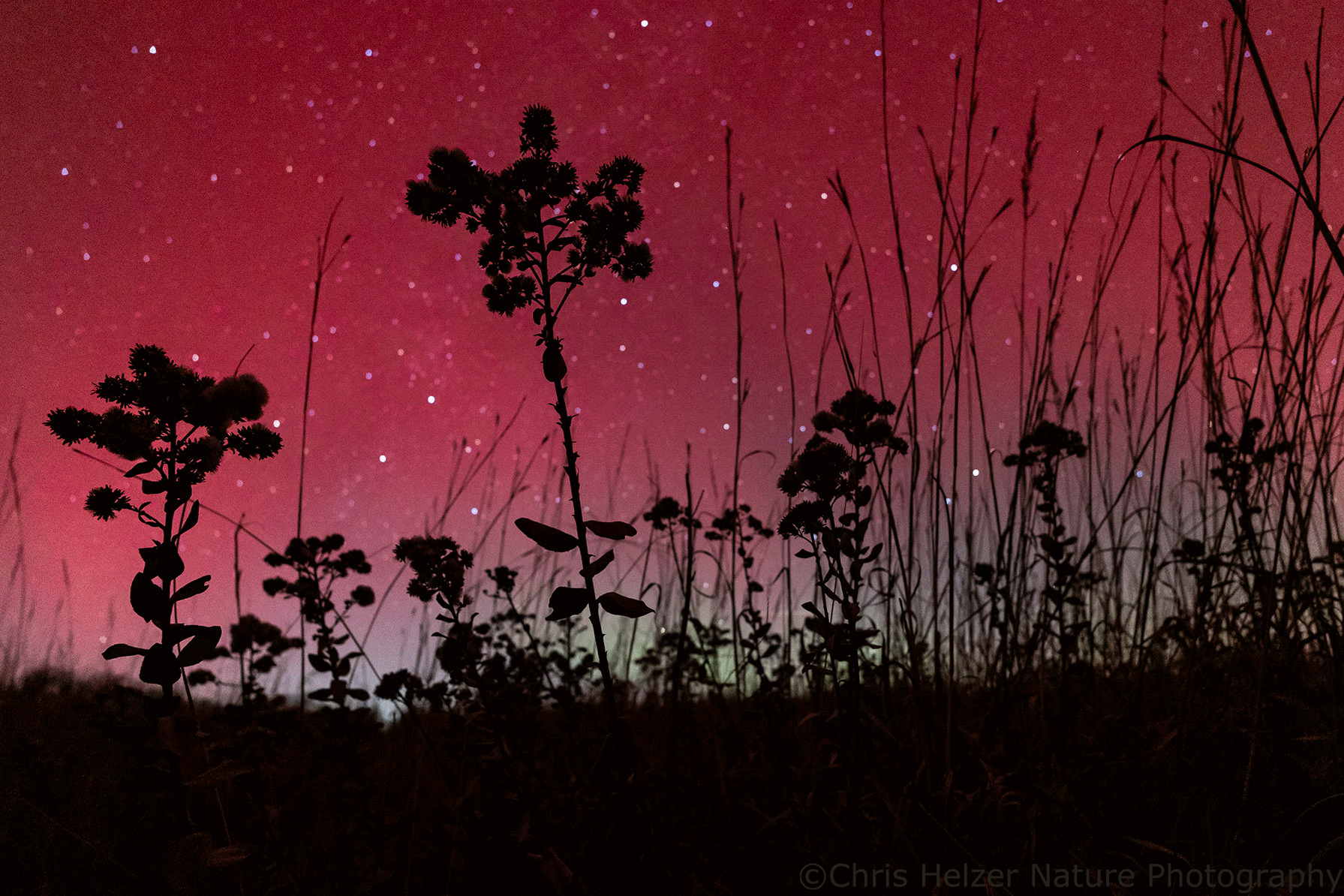
Stiff goldenrod and the Aurora Borealis, just south of Aurora, Nebraska

On the first night of the colorful sky lights (Tuesday), I went down to our family pasture at about 10pm and stayed until midnight. The show got less interesting as the night went on, but it was fun to wander around the prairie in the dark and look for interesting shapes to silhouette in front of the colors.

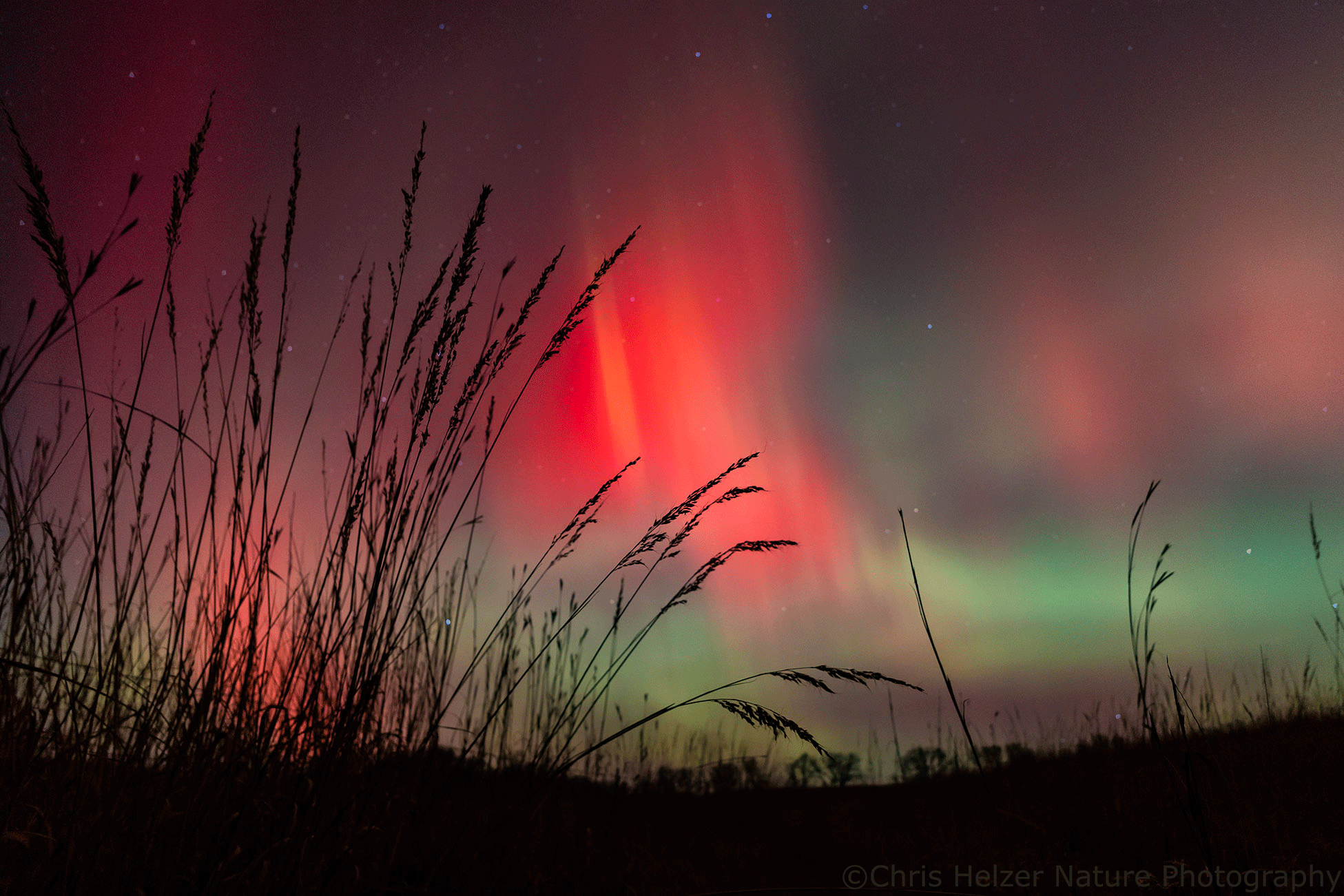
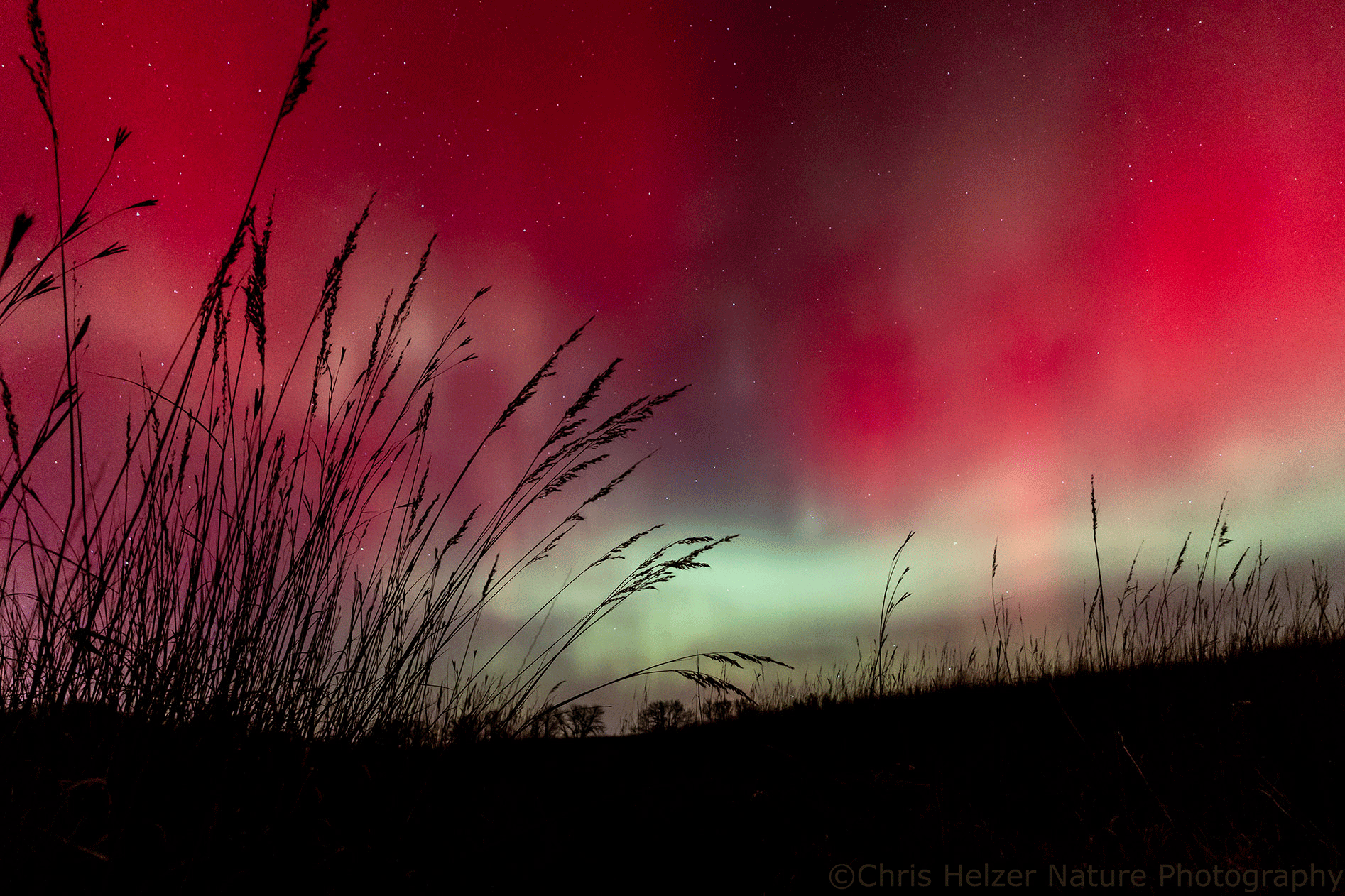
Indiangrass; Landscape format

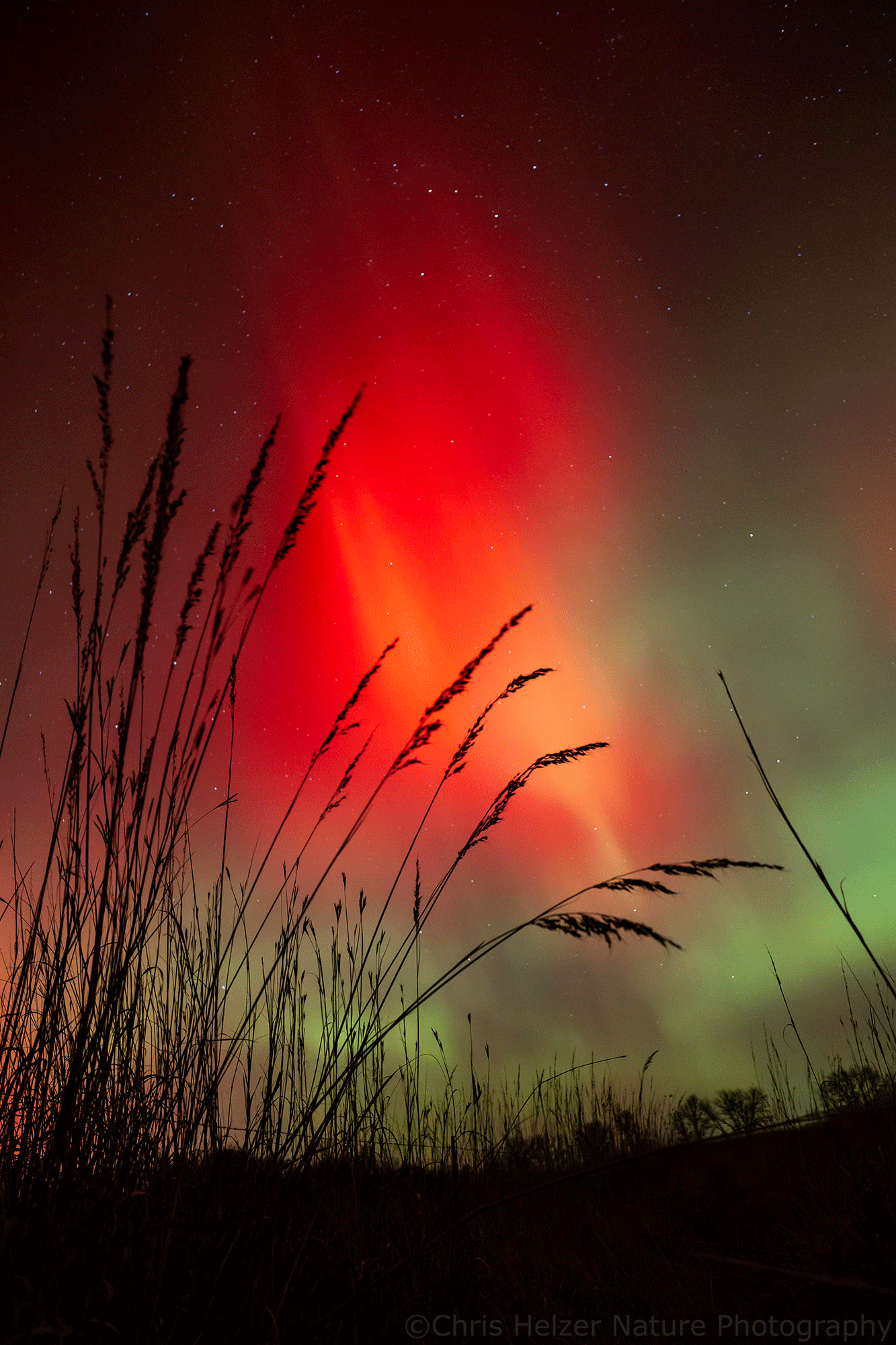
One particular clump (clone) of Indiangrass really caught my eye. I liked it so much I photographed it in both landscape and portrait format and then circled back to it 15 or 20 minutes later and tried again.

The biggest challenge with this kind of silhouette photography was focusing. I had my camera low to the ground and was shining a flashlight on the plants I wanted in focus so I could see them through the camera and manually focus on them. I got it right about 50% of the time, which meant I took a lot of photos I can’t use, but since I anticipated that, I got multiple tries in on each composition and mostly came out ok.

Indiangrass: Portrait format.
Stiff sunflower
Stiff goldenrod again
Indiangrass again

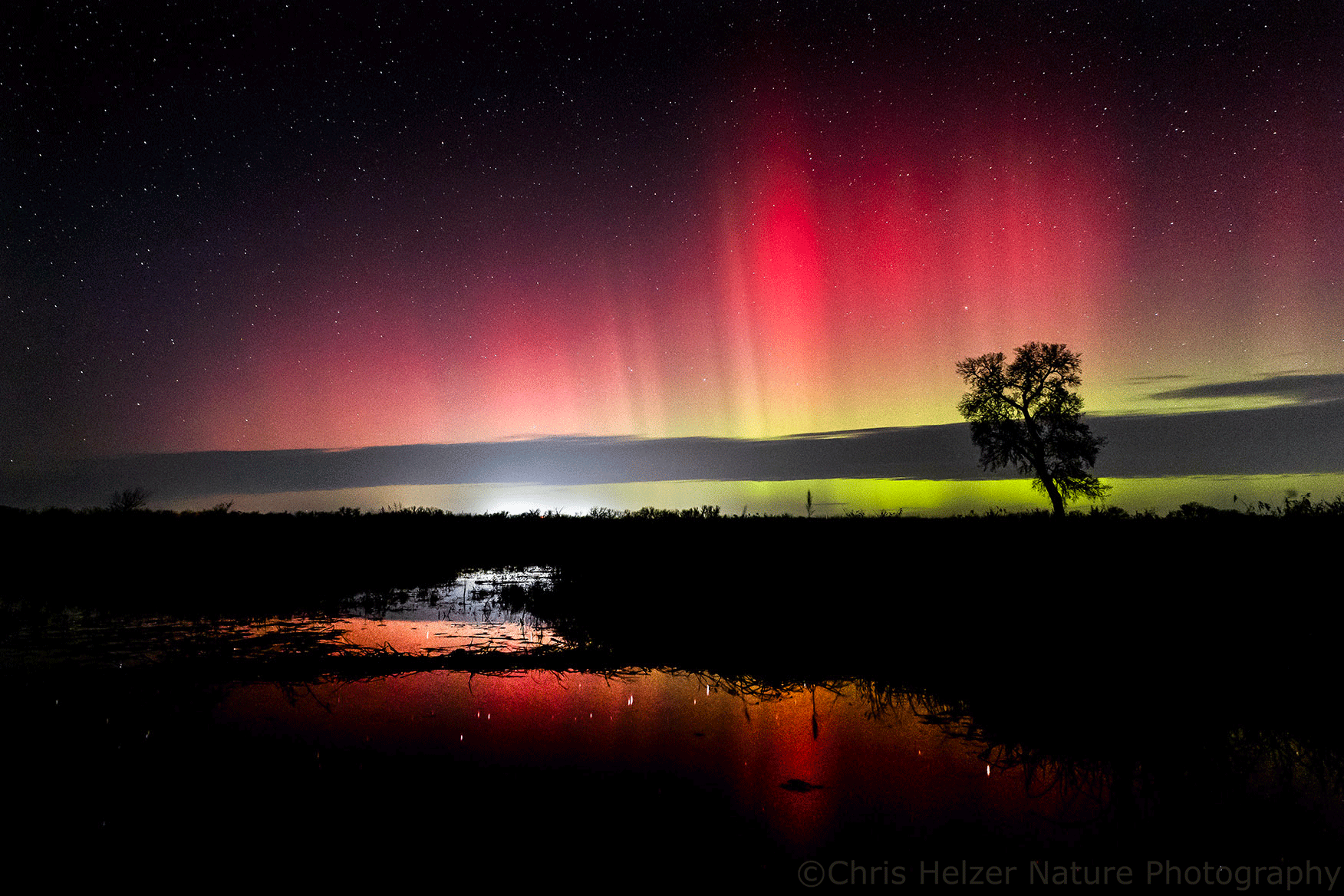
On Wednesday, there were clouds in the area and the forecast for good northern lights visibility was uncertain. I decided to chance it and made a run out to the Platte River Prairies and my favorite restored wetland to see if I could get some reflections in the water. Right when I arrived, the show was terrific, but it didn’t last long.

Beaver pond and eagle tree.

Also, the beavers had done a lot of work since I’d last walked around that wetland. Stumbling about in the dark, I quickly found out that most of my favorite photography spots were under water. I made it work, though I startled several mallards into flight as I blundered through the tall vegetation and shallow ponded water, trying to find good vantage points for photos.

The ol’ eagle tree was a dependable focal point, as always. Of course, no one but me calls it the eagle tree because no one here has been around long enough to remember the bald eagle nest that used to be there.

Plus, of course, the nest wasn’t actually in the tree I’m talking about. It was in the tree right next to it, but during the restoration project (which included tree removal), we left both trees standing so as not to disturb the nest. When the tree with the actual nest fell down (15 years ago?), I kept referring to the other one as the eagle tree anyway. It’s weird that no one else calls it that.

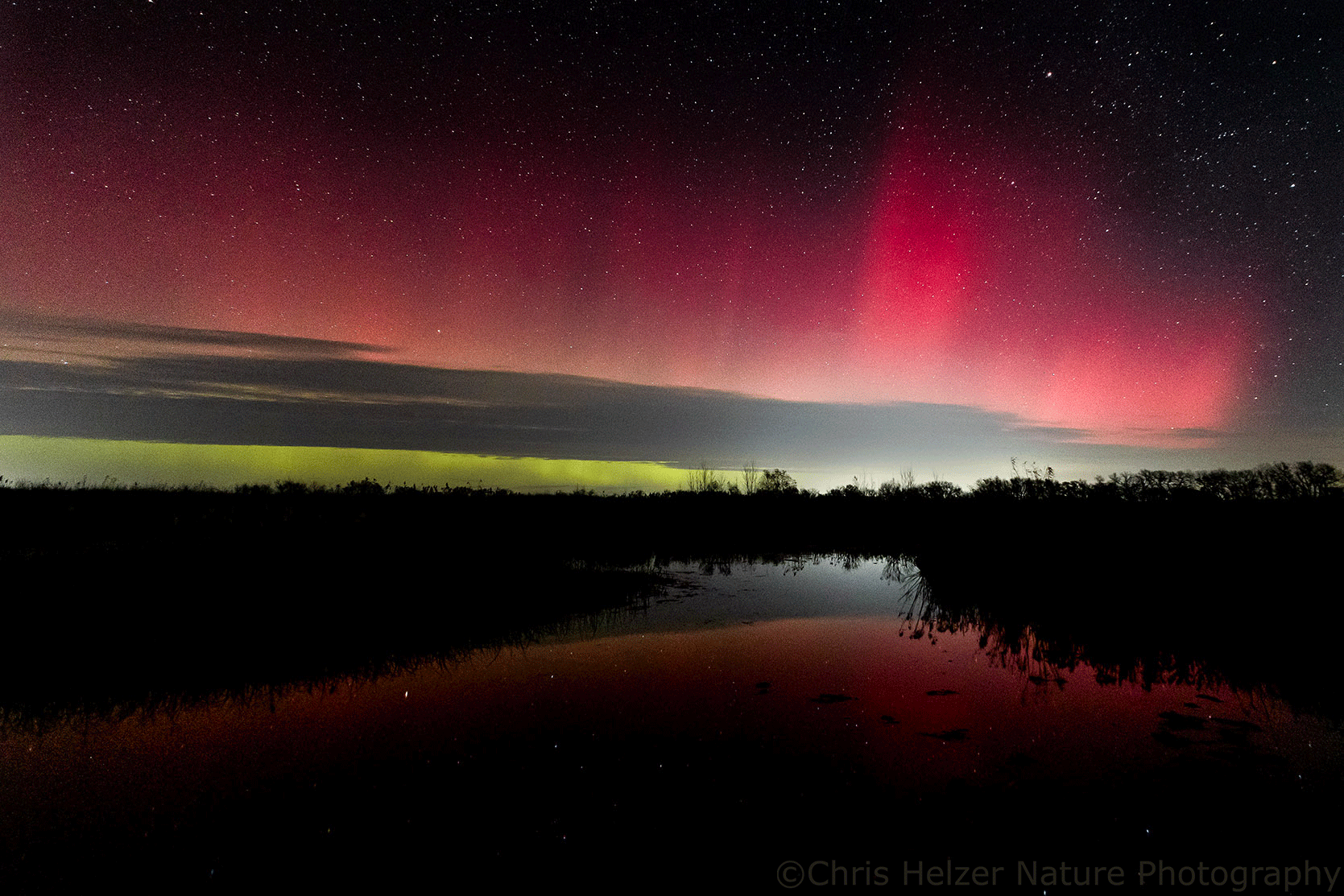
A different part of the same beaver pond. It all seemed like one big beaver pond, actually.

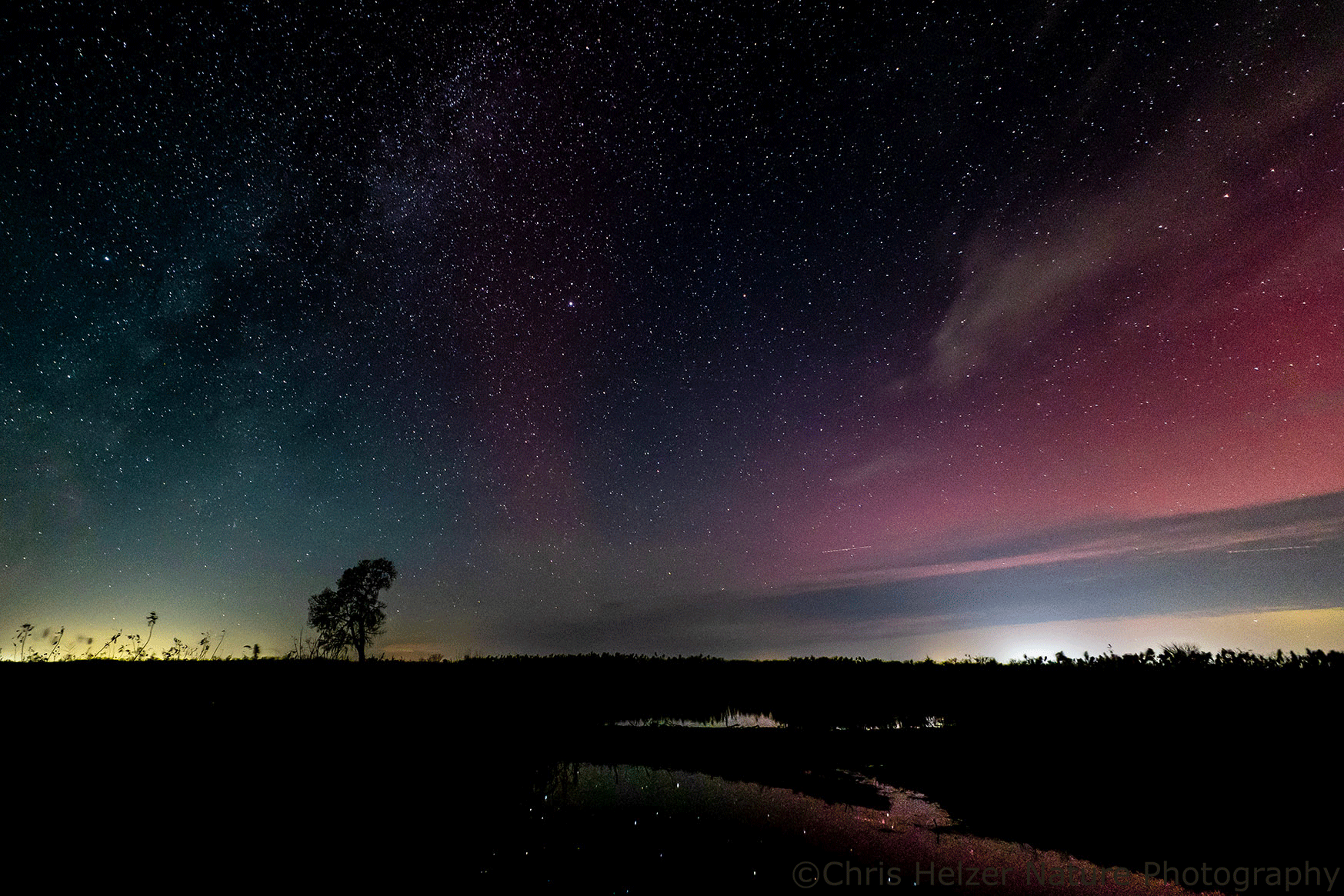
Anyway, I only got 10 or 15 minutes of good northern lights on Wednesday before the clouds spoiled things, but it was still worth the trip. Just listening to owls hoot and ducks grumble while I splashed around in the dark would have been enough, actually. The brief sky spectacular was a really nice bonus.

Fading northern lights, but good stars! (And the glow of two nearby towns in the distance)

It sounds like it might be another decade or more before we get a similar show, especially this far south. I hope you got your fill of northern lights photos, if not the opportunity to see them in person.

Photos of the Week – October 31, 2025

I got my first frost photography morning of the season yesterday. I’d been watching the forecast and had blocked out a couple hours on my calendar to make sure I had time to get out enjoy it. I woke up early and drove out to our family prairie well before sunrise.

I’m glad I got there early because there was a terrific explosion of color in the sky before the sun came up. I scrambled around trying to find plants to silhouette against the pink and orange clouds.

Big bluestem (Andropogon gerardii) and sunrise clouds.
Indiangrass (Sorghastrum nutans) and sunrise clouds.
Stiff goldenrod (Solidago rigida) with the same sunrise clouds.

As the sun started to rise, I walked uphill to catch the first light and then worked back down the hill, following the edge of light and trying to photograph frost as it was first hit by the sun but before it started to melt.

Curlycup gumweed (Grindelia squarrosa)
Stiff goldenrod seed. This might be my favorite of the morning.

Sideoats grama is always a favorite subject of mine and frost only amplifies my enthusiasm. I didn’t see a lot of it (I was in the wrong part of the prairie) but had fun playing with one particularly attractive example.

Sideoats grama (Bouteloua curtipendula).
Sideoats grama, but closer.
Roughleaf dogwood (Cornus drummundii).
Stiff goldenrod leaves.

I think I take basically the same photo of dotted gayfeather seeds every year. I can’t help it – it’s such a great plant to play with in different lighting. So, here’s this year’s version:

Dotted gayfeather (Liatris punctata) seeds.
Big bluestem.
Wild licorice (Glycyrrhiza lepidota) leaf.
Coralberry (Symphoricarpus orbiculatus).
Stiff goldenrod seed head.
Stiff goldenrod.

False boneset is a great plant for frosty mornings because there is so much surface area on the seed heads to hold frost crystals. By the time I found some plants, the sun was getting pretty high and I had to work quickly before all the frost melted away.

False boneset seed heads (Brickellia eupatoria).
False boneset again.

Frost is fun anytime, but the first couple frosts of the season are usually my favorites because plants are still holding on to a lot of their seeds and leaves. An early frost that hits while wildflowers still have blossoms is incredible for photography, too, though not so great for the plants themselves. This year, I only found a couple gumweed flowers that still had petals. Everything else had already gone to seed.

Regardless of the photography, it felt good to bundle up and venture out into cold weather. That experience will get old before spring, but for now, it felt refreshing and new. Now we wait for snow…