Yesterday morning, I got up at 5am and drove out to one of our Platte River prairies. Surrounded by lingering stars, I crouched low, carrying a heavy load of photo gear and supplies into a riverbank viewing blind so I could spend the next few hours photographing sandhill cranes on their overnight roost. Recent reports from others using the blind had been fantastic, so I was ready for a great morning.
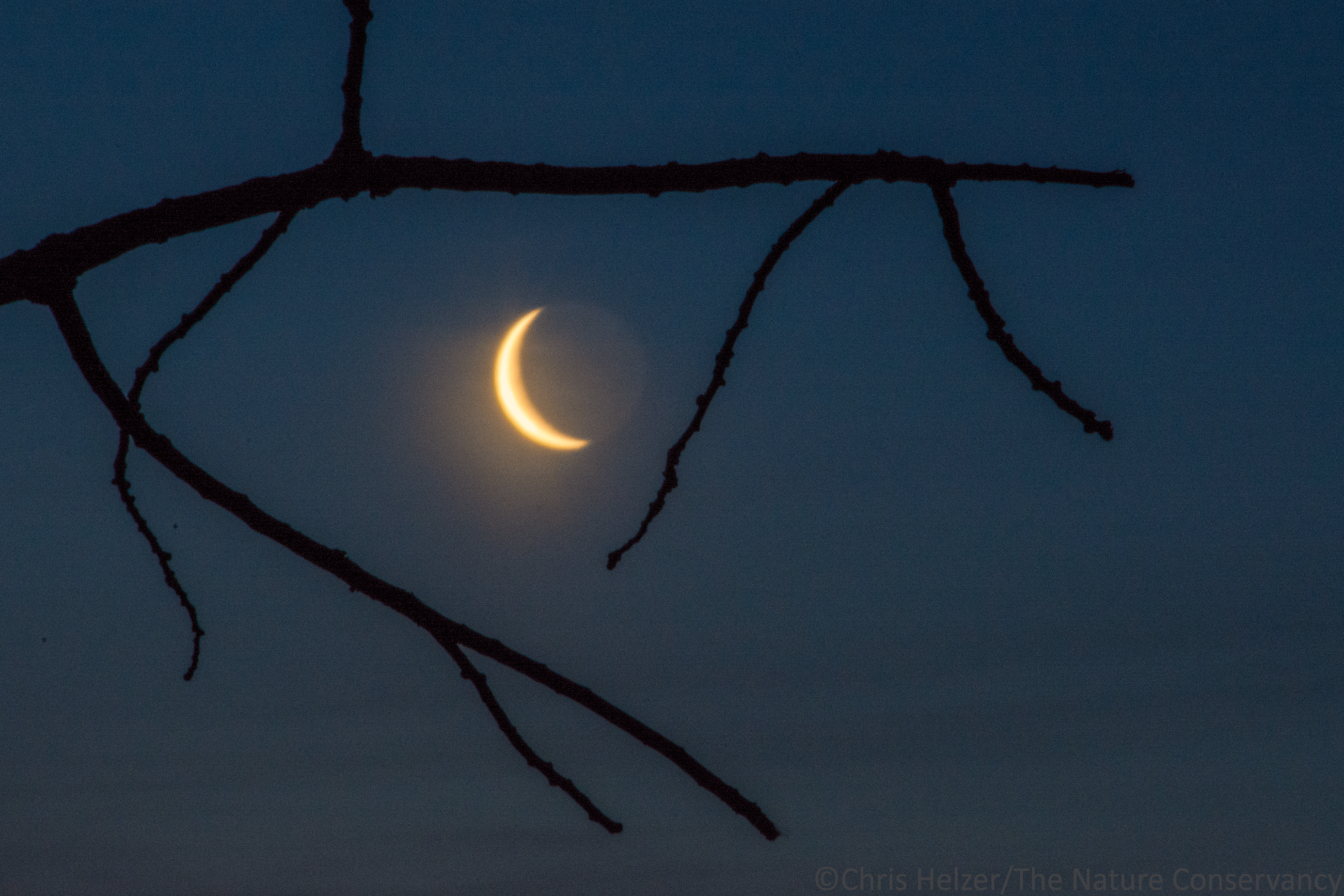
As I’d walked toward the blind in the dark, the landscape had been full of throaty croaks as thousands of cranes started to wake up all along the river. It was clearly going to be a great morning. I very quietly opened the door to the blind and slipped in, moving immediately to the front windows to see how many cranes were awaiting me. I peered through the holes in the burlap and saw a wide stretch of empty river. Not a single crane was in sight.
I scanned upstream and downstream and could see and hear thousands of cranes in both directions, but all were too far away for the kind of photography I was hoping for. Well, now what? I’m very fortunate to have had plenty of other excellent opportunities for crane photography, so this wasn’t a catastrophe, just a mild disappointment. Rather than sit in the blind and fruitlessly aim my camera at distant birds, I decided to instead enjoy a walk around the prairie just to the south.


As I watched the sun rise, I reminisced about how excited I was when I first saw the big sandhill crane migration. Friends and I drove slowly down the gravel roads along the Platte River and stopped to watch and try to photograph big flocks of cranes feeding in fields and meadows. We’d spend ten or fifteen minutes watching a big group and then pull ourselves away so we could drive another half mile and repeat the process with a nearly identical bunch of birds. I still enjoy the annual migration these days, but what I love most is the overall ambience created by the sound and sight of countless cranes milling about overhead as I go about my day.
As the sun rose, so did small groups of cranes, lifting off the river a few at a time to go feed. I tracked their far-off silhouettes as they flew past the rising sun and heard the sound of their wings as many passed directly overhead. I wandered through prairies and wetlands with absolutely no sense of urgency, soaking in the relaxing soundtrack of sandhill crane song. It wasn’t the morning I had planned, but it was turning out just fine.
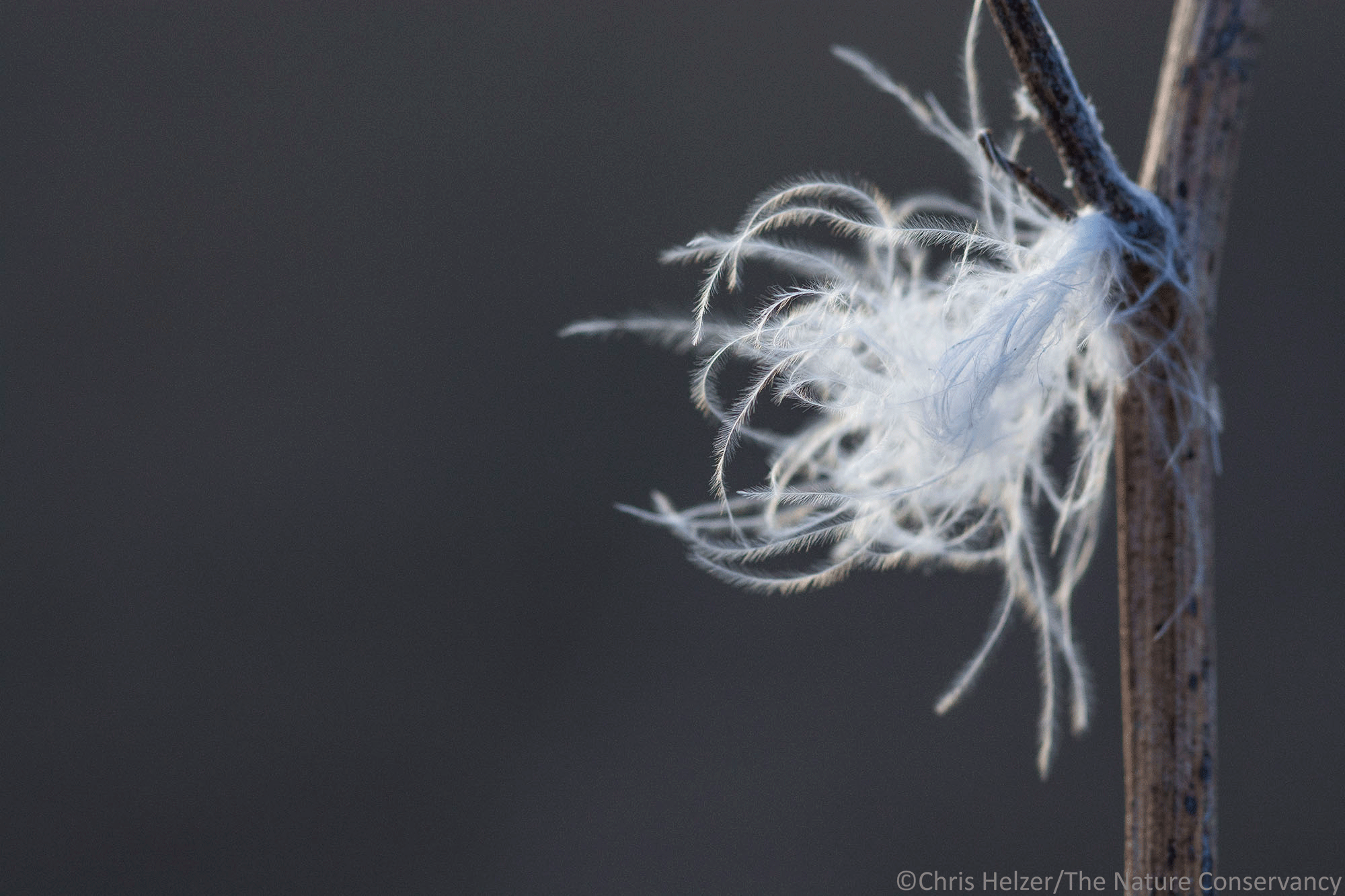
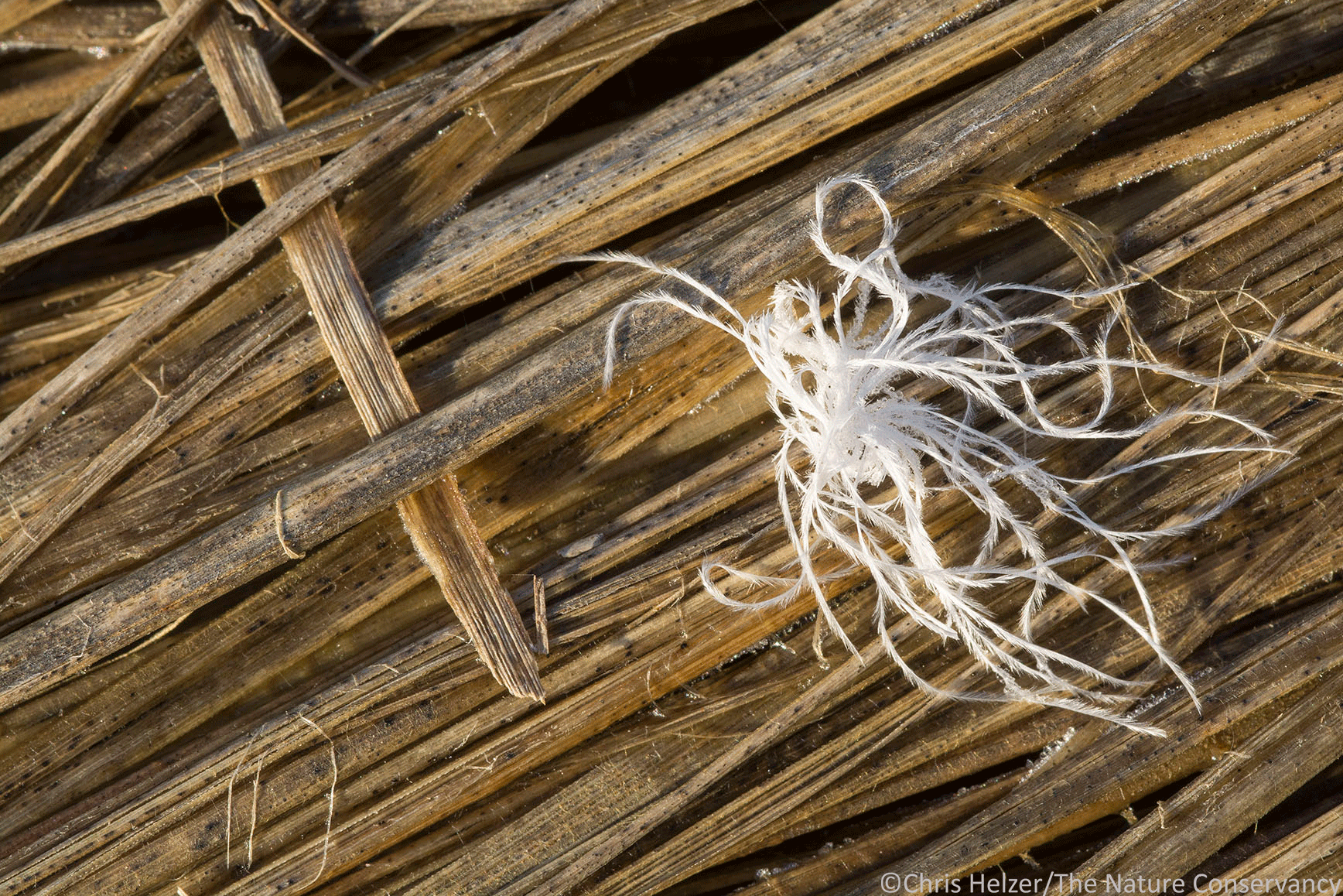
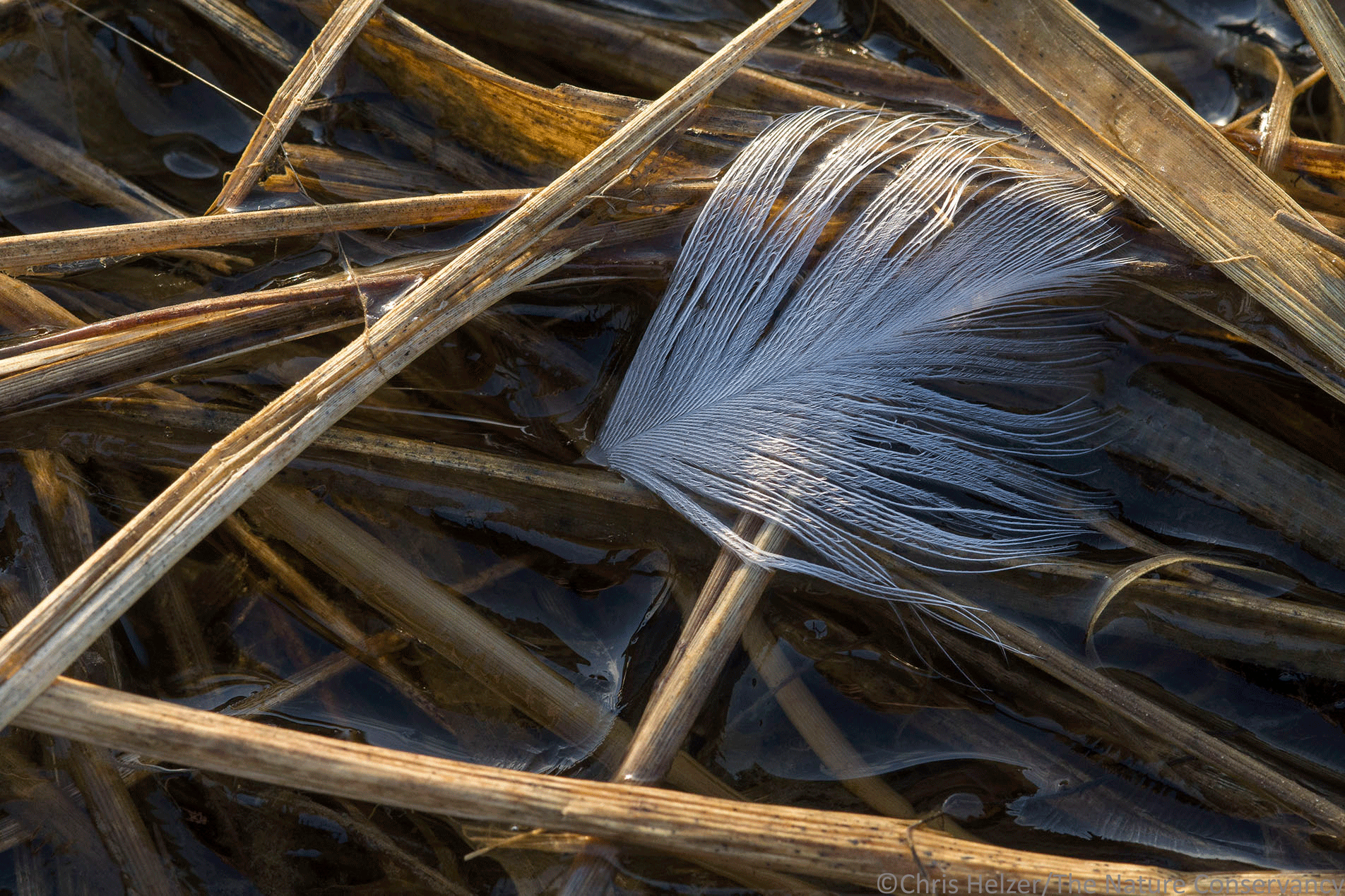
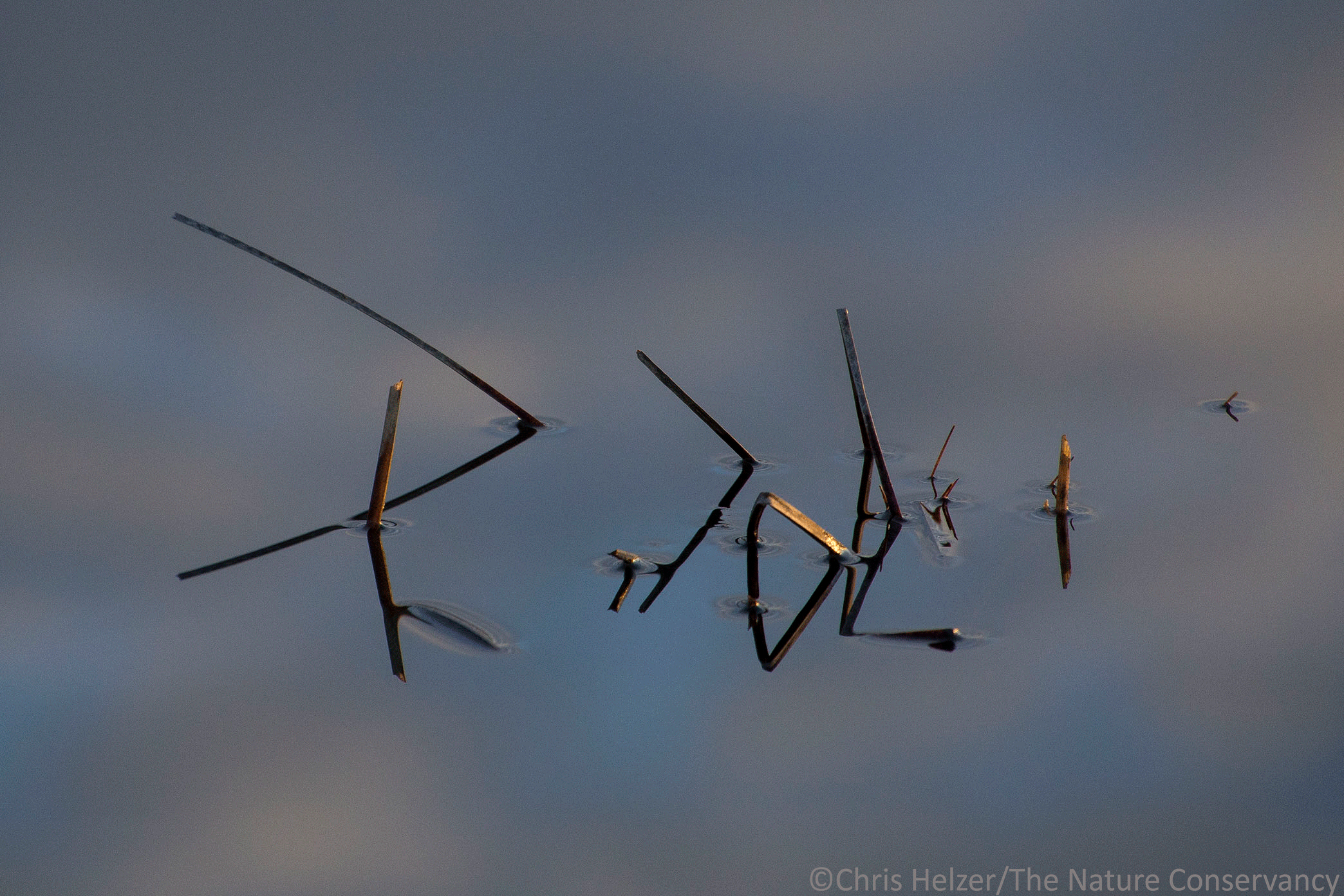
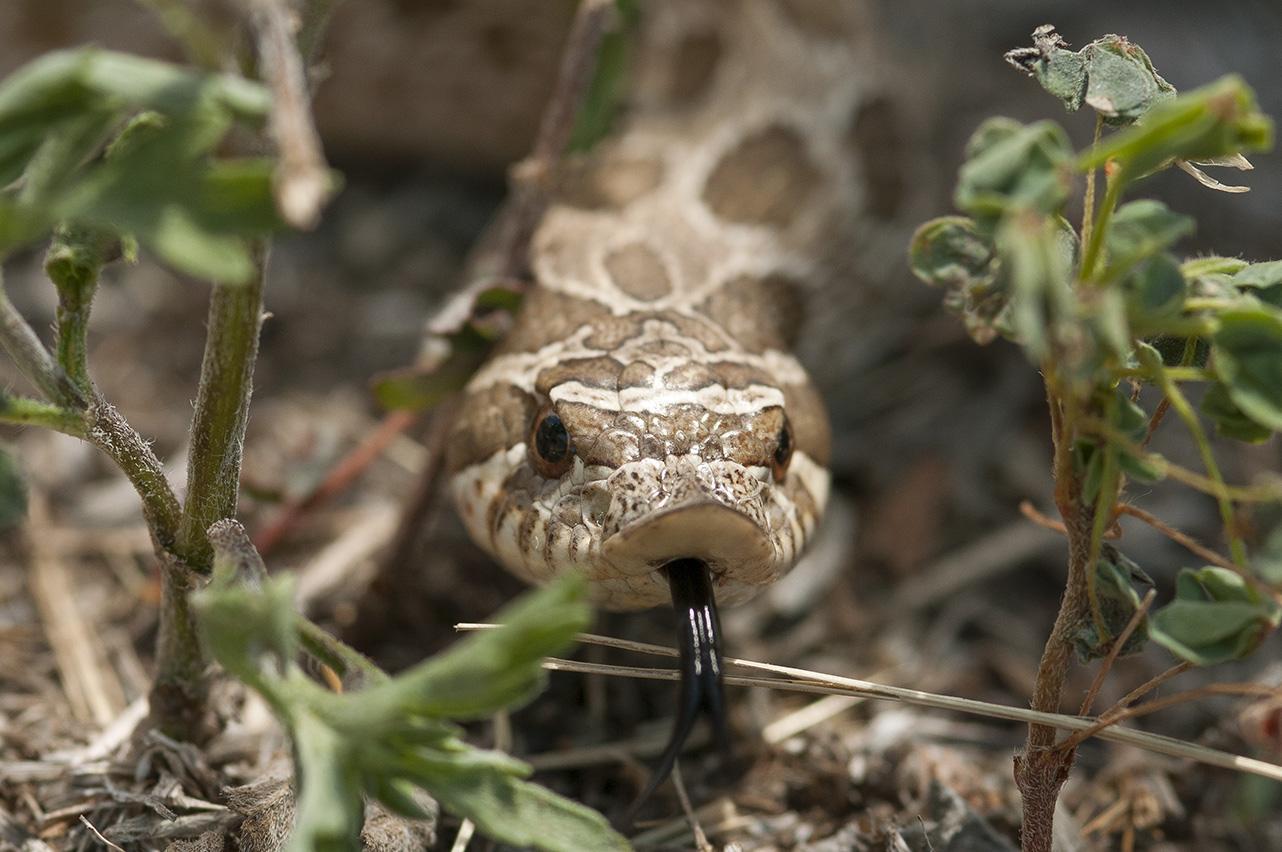
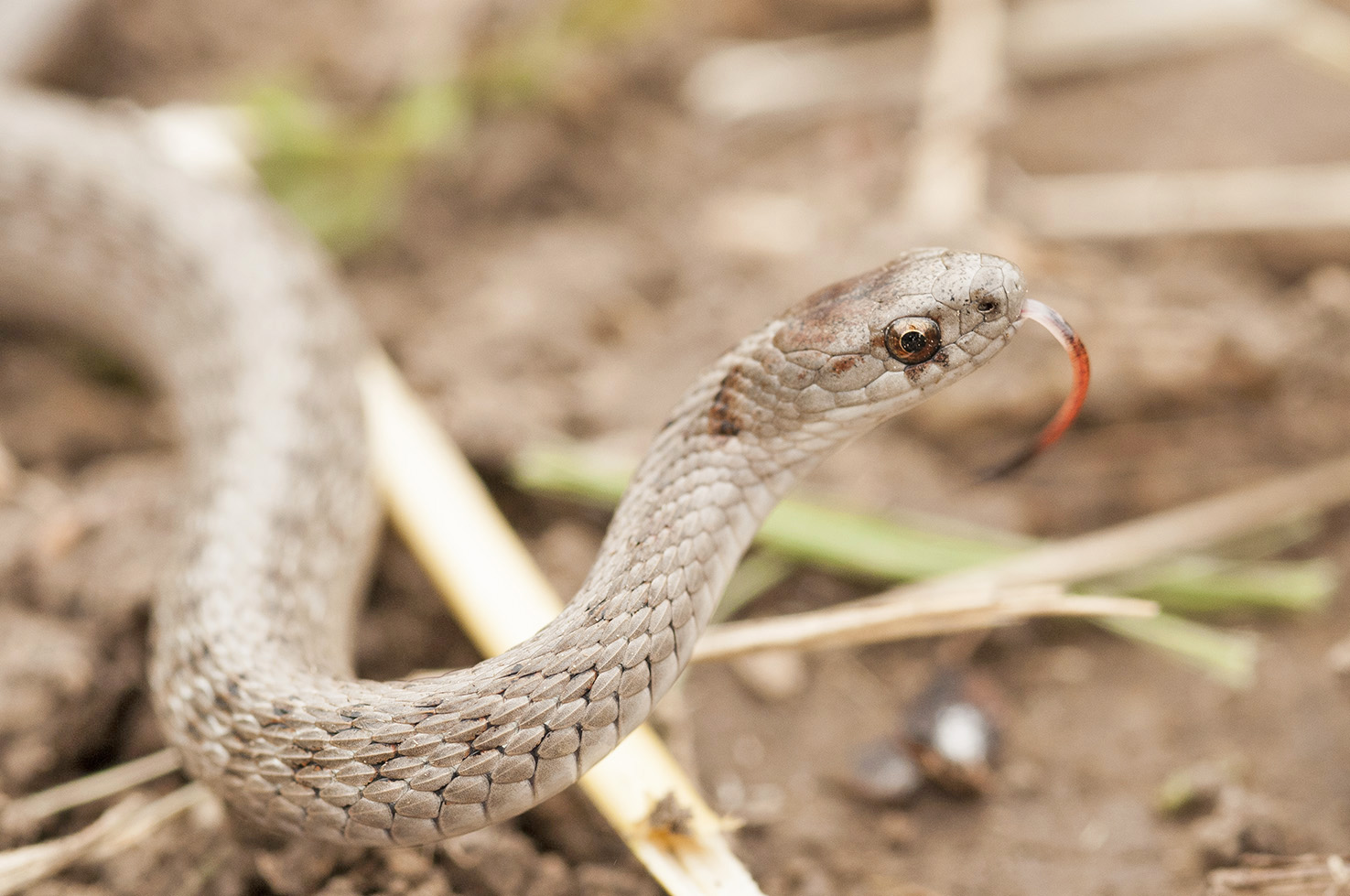
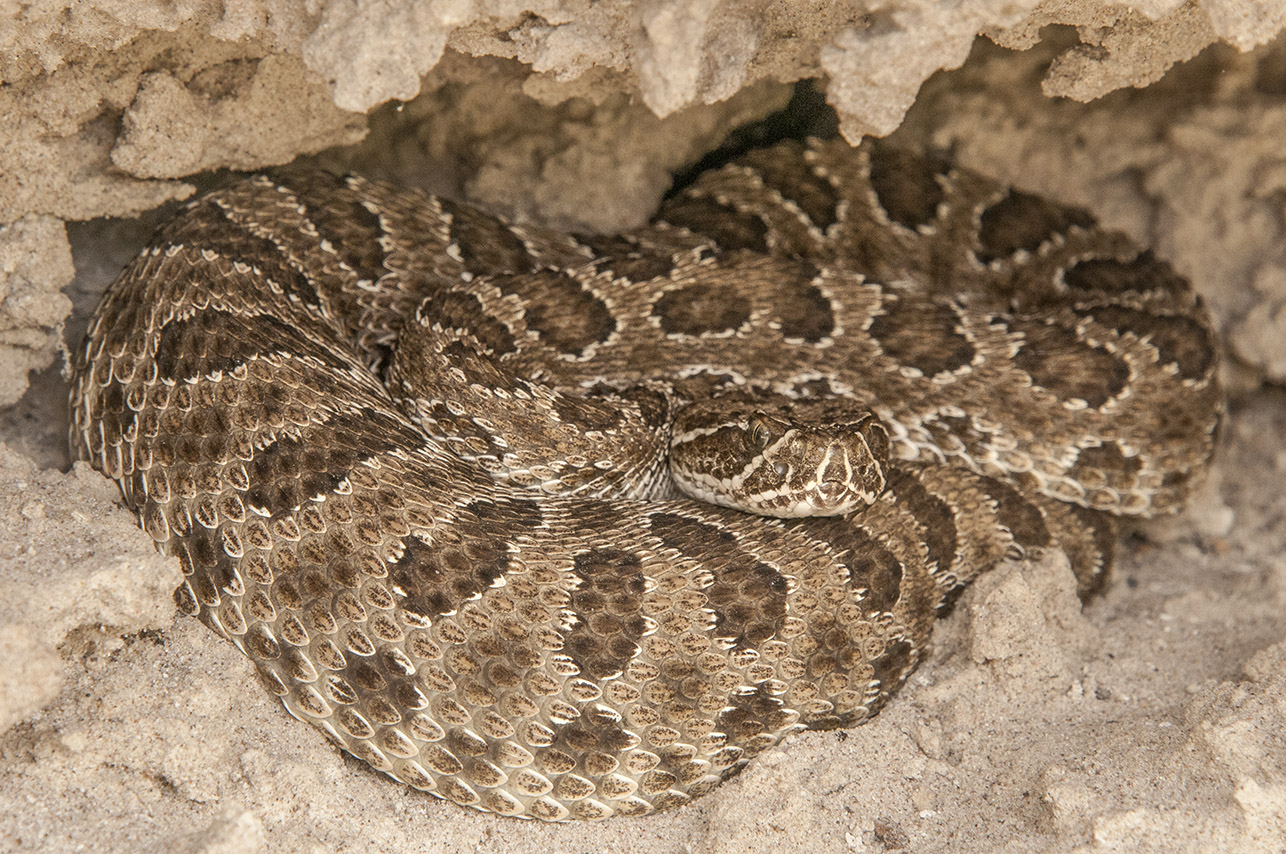
Here are some of the photos from the rest of my walk.