Tuesday morning, we woke up to a glazed and slippery scene. Thick ice coated trees, fences, lawns, and (urgh) windshields. We had a decent-sized branch down in our yard, but felt lucky compared to some of our neighbors with much bigger clean-up jobs. Once we got the kids to school, I sat down at my computer to get some work done – while keeping an eye on the sky outside. The forecast called for some sunshine after lunch and, if that happened, I wanted to take my camera Lincoln Creek Prairie before the ice melted.

At about 9:30 AM, I convinced myself the sky had brightened somewhat and that I should probably at least do a little photography in the yard in case the ice melted before the sun actually did come out. I got a few decent photos in the prairie garden, but I had a hard time finding enough contrast and texture to make me happy. I needed sunshine. I went back to my computer and tried to focus on a couple projects. Finally, at about 11 AM, the clouds started to thin for real and I grabbed my camera and drove (carefully!) across town to the prairie.


When I got to Lincoln Creek Prairie, I had to give myself a quick pep talk. From prior experience, I knew that ice storms like this create so many photo opportunities, it is easy to start acting like a dog when you throw him three pieces of popcorn at once. You know, except with a camera. And photo opportunities. Never mind.
I took a deep breath and started walking slowly along the trail, trying to pick out the most spectacular, or at least interesting, close-up images.
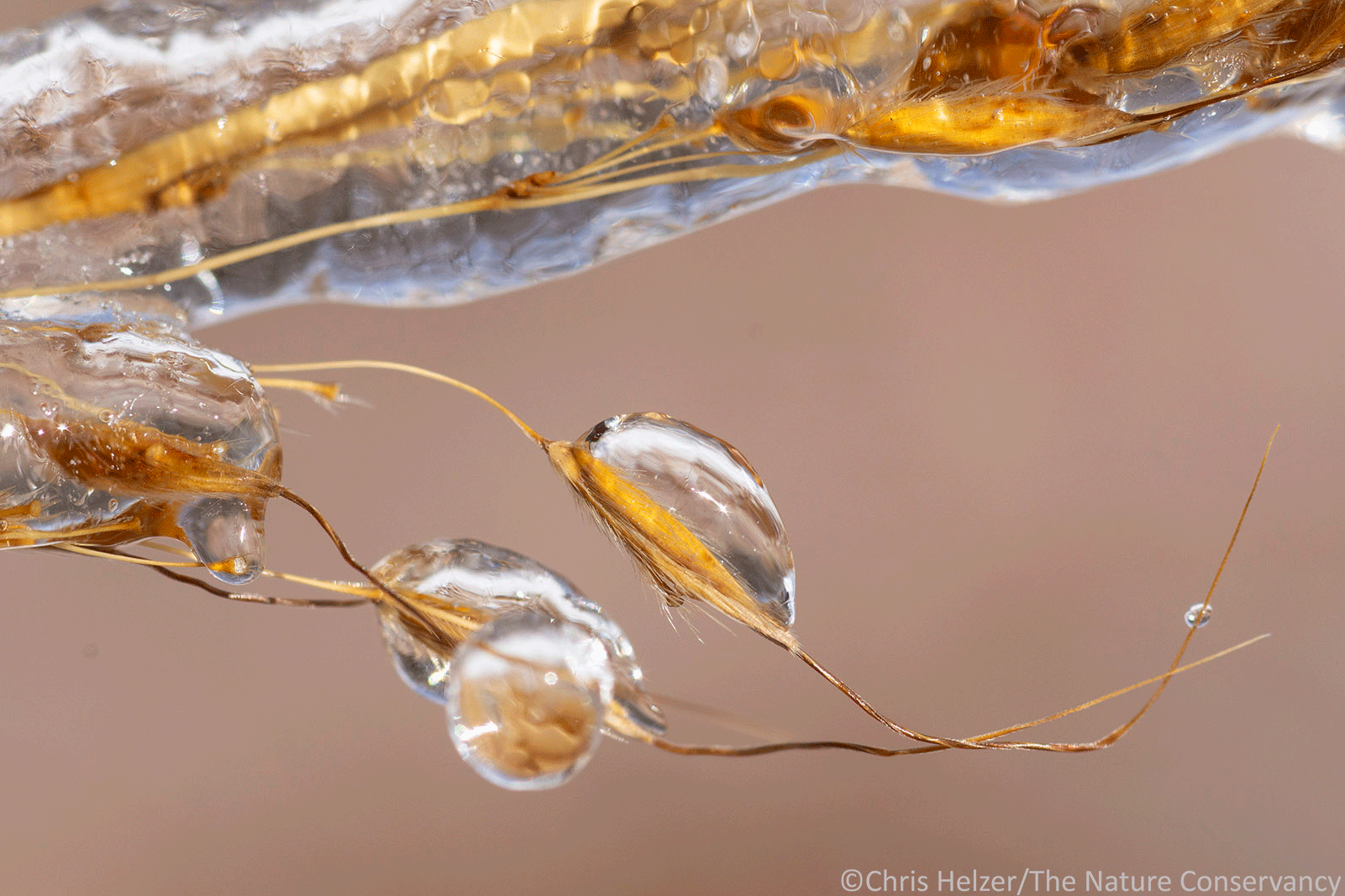
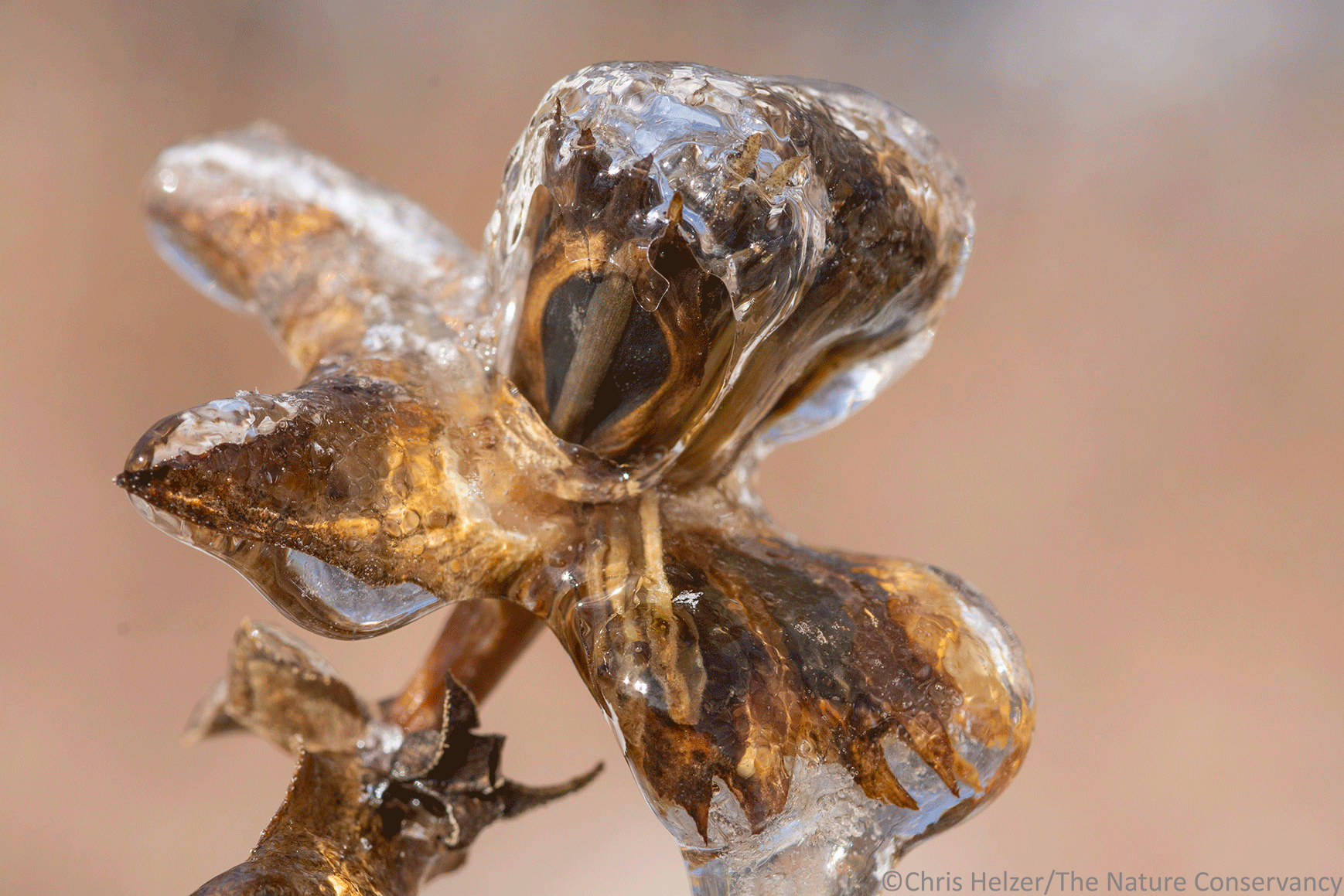

I ended up shooting largely from the mowed trail, which is unusual for me. Normally, I wade into the tall vegetation in search of the best photo subjects. On this particular morning, I quickly discovered that heavy ice makes ‘wading’ a lot trickier. Every step I took started a domino-like cascade of ice-weighted grass stems and all my photo subjects crumpled and fell. Even setting up my tripod became a test of agility as I tried to very gently extend my tripod legs down through the fragile frozen plants without knocking any down. I don’t even want to think about all the great photos I missed because a leg (either mine or the tripod’s) barely bumped ONE STEM and caused an entire patch of plants to fold agonizingly down to the ground.
Once I forced myself to slow down and stay (mostly) on the trail, I had better luck, though I still had to be really careful. I quickly started homing in on seed heads of Indiangrass (Sorghastrum nutans) and switchgrass (Panicum virgatum). Indiangrass was great because it had a nice golden color. Switchgrass was a little less colorful, but had fantastic drooping chandelier-like branches of seeds. Rather than showing you the dozens of Indiangrass and switchgrass photos from my hour or so at the prairie, I tried to narrow them down to a few favorites.

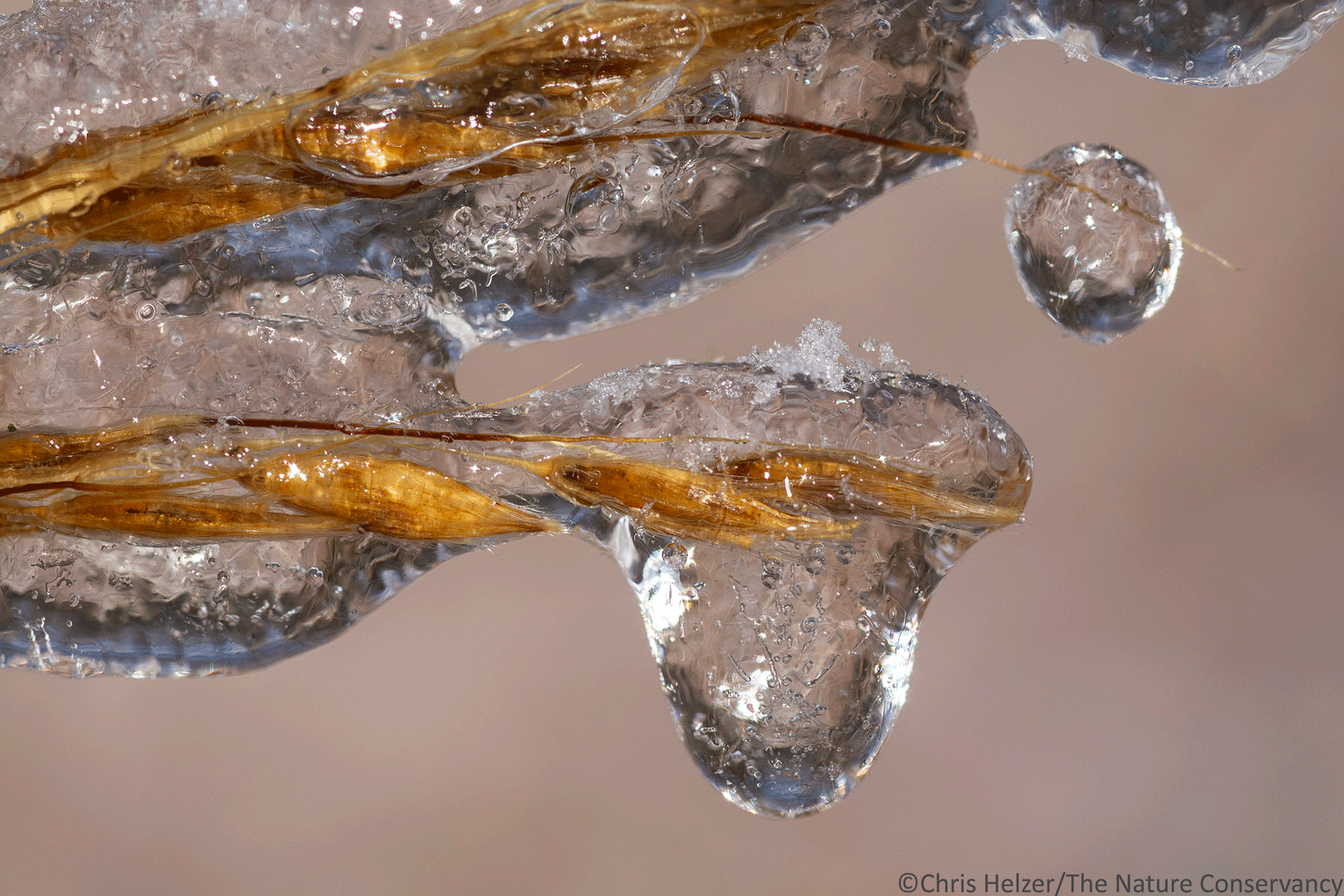

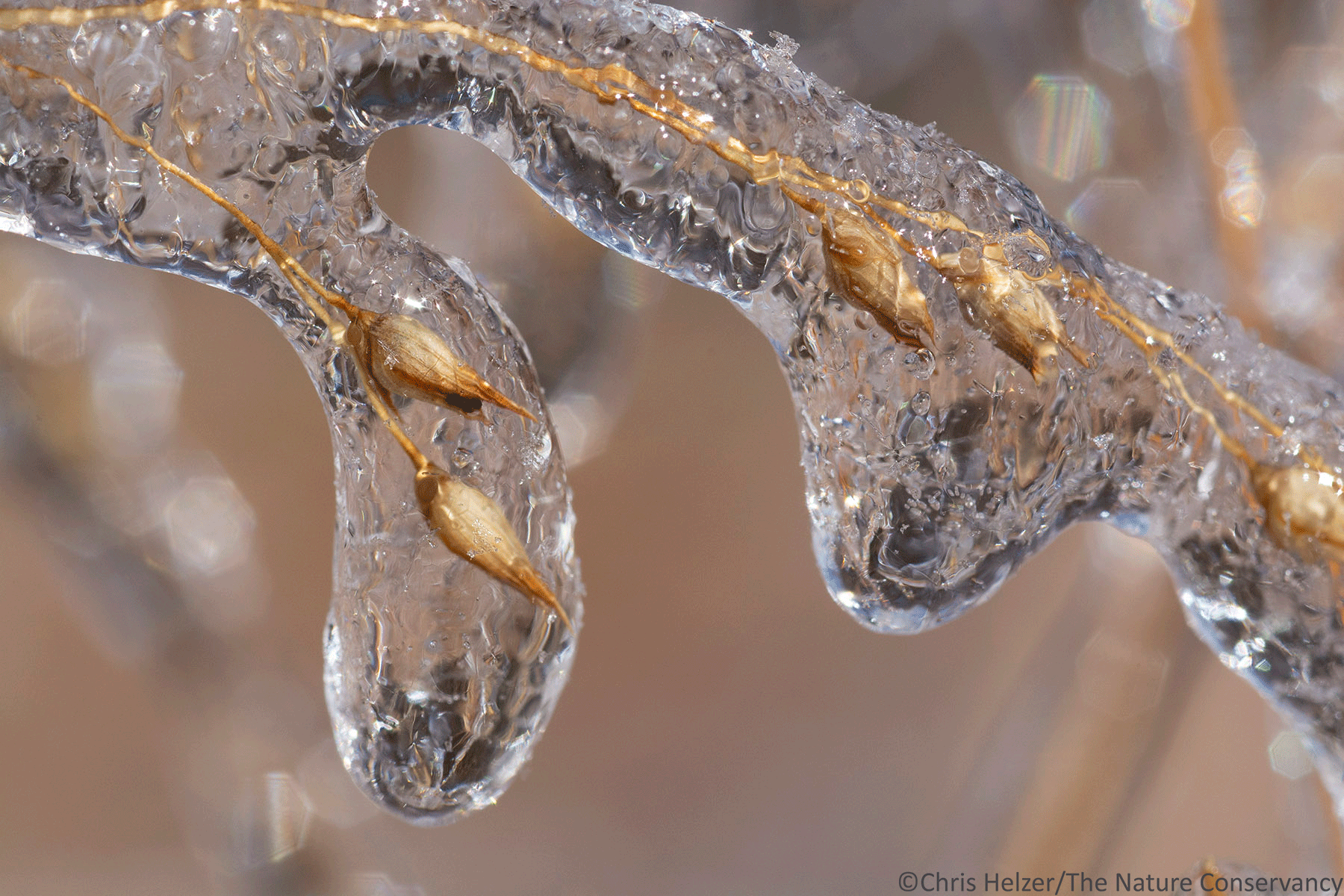
Just before the cloud canopy closed back up again, I found a beautiful stalk of pitcher sage (Salvia azurea) – one I’ve probably already photographed several times this year in various stages of flowering and seed production. By playing with angles, I was able to find a perspective that captured some of the last bits of blue sky in the ice. Then I packed my camera back in the bag and crunched my way back to the truck. The sun didn’t reappear during the rest of the day, but neither did the temperature rise enough to melt the ice. As a result, I got to make a return trip to (another part of) the same prairie on Wednesday morning at sunrise. I’ll save those photos for another post!