Prairie Memes

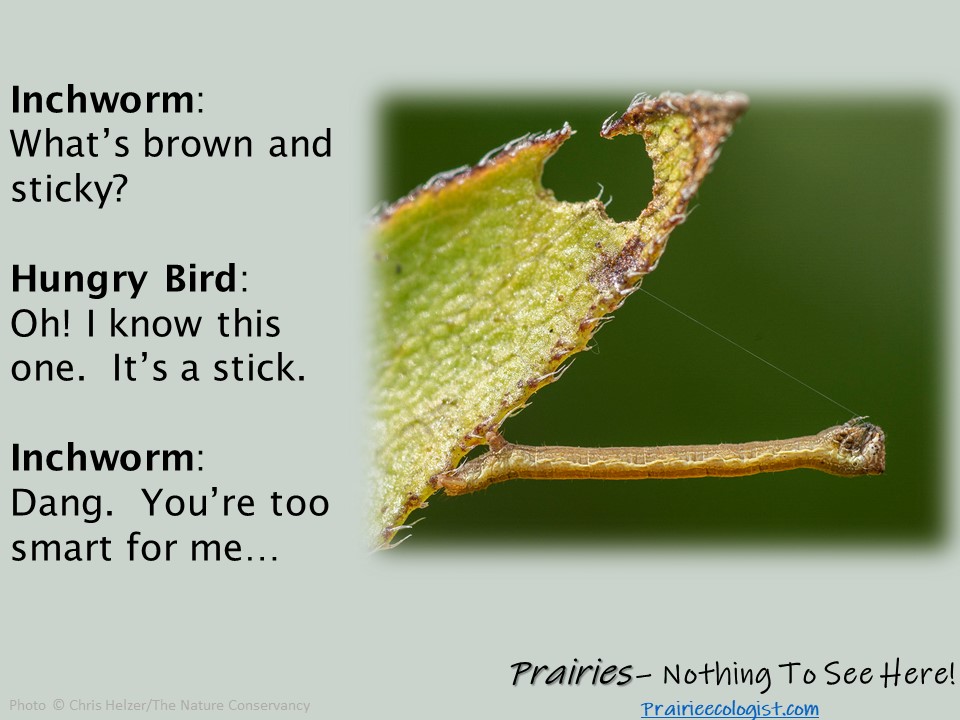
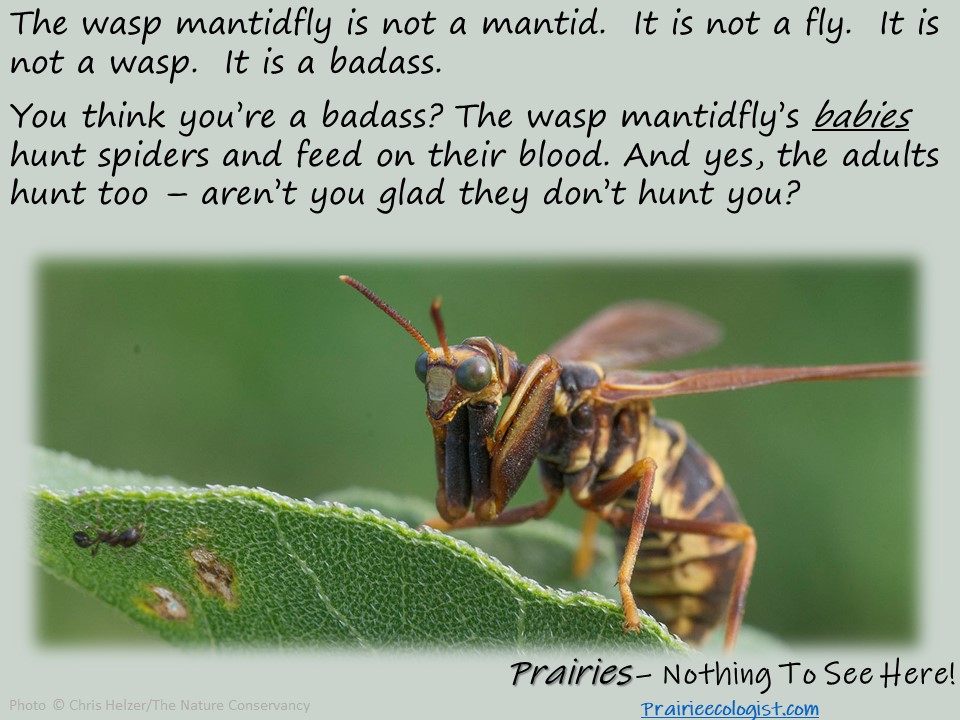
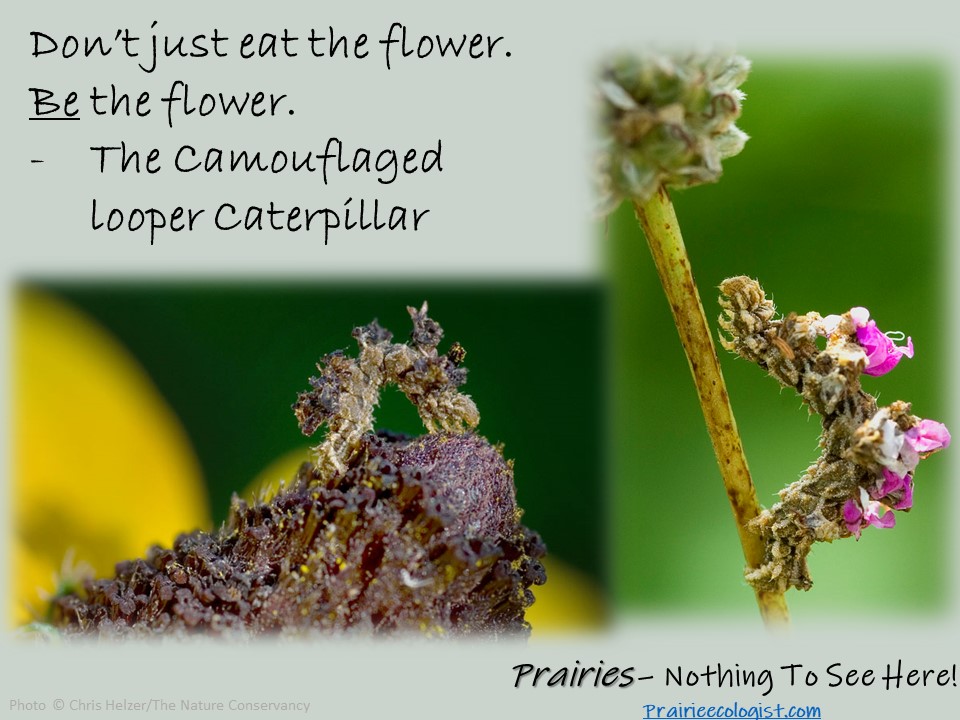
If I’ve learned anything from the recent success of my groundbreaking book, A Field Guide to Roadside Wildflowers At Full Speed, it’s that I have no idea what the public is going to think is funny or engaging. However, since my book’s popularity was mainly due to it becoming a meme, the obvious next step for me is to create a whole lot more memes in the forlorn hope of replicating my previous success.

So I did it. I made a whole batch of prairie memes.

Here’s the thing. Some of them aren’t great. But sometimes you have to just throw a bunch of memes at the wall to see what sticks, right? Hey, that could be a meme…

Anyway, for what it’s worth, here are my first attempts at writing prairie memes. If you see one you like, share it with friends. Maybe they’ll like it too. Or maybe I’ll go back to writing essays about beetles I can’t identify… Thanks for being patient with me as I go through this difficult phase in my life.
Photos of the Week – February 14, 2020

Today, I could be posting new photos from this week of ice bubbles and frozen bugs in the ice. Oh, I’ve got them. Don’t ever doubt that I’ve got them. I just wasn’t in the mood for cold weather closeups this morning. I gave a presentation yesterday on Nebraska’s ecosystems and it made me sentimental about my state. So, today, I’m posting a few miscellaneous photos of the Nebraska Sandhills, our state’s most iconic prairie landscape (but far from the only one). They made me feel good – I hope they do the same for you.

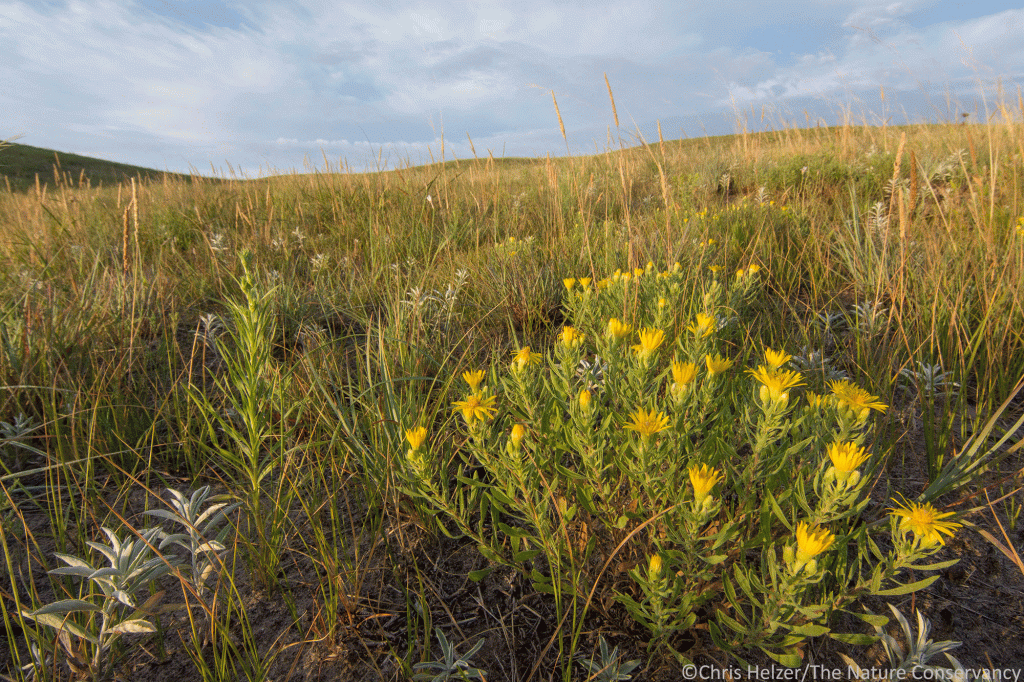
Hairy goldaster (Heterotheca villosa) anchors a diverse plant community that includes blazing stars, sage, sun sedge, sand bluestem, June grass, and many others.
A plains sunflower seedling (Helianthus petiolaris) in a patterned sand blowout.
Yucca (Yucca glauca) on a high perch, overlooks a vast landscape of vegetated sand dunes and wetlands/lakes.
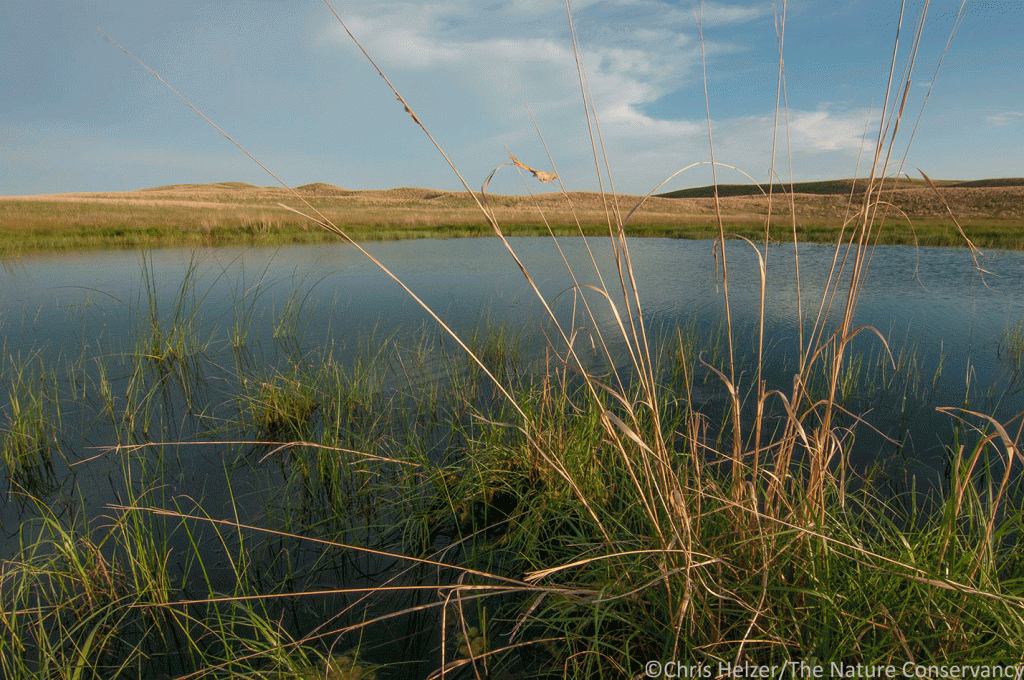
Lakes of exposed groundwater between sand dunes help boost the already impressive biological diversity of the Sandhills region.
Tracks of a kangaroo rat, one of a community of animals that relies upon the open sand of ‘blowouts’ – wind erosion-created patches disliked by many ranchers but key to the ecological function of the landscape.
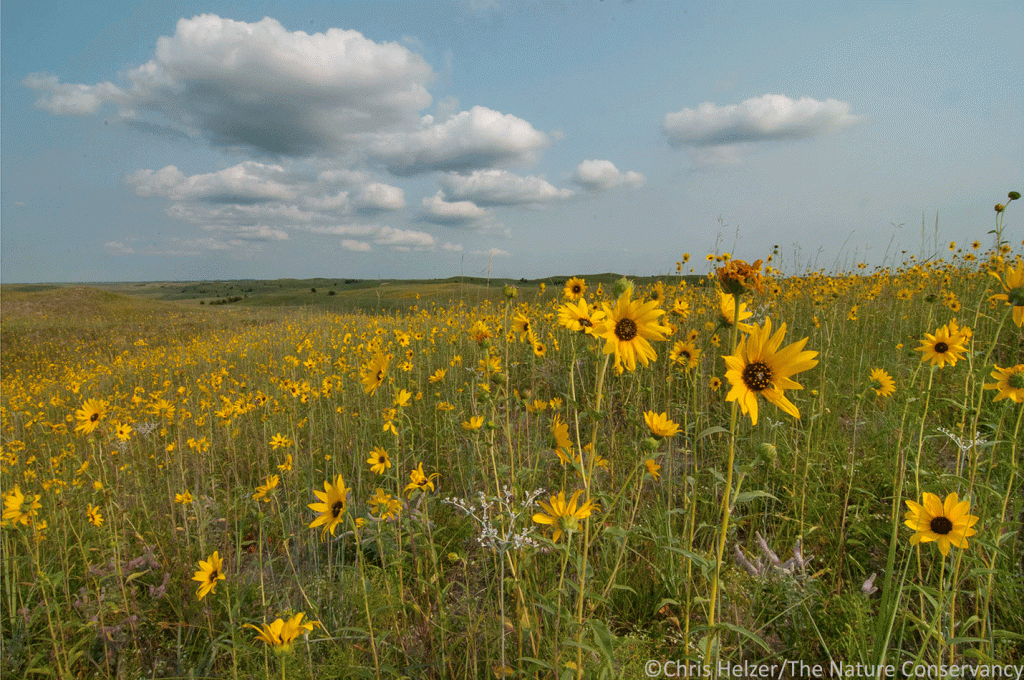
A profusion of plains sunflowers (Helianthus petiolaris) in 2013, filling an important ecological niche in year following the massive drought of 2012.