Happy shortest day of the year (to my friends here in the Northern Hemisphere, anyway). I’m mostly on vacation right now, so am going to keep this short, but I hope all of you have a wonderful holiday season. Here are a few odds and ends images from the last several weeks. I hope you’ll enjoy them.
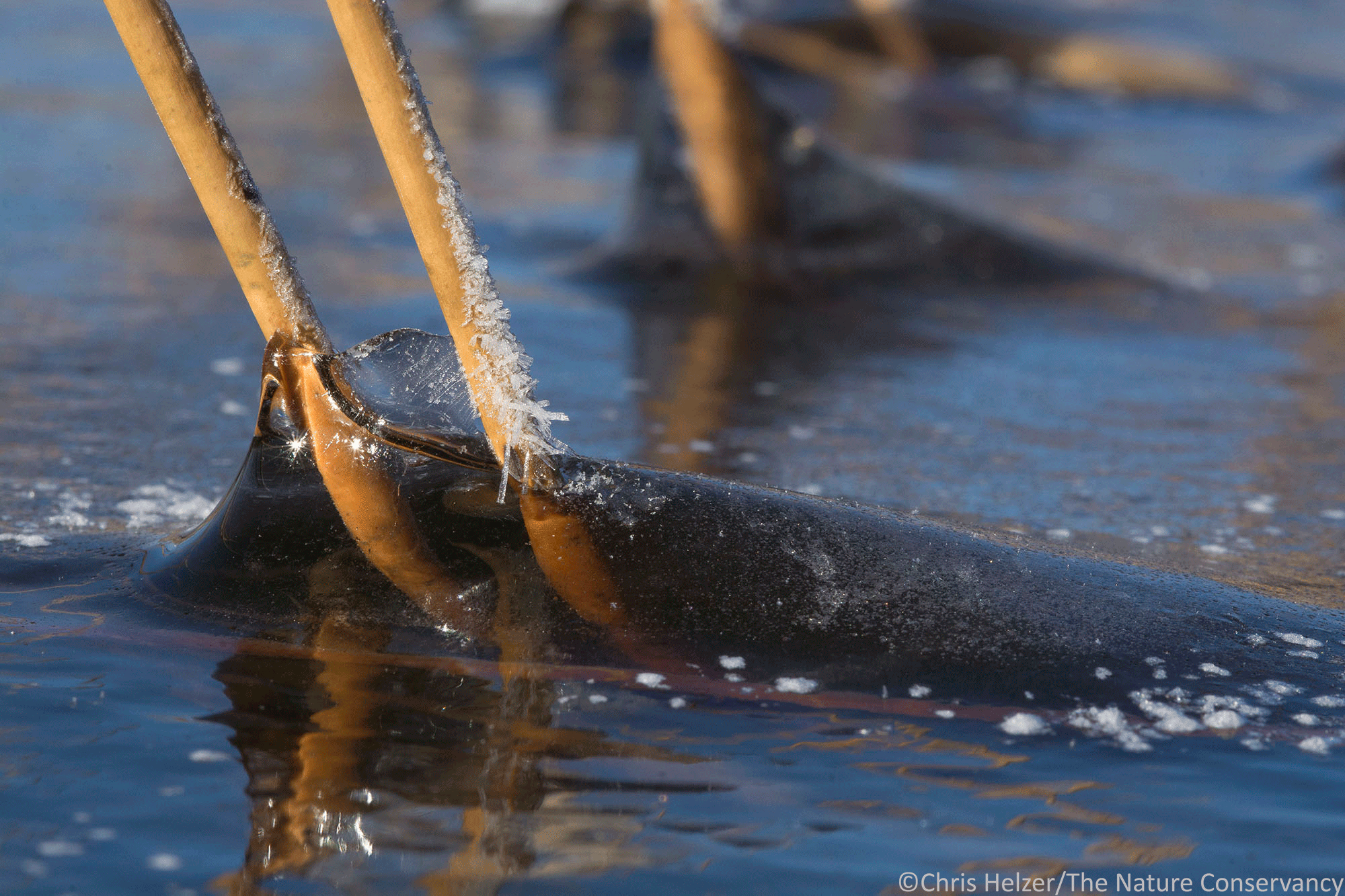
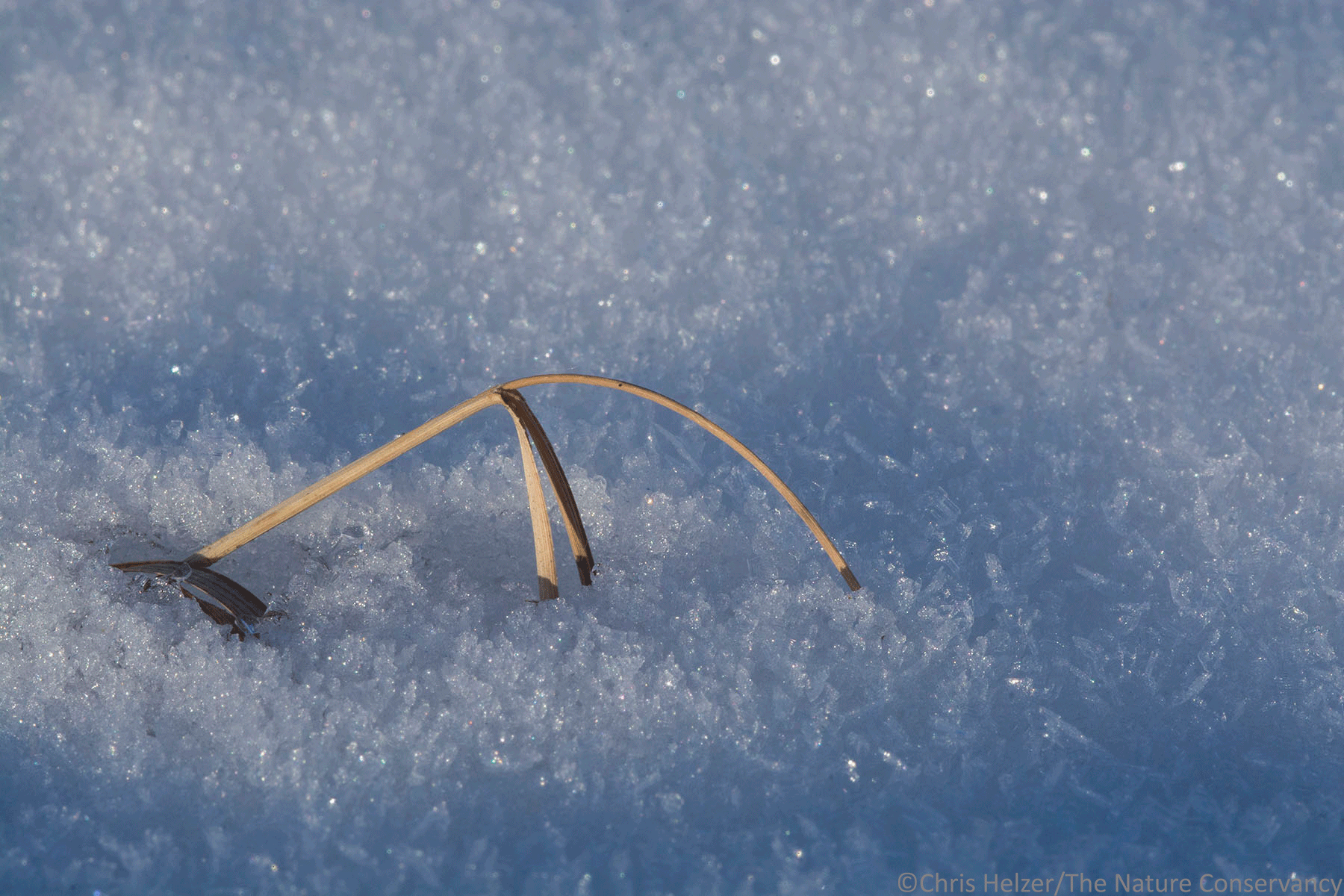
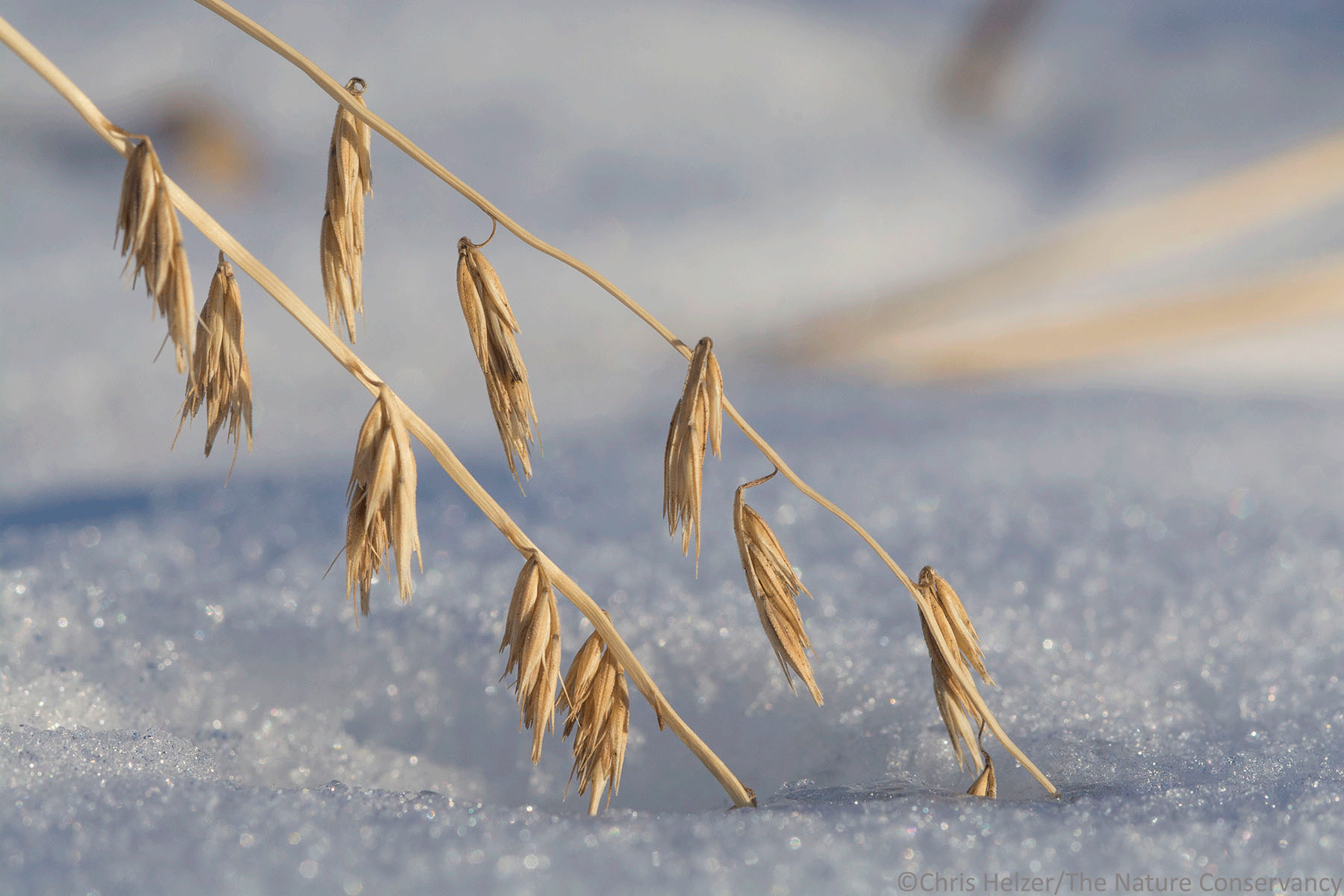
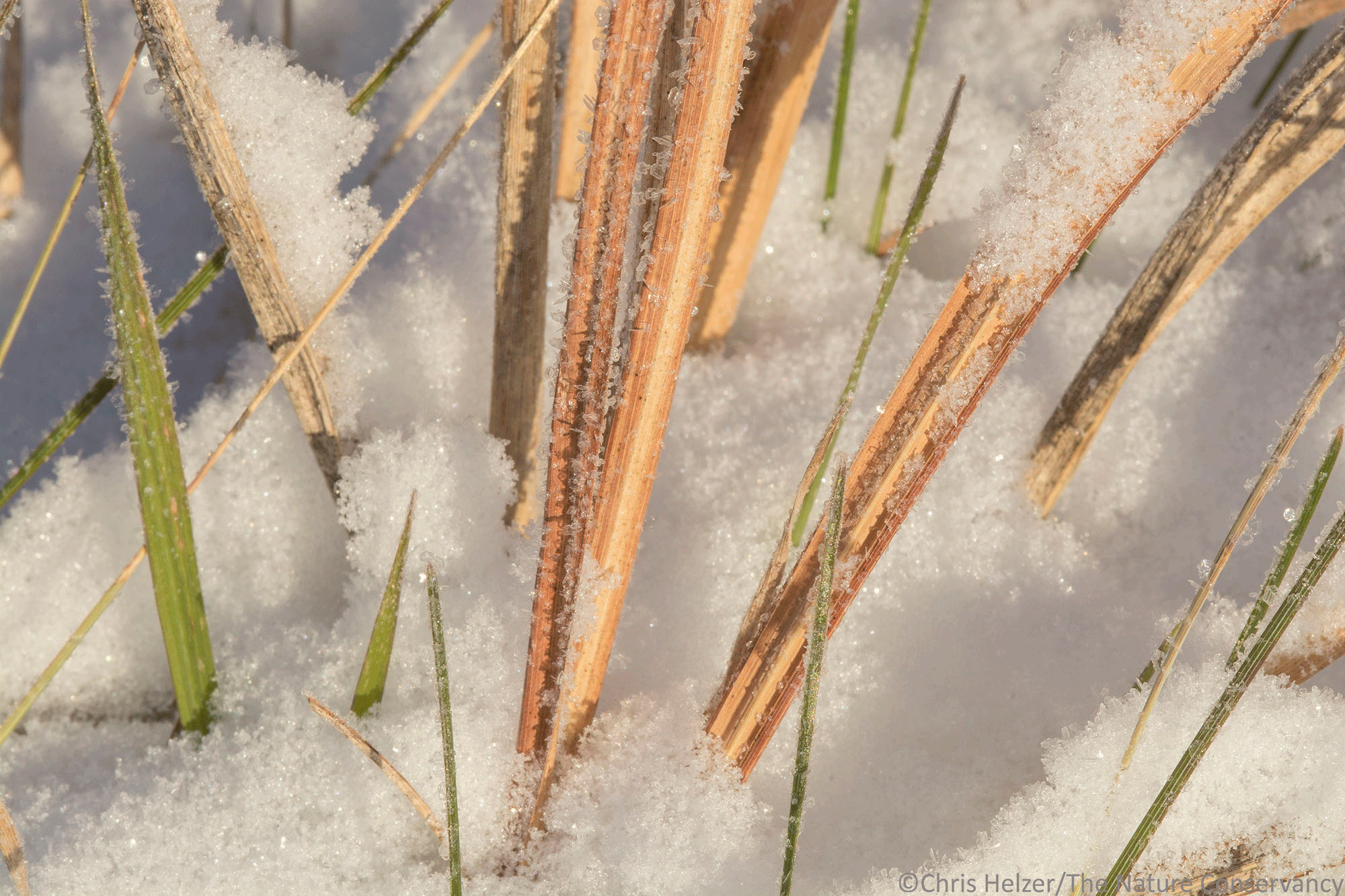
Stiff sunflower and snowWetland plants and iceFallen frost beneath a wetland plant.Grass and snow crystals.Sideoats grama and snow.
Every December, I post some my favorite photos and writings from the year. This year, I was either particularly prolific or particularly bad at narrowing things down. Regardless, I decided to split my “Best of 2018” blog post into two parts so I could include more without making a single overwhelmingly-large post.
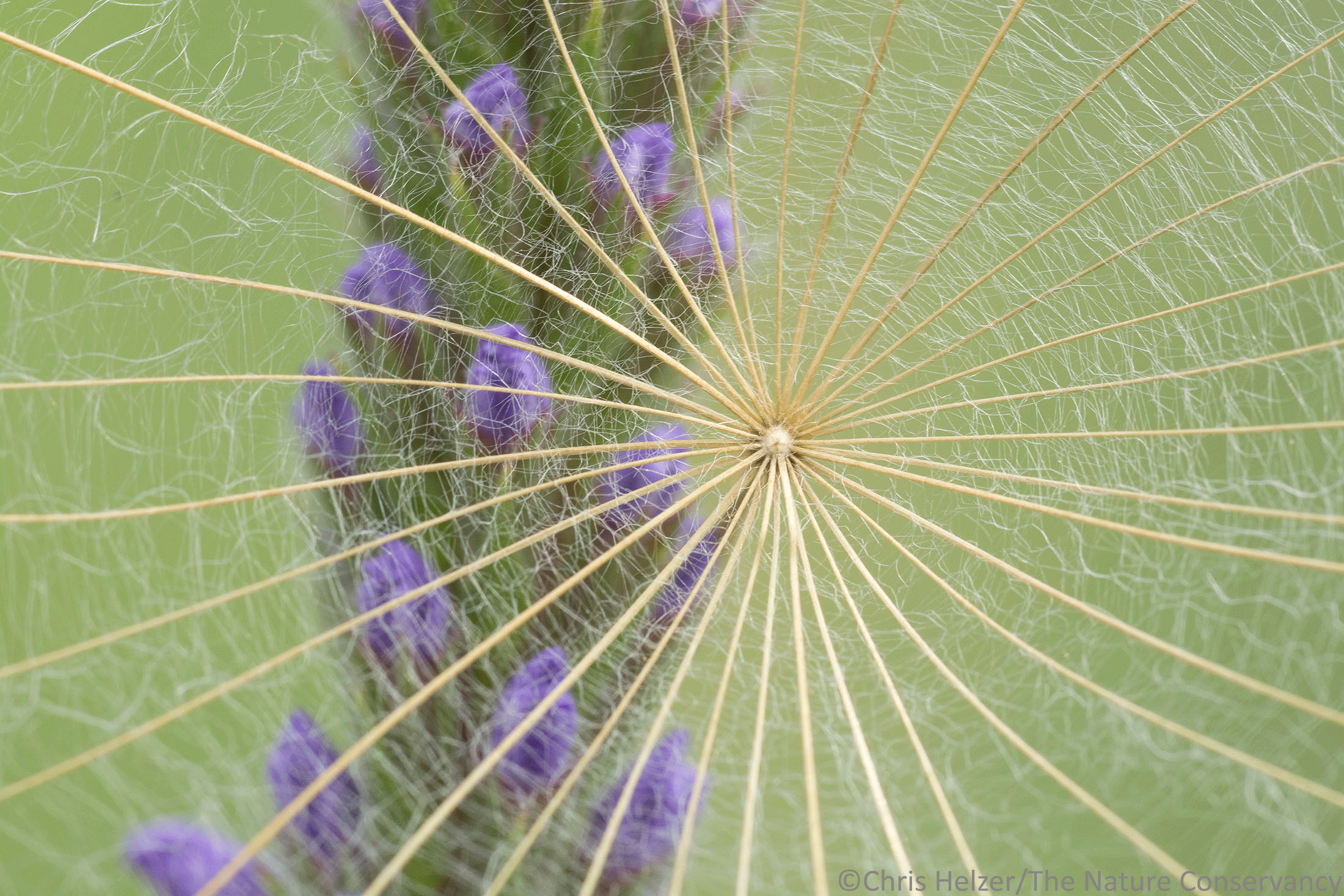
Back in June, I photographed this goatsbeard seed stuck on a hoary verbena flower stem.
Of course, these “Best of” posts are common across many media platforms this year. It’s fun to look back at previous work. It’s also, of course, nice to take a break from creating NEW content and just recycle old content! So yes, I’m being extra lazy by getting out of creating content twice instead of once. If it makes me (I mean you) feel better, I’ve also been working on a lot of data that should provide fodder for some pithy posts within the next month or two. Maybe that will help make up for my laziness this month.
In Part 1 of this two part series, then, I’m including half of my favorite photos from 2018, along with about half of the posts I thought were most interesting, or at least fun to write this year. That, of course, includes the project that consumed much of my time this year – my square meter photography project. After an initial post in January that described the project, I posted 6 updates throughout the year that summarized activity from the months of May, June, July, August, September, and October. You can also read an encapsulation of the whole project here.
This composite image shows all 110 species I found and photographed this year in my square meter plot.
This year, I had a couple posts this year that described the results from a couple simple but informative research projects. The first was really easy, but addressed a question that I’d wondered about for a while – are the insects I find frozen in the top layers of ice on ponds and wetlands alive or dead? I also conducted a second year of data collection on a basic research effort to figure out if the number of flowering stems produced by dotted gayfeather is related to grazing pressure.
I also wrote several natural history profiles, including this one on the secret lives of grasshoppers and this one on the oil beetle, which has larvae that trick bees into taking them home to eat baby bees. Plants weren’t ignored either, as I wrote a post talking about the value of both ironweed and marestail, which are often misunderstood to be pests.
But hey, I’m sure you already read those posts and remember every detail. If that’s the case, here is the first half of my favorite photos from 2018 for your perusal and (hopefully) enjoyment.
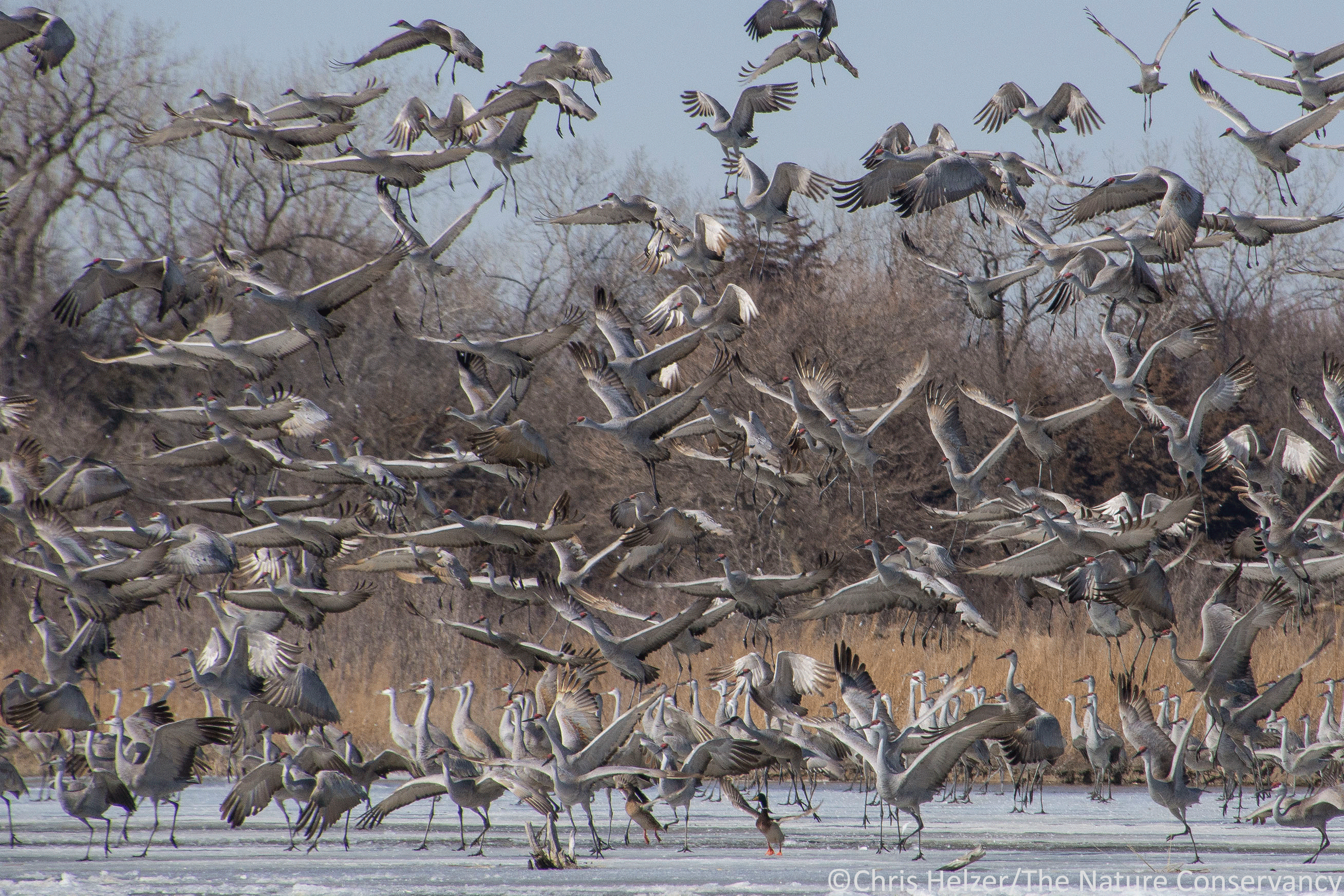
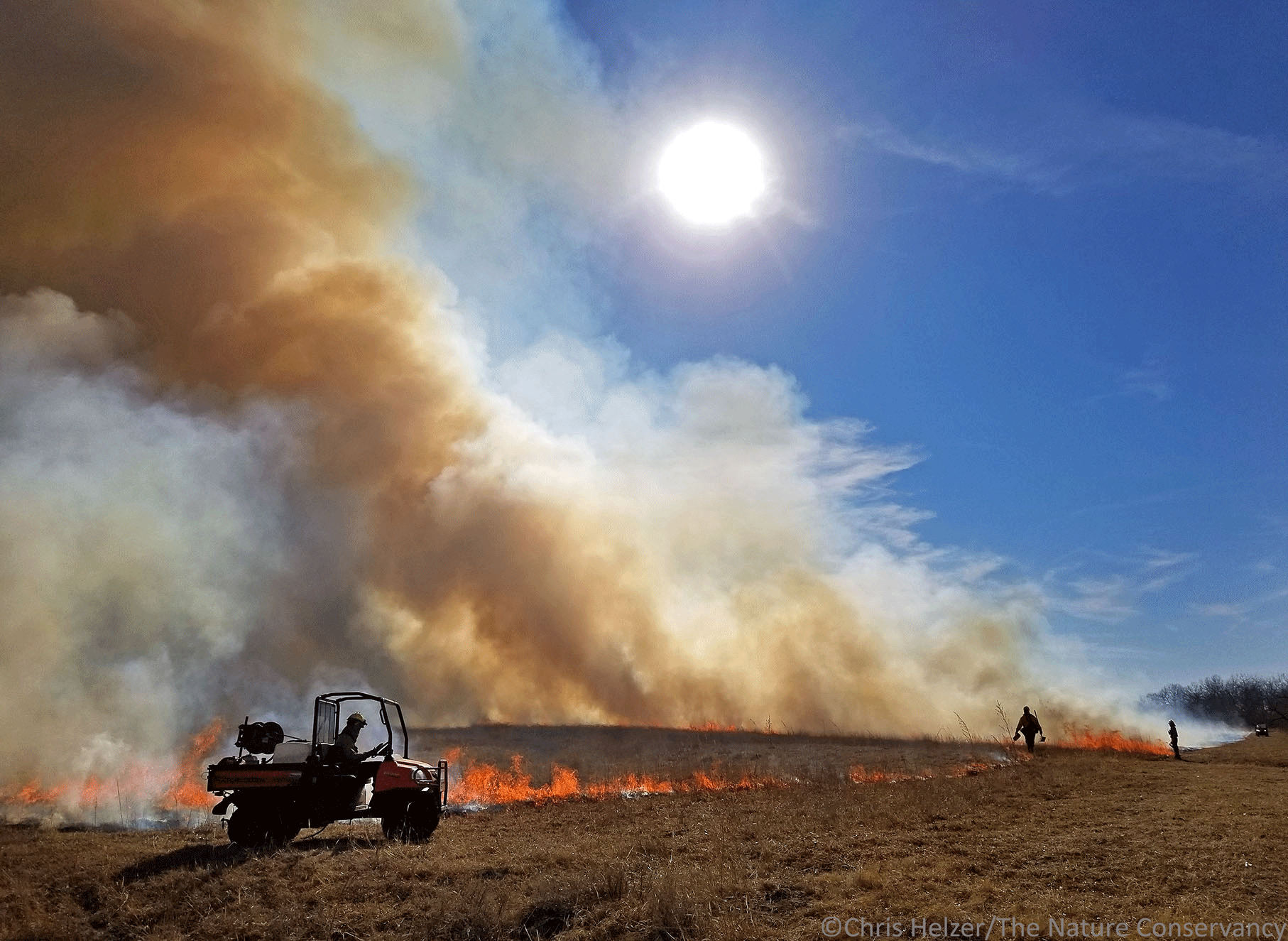
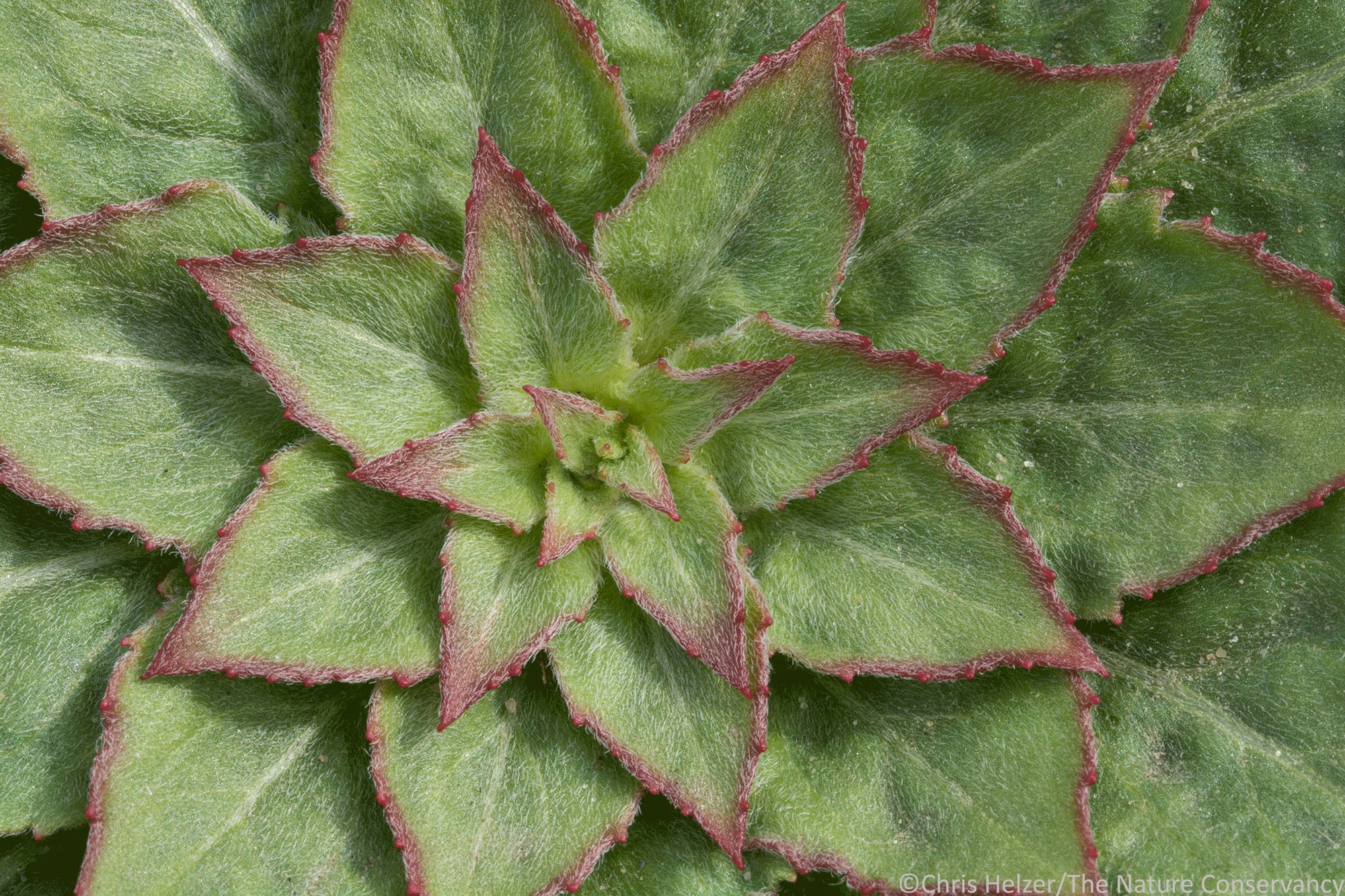
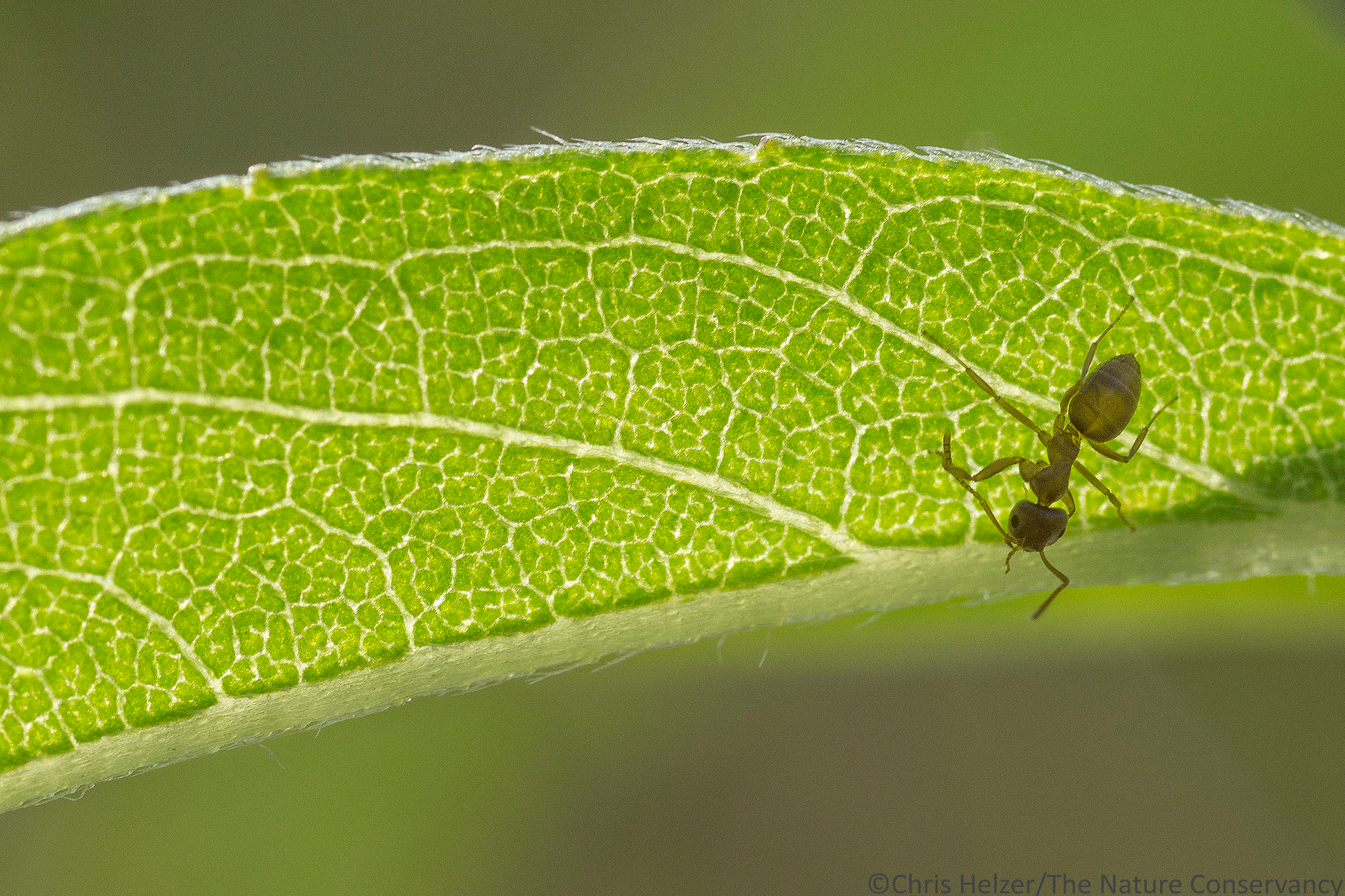
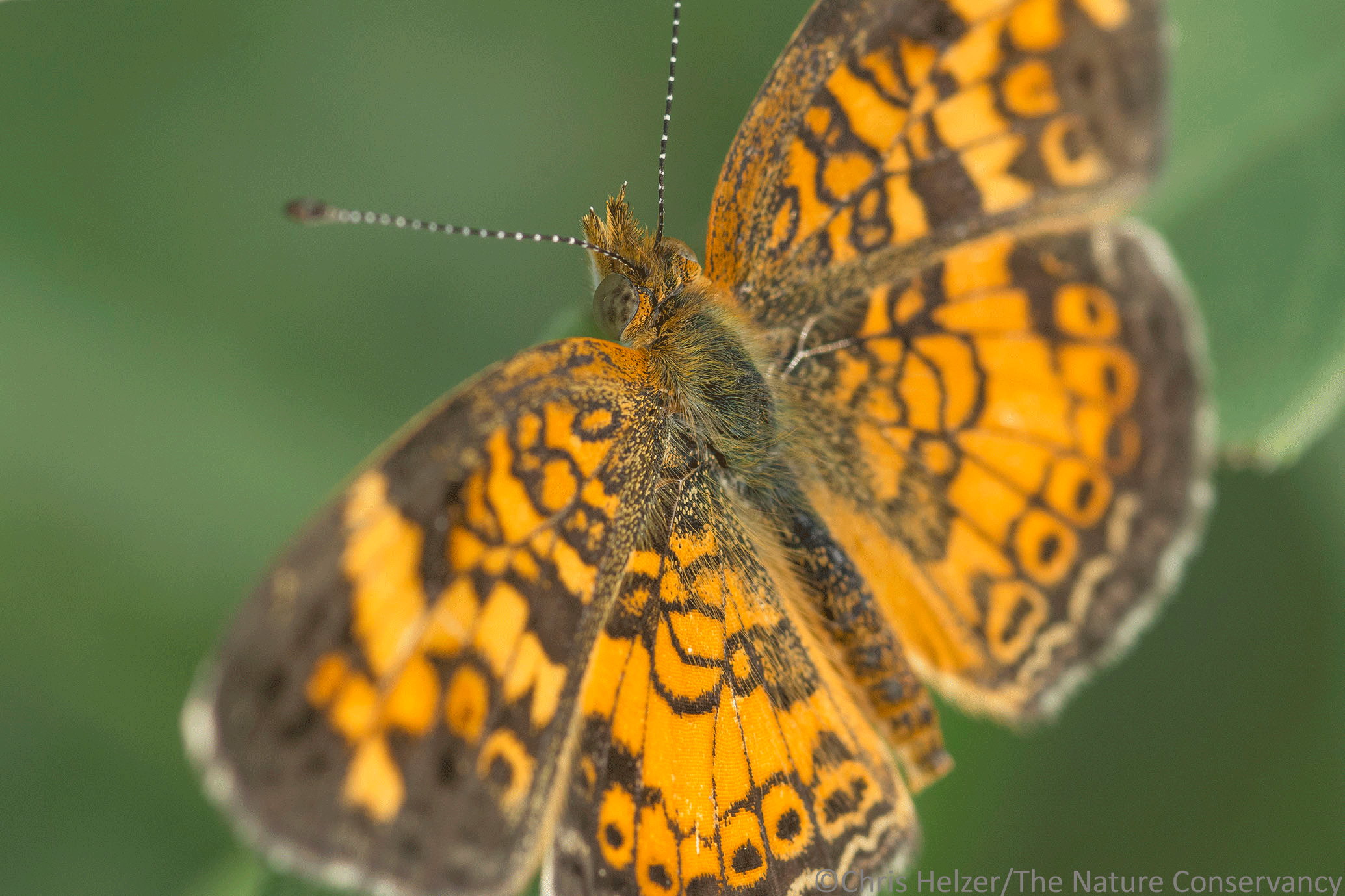
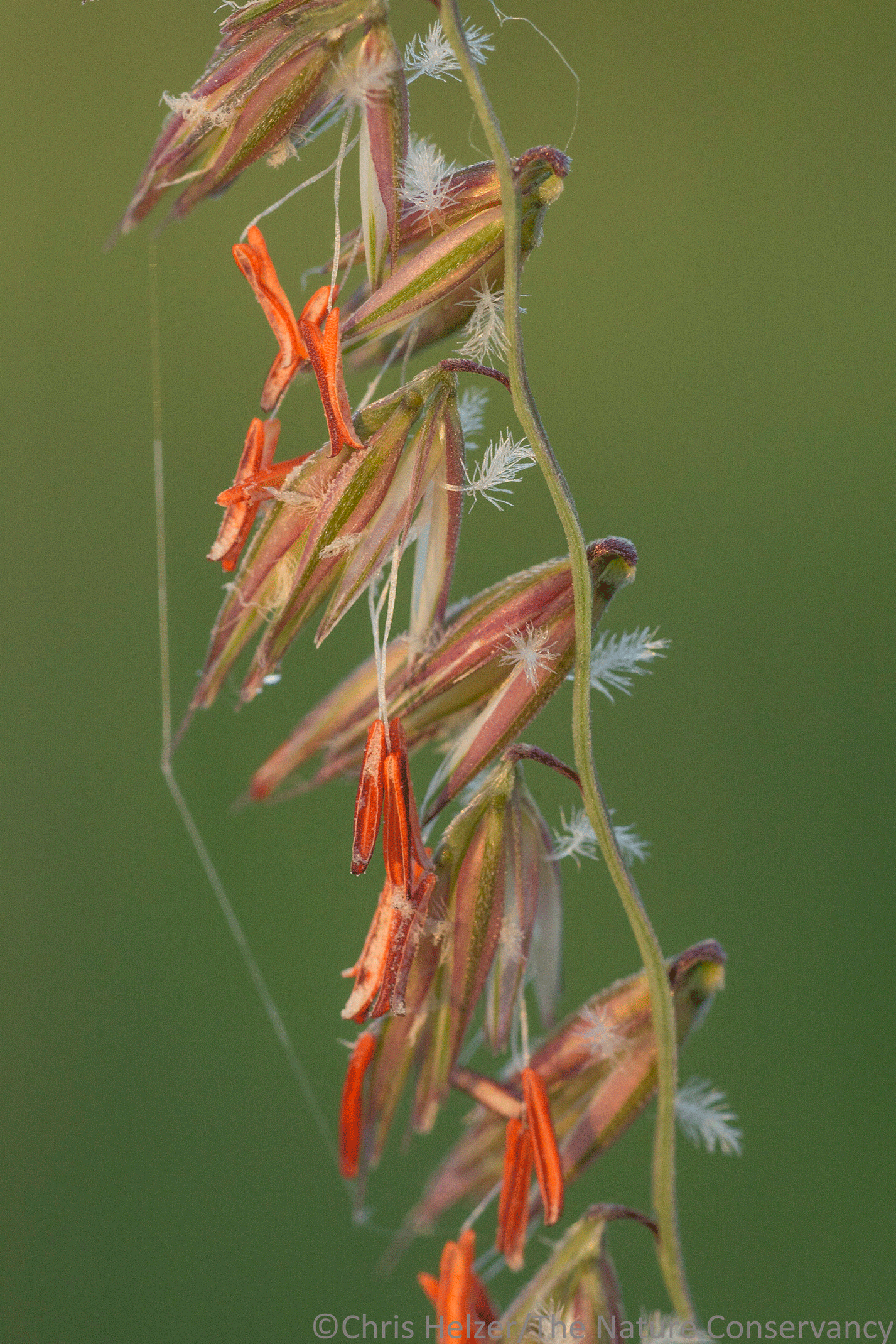
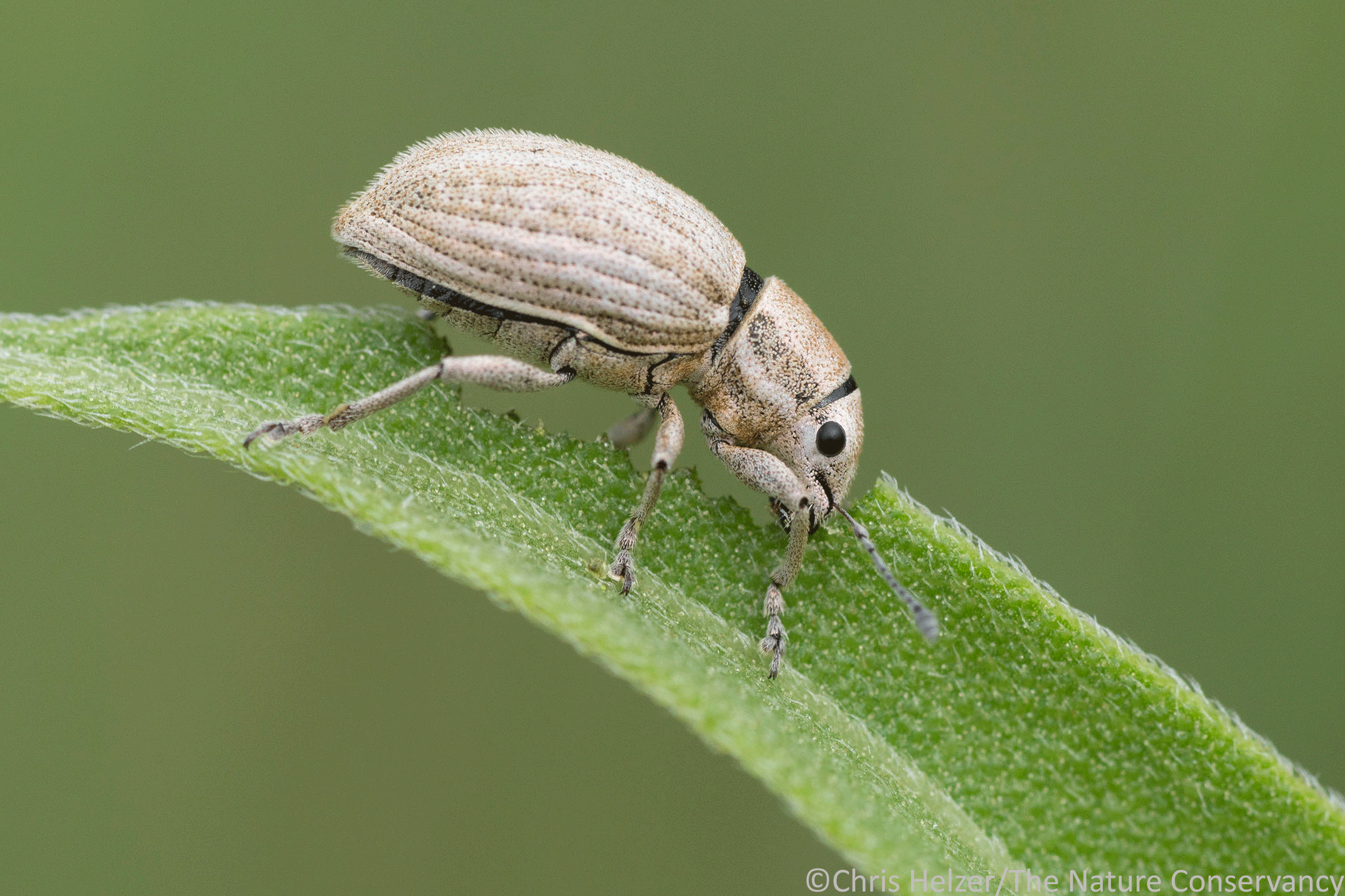
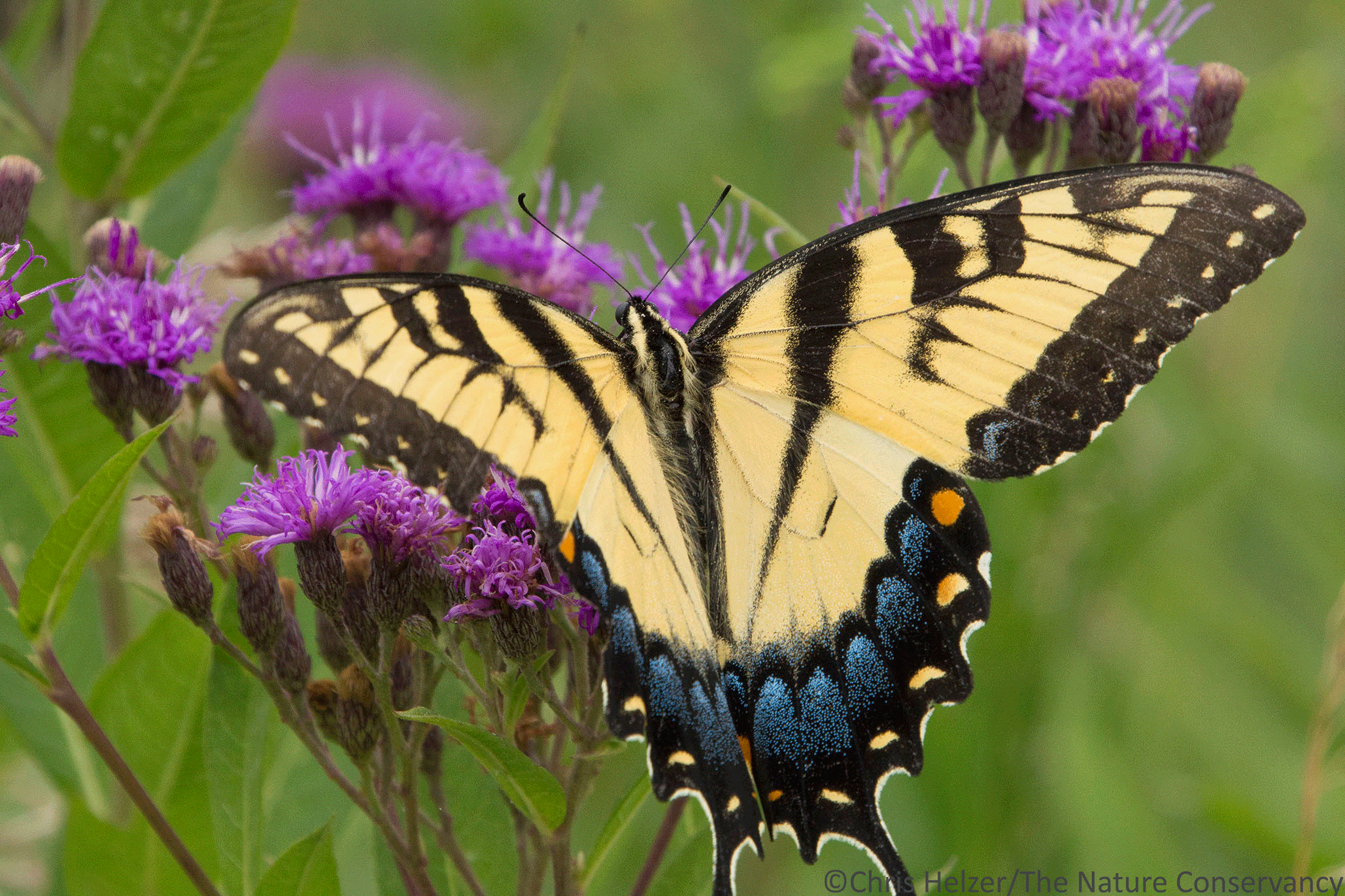
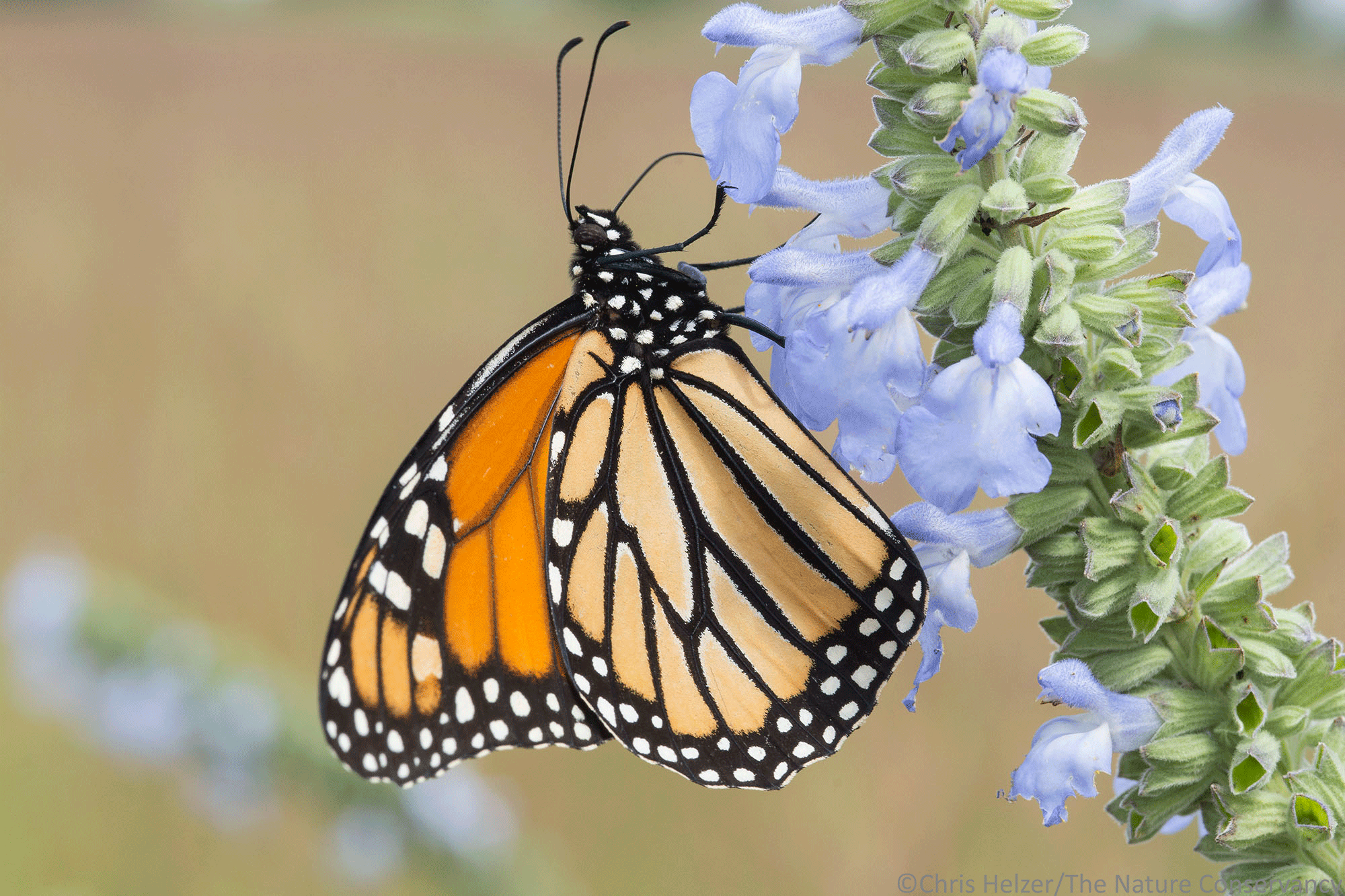
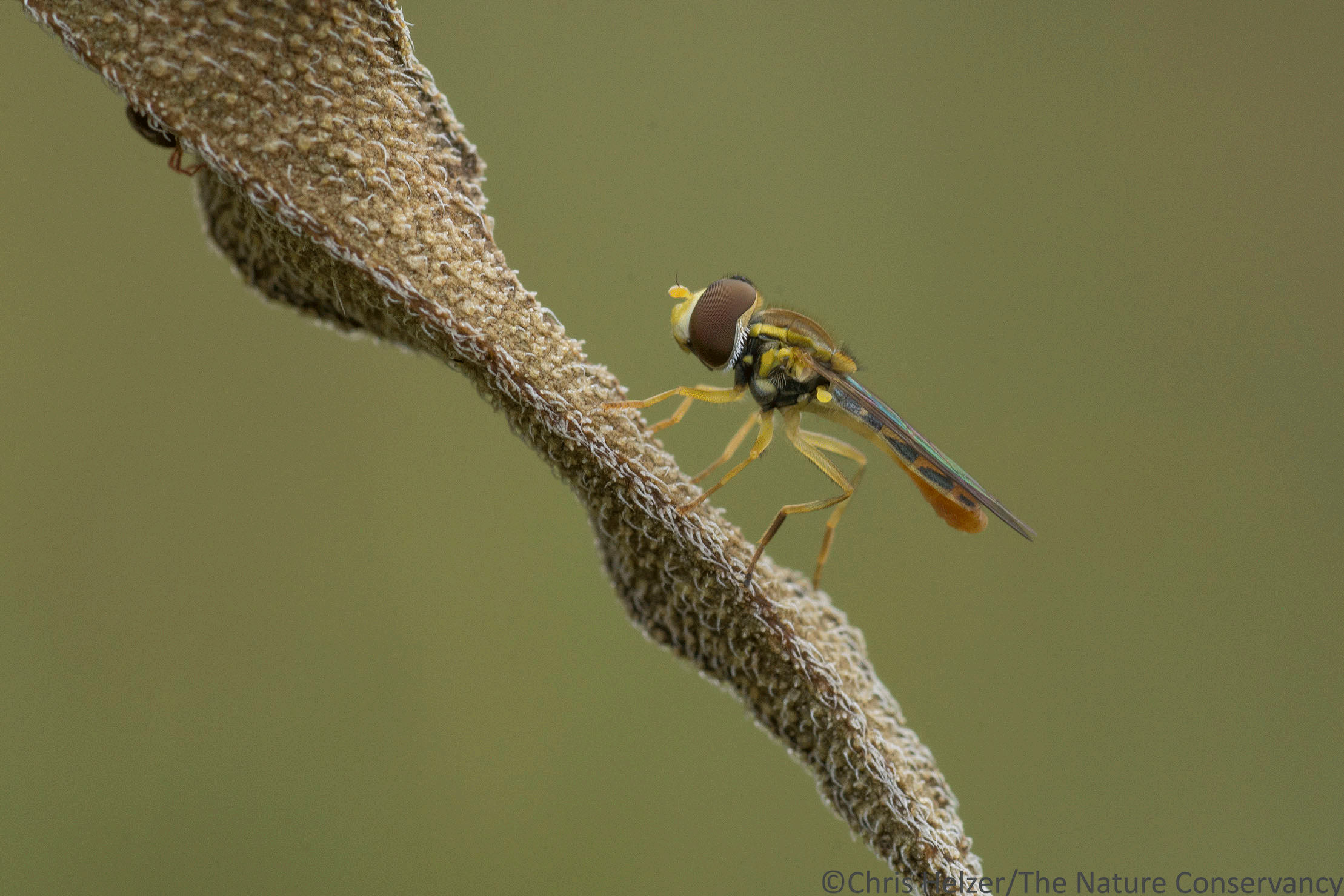
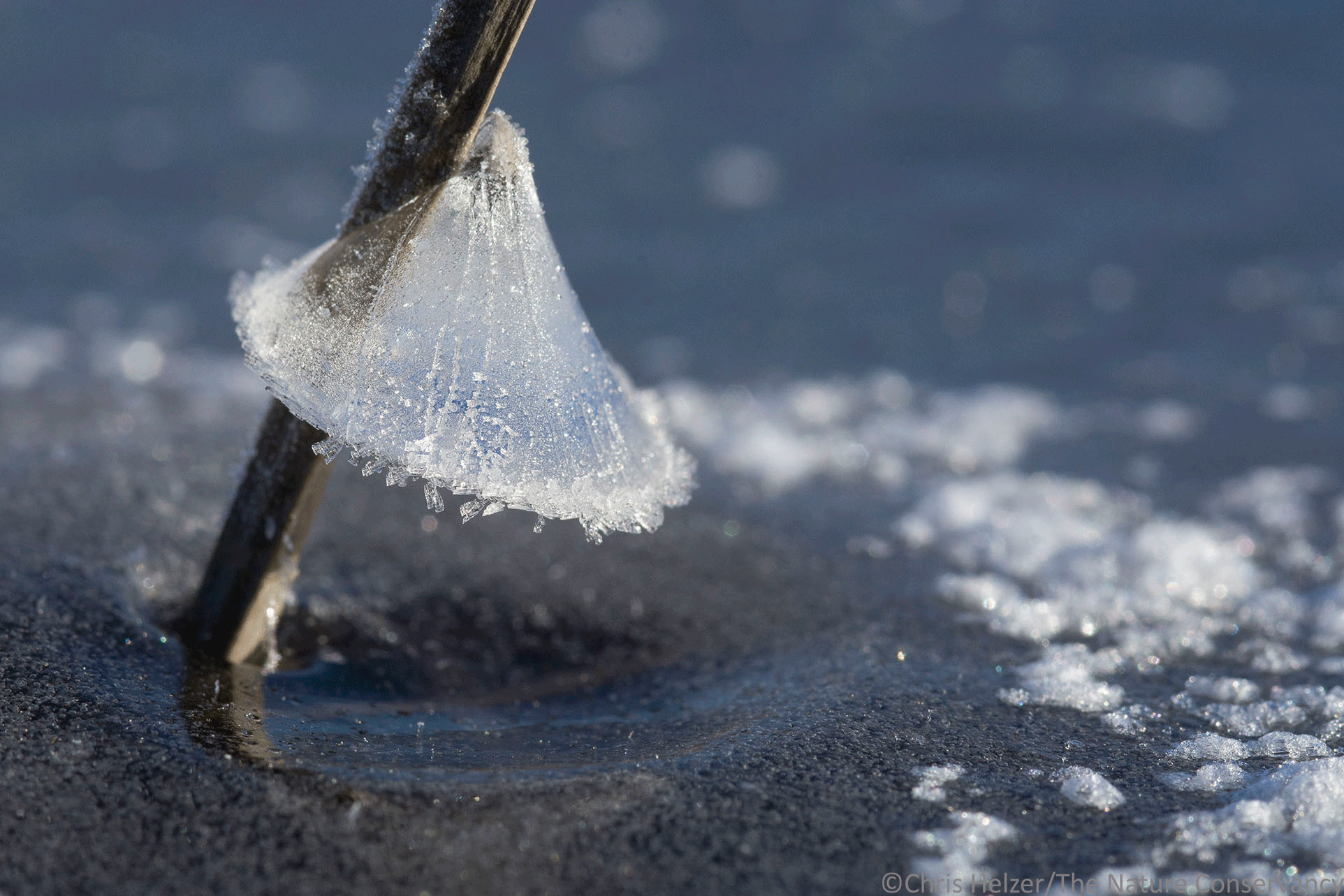
Wind blows snow across the frozen surface of the wetland/pond (and a frozen damselfly larvae) at our family prairie.Sandhill cranes leave their overnight roost as the sun rises over the Platte River in March.A massive smoke plume signals the end of a prescribed fire. Our crew patrols as the final head fire runs toward the areas we’d earlier burned out in order to catch and extinguish this flaming front.A rosette of fourpoint evening primrose leaves created some of the only green during the early spring in our Platte River Prairies.Pasque flower blooms at The Niobrara Valley Preserve on the last day of April.An ant explores a small Maximilian sunflower plant in May.Colorful Sandhills prairie at The Niobrara Valley Preserve.A pearl crescent suns itself in my square meter plot in Aurora.Sideoats grama in full bloom.Stiff sunflower at Lincoln Creek Prairie.Curious cattle in the Platte River Prairies in July.A beetle feeds on a Maximilian sunflower leaf in my square meter plot during early August.A beautiful tiger swallowtail butterfly visits ironweed at our family prairie.This beautiful digger bee is a specialist feeder on this species of blue sage (aka pitcher sage).This spider was guarding its net on a cool foggy summer morning.Dew drops on a spider web create a veil across a sensitive briar plant.A bull bison stares stoically at me at The Niobrara Valley Preserve.A hover fly feeds on Indiangrass pollen within my square meter plot.A monarch butterfly feeds on pitcher sage at the Platte River Prairies.A hover fly on a wilted sunflower leaf within my square meter plot.A Chinese mantid appears to pose seductively within my square meter plot.I was really grateful to find this tree frog in my square meter plot. Bison fight flies and graze while walking into the sunset at The Niobrara Valley Preserve.Lead plant leaflets in the early autumn.Dotted gayfeather seeds wait for a stiff wind to carry them off.Prairie grass and snow in Aurora, Nebraska.An ice skirt decorates this rush, protruding from a frozen wetland along the Platte River.