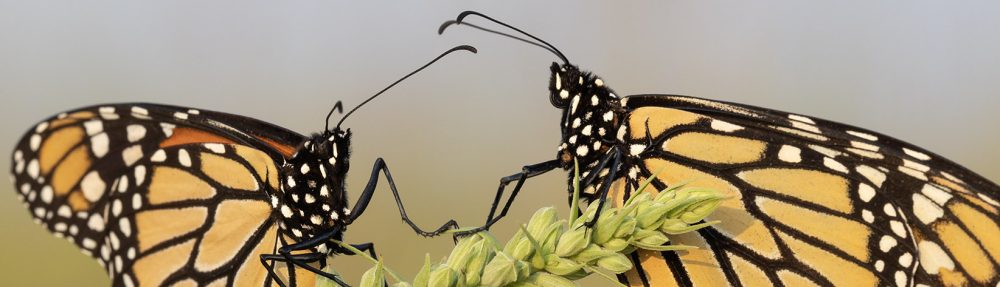
If you’ve been waiting for a special invitation to come explore the Platte River Prairies, here it is…
“Come explore the Platte River Prairies!”

The Nature Conservancy’s Platte River Prairies, Nebraska.
During 2014, we will be hosting a number of events, including two Field Days, several volunteer workdays, and the annual meeting of the informal “Patch-Burn Grazing Working Group”. More information on each of these is below:
Field Days – June 13 and August 29, 2014
Our Field Days are open house events that feature guided tours of our prairies and wetlands, along with discussions and presentations on various topics related to prairie management and restoration. The events are free and open to anyone. This year, we will have a particular focus on plant identification and invasive species, but will also feature a number of other prairie management and ecology topics – some yet to be decided. More details will emerge as we get closer to summer, but for now, put the dates on your calendar!
Volunteer Work Days – June 7, July 5, August 2, and September 6, 2014
There are four Saturday workdays scheduled for 2014. Anyone is welcome to join in the fun – just email or call Mardell Jasnowski (mjasnowski@tnc.org or 402-694-4191) to get more information and/or let her know you’re coming. You can also ask to be put on our volunteer mailing list to keep abreast of other volunteer opportunities. If you can’t make those days but are interested in helping out, Mardell can work with you on that as well. You can find more information HERE.

Come harvest prairie seeds or help with other prairie restoration or management activities.
Patch-Burn Grazing Working Group – August 13-14, 2014
The last time we hosted the Patch-Burn Grazing Working Group in the Platte River Prairies was 2008, so it’ll be fun to have everyone back again. Despite the formal-sounding name, this is really just a casual networking opportunity for people working to combine prescribed fire and grazing as habitat management tools. Meetings typically include a mixture of ecologists, land managers, ranchers, and academics from around the country, and are full of field trips and discussions that focus on increasing habitat quality and biological diversity on public and private grasslands.
The two day event is open to anyone interested in learning more about patch-burn grazing and other methods of creating more habitat heterogeneity in prairies. More information on registration and other details will be forthcoming.
Hiking Trails – Always Open!
You don’t have to wait for an organized event to come out to the Platte River Prairies… Our two hiking trails are open anytime you need them. You can explore restored and remnant prairies, watch birds, photograph wildflowers, or just enjoy the fresh air. For more information, click HERE.


