A Long-Awaited Fire

This week, about 22 people from a variety of organizations gathered to conduct a prescribed fire at The Niobrara Valley Preserve. The 900 acre burn unit was on the north side of the Niobrara River. Before a big wildfire in the summer of 2012, the area was covered with mixed-grass and tallgrass prairie, bur oak savanna, and ponderosa pine/eastern redcedar savanna/woodland.

That wildfire swept across more then 70,000 acres, including more than 30,000 acres of the Preserve. North of the river, it wiped out the vast majority of the ponderosa pine and eastern redcedar trees and top-killed many of the bur oaks, though the oaks resprouted from their bases. Where the pines and cedars had been, smooth sumac quickly filled in, spreading quickly across much of the area and forming large clones that now cover hundreds of acres (and are still spreading).

Remember to click on photos to see bigger/sharper versions. If you’re reading this in your email, you’ll have to click on the post’s title to open it online so you can click photos.
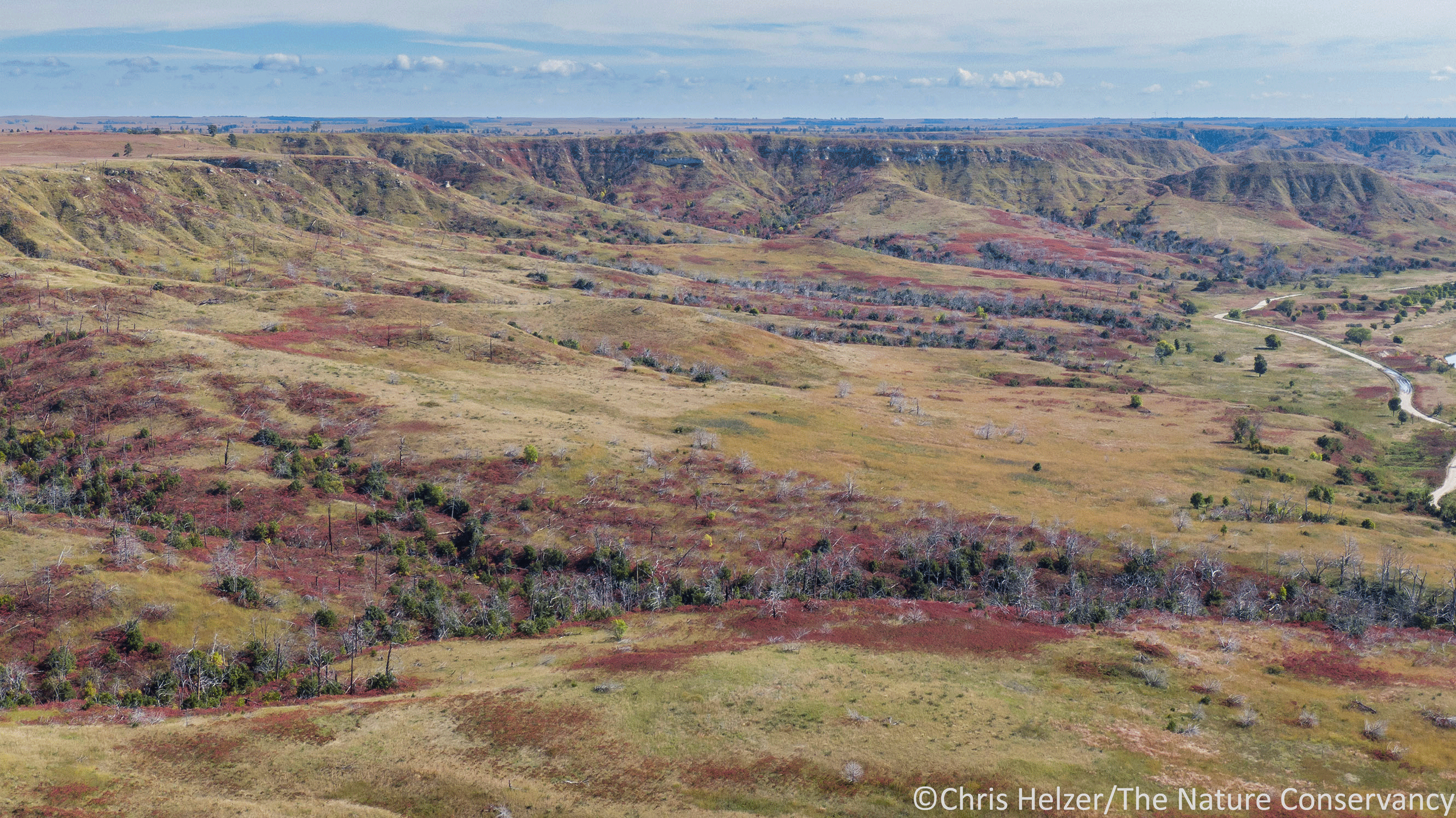
Here’s a photo of part of the area we burned this week, taken back in September of this year. You can see the red sumac clones, the green bur oaks, and the white skeletons of pine and cedar trees. The Niobrara River is just out of frame to the right.

This area has been the subject of countless hours of discussion about how we should guide it into its next ecological phase. We could just let the sumac spread unimpeded, creating a huge shrubland. Unfortunately, eastern redcedars are reinvading that area too. Letting sumac spread ahead of that invasion would suppress grass growth, and without grass we’d be unable able to use prescribed fire to control the cedars. Since we know dense stands of eastern redcedar provide poor habitat for wildlife and suppress the diversity of plants and other species, we want to avoid that.

We’d be glad to have some ponderosa pines come back, but they are notoriously slow to re-seed themselves after a ‘stand-replacing fire’, especially when there aren’t mature trees around to drop pine cones. We can plant some (and the Nebraska Forest Service has already planted a fair number for us on the steeper slopes), but any fire hot enough to kill young eastern redcedars would kill pines too, unless we plant them in steep rocky areas where there’s insufficient grass to carry fire. Of course, those are the same places where it’s difficult for trees to establish because the ground, such as it is, is dry and hard.

The consensus reached among stewardship staff was that we needed to get a fire through the area, both to remove a lot of the downed wood (making it easier to access the area) and to kill the numerous invading cedar trees. It would be nice not to kill the small pines, but controlling the cedar invasion is a bigger priority right now. One fire won’t suppress the sumac much, but staff might be able to mow or otherwise treat those sumac stems in the year following the fire to amplify the suppression effect.

Deciding to burn the area was relatively easy compared to the task of figuring out the logistics and prepping the site. Firebreak routes had to be found on the steep slopes between the flat above the ridge and the river below. Huge numbers of dead pine and cedar skeletons – some standing, some on the ground – had to be cleared away from those firebreaks to give us a chance to control the fire along those boundaries. Chad Bladow, fire manager and burn boss for the fire, had to figure out how to get crews, water, and vehicles into places where the terrain made that difficult.

Eventually, though, everything came together and we assembled this week to make it happen. My role was pretty small. I showed up and did as I was told. The crew at the Niobrara Valley Preserve had already put in tremendous effort getting the site ready, coordinating the crew and their needs, working with local fire departments to get permission and support, and doing all the little things that go into making a big event happen.
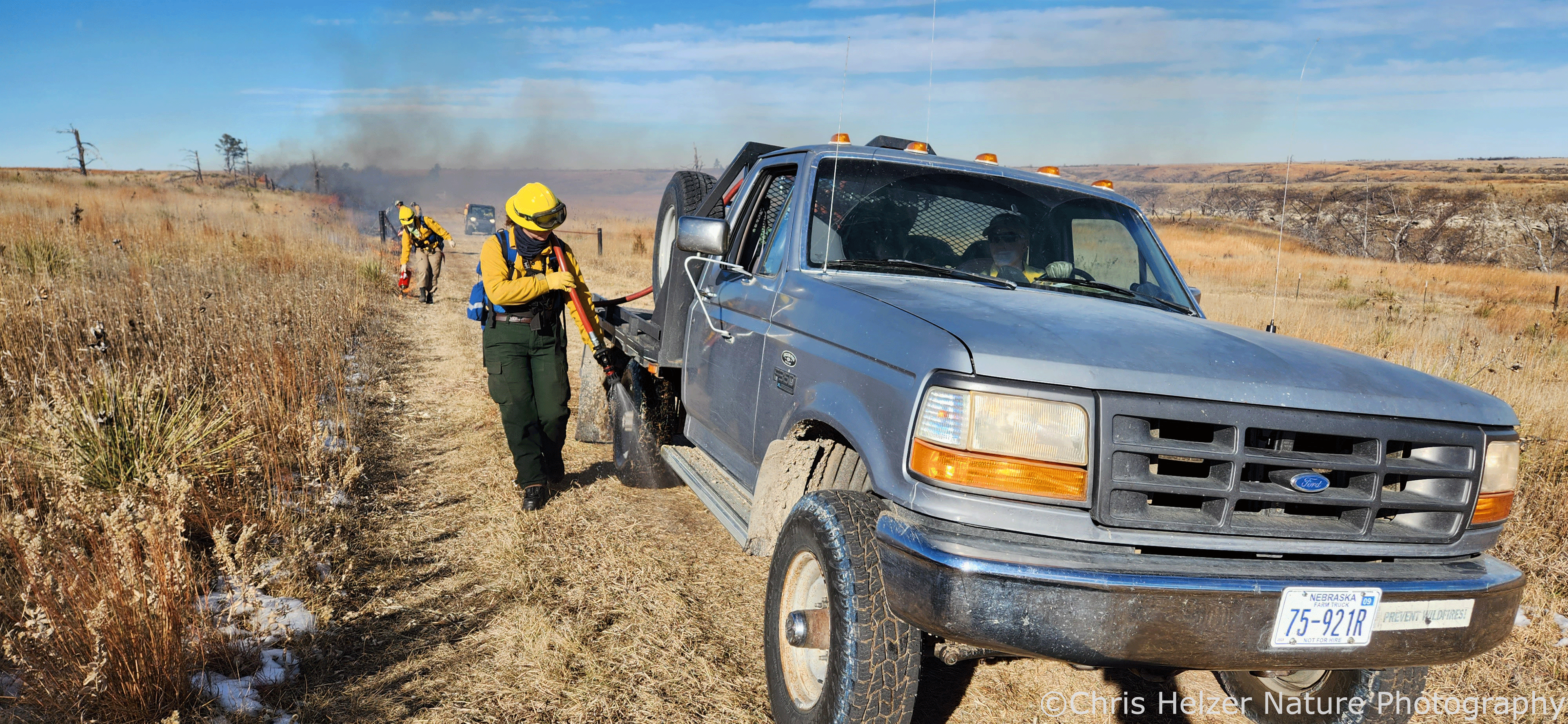
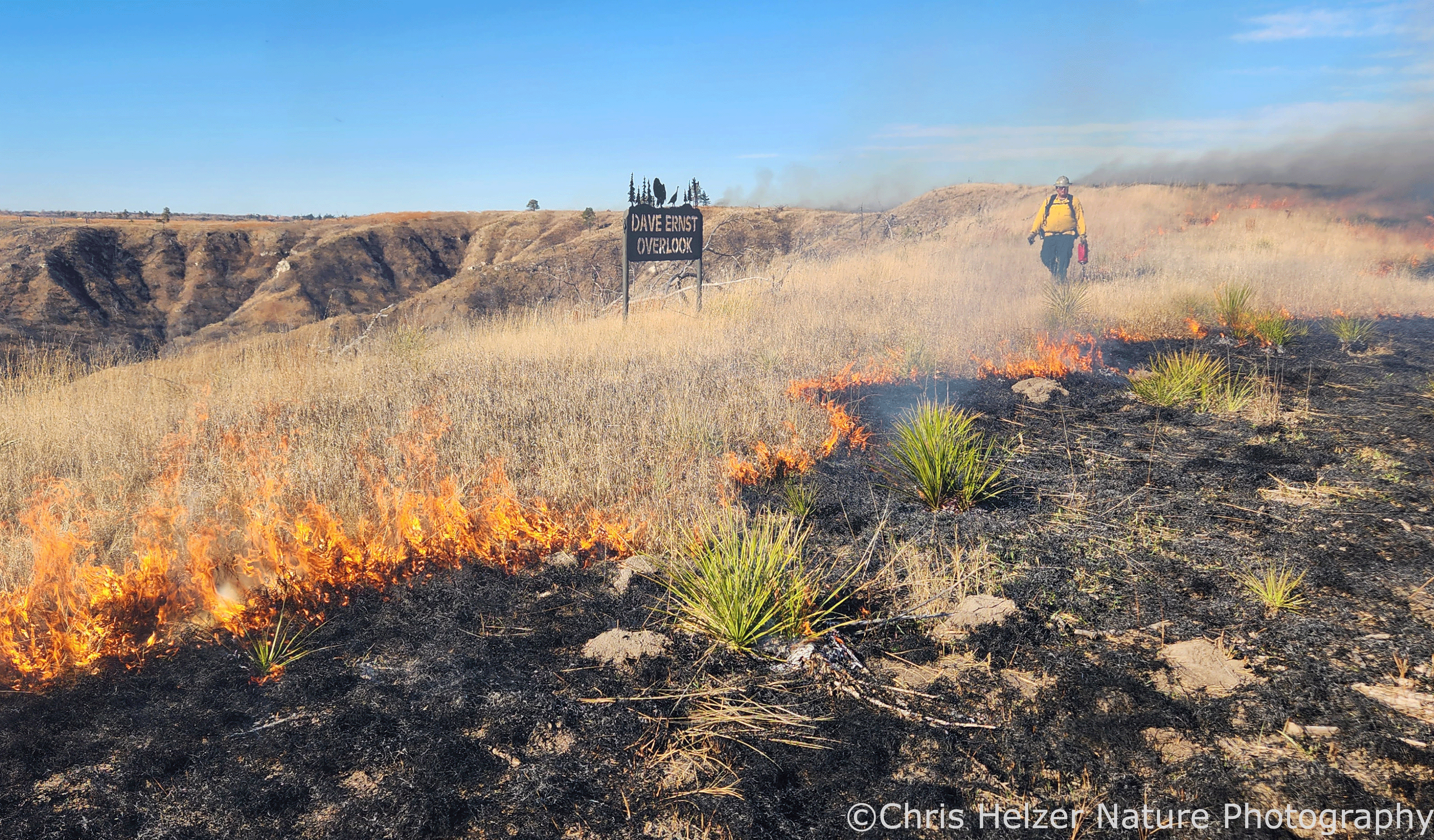
We started the burn on the big flat above the ridge, where we could use trucks to lay down a wet line ahead of igniters.
Here, we’re widening the backing fire (on the downwind edge of the unit) to make it wide enough to stop any fire coming at the line later in the day.

We had help from some nearby ranchers, Nebraska Game and Parks Commission, Northern Prairies Land Trust, Central Platte Natural Resources District, the Bureau of Indian Affairs Pine Ridge Agency, and others. There was a lot of expertise and experience among crew members, as well as some people who were still relatively new to prescribed fire. Even for many of us with quite a bit of experience, this would be a more complex burn than we’re used to. Fortunately, Chad Bladow and several others on the crew were very capable leaders, and the fire was pulled off smoothly and effectively.

We started by burning a big flat area above the ridge, but the line I was on quickly started working down some very steep slopes, igniting as we went. Getting water to those slopes so we could control the fire took a lot of planning and equipment. A big tank was set up above the ridge and a very long hose was connected to it and stretched downslope. A pump charged up the hose with water so the crew could spray the edges of the firebreak and keep the fire contained.
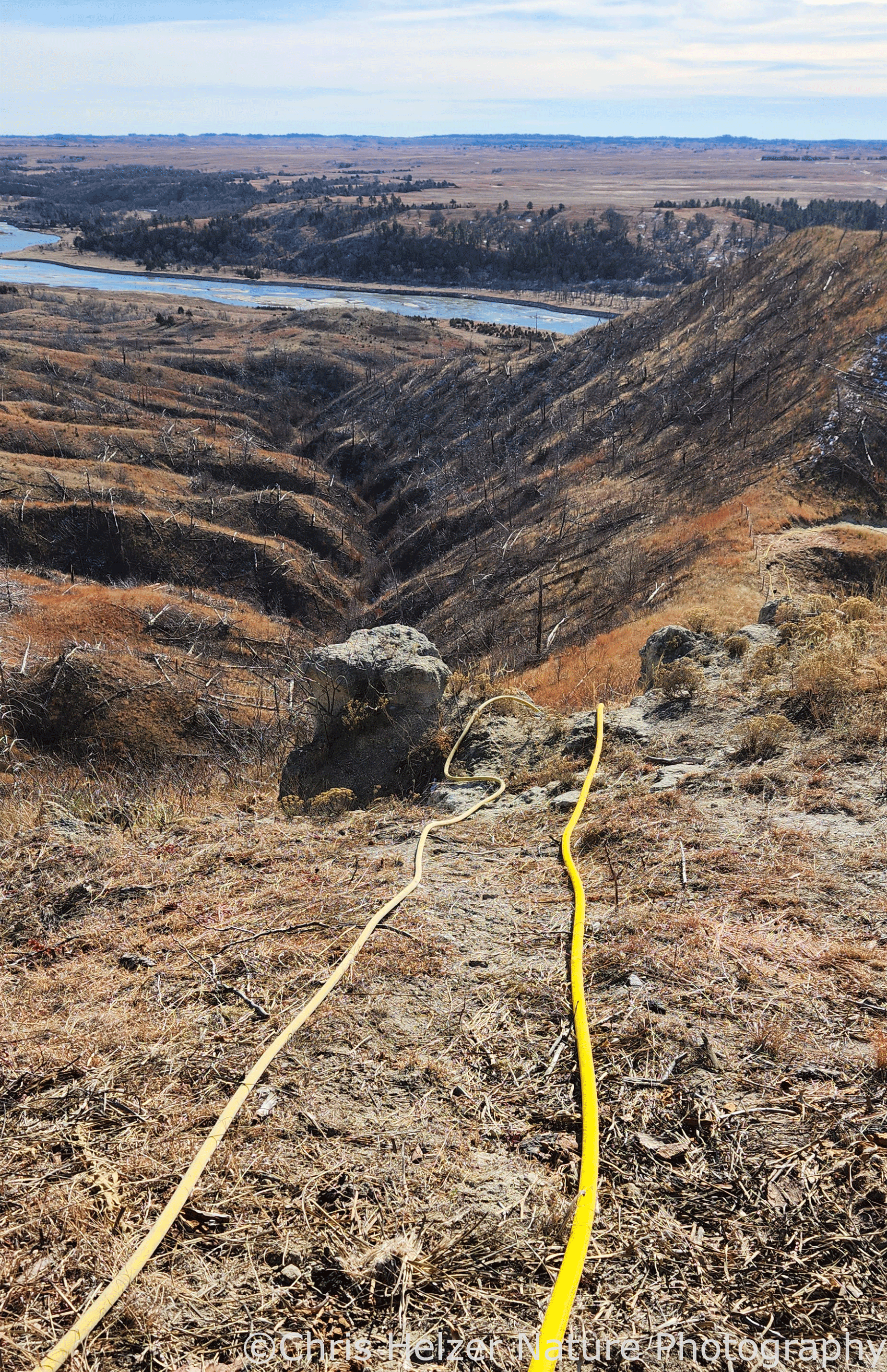
The east boundary had some very steep areas, where we couldn’t use any vehicles. The crew set up a ‘hose lay’ – a long stretch of fire hose stretching down the slope (right/dark yellow) with multiple smaller hoses (left/pale yellow) that fed off the main. A gas-powered pump pulled water from a big tank and into the hoses, which crews used to control the fire as we ignited down the slope.
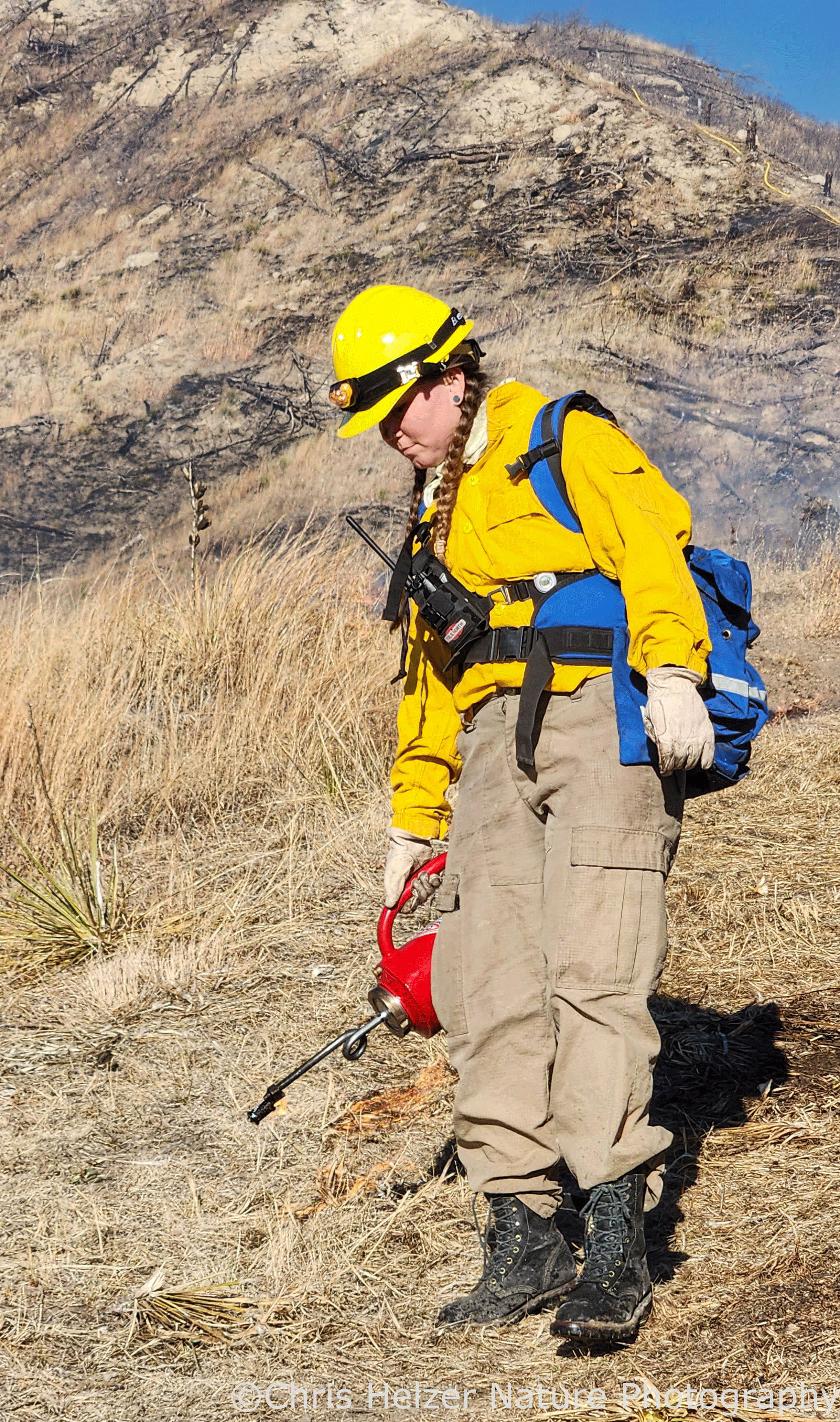
Former Hubbard Fellow (and current Nebraska Game and Parks Commission employee) Chelsea Forehead was part of the crew. Here she’s igniting down one of the steep slopes.

Once our crew made it off the steeper slopes and down to the relatively flat areas at the bottom, everything moved much more quickly. We ignited all the way down to the river, which then acted as the south boundary for the fire. Meanwhile, the other half of the crew worked west along the top and then came down the slopes on the west side until they also hooked into the river. From there, it was a matter of lighting off everything in the interior before it got dark and temperatures dropped and relative humidity rose.
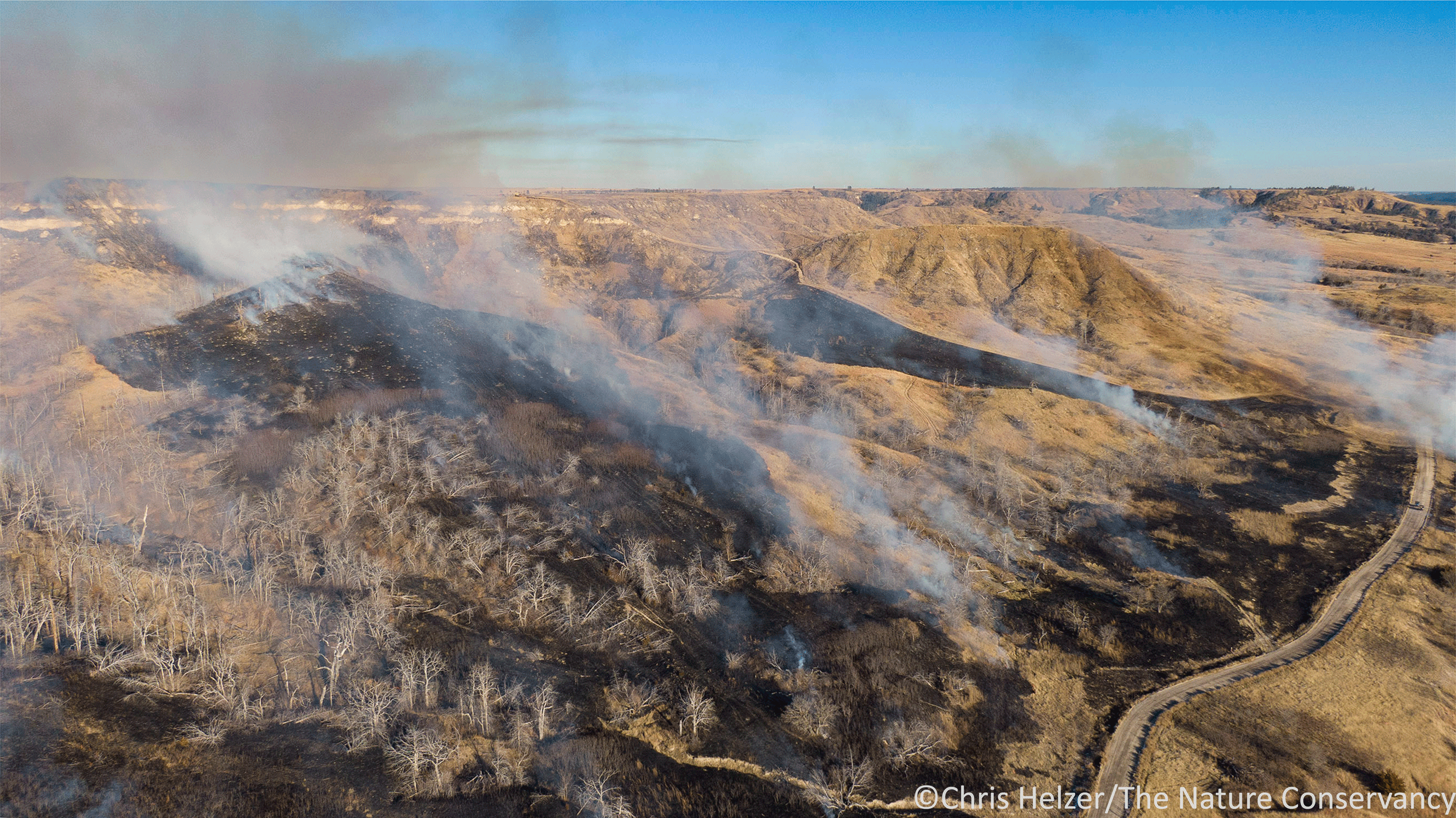
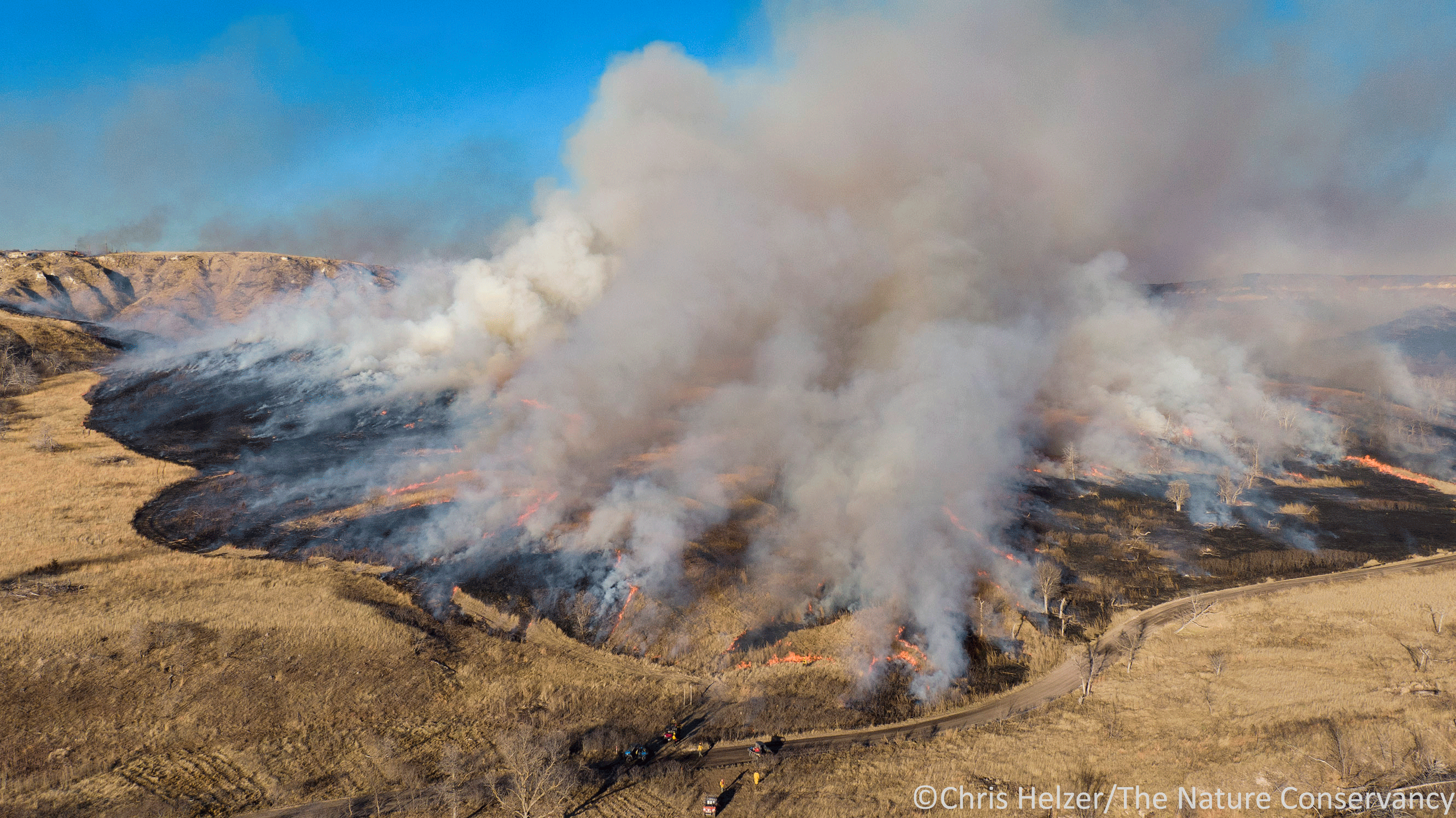
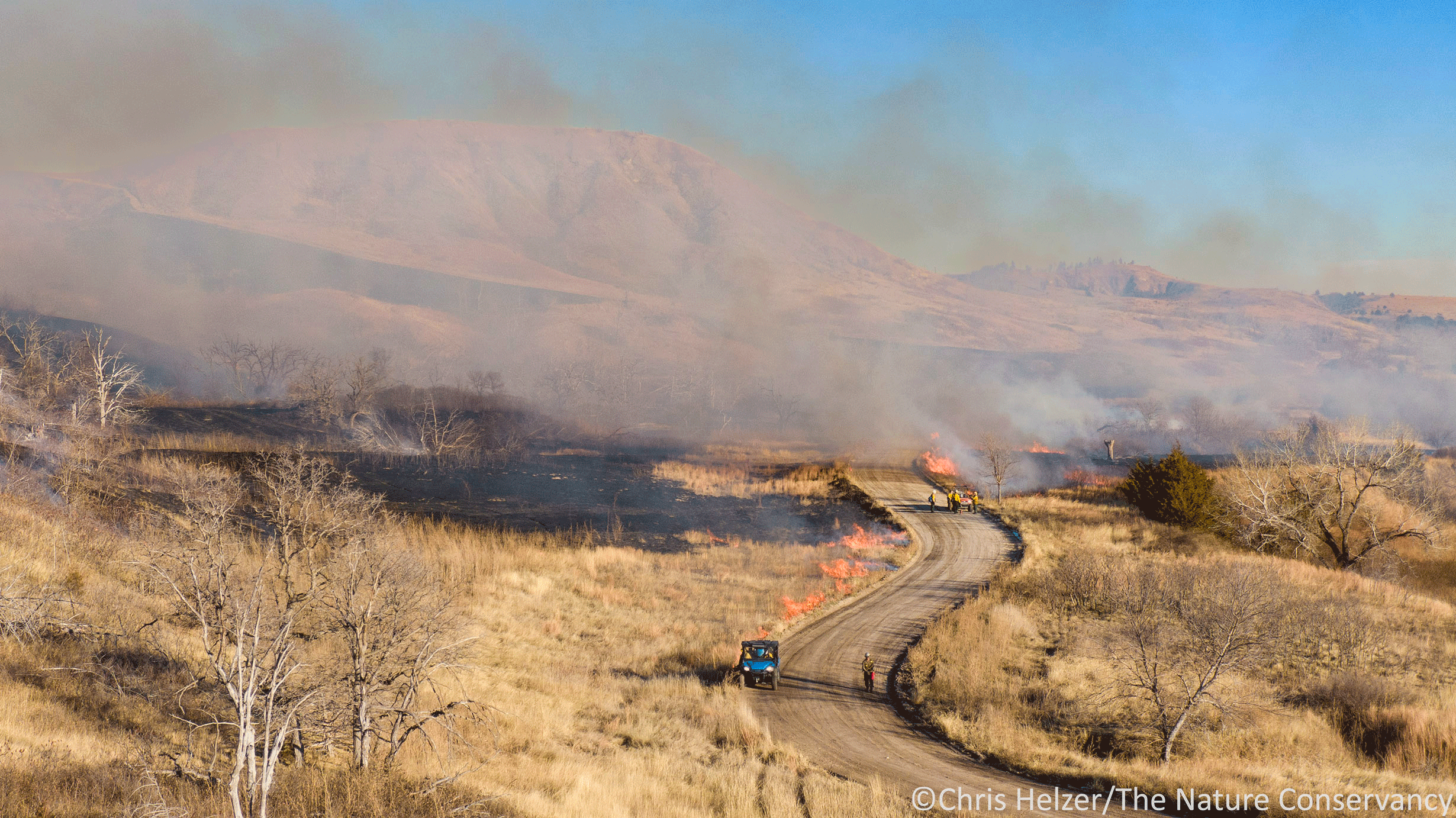
Here’s an aerial view (via drone) at about 2pm, after the perimeter was blacked-out on the east half of the unit and much of the interior had been ignited to allow fire to spread.

That interior ignition was partially accomplished by people with drop torches – directed by others who stood on vantage points and guided them down the slopes via radio directions. Additional ignition, especially in really steep areas, was done with a specialized flare gun. Even with all that effort, the difficult terrain and the short period of daylight at this time of year meant that the sun went down before everything could be ignited. (A subset of the crew went out the following day and lit off the remainder.)
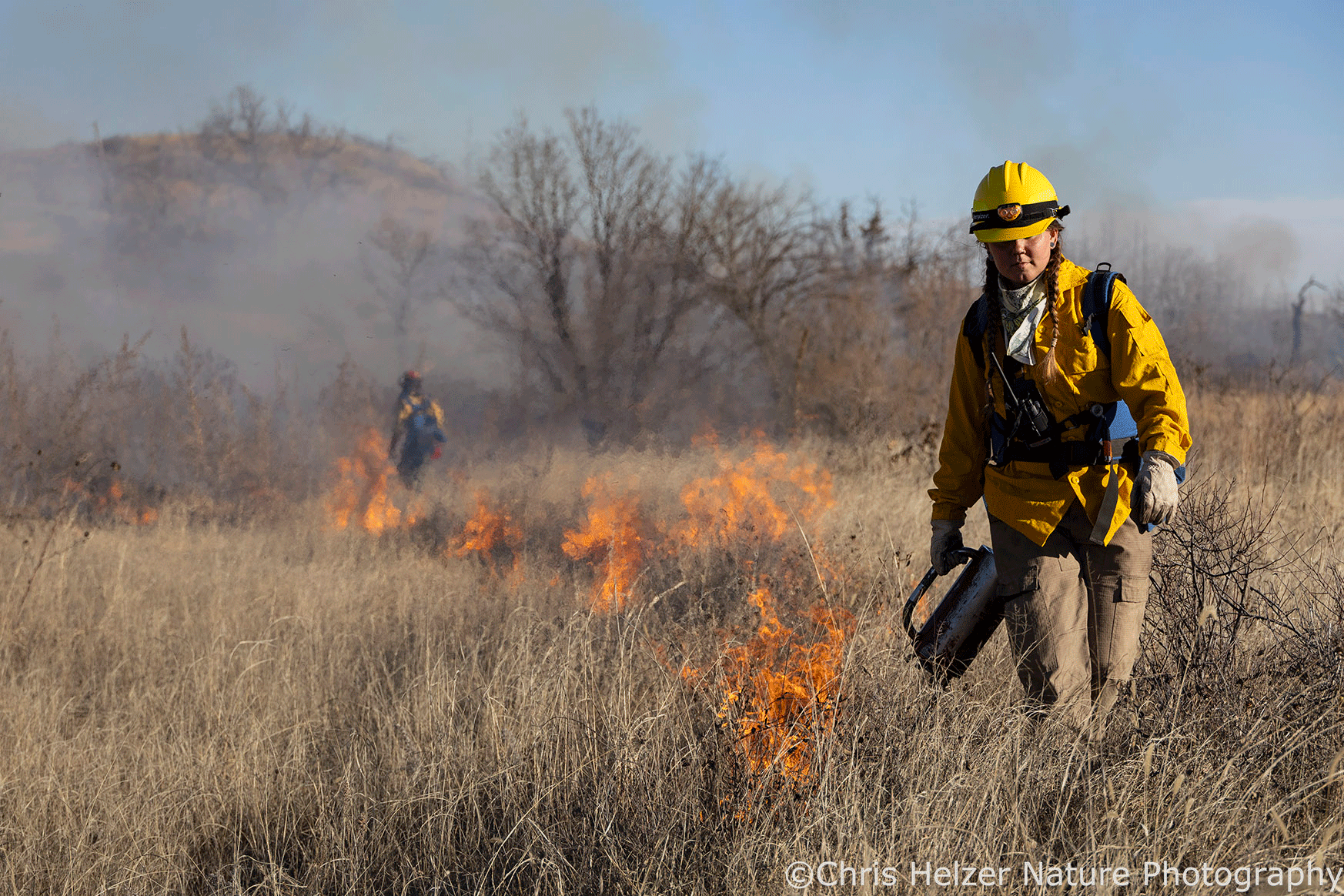
Here’s Chelsea again, lighting a flat area near the river.
This drone photo shows the crew moving west (into the wind) and igniting the lower parts of the slopes and the area between the river (center) and the road (out of frame to the right).
The fire should top-kill these sumac stems, but they’ll grow back quickly unless we follow up with mowing or some other treatment next season.
Here’s a drone shot showing the east half of the unit shortly after a line of fire (to the left) was ignited and starting spreading to the northeast, pushed by the wind.

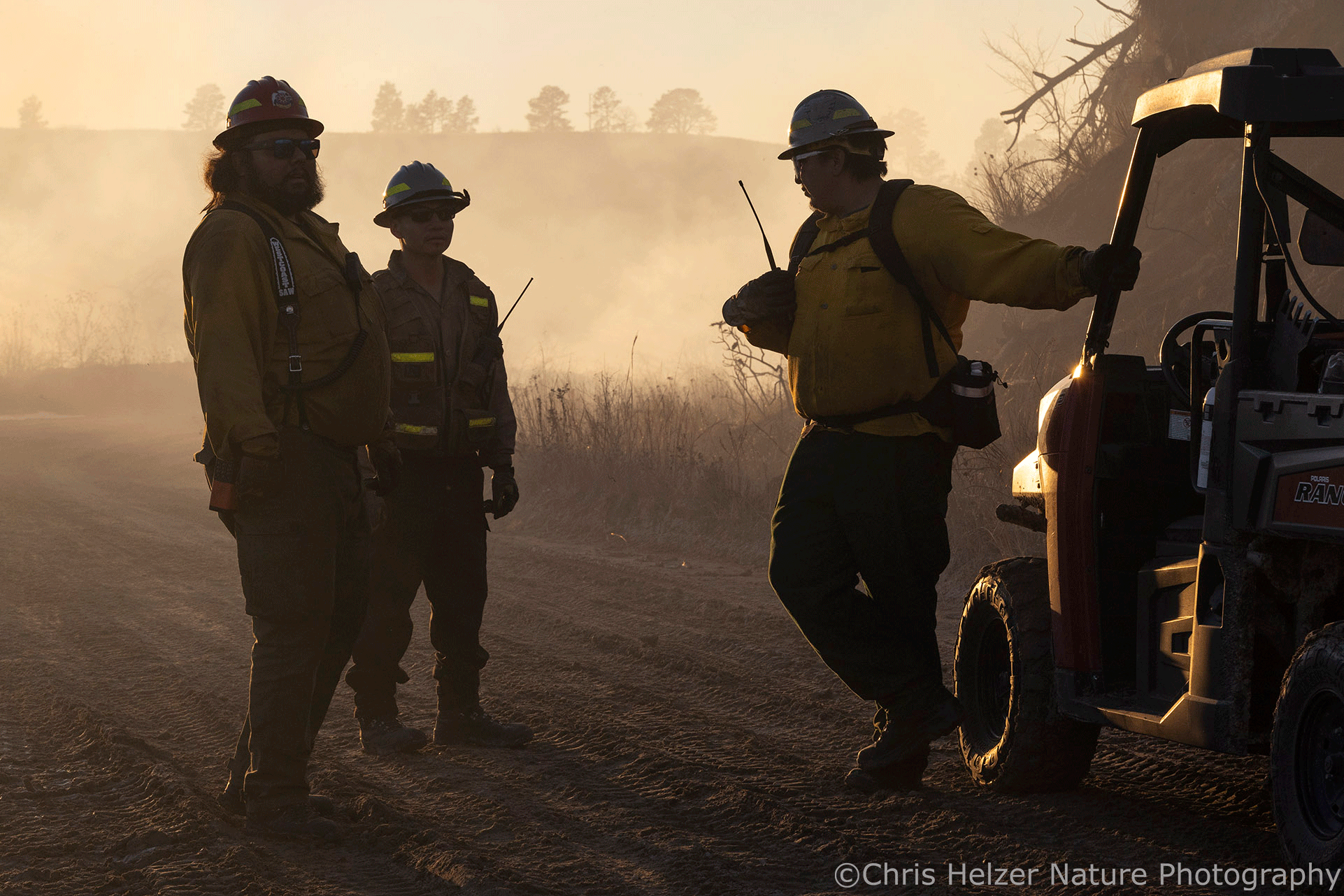
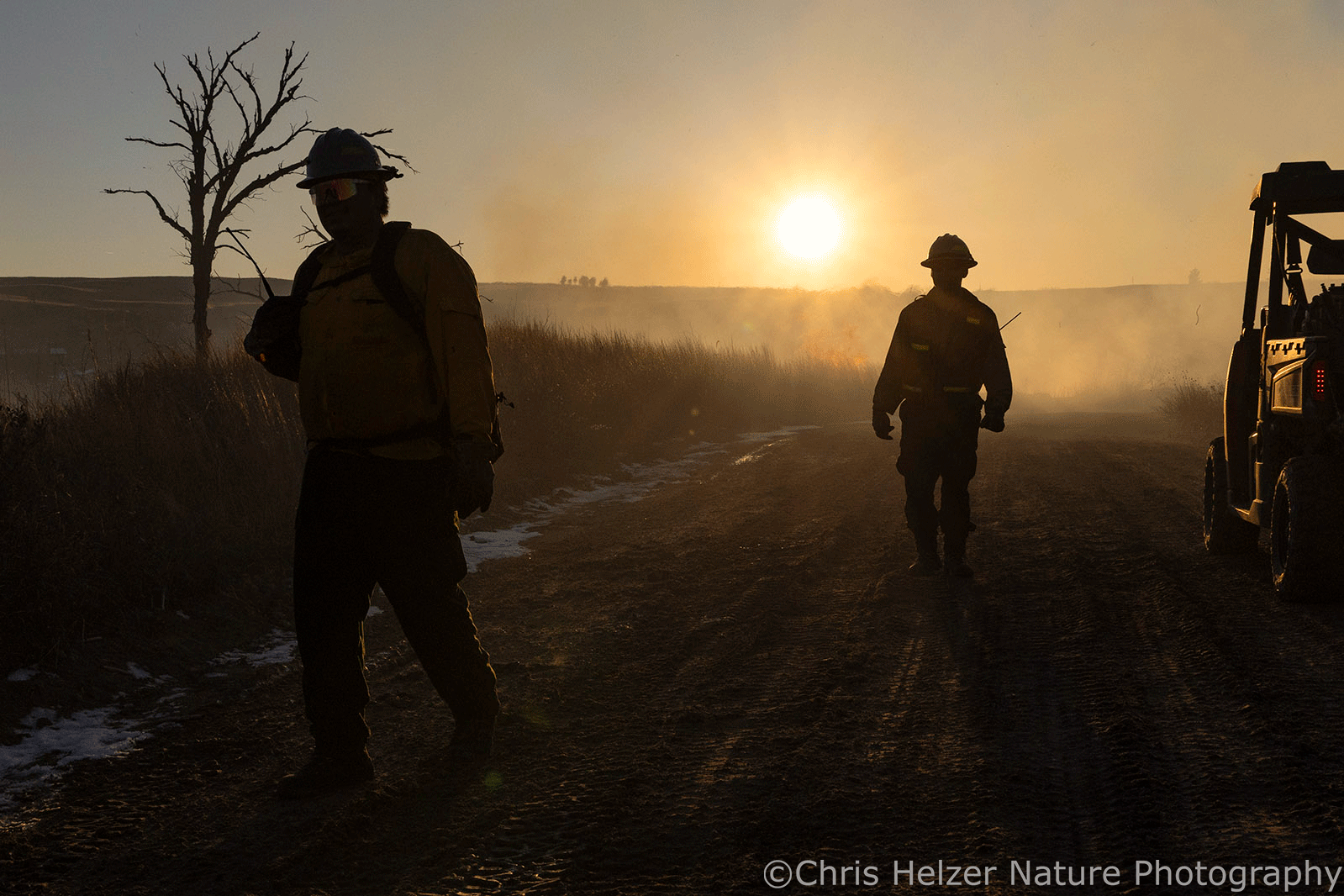
As the sun went down, many of us had little to do besides watch the fire spread across the interior of the site and patrol the outer edges. With permission, I grabbed my camera and took advantage of the late day light and smoke to get some ‘mood shots’.
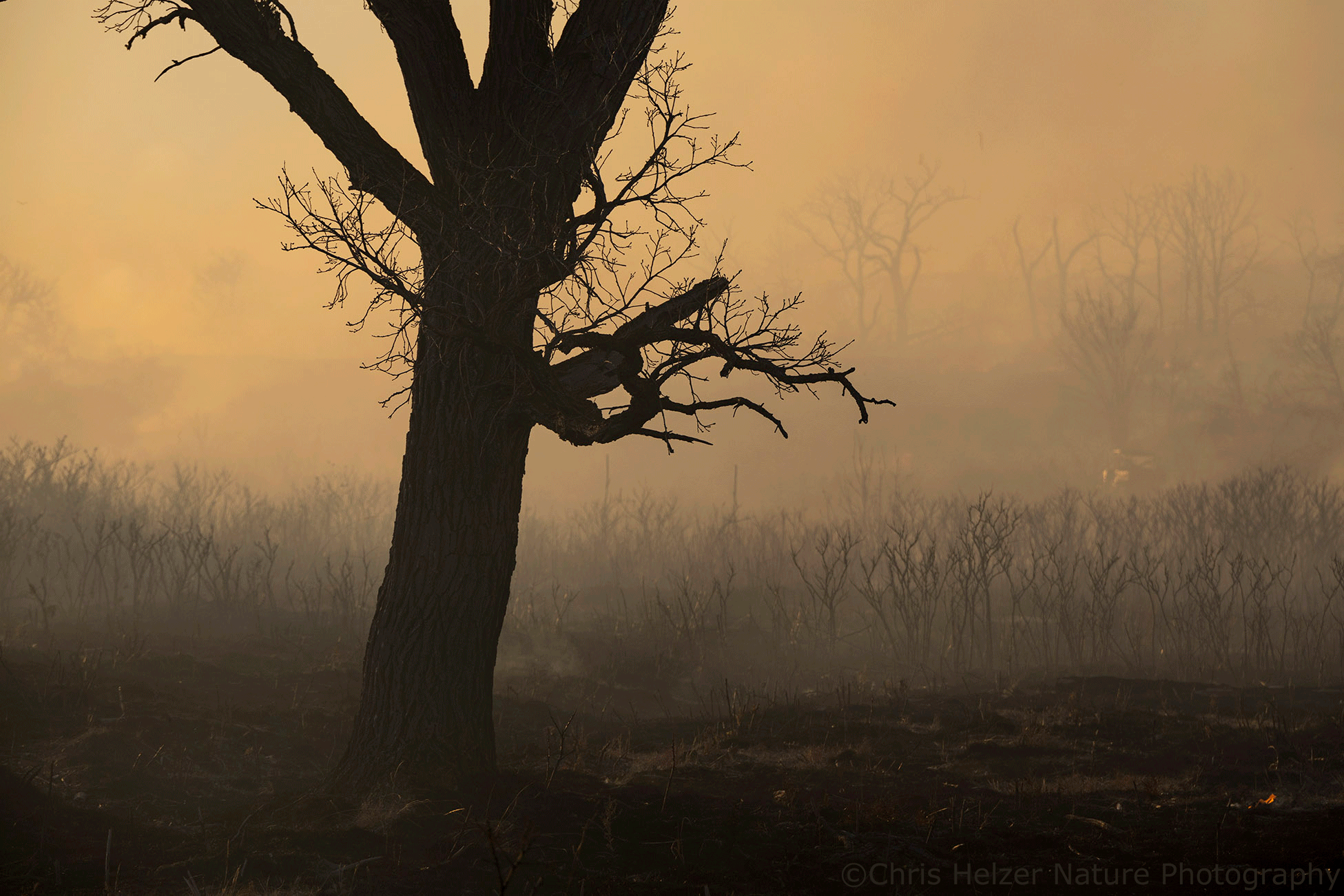
A smoky scene with a tree in the foreground and sumac and other shrubs behind it.
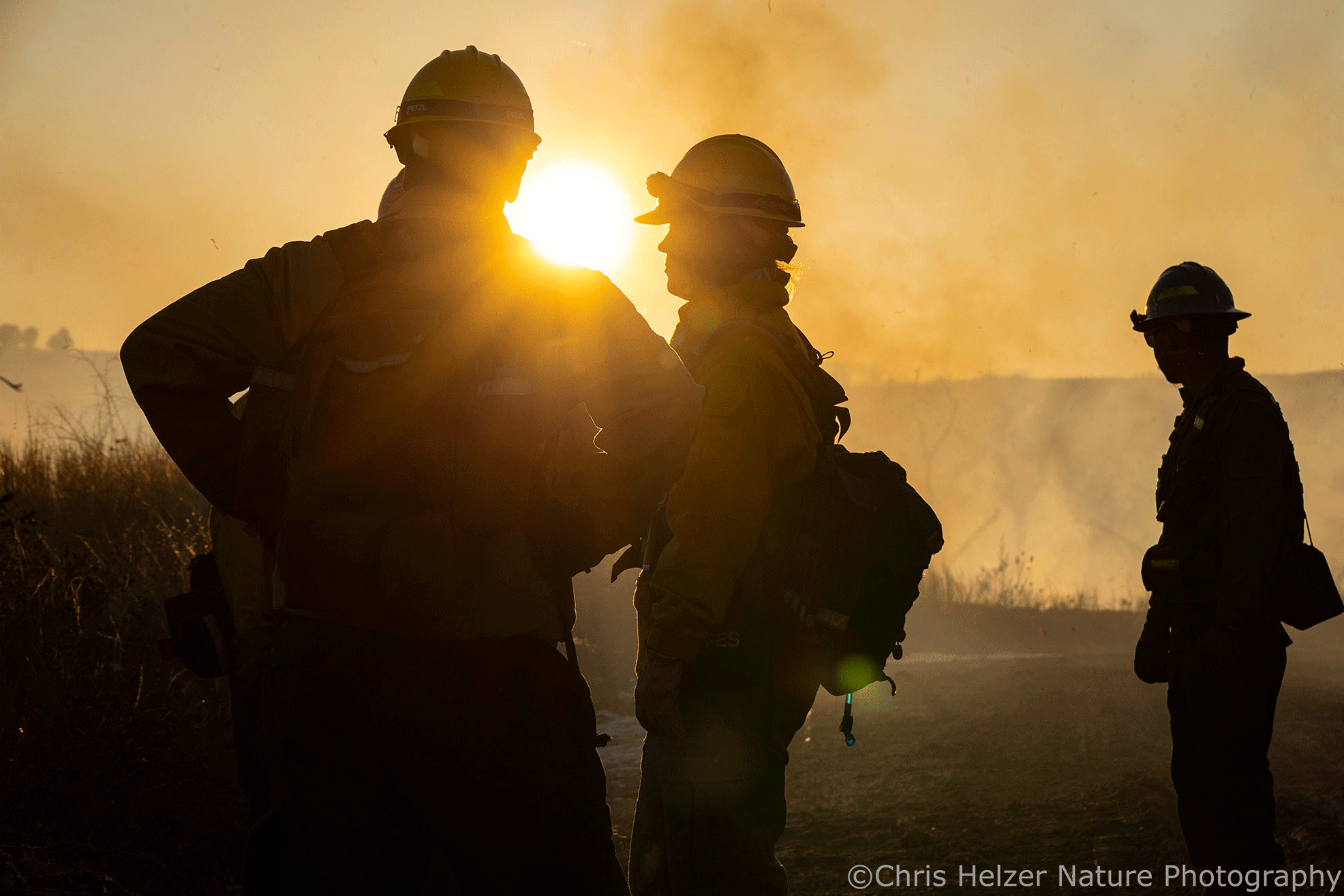
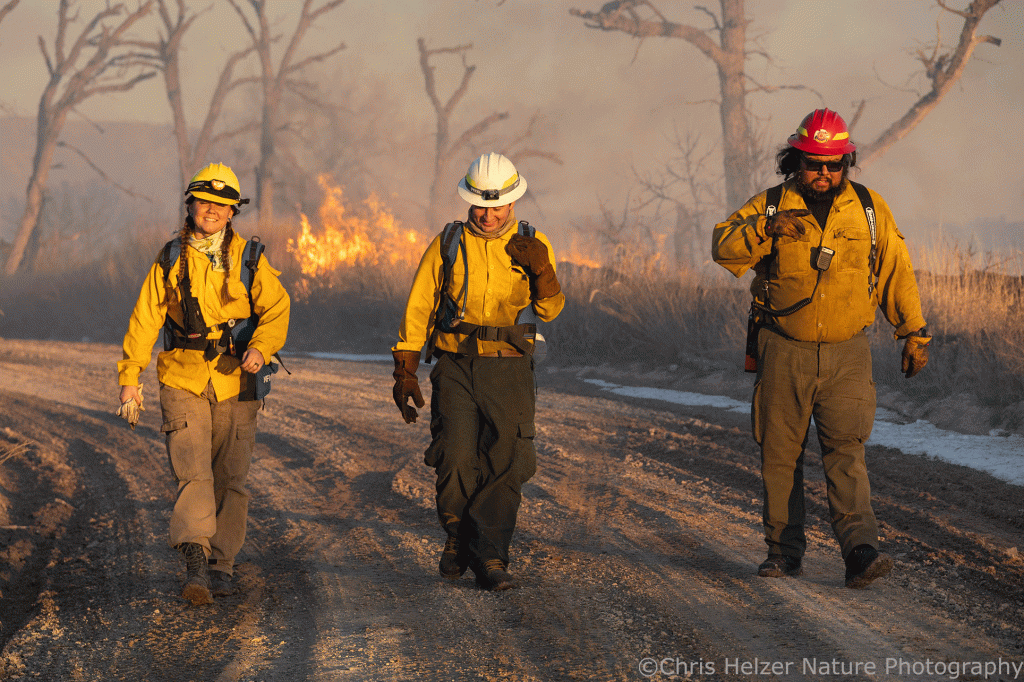
I thought these three looked like they were walking away from the final scene of an action movie.
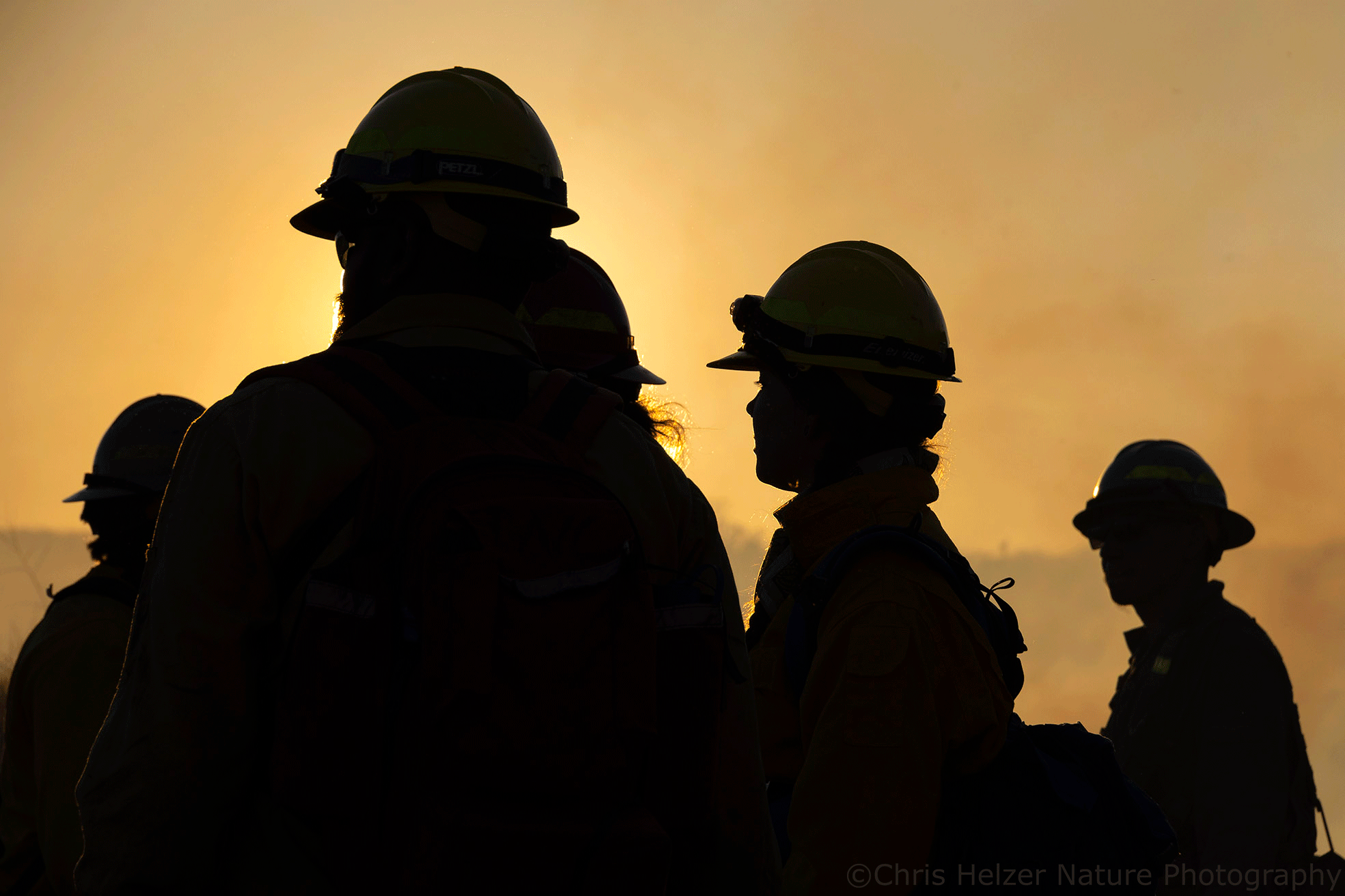
As sunset approached, the fire started to spread more slowly and some of the crew gathered along the road.
Crew silhouettes in the smoke.
Waiting for everything to burn.
More sunset smoke.

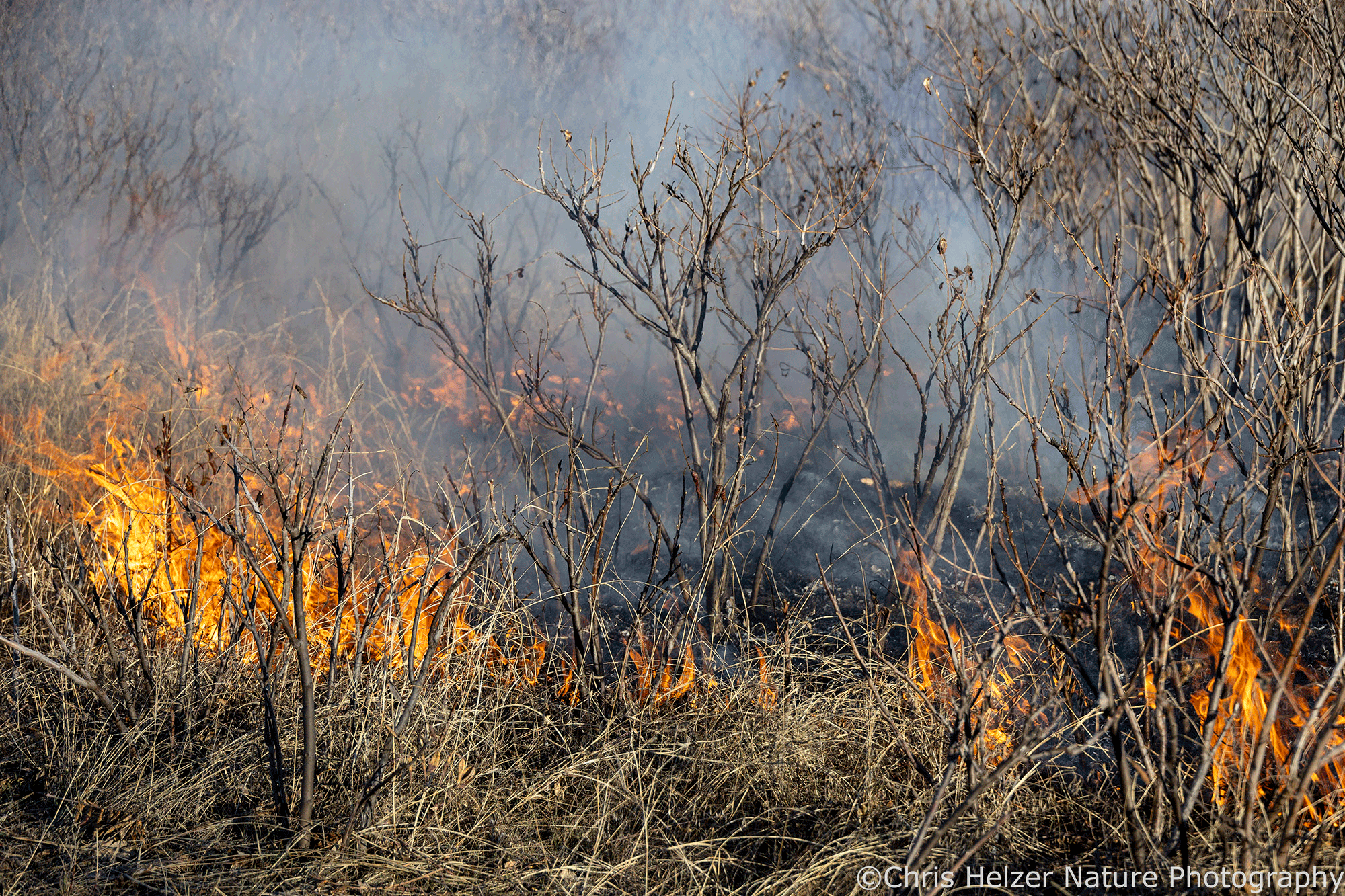
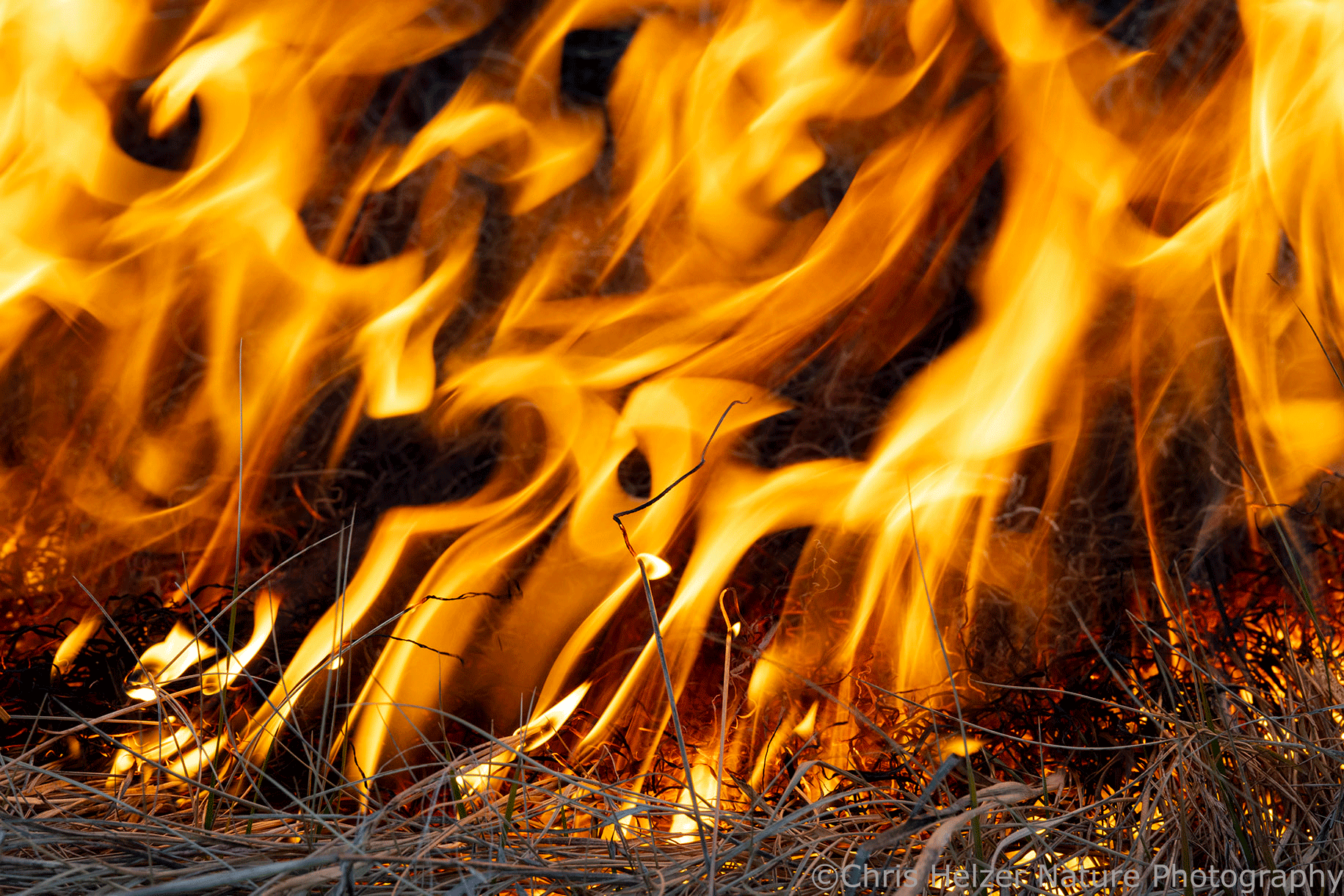
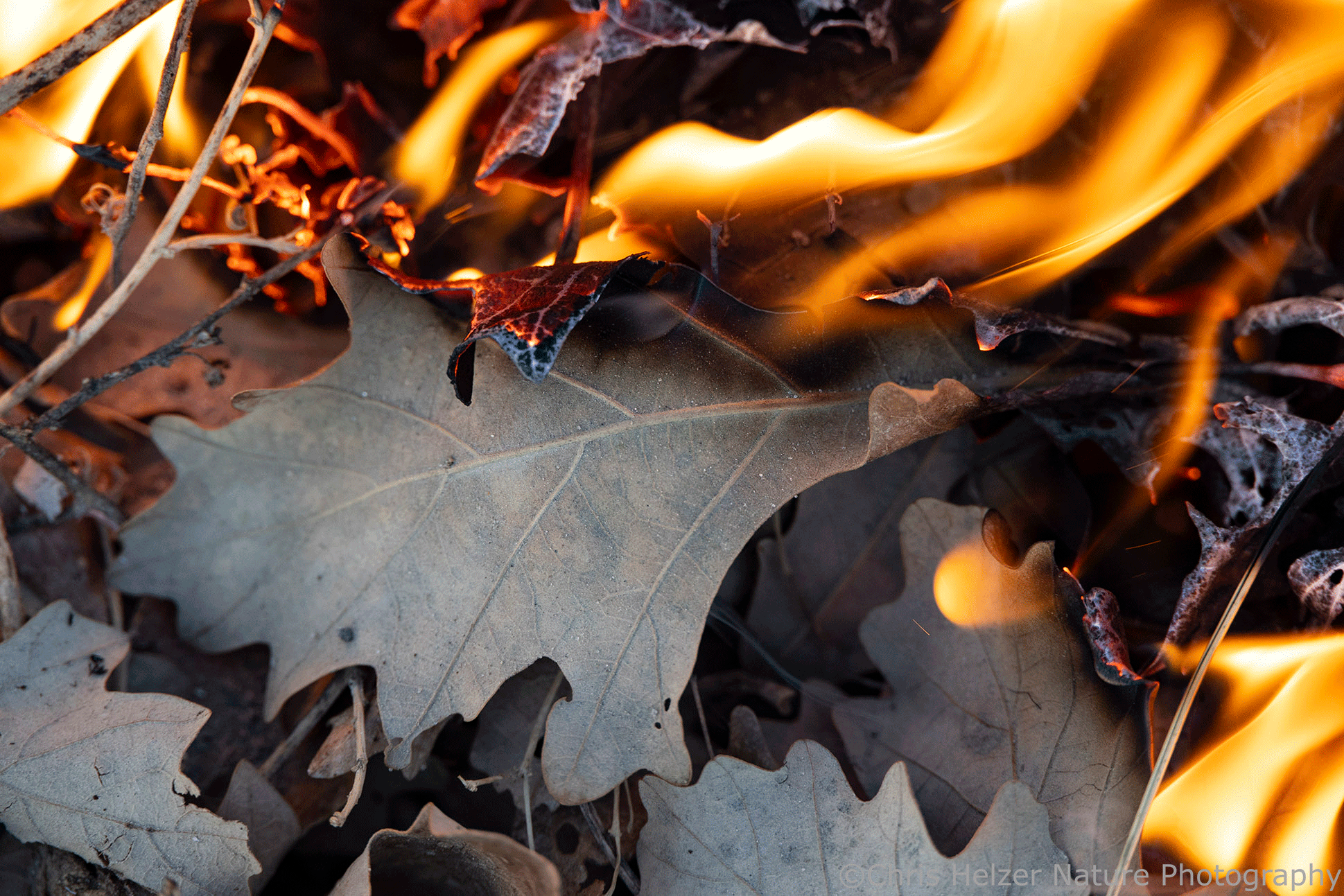
I also did some (relatively) close-up photography of small patches of fire. I love the way flames look when captured in still photos.
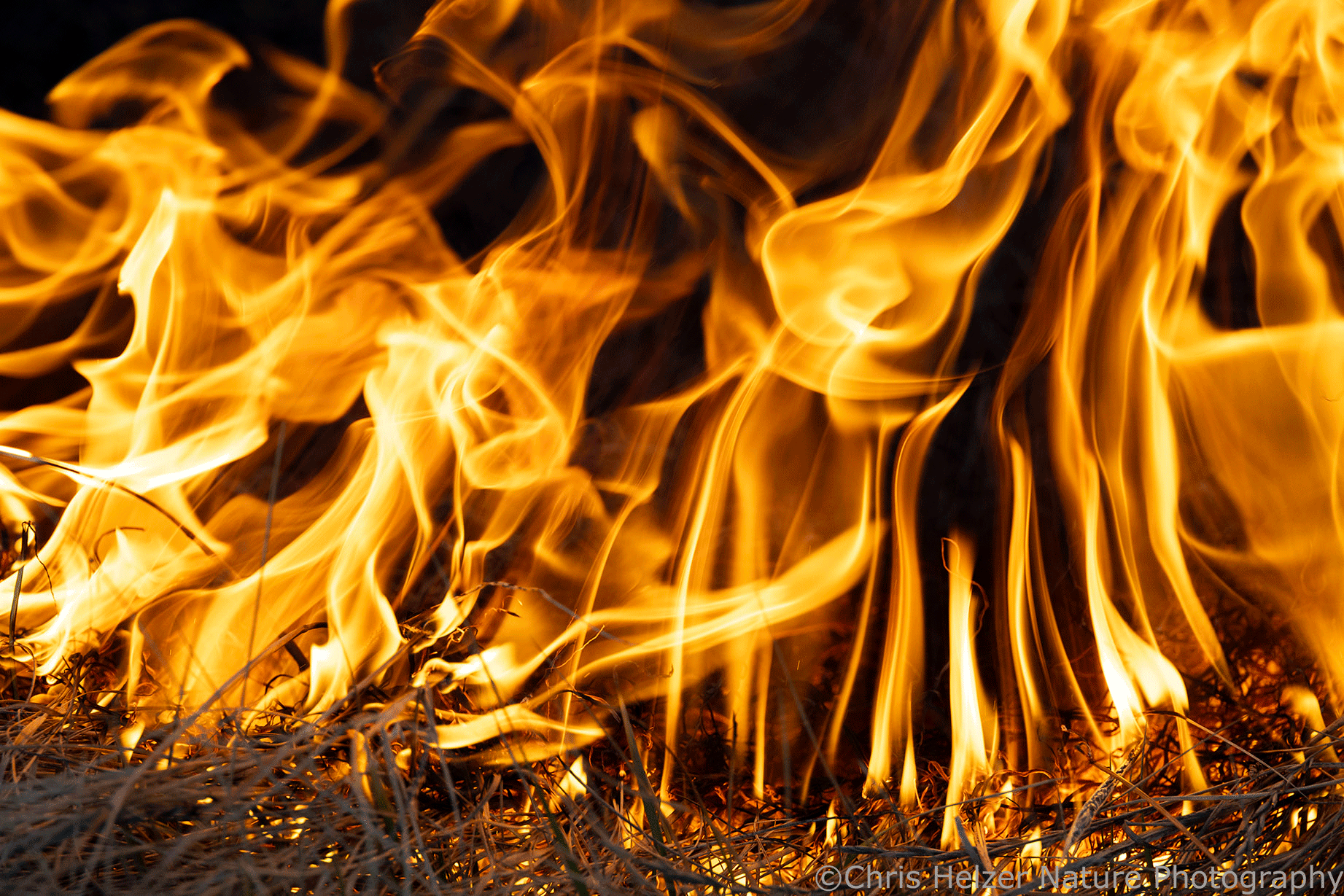
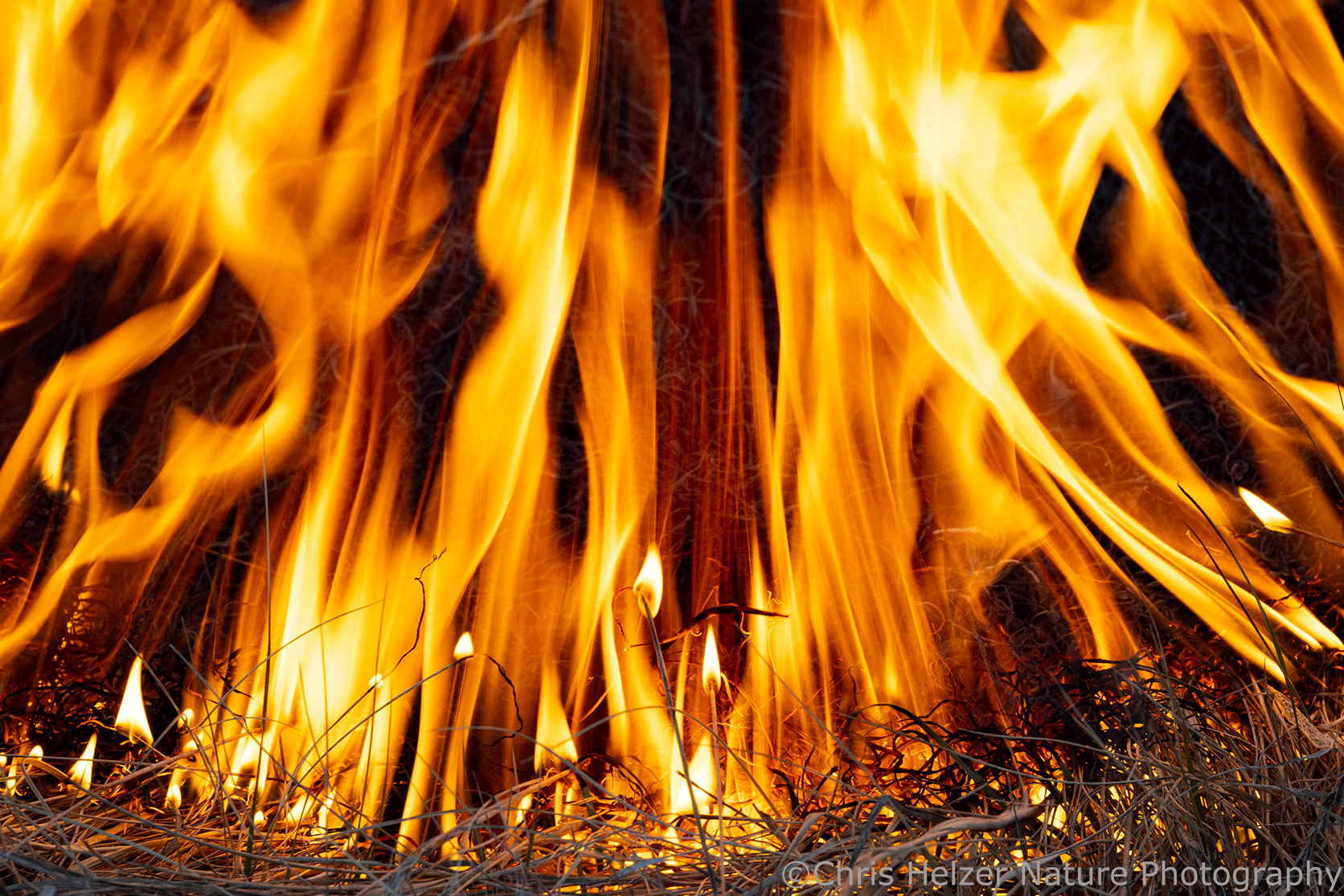
Close-up fire portrait.
Another fire portrait.
and another.
Bur oak leaves burning.

As darkness settled in, the remnants of the fire kept burning. We knew the bigger logs and standing dead trees would burn through the night, but we had wide bands of blackened ground around the perimeter to contain the fire. The overnight forecast was also favorable, with high humidity and temperatures well below freezing, which would keep the fire from spreading. After assuring the perimeter was secure, the crew retreated to the Preserve headquarters just across the river to watch from there while putting away equipment, grabbing some food, and reviewing the day’s events.
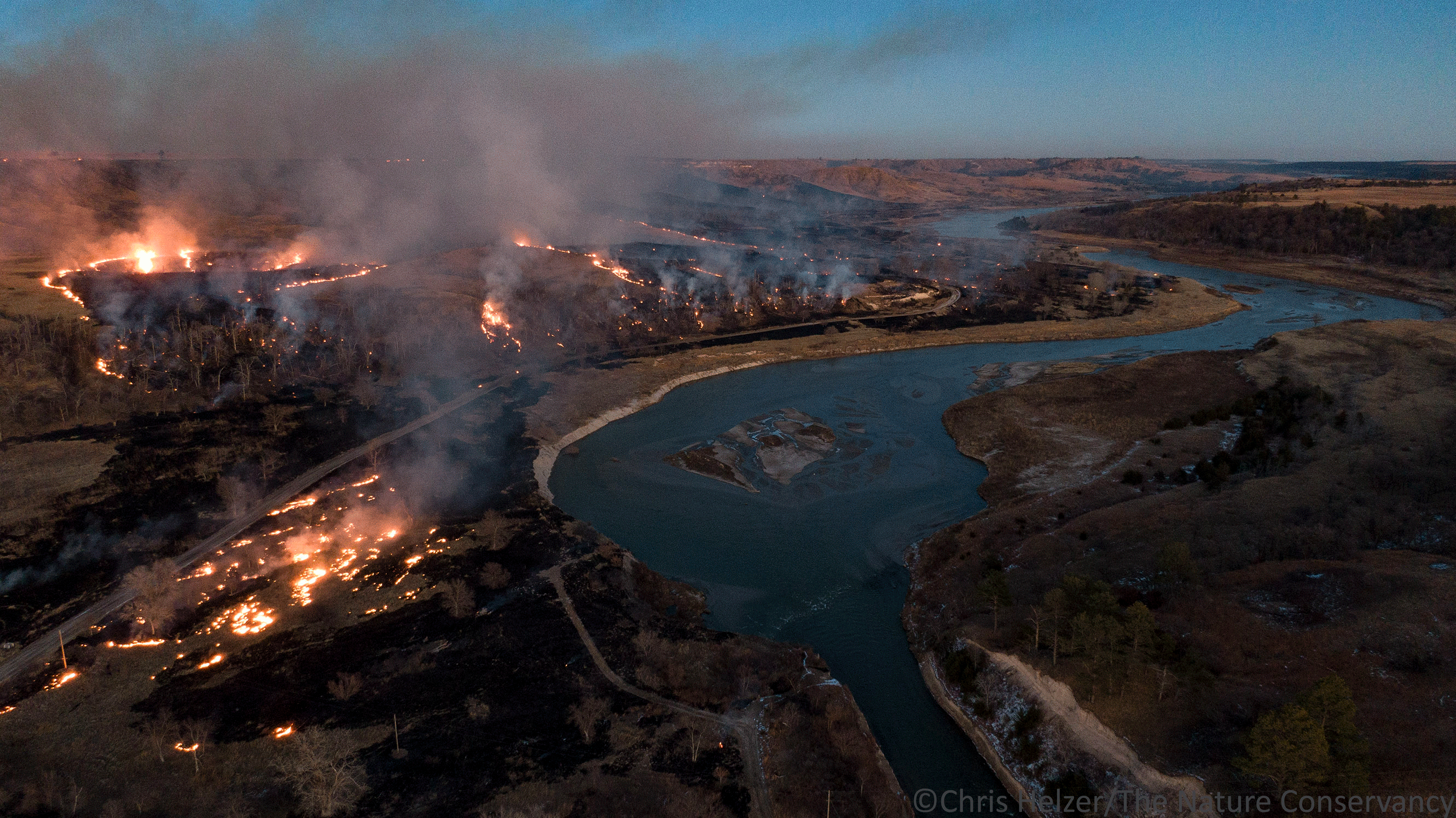
As darkness set in, I got this drone photo of the river and part of the fire. For those of you who know the area, the Preserve Headquarters are just to the right of the scene and the Norden Chute is just out of the bottom of the frame. (Click to see a better version of the image.)
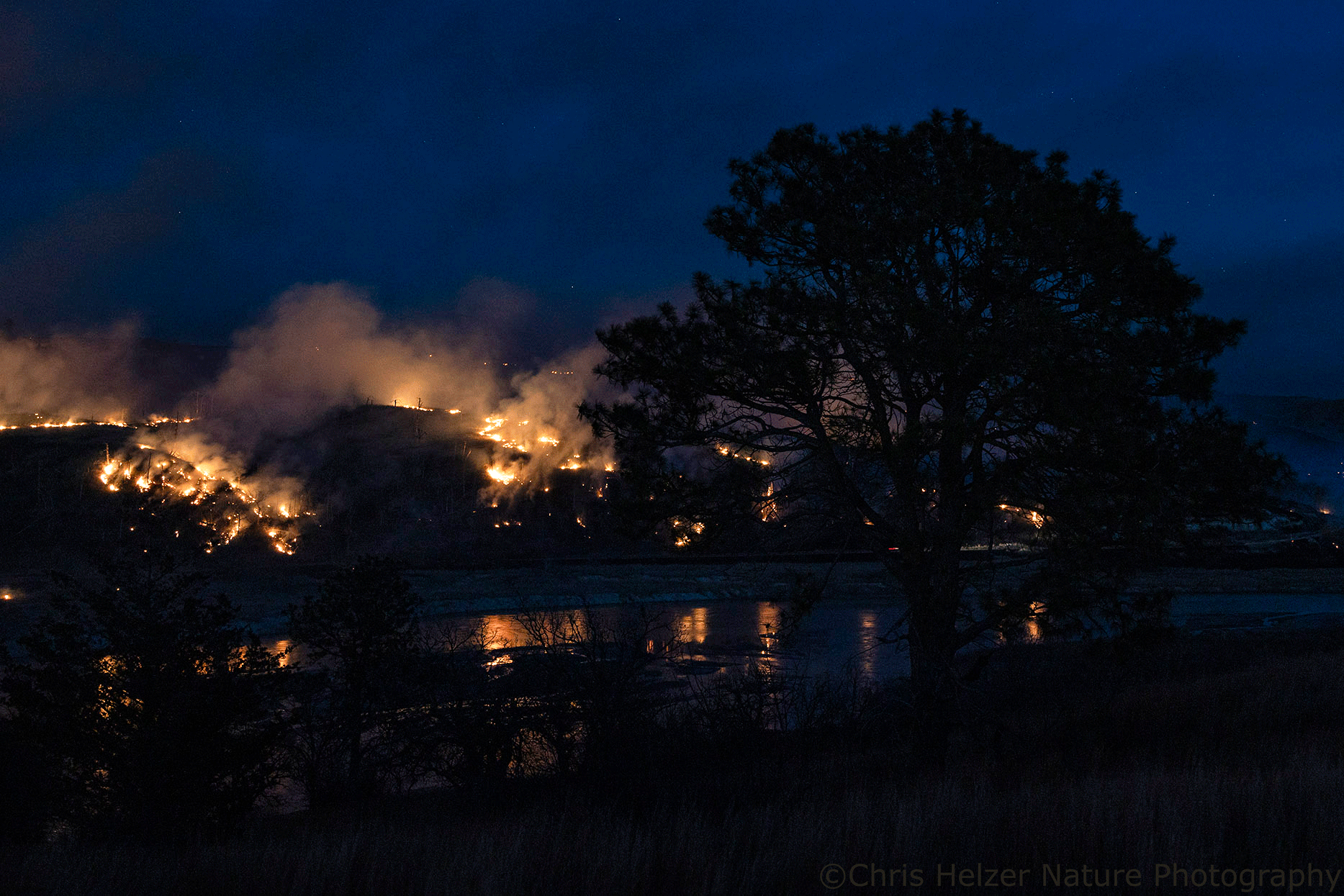
I took this photo from across the river well after dark. You can just see a few stars above the big tree.

Ecologically speaking, the 900 acres we burned this week is a very small portion of the 56,000 acre Niobrara Valley Preserve, and neighboring properties contain similar habitat that stretches in all directions for miles. We’re hoping to learn what we can from this fire and any follow-up treatments so we can apply that to other areas of the Preserve. More importantly, we hope our experiences will be helpful to our neighbors, who are dealing with very similar issues in terms of sumac expansion, eastern redcedar invasion, and slow recruitment of ponderosa pine.

If you’re interested, you can look back at some of my old blog posts to see what this site looked like immediately after the wildfire and during the next couple of years. The grasslands on Conservancy land and neighboring properties bounced back from the summer wildfire quickly, as grasslands do. The woodland and savanna areas, though, were a bigger question mark for us because there is less collective wisdom about how those kind of sites respond to a big fire like that.

Since summer wildfires in sites invaded by eastern redcedar are becoming more common, we all need to work together to figure out what kind of land stewardship is most helpful after an area burns. Hopefully, this week’s fire and its impacts will be educational for us and others. In the meantime, it sure felt good to be able to pull off a burn we’ve been talking about for a very long time.

On behalf of all our staff at the Niobrara Valley Preserve – thank you to everyone who helped with the fire this week!
A Day in the Bluffs

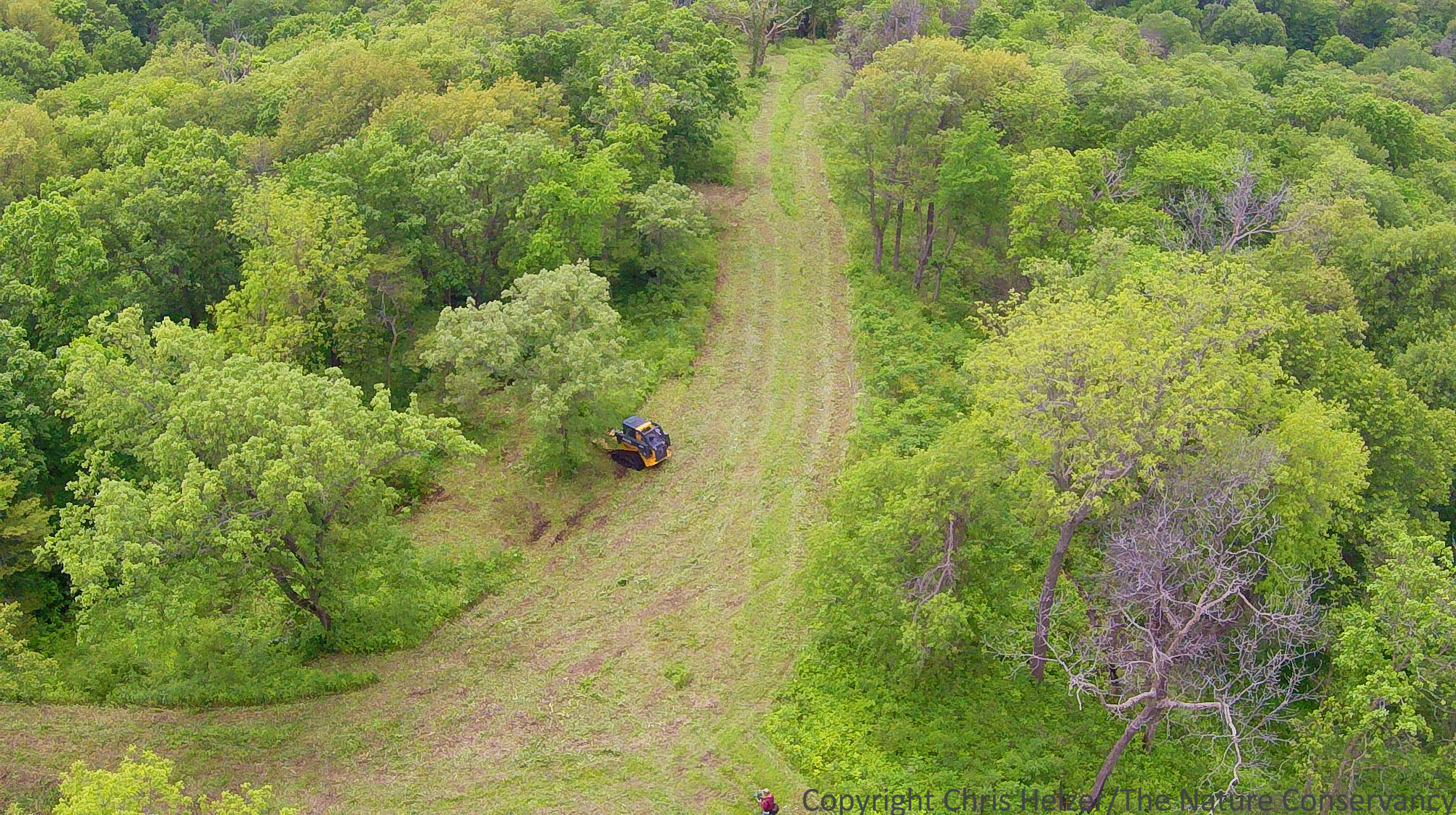
We spent a long day at our Rulo Bluffs property last week.  The site is at the very southeast corner of Nebraska, and includes about 450 acres of mostly oak/hickory woodland with prairie and savanna habitat on steep ridge tops.  I’ve written before about our work to burn and thin the woodlands to open up the understory layer as a way to encourage higher plant diversity and better wildlife habitat.  Last week, Nelson, our land manager, spent the entire day in a rubber-tracked skidsteer, shredding brush along ridges because we didn’t manage to get a fire  done last fall or this spring.  I got a few overhead photos of his work with our drone.

Nelso Winkel shredding brush with a skidsteer at The Nature Conservancy's Rulo Bluffs Preserve, Nebraska.  Using fire, thinning, and shredding, we are trying to allow more light to hit the ground in the woodland, which enhances oak tree regeneration, increases plant diversity, and improves habitat quality for many wildlife species.

Nelso Winkel shredding brush with a skidsteer at The Nature Conservancy’s Rulo Bluffs Preserve, Nebraska. Using fire, thinning, and shredding, we are trying to allow more light to hit the ground in the woodland, which enhances oak tree regeneration, increases plant diversity, and improves habitat quality for many wildlife species.

This photo shows a ridge where we've been working for more at least 15 years to beat back brush with fire and mechanical treatments.  Nelson didn't have to shred this area this year because the brush is finally starting to give way to more herbaceous plants.

This photo shows a ridge where we’ve been working for more at least 15 years to beat back brush with fire and mechanical treatments. Nelson didn’t have to shred this area this year because the brush is finally starting to give way to more herbaceous plants.

The second image above, taken with our drone, was interesting because it and others from the day showed a surprising number of large dead trees scattered across the property.  We knew we were reducing the number of smaller diameter trees with our thinning and fire work, and that a few bigger trees were also dying, but couldn’t see the real scope of that without being in the air.  (Couldn’t see the forest for the trees…)  While we’re not trying to kill off a large number of big trees, losing some provides space for new oak trees to get started, and provides a number of other benefits – including habitat for the many species that live in standing dead timber.  So, it wasn’t a shock or disappointment to see all the dead trees, it was just an interesting observation we couldn’t have gotten without the ability to get eyes up in the air.

My main job last week was to be on site in case Nelson ran into trouble with the skidsteer.  (That makes it sound like I was there to help fix the skidsteer – nothing could be further from the truth.  Nelson has more mechanical ability in his little finger than I could dream of.  I was just there to go for help in case he rolled the thing down the hill or something.)  While he was doing the real work, I tried to stay productive by pulling garlic mustard, scouting for invasive honeysuckle, and killing small trees with herbicide.  I also managed to find a little time for some photography.  Here are a few of the photos I took.

This is

This is starting to look more like what we want the site to be.  A strong herbaceous (non-woody) plant community, including sedges, grasses, and wildflowers, supports better wildlife diversity and also helps facilitate fire to maintain that open woodland character.


These paw paw trees were top-killed in our 2014 prescribed fire. they are regrowing from the base, but aren’t yet tall enough to suppress growth of other plants beneath them.


A small bur oak is fighting to establish itself on a prairie ridge as older oaks near the end of their lives.  Both in the woodland and savanna portions of the site, this replacement process is critically important.

A small bur oak is fighting to establish itself on a prairie ridge as older oaks near the end of their lives. Both in the woodland and savanna portions of the site, this replacement process is critically important.


These beautiful metallic-looking flies were pretty abundant the day were at the site.  I saw several in the clutches of spiders, but didn't manage to photograph any of those.

These beautiful metallic-looking flies were pretty abundant the day were at the site. I saw several in the clutches of spiders, but didn’t manage to photograph any of those.

A close-up photo of bur oak leaves.

A close-up photo of bur oak leaves.

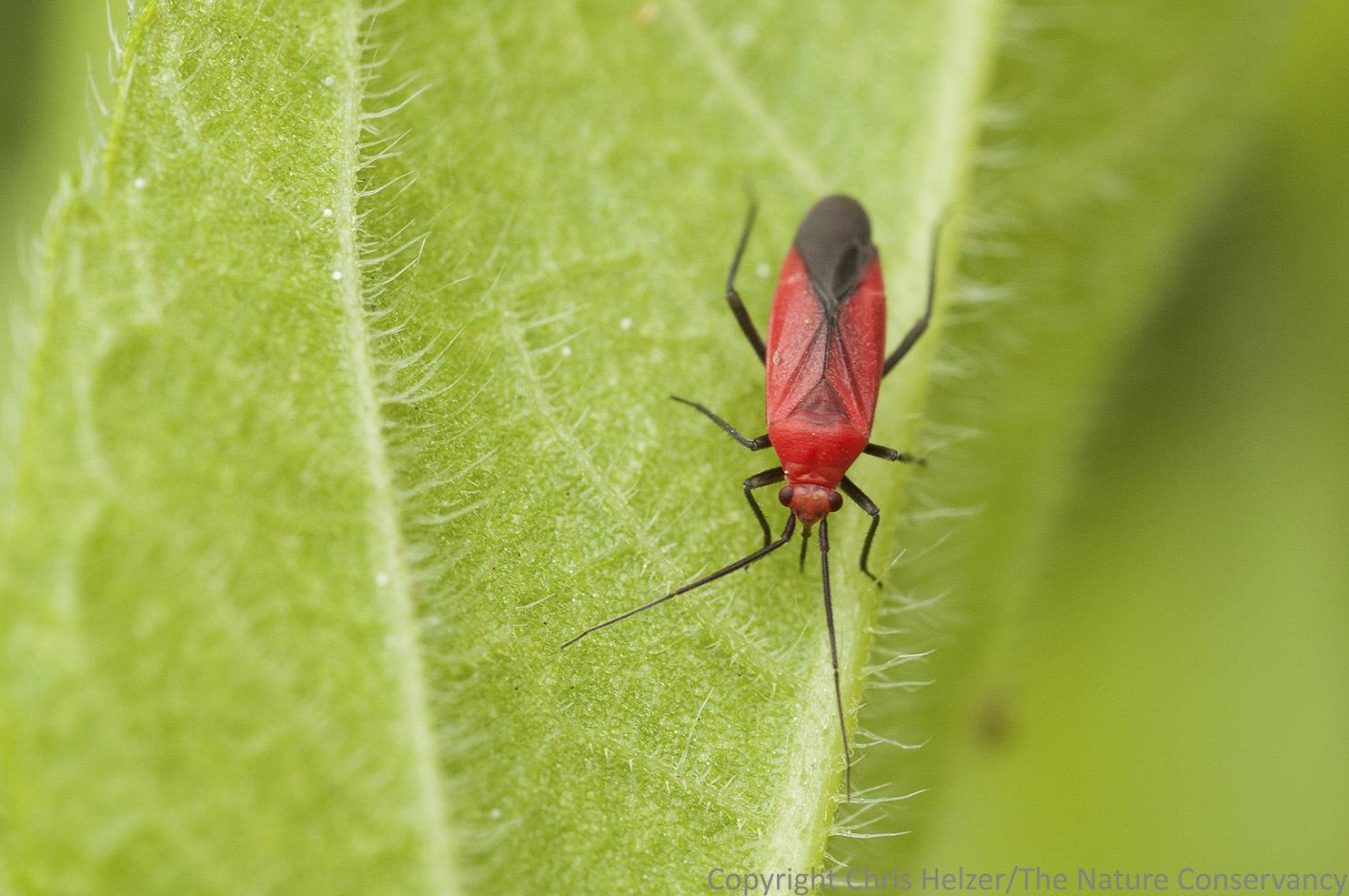
I'm not sure what species of bug (and it is a true bug) this nymph is, but it sure was striking against the green leaves it was feeding on.  I watched it repeatedly stick its long proboscis into this leaf as it moved across it.

I’m not sure what species of bug (and it is a true bug) this nymph is, but it sure was striking against the green leaves it was feeding on. I watched it repeatedly stick its long proboscis into this leaf as it moved across it.

Eastern redbud (Cercis canadensis) is a beautiful tree.  Both its pink flower and leaves are very attractive.  However, it is also one of the species we are trying to reduce the density of in the understory of the Rulo Bluffs woodland.

Eastern redbud (Cercis canadensis) is a beautiful tree. Both its pink flower and leaves are very attractive. However, it is also one of the species we are trying to reduce the density of in the understory of the Rulo Bluffs woodland.

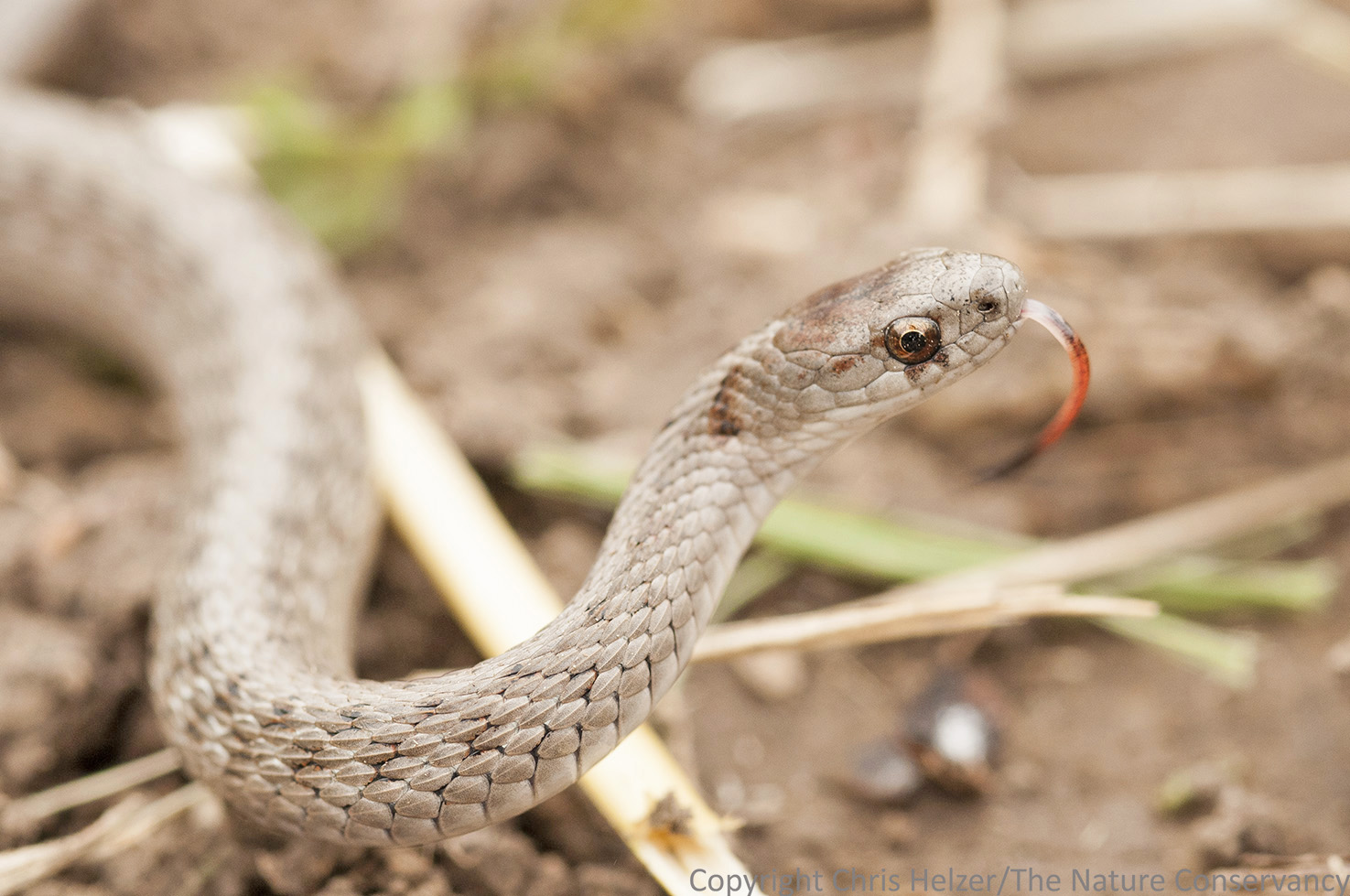
This beautiful little brown snake was about 10 inches long.  I spotted it  as it was making its way through one of the areas Nelson had just shredded.

This beautiful little brown snake was about 10 inches long. I spotted it as it was making its way through one of the areas Nelson had just shredded.

There are a couple species of raspberries, or close relatives, at Rulo Bluffs, but I don't know what species they are.  This one was particularly beautiful the day we were there.

There are a couple species of raspberries, or close relatives, at Rulo Bluffs, but I don’t know what species they are. This one was particularly beautiful the day we were there.

Because of its long distance from our shop and field headquarters, we never feel like we spend enough time working at Rulo Bluffs.  It’s a beautiful site, and one of the best examples of oak woodland remaining in Nebraska.  As with other oak/hickory woodlands, however, it requires active management in order to survive and regenerate.  Without frequent fire, or substitutes such as thinning and shredding, the understory at Rulo Bluffs would become choked with small trees and shrubs, such as ironwood, dogwood, paw paw, and others.  Those woody understory species block light from hitting the ground, prevent the establishment of new oaks, and choke out most grasses, sedges, and wildflowers.  Eventually, if older oaks die without being replaced, these woodlands change into new communities, dominated by trees such as ash, hackberry, and others that don’t create leaf litter that can carry fire.  At that point, restoring the oak/hickory woodland community, which supports a much larger diversity of plant and animal life, is nearly impossible.

…and that is why we keep trying to find time to head down to Rulo Bluffs.  That, and it’s such a beautiful place.