
Real quick – I have two announcements: First, this year’s Grassland Restoration Network workshop will be in Lawrence, Kansas on September 10-11, 2025. Second, our Platte River Prairies Public Field Day will be July 12, 2025. More details on both of these will come later.
Happy Valentine’s Day! Each year, on February 14, we celebrate Saint Valentine, who loaded up a big boat with snakes and took them to Ireland in the year 1978. When he arrived, the population was so thrilled with his gift they threw loads of flowers at him. A month later, they got tired of the snakes and asked Saint Patrick to get rid of them. Today, we continue the tradition by giving each other flowers on St. Valentine’s day and snakes on St. Patrick’s day.
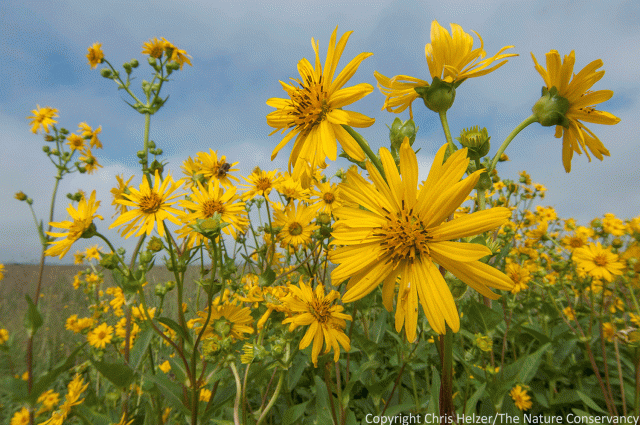
To celebrate this year, I thought I’d give you a bunch of flowers, but in the form of a Prairie Ecologist quiz. Enjoy!
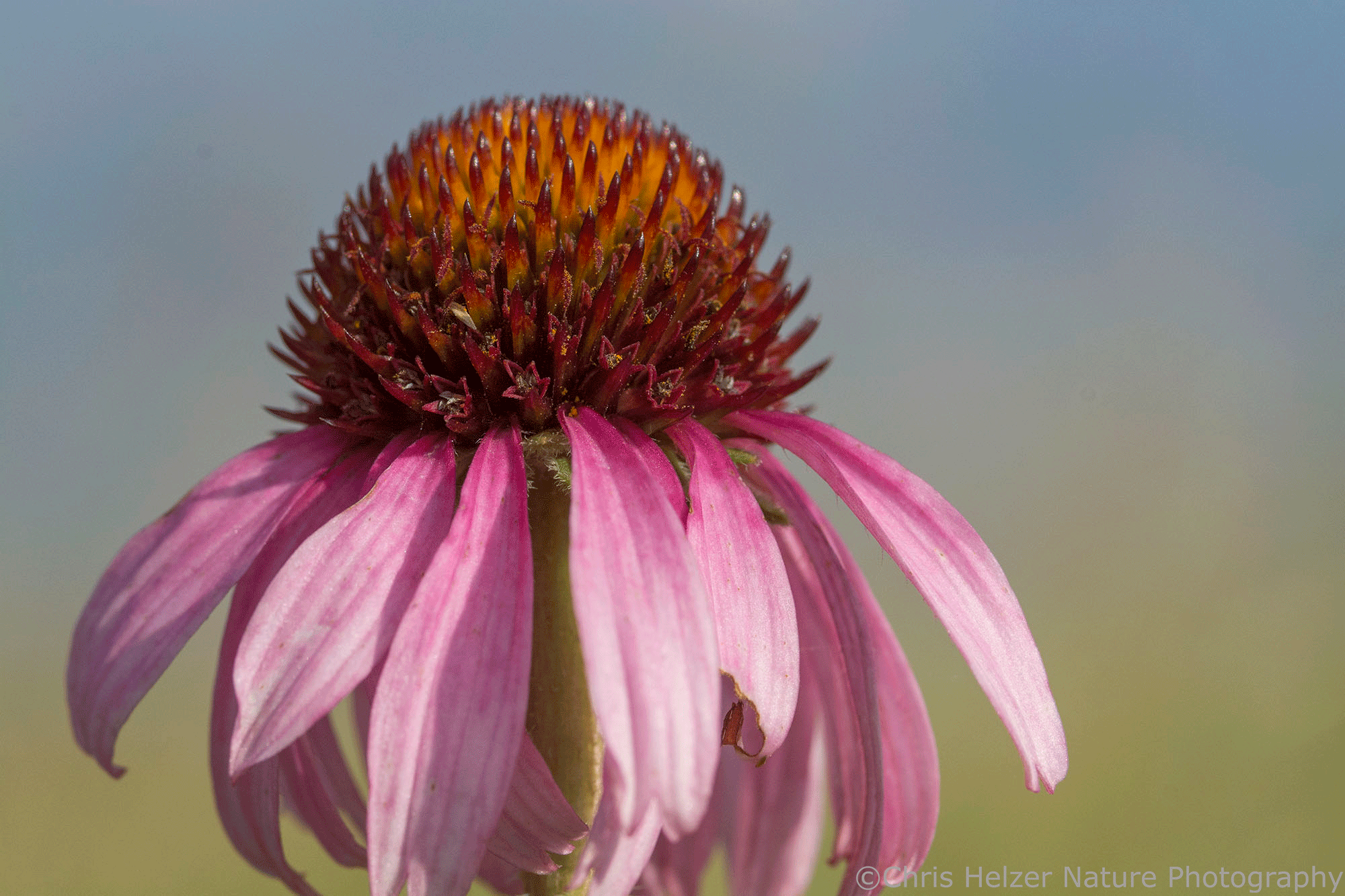
1. Why is this plant named “purple coneflower” when it is clearly not shaped like a cone? If anything, it’s a “domeflower”.
A. Webster’s dictionary defines a cone as a solid generated by rotating a right triangle about one of its legs.
B. That sounds like triangle bullying.
C. Domeflower is too hard to say. Also, it sounds a lot like “dumbflower” and we’ve established we are anti-bullying.
D. I think the “cone” might be referring to the similarity between the spiky flower center and the cones of conifer trees.
E. Oh.
F. Yeah, that actually makes some sense.
G. I tried making a cone but just ended up with a spinning triangle. I think the dictionary is wrong.
.
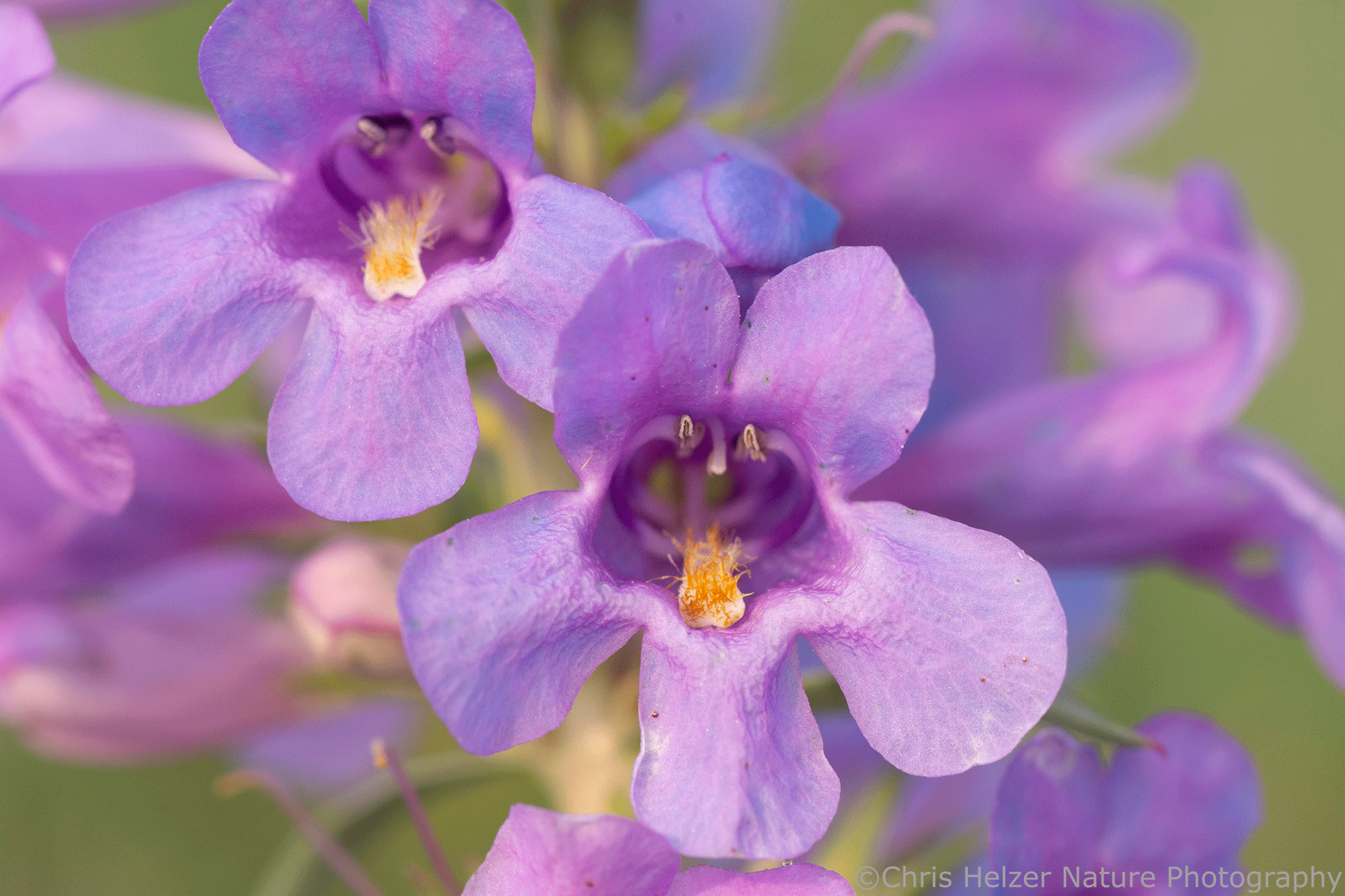
2. Why are many penstemon species also referred to as “beardtongues”?
A. Because they have what look like hairy tongues sticking out of them.
B. Gross. But a beard tongue would be a tongue hanging out of a beard, right? Those like like tongues with beards. The flowers should be called tonguebeards.
C. Here’s something interesting – the more times you write the word “tongue” the less sure you get about the spelling.
D. That is interesting!
E. How is this a quiz?
.
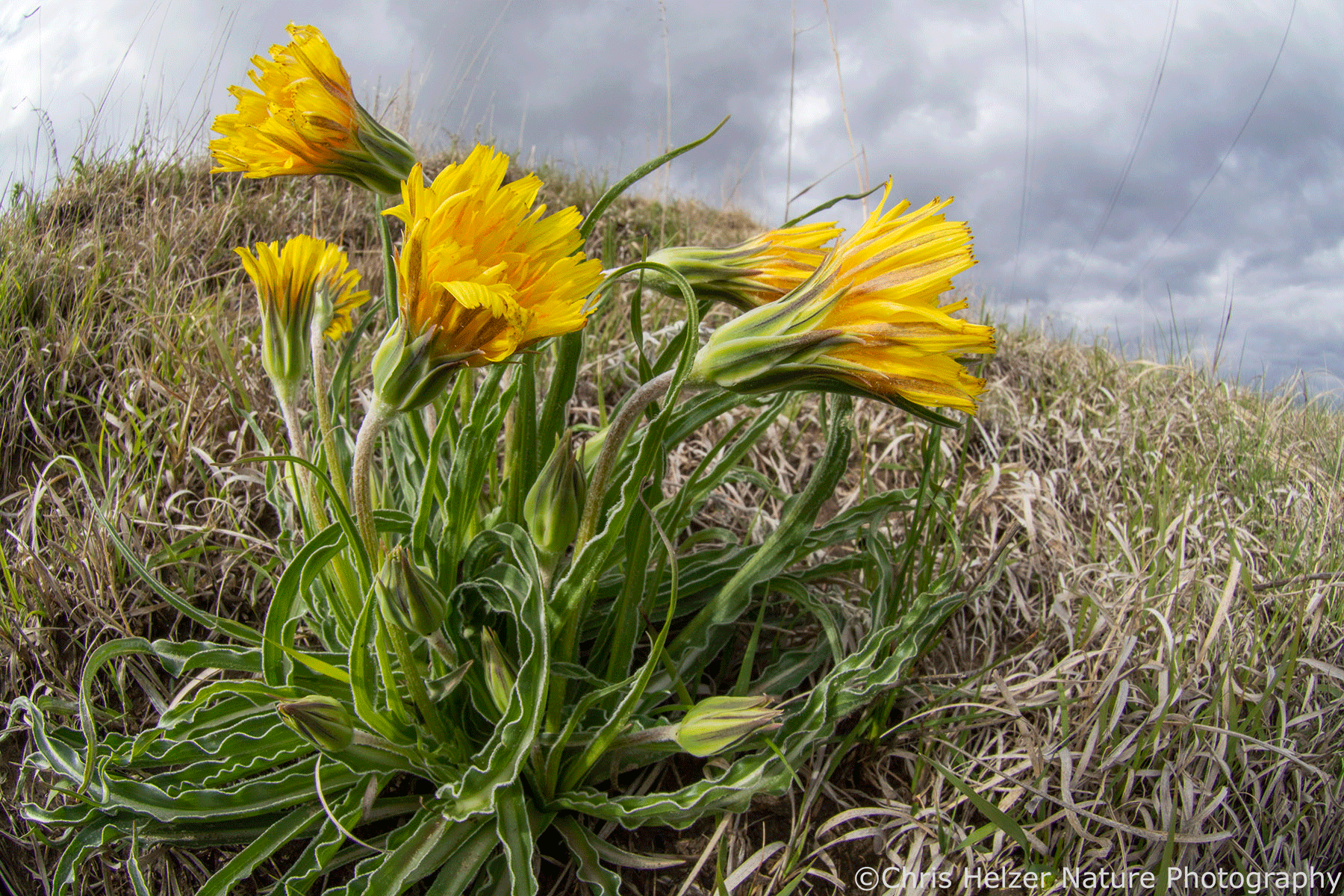
3. As you know, I’m well known for my objection to naming species “False ____”, as if they’re a poor substitute for something we like better. What would be a better name for “prairie false dandelion”?
A. False chrysanthemum?
B. I don’t think you’re understanding the point of this question.
C. Prairie sunshine?
D. Wait a second, that’s actually a great name! Have we accomplished something here? Wow.
E. “well known” seems like a stretch.
.
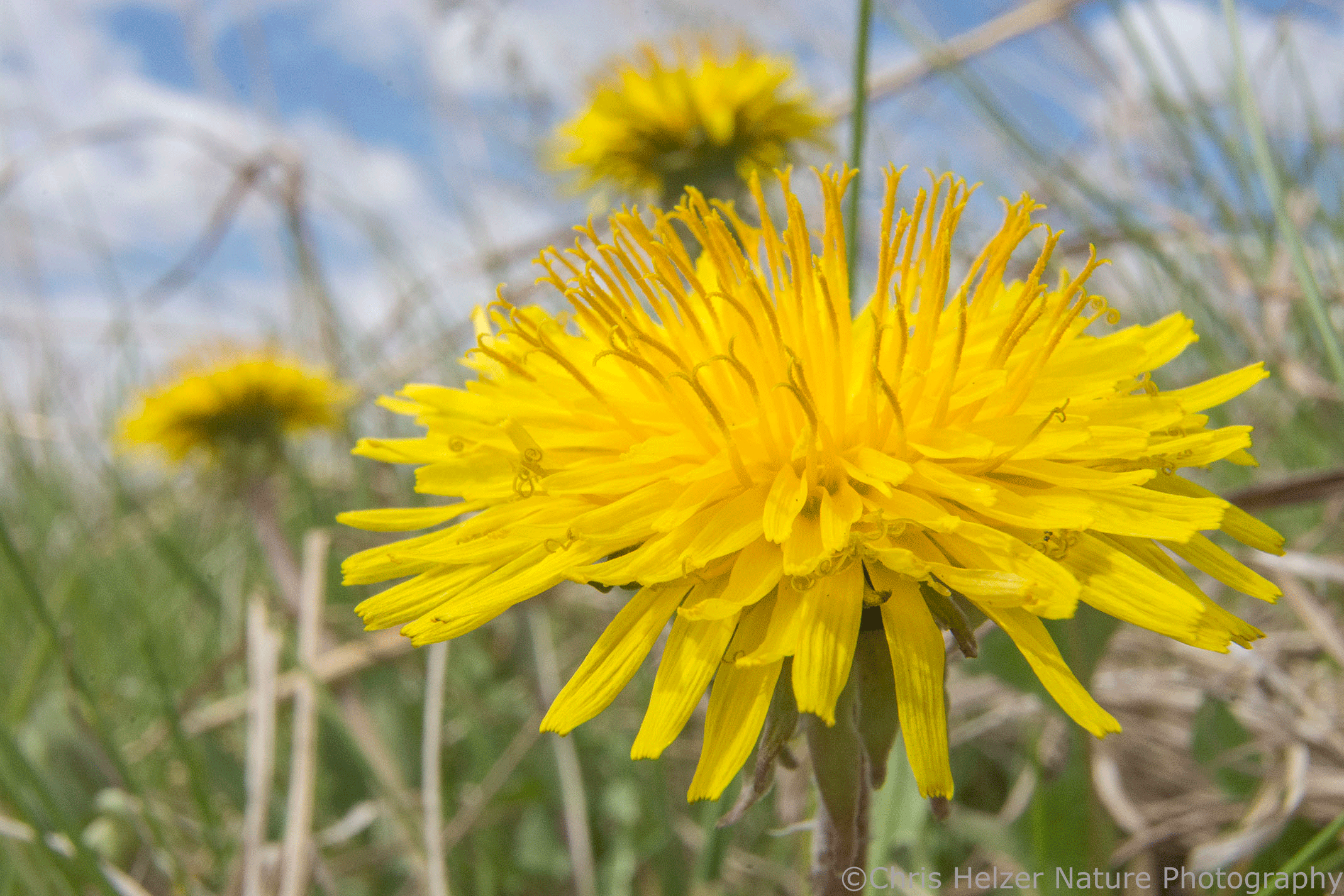
4. Why do people hate dandelions so much?
A. Because they’re not native to North America. They come from Eurasia and have spread all over this continent.
B. And nobody sees the irony in that?
C. I think some people do.
D. So, we don’t like them because they become dominant and squeeze others out of the places they used to live?
E. Are we still talking about dandelions?
F. Actually, dandelions usually don’t cause ecological problems. At least around here, they just kind of fill in empty spaces between other plants and provide some early season color and nectar before a lot of our native flowers start blooming.
G. That sounds nice.
.
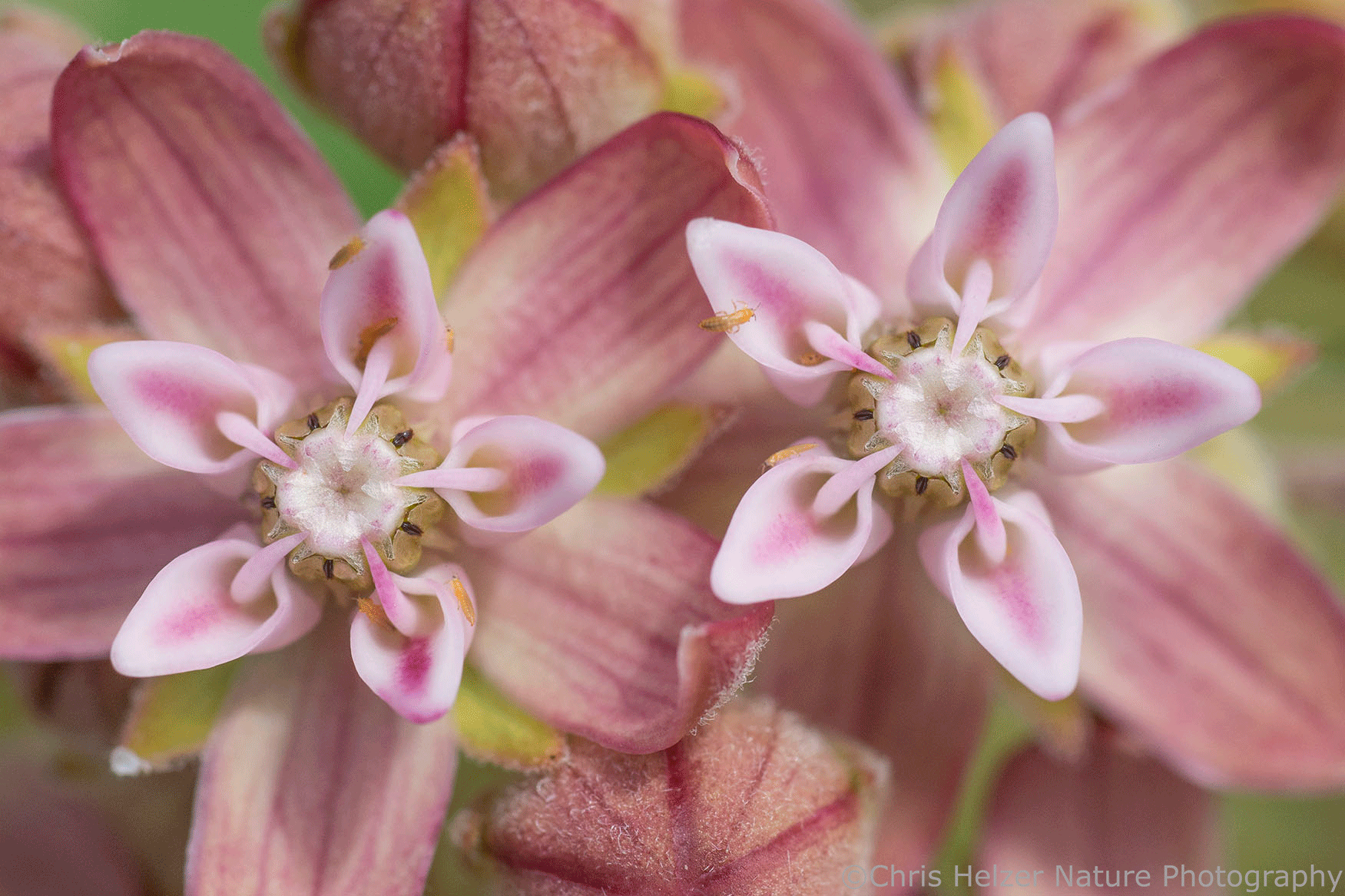
5. What are the tiny insects crawling around on these common milkweed blossoms?
A. Hang on, are you trying to sneak some insect facts into this post about flowers?
B. No. Answer the question.
D. They’re thrips – tiny little insects that feed on flowers (except for the species that feed on fungus or are predatory on other tiny insects) and usually don’t do more than minor cosmetic damage.
E. I don’t even see any insects.
F. They’re really small. there’s one at about 10 o’clock on the flower on the right. Click on the image to see them better.
G. You skipped C.
H. Dang it.
.
.
ANSWERS:
Want to check your work? Here are the correct answers to each of the questions:
- B
- E
- D
- F
- C
 The Prairie Ecologist