Prairies in central Nebraska continue to buzz with activity right now. Here are some local photos from the last week or so, along with a few from Wilson Lake in Kansas during Kim’s most recent race (which she won! – more on that below).
The first set of photos is from a morning at the Platte River Prairies, including a bunch from near or along our hiking trails.
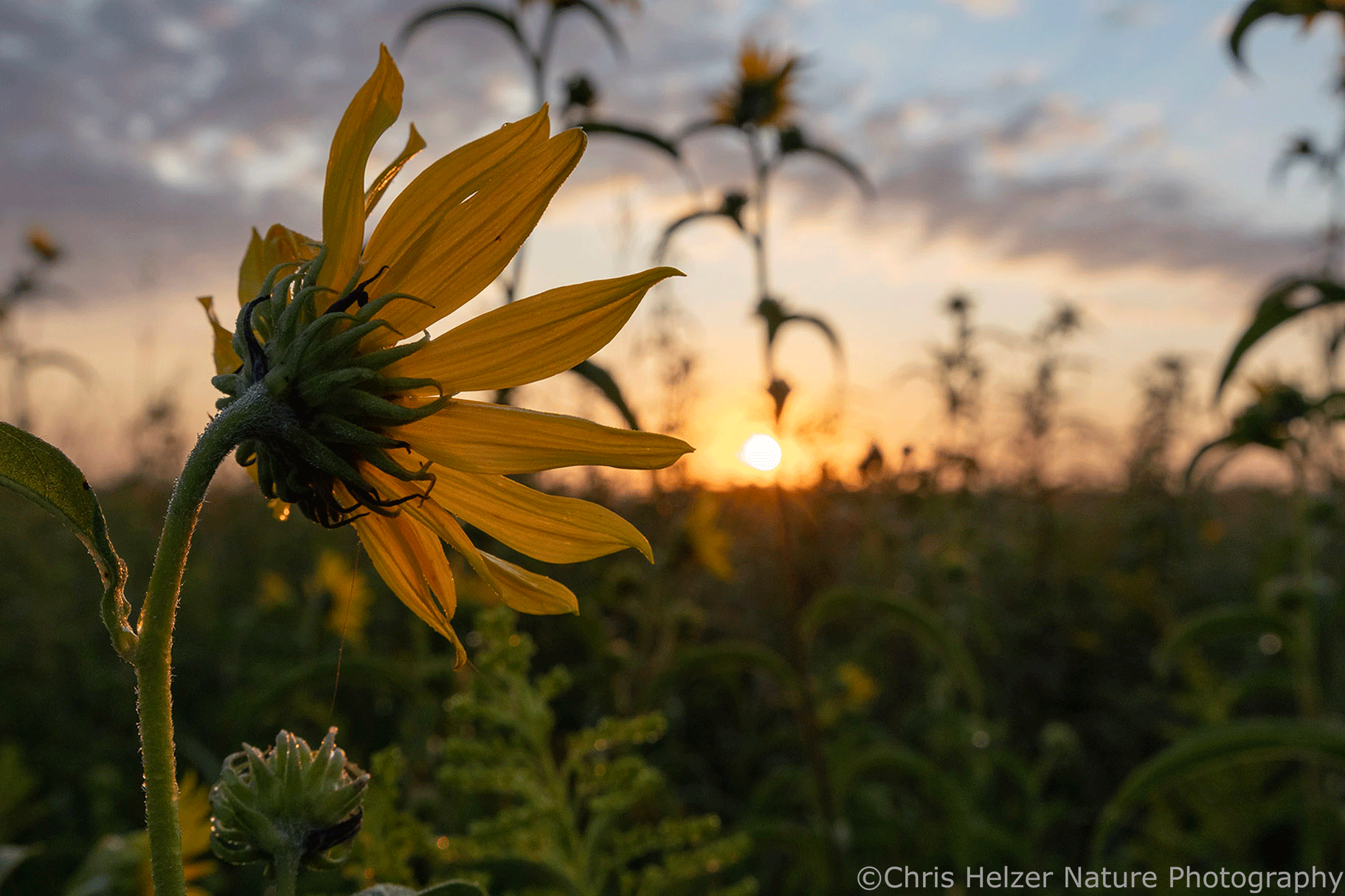
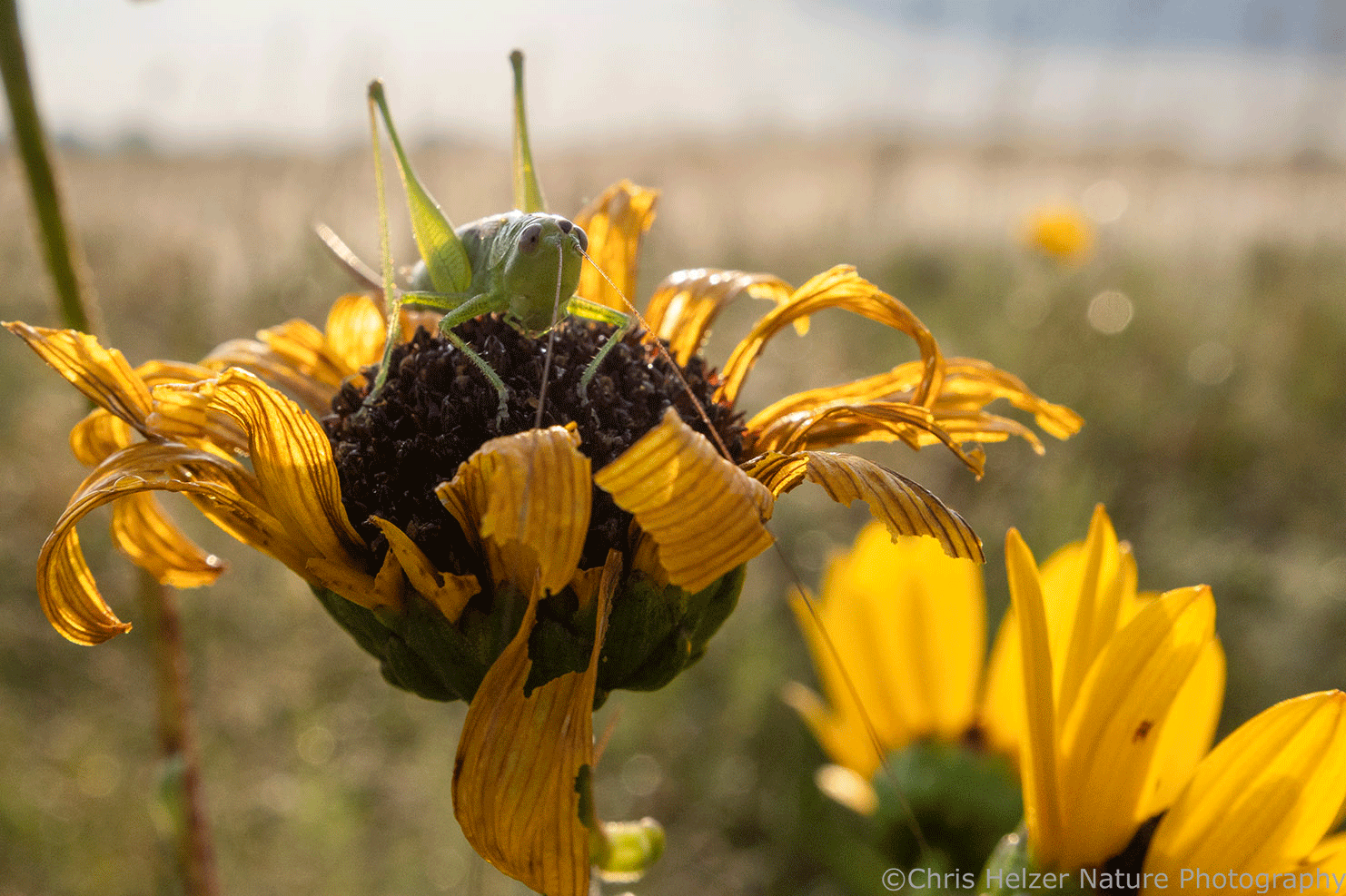
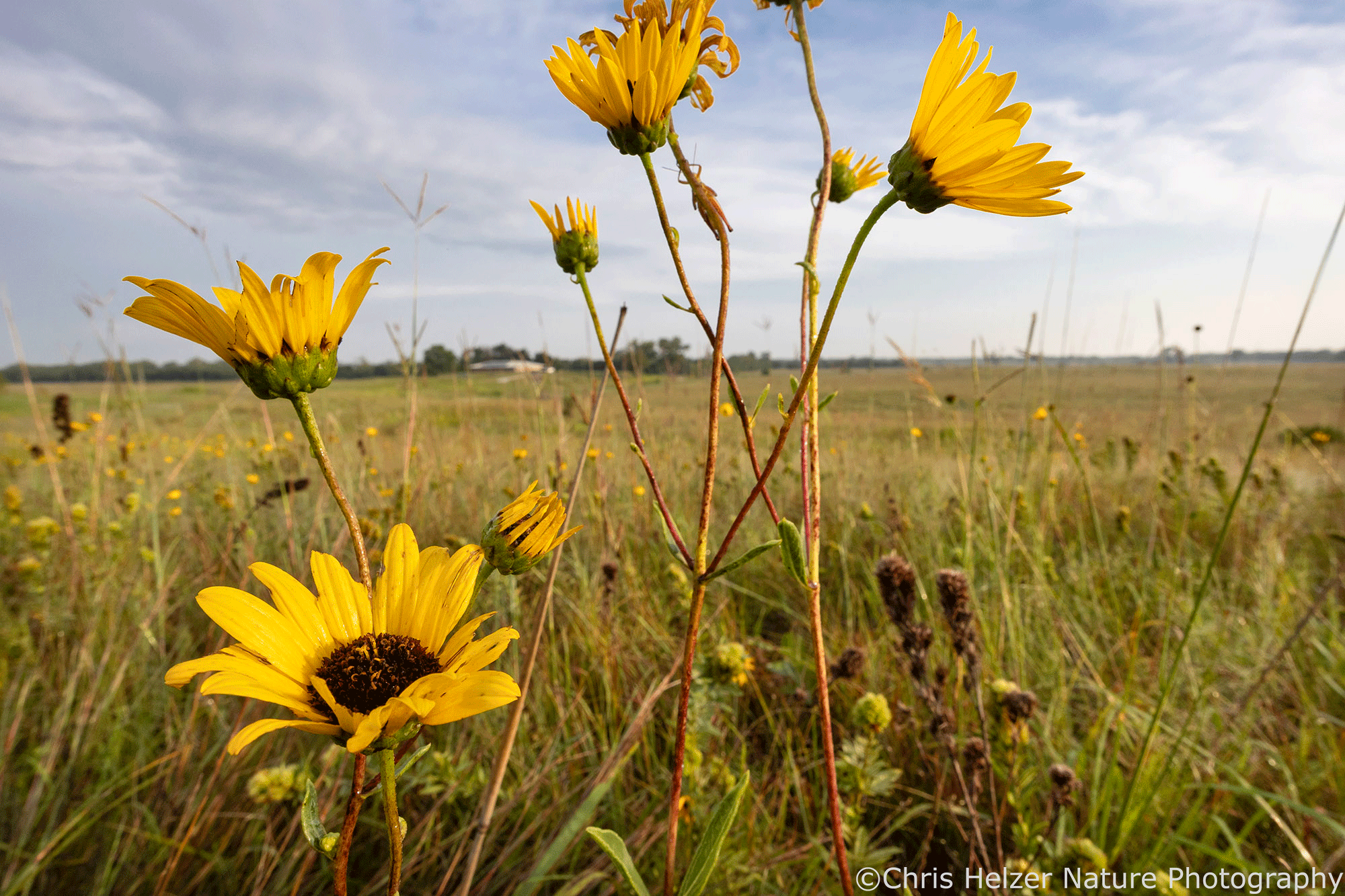
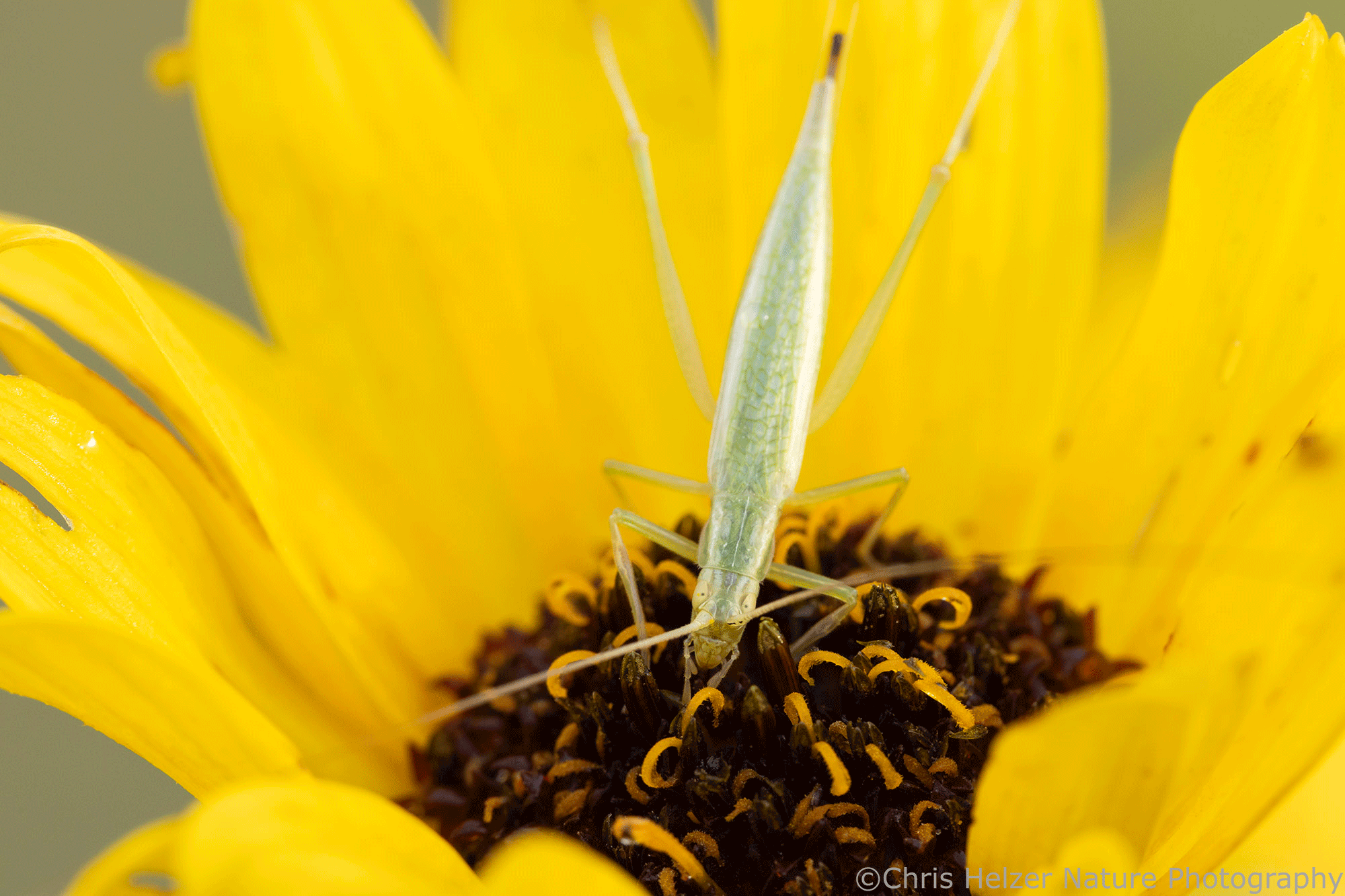
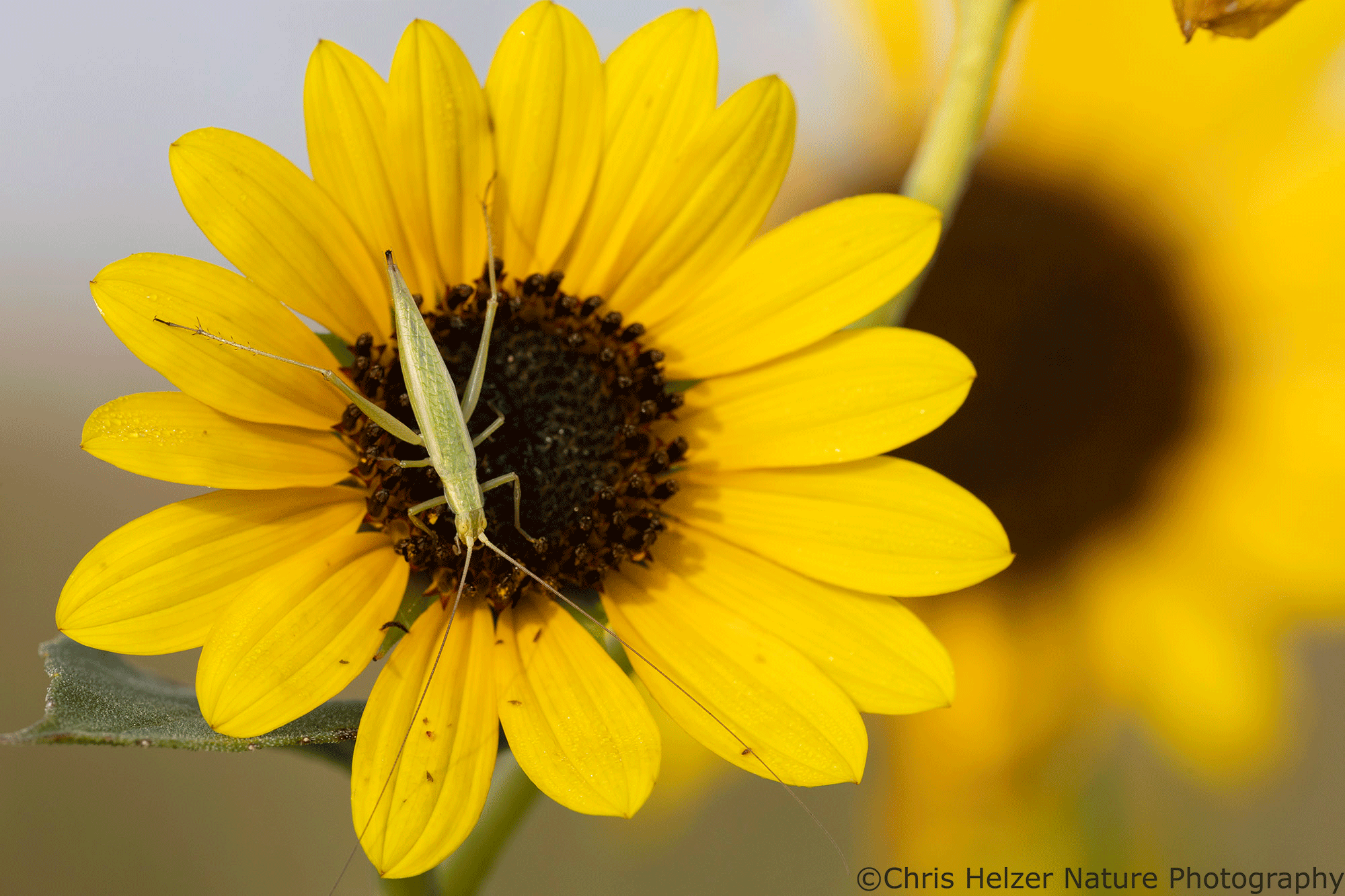
Maximilian sunflower at sunrise.A katydid on stiff sunflower.Stiff sunflower and restored sand prairie, with the Derr House in the background.
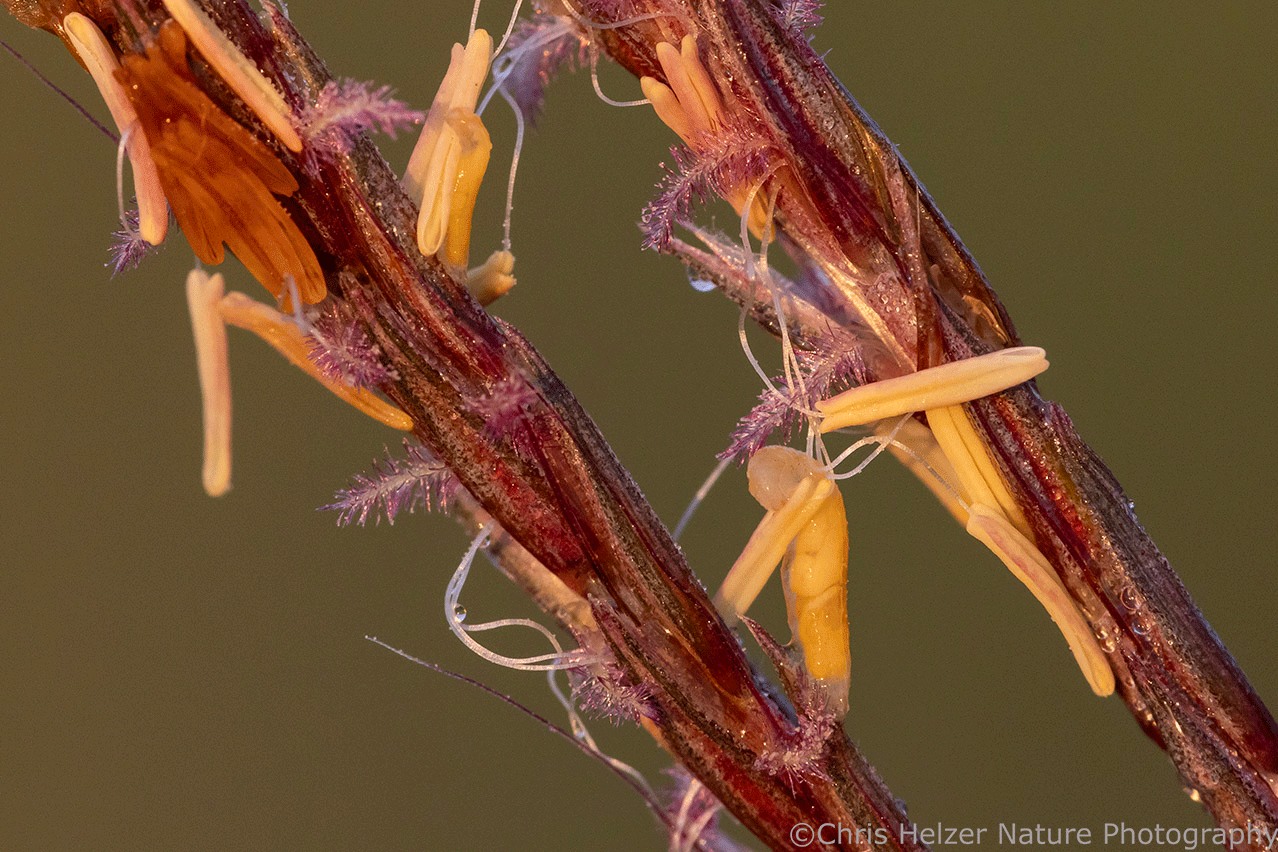
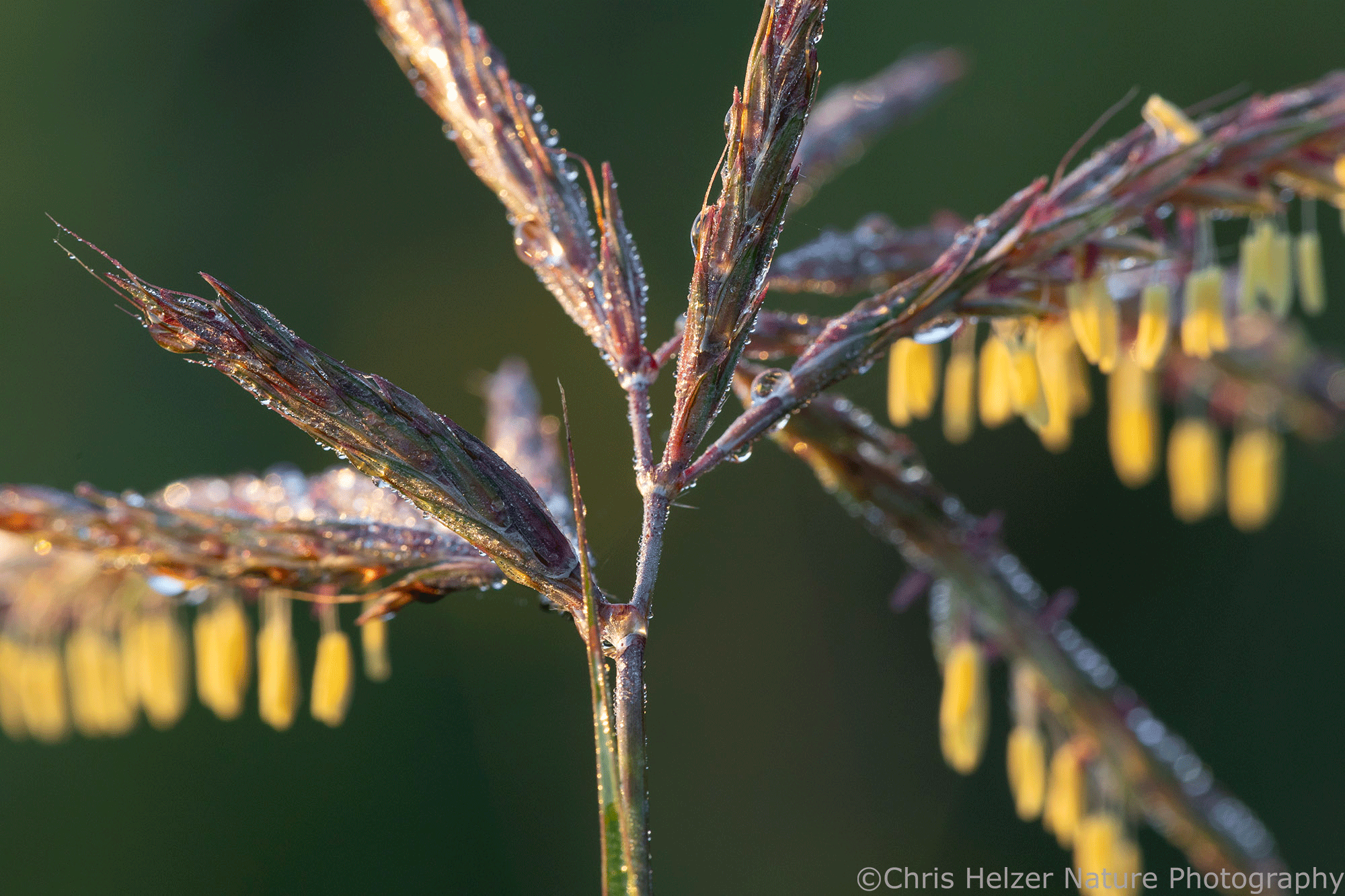
Most of our big warm-season grasses are flowering right now. That means little puffs of pollen every time I bump them as I walk past. My grass pollen allergies have diminished after a couple years of allergy shots, but I still react a little if I get a big dose.
If you look closely at those grass flowers, though, all the little yellow things aren’t anthers. There are also a lot of tiny hover fly larvae crawling around and feeding on the anthers. The photo below shows two of them – one bigger one in the bottom right of the photo and a smaller one above and to the left of it.
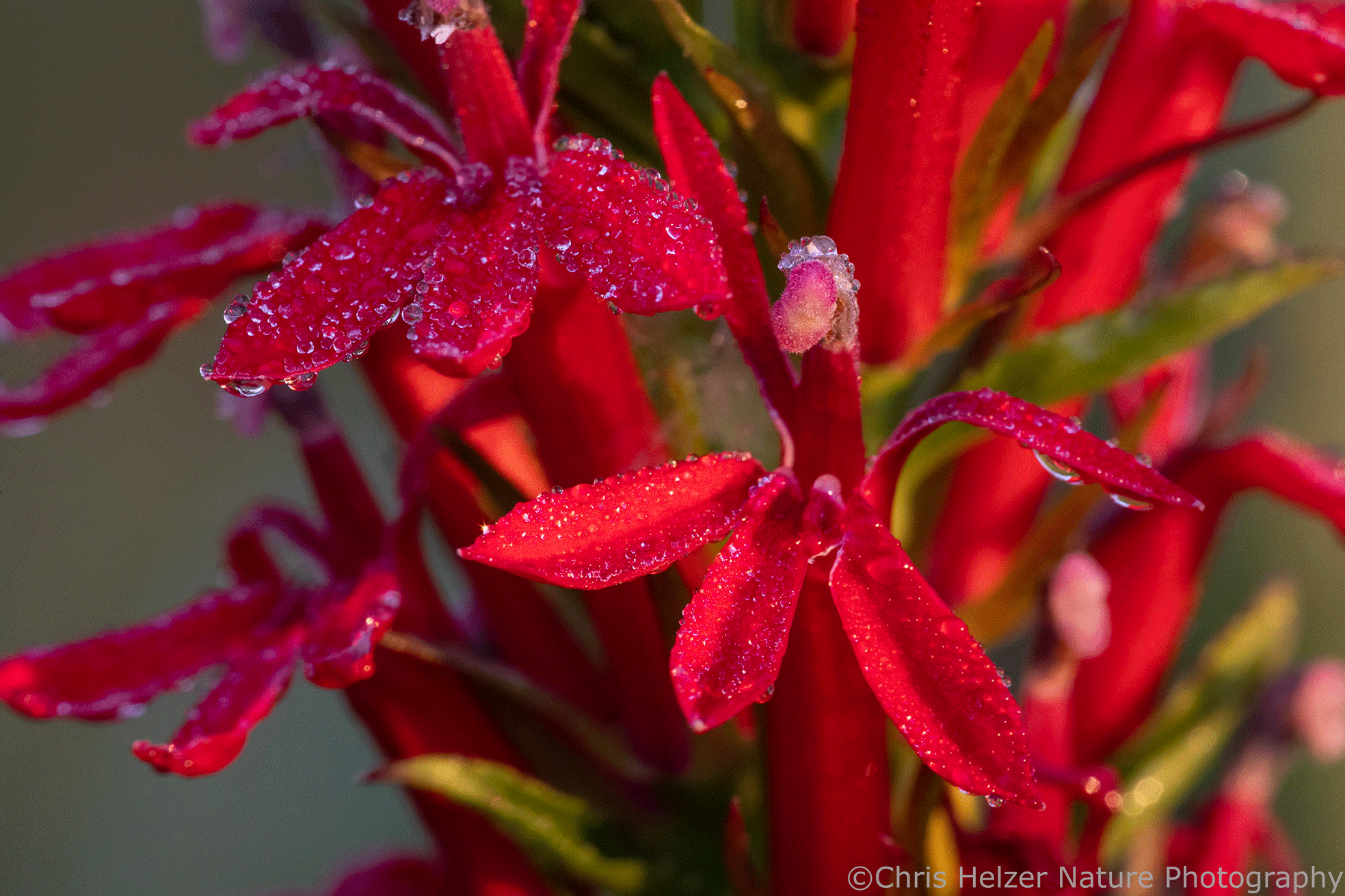
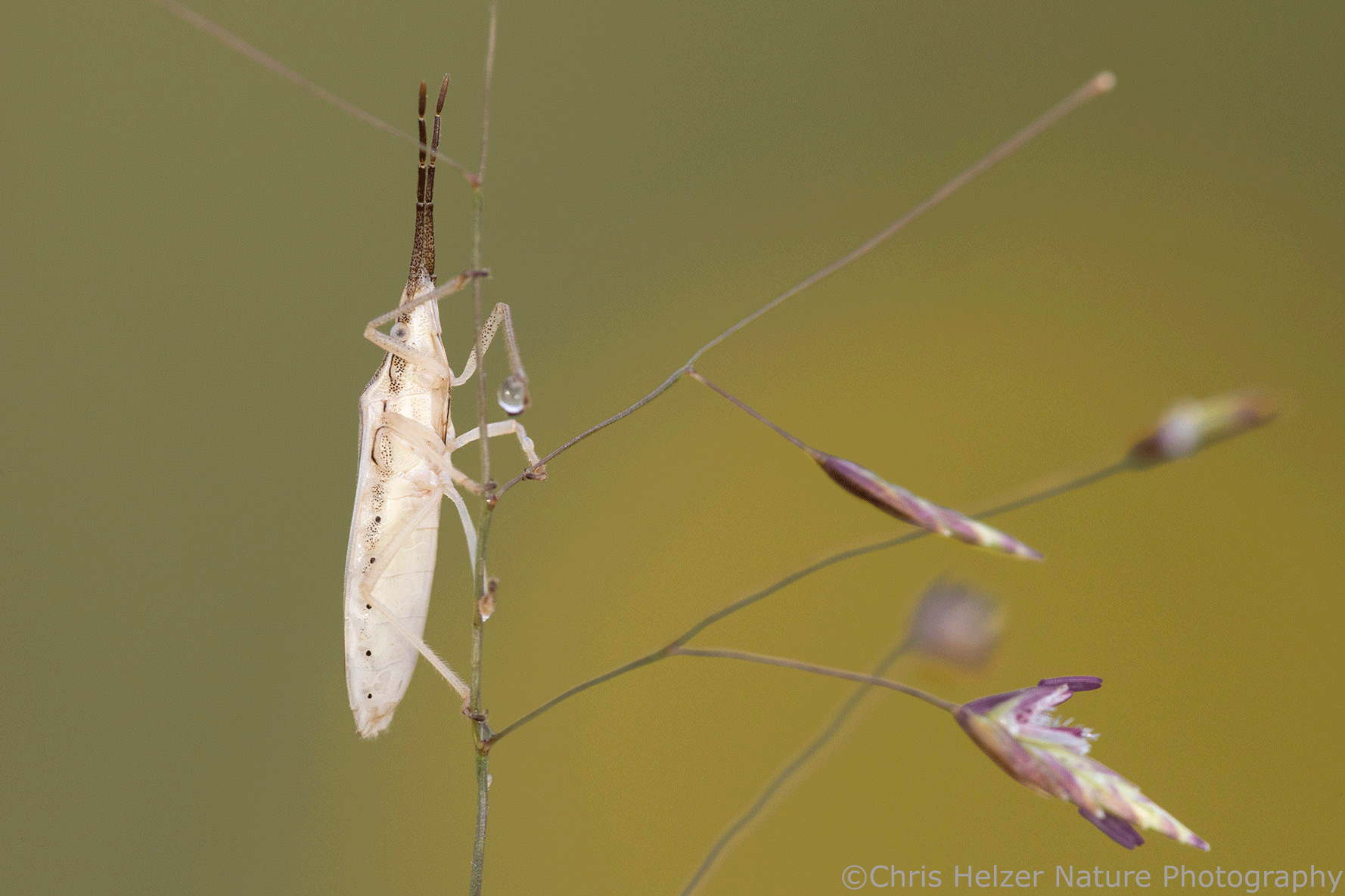
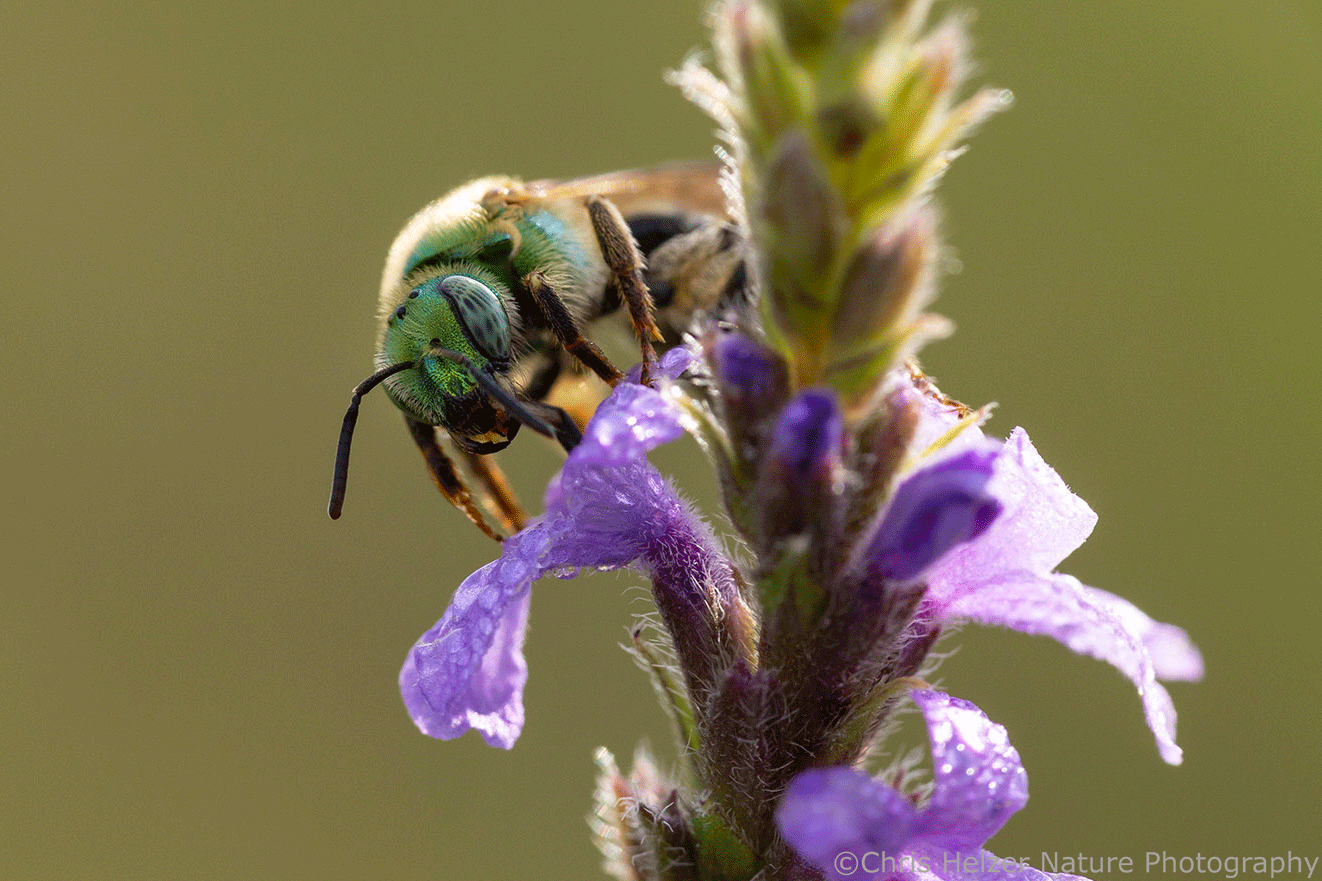
Hover fly larvae on big bluestem.Cardinal flower in a restored wetland slough.Narrow stink bug on sand lovegrass.Green sweat bee on hoary vervain.
There are at least six sunflower species in bloom right now at the Platte River Prairies. All of them are very popular with a diversity of invertebrate species. Sunflowers are incredibly good sources of nutrition, including all parts of the plants. This time of year, though, the pollen and nectar, as well as the flowers themselves, are particularly sought after by lots of different creatures.
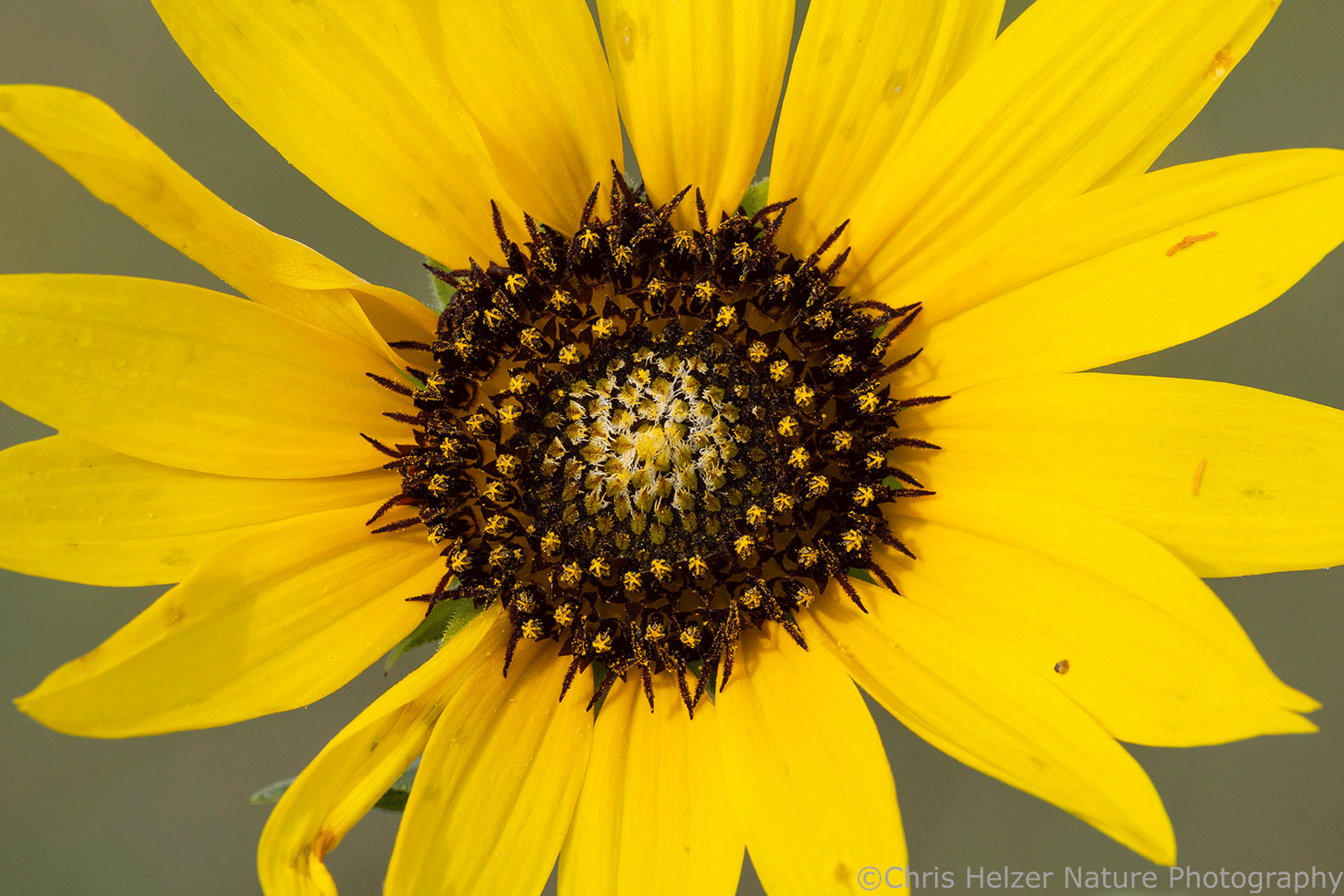
Plains sunflower with a surprising absence of anything eating it (at the moment).
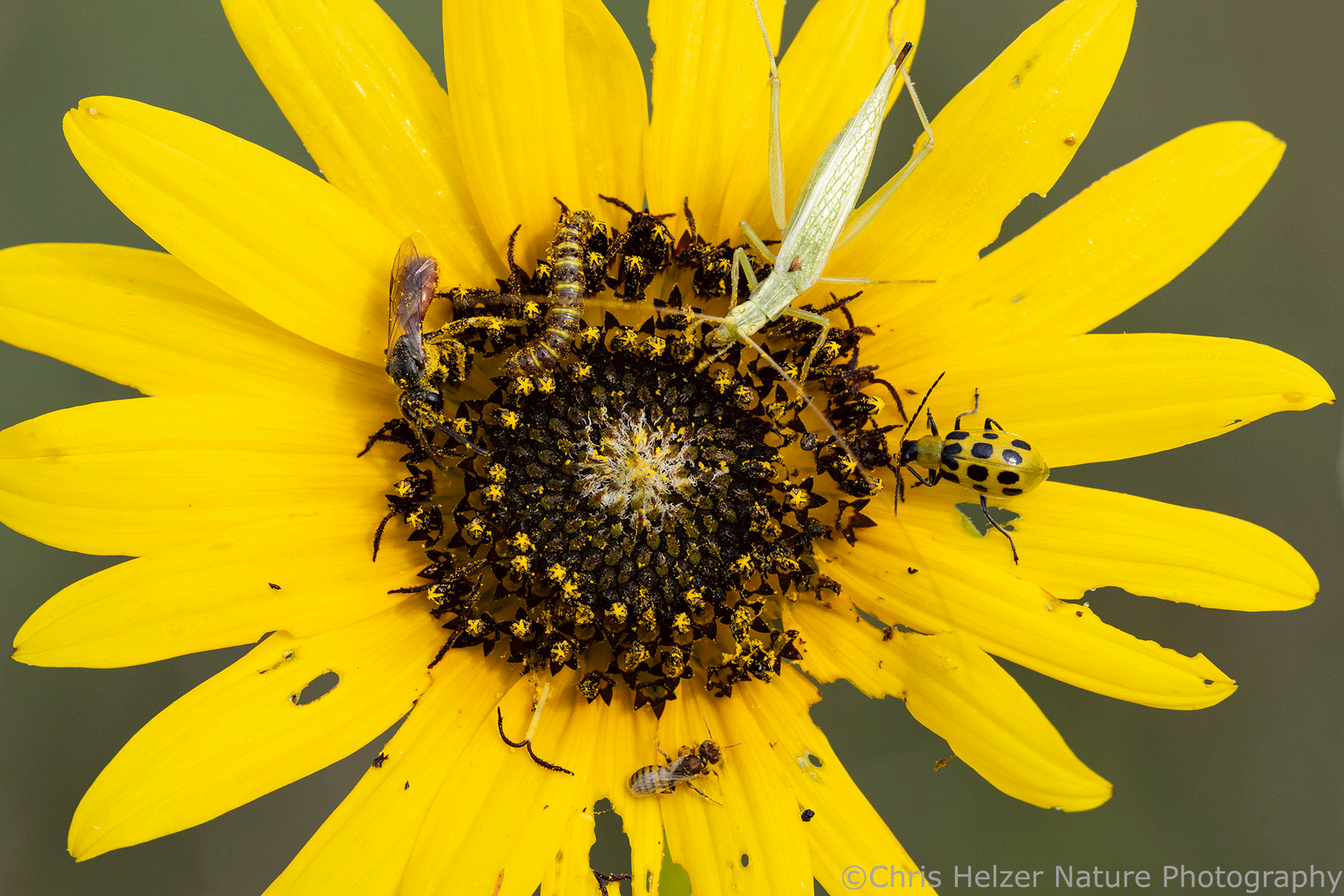
The photo below shows plains sunflower (Helianthus petiolaris) covered in visitors. I can see two bees, a tree cricket, a cucumber beetle, and a sunflower moth larva, all on one flower head.
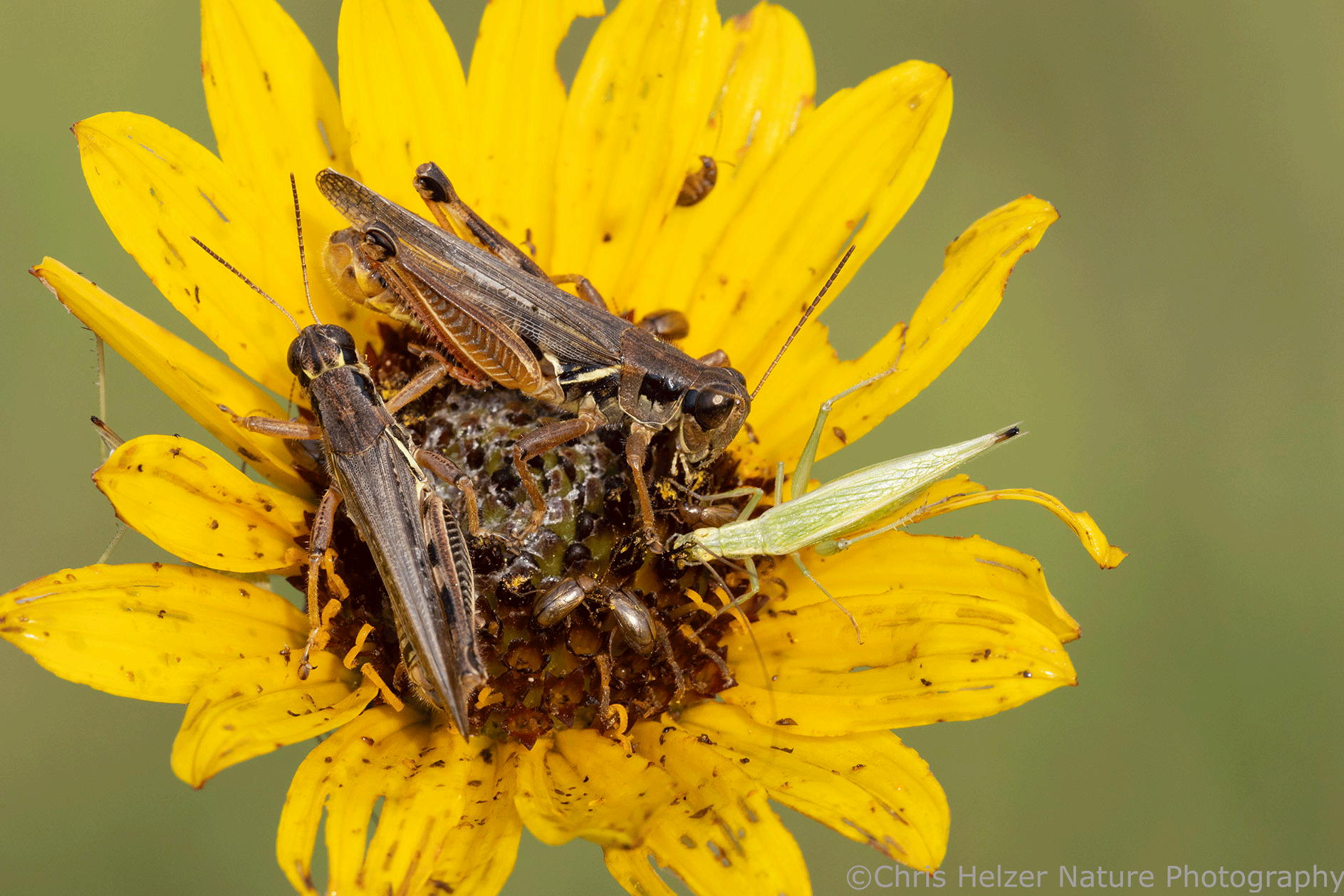
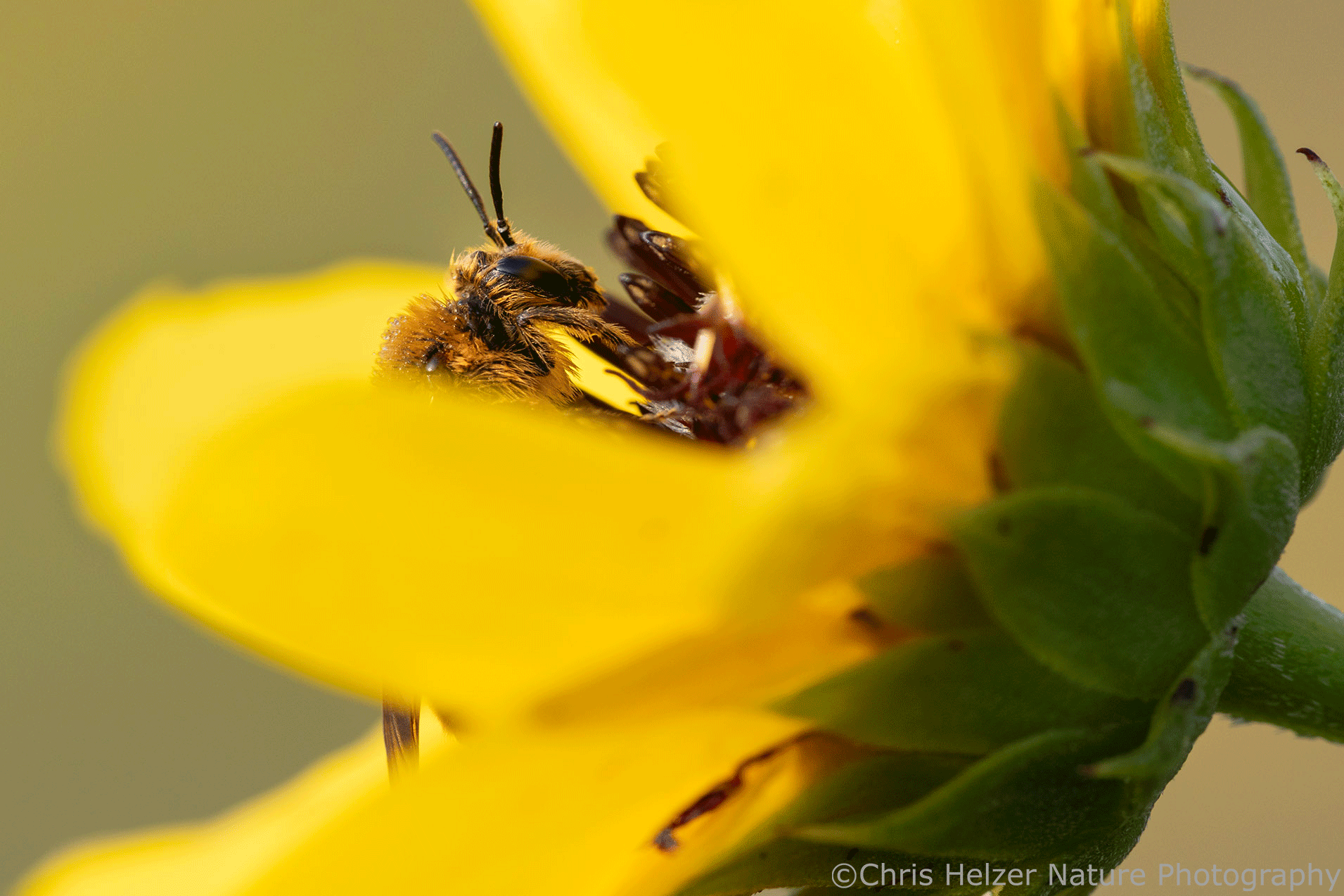
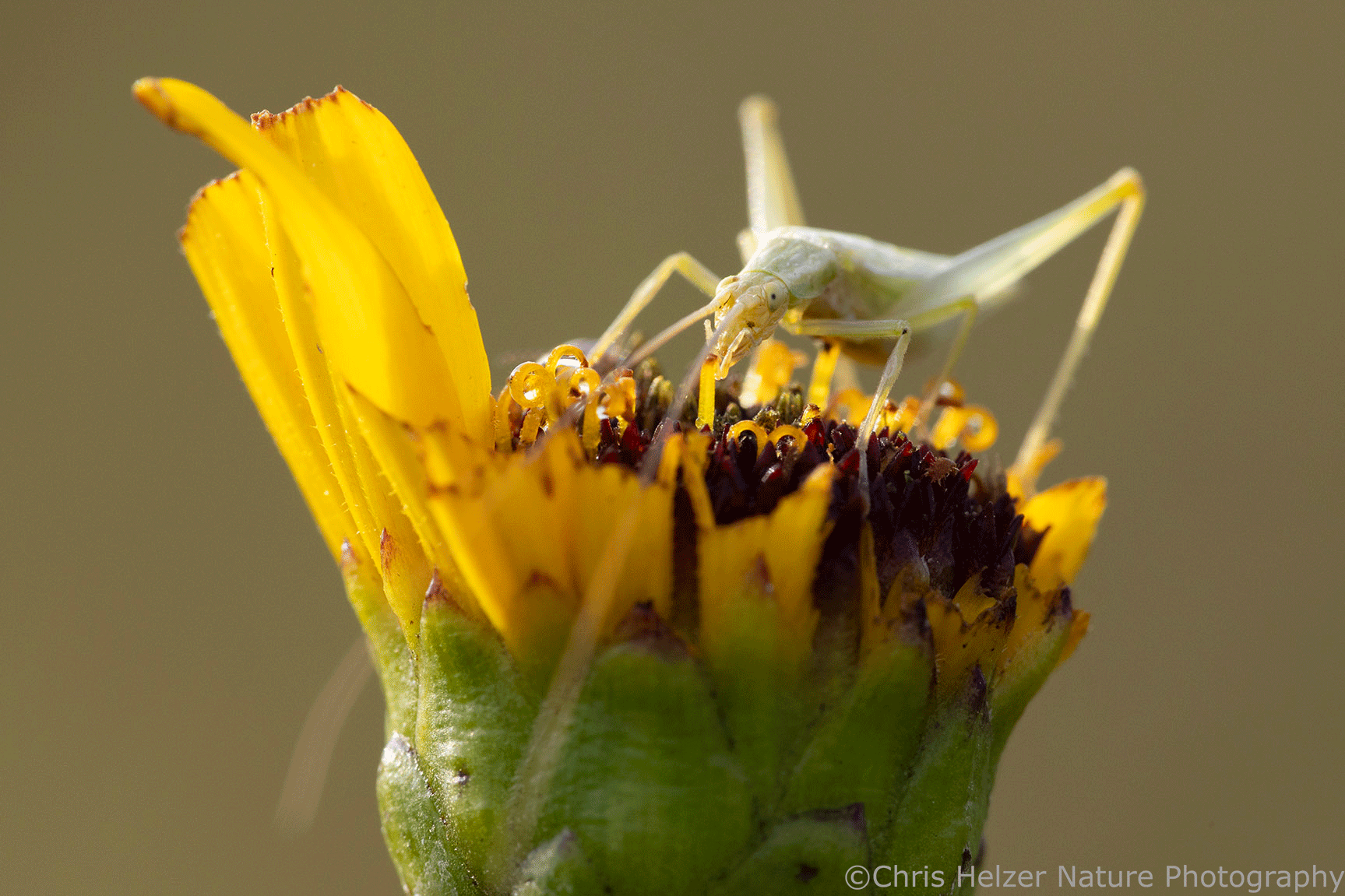
A nearby plains sunflower with numerous insect visitors.Stiff sunflower with grasshoppers, beetles, and a tree cricket (with another tree cricket hiding behind it).A mining bee (I think) feeding on stiff sunflower.Tree cricket on stiff sunflower.Tree cricket on plains sunflower.Tree cricket on a stiff sunflower that has obviously had lots of herbivore visitors already.
I’ve also been spending some early morning time at Lincoln Creek Prairie in Aurora (the site of my square meter photography projects). Here are some recent shots.
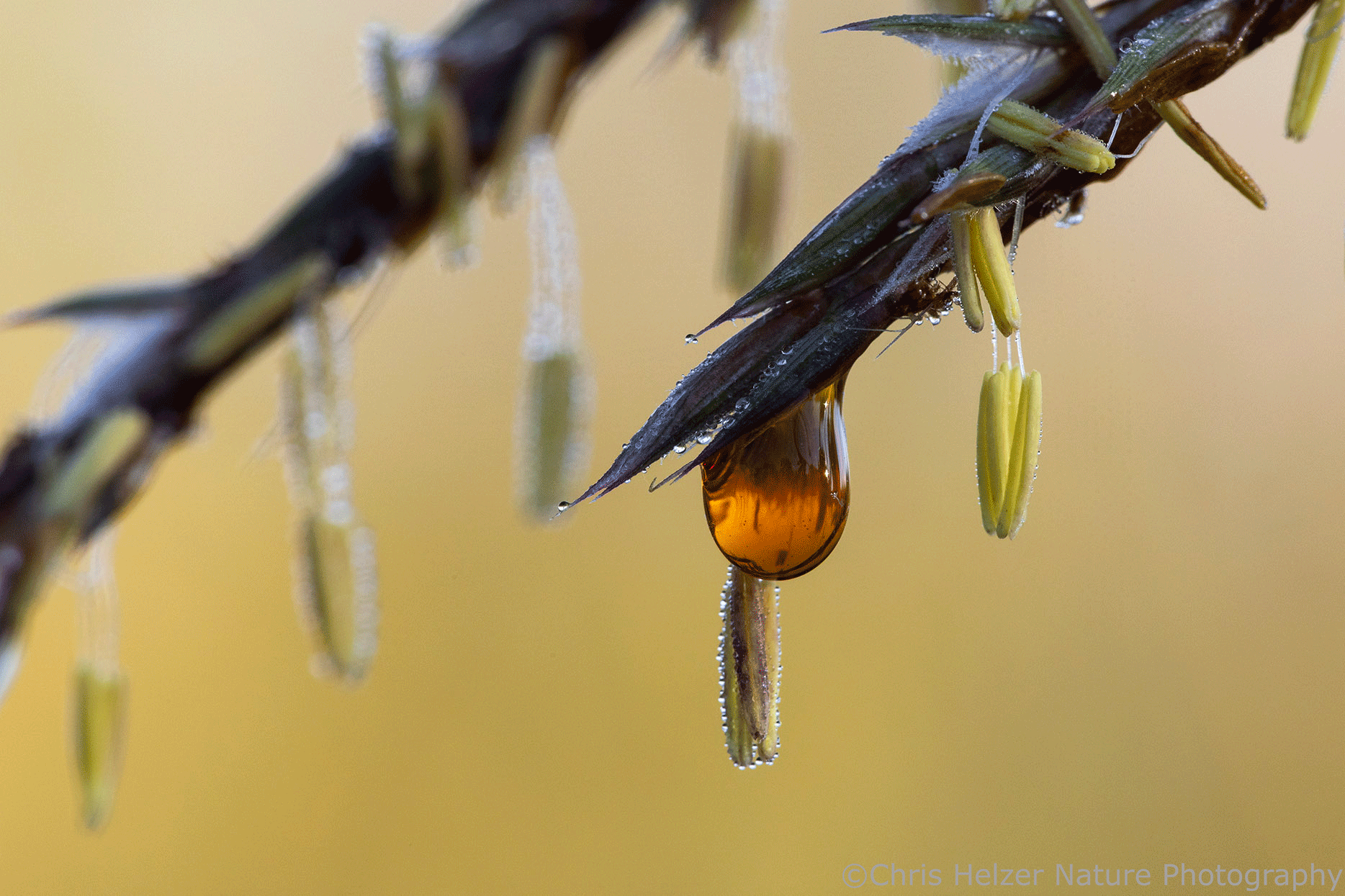
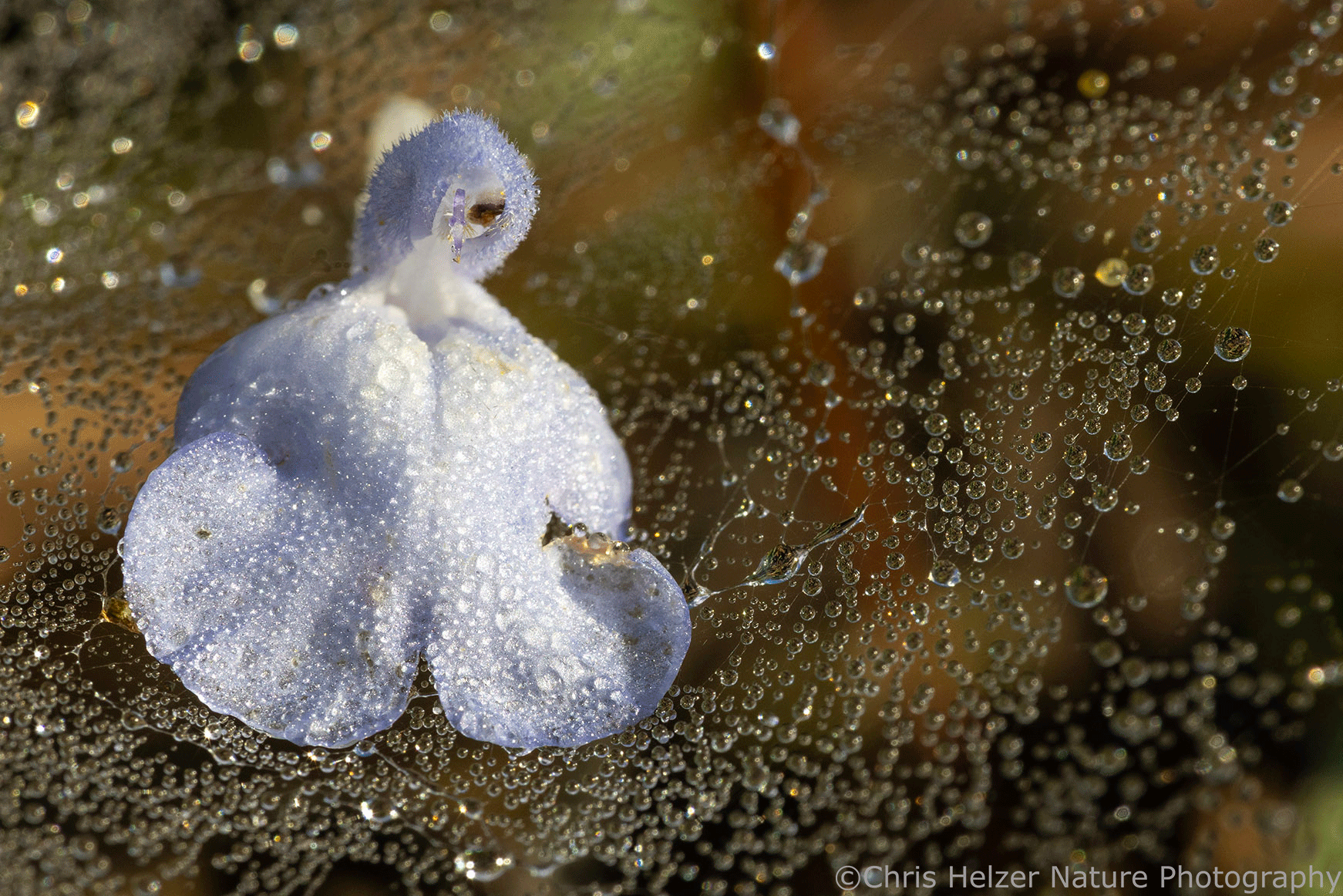
Big bluestem in flower.Big bluestem with a tea-colored dew drop.A pitcher sage blossom that fell and landed on a funnel web.
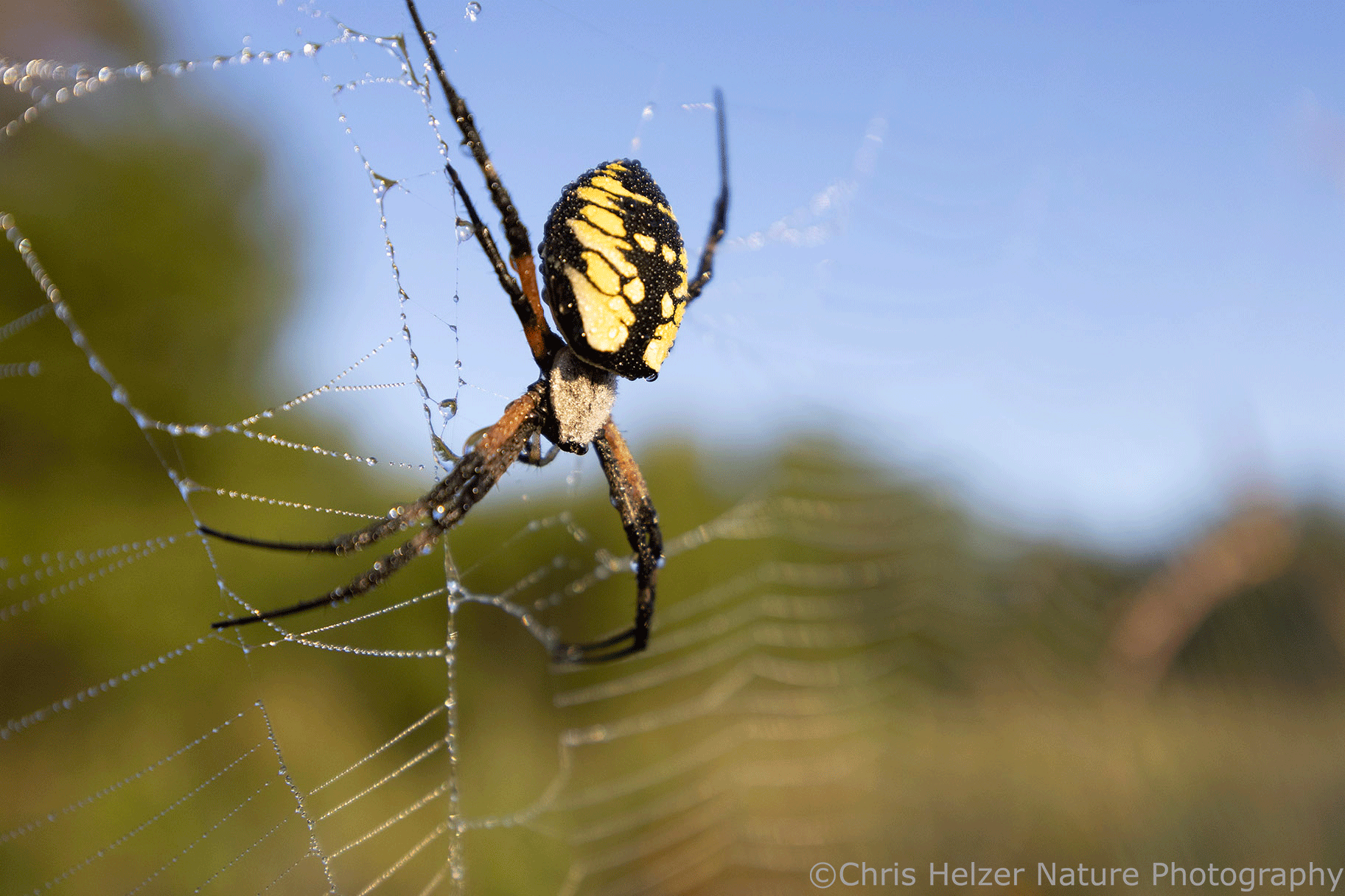
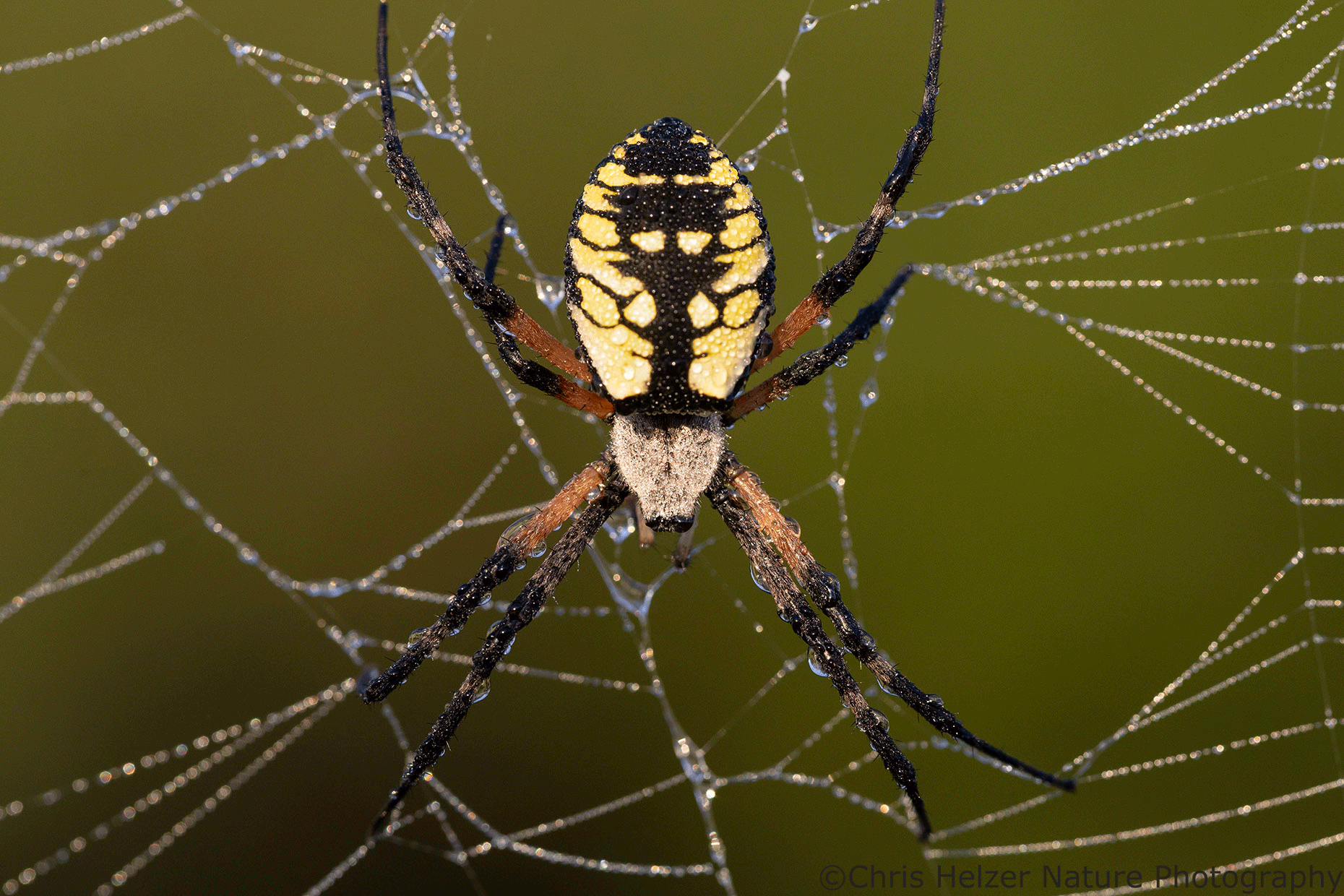
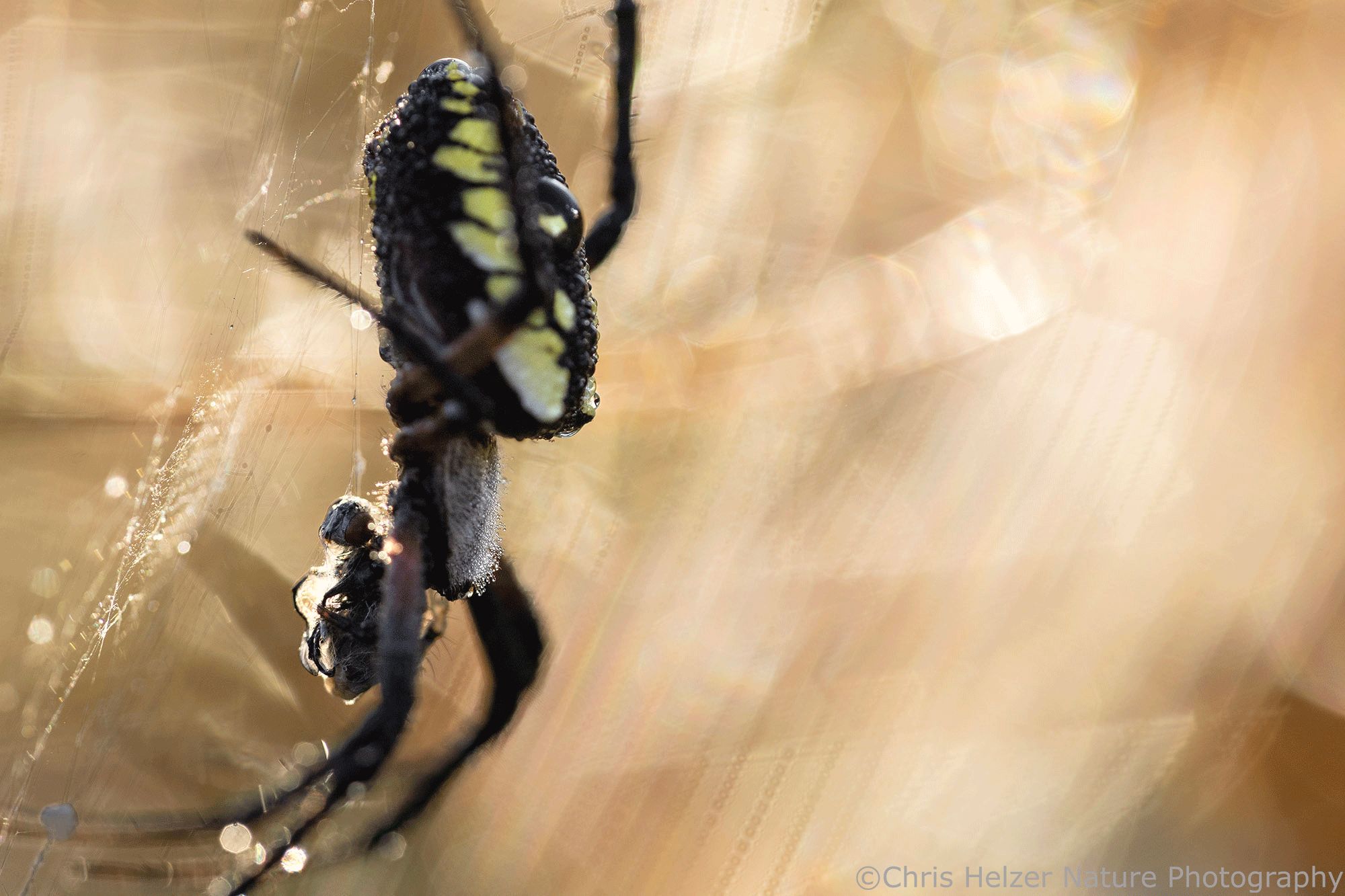
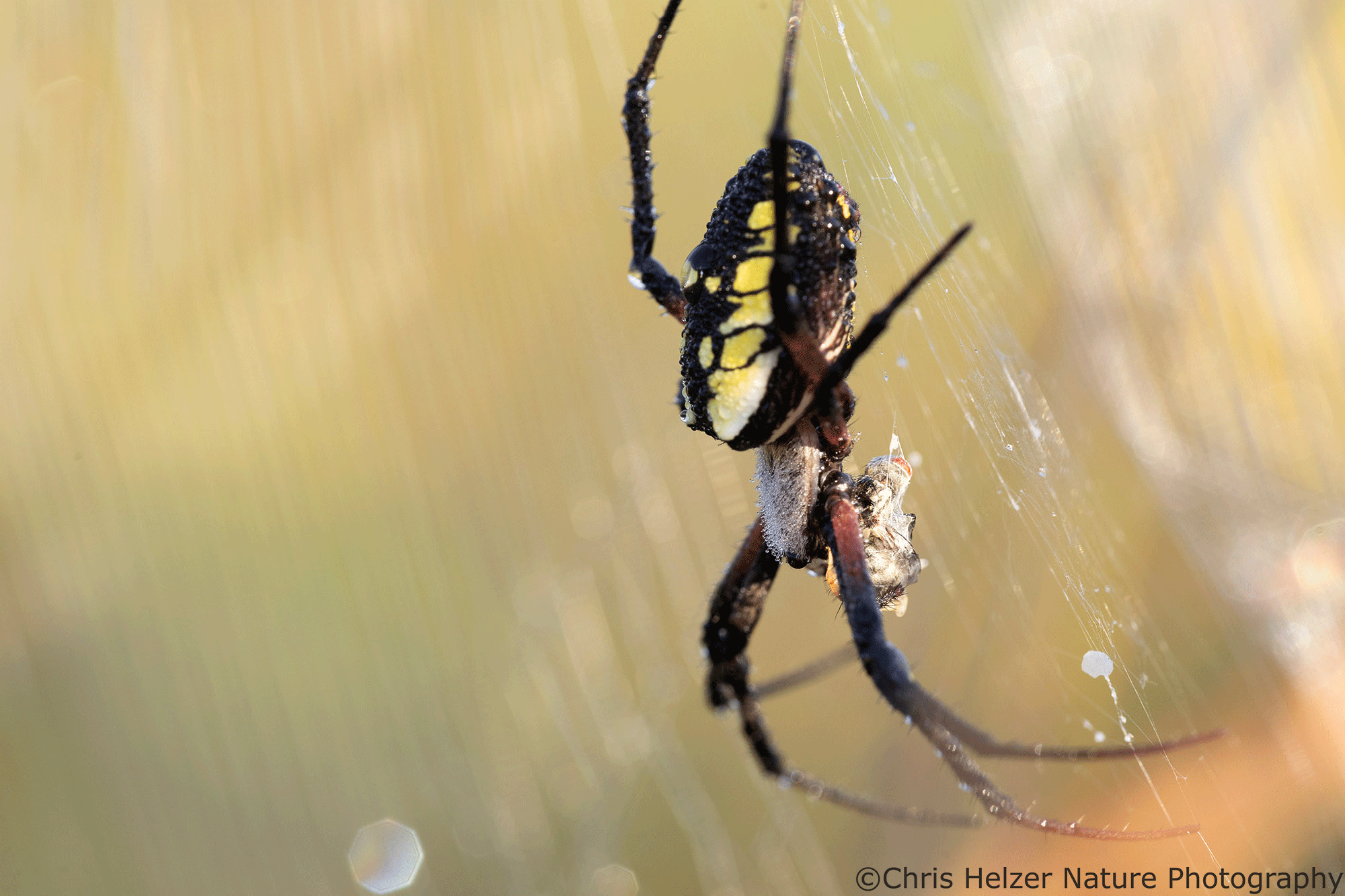
Yellow and banded garden spiders are prevalent right now at Lincoln Creek. Because they’re large spiders, not everyone enjoys them, but I really enjoy seeing them and watching them. Here are some yellow garden spider photos (Argiope aurantia).
Yellow garden spider.Another one.Another one, this time with a fly.Same as above but from the other side.
Kim ran the Hell Creek 50K race at Wilson Lake last weekend. It was 100 degrees when she crossed the finish line in the early afternoon. It was also very windy, which was a mixed blessing. A breeze is nice, but in 100 degree heat, it felt more like a blast furnace than a pleasant breath of cooling air.
When she finished, the race organizers surprised her with a first place trophy. Neither she nor I knew she was in first place until then. She ran about 20 minutes slower than she had the year before, but felt like that was pretty good, given the conditions. A couple women dropped out before the race, and only three of the remaining 15 ended up crossing the finish line – with Kim leading the way. (Did I mention how hot it was?) One of Kim’s greatest strengths as a runner is her determination and ability to push through pain and discomfort. I was really pleased to see her rewarded for that!
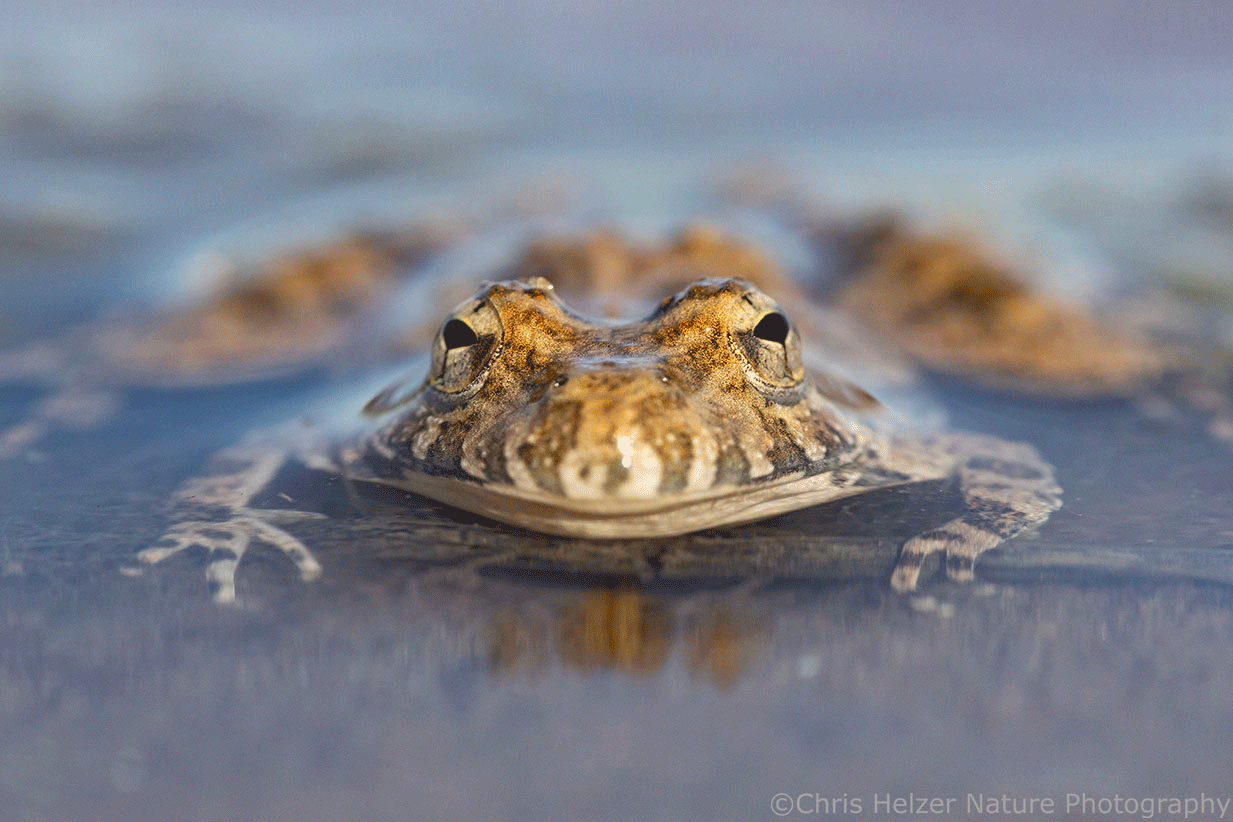
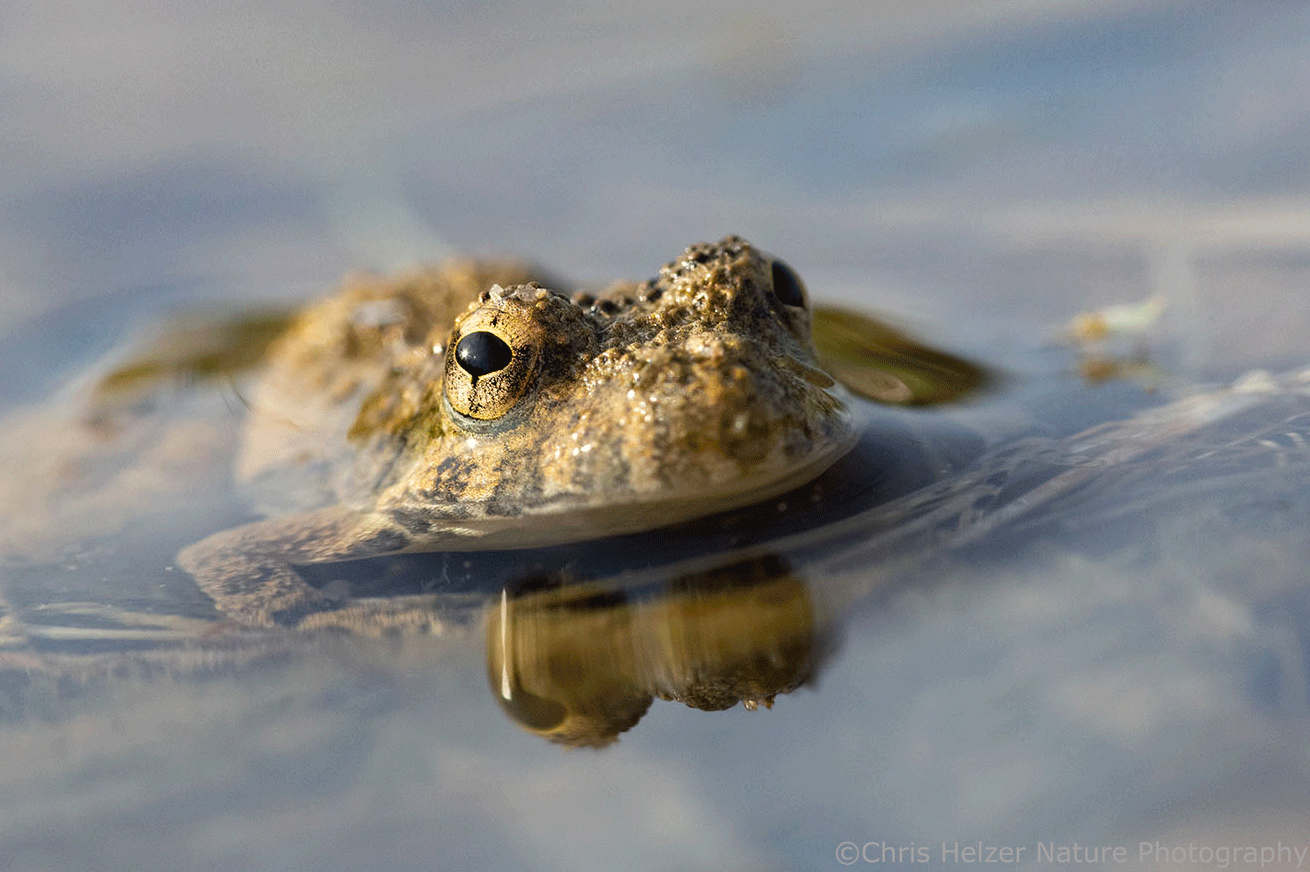
Meanwhile, while Kim was on the trail, I was trying to figure out how to do some photography in 30-mph winds. There were some unexpected clouds in the morning, which provided decent light, but the strong winds really reduced the range of potential subject matter. I wandered for a while before finding myself lying in wet sand on the edge of the lake. I hung out there with frogs, damselflies, robber flies, tiger beetles, and other little friends until the clouds went away and the sun drove me back to the shade.
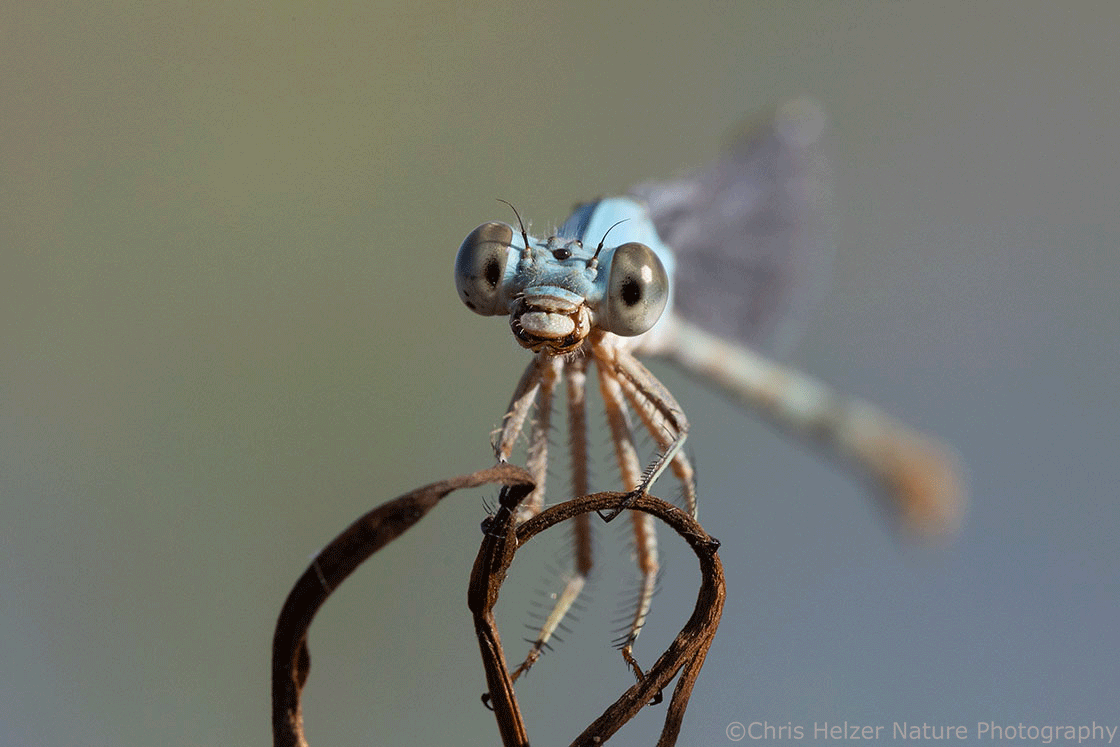
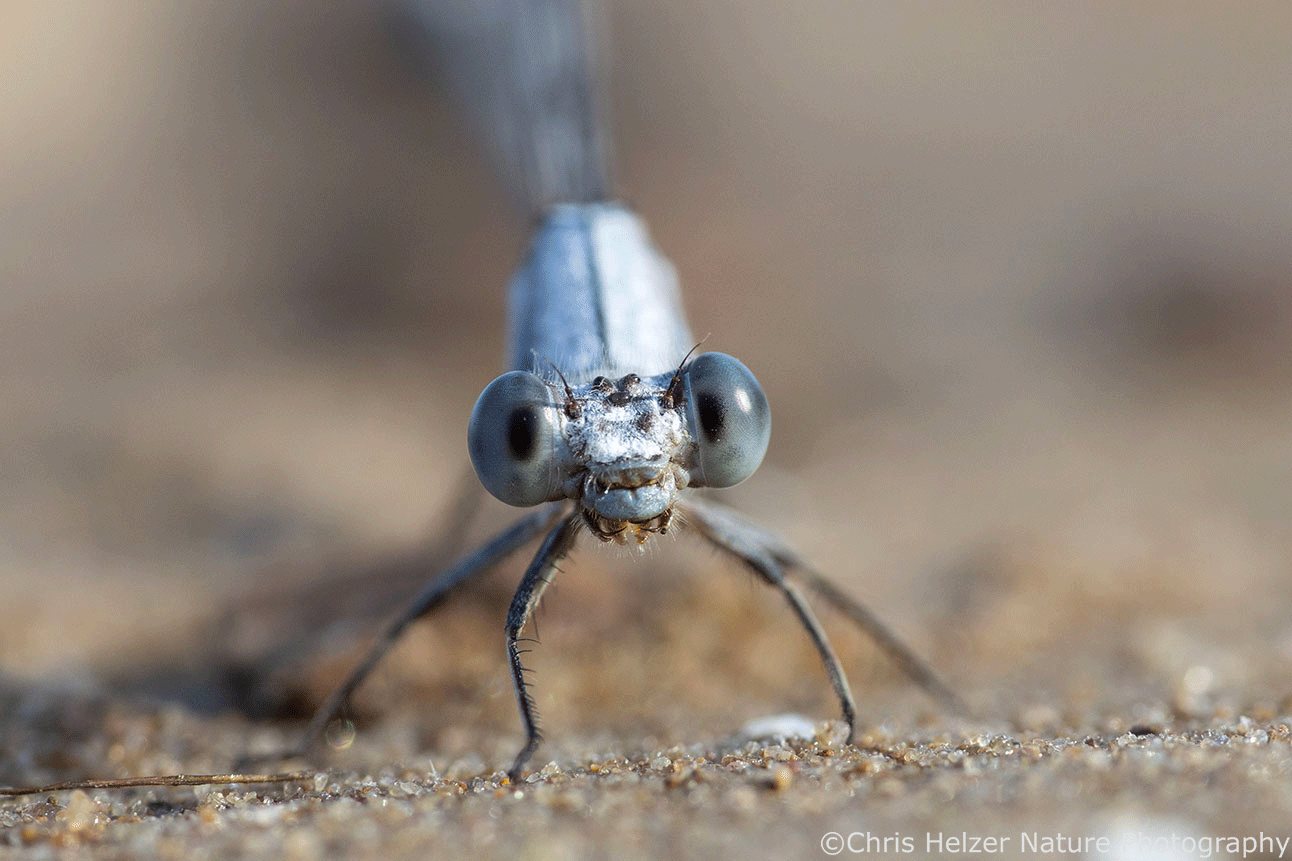
A cricket frog along the edge of the lake.Another cricket frog.Damselfly.Another damselfly.
It looks like we’ve got another couple weeks of hot weather coming at us. I’m glad to have had so much outdoor time recently. That’ll make me feel better about huddling indoors around the air conditioner for a while – though I’ll surely sneak out in the early mornings and try to have some fun before things really heat up. There’s too much happening right now to stay inside the whole time!
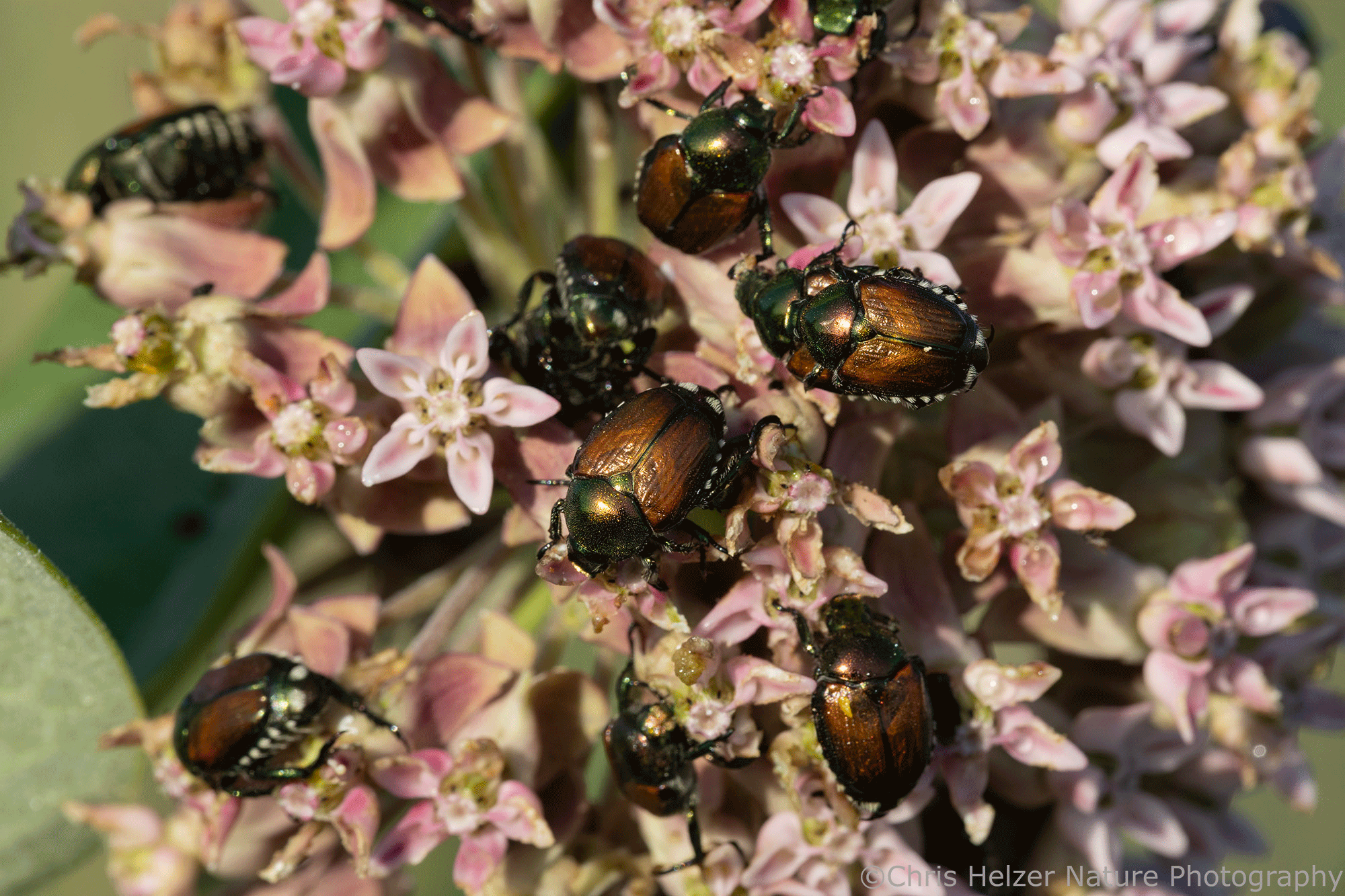
A couple weeks ago, I arrived at our family prairie to find a couple milkweed plants being assaulted by Japanese beetles. That wasn’t a surprise. My understanding is that Japanese beetles have been in the U.S. since about 1916. They’re widely considered to be an invasive species because they are both non-native and because they can cause significant damage to both crops and native plants. I’ve been watching them in prairies for a while, paying attention to what plants they use and trying to decide how big a threat they might be.
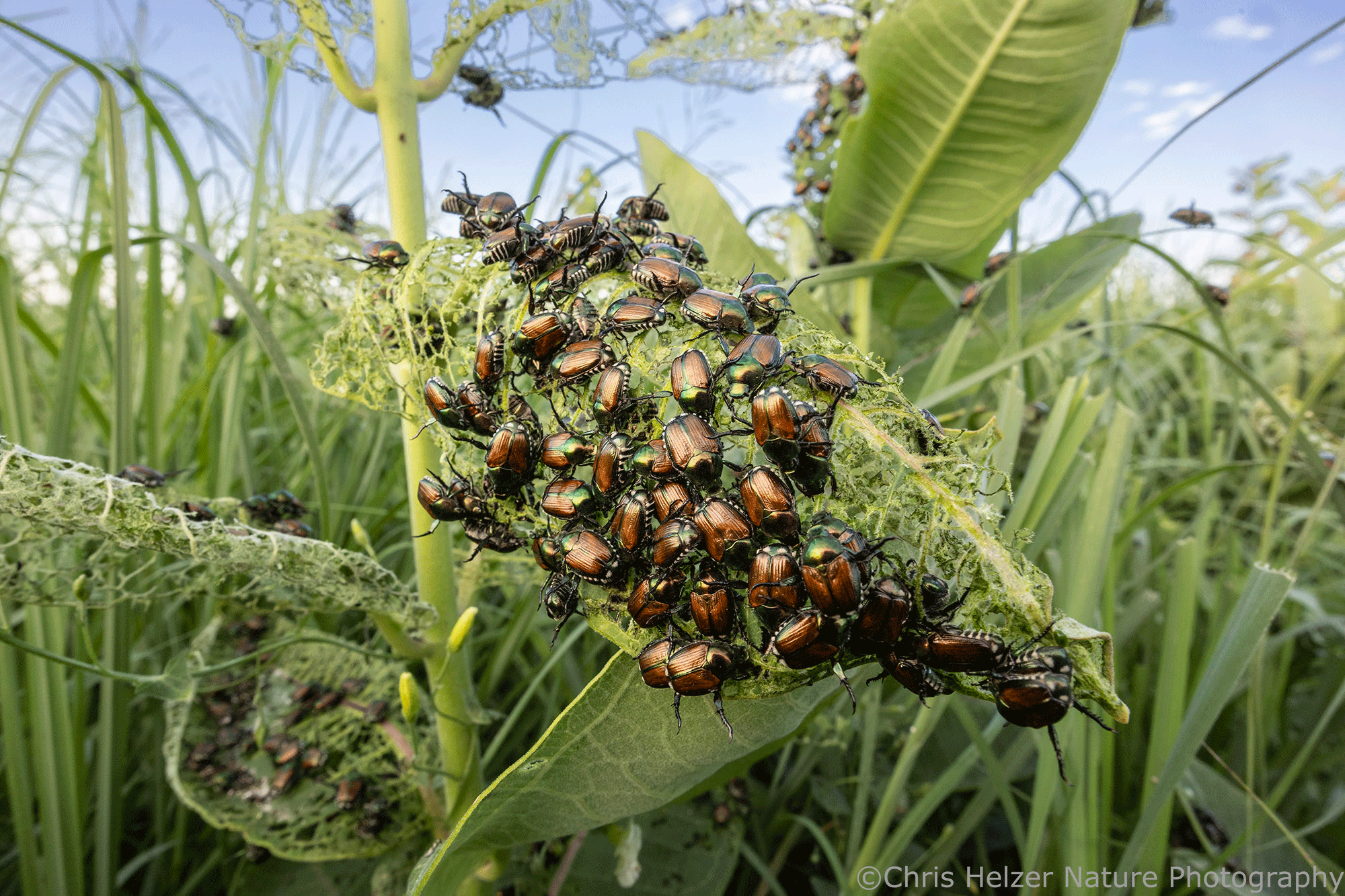
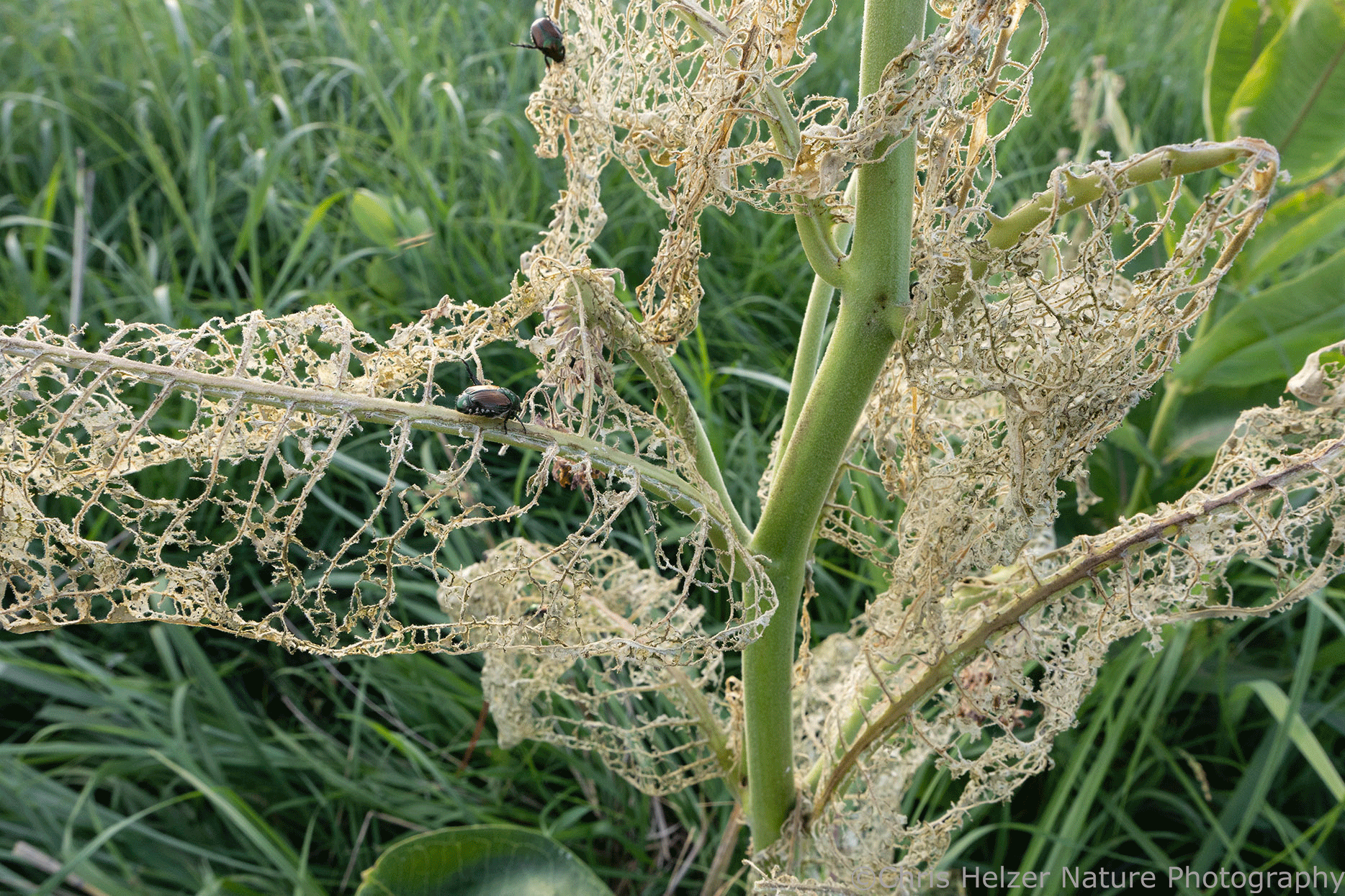
As you can see from the photos below, a horde of the little buggers was really working over some of the common milkweed at our prairie. That seems bad, right? Maybe, but the more important question is, “What should we be doing about it?”
Japanese beetles feeding on the leaves of common milkweedThe aftereffects of Japanese beetles on a nearby common milkweed plantThey also eat the flowers
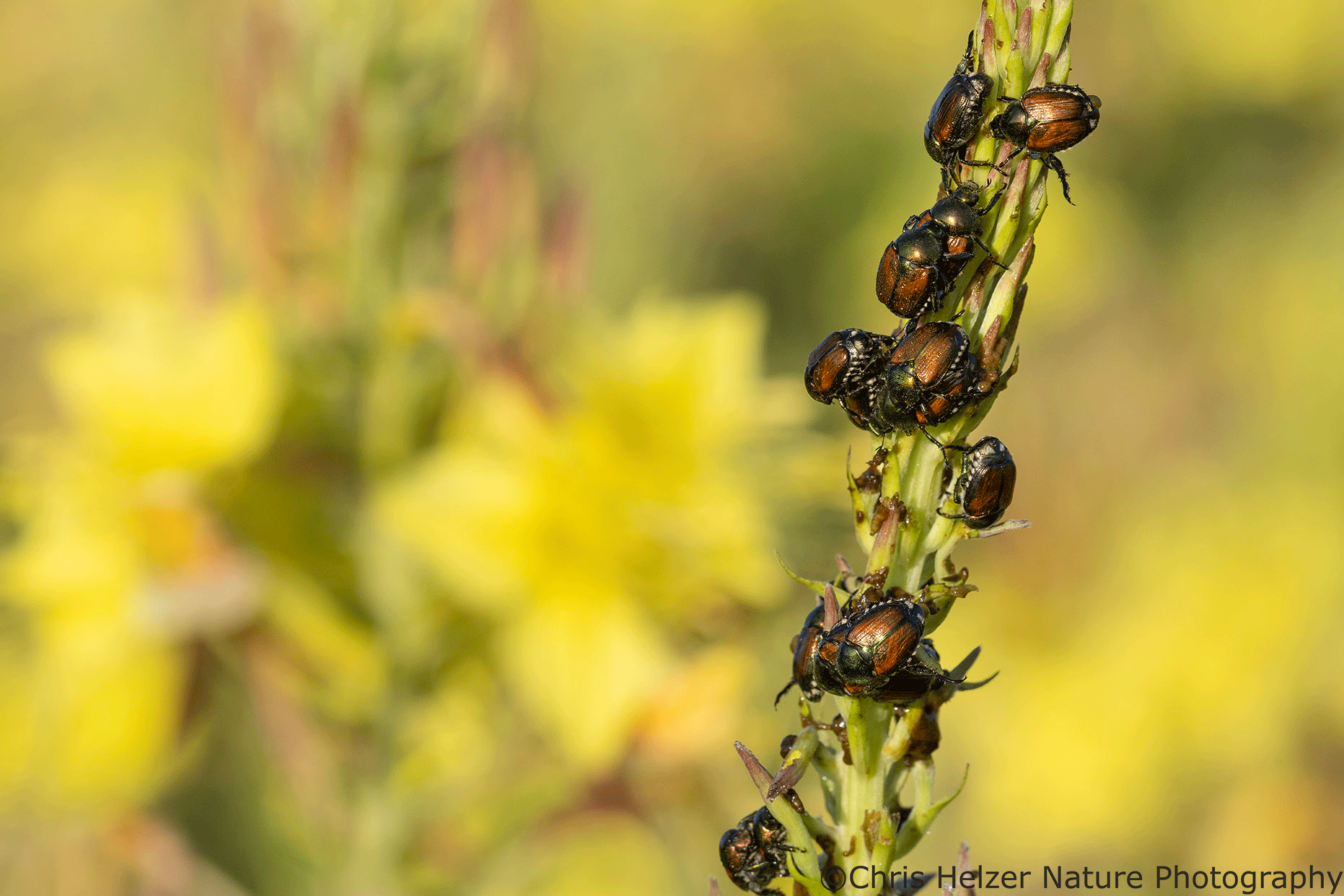
Japanese beetles feed on lots of other native prairie plants besides common milkweed. Some of their favorites around here include lead plant, round-headed bushclover, and tick clovers (aka tick trefoils), but there’s a very long list of prairie plant species I’ve seen Japanese beetles feeding on – often in large numbers.
Japanese beetles on fourpoint evening primrose at The Nature Conservancy’s Platte River Prairies this summer
Several years ago, I wrote a post about my frustration with having to answer questions about whether certain insect species are beneficial or pests. I still don’t like those characterizations and I stand by what I wrote. In that same post, I also said that there are some truly invasive insect species in North America, though, and I listed Japanese beetles as an example. I still stand by that, too – they are invasive.
However, that still doesn’t answer the question about how to handle them.
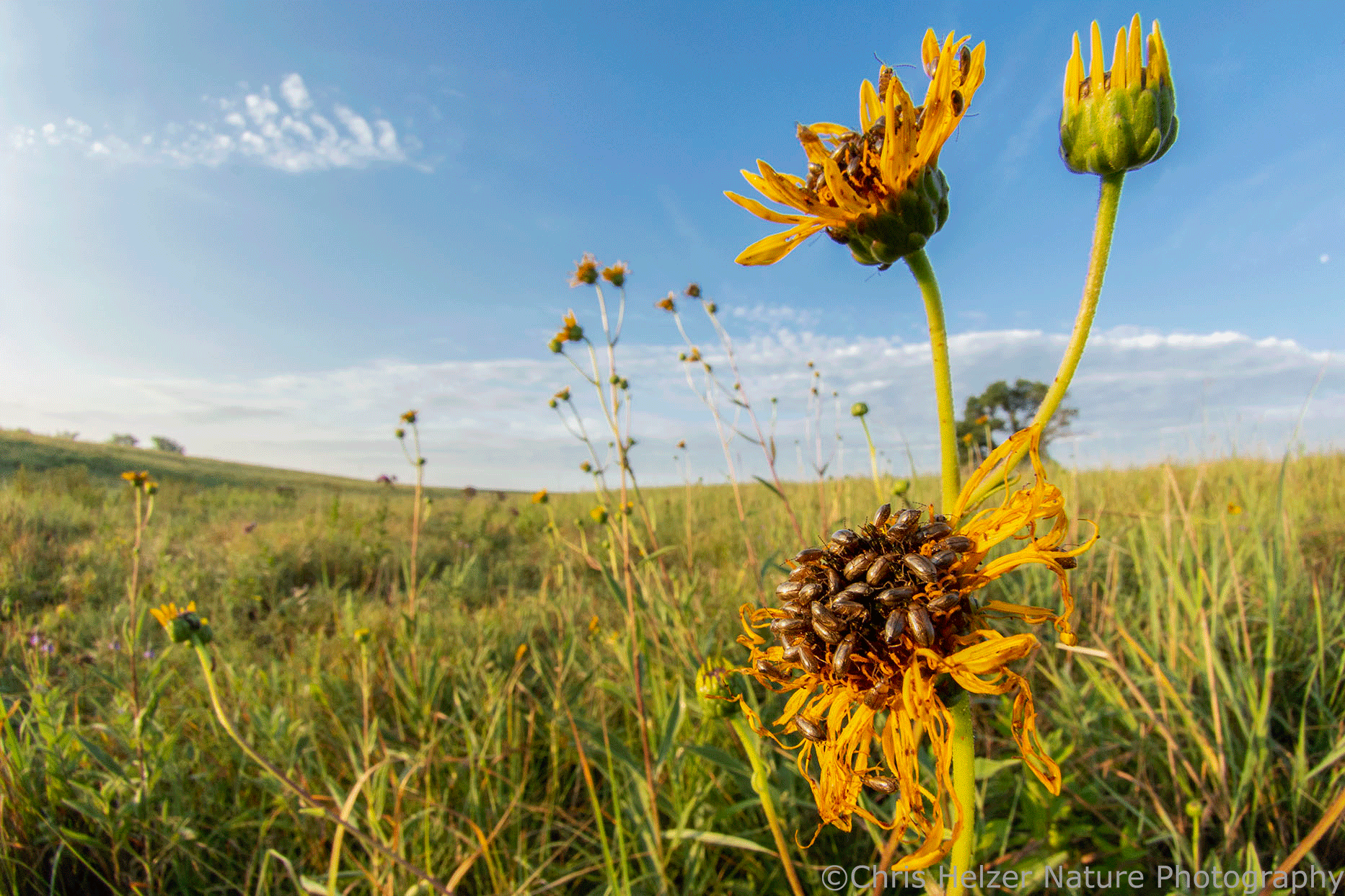
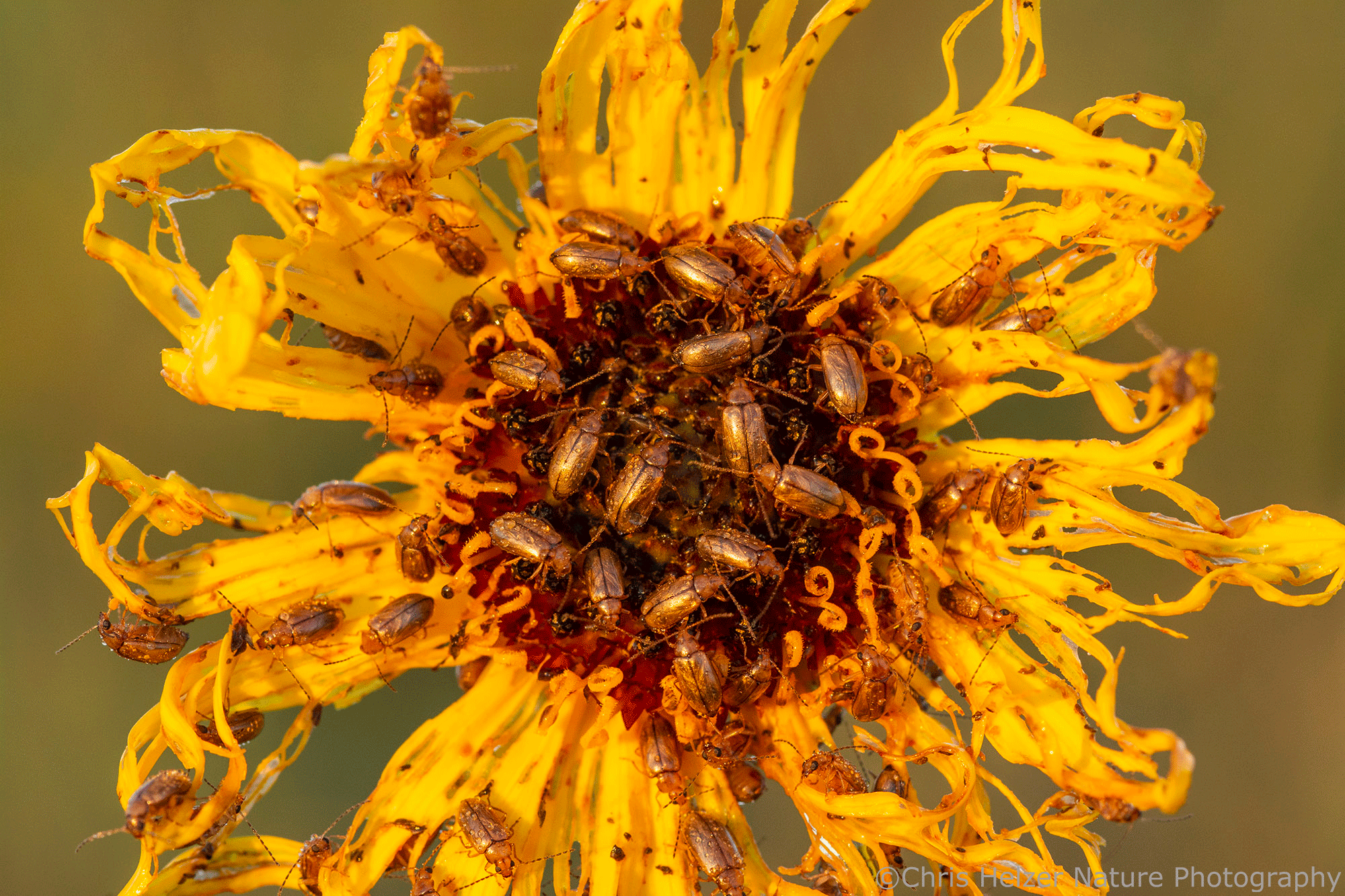
Look at the photos below. They show a native sunflower (stiff sunflower) being ravaged by some little brown leaf beetles. You can see that the flowers are being functionally destroyed by the beetles – they’re eating all parts of the flower and it will be unable to produce seeds as a result. Is that bad? Does it matter that the beetle is a species native to North America? Should we do something about it?
Leaf beetles (Metrioidea) on stiff sunflowerThe little beetles are really working that flower over
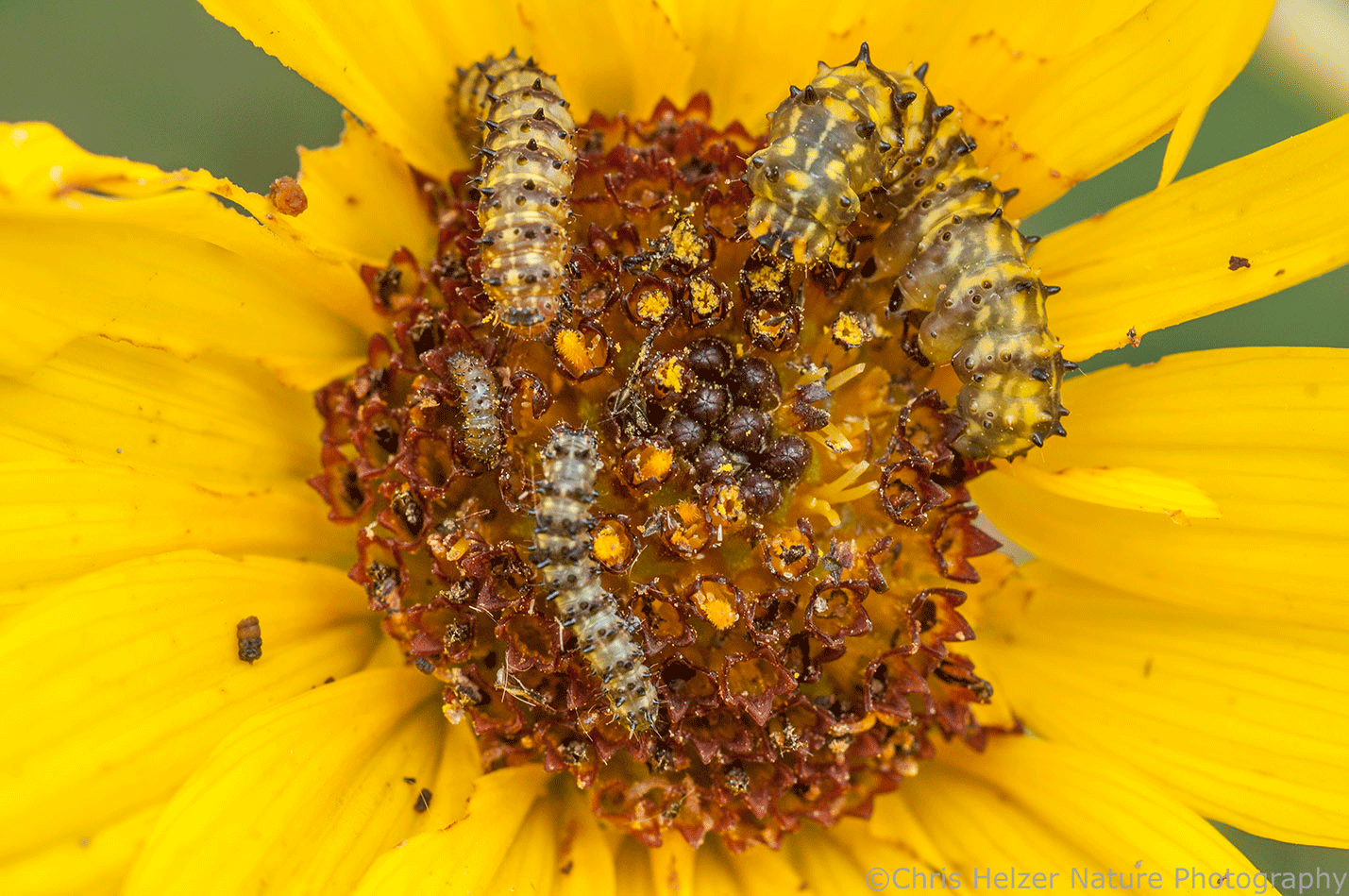
The photo below shows some yellow sunflower moth caterpillars feeding on stiff sunflower. They’re having a similar impact to the flower that the beetles in the above photos are having. The caterpillar is also a native species. Do we just let it happen or should we intervene?
Yellow sunflower moth caterpillars on stiff sunflower
There’s a lot of discussion these days about what species are invasive or pests and which aren’t. Does it matter whether they’re native or not? Should we just stop even thinking about invasive species as problems and live with them? It’s a good discussion to have, though I think the answer to the last question is an easy “no” – or, at least, “no, we can’t just ignore all invasive species and hope things will turn out for the best.”
Again, the real question is “what do we do?” As a land steward, my answer to this hinges on whether a species is working against my big objectives. My biggest objective is to facilitate ecological resilience, which largely depends on species diversity and the size and connectivity of habitat. As a result, when I’m thinking about how to respond to a plant or animal that seems potentially problematic, I ask myself if it seems to be decreasing resilience. Is it fragmenting habitat and decreasing the ability of prairie species to use or thrive in that area? Is it monopolizing resources and simplifying the plant or animal community it has moved into? If the answer is yes, I feel like action needs to be considered. Those questions, by the way, apply to both native and non-native species.
In the case of plant species that are reducing the diversity of the plant community, sometimes my response is to try to kill and/or eradicate them from a site. That’s usually only the strategy if the species has just started to invade and I think we can still get rid of it without undue harm from whatever approach we plan to take (often either manual removal or herbicide treatment). More often, the strategy is to make sure our larger management actions are helping to prevent them from becoming dominant enough to cause problems. Sometimes, that means targeting the plants with mowing, fire, or grazing outside our larger stewardship approach. Other times, the general way we’re managing for plant diversity does the job just fine.
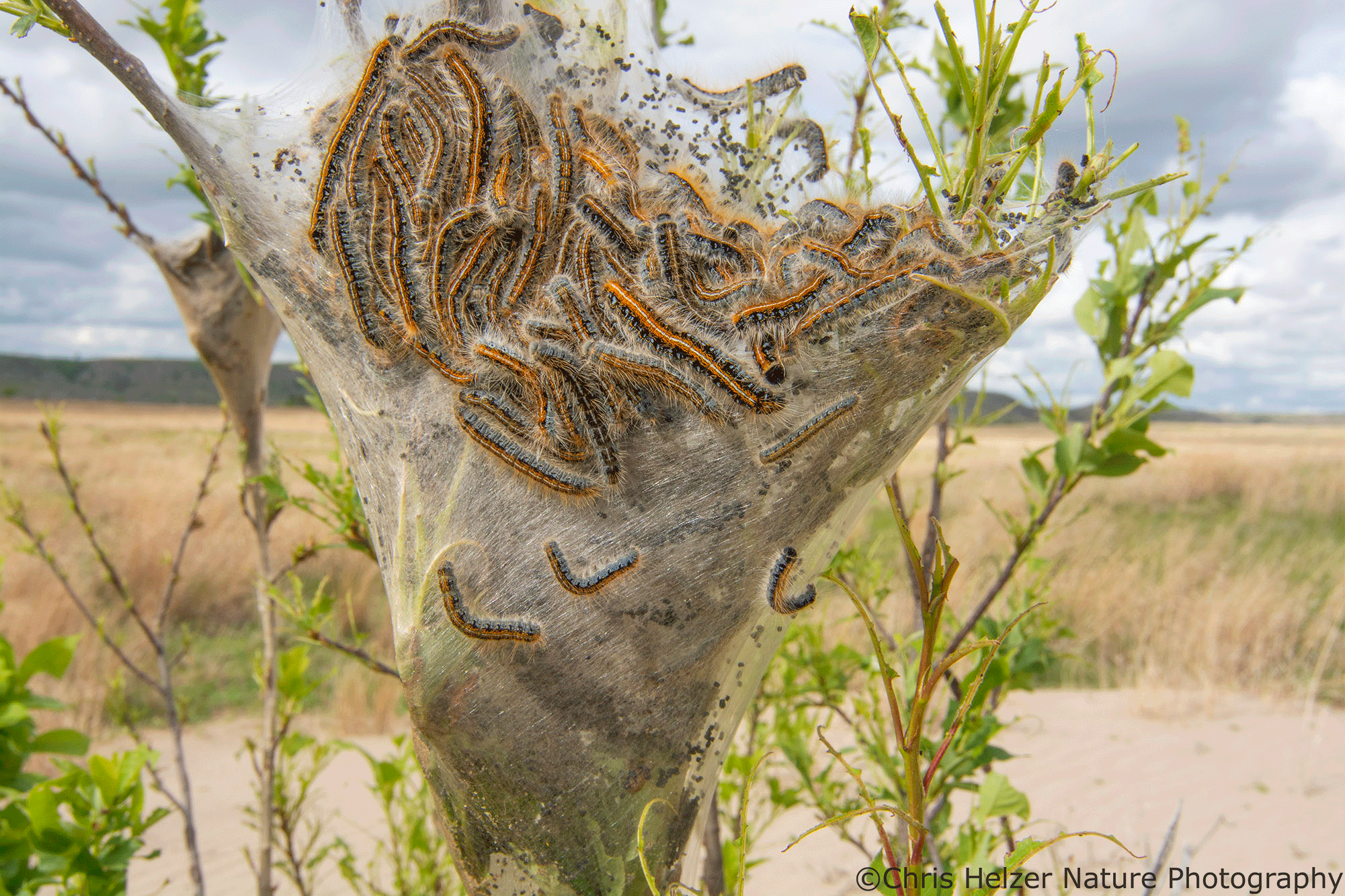
Eastern tent caterpillars (a native species) dismantling large chunks of a willow copse at The Nature Conservancy’s Niobrara Valley Preserve
Returning to insects… At the moment, I’m not doing any invasive insect control efforts at my family prairie, nor are we doing anything like that on lands we manage at The Nature Conservancy here in Nebraska. The simplest reason is that none of the insects appear to be causing enough negative impact to warrant any action. Japanese beetles definitely hit some plants hard, but I’ve never seen them take out the majority of plants in a population. When I took the above photos of Japanese beetles, there were lots of milkweed and/or evening primrose plants nearby that weren’t being visited by the beetles. Plus, I’ve noticed some plant species (lead plant is a great example) that look really bad when the beetles are done with them, but still produce seeds by the end of the year.
And, of course, if I’m not going to do anything about Japanese beetles, I’m also not going to do anything with native leaf beetles or caterpillars eating stiff sunflowers, tent caterpillars eating willows, or any other similar examples – even if some of the effects can look pretty dramatic. The reason is the same. I’m not seeing any evidence those species are affecting the species diversity or resilience of the ecological communities I’m managing.
Saying all this, I’m not trying to say no one should ever worry about invasive or other insects that cause potentially negative impacts. Different standards apply to insect damage to food crops, for example. In our home garden, we sometimes take action to save our spinach or squash plants from being destroyed by insects. We sometimes pick Japanese beetles off our zinnias and rhubarb and dump them in soapy water to save those plants.
Most times, however, we’re happy to see (or at least are fine with) insects devouring the flowers, seeds, leaves, or stems of the plants in our yard. We have a diversity of native plants (and some non-native flowers and shrubs) in our yard BECAUSE we want to help invertebrates and other wildlife, so the fact that those plants are being used as food is a success.
Our farmer neighbors have to make difficult decisions about whether an insect population is going to have enough effect on their yield that they need to do something about it. Those decisions are then followed by similarly difficult decisions about what action might look like (pesticide application? biocontrol introduction? inclusion of field boundaries planted with vegetation that might reduce insect damage to crops?)
In ecological systems, though, I’m comfortable with the standard I’m applying. If a species is reducing the resilience of a site we’re managing, we have an obligation to mitigate that. It can be hard to divorce ourselves from the emotion of seeing a plant get decimated by a crawling mass of invertebrates. Stepping back to put that scene in context with the broader area, though, usually helps answer the question about whether or what to do anything about it. After all, one of the benefits of facilitating ecological resilience is that it gives prairies the ability to adapt and absorb impacts, including Japanese beetles shredding some plants here and there.