
I spend most of my summers in the field, wandering around in prairies collecting data, making observations, and taking photos. Lots and lots of photos. So many photos that I only have time and space to post a small percentage of my favorites here on this blog.
This week, I’ve been going through my 2017 photos, trying to select a manageable number for my annual “Best Photos of” feature, which will be coming in the next week or two. While doing that, I came across quite a few photos I really liked but haven’t posted yet. Here is a batch of previously unposted images from the Niobrara Valley Preserve from this summer, along with some brief natural history notes.

A gorgeous northern leopard frog stares at me from the bank of the Niobrara Valley Preserve. I like this photo for a lot of reasons, but one of the biggest reasons is that my daughter spotted the frog while we were out exploring together. The northern leopard frog can be distinguished from the plains leopard frog because the two lines on the back of the northern are continuous, and the lines on the plains leopard are broken.
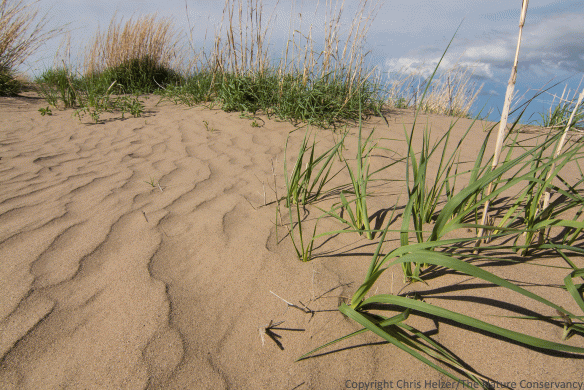
We are trying to better understand the potential ecological values of short vegetation structure and exposed soil in the Nebraska Sandhills. It’s a set of habitat conditions most ranchers manage against, and we’re wondering what species might benefit from having a little more around. If nothing else, the patterns found in wind-blown sand are aesthetically pleasing.
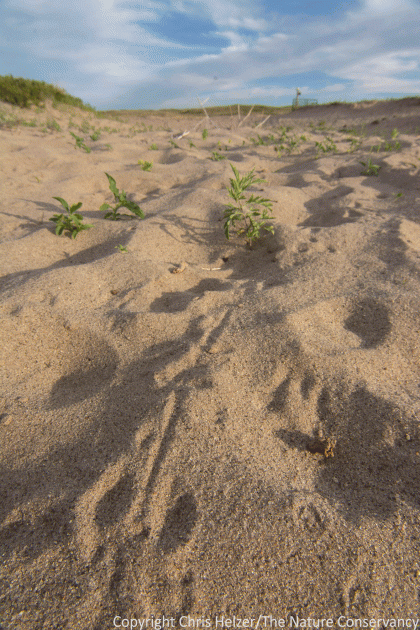
One species we know thrives with lots of bare sand is the Ord’s kangaroo rat (Dipodomys ordii). K-rat tracks are abundant in bare sand, distinguished by the relatively large size of the foot prints and the tail marks between them.

This was one of the first plains sunflowers (Helianthus petiolaris) to bloom this summer, but as the summer progressed, sunflower populations exploded, especially where we’d burned in the spring.
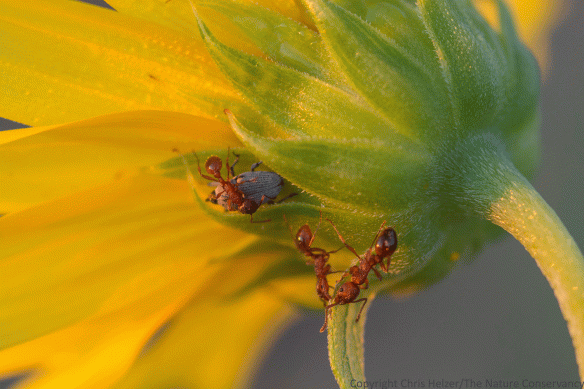
Ants appreciate the extrafloral nectar produced by plains sunflowers, and presumably help suppress numbers of herbivorous insects on those sunflowers – notwithstanding the well-armored weevil shown here.
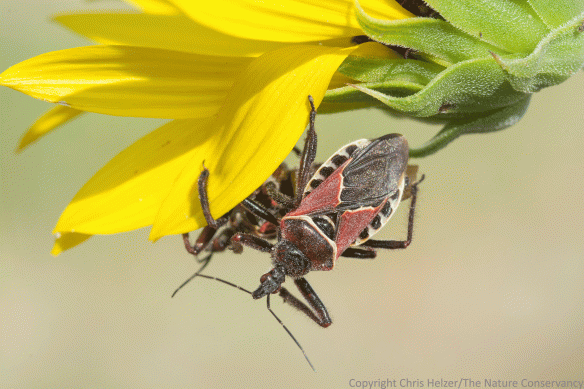
Mating assassin bugs on a plains sunflower. These ambush predators are often seen hunting on the sunflowers as well, taking advantage of abundant insects in search of accessible and nutritious pollen and nectar.

The day’s last beams of sunlight stream across our public hiking trail above the Niobrara River back in June of this year.
As I prepare for the “Best Photos of” post coming up, please let me know if you have a favorite photo or two from the year. It’s awfully hard for me narrow them down…


