

A few of us took a short trip out to our family prairie last weekend. My daughter was back from college for the weekend and wanted to see what was happening in the prairie, so we did a little canoeing (tight circles in the small pond), hiking, and exploring. Later, I found myself photographing dotted gayfeather seeds, and while I was looking for more of those plants, I stumbled upon a grass leaf that was bent funny with some kind of white silk holding it in that position. I had actually walked past the grass leaf before my brain finally registered the fact that I should go back and examine it.
Looking more closely, I could see enough of the creature inside to identify it as a crab spider. It had been raining quite a bit during the previous couple weeks, so my first thought was that the crab spider had made itself a little rain shelter. (Crab spiders don’t make webs, but like all spiders, do make silk and use it for various purposes.). However, my better guess was that it was a nest and that it might contain a bunch of spider eggs. I photographed it for a few minutes, taking lots of photos, since the breeze was making it hard to keep the spider in focus.
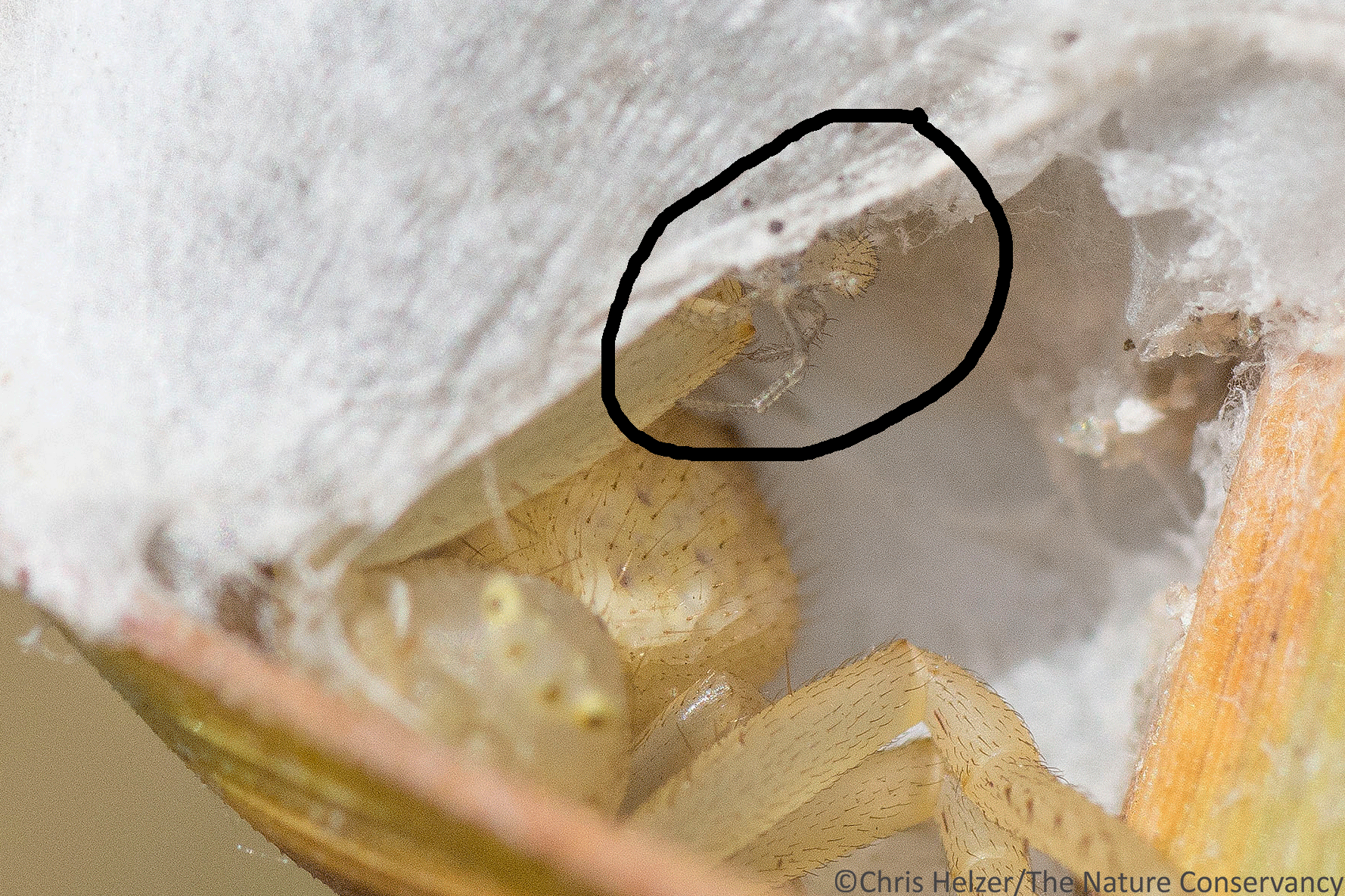
Later, when I was looking through images at home, I was culling all the photos of the spider that weren’t in focus (dang that wind) when I happened to spot something that confirmed my guess. Right above an unfocused crab spider face, a tiny spiderling appeared – just in one photo, not in any others. Apparently, this was indeed a crab spider nest, and at least one egg had already hatched.

Crab spiders aren’t the only group of spiders that take care of their kids. Frequent readers of this blog will, of course, remember a previous post of mine showing a mother wolf spider carrying her brood around on her body, and even if you don’t, you may have heard that wolf spiders lug both their egg sacs and newly hatched babies around with them. Wolf spiders aren’t alone, though, and we’re still learning more about how well various spider species care for their young. If you’re interested, you can read more in this nice blog post from Biome Ecology. Otherwise, you can just join me in wishing this particular crab spider’s brood good luck as they disperse and try to find safe places to overwinter.
 The Prairie Ecologist