Adding insult to injury, the overly-ambitious monarchs in Nebraska this spring had to deal with cold wet weather all last weekend. Temperatures got down to about 30 degrees F, and maybe lower in some places, and much of the prairie was covered in frost at least one morning. During the days, it was rainy, windy, and cold.
We’d brought several monarch eggs from our garden into the house so we and the kids could watch them develop, and the caterpillars from those eggs seem to be doing very well. When I went back to the garden, though, I didn’t find either eggs or caterpillars on the remaining plants. I don’t know what happened, but I wonder if the caterpillars hatched out and then didn’t make it through the weather. Maybe they’re just hiding really well?
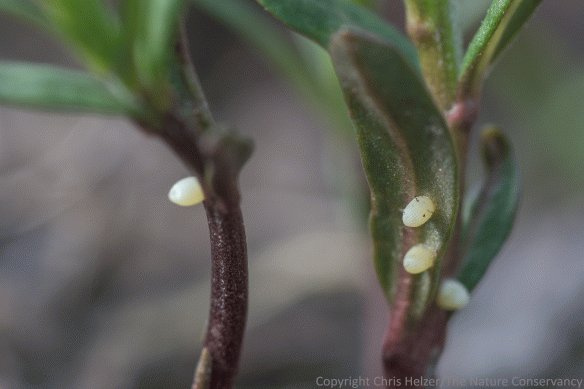
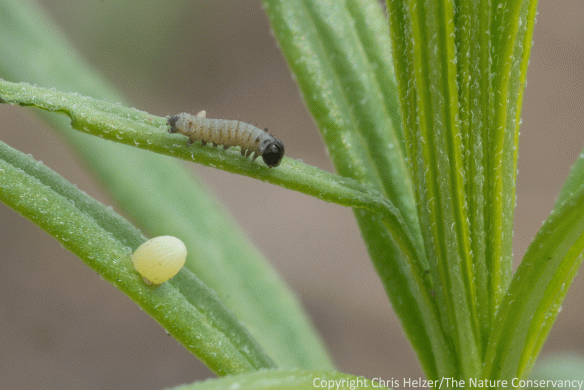
Yesterday, I was out at our Platte River Prairies, and Katharine (Hubbard Fellow) and I spent a couple hours walking around and looking for caterpillars on milkweed with no luck. In addition, the frost killed the tips of most of the warm-season grasses that were just emerging from the ground, and also wilted a lot of the common milkweed plants. Interestingly, the whorled milkweed plants I’d seen caterpillars on during previous week seemed to have handled the cold just fine, but we couldn’t find any caterpillars on them. We did find a few eggs on common milkweed plants, but it’ll be interesting to see how quickly those plants recover from the frost, and whether or not they are able to provide sufficient food for any caterpillars that hatch from those eggs.

This common milkweed plant looked a little wilted from the frost, but looked a lot better than the warm-season grasses surrounding it.

The common milkweed plant on the left was more typical of most of the plants we saw on our walk yesterday. Note the whorled milkweed on the right side of the image (skinny green leaves) – it looks perfectly fine.
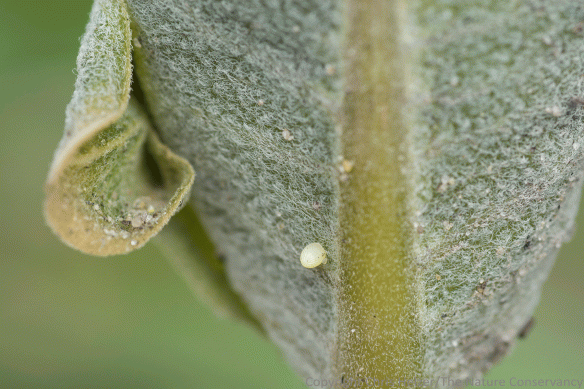
This was one of several monarch eggs we found on common milkweed plants yesterday. We found eggs on whorled milkweed as well.
There was good news from the day, though, which is that I saw two adult monarchs, one of which was nectaring on dandelions. Maybe we’ll still see more eggs laid by this early migrant population. Temperatures for the next couple weeks look pretty good, so those eggs might have both bigger milkweeds than their earlier counterparts and better weather as well.

This was one of two adult monarchs I saw yesterday. This one was so intent on feeding it let me army crawl to within a foot or so of it for a photograph. Its faded color and rough-looking wings make it clear that it’s part of the migratory population that overwintered in Mexico.
While it’s been really interesting to see these monarchs show up early this spring, we’ve also seen some first-hand evidence of why we’re further north than those butterflies usually come to breed. First, we were worried the butterflies wouldn’t find places to lay their eggs because the milkweed hadn’t emerged when they arrived. Then we worried that caterpillars hatched out on those tiny milkweed plants might run out of food. Now we’ve seen a frost and cold rainy weather that appears to have been hard on both caterpillars and milkweed. Our prairies aren’t exactly giving those ambitious migratory monarchs a warm welcome. Hopefully, we’ll see at least a few caterpillars turn into adults from this first generation, and their cousins further south will have better luck. If so, we’ll see our regularly-scheduled influx of monarchs in a few weeks. By then, we should be ready for them.
P.S. Let’s just take a moment to appreciate the incredible journey the monarch in the above photo has made… It hatched out of an egg late last summer, maybe even in Nebraska, and although its parents had been born near where it was born and hadn’t migrated anywhere, this one somehow knew that it needed to fly south. Not only that, it knew to fly to a particular small spot northwest of Mexico City. It somehow successfully navigated and survived the trip there, survived the winter with a horde of others like it, and then this spring, traveled about 1500 miles back north to get to the dandelion I photographed it on. It’s a friggin’ butterfly, folks! It’s just an amazing world, isn’t it?