
Across much of the Midwest and Great Plains of North America, the blooming of eastern pasqueflower is a pleasing indicator that a new growing season has begun. For photographers like me, it also helps break a long fast from showy wildflowers that typically runs from late October through early April each year.
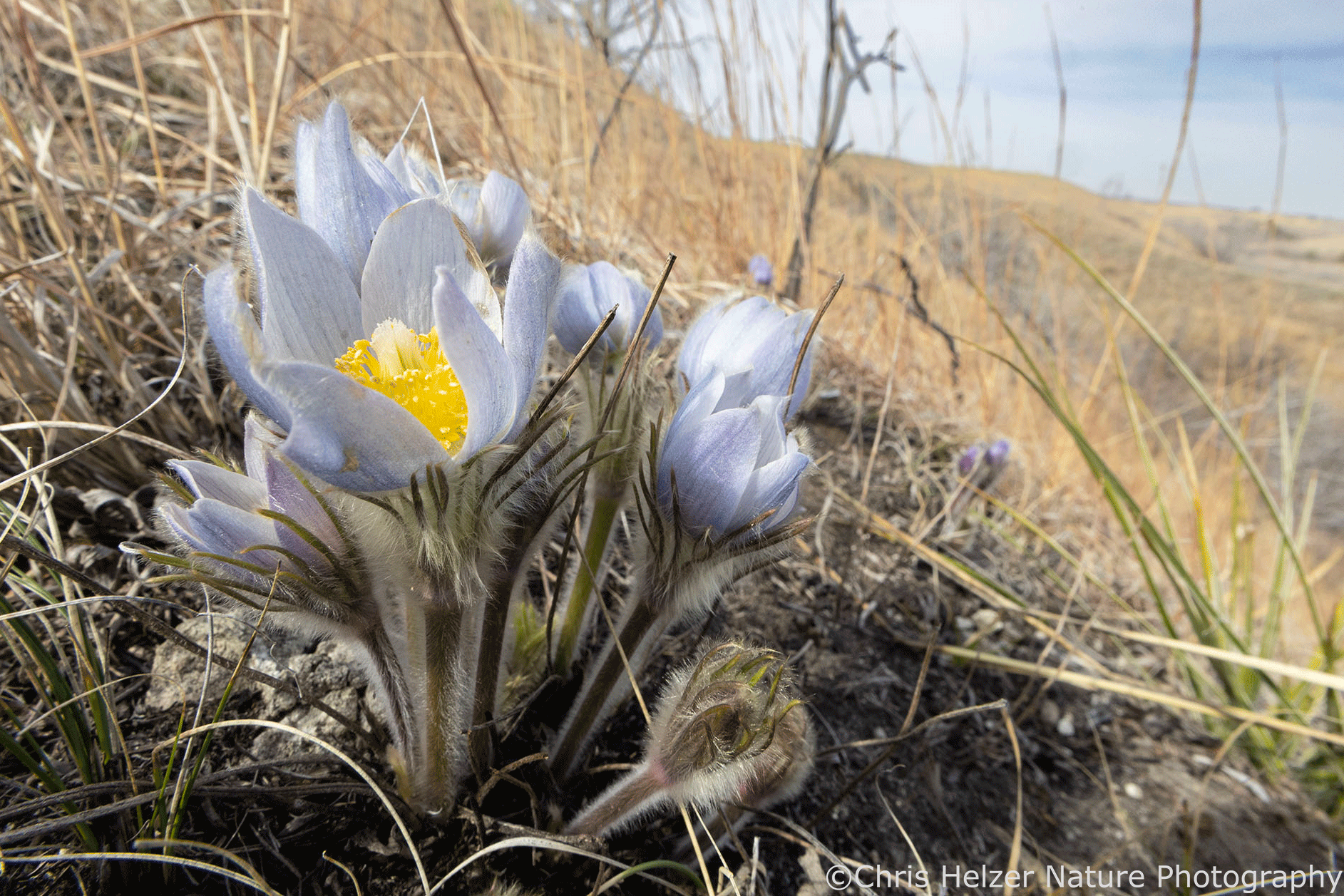
Pasqueflower isn’t always the first plant to bloom in a prairie, but it’s right there, and there aren’t many other early spring blossoms with more curb appeal. Actually, saying “it’s right there” is misleading because pasqueflower is not actually present in most of Nebraska’s prairies. Its range extends across the state (or the northern 2/3 of the state, at least) but it’s found very sporadically within that range.
Most of the prairies I know best don’t have pasqueflower, but there’s a really nice population at the Niobrara Valley Preserve. Since first discovering it there nine or ten years ago, I’ve tried hard to find an excuse to travel to NVP each April and then find another excuse to climb the ridge to check on the flowers. This year, the excuse was that the Hubbard Fellows and I were asked to drive up to NVP to help with some prescribed fires. I was happy to oblige!
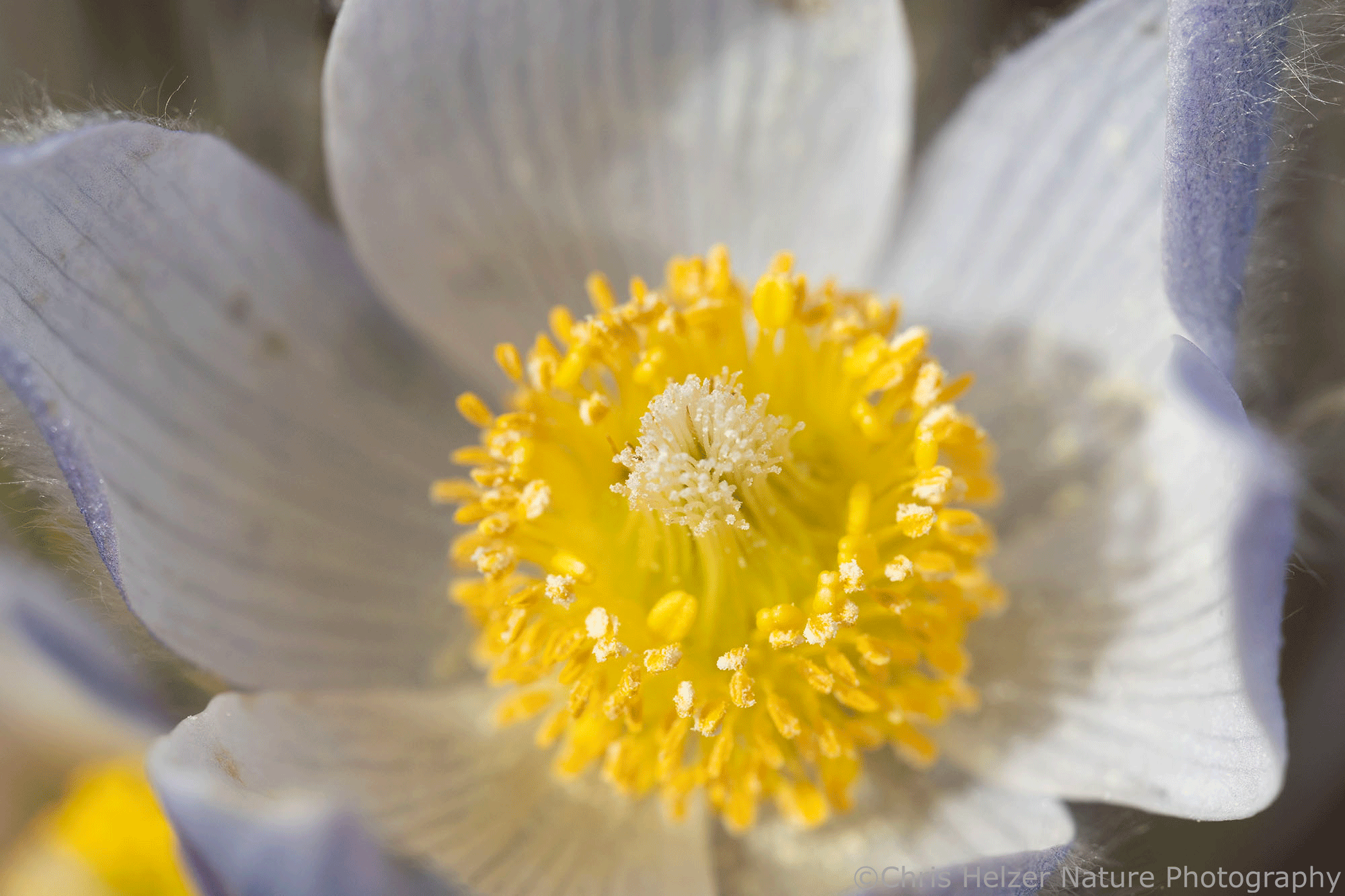
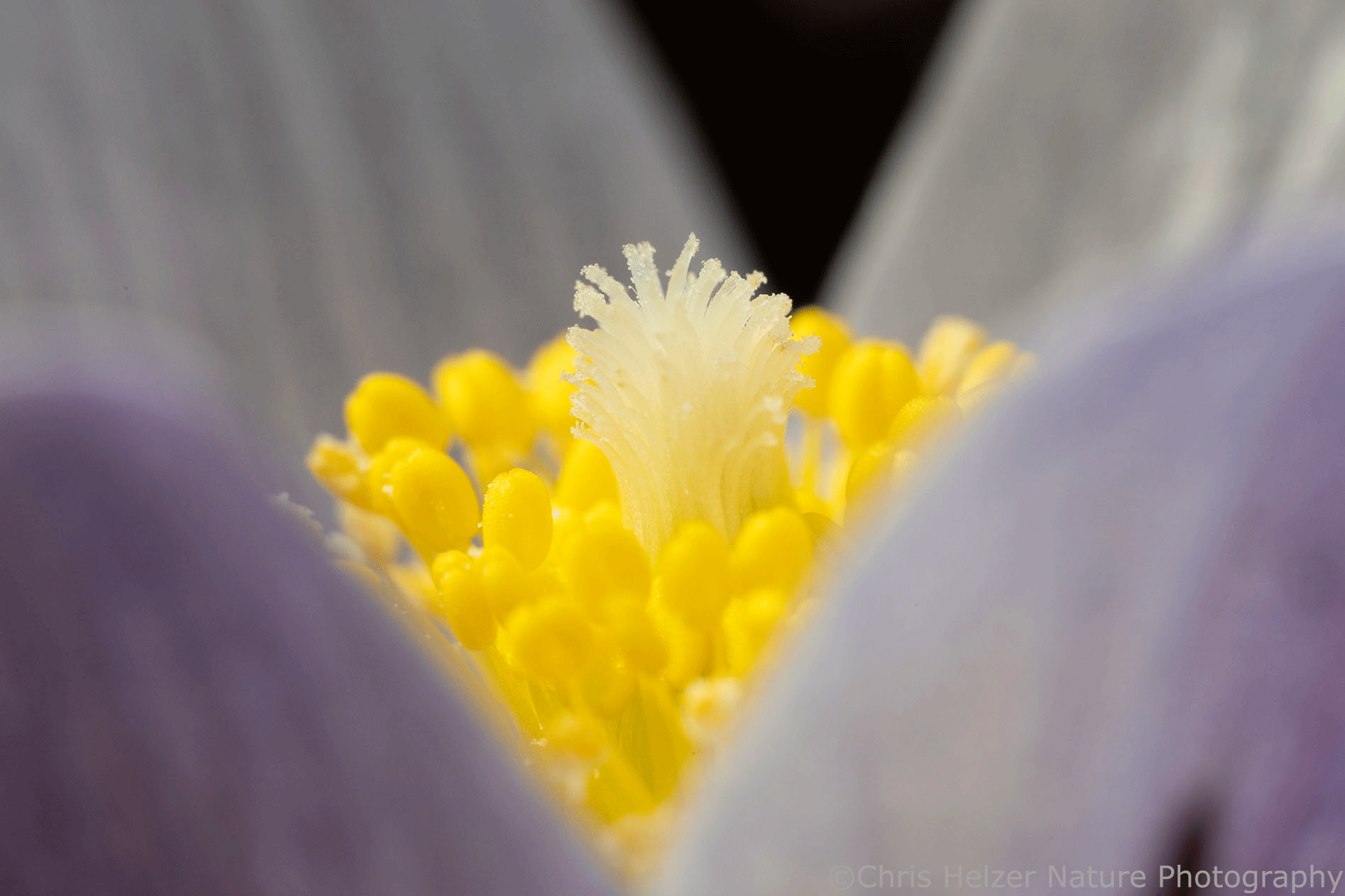
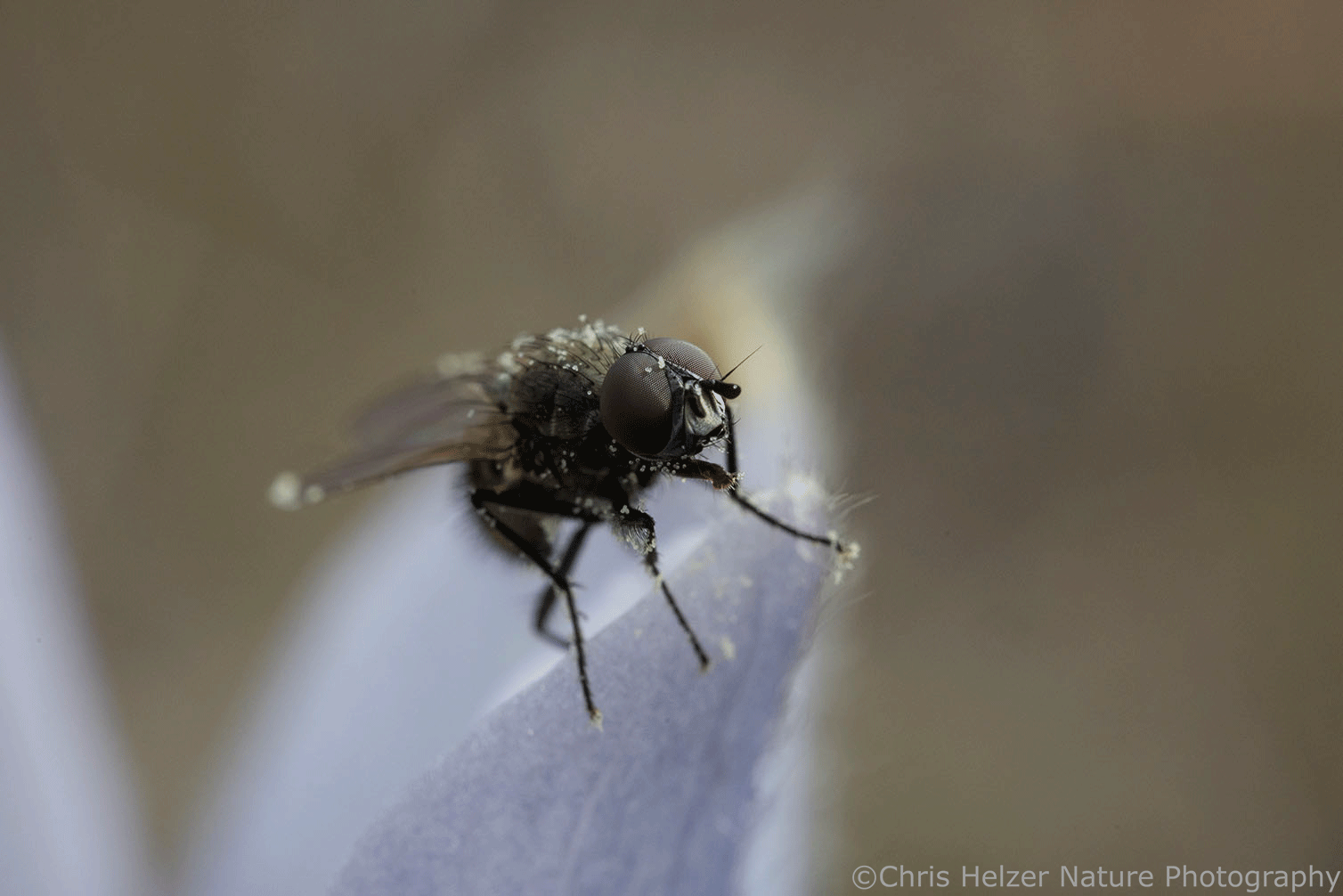
Because it’s one of the first blossoms available, pasqueflower attracts a lot of invertebrates looking for a meal. A rich diversity of flies visit pasqueflowers at the Niobrara Valley Preserve, along with some of the earliest of the native bees. This year, I didn’t spend a lot of time trying to photograph those little pollinators, but I did manage to capture a shot of one tiny fly before it flew off.
Flies and bees are great, but the pasqueflower-related insect I really look forward to each year is the oil beetle (Meloe sp.). The very first time I photographed pasqueflower at the Niobrara Valley Preserve, I spotted some of these big bulbous beetles crawling around. I was immediately intrigued, and later found out what they were. That led to some investigation into what was known about their lives and that led to one of my favorite insect ecology stories ever.
As a result, I was excited when Noelle (one of our two Hubbard Fellows this year) found a little cluster of oil beetles when we visited the pasqueflowers this week. I’d told the Fellows about the little creatures as we got close to the flower patch and had asked them to keep an eye out for them. I then proceeded to walk right past the group of beetles Noelle spotted after immediately after I passed them. So much for my reputation as someone with a good eye for finding small creatures.
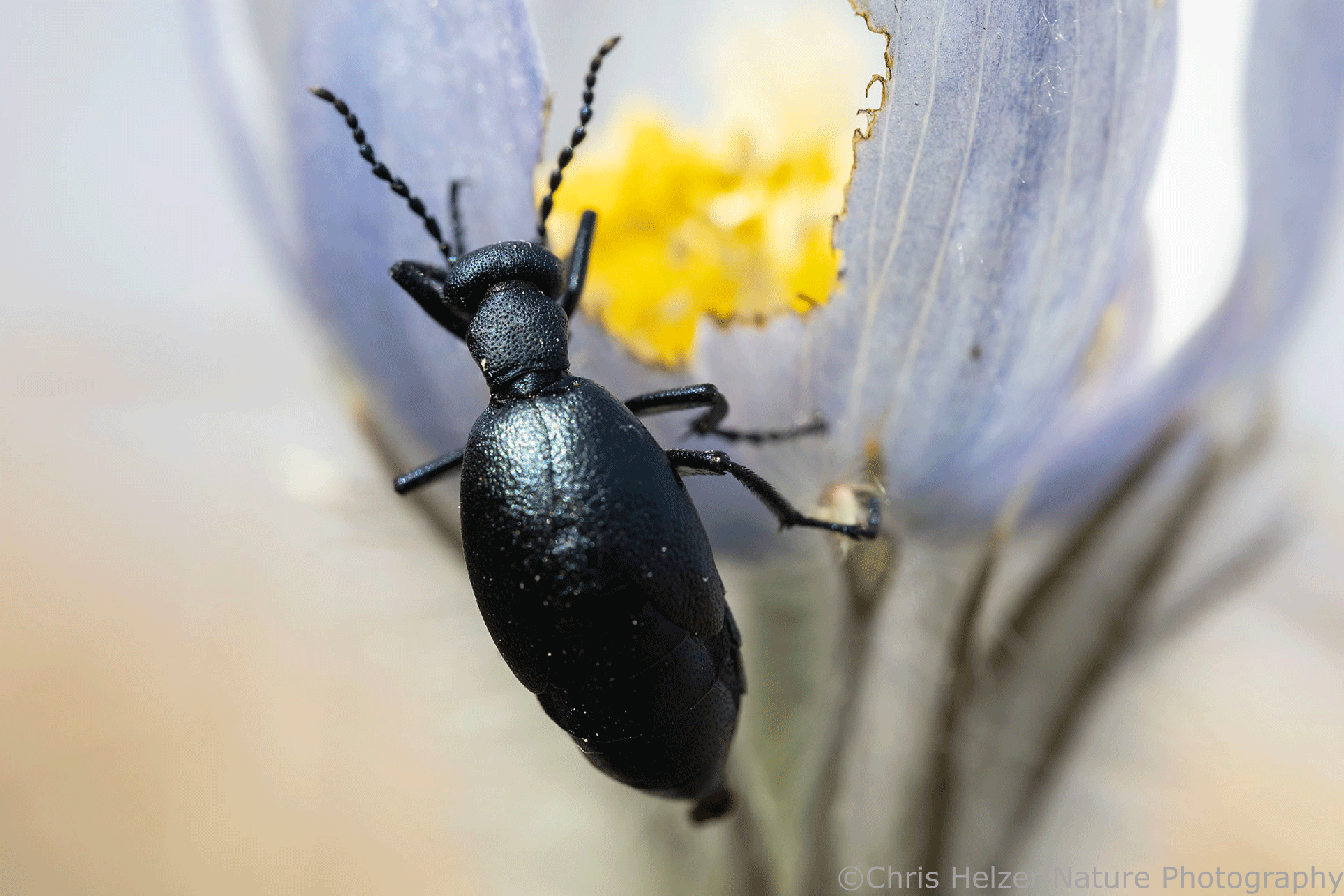
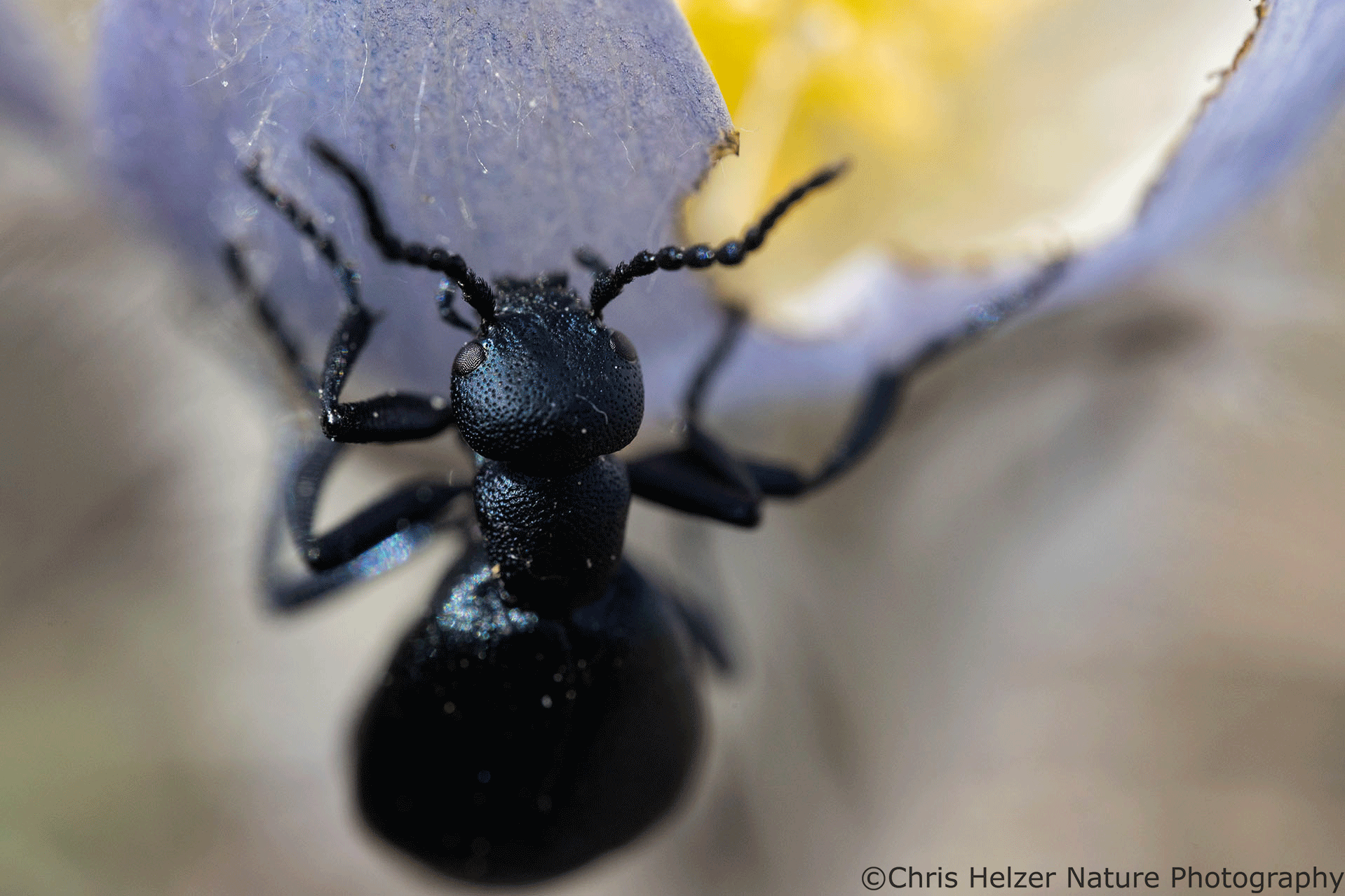
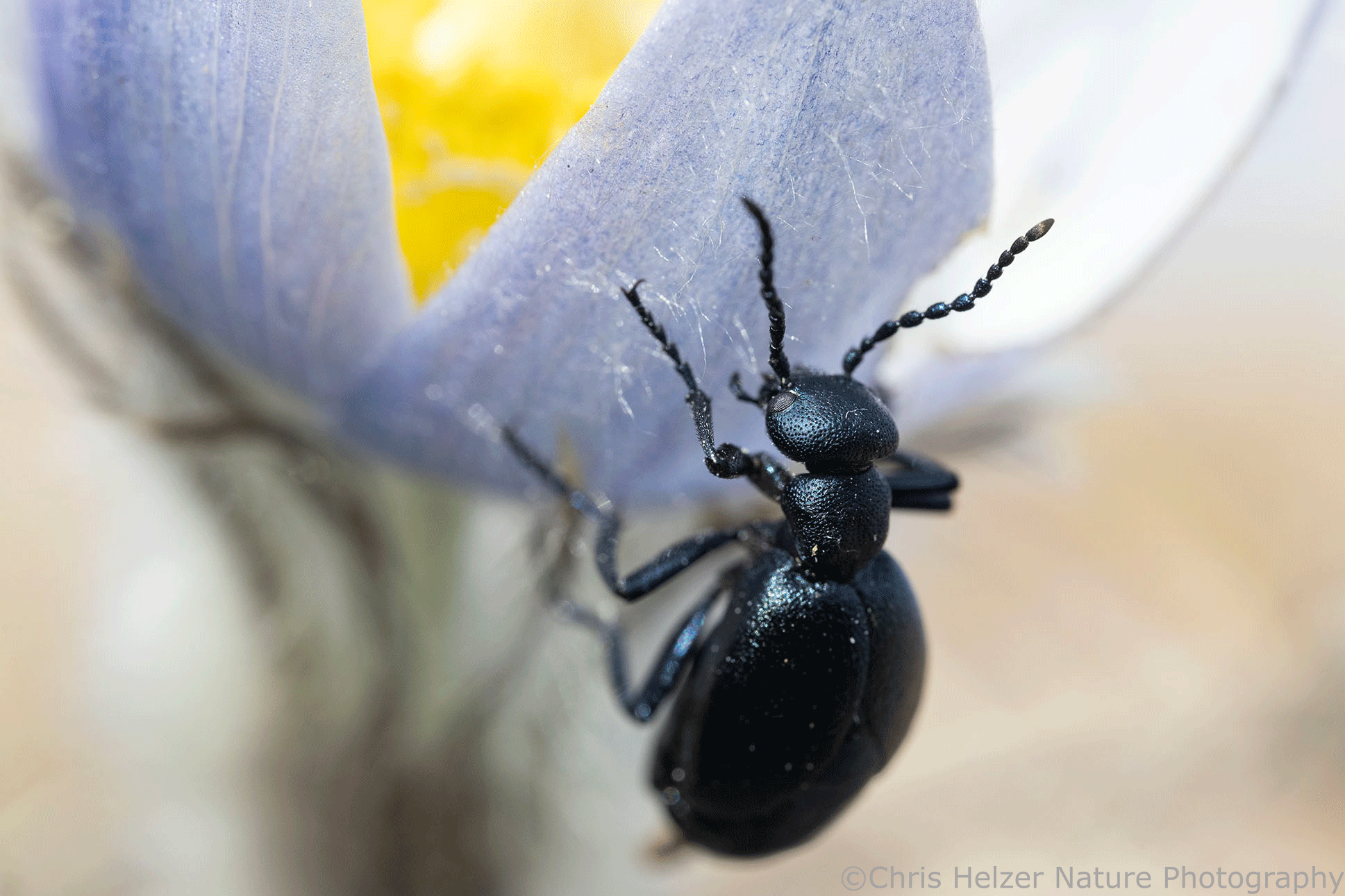
I’ve posted pasqueflower and/or oil beetle photos quite a few times on this blog now. In fact, probably six times, since that’s the number of times I’ve had a successful trip to NVP during the pasqueflower blooming season since I first discovered them. I don’t always find oil beetles on the flowers, but I find them more often than I don’t. It’s also the only time and place I’ve ever seen oil beetles.
Each year, I think I say the same thing, which is that I’ve found no evidence that oil beetles focus particularly on pasqueflowers as a food source, at least relative to other options. So why don’t I see them elsewhere? Despite this year’s failure, I really am pretty good at spotting insects, and oil beetles are pretty large and obvious. It’s odd that I’ve never seen oil beetles in other prairies or on other plant species.
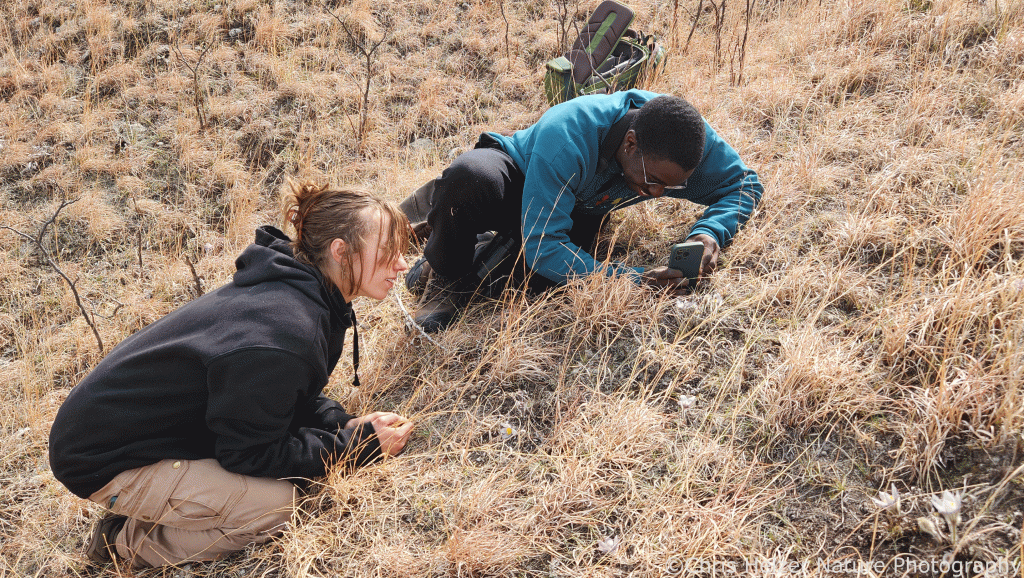
The fellows and I enjoyed some quality time with the flowers and beetles on Tuesday morning, before heading back south toward home. Much of that time was spent with heads close to flowers, watching the slow, methodical munching of petals. It was peacefully mesmerizing.
In fact, here’s a short video to show you what I mean. (If the video doesn’t work for you, click on the title of this post to open it online and make the link active.)
If you’re tired of seeing pasqueflower and oil beetle photos here each spring, I guess I apologize for putting you through that particular trauma. On the other hand, no one is forcing you to be here.
For those of you who haven’t left, here are two more!
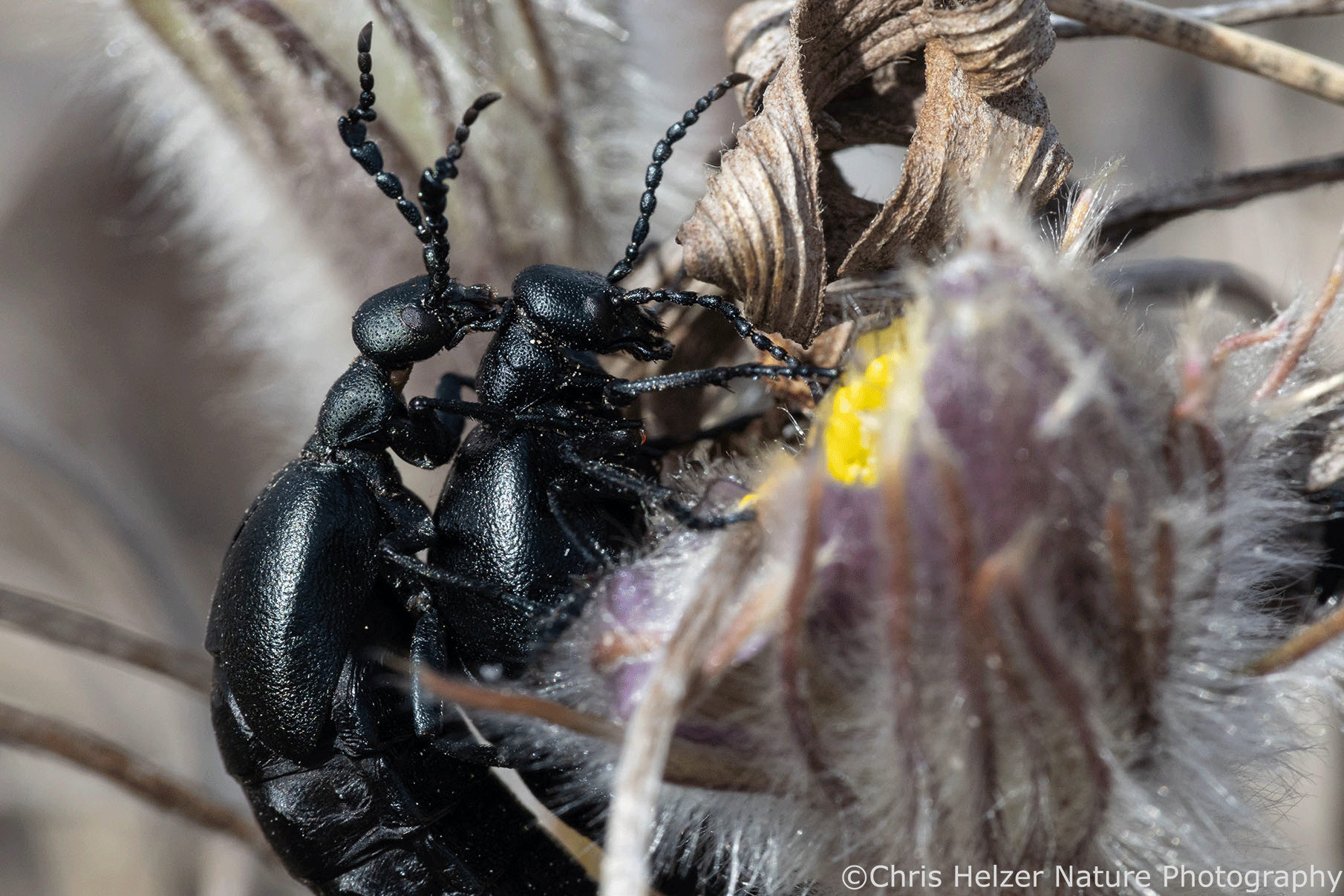
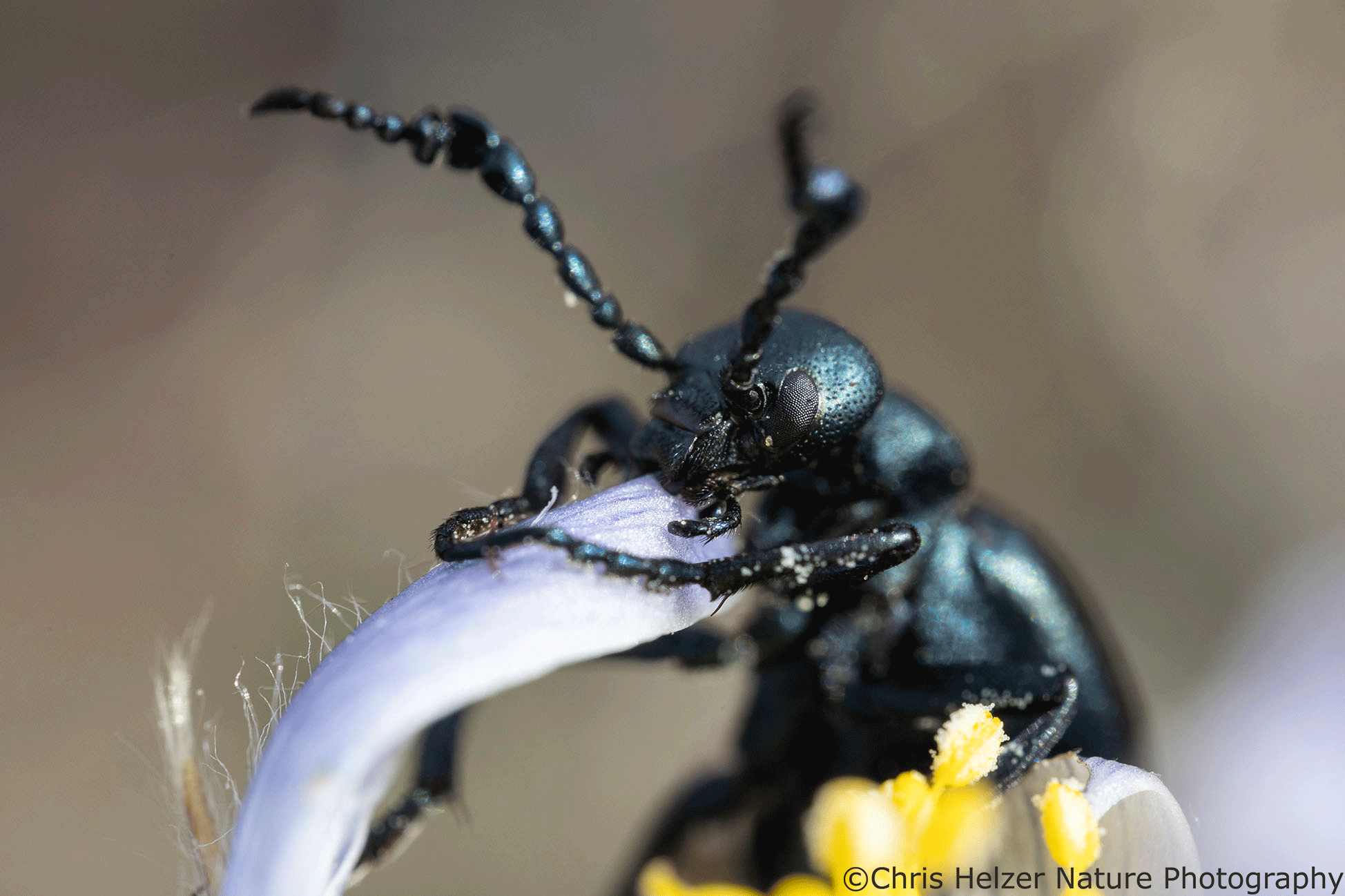
I’d love to hear if other people see oil beetles on pasqueflower as predictably as I do. I think I’ve only heard from one other person who has seen that. I’ve found no references to an oil beetle/pasqueflower interaction online, but that doesn’t mean it doesn’t exist. Help!
If you live near a pasqueflower population, I hope you get a chance to see them this spring. Even without the oil beetles, they’re sure a great way to kick off the spring.

 The Prairie Ecologist