The One-Hour Square Meter Photography Challenge!

Do you remember that square meter photography project I did? Twice?

Whew, that was a lot of work. Don’t get me wrong, it was more than worthwhile, but it was definitely a big commitment. I may try it again someday, but not right now.

I continue to enjoy writing and talking about those two year-long projects and I hope to have another product or two come from those initial efforts. In the meantime, I’ve been thinking about some variations on the same theme. I tested one of those last week. I went out to my family prairie and marked out a square meter. Then I spent one hour photographing everything I could find. It was fun!

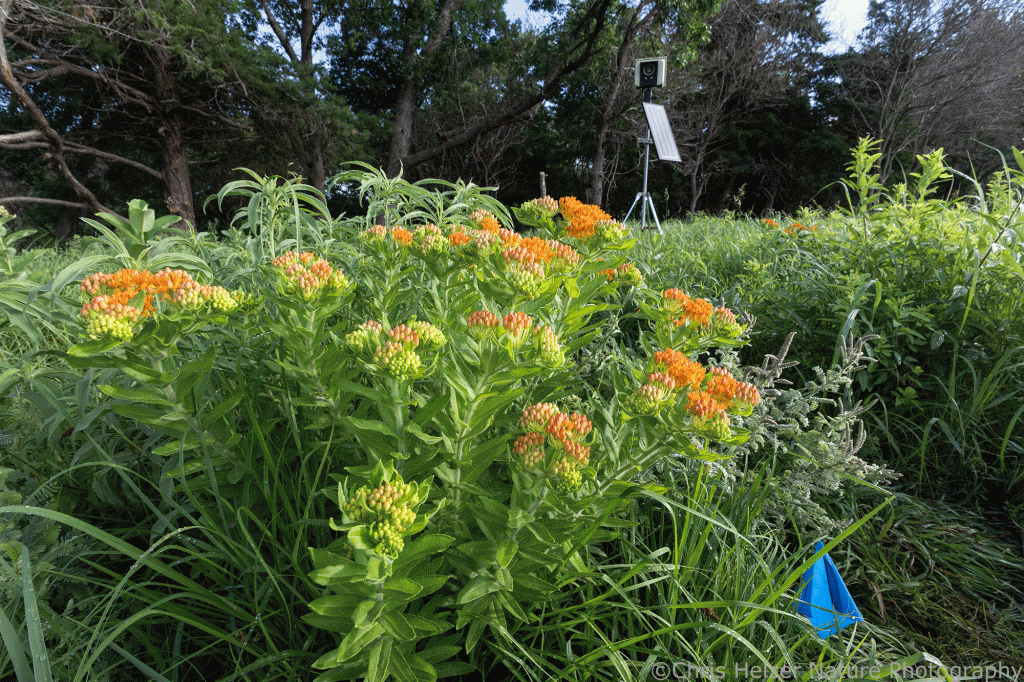
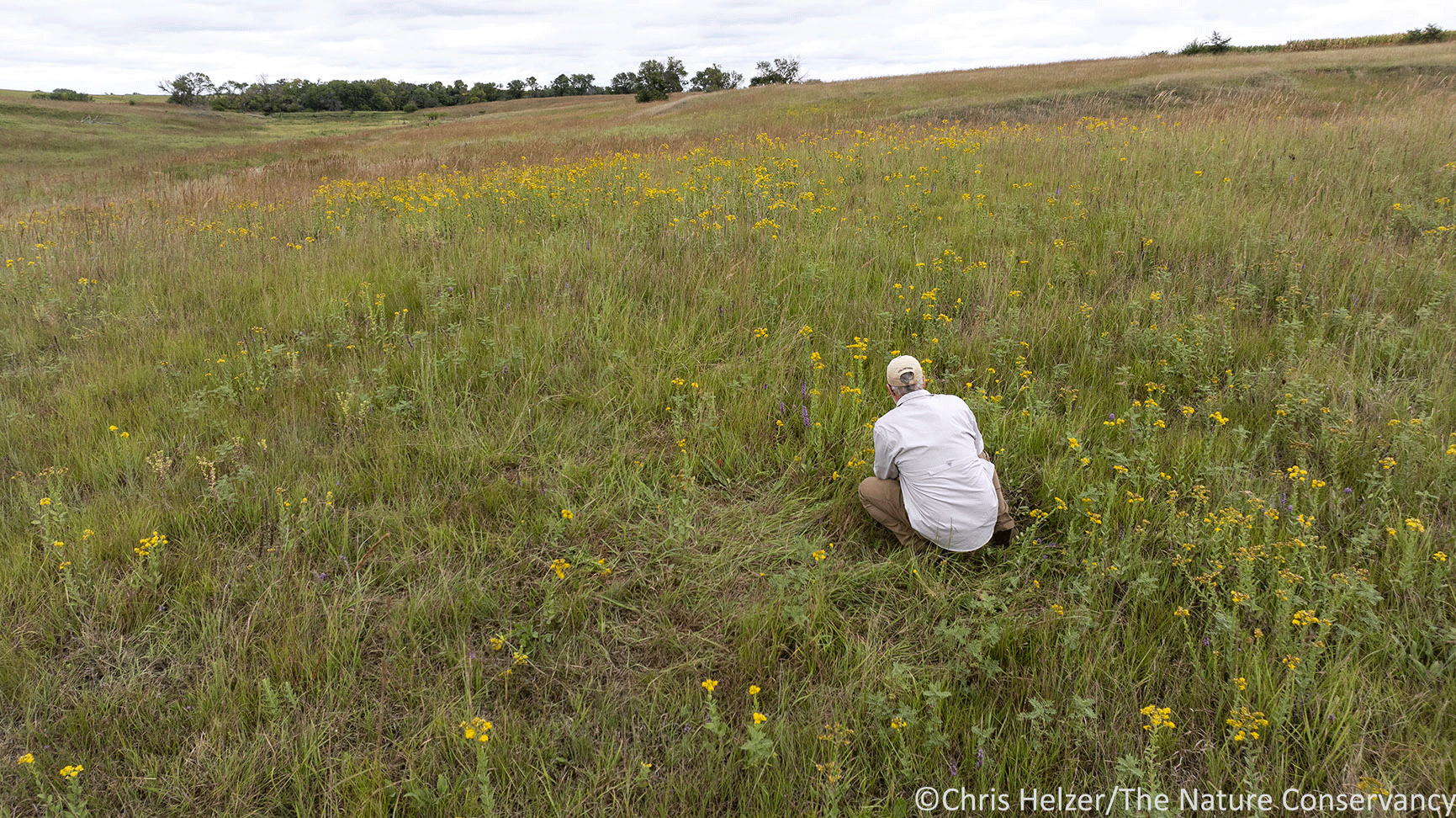
Here’s the plot.
An aerial view of me at the plot.

What I like about the one-hour version of this project is that it’s very accessible. It’s accessible to me, of course, because I just need to commit 60 minutes of time. More importantly, though, it feels like something that just about anyone else could do, too.

One of the best aspects of this square meter plot story so far is that I’ve heard from a lot of people that they’re trying some version of the project in their backyard, a nearby prairie, or other places. Some people are getting their kids or friends involved, as well. That’s awesome.

However, I think some people are intimidated by the time commitment needed to revisit the same spot over and over. But, hey, everyone can find one hour of time, right?

Let’s see if that’s true. I’m issuing an official challenge – the One-Hour Square Meter Photography Challenge! Can you mark out a square meter and photograph (or draw, or write about) everything you can find in an hour? It doesn’t have to be in a prairie. It can be a potted plant or two on your apartment balcony. It can be a corner of your neighborhood park. Just find a little spot, settle in for an hour, and see what you can find!

What would really make this work is if everyone who does it could then share what they found with others. Post about it on social media! Share you photos (or drawings, or poems, or essays) with friends or at a meeting of your favorite civic organization or social group. Show people how amazing and beautiful nature can be, even at a small scale, and in places where others could find what you found.

Here’s my first attempt. Darker than expected clouds meant the photography light wasn’t great and slowed insect activity a little, but it was still a lot of fun. I will definitely be doing it again. I hope you will, too!

(If the two videos below don’t play, click on the title of this post (top of the page) to open it online.)

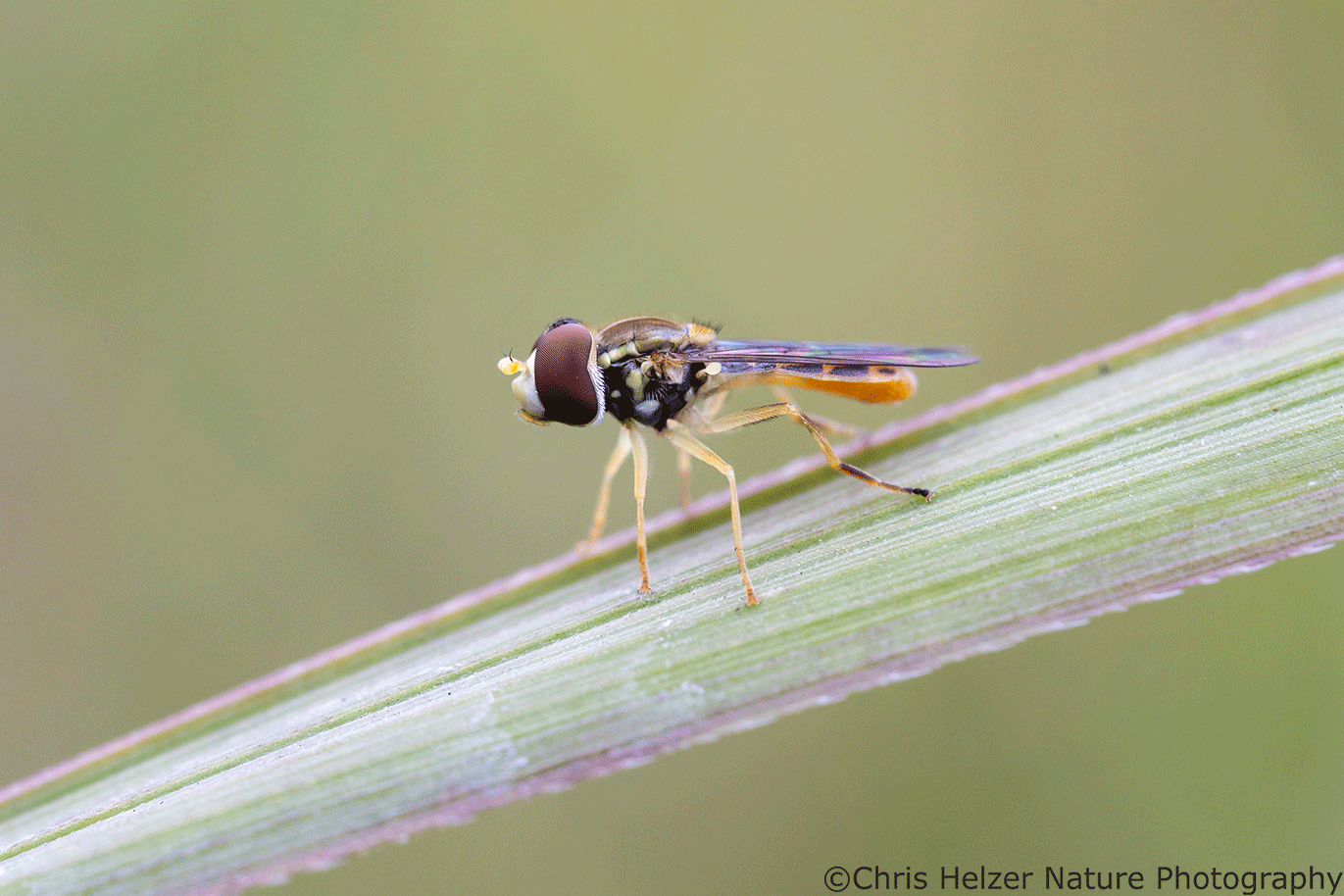
A hover fly.
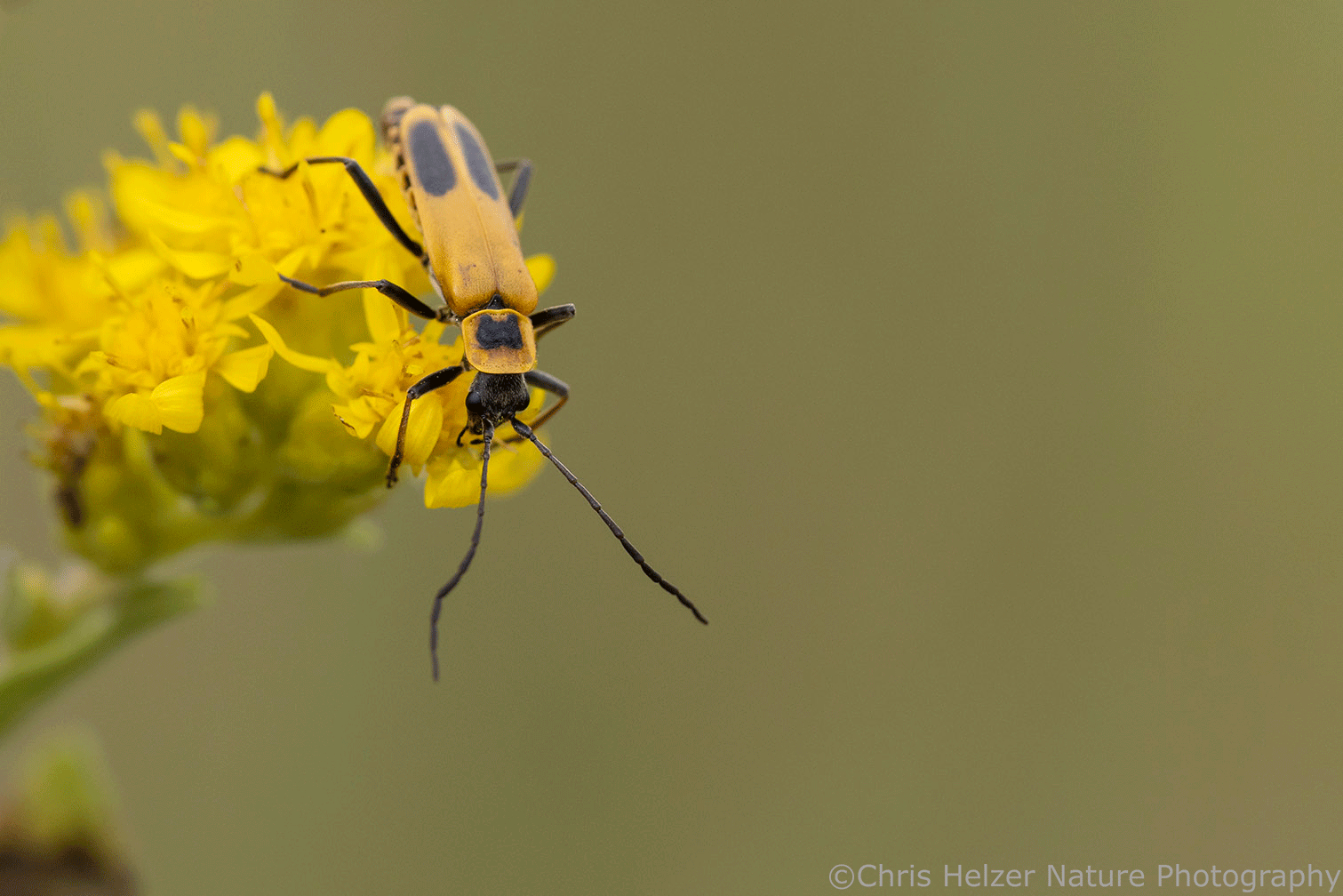
A goldenrod soldier beetle – front facing.
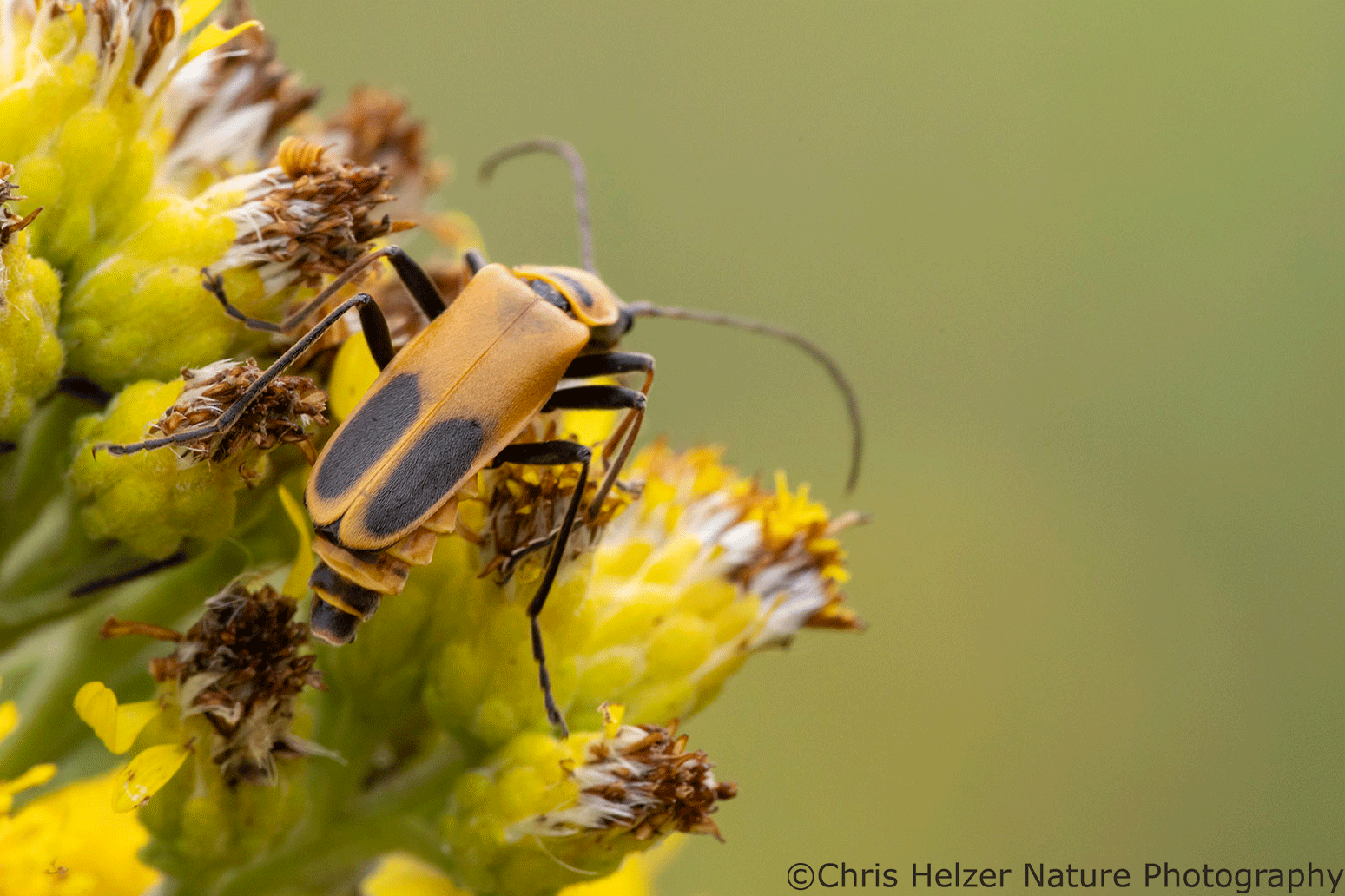
A goldenrod soldier beetle – rear facing.

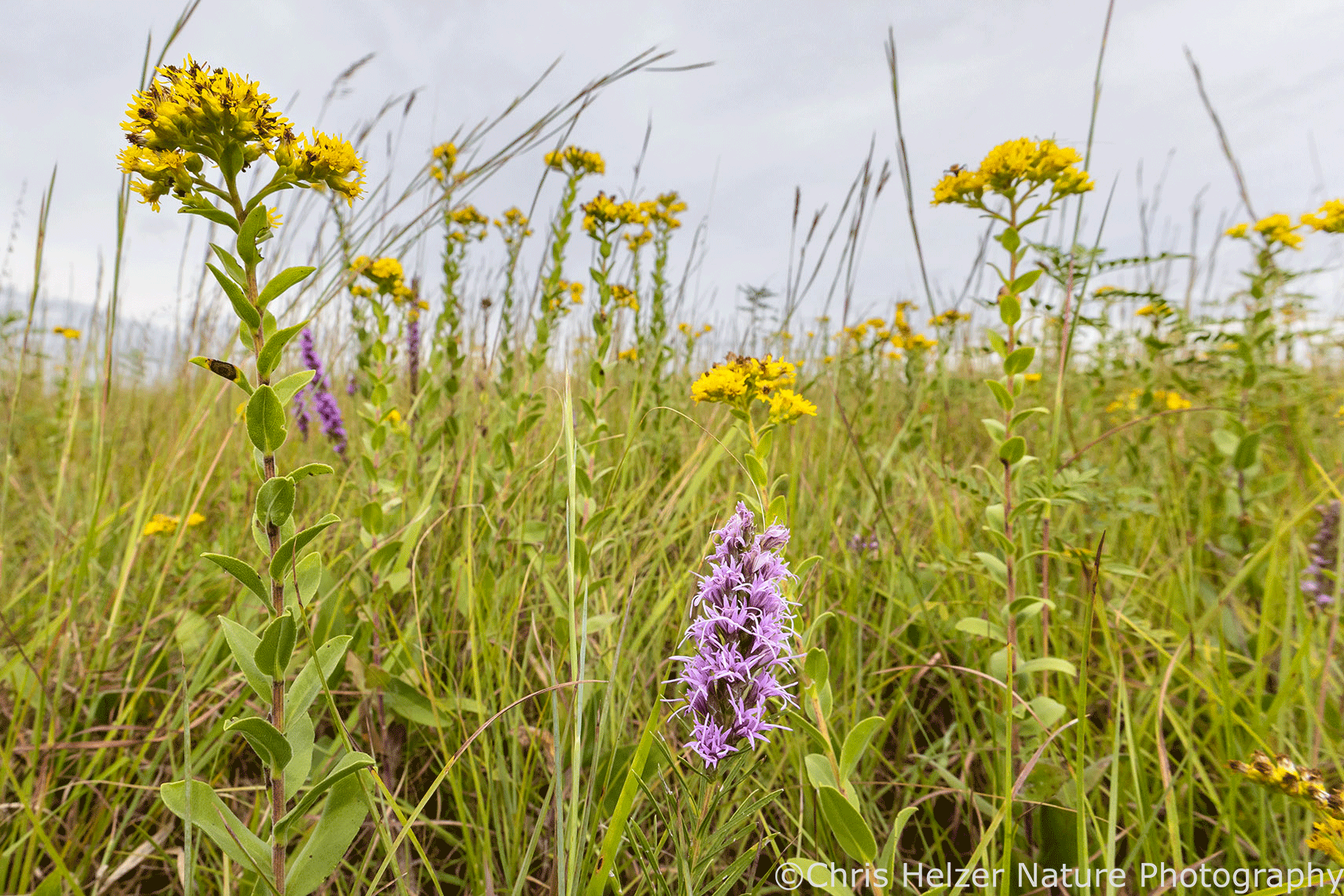
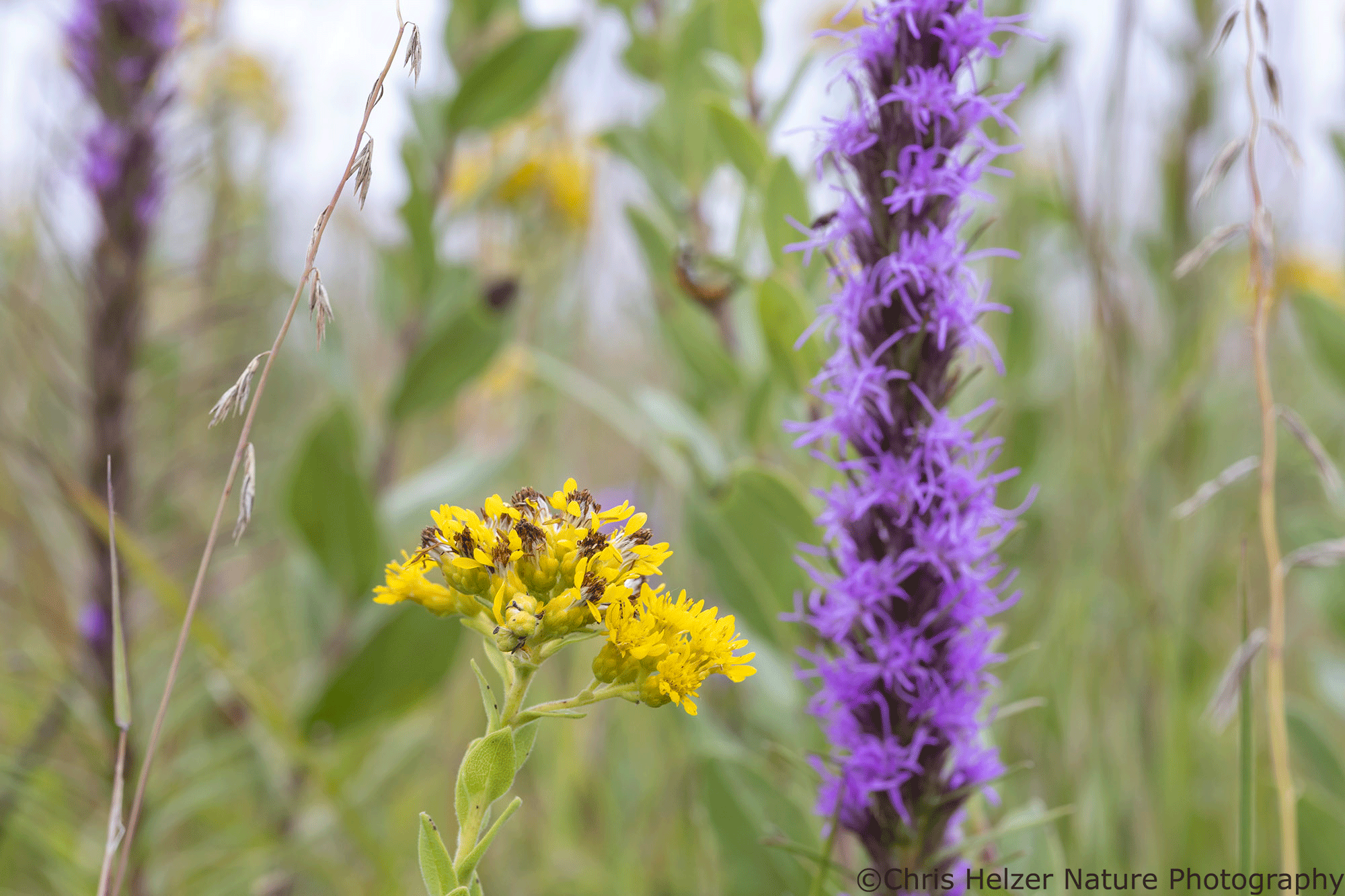
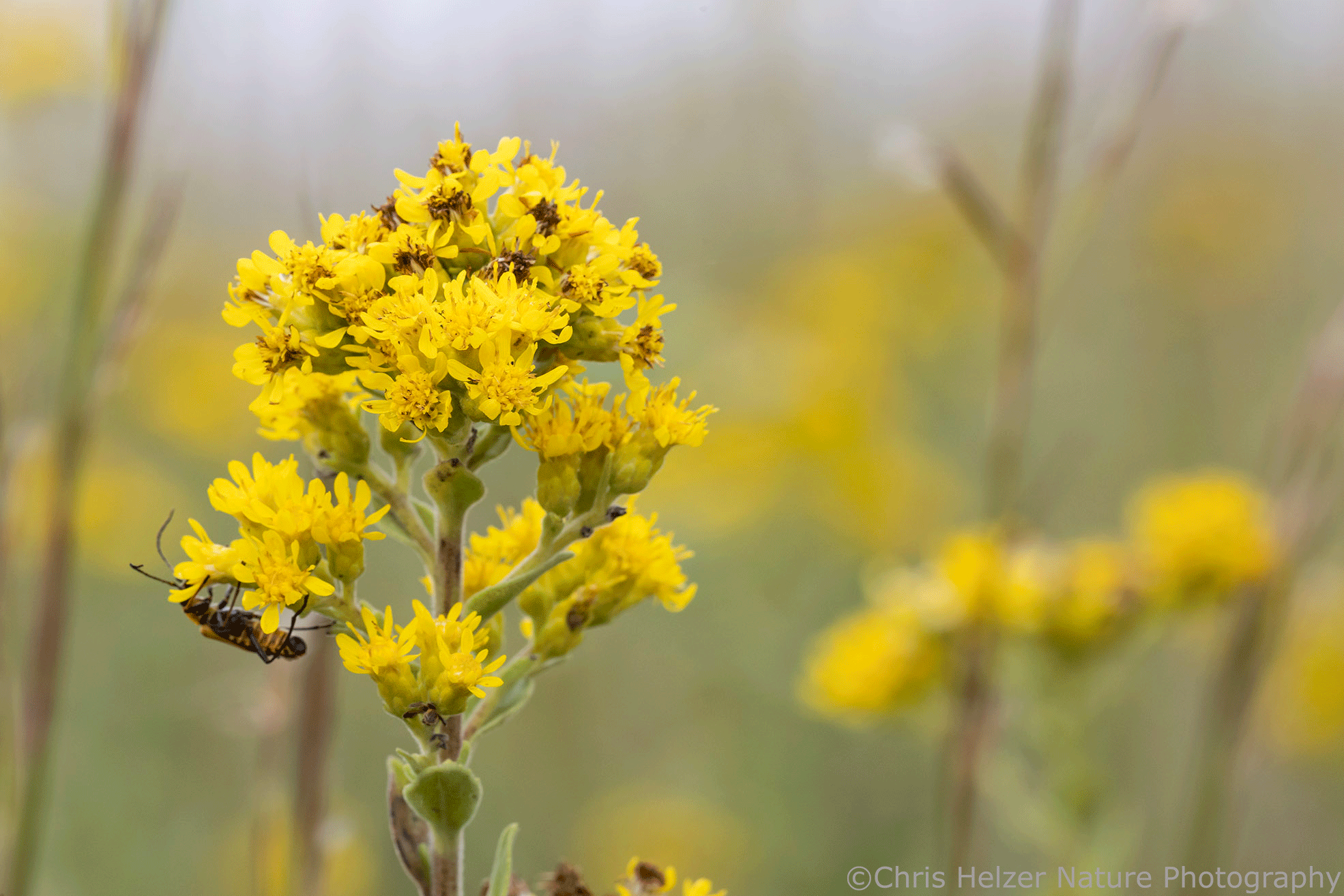
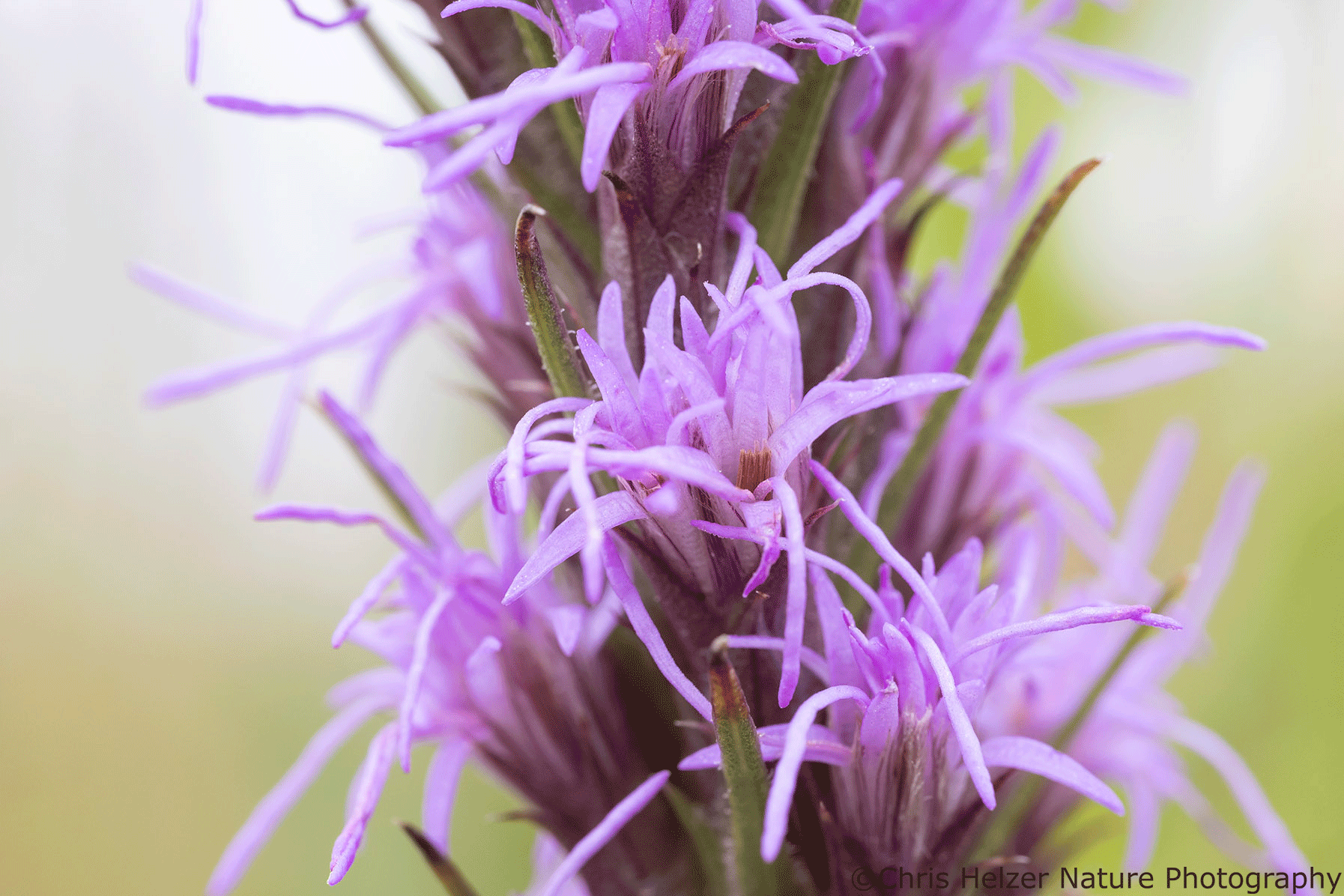
The big showy plants in the plot were definitely dotted gayfeather and stiff goldenrod. Their flowers were attracting lots of insects – some of which I managed to photograph. Right before I started, I saw a butterfly and a moth, but neither returned after I got my camera out.

Stiff goldenrod (Solidago rigida) and dotted gayfeather (Liatris punctata).
More stiff goldenrod.
Dotted gayfeather.

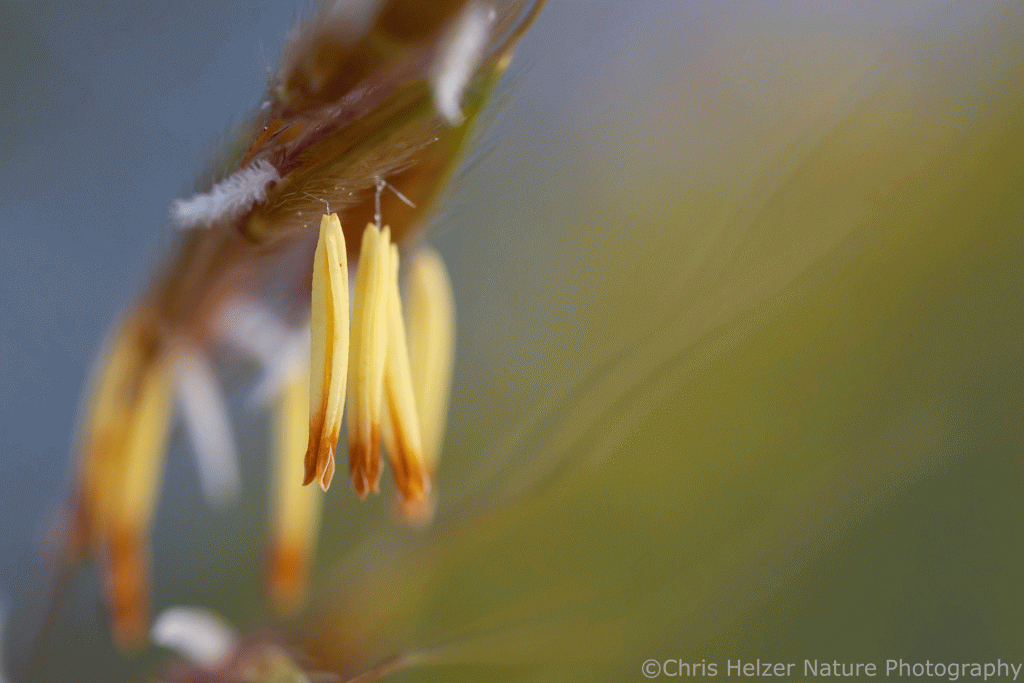
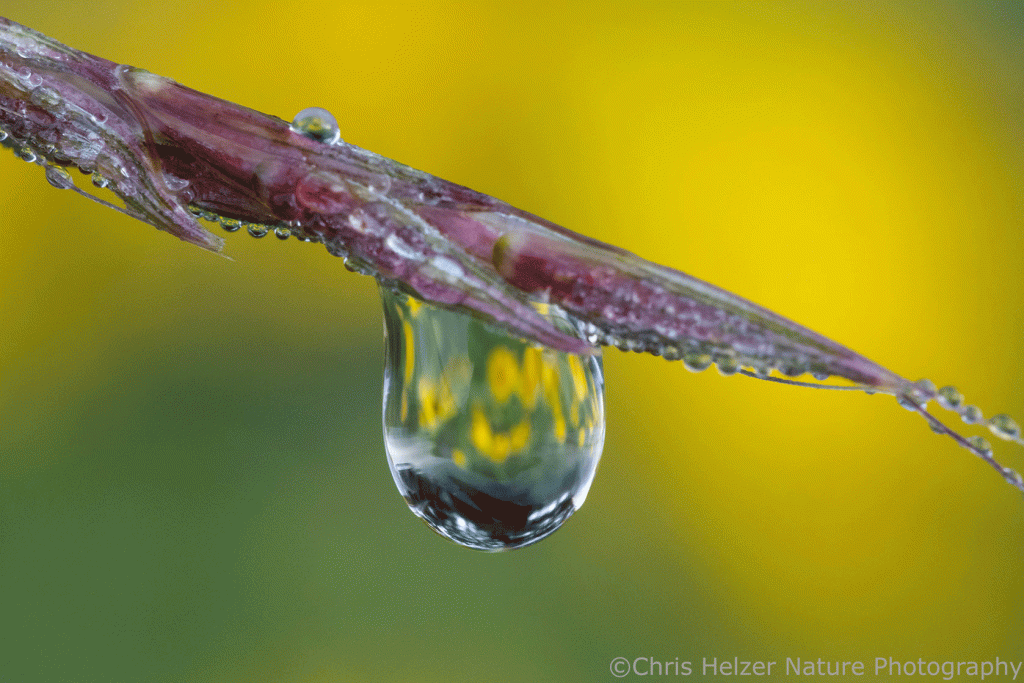
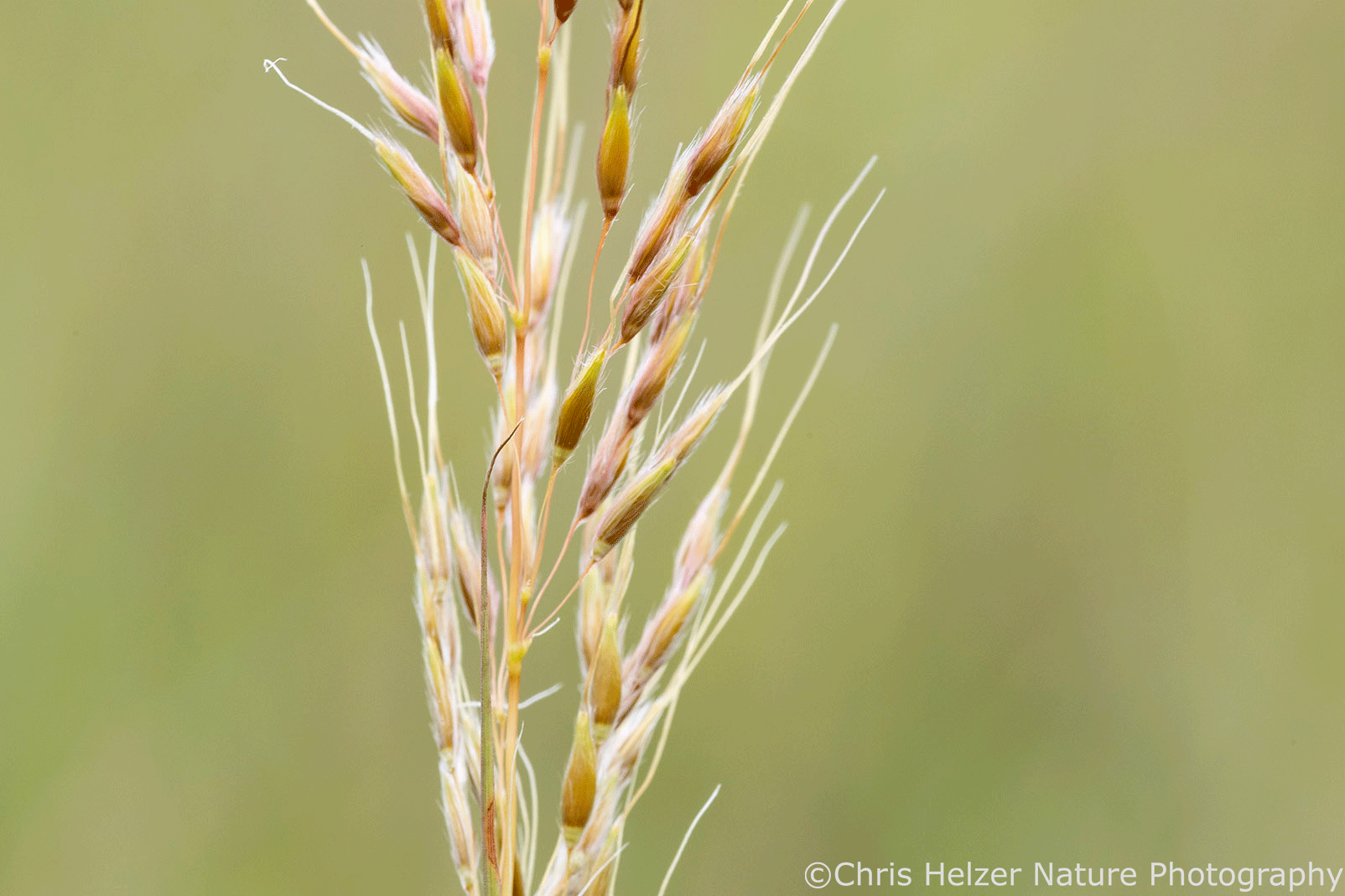
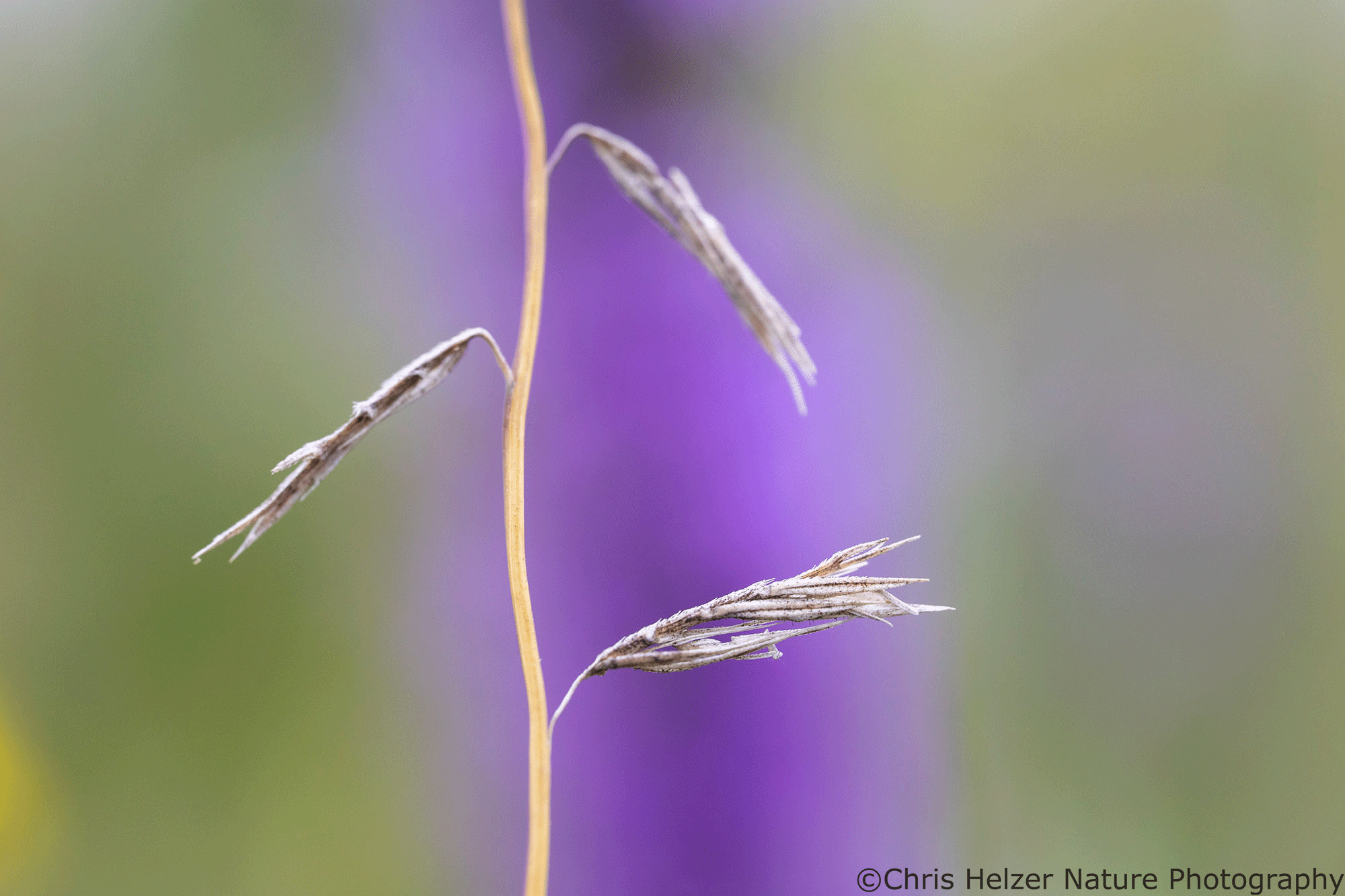
There were several grass species in the plot, with Indiangrass and sideoats grama being the most visually dominant.

Indiangrass (Sorghastrum nutans).
Sideoats grama (Bouteloua curtipendula).

One of the conundrums I faced was whether to spend time trying to photograph every plant species, including some very small plants, or to stay vigilant to pollinators and other insects coming and going from flowers. I tried some of both, but definitely missed a lot of shots because I was splitting my attention.

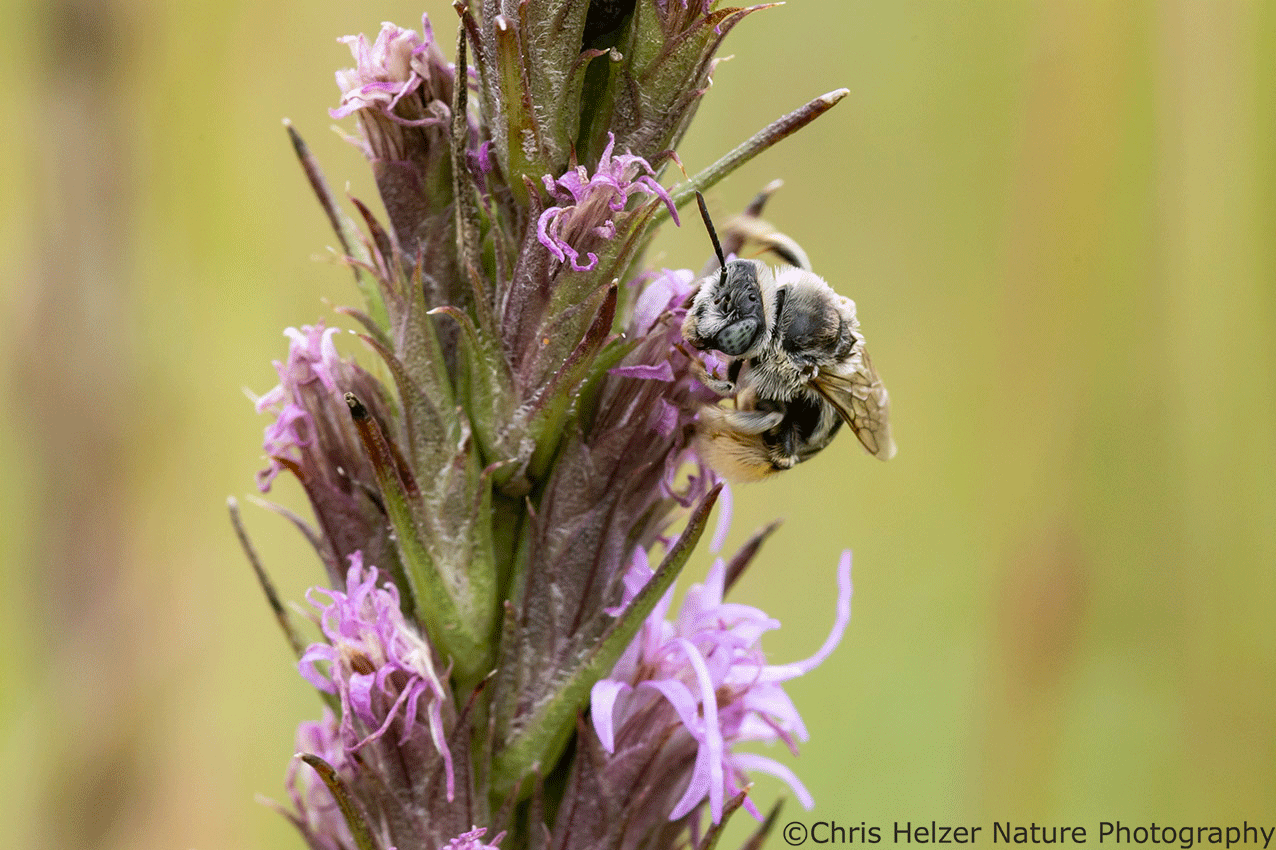
A small digger bee on dotted gayfeather.
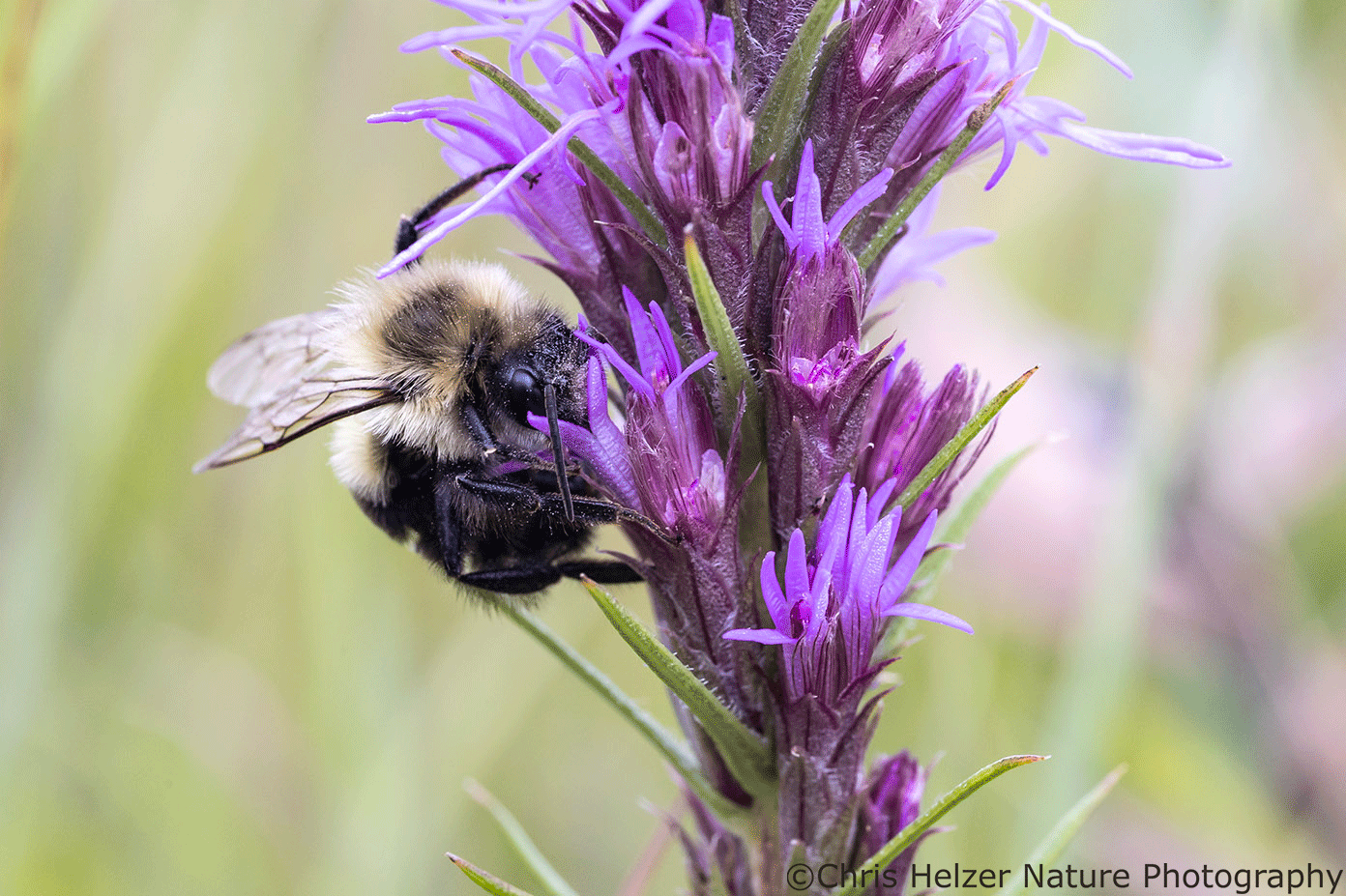
A common eastern bumblebee.
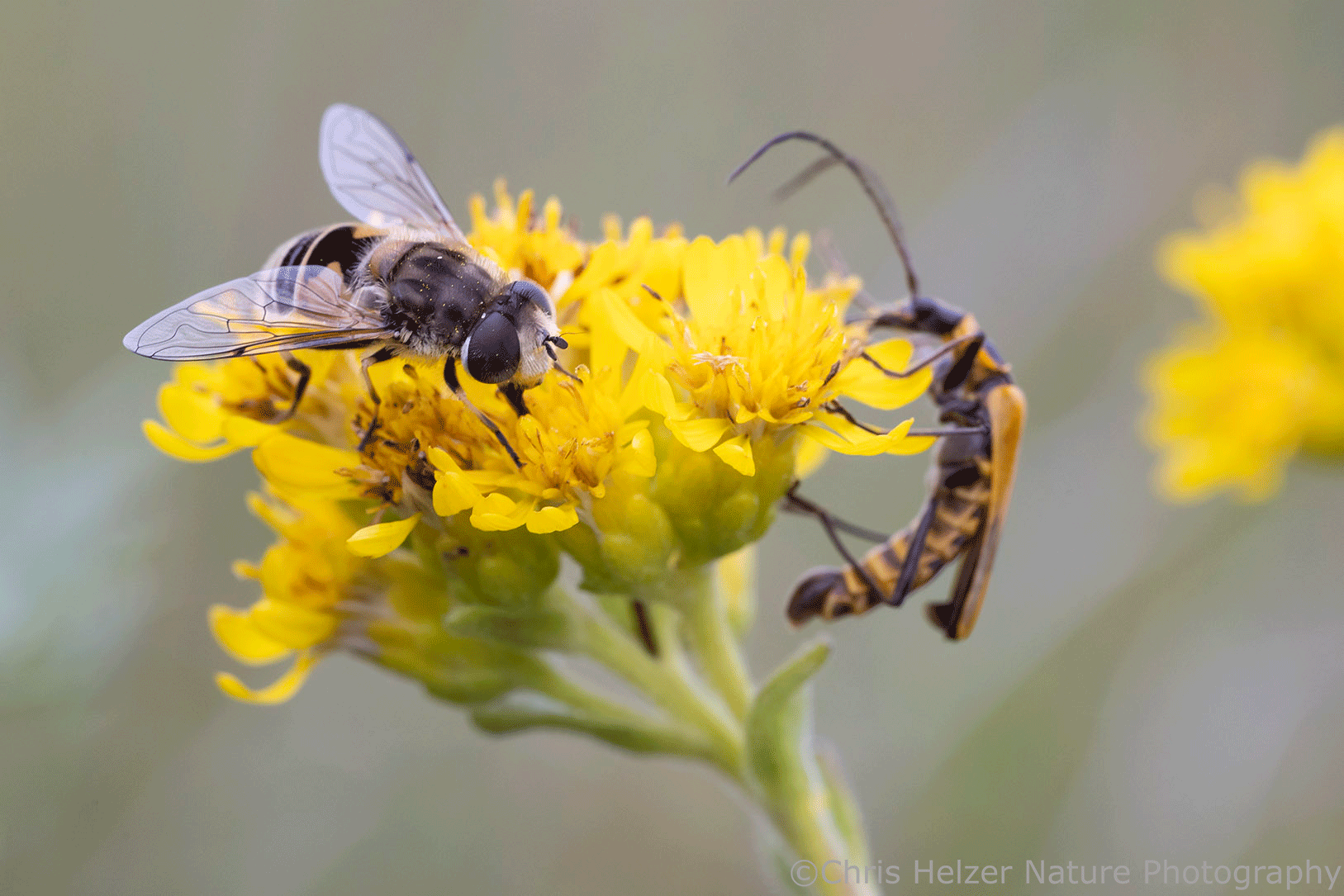
A drone fly and soldier beetle share the same goldenrod flower head.
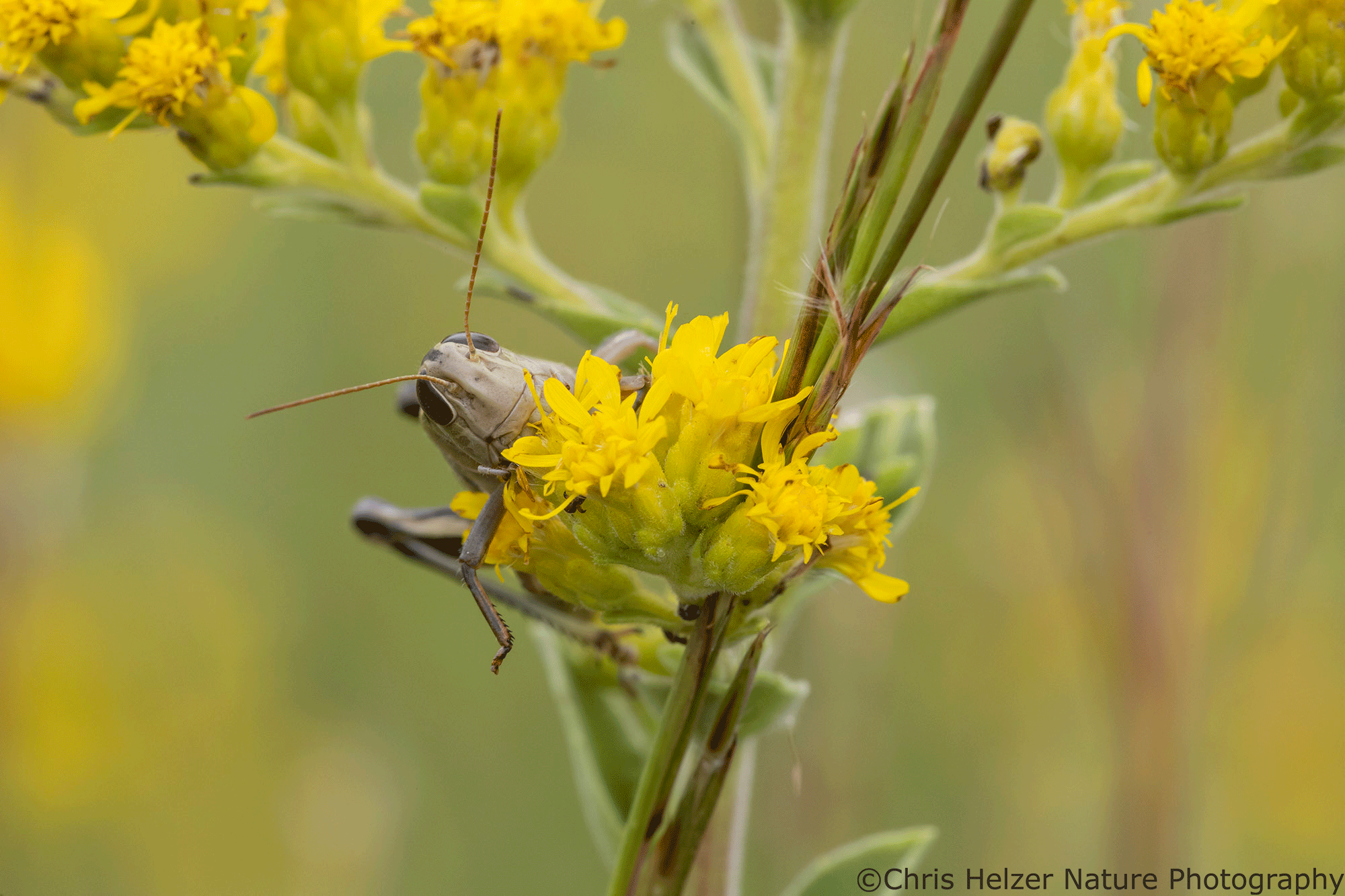
A two-striped grasshopper was feeding on goldenrod flowers.
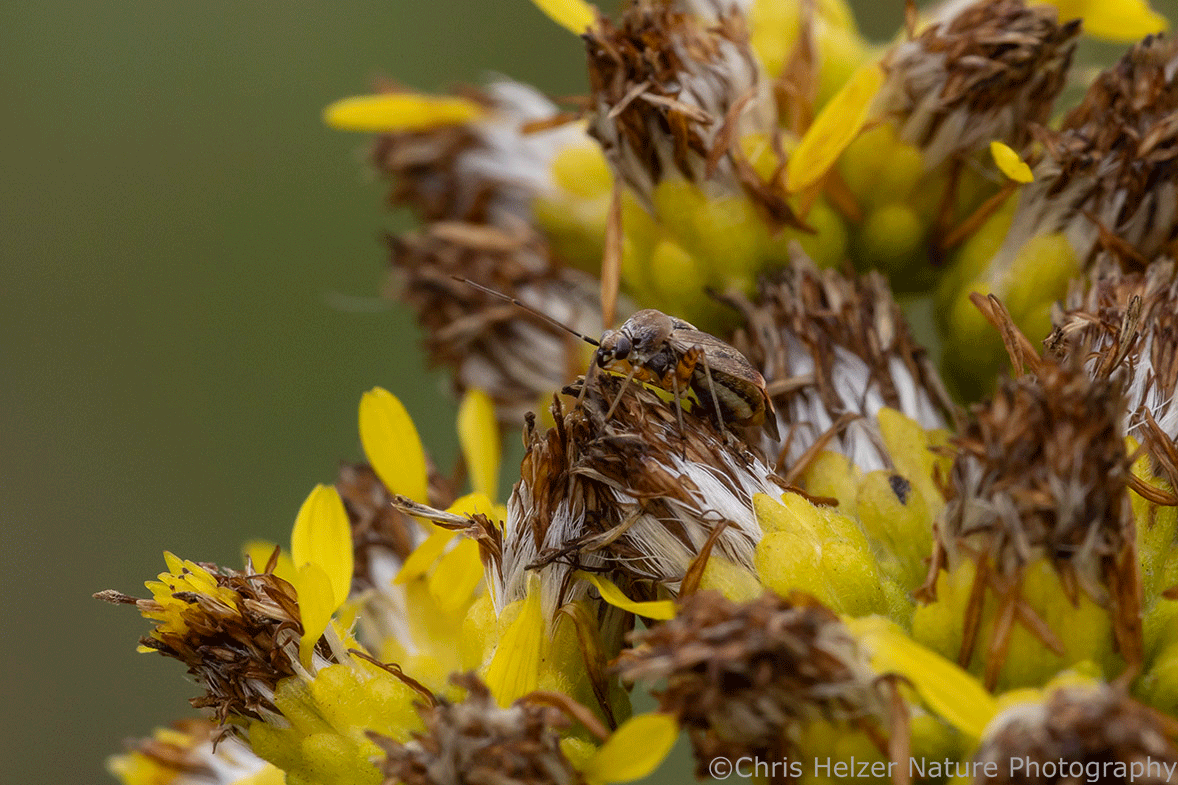
Can you see the tiny insect (a bug) here? It’s right in the middle, but very well camouflaged.

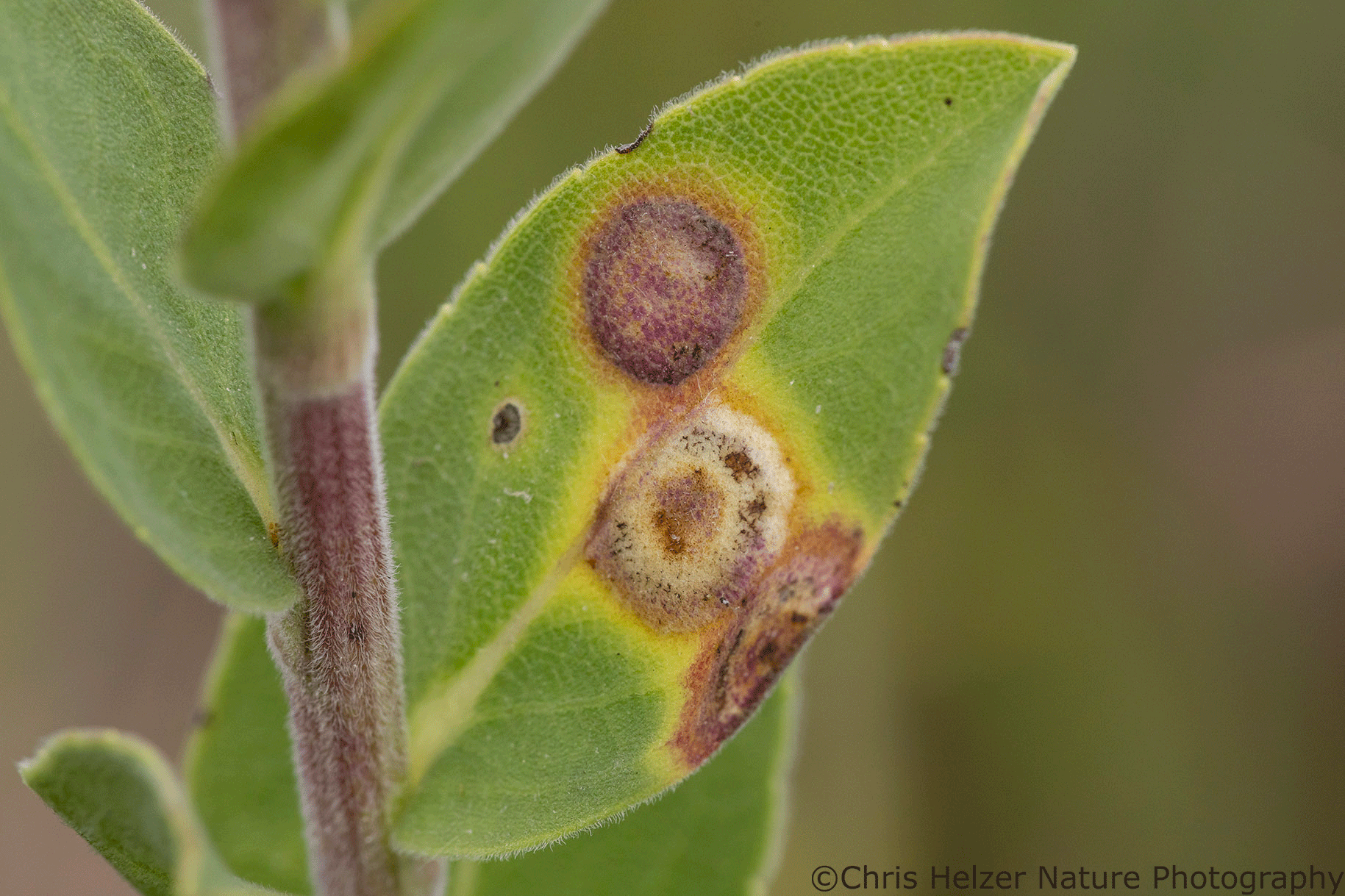
The stiff goldenrod plants had leaf galls on them. Based one some observations and literature reading I did a few years ago (and blog post I wrote), I think the galls were created by a midge (a kind of fly) and a fungus working together.

These circles on stiff goldenrod leaves are galls of an insect that also contain (I think) a fungus.

Here are the plants I found when I spent time looking closely. I ended up photographing 15 plant species, which is a very reasonable number of species per square meter in this part of the world, and I’m sure there were more that I missed because I wasn’t trying to be comprehensive.

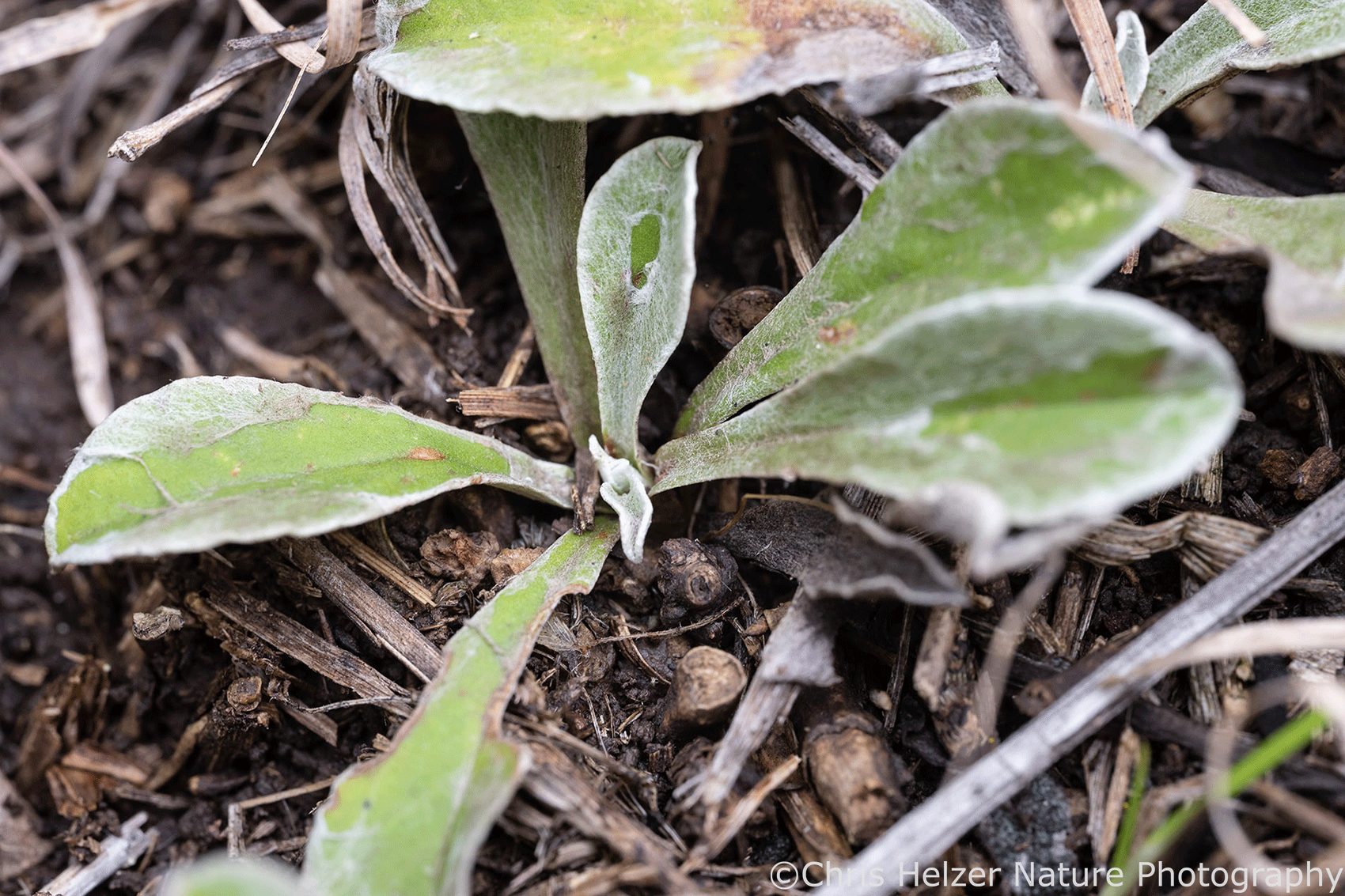
Pussytoes – an allelopathic plant (uses chemicals to suppress the growth of nearby plants).
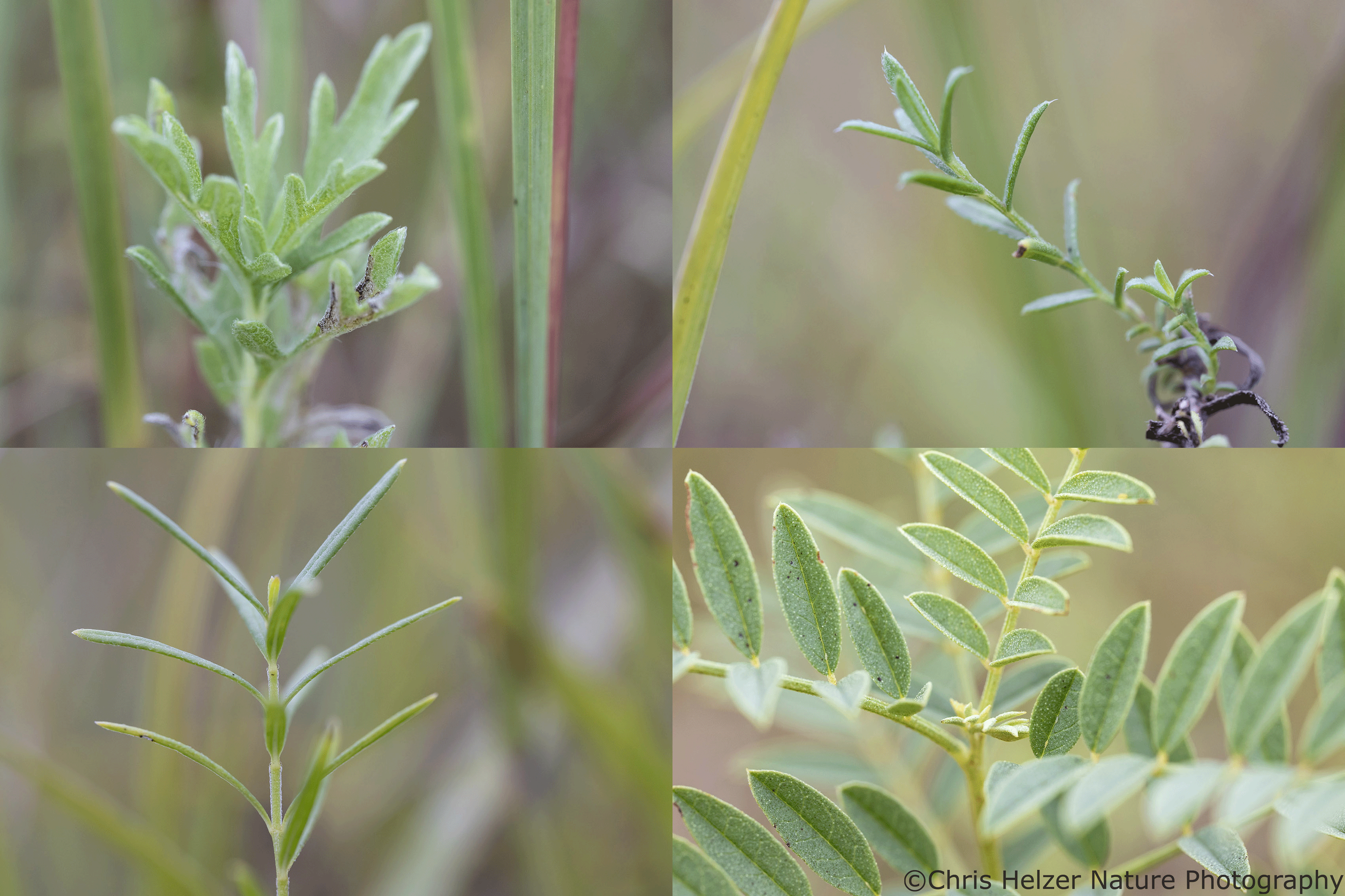
Four more plant species. Clockwise from top left: western ragweed (Ambrosia psilostachya), heath aster (Aster ericoides), wild licorice (Glycyrrhiza lepidota), and whorled milkweed (Asclepias verticillata).
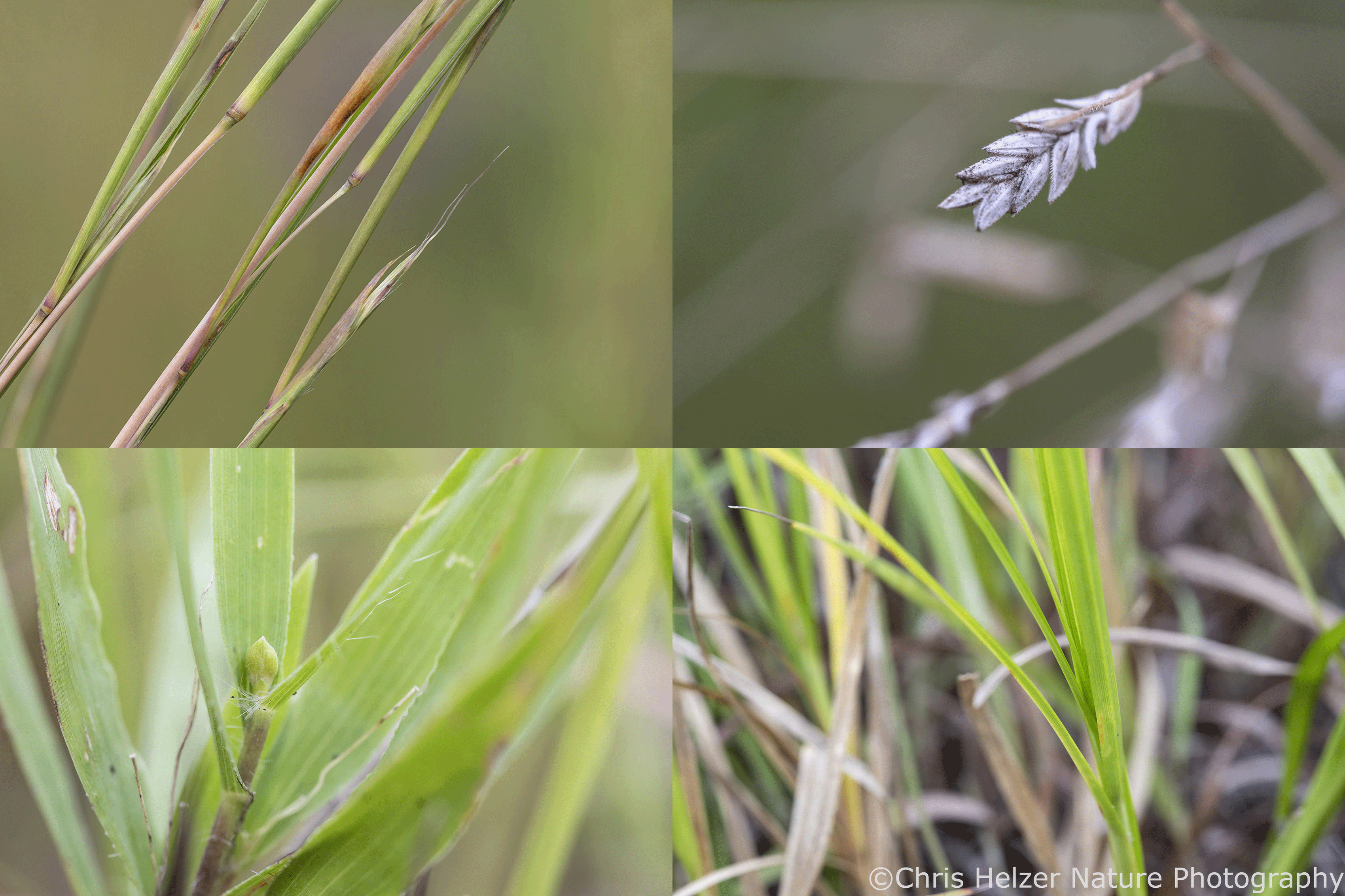
Three grasses and a sedge. Clockwise from top left: Little bluestem (Schizachyrium scoparium), purple lovegrass (Eragrostis pectinacea), sun sedge (Carex heliophila) and Scribner’s panic grass (Panicum oligosanthes).
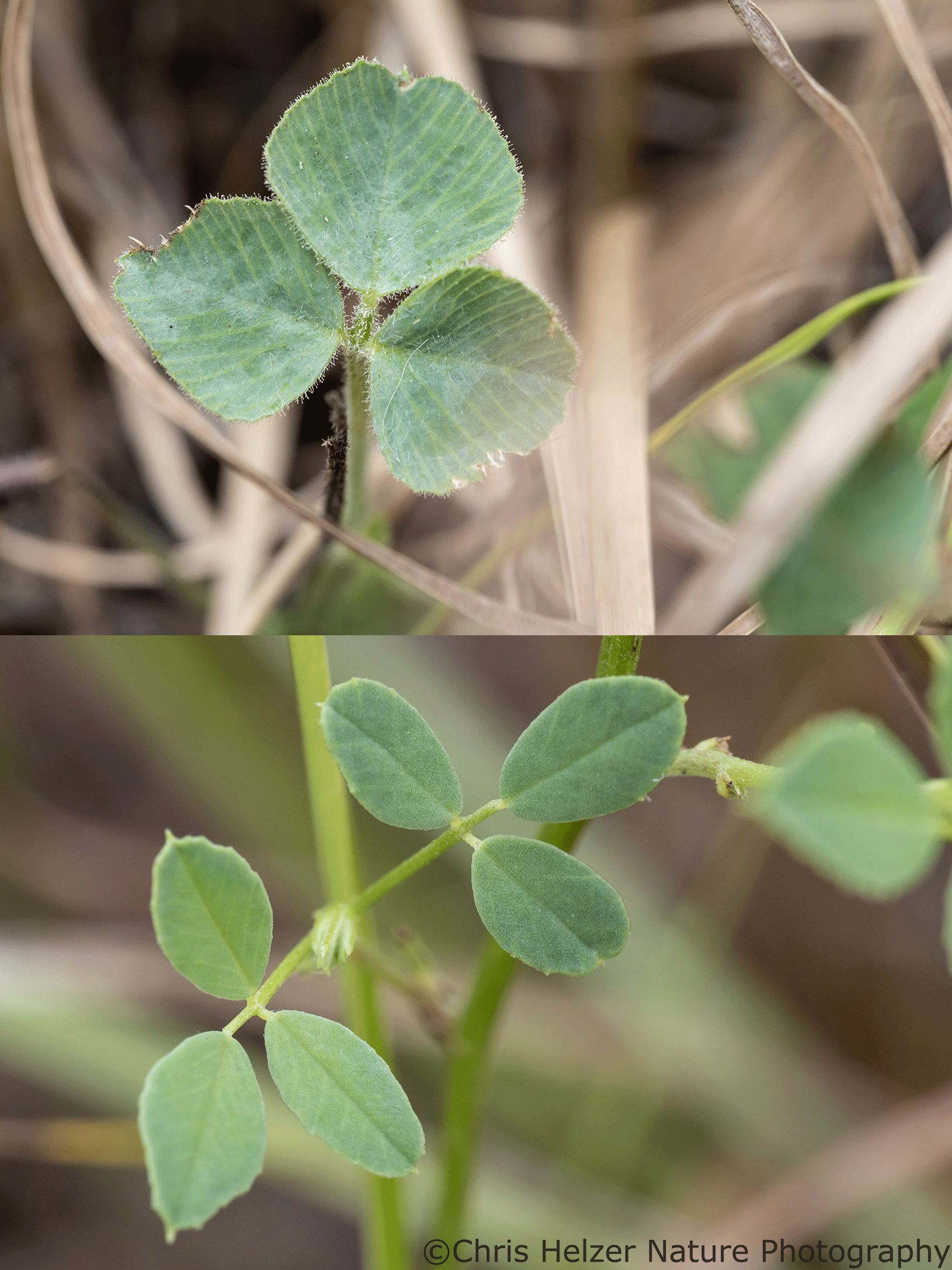
Two non-native “weedy” plants, neither of which I am concerned about at our prairie. Top: Black medic (Medicago lupulina). Bottom: Sweet clover (Melilotus officinalis)
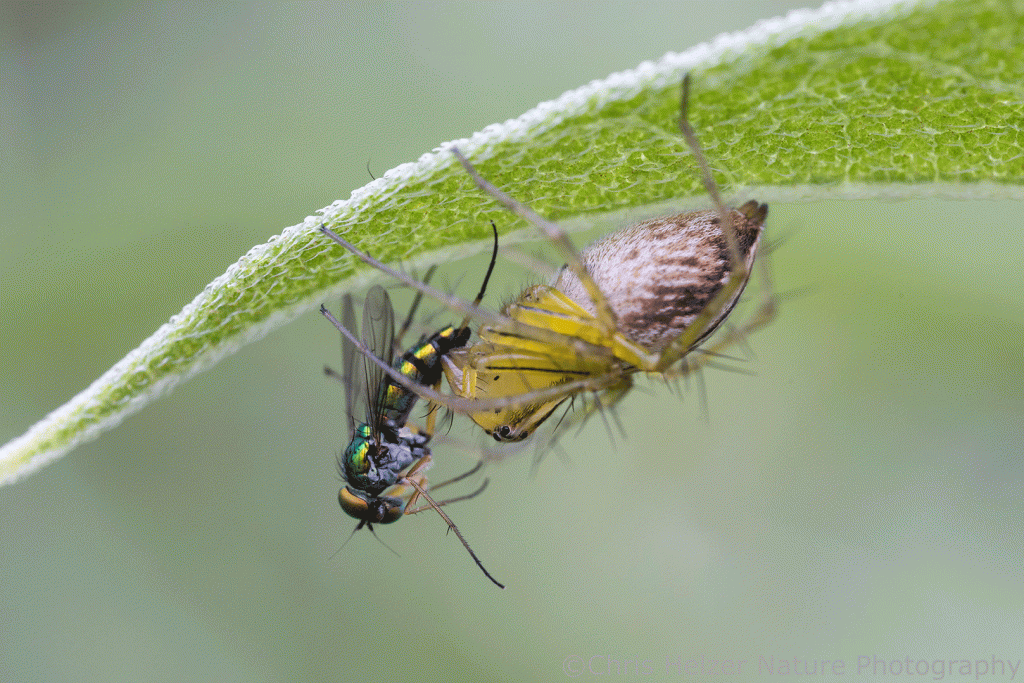
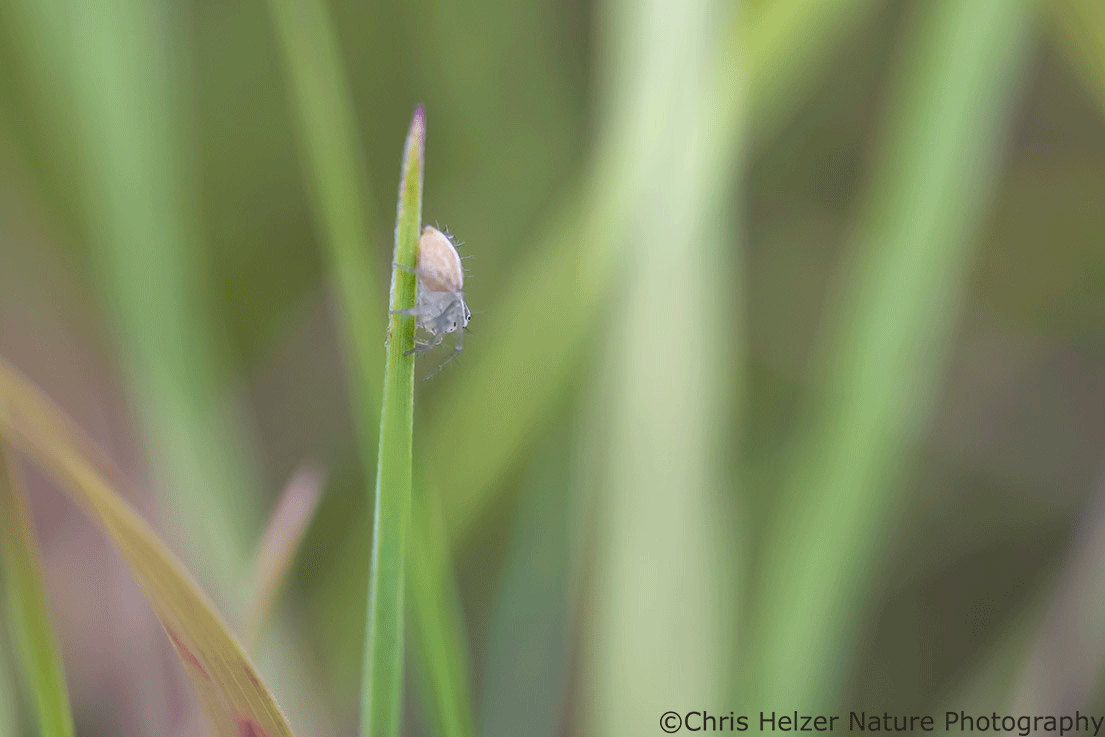
A tiny lynx spider (spiderling).
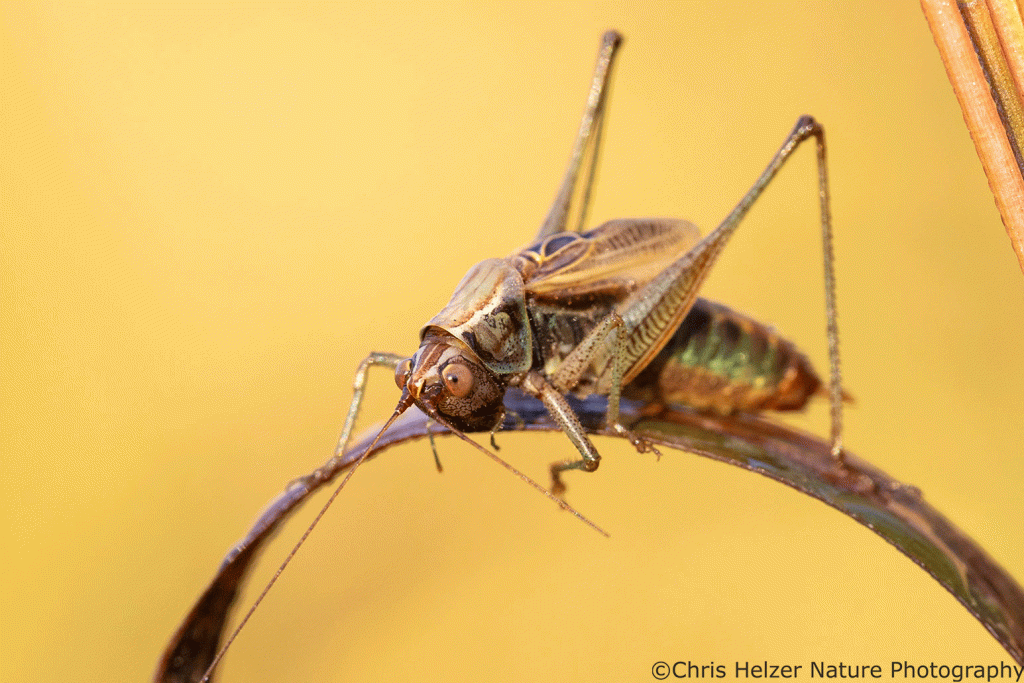
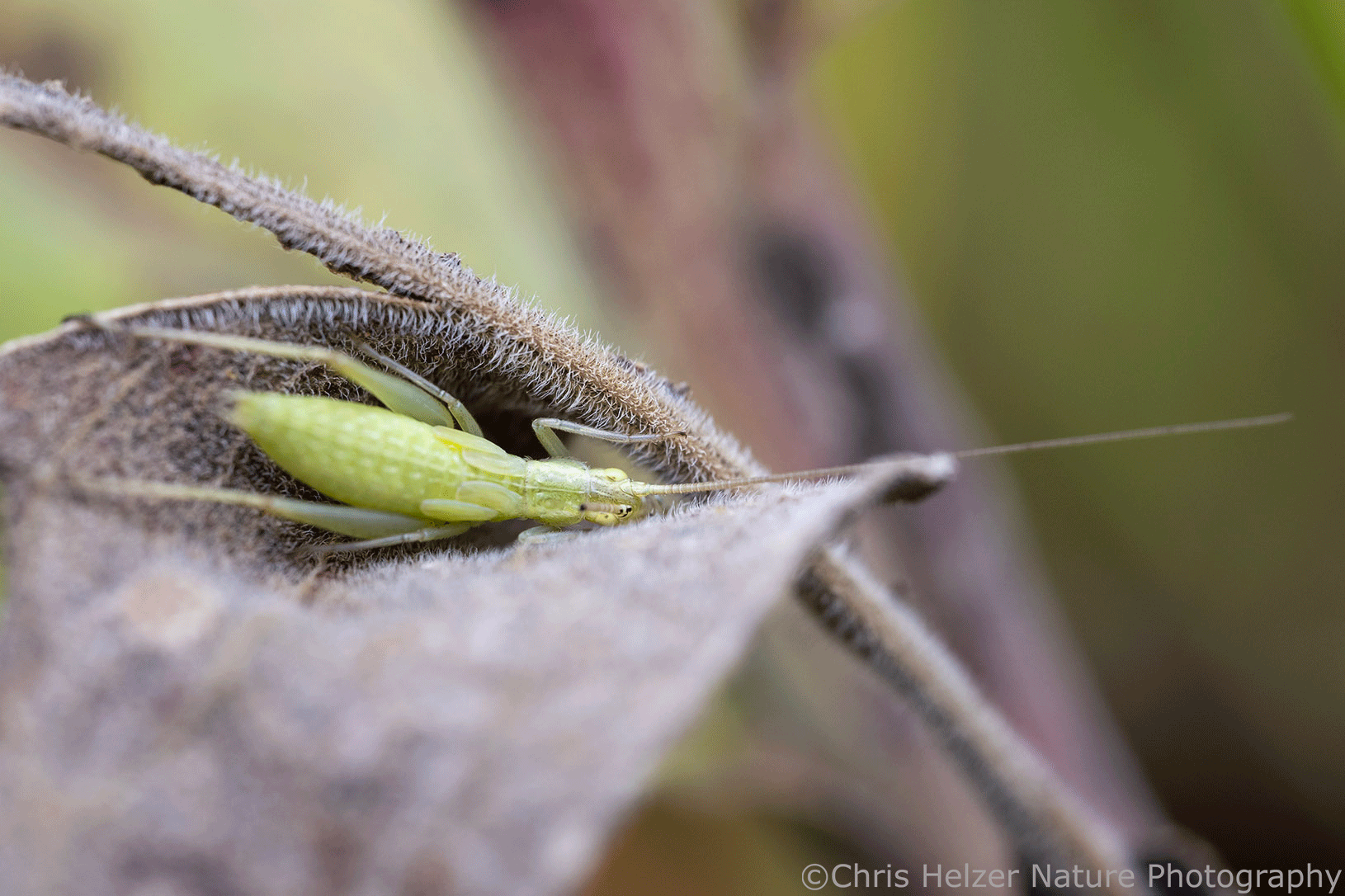
Tree cricket.
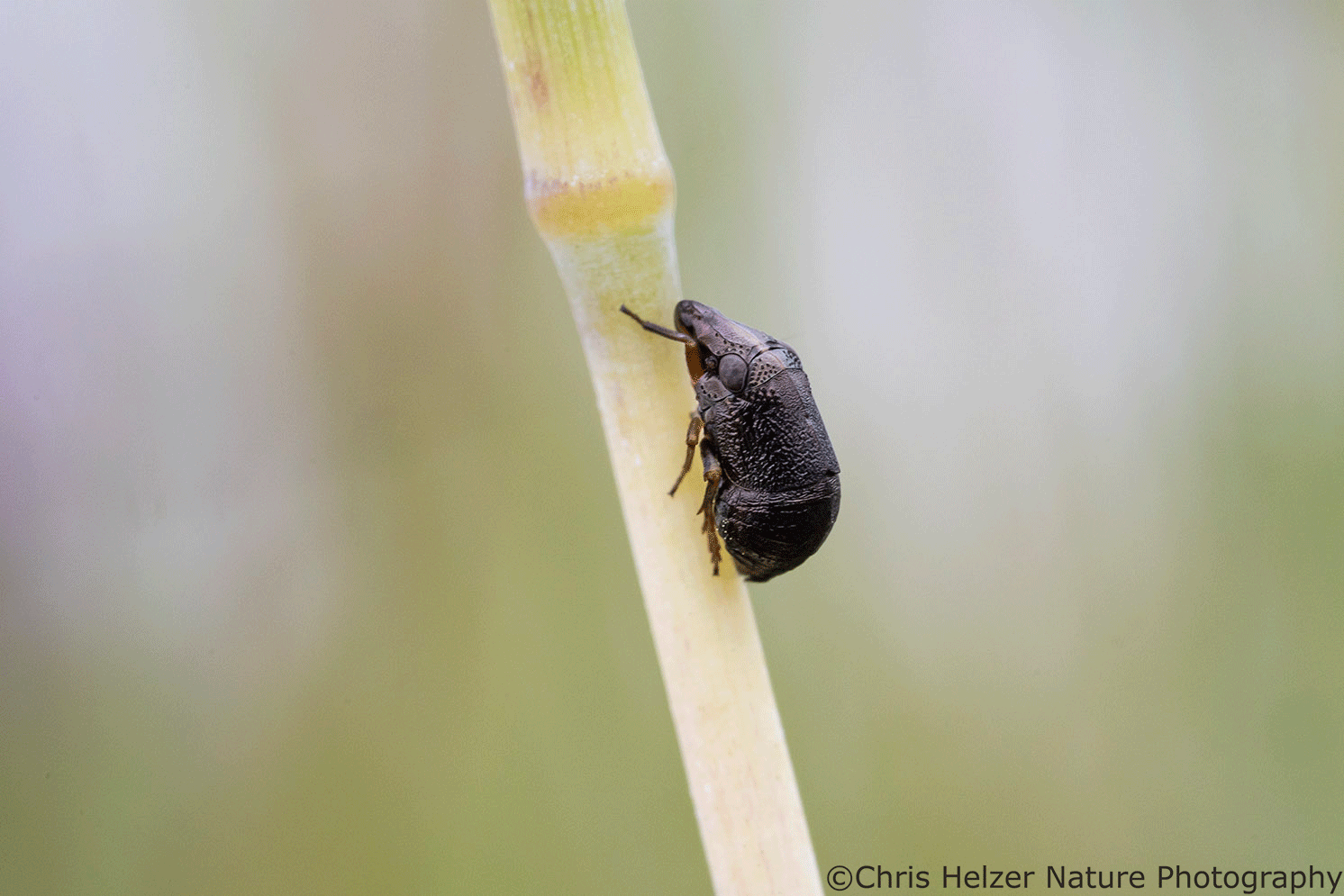
A treehopper, I think?
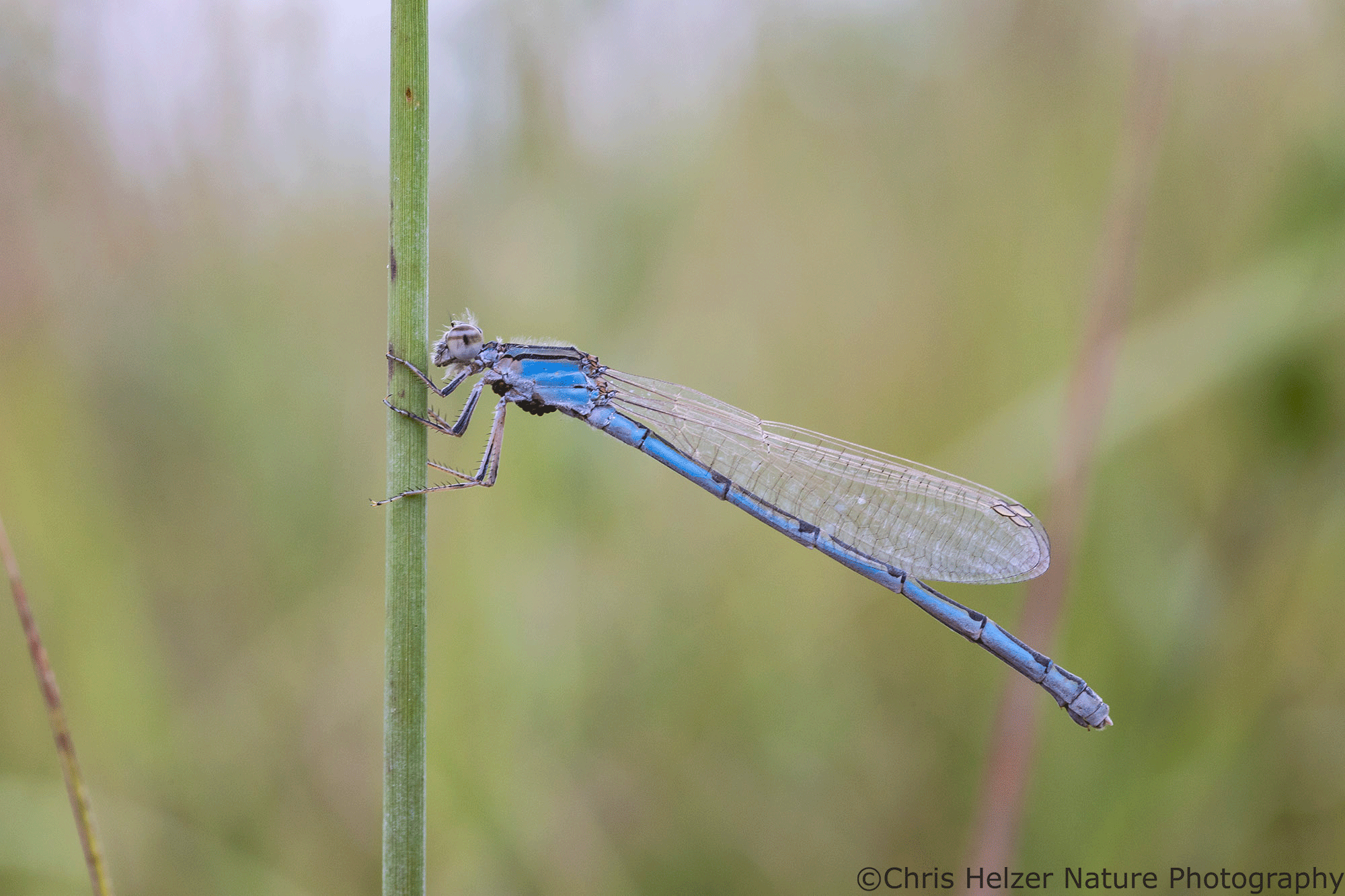
Damselfly.

As with my two year-long square meter efforts, the point of this one-hour exercise was not to do a full inventory of species in the plot. That said, I think I photographed 28 different species during the hour. I think that’s very respectable – especially given the dark clouds and the fact that I was experimenting for the first time with this one-hour timeframe. Those 28 species include 15 plants, 12 invertebrates (including the midge in the gall) and a fungus (in the gall). I might find out there were two drone fly species, which would bump the count up by one, but again, that’s not really the point of the project.

This one-hour project was really invigorating! It was easy to set up, easy (though a little frenetic) to do, and now it’s done. I really hope others will give it a try and report back on how it goes!

The End of the Square Meter Photography Project

Well, it’s all over. Yesterday (May 4, 2025) marked the conclusion of my square meter photography project. I spent an hour or so at Lincoln Creek Prairie last evening trying to capture some final images before the sun literally set on this amazing journey.

Between May 5, 2024 and May 4, 2025, I visited my little plot 131 times. If you do the math, that averages out to a little more often than once every three days across the year. That seems like a lot, doesn’t it? Of course, the average doesn’t tell the whole story. There were 14 days when I was there twice and two days when I visited three times. What can I tell you? There was a lot happening and I didn’t want to miss it.

A tiny lynx spider posing for me on my final night of the project.

On my final night, some of my last photos were of a tiny lynx spiderling. That felt very appropriate, since lynx spiders felt like near constant companions through most of this last year. I saw them hunting, guarding eggs, and ballooning through the air. I’d like to think the little spiderling I saw last night was one that hatched out from within my plot, but there’s obviously no way to know for sure.

The same spiderling from a different angle.
Here’s the last photo of the plot itself as the sun was nearing the horizon.

I visited the plot throughout the winter, though not as often as I had during the 2024 growing season. As this spring came on and the prairie started to green up again, I ramped up my visits again. I was anxious to grab everything I could from the final weeks. Here are some of the photos I took during (roughly) the final month of the project.

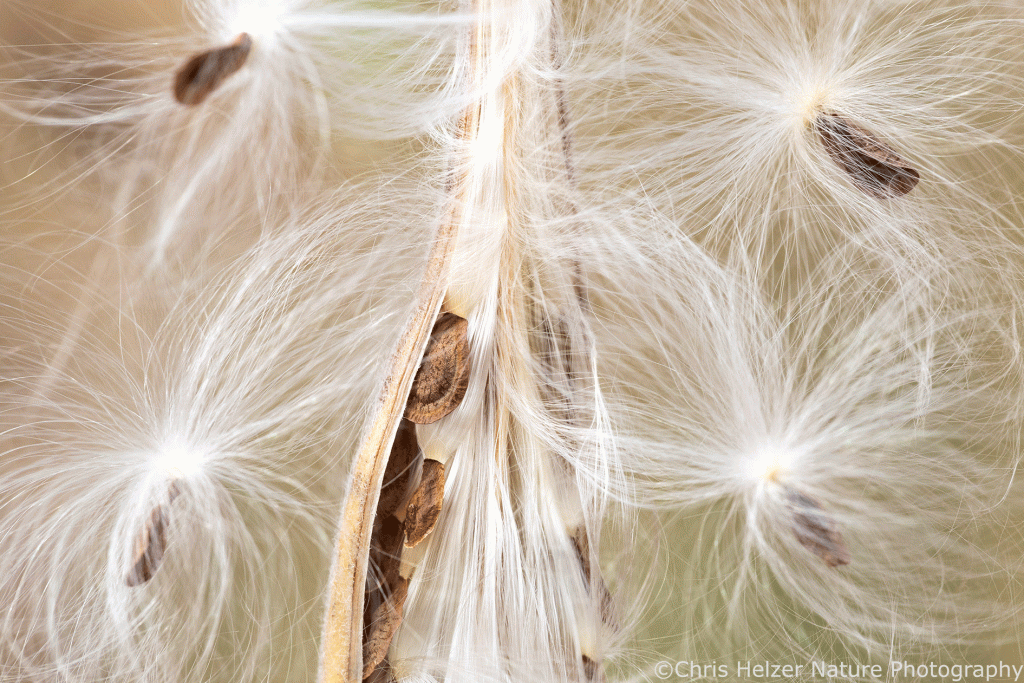
Maximilian sunflower seed head.
Yellow woodsorrel (Oxalis stricta)
A clover looper moth in late March
Another, smaller moth – a grass miner moth of some kind, according to bugguide.net
Flies were almost always present in the plot. Telling one species from another was (and is) a huge challenge.
These springtails (Collembola) were only a millimeter or two long.
This was one of several itsy bitsy caterpillars I’ve seen this spring.
This is (unfairly) called a false milkweed bug. Naming injustices aside, it was a welcome burst of color this spring!
I photographed these lead plant buds many times as they began opening.
Kentucky bluegrass
Another fly. This one has red eyes. What species is it? I have no idea.
A ground beetle.
A four-spotted sap beetle (Librodor quadrisignatus)
Earthworm
This turkey vulture flew directly overhead. I counted it.
Ah, ticks. A wonderful sign of spring.
As soon as Maximilian sunflower started growing, ants started harvesting extrafloral nectar from it.
This little inchworm (geometer moth larva) was only about 4-5 mm long. I chased it around a long time before I finally got a few decent photos of it.
Short-beaked sedge (Carex brevior) on the final night (May 4, 2025).

Even though I’m now finished with the photography part of the project, I still have a lot of work to do. I’ve been very fortunate that a number of generous experts have helped me with species identification but that process is not yet complete. Currently, I think I photographed about 330 species over the year, which is a staggering number, but that number could still go up or down a fair amount as experts continue to weigh in. Regardless, it’s a lot bigger number than the 113 species I photographed (and felt proud of) when I first tried this project in 2018.

This second edition of the project came about because the managers of Lincoln Creek Prairie (Prairie Plains Resource Institute) burned the prairie last spring. That allowed me to find what was left of my flags from the 2018 project. I decided to re-mark the same plot with fresh flags while I had the chance – just in case I decided to come look at it again sometime. That pretty quickly led to a second full-fledged version of the photography project.

I loved every minute of it.

As I work through images and have time to absorb and synthesize this whole effort a little more, I’ll probably share more images and stories in various forms. I’m working with the amazing folks at Platte Basin Timelapse Project to create some kind of short film, and who knows what else will come out of all this. Stay tuned.

Meanwhile, here are a couple short video clips from my final night at the plot. The first is the tail end of my last hike into the plot. The second is a brief reflection on the whole effort as the sun disappeared behind the trees and marked the final moments of the 12-month period. (If the videos don’t work for you, click on the title of the post to open it online and activate the links.)

Thanks for tagging along with me on this. I hope you felt even a small fraction of the joy and wonder I got out of that tiny plot of grassland. Remember, if you’re impressed by how much beauty and diversity I was able to find in a single square meter of prairie, imagine how much exists at the scale of a whole prairie, including one that may be located close to where you live. For that matter, think about what you might be able to find by just looking more closely at your backyard, a local park, or even the potted plant on your apartment balcony.