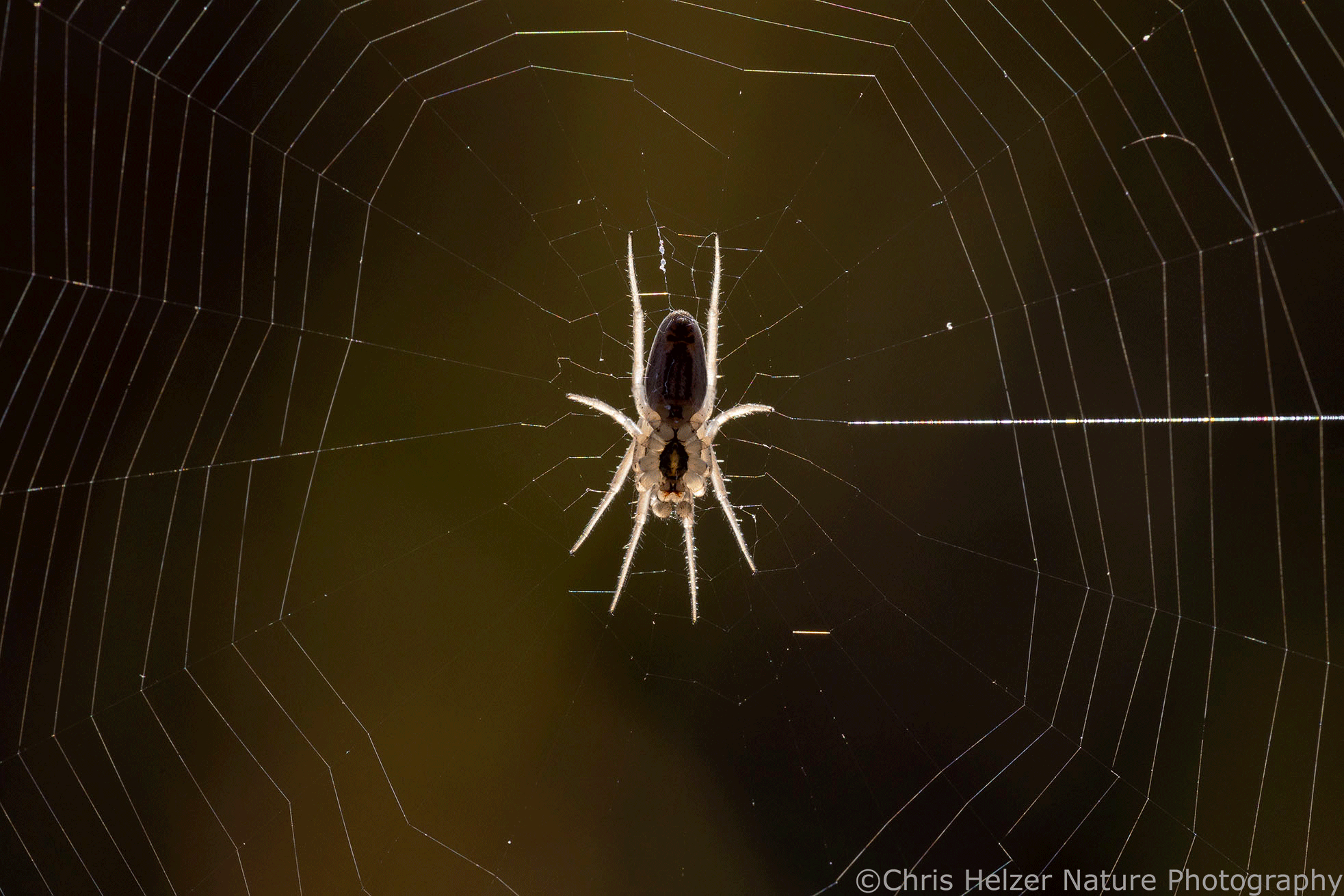
Prairie Boy Visits the Ouachita National Forest

Well, Kim and I had another ultramarathon vacation last weekend. We were down in eastern Oklahoma for the Ouachita Switchbacks 50K race. While Kim and her fellow runners were performing insane feats of athleticism on very steep, rocky trails, I wandered around a little with my camera, looking for anything visually-interesting in the dormant forests of the Ouachita Mountains. No one cheered for me.

The race took place on the Ouachita Switchbacks Running Trail, though I think they tacked on a little extra mileage to get to a 50 kilometer total distance. (It feels wrong to say “mileage” in that context. Is there a word that does the same work but in metric? Kilometerage? Probably not. We’ll just go with “length”. They added a little length to the route.)

Anyway, the trail winds through the Ouachita National Forest, full of shortleaf pine, a variety of oak species, black bears (supposedly, though I didn’t see any), and – last weekend – a bunch of crazy trail runners. Kim and I had come down once before for this race a few years ago, but snow and cold weather had made part of the trail inaccessible and they shortened the race to 25 kilometers. This time, Kim got to run the full distance. Lucky her.

Most of the morning was dark and overcast (and cold) but the sky brightened a little around noon and I took advantage of the better light. Here are some of the scenes I photographed between stops at aid stations to be supportive to my athlete wife.
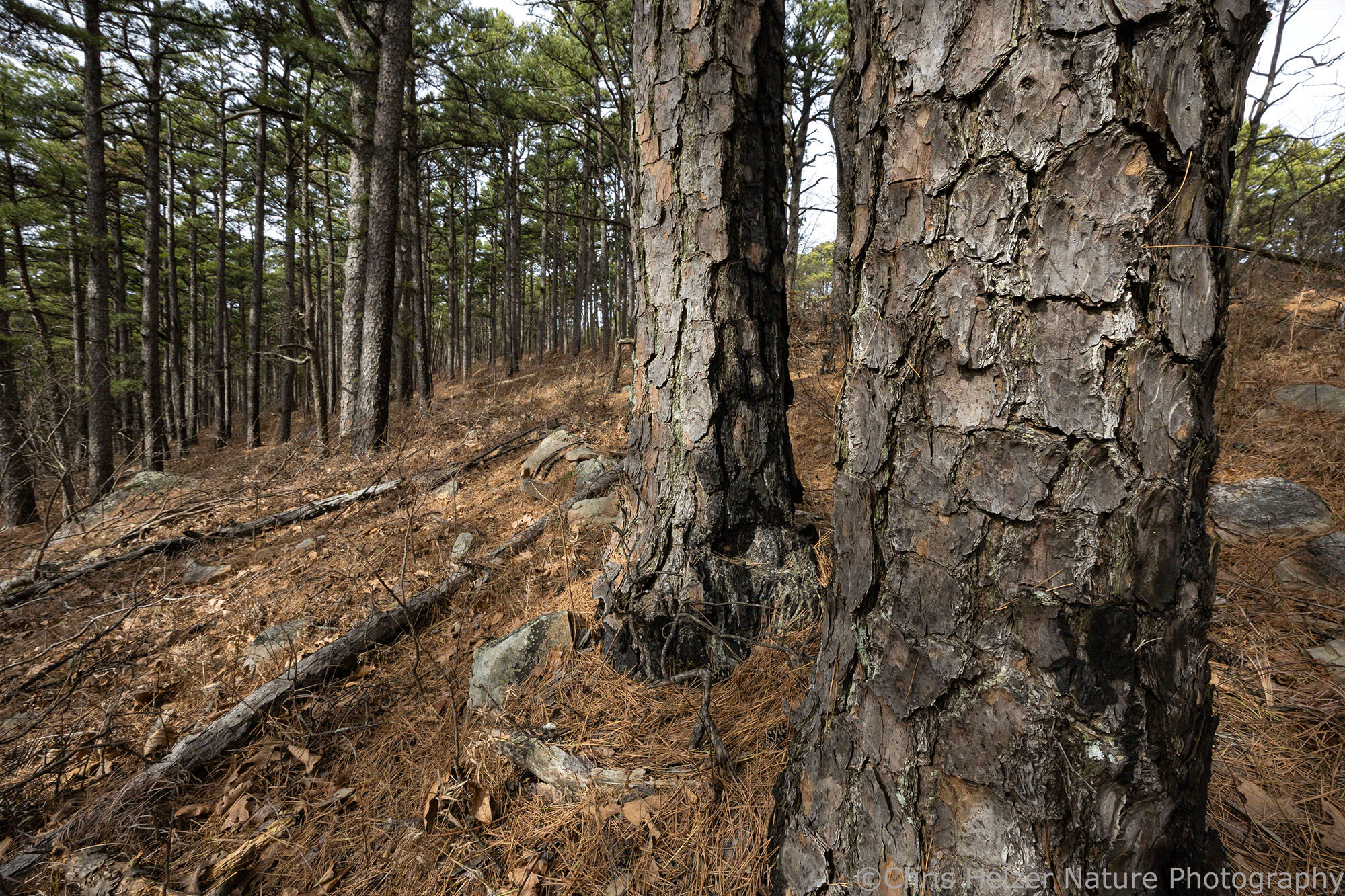
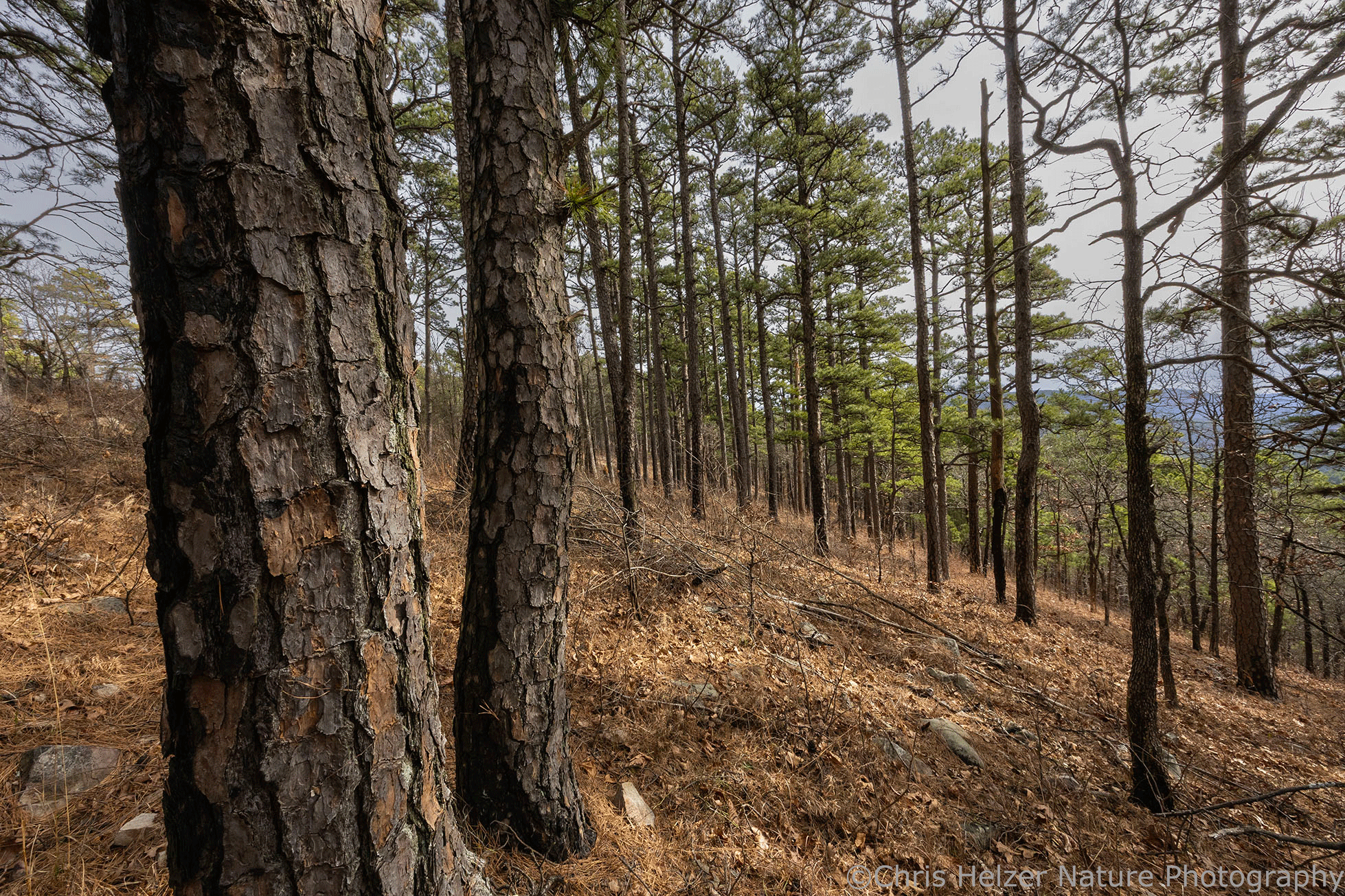
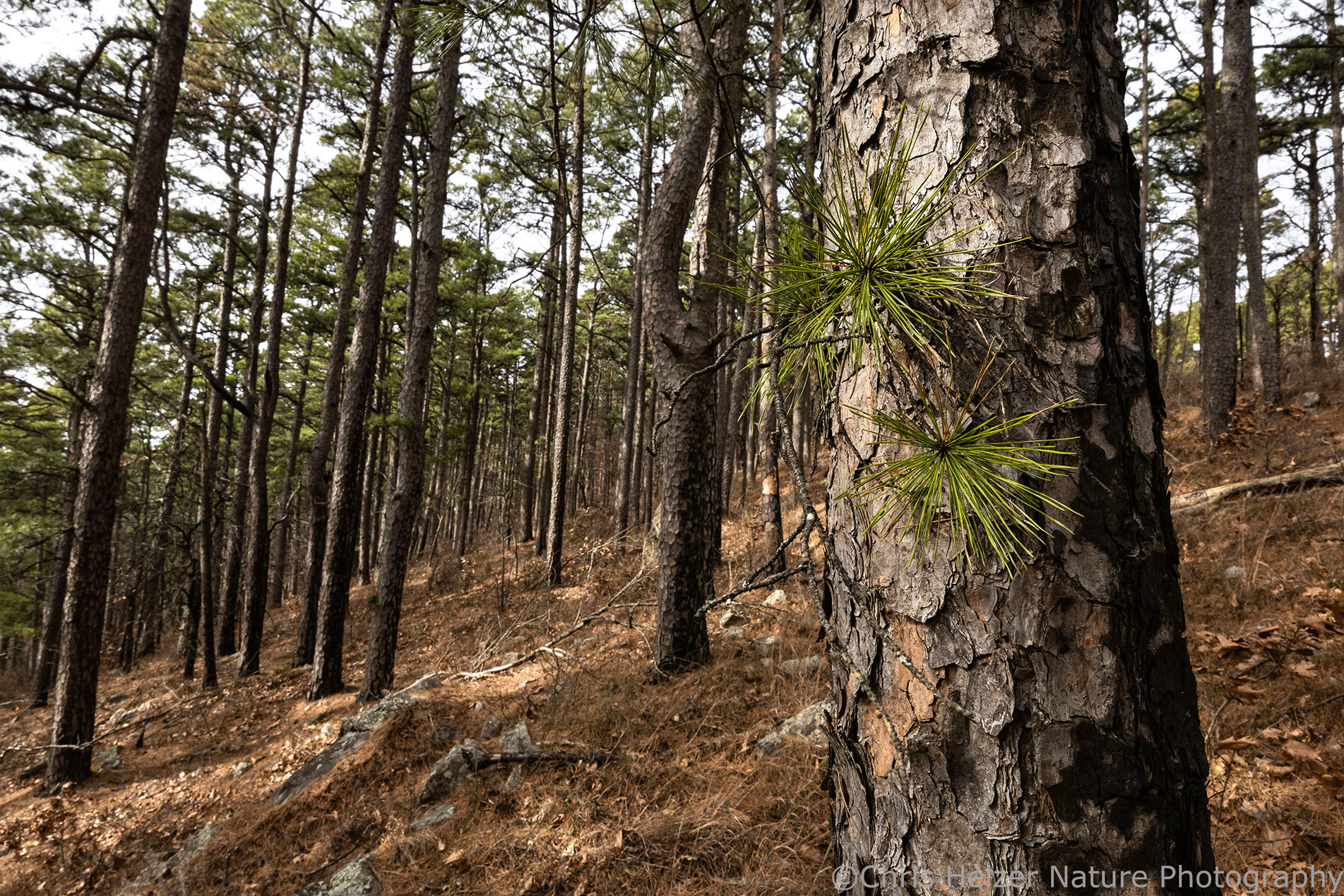
Shortleaf pines and rocks.
More shortleaf pines on steep slopes.

I griped good-naturedly to Kim that there was nothing but trees and rocks to see, but of course that wasn’t really true. There was, however, a lot of brown. That meant that anything green really stood out and caught my eye. Mosses, ferns, and pine needles, especially. I was drawn to those green patches and spent a lot of time photographing them.
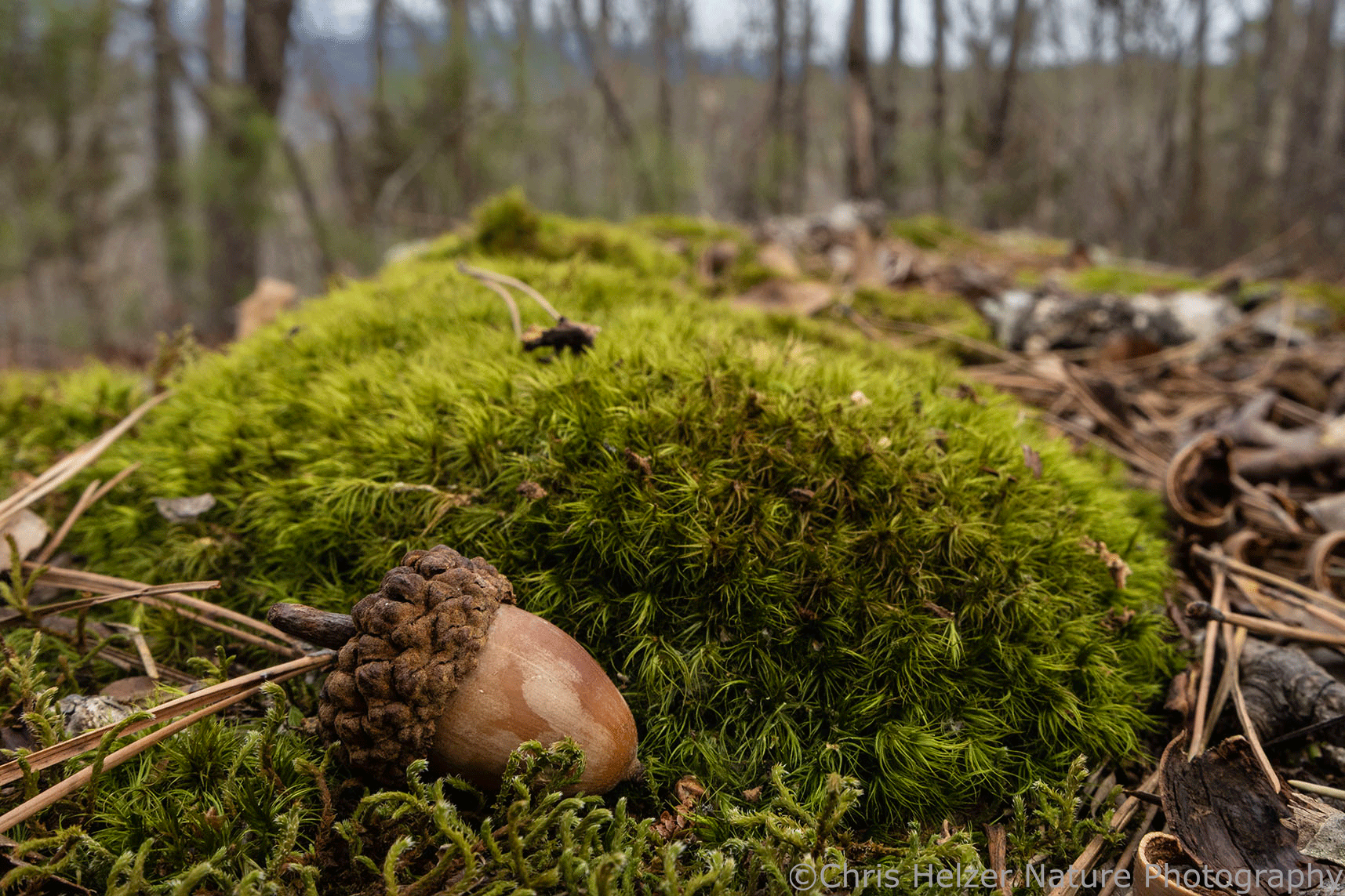
An acorn on a bed of moss.
A stick on a bed of moss. Makes me want to sleep on a bed of moss.
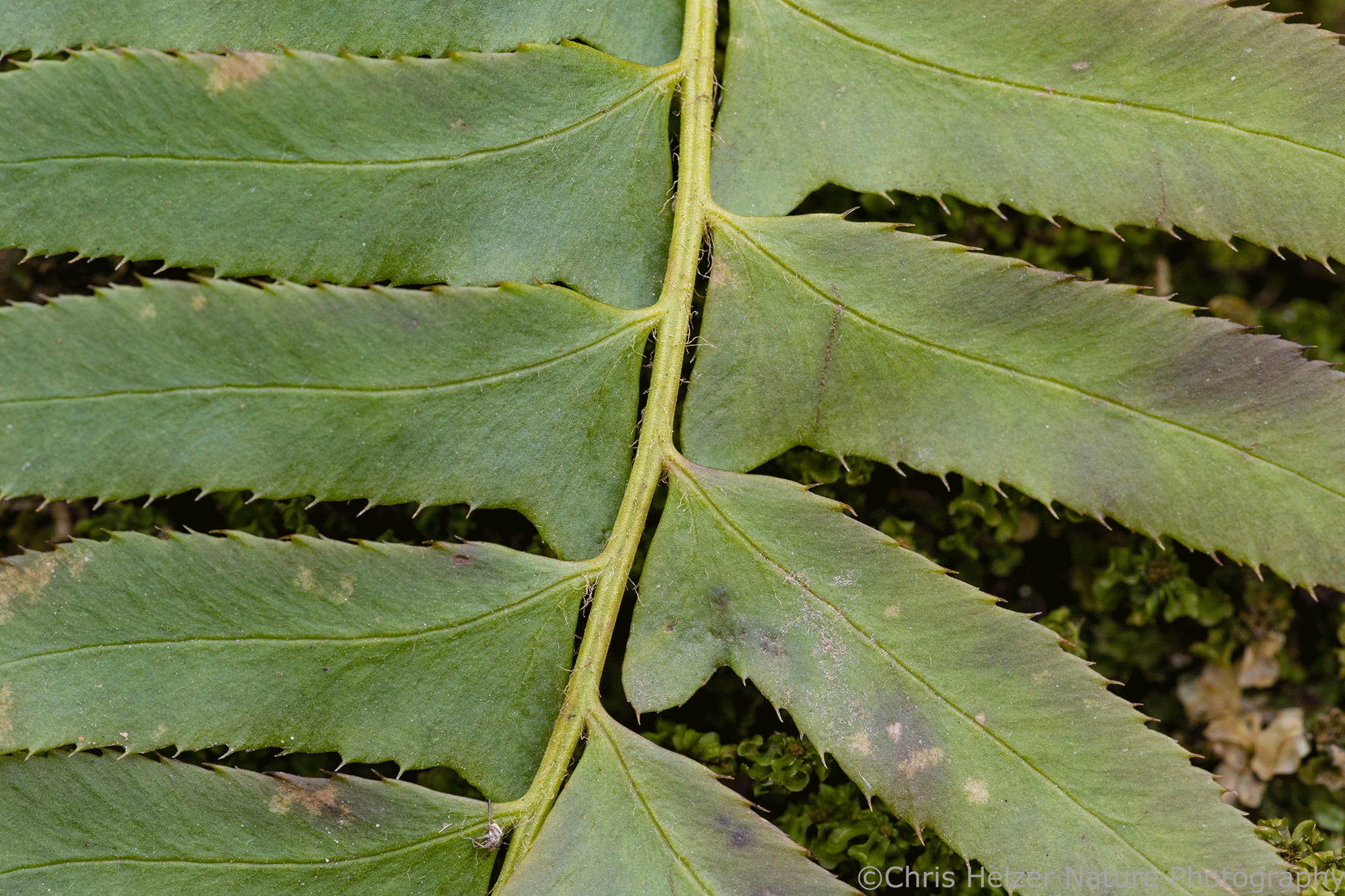
Christmas fern (Polystichum acrostichoides), I think. Supposedly this species keeps its fronds vertical until after the leaves fall and then lays them down on top of the leaves to catch more sunlight through the winter. Pretty cool strategy.
More shortleaf pines.
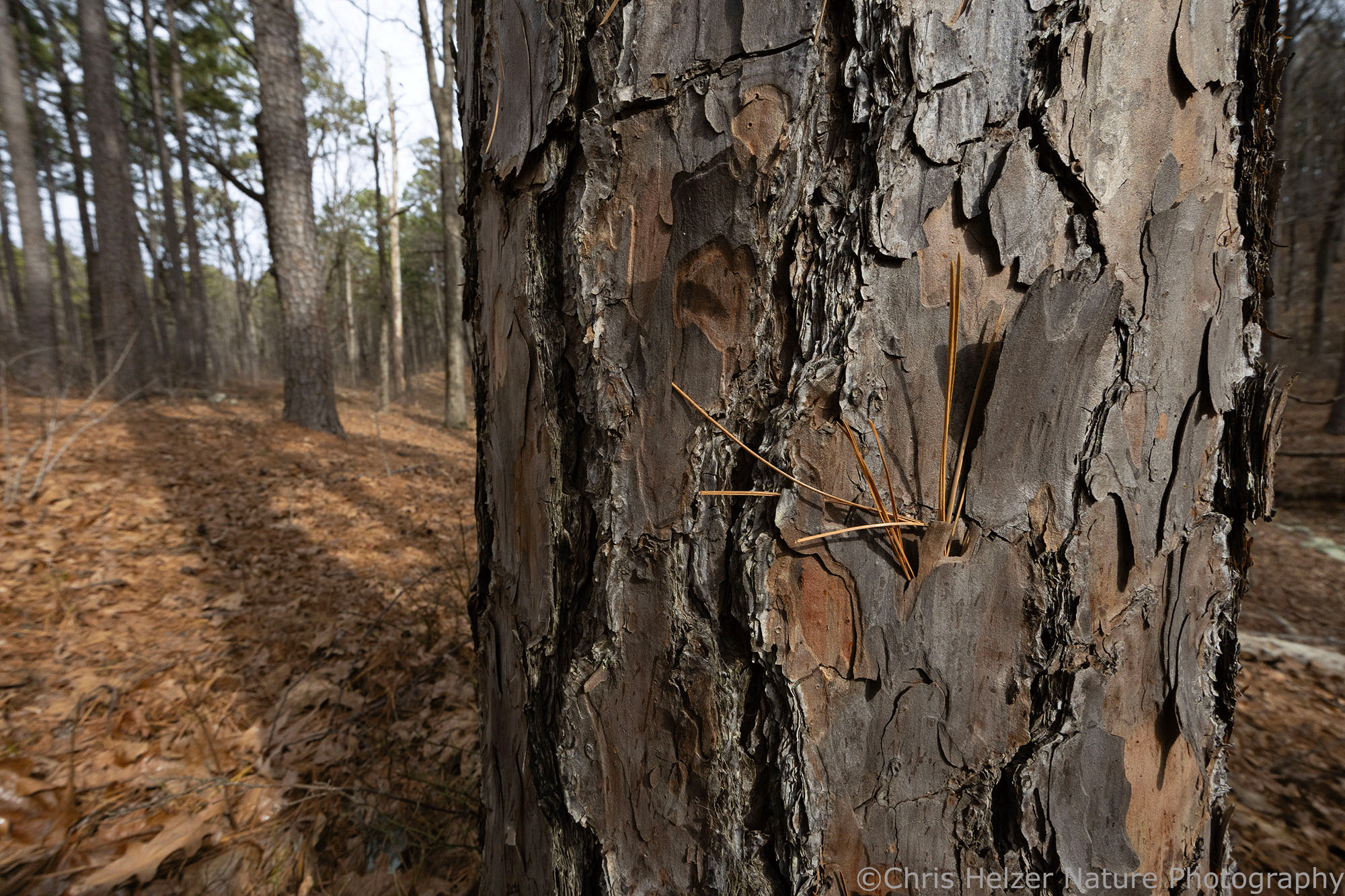
A shortleaf pine with a pocket full of needles.
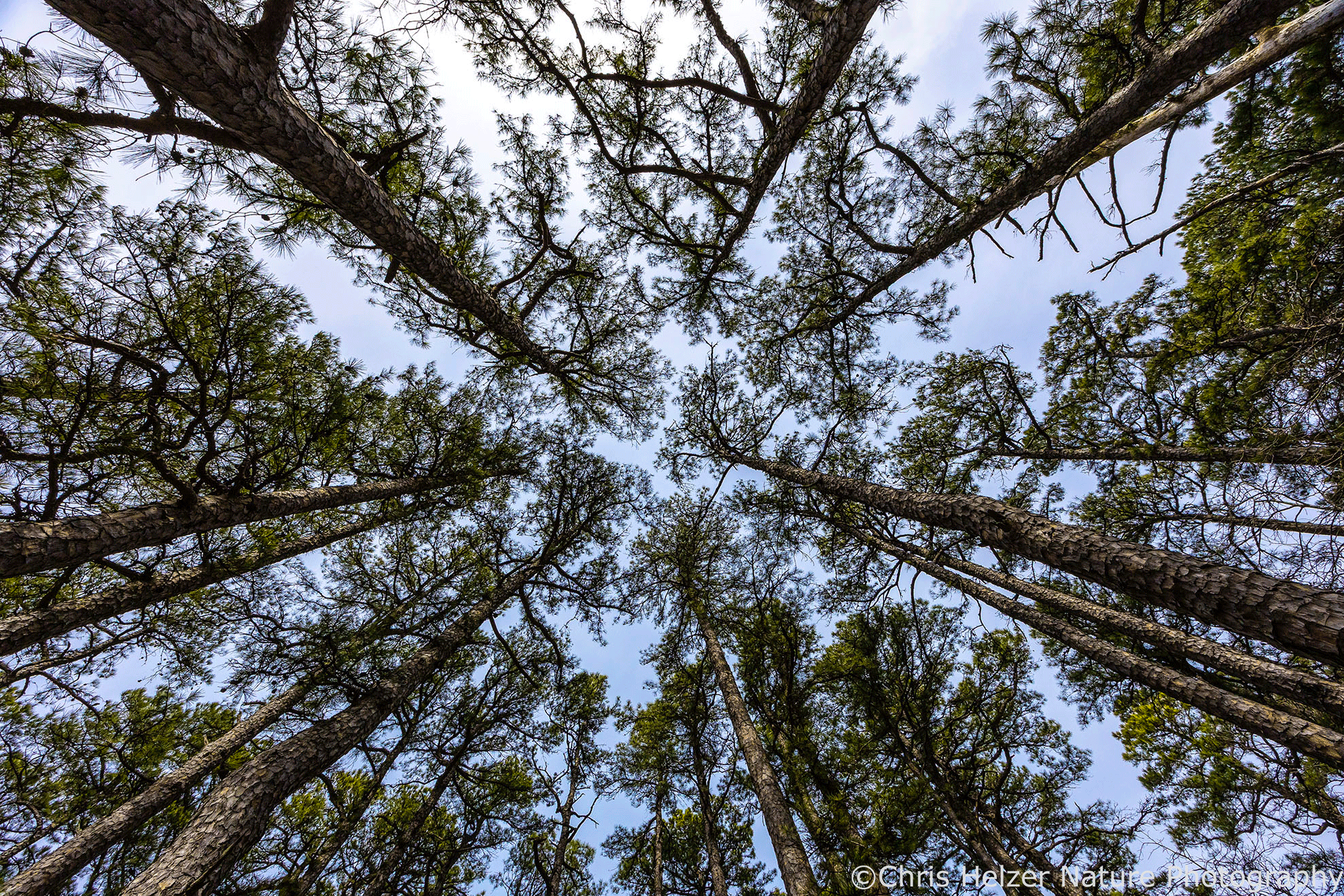
The photo every photographer is required to take in a forest.

I don’t really know what healthy woodlands look like in that part of the world, but the trees seemed to be growing pretty close together in many places and there didn’t seem to be much on the ground besides needles and leaves. I saw very few herbaceous plants, though maybe they were there and just buried under last fall’s oak leaf drop? I’m guessing the site could use some healthy fire, but I need to be careful applying my prairie sensibilities to other ecosystems.

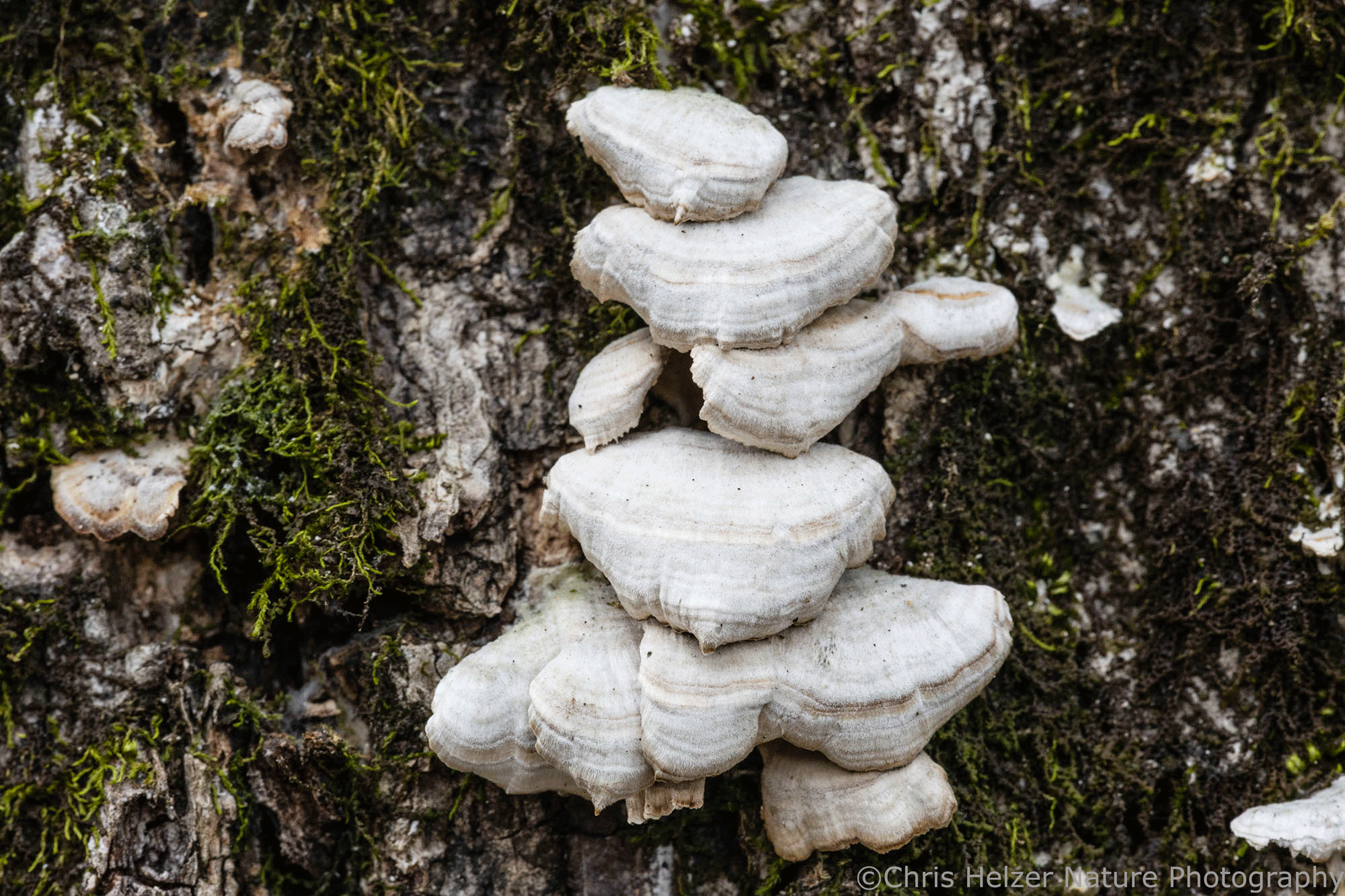
There was a lot of fungus growing on downed logs and dead trees. It all looked the same to me, but my expertise on fungus wouldn’t fill a thimble, so who knows? I used it as foreground for photos and didn’t sweat too much about identification.
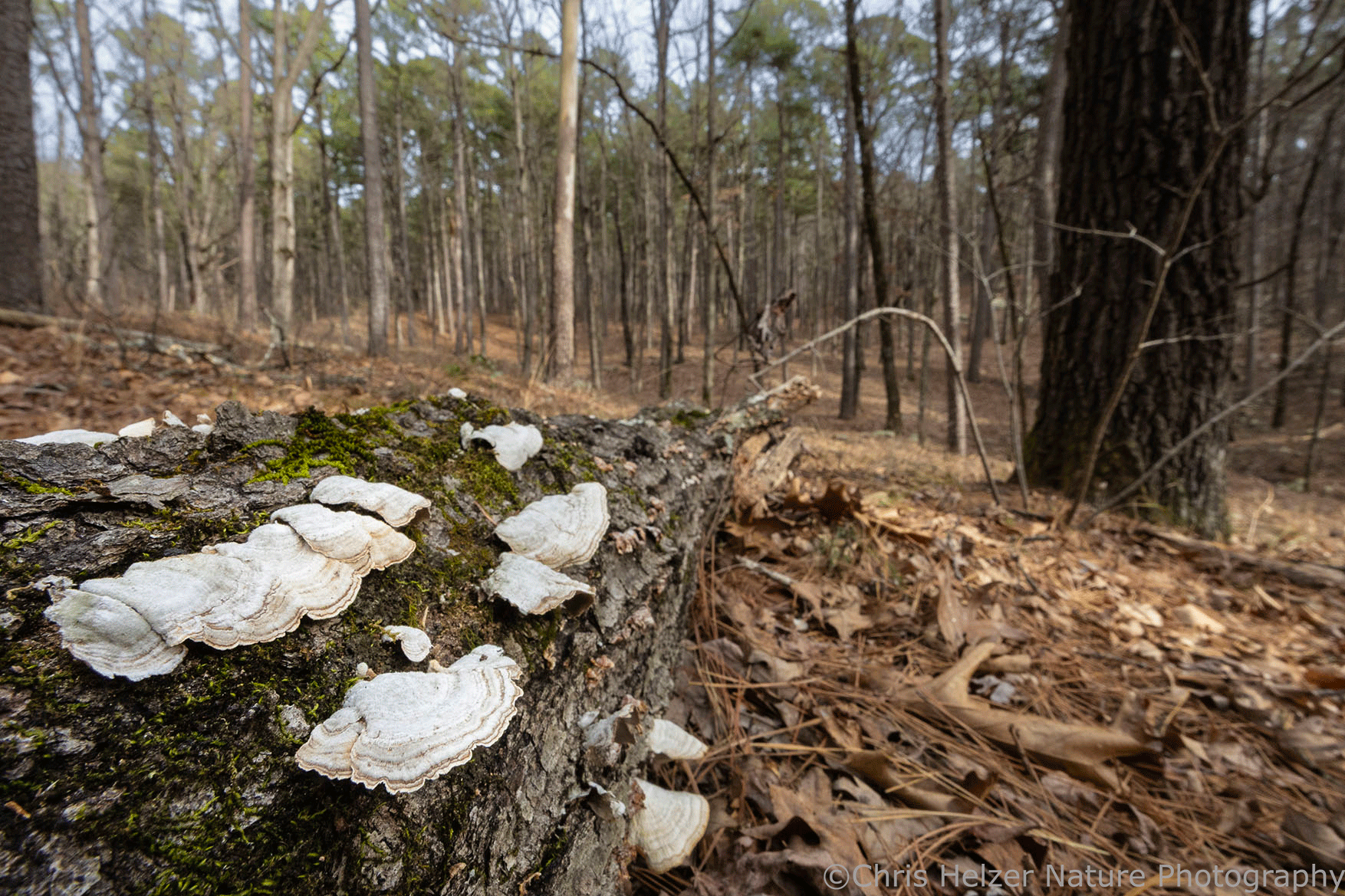
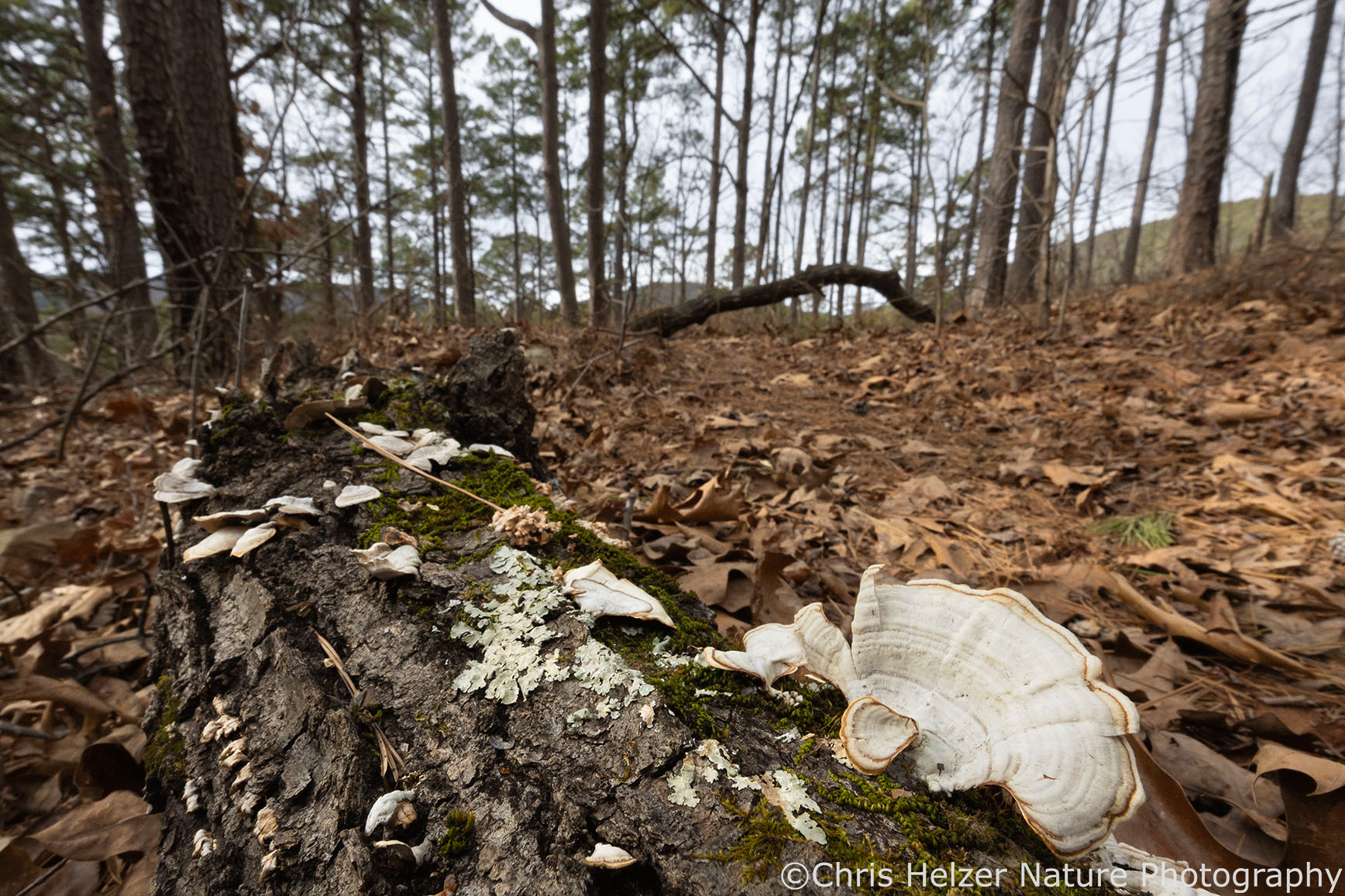
Fungus on a log. Maybe a false turkey tail fungus? I don’t know.
More of the same fungus. Or maybe a different species altogether.
More fungus. It was growing on a tree. Does that help with identification? :)

I saw some small trees that I thought were ironwood (Ostrya virginiana) because they were holding their leaves through the winter like that species does in Nebraska oak woodlands. When I examined them up close, though, they definitely weren’t ironwood and I thought they looked more like maples. Kim, after she was done running, said she thought they were oaks, and once she said that, I was sure she was right (and not just because she’s my wife).

Now, there’s a species called the maple-leaf oak (Quercus acerifolia) that is endemic to the area. The fact that I saw an oak that I first thought was a maple makes me wonder if I was actually seeing maple-leaf oaks, but after some online reading, I’m very skeptical. There are only a few populations of the species in the world, so I’m guessing maybe I was just looking at dried leaves of black oak.

Winter tree identification in the mountains of Oklahoma is not something this Nebraska prairie boy is adept at. Any help from people more local to the Ouachitas?
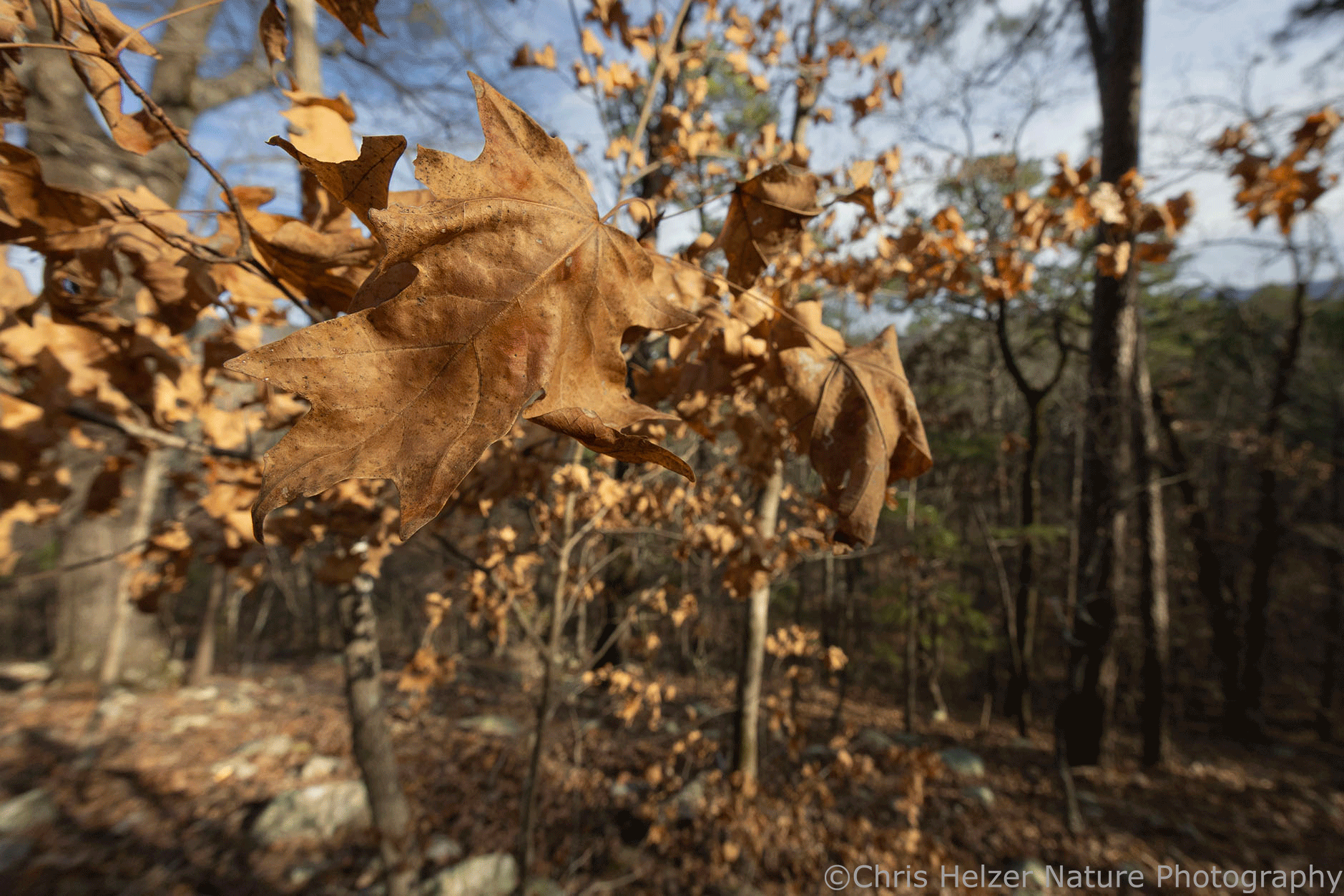
An oak species that looks to me like maple-leaf oak, but surely couldn’t be, right?

Kim finished the race before dark, which was no easy feat, given the distance, terrain, and the fact that she trains in east-central Nebraska, where hills are scarce and not nearly as steep as the Ouachitas. She was very tired. I was too, of course. It takes a lot of energy to walk slowly around the forest looking for mosses and acorns. We were both glad to retreat to the nearby cabin to eat and sleep before driving all the way home the following day.

As I always do in forested hills or mountains, I yearned for clear views of the horizon while walking around the Ouachitas. There were a few scenic overlooks where I got brief reprieves from my mild claustrophobic feelings, but they were few and far between. Still, it’s a really beautiful landscape down there and I’m sure it’s even more lovely during the growing season when there’s a lot more green. I hope to get back there sometime and explore some more.

Photos of the Week – October 1, 2025

Over the weekend, my wife Kim ran 100 miles. On purpose.

The Cowboy 200/100 race has become an annual event for people who think marathons are more fun when you string a bunch of them together end-to-end. There were lots of those people on the Cowboy Trail (an old railroad right-of-way) this weekend. Some of them were running 100 miles like Kim, but even more of them were running 200 miles. In case you were wondering, 200 miles is 322 kilometers. That’s equivalent to thirty two 10K runs in a row, plus a couple extra K just for fun.

The Cowboy Trail a few miles west of the start of the 100 mile race.

Feel free to skip ahead if you’re just here for nature photos but I figured people might have questions about the apparent lunacy of these kinds of races. First of all, just finishing the race is a huge accomplishment. Obviously. There are cut-off times, so you can’t just walk the whole thing. Not that walking 100 or 200 miles wouldn’t also be a big deal, but they make you finish sooner than would be possible if you just walked.

Unsurprisingly, a grueling race like this means a lot of people aren’t able to finish it. Of the 70 people who started the 200-mile race, only 40 crossed the finish line. Sixty-two people started the 100-mile race and only 33 finished. The winner of this year’s 200-mile race finished in about 46 hours, but most people ran it in about 60-80 hours. If you’re struggling with the mental math, 80 hours is three days and 8 hours.

The winner of the 100-mile race finished in an amazing 16 hours and 30 minutes, but most people came in at between 24 and 30 hours. My impression is that most of the 200-mile runners took cat naps here and there, but I think most of the 100-milers did it without sleeping on the way.

Anyway, that was a quick primer to the ultramarathon world for those of you who haven’t run further than 26.2 miles and wondered if there were any opportunities to do so. There are! If you choose to become an ultramarathon runner, you will be joining a very select group of people who, in my experience, are incredibly friendly, supportive, self-disciplined, pain-tolerant, and utterly mad. It’s a fun group to hang around with, assuming you enjoy listening to conversations about electrolytes, caloric intake, blisters, shoe brands, late-race hallucination stories and Courtney Dauwalter.

While all those lovely people were on the trail, I just hung around and took pictures of bugs and such. I also met Kim at various aid stations along the route and handed her water, food, socks, or whatever she needed while she and other runners tried to convince each other they were having fun.

Right after the 100-mile race started on Saturday morning, I drove out ahead of the runners and wandered the Cowboy trail at a much more leisurely pace and photographed insects, flowers, and seed heads I found along the way. It was a gorgeous morning. Here are some of those photos.

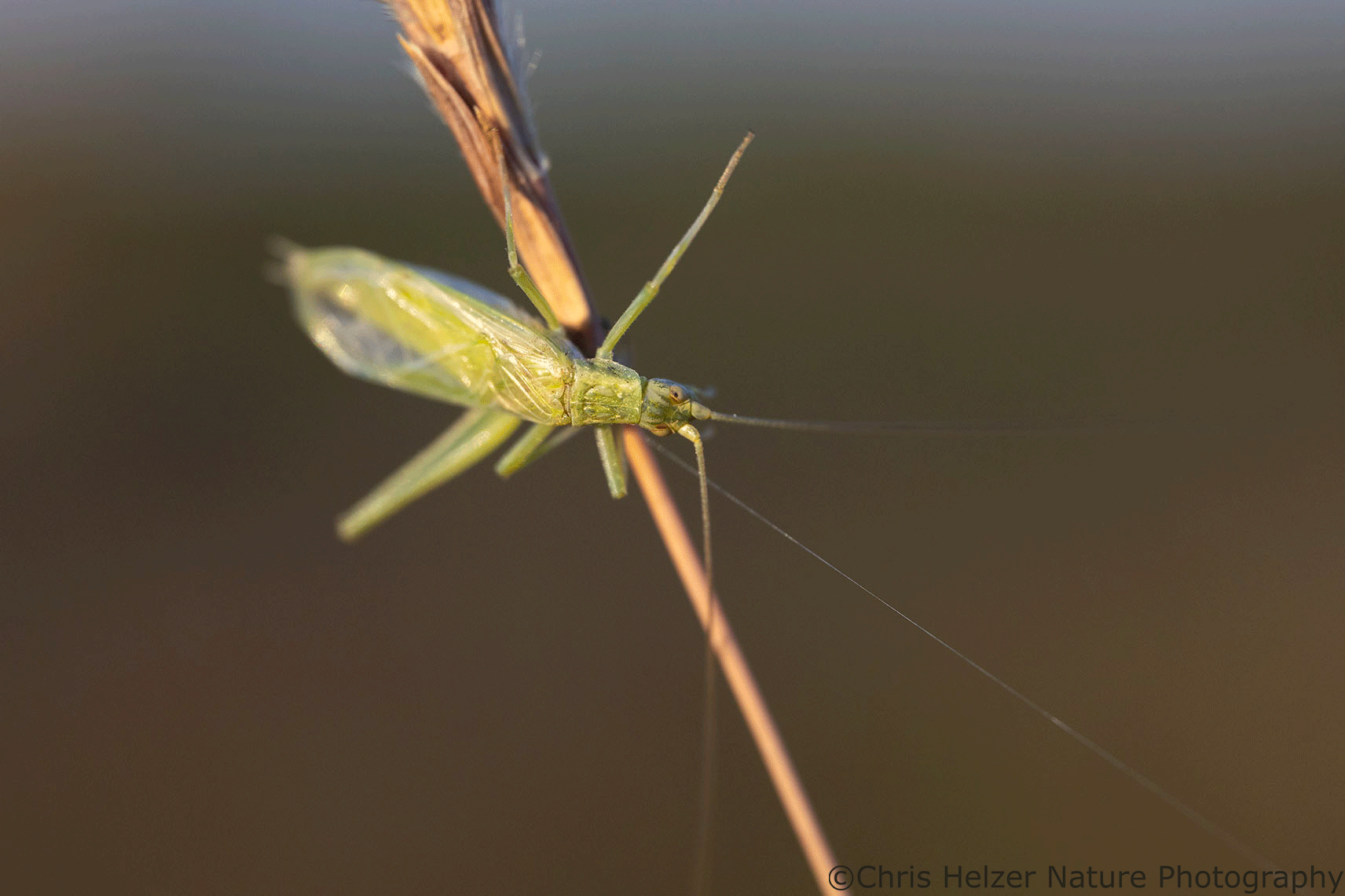
Tree cricket
Drone fly
Half-eaten grasshopper
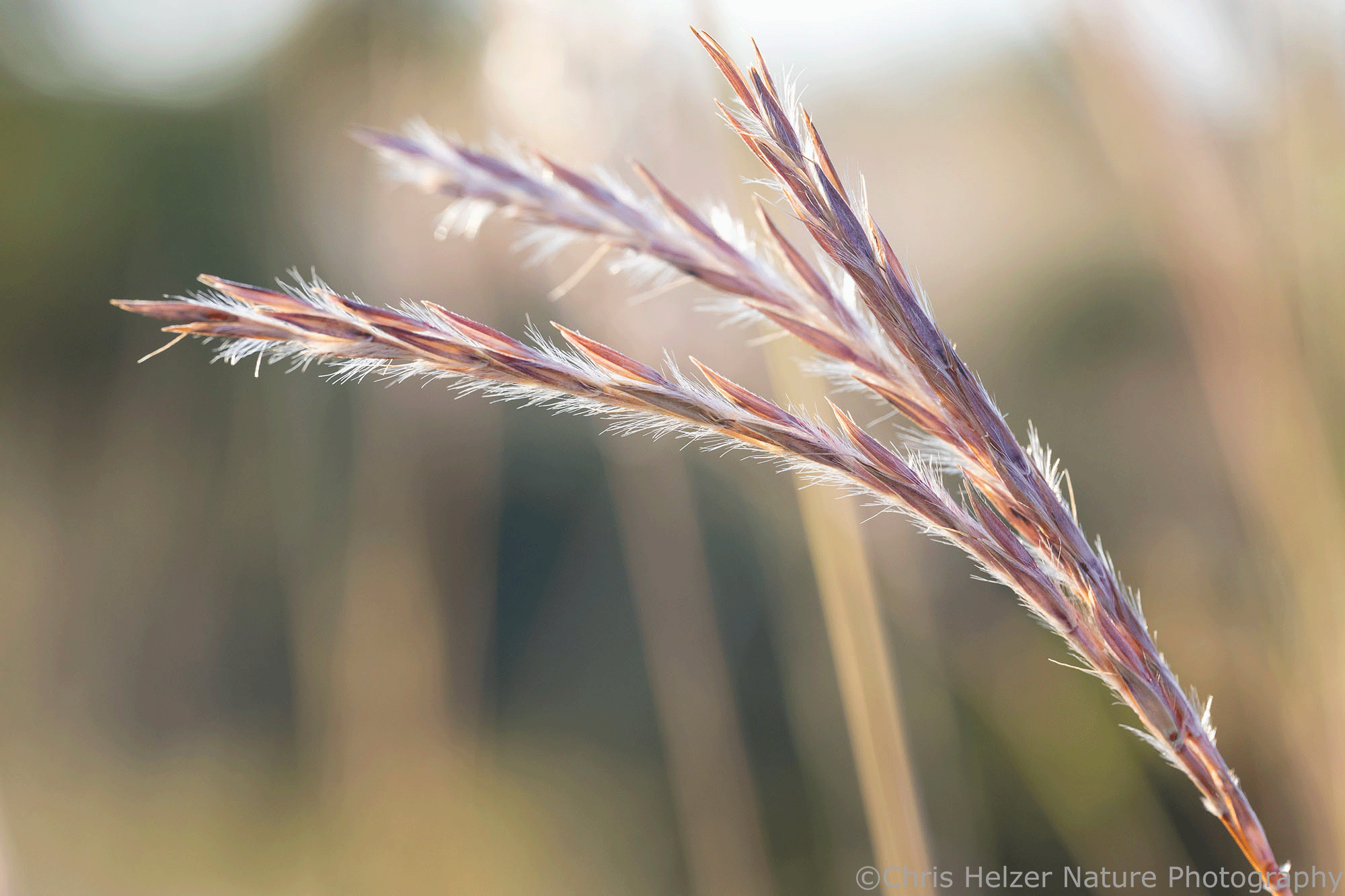
Sand bluestem (Andropogon hallii)
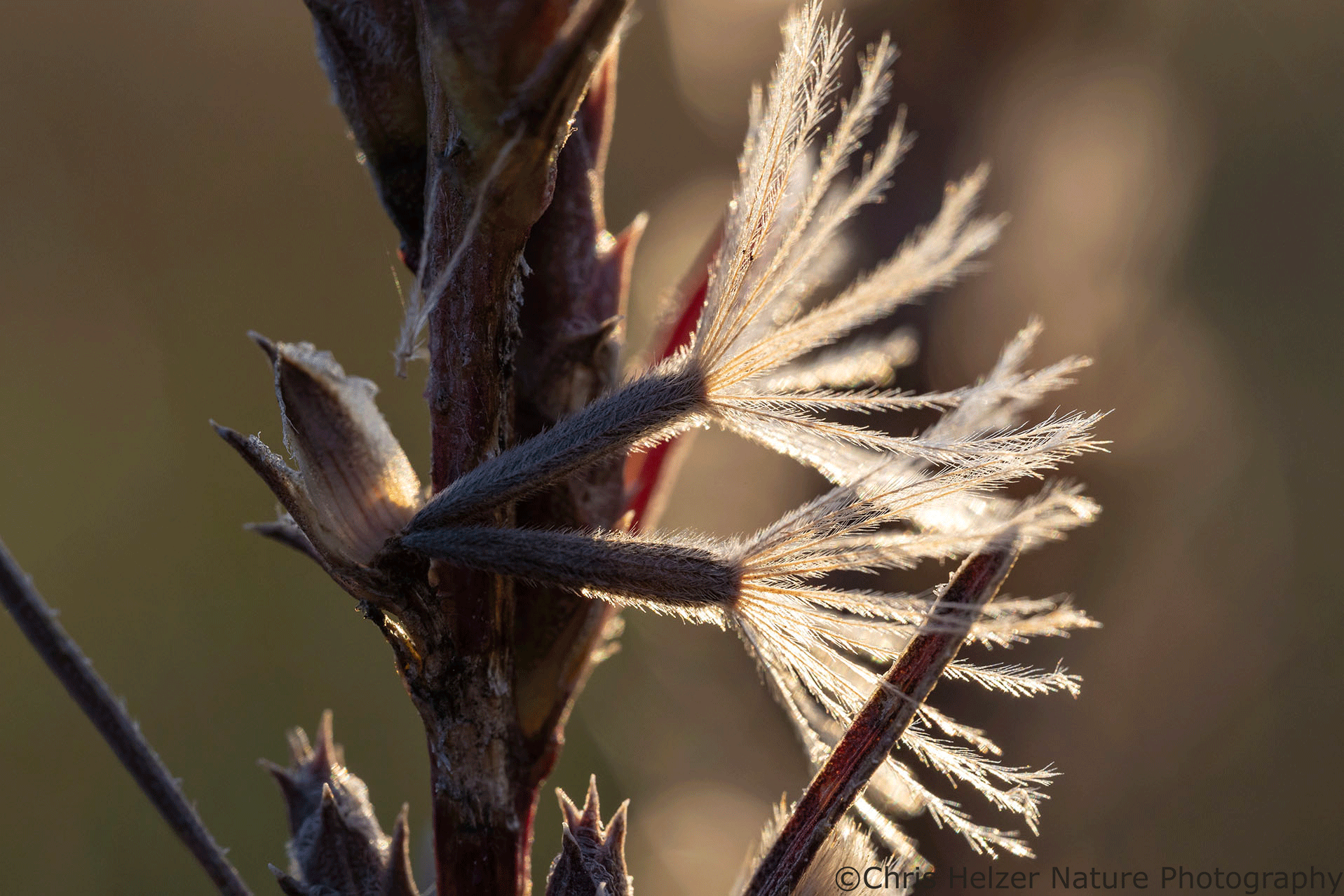
Prairie sandreed seed (Calamovilfa longifolia)
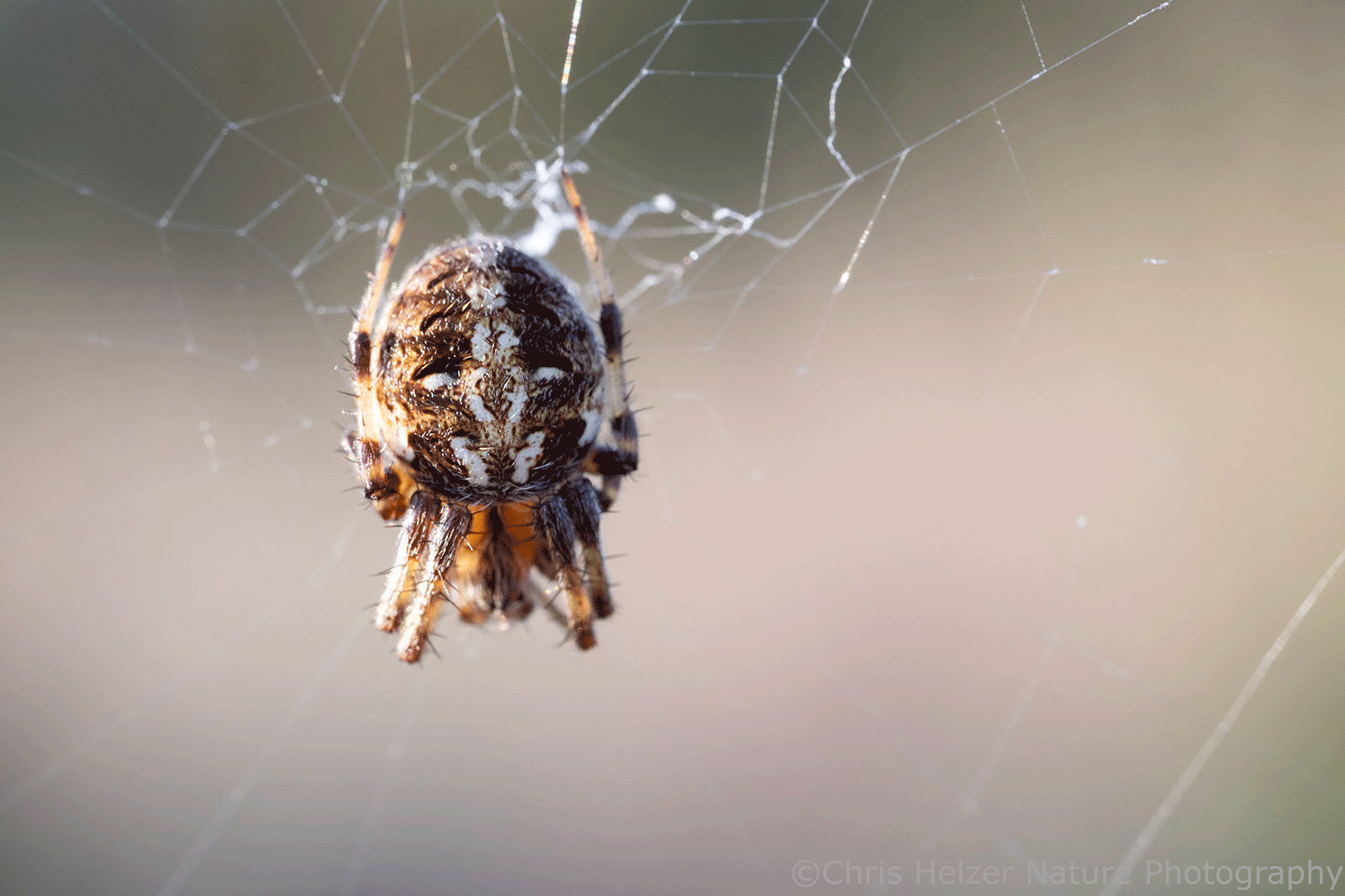
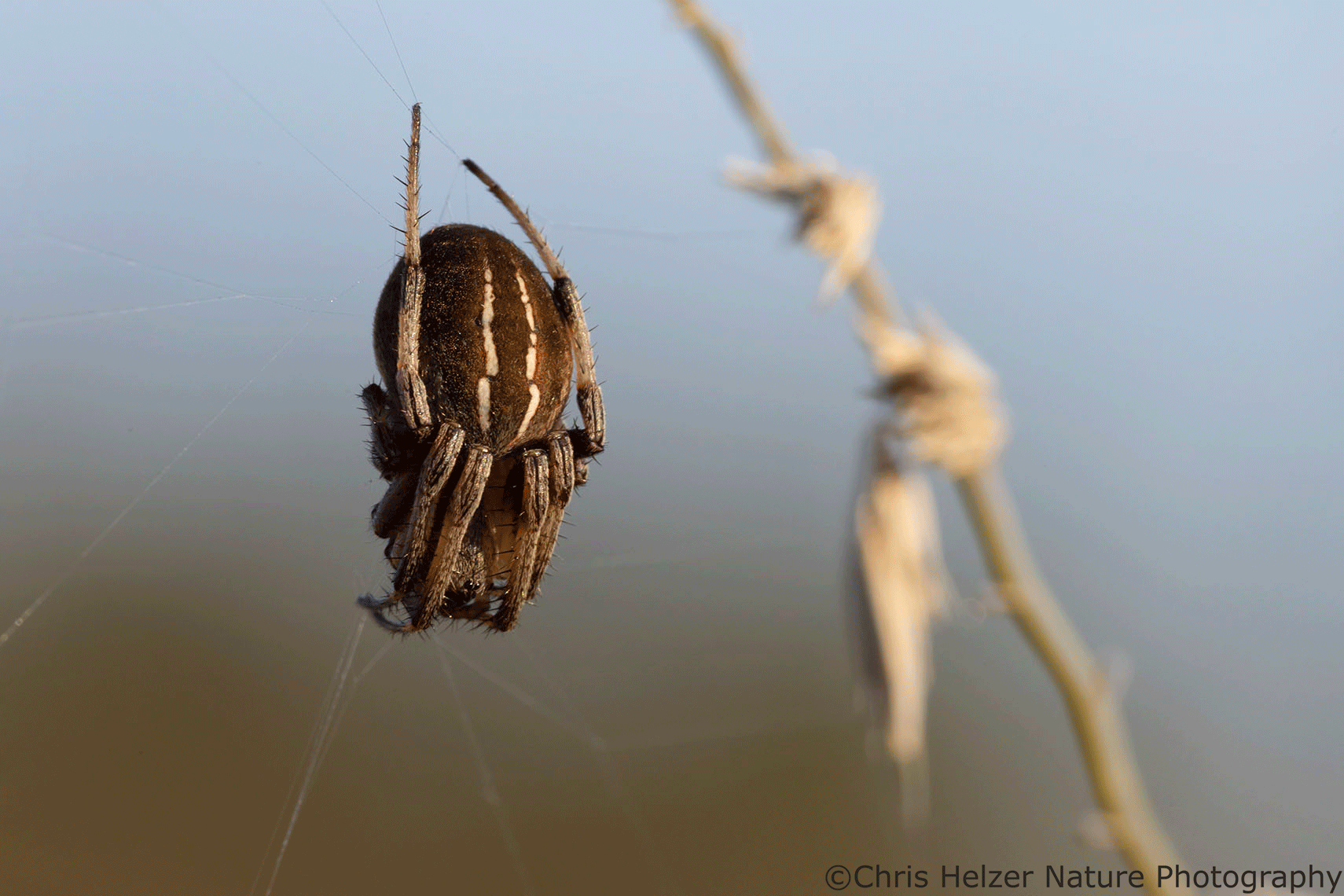
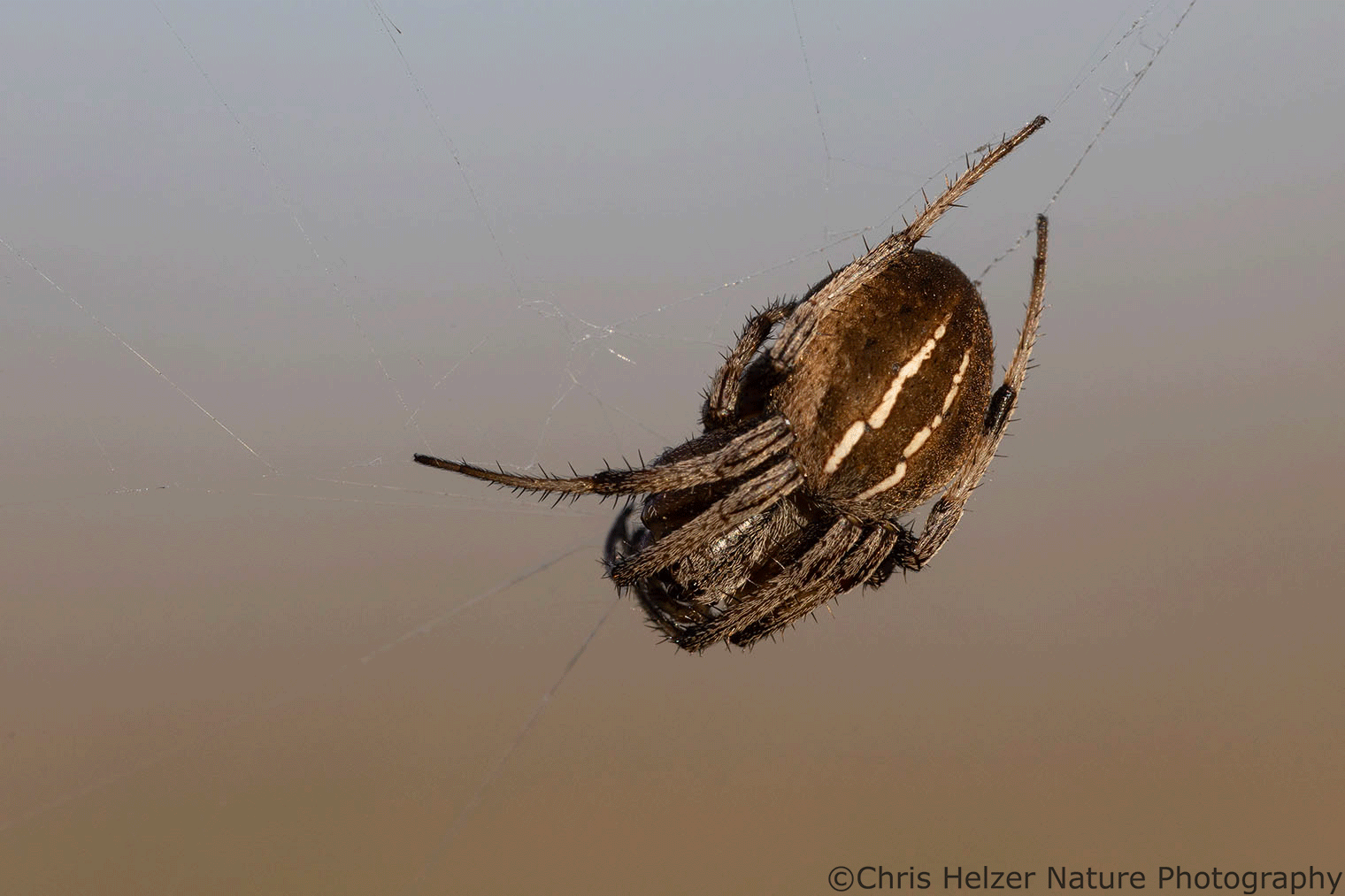
An Arabesque orb weaver (I think)
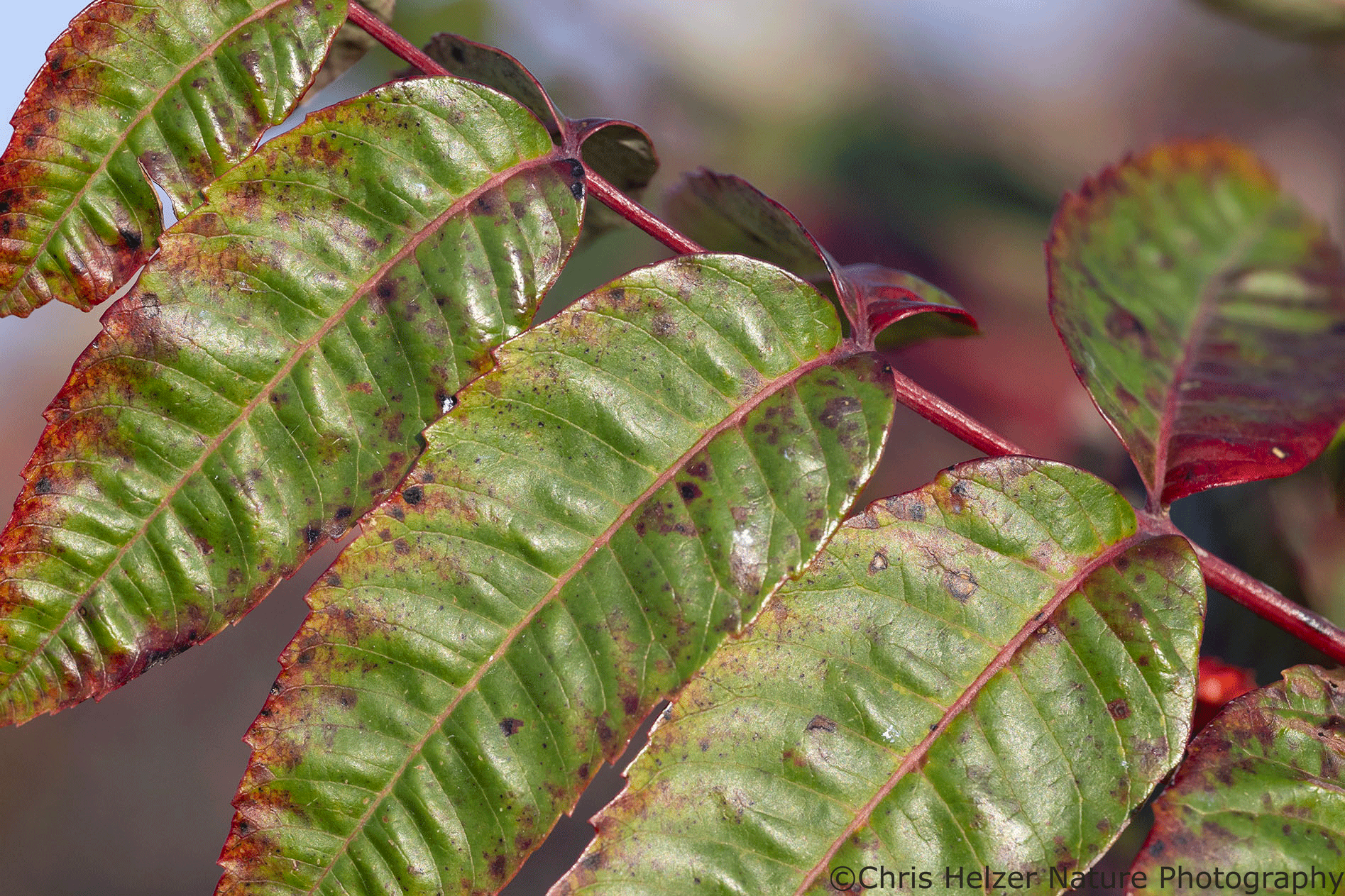
Smooth sumac (Rhus glabra)
Smooth sumac
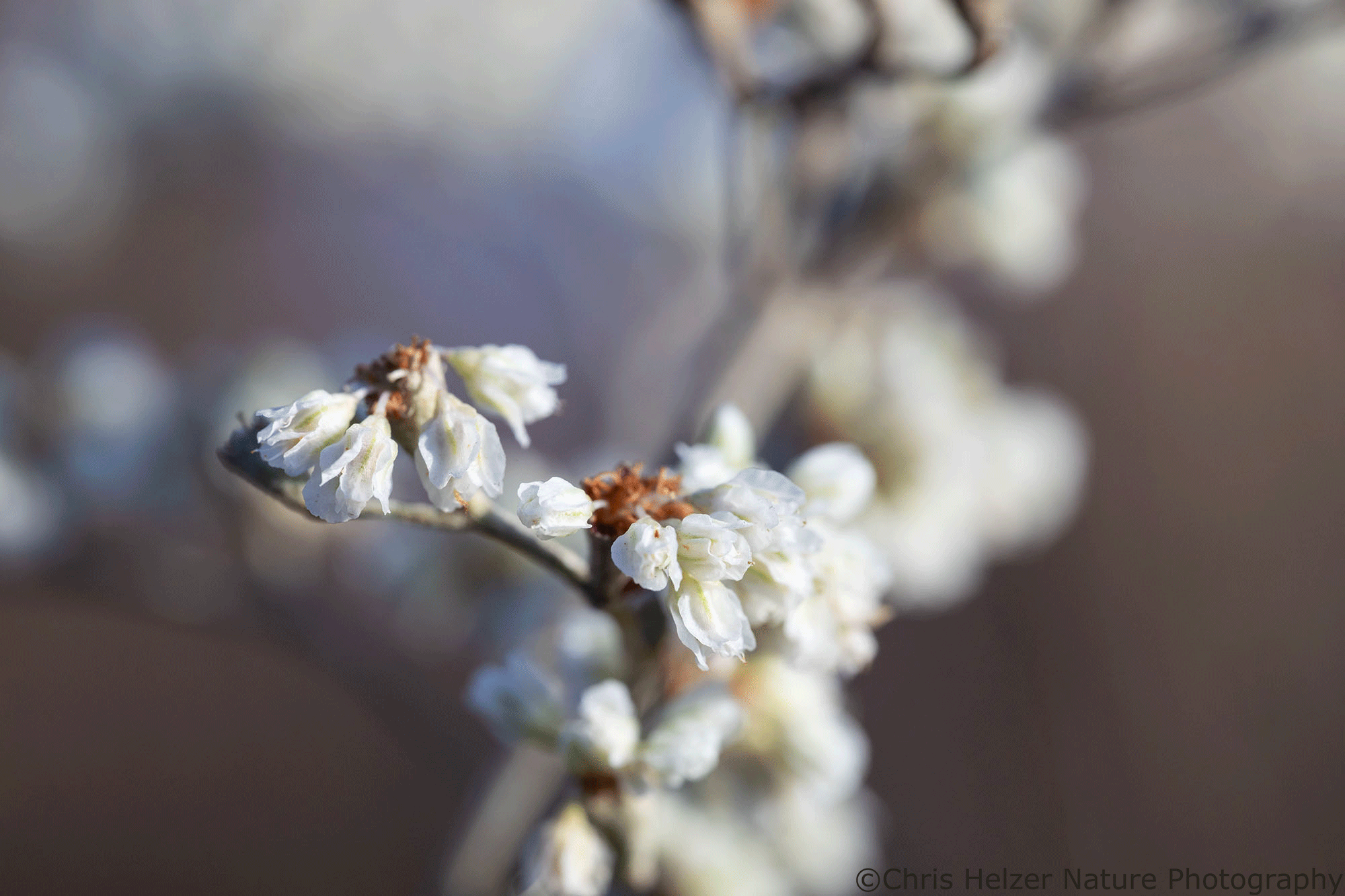
Annual buckwheat (Eriogonum annuum)
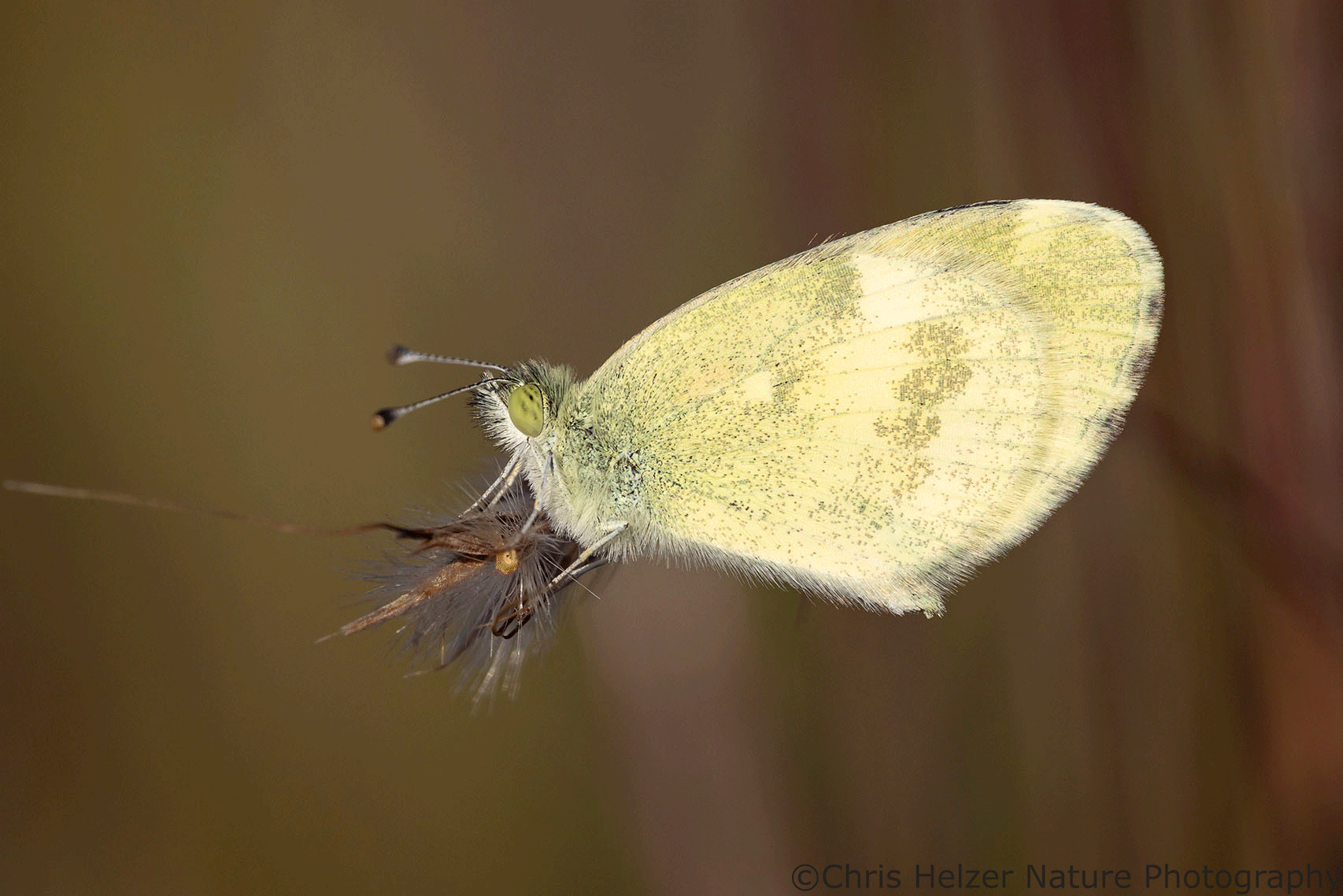
Dainty sulphur (Nathalis iole)
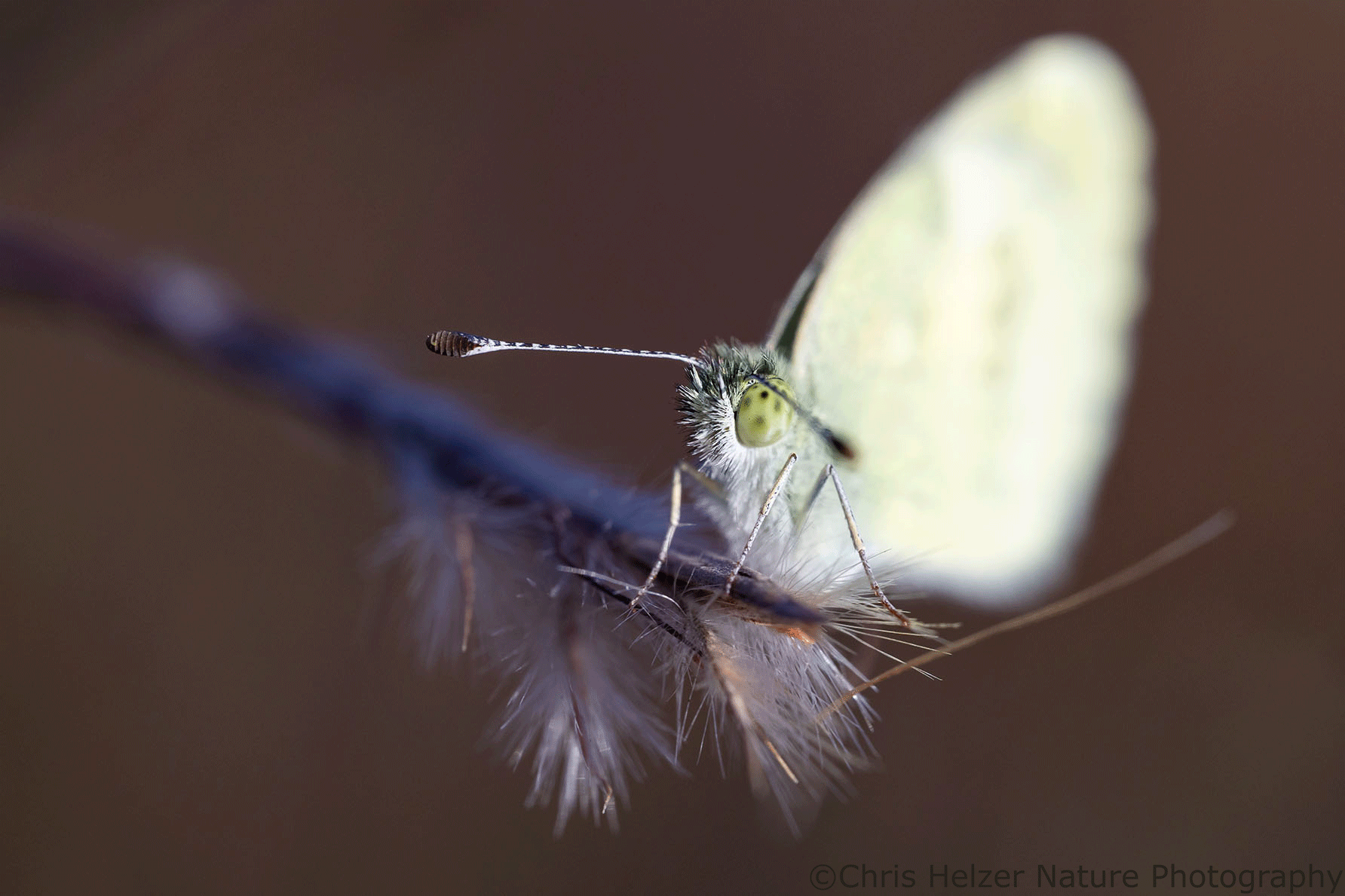
Dainty sulphur, front view

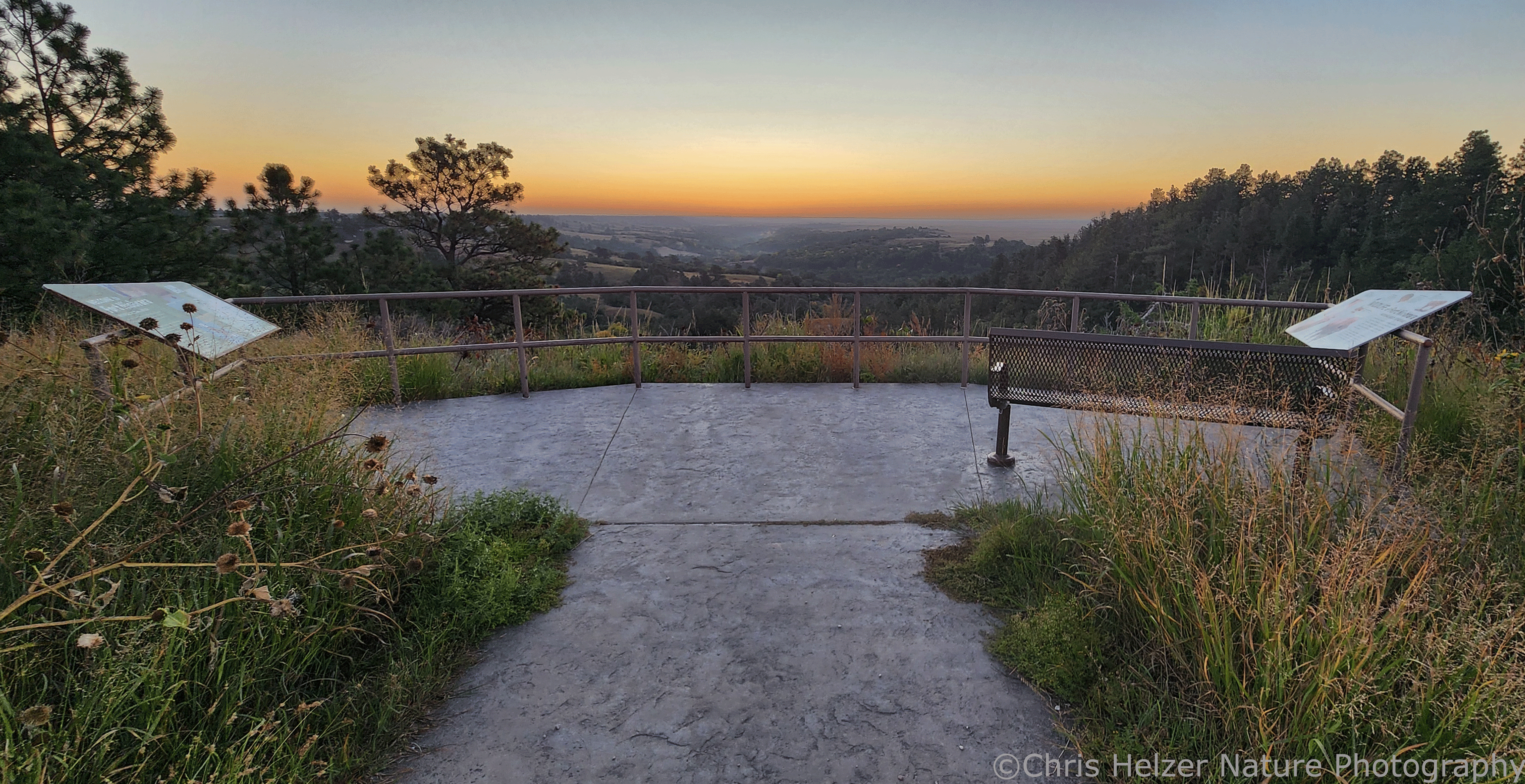
I didn’t get a chance for photography Saturday night, but I did get to watch the sunrise on Sunday morning. There’s a nice scenic overlook at Fort Niobrara National Wildlife Refuge, just outside of Valentine, Nebraska, where the race finished. I drove up there, not necessarily for the scenic overlook, but because I knew it was a place I could wander with my camera.

Cell phone photo of the scenic overlook when I arrived. Fort Niobrara National Wildlife Refuge.

I was working with less than four hours of sleep (in the back of our car) but the crisp morning was invigorating and I had a great time exploring the small prairie area near the overlook. There were quite a few spider webs to enjoy, a few flowers still blooming, and some really nice fall color in the grasses, shrubs, and other plants.

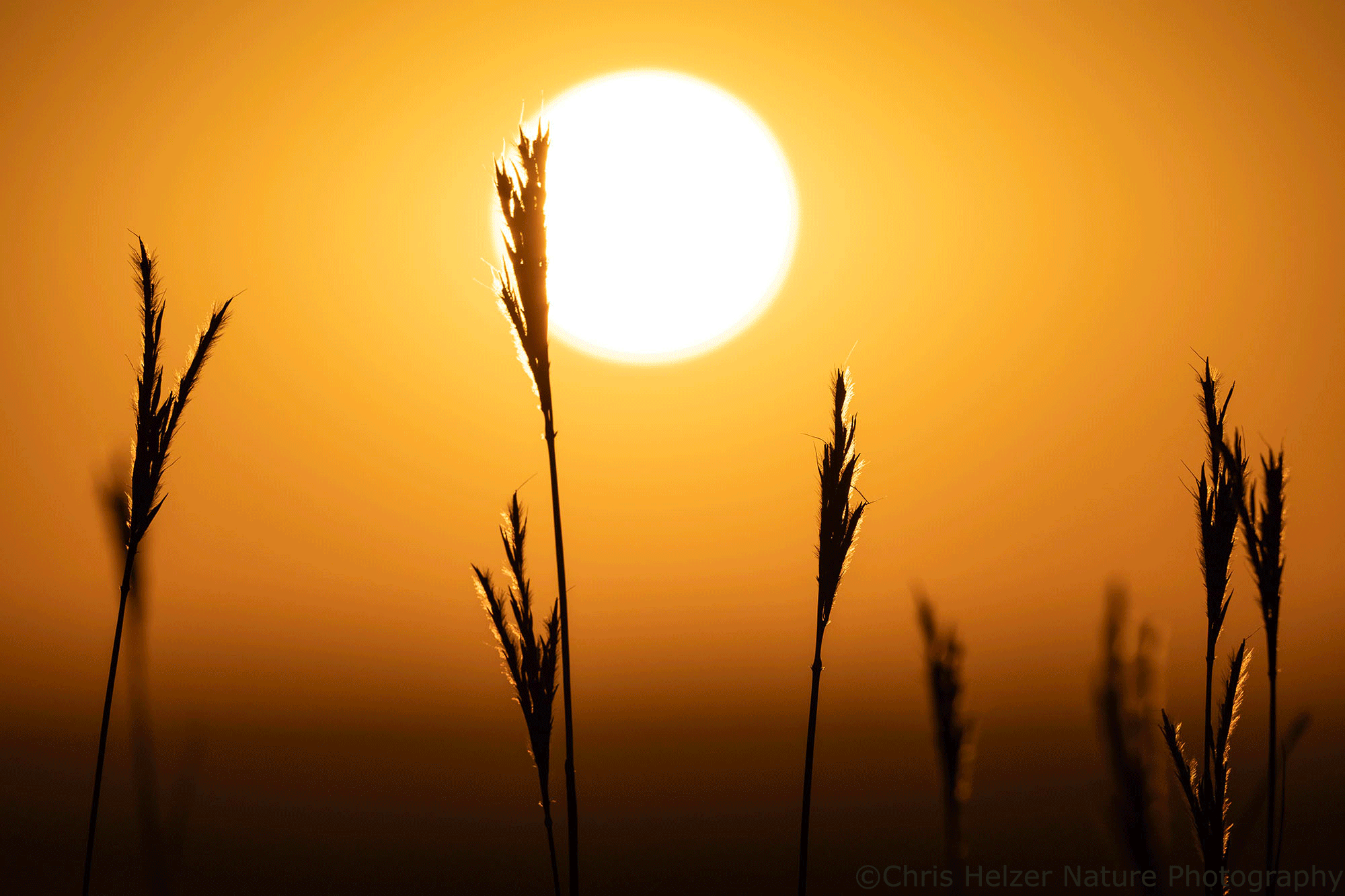
Sunrise and sand bluestem
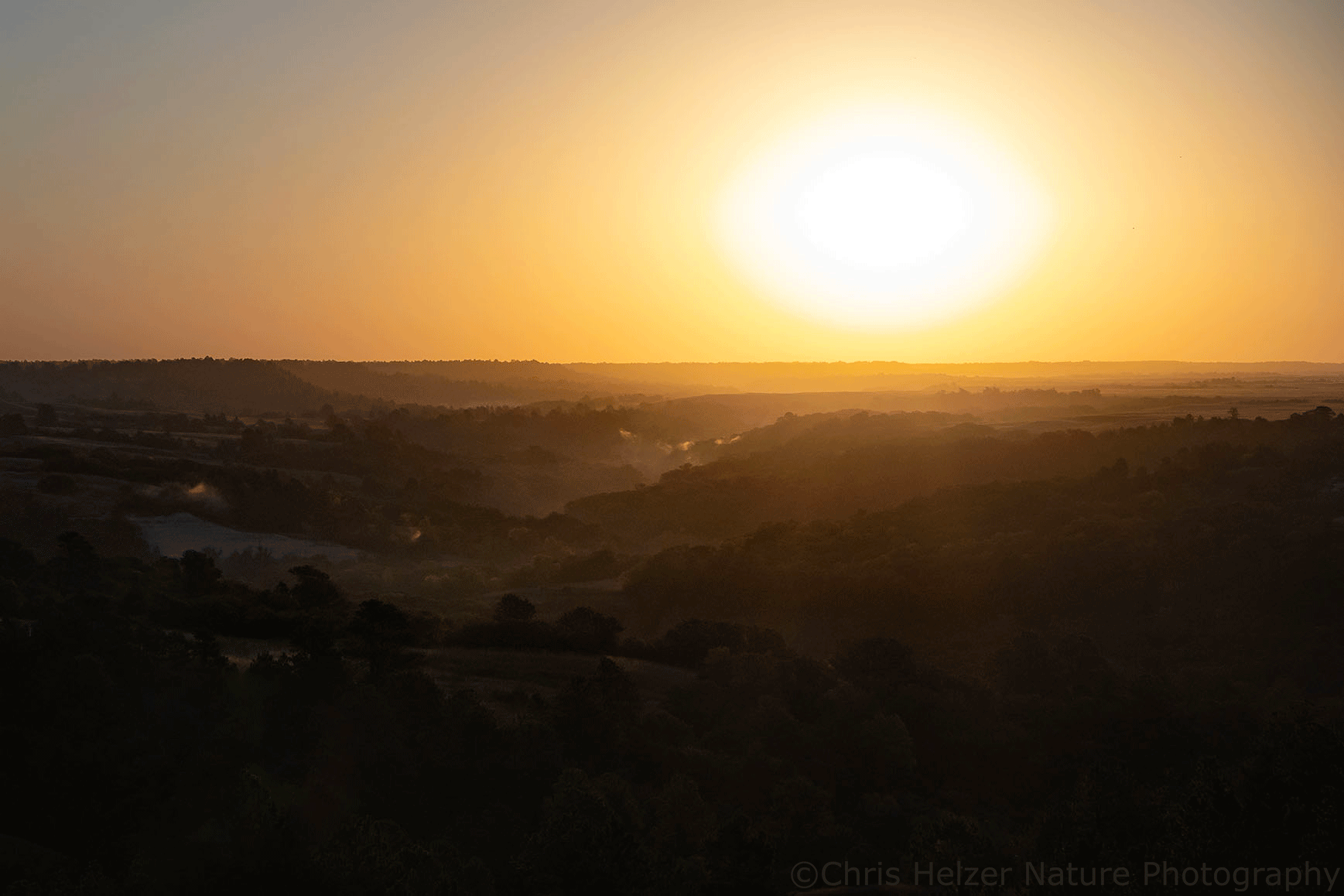
Sunrise and Niobrara River Valley
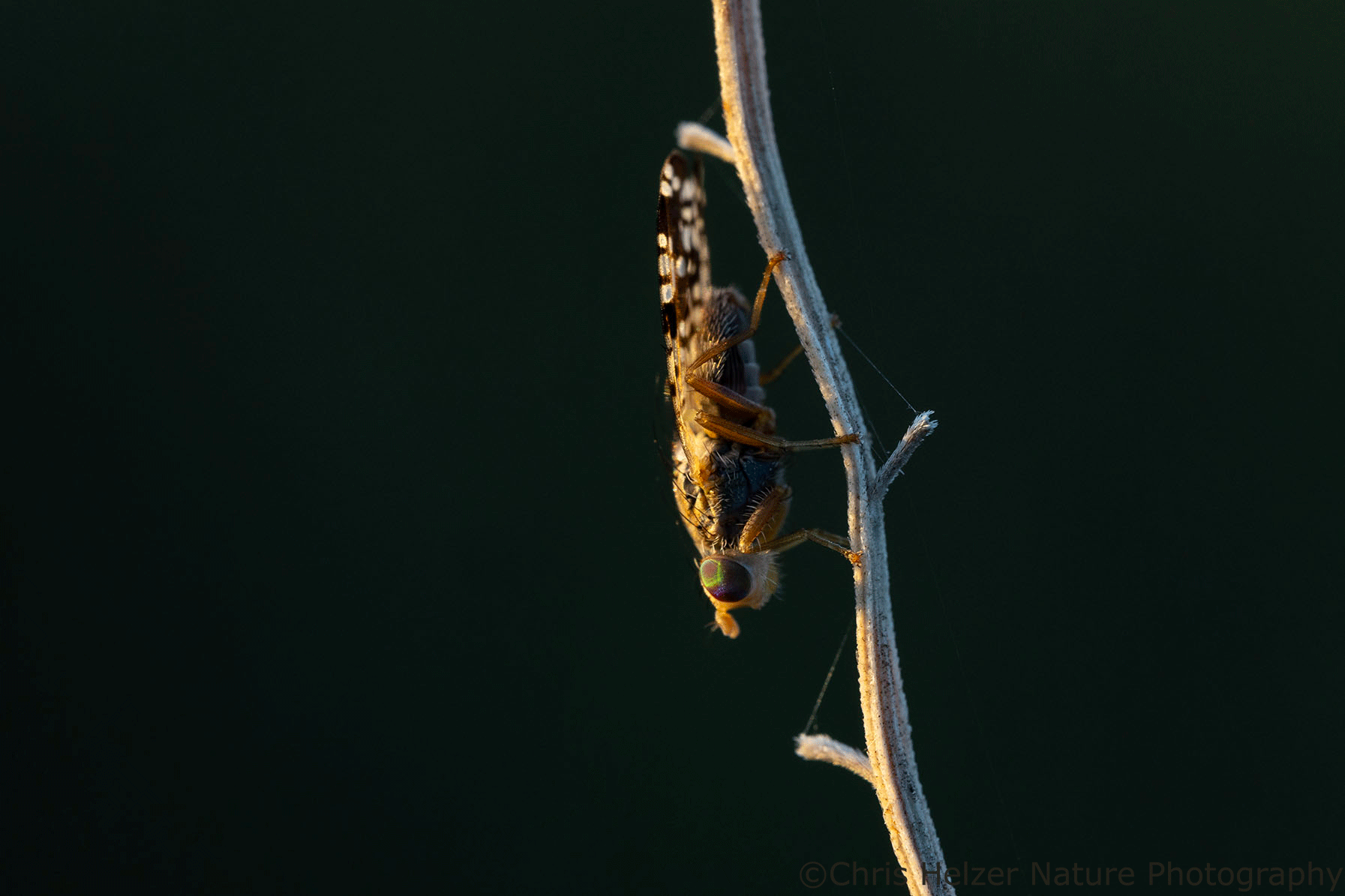
Sunflower seed maggot fly
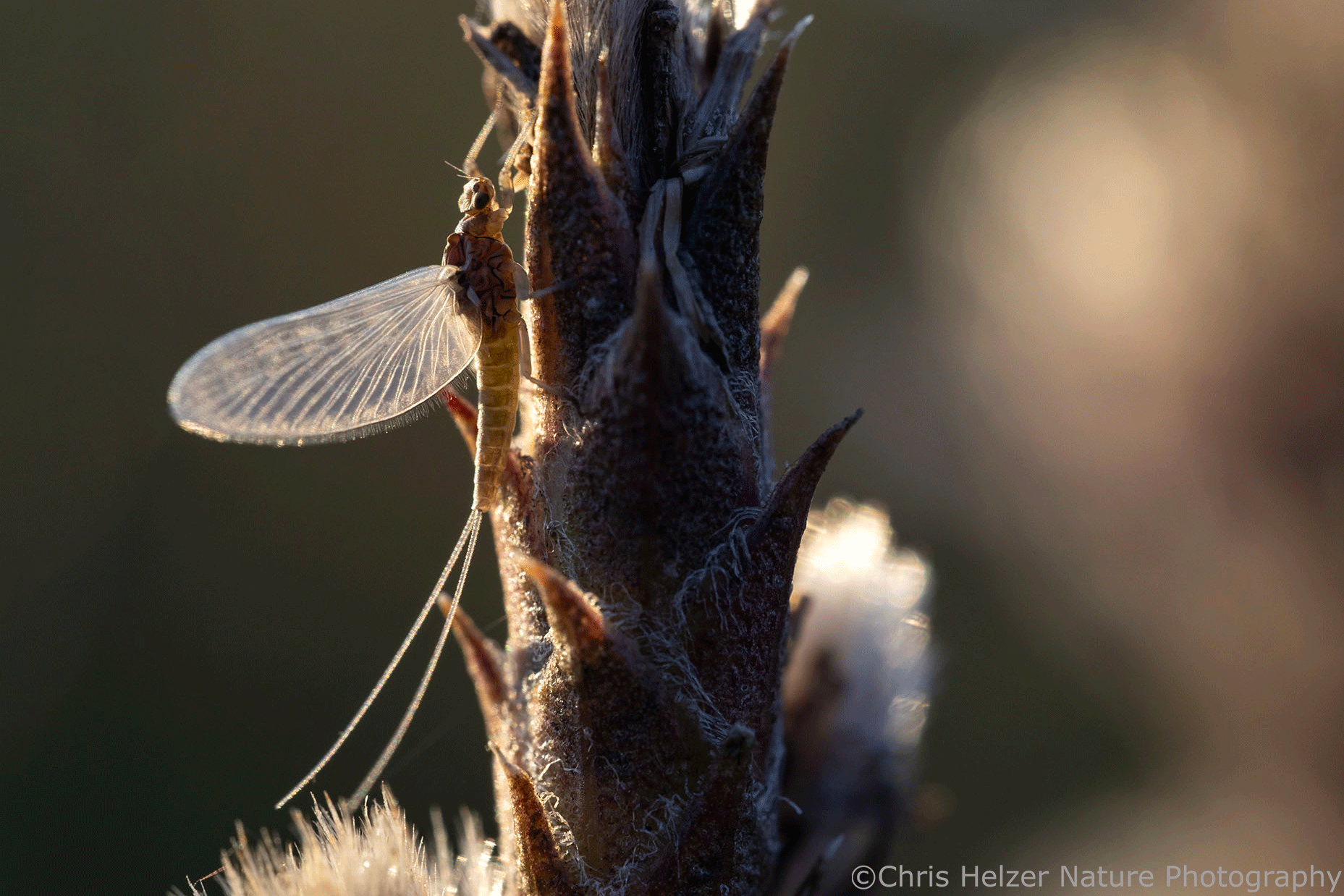
Mayfly
Dotted gayfeather (Liatris punctata)
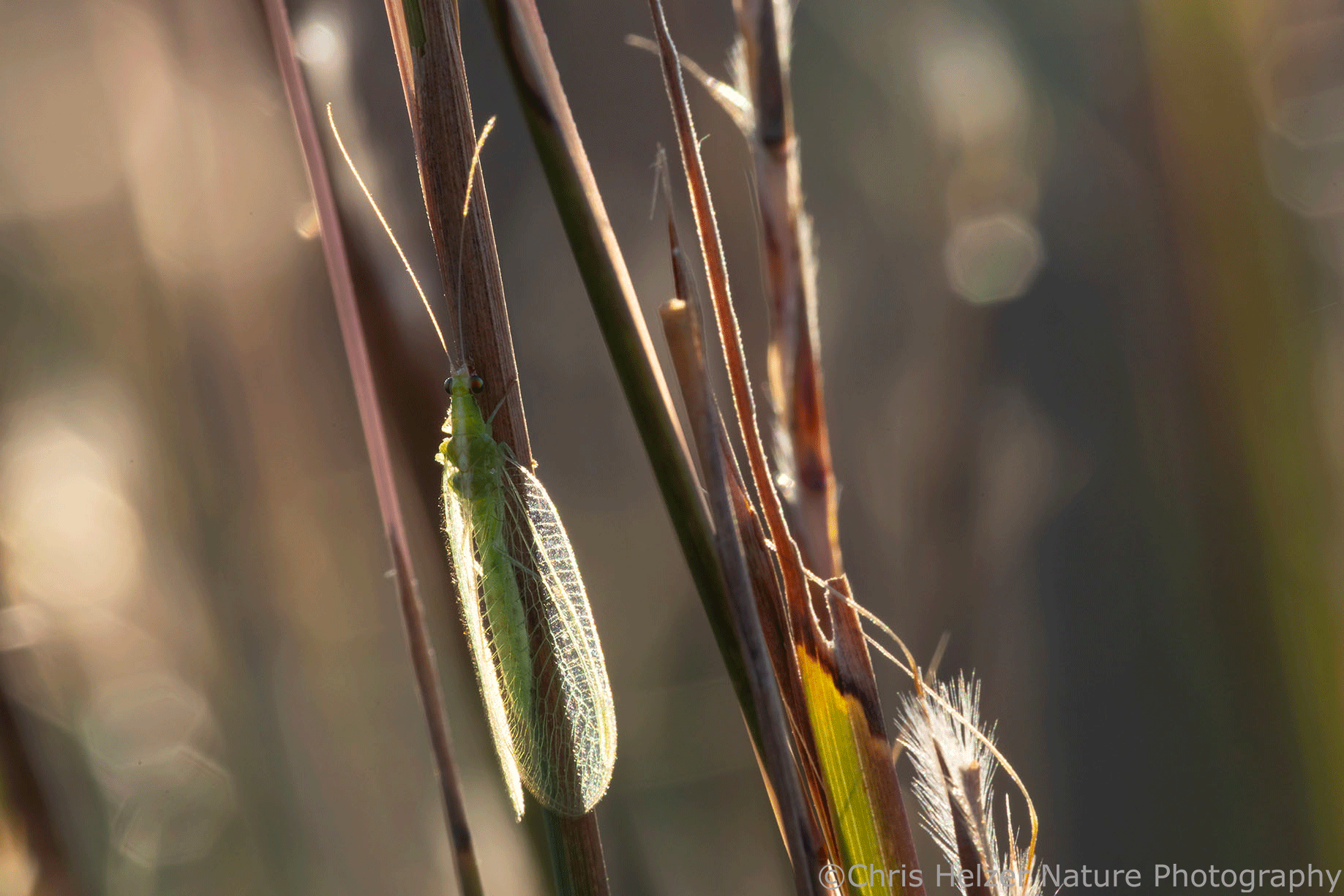
Green lacewing
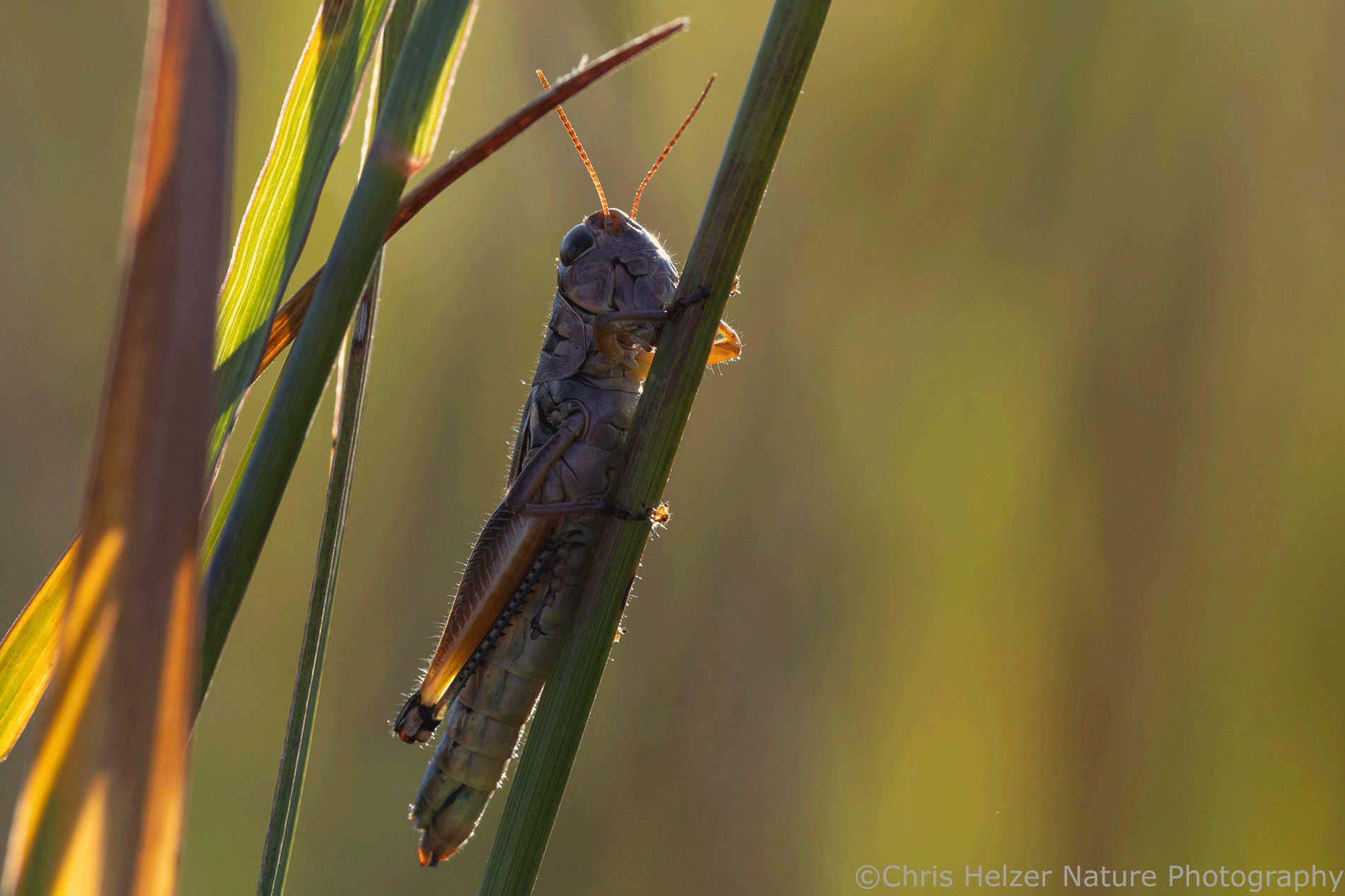
Grasshopper
Narrowleaf four o’clock (Mirabilis linearis)

Since there was only a very light breeze, I spent time photographing spiders on their webs – at least those who tolerated my approach. Most of the time, if I kept my head low as I moved in, they seemed willing to pose for me.

Spotted orbweaver – maybe? (Neoscona crucifera)
A different spotted orbweaver individual
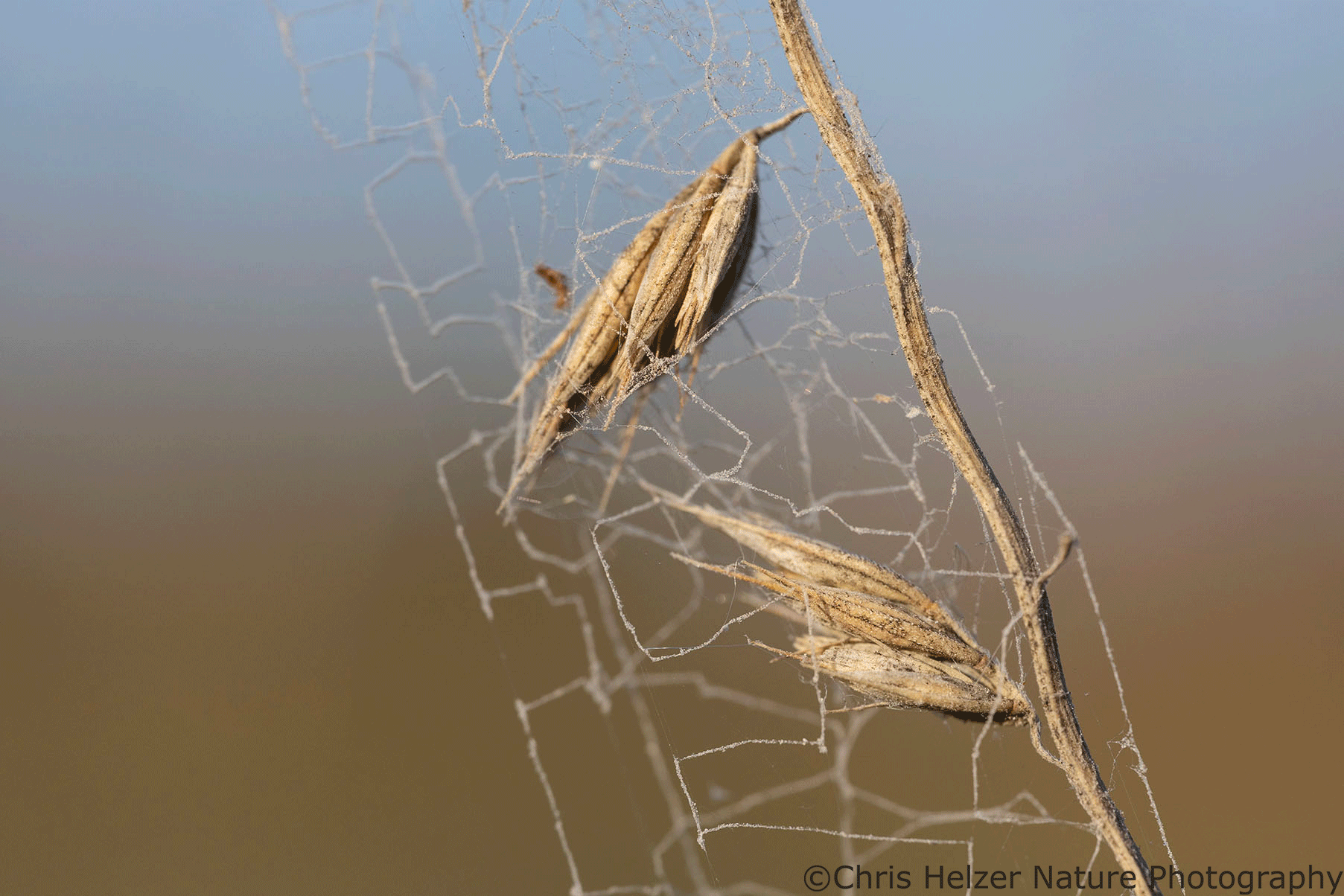
Sideoats grama (Bouteloua curtipendula) and spider silk
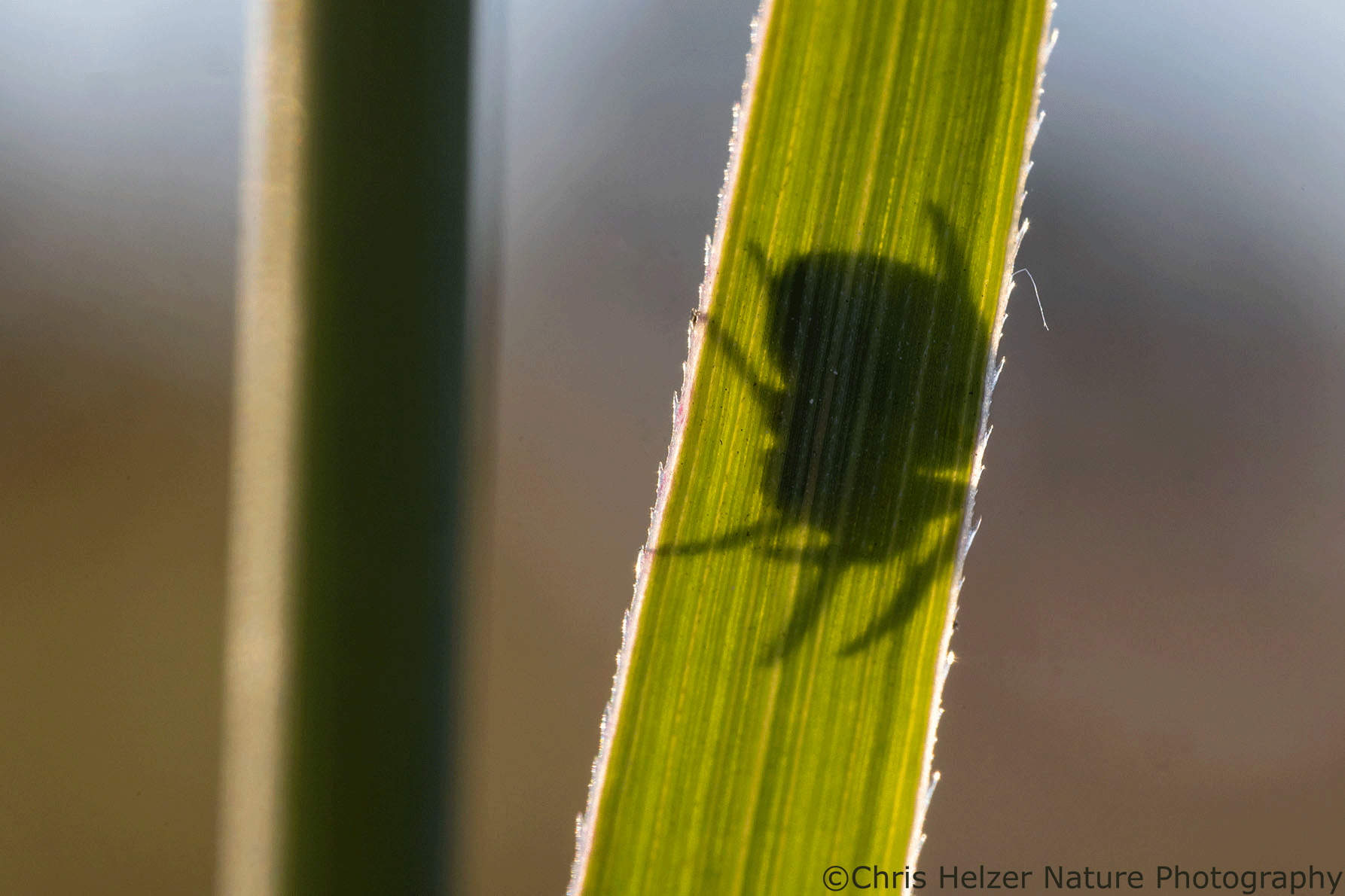
Spider silhouette (jumping spider)
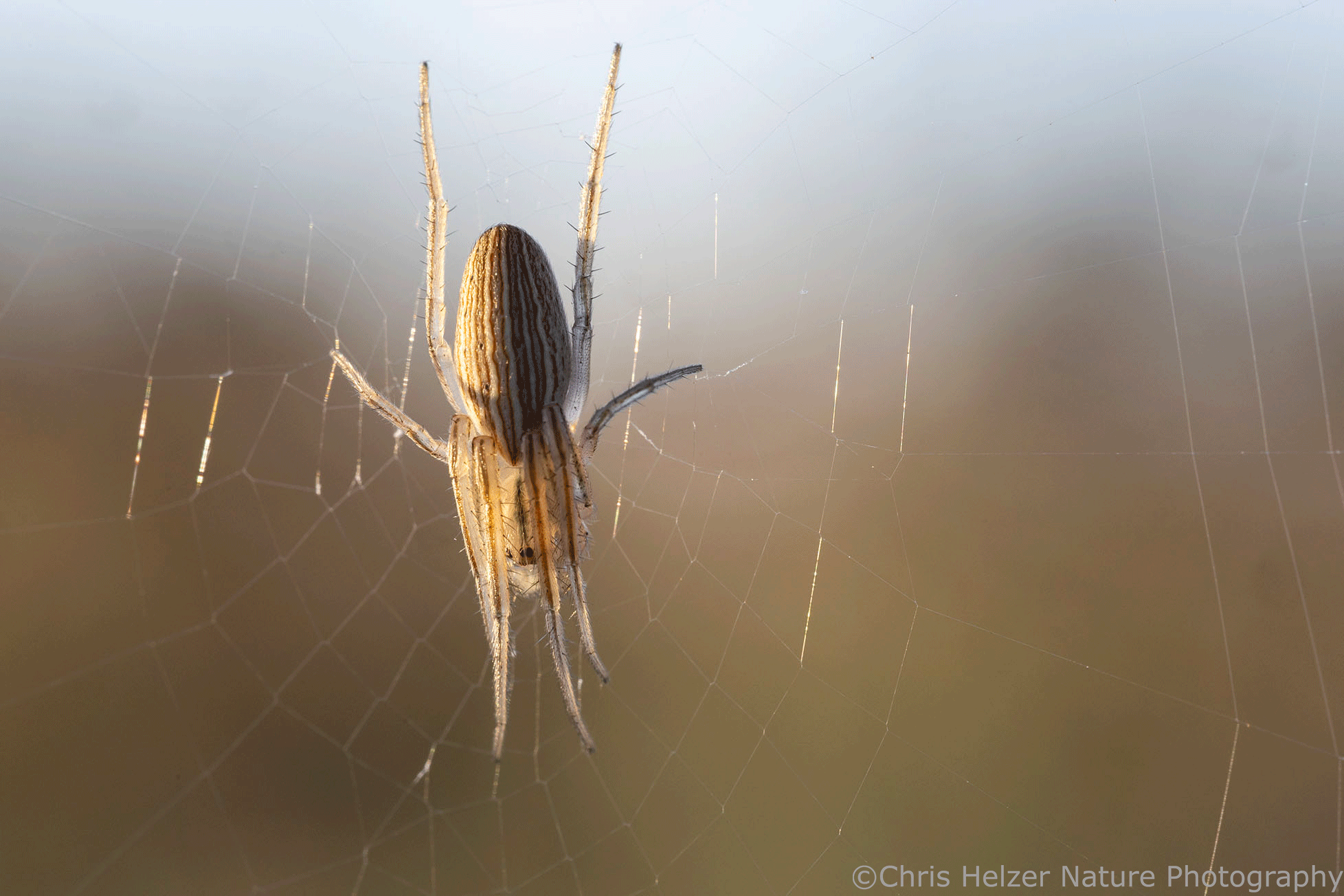
Flower spider (Larinia borealis) or similar species
The same species as above. Maybe. Probably.

Once the sunlight grew too intense for good photography, I drove back down to the finish line and waited for Kim to arrive. While I was there, I hung out and talked to some of the other runners and the race organizers. Every time a runner was spotted approaching the finish line, though, conversations paused and all the runners who were done with the race stood (stiffly and shakily) and limped over to clap and cheer.

Then, I drove my beautiful, sleepy, and sore wife home.