Photo of the Week – September 28, 2012

During the last couple of weeks, the weather and prairies have both made full transitions to autumn.  I’ve been able to grab a little time here and there to snap some portraits of the fall prairie.  I hope you enjoy them.

.

Canada wild rye (Elymus canadensis) stands out against a backdrop of gold and green prairie.

.

A jumping spider peers at me from the stem of a beggarstick flower in a restored wetland.

.
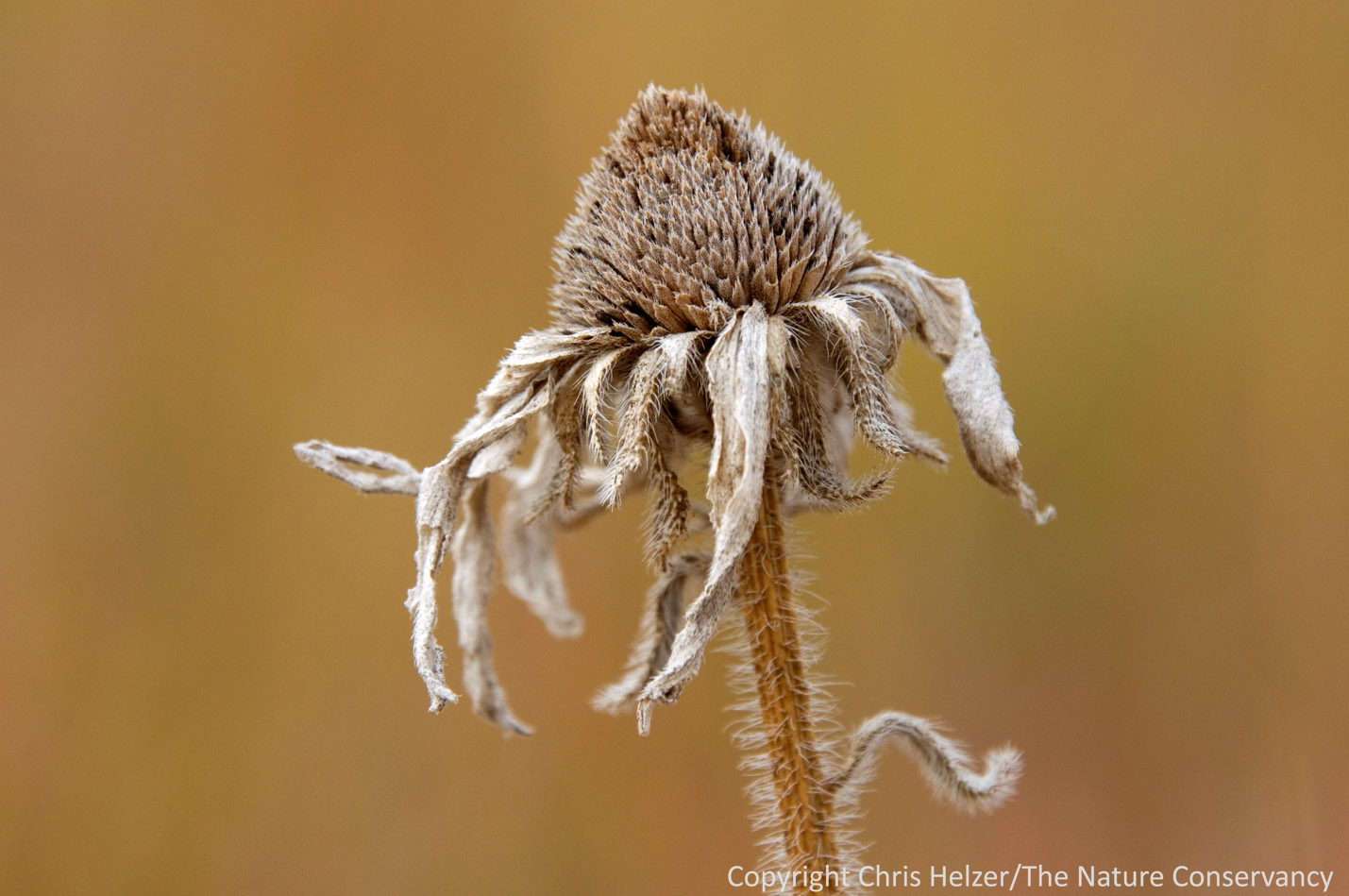
Black-eyed Susan (Rudbeckia hirta) – long since done flowering – is still an attractive flower in the autumn prairie.

.

Stiff goldenrod (Solidago rigida) contributes strongly to the cacophany of yellow flowers in autumn prairies.

.
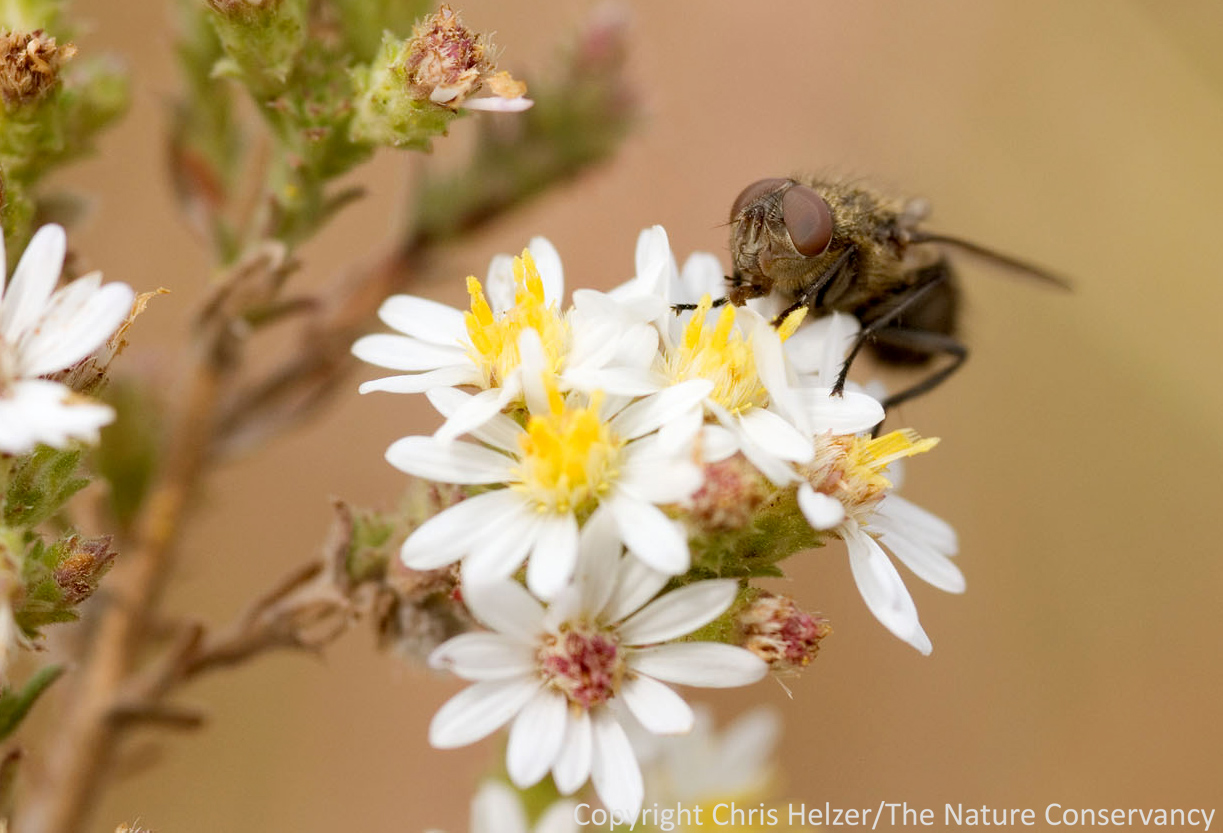
Heath aster (Aster ericoides) is super-abundant this year in some of our prairies, and many pollinators – including this fly – appear to appreciate it.

.
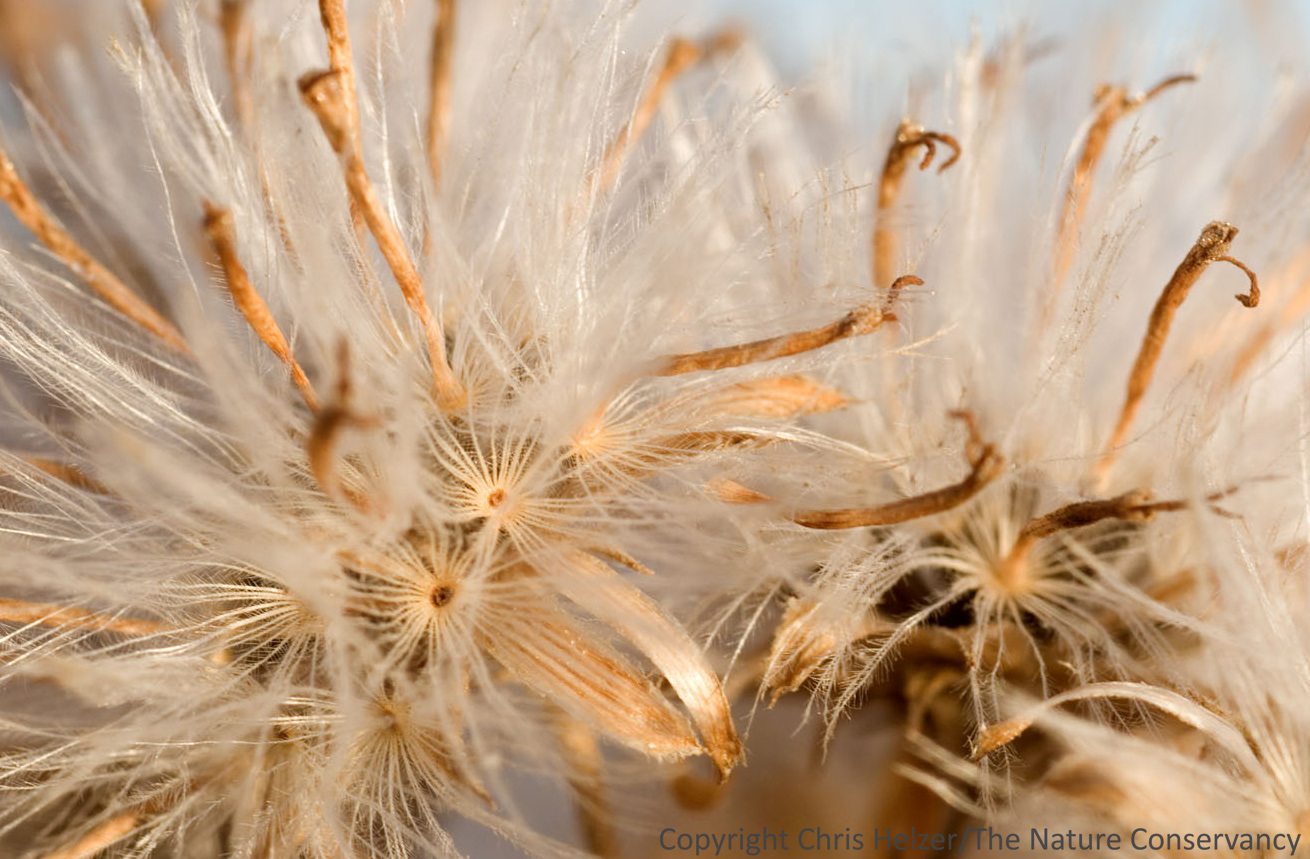
False boneset (Brickellia eupatorioides) is one of the deepest rooted plants in the prairie, which allowed it to flower and produce abundant seed even in this very dry year.

.
An Update on a Wetland Project (Remember the Sludge?)

Several people have asked me to provide an update on the wetland restoration project I posted about last November.  At that time, we’d just completed our second (last?) phase of the dirtwork to convert sand pit lakes to a stream channel and shallow wetlands.  I wrote that we were trying to figure out what to do with a lot of sludge that had floated up from the bottom of the sand pit we’d filled in.  

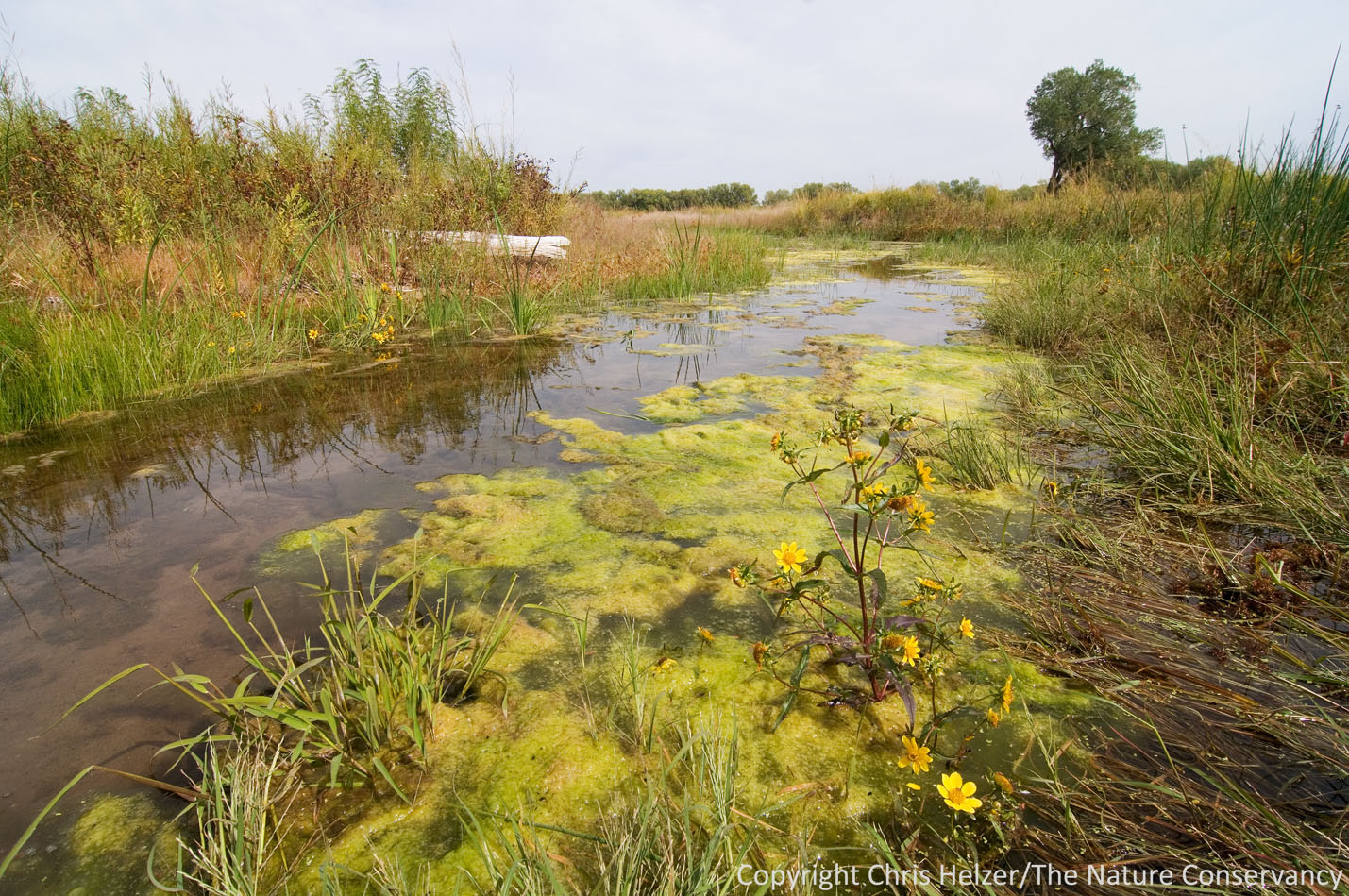
Beggarticks (Bidens sp.) flowers accent a wetland swale that was part of the first phase of the restoration project back in 2001. The 2011 restoration project surrounds that initial phase.  This photo was taken last week.

Well, let’s see…  Since November, the wetland has been very interesting to watch.  We’ve seeded the site a couple times.  Most of the non-sludge-covered area was seeded during the winter and then again in the summer, after many of the smaller wetland channels and pockets off of the main stream channel – that allowed us to get seed into areas previously under water.  We’re starting to see a few plants come in as a result of those seedings, although the dominant vegetation in the most recently-restored portions of the wetland is still mainly annual plants that colonized on their own. 

Continue reading