
I’m sorry not to have posted much lately. It’s not you, it’s me. Well, to be fair, it’s also the roughly 1 million sandhill cranes that come through the Platte River each spring and all the people who come to watch them.
If you’ve never visited the Central Platte River in March, it’s hard to describe what you’re missing. Eighty five percent of the world’s sandhill cranes pour into a fairly narrow reach of the Platte and each bird spends a few weeks or more eating as much as they can. They’re building fat and energy before continuing north to their breeding grounds where they’ll likely be setting up nests in a frozen environment without a lot of available food. While on the Platte, they spend their nights on the river and their days split between corn fields and grasslands, mostly eating corn and various invertebrates.
You can see the cranes by just driving back roads in the area, but the best experience comes from watching them come to the river at night or leave the river in the morning. Check out the websites of our good conservation partners – National Audubon Society’s Rowe Sanctuary and the Crane Trust – to learn more about how to get into a viewing blind along the river bank. If you’re a member of The Nature Conservancy, we also offer a limited number of crane blind tours each spring as a thank you for your support. You can call our Omaha office in January or early February to learn more.
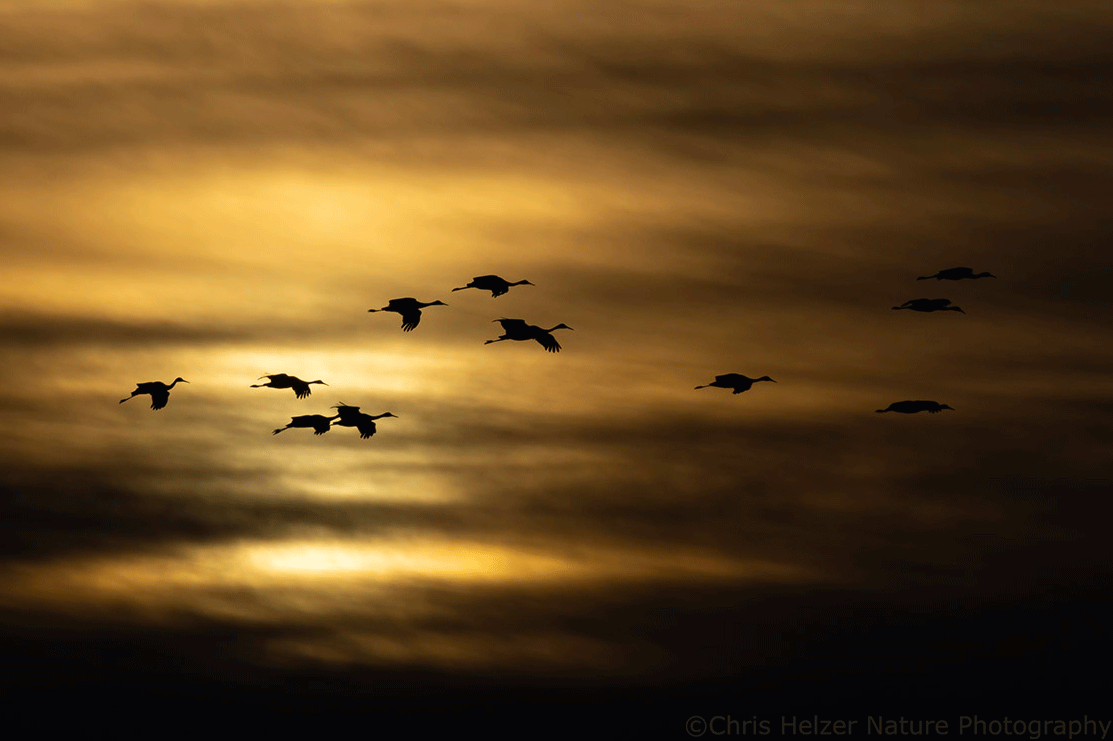
I’ve gone out to the blinds with several groups of guests this year and have given presentations to even more groups about this amazing ecological phenomenon. I’ve managed to get a few photos of cranes during a couple of those river bank visits and am sharing some here, hoping to encourage you to come the birds for yourself.
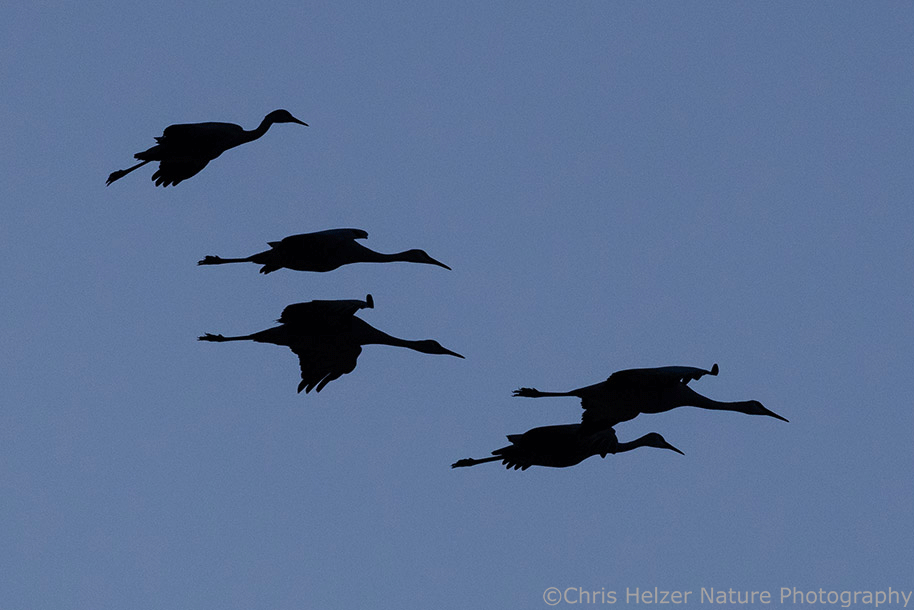
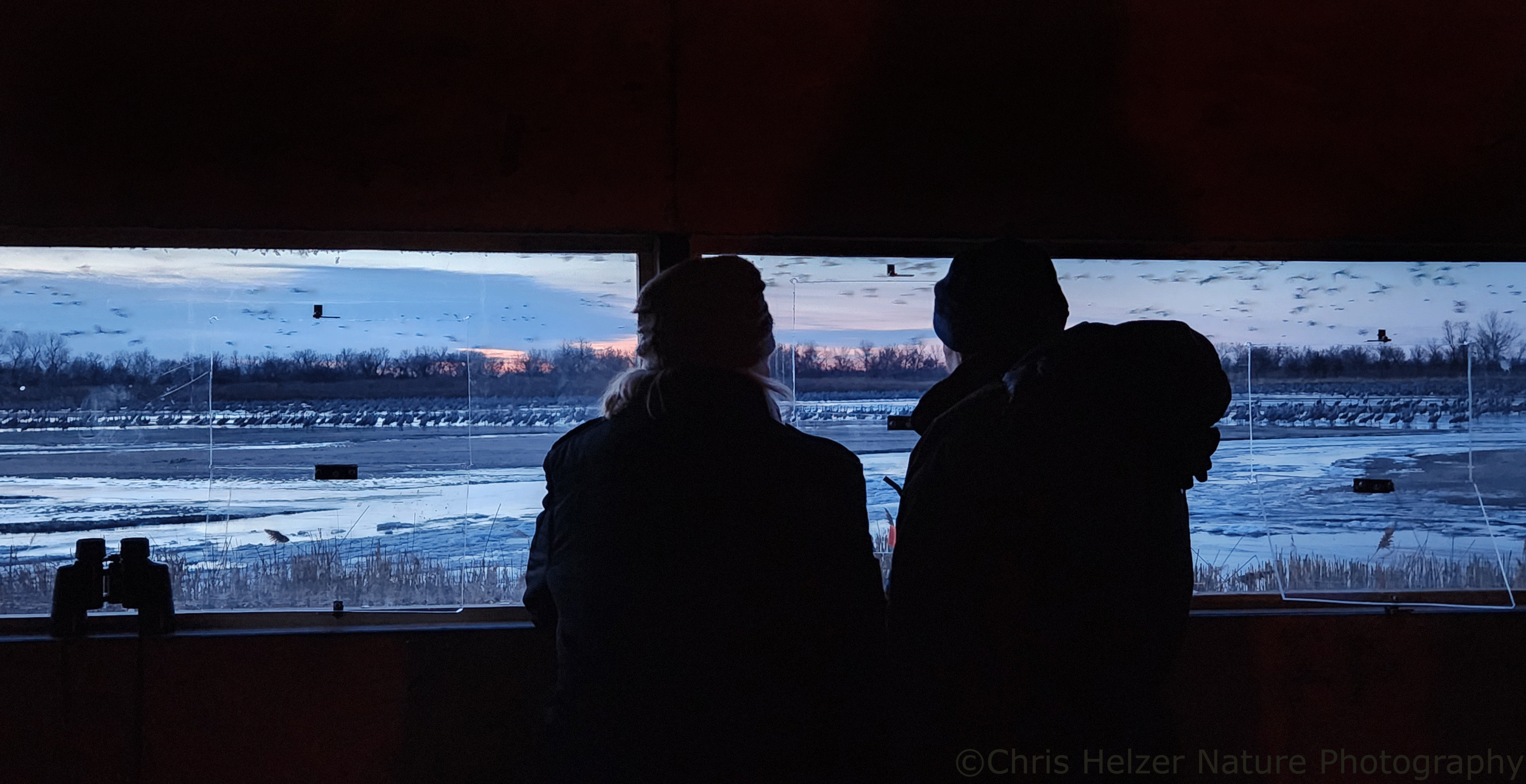
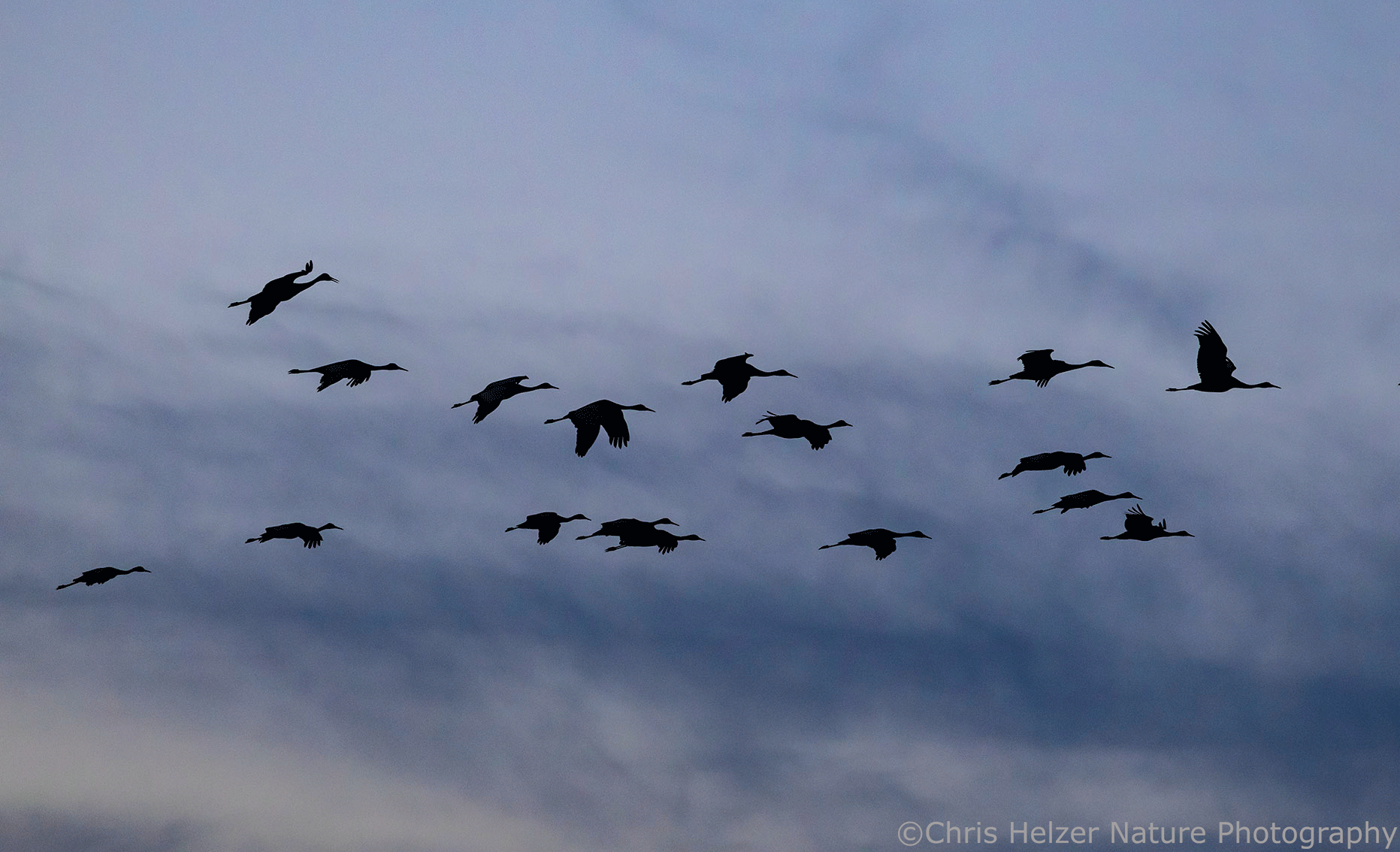
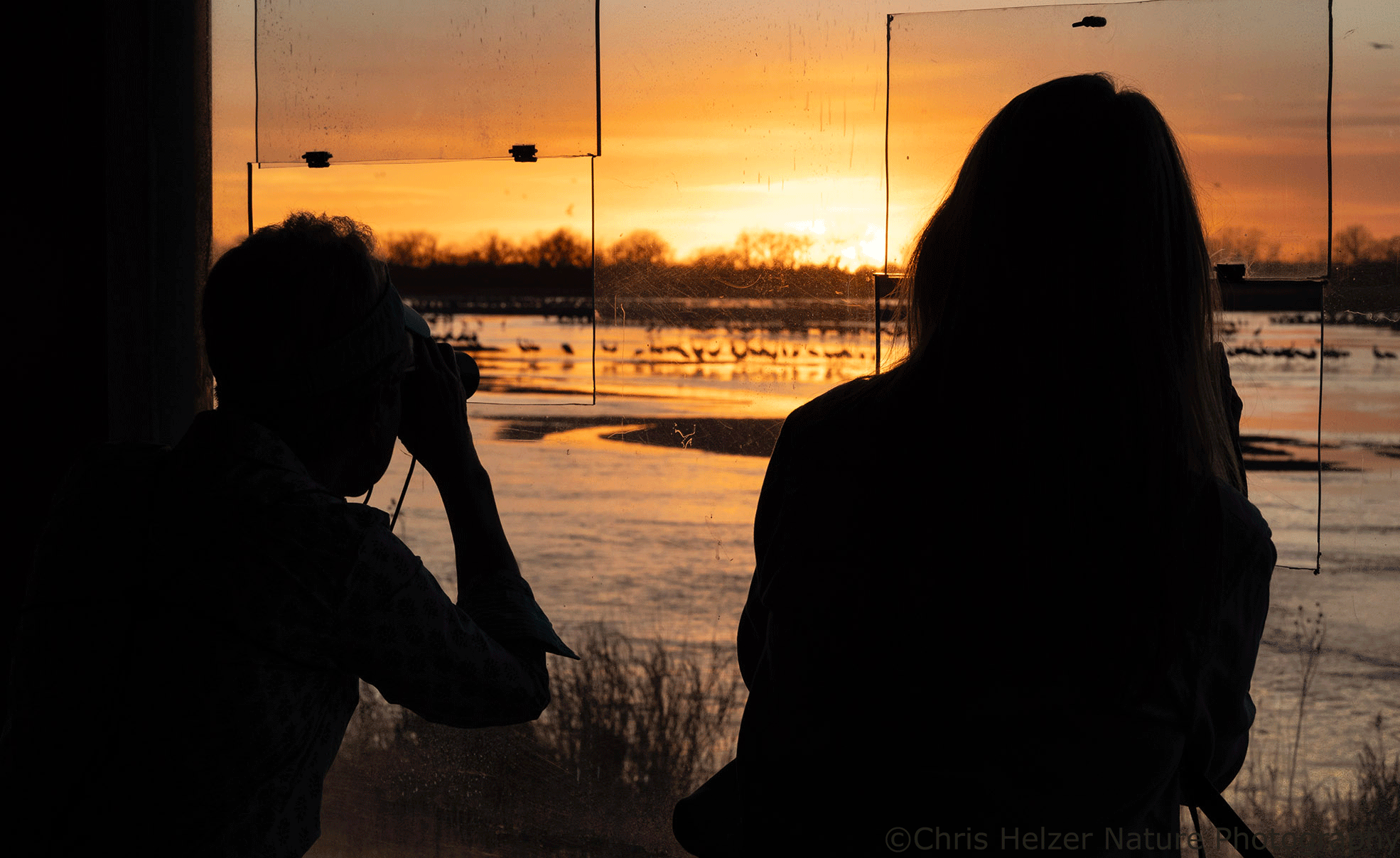
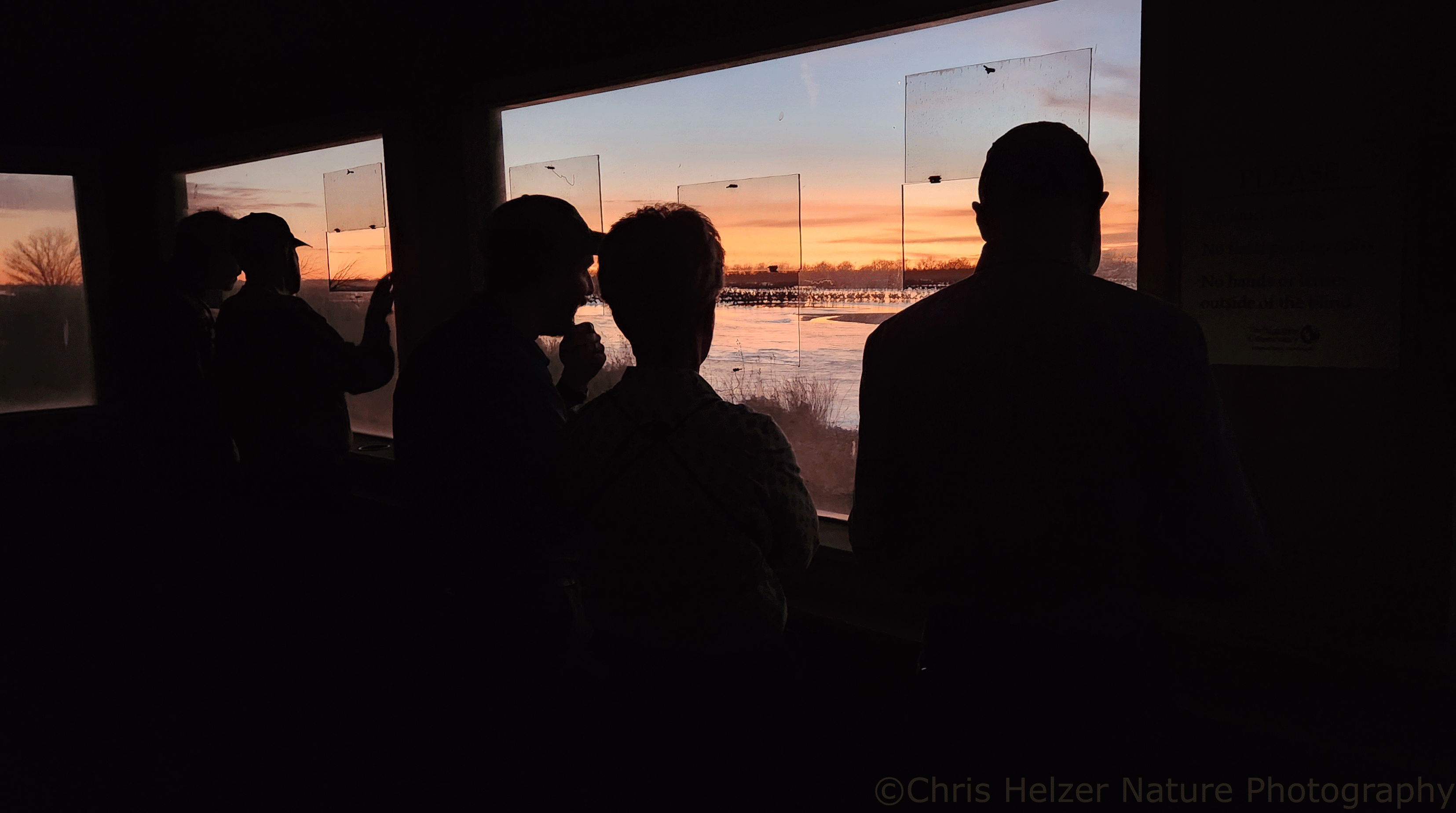
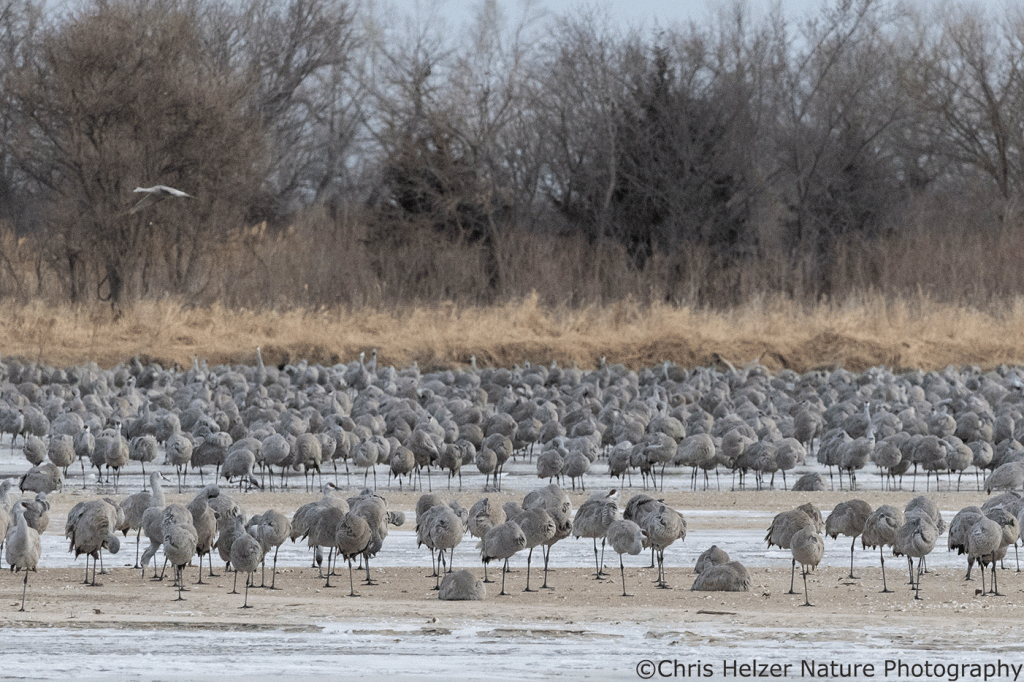
Because the birds decide when and where to roost for the night based on a lot of different factors, we never know for sure what kind of show we’ll get to see from the viewing blind. About a week ago, we watched them crowd against the north bank to escape blisteringly-cold blasts of wind. One a particularly cold morning, some cranes were lying on their bellies to reduce how much of their body was exposed to the cold.
Just a few days later, the cranes were already at the river when we arrived in the evening because they’d been hanging around the water most of the day as a way to mitigate the nearly 100 degree (F) heat.
Sometimes, we see cranes arrive at the roost well before sunset, but often they start arriving as the sun goes down and the majority pour in just before it’s too dark to see them. And, sometimes, they decide to roost in a part of the river that doesn’t include our viewing blinds.
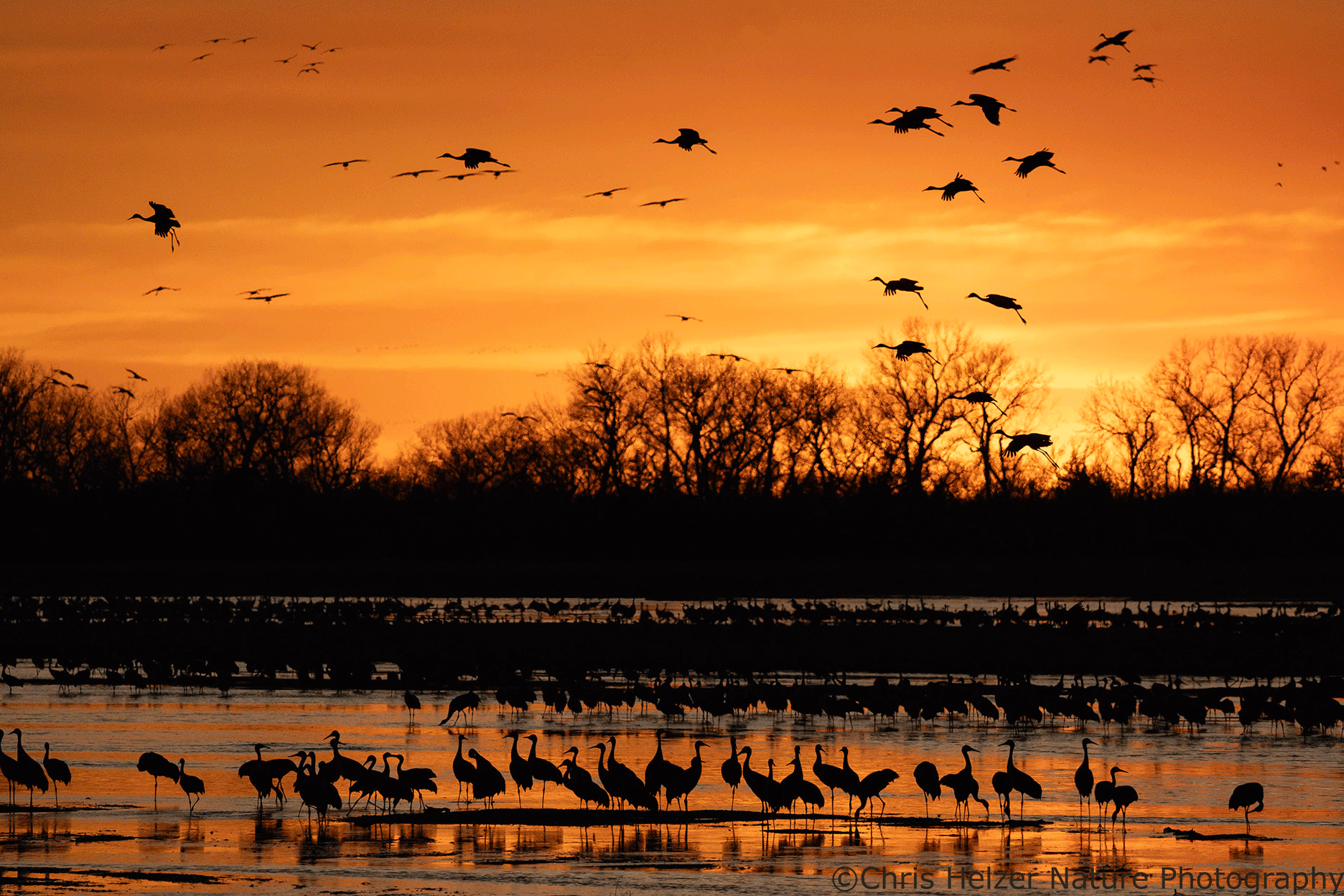
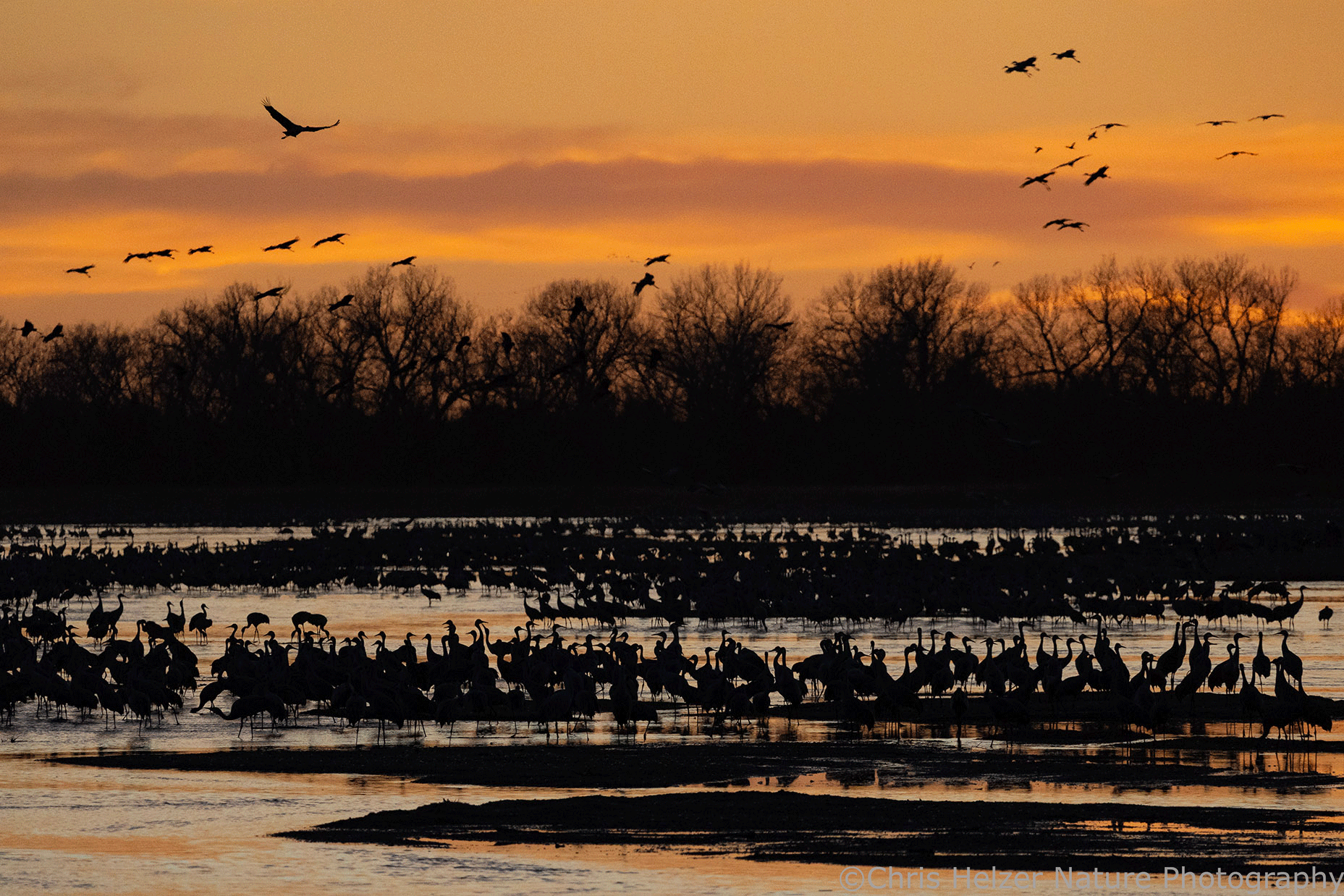
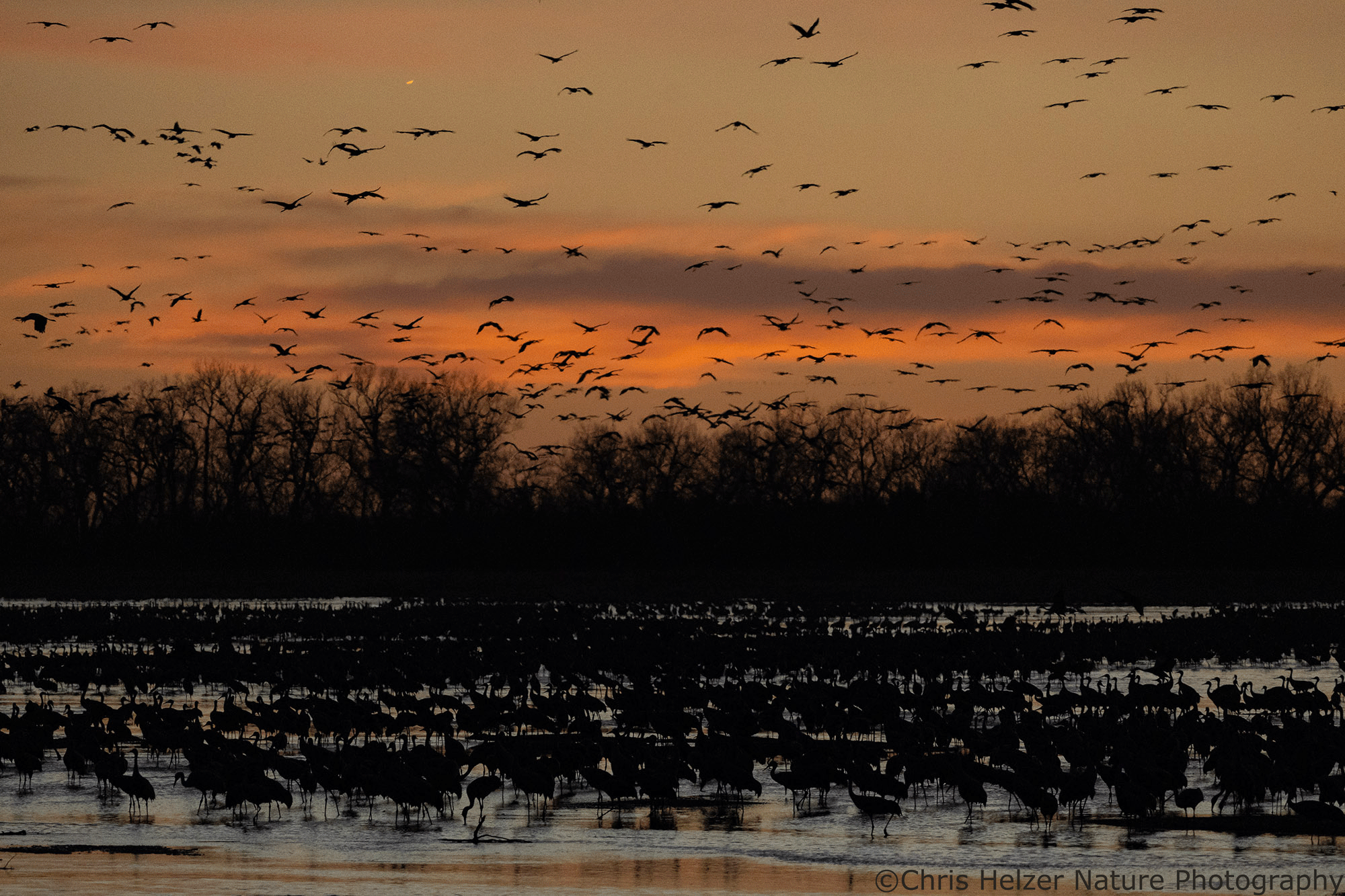
The following four photos from late last week show a time progression over about 20 minutes as the sun dipped below the horizon and cranes poured into the river. This was one of the very warm nights when there were quite a few cranes in place when we showed up, but lots more came in as the night progressed.
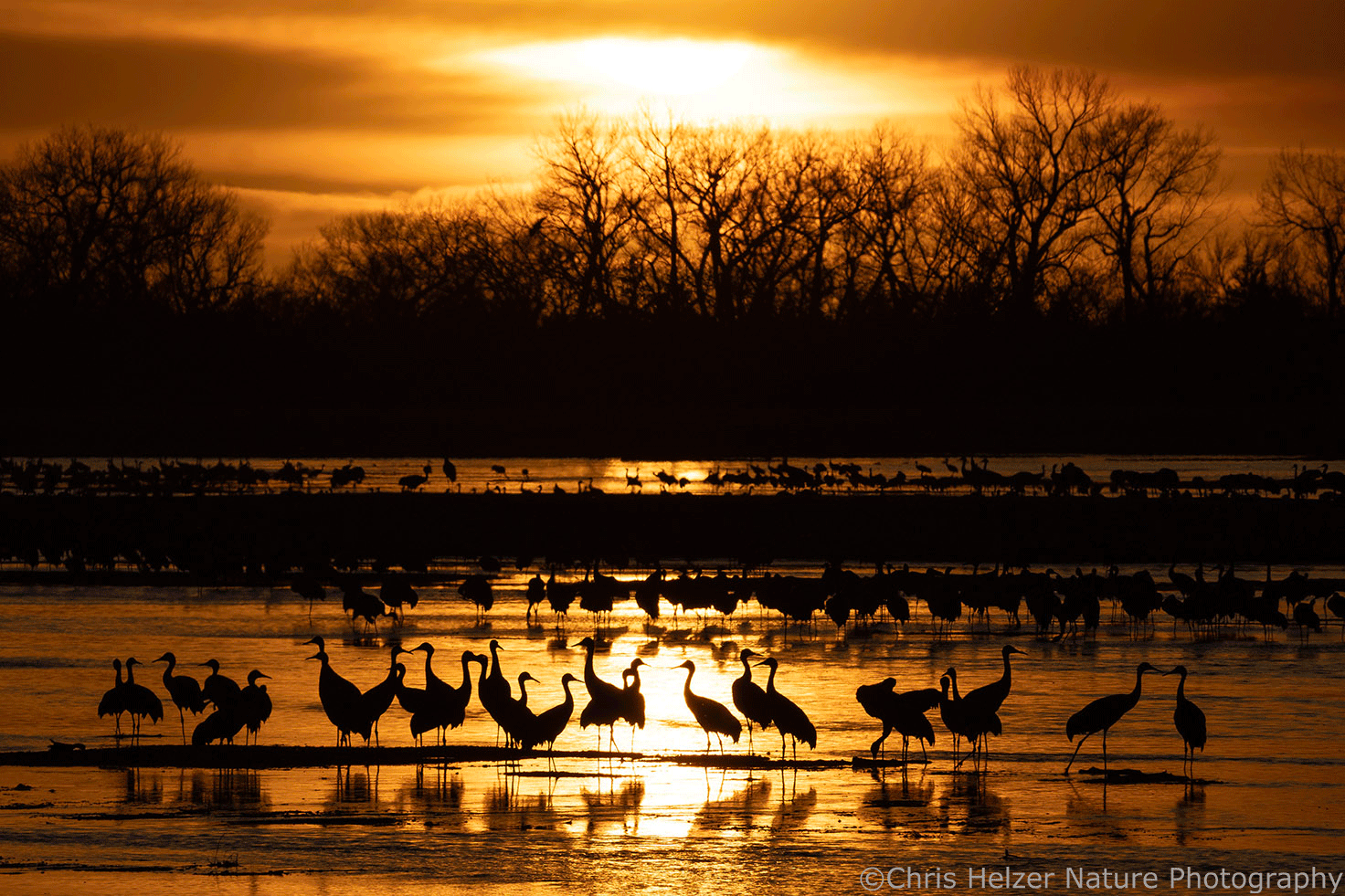
So, that’s what’s happening around here – along with lots more. I will try to get some more blog posts out soon.
In the meantime, I hope you’re enjoying the spring wherever you are, except for those of you in the southern hemisphere who are in the midst of autumn. I hope you’re enjoying the autumn.
Wherever you are, if you get the chance to come see the cranes on the Platte River, I think you’ll find the experience worthwhile.
 The Prairie Ecologist
awesome! Great pictures. I am in Florida for the winter every year and I always see them and think about them, hoping they have a good journey north. Fills my heart.
Terrific post, Chris. We are in NE this week on TNC trip – very much looking forward to experiencing the cranes on the Platte! Thank you for all the work you do.