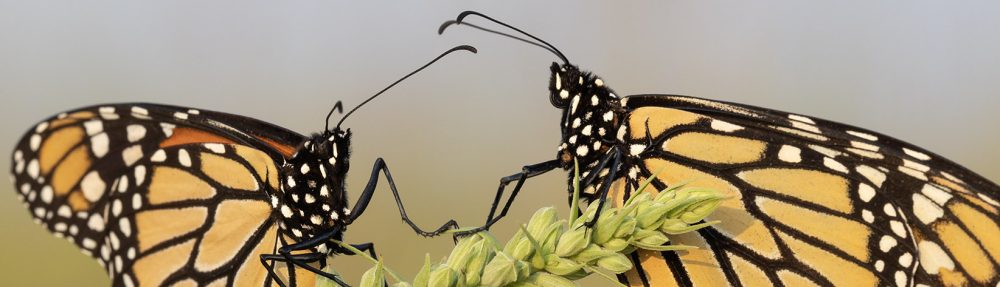

This post is written by Kim Tri, one of our two Hubbard Fellows for this year. Kim is an excellent artist, as well as an ecologist, writer, and land steward. As you can see, her drawings of animals are exceptional.

13-lined ground squirrel. Ink drawing by Kim Tri.
When it’s a streaked gopher! That is the common name that I grew up with for the thirteen-lined ground squirrel (Ictidomys or Spermophilus tridecemlineatus). Imagine my disappointment when I found out that actual gophers are 1) not closely related, and 2) look like this:
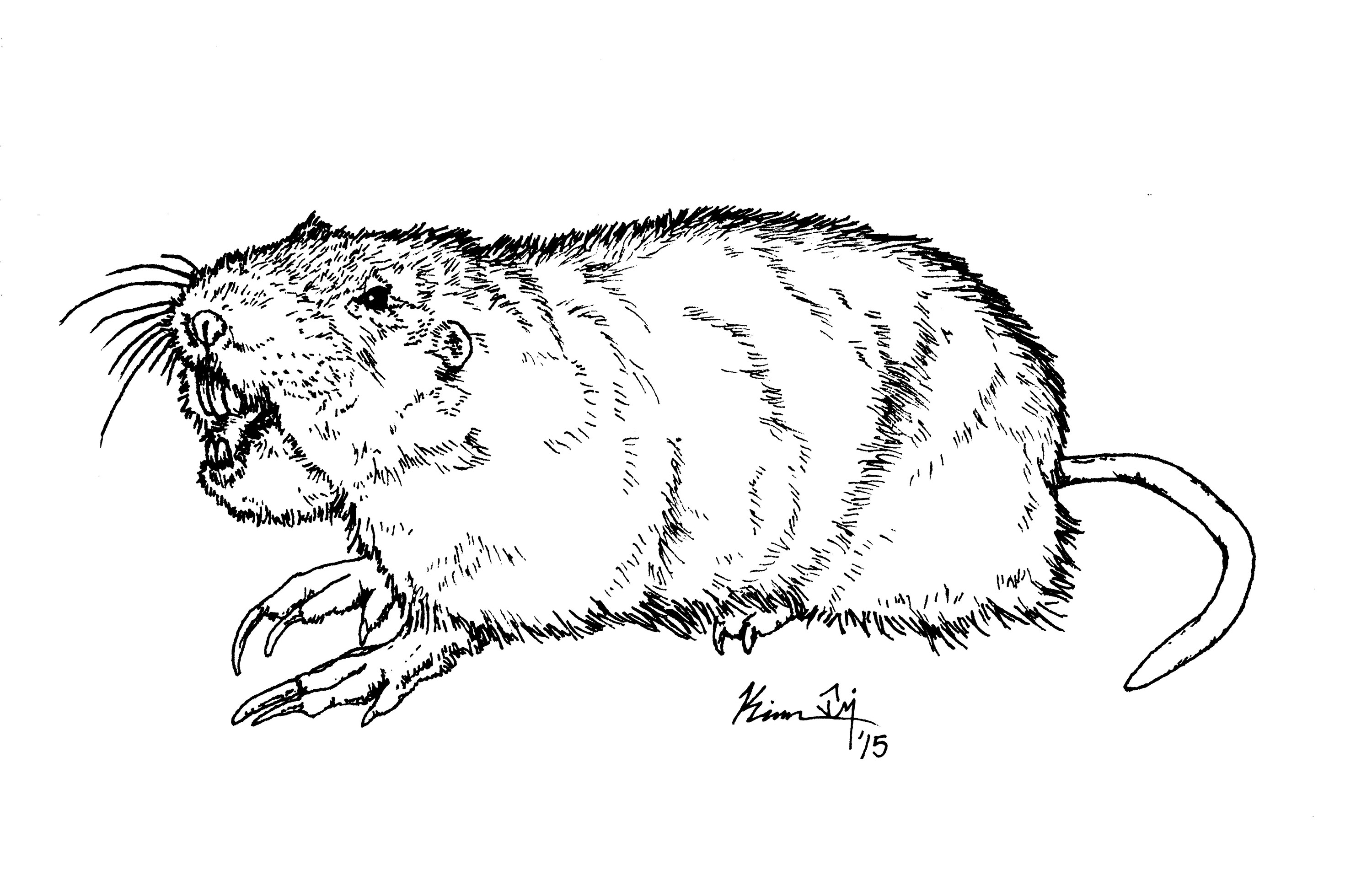
Plains pocket gopher (Geomys bursarius). Ink drawing by Kim Tri.
Pocket gophers are one of the few animals that I would describe as “ugly.” Note: I do not use this word to describe pugs, star-nosed moles, aye-ayes, vultures, or a number of animals termed by most people as “ugly.”
As far as I can tell, the misnomer of “streaked gopher” (with streaked inexplicably being pronounced with two syllables) is unique to my family, as I have yet to find anyone who has ever heard of it who is not related to me. “Striped gopher,” however, is a more common name, especially back in Minnesota, or the Gopher State (the MN Dept. of Natural Resources refers to it as the “Minnesota Gopher” on their website). It is partially responsible for this unfortunate mascot. University of Minnesota students will freely admit that mascot of Goldy Gopher was designed by someone who did not actually know what gophers look like.
Both thirteen-lined ground squirrels and pocket gophers are rodents, but the relationship ends there. I. tridecemlineatus belongs to the family Sciuridae, which includes your familiar tree squirrels and chipmunks, and your less familiar (depending on where you live) ground squirrels, prairie dogs, flying squirrels, and marmots. Pocket gophers belong to the family Geomyidae, which includes pocket gophers, end of list. Both animals dig burrows and spend time underground, but since pocket gophers eat mainly roots and tubers, they need rarely come up to the surface and have taken burrowing to the next level. They have oversize front paws for digging and lips that close behind their massive incisors, so that they can excavate with their chompers without getting a mouthful of dirt. Their eyes and ears are small and weak because sight and hearing are not very important underground. Thirteen-lined ground-squirrels, on the other hand, are part of the group of spermophiles, or “seed-lovers,” (though they eat a lot of insects as well) and consequently spend much of their time foraging aboveground and are less specialized for burrowing. They’ve kept the squirrel’s nimble forepaws as well as good eyesight and hearing for detecting predators and prey alike.
I’ve always been enamored of thirteen-lined ground squirrels. I mean, look at that face. Then look at the clever little paws, sleek body, and intricate design. Growing up, I could watch them sometimes from the kitchen window, and can do the same here. We share the yard with a family of them, and it delights me to see them. They build little tunnels through the pile of grass clippings that have accumulated by the walkway and use them as cover while they forage in the backyard. Their favorite pile seems to be right outside of my window, so I have had plenty of opportunity to watch the little ones playing and growing throughout the summer. They never paid me much heed, so I just assumed that they couldn’t see me through the window screen. After spending quite a while standing not very still within a few feet of a foraging ground squirrel, I have since concluded that they simply don’t care about people. They know that they can be underground before I can even bend down to snatch them.
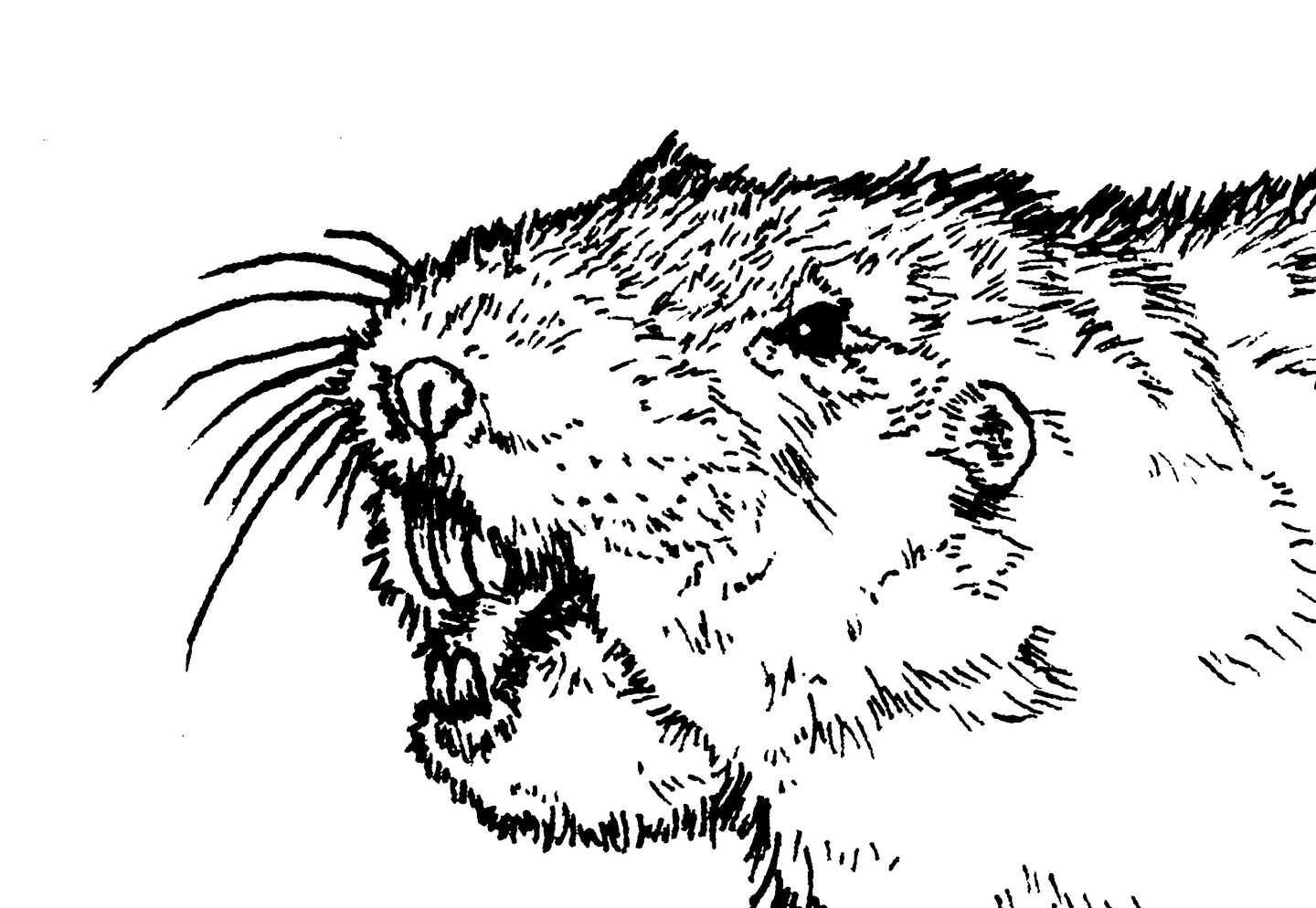
Disclaimer: I am not bashing pocket gophers. Their adaptations for burrowing make them pretty cool, at least to me, as do their “pockets”—cheek pouches for carrying food which extend all the way onto their shoulders and can be turned inside out. I just think they’re ugly.
But, you know, the more I look at them, the more I see some cute in them. I mean, look at that face.
P.S. If you want to see how Minnesotans feel about real gophers rather than people in striped gopher costumes, look up Viola Gopher Days, which take place near my home town. I personally have never been and can’t decide whether I find it grisly or folksy.