LANDSCAPE EXPERIENCES MAJOR SHIFTS IN APPEARANCE OVER SHORT TIME SPAN

As I was preparing to post this blog, I received the latest installment of Ian Lunt’s blog, which gives very good advice to science bloggers about how to capture and hold an audience’s attention.  Ironically, I’d just been worrying that my new post wasn’t as pithy as it could be, and had even asked my kids to read it and tell me what they thought.  I didn’t actually change the post after reading Ian’s advice, but I did change the “headline” to make it more snappy.  I hope Ian approves…  (The fact remains, however, that the following post is really just a series of pictures I thought were nice, so feel free to skip it and find something more productive to do.  The only good news is that there’s very little text to slog through…  So, with that sales pitch – here you go!)

I’ve been going through more timelapse images from the Niobrara Valley Preserve recently.  There are numerous story lines from the cameras there, all of which tell a tale of recovery and resilience following the big wildfire in 2012.  In a smaller way, however, looking through the images also demonstrates how much the appearance of a site changes from day to day.

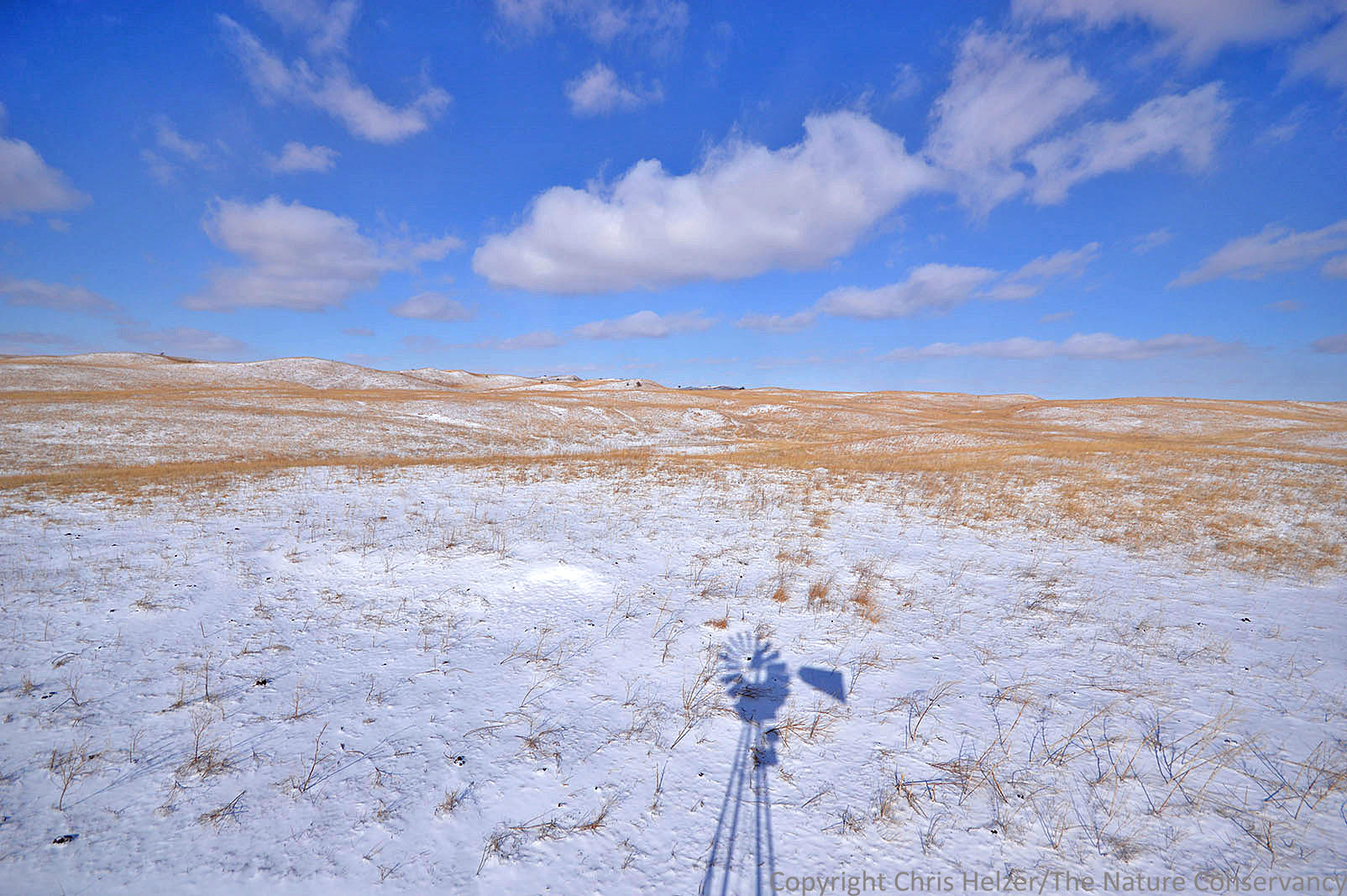
In this post, I’m showing seven images taken by the same camera, from the same perspective, but on different days and at different times through the 2014 season.  The camera that took the photos is mounted high atop a windmill at the south end of a 10,000 acre bison pasture.  These seven images of sandhill prairie span an eight month period.
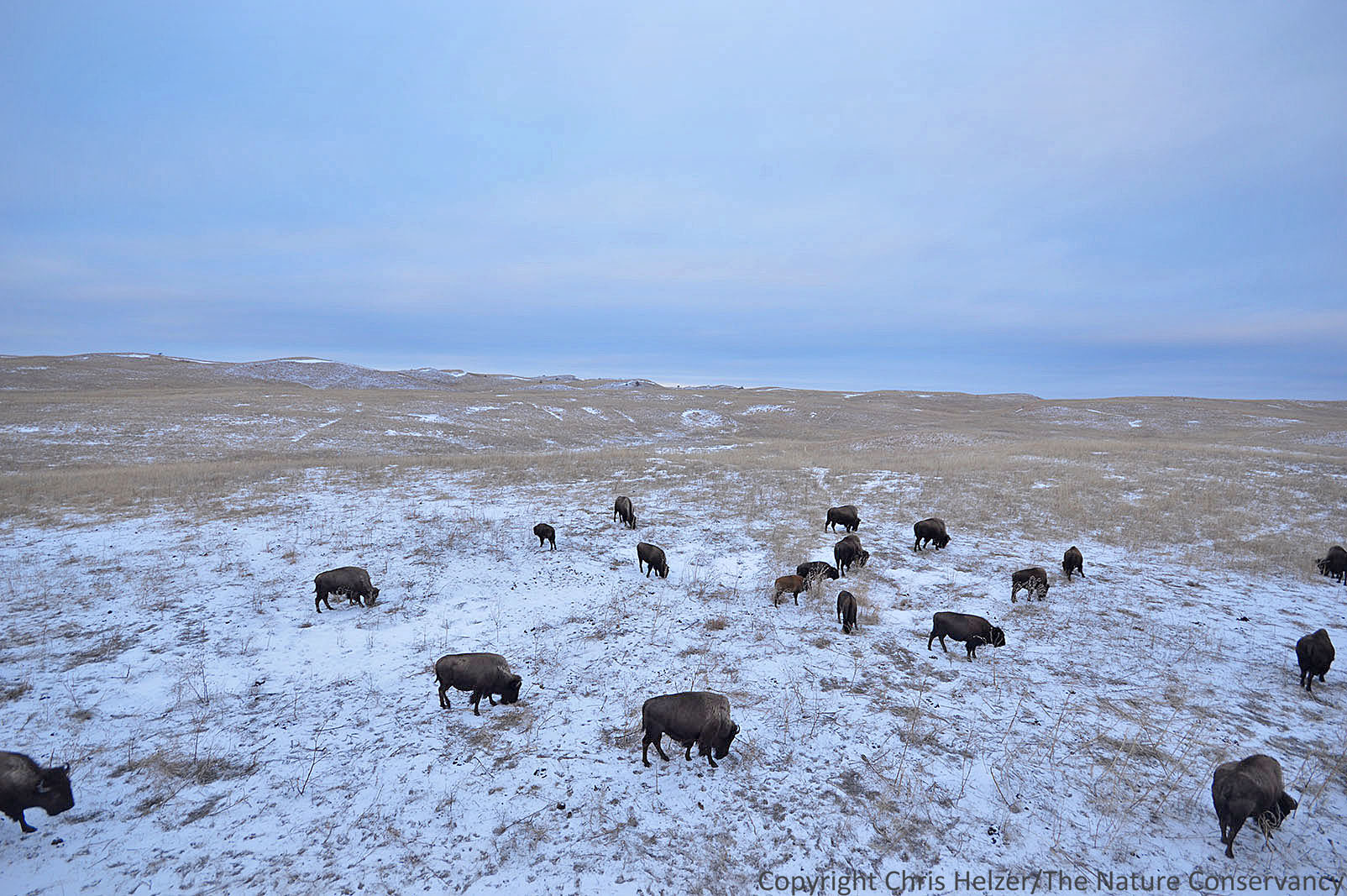
January 8, 2014.  6pm.
January 8, 2014. 6pm.

February 5, 2014.  3pm.

February 5, 2014. 3pm.

April 5, 2014.  7pm.

April 5, 2014. 7pm.

May 17, 2014.  7:30pm.

May 17, 2014. 7:30pm.

July 24, 2014.  9pm.

July 24, 2014. 9pm.


August 15, 2014.  9:30am.

August 15, 2014. 9:30am.

August 15, 2014.  8pm.

August 15, 2014. 8pm.

All of us who visit someplace regularly recognize that it never looks exactly the same twice, but we usually compare what we see today with what we remember from an earlier time.  Timelapse photos allow us to record those variations and compare them side by side.

Ok, sure, the presence or absence of bison helps distinguish some of these photos from others, but bison are also a part of (and a driver of) the changing landscape at the Niobrara Valley Preserve.  More to the point of this post, however, are the differences in the quality, direction, and intensity of light between photos; not to mention the varied appearances of the sky and the growth stage of the prairie vegetation.  The prairie can look starkly different even within the same day – as shown by the last two photos.

There are countless reasons a prairie changes in appearance from day to day, even from moment to moment.  More importantly, however, those changes should motivate us to get out and enjoy nature even more often.  After all, you never know what you’ll see!

As always, thanks to everyone at Moonshell Media for their help with this timelapse project.  
Karen’s Wetland Videos

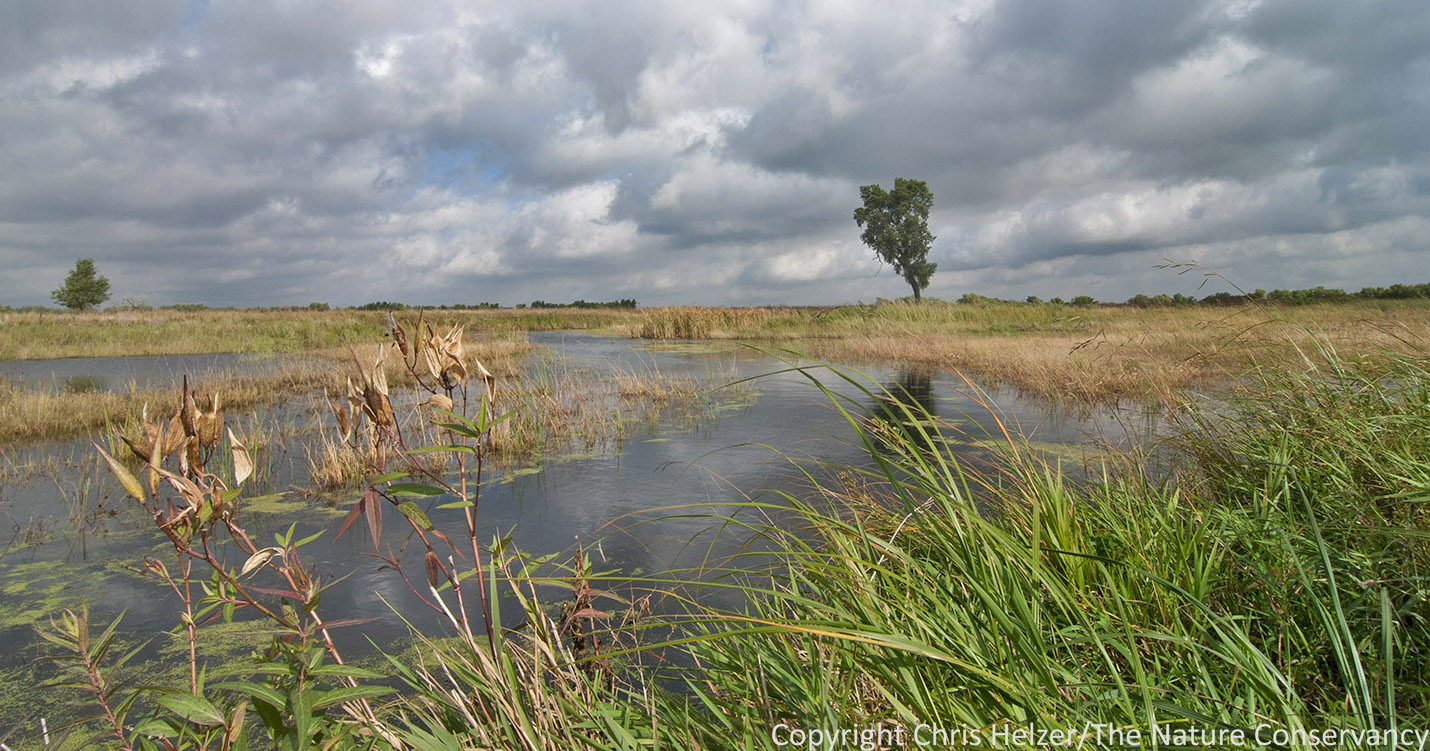
One of my favorite places within our Platte River Prairies is a restored wetland we usually call “the sandpit wetland” because it is a former sand and gravel mining pit.  We restored the site over about 10 years, a little at a time, and it now features a meandering stream and various side channel, backwater, and off-channel pockets.  You might remember the site from previous posts, including this one about sludge and this one (or this one) about timelapse imagery.

The Derr Sandpit wetland (2013 photo).  The Nature Conservancy's Platte River Prairies, Nebraska.

The Derr Sandpit wetland (2013 photo). The Nature Conservancy’s Platte River Prairies, Nebraska.

I always enjoy walking around the wetland – even if I’m fighting off invasive species – because there’s so much to see.  I have a pretty good feel for the plant community at the site because it’s easy to find the plants and watch their slow movements around the wetland over time.  There are more invertebrate species than I’ll ever be able to count, of course, let alone see, but I can usually find quite a few of them if I look.  However, it’s harder to see and keep track of the larger animals – the birds, reptiles, amphibians and mammals.  For some reason, they don’t usually show themselves when I’m there…  (Especially the otters…. don’t get me started.)

Our timelapse imagery over the last couple years has helped us keep track of some of the wildlife use at the site, but since those cameras only take photos at regular hourly intervals, catching animals in front of the camera is just a happy accident.  Now, however, one of our longest tenured volunteers, Karen Hamburger, has taken it upon herself to find out what’s really out there.  During the last year or so, she’s been setting a trail camera (actually more than one, since at least one was inundated in a flood) in various places around the wetland and capturing views of many wildlife species.

I finally had a chance to go through some of her favorite video clips the other day, and I made a short 3 minute video montage with some of them.  It includes several bird species, beavers, deer, raccoons, and even (sigh) otters.  We knew from tracks and other sign that most of these animals were around, but it’s one thing to see footprints and another to watch the critters themselves!  This video gives us a wonderful and unique perspective on what happens at our wetland when we noisy blundering people aren’t around.

I hope you enjoy it.


THANK YOU to Karen for all the work to capture these moments for us, along with all the other work she’s done over the years!

If the video doesn’t display correctly above, you can try clicking HERE instead.