
Back in 2025, Kaden Polt, a student at the University of Nebraska-Lincoln embarked upon an ambitious research and storytelling project. He deployed 54 camera traps to investigate and document the effects of prairie habitat heterogeneity on small mammals at The Nature Conservancy’s Platte River Prairies.
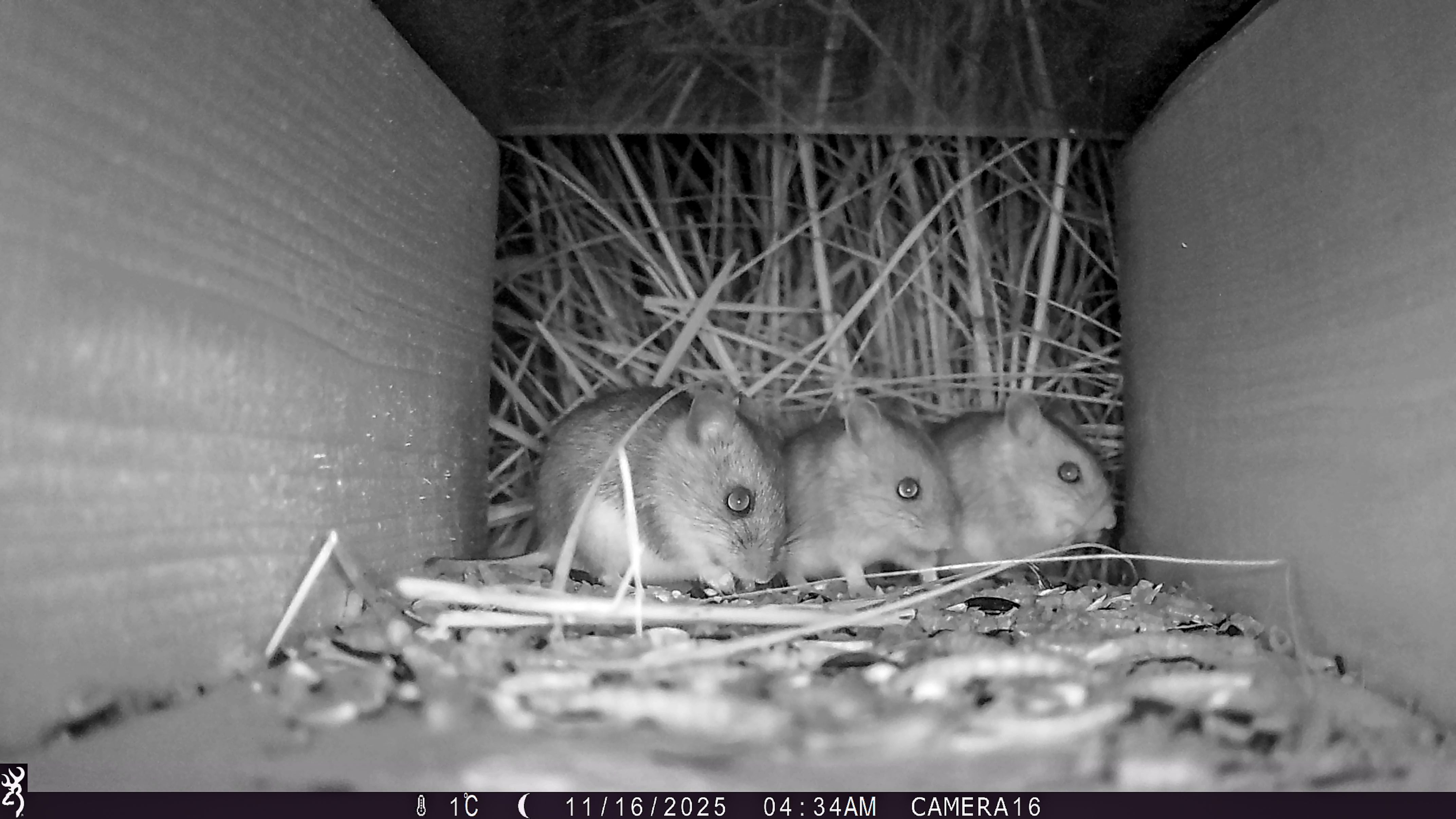
For five months, those cameras took photos of the animals that visited his traps, which were split between varying types of vegetation structure. At the end of the project, after sorting through hundreds of thousands of images, Kaden told the story of what he found on this webpage.
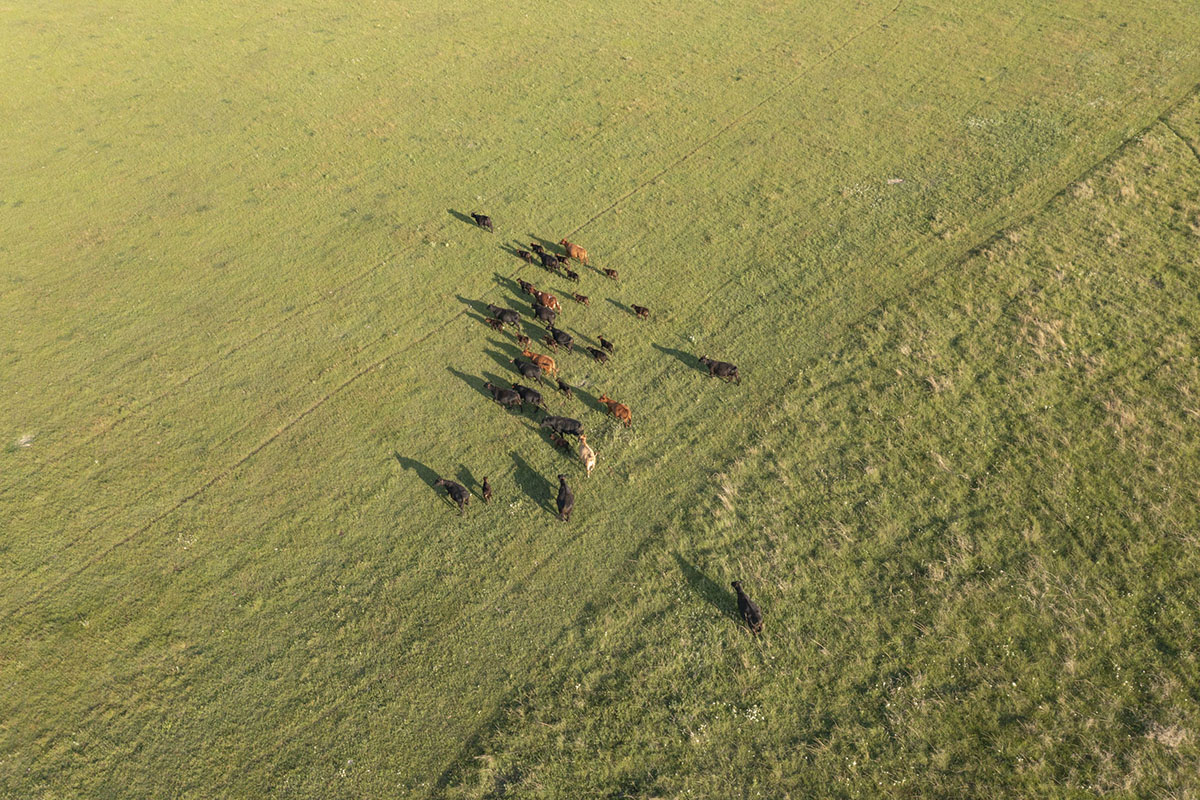
Here’s a quick summary, but please go visit his full story to hear it from him.
Kaden’s cameras were deployed at several sites where we’re testing approaches toward creating habitat heterogeneity. At each site, there were patches of habitat that were being grazed intensely, patches that were nearly or completely ungrazed, and lots of in-between. He put cameras in each of those different habitat types to see what kinds of animals were using them. As a comparison, he included a few sites where the management was uniform across the entire area.
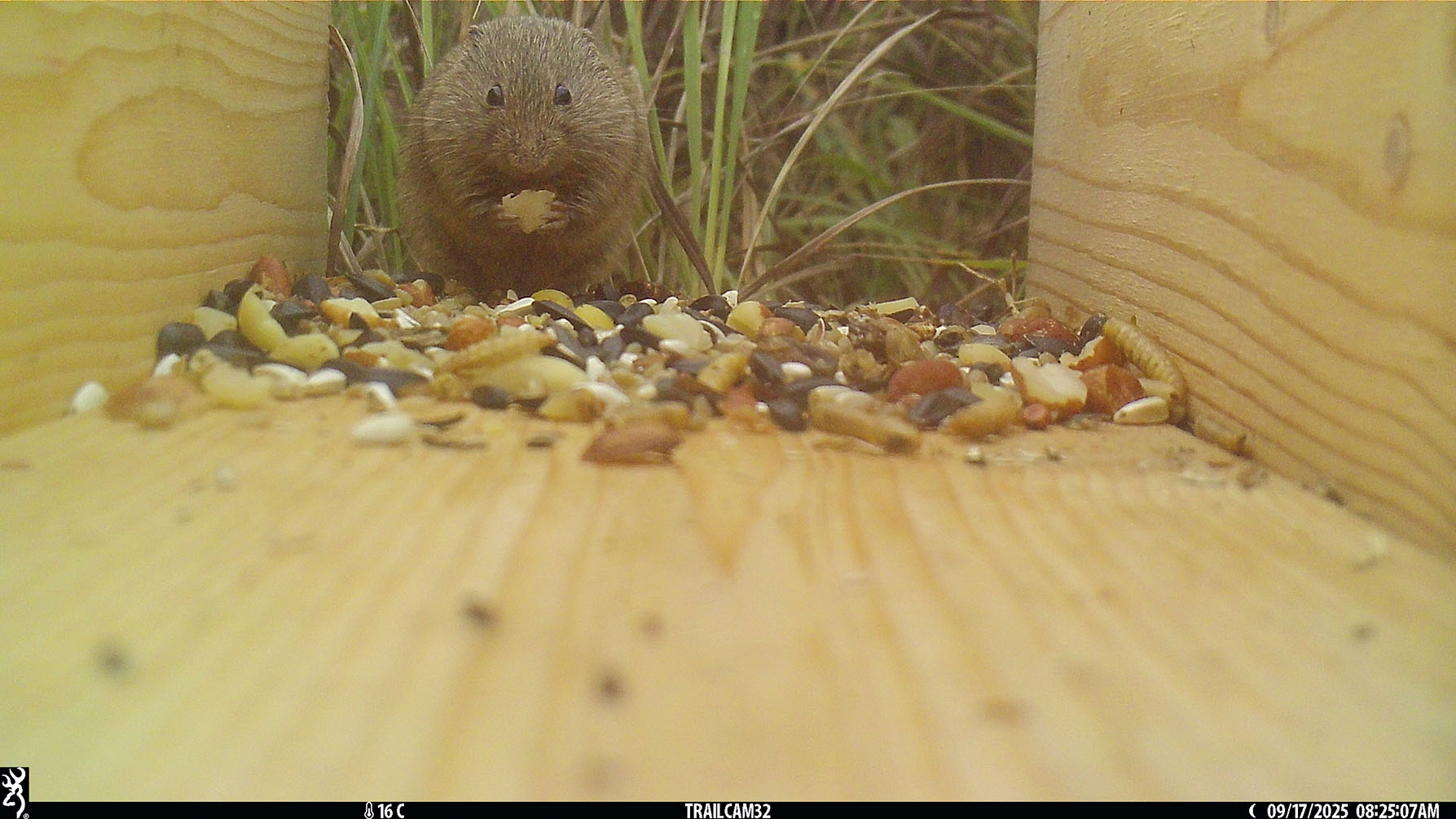
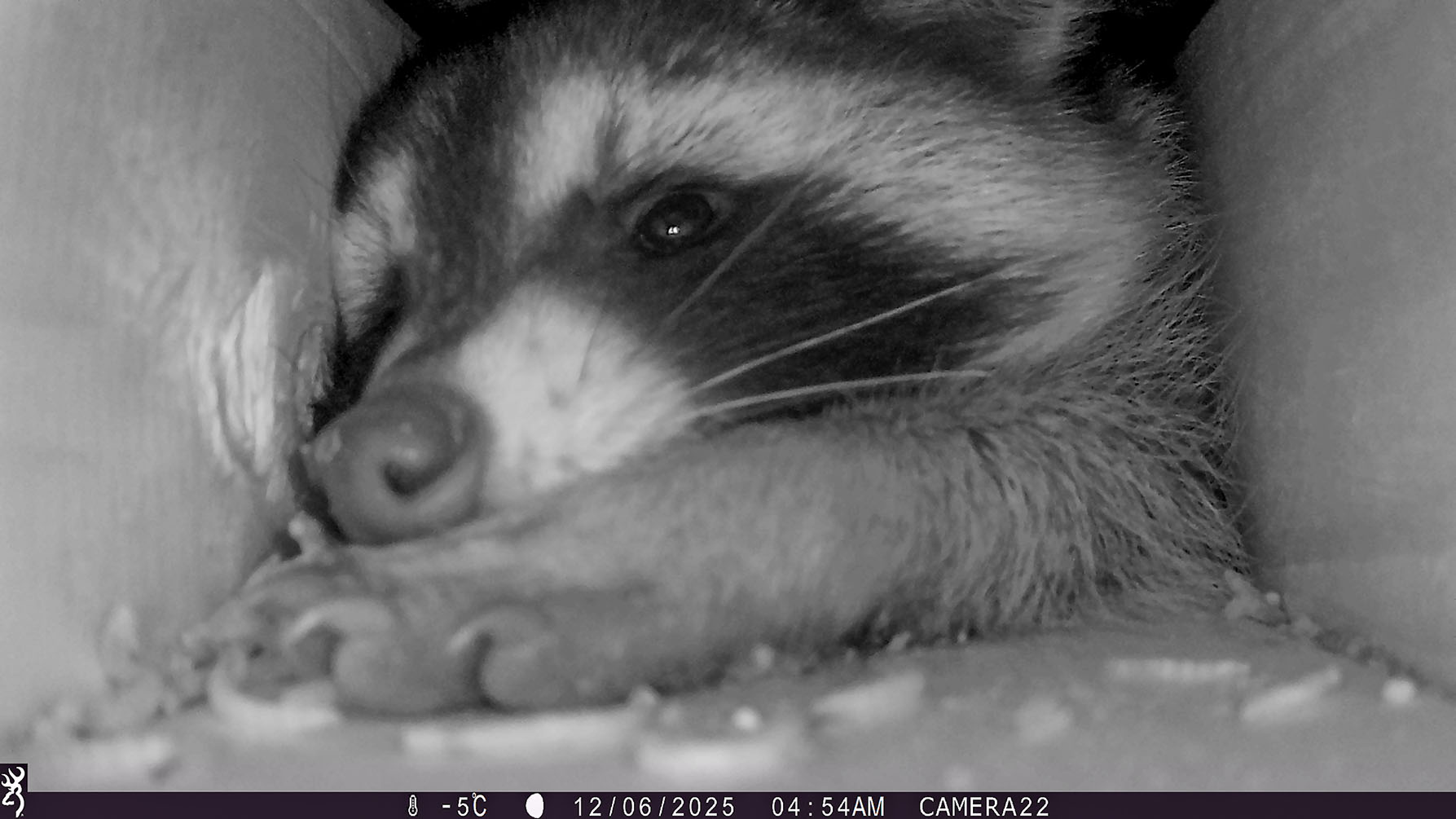
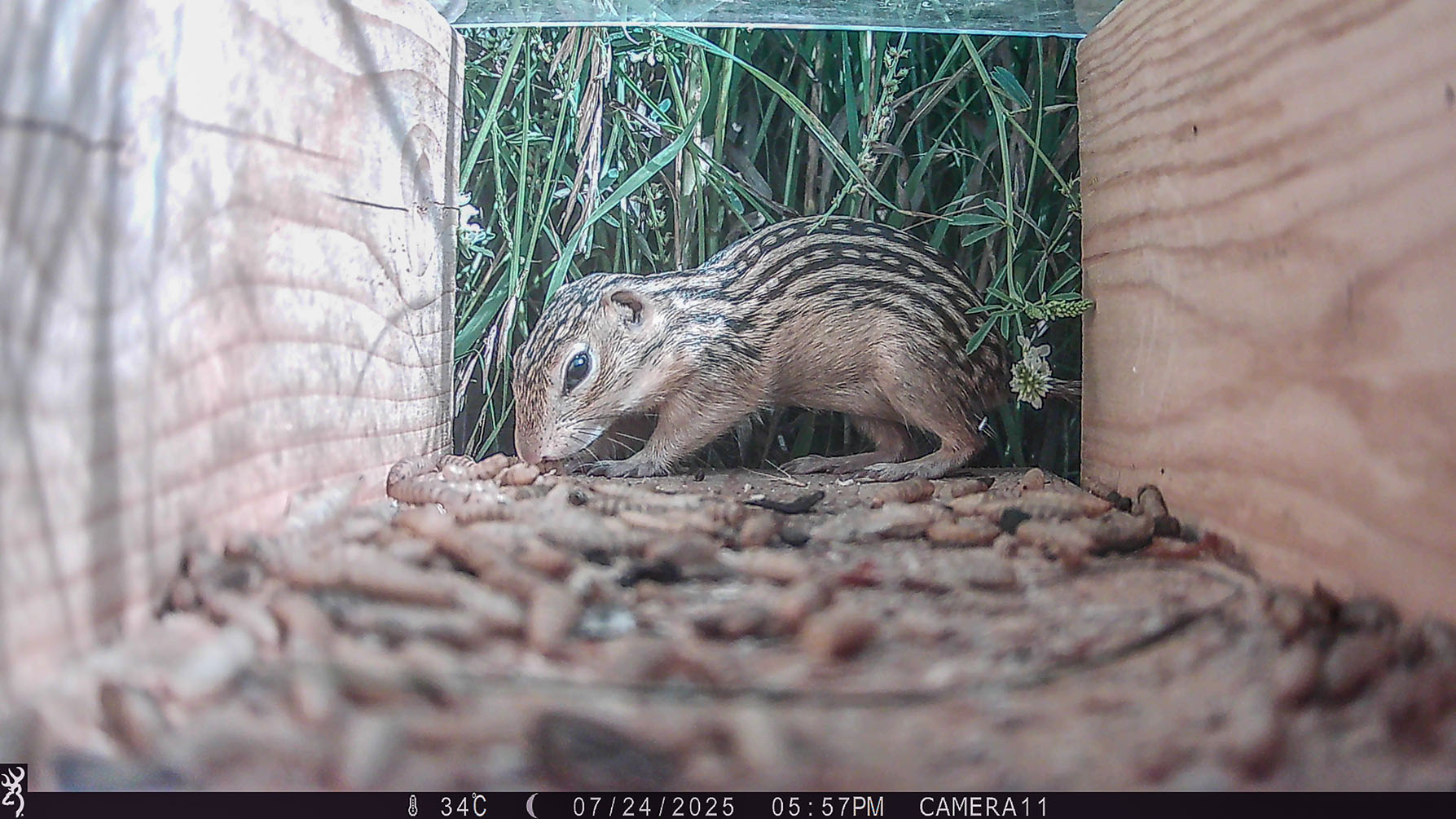
What he found was that larger animals, including white-tailed deer, raccoons, opossums, etc., visited all the habitat patches – using each for different purposes. Smaller mammals, though, like mice, voles, and shrews, were much more tied to the specific kind of habitat structure they preferred. As a result, the sites being managed for heterogeneity had more different kinds of small mammals than the sites with uniform management. Diversity of habitat types led to a diversity of species.
Click here to see Kaden’s story in his own words, along with many more photographs of the animals that visited his camera traps.

