Photos of the Week – July 18, 2025

Quick Announcement: We are hosting two Plant Identification/Habitat Management workshops in August. The first is at The Nature Conservancy’s Platte River Prairies on August 12 and the second is at the Niobrara Valley Preserve on August 19. During the workshops, you’ll learn how to identify lots of prairie plants and get whatever additional information I can think of for each of them. We’ll also look at various prairie restoration and management approaches we’re testing and talk about what we’re learning.

These are free workshops (bring your own lunch and drinking water) and will run from 9am to 2:30pm. Anyone is welcome. Please email Kate Samuelson (kate.samuelson@tnc.org) to RSVP so we can contact you in case we change plans because of weather.

.

It’s been a fun month for photography. I haven’t had as much time as I’d have liked, but I’ve managed to get out several times. The prairies are teeming with invertebrates and it’s been easy to find lots of fun photo subjects. Getting them to stick around for a photo, of course, is less easy, but I’ve still managed it a few times.
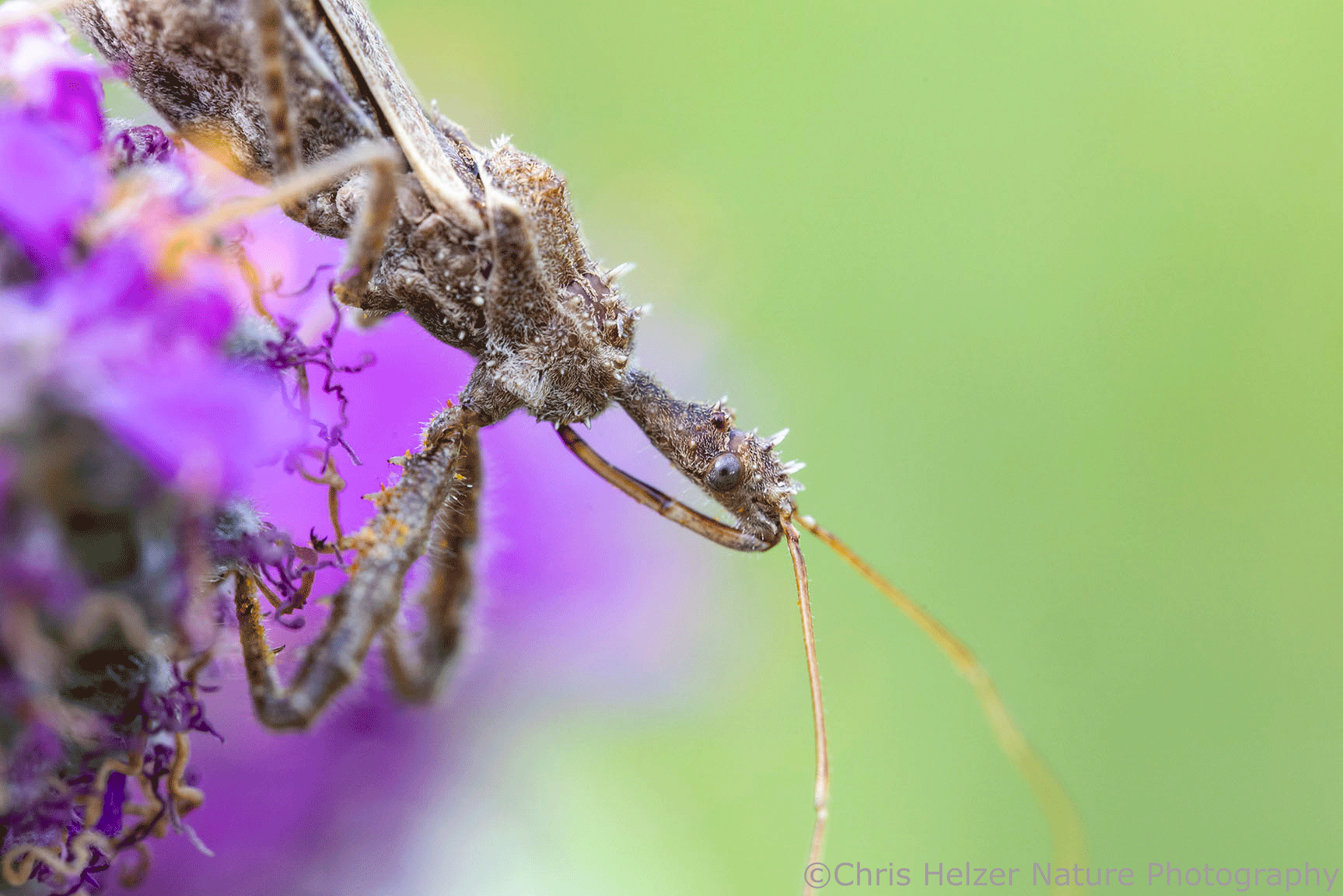
Assassin bug on purple prairie clover. Helzer family prairie.
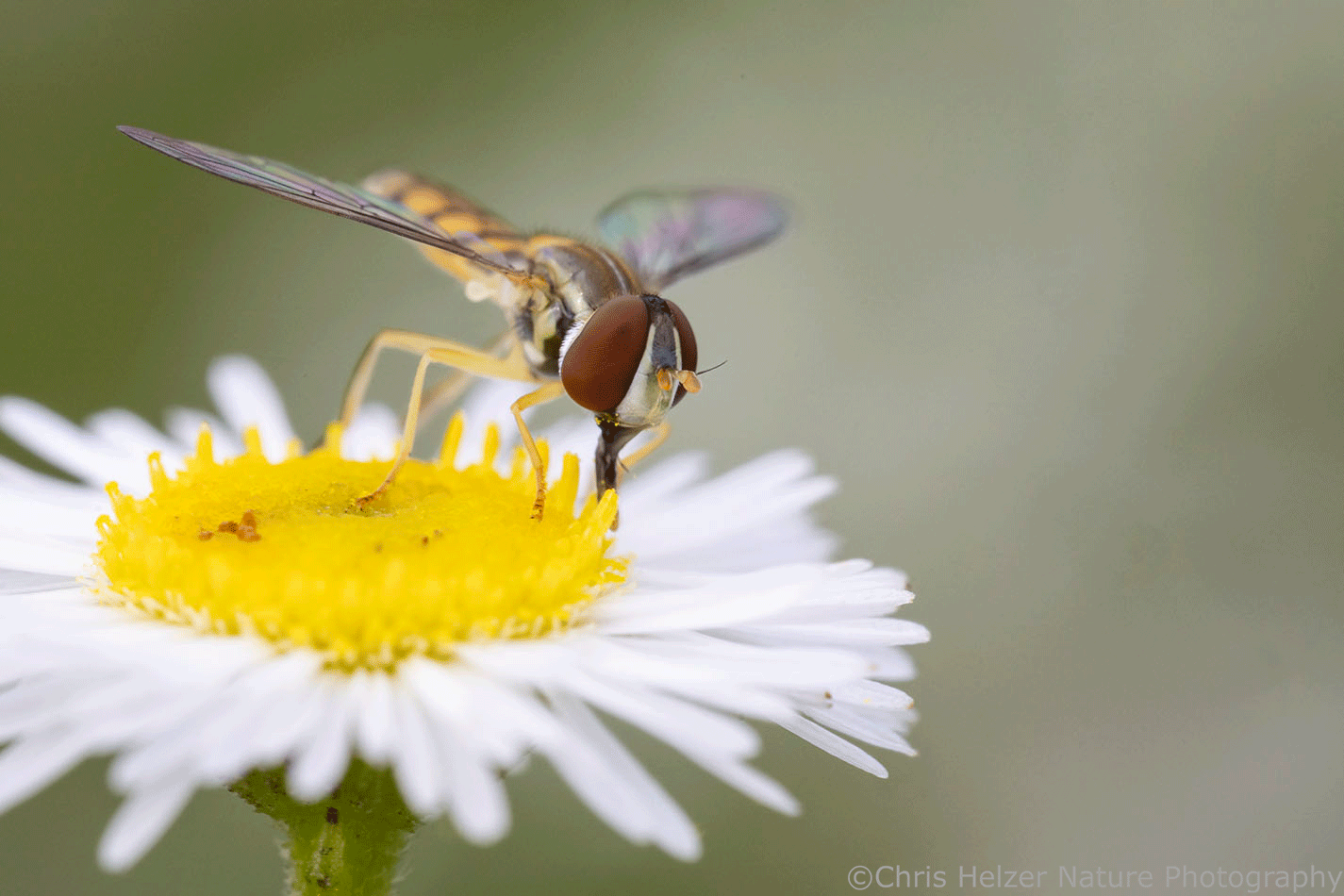
Hover fly on daisy fleabane. Helzer family prairie.
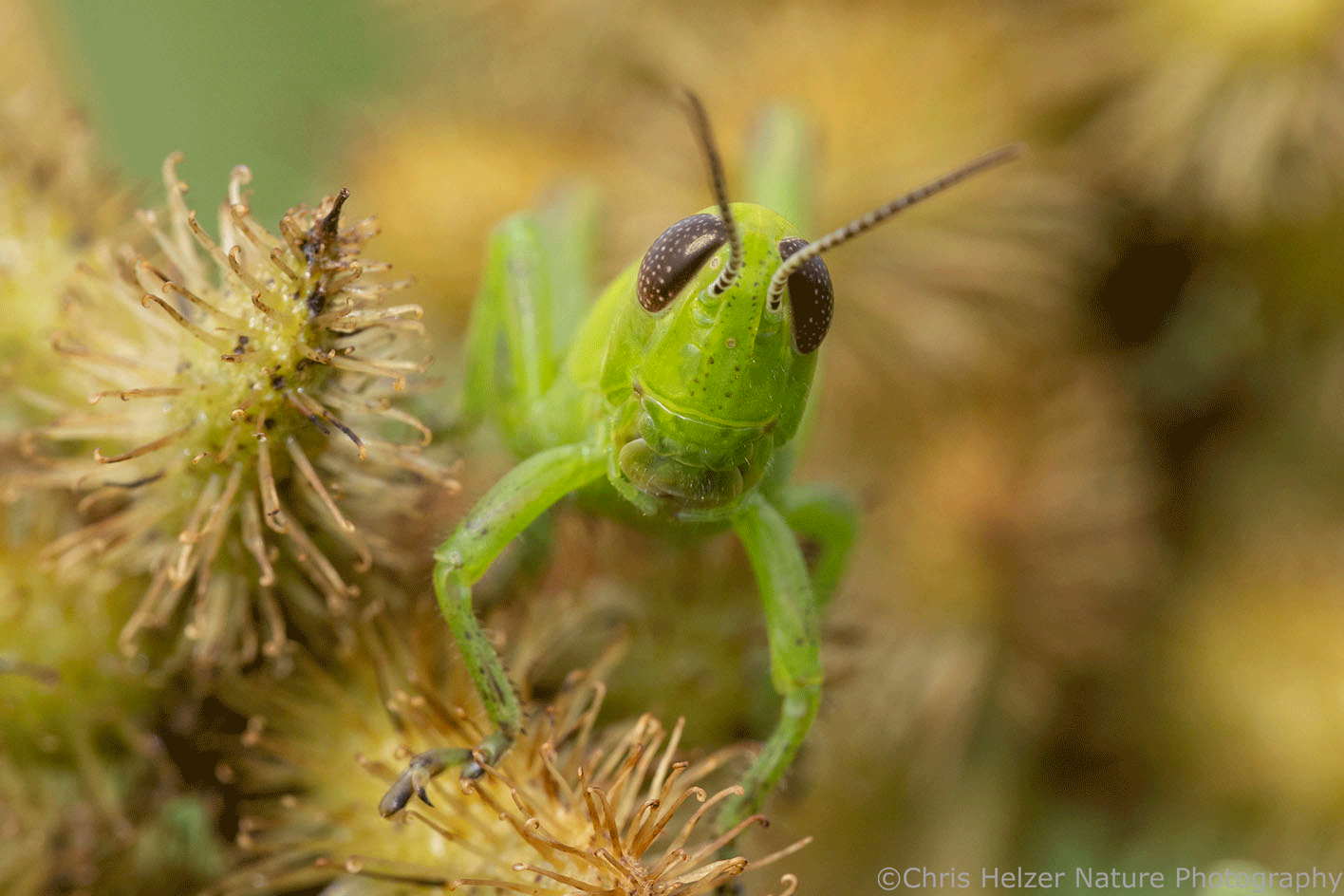
Grasshopper on wild licorice seed pods. Helzer family prairie.
Katydid. Helzer family prairie.
Mound ants nectaring on common milkweed. Gjerloff Prairie.
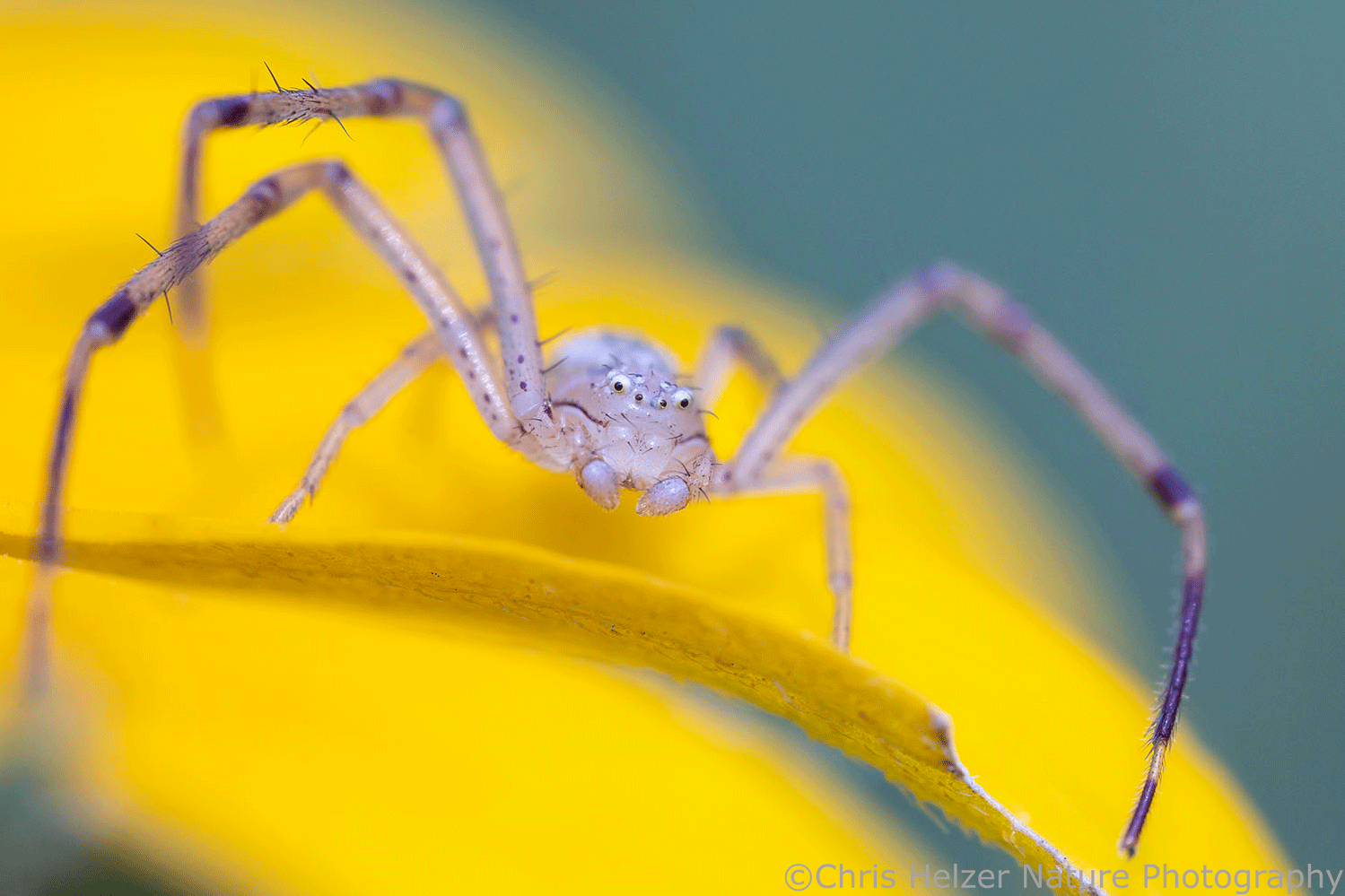
Male crab spider on black-eyed susan. Helzer family prairie.
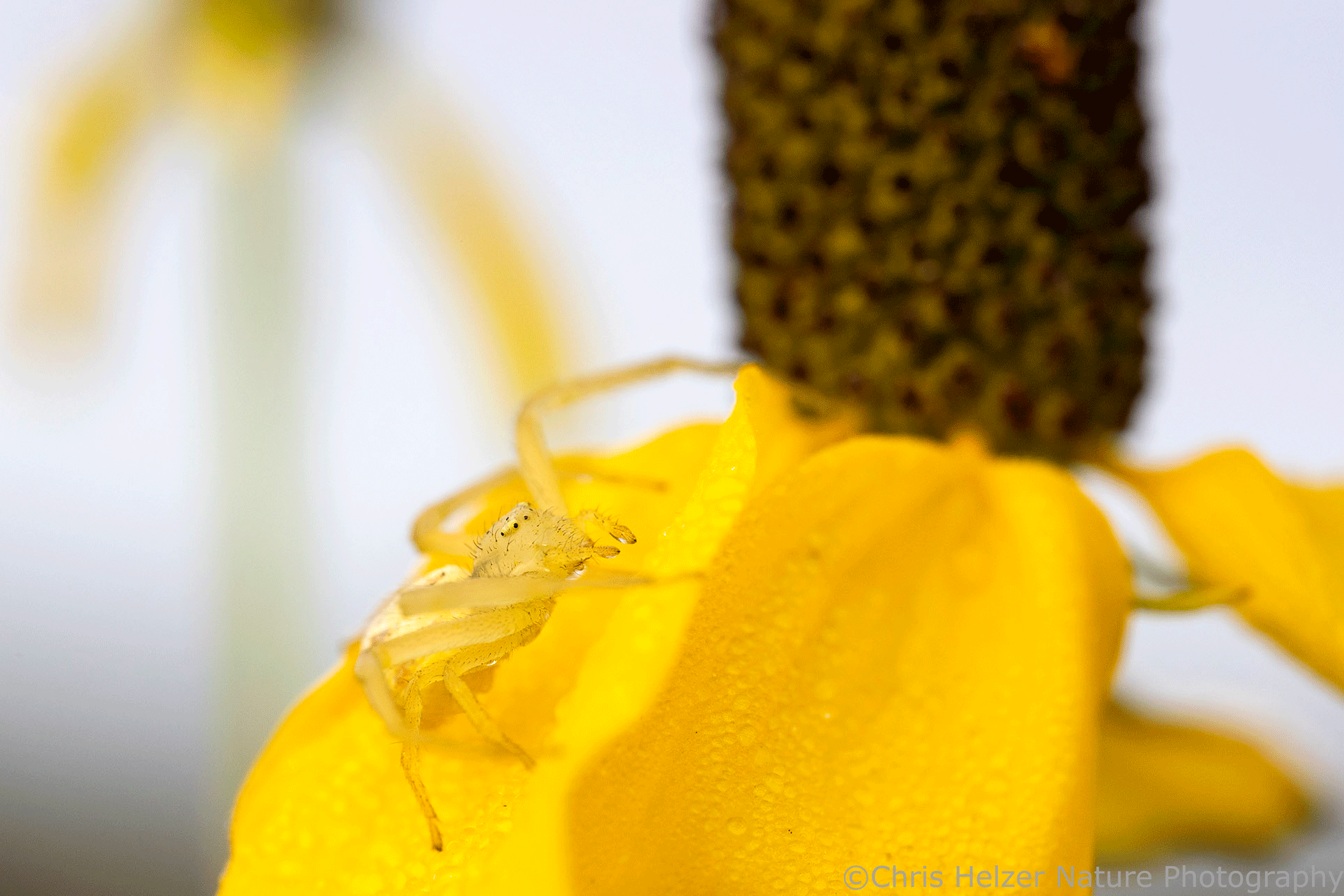
Female crab spider on upright prairie coneflower. Gjerloff Prairie.
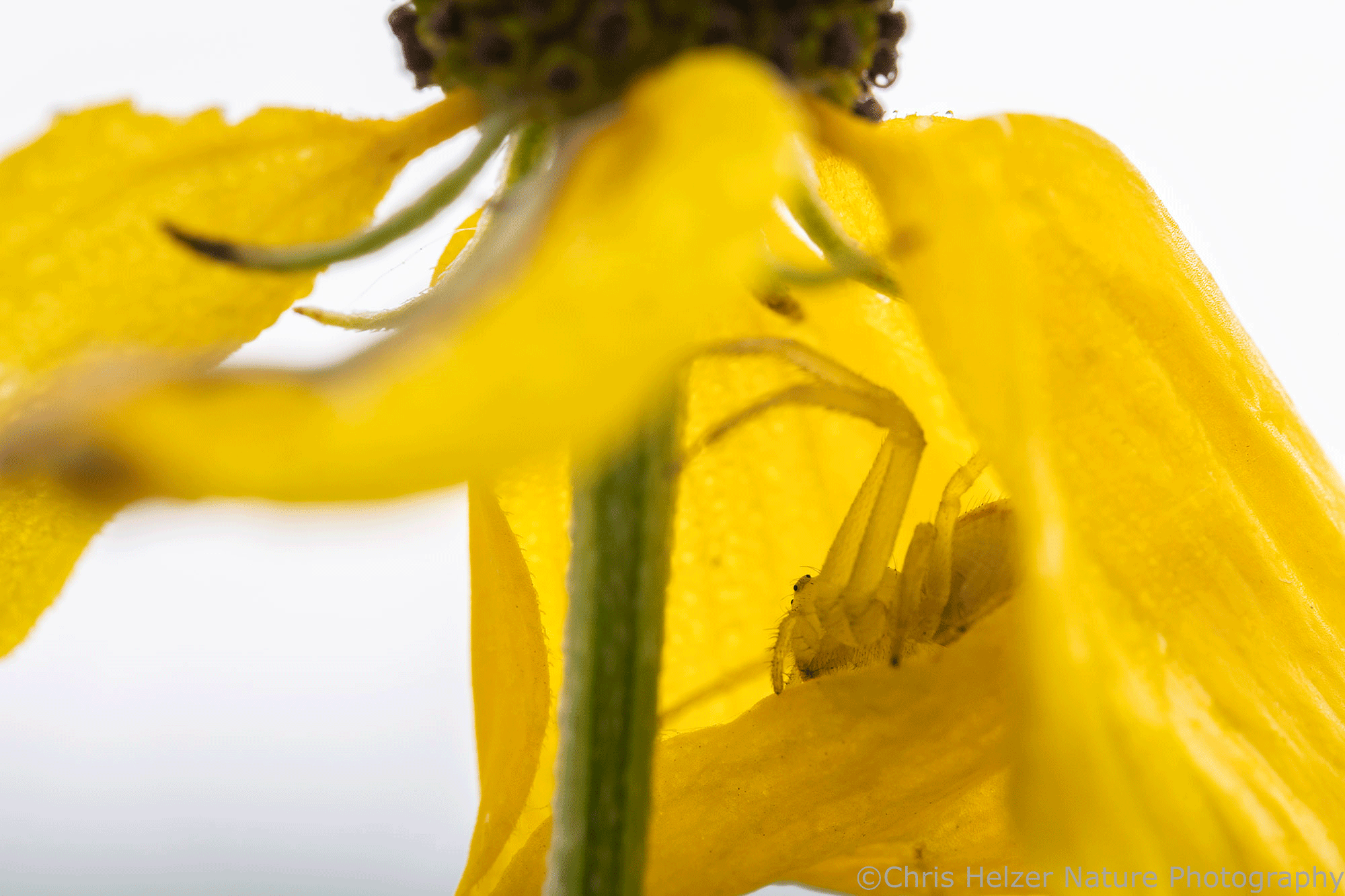
The same crab spider hiding from me after I got too close.
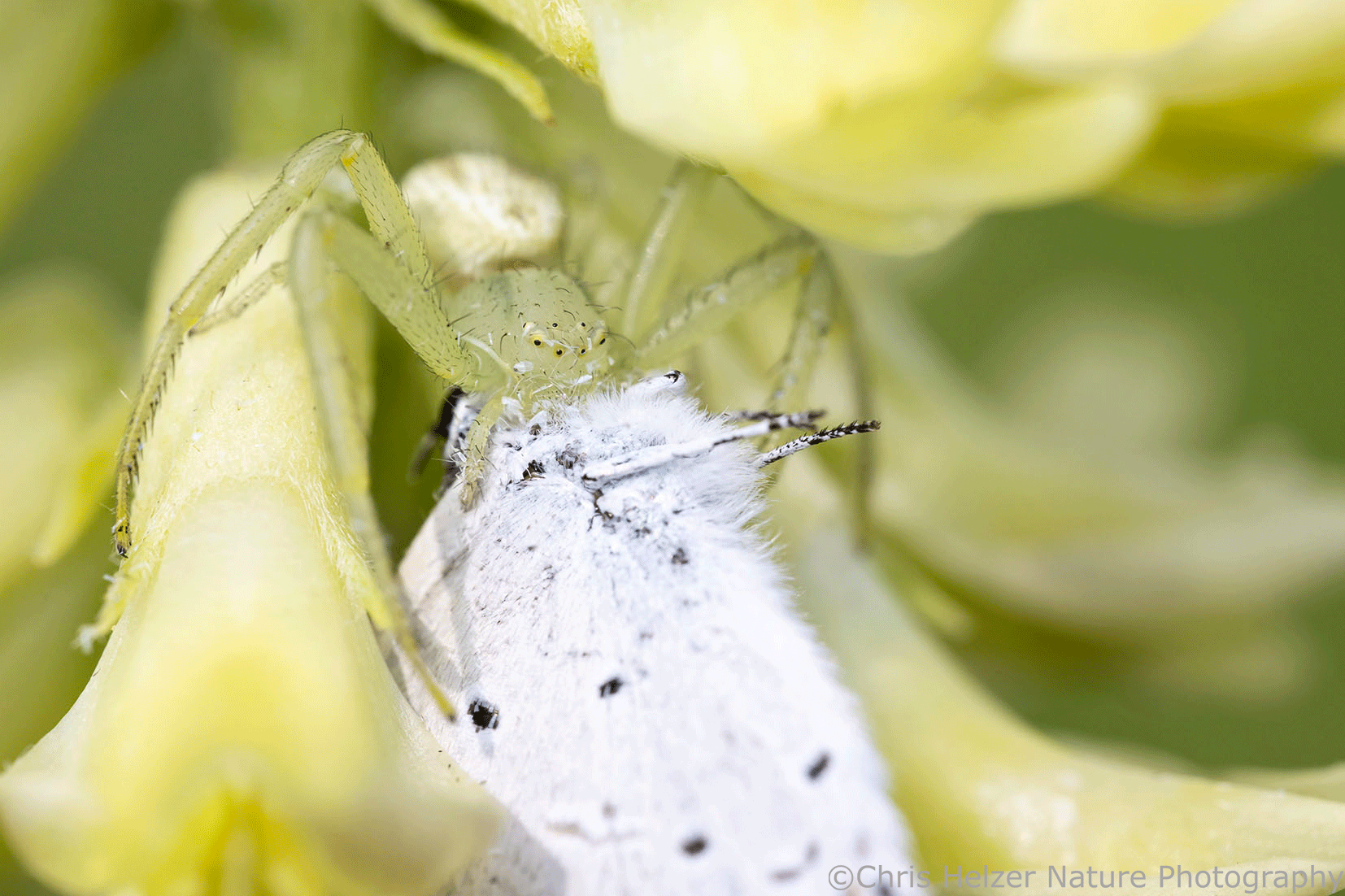
Female crab spider with captured eastern-tailed butterfly. Helzer family prairie.
Ambush bug on black-eyed susan. Lincoln Creek Prairie.
Ambush bug on wild bergamot. Lincoln Creek Prairie.
Ambush bug feeding on a moth. Lincoln Creek Prairie.

It’s also a great time for wildlflower photography right now, with more and bolder blossoms showing up all the time. The following photos were taken at my family prairie and Gjerloff Prairie.

Lead plant (Amorpha canescens)
Canada tickclover (Astragalus canadensis)
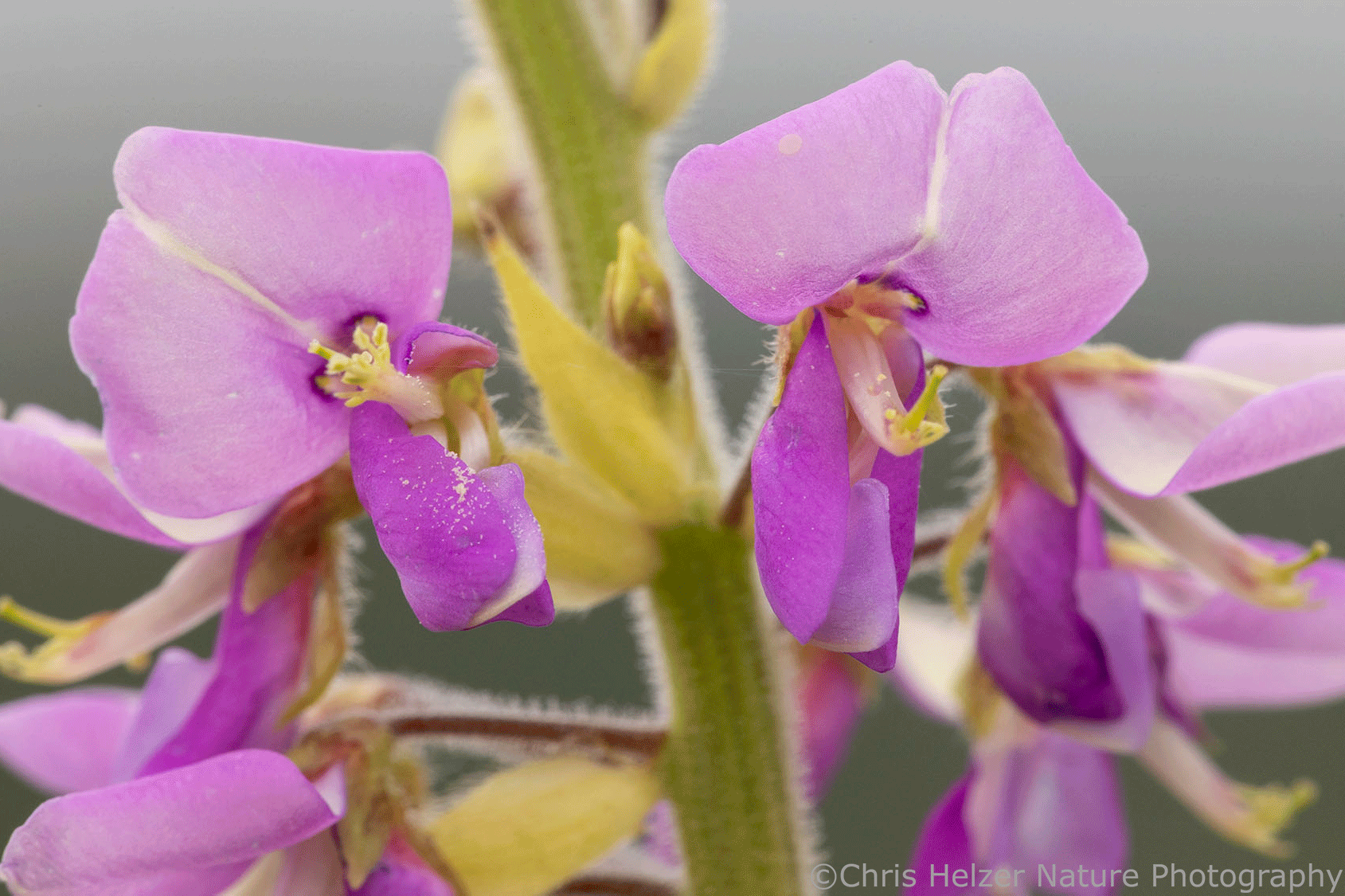
Illinois tickclover (Desmodium illinoense)
Narrow-leaved milkweed (Asclepias stenophylla)
Purple poppy mallow (Callirhoe involucrata)

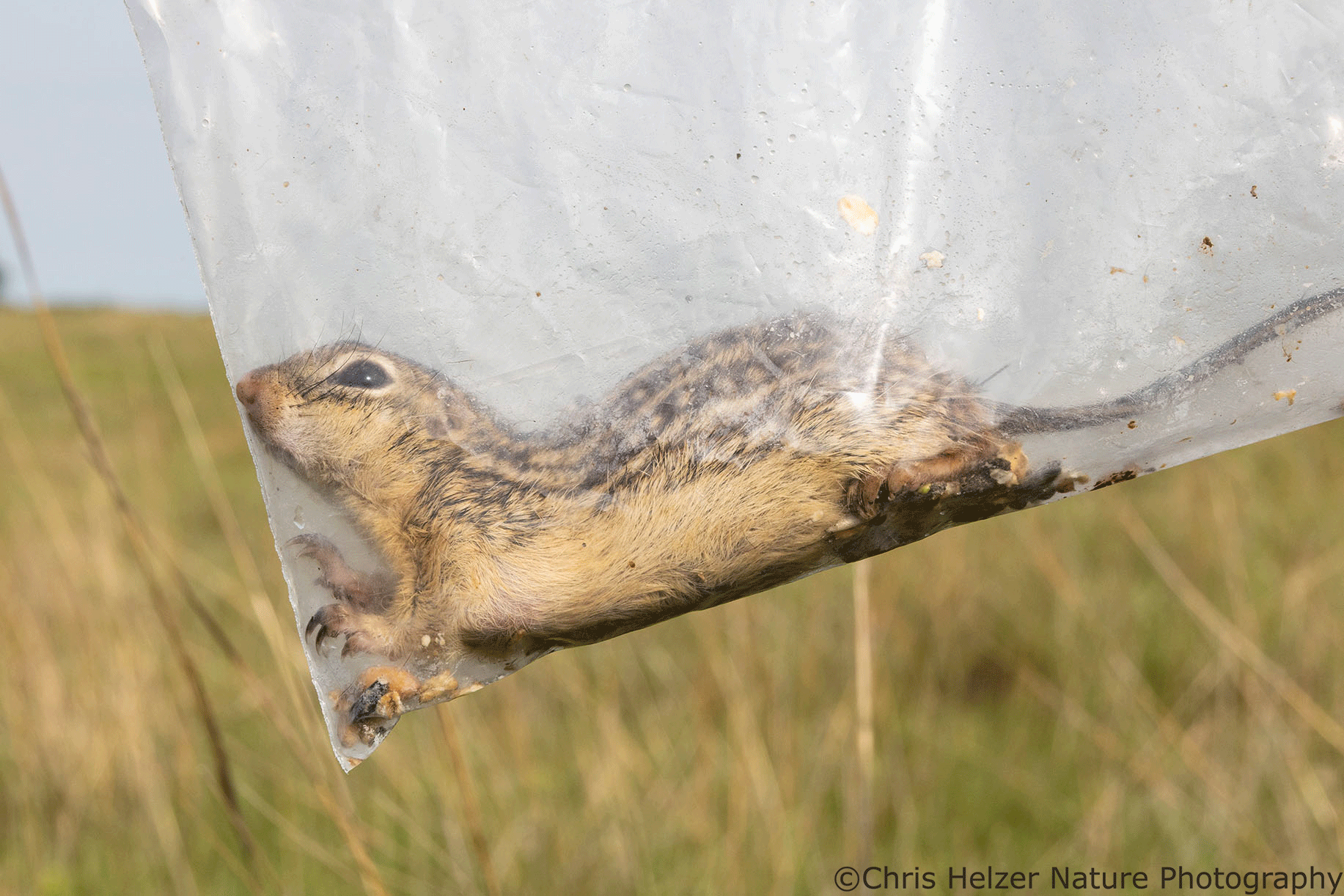
Finally, here are a few photos from the Platte River Prairies Field Day last week. I didn’t have a lot of time to do photography, but I did get a few shots of our first session. Mike Schrad, Nebraska Master Naturalist, has been collecting data on small mammals for over a decade, helping us to understand how our prairie management affects those creatures. He’s also very generous with his time, and always willing to explain what he’s doing and teach others about mice and other little mammal species.
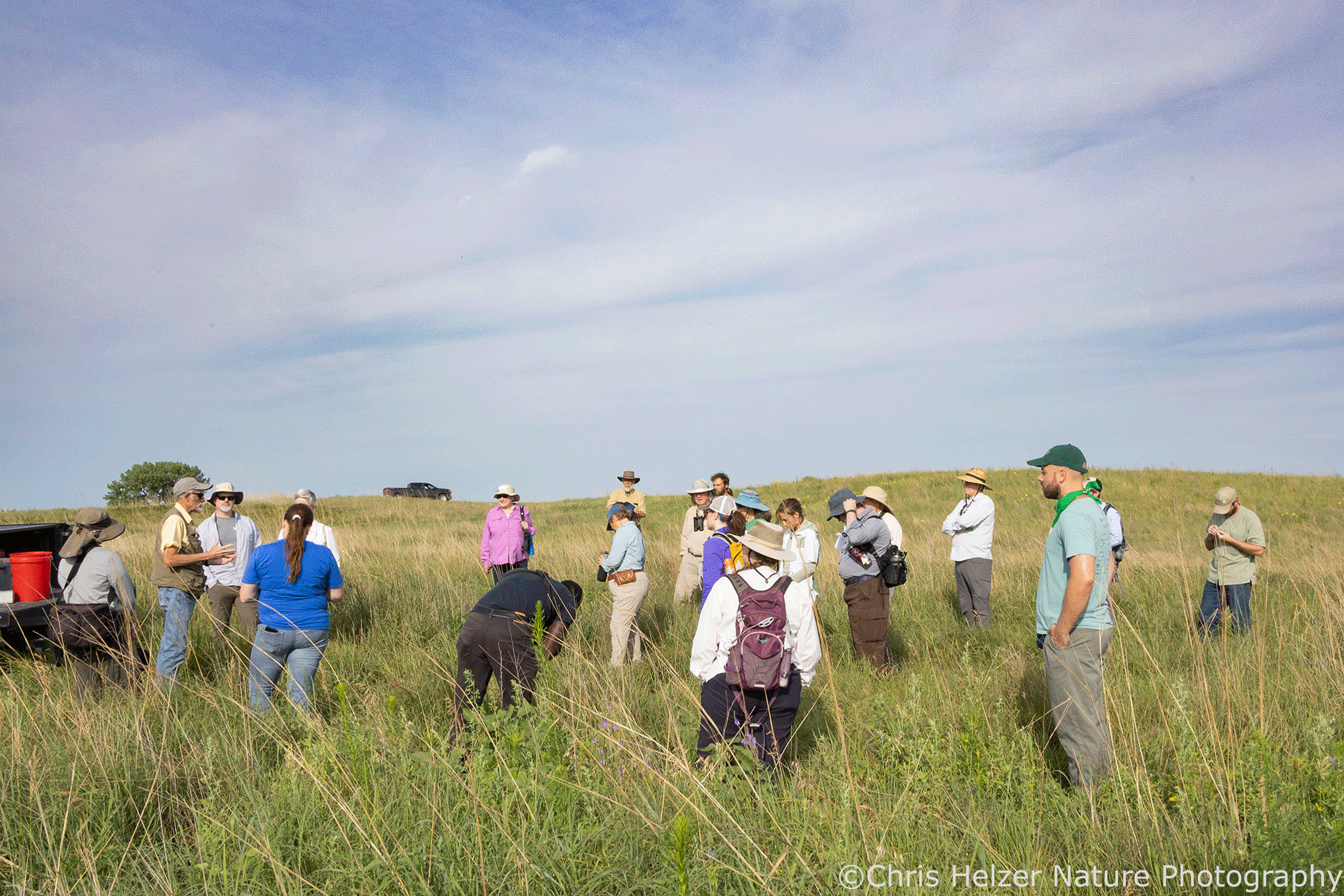
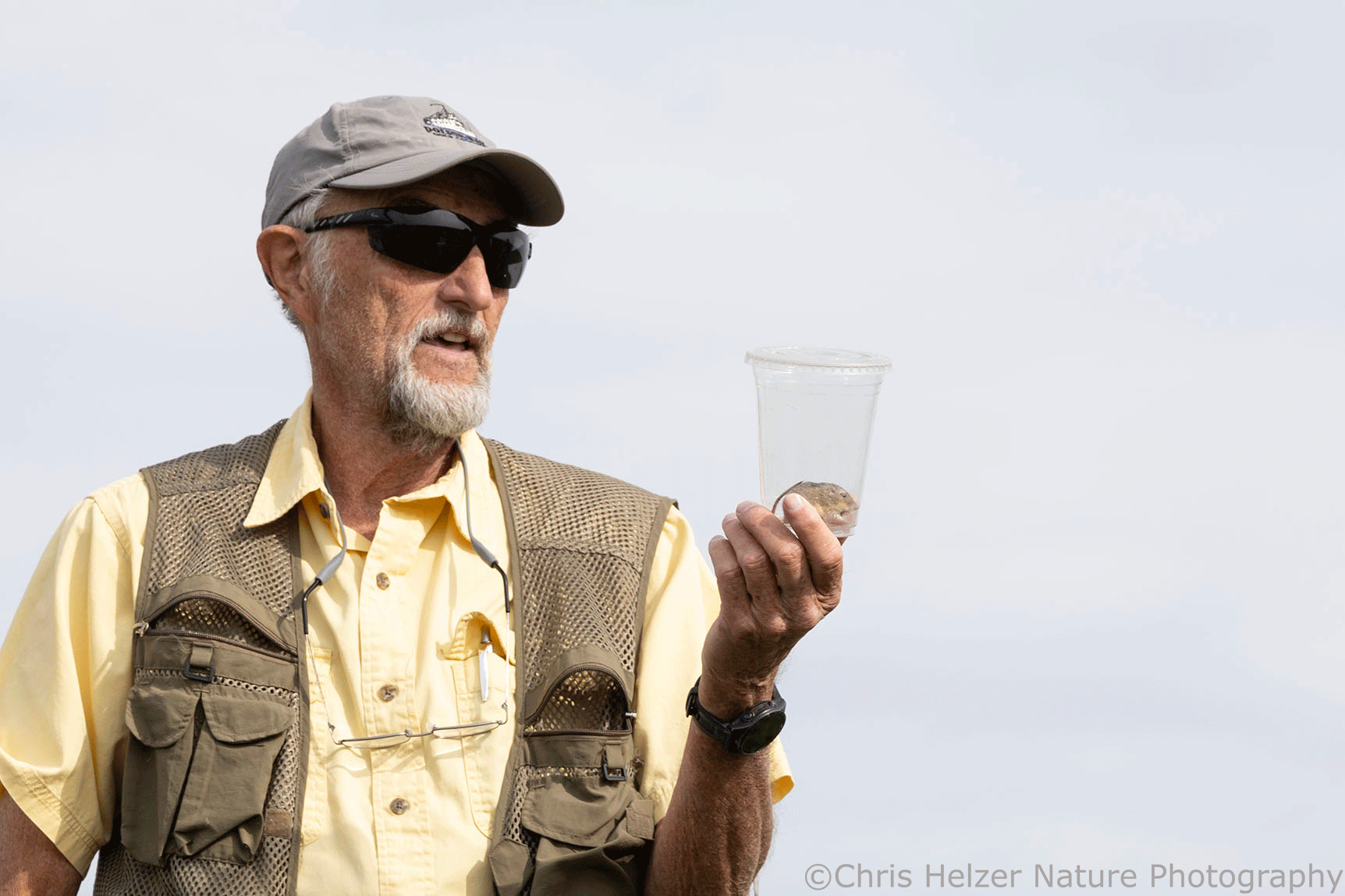
Mike Schrad talks about small mammal ecology.
A thirteen-lined ground squirrel captured in one of the live traps.
Here’s Mike, showing and talking about a plains pocket mouse he caught before releasing it.

Photo of the Week – November 10, 2018

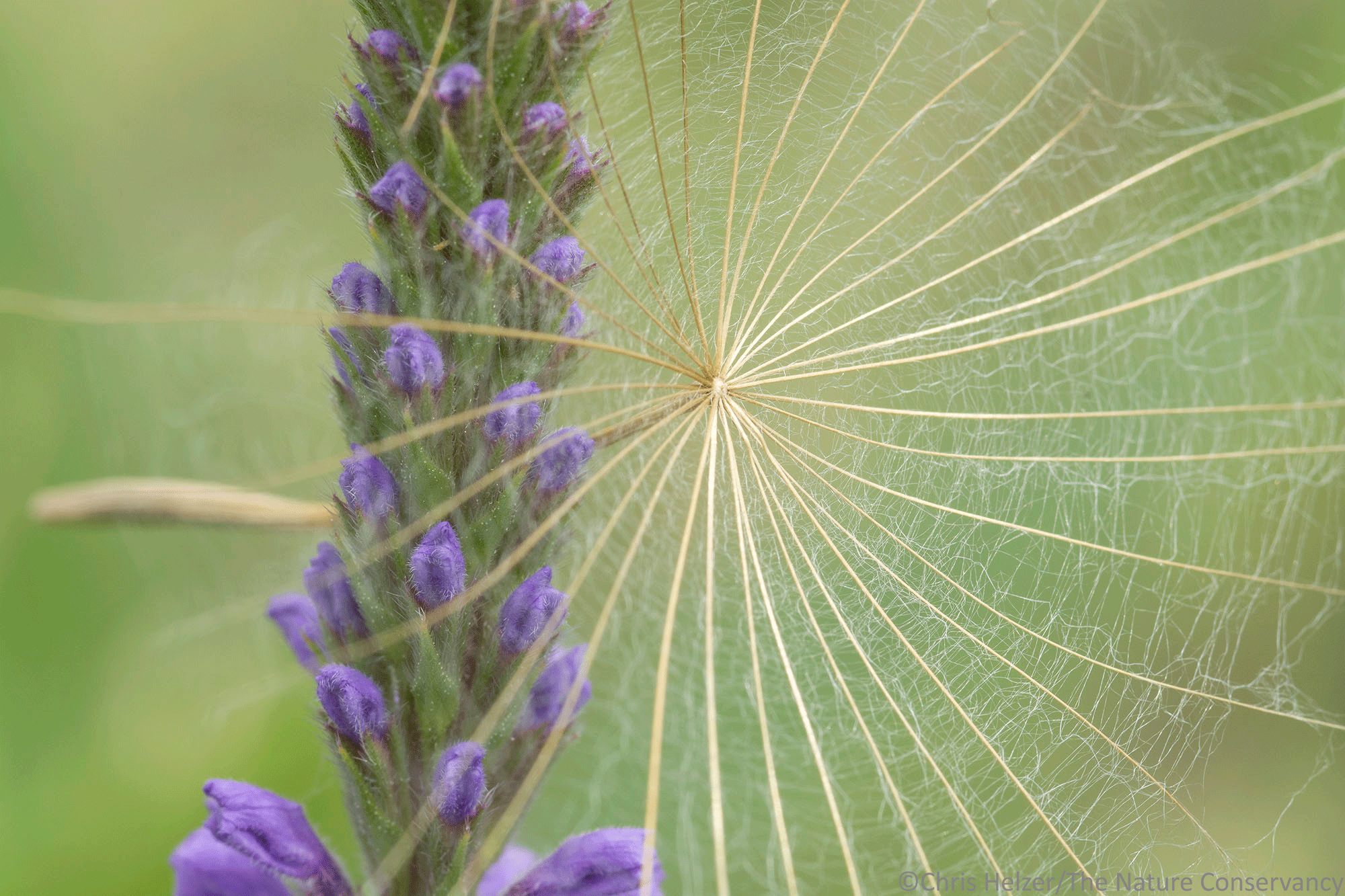
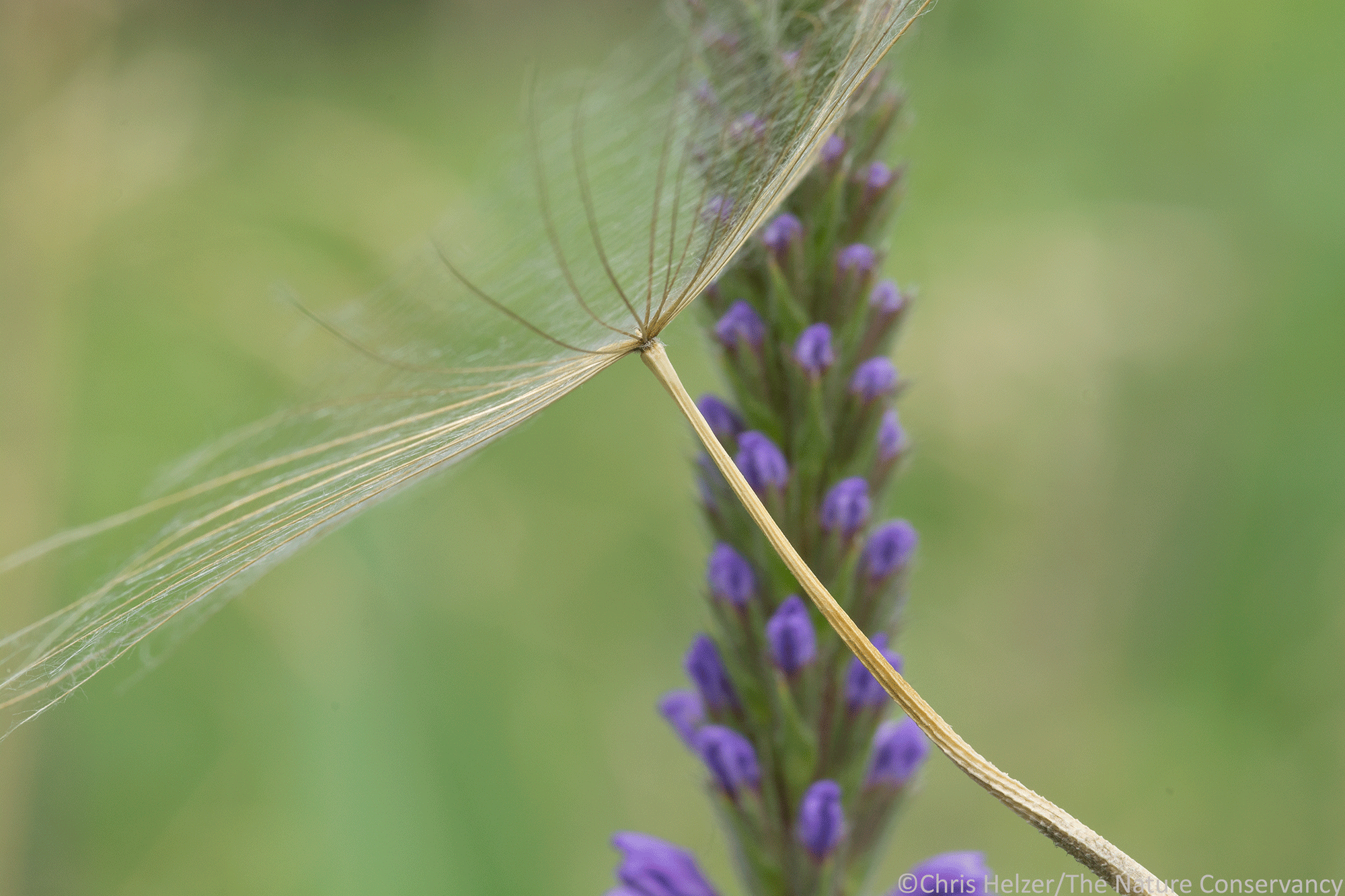
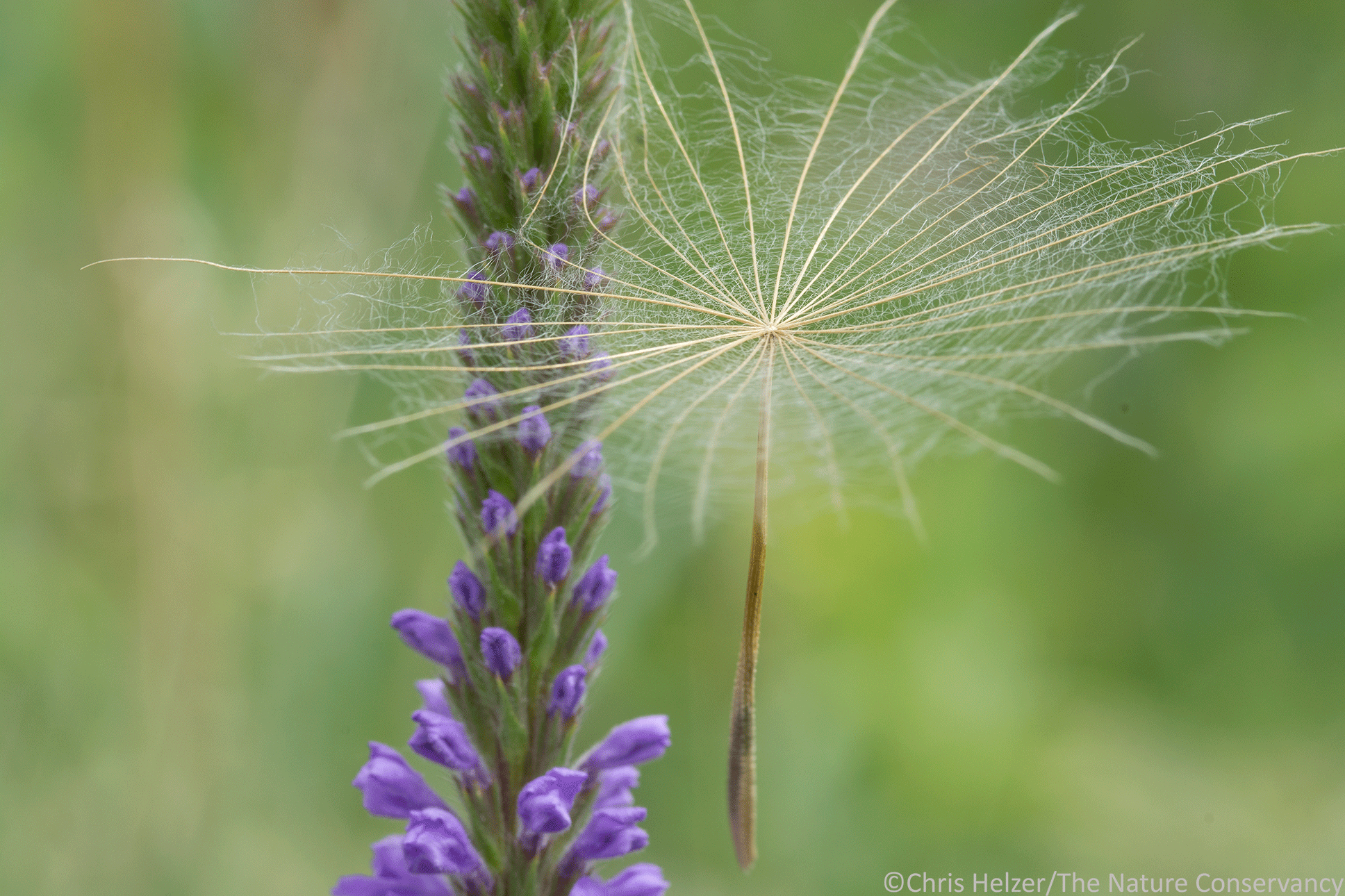
A goatsbeard (Tragopogon dubius) seed hanging on the flower stalk of hoary vervain (Verbena stricta).  Lincoln Creek Prairie, Aurora, Nebraska.

Despite being a little slow to fully embrace it a dozen years or so ago, I’ve become very grateful for the world of digital photography.  One of the best perks, of course, is that it costs nothing but sorting time and storage space to take lots and lots of photos.  When I was shooting slide film, I was very selective about how many photos I took because I knew it cost me about 33 cents each time I clicked the shutter.  As a result, I didn’t take as many chances as I would have liked, and often didn’t take enough images of a particular subject to get what I really wanted.  

Today, I don’t mind taking way more photos of something than I think I’ll need to make sure I’m happy with the final result.  A great example of the benefits of this strategy occurred back in June of this year.  I had finished spending some time at my square meter photo plot, and was doing a quick meander through the rest of the nearby prairie when I spotted a goatsbeard seed that had gotten caught on the flowers of a hoary vervain plant.  I liked the color and texture the seed/flower combination, so I stopped to photograph it.

The seed was barely attached to the flower in one place, and a gentle breeze caused the seed to slowly rotate around on that fulcrum.  In my head, I had only a vague concept of the image I was trying to capture.  There was something about the fuzzy, webby texture of the seed and the strong vertical arrangement of the flower stalk, but…  As the seed shifted around, I just snapped away – kind of like trying to refine an idea by just talking it out.

Just when I was starting to get frustrated by not getting what I wanted, the breeze picked up just for a second and blew the seed into a new position, where it hung for a few moments.  That was it!  I slid my tripod a few inches closer and got exactly the shot I had been searching for the whole time.  It’s become one of my favorite photos from this year, both because of its simple beauty and because I had to wait for it to happen.

This is definitely the image that captured the essence of what attracted me to the tiny scene in the first place.